BLOGS, ARTICLES AND NEWS
Get updates directly from the CA4SH Global team and stakeholders
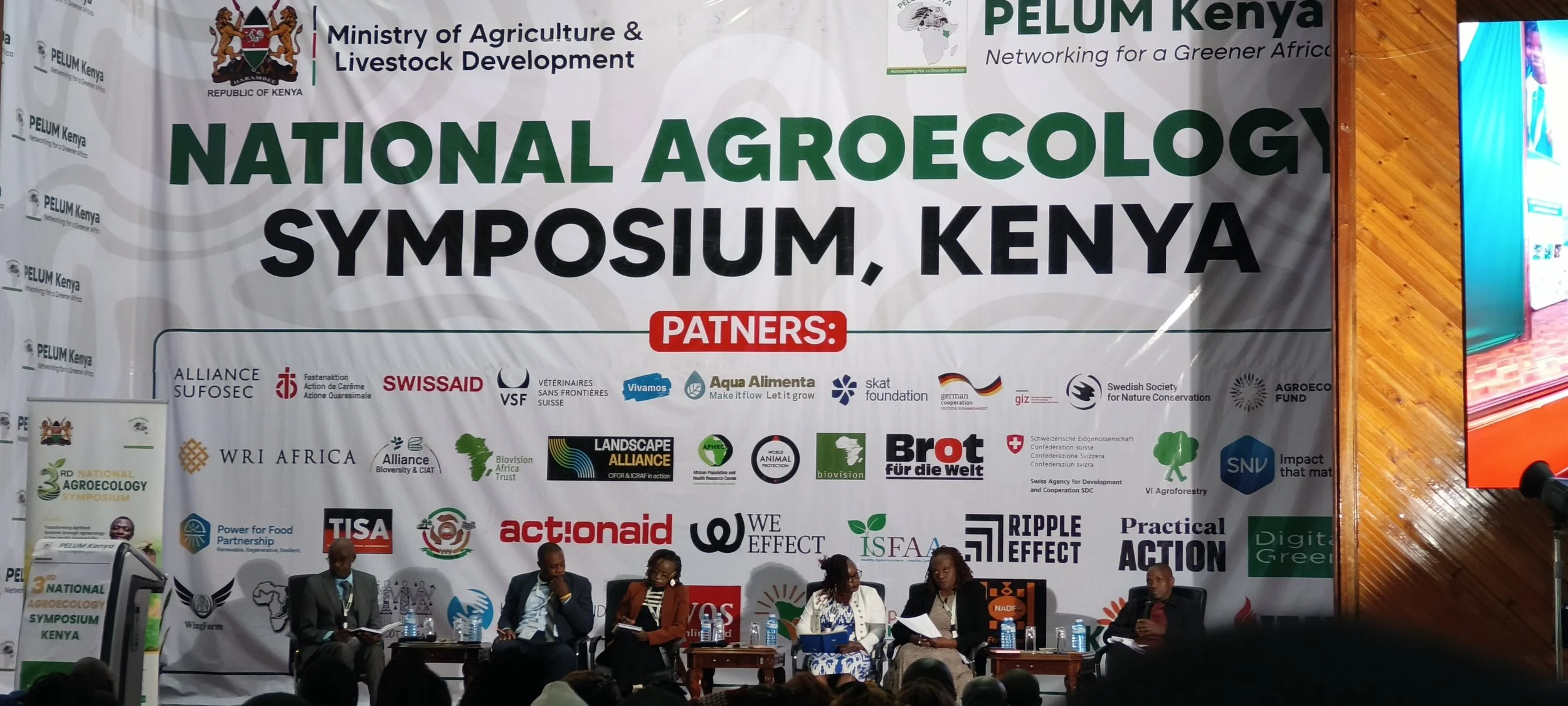
From Dialogue to Action: How the 3rd National Agroecology Symposium United Science, Policy and Communities to Accelerate Kenya's Agroecological Transition
Can Kenya transform its food systems while restoring ecosystems, improving nutrition, and building resilience to climate change?
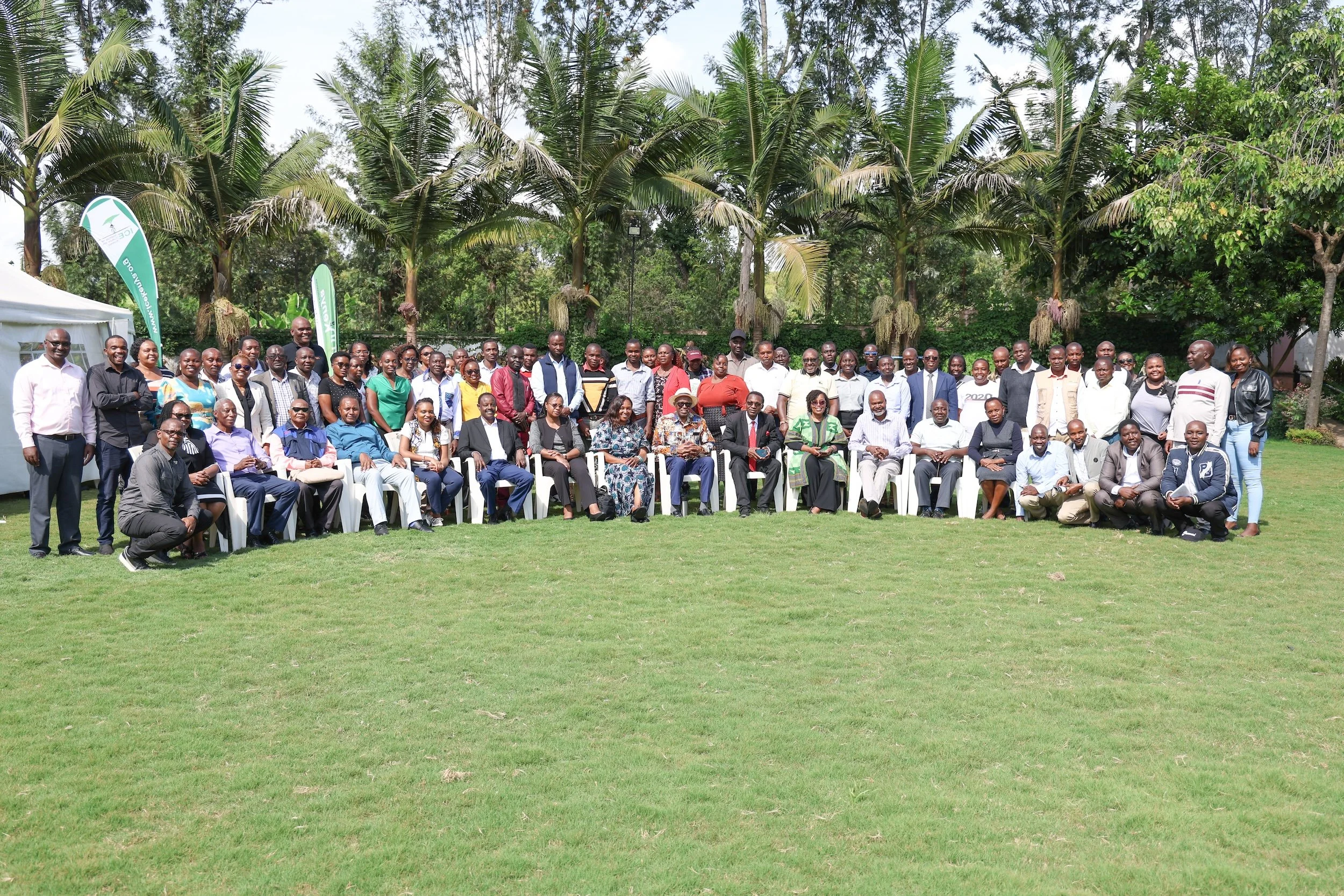
That question brought together more than just experts, it united policymakers, researchers, farmers, youth, women, pastoralists, civil society, development partners and the private sector at the 3rd National Agroecology Symposium, held on 22–23 July 2026 at the Kenya Institute of Monetary Studies (KIMS) in Nairobi. Under the theme "Transforming Agrifood Systems through Agroecology: A One Health Approach for Inclusive, Sustainable and Resilient Futures," the symposium demonstrated that agroecology has evolved from an emerging concept into a national movement for transforming Kenya's agrifood systems.
Story by Dickens Ateku Alubaka, Senior Manager, Soil and Land Health Laboratories Research Services, Landscape Alliance (ICRAF)
Beyond Soil Health: Learning from Living Rangelands
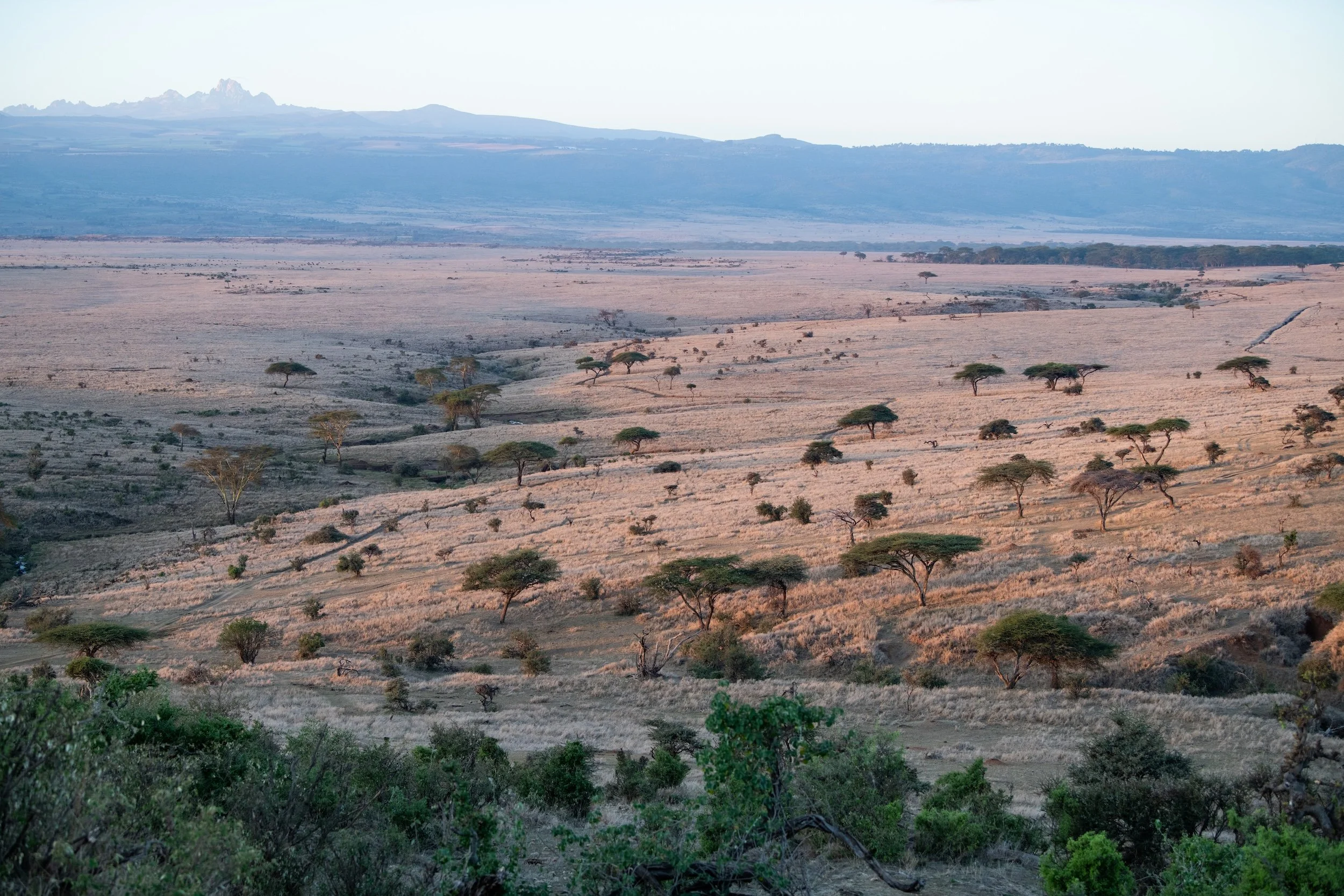
Those of us who spend our lives in rangelands rarely think simply in terms of soil. We think in terms of soils.
Every soil type reflects an ancient geological history. The soils beneath my feet were formed over thousands, sometimes millions, of years from volcanic ash, ancient basement gneisses, river deposits and the black cotton clays that characterise parts of northern Kenya. They are the inheritance of geology. Each possesses its own physical and chemical characteristics, its own capacity to hold water, cycle nutrients, and support life. Every soil has its own potential, and every soil interacts with particular plant communities. Healthy rangelands are therefore built not on one soil, but on the remarkable diversity of soils and the equally remarkable diversity of plants they support.
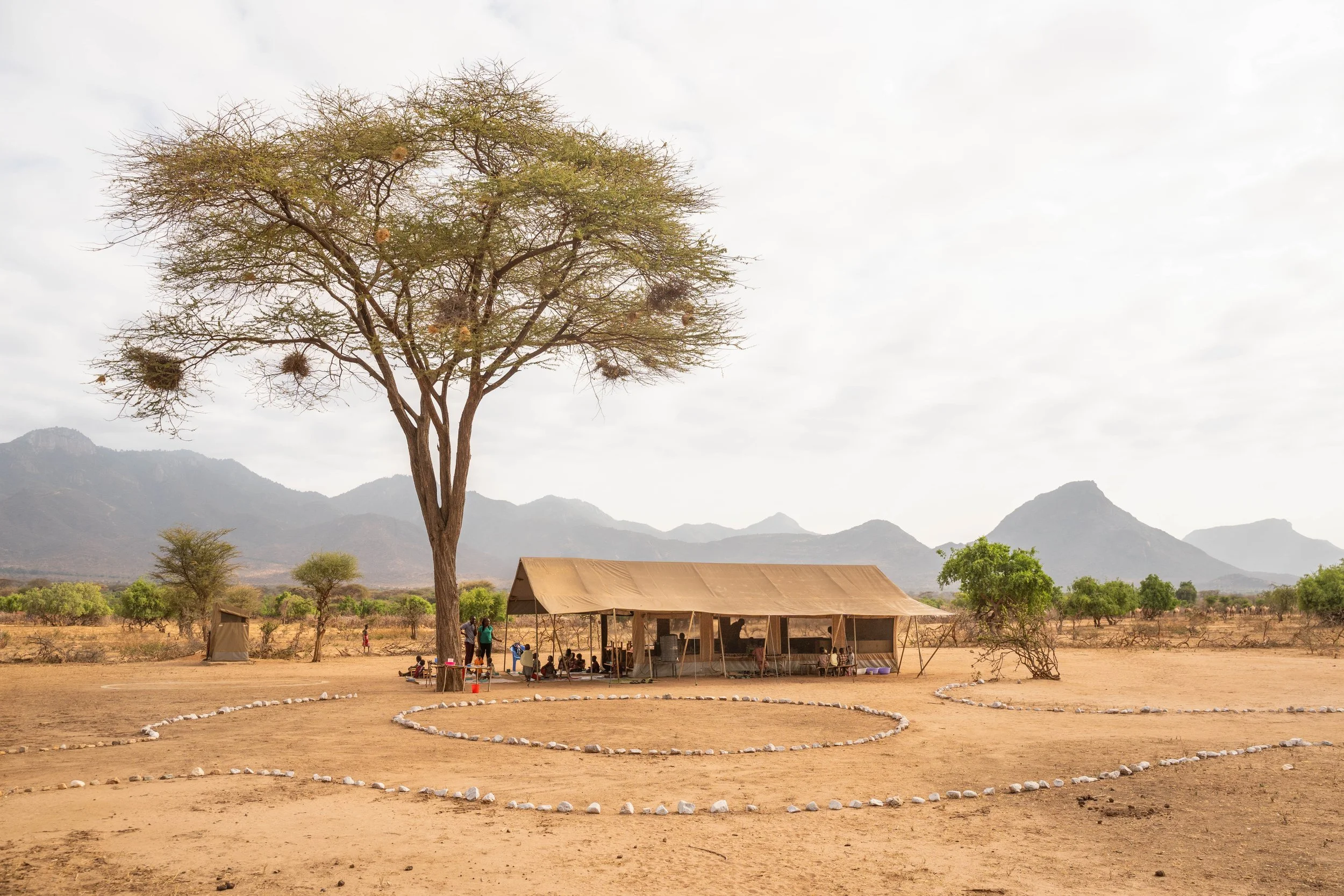
Learning on the Move: How Nomadic Education is Supporting Samburu Communities and Their Rangelands
What happens when a school follows the children instead of expecting children to leave their way of life behind?
In the rugged landscapes of northern Kenya, The Sarara Foundation (TSF) is helping answer that question through its innovative Nomadic Education Program. Designed around the realities of Samburu pastoralist life, the initiative is demonstrating that education and traditional livelihoods do not have to exist in conflict. In fact, they can strengthen one another.
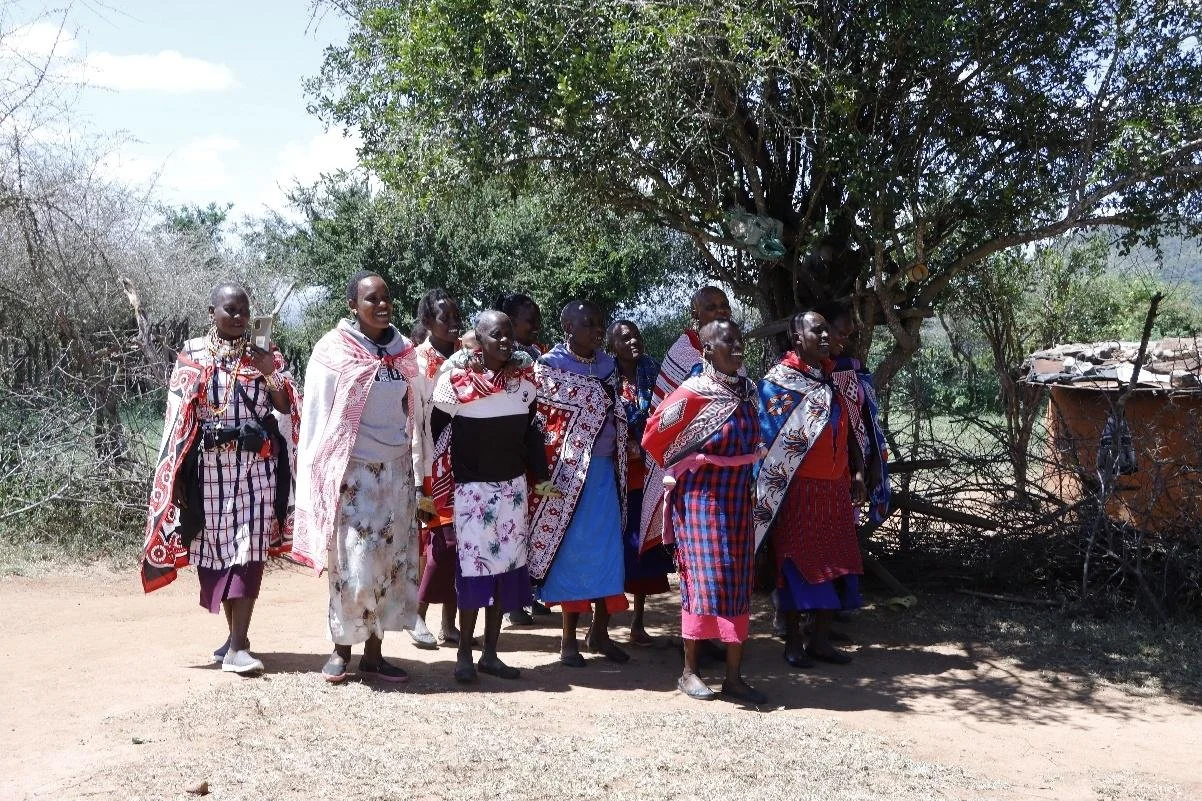
Empowering Women Farmers and Building Resilient Food Systems: Insights from the AgriCord Field Visit in Kajiado County
On 4 June 2026, the AgriCord National Assembly convened at Swiss-Belinn in Nairobi, bringing together farmers’ organizations, researchers, development partners, financial institutions, and government stakeholders to exchange practical solutions for advancing sustainable agriculture. The assembly provided a dynamic platform for dialogue, knowledge sharing, and collaboration among key actors committed to strengthening agricultural systems and rural livelihoods.
The Assembly also included a field visit with farmer organizations in Machakos and Kajiado counties, engaging participants from dialogue to action. These field visits offered an opportunity to ground discussions in real world contexts, enabling participants to better understand local realities, ongoing innovations, and emerging opportunities within farming communities.
Story by Dickens Ateku Alubaka, Senior Manager, Soil and Land Health Laboratories Research Services, Landscape Alliance (ICRAF)
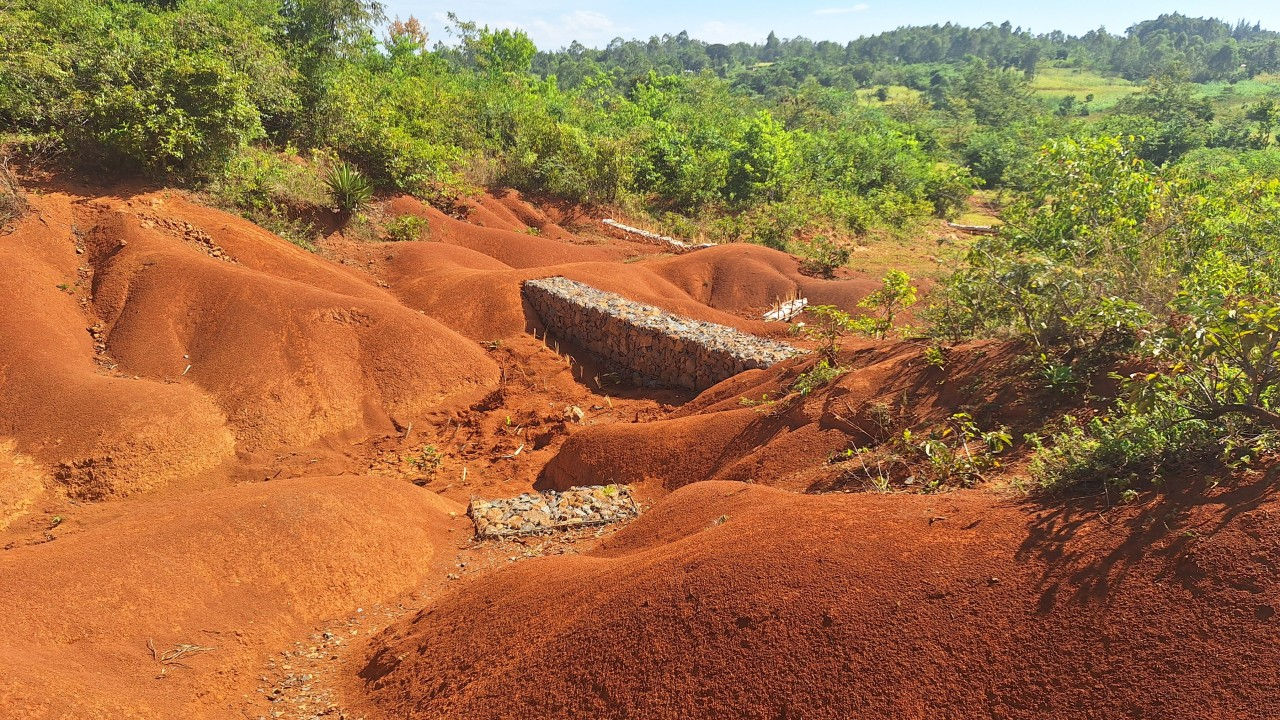
Soil Matters: Turning Carbon into Opportunity
Story and Photos from Dr Anneke Trux, Head of Programmes at GIZ
Soil organic carbon credits can help smallholder farmers improve food security, restore degraded land, and strengthen climate resilience while generating additional income. Drawing on experiences from Kenya’s ProSoil program, the article highlights the potential of sustainable land management to increase soil health and carbon storage. It also stresses the need for transparent carbon markets, affordable monitoring systems, strong partnerships, and fair benefit-sharing to ensure lasting environmental and social impact.
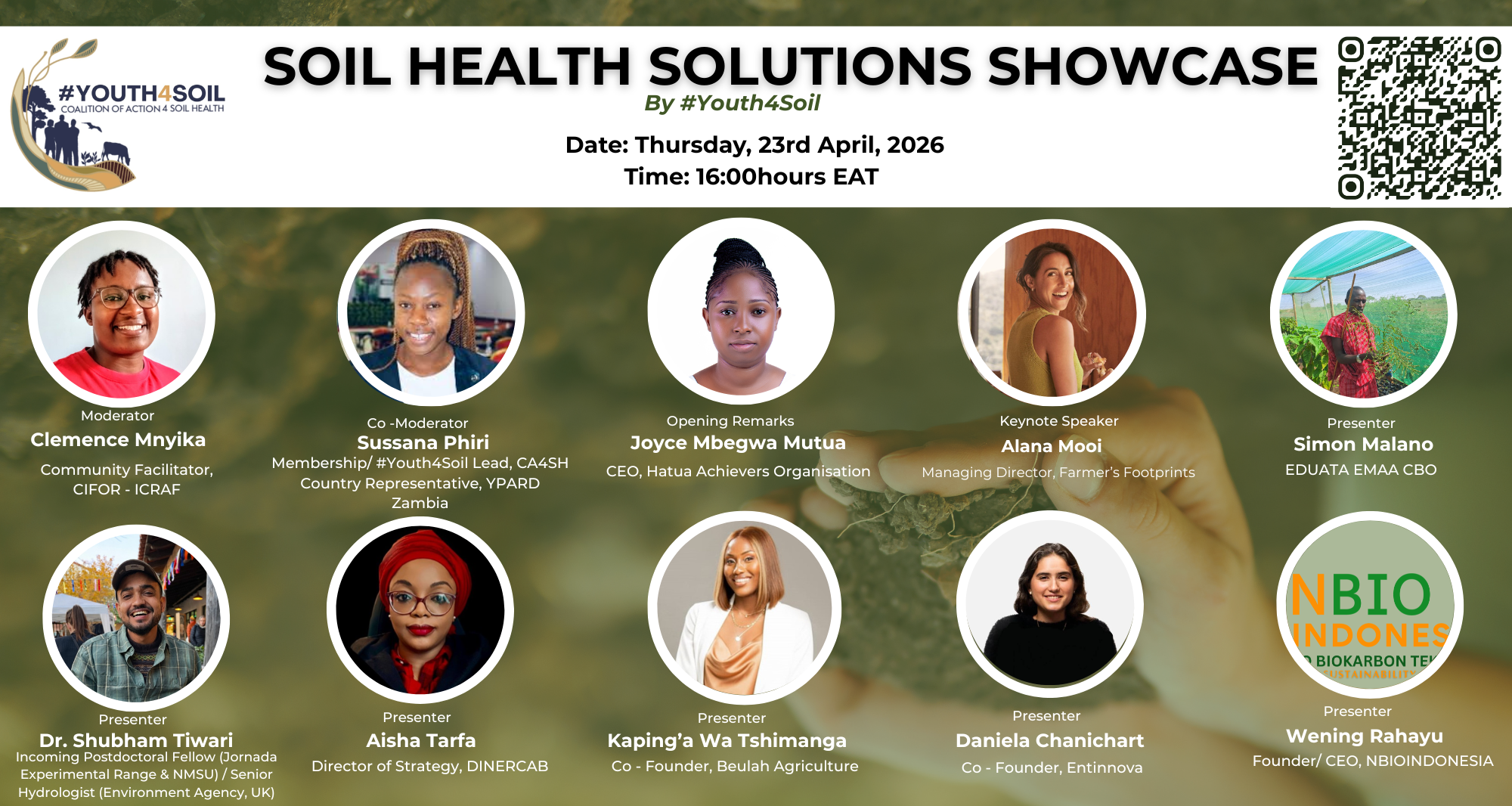
A Culture of Stewardship on the Spotlight at the Soil Health Solutions Showcase by #Youth4Soil
The fifth Soil Health Solutions Showcase by #Youth4Soil, convened under the Coalition of Action 4 Soil Health (CA4SH), brought together young leaders, scientists and advocates to spotlight practical solutions for soil restoration and sustainable land use. The event featured innovators, researchers and community leaders presenting groundbreaking approaches to restoring degraded land and strengthening food systems.
Growing Futures: Where School Meals, Soil Health, and Community Come Together in Murang’a County
This is a four-year project funded by the Rockefeller Foundation, with its pilot phase focused in Murang’a County. The project targets 30 schools, each of which will establish 4K Clubs. It also engages local smallholder farmers, some of whom will have their farms developed into demonstration sites for agroecology.
A key objective of the project is to ensure that each targeted school develops its own kitchen garden to support and strengthen school feeding programs.
Samburu Women at the Forefront of Land Stewardship
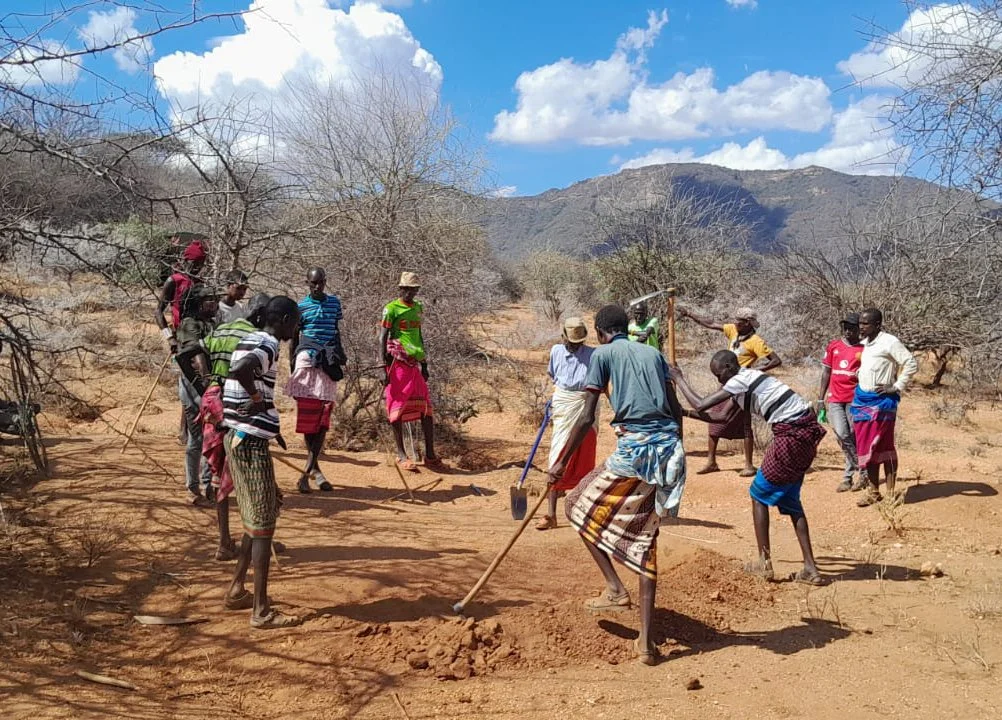
For the Milk Mamas at the heart of The Sarara Foundation’s (TFS) flagship Milk to Market Program, conservation and care for the land are lived responsibilities, not imposed obligations.
With their livelihoods and the wellbeing of their communities deeply connected to the milk they provide to Reteti Elephant Sanctuary, they are driven by a commitment to nurture the health of their herds and the landscapes they depend on through far-reaching land restoration efforts that benefit people, livestock, and wildlife.
#Youth4Soil Join Partners in Mapping Priority Restoration Areas
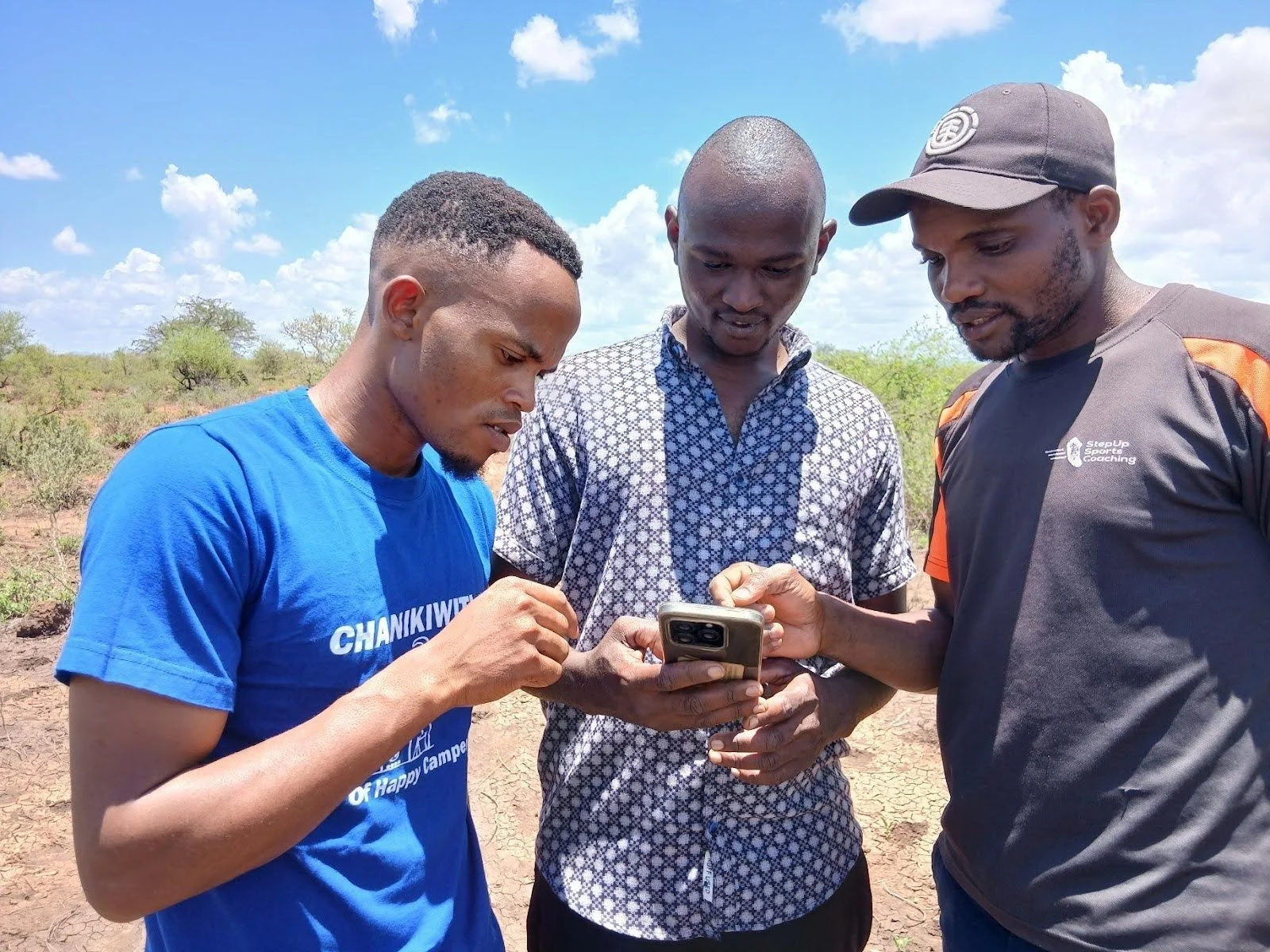
From 1st to 9th March 2026, youth, community members and partners under the Towards Ending Drought Emergencies: Ecosystem Based Adaptation in Kenya’s Arid and Semi-Arid Rangelands (TWENDE) Project came together to map priority restoration areas across the Chyulu corridor in Kajiado County. Equipped with the Regreening Africa App and guided by local knowledge, youth played a central role in identifying urgent restoration needs and documenting ongoing interventions.

Building a Soil Data Ecosystem: Africa Steps Forward on Fertilizer and Soil Health Challenge with Multi-stakeholder Approach
Regional leaders, scientists, policymakers, and development partners gathered at the ICRAF Campus in Nairobi on January 27–28, 2026 for the inception workshop of a groundbreaking initiative: Establishing an ecosystem of soil data-driven services to meet the Global Fertilizer and Soil Health Challenge. The workshop was anchored in the three‑year project titled “Establishing an Ecosystem of Soil Data-Driven Services to Meet the Global Fertilizer and Soil Health Challenge.” The initiative is implemented by CIFOR-ICRAF and the Coalition of Action for Soil Health (CA4SH) in collaboration with the Varda Foundation, with financial support from the Norwegian Agency for Development Cooperation (NORAD). It builds on a soil knowledge exchange pilot conducted in 2024 in Kenya and Tanzania, which identified key barriers and opportunities for strengthening collaborative soil data ecosystems
Youth at the Center of Soil Health Action: YPARD Engagement at the Nairobi Soil Health Knowledge Exchange
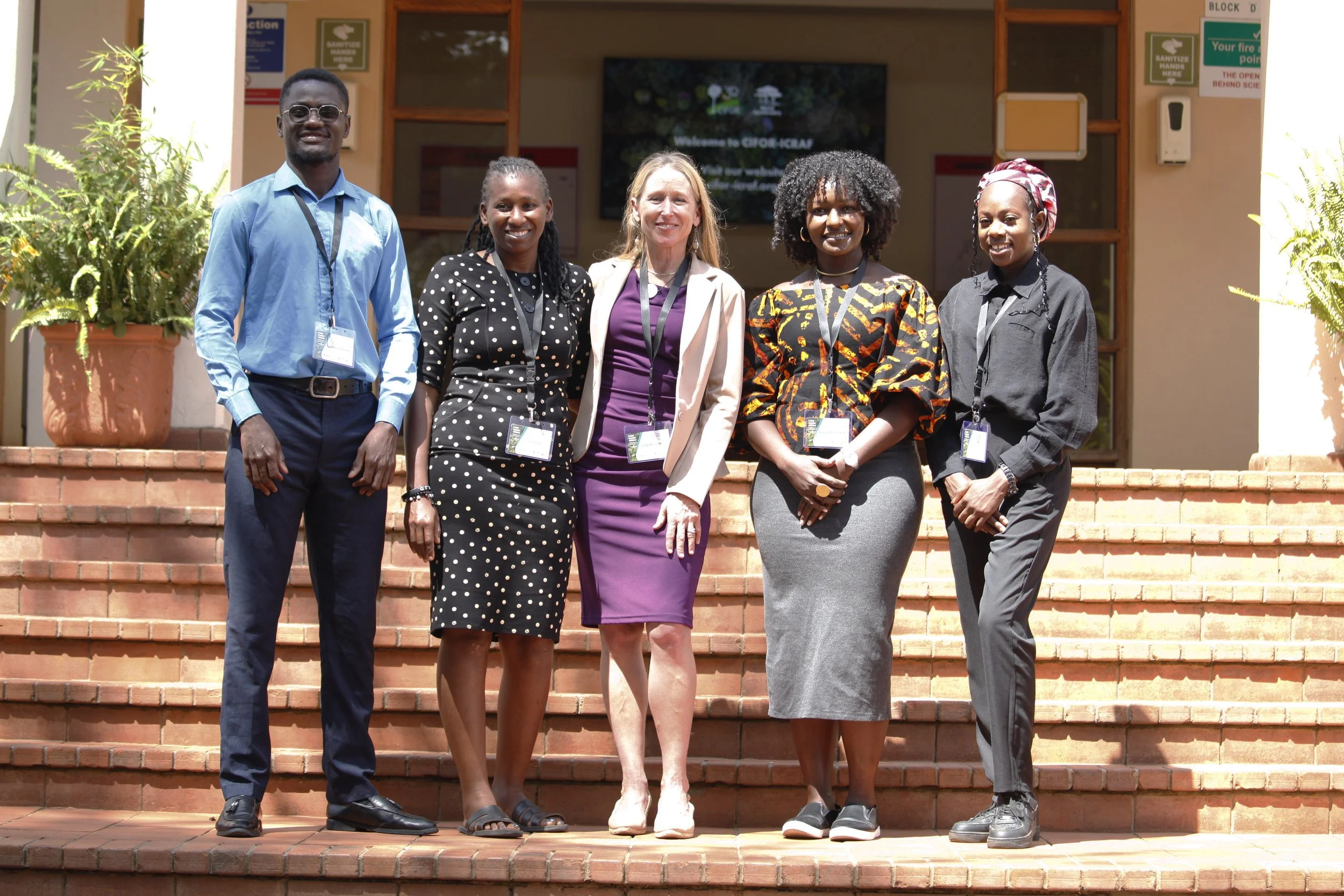
On 27–28 January 2026, young agrifood system leaders from across Eastern and Southern Africa gathered at the CIFOR-ICRAF Campus in Nairobi for the Soil Health Knowledge Exchange Workshop.
The meeting marked the inception of a three-year initiative, Establishing an Ecosystem of Soil Data-Driven Services to Meet the Global Fertilizer and Soil Health Challenge, implemented by CIFOR-ICRAF in collaboration with the Varda Foundation and supported by the Norwegian Agency for Development Cooperation (NORAD).
The workshop brought together researchers, policymakers, development partners, civil society, private sector actors, and farmer organizations from Kenya, Ghana, Malawi, and Tanzania to explore how soil data and knowledge can be better shared and used to advance sustainable land management, food security, and resilient agrifood systems. Within this diverse multi-stakeholder space, the YPARD played a visible and strategic role in championing youth-centered approaches to soil health action.
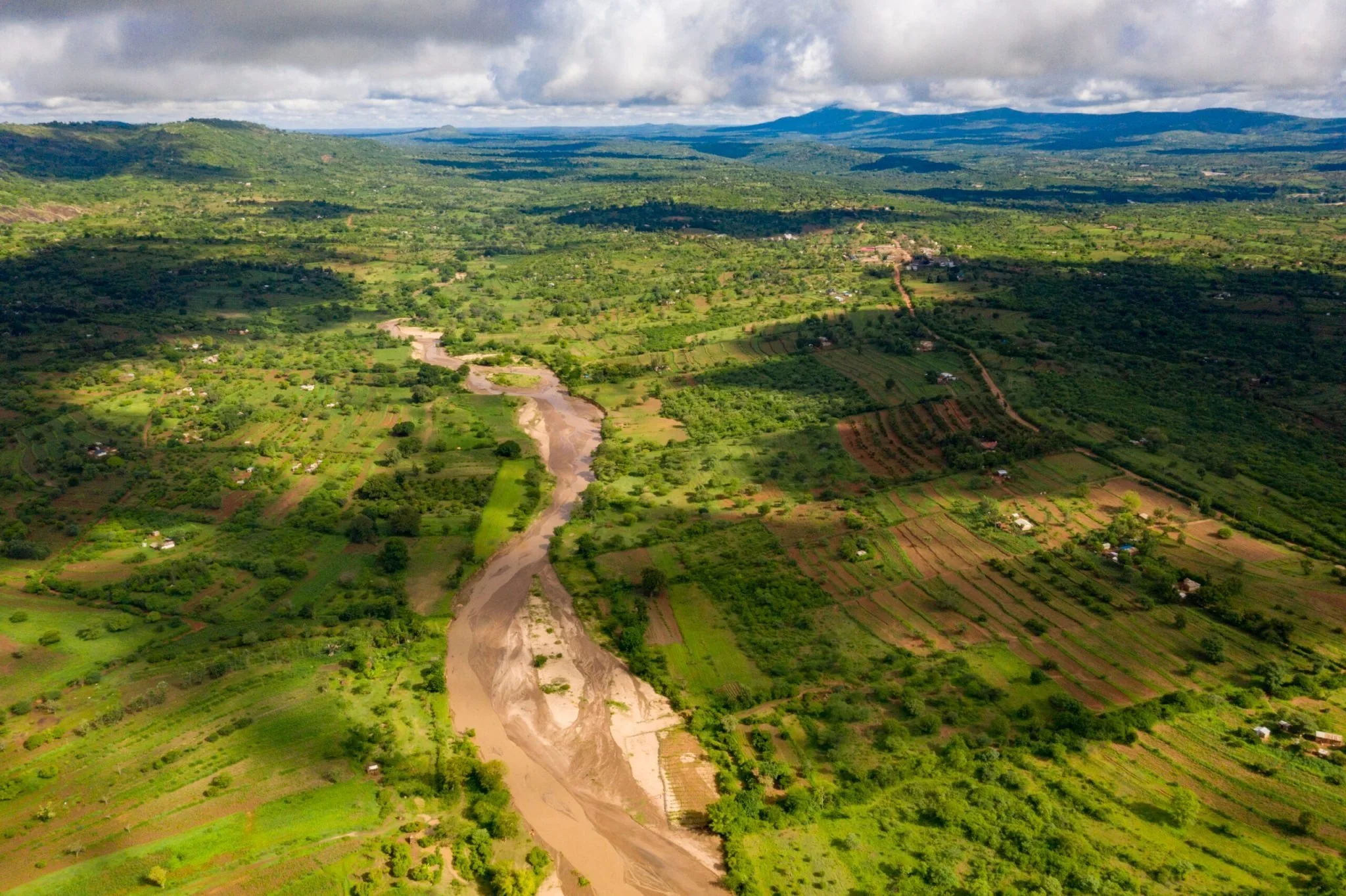
Born in the Sahel, now global: A soil assessment method reshaping restoration science
Twenty years ago in Mali, Tor-Gunnar Vågen and colleagues began experimenting with a methodology to assess and map soil and land health; today, that early work has amplified into a framework with myriad applications for restoration across landscapes.
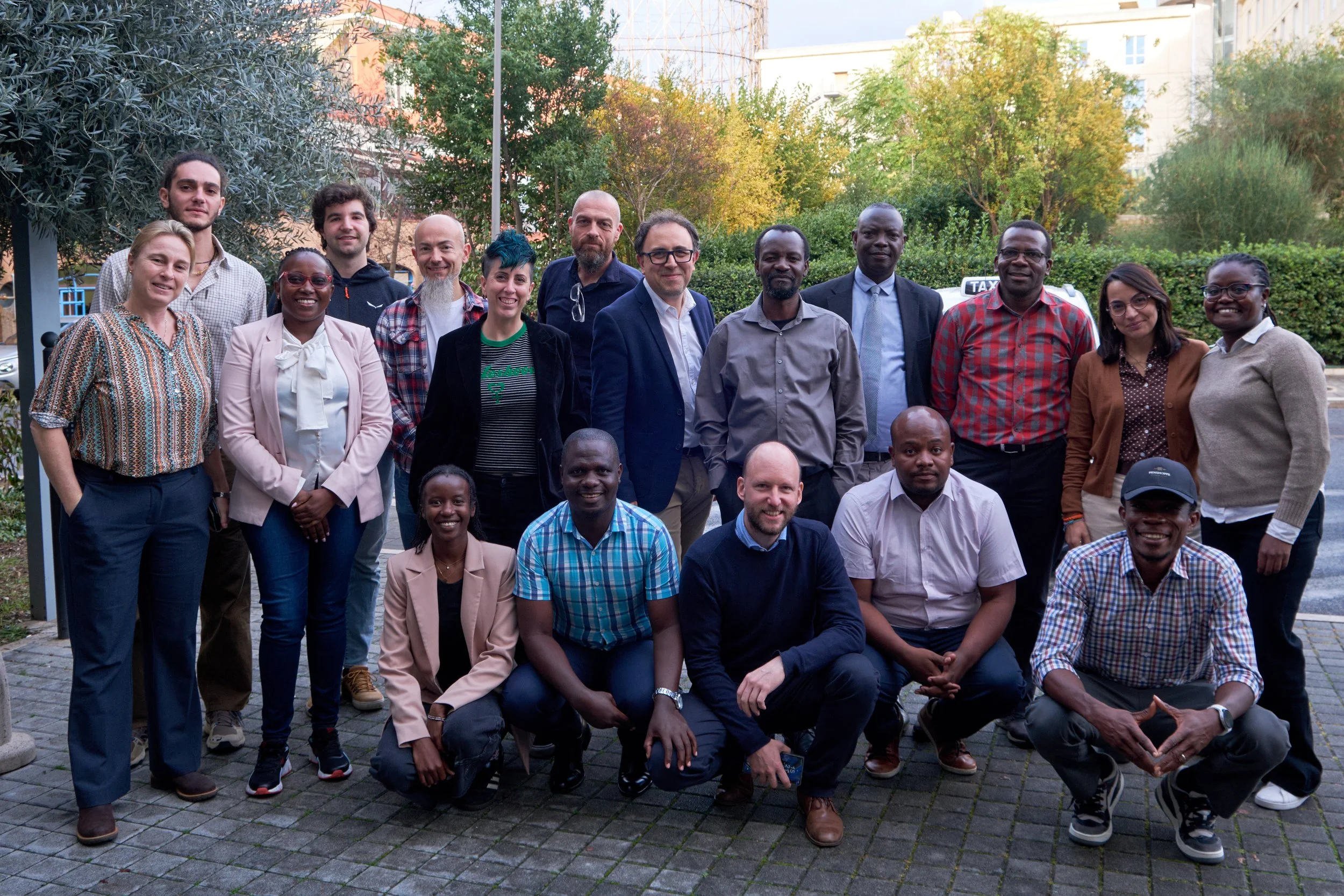
The Varda Foundation and CIFOR-ICRAF co-hosted a co-design workshop to scale soil data infrastructure in Africa
Across Africa, large volumes of soil data are collected every year, yet much of this information remains difficult to access, combine, or reuse. Addressing this challenge requires not only better digital tools, but stronger collaboration between the institutions that generate, manage, and use soil data. This was the focus of a two-day technical consultation workshop held in Rome in November 2025, which brought together partners working on the open-source transition of SoilHive.

#Youth4Soil: A Global Uprising Cultivating Resilience from the Ground Up
At the third 2025 #Youth4Soil Solutions Showcase, held virtually on September 25, young people from around the world presented ground breaking initiatives that exemplify how young people, rooted in their communities and connected to the land, are cultivating fresh, innovative solutions to restore soil health. Reiterating that just like plants need healthy soil to grow, a sustainable future needs youth-led ideas to flourish. Youth and soil together form the bedrock of regeneration, resilience and renewal.

Soil Cover and Landscape Integrity
The devastating drought of 2021/22 in Kenya severely stressed the soil, underscoring the urgent need for restoration and conservation efforts. On one side of the boundary fence, within the Lewa Wildlife Conservancy, lies a protected area dedicated entirely to safeguarding wildlife. In stark contrast, the area on the left is used for livestock grazing, exemplifying how different land uses impact soil health. This stark juxtaposition serves as a potent reminder: understanding how landscapes function at the soil level is crucial for preserving landscape integrity and ensuring a thriving environment for future generations. Our actions today will determine the health of our land tomorrow.

Unveiling the Underground Allies of Rangelands: A Case Study from Lumo Conservancy
The sun rises over the vast savannas of Lumo Conservancy in Taita Taveta, casting a golden glow across the horizon. Elephants move calmly across the rangelands, leaving soft footprints in the soil. Nearby, antelopes and other herbivores feed in groups, nibbling at the tough grasses. The land, though alive, bears the marks of a harsh climate scarred by heat and irregular rains. Yet just beneath the open-cracked soil is a hidden network, a secret force of life that continues to perpetuate life in a chaotic paradigm of failure even at a time when everything else fails. This hidden life is arbuscular mycorrhizal fungi (AMF). These fungi live in the soil and form a symbiotic relationship with plants. You may not see them, but their impact is clear. Without AMF, many plants would struggle to survive in the tough conditions of the rangelands.
Learn more from the field, by Lukelysia Mwangi, Research Associate, Living Soils at CIFOR-ICRAF

Beyond Workshops: Hands-on Restoration Training for Farmers in Mbooni Community Forest Association, Kenya
CIFOR-ICRAF has been conducting a series of trainings on Gender and Social Inclusion (GESI) in forest and landscape restoration for Community Forest Associations (CFAs) in Makueni County, Kenya as part of the UK PACT project.
To date, the trainings have reached more than 600 individuals, emphasizing the importance of gender equity in achieving sustainable restoration outcomes. Over the past two years of implementation, some common themes have emerged, highlighting that many CFA members feel held back by their current level of skill in agroforestry practices and soil conservation techniques. In response, CIFOR-ICRAF followed up with technical, on-farm training in sustainable agroforestry practices and composting for soil conservation.

Why Food and Agricultural Systems Must Be at the Heart of Climate Adaptation
Climate change is no longer a distant threat—it’s a daily reality for millions of people around the world. And nowhere is this more evident than in the systems that feed us.
Farmers and fishers are on the frontlines of a crisis they did not create. As the climate shifts, so too must our approach to food. It’s time to put food and agricultural systems at the centre of climate adaptation.
Read the full story from WWF

Restoring Nature, Strengthening Communities: Launching a New Era of Restoration Through FOLAREP
In 2023, the Kenyan Ministry of Environment, Climate Change and Forestry developed a national strategy, the Forest and Landscape Restoration Plan (FOLAREP) to apply nature-based solutions to conserve forests and combat land degradation. Forest conservation offers a highly effective carbon-capturing sink and maintains biodiversity and other ecosystem services.
CIFOR-ICRAF has been working to develop county-specific plans for Makueni and Taita-Taveta counties in partnership with local governments, the Food and Agriculture Organization and the African Wildlife Foundation through the UKPACT Nature-based solutions project funded by the UK government.
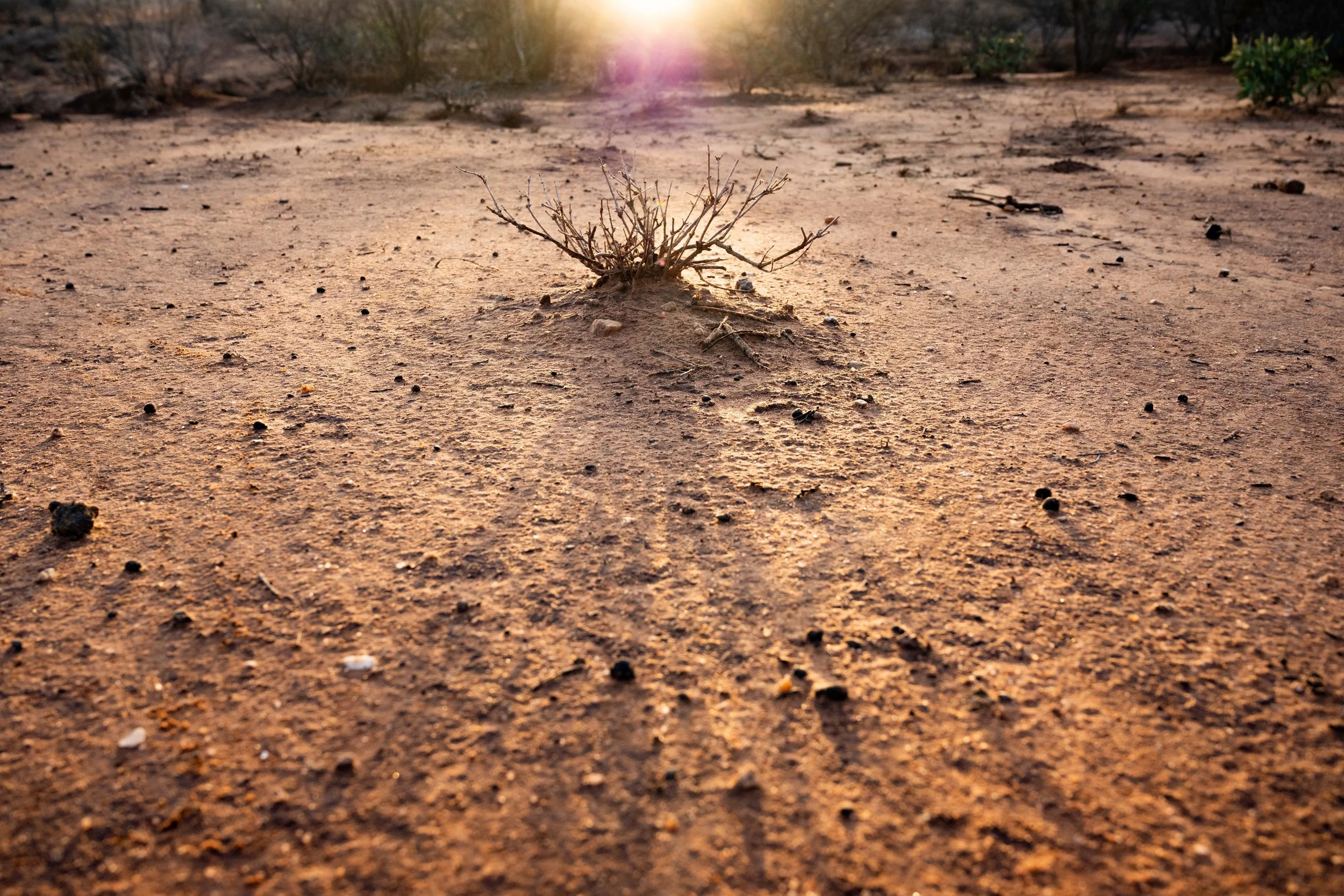
Taita Taveta County, Kenya, Unveils Ambitious Plan to Restore 226,420 Hectares of Degraded Land
By Albert Mwangeka
Taita- Taveta County, Kenya: Taita Taveta County has launched the Forest Landscape Restoration Implementation Plan (FOLAREP), a bold initiative targeting the restoration of 226,420 hectares of degraded land. The launch coincided with the World Day to Combat Desertification and Drought, underscoring the country’s commitment to environmental sustainability.