
Beyond Soil Health: Learning from Living Rangelands
By Susan Brown
Dr Leigh Winowiecki recently shared with me her thoughtful blog on soil health and the importance of measuring and monitoring our soils during this International Year of Rangelands and Pastoralists. It prompted me to reflect on what it means to live and work in a wildlife-maintained rangeland in northern Kenya.
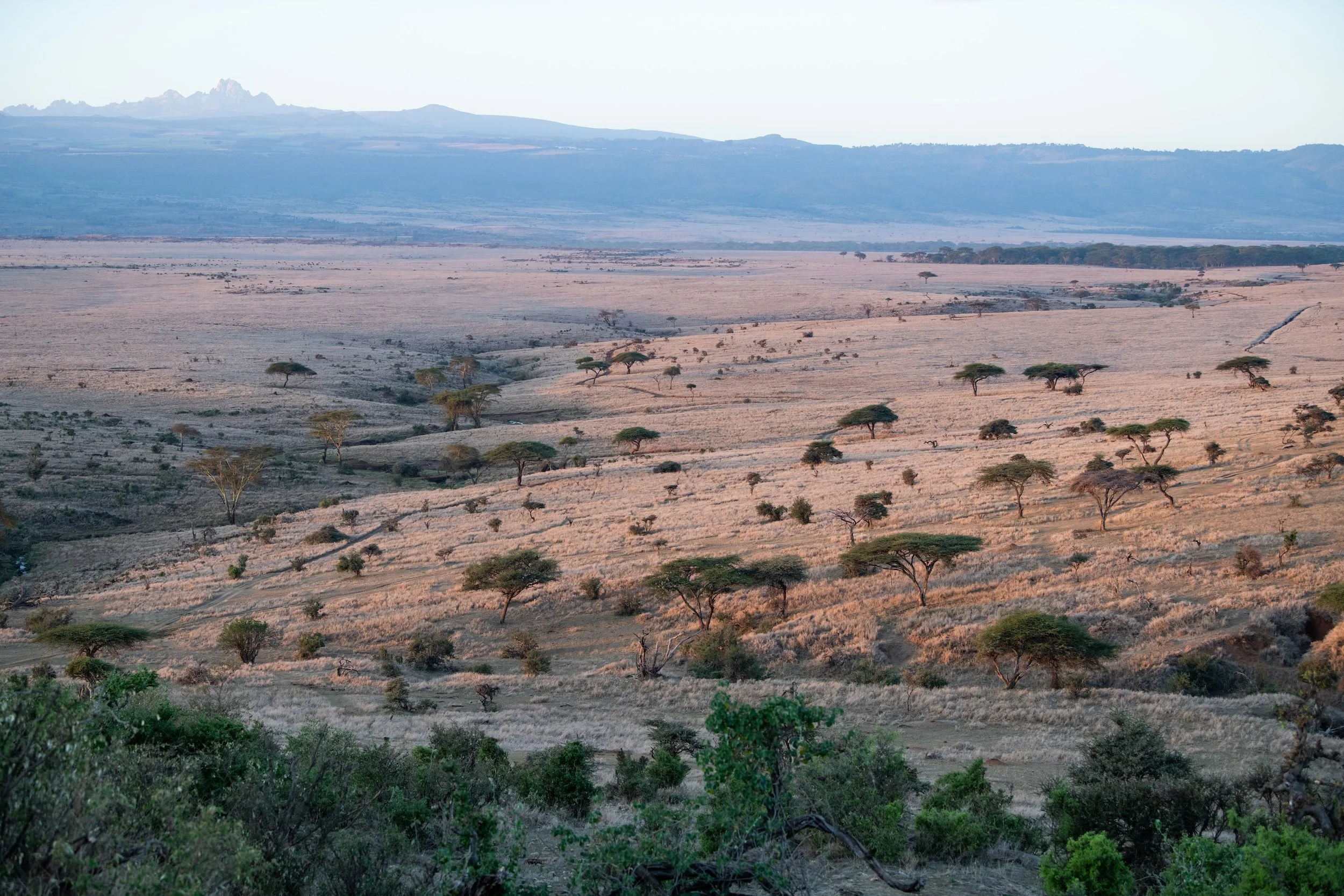
Photo by Kelvin Trautman
Reading Leigh’s article, I realised that those of us who spend our lives in rangelands rarely think simply in terms of soil. We think in terms of soils.
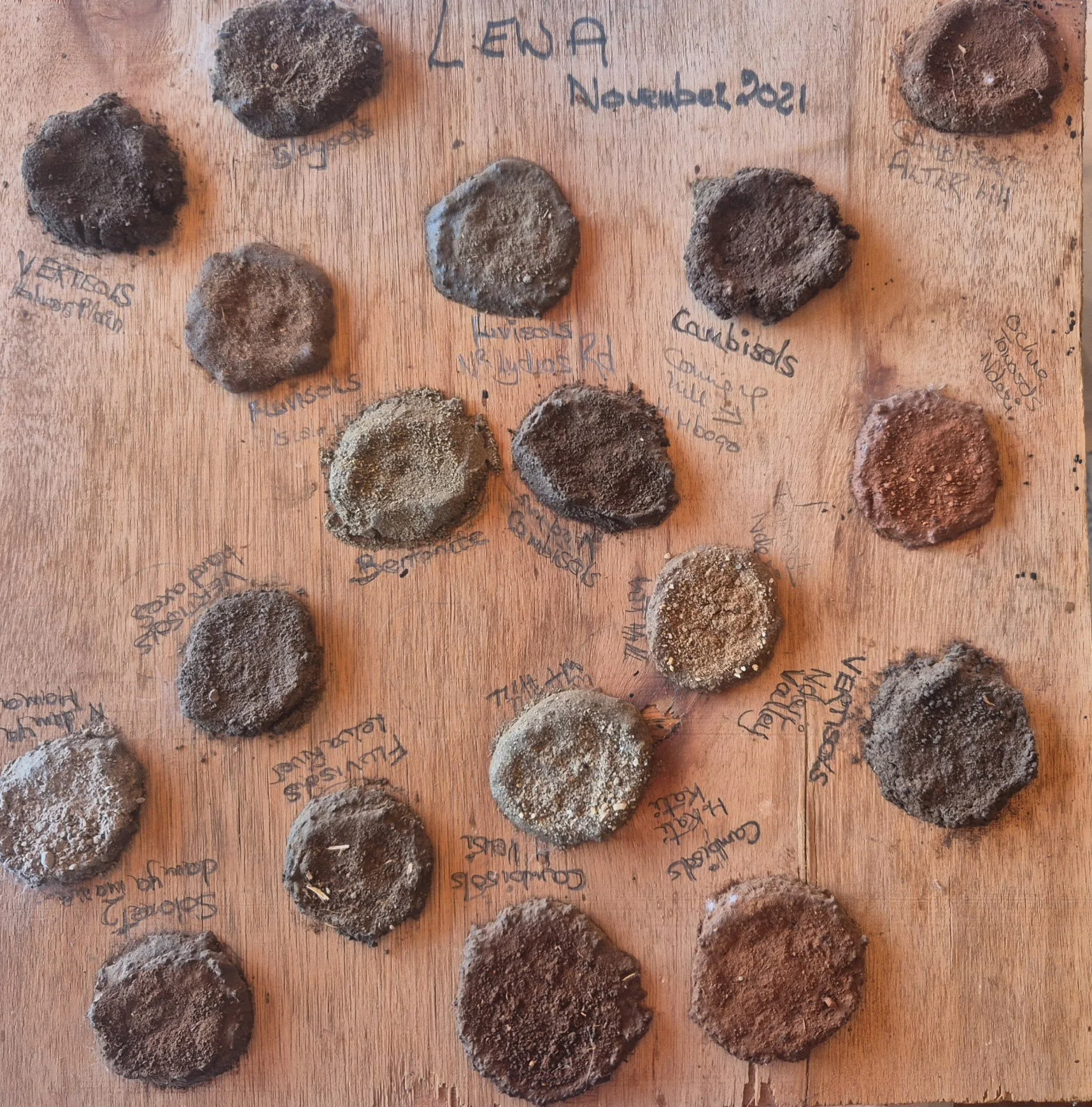
Photo by David Brown
Every soil type reflects an ancient geological history. The soils beneath my feet were formed over thousands, sometimes millions, of years from volcanic ash, ancient basement gneisses, river deposits and the black cotton clays that characterise parts of northern Kenya. They are the inheritance of geology. Each possesses its own physical and chemical characteristics, its own capacity to hold water, cycle nutrients, and support life. Every soil has its own potential, and every soil interacts with particular plant communities. Healthy rangelands are therefore built not on one soil, but on the remarkable diversity of soils and the equally remarkable diversity of plants they support.
The late Desmond Vesey-FitzGerald described East African grasslands as fundamentally edaphic—their vegetation shaped first and foremost by their soils. After many years observing the semi-arid savannas around my home, I have come to appreciate the depth of that insight. Understanding a rangeland begins with understanding its soils, but it does not end there.
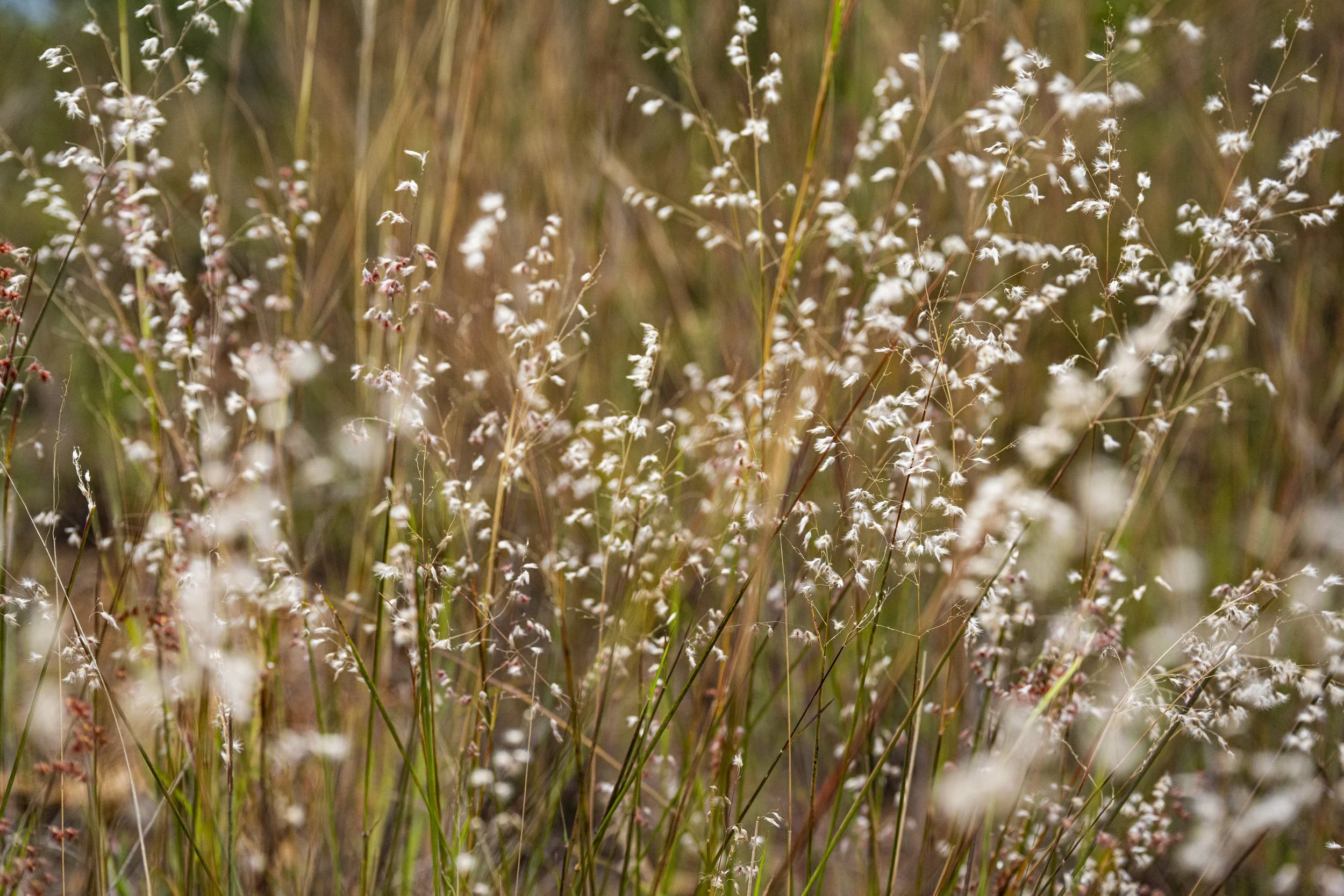
The plants growing on those soils are the inheritance of evolution. Every perennial grass, forb, shrub, tree and climber has developed its own way of interacting with the ground beneath it. Their roots bind and structure the soil, improve infiltration, feed an extraordinary community of microorganisms and influence how water and nutrients move through the landscape. Their leaves shade the surface, reducing soil temperatures and conserving moisture. During the long dry season, many perennial grasses bleach to a silvery colour, reflecting sunlight and moderating the microclimate immediately above the soil. Even in dormancy, they continue to protect the living system beneath them.
It has often struck me that perhaps plants evolved first and foremost to protect the soil. Their remarkable diversity is not simply an expression of adaptation above ground but of countless interactions below it. We often think of healthy soils producing healthy vegetation. The converse is equally true: healthy vegetation creates healthy soils.
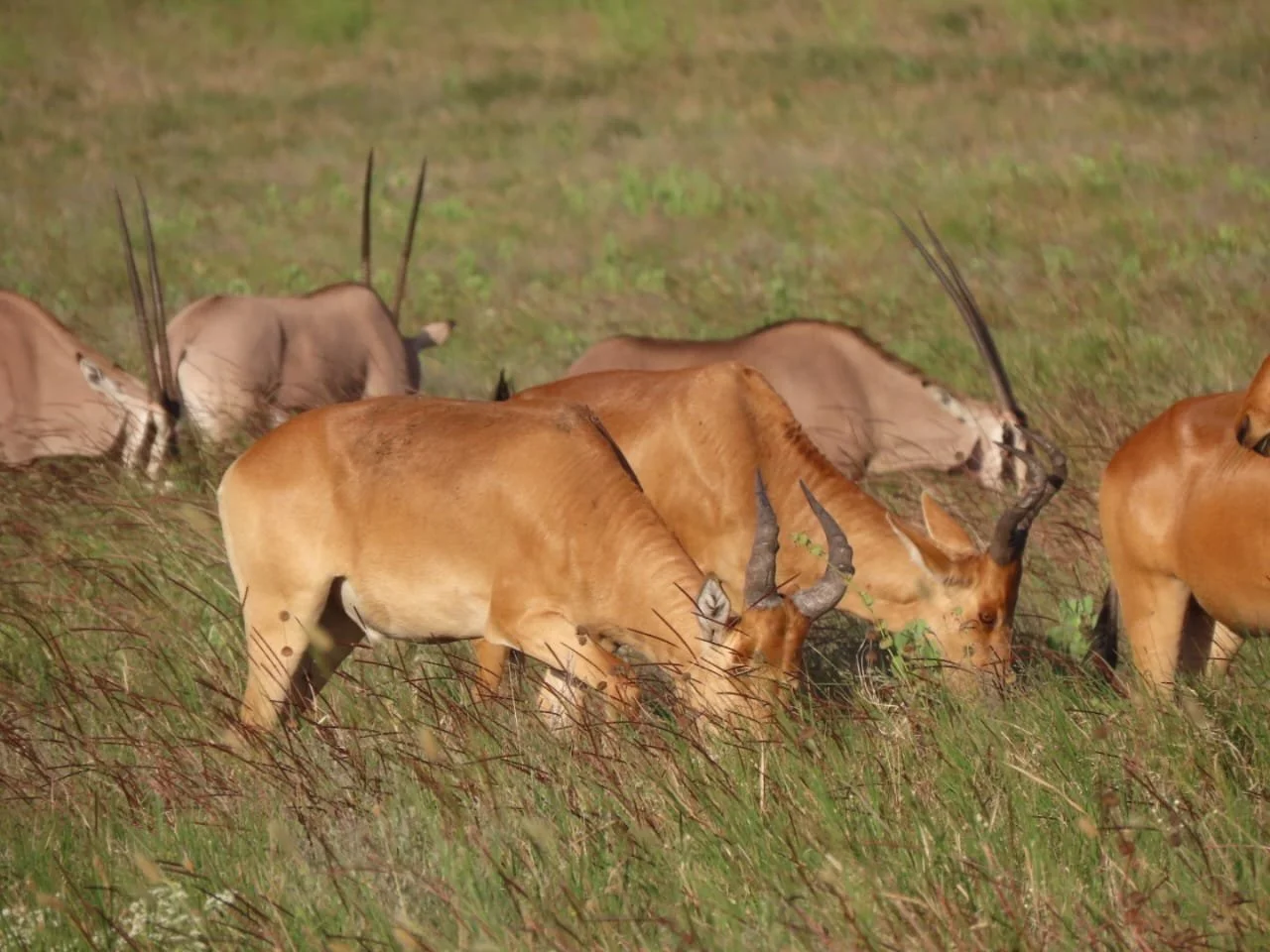
Photo by David Brown
Wildlife completes this living system. The rangeland where I live is maintained principally by wild herbivores rather than domestic livestock. Elephant, rhino, buffalo, zebra, giraffe, antelope and countless smaller animals continually shape vegetation, redistribute nutrients, disturb the soil surface, disperse seed and influence the structure of plant communities. Soil health, therefore, is not simply about chemistry or carbon. It is the product of millions of interactions between geology, climate, plants, animals and microorganisms that have refined these landscapes over millennia.
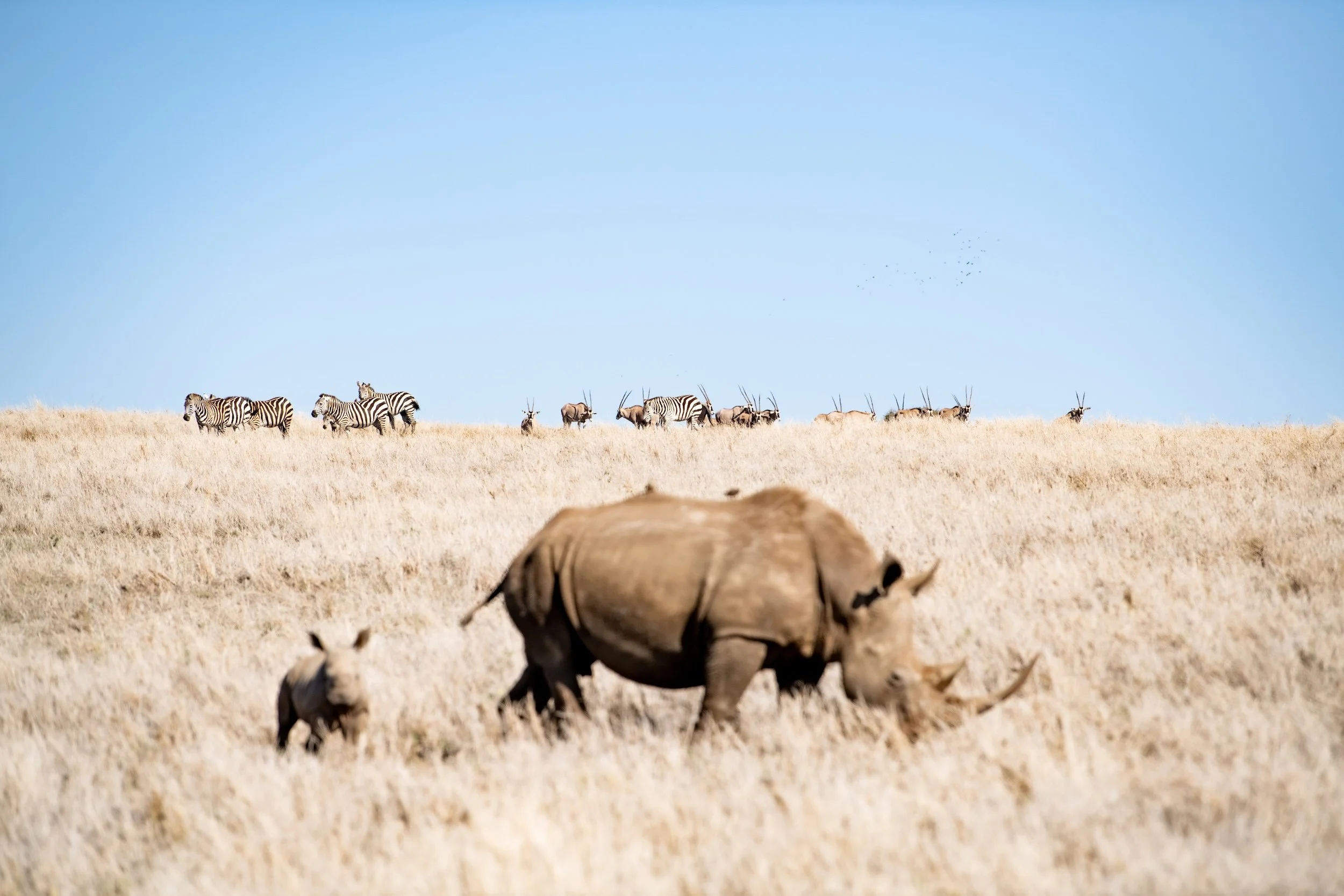
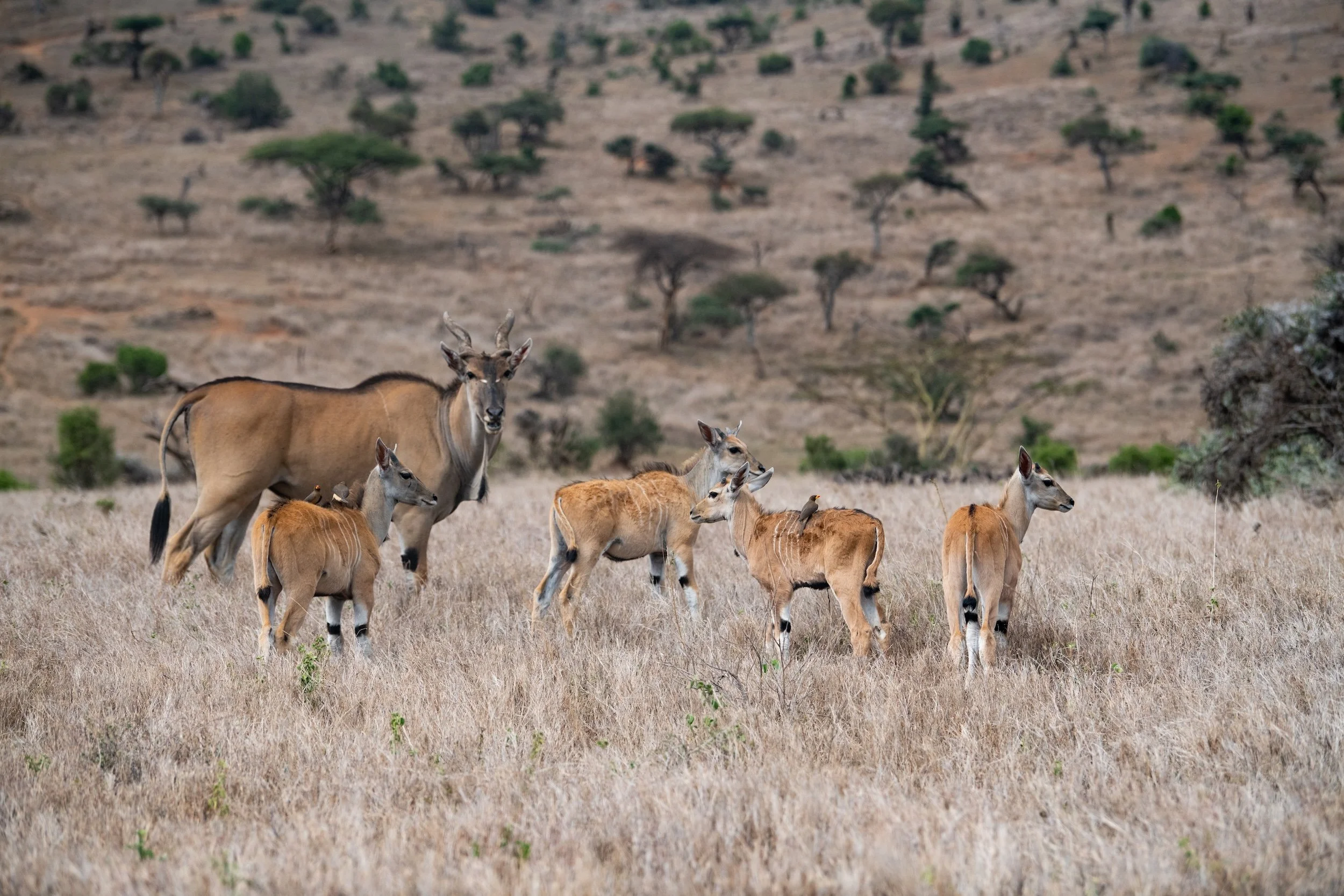
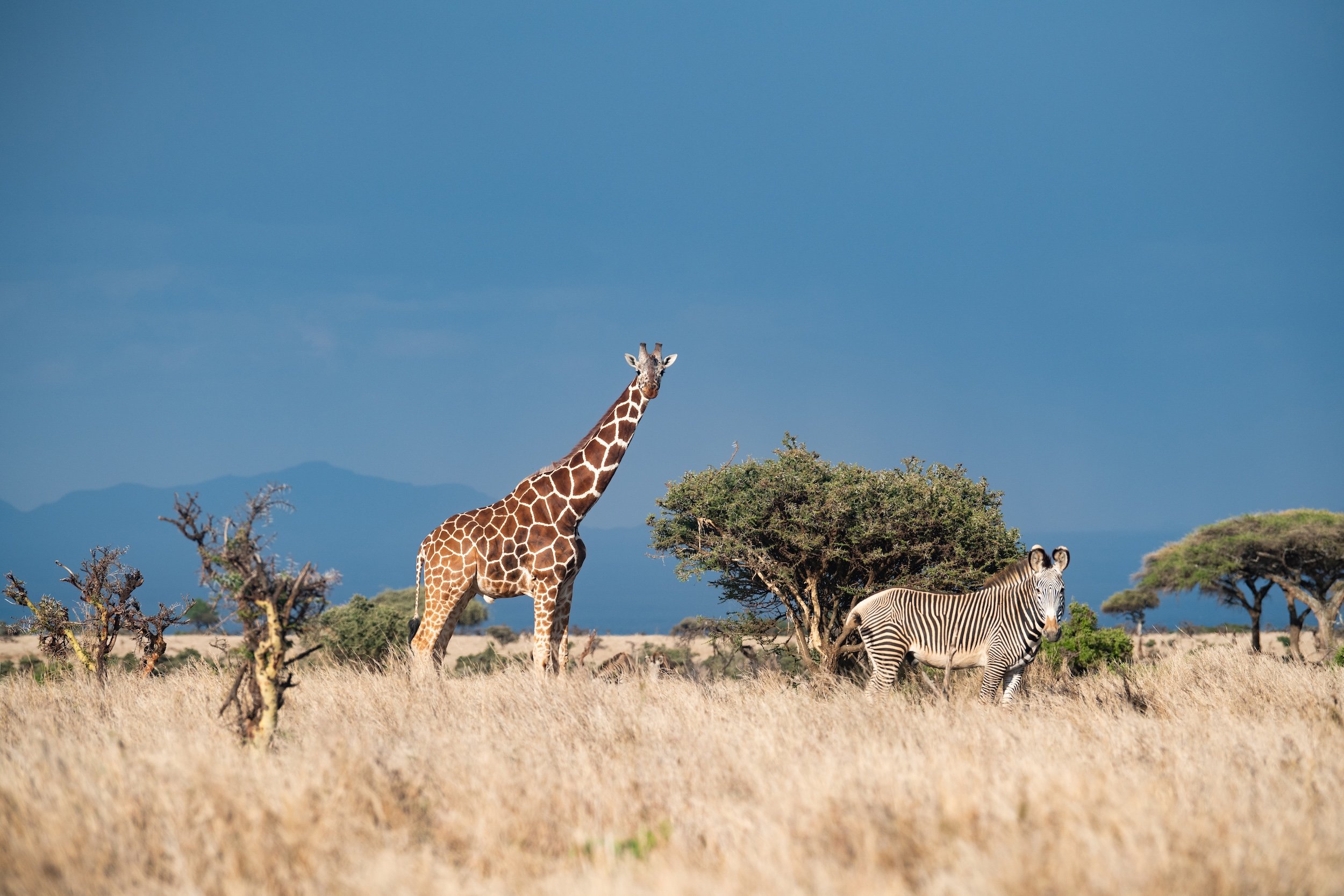
Photos by Kelvin Trautman
Perhaps this is where we need to broaden our thinking. Rather than asking only how we restore soils, we should also ask how we restore the ecological relationships that create healthy soils.
Not all perennial grasses are the same, nor do they occur on every soil type. Around my own home, we recognise seven principal soil types, each supporting different plant communities. While a handful of grass species occur widely, many are closely associated with particular soils. We often speak simply of ‘grass’, yet every species contributes differently to soil protection, water infiltration, nutrient cycling, wildlife nutrition and resilience to drought.
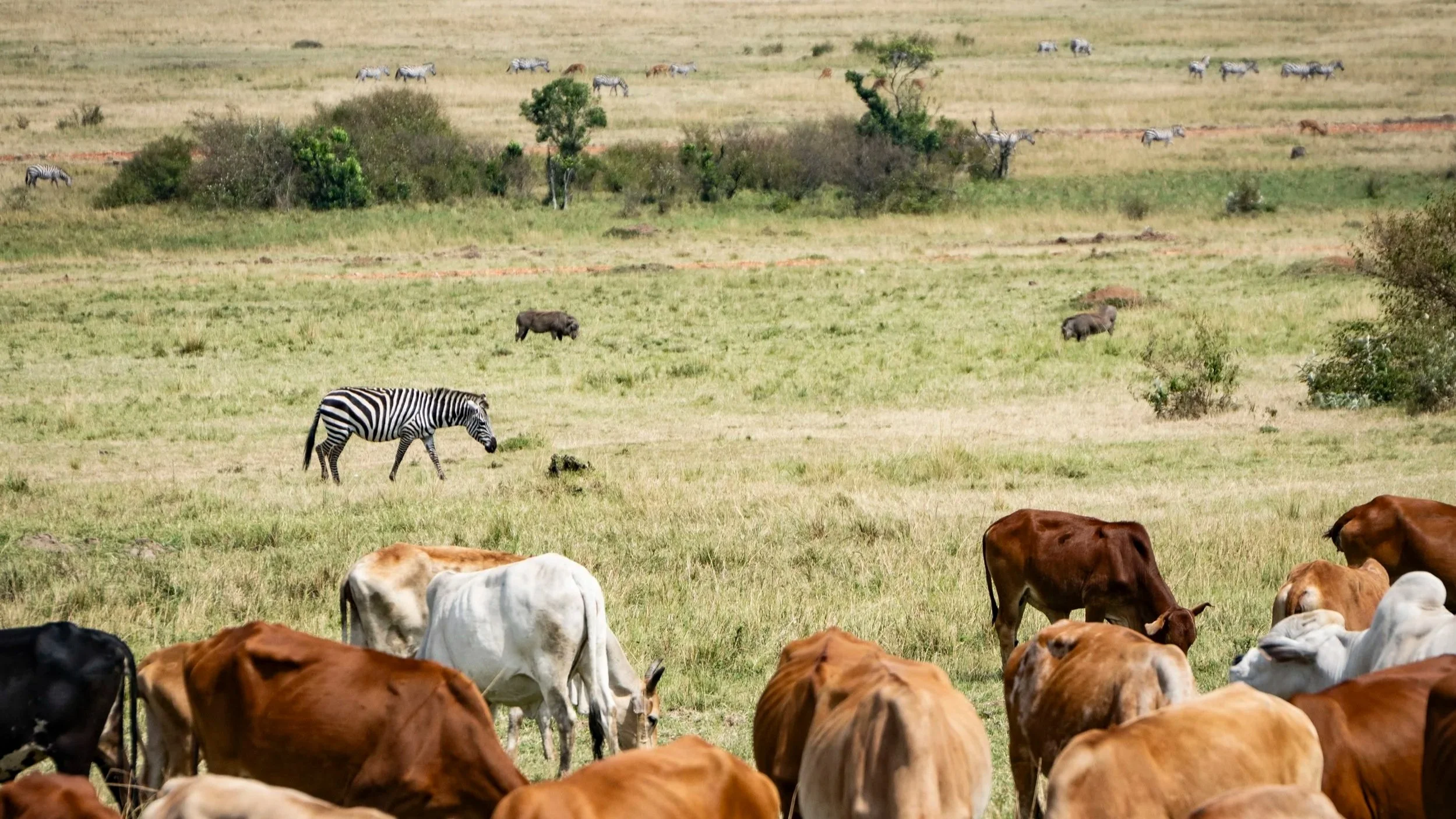
Maasai Mara National Reserve | Photo by Kelvin Trautman
Recent work using simple refractometer measurements of grass sap found that most perennial grasses measured between three and six degrees Brix, while one species consistently recorded values around thirteen degrees and proved exceptionally attractive to wildlife. Such observations remind us how much we still have to learn about the interactions between soils, plants and herbivores.
Similarly, a brief comparison on my own property between a patch of Cynodon dactylon and a nearby bare patch of ground on the same soil type revealed striking differences in soil conditions over a distance of only 20 metres. It reinforced the importance of maintaining perennial vegetation cover and highlighted how much remains unknown about the influence of individual plant species on soil function.
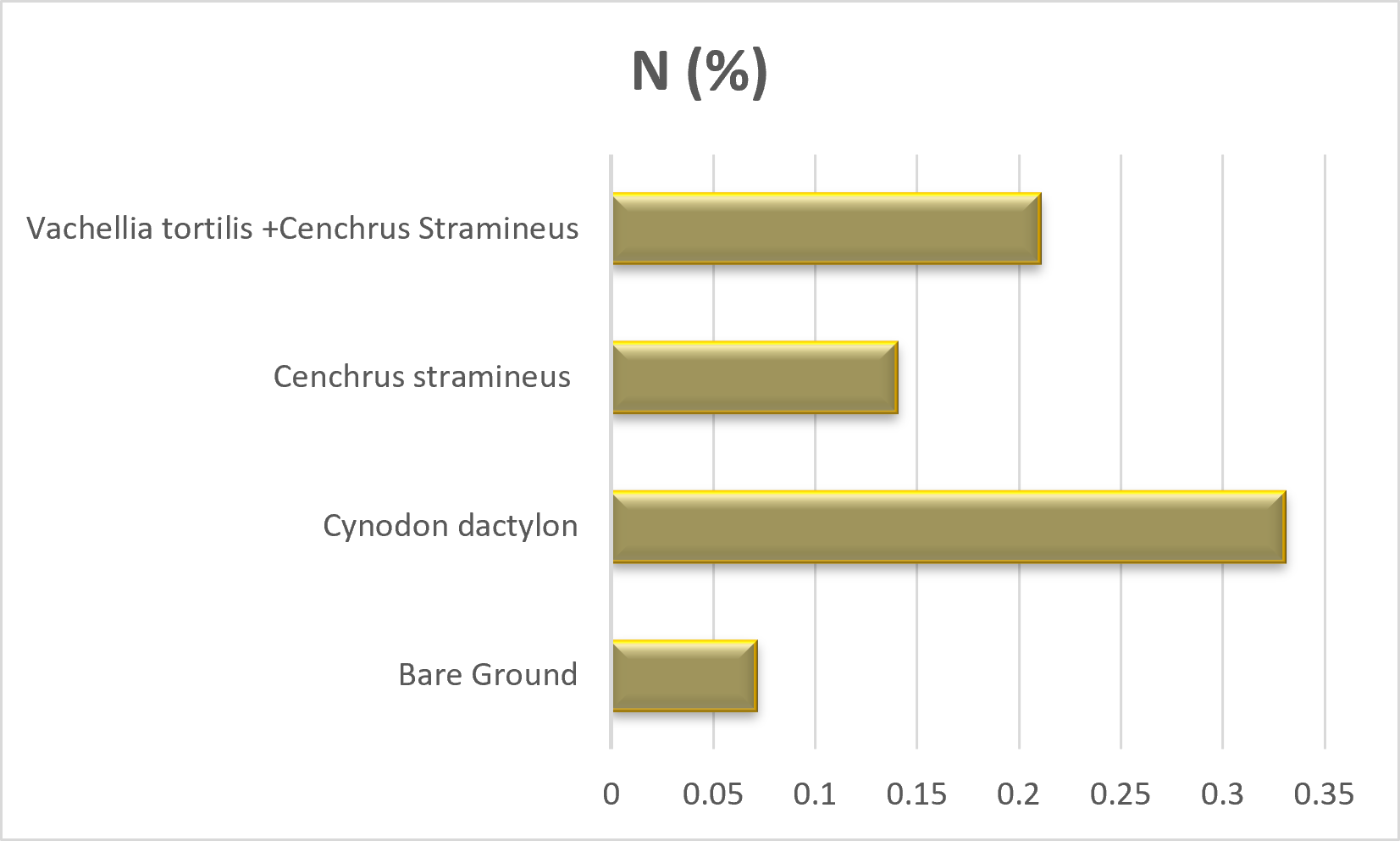
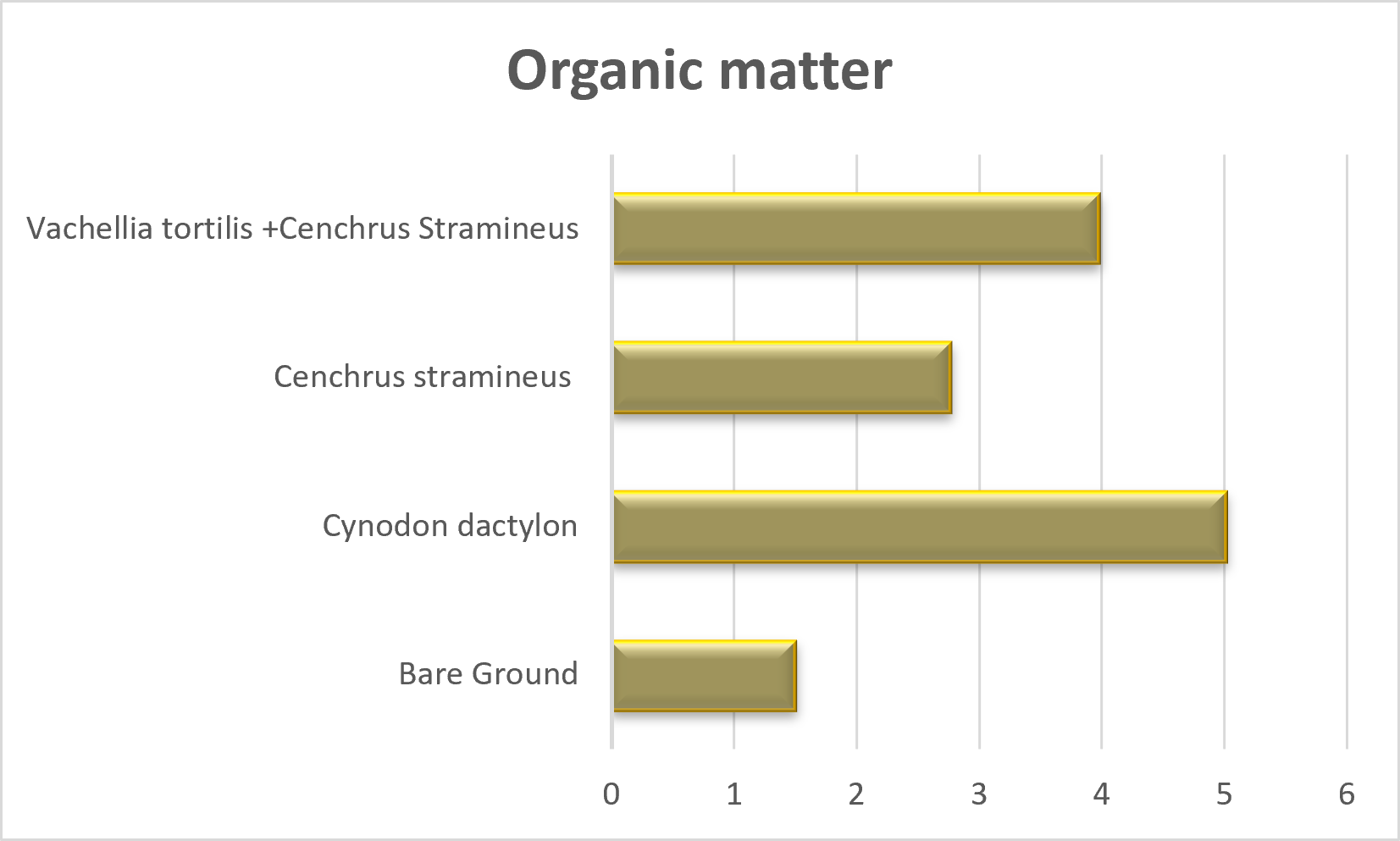
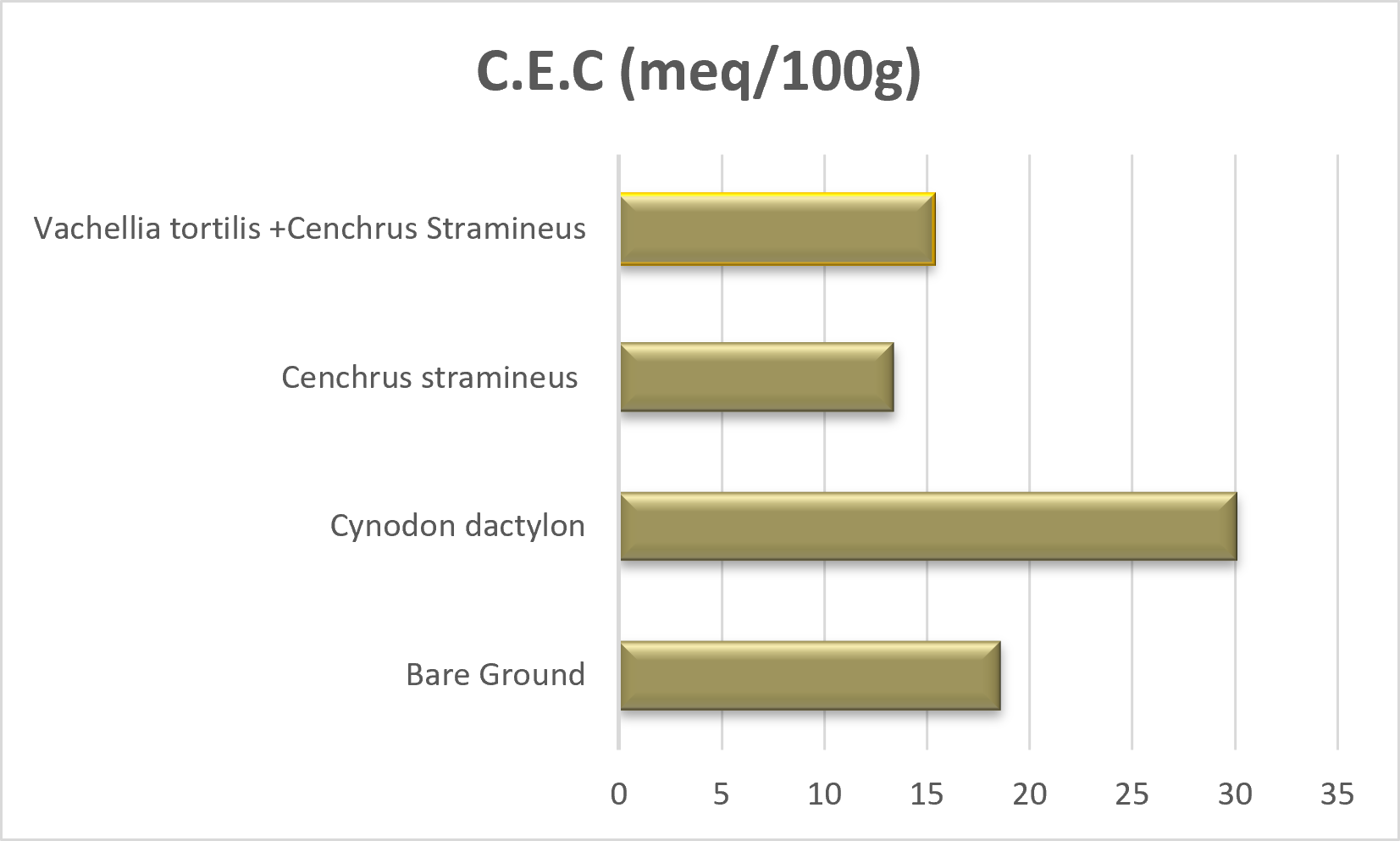
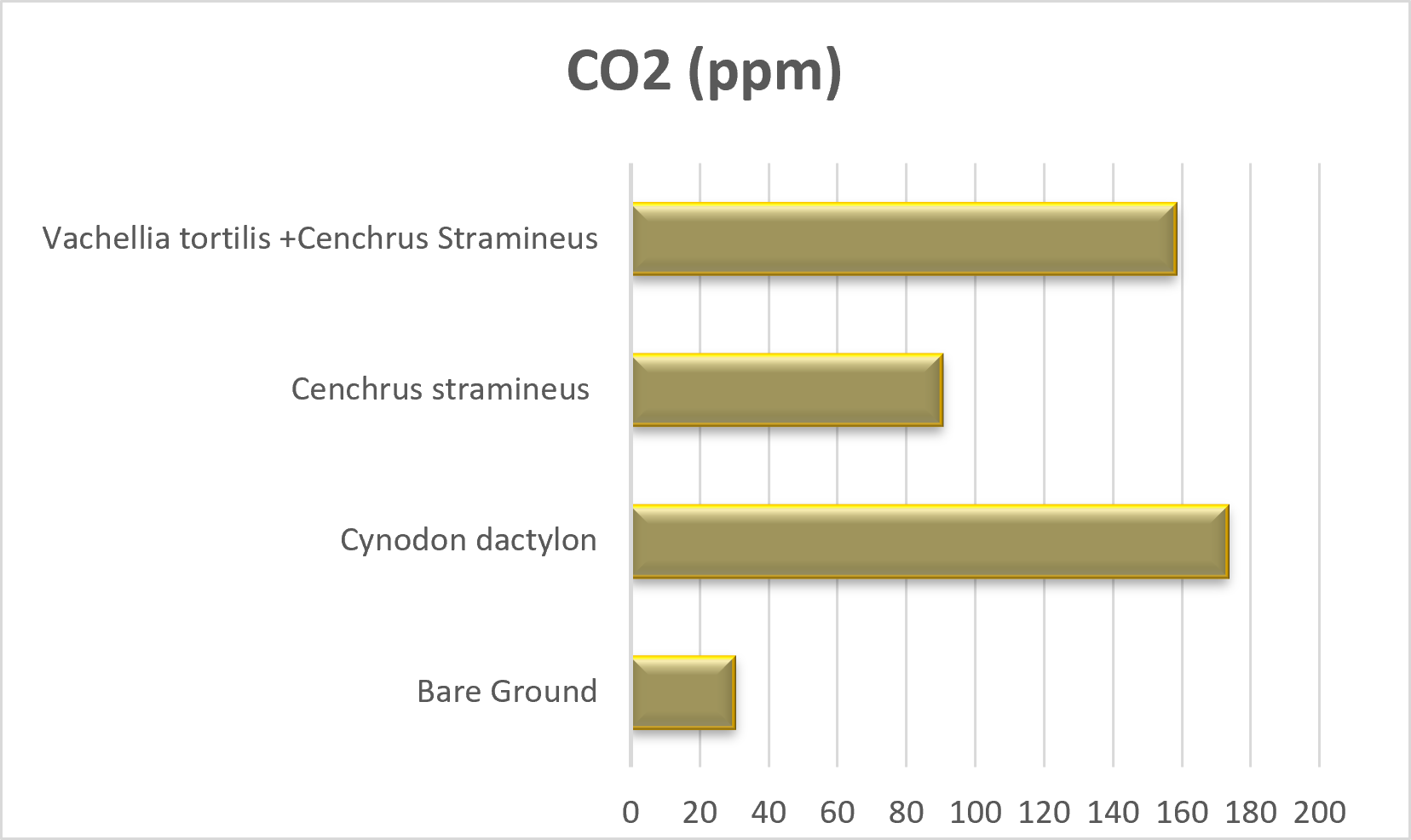
Graphs: Soil measurements in topsoil under four different land cover types near Sue's home. Provided by Sue Brown.
As rangeland managers, we need a deeper understanding of what each perennial grass contributes—not only to livestock and wildlife nutrition but also to soil stability, infiltration, carbon storage, nutrient cycling, and resilience. Equally, we need to understand the potential and limitations of different soil types so that management works with the landscape rather than against it.
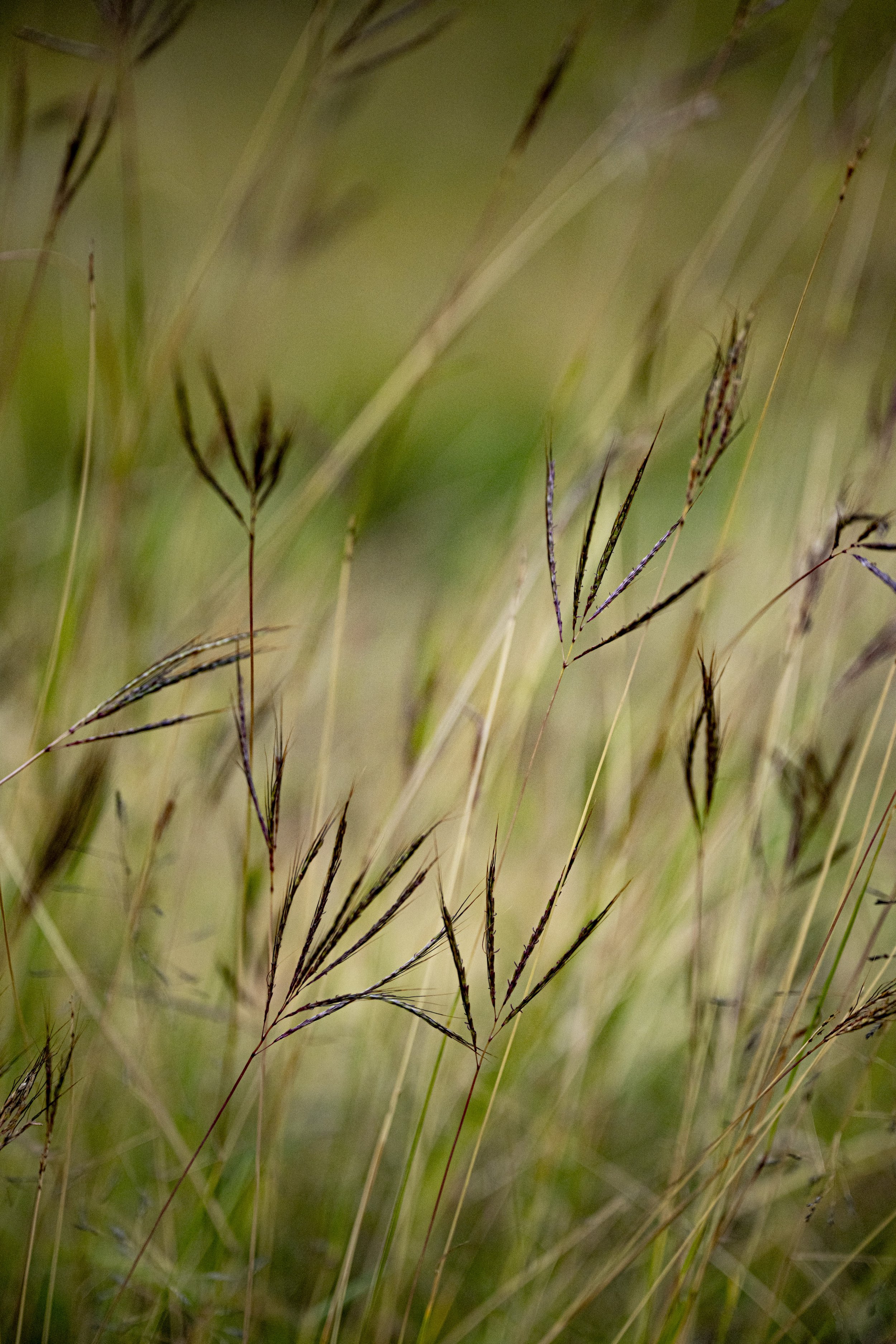
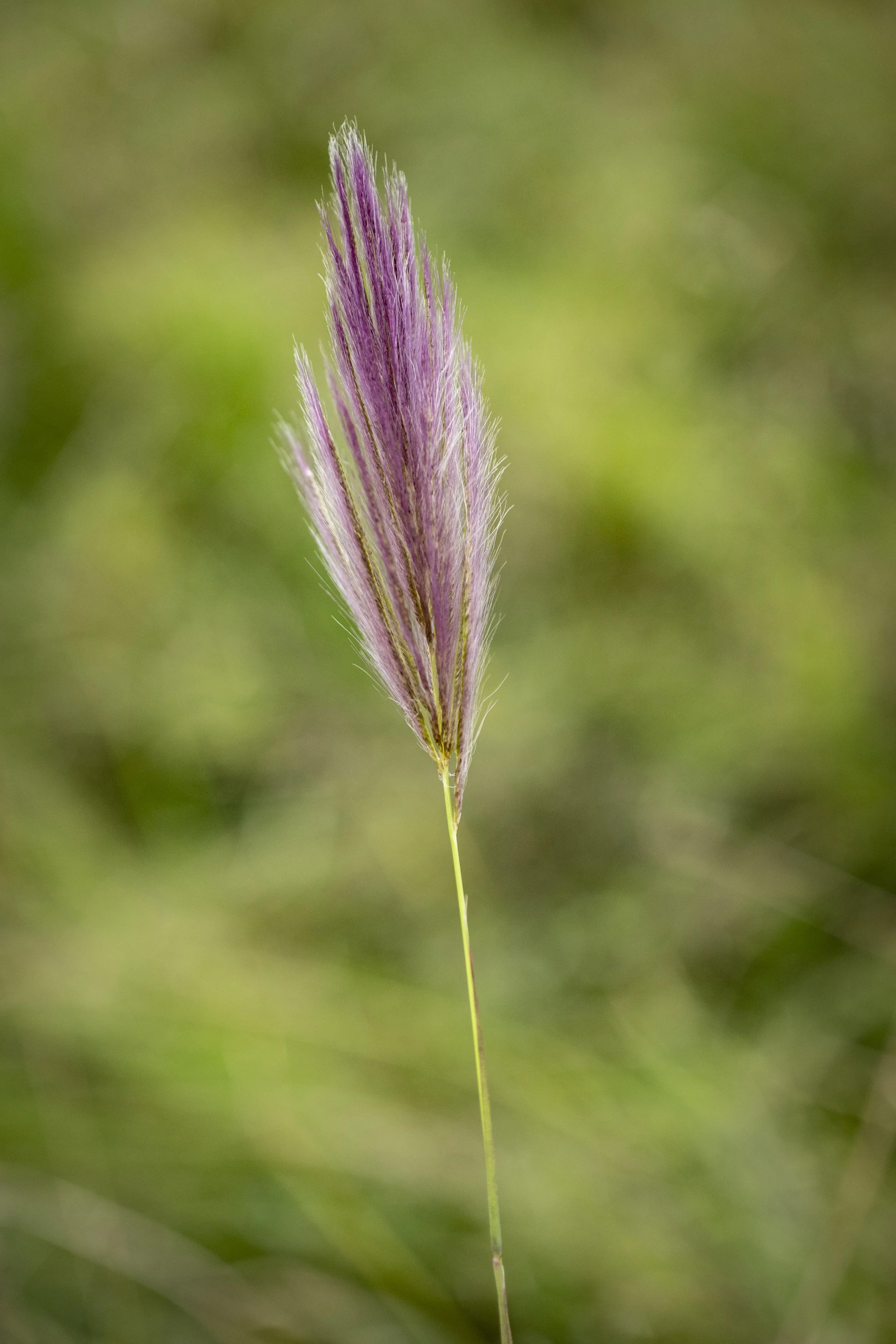
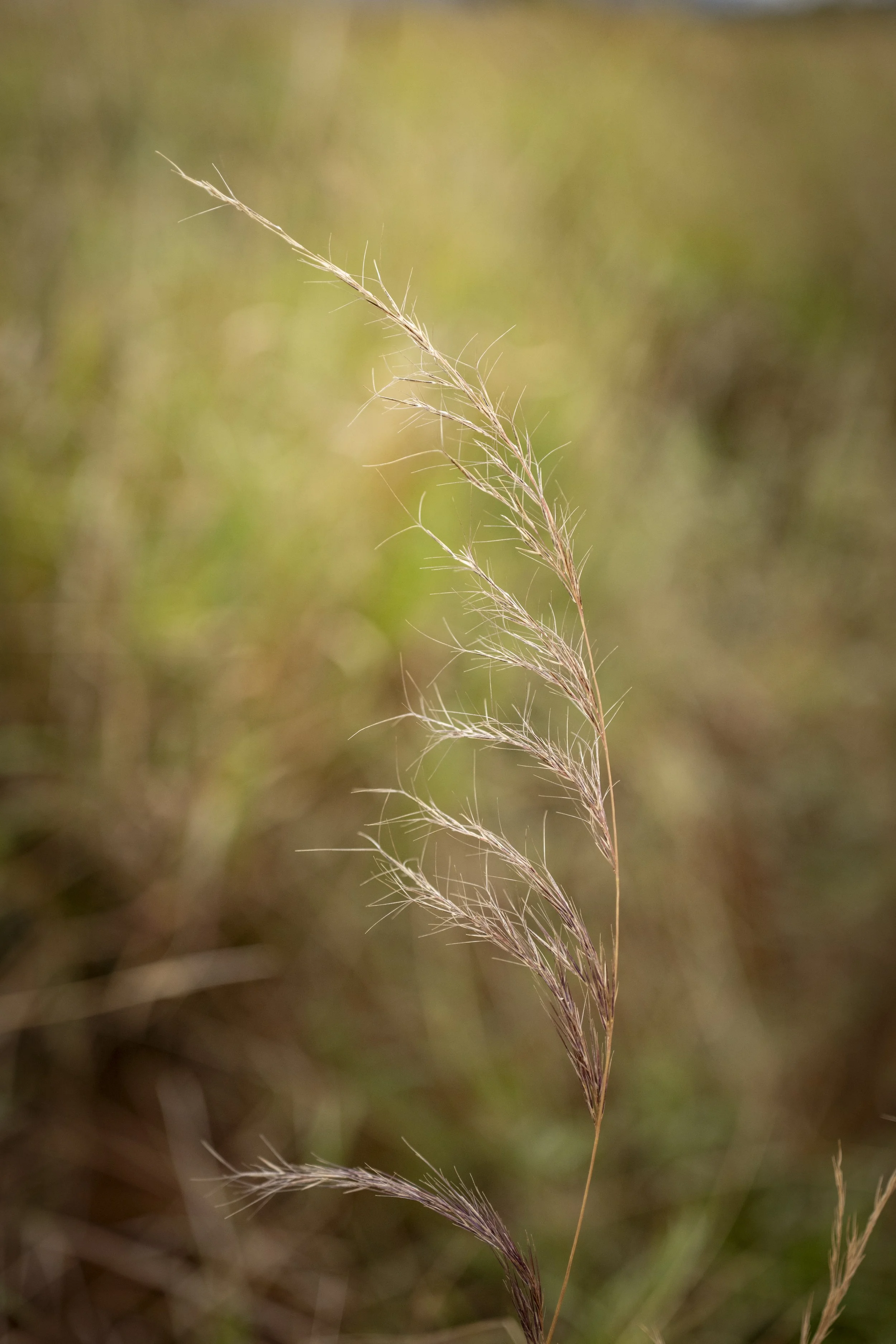
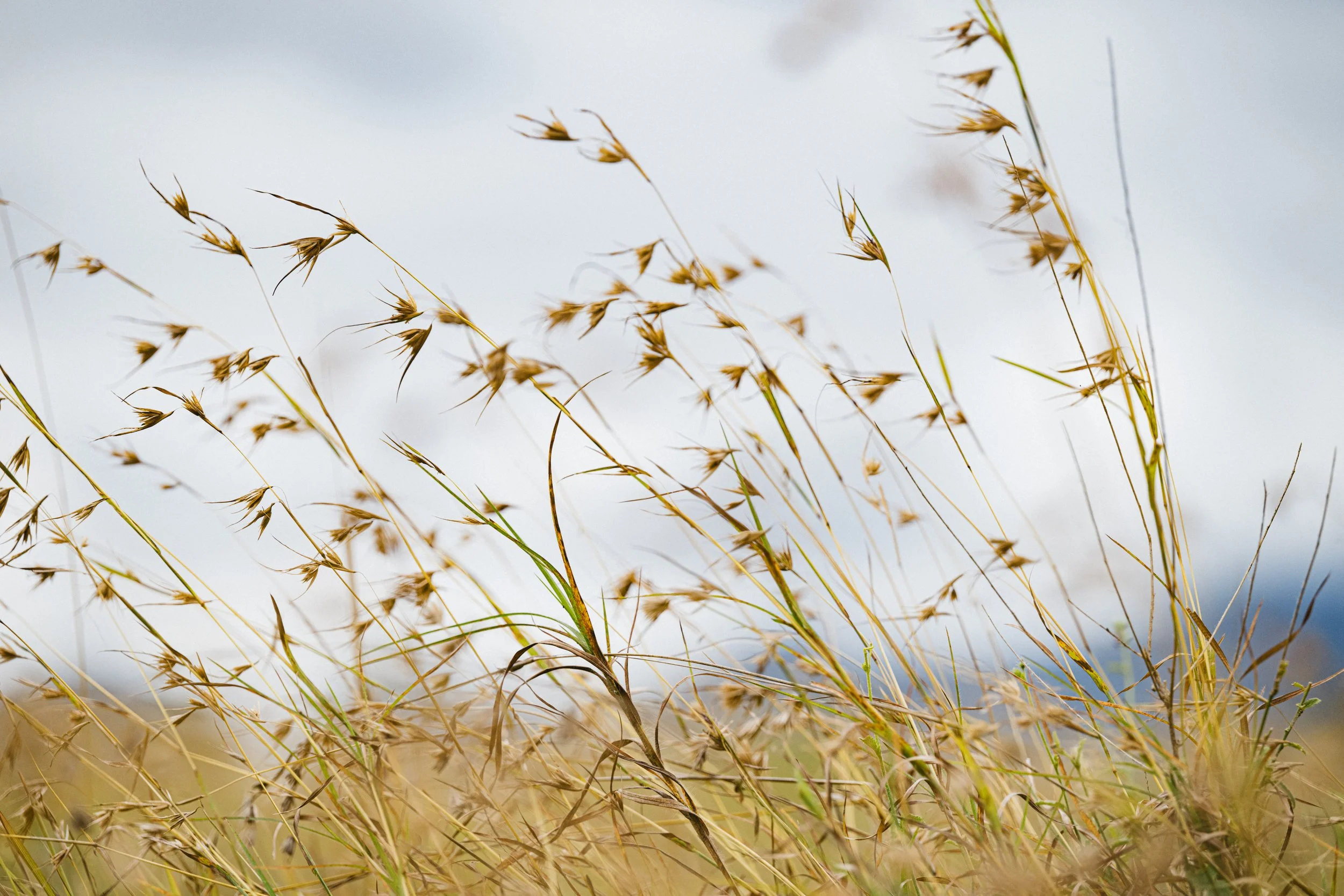
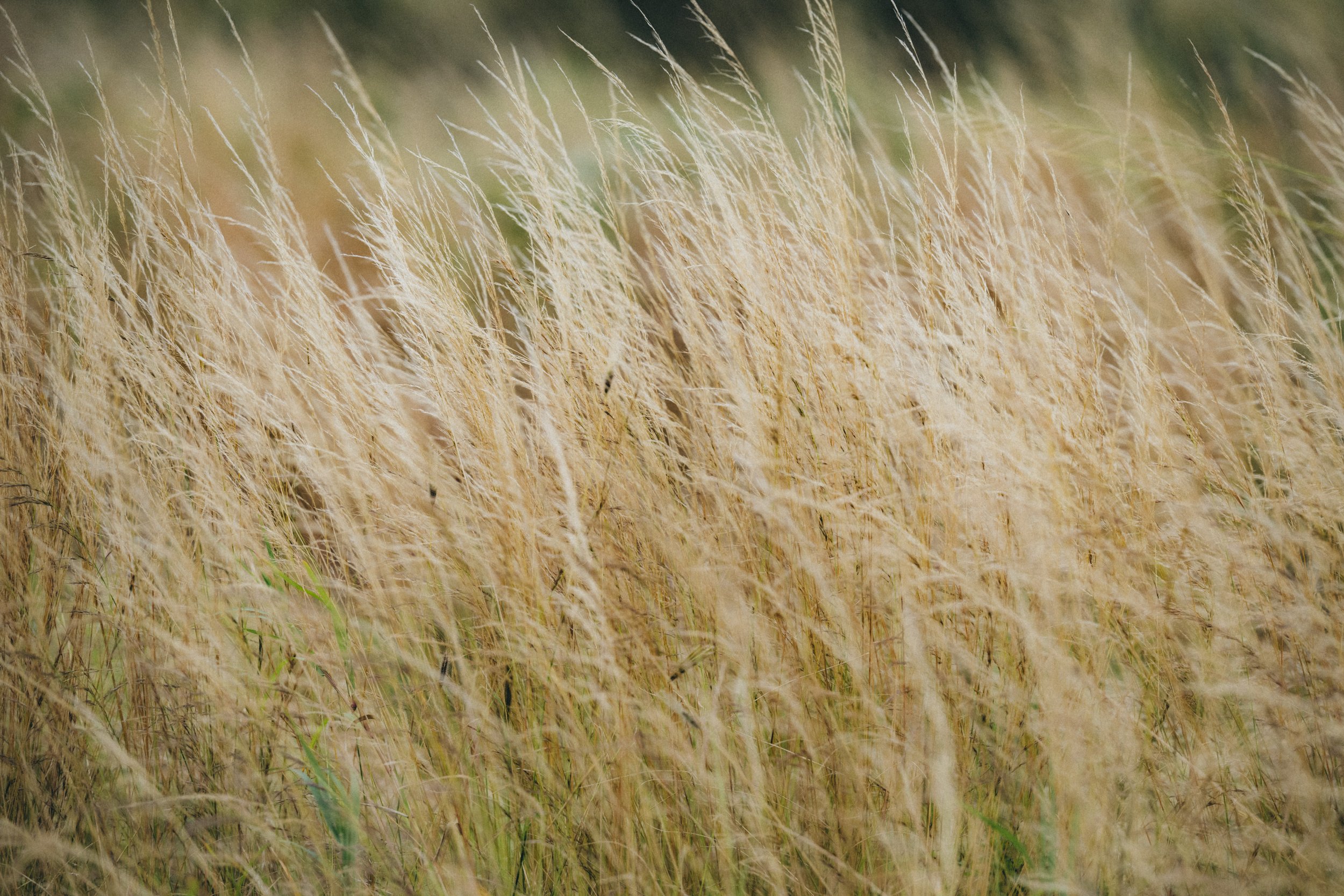
Photos by Kelvin Trautman
Those of us fortunate enough to work in wildlife-maintained rangelands can contribute a valuable perspective to this growing body of knowledge. Wild herbivores, together with plants, soils, microbes and climate, form an interconnected system that has evolved over millennia. By understanding those relationships more fully, we can generate insights that benefit not only protected areas but also the much larger rangelands managed for livestock and pastoral livelihoods worldwide.
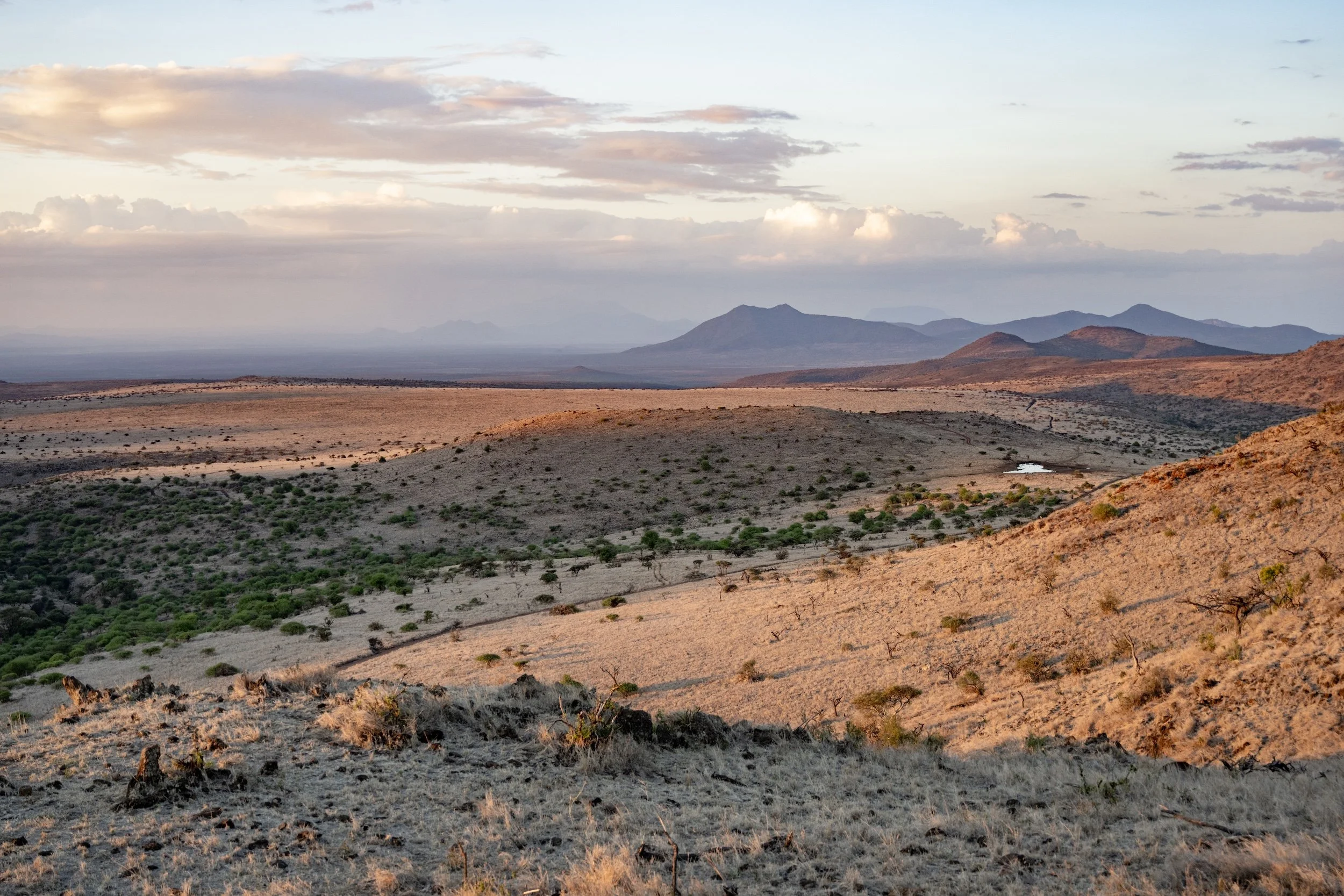
Photo by Kelvin Trautman
Long-term observation and modern science are natural partners. Land managers bring decades of watching landscapes change; scientists provide the tools to explain the processes behind those observations. Together, they can help us move beyond soil health as a single measure and towards a richer understanding of living rangelands—where healthy soils are not an end in themselves, but the product of a functioning ecosystem.
Perhaps we have become accustomed to thinking that healthy soils produce healthy vegetation. The converse is equally true. Healthy vegetation creates healthy soils. Every perennial grass, every forb, every shrub, every tree, and every climber continuously modifies the environment beneath it. Soil is not simply the foundation of ecosystems; it is also their product. Understanding that relationship may be one of the greatest opportunities for rangeland science in the years ahead.
About the Author
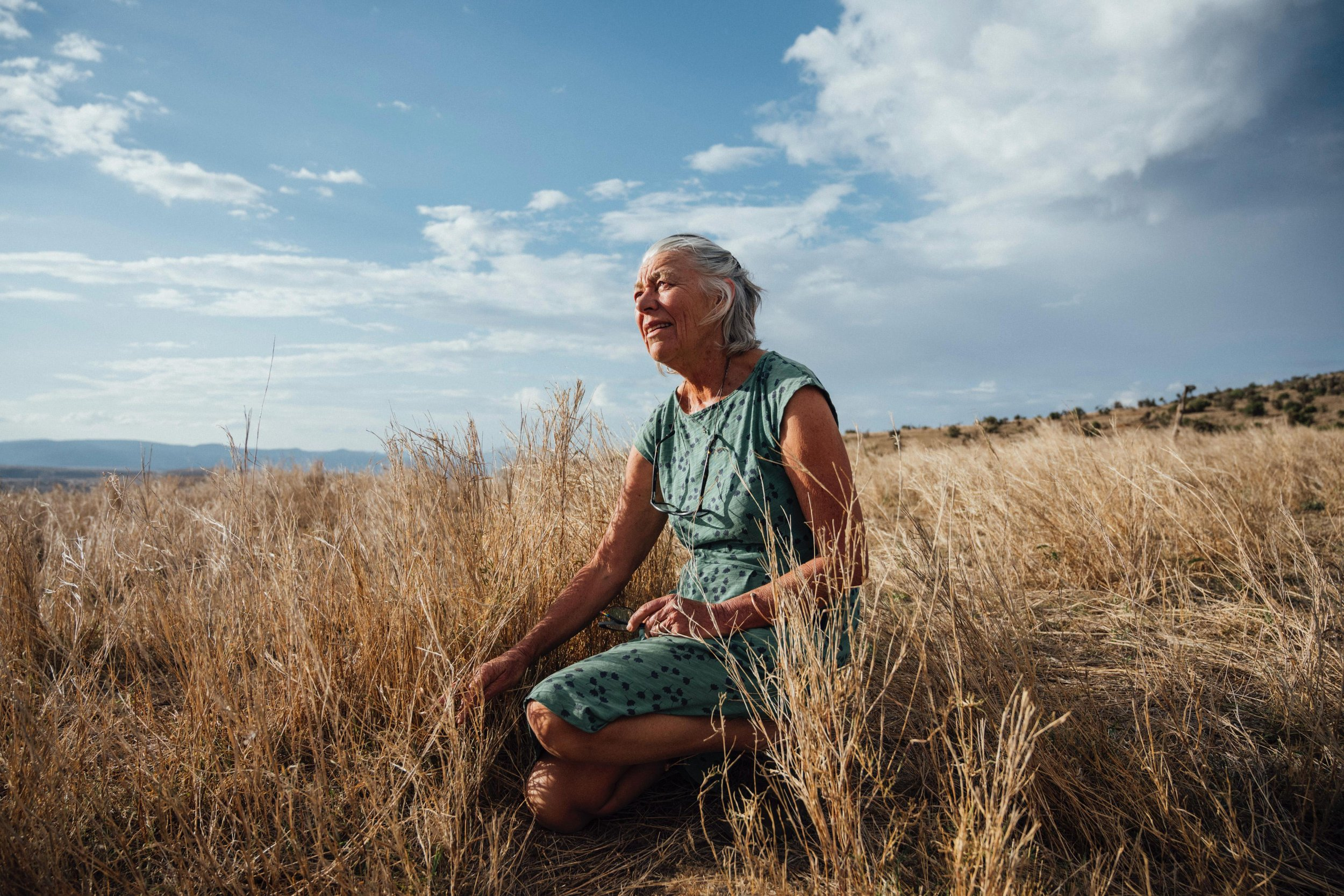
Sue Brown is a life-long ecologist, herbalist and biodynamic farmer who has spent her working life making cheese. Now retired, she lives within the Lewa Wildlife Conservancy, Kenya, where she is a custodian of the land both formally and informally. She devotes her days to plants, respecting them as the catalyst for life, and caring for the soil on which they depend.
Find her on Instagram @milimambogo

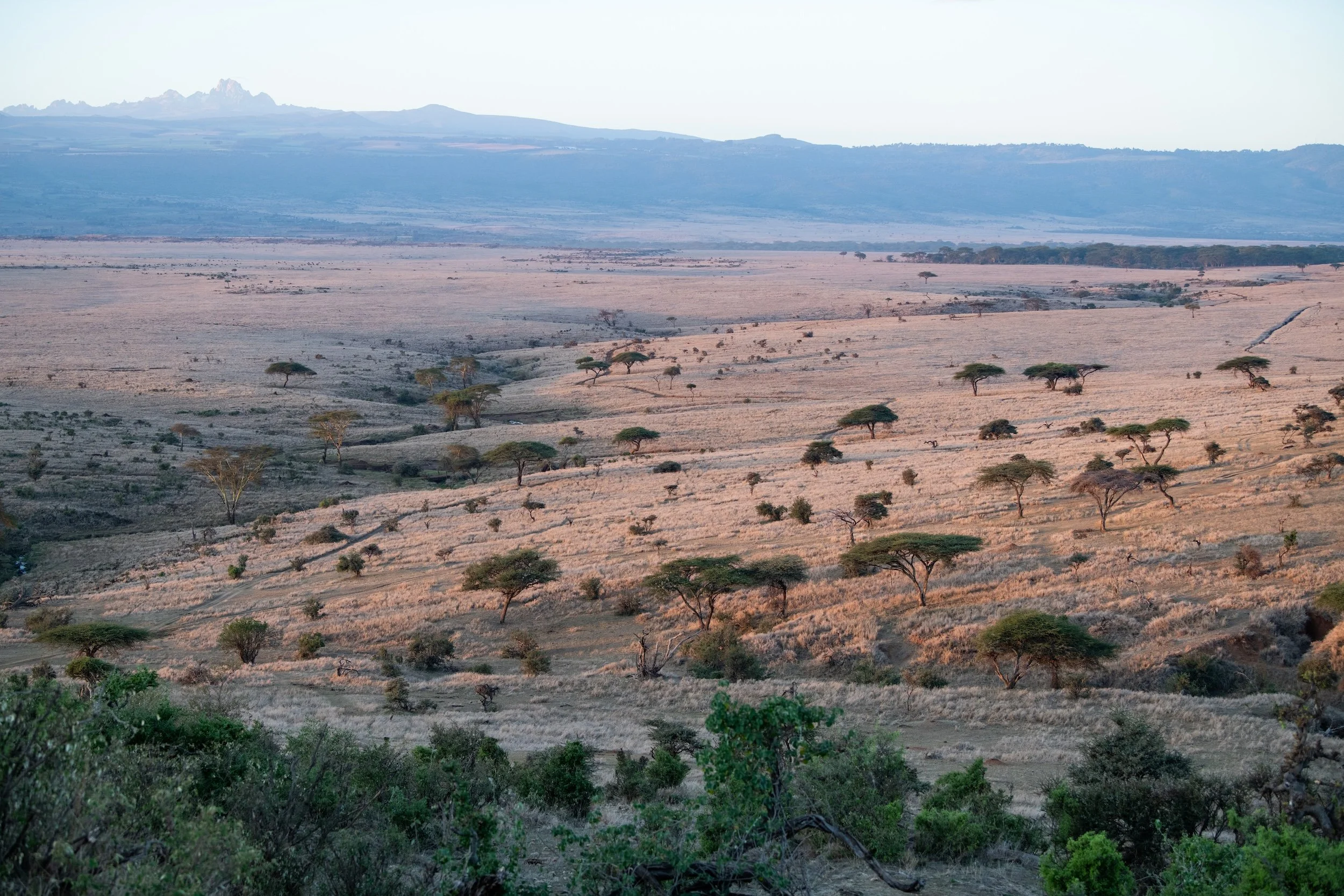


The Coalition of Action 4 Soil Health (CA4SH), Landscape Alliance (CIFOR-ICRAF), Deutsche Gesellschaft für Internationale Zusammenarbeit (GIZ) GmbH, the Norwegian Agency for Development Cooperation (Norad), CGIAR Multifunctional Landscapes Science Program, WWF, and partners, convened senior leaders and partners at UNCCD COP17 Mongolia for a high-level dinner focused on a simple but critical message: healthy soils are fundamental to resilient food systems, healthy ecosystems and a more climate-resilient future.