From Dialogue to Action: How the 3rd National Agroecology Symposium United Science, Policy and Communities to Accelerate Kenya's Agroecological Transition
Story by Dickens Ateku Alubaka, Senior Manager, Soil and Land Health Laboratories Research Services, Landscape Alliance (ICRAF)
22–23 July 2026 | Kenya Institute of Monetary Studies (KIMS), Nairobi
Healthy Soils. Healthy People. Healthy Landscapes.
Can Kenya transform its food systems while restoring ecosystems, improving nutrition, and building resilience to climate change?
That question brought together more than just experts; it united policymakers, researchers, farmers, youth, women, pastoralists, civil society, development partners and the private sector at the 3rd National Agroecology Symposium, held on 22–23 July 2026 at the Kenya Institute of Monetary Studies (KIMS) in Nairobi. Under the theme Transforming Agrifood Systems through Agroecology: A One Health Approach for Inclusive, Sustainable and Resilient Futures, the symposium demonstrated that agroecology has evolved from an emerging concept into a national movement for transforming Kenya's agrifood systems.
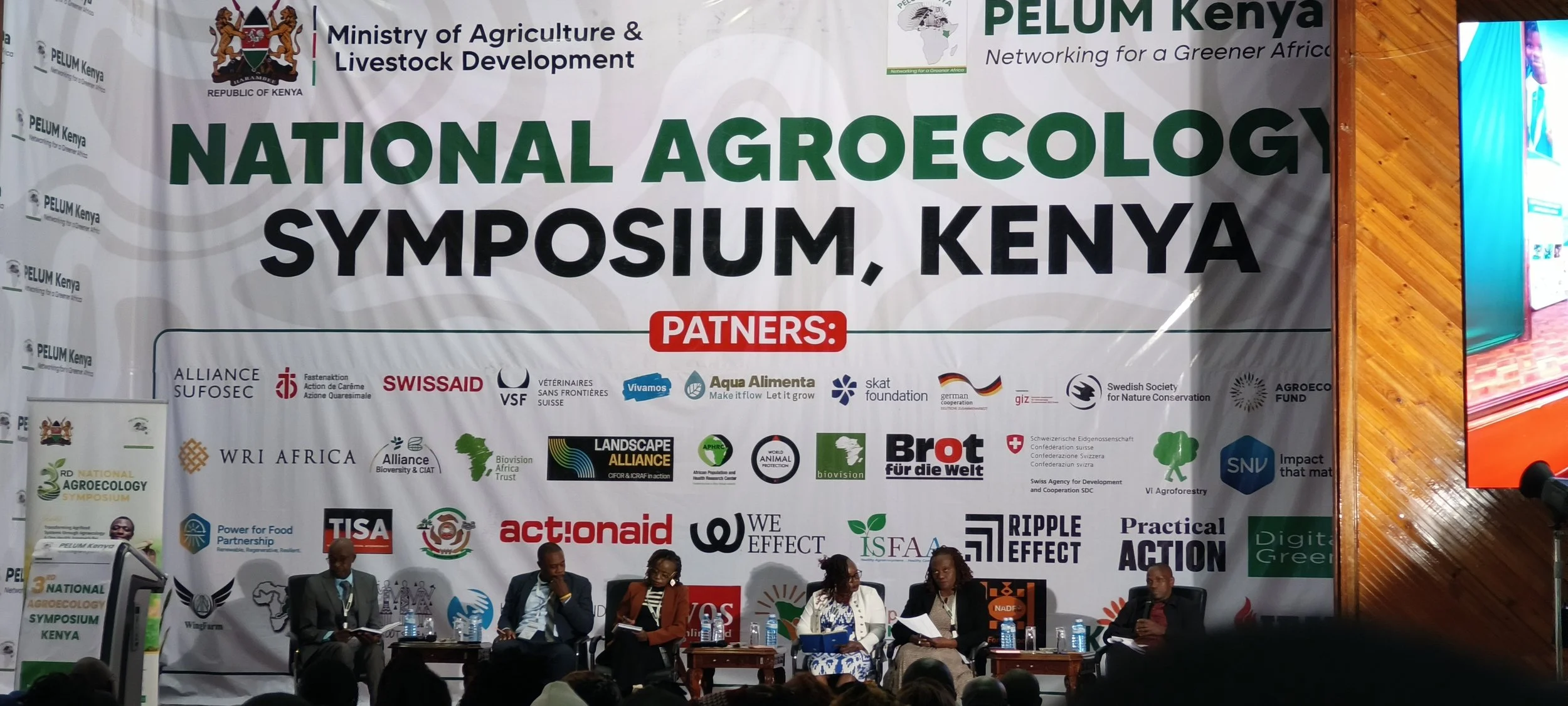
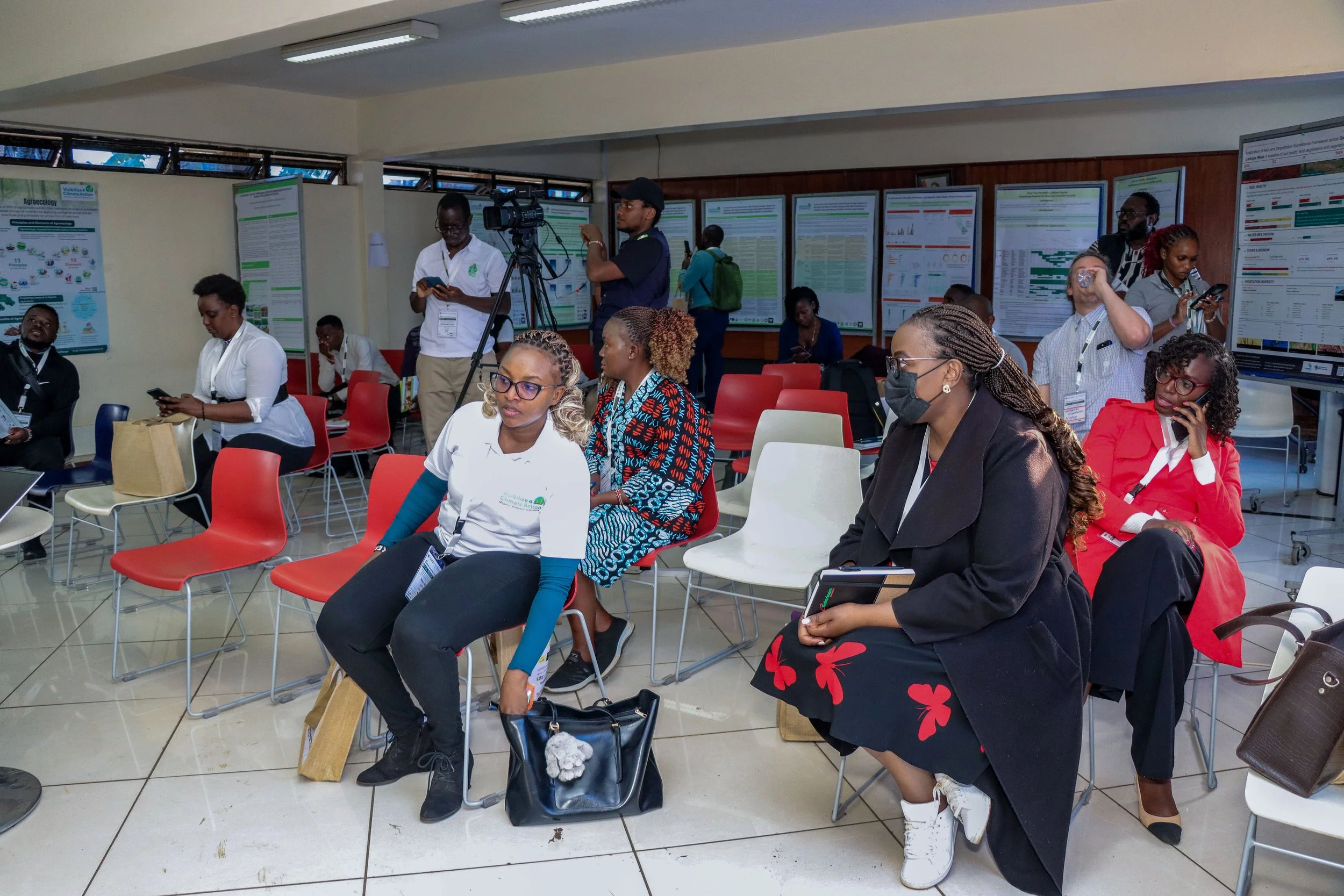
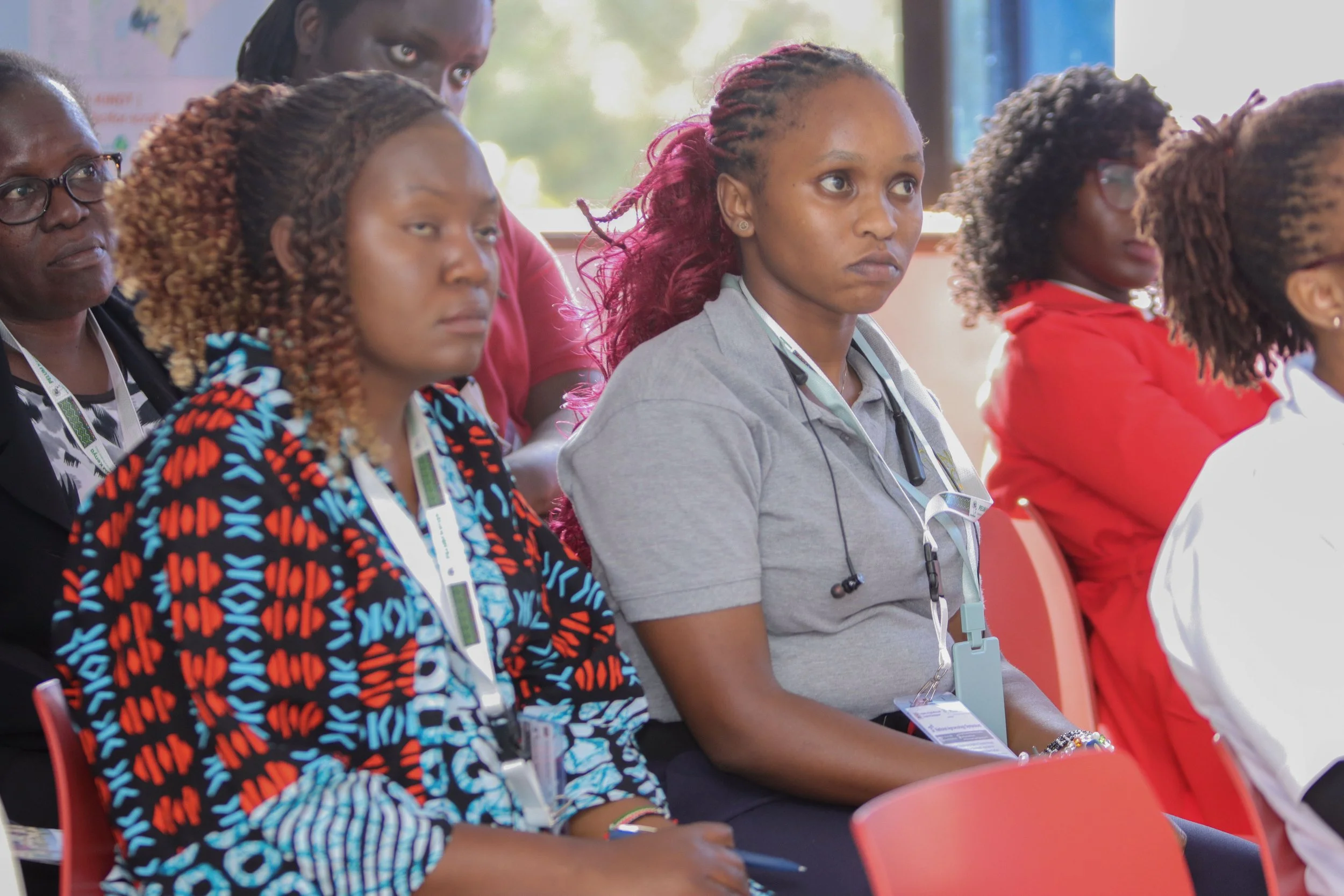
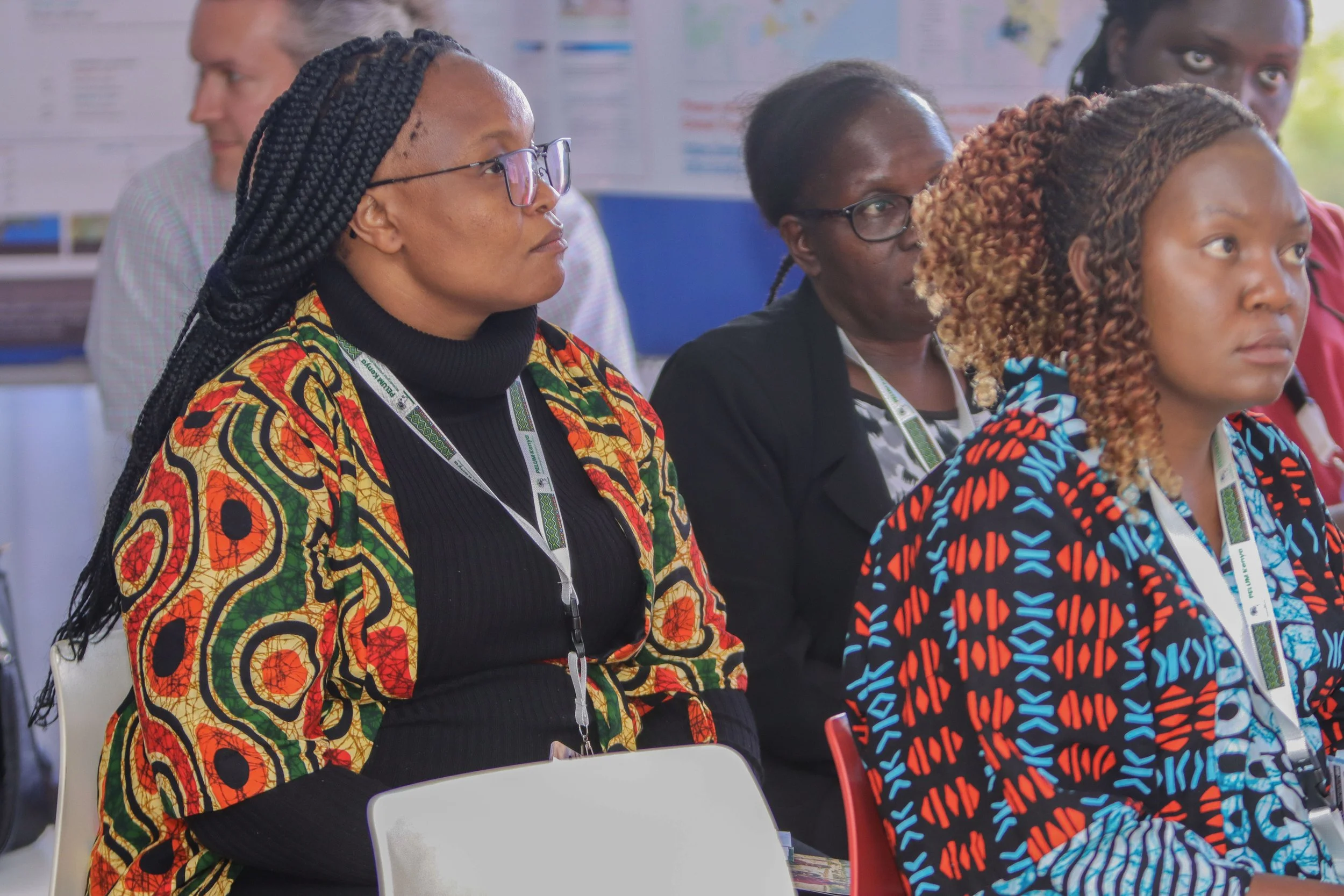
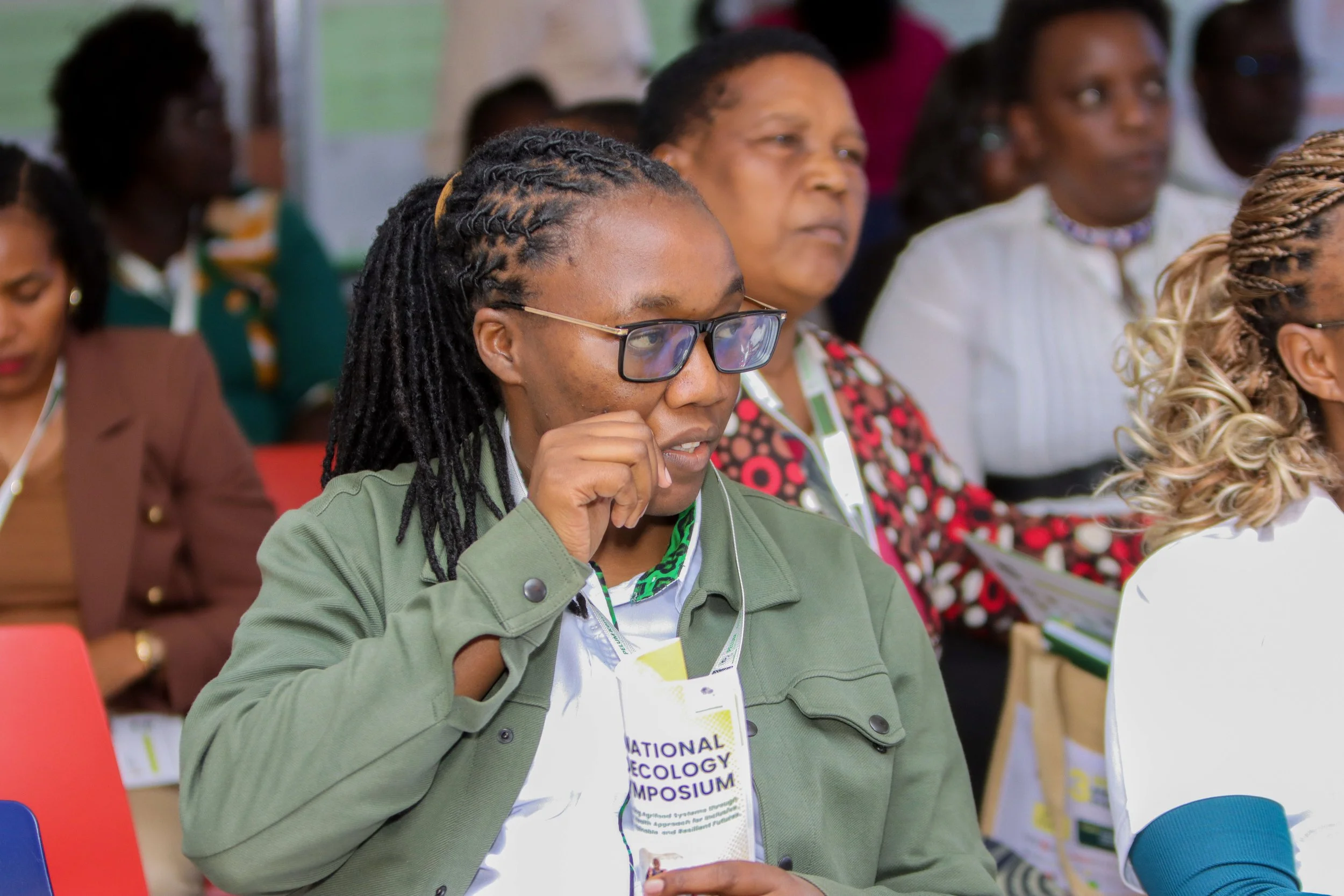
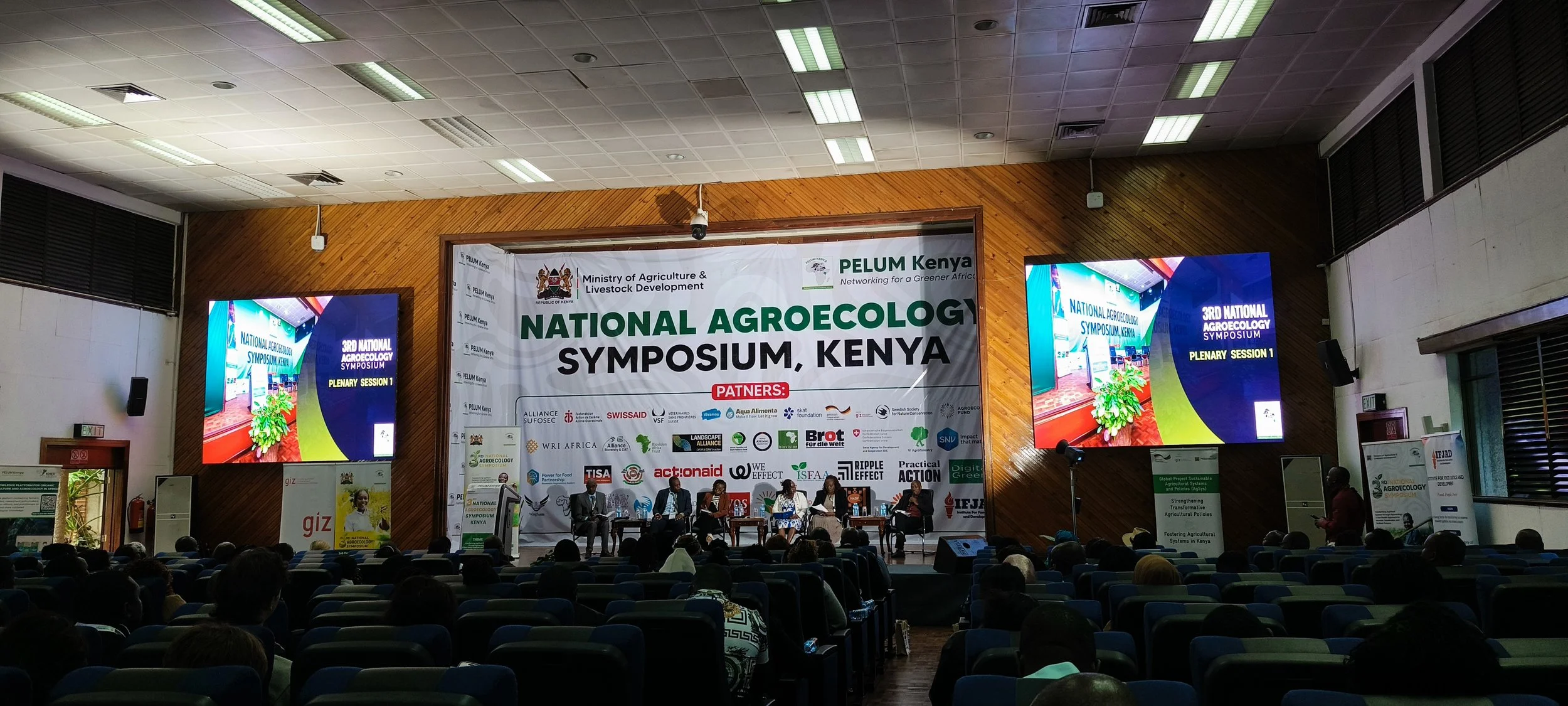
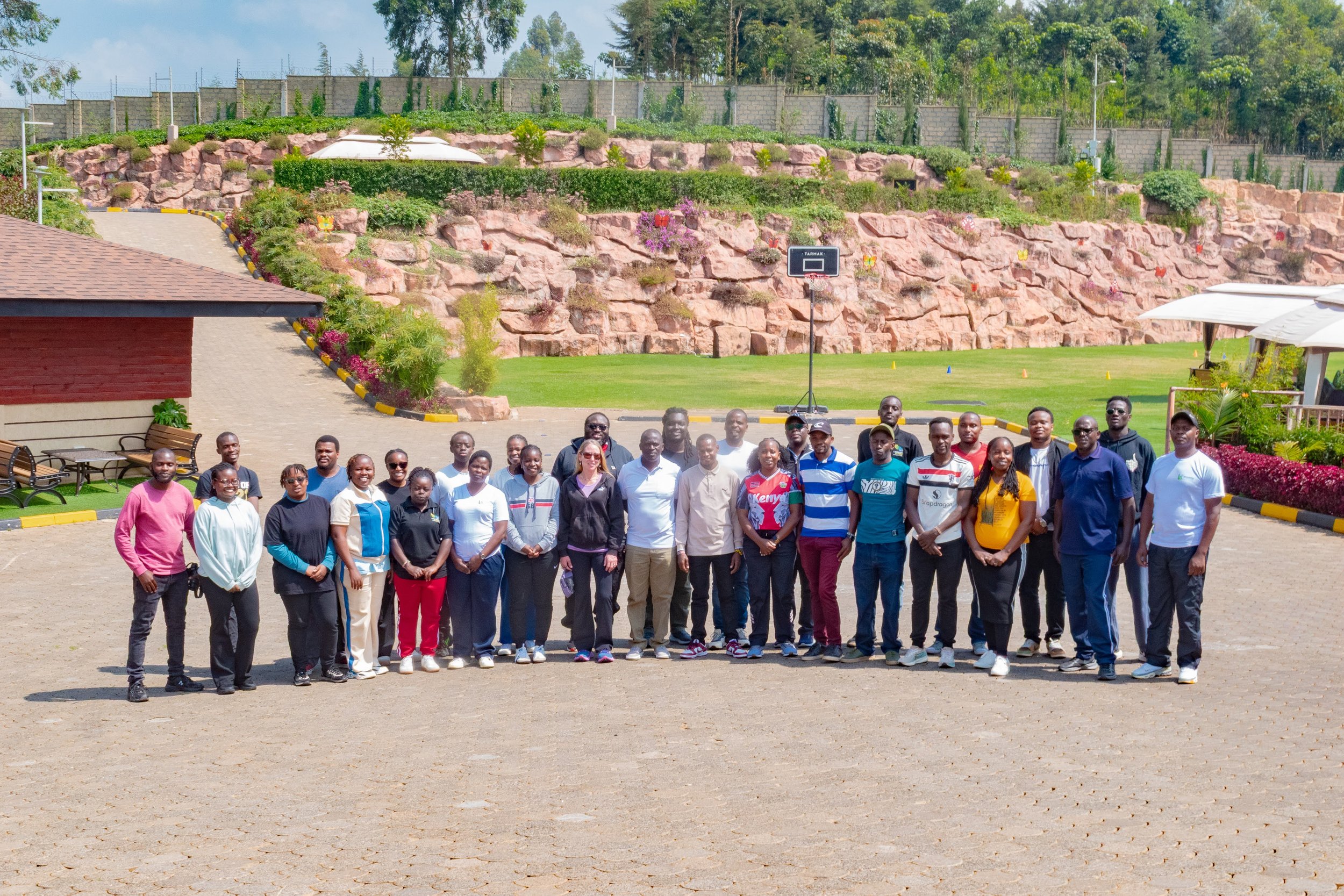
Figure 1: Participants from across Kenya gather during the opening plenary of the 3rd National Agroecology Symposium to explore practical pathways for implementing the National Agroecology Strategy. (Photo credits @Dickens Ateku).
More importantly, the symposium signaled a shift from discussing agroecology to implementing it. Across two days of dynamic dialogue, practical demonstrations and collaborative learning, one message resonated throughout every session: healthy soils are the foundation of healthy people, healthy landscapes and resilient food systems.
From National Strategy to Collective Action
The symposium represented an important milestone in operationalizing Kenya's National Agroecology Strategy for Food Systems Transformation (NAS-FST 2024–2033). Organized by PELUM Kenya, the event created a unique platform where government institutions, research organizations, farming communities, academia, civil society and development partners worked together to identify practical pathways for implementing the national strategy.
Rather than focusing solely on policy discussions, participants explored how scientific evidence, farmer knowledge, innovation and inclusive governance can jointly accelerate agroecological transformation across Kenya. The objectives were clear: strengthen policy implementation, showcase proven agroecological innovations, promote inclusive participation, and develop actionable recommendations that translate vision into measurable impact.
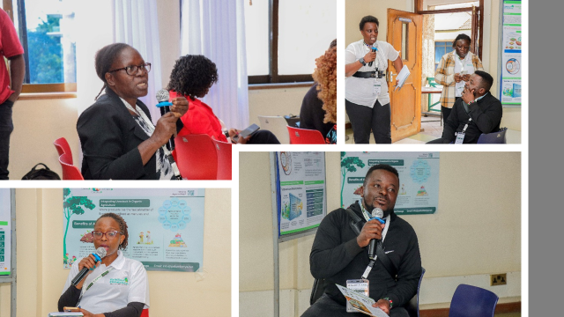
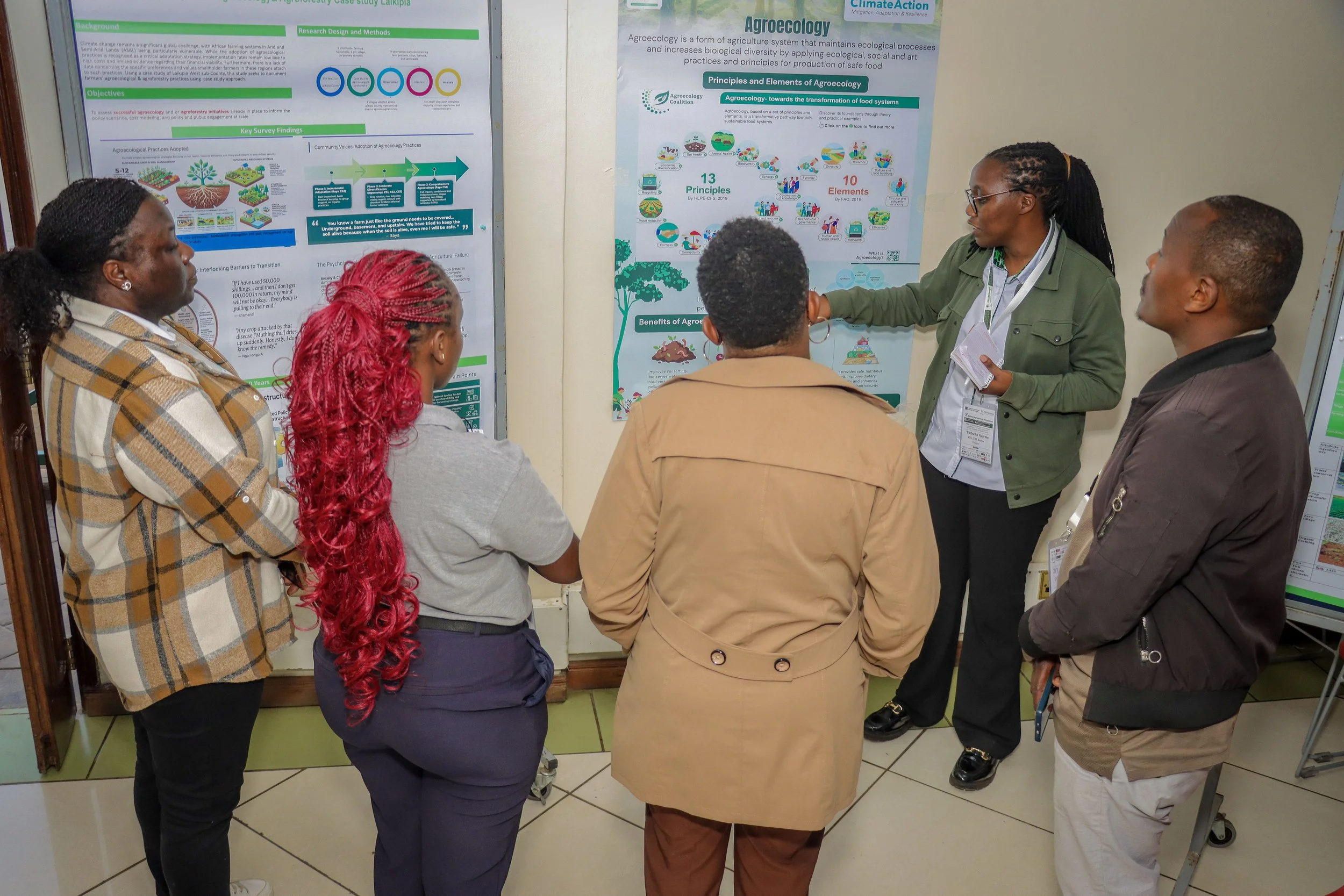
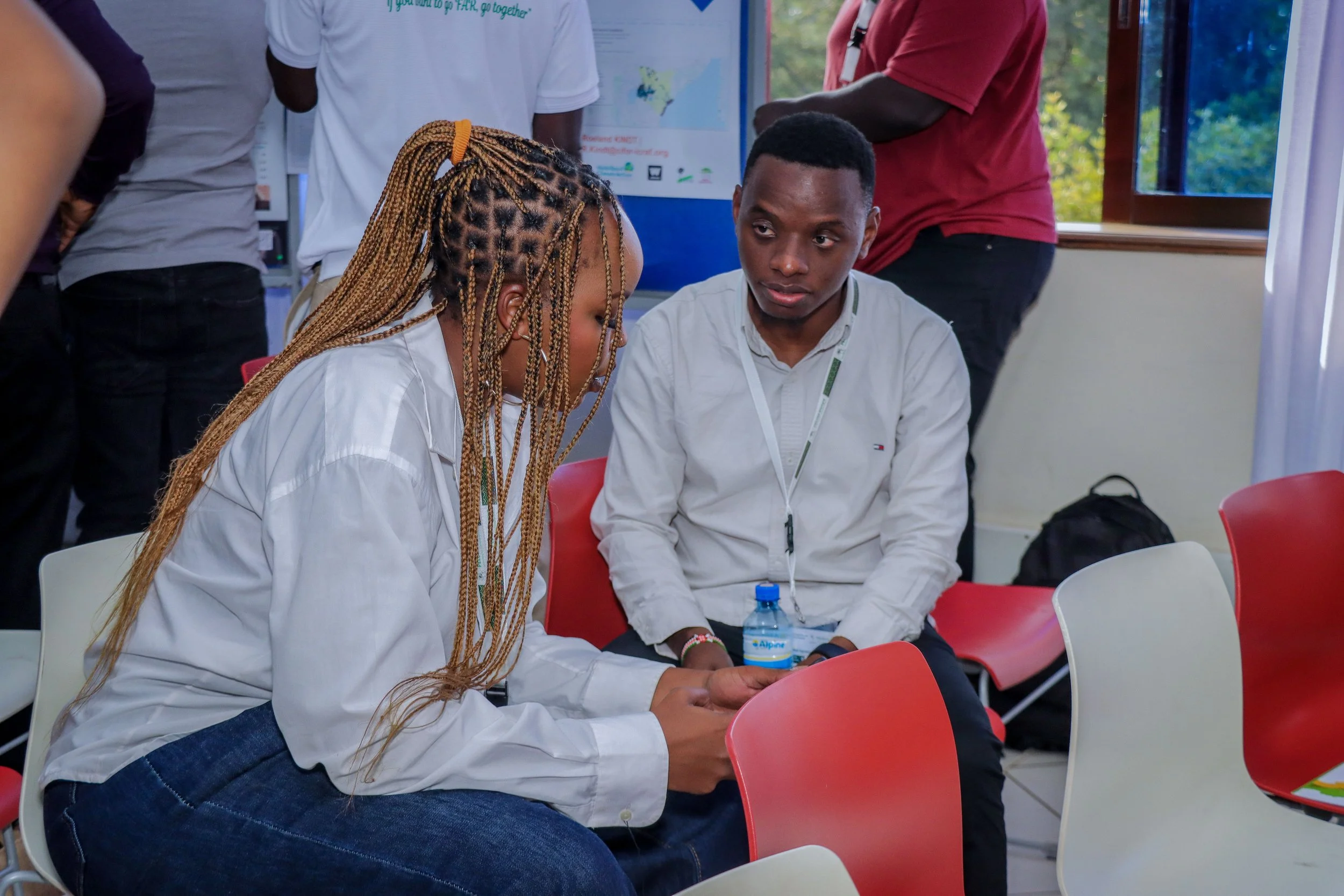
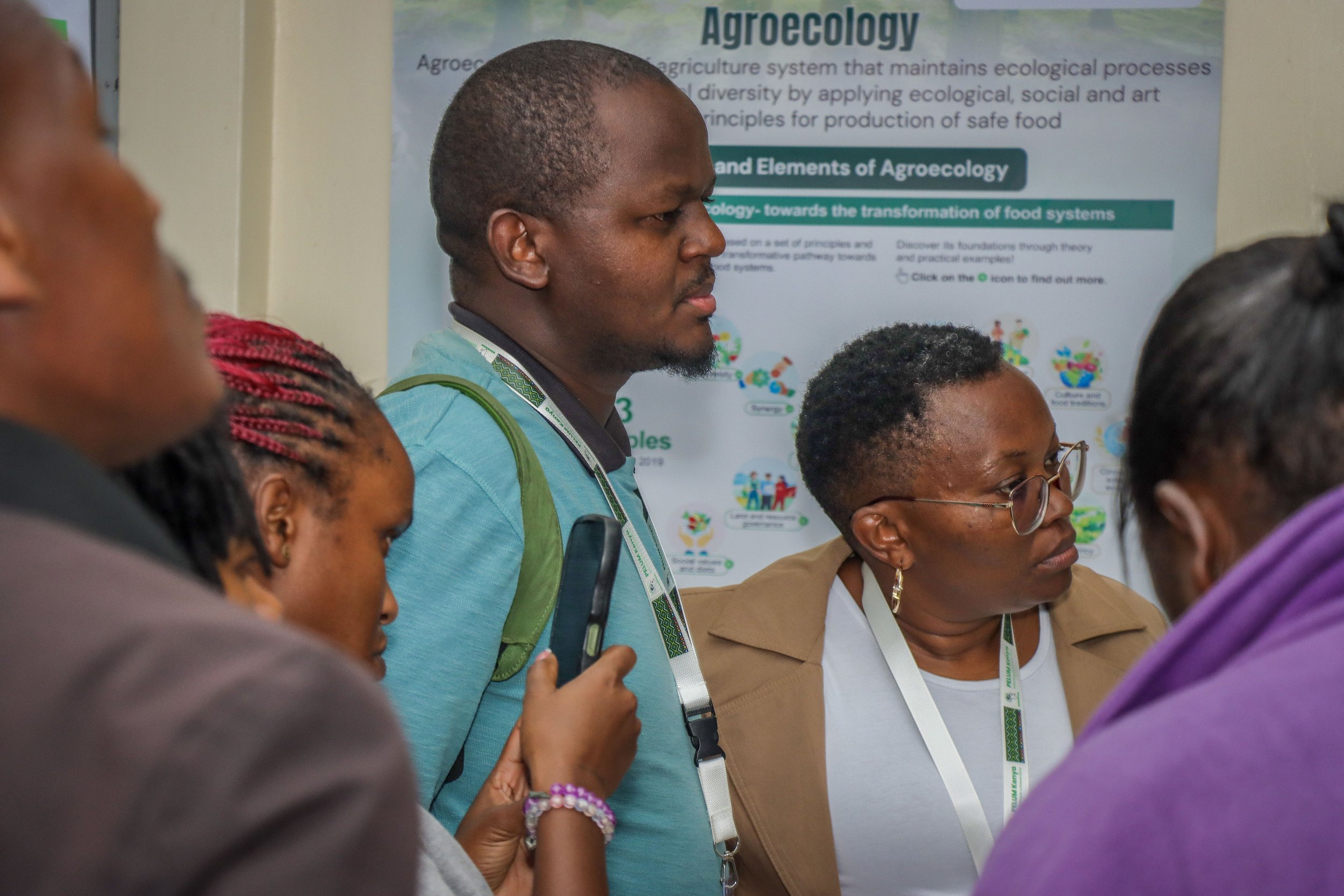
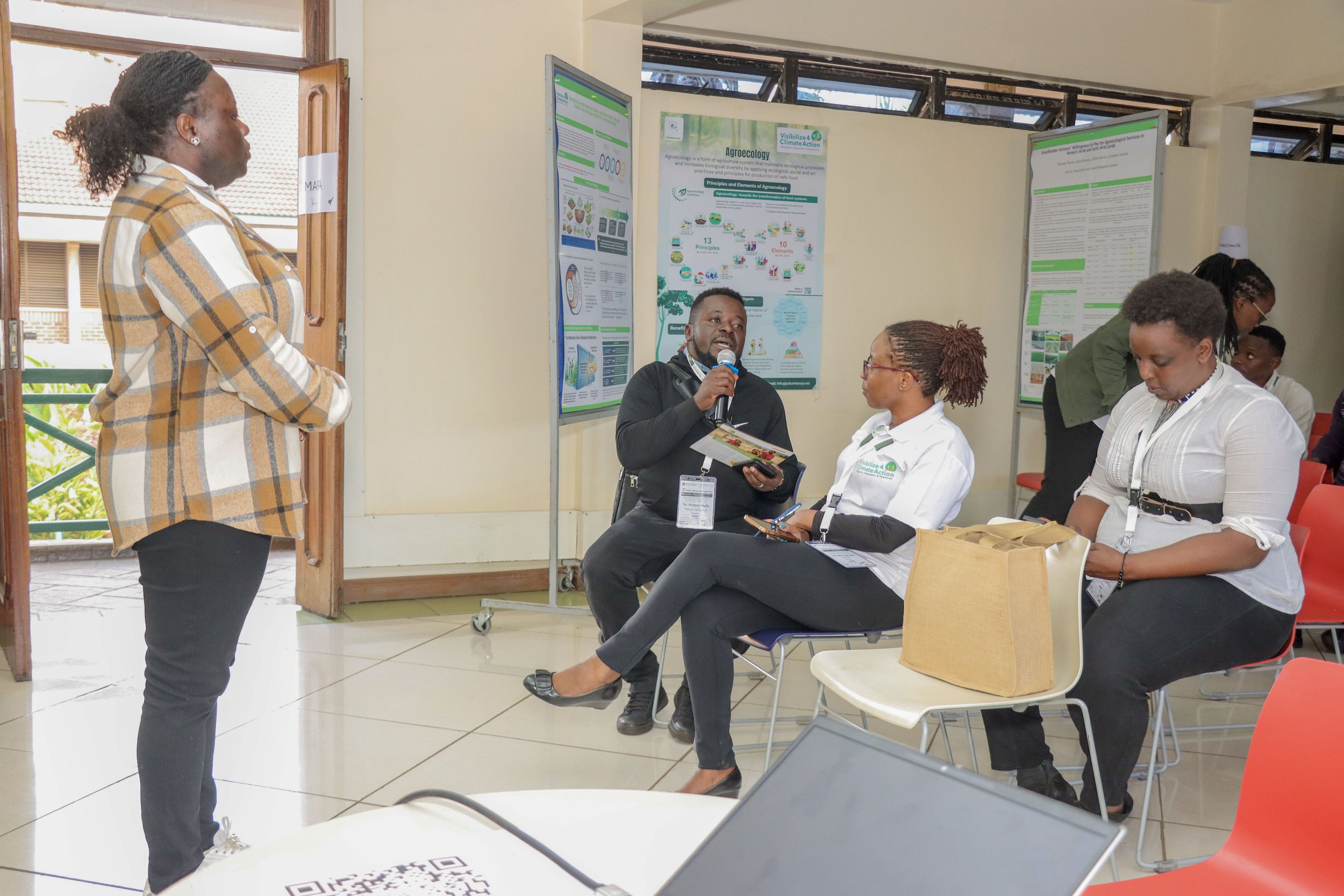
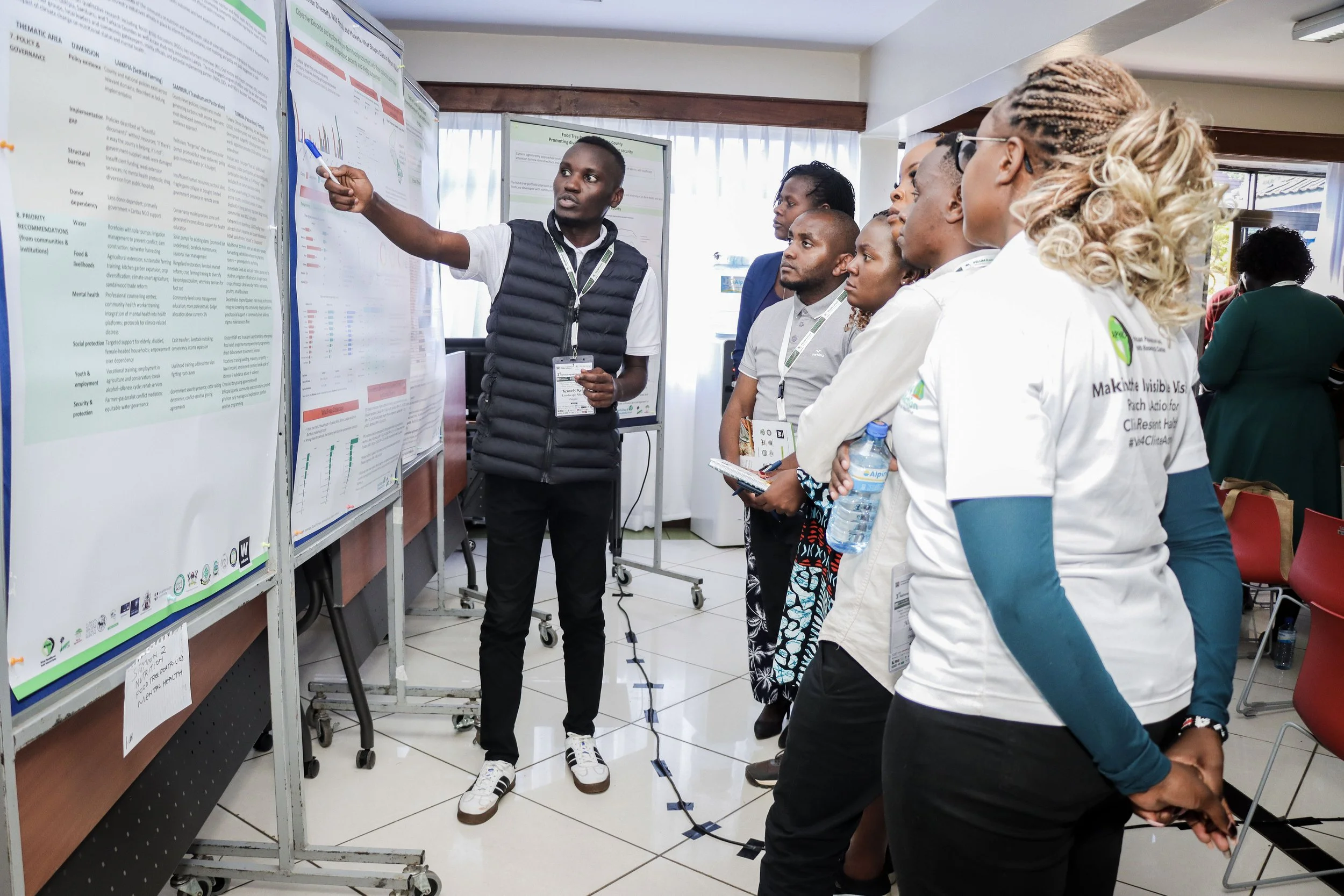
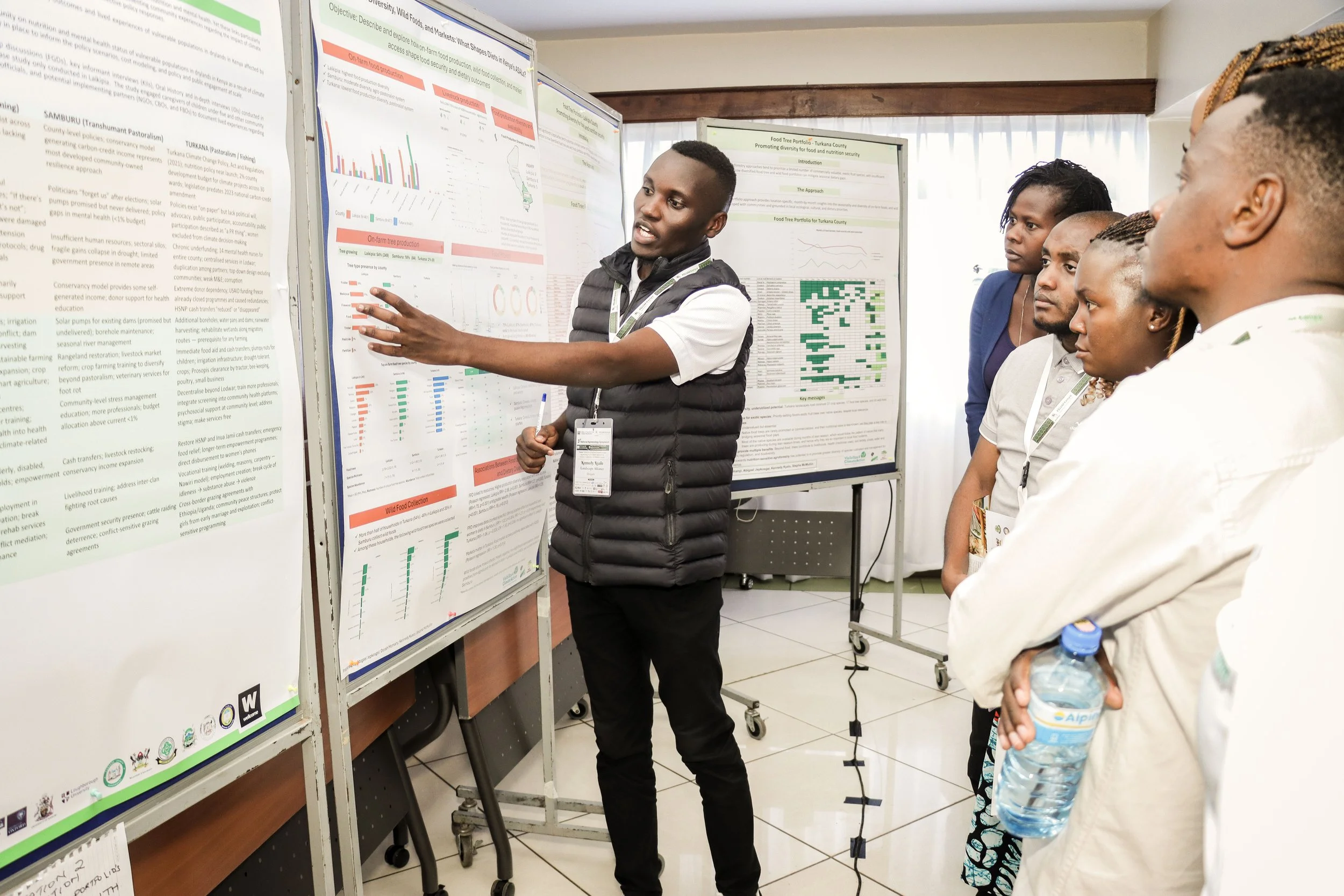
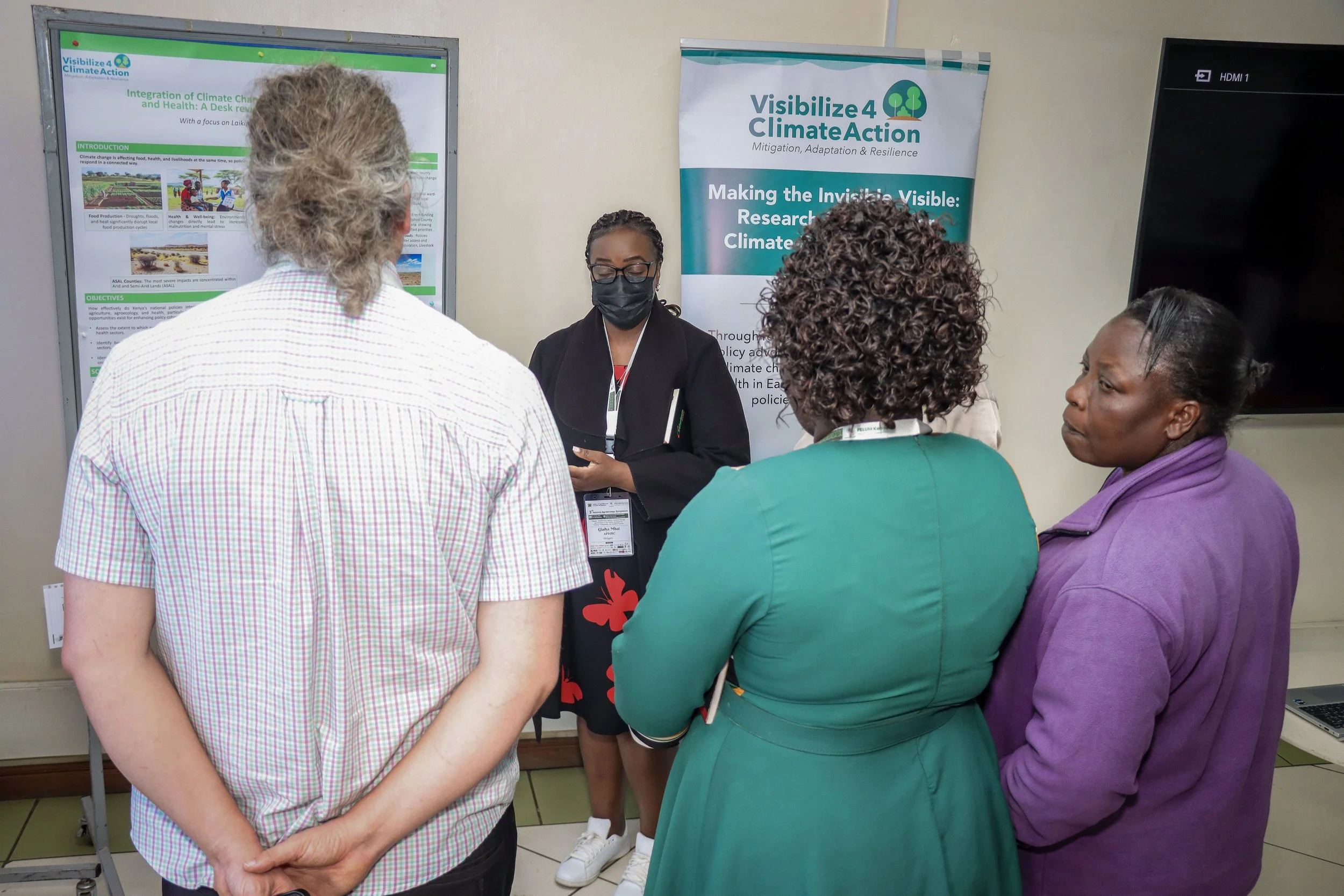
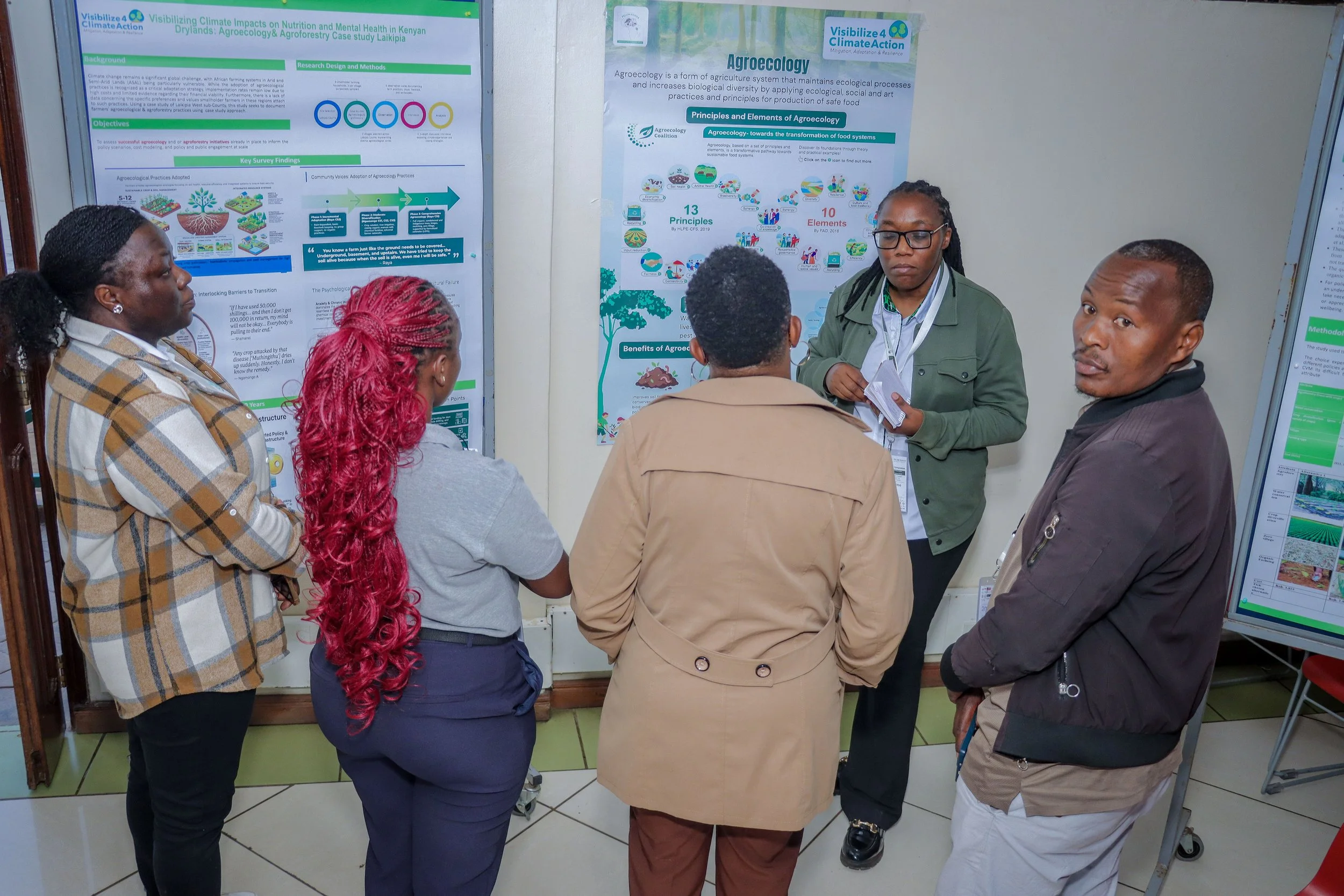
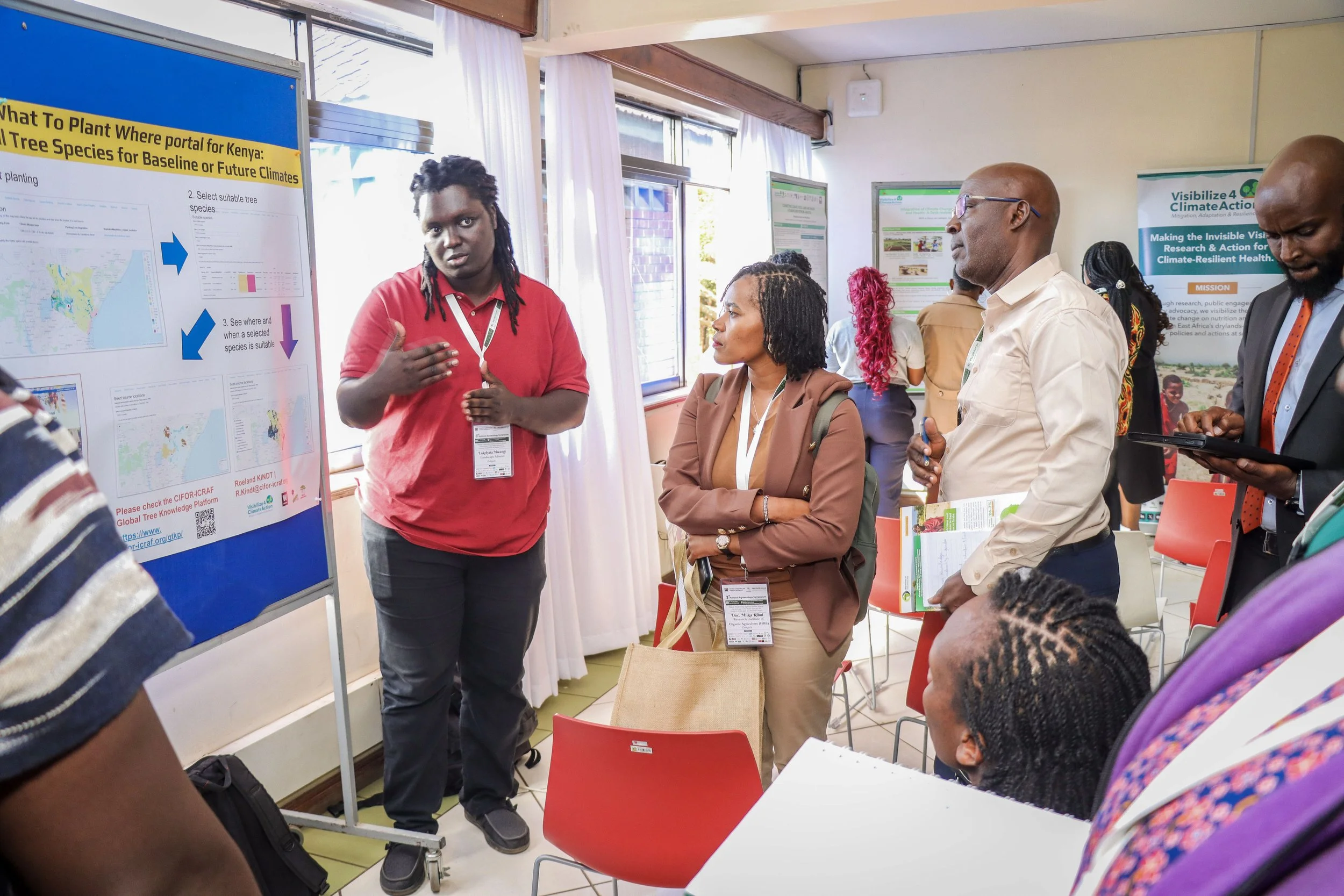
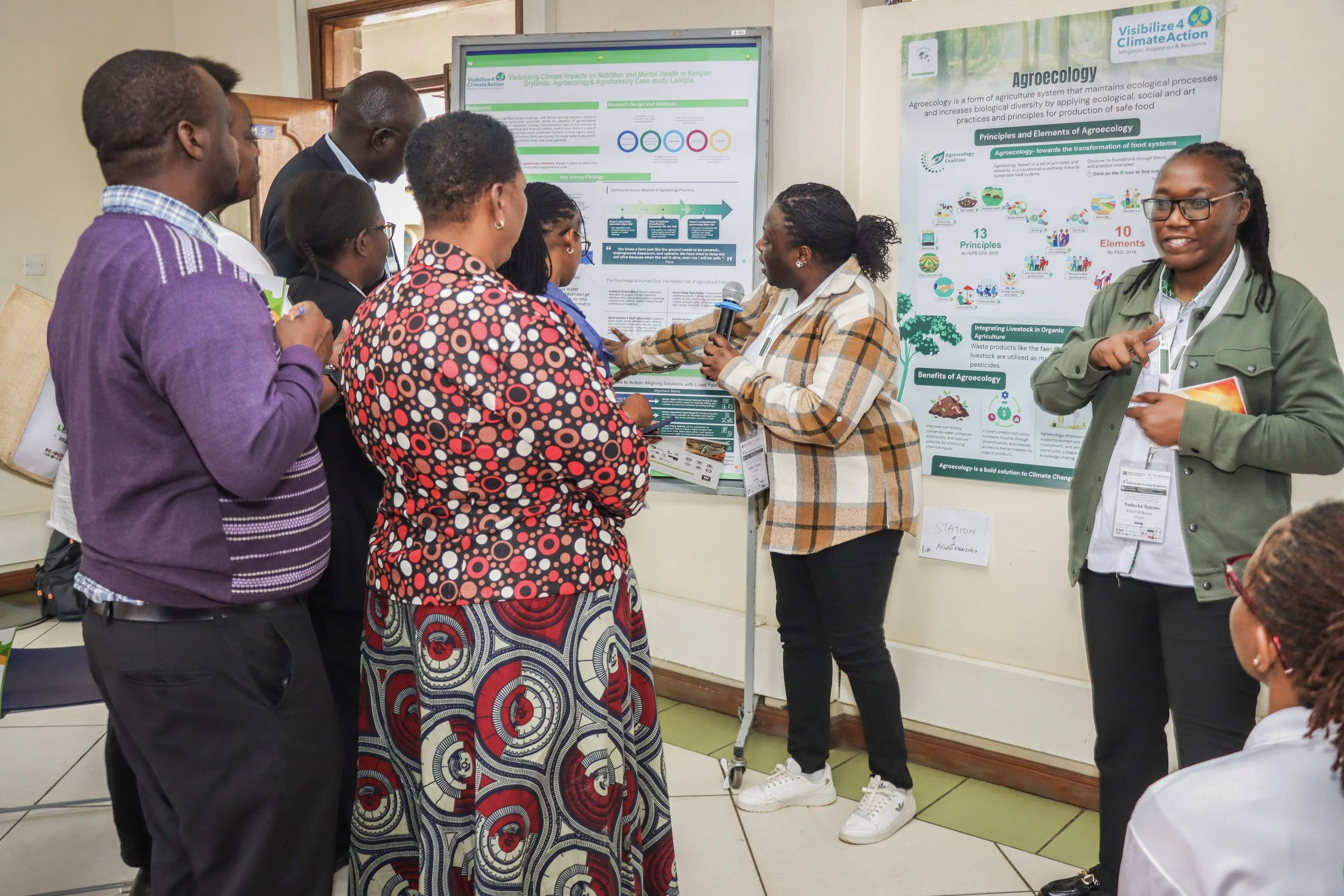
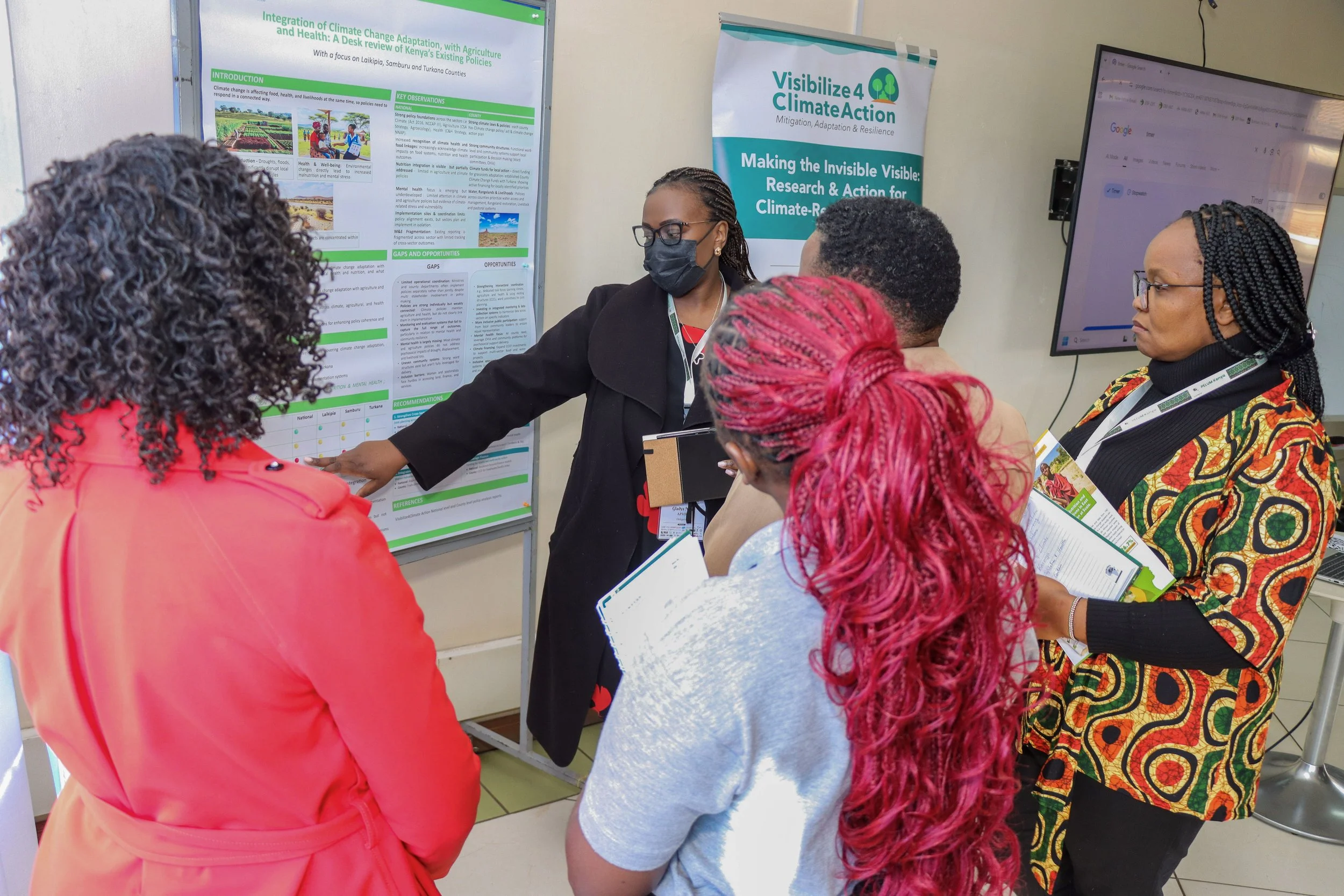
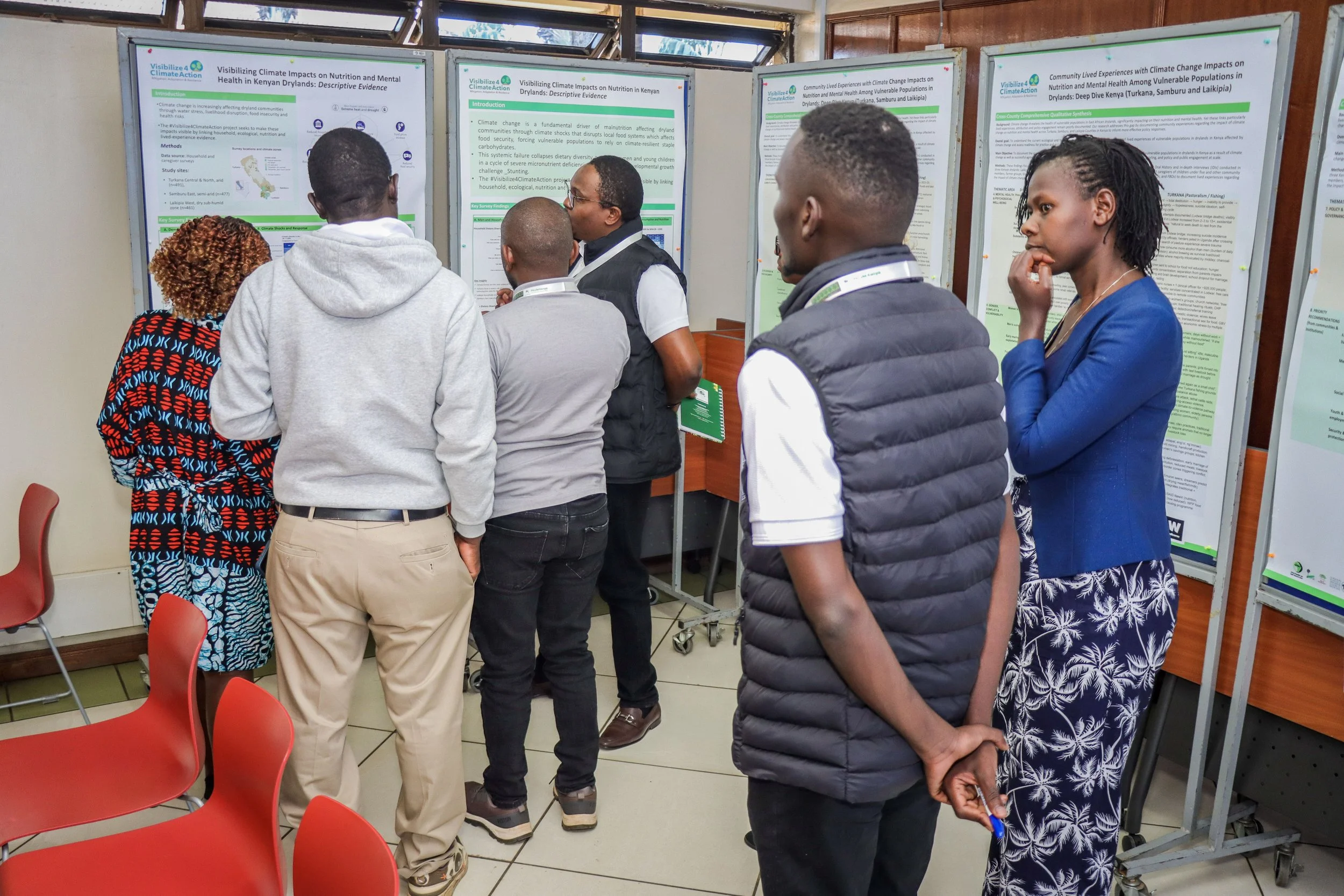
Figure 2: Participants interact with researchers during the Visibilize4ClimateAction World Café sessions designed to bridge science, policy and community knowledge. (Photo credits @PELUM Kenya | Visibilize4Climate Action Project).
A Powerful Consensus Emerged
Throughout the plenary discussions, speakers consistently reinforced that agroecology is no longer an alternative approach, it is increasingly becoming essential for achieving resilient, equitable and sustainable food systems.
Participants emphasized that successful implementation requires stronger collaboration across institutions while ensuring that farmers remain central to innovation and decision making. Discussions highlighted the importance of integrating soil restoration, agroforestry, biodiversity conservation and livestock systems to improve agricultural productivity, nutrition and climate resilience.
Equally important was the recognition that successful transformation depends on people. Youth, women, pastoralists and indigenous communities were repeatedly identified as indispensable partners whose knowledge, leadership and lived experiences must shape the future of Kenya's food systems.
Perhaps the symposium's most memorable message captured this spirit perfectly:
Science should work together with indigenous knowledge.
Another powerful reminder echoed throughout the discussions:
Farmers are co-researchers, not passive beneficiaries.
These statements reflected a growing national consensus that sustainable food systems can only be achieved by combining scientific research with Indigenous knowledge and farmer-led innovation.
Turning Research into Real-World Solutions
One of the symposium's defining strengths was its emphasis on practical learning.
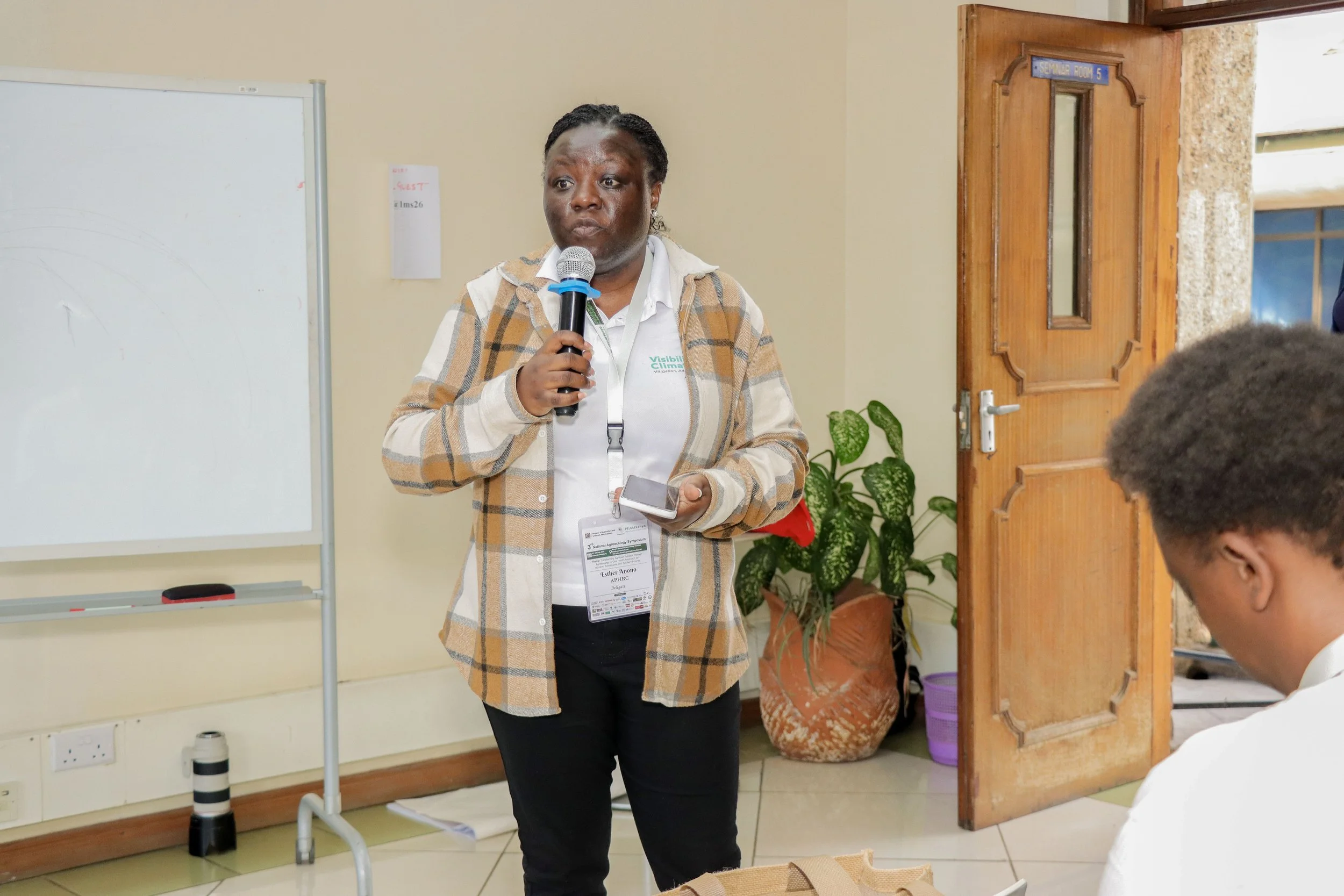
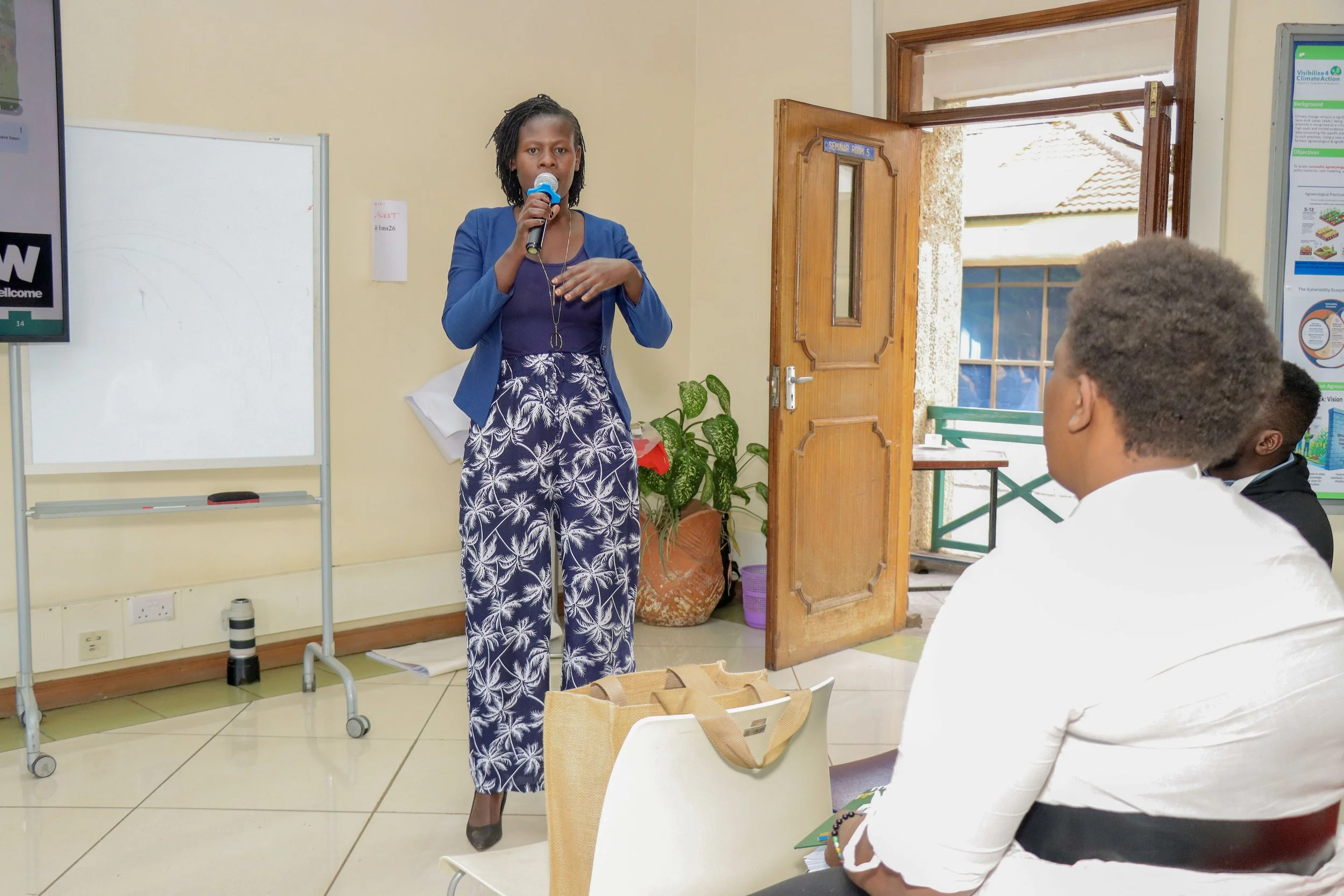
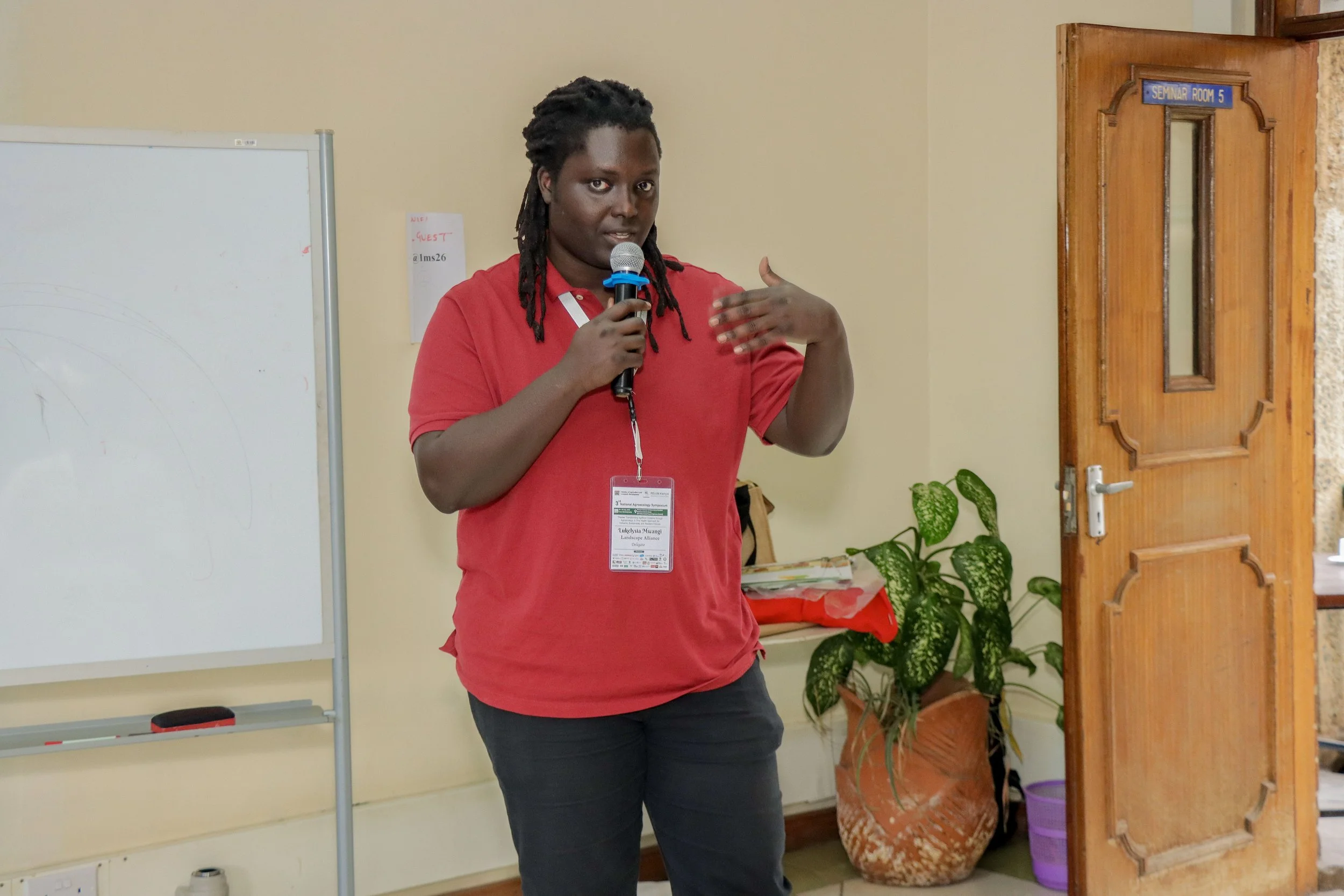
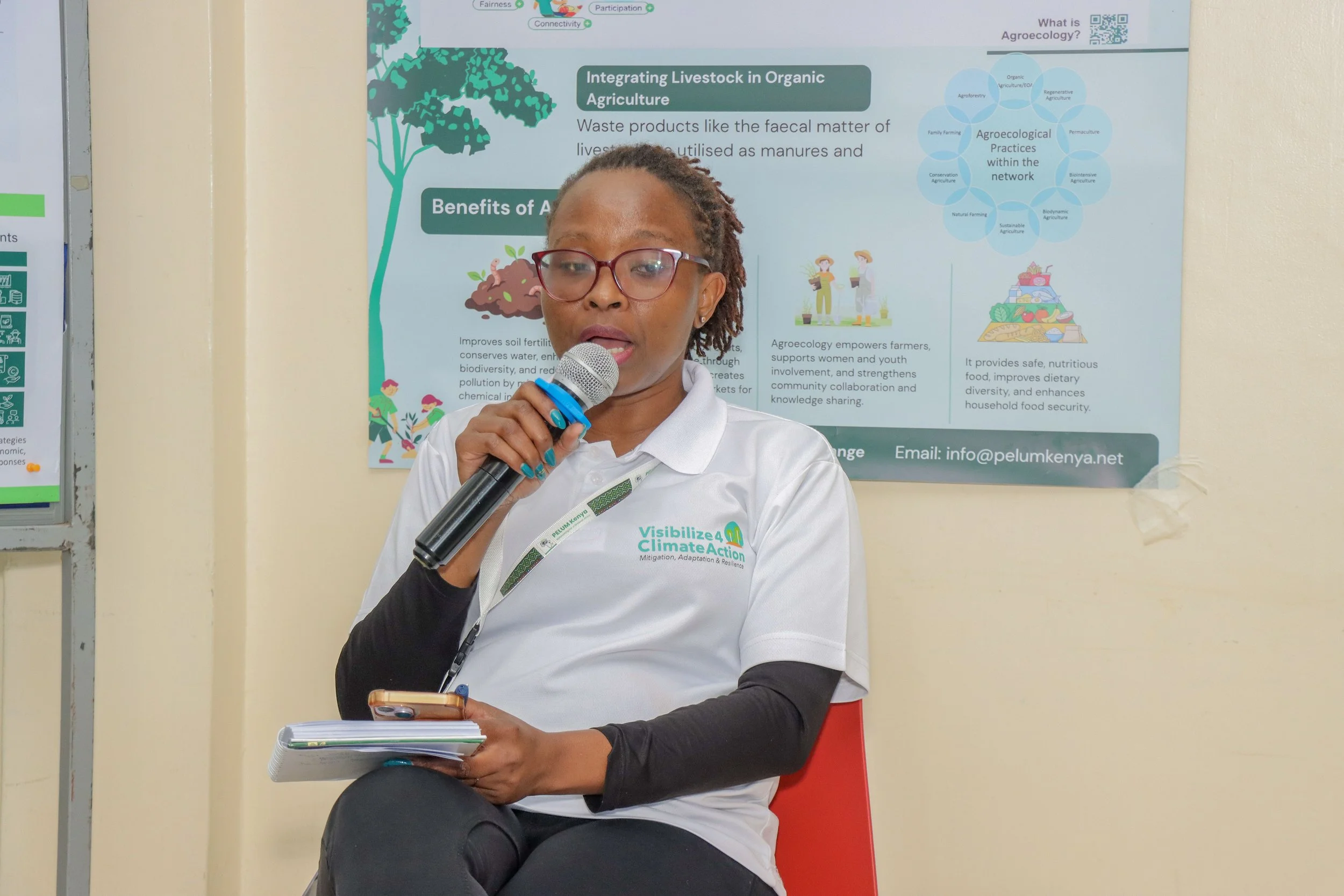
Interactive side events transformed scientific research into accessible experiences through evidence talks, demonstrations, poster exhibitions, policy dialogues and World Café discussions. Participants engaged directly with researchers, practitioners and community representatives, exploring how agroecological innovations are already improving livelihoods across Kenya.
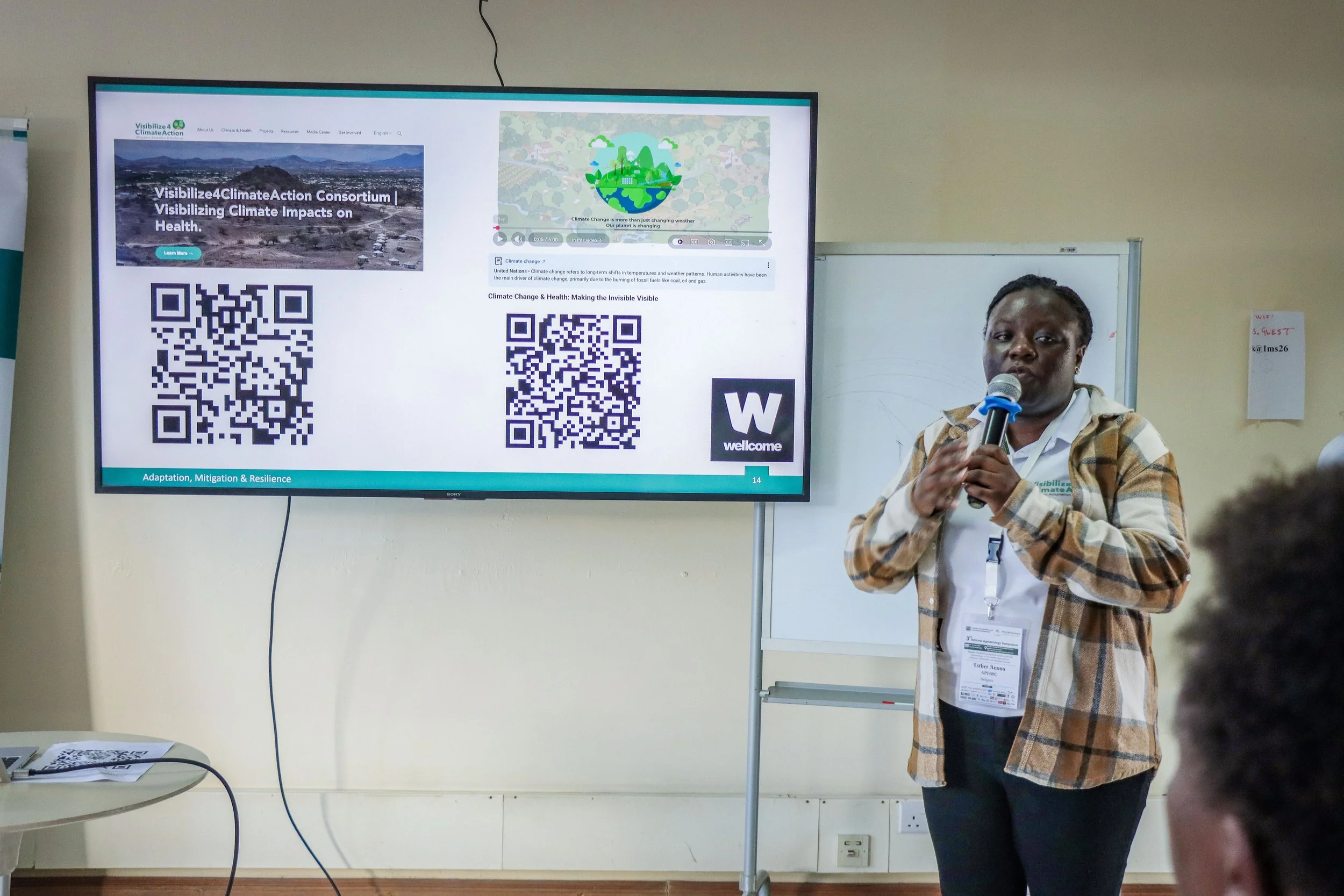
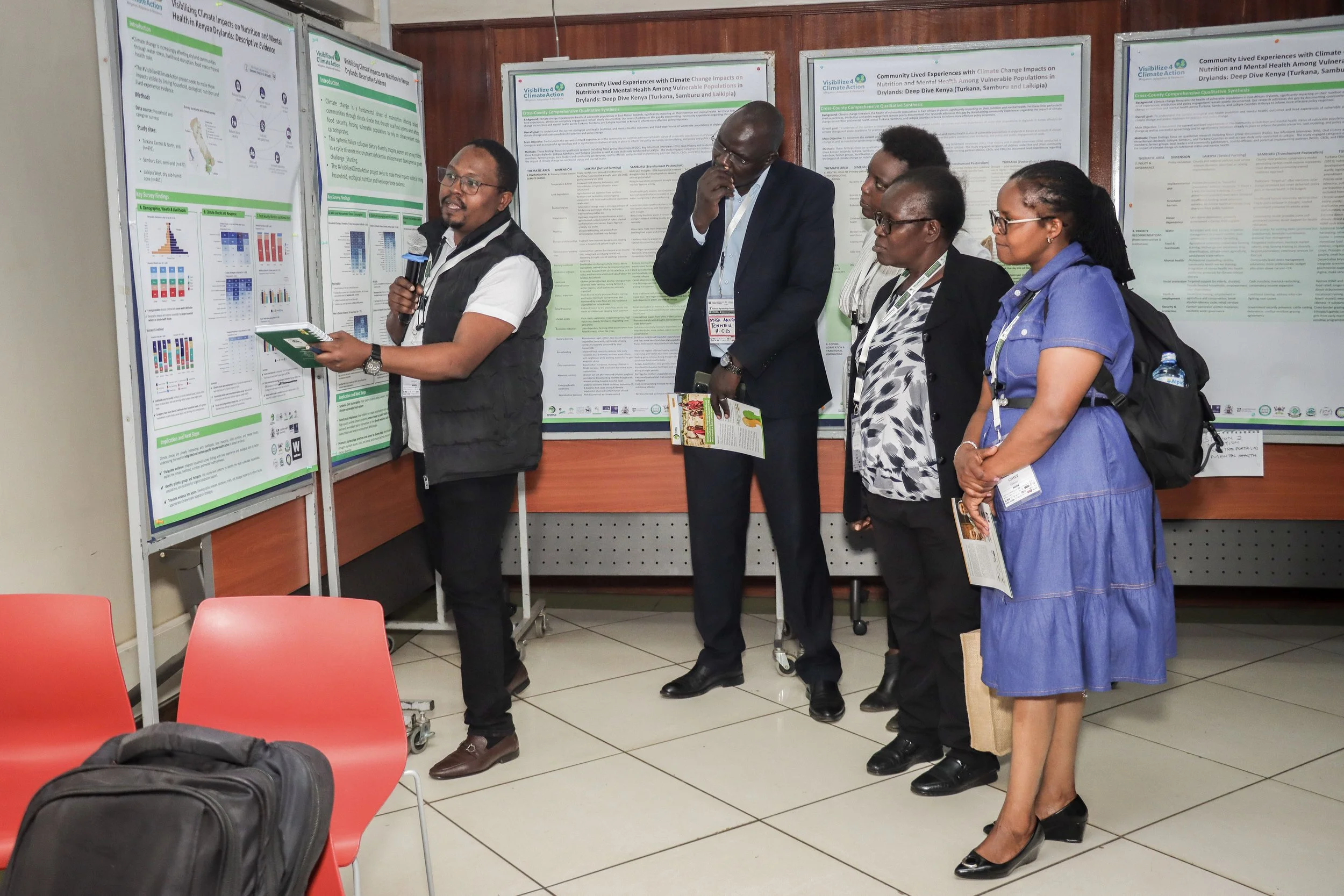
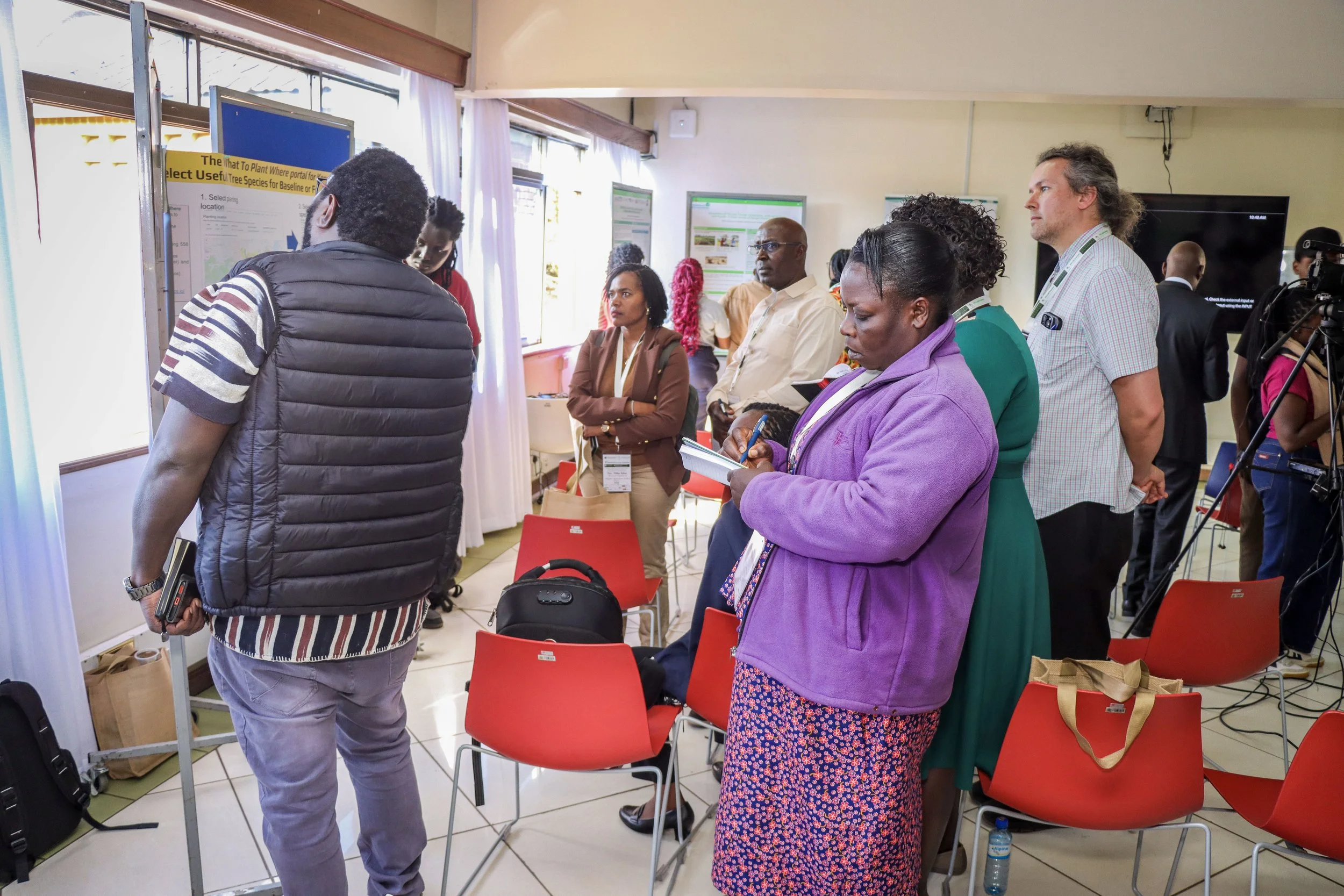
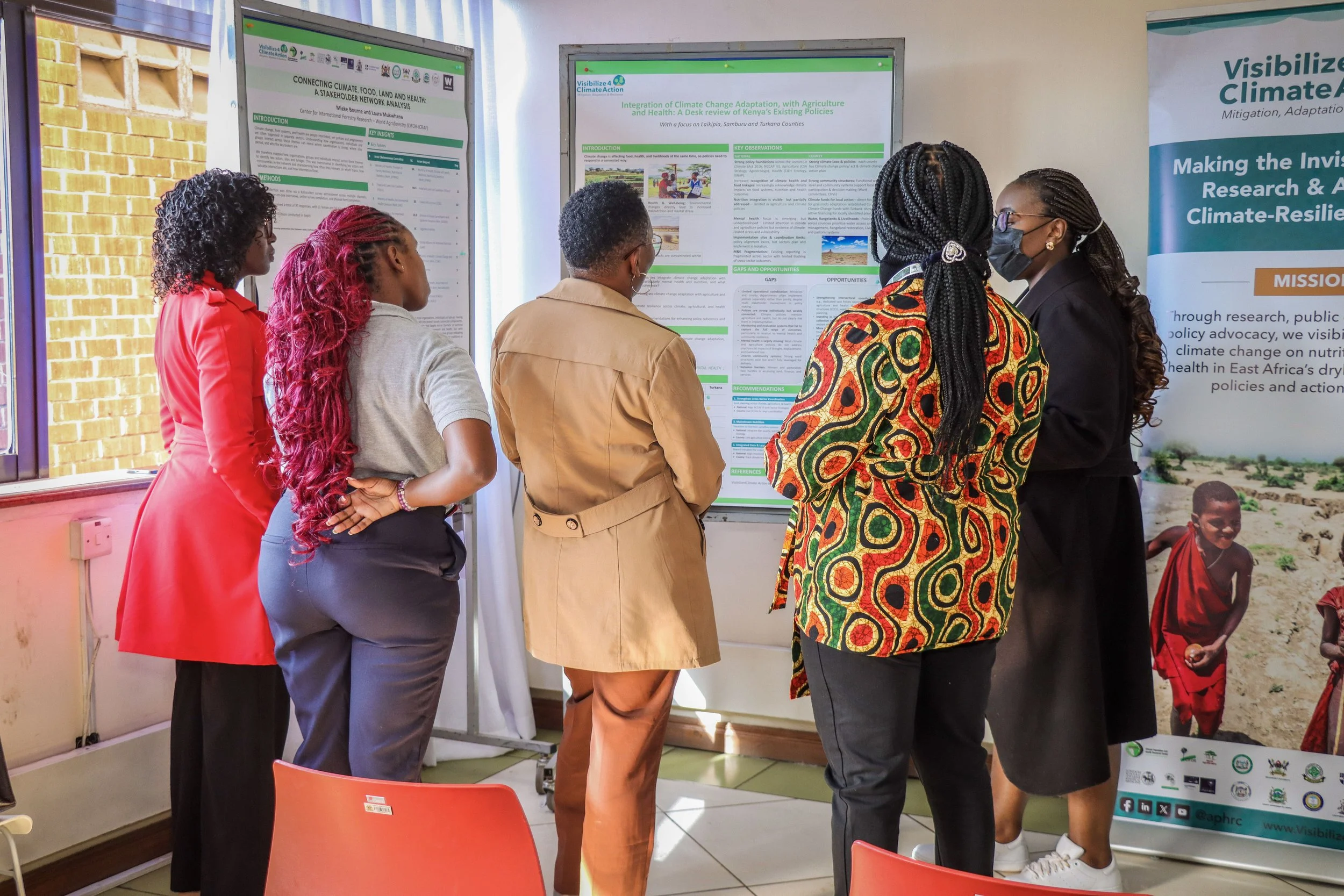
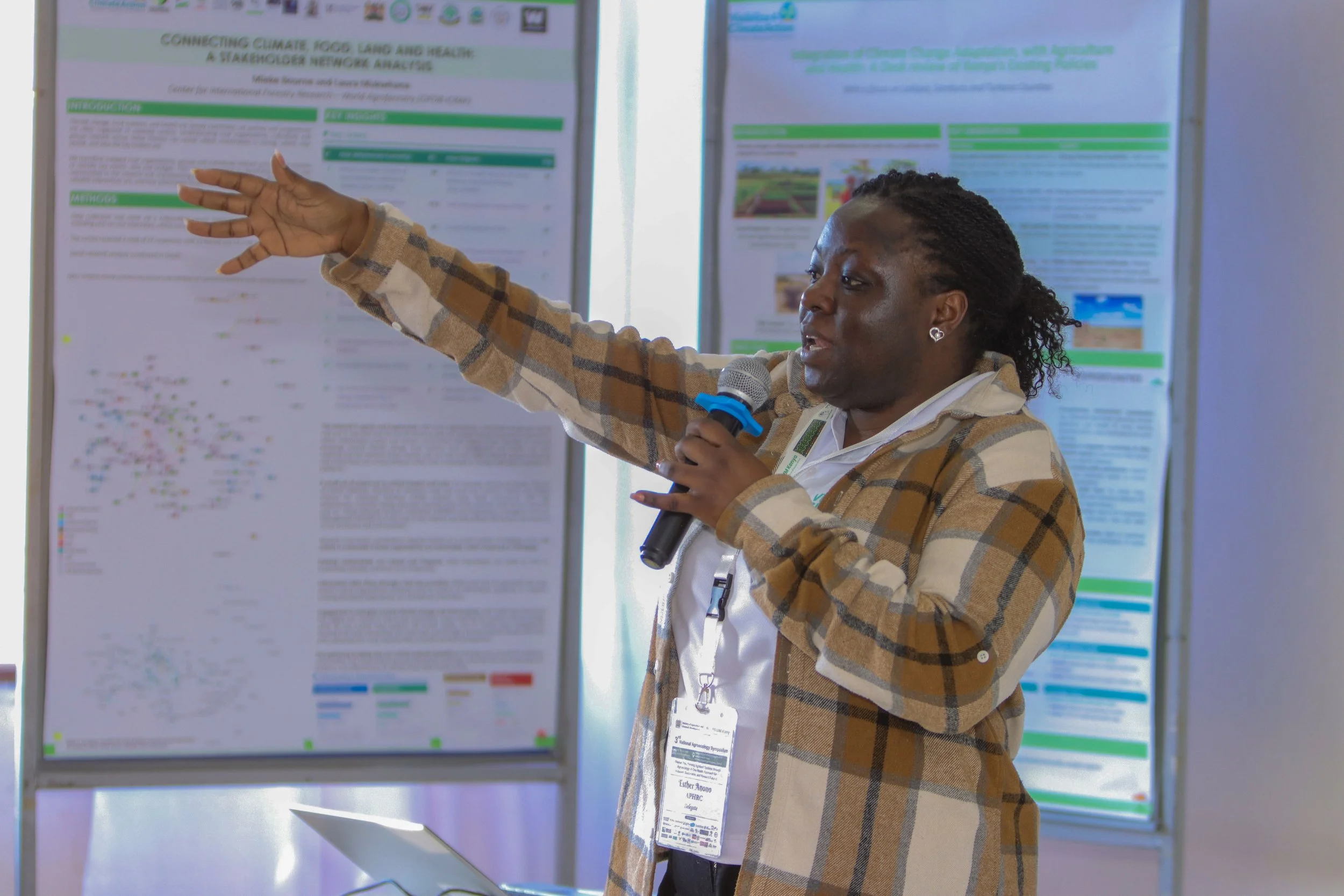
Among the most engaging sessions was the Visibilize4ClimateAction side event, Agroecology for Nutrition: Operationalizing Agroecology for Nutrition and Health, jointly convened by the African Population and Health Research Center (APHRC), CIFOR-ICRAF (Landscape Alliance), PELUM Kenya and the University of Nairobi.
The session embraced a One Health perspective, demonstrating that human health, ecosystem health and food systems are inseparable. Presentations illustrated how climate change affects nutrition, mental health, agricultural productivity and livelihoods across Eastern Africa's drylands, reinforcing the need for integrated approaches that address environmental, social and health challenges simultaneously.
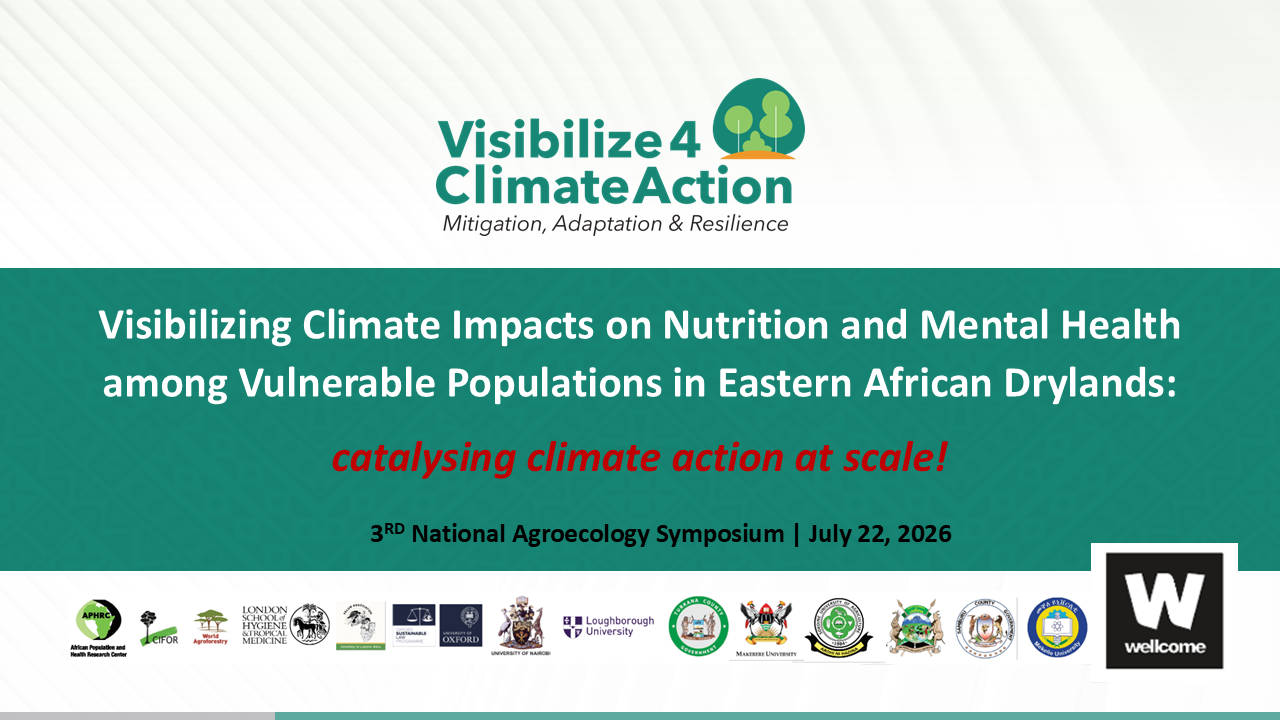
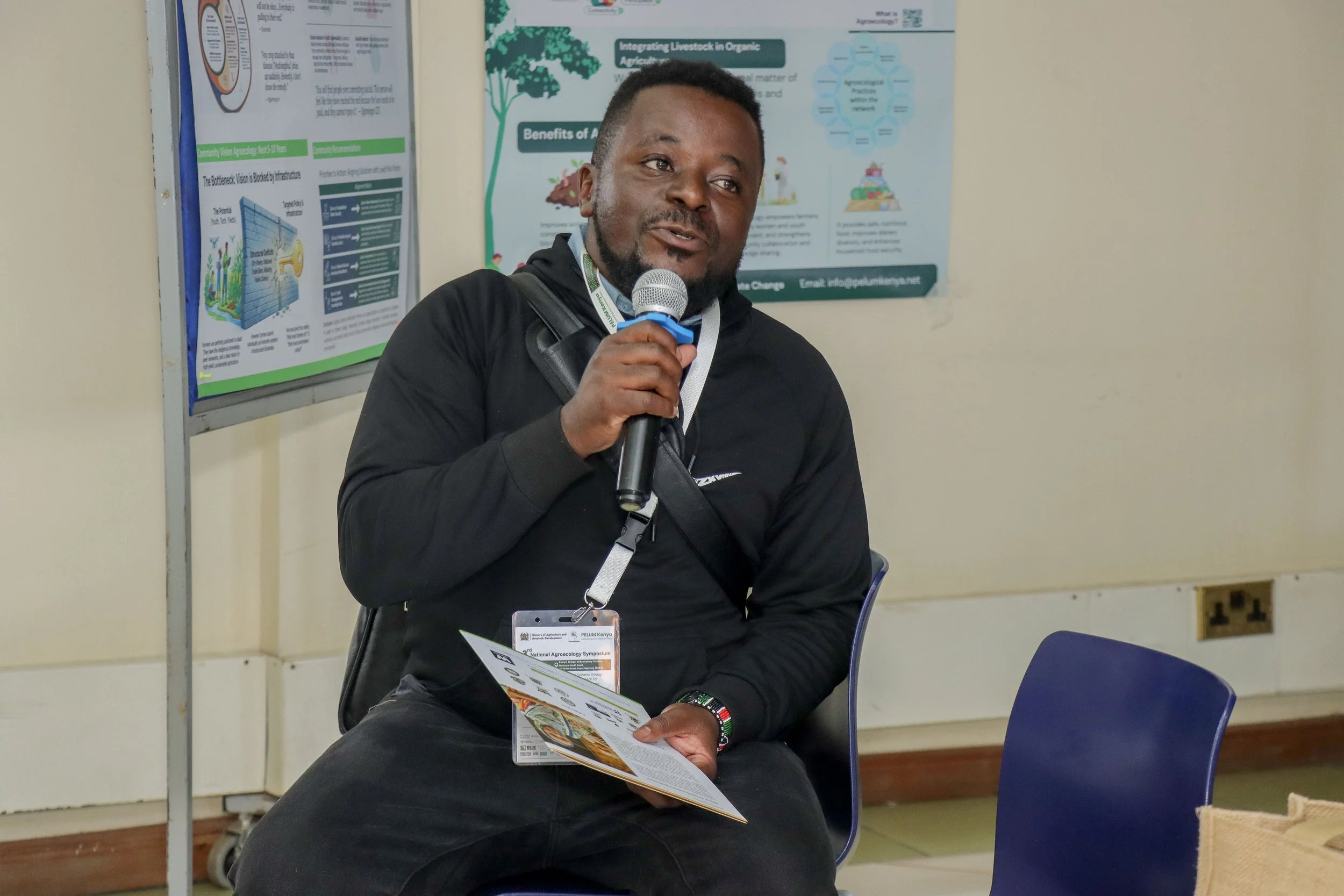
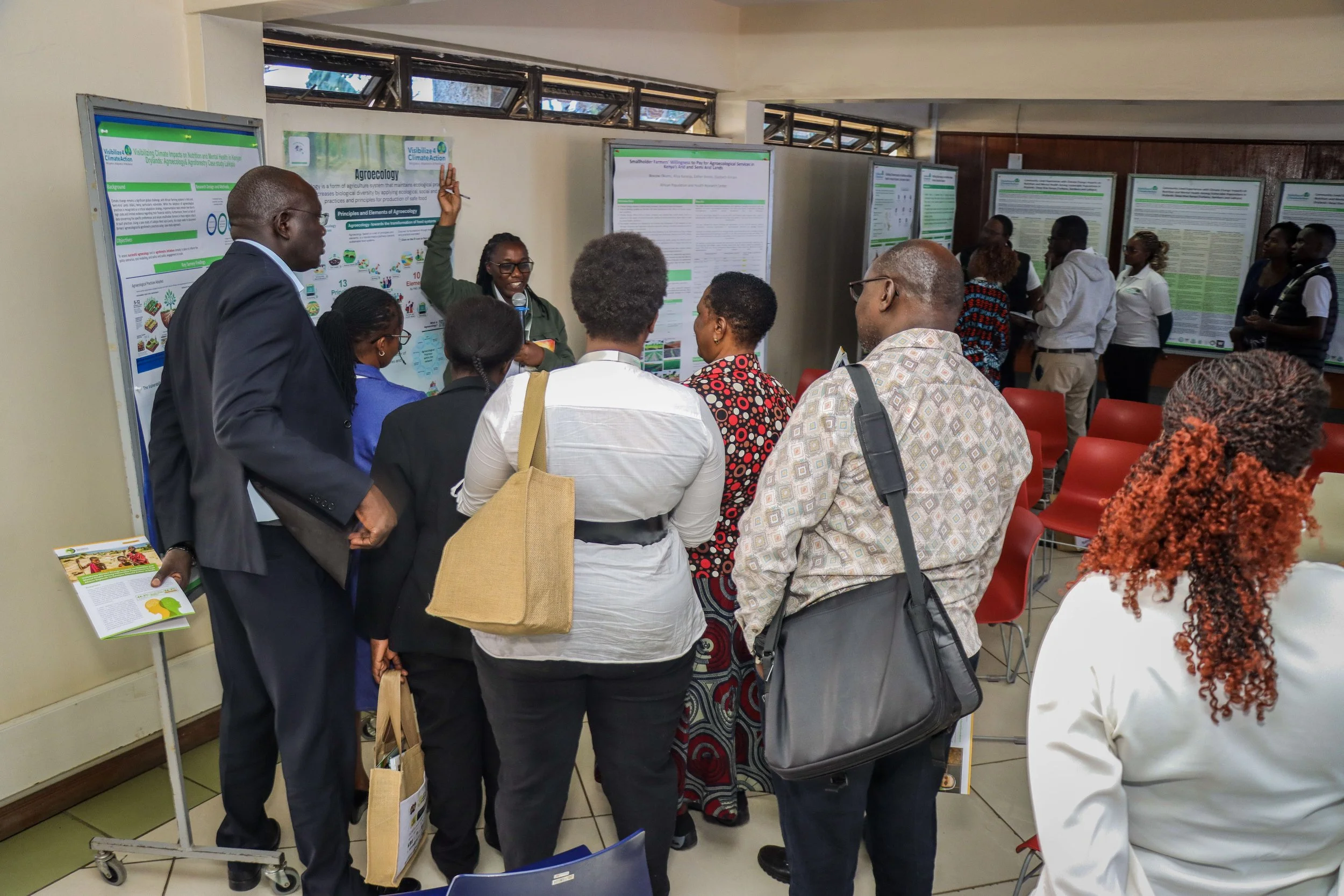
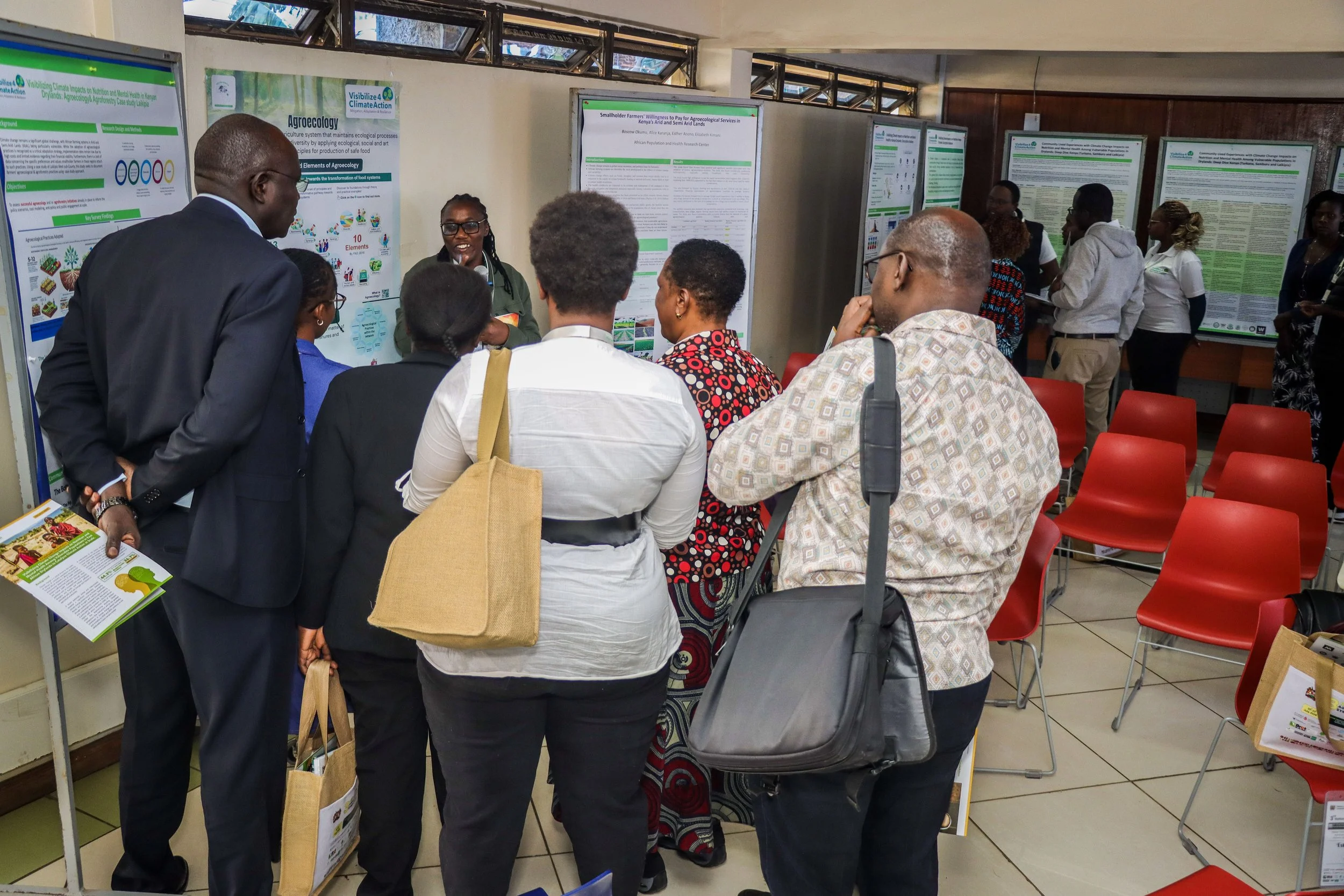
Figure 3: Visibilize4ClimateAction Presentation (Photo credits @ Visibilize4Climate Action Project).
Making Climate Impacts Visible
The Visibilize4ClimateAction initiative showcased compelling evidence that climate change is not only an environmental challenge but also a nutrition, health and development challenge.
Research presented during the symposium demonstrated that climate shocks are intensifying food insecurity, increasing the risk of malnutrition and placing additional pressures on vulnerable dryland communities. Participants learned how the project combines scientific research, public engagement and policy dialogue across Kenya, Uganda, Tanzania and Ethiopia to generate evidence that supports climate adaptation and strengthens community resilience.
The project works in dryland landscapes across Eastern Africa, including Turkana, Samburu and Laikipia in Kenya, while collaborating with regional partners such as Makerere University (Uganda), Mekelle University (Ethiopia) and Sokoine University of Agriculture (Tanzania).
Its work is supported by an internationally recognized Strategic and Scientific Advisory Committee comprising experts in climate science, nutrition, public health, ecology and policy from organizations including CGIAR, ILRI, the London School of Hygiene & Tropical Medicine, Columbia Climate School, Loughborough University, APHRC and the World Resources Institute (WRI).
A key strength of the project is its integrated approach, which combines scientific research with public engagement and policy influence.
The project is structured around five complementary work packages that collectively bridge the gap between evidence generation and implementation:
Research: Quantifying climate impacts on nutrition, documenting lived experiences, modelling future health and ecological scenarios, and estimating the costs of climate change.
Public Engagement: Building community awareness, strengthening local organizations, supporting community-led initiatives and communicating research evidence in accessible ways.
Policy Engagement: Mapping stakeholders, analysing policies, engaging decision-makers and promoting evidence-informed policy reforms.
Policy and Practice Opportunities: Demonstrating practical pathways through agroecology and agroforestry that enhance resilience while improving nutrition and livelihoods.
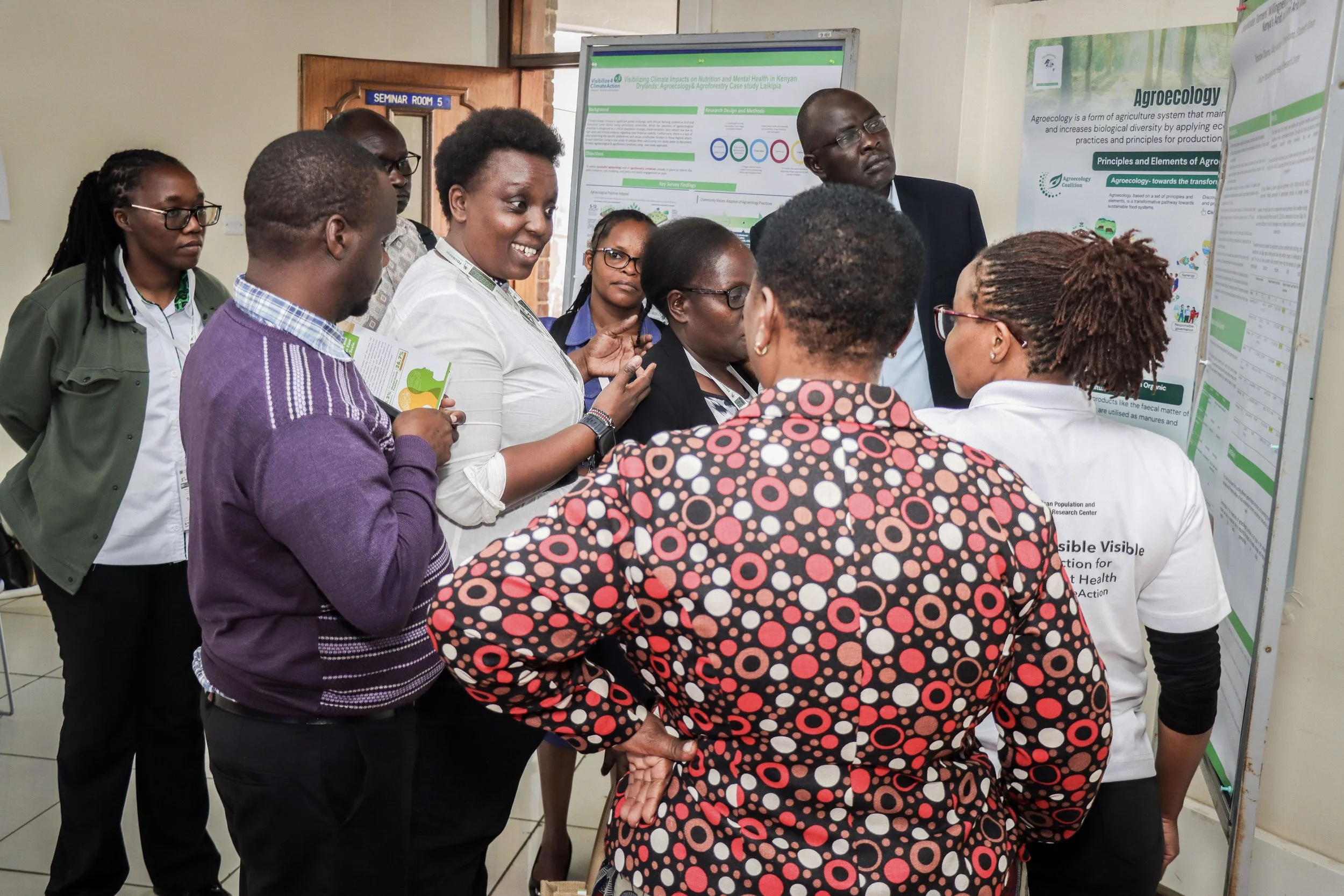
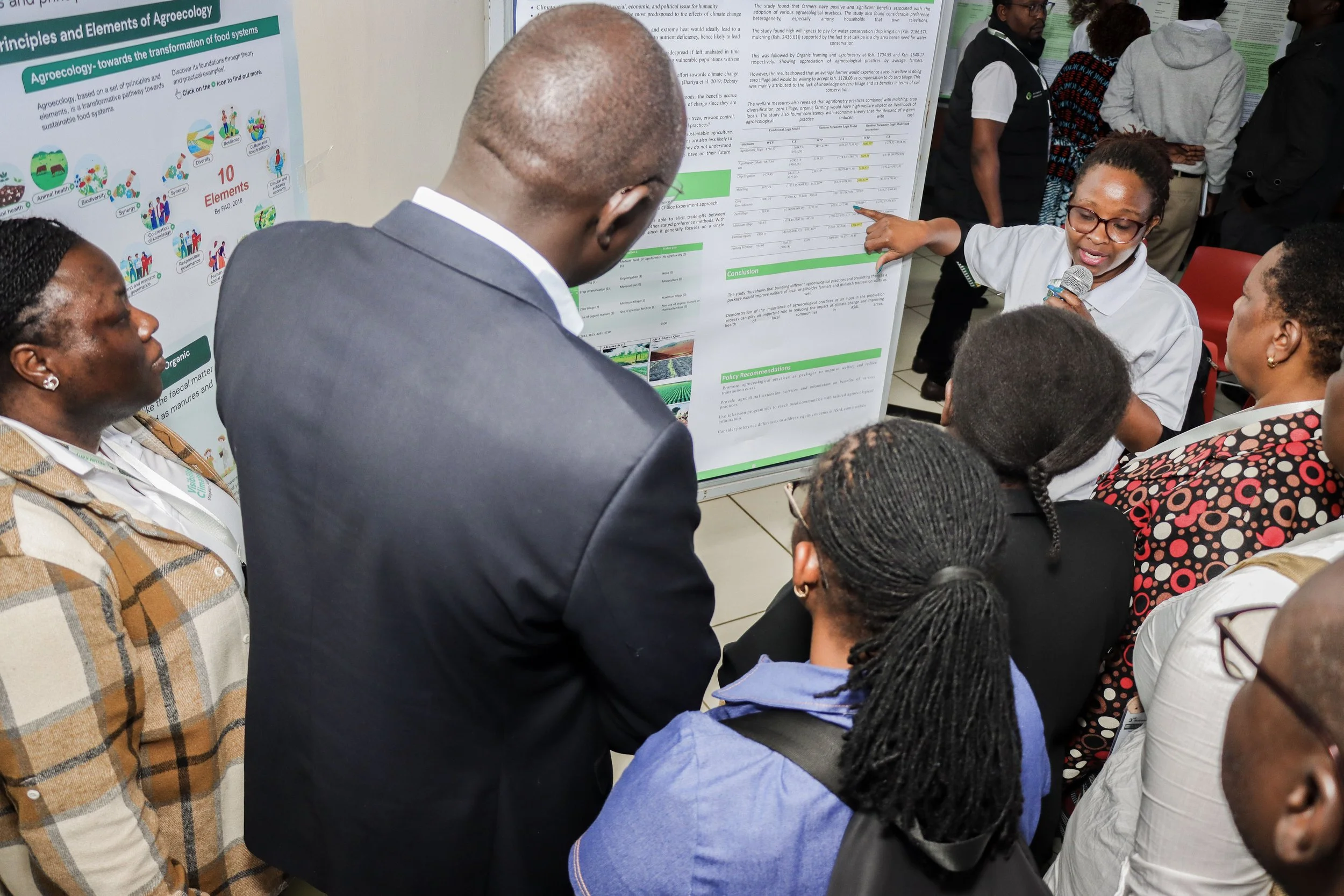
This integrated approach aligned closely with the symposium's overarching vision of connecting research with policy and practical action. The session was a great success, attracting significant attention, data-sharing requests for future publications, and insightful conversations regarding the costing and adoption of agroecology, nutrition and mental health, food tree portfolio-diversity of food, land and soil health and policy advocacy.
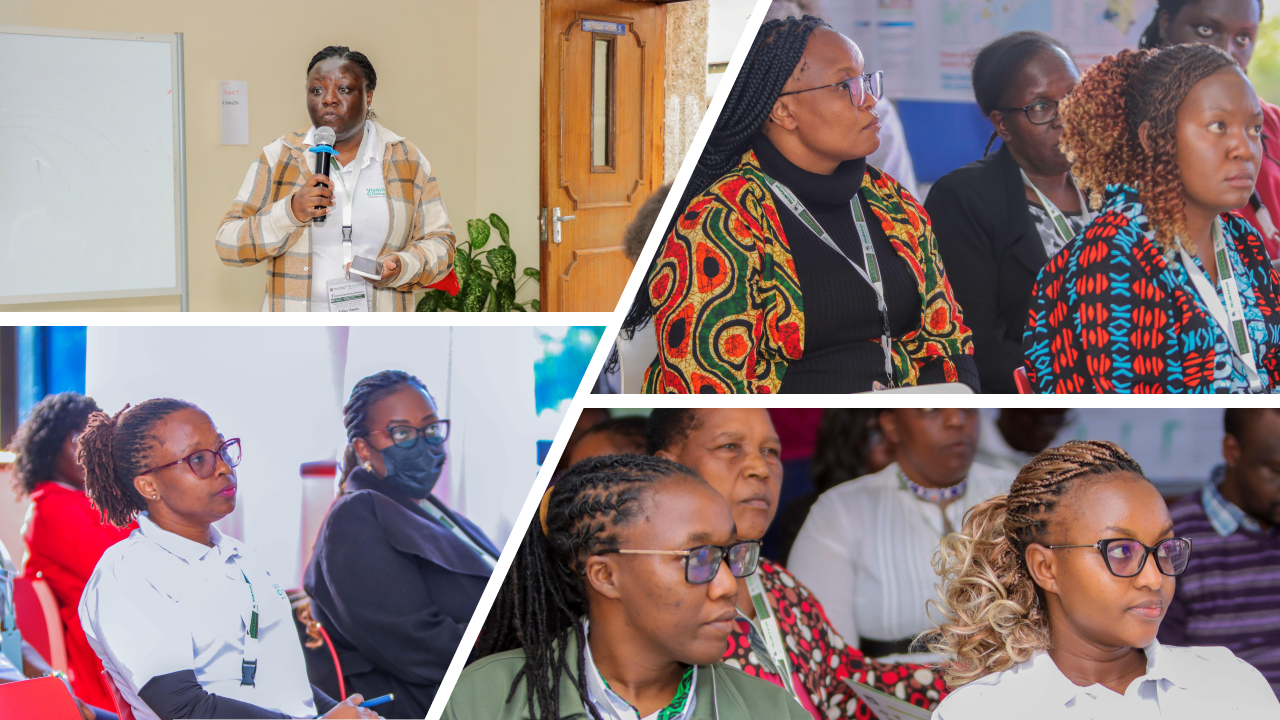
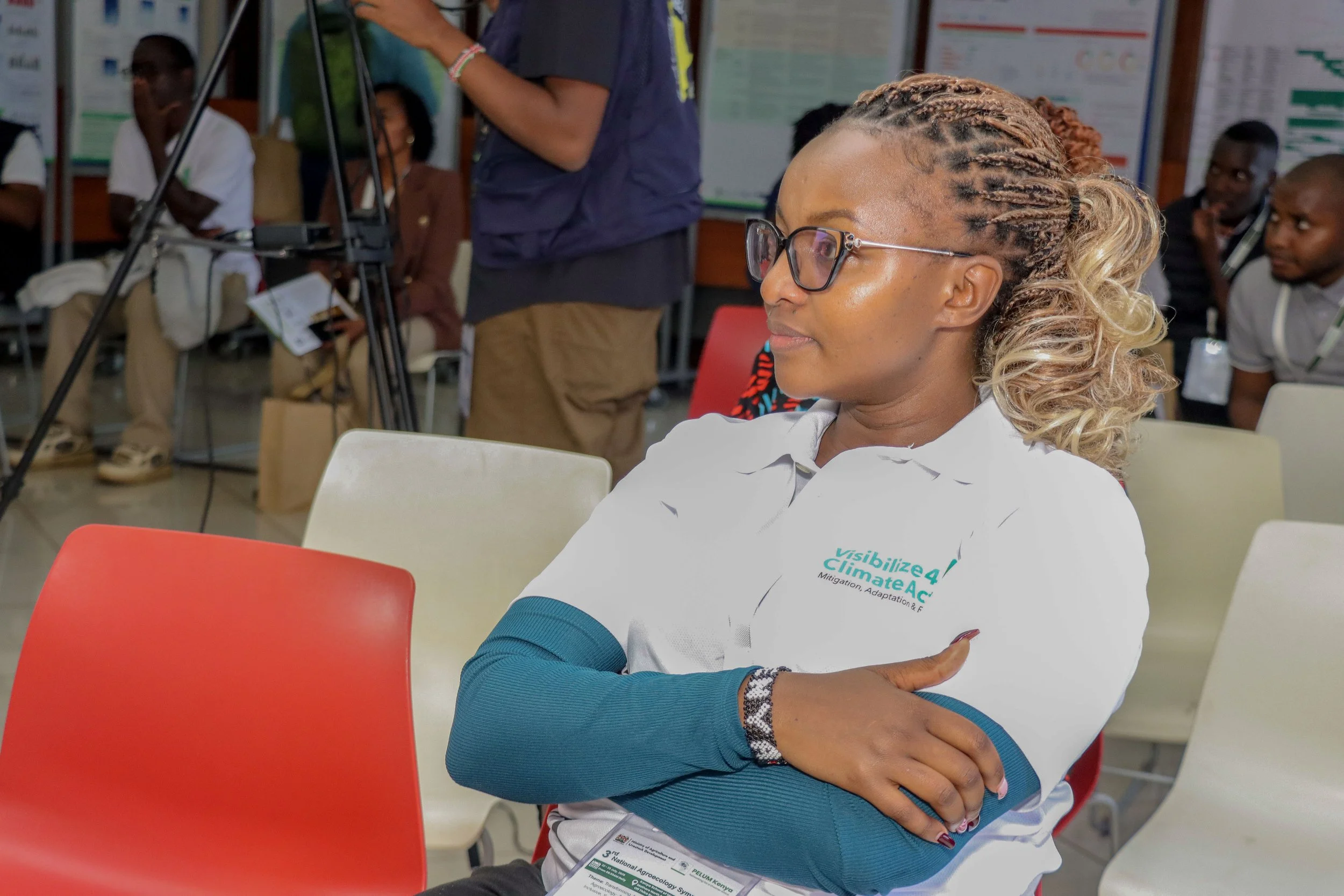
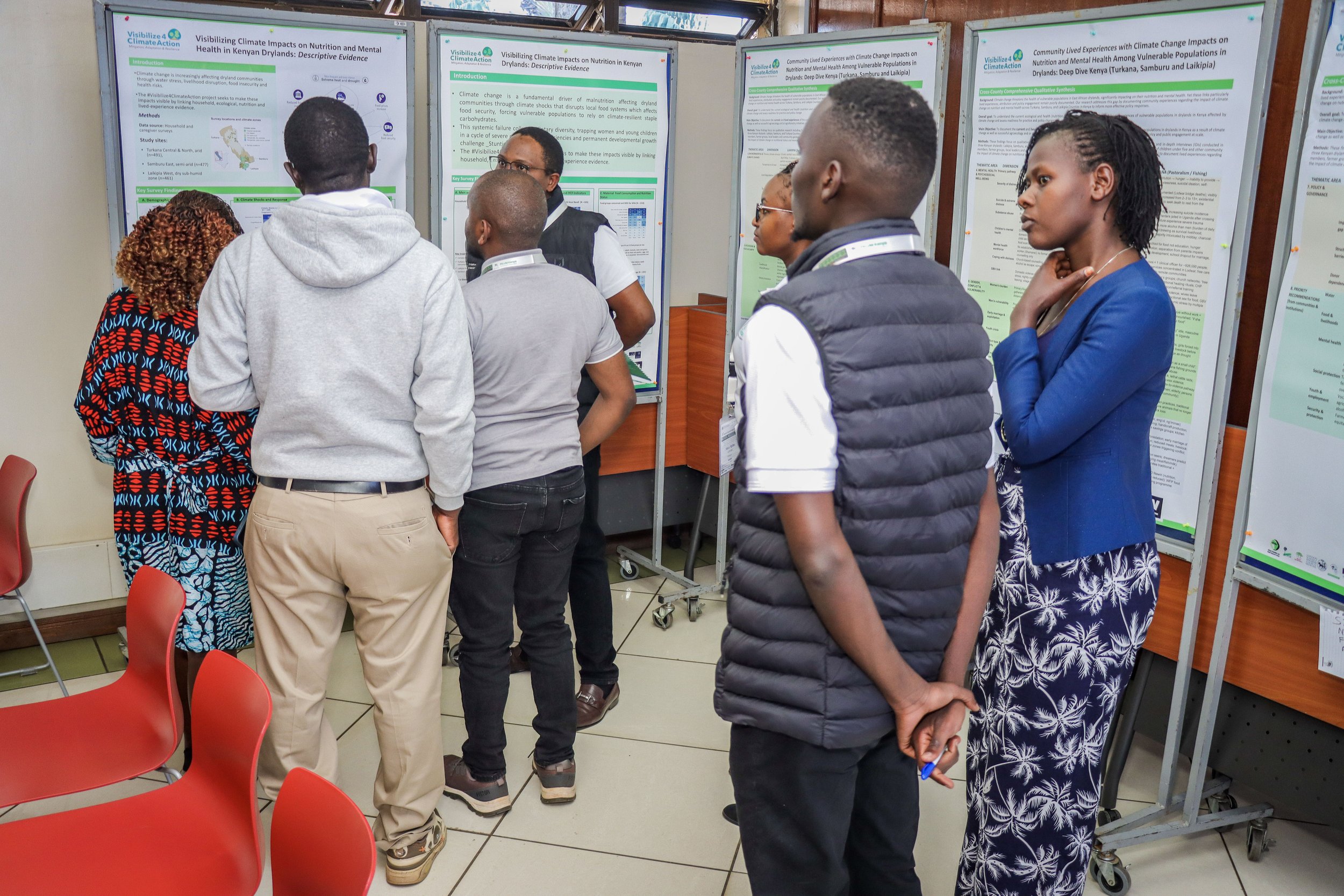
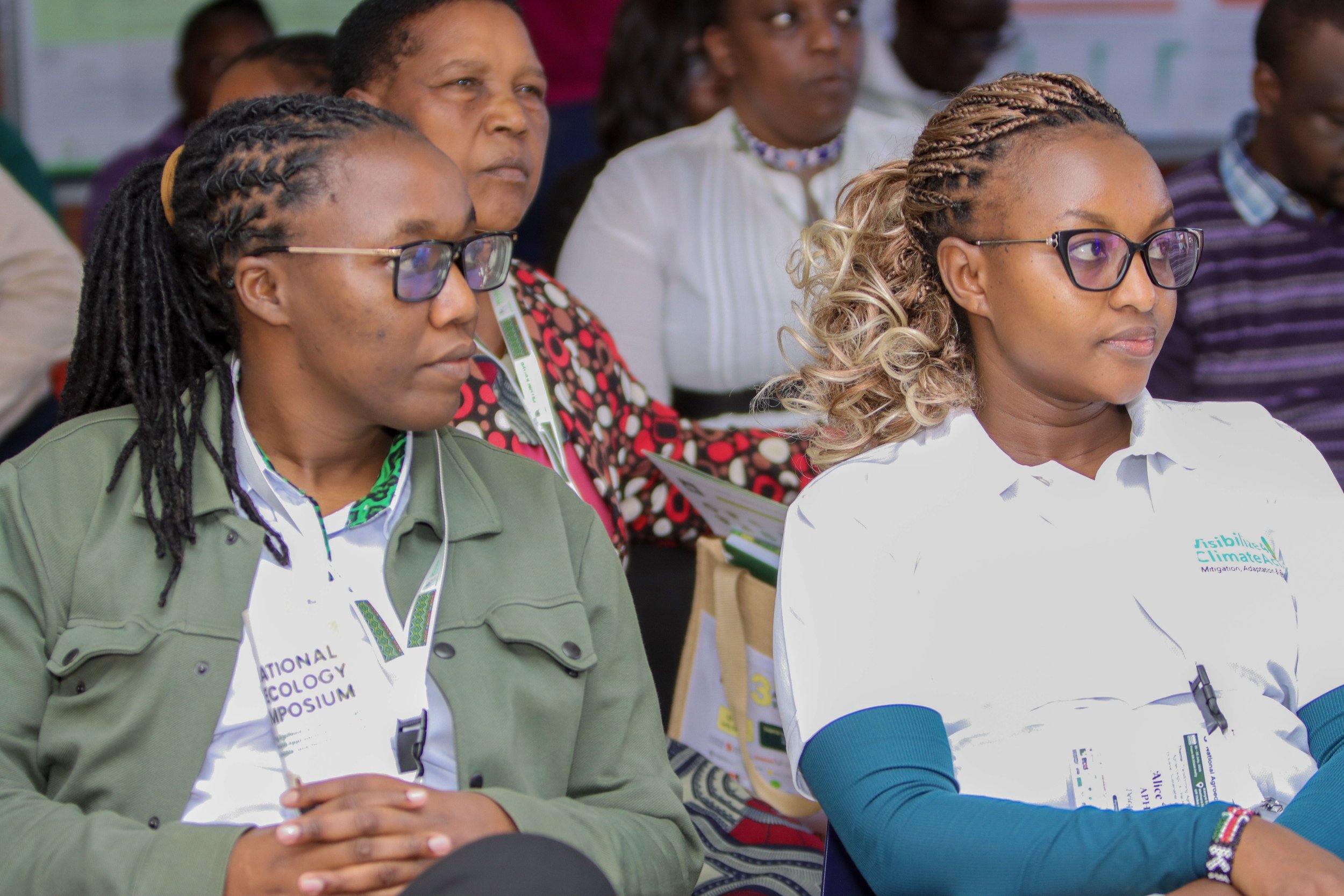
Figure 4: Side Event 3 - Visibilize4ClimateAction Participants (Photo credits @PELUM Kenya | Visibilize4Climate Action Project).
Healthy Soils at the Heart of Agroecological Transformation
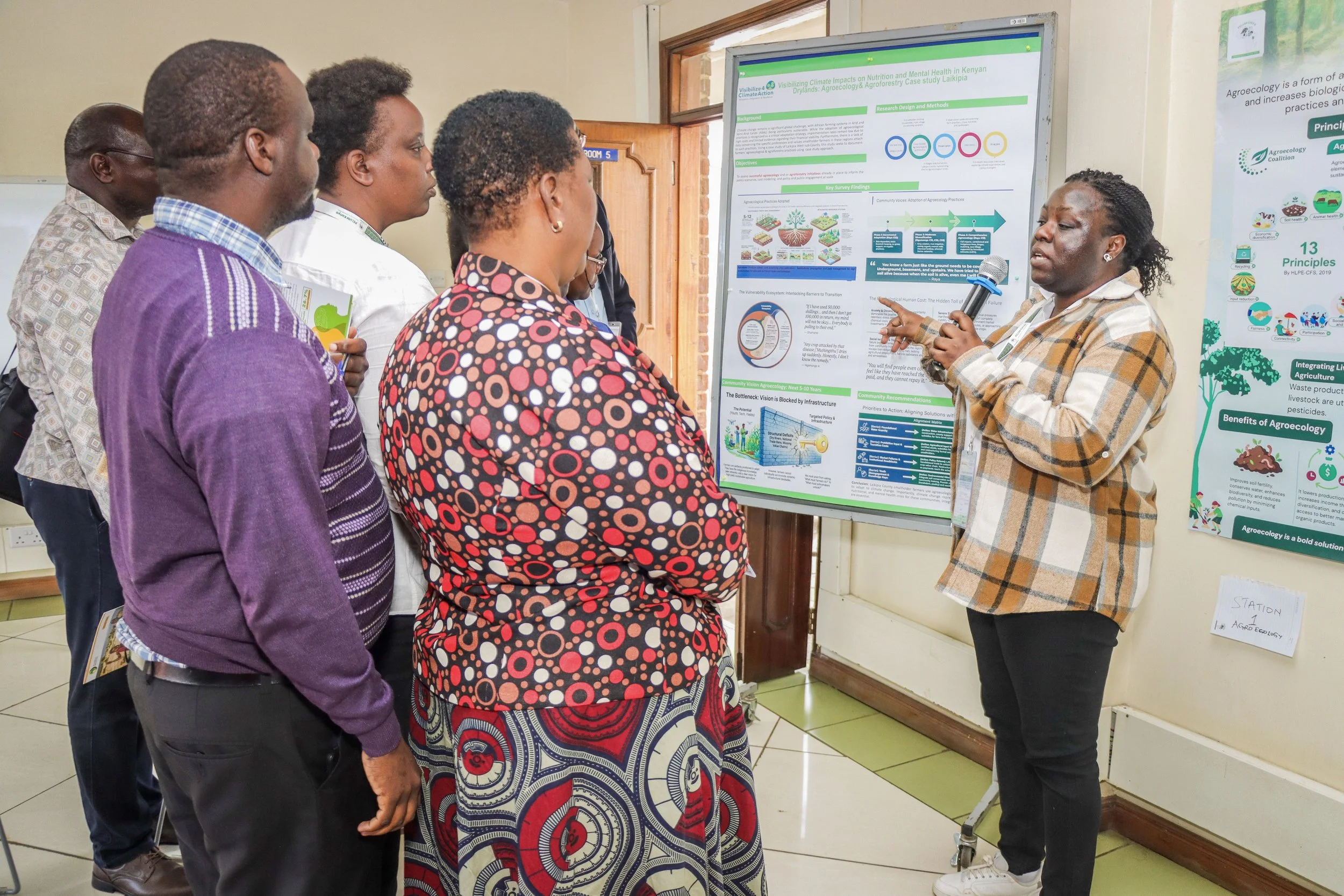
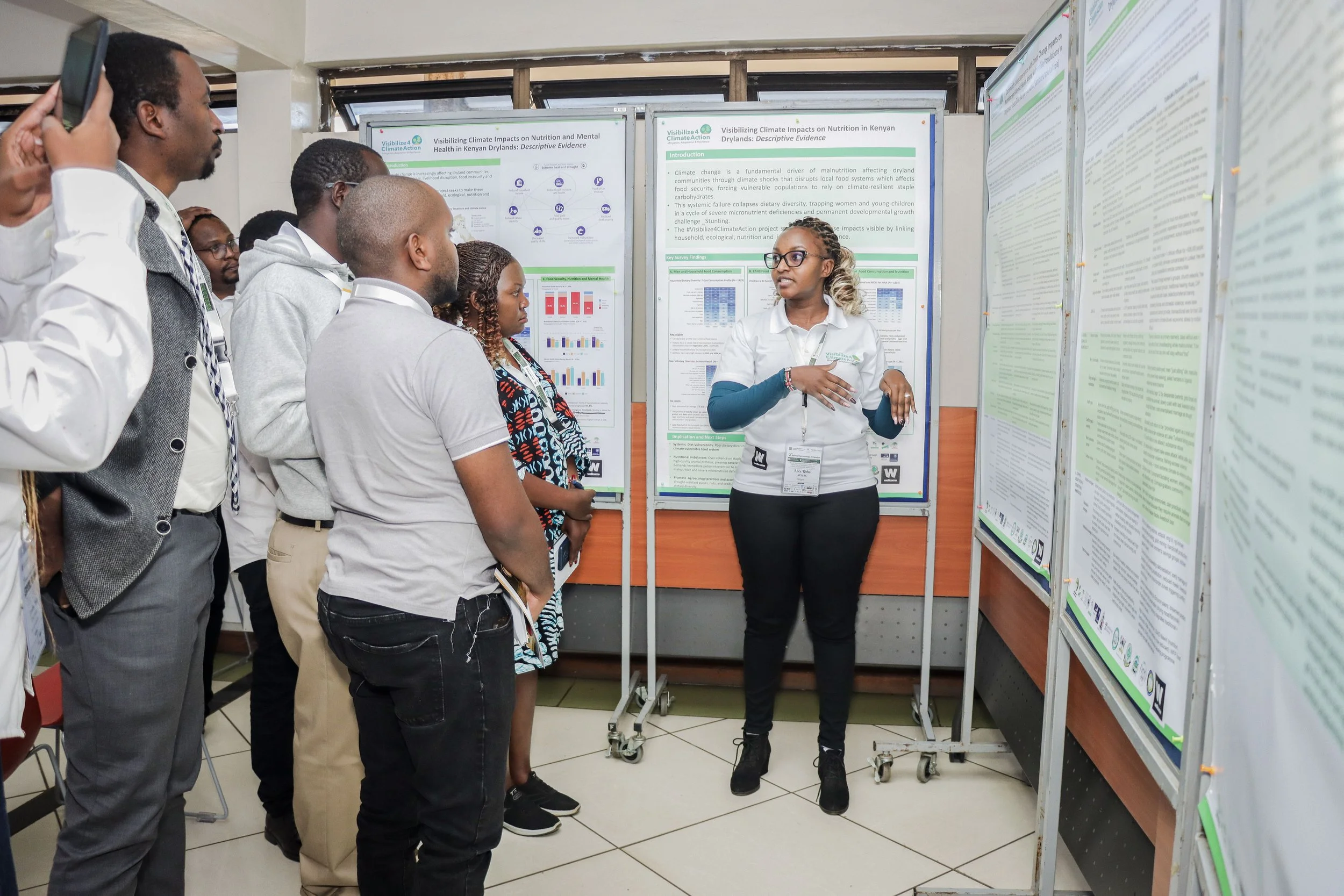
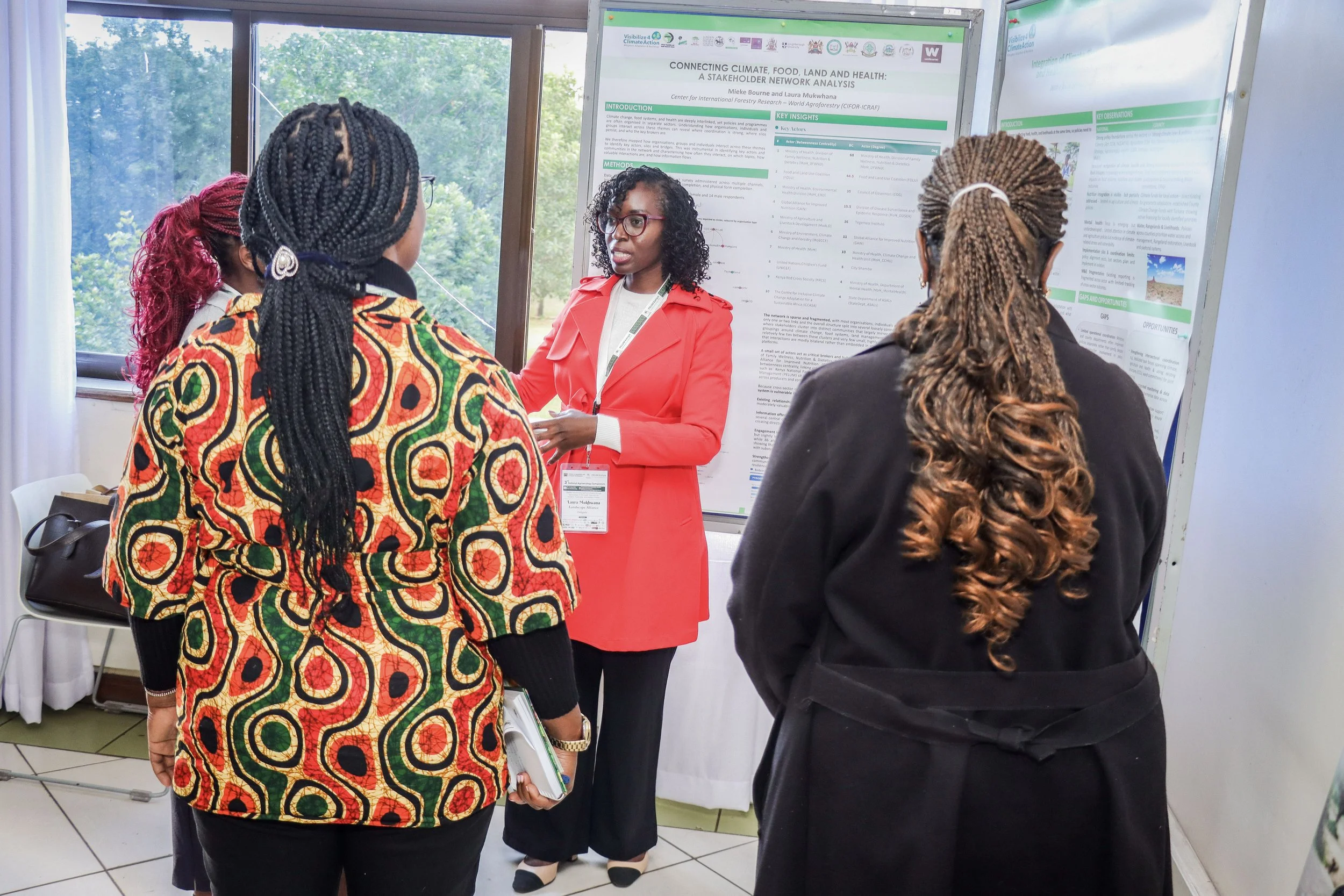
A standout feature of the World Café sessions was the four interactive learning stations, each illustrating a different dimension of agroecological transition; from economics and nutrition to soil health and policy implementation.
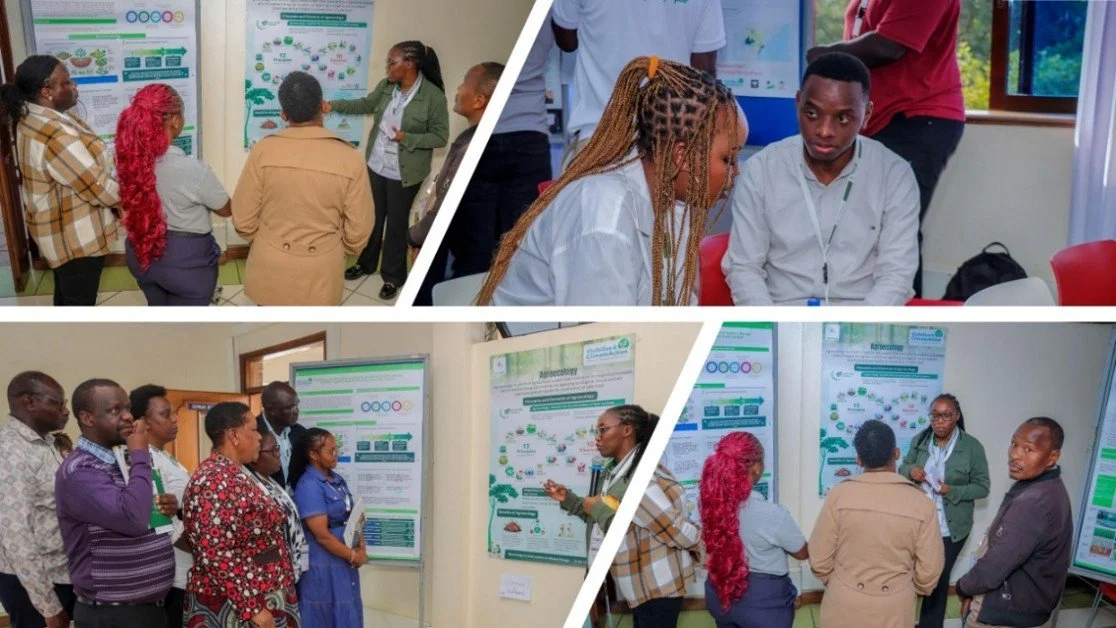
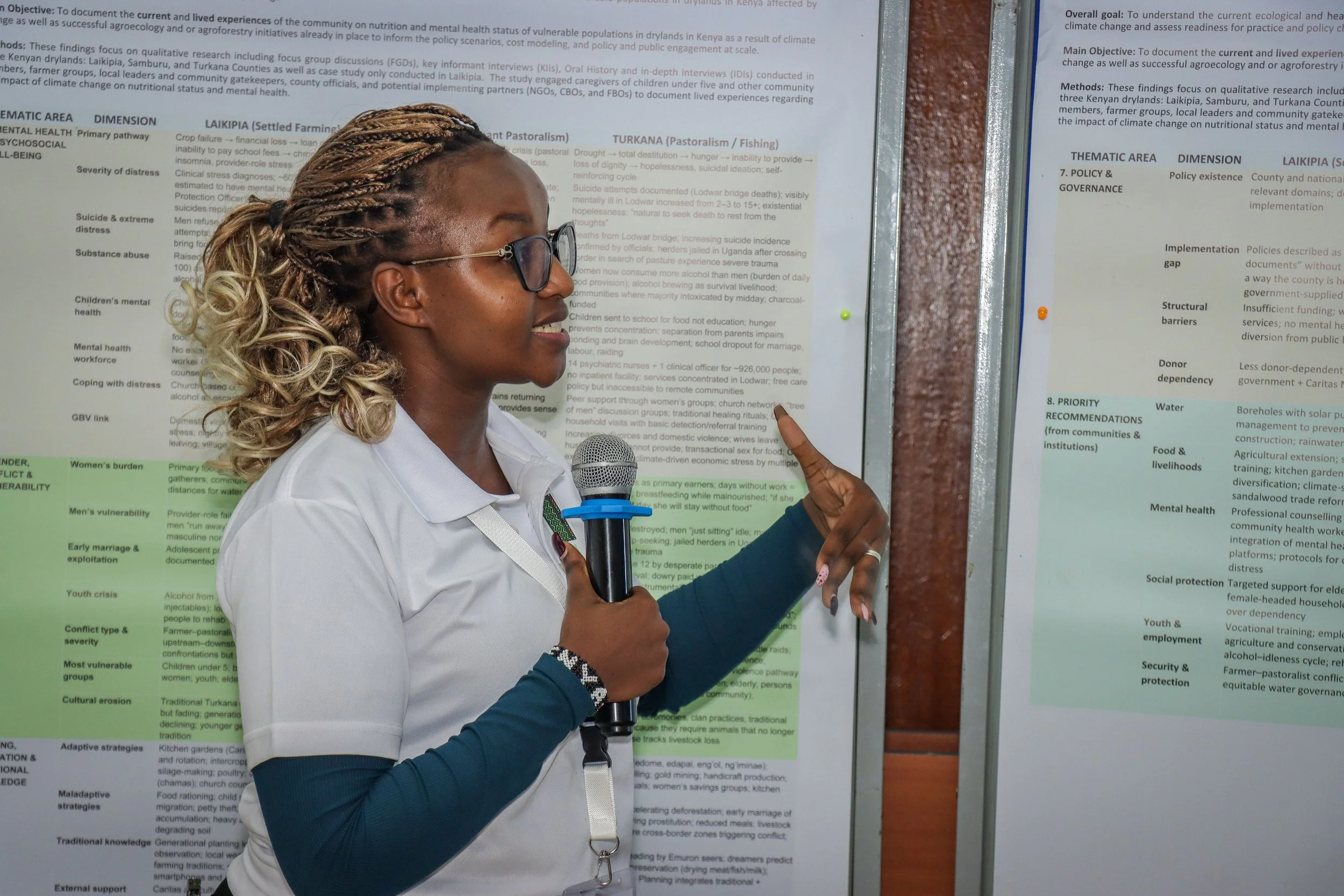
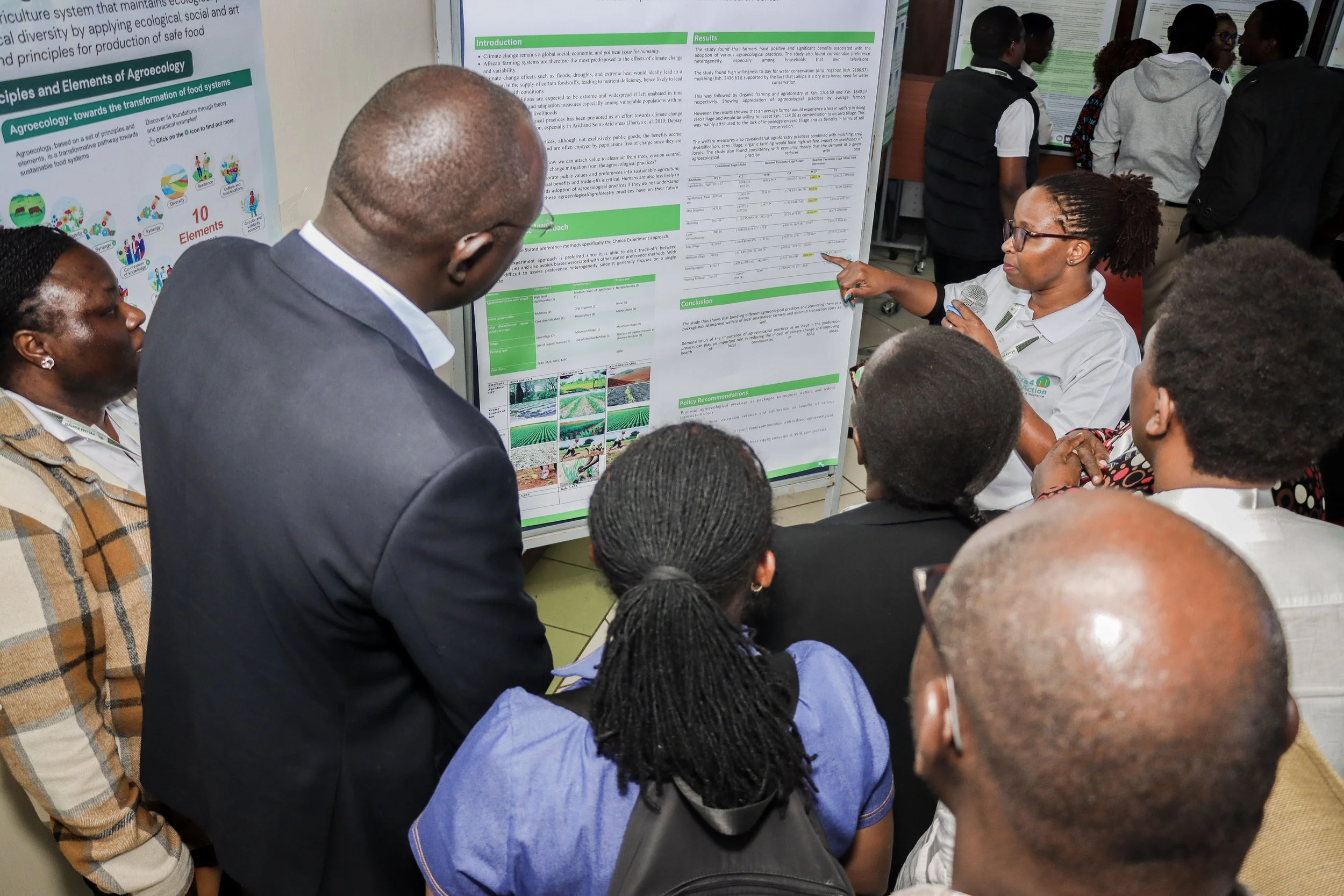
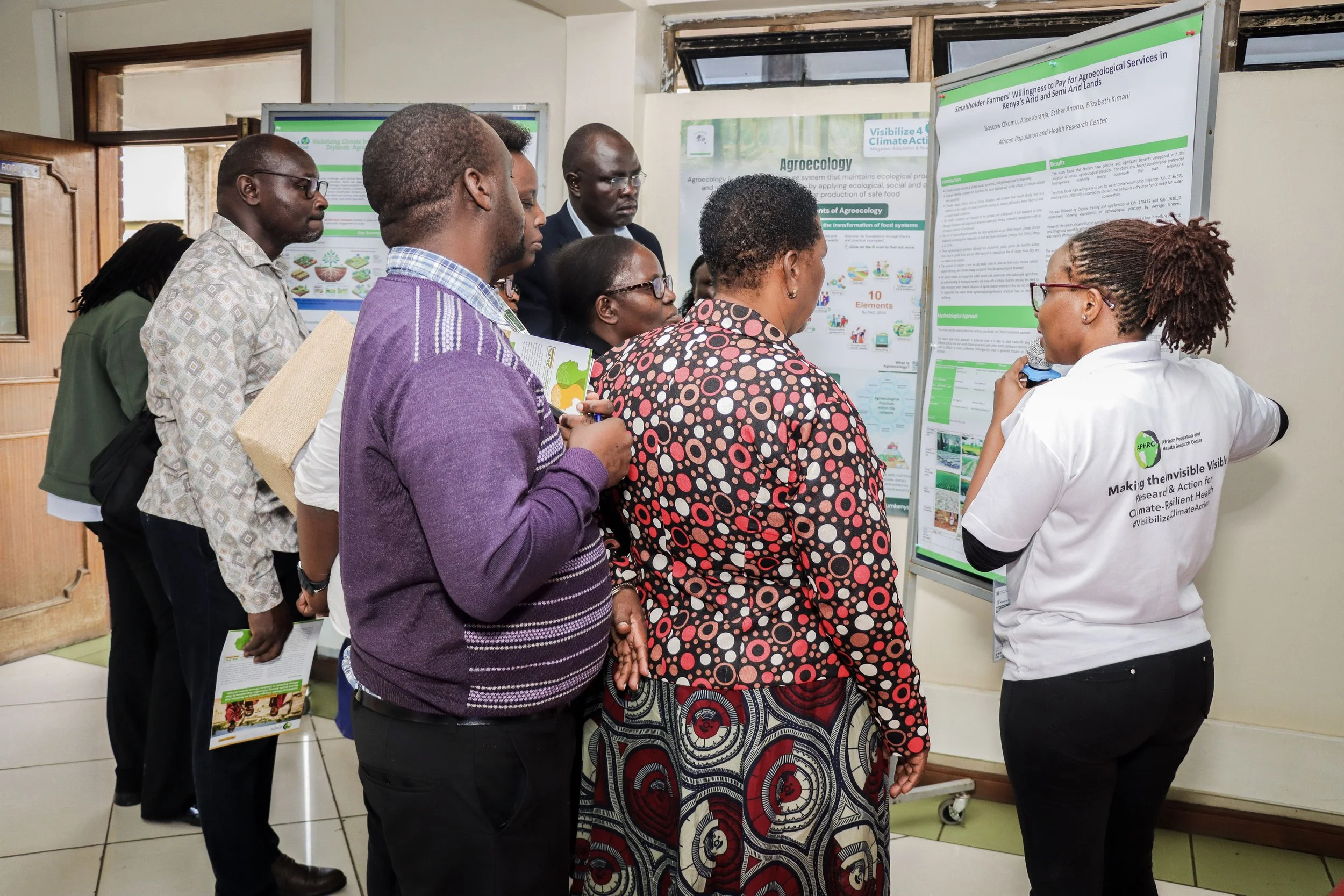
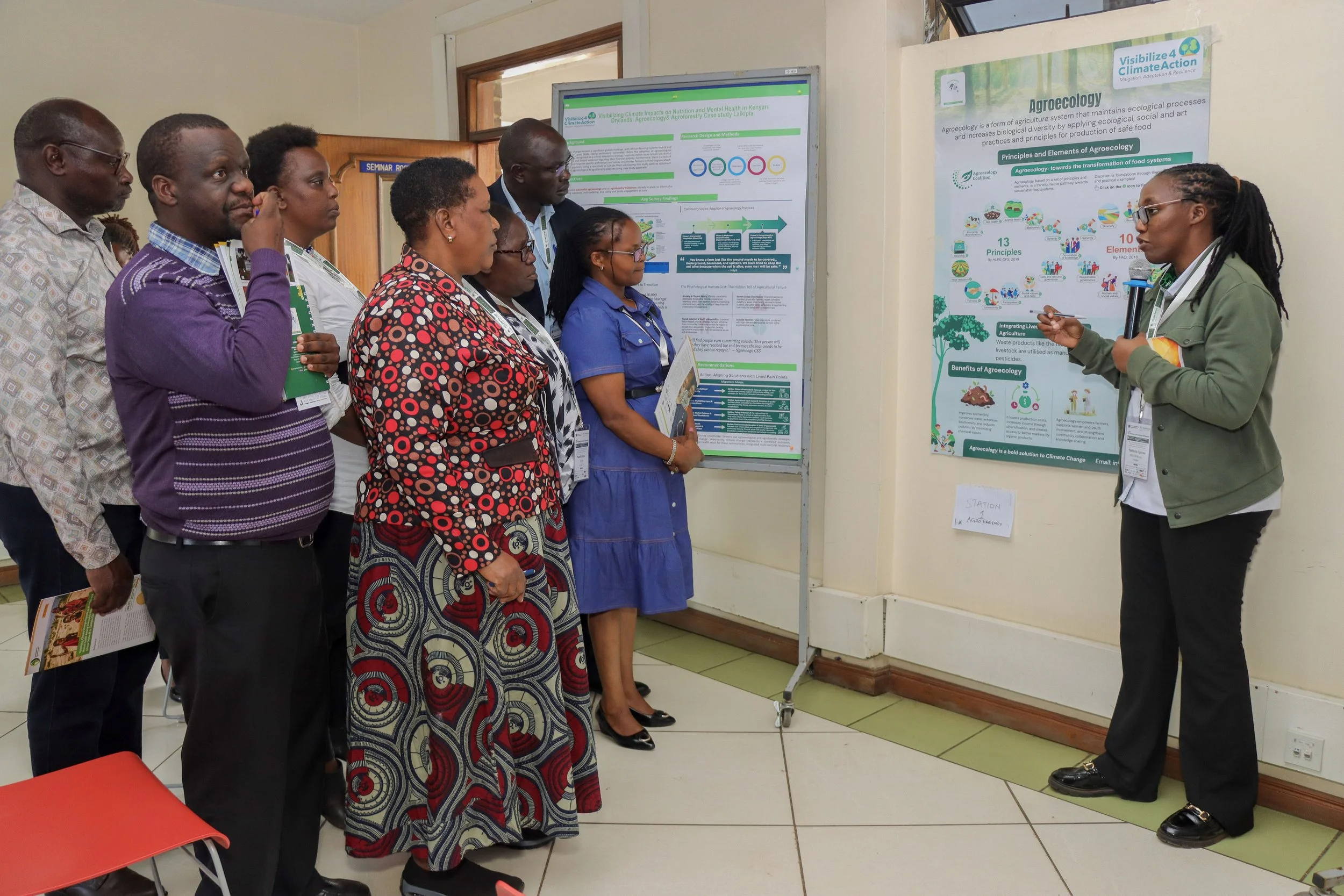
Figure 5: Station 1 introduced evidence on the costs and economic feasibility of agroecological practices, helping participants understand the investments required for sustainable transitions. (Photo credits @PELUM Kenya | Visibilize4Climate Action Project).
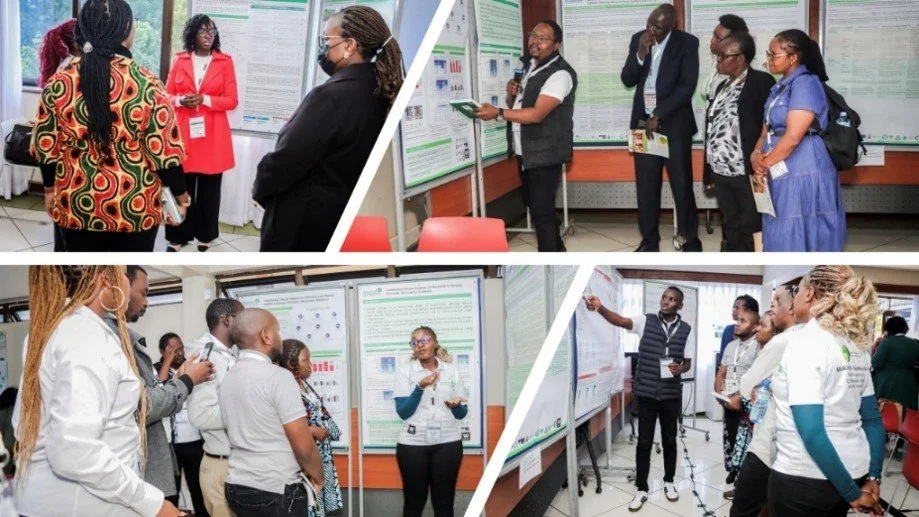
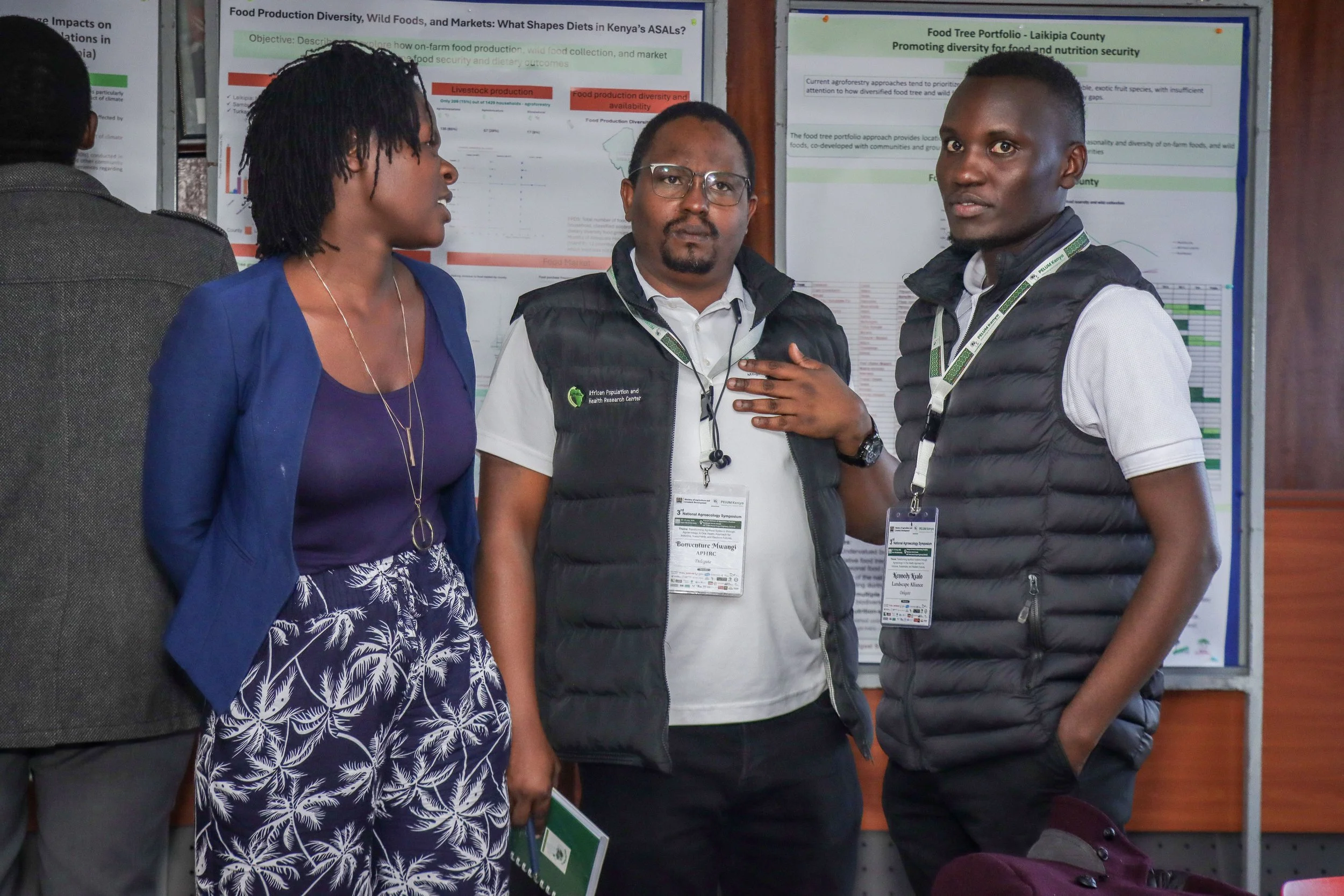
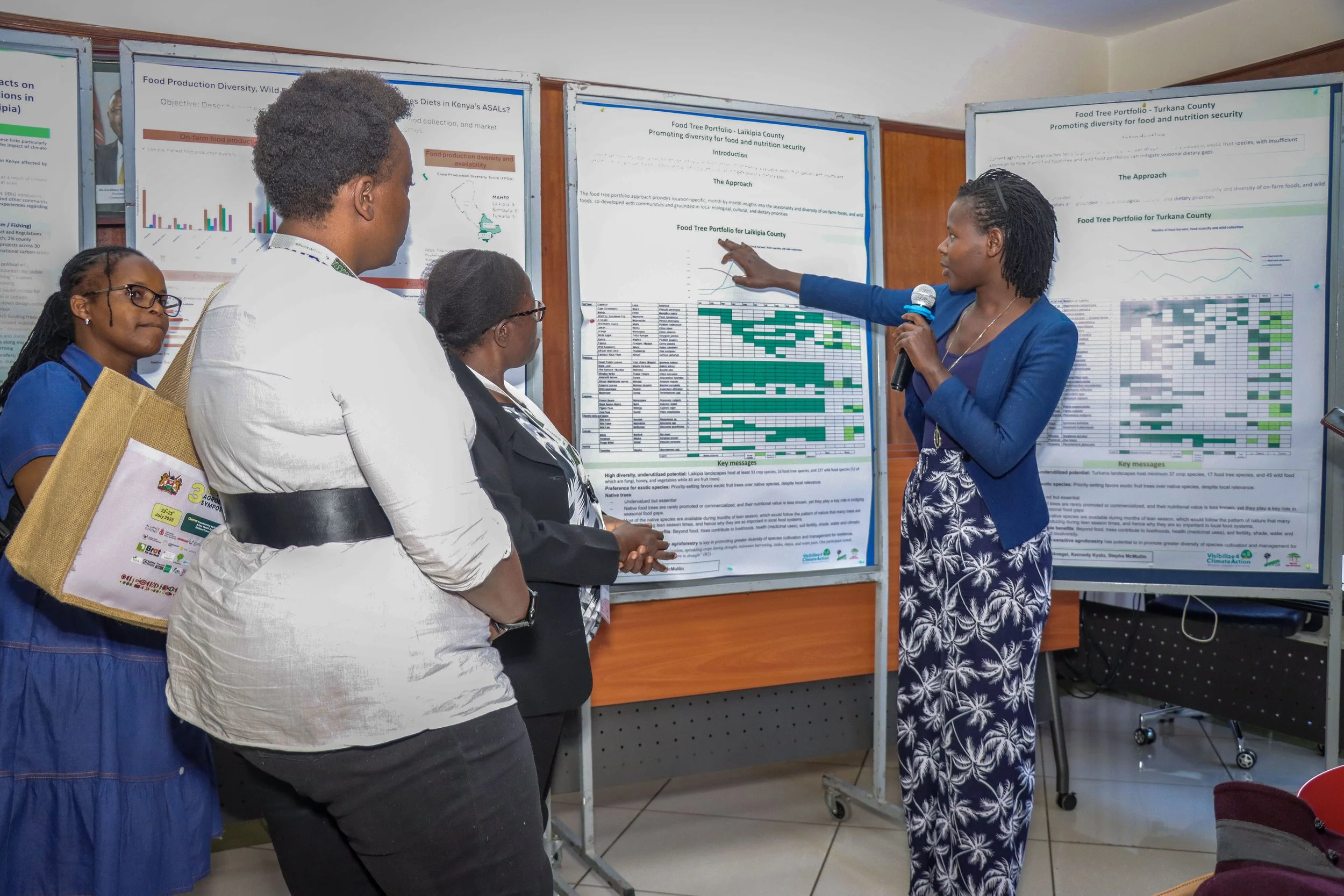
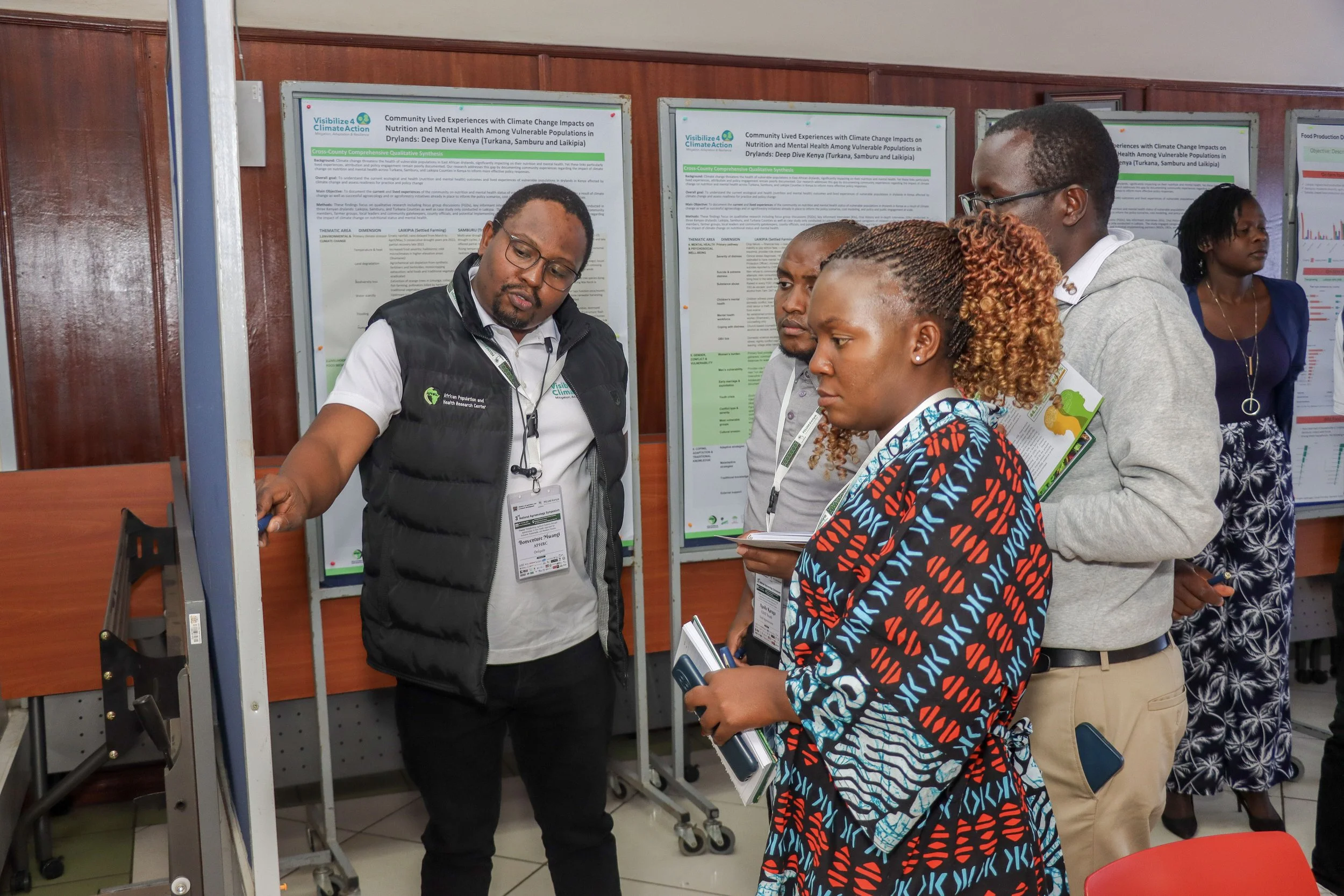
Figure 6: Station 2 demonstrated how diversified food portfolios, agroforestry systems and agrobiodiversity contribute to improved dietary diversity, nutrition and health outcomes. (Photo credits @PELUM Kenya | Visibilize4Climate Action Project).
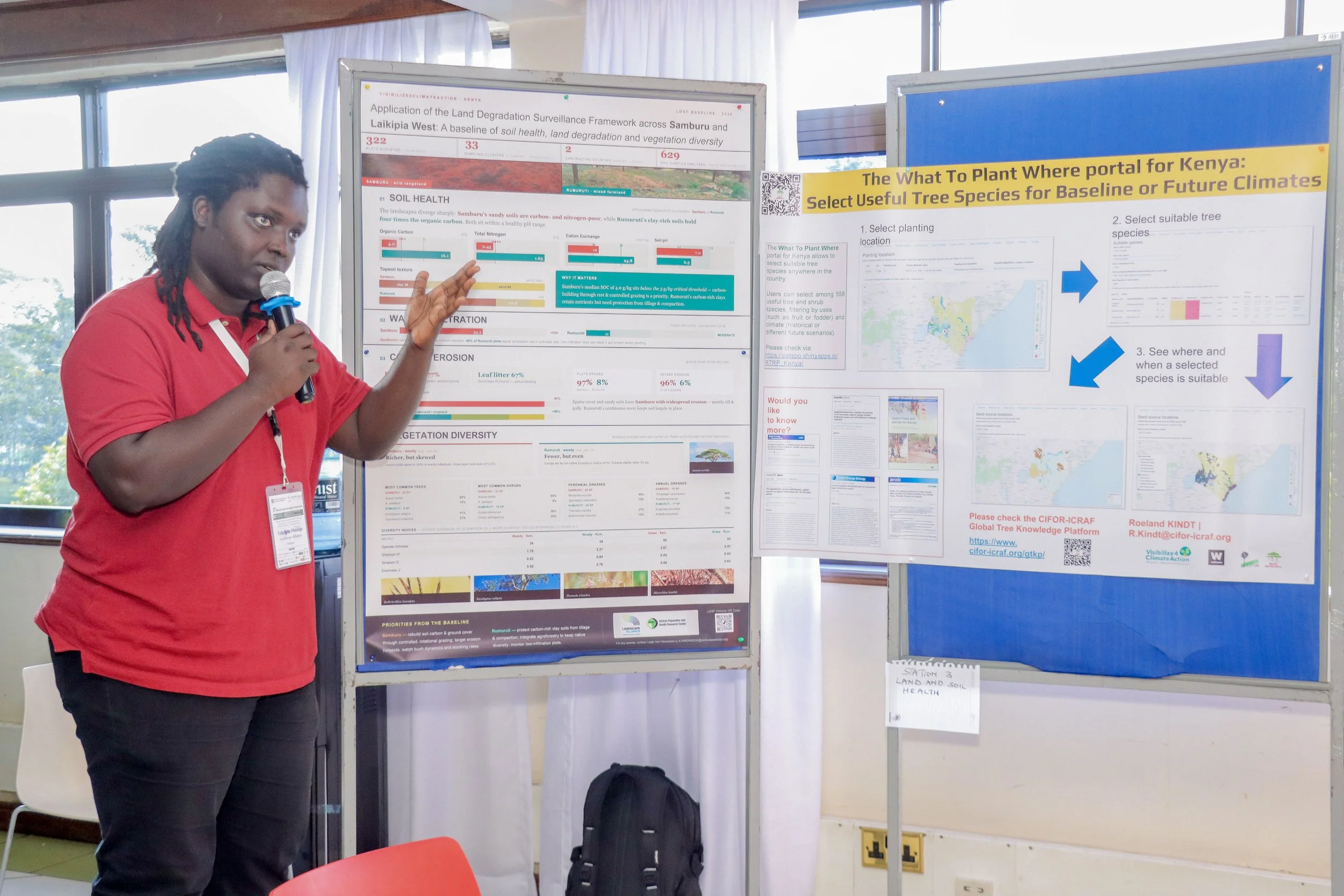
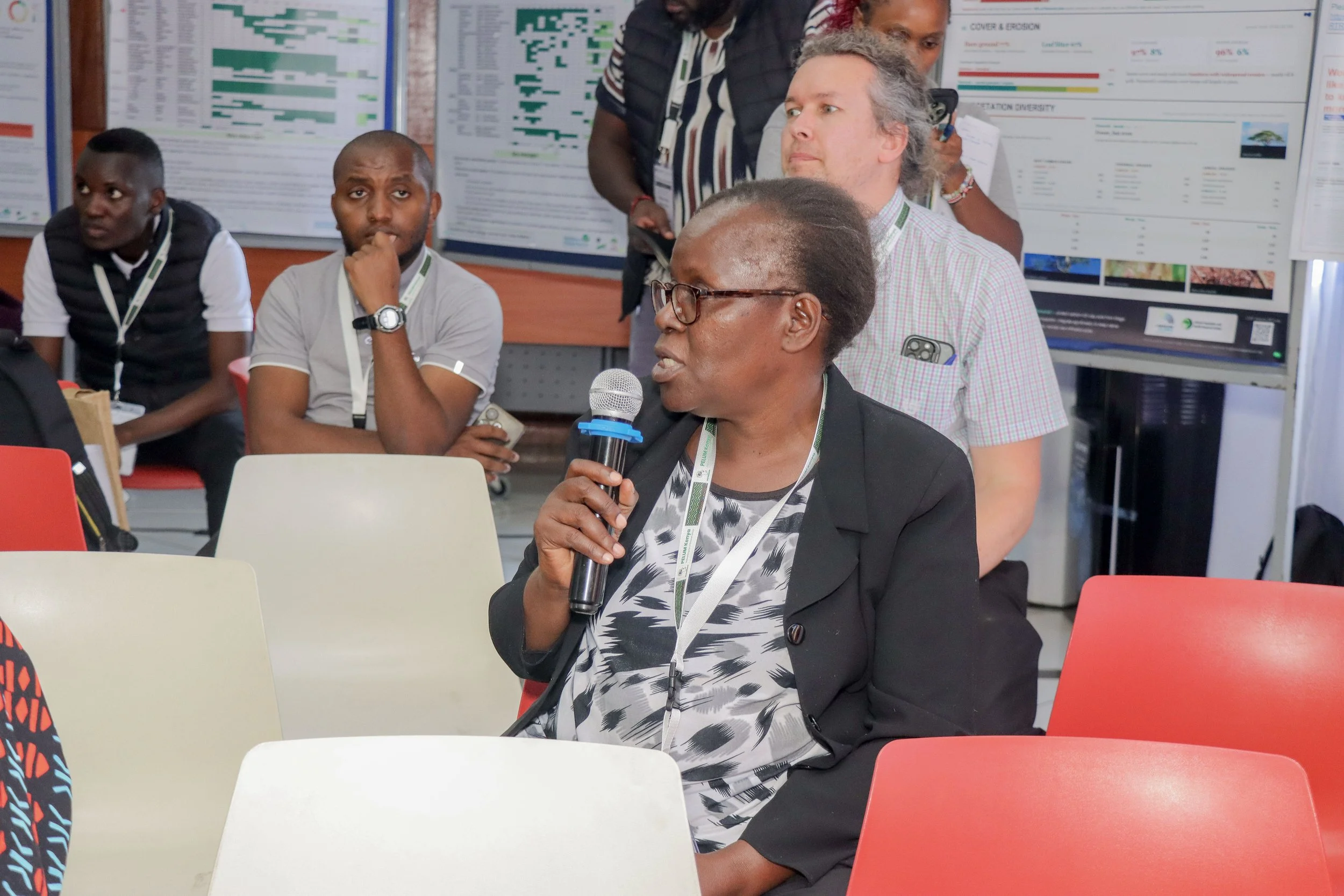
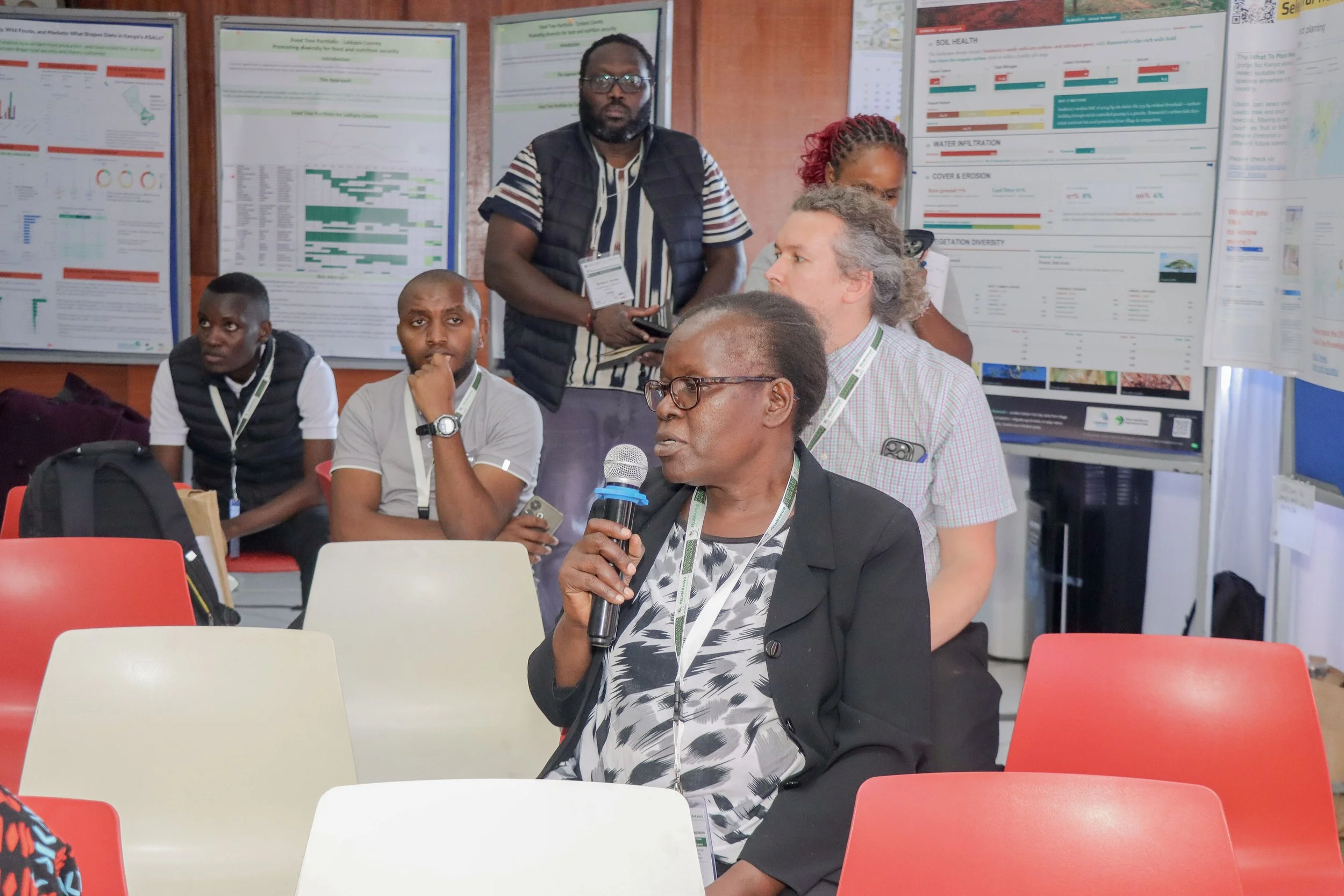
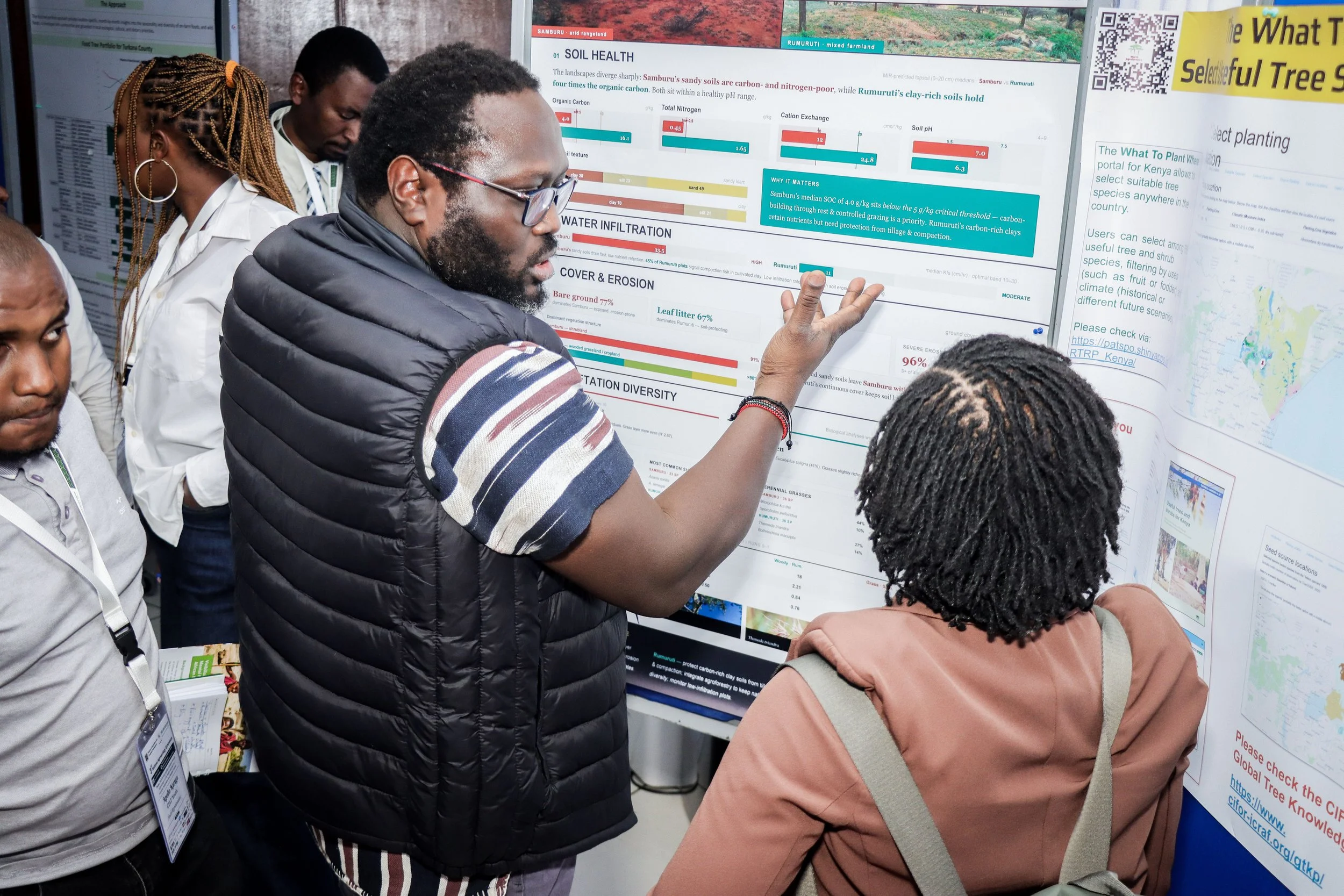
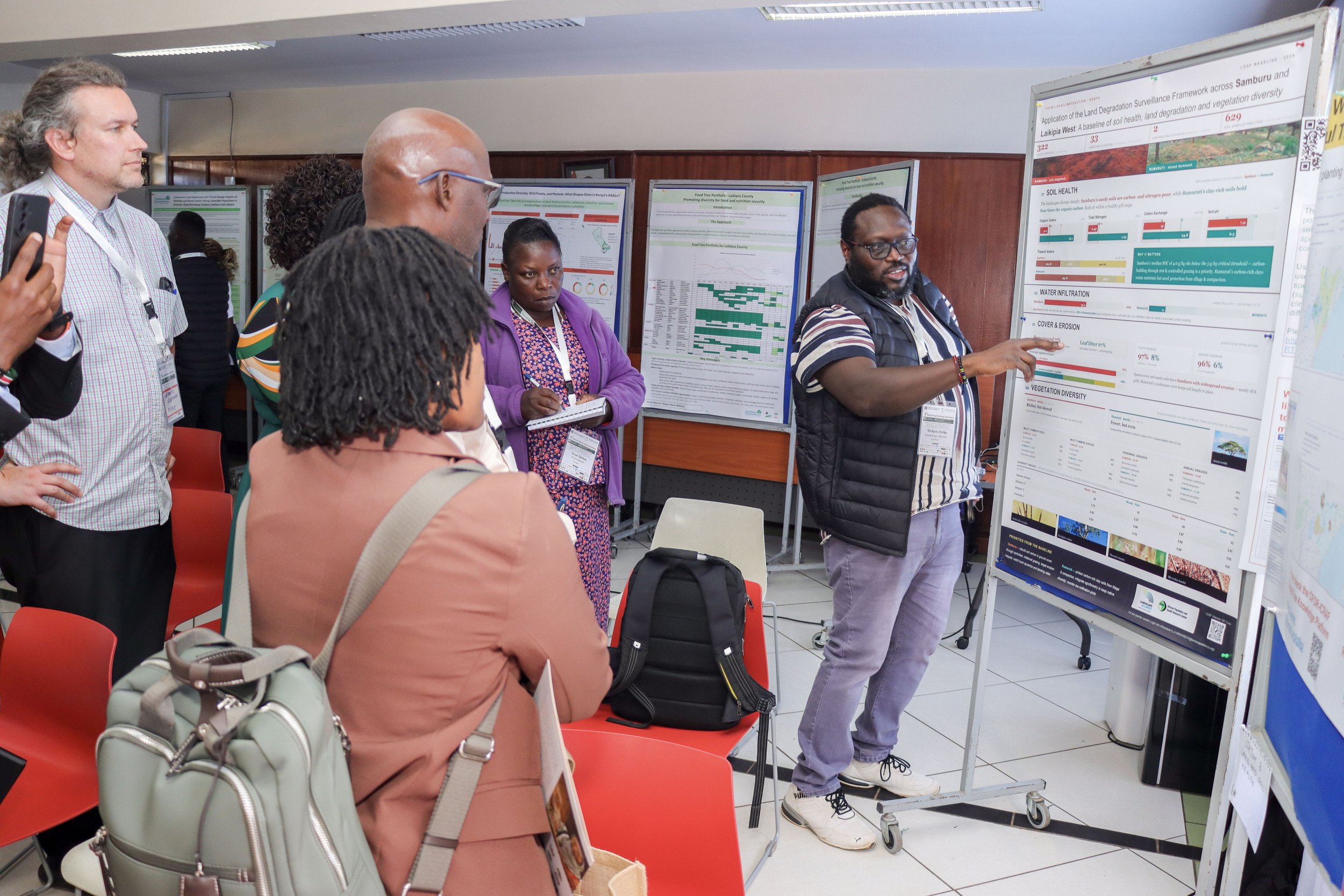
At Station 3, CIFOR-ICRAF's (Landscape Alliance) contribution highlighted that healthy soils are the foundation upon which agroecology, agroforestry, nutrition and climate resilience depend.
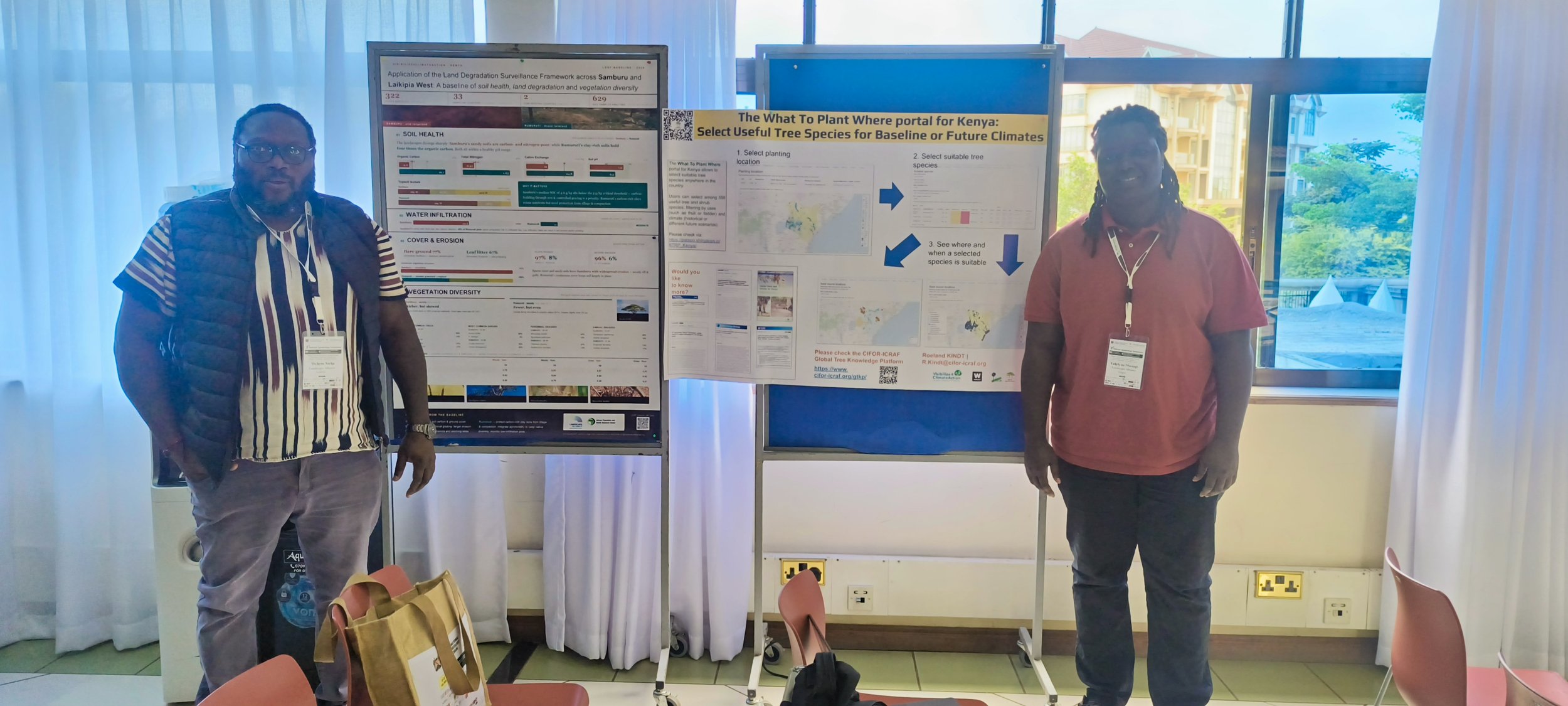
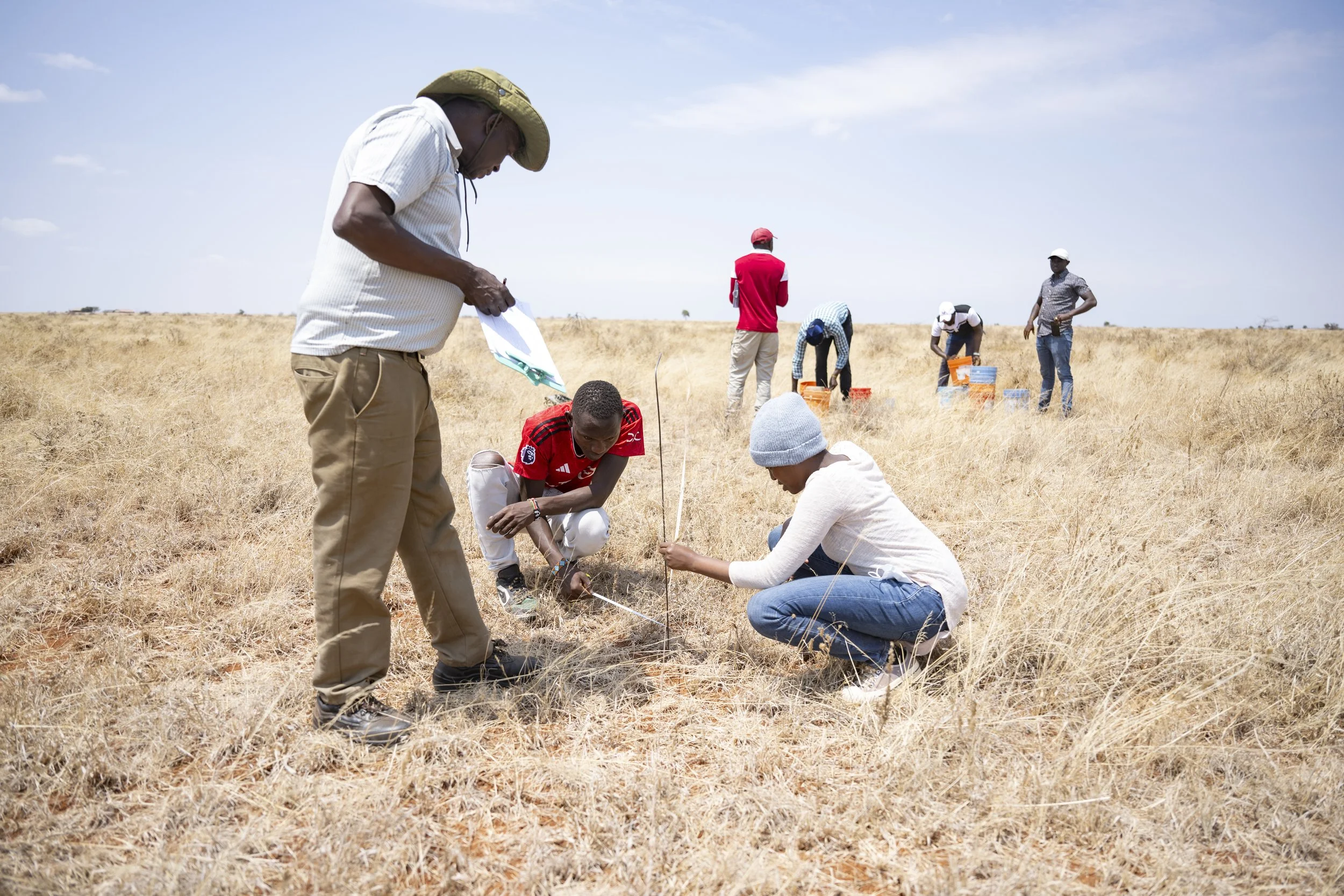
Using advanced Mid-Infrared (MIR) spectroscopy and the Land Degradation Surveillance Framework (LDSF) , researchers demonstrated how landscape-scale soil diagnostics can identify restoration priorities, monitor ecosystem health and support evidence-based decision-making. The presentation illustrated that restoring soil organic carbon, protecting ground vegetation cover, reducing erosion and integrating appropriate tree species are practical interventions that simultaneously improve agricultural productivity, biodiversity conservation and climate resilience.
Importantly, this evidence connected directly with the broader objectives of Visibilize4ClimateAction: making climate impacts visible, empowering communities with actionable knowledge, and informing policies that strengthen adaptation, mitigation and resilience across Eastern Africa's drylands.
The message was both practical and compelling: restoring soil organic matter, reducing erosion and planting the right trees in the right places can simultaneously improve productivity, biodiversity conservation and resilience to climate change.
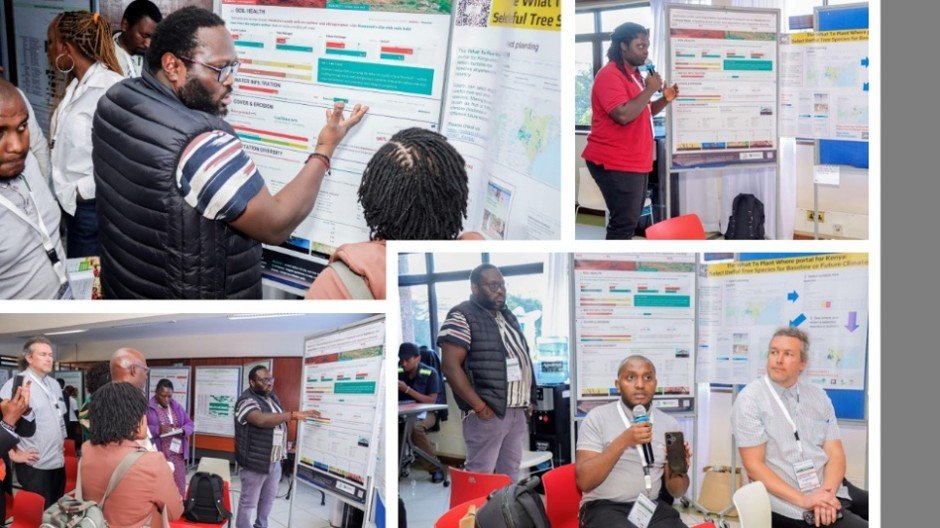
Figure 7: Station 3, led by CIFOR-ICRAF's (Landscape Alliance) team, showcased the Land Degradation Surveillance Framework (LDSF) baseline assessment from Samburu and Laikipia. Participants examined how soil organic carbon, nutrient status, vegetation cover, biodiversity and land degradation indicators can guide restoration planning and climate-smart land management. The findings showed that rebuilding soil organic matter, reducing erosion and promoting the "right tree for the right place and the right purpose" are fundamental to resilient agroecosystems. (Photo credits @PELUM Kenya | Visibilize4Climate Action Project).
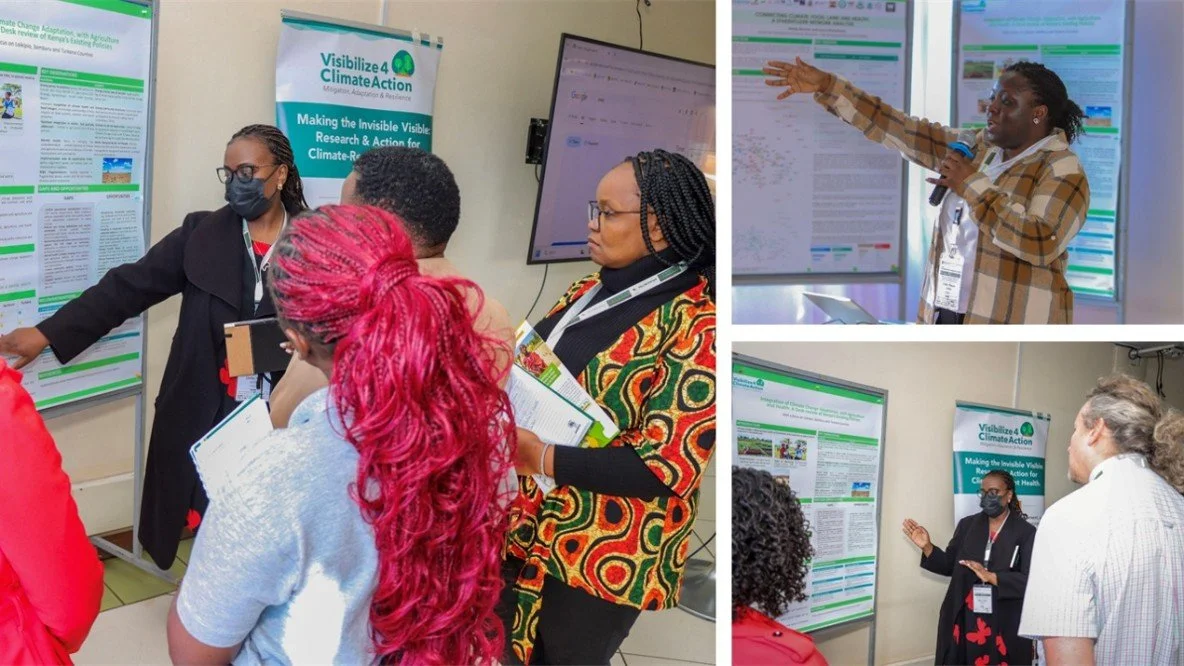
Figure 8: Station 4 focused on stakeholder engagement and policy implementation, demonstrating how scientific evidence, community experiences and policy dialogue can collectively drive ecosystem restoration and sustainable food systems. (Photo credits @PELUM Kenya | Visibilize4Climate Action Project).
The learning stations together illustrated that agroecological transition is not a collection of isolated interventions, but an integrated pathway that connects healthy soils, diversified production systems, improved nutrition and enabling policy environments.
Science That Supports Better Decisions
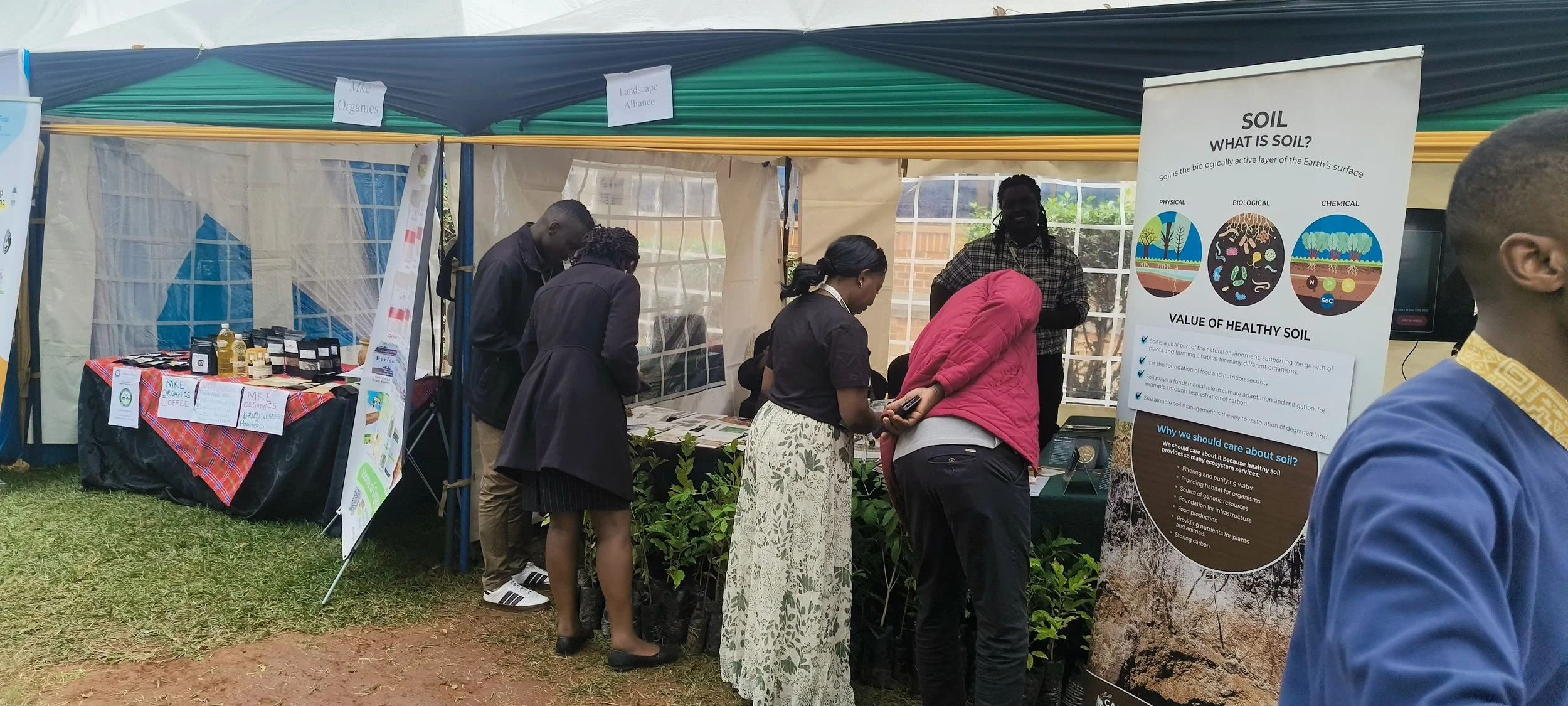
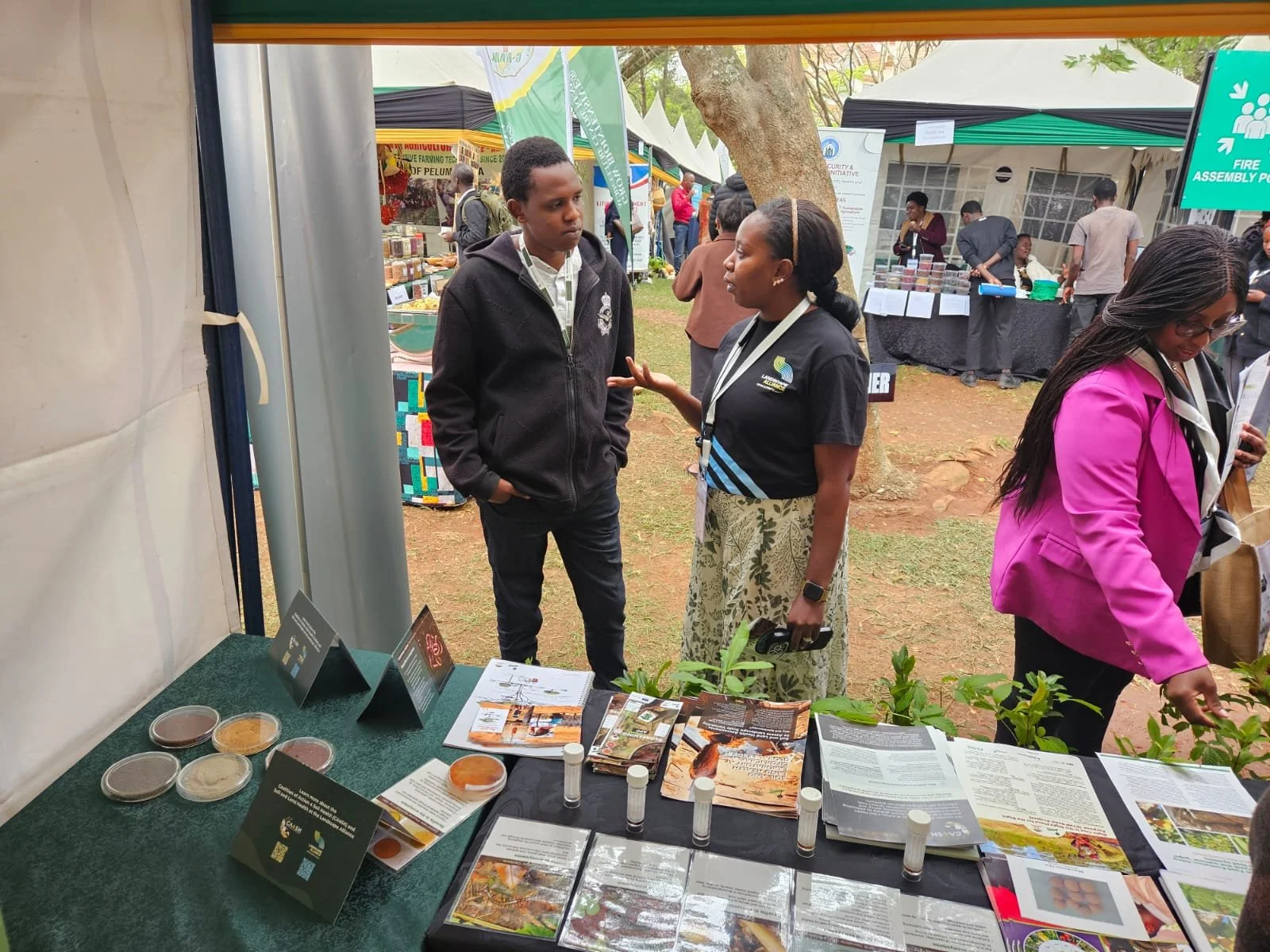
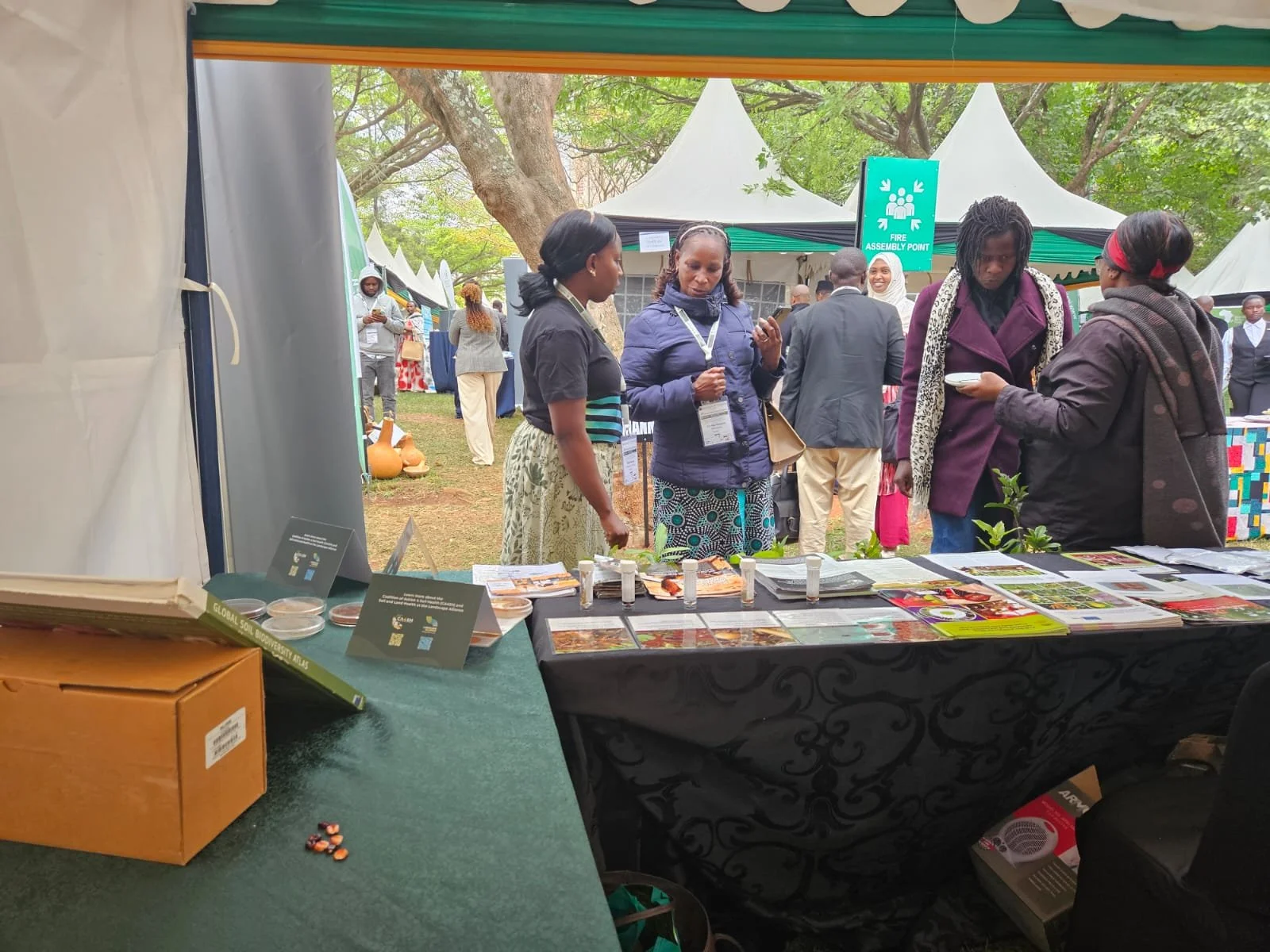
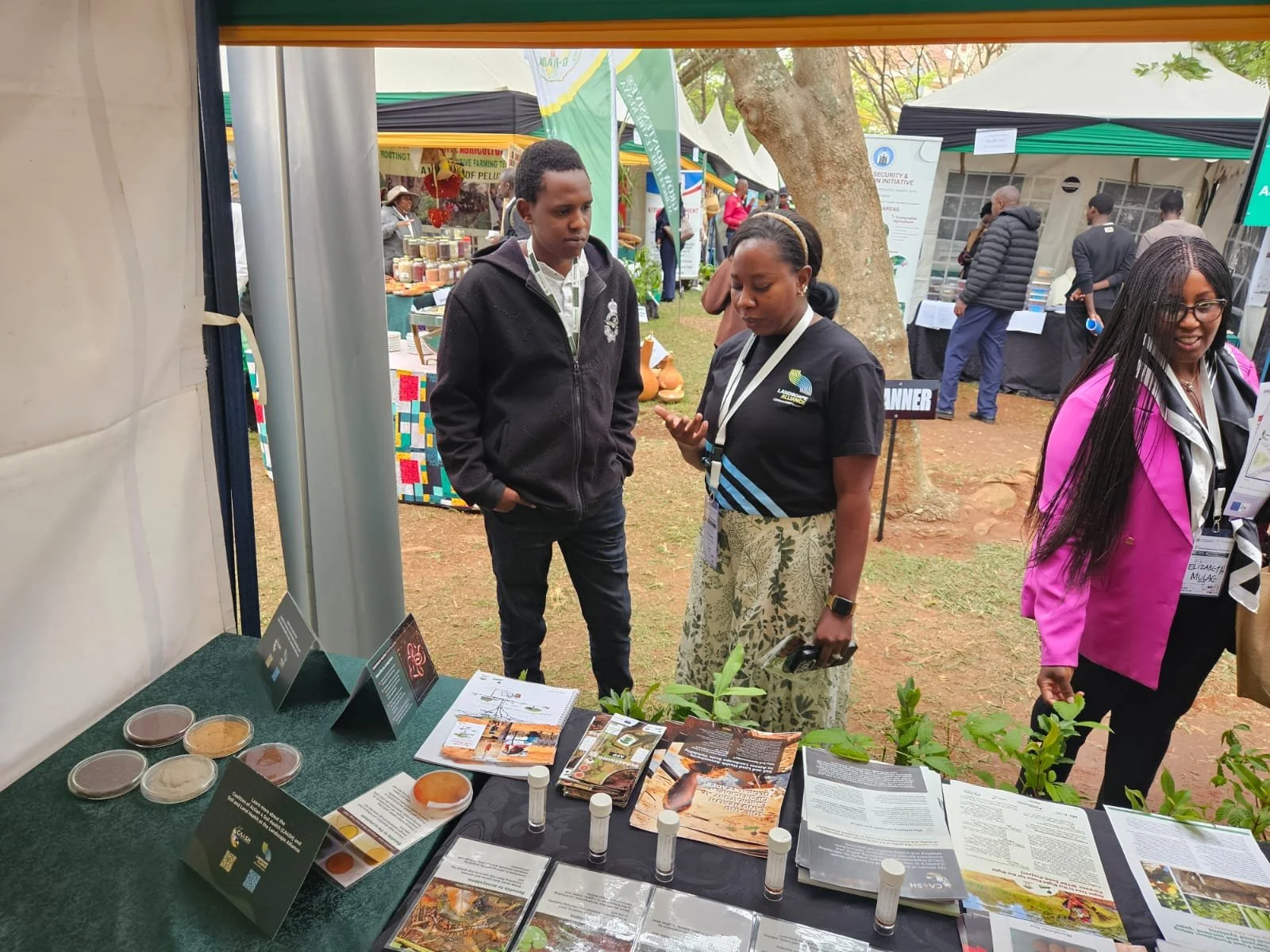
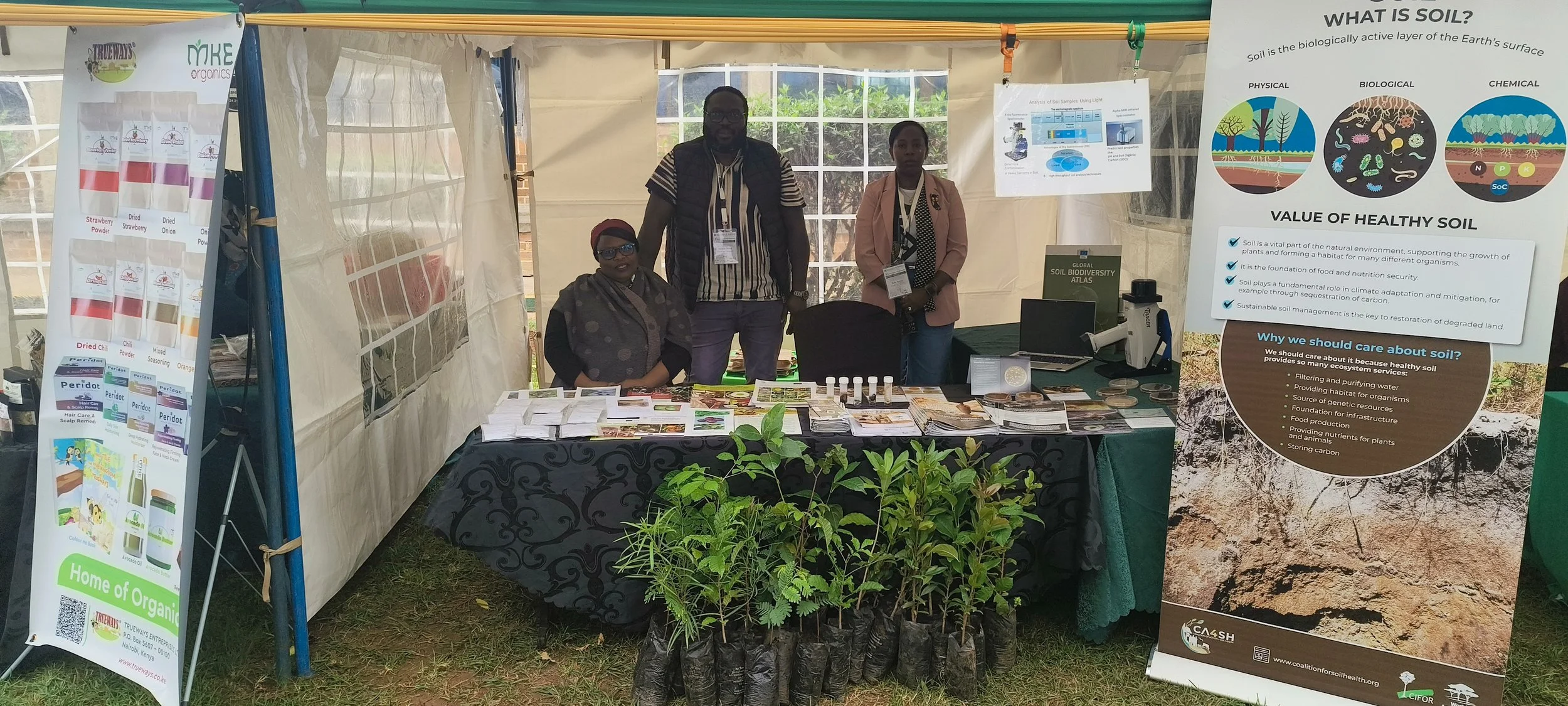
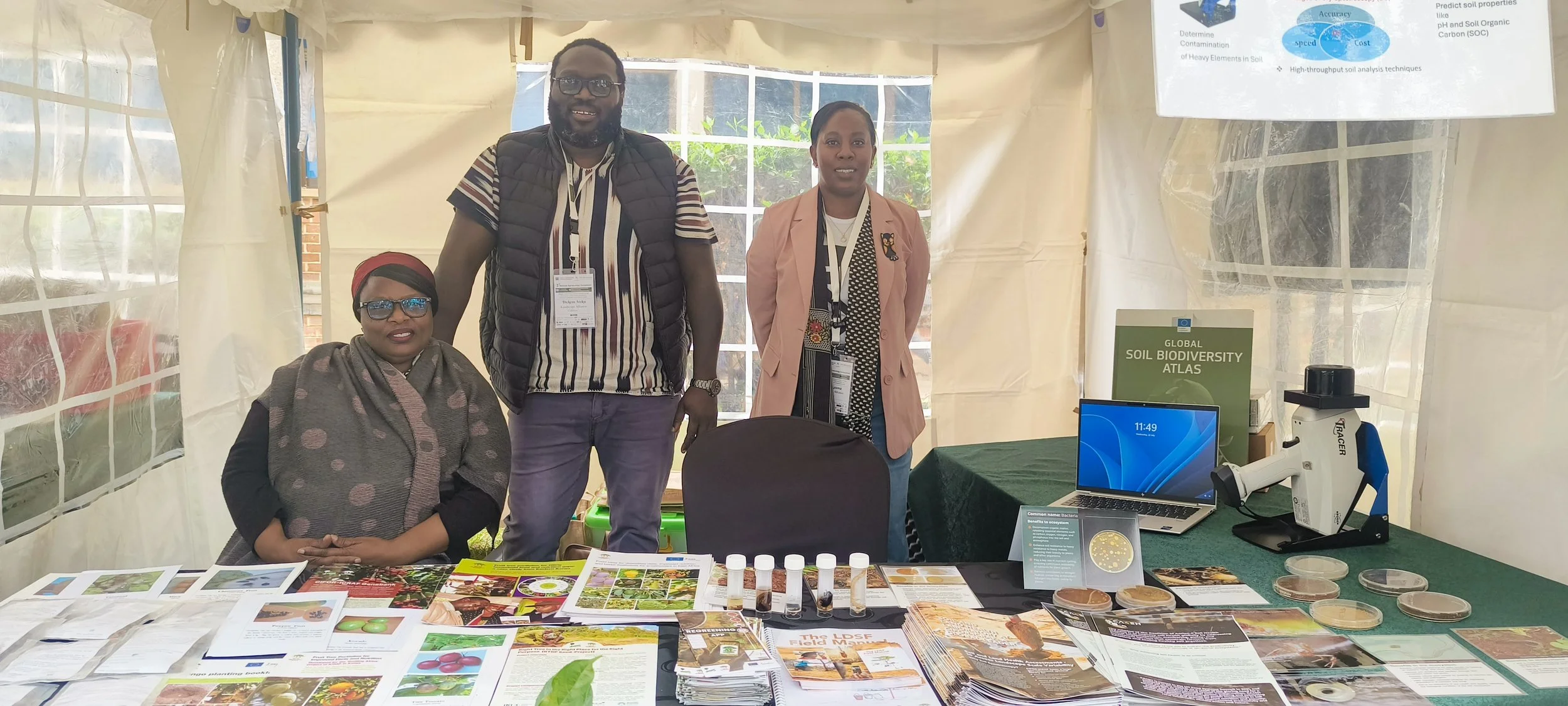
Beyond the technical sessions, Landscape Alliance (CIFOR-ICRAF) showcased innovations from its Soil and Land Health Laboratories and Trees Theme Seed laboratory through an interactive exhibition that attracted researchers, students, policymakers and development practitioners.
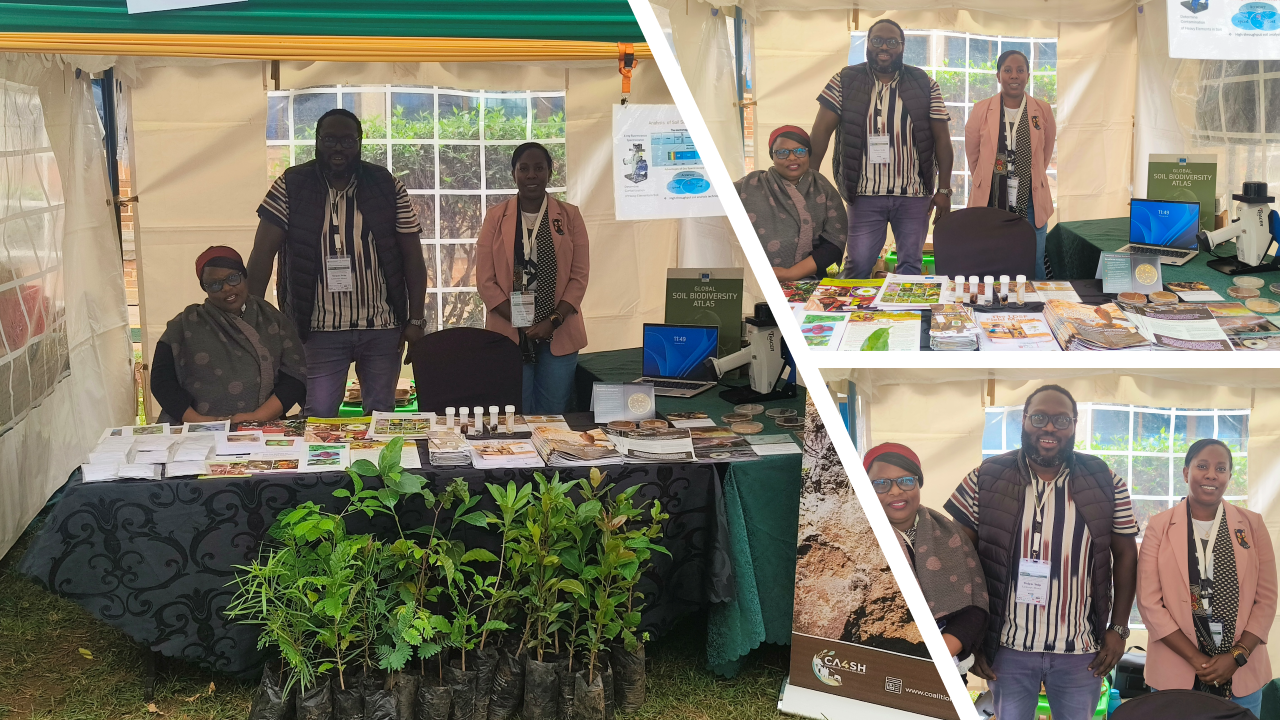
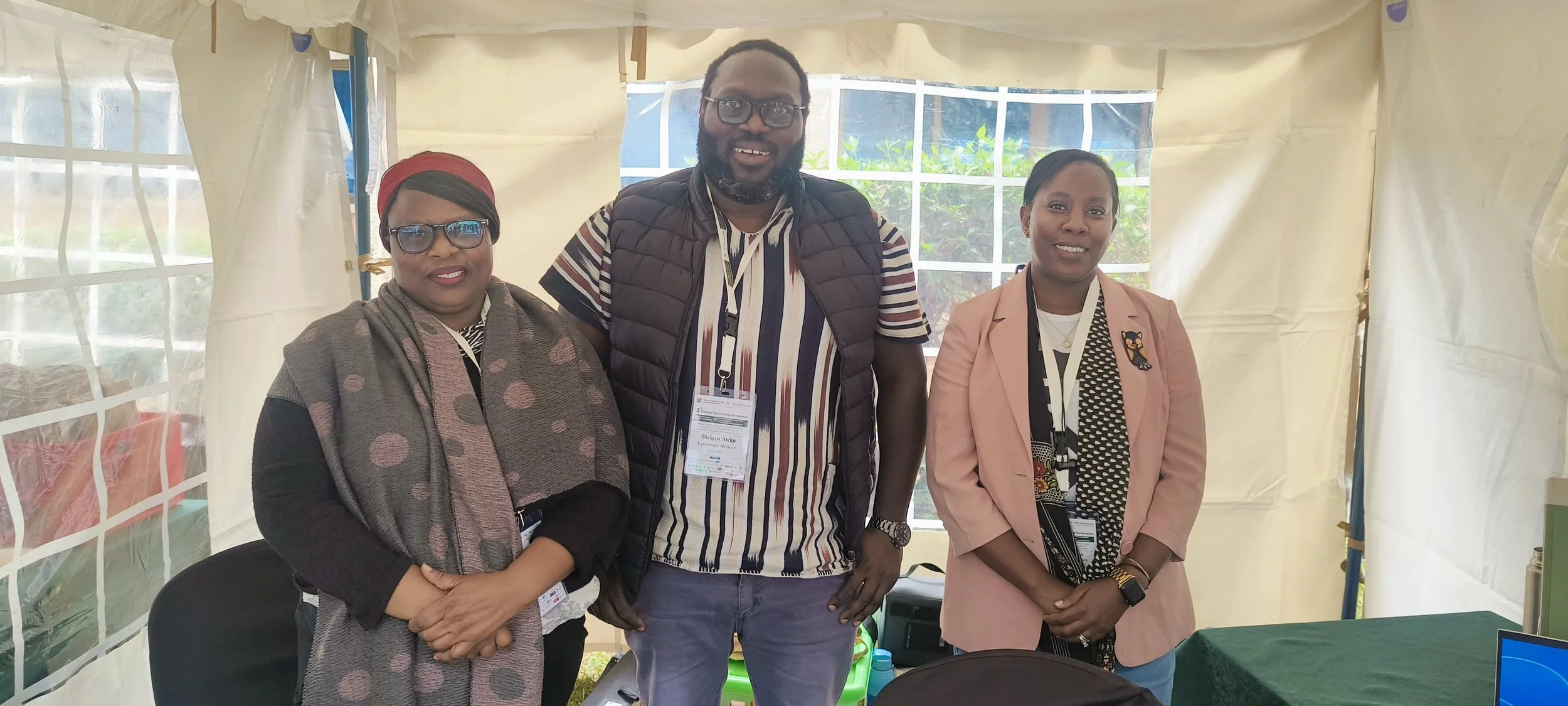
Figure 9: Landscape Alliance (CIFOR-ICRAF) Exhibition Stand. (Photo credits @Dickens Ateku).
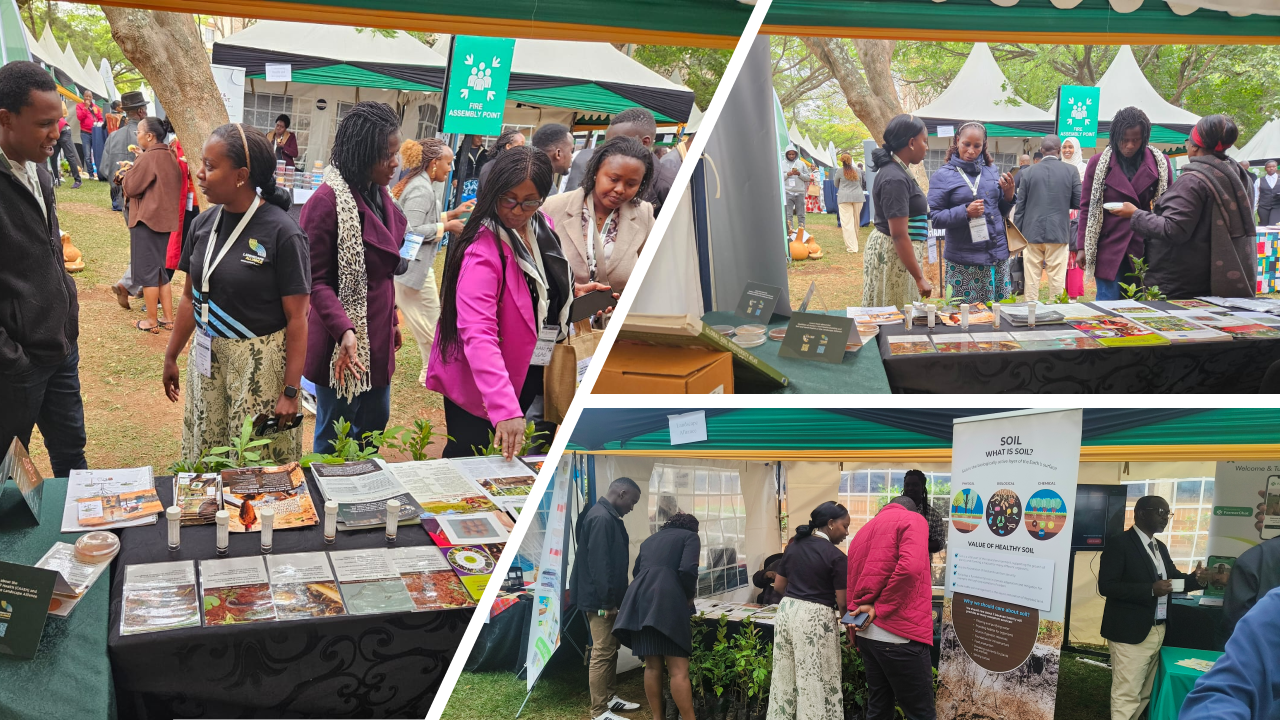
Figure 10 : Landscape Alliance (CIFOR-ICRAF) Exhibition Stand. (Photo credits @Dickens Ateku).
Visitors saw advanced Mid-Infrared (MIR) spectroscopy for rapid soil health assessment, landscape monitoring tools and evidence-based restoration approaches that support sustainable land management across Africa.
Together with displays of diverse tree seeds and seedlings for agroforestry and restoration, the exhibition demonstrated how science can provide practical solutions for restoring degraded landscapes while strengthening food security and climate resilience.
What Comes Next?
As the symposium concluded, one message stood above all others: Kenya already possesses the knowledge, partnerships and scientific evidence needed to transform its food systems. The challenge now is implementation.
Participants issued a collective call to accelerate implementation of the National Agroecology Strategy by investing in healthy soils, strengthening farmer-led innovation, institutionalizing the participation of youth, women, pastoralists and indigenous communities, and promoting policies informed by both scientific evidence and local knowledge.
These priorities recognize that meaningful transformation requires sustained collaboration among government, research institutions, civil society, the private sector and farming communities.
From Dialogue to Action
The 3rd National Agroecology Symposium demonstrated that Kenya's agroecological transition is already underway. It showed that when science informs policy, when communities shape innovation, and when partnerships replace silos, agroecology becomes more than a concept, it becomes a practical pathway to resilient food systems.
Healthy soils nourish productive farms. Productive farms support healthy people. Healthy people build thriving communities. And thriving communities restore healthy landscapes.
The symposium closed not with an end to the conversation, but with a renewed commitment to action. The challenge now is to sustain the momentum by turning knowledge into practice, policy into implementation, and partnerships into lasting impact, because the future of Kenya's food systems depends not only on what we know, but on what we do together.
Learn More
Photo Gallery
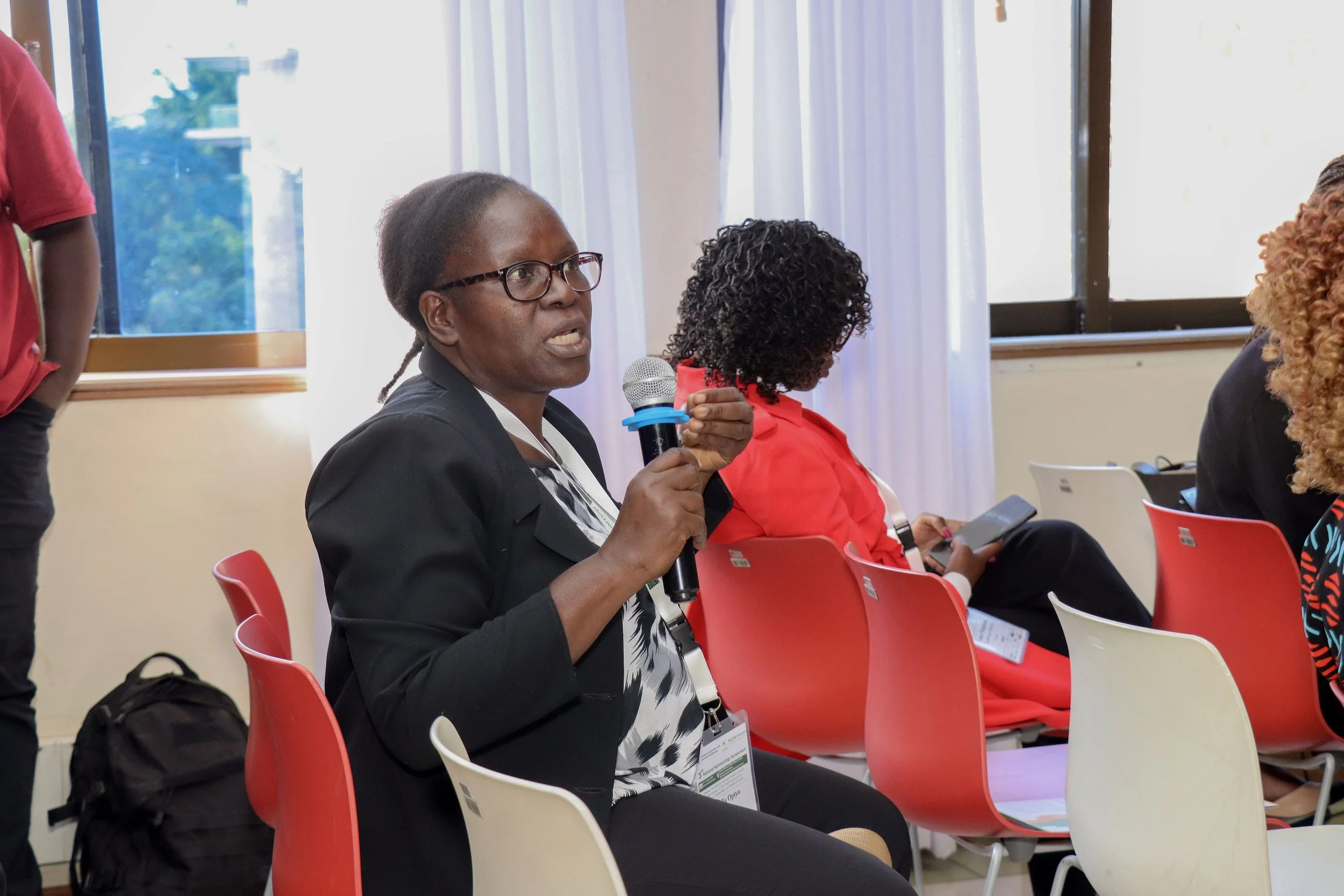
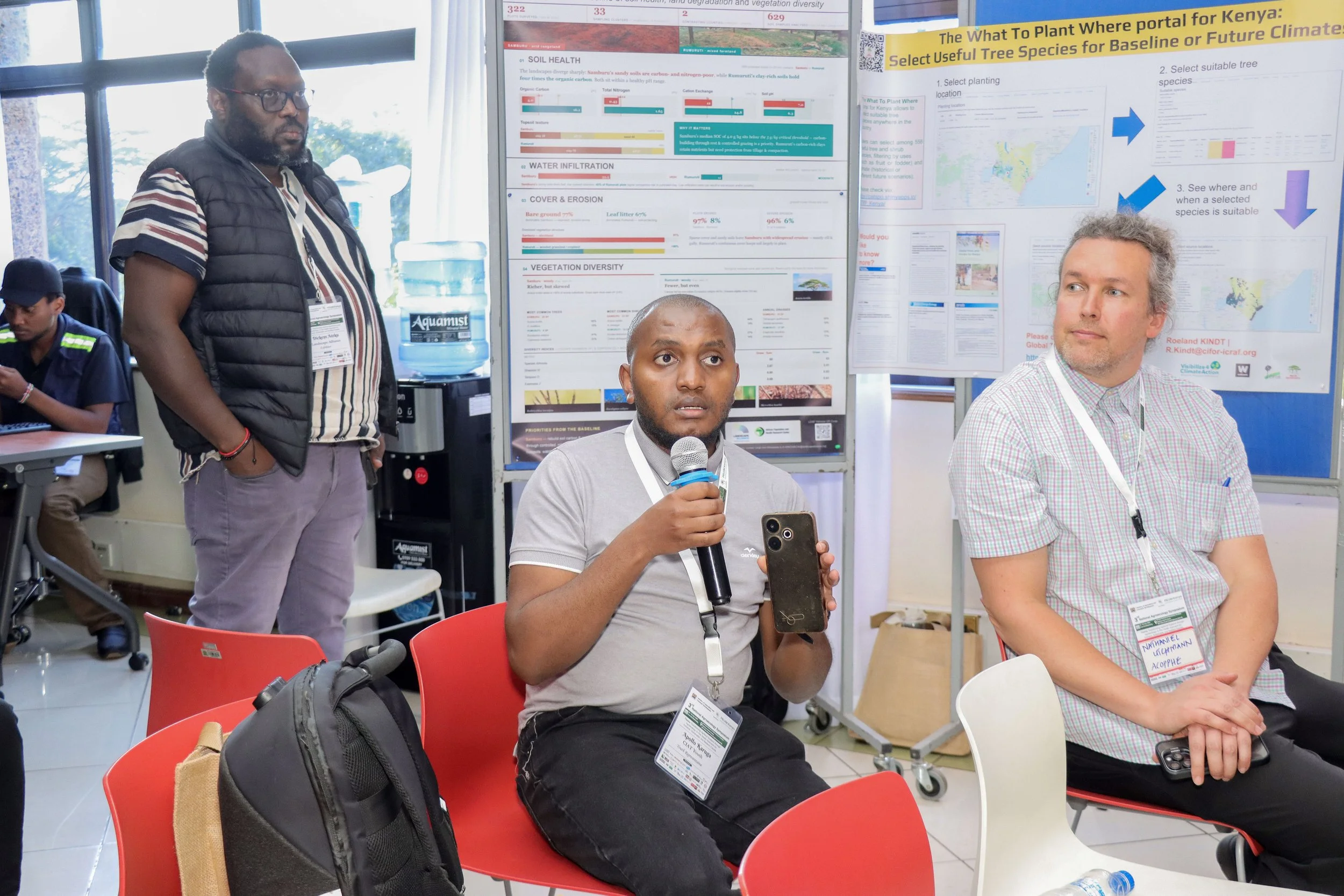
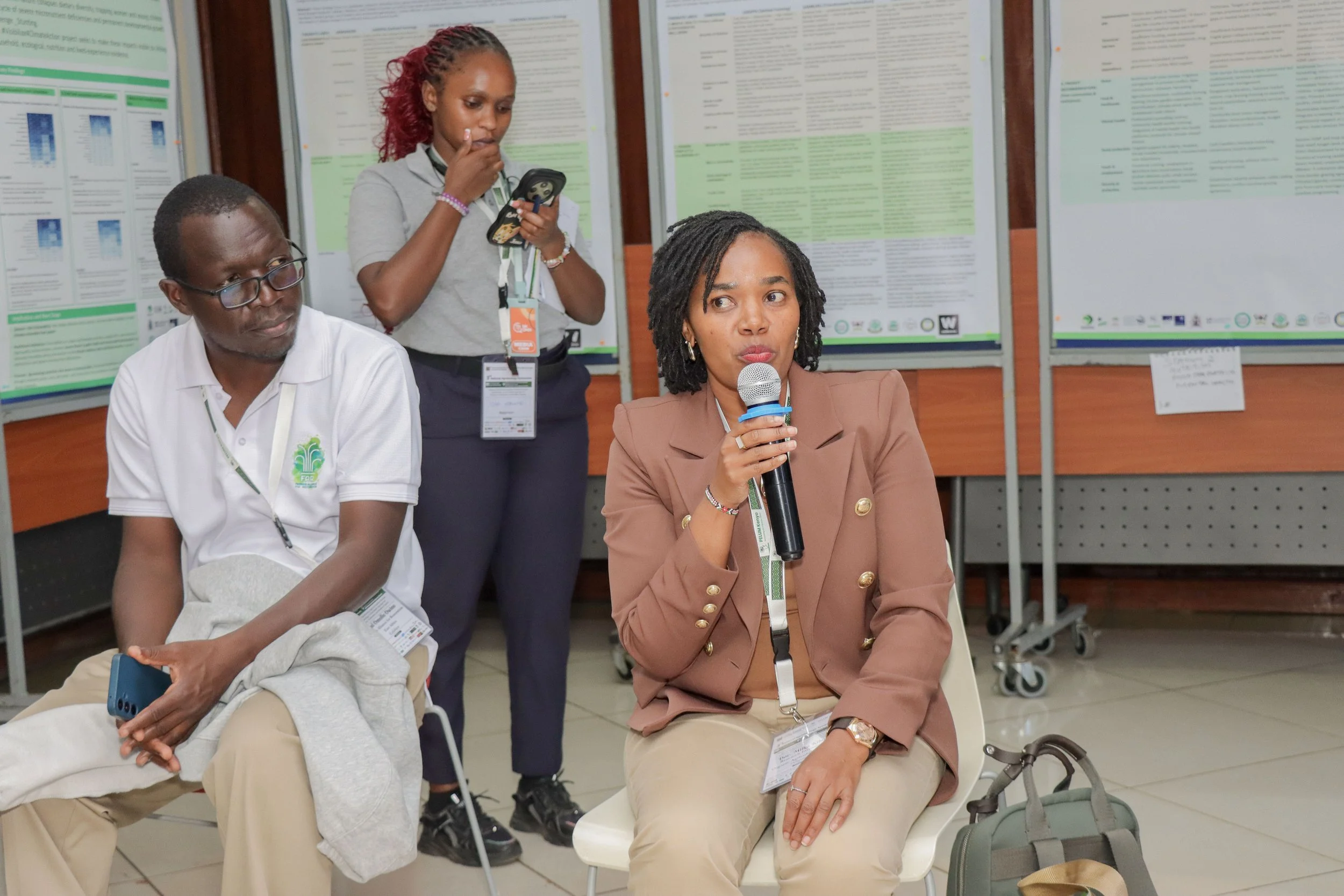
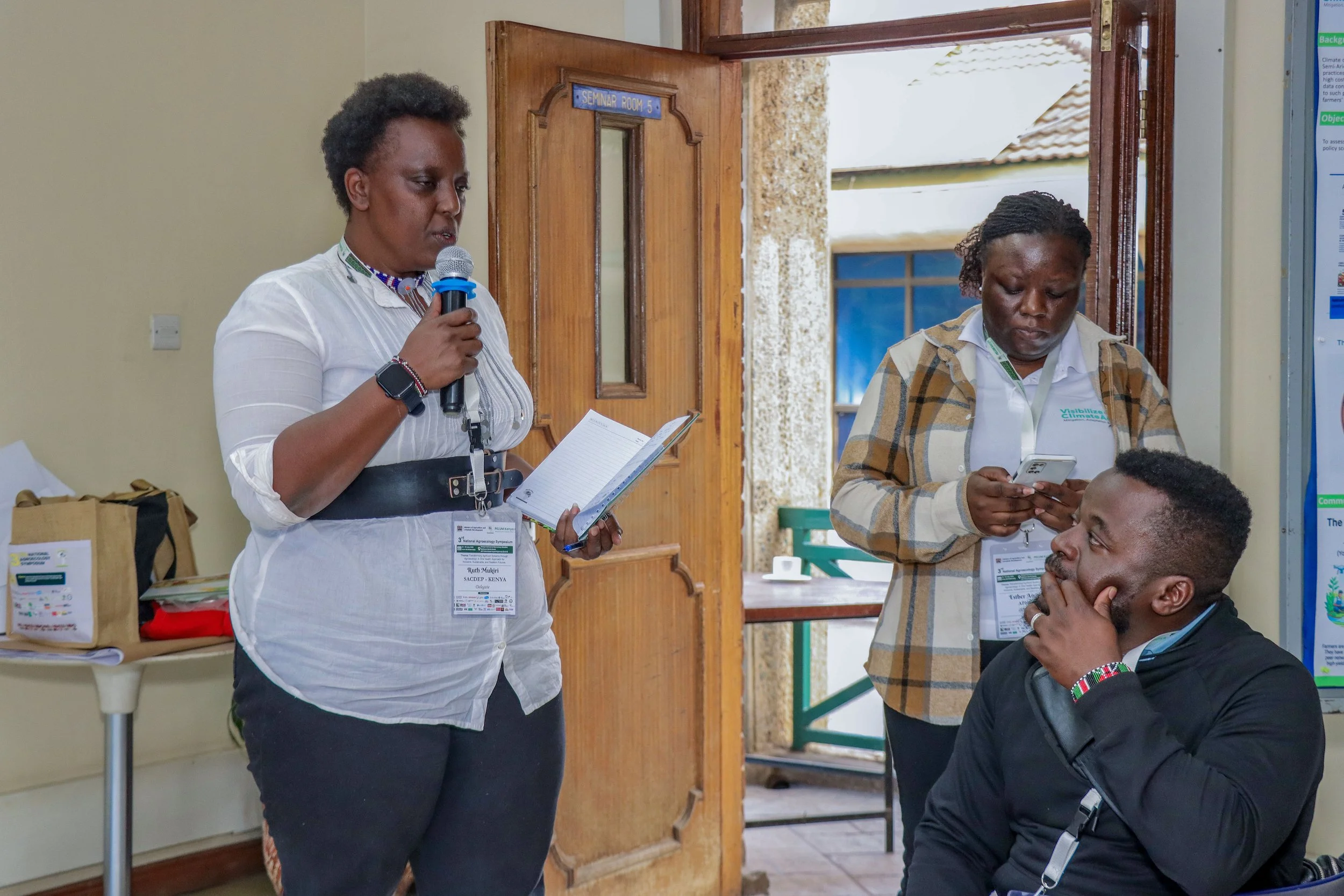
(Photo credits @PELUM Kenya | Visibilize4Climate Action Project and Dickens Ateku)

Can Kenya transform its food systems while restoring ecosystems, improving nutrition, and building resilience to climate change?
That question brought together more than just experts, it united policymakers, researchers, farmers, youth, women, pastoralists, civil society, development partners and the private sector at the 3rd National Agroecology Symposium, held on 22–23 July 2026 at the Kenya Institute of Monetary Studies (KIMS) in Nairobi. Under the theme "Transforming Agrifood Systems through Agroecology: A One Health Approach for Inclusive, Sustainable and Resilient Futures," the symposium demonstrated that agroecology has evolved from an emerging concept into a national movement for transforming Kenya's agrifood systems.
Story by Dickens Ateku Alubaka, Senior Manager, Soil and Land Health Laboratories Research Services, Landscape Alliance (ICRAF)