Samburu Women at the Forefront of Land Stewardship
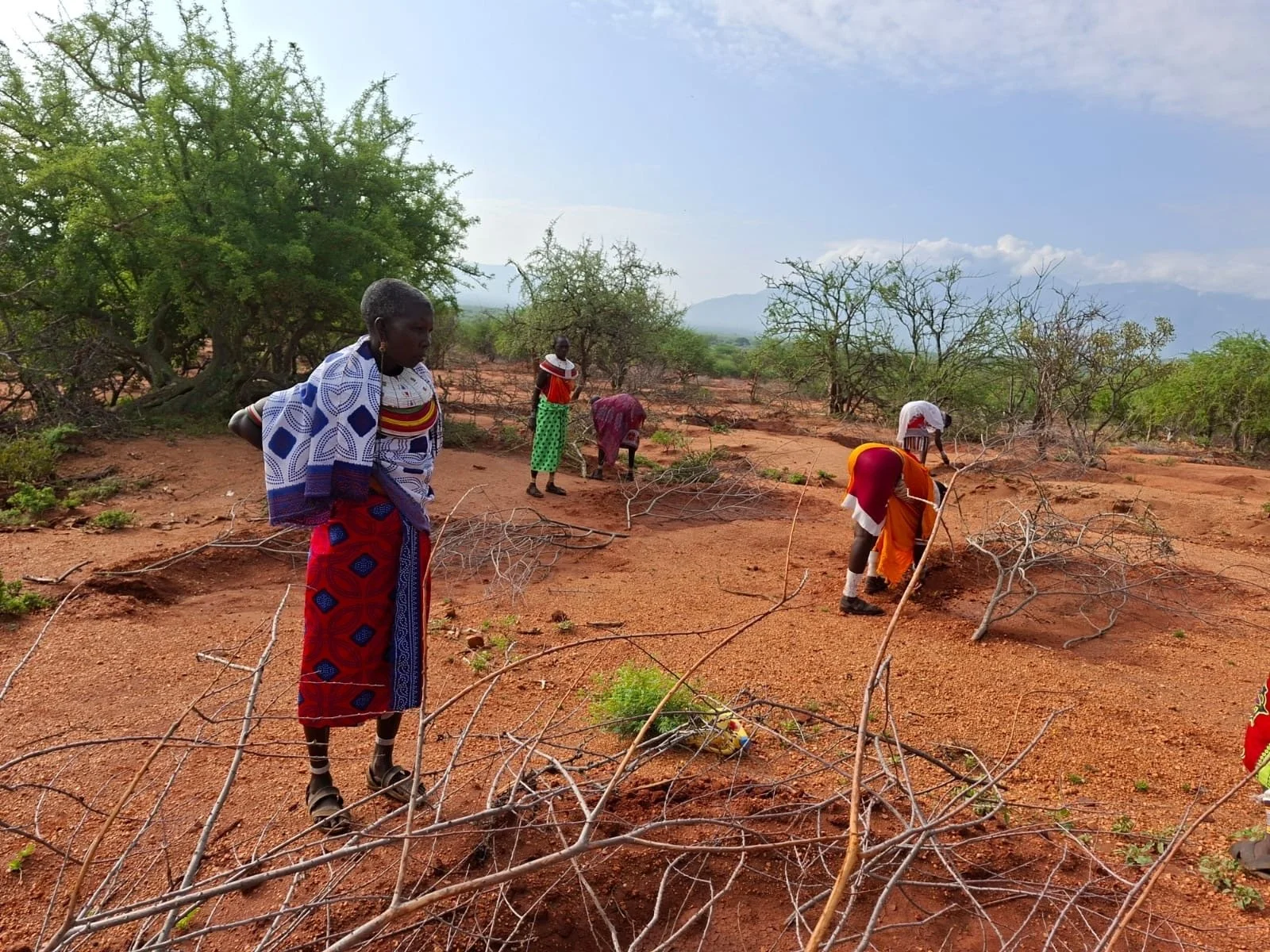
For the Milk Mamas at the heart of The Sarara Foundation’s (TFS) flagship Milk to Market Program, conservation and care for the land are lived responsibilities, not imposed obligations.
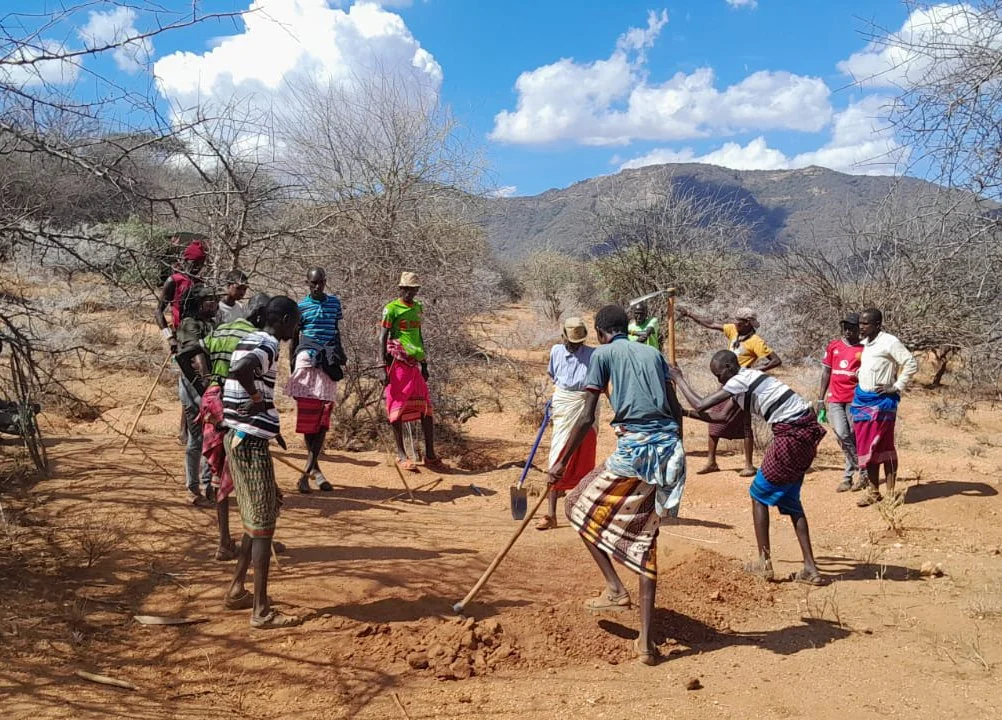
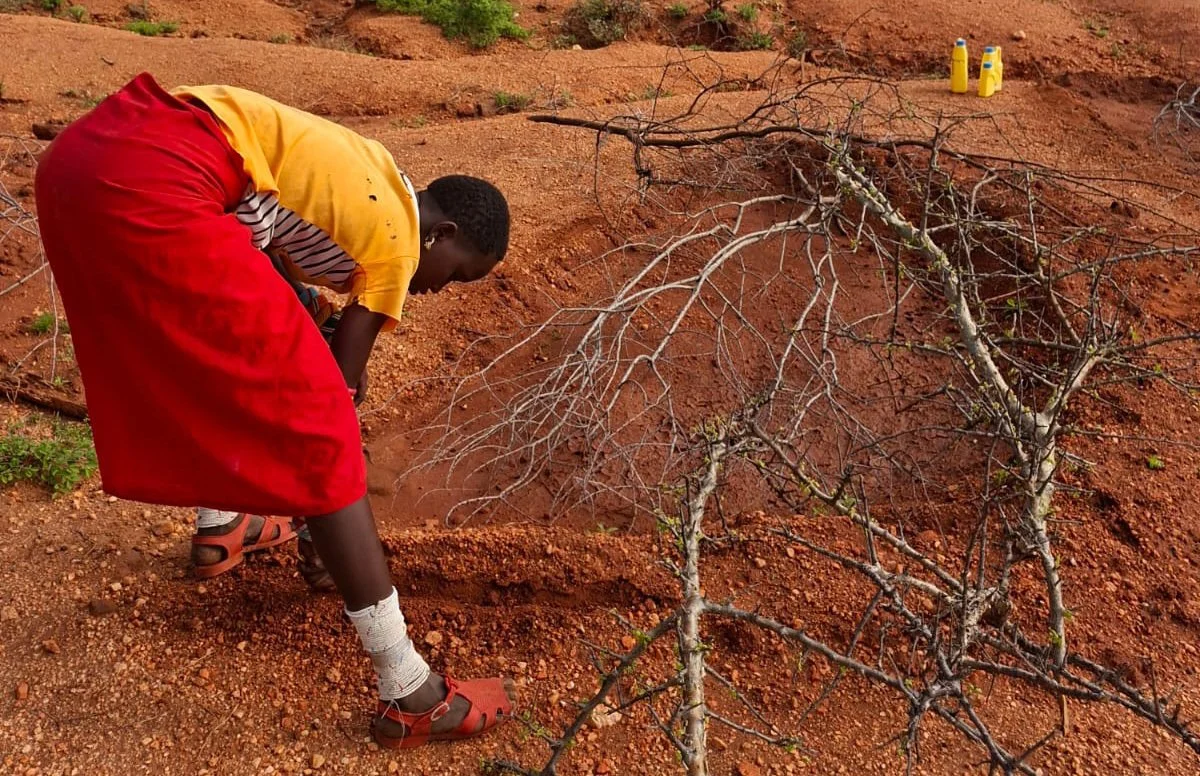
The members of the Lbaa community,
led by 70 Milk Mamas, who set out to restore degraded rangelands.
With their livelihoods and the wellbeing of their communities deeply connected to the milk they provide to Reteti Elephant Sanctuary, they are driven by a commitment to nurture the health of their herds and the landscapes they depend on through far-reaching land restoration efforts that benefit people, livestock, and wildlife.
“Grass is the rock of our lives, and seeing it grow gives us hope. It is the assurance of our own survival and the future of our children. As Lbaa Milk Mamas, this restoration has made us proud as women in Namunyak, because we know we are protecting our land, feeding our goats better, and building a stronger future for our community. Reseeding this land showed us that our rangelands can heal again.” - Staai Lemojong, Milk Mama
As passionate champions of sustainable grazing, the women actively support grazing compliance, report injured wildlife, and take a leading role in land restoration efforts – especially in light of prolonged periods of drought. In the past year, Milk Mamas have increasingly been at the forefront of rotational grazing plans and have taken on stronger leadership roles in rangeland health.
Where water returns, grass follows…
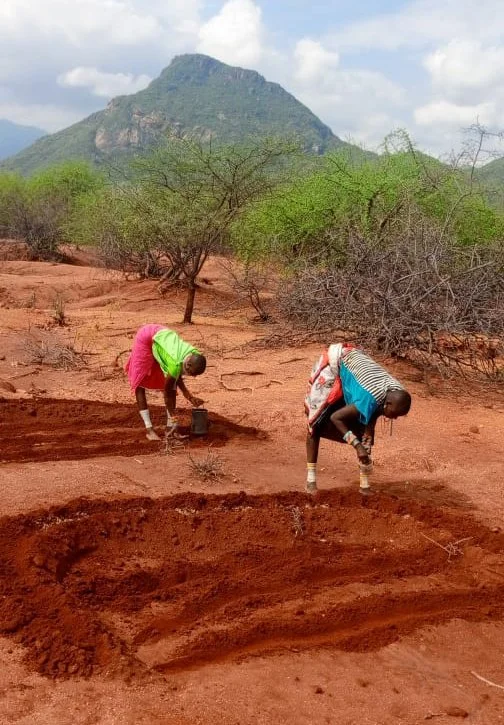
During October and November, the Lbaa community – led by 70 Milk Mamas – made significant progress in restoring 50 acres of degraded rangeland in Namunyak. Together, they established and reseeded 1,050 bunds in an area that had remained bare for years due to overgrazing, leaving it vulnerable to invasive species, soil erosion, and exposed ground.
Dug along slopes to capture rainwater, semi-circular bunds are an effective local solution for regeneration in arid and degraded landscapes. By slowing water flow and holding moisture in the soil, they create favourable conditions for new grass growth and support long-term re-greening efforts.
Two native grass species – Cenchrus ciliaris (a shrubby, perennial grass) and Eragrostis superba (a hardy, drought-resistant grass) – were selected for their resilience, complementary growth, and ability to stabilise soil and reduce erosion with minimal rainfall.