BLOGS, ARTICLES AND NEWS
Get updates directly from the CA4SH Global team and stakeholders
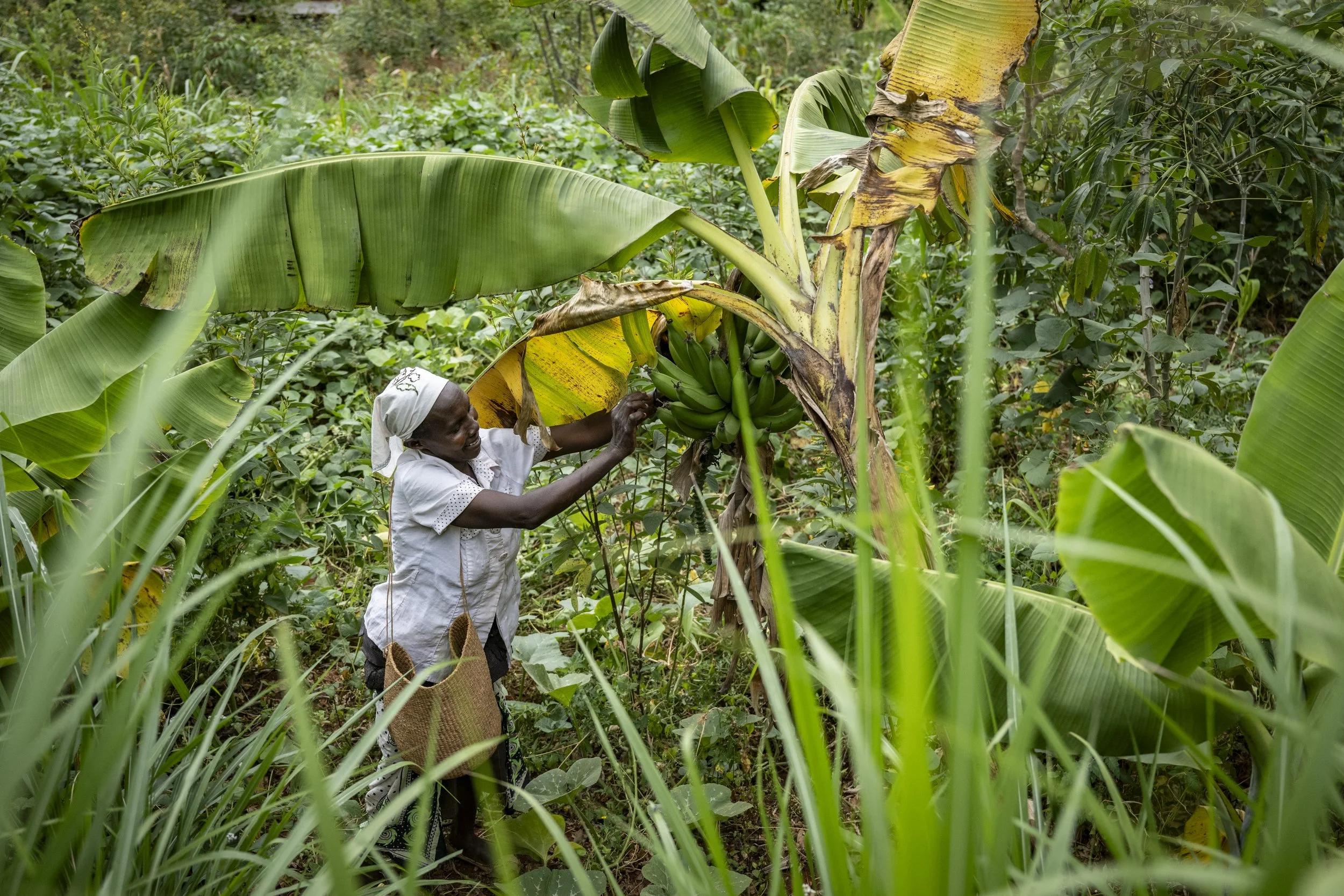
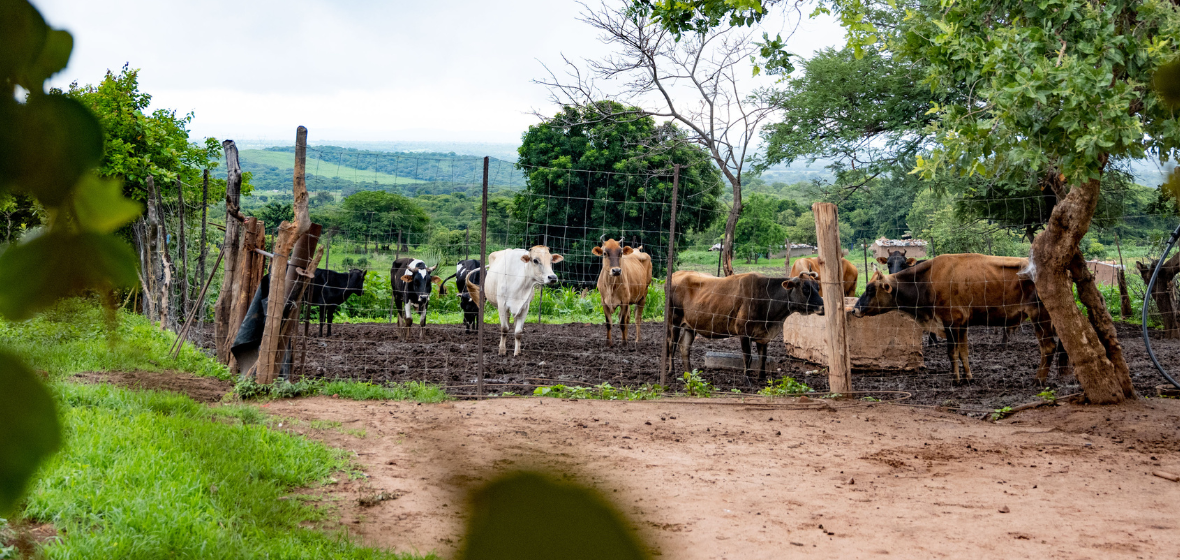
OP-ED | Cover crops can pay, but we are asking the wrong question
By Olanrewaju E. Adeyemi, Ph.D. Student, Plant, Soils, and Climate Department, Utah State University
Cover crops are often promoted as a win for soil health. They can reduce erosion and nutrient losses, improve water infiltration, contribute organic matter, suppress weeds, and provide other benefits that extend well beyond a single growing season. Yet despite these benefits, adoption remains limited in many agricultural regions. One reason is surprisingly straightforward: a practice can be good for the soil, good for water quality, and good for society without immediately benefiting a farmer’s bottom line. That distinction matters.
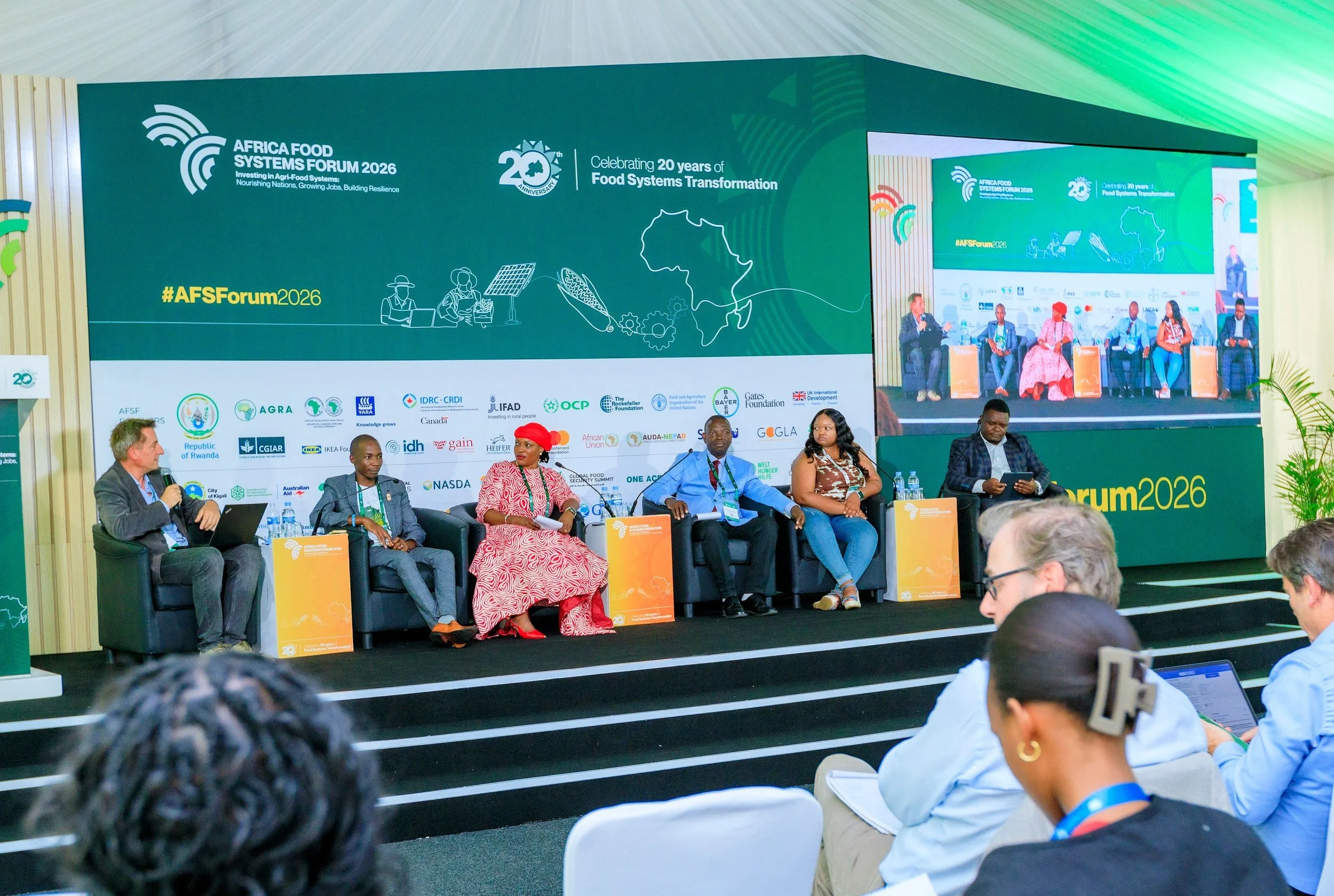
From soil evidence to investment: CA4SH at the Africa Food Systems Forum 2026
Food security is a collective effort, and at the Africa Food Systems Forum 2026 in Kigali, soil health was at the center of that conversation.
Across several sessions during the week, CA4SH and partners joined discussions about a question that underlies many of the challenges facing Africa’s food systems: how do we get better evidence, smarter investment and more effective support to the farmers and communities managing the continent’s soils?
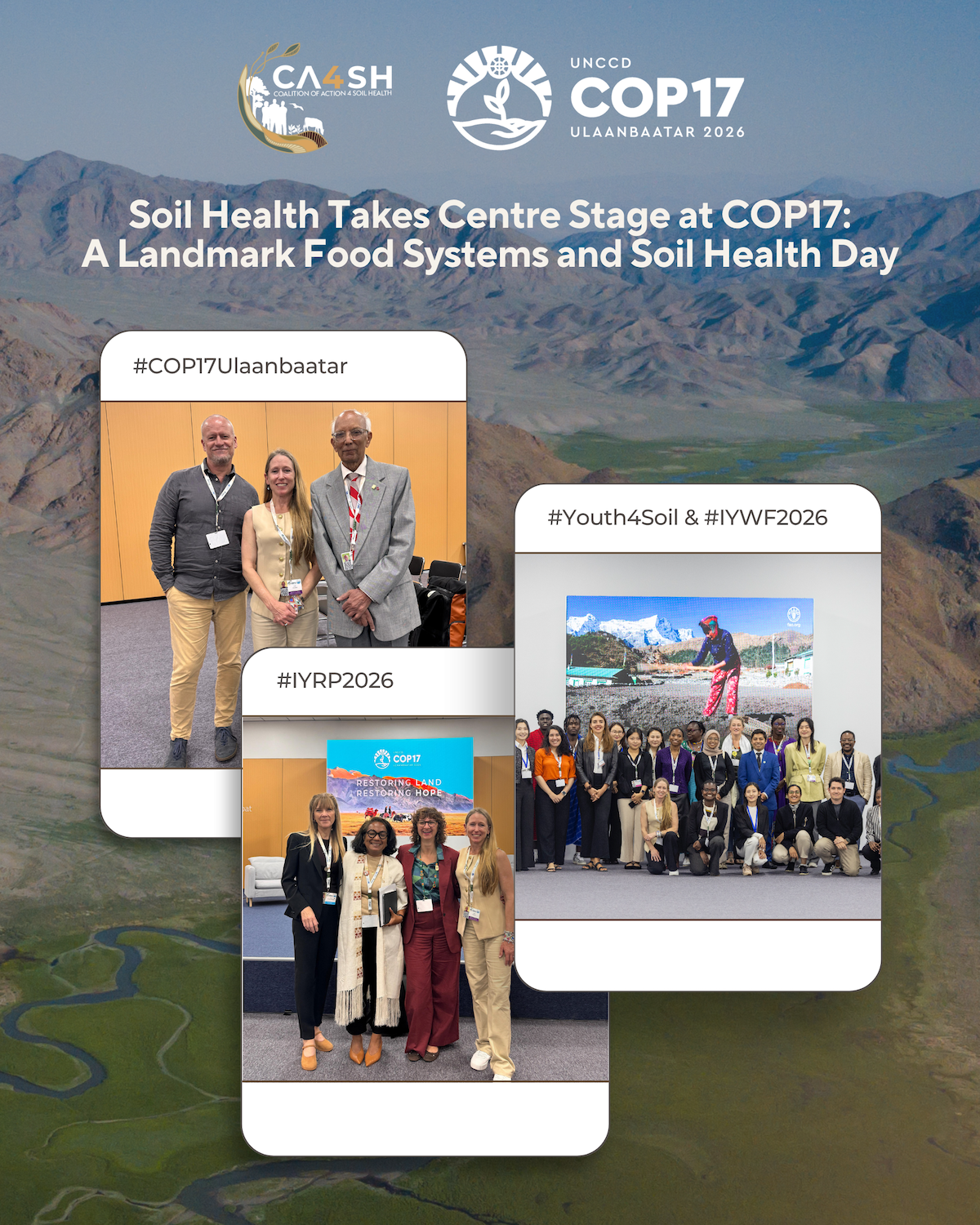
Soil Health Takes Centre Stage at COP17: A Landmark Food Systems and Soil Health Day
27 August 2026, Ulaanbaatar | At UNCCD COP17 Mongolia, soil health was at the center of the agenda. It was present across negotiations, ministerial dialogues, side events, and the Action Agenda. The numbers give a sense of its scale: the Coalition of Action 4 Soil Health (CA4SH) network held 72 events alongside 90+ partners across the two weeks.

Launch of the Youth4Soil Manifesto Implementation Guide and Hub: From Global Youth Priorities to Action
27 August 2026 | The Youth4Soil network of the Coalition of Action 4 Soil Health (CA4SH) and the UNCCD Youth Caucus are pleased to announce the launch of the Youth4Soil Manifesto Implementation Guide and the Youth4Soil Manifesto Hub at the UNCCD COP17 in Ulaanbaatar, Mongolia, at the Action Agenda high-level event Youth4Soil Manifesto and Celebration of the International Year of the Woman Farmer 2026.
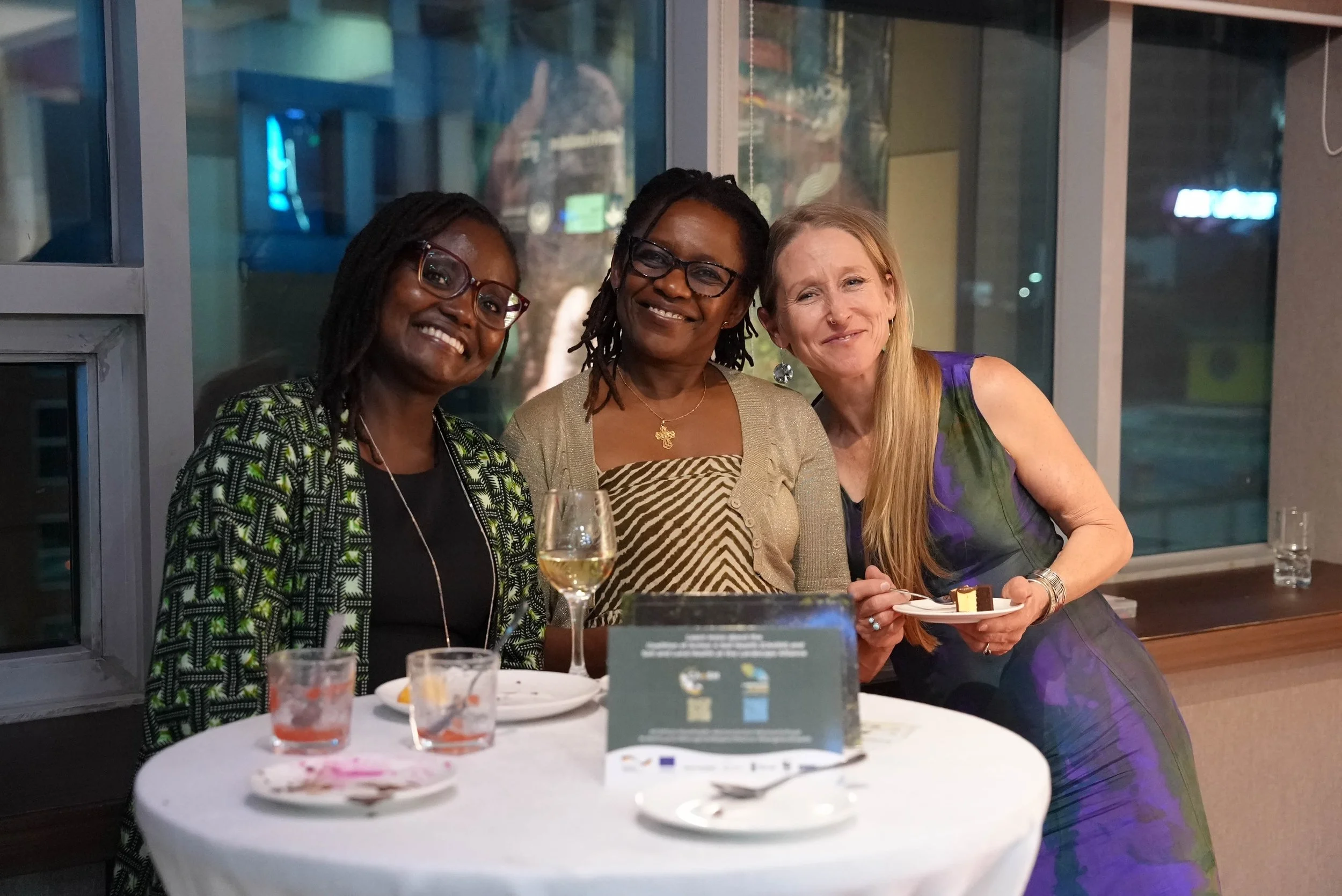
Healthy Soils, Resilient Food Systems: Bringing Soil Health to the Heart of Global Action at COP17
The Coalition of Action 4 Soil Health (CA4SH), Landscape Alliance (CIFOR-ICRAF), Deutsche Gesellschaft für Internationale Zusammenarbeit (GIZ) GmbH, the Norwegian Agency for Development Cooperation (Norad), CGIAR Multifunctional Landscapes Science Program, WWF, and partners, convened senior leaders and partners at UNCCD COP17 Mongolia for a high-level dinner focused on a simple but critical message: healthy soils are fundamental to resilient food systems, healthy ecosystems and a more climate-resilient future.
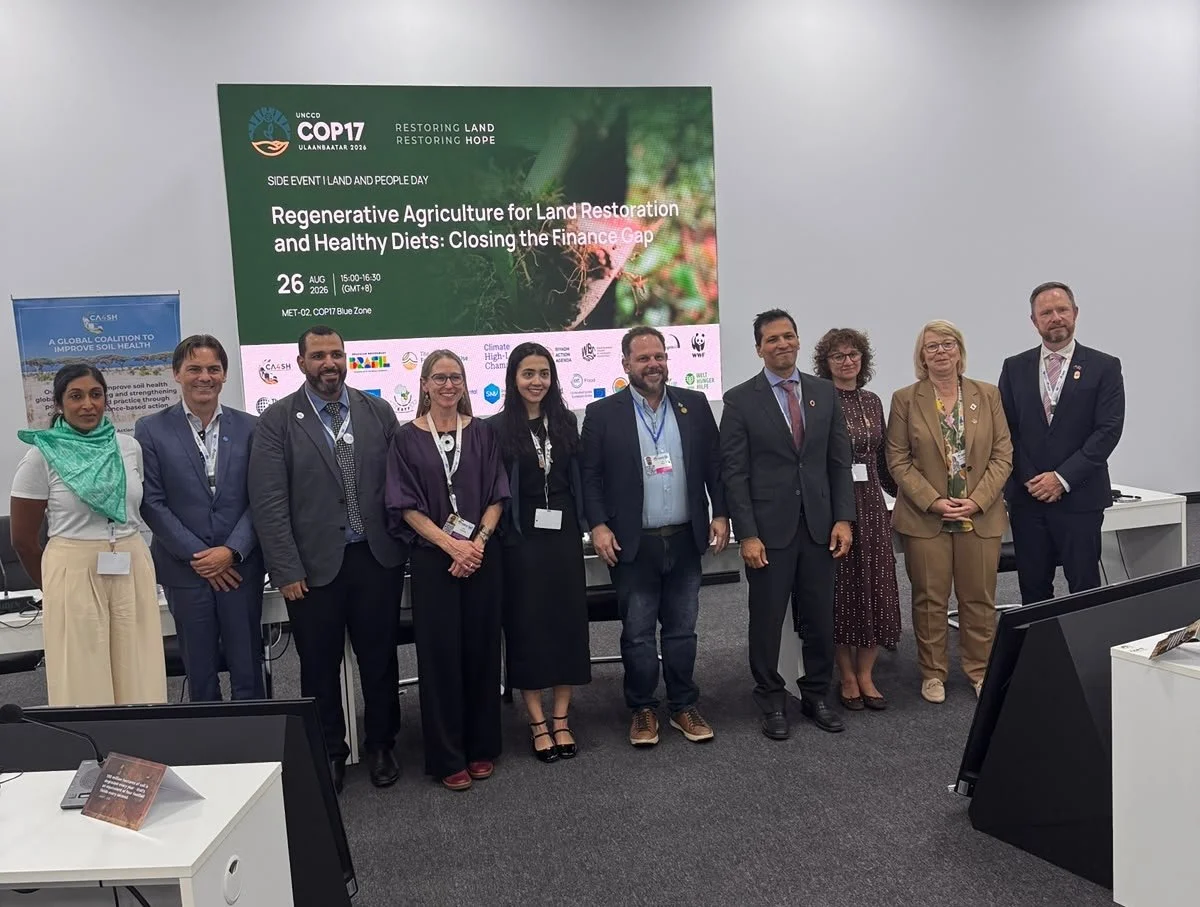
Regenerative Agriculture for Land Restoration and Healthy Diets: Closing the Finance Gap
The COP17 session, “Regenerative Agriculture for Land Restoration and Healthy Diets: Closing the Finance Gap,” co-organised by CA4SH and partners, brought together progress on two complementary initiatives under the COP30 Action Agenda — the Plan to Accelerate Regenerative Agriculture for Healthy Soil and Healthy Diets and RAIZ (Resilient Agriculture Investment for Net-Zero Land Degradation) — while exploring what is needed to build a stronger global business case for regenerative agriculture.
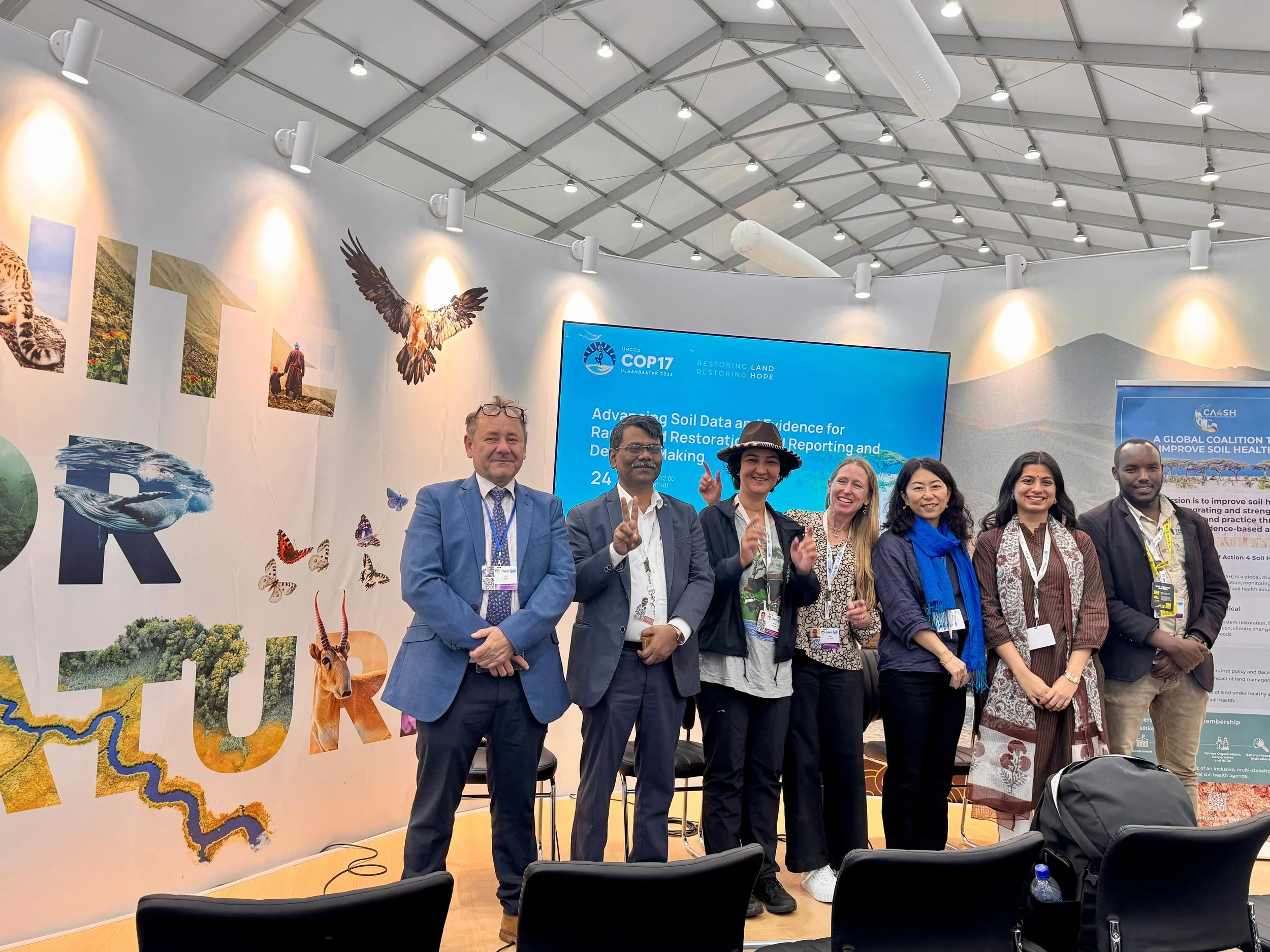
Advancing Soil Data and Evidence for Rangeland Restoration, LDN Reporting and Decision Making
The session, “Advancing Soil Data and Evidence for Rangeland Restoration, LDN Reporting and Decision Making,” brought together perspectives on how soil information systems, harmonised monitoring approaches, open-data platforms and community-led monitoring can strengthen LDN reporting while making evidence more useful to practitioners, policymakers and investors.
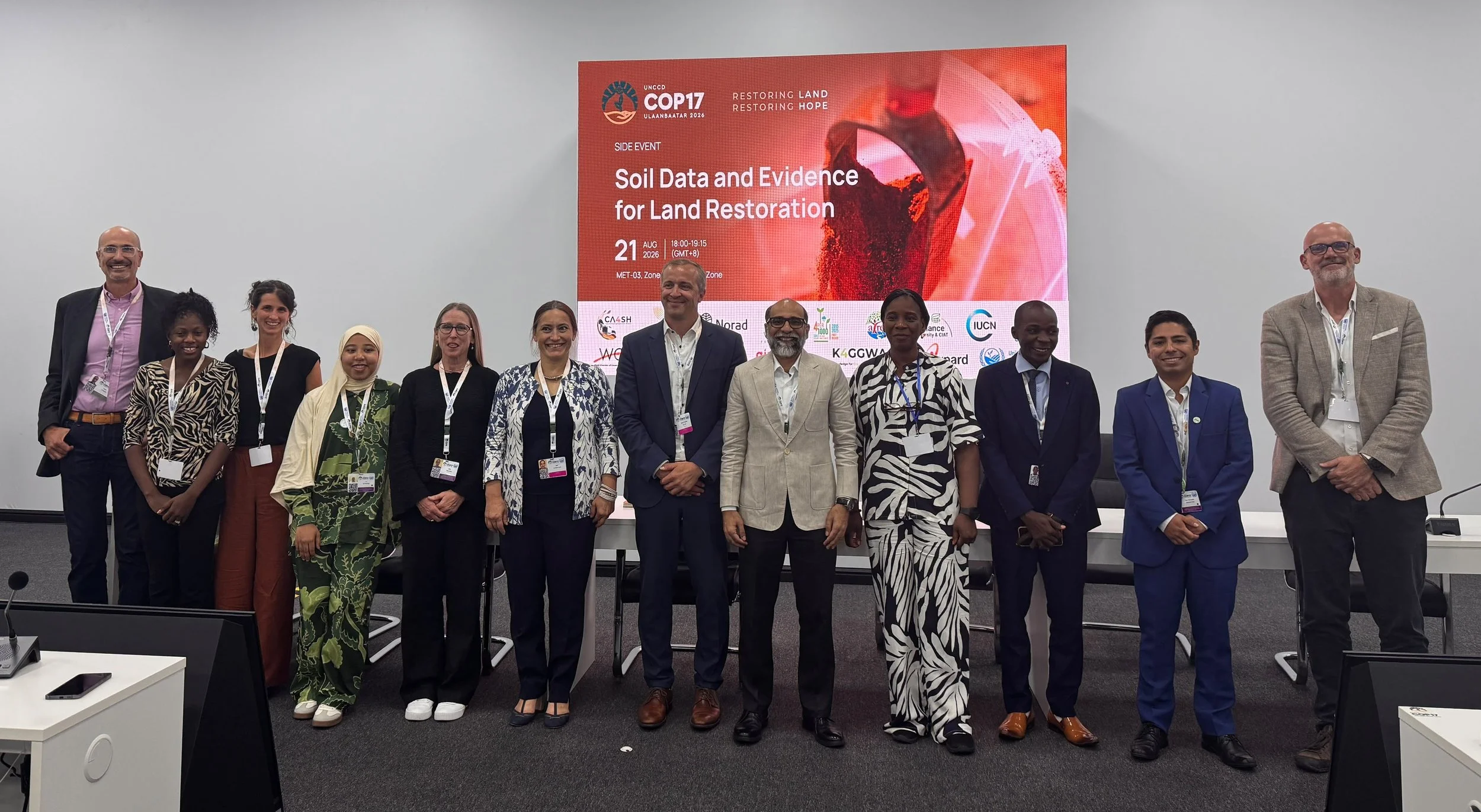
From Soil Data to Action: Turning Evidence into Restoration at COP17
CA4SH joined stakeholders working across the soil data landscape to explore how robust, accessible and harmonised soil health data can turn evidence into action — from informed decisions by farmers and land managers to stronger policy, national reporting and investment. The session highlighted both the challenges of fragmented datasets, limited interoperability and capacity gaps, and the opportunity to build soil information systems that support greater coherence across all three Rio Conventions while helping to de-risk investment in land restoration and soil health.
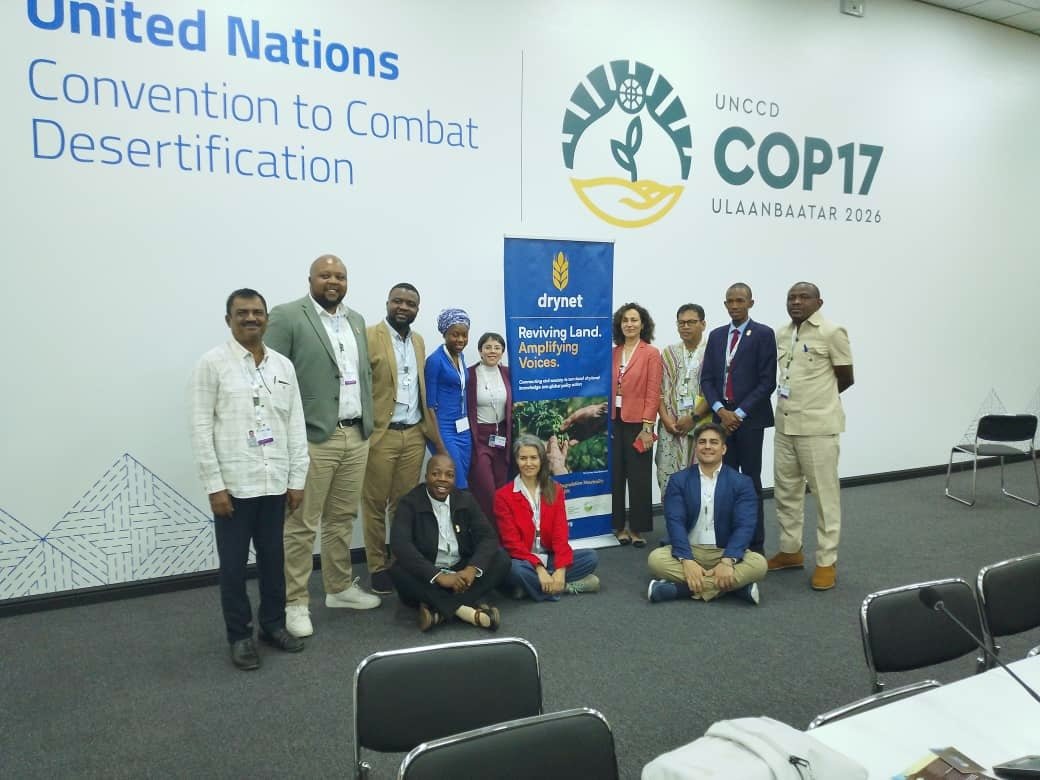
Linking Land Restoration, Soil Health and Nutrition: Highlights from COP17 Side Event
On Tuesday, 18 August, the Coalition of Action 4 Soil Health (CA4SH) joined Drynet, AIDER, and Fundación CAUCE on a side event dubbed“Healthy Soils 4 Food: Connecting Agricultural Land Restoration, Food Systems and Nutrition.”
The session brought together diverse voices — soil scientists, policy experts, nutrition advocates, and youth leaders — to explore the vital link between land restoration, soil health, nutrition, and healthy diets.
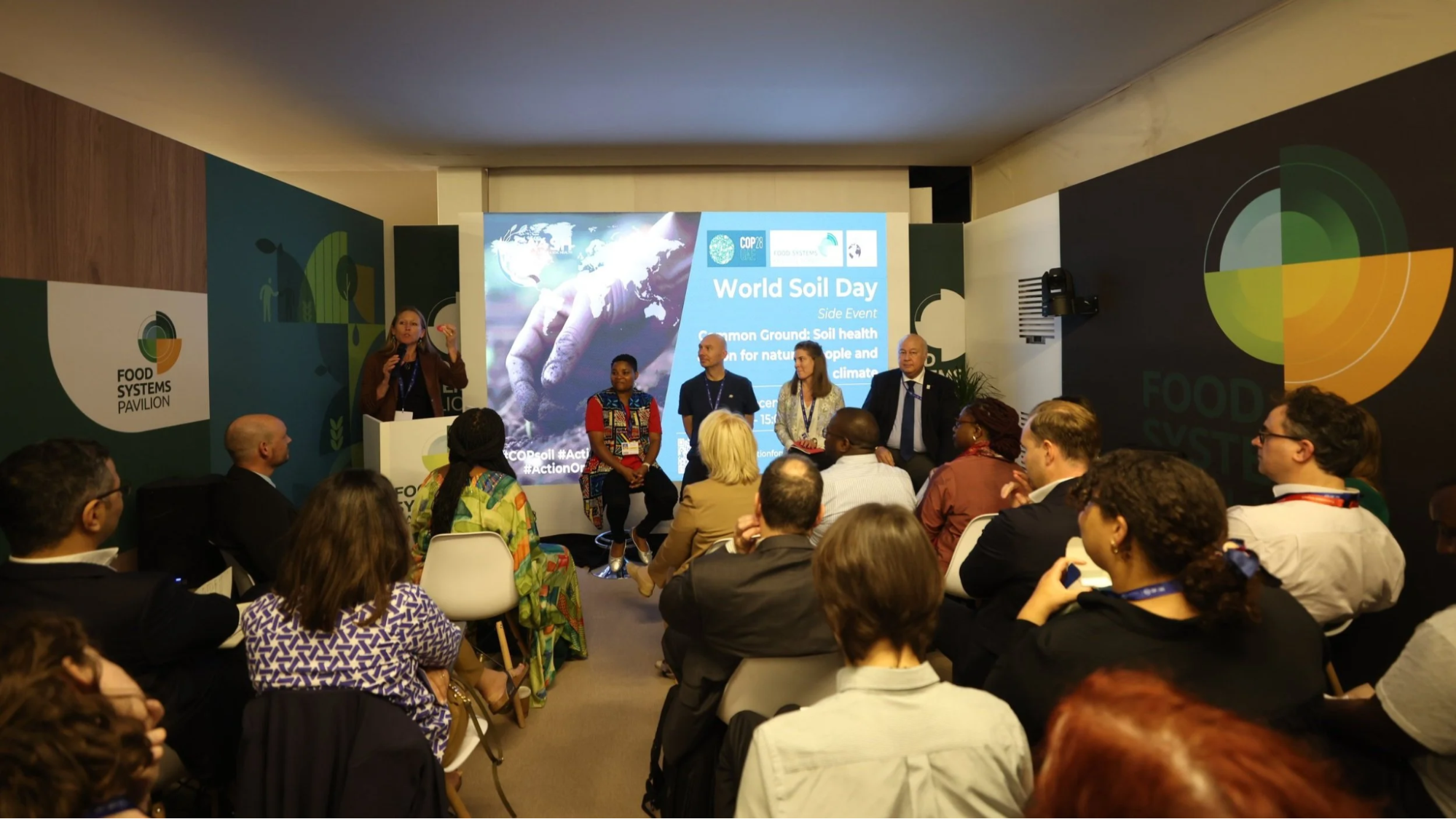
Op-Ed | Soil health, global goals, and coordinating efforts: Reflections on five years of the Coalition of Action 4 Soil Health
Five years ago, the Coalition of Action 4 Soil Health (CA4SH) was launched at the UN Food Systems Summit to advocate for healthy soil as central to food system transformation.
At that time, healthy soil was not formally recognized as a climate solution, despite it being the largest terrestrial carbon sink and having a central role in upholding food and nutrition security, combating land degradation and drought, hosting biodiverse ecosystems, and filtering and storing water, among a myriad of other co-benefits.
But momentum was growing.
Read the full op-ed by CA4SH co-Lead Dr Leigh Winowiecki
“Harvesting Hope”
Harvesting Hope was selected as the winning image in the CA4SH International Year of the Woman Farmer Photo Competition, celebrating the knowledge, resilience and contribution of women farmers around the world.
Through a single, powerful frame, the photograph captures the people at the heart of our food systems and the vital connection between farmers, land and the future of food.
Photographer: Kazi Md Jahirul Islam
Location: Bogura, Bangladesh
Image caption: In every handful of chilies lies a story of dedication and hope. This woman farmer represents the millions of women whose daily efforts nurture the land and sustain rural livelihoods. Their work extends beyond the harvest—they are caretakers of the soil, guardians of agricultural traditions, and key contributors to food security. Recognizing and supporting women farmers is essential to building resilient communities and ensuring a sustainable future for all.

Why Kenya's Rangelands Matter More Than Ever
Rangelands cover around 80% of Kenya's landmass, yet they are too often viewed through the lens of scarcity rather than the abundance of knowledge, resilience, and opportunity they hold.
Attending the National Conference on Rangelands and Pastoralism, held as part of the International Year of Rangelands and Pastoralists (IYRP 2026), was a timely reminder that these landscapes are not only central to Kenya's future, but also to global conversations on climate resilience, biodiversity, food security, and sustainable livelihoods.
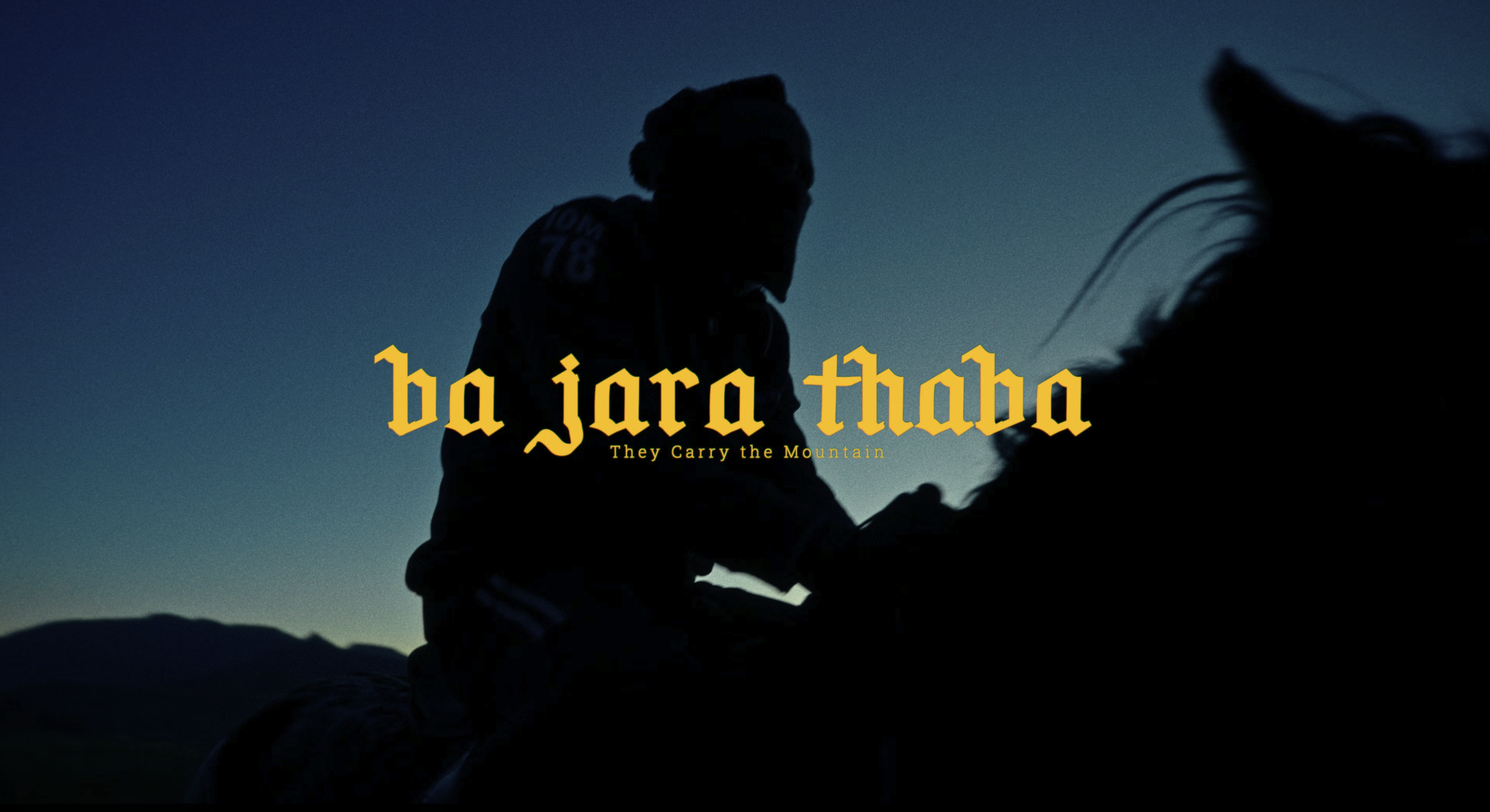
Ba Jara Thaba (They Carry the Mountain)
For generations, the Basotho people have lived in partnership with their horses, navigating terrain too steep for roads and too wild for machines. Here, where the mountains determine the pace of life, horse and rider move as one carrying food, people, stories, and traditions between remote communities.
It is a relationship built on trust, not ownership.
Ba Jara Thaba—"They Carry the Mountain"—captures this enduring bond through the eyes of filmmaker Ramon Mellett, whose two-year journey into the heart of Semongkong reveals a world that remains remarkably untouched by modernity. Rather than documenting a sporting spectacle, the film lingers in the quieter moments: the stillness before the race, the soft exchange between rider and horse, the silence that follows the thunder of hooves across the highlands.
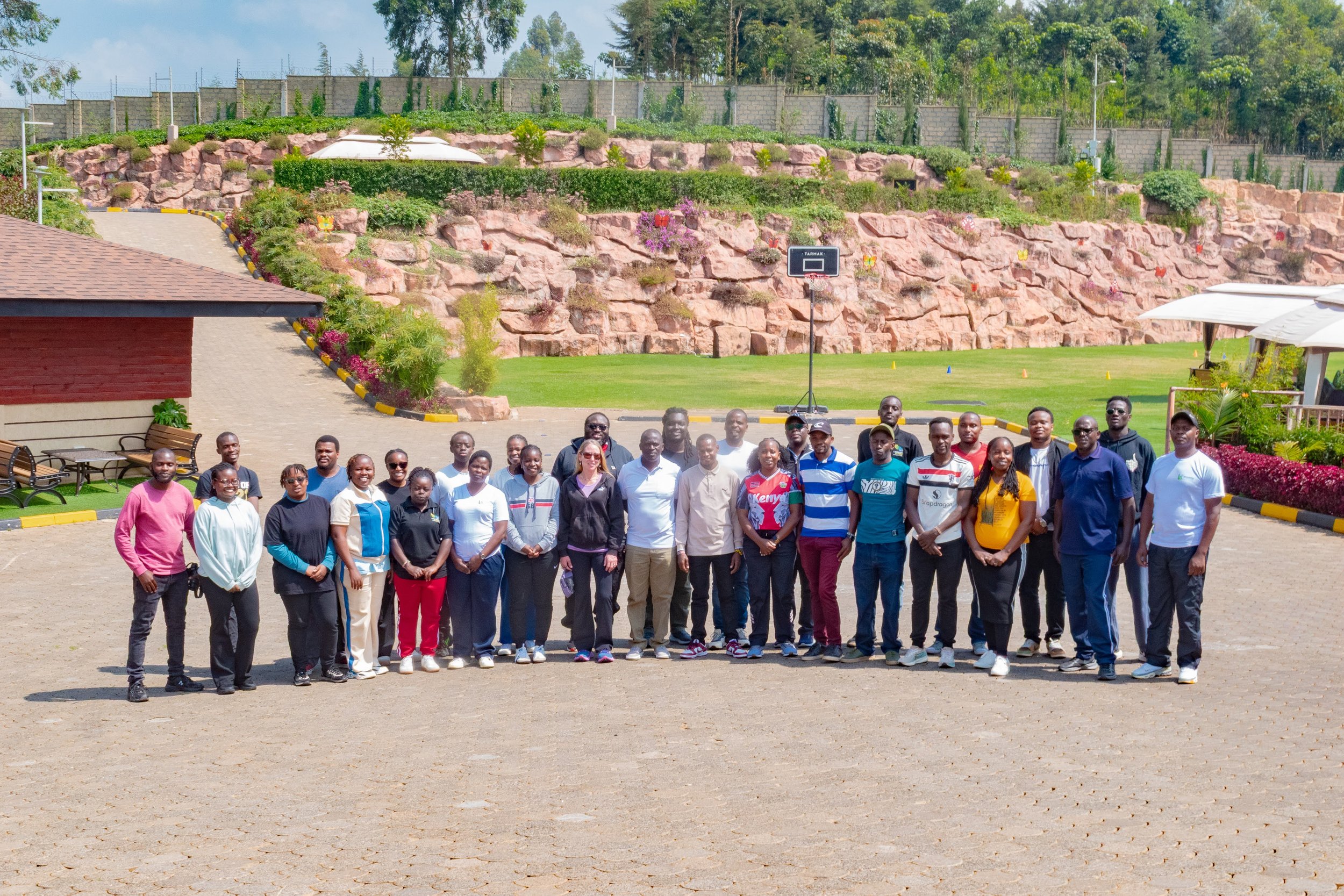
Growing Together: The Soil and Land Health Theme Strengthens Collaboration Beyond the Workplace
The Landscape Alliance’s Soil and Land Health Theme organized a teambuilding retreat on 30 July 2026 at Ridge Cabin Resort, in Limuru, Kenya, bringing together 31 staff members, including internship students, under the theme "Strengthening Team Cohesion, Efficiency, and Purpose." Facilitated by Outburst Ltd., the retreat was designed to strengthen collaboration, improve communication, enhance problem-solving, and remind everyone that our greatest strength lies not in individual brilliance, but in collective effort.
By Dickens Ateku Alubaka, Senior Manager, Soil and Land Health Laboratories Research Services, Landscape Alliance (ICRAF)
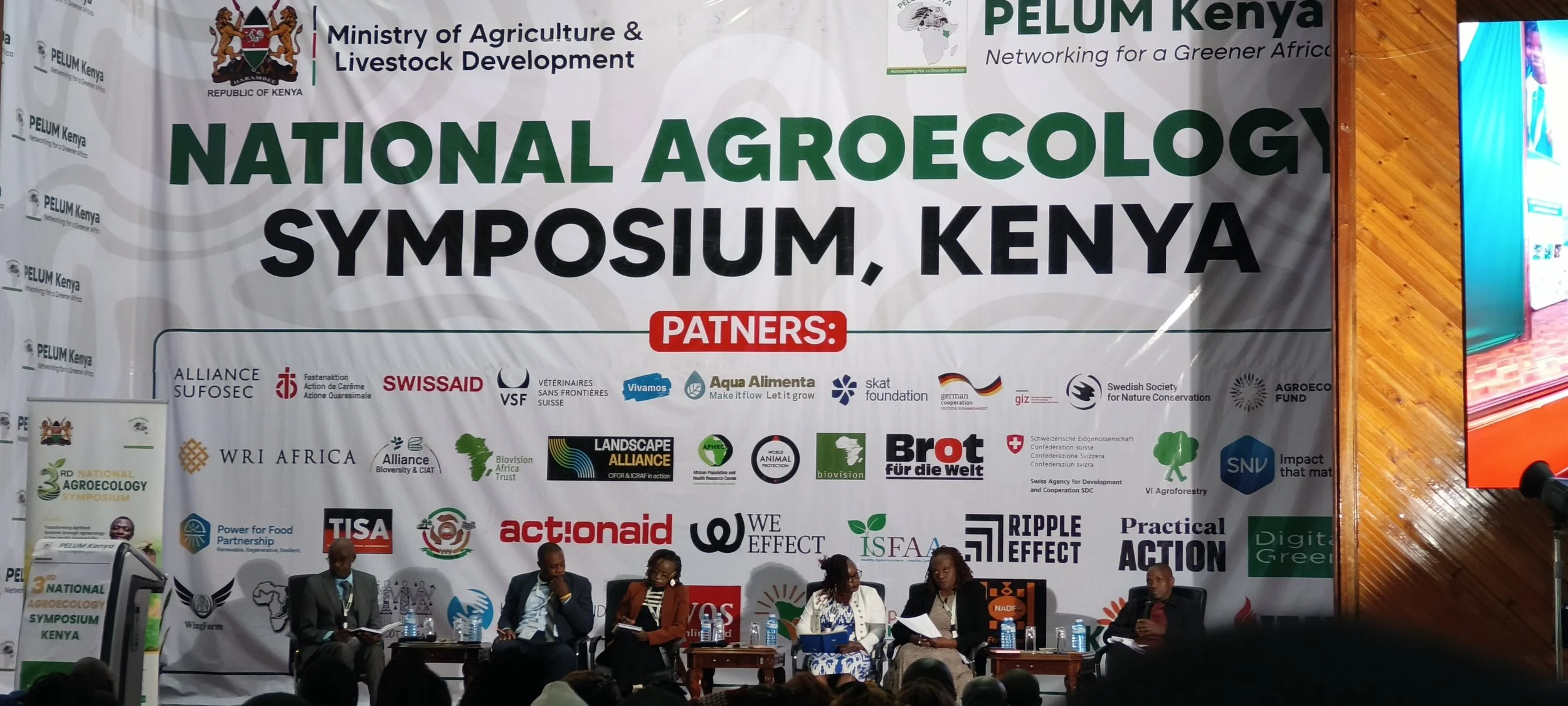
From Dialogue to Action: How the 3rd National Agroecology Symposium United Science, Policy and Communities to Accelerate Kenya's Agroecological Transition
Can Kenya transform its food systems while restoring ecosystems, improving nutrition, and building resilience to climate change?
That question brought together more than just experts, it united policymakers, researchers, farmers, youth, women, pastoralists, civil society, development partners and the private sector at the 3rd National Agroecology Symposium, held on 22–23 July 2026 at the Kenya Institute of Monetary Studies (KIMS) in Nairobi. Under the theme "Transforming Agrifood Systems through Agroecology: A One Health Approach for Inclusive, Sustainable and Resilient Futures," the symposium demonstrated that agroecology has evolved from an emerging concept into a national movement for transforming Kenya's agrifood systems.
Story by Dickens Ateku Alubaka, Senior Manager, Soil and Land Health Laboratories Research Services, Landscape Alliance (ICRAF)
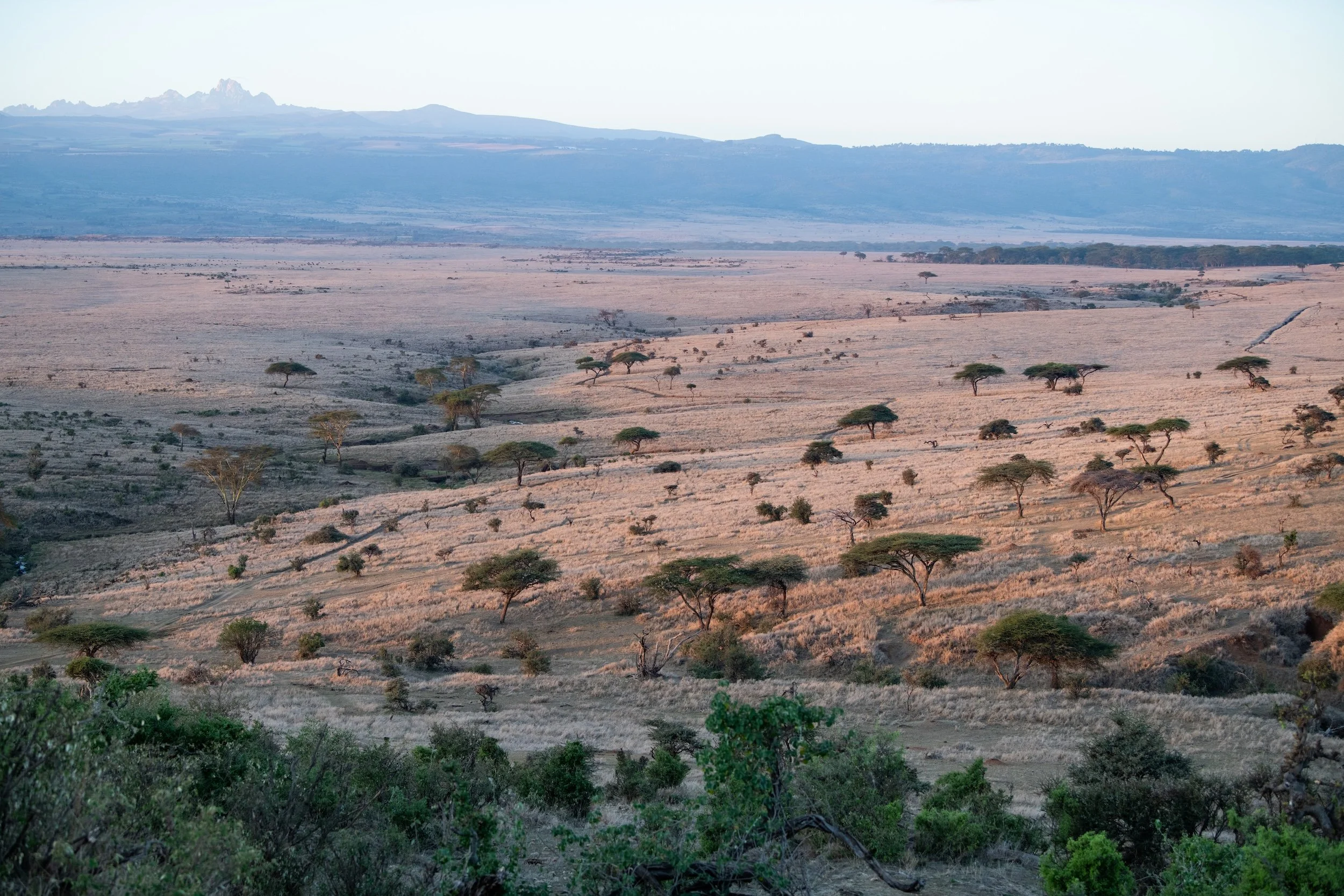
Beyond Soil Health: Learning from Living Rangelands
Those of us who spend our lives in rangelands rarely think simply in terms of soil. We think in terms of soils.
Every soil type reflects an ancient geological history. The soils beneath my feet were formed over thousands, sometimes millions, of years from volcanic ash, ancient basement gneisses, river deposits and the black cotton clays that characterise parts of northern Kenya. They are the inheritance of geology. Each possesses its own physical and chemical characteristics, its own capacity to hold water, cycle nutrients, and support life. Every soil has its own potential, and every soil interacts with particular plant communities. Healthy rangelands are therefore built not on one soil, but on the remarkable diversity of soils and the equally remarkable diversity of plants they support.
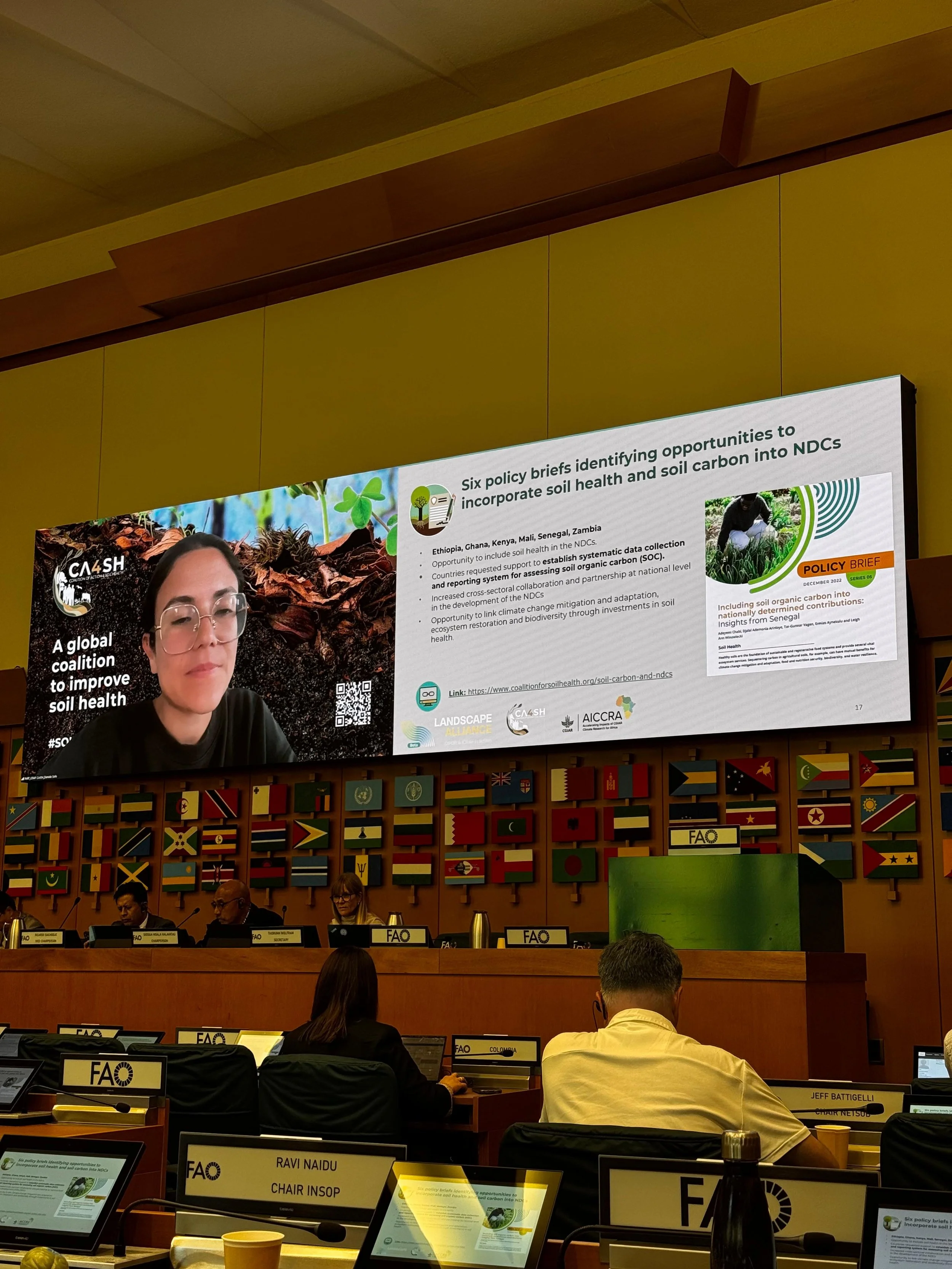
From Data to Decisions: CA4SH Showcases Global Soil Action at the 14th Global Soil Partnership General Assembly
On the 19th of June 2026, Daniela Solis addressed the 14th Global Soil Partnership (GSP) General Assembly on behalf of the Coalition of Action for Soil Health (CA4SH) and the Landscape Alliance, delivering a clear message: the future of food systems, climate resilience, and ecosystem restoration depends on translating soil evidence into policy and investment decisions.
The presentation highlighted both the urgency of the challenge and the growing momentum behind global soil action.
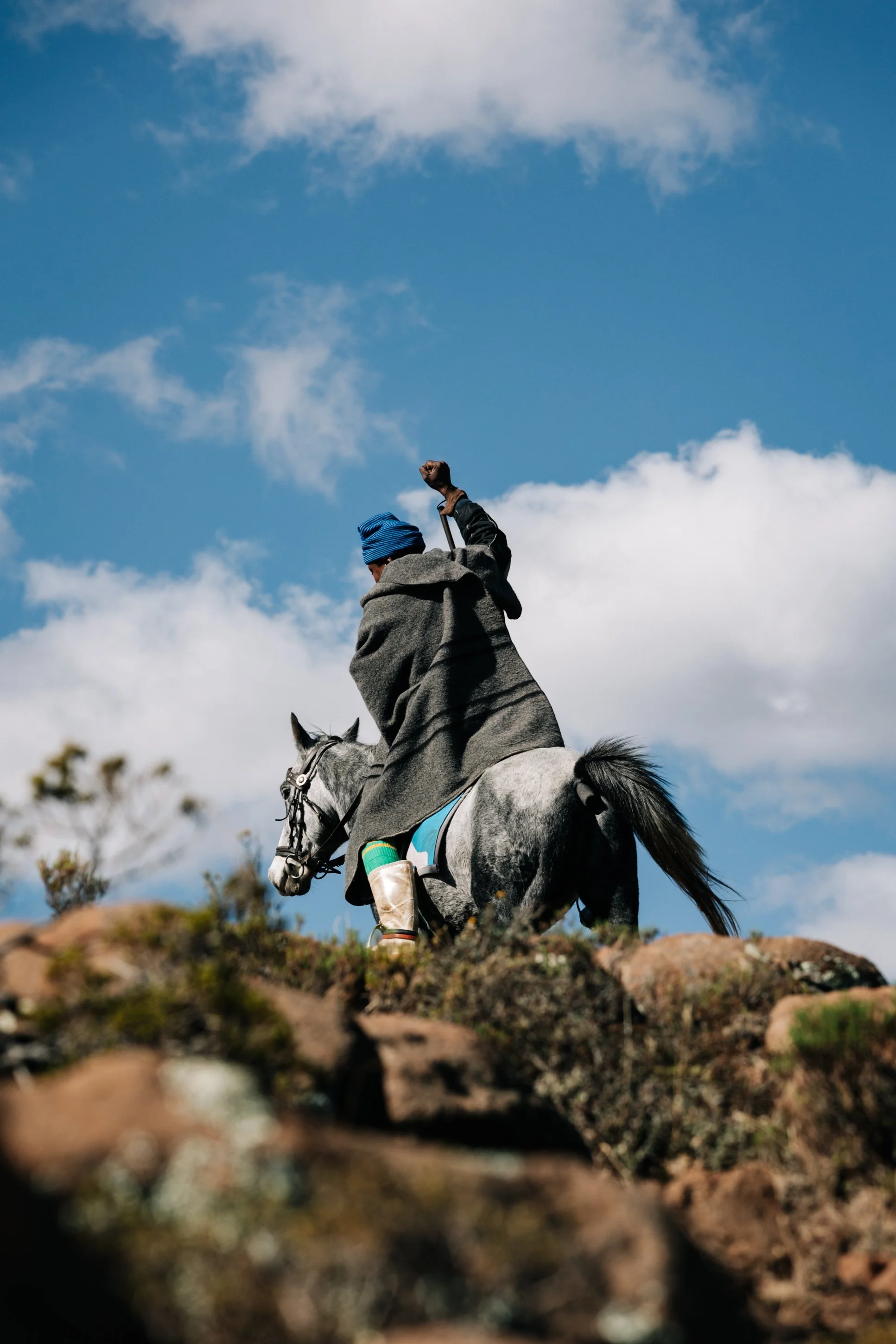
Kingdom in the Sky
Welcome to the Kingdom in the Sky: Lesotho, a landlocked country surrounded by South Africa. Every part of the country lies above 1,000 metres above sea level, with vast areas rising between 2,000 and 3,400 metres. Towering mountains, deep valleys, high-altitude grasslands, and wetlands define a landscape of striking beauty and ecological importance.
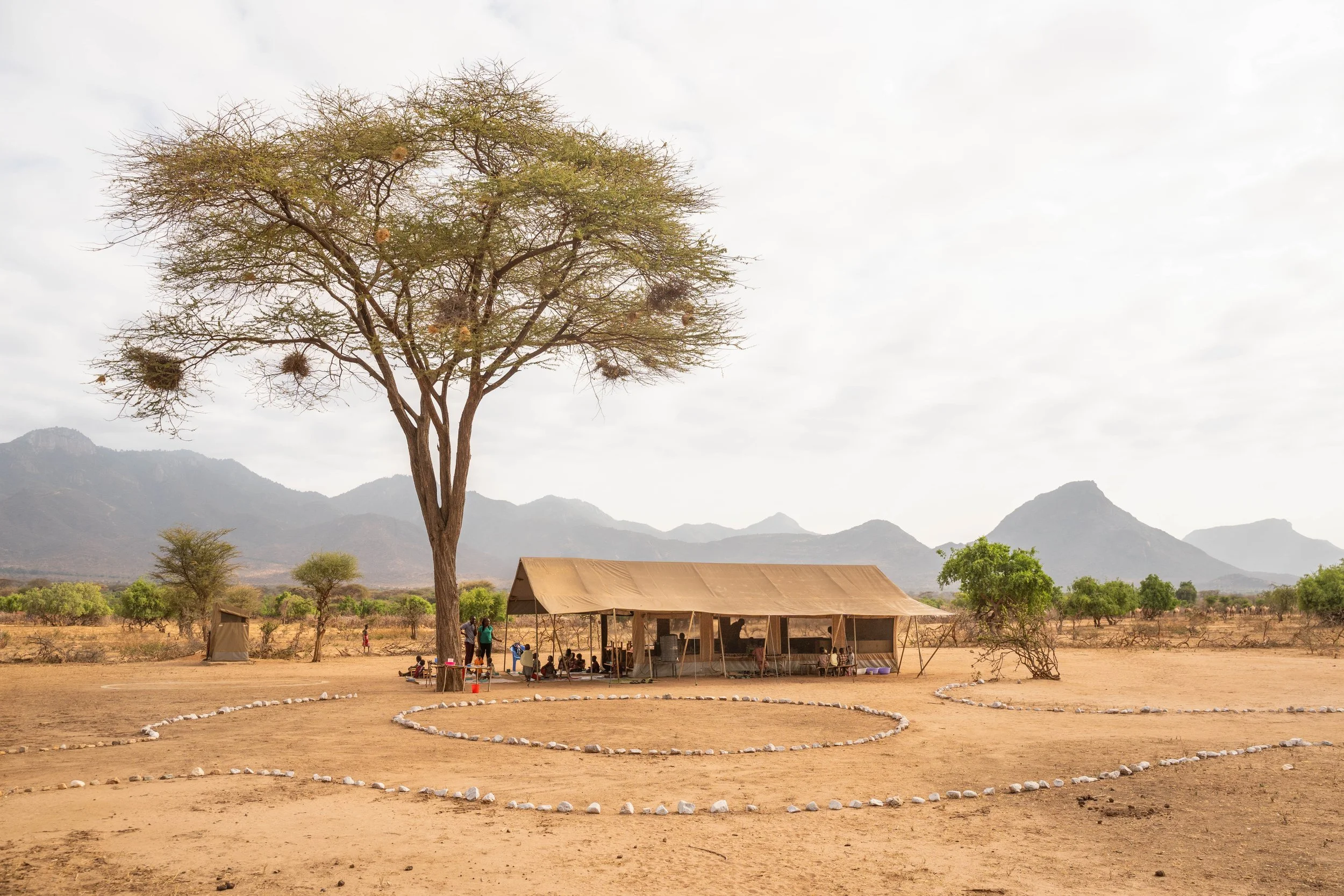
Learning on the Move: How Nomadic Education is Supporting Samburu Communities and Their Rangelands
What happens when a school follows the children instead of expecting children to leave their way of life behind?
In the rugged landscapes of northern Kenya, The Sarara Foundation (TSF) is helping answer that question through its innovative Nomadic Education Program. Designed around the realities of Samburu pastoralist life, the initiative is demonstrating that education and traditional livelihoods do not have to exist in conflict. In fact, they can strengthen one another.
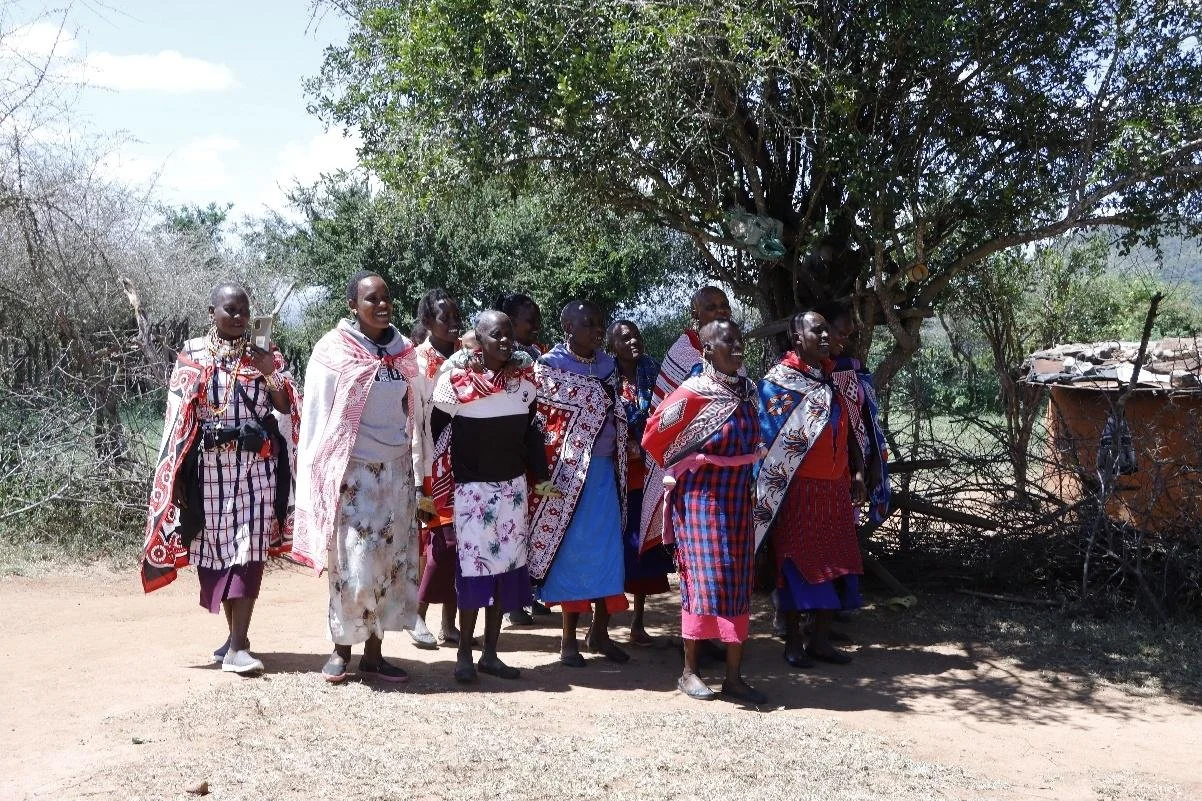
Empowering Women Farmers and Building Resilient Food Systems: Insights from the AgriCord Field Visit in Kajiado County
On 4 June 2026, the AgriCord National Assembly convened at Swiss-Belinn in Nairobi, bringing together farmers’ organizations, researchers, development partners, financial institutions, and government stakeholders to exchange practical solutions for advancing sustainable agriculture. The assembly provided a dynamic platform for dialogue, knowledge sharing, and collaboration among key actors committed to strengthening agricultural systems and rural livelihoods.
The Assembly also included a field visit with farmer organizations in Machakos and Kajiado counties, engaging participants from dialogue to action. These field visits offered an opportunity to ground discussions in real world contexts, enabling participants to better understand local realities, ongoing innovations, and emerging opportunities within farming communities.
Story by Dickens Ateku Alubaka, Senior Manager, Soil and Land Health Laboratories Research Services, Landscape Alliance (ICRAF)