Learning on the Move: How Nomadic Education is Supporting Samburu Communities and Their Rangelands
By Colleen Knox & Riekie Human
What happens when a school follows the children instead of expecting children to leave their way of life behind?
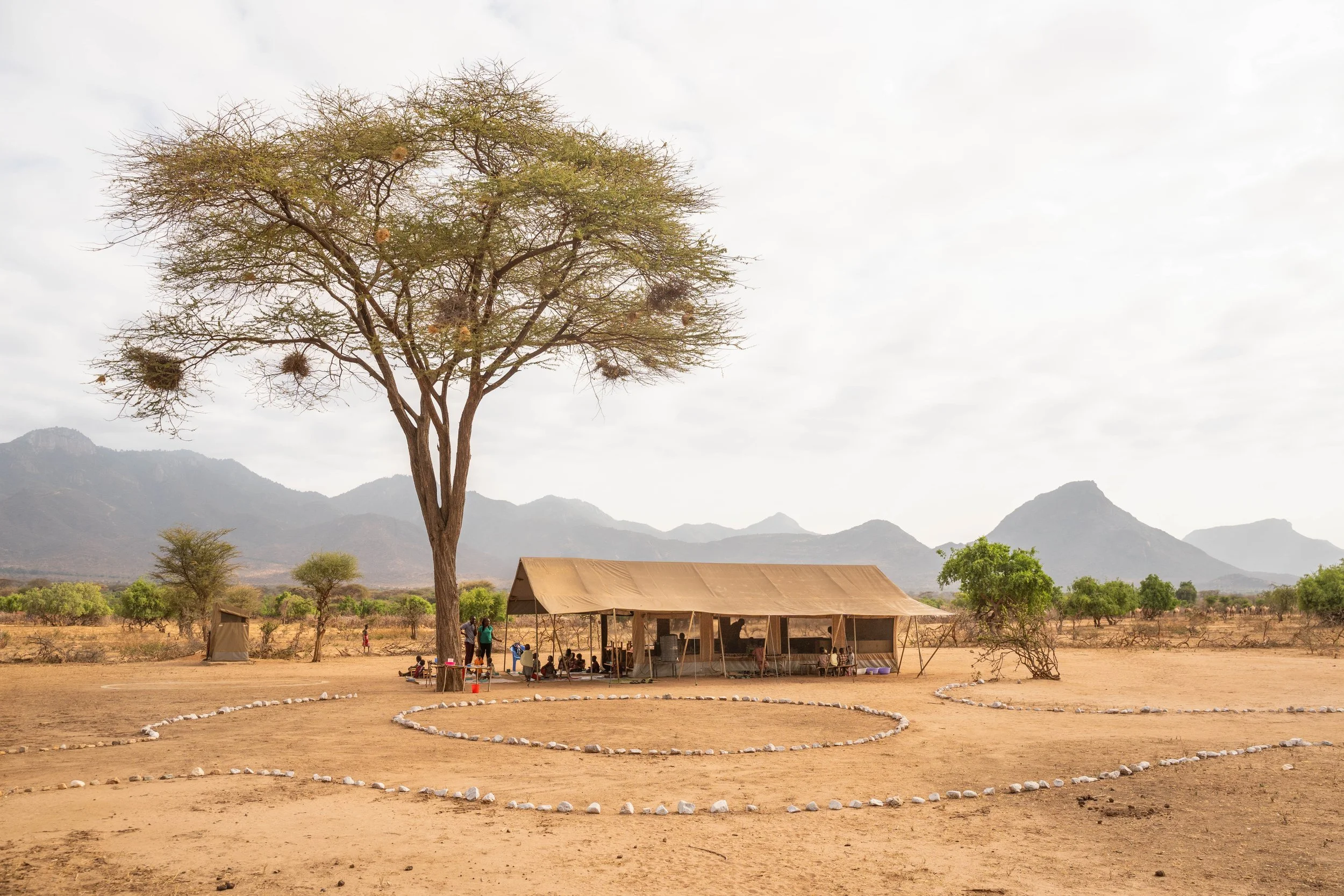
Image: Supplied by The Sarara Foundation
In the rugged landscapes of northern Kenya, The Sarara Foundation (TSF) is helping answer that question through its innovative Nomadic Education Program. Designed around the realities of Samburu pastoralist life, the initiative is demonstrating that education and traditional livelihoods do not have to exist in conflict. In fact, they can strengthen one another.
The Samburu are among East Africa's most renowned pastoralist communities, moving with their livestock across vast rangelands in search of grazing and water. For generations, this mobility has allowed people, livestock, and landscapes to coexist in a challenging environment shaped by drought, seasonal rainfall, and ecological change.
Yet conventional education systems have often struggled to accommodate this way of life. Fixed school buildings and rigid grade structures can make it difficult for pastoralist children to access education without leaving their families and communities behind.
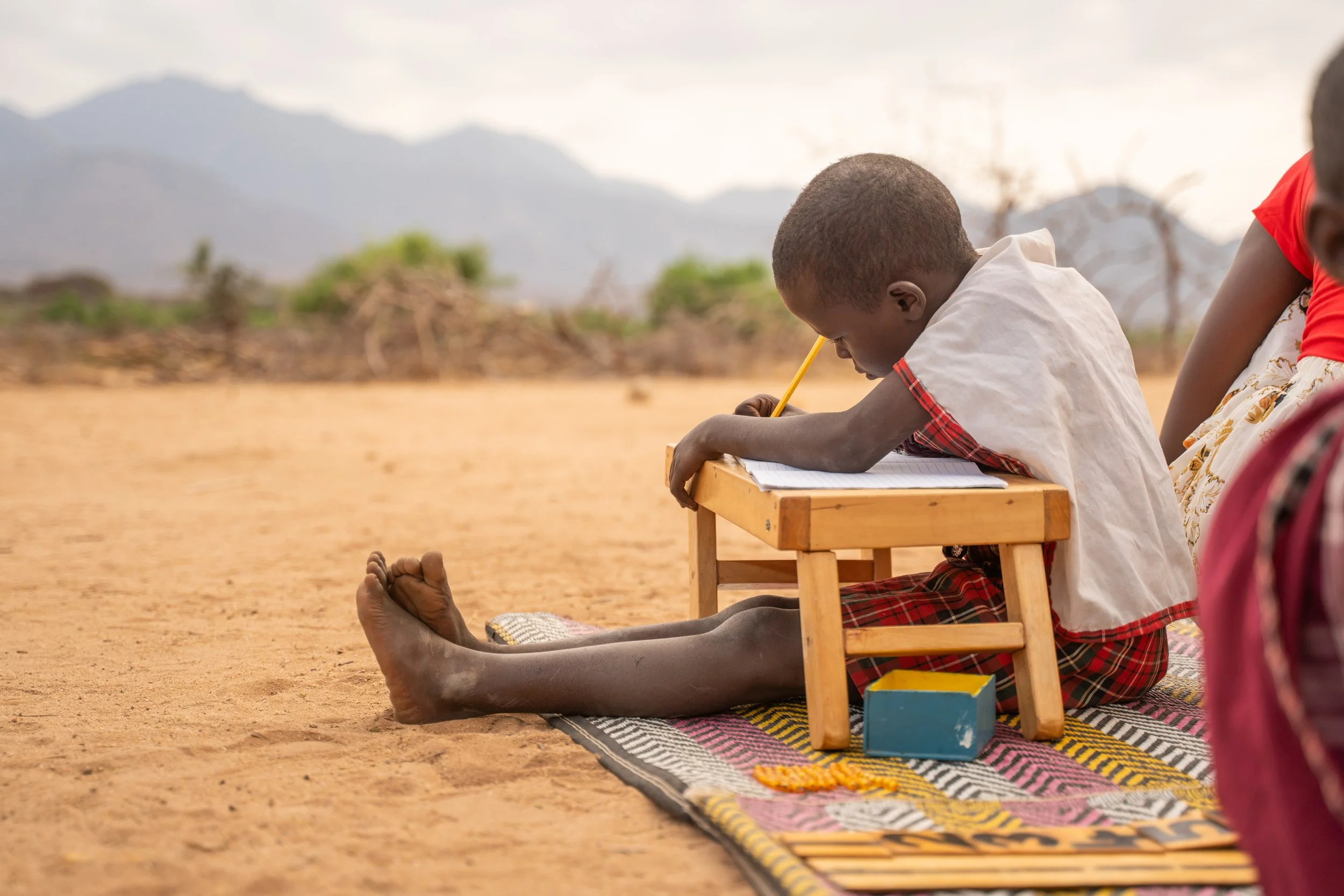
Image: Supplied by The Sarara Foundation
Recognising this challenge, TSF launched its Mobile Montessori school in 2019 in partnership with Association Montessori Internationale (AMI). Now offering four schools, with a fifth set to open this year, more than 1,000 Samburu children have already gained access to early childhood education through its classrooms that move with the community. Offering early learning rooted in culture and conservation, the program is a pathway to help future generations prosper and steward their own land. The vision is to keep expanding to fulfil everyone’s fundamental right to learning, and provide best-in-class education that celebrates Samburu culture and heritage.
"Indigenous communities are some of the most under-resourced around the world, and yet these communities often live closest to nature. They hold profound ancient wisdom that is passed down through generations – from preserving biodiversity to how we raise our children.
We believe this wisdom can guide modern-day climate solutions – and by equipping Indigenous Peoples with resources, education, and opportunities, TSF ensures that age-old knowledge and sustainable practices can become cornerstones and blueprints of global efforts with far-reaching ripple effects.”
– Jeremy Bastard, CEO TSF
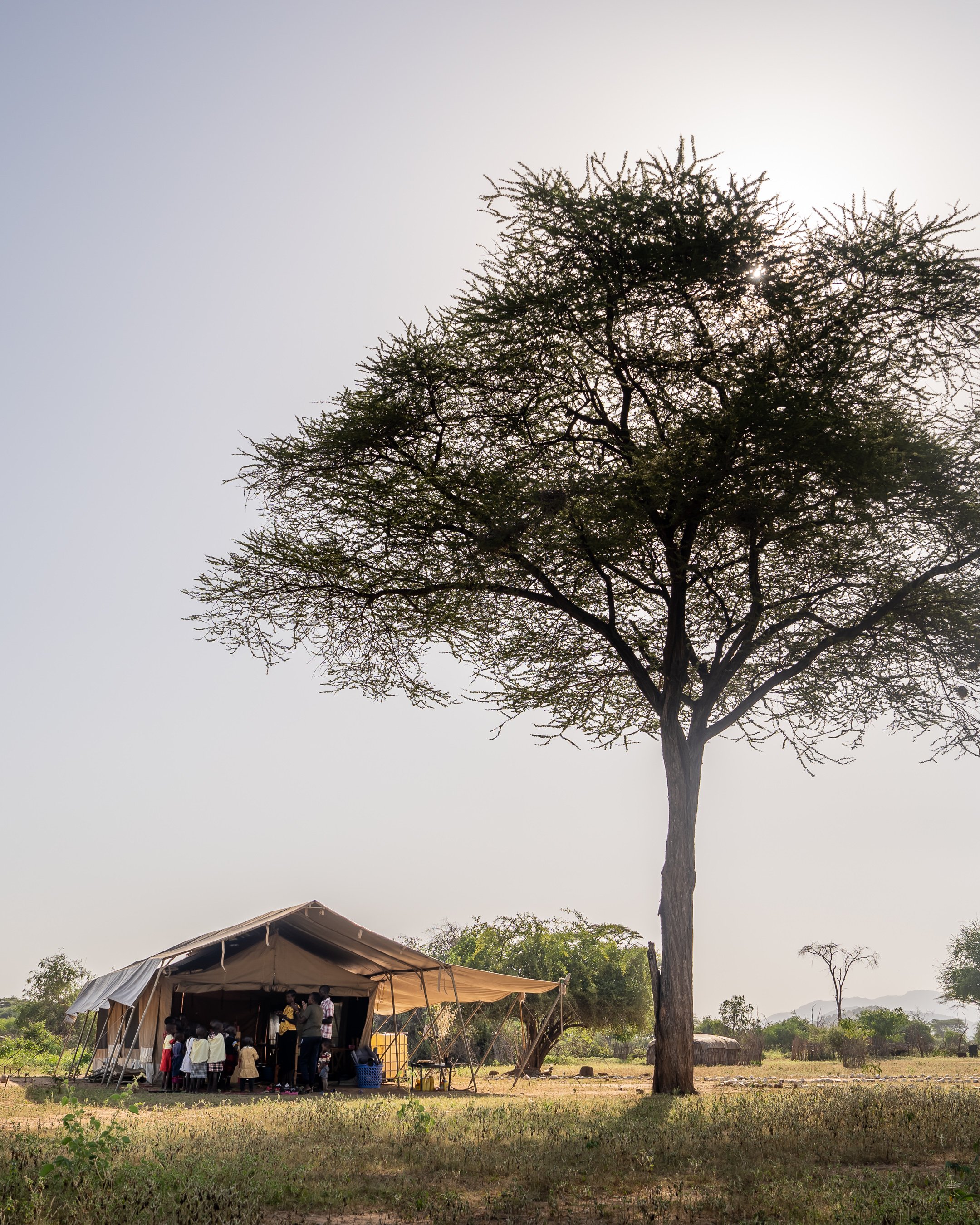
The schools themselves are remarkable. Built as collapsible tents by Sarara Camp's resident seamster, they can be packed up and relocated as families move across the landscape. The educational approach has also been carefully adapted to Samburu culture.
Unlike many societies, the Samburu traditionally organize themselves through age sets rather than individual ages. These age sets foster strong bonds of community, cooperation, and shared responsibility. Creating a conventional grade-based school system would not only be unfamiliar, but potentially confusing for young learners. Instead, the program has been designed to respect and complement the cultural framework that has supported Samburu society for generations.
For those working in soil health, rangeland restoration, and sustainable land management, there is an important lesson here. Healthy rangelands depend not only on healthy soils and vegetation, but also on the people who steward them.
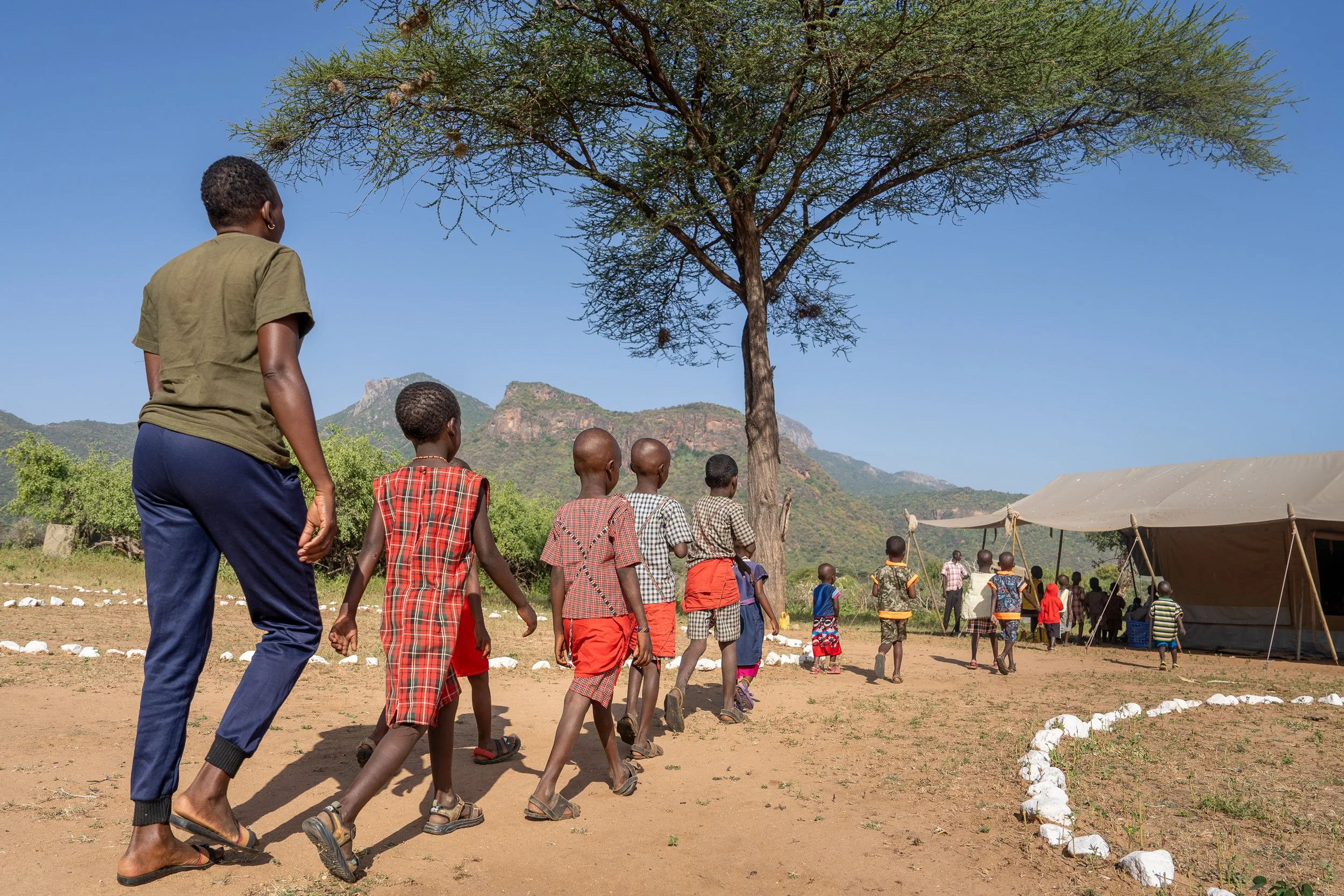
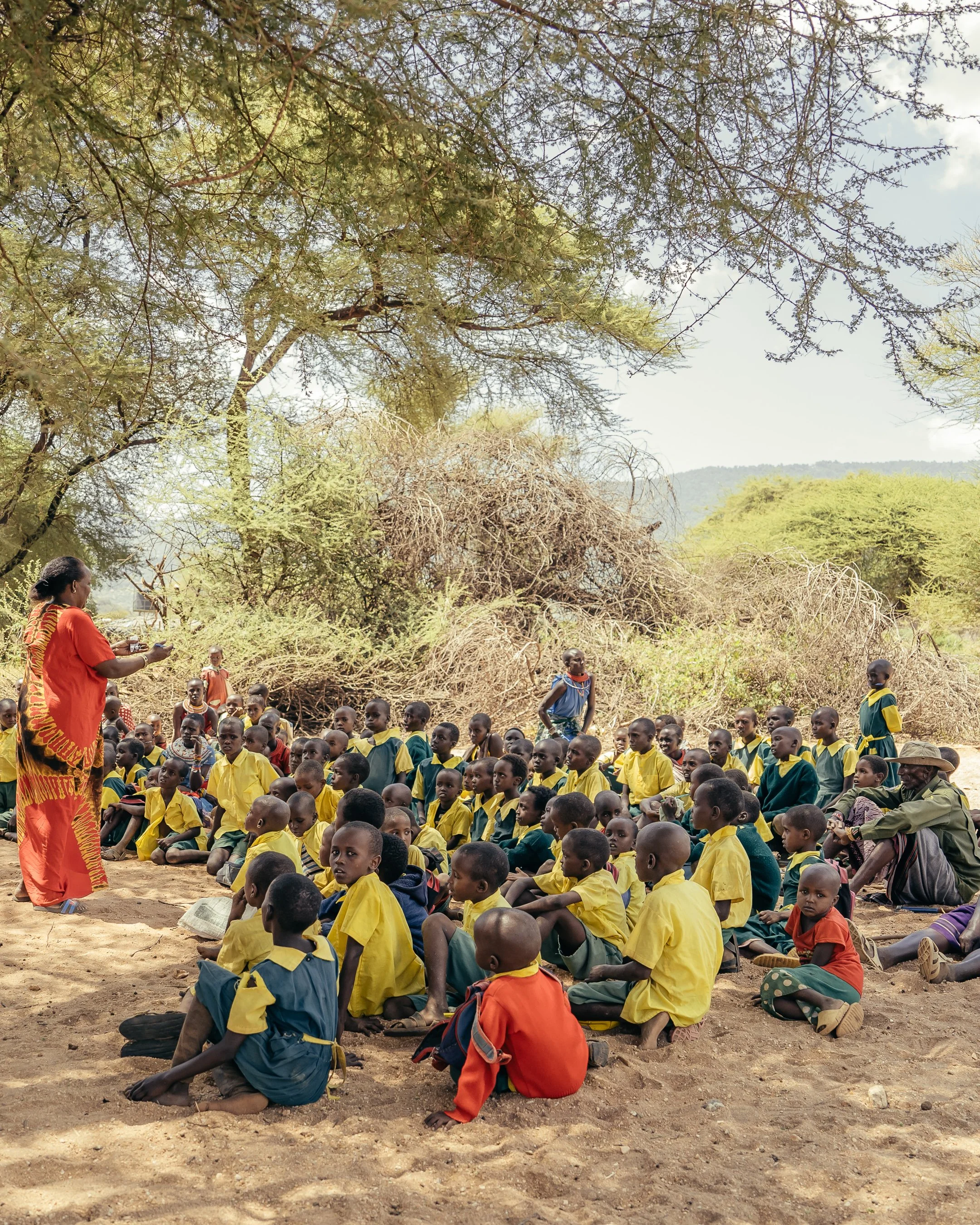
Image: Supplied by The Sarara Foundation
"There is great potential in every child. Our role is to provide them with support and the freedom to discover their strengths and soar! In this way, they develop themselves and grow strong – which benefits the community too.” – Teacher Terry Koskei
Pastoralist communities hold generations of ecological knowledge about grazing patterns, drought adaptation, livestock management, and landscape stewardship. Supporting their children means supporting the future custodians of some of Africa's most important rangeland ecosystems.
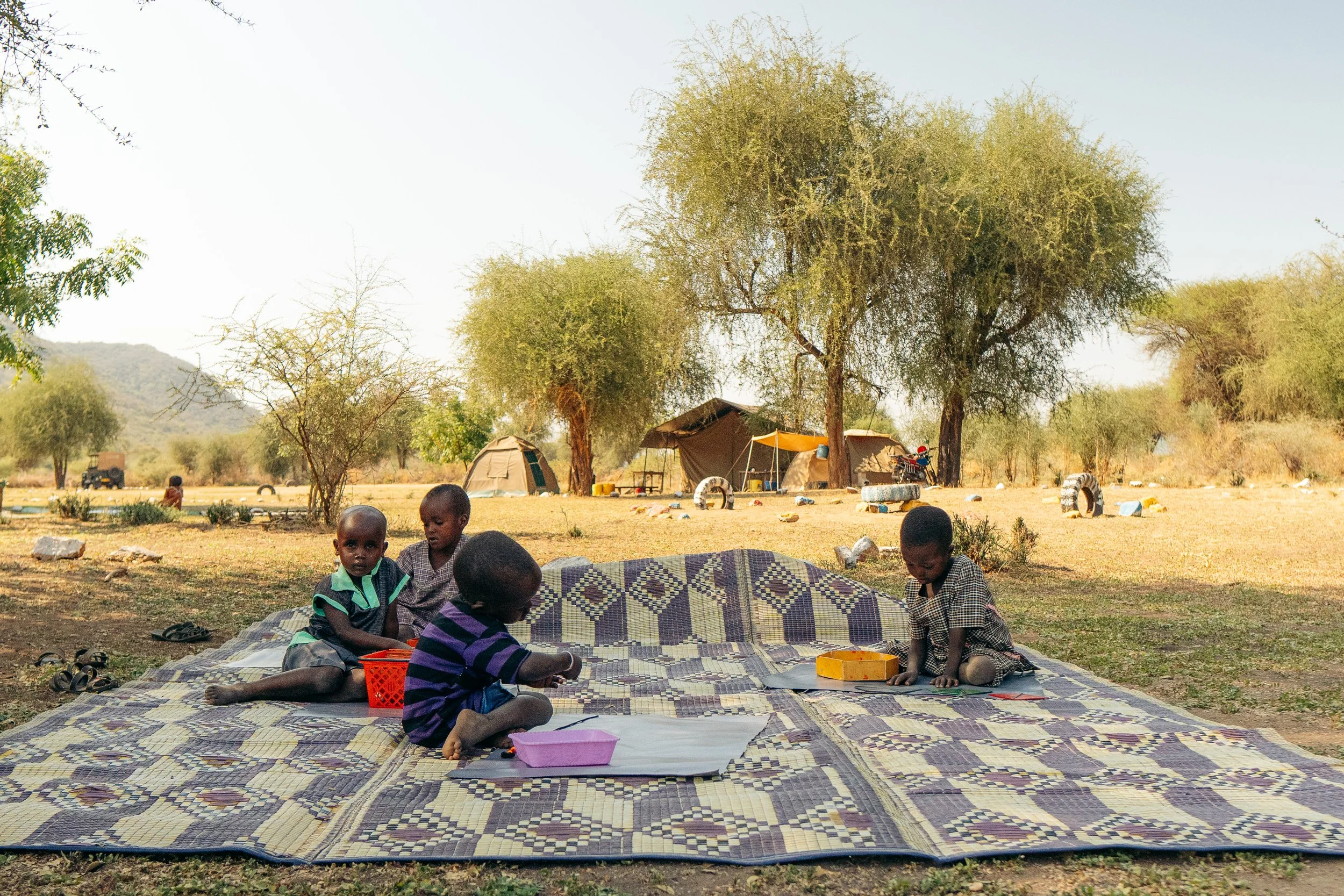
Image: Supplied by The Sarara Foundation
The need for support has become even more urgent in recent years as prolonged drought has affected northern Kenya. To help ensure children can continue learning during difficult times, every student attending the Nomadic Montessori schools receives a nutritious porridge meal during school hours, prepared using minimal water.
The program's impact is now extending beyond preschool education. Before TSF established its Nomadic Education Program, there were no preschools within the Mathews Range where Namunyak is located. Today, the Foundation is helping bridge the gap between early childhood education and primary school.
While government primary schools exist in some remote areas, they remain scarce across much of Namunyak Community Conservancy. For many families, the cost and distance involved can be prohibitive, often forcing children to leave school to help manage livestock.
Encouragingly, those who have transitioned into government primary schools are thriving. According to Head of Education Judy Mugambi, regular follow-up visits show students performing exceptionally well.
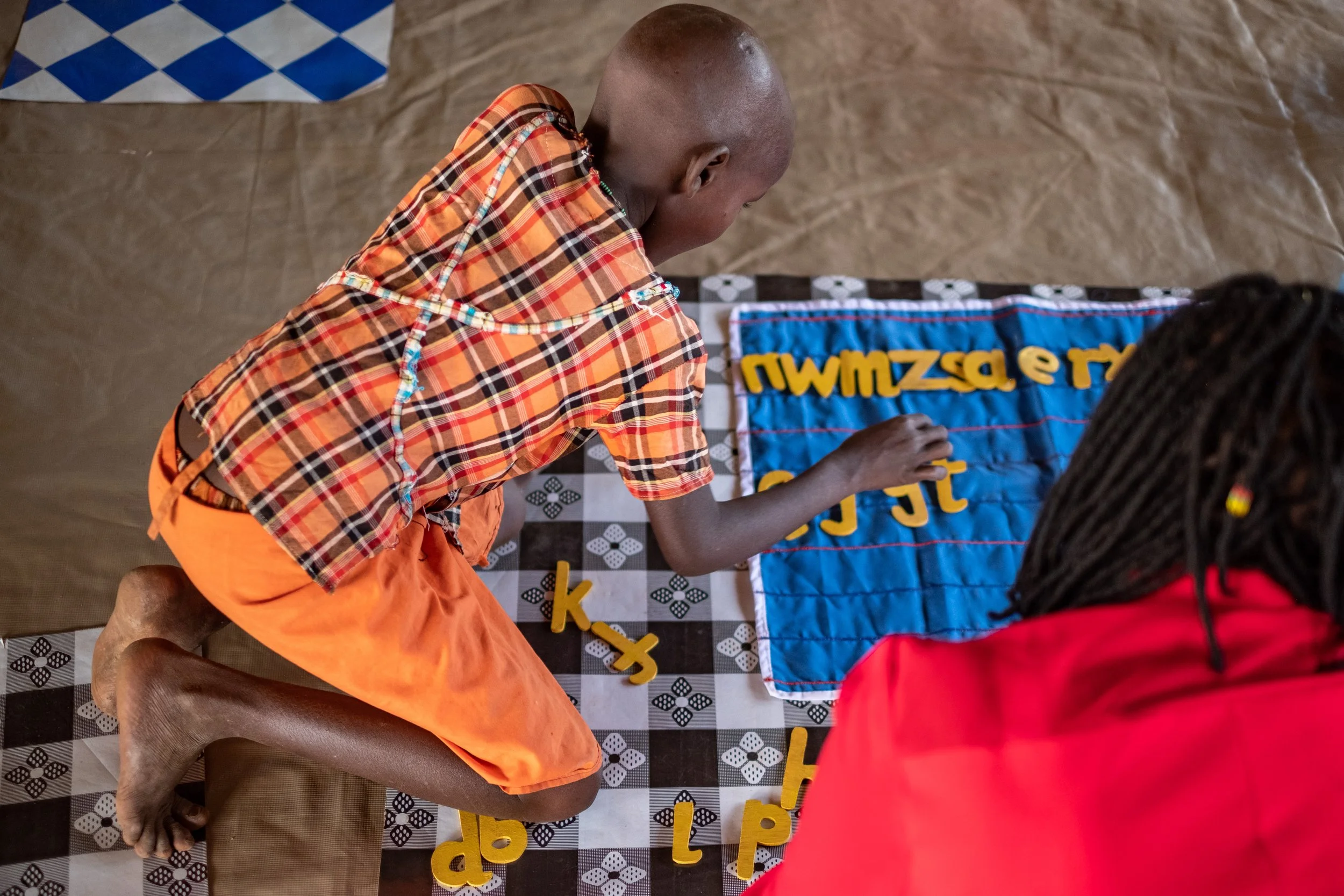
Image: Supplied by The Sarara Foundation
As the International Year of Rangelands and Pastoralists continues to highlight the value of pastoralist communities worldwide, TSF's work offers an inspiring example of what can happen when education is built around people, culture, and landscape rather than expecting communities to adapt to systems designed elsewhere.
After all, protecting rangelands is not only about restoring grasslands, improving soil health, or building resilience to drought. It is also about investing in the next generation of people who call these landscapes home.
"I hope future generations will still feel the same deep connections and pride to this landscape – so that they will protect it, respect it, and continue sharing its story with the world.” – Sonia Legei, Sarara Guide
Sometimes, the best classroom is the one that knows how to move.
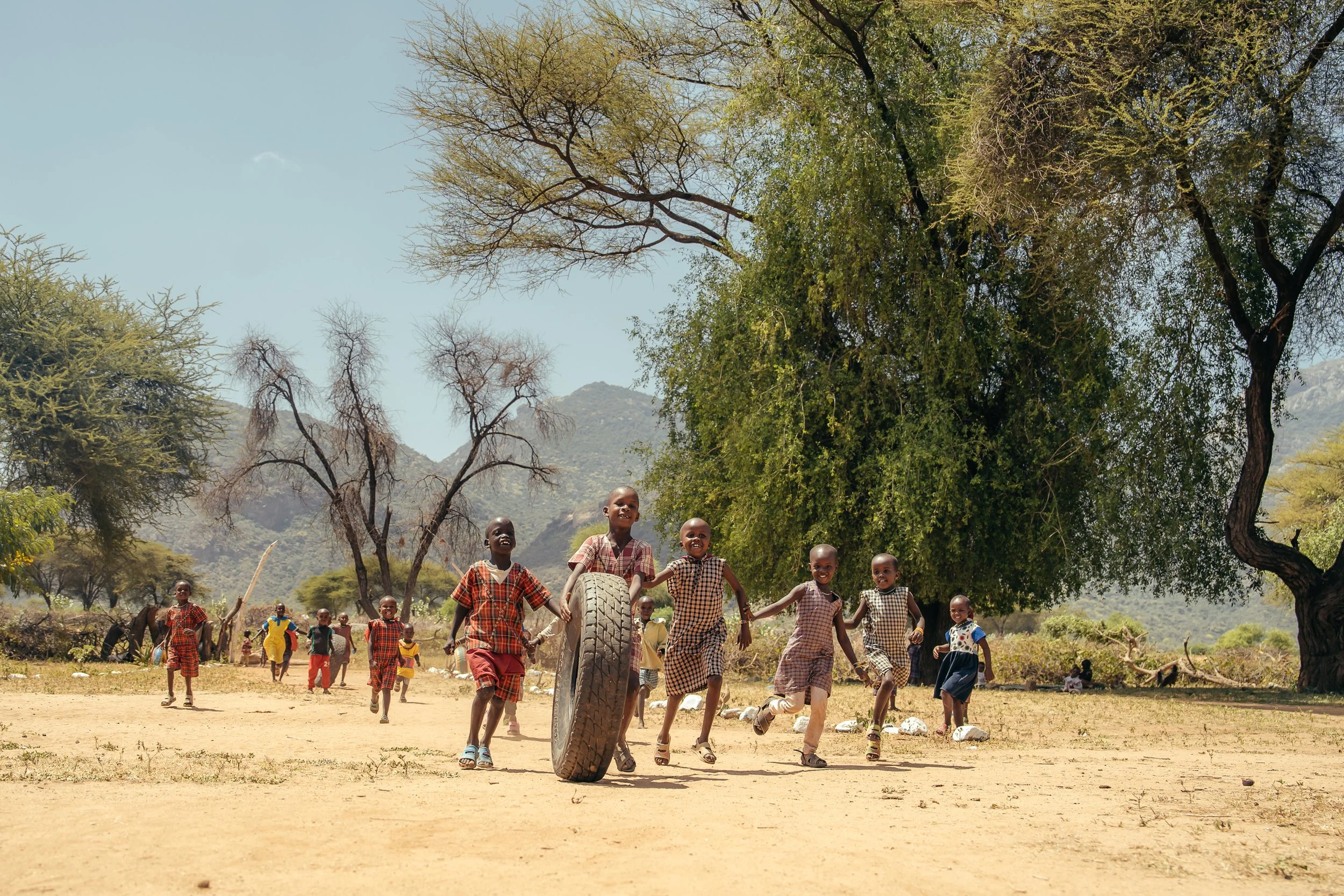
Image: Supplied by The Sarara Foundation