
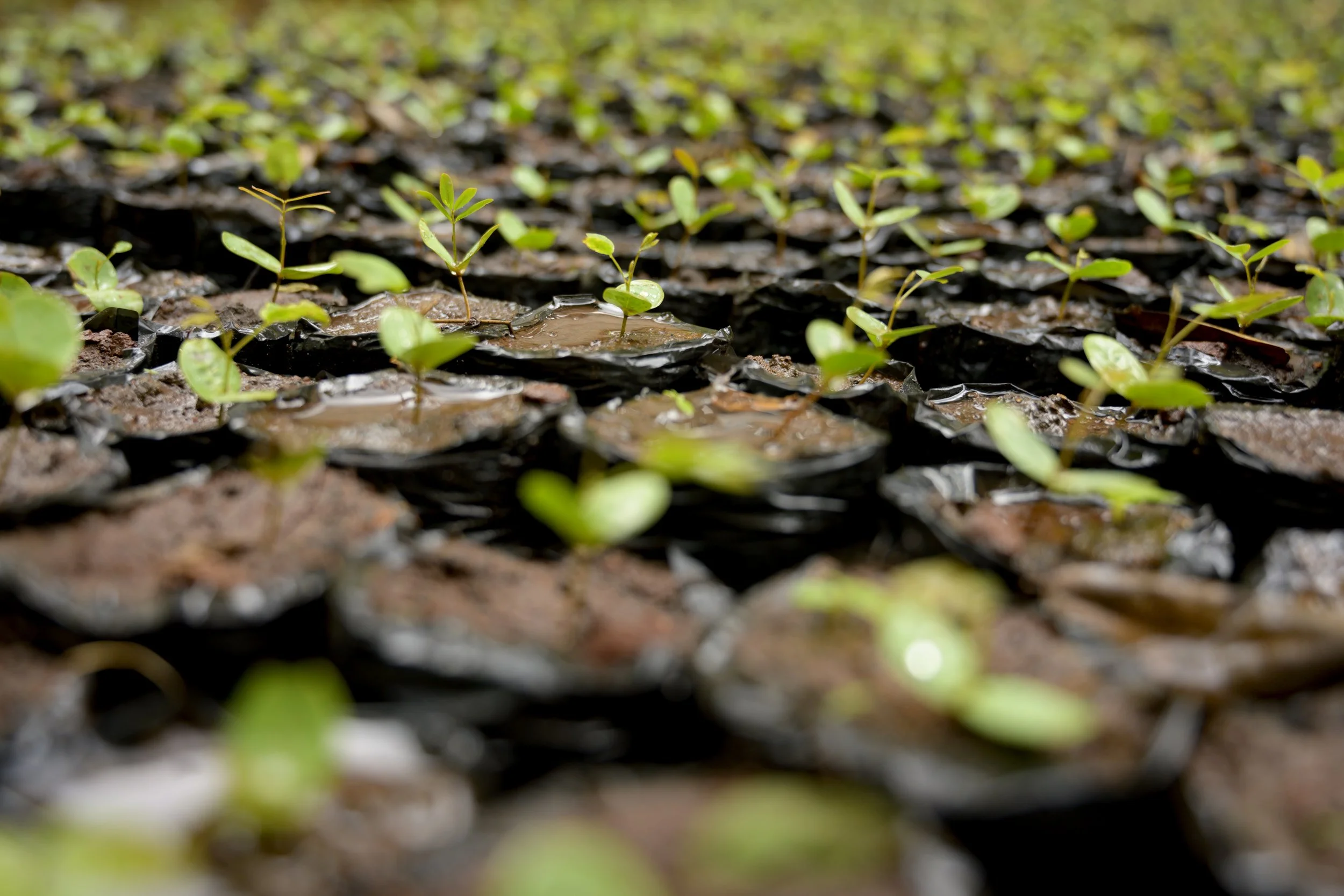
Plan to Accelerate Regenerative Agriculture for Healthy Soil and Healthy Diets
A Plan to Accelerate Solutions under the Global Climate Action Agenda
The Plan to Accelerate Regenerative Agriculture for Healthy Soil and Healthy Diets accelerates a global shift toward regenerative agriculture that nourishes both people and the planet, linking science, policy and finance to build healthy soil, improve diets, and transform food systems from the soil to the plate.
The Plan addresses the missing link between production and consumption and builds the evidence base, finance, and policy conditions needed to align efforts across the full value chain around shared outcomes for soil health, nutrition, and climate resilience.
Plans to Accelerate Solutions (PAS) are developed under the Global Climate Action Action Agenda to turn negotiated outcomes into real-world delivery. They are concise, multi-stakeholder, action-oriented workplans designed to overcome barriers to scaling solutions.
-

Thematic Axis 3
Transforming Agriculture and Food Systems
-

Key Objective 8
Land restoration and sustainable agriculture
-

Timeframe
2025-2028
-

Geographic Scope
Global
Host Initiative:
Participating Initiatives:









Strategic Pillars
The Plan advances action across four strategic pillars:
Measuring the impact of regenerative agriculture across the value chain
Scaling farmer-centered regenerative agricultural practices through markets and incentives
Unlocking and redirect sources of finances for regenerative practices
Integrating into policy and public programs
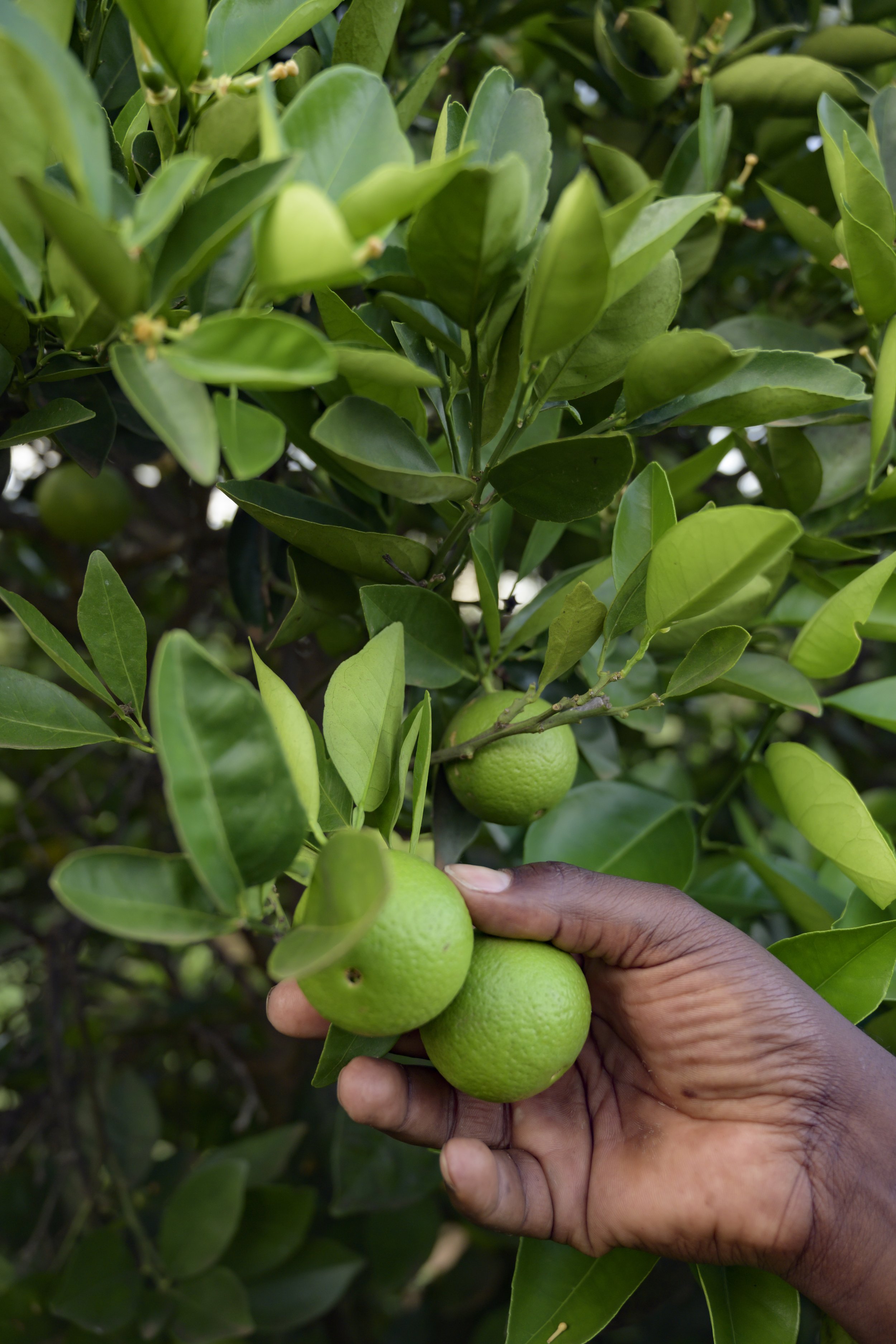
Regenerative agriculture, rooted in improving soil health, delivers simultaneously on climate, biodiversity, land restoration, food security, and nutrition. An estimated USD 205 billion per year is needed from 2025-2030 to halve agri-food system emissions but current public funding is insufficient and unevenly distributed across the value chain. Transition costs remain disproportionately borne by farmers, and private investment is constrained by risks, lack of clear incentives, and fragmented financing mechanisms, despite estimates that agricultural innovation could unlock USD 1.2 trillion in returns over the next 10-20 years.
Overcoming barriers to scaling regenerative agriculture
What is needed now is better integration of evidence in decision-making, landscape-scale financial instruments that reduce transition costs for farmers, and clear incentives that demonstrate financial, not just economic, returns to investors.
Robust evidence, including scientific research, Indigenous knowledge, and the contributions of women, youth and local communities, de-risks investments, informs decision-making, aligns finance with regenerative outcomes, and provides the foundation for countries and stakeholders to scale regenerative agricultural practices.
News


Reach out to collaborate
-

Dr Leigh Winowiecki
Soil and Land Health Global Research Lead, CIFOR-ICRAF
Co-Lead, CA4SH
-

Daniela Solis
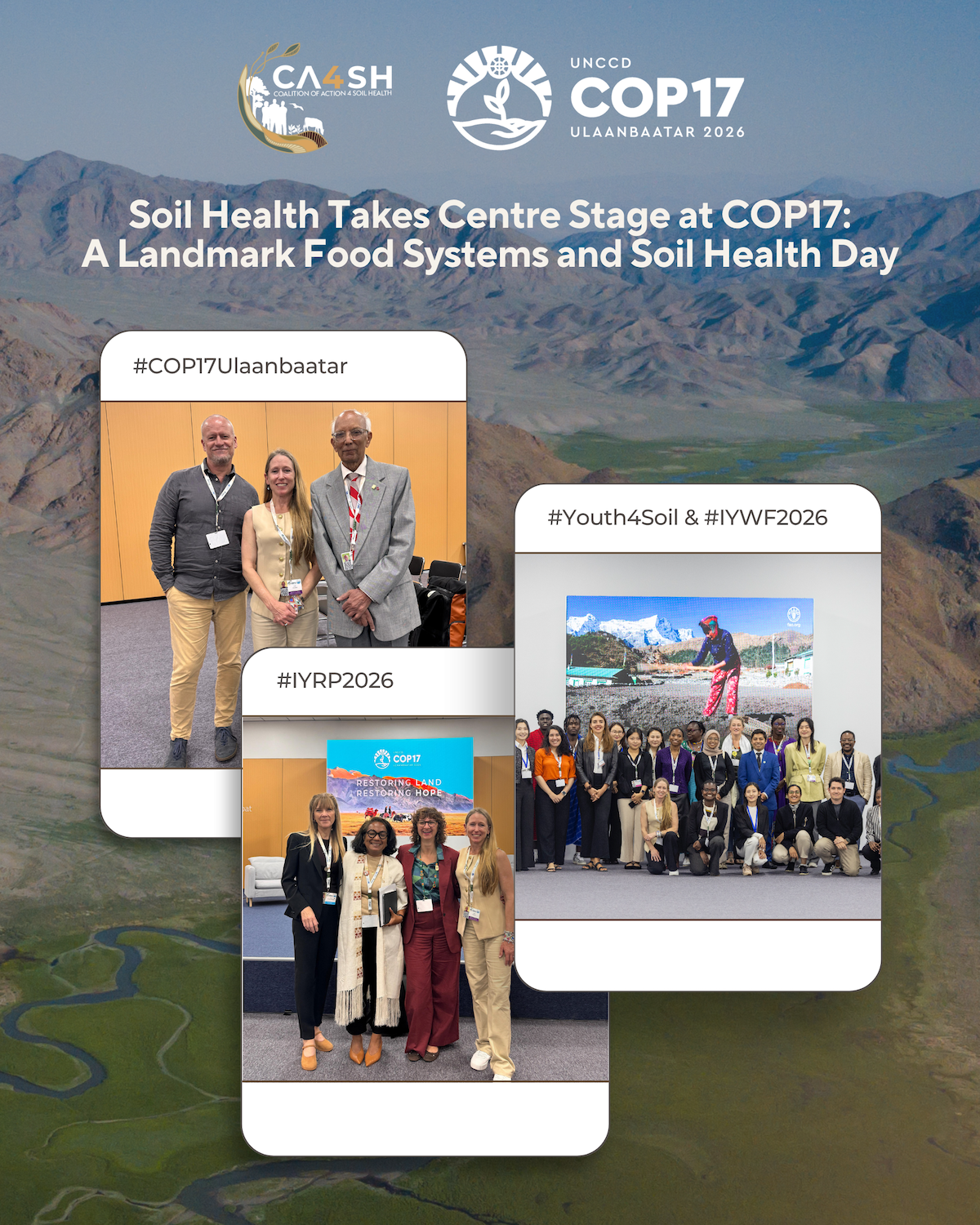
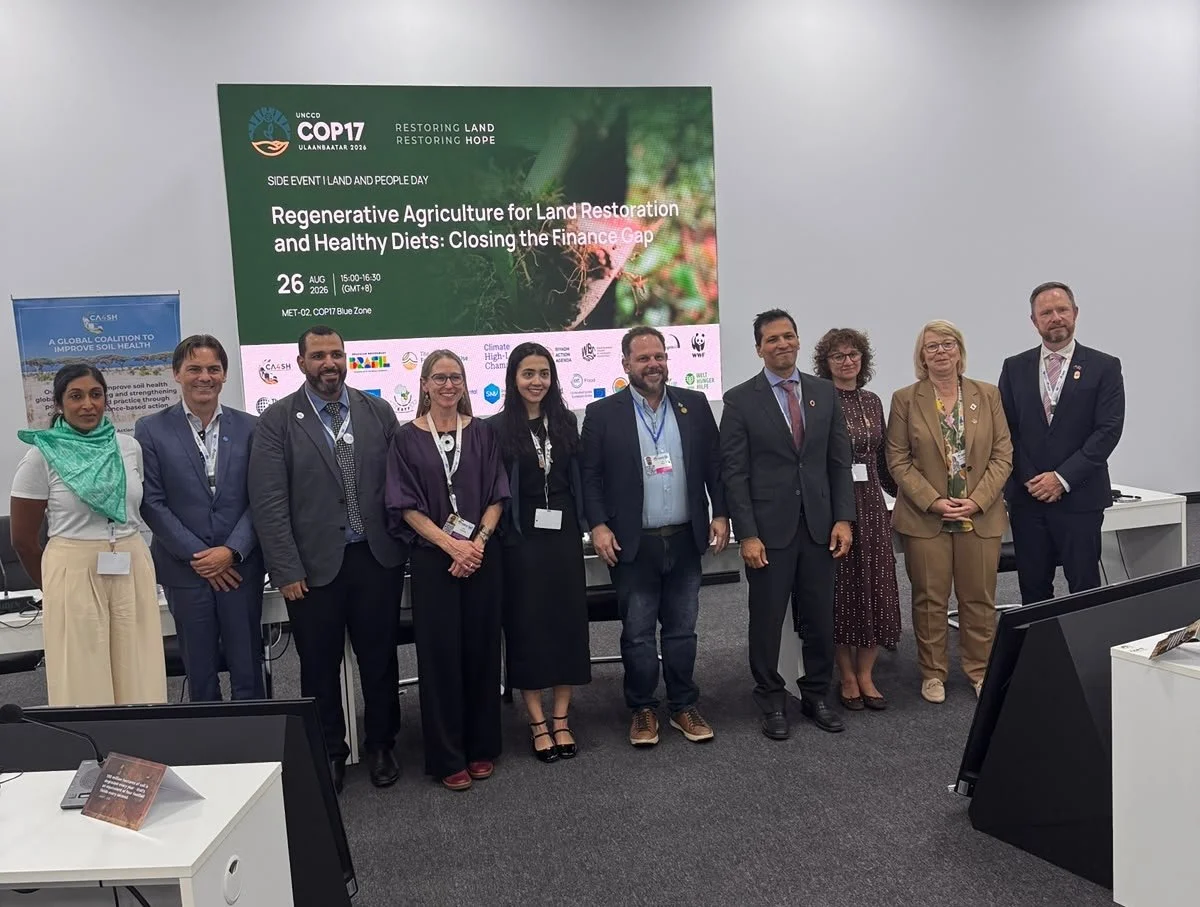
The Coalition of Action 4 Soil Health (CA4SH), Landscape Alliance (CIFOR-ICRAF), Deutsche Gesellschaft für Internationale Zusammenarbeit (GIZ) GmbH, the Norwegian Agency for Development Cooperation (Norad), CGIAR Multifunctional Landscapes Science Program, WWF, and partners, convened senior leaders and partners at UNCCD COP17 Mongolia for a high-level dinner focused on a simple but critical message: healthy soils are fundamental to resilient food systems, healthy ecosystems and a more climate-resilient future.