The Varda Foundation and CIFOR-ICRAF co-hosted a co-design workshop to scale soil data infrastructure in Africa
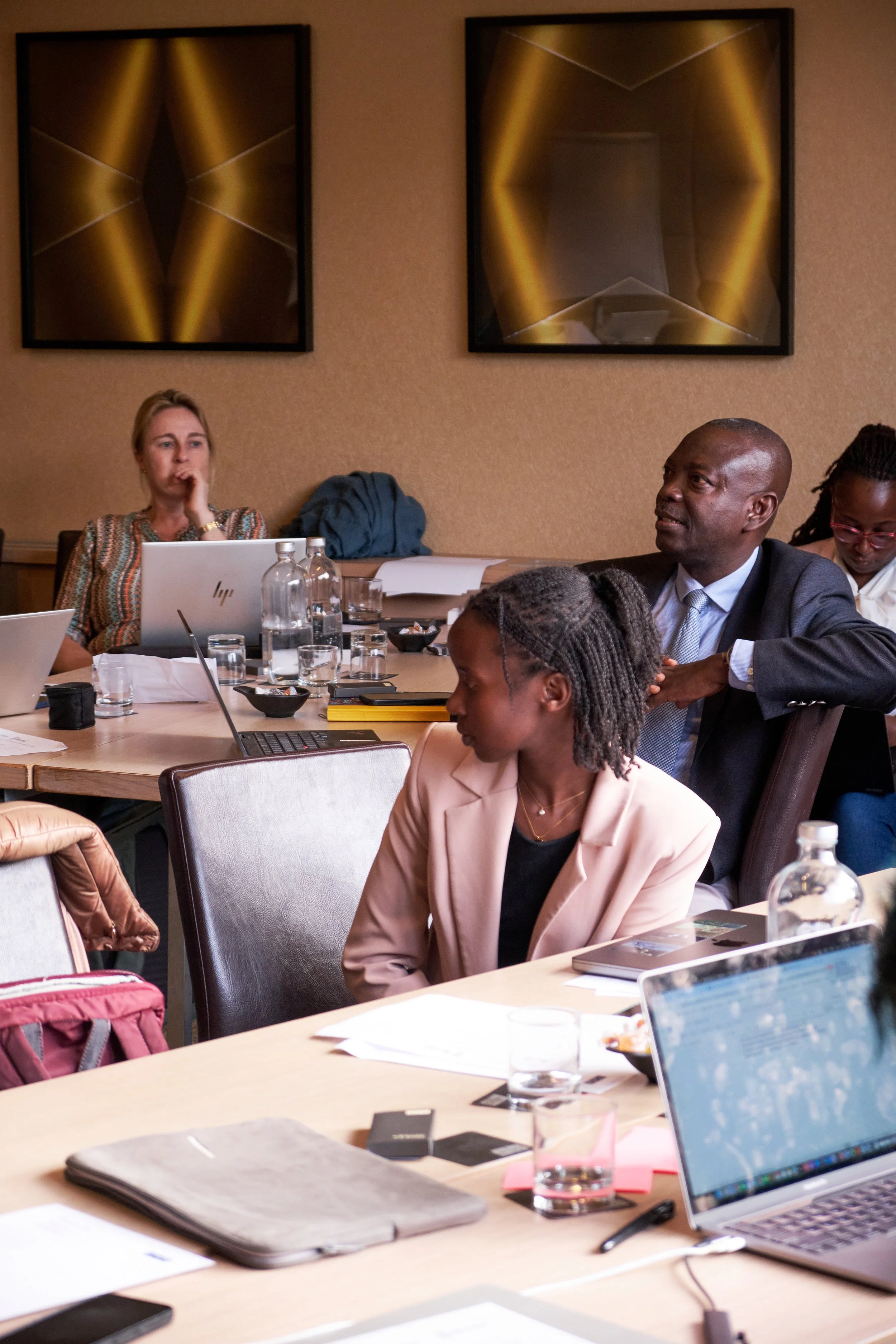
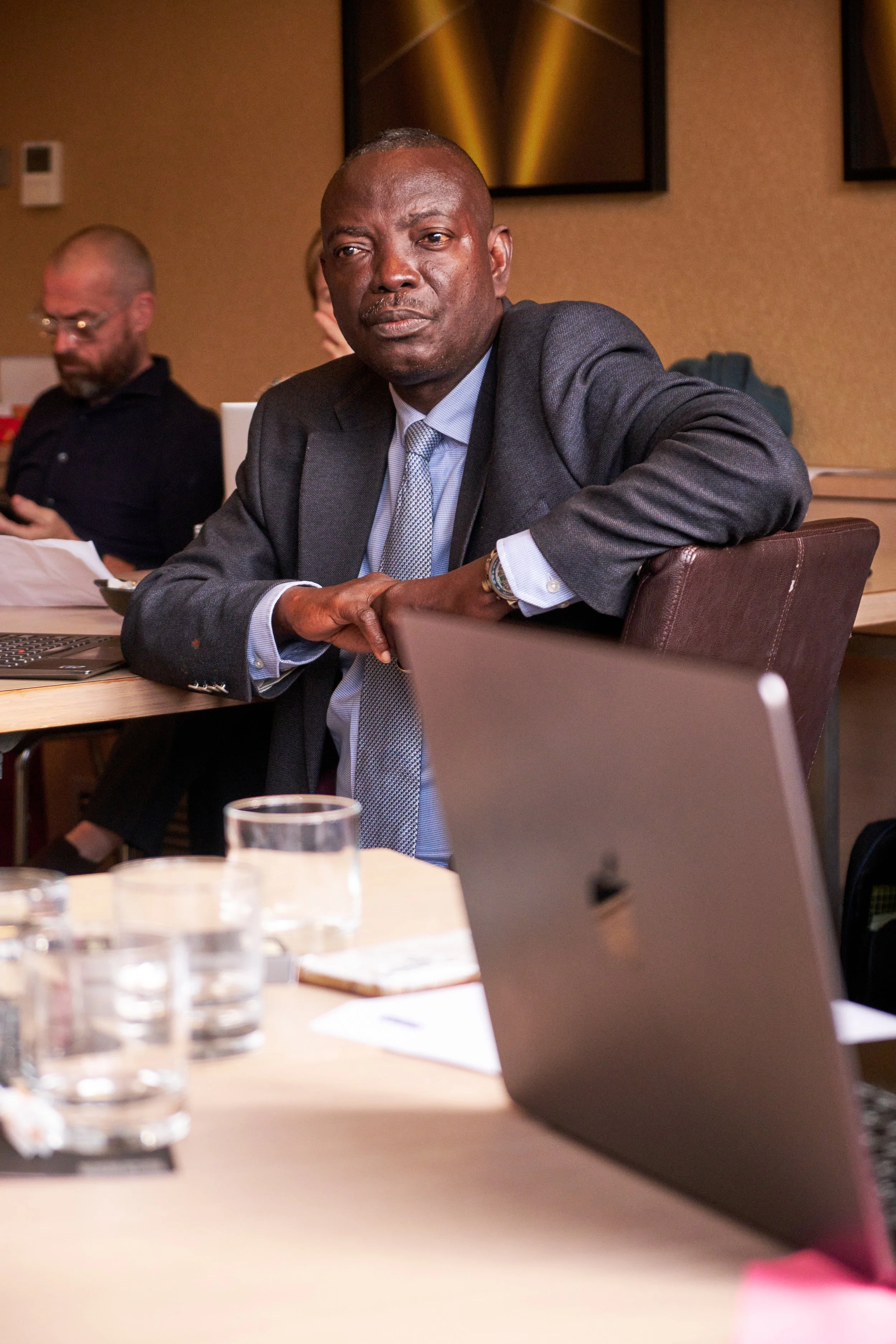
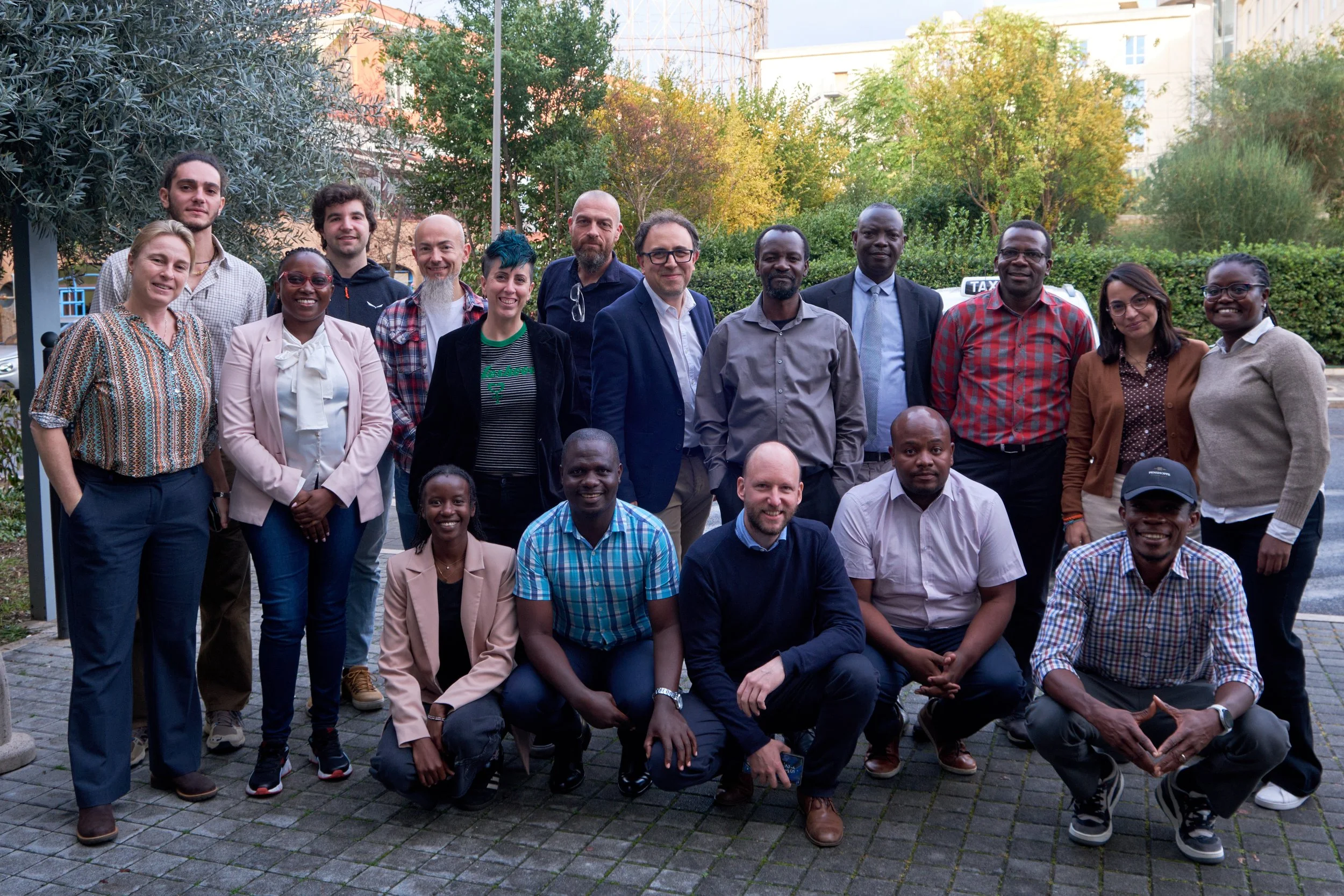
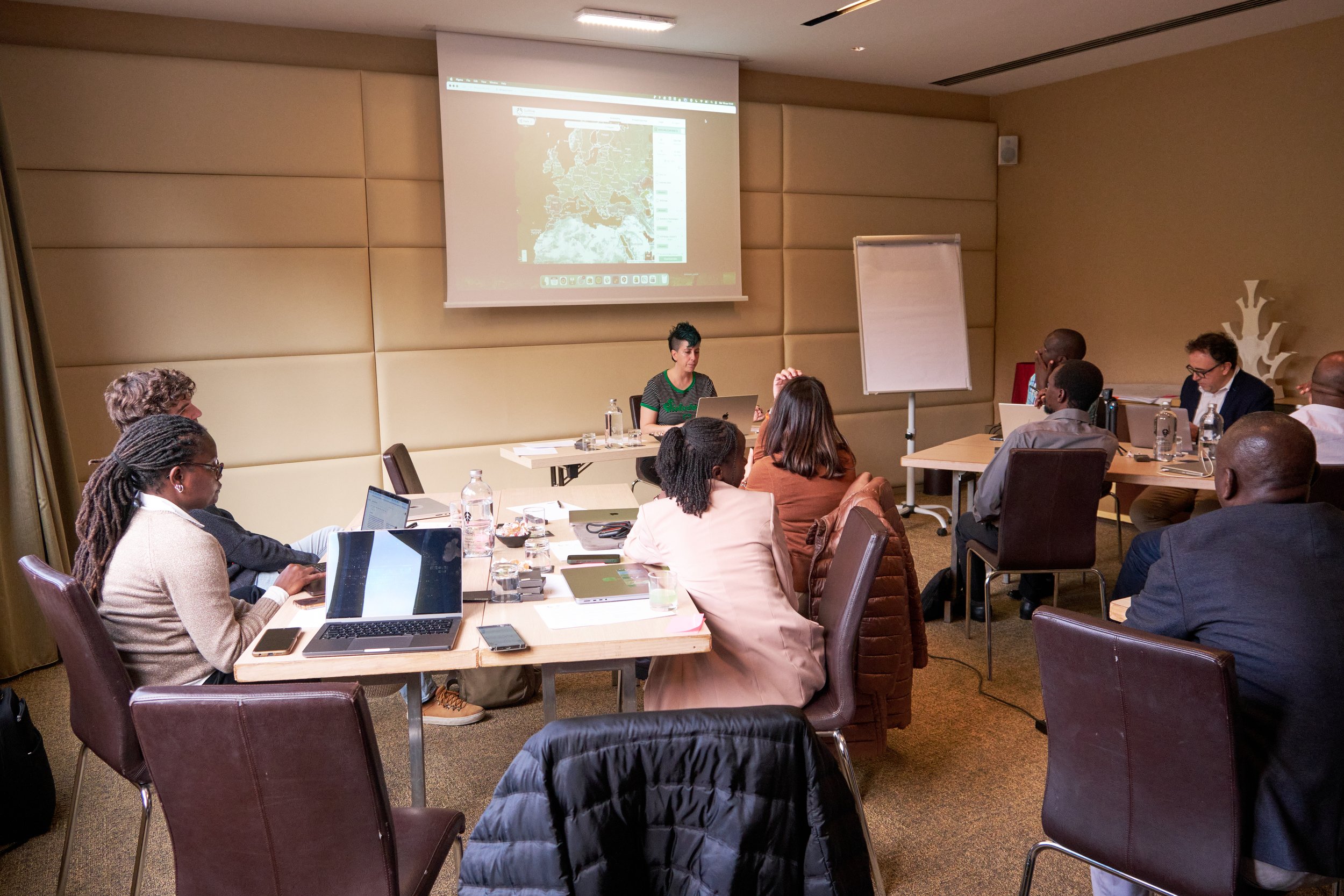
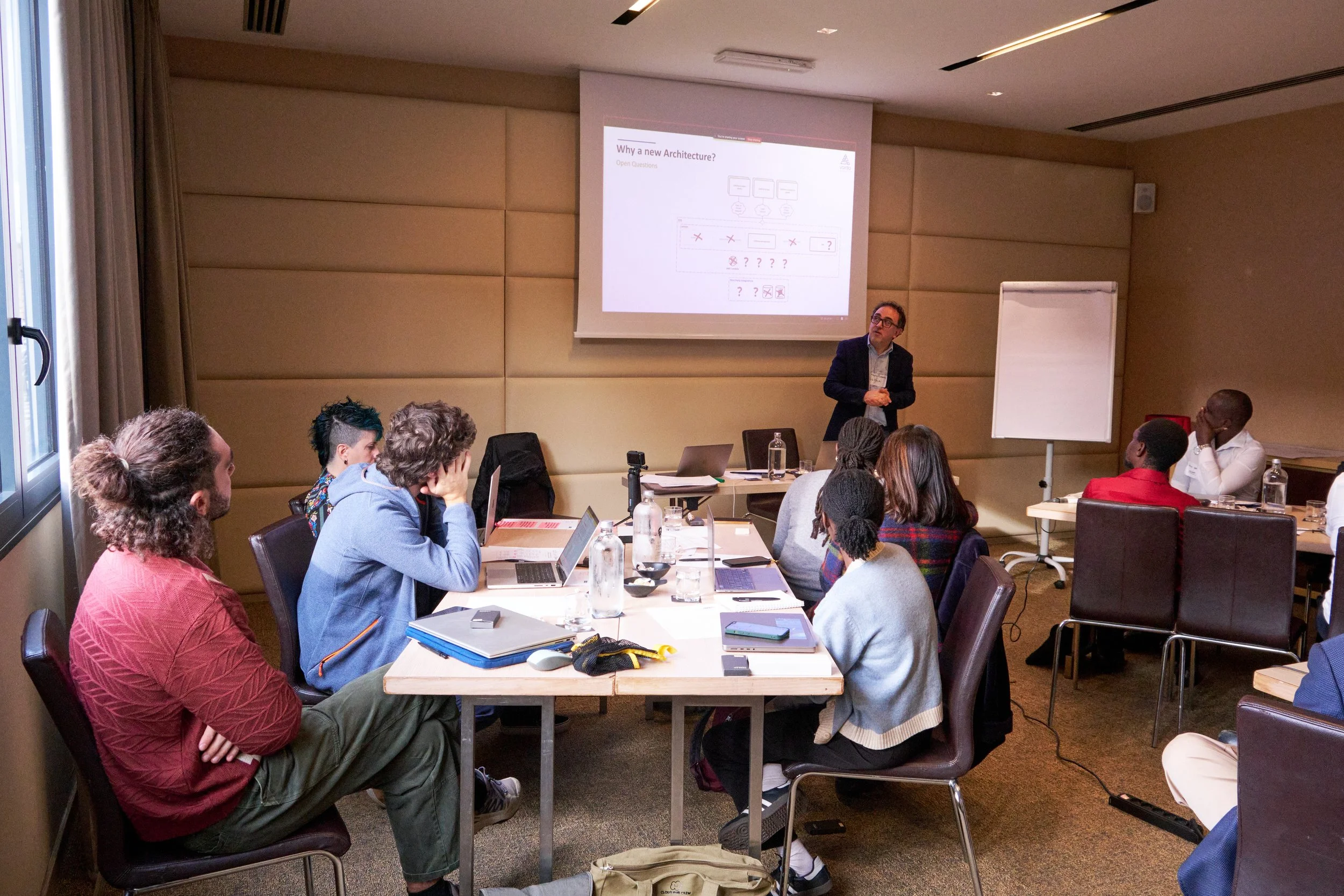
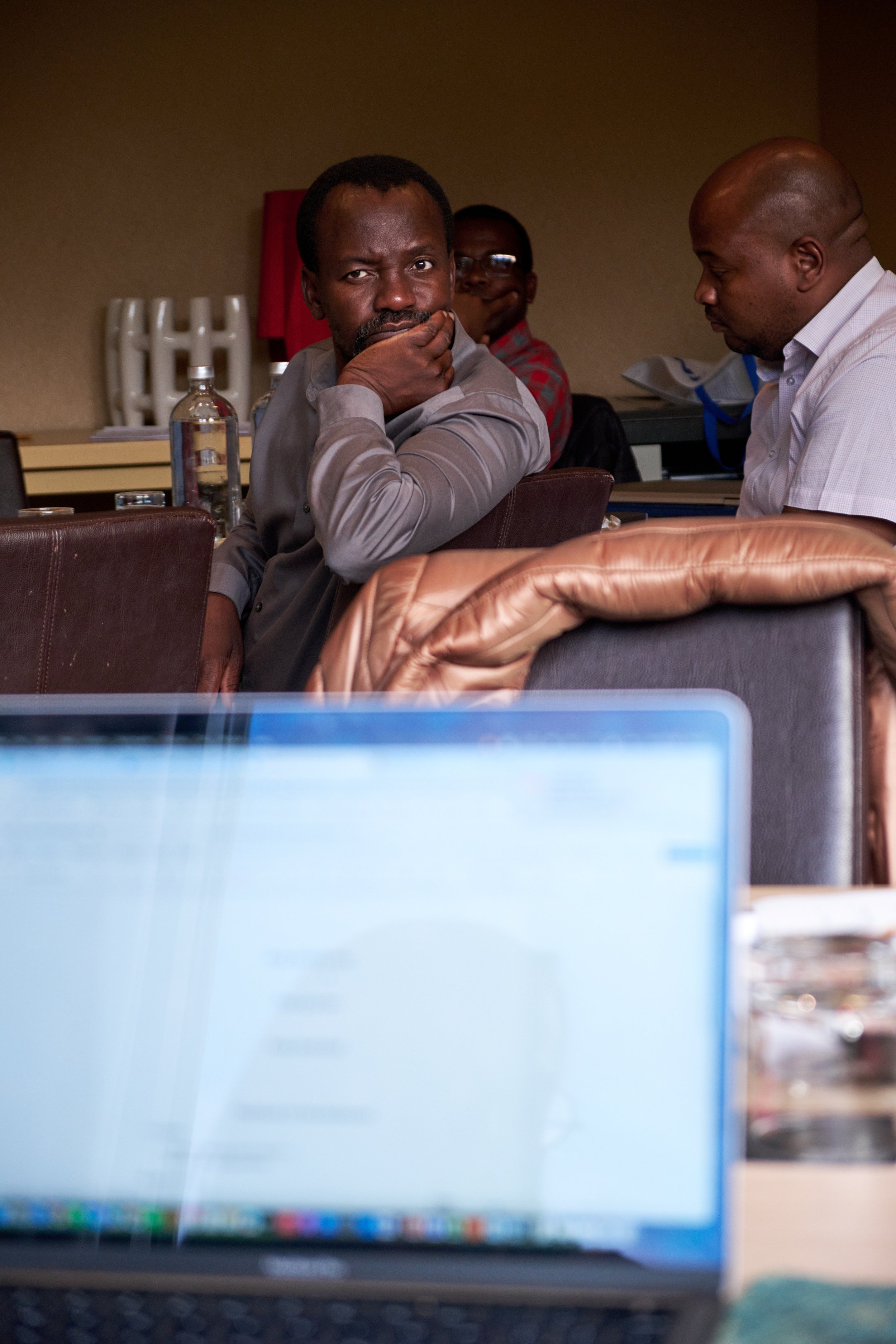
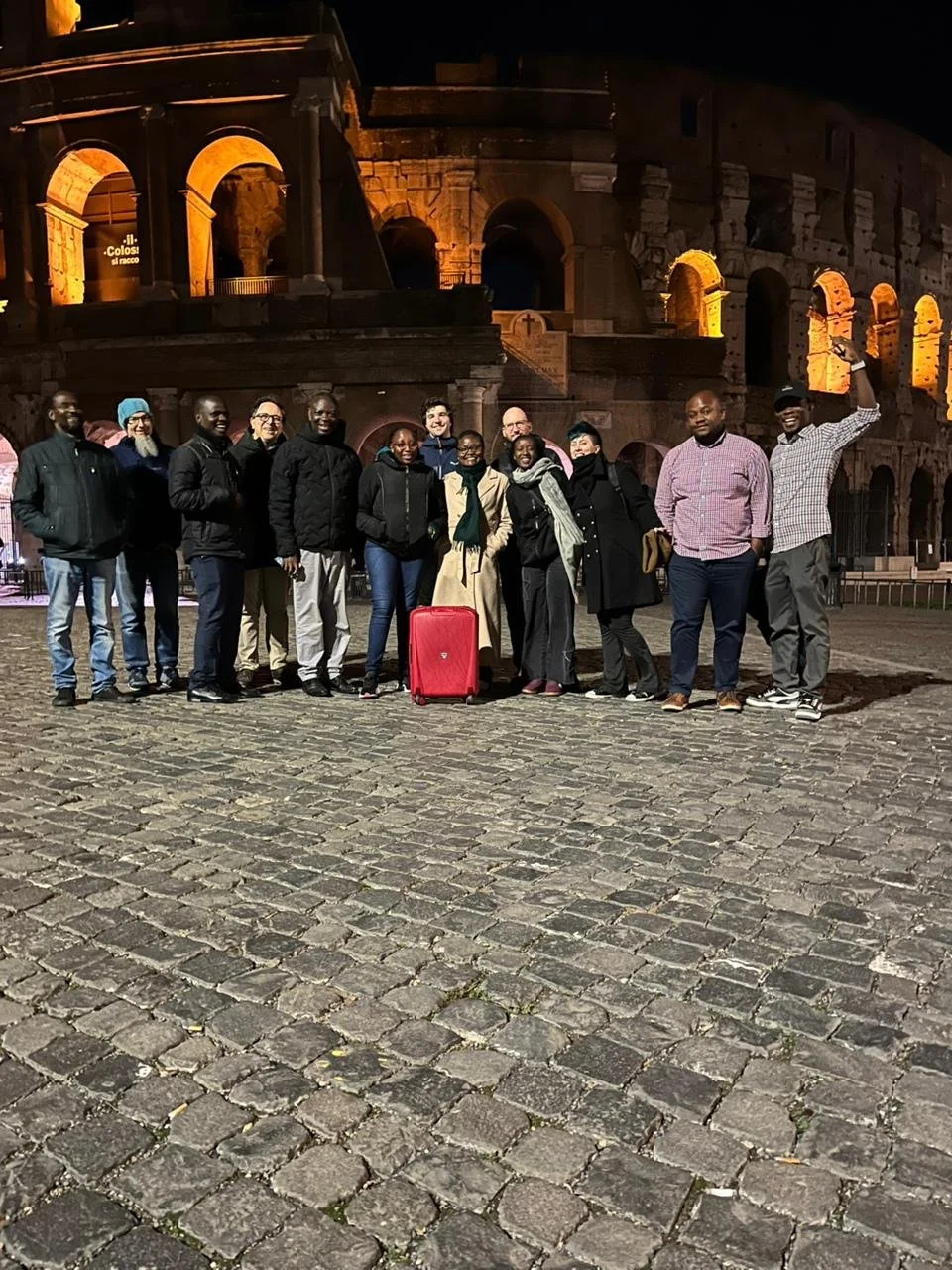
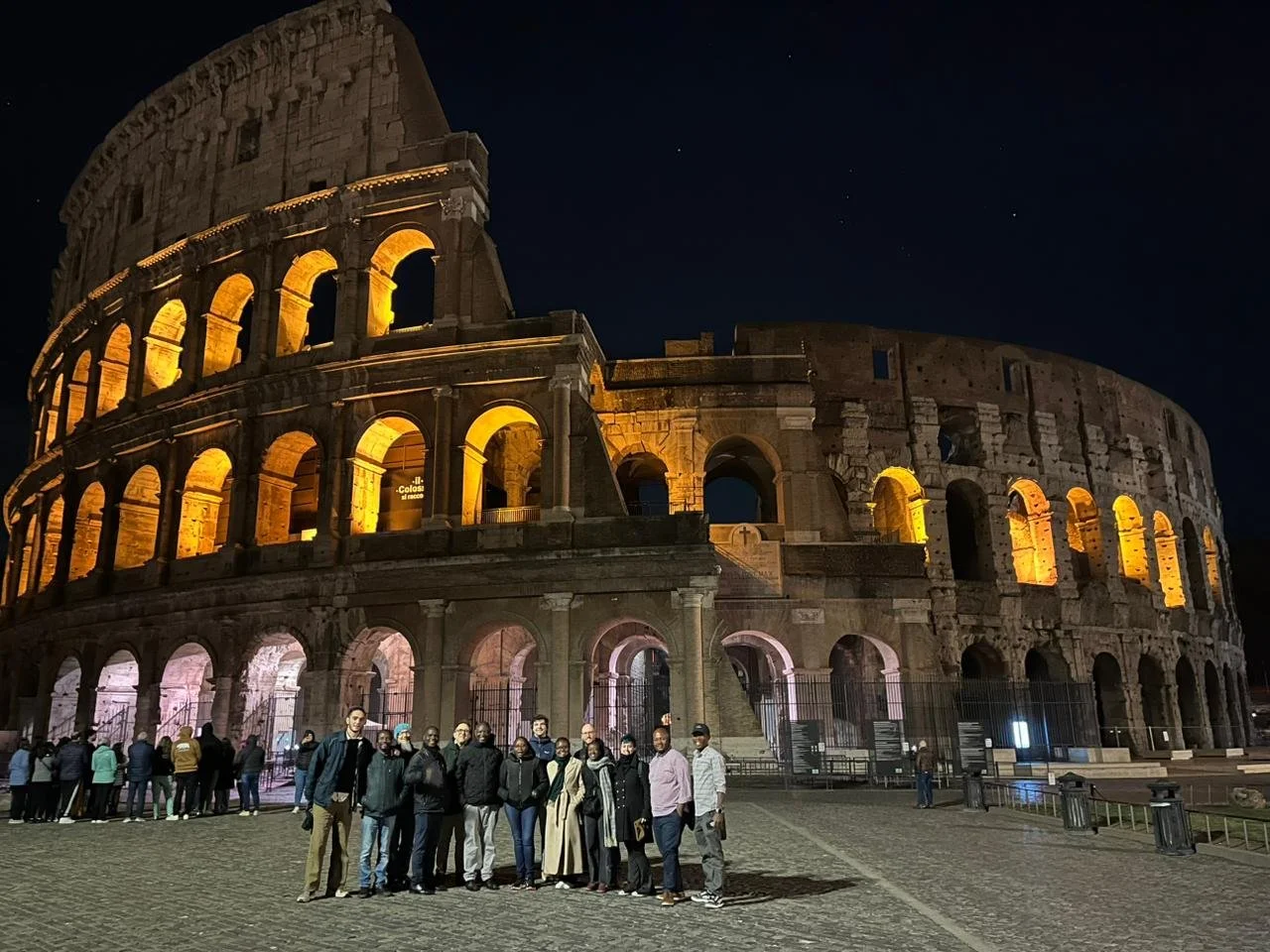
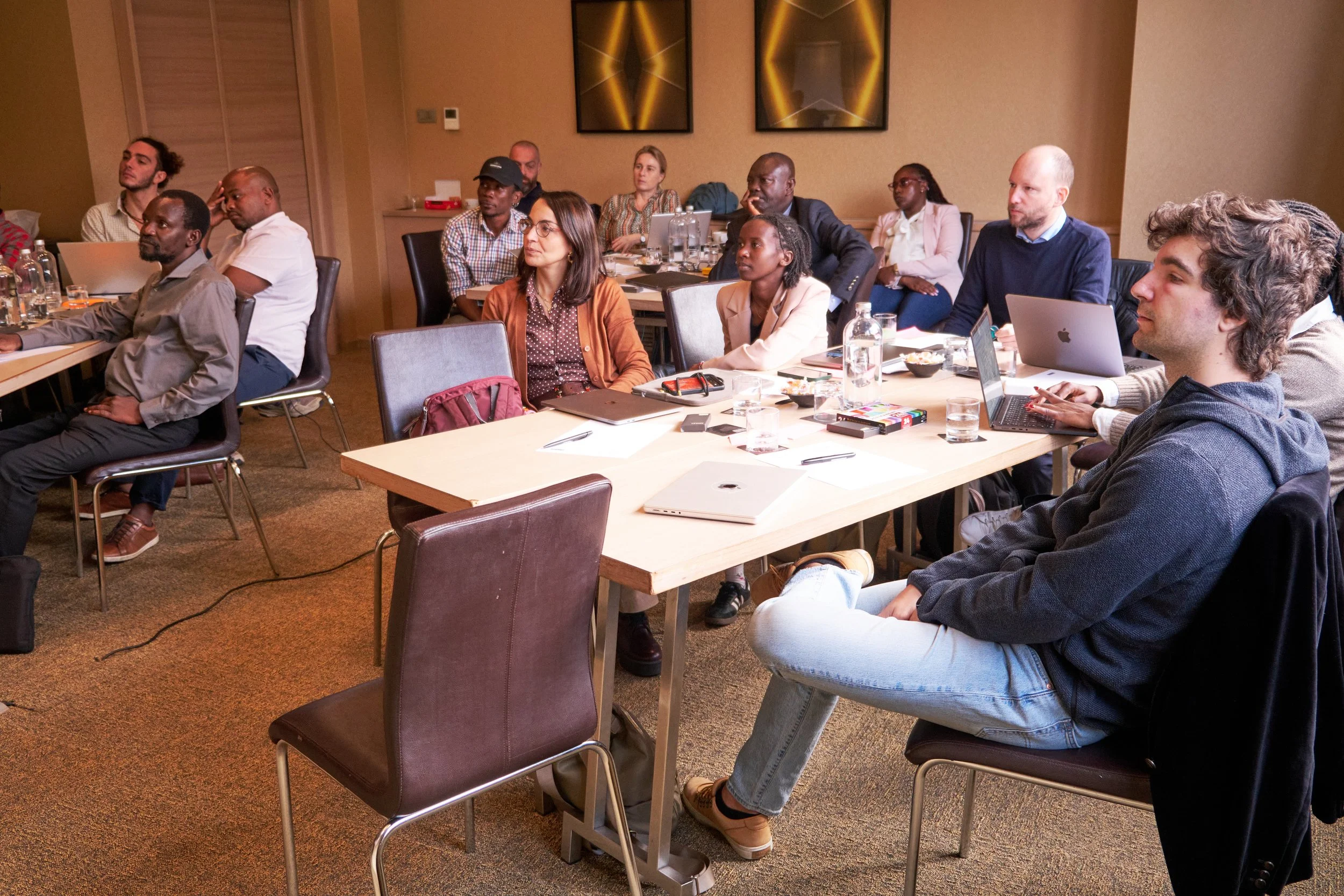
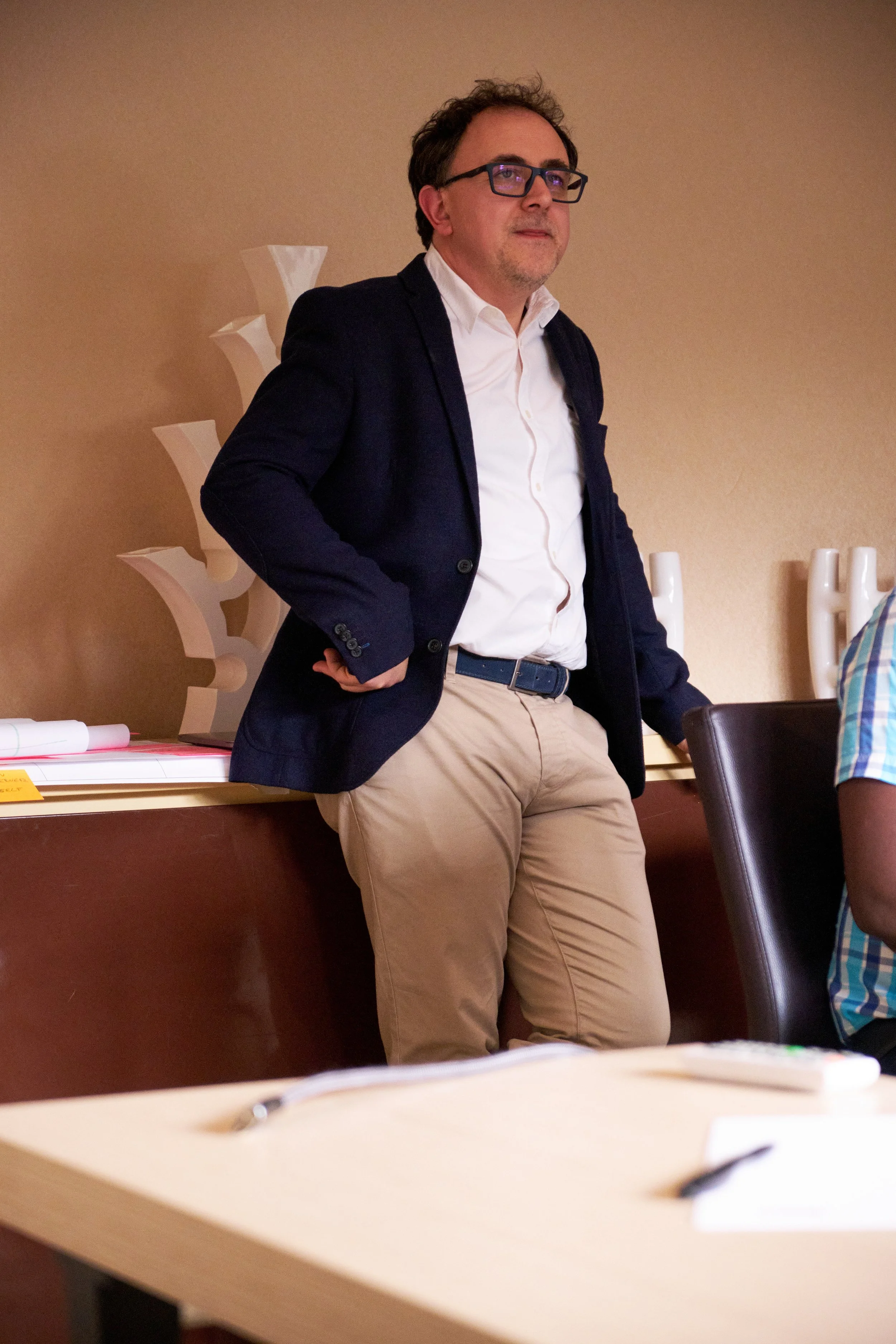
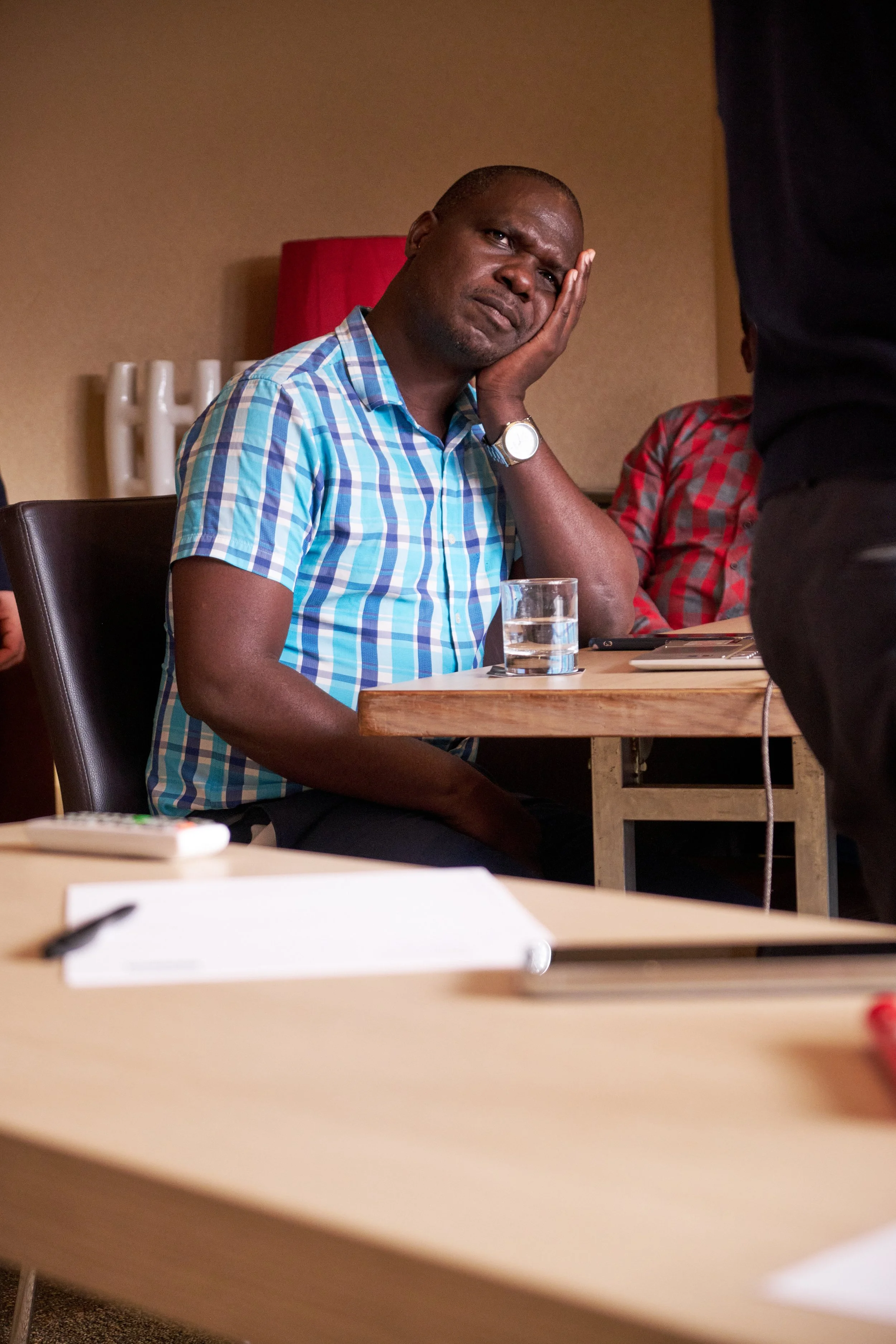
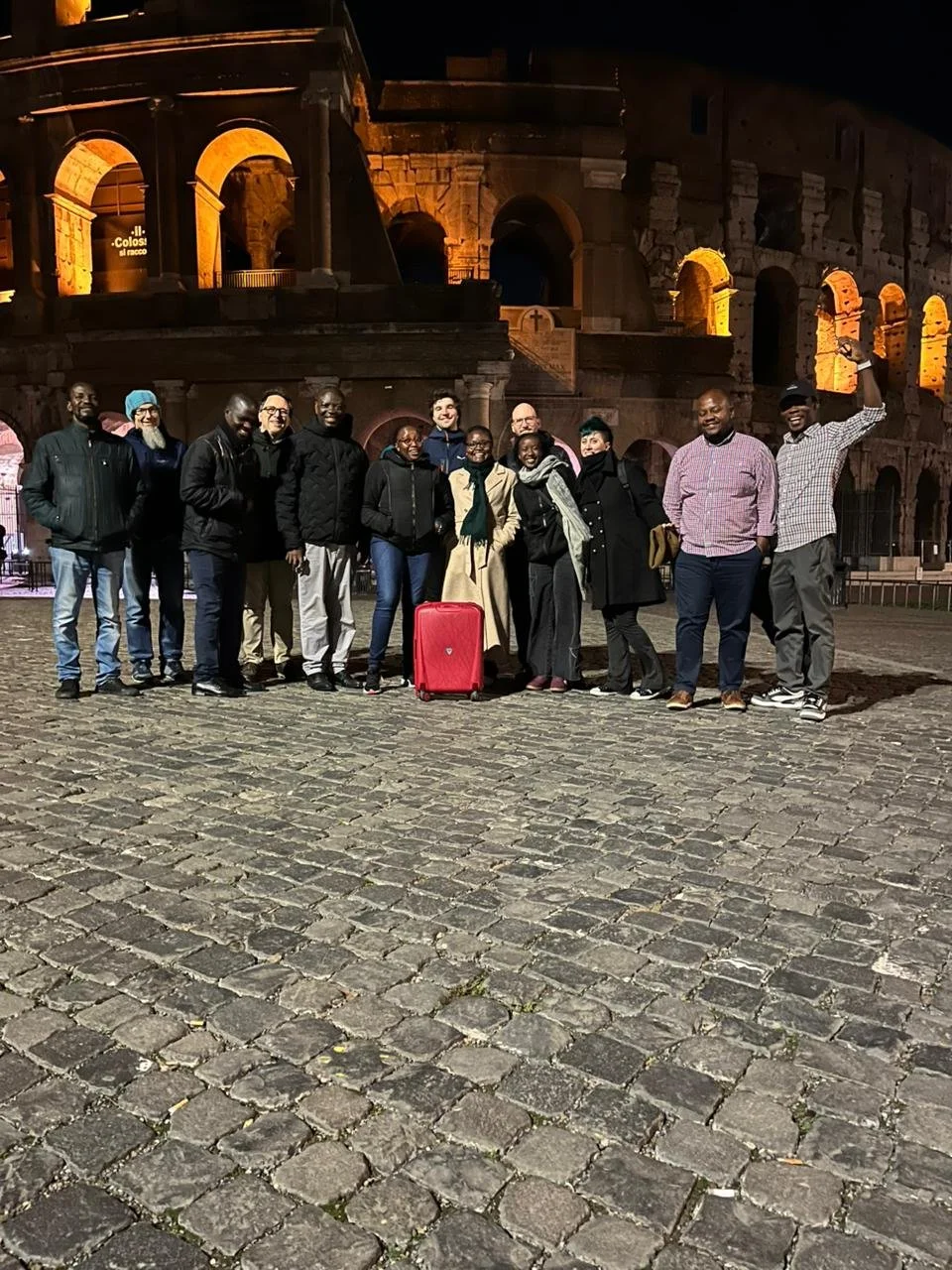
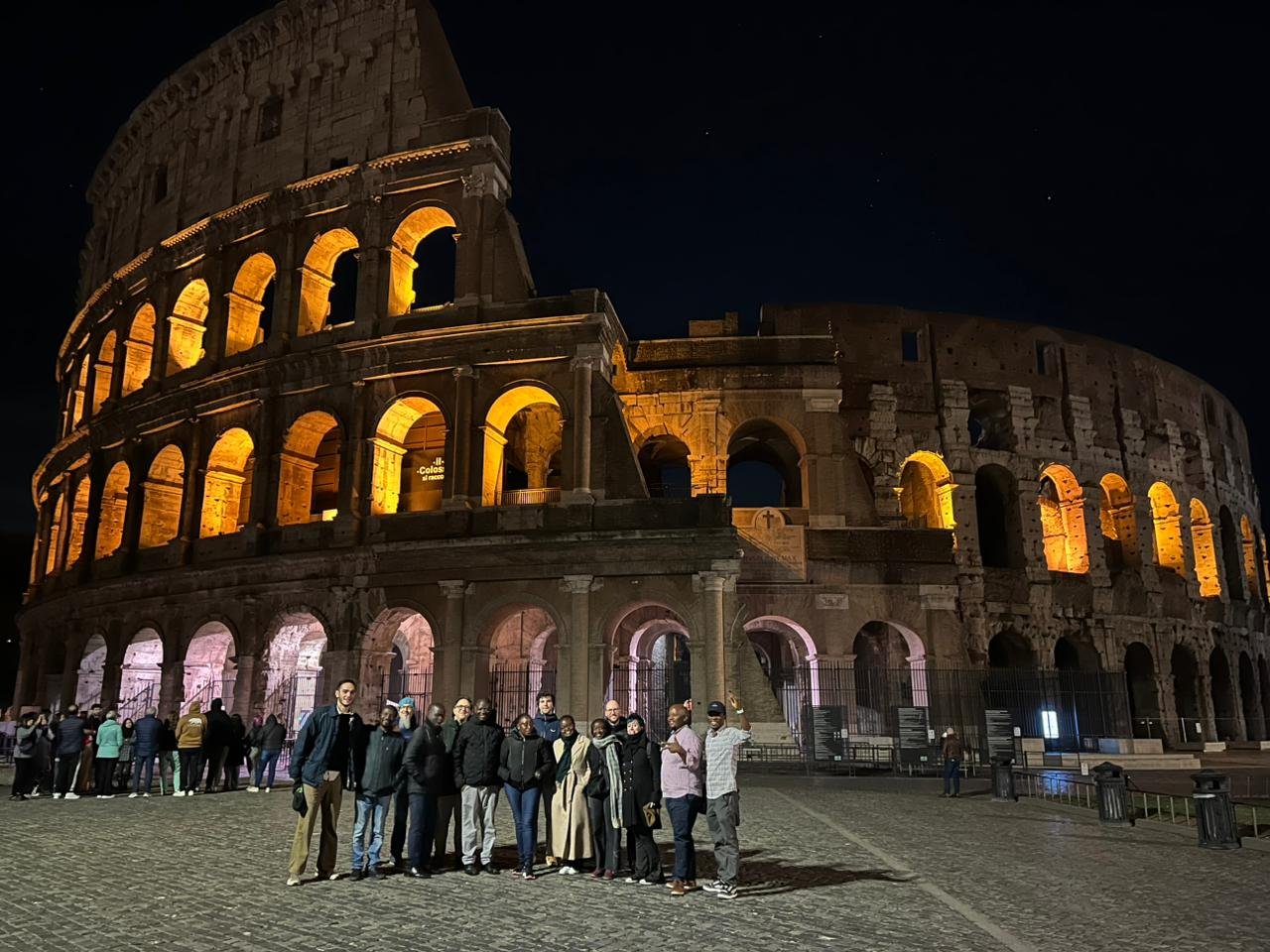
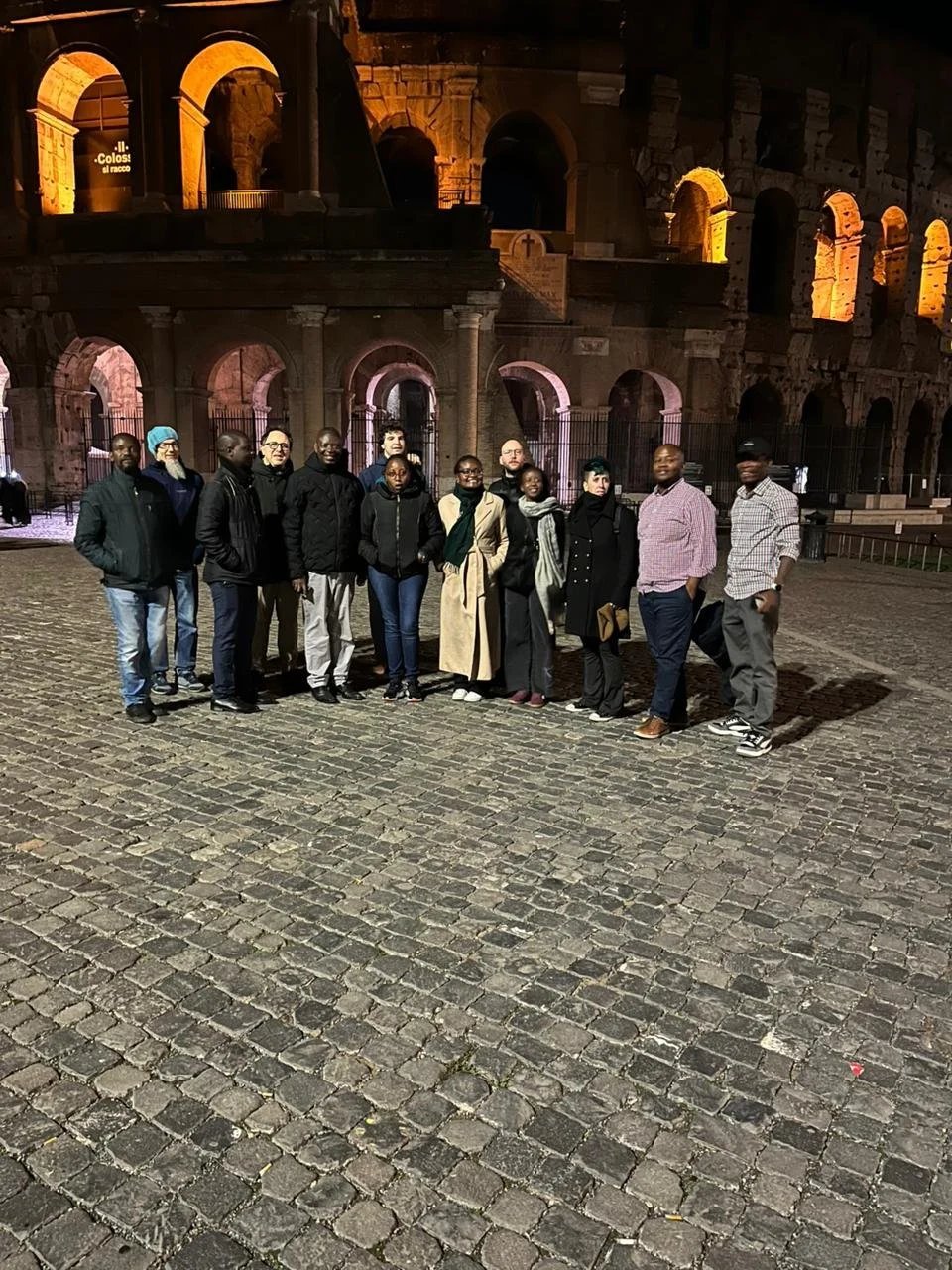
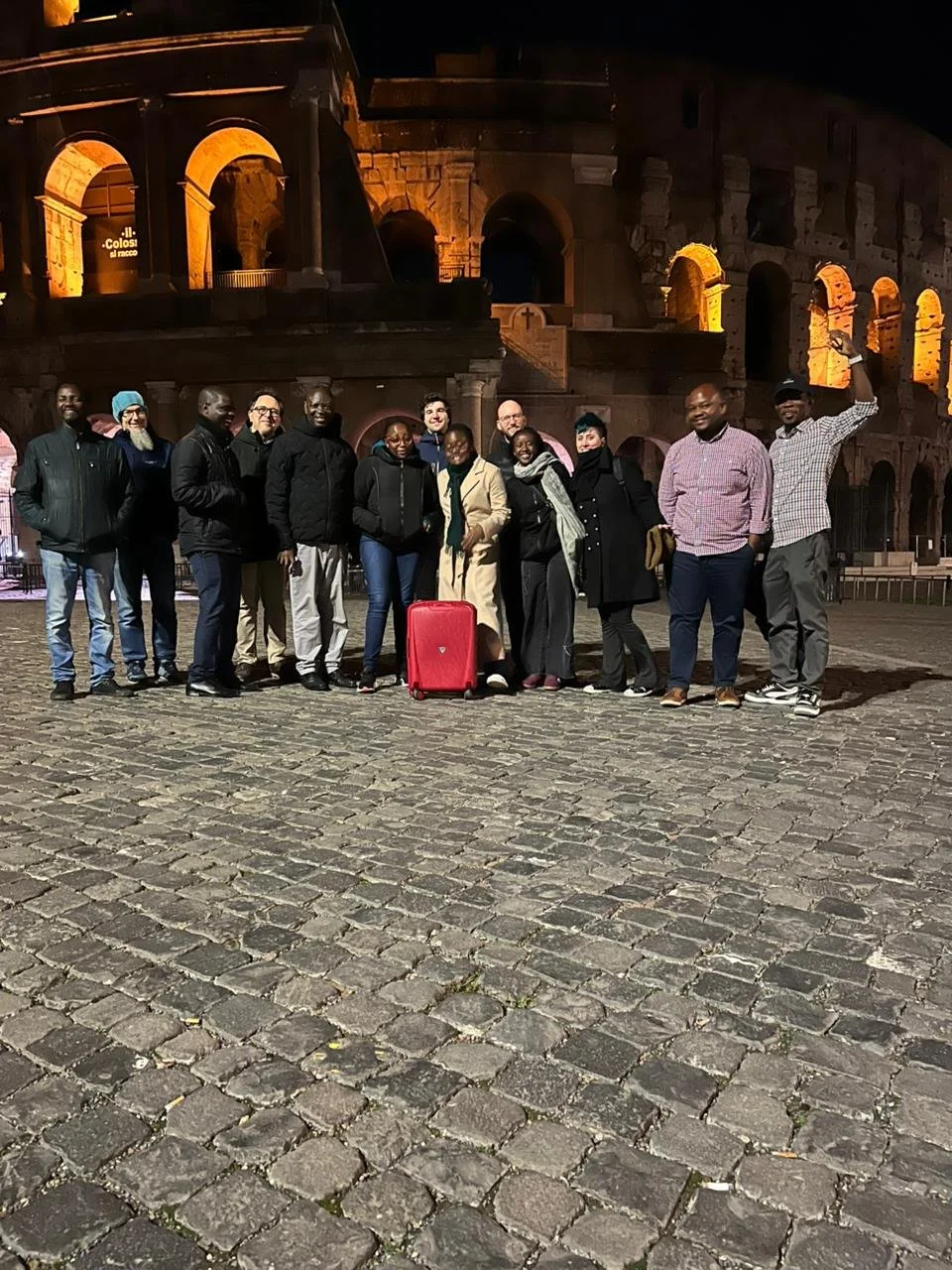
Across Africa, large volumes of soil data are collected every year, yet much of this information remains difficult to access, combine, or reuse. Addressing this challenge requires not only better digital tools, but stronger collaboration between the institutions that generate, manage, and use soil data. This was the focus of a two-day technical consultation workshop held in Rome in November 2025, which brought together partners working on the open-source transition of SoilHive.
Making SoilHive open source is about enabling countries to take ownership of their soil data systems, adapt digital tools to national realities, and collaborate through shared standards rather than isolated solutions. Co-organised by the Varda Foundation and CIFOR-ICRAF, with support from the Norwegian Agency for Development Cooperation (Norad), the workshop marked an important step in a longer journey: moving from a centrally managed platform towards a country-owned and collaborative soil data infrastructure.
The workshop initiated the start of a new initiative, Establishing an ecosystem of soil data-driven services, co-led by the workshop organizers and the Coalition of Action 4 Soil Health. The initiative is an extension of a pilot project implemented in Kenya and Tanzania in 2024, which is now being scaled to include Ghana and Malawi, aiming to increase access and use of soil health data across Africa.
From feedback to features
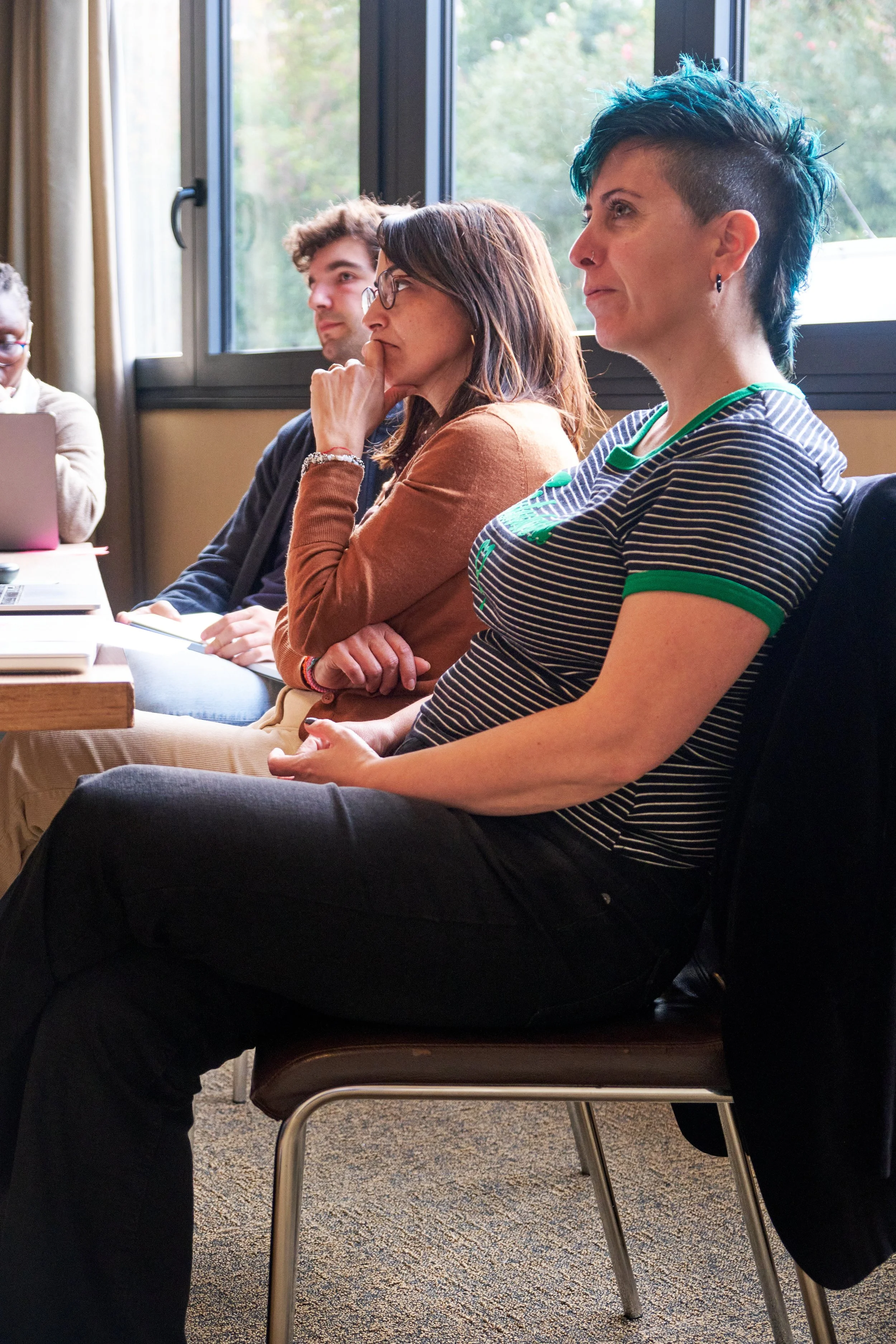
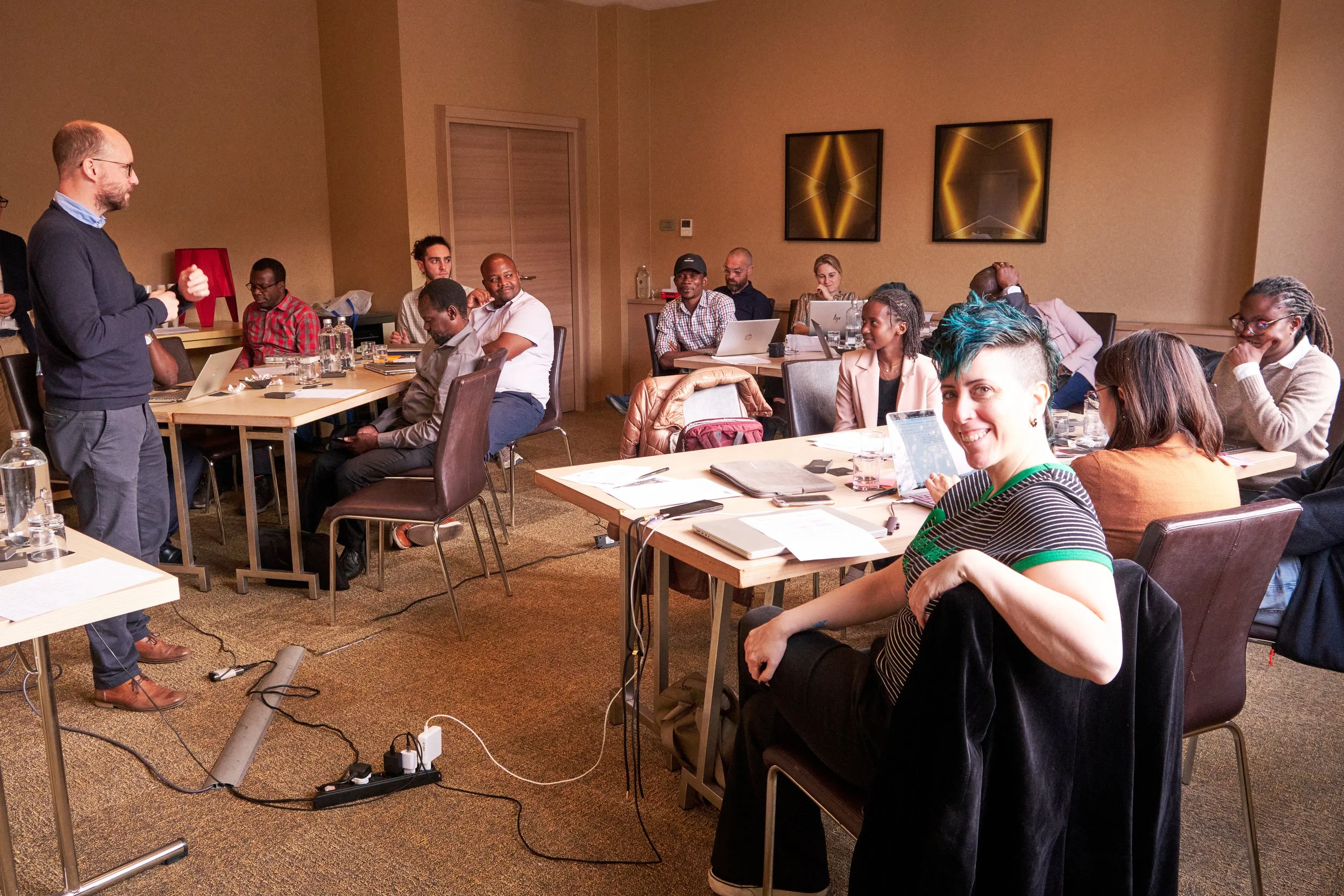
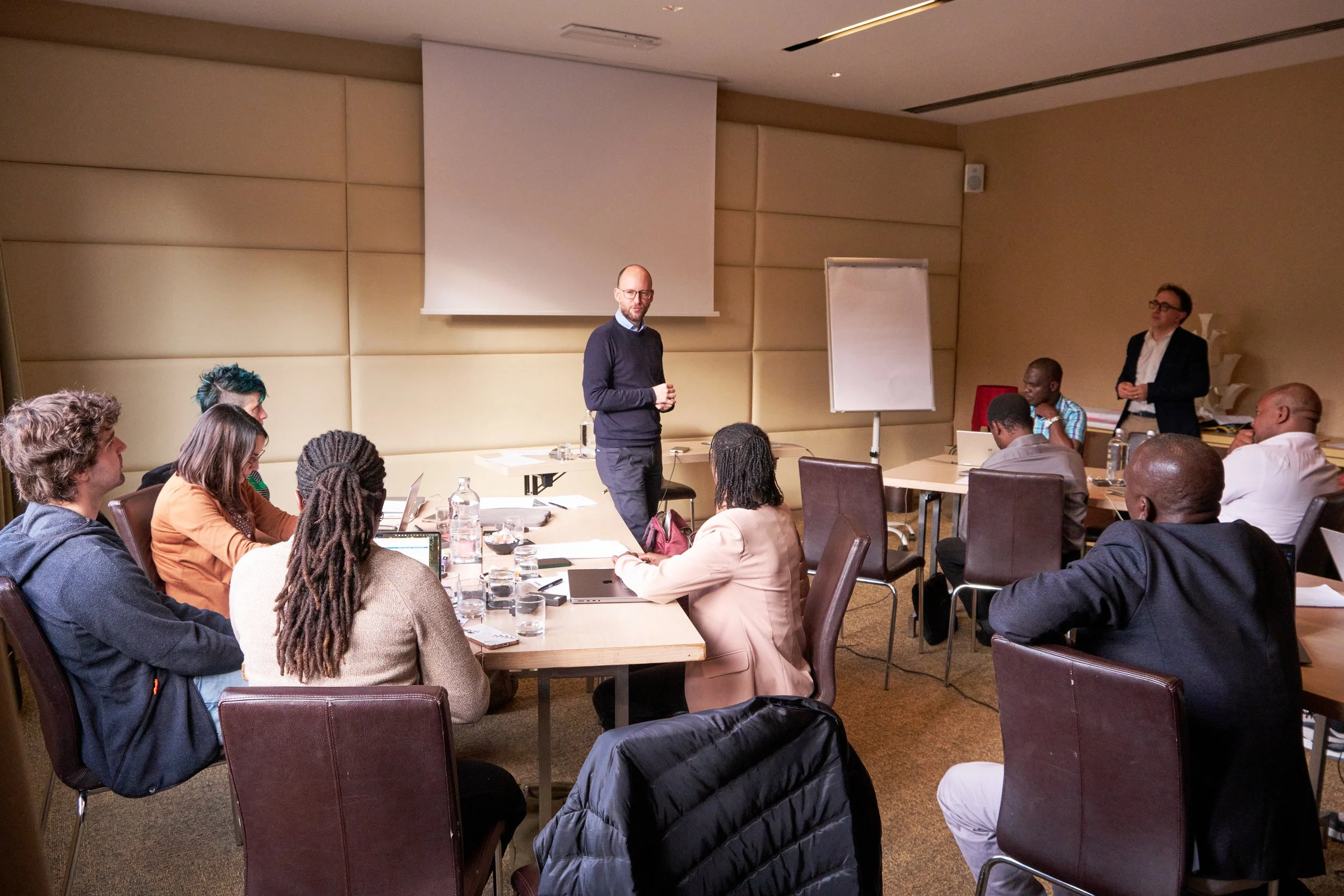
The workshop was designed as a space for co-design. Participants worked together to shape how SoilHive should evolve, ensuring that the platform responds to real needs, from national monitoring programmes to the day-to-day work of practitioners in the field.
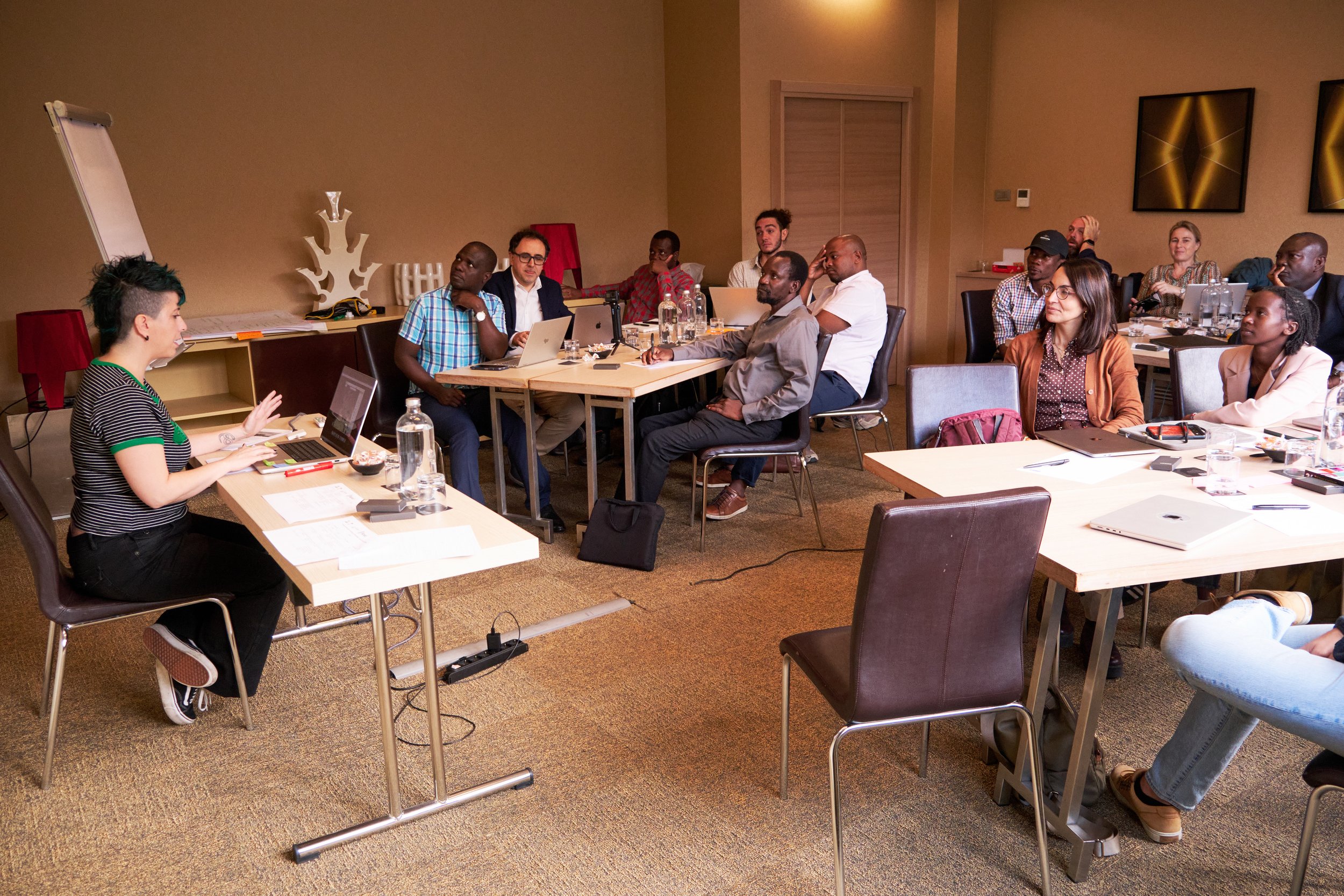
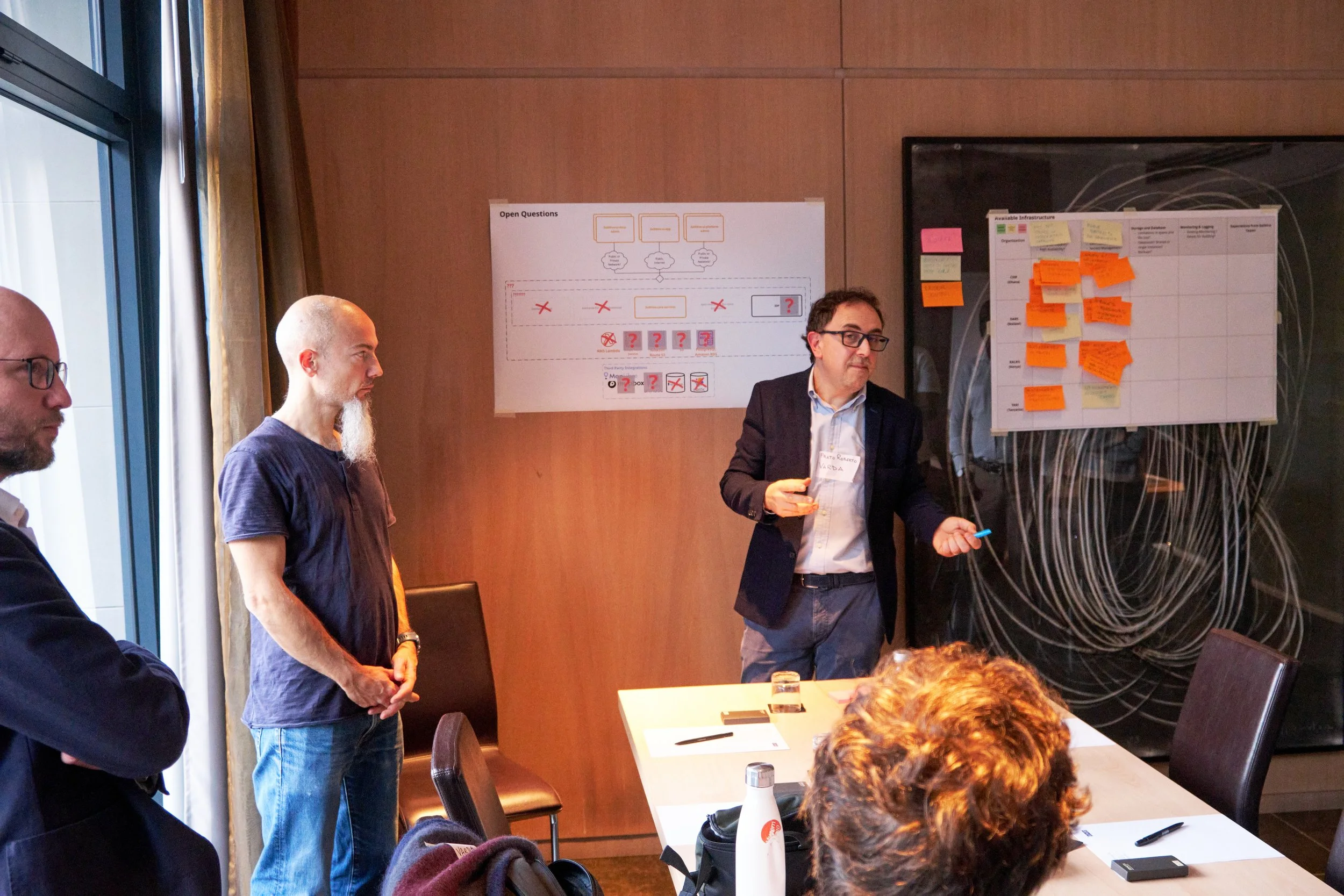
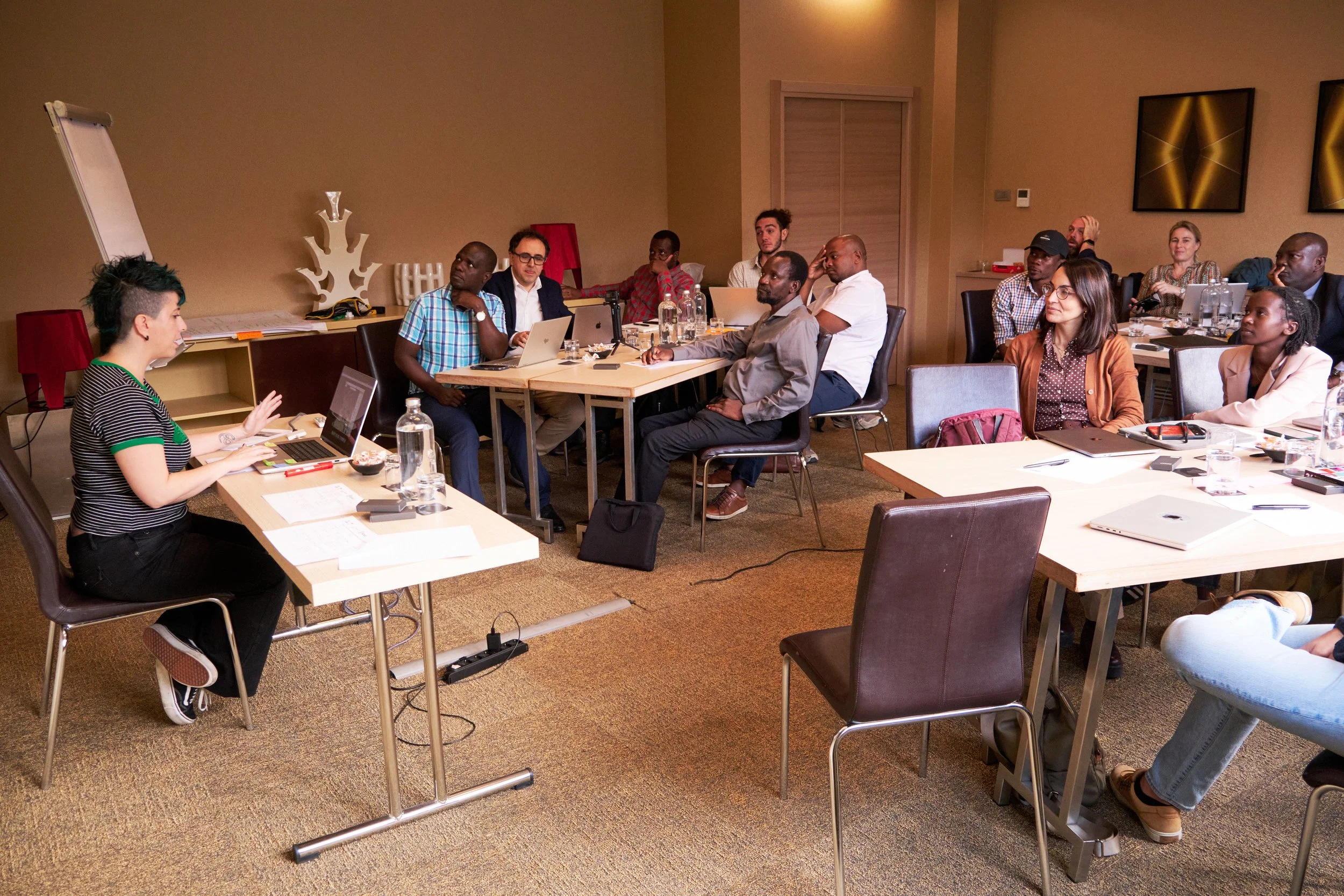
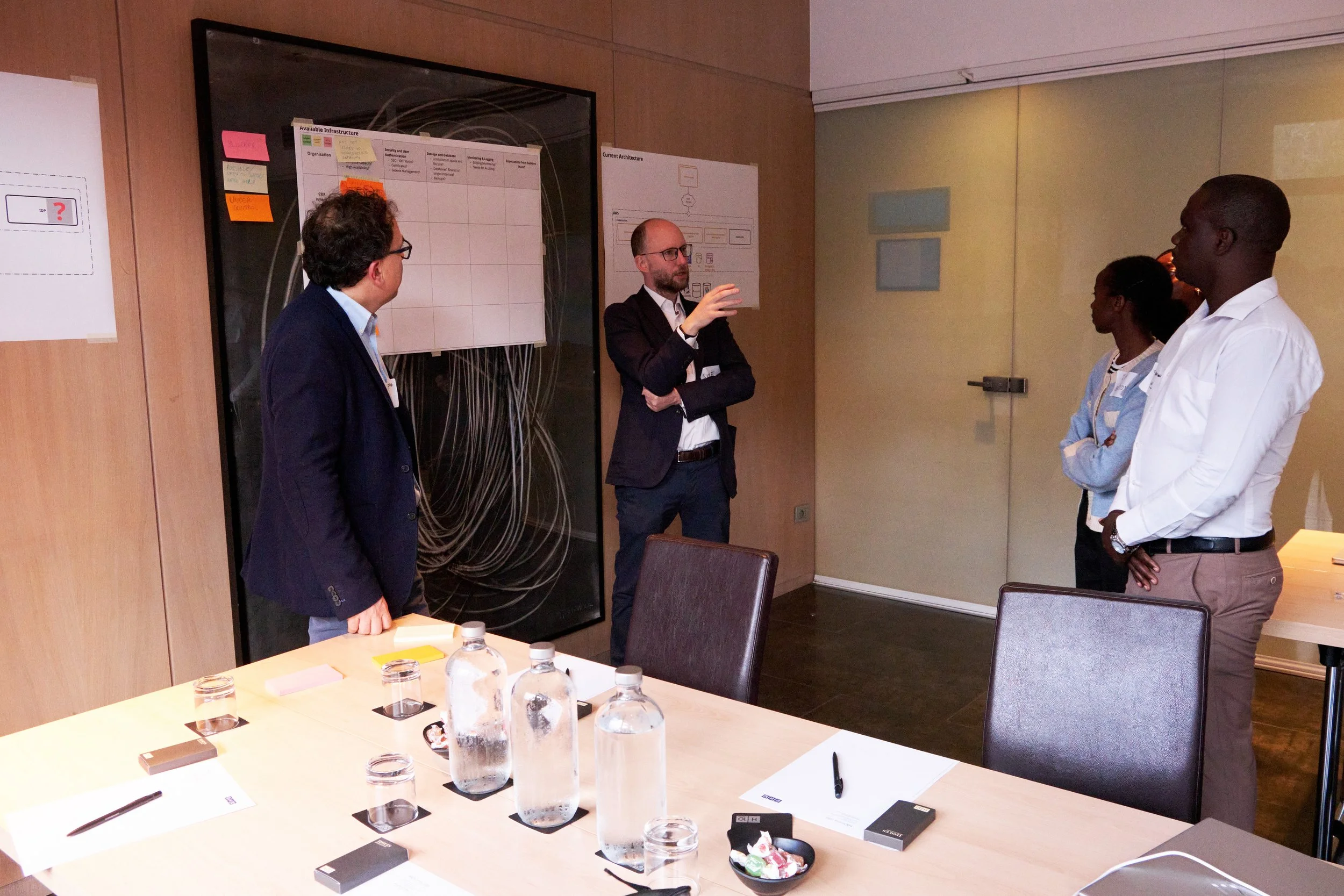
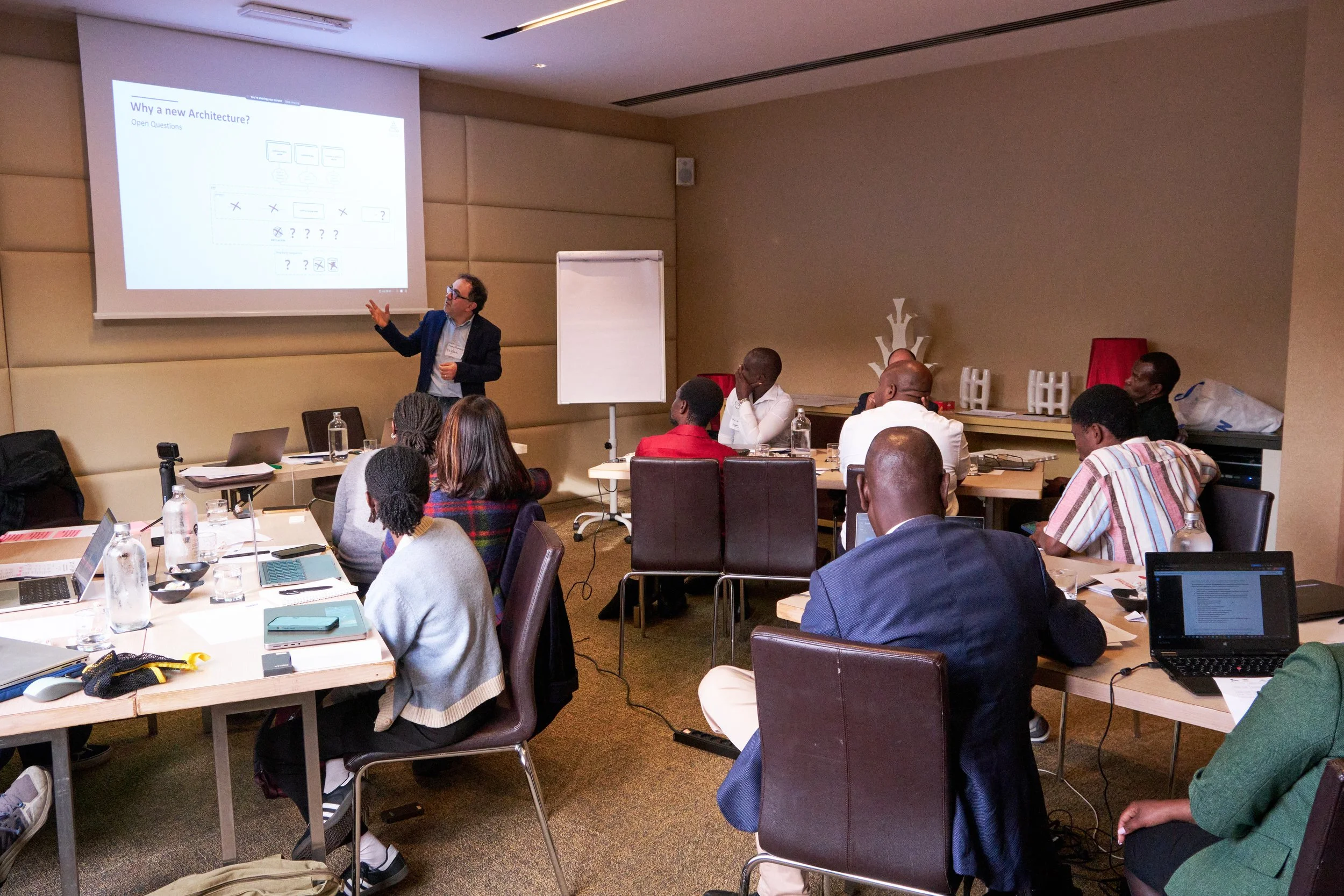
A key moment of the workshop was the presentation and joint discussion of the updated SoilHive interface, which includes feedback from participants from the pilot project. Through interactive demonstrations and animated prototypes, participants worked hands-on with the platform, exploring how areas of interest can be defined more intuitively, how data can be reviewed and filtered, and how datasets can be downloaded in just a few clicks. The session was explicitly designed as a co-development exercise, with participants invited to critique the workflows and suggest improvements that will directly shape the next iteration of the platform.
Participants were particularly pleased to see their previous feedback reflected in the updated look and feel of the platform. Feedback gathered during earlier workshops in Kenya and Tanzania, as part of the pilot phase, together with insights from user interviews and technical consultations, had already been incorporated into the revised designs. Seeing their earlier inputs translated into concrete interface improvements reinforced a shared sense of ownership and trust, and confirmed co-design as a core principle guiding the ongoing evolution of SoilHive.
Designing for real-world use
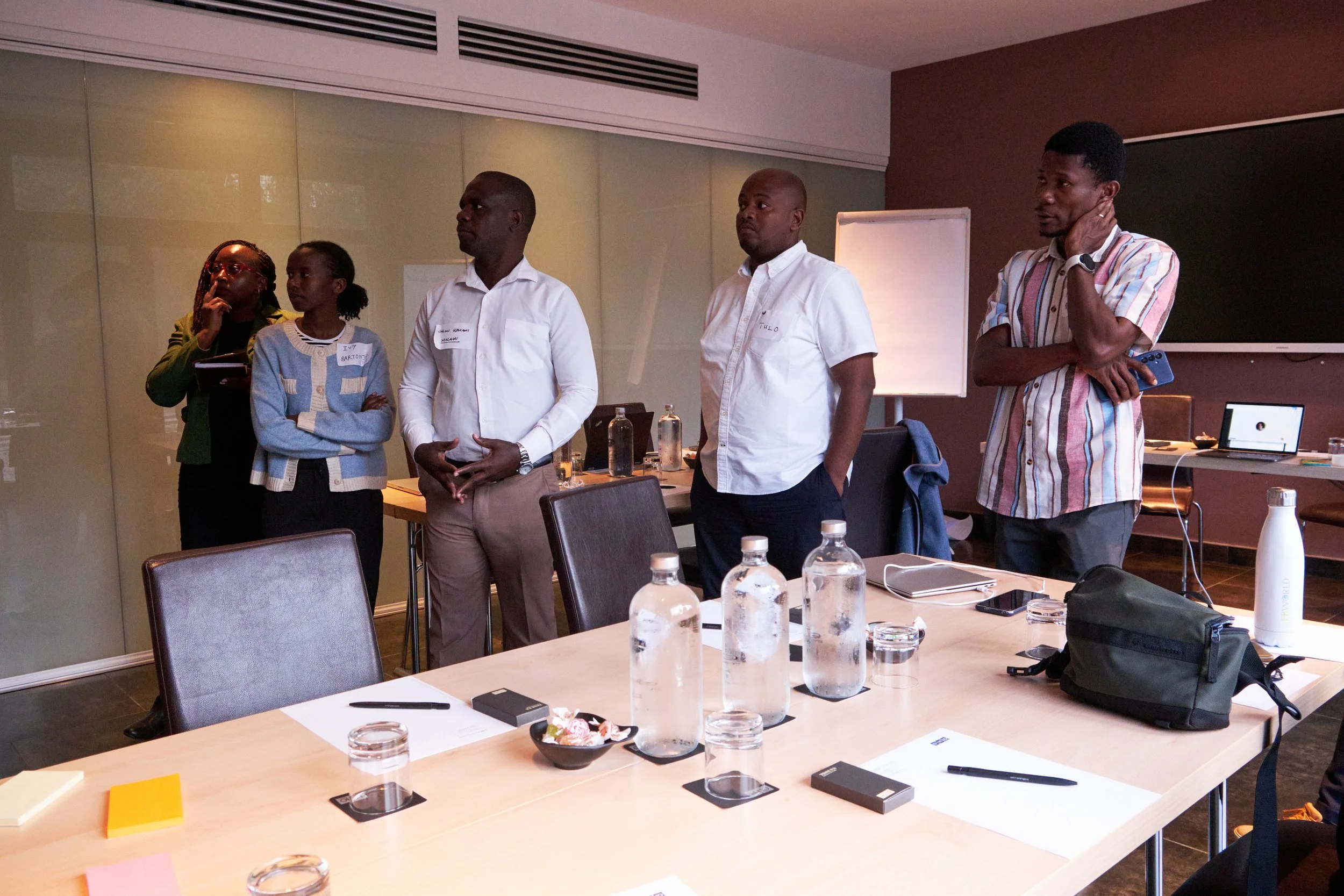
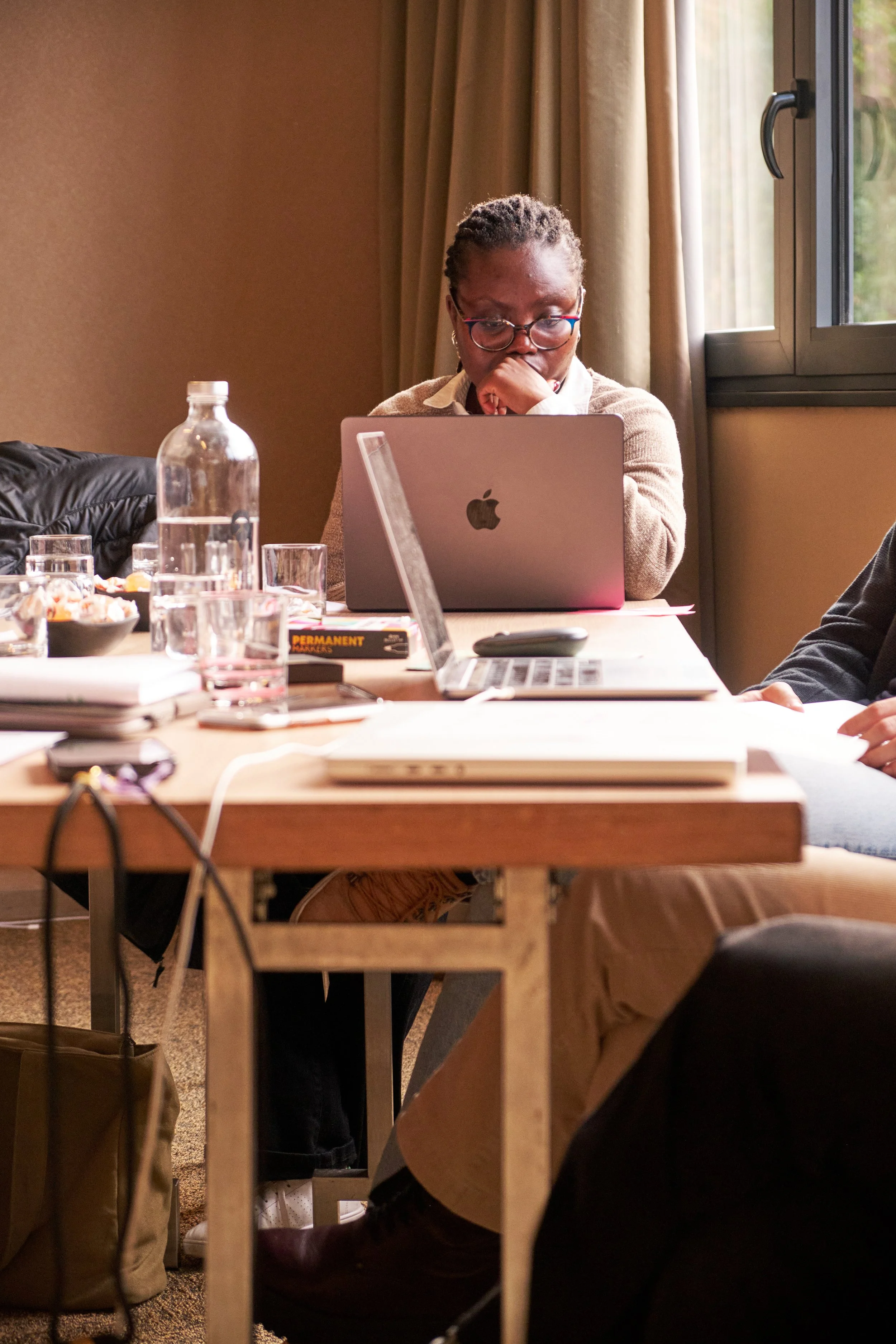
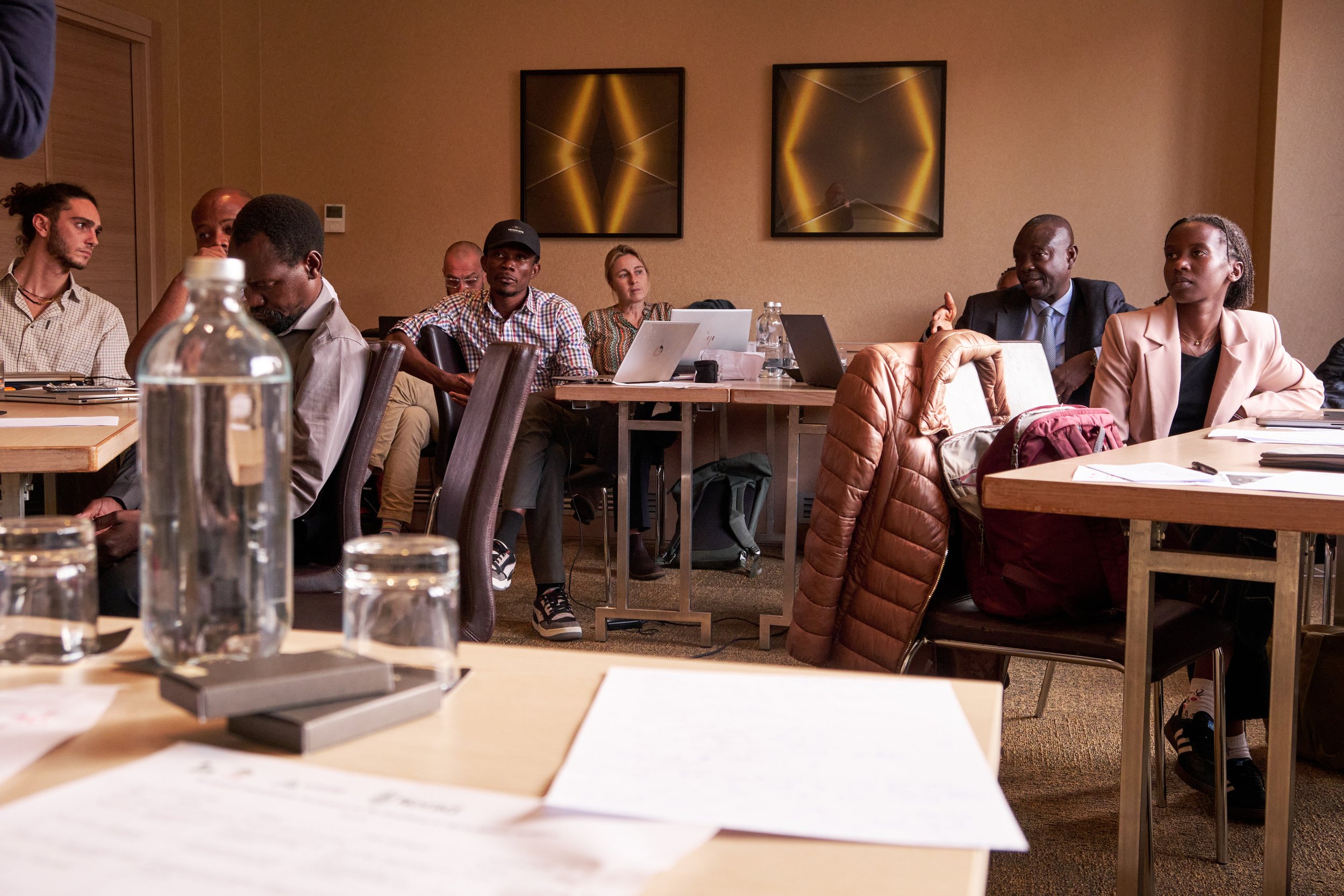
Breakout discussions allowed participants to dive deeper into how SoilHive can better support decision-making in practice, while remaining grounded in the technical realities of national systems. Conversations focused on features that help users understand not only what data exists, but also how reliable and usable it is, and filtering tools that make large datasets easier to navigate.
Participants also explored the idea of soil data dashboards as a way to translate complex datasets into insights that support advisory services, monitoring programmes, and policy reporting. Together, these discussions reflected a shared ambition to move beyond data access alone, towards practical tools that answer concrete questions about soil condition, trends, and management outcomes, while remaining technically feasible and nationally deployable.
Grounded in national realities
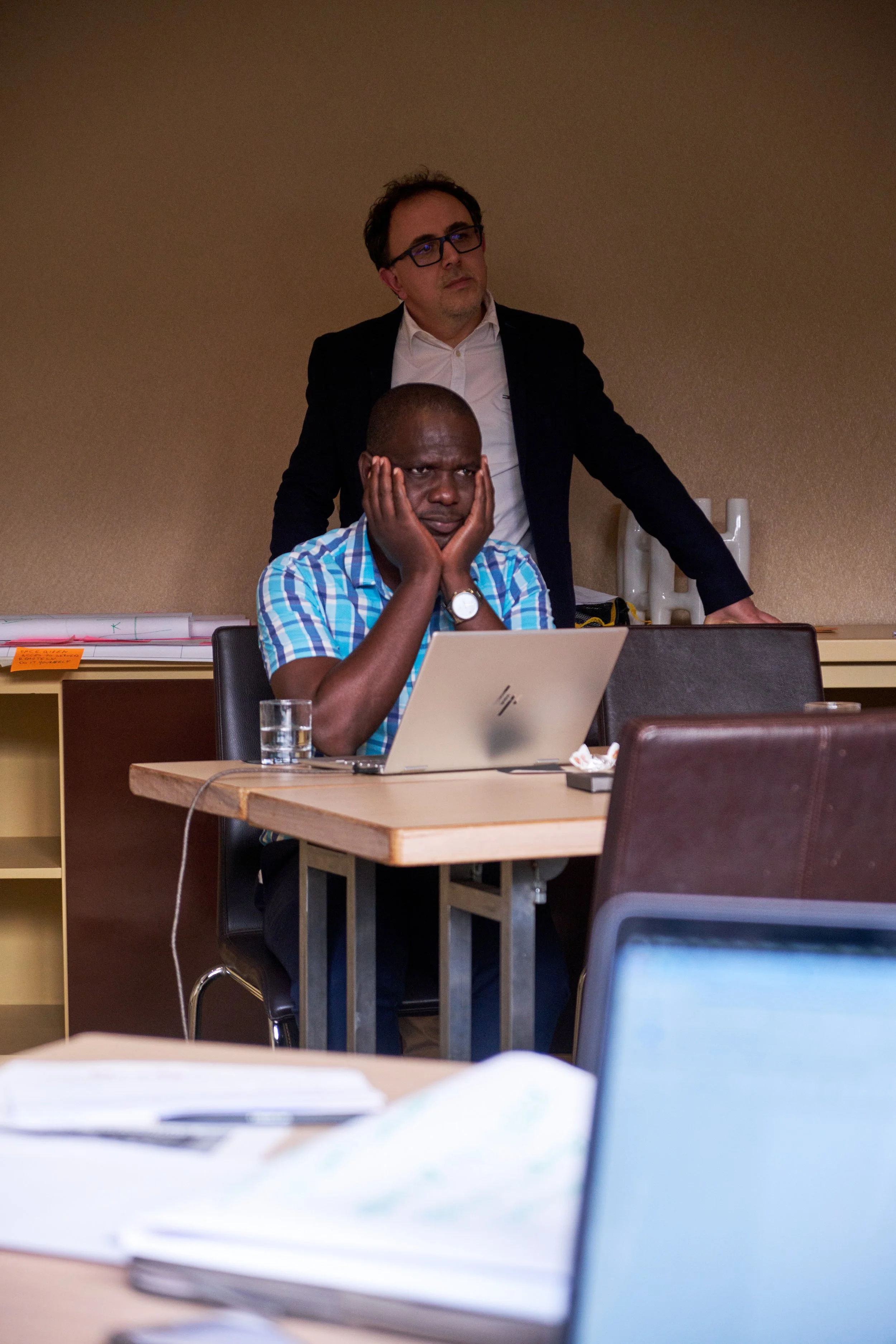
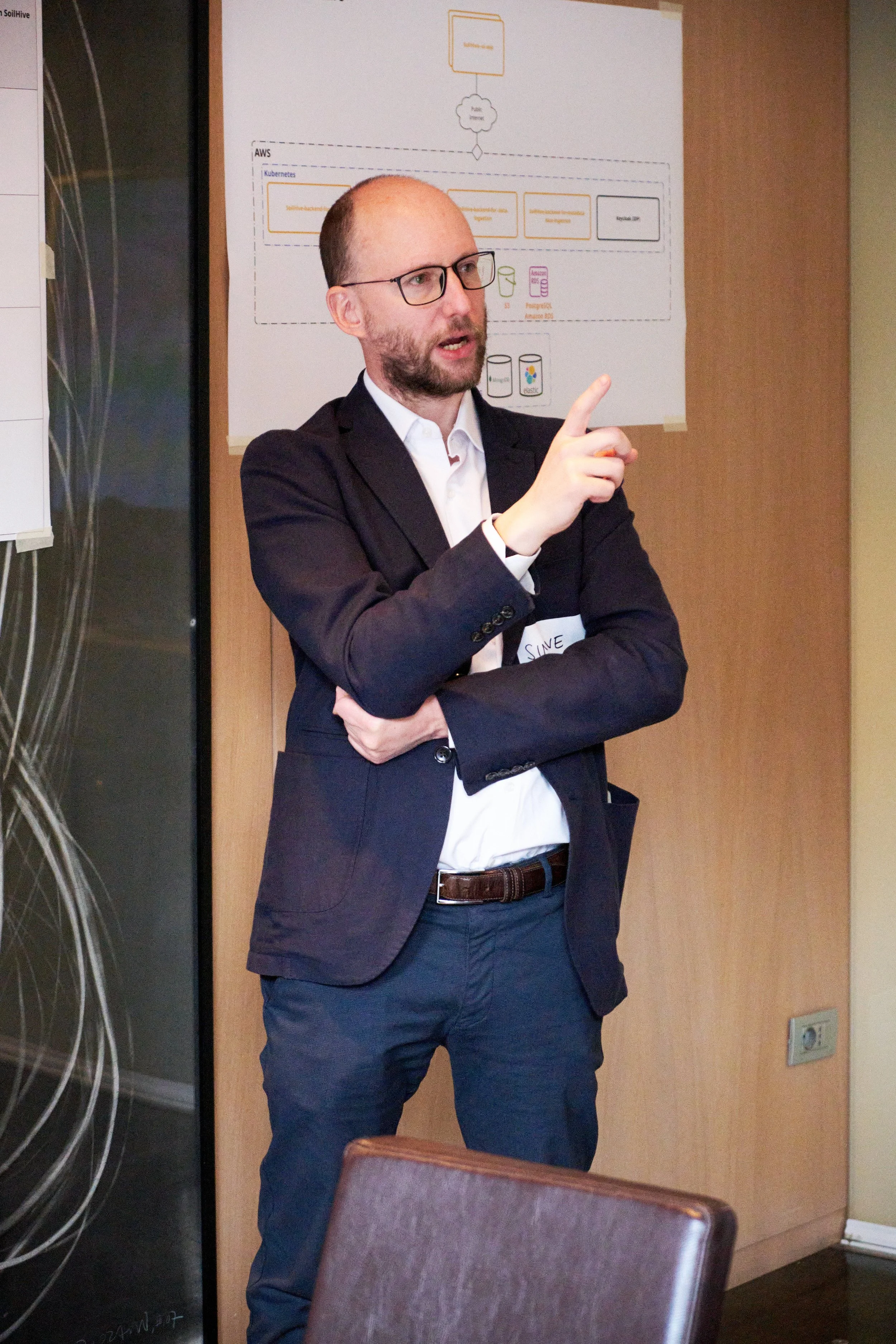
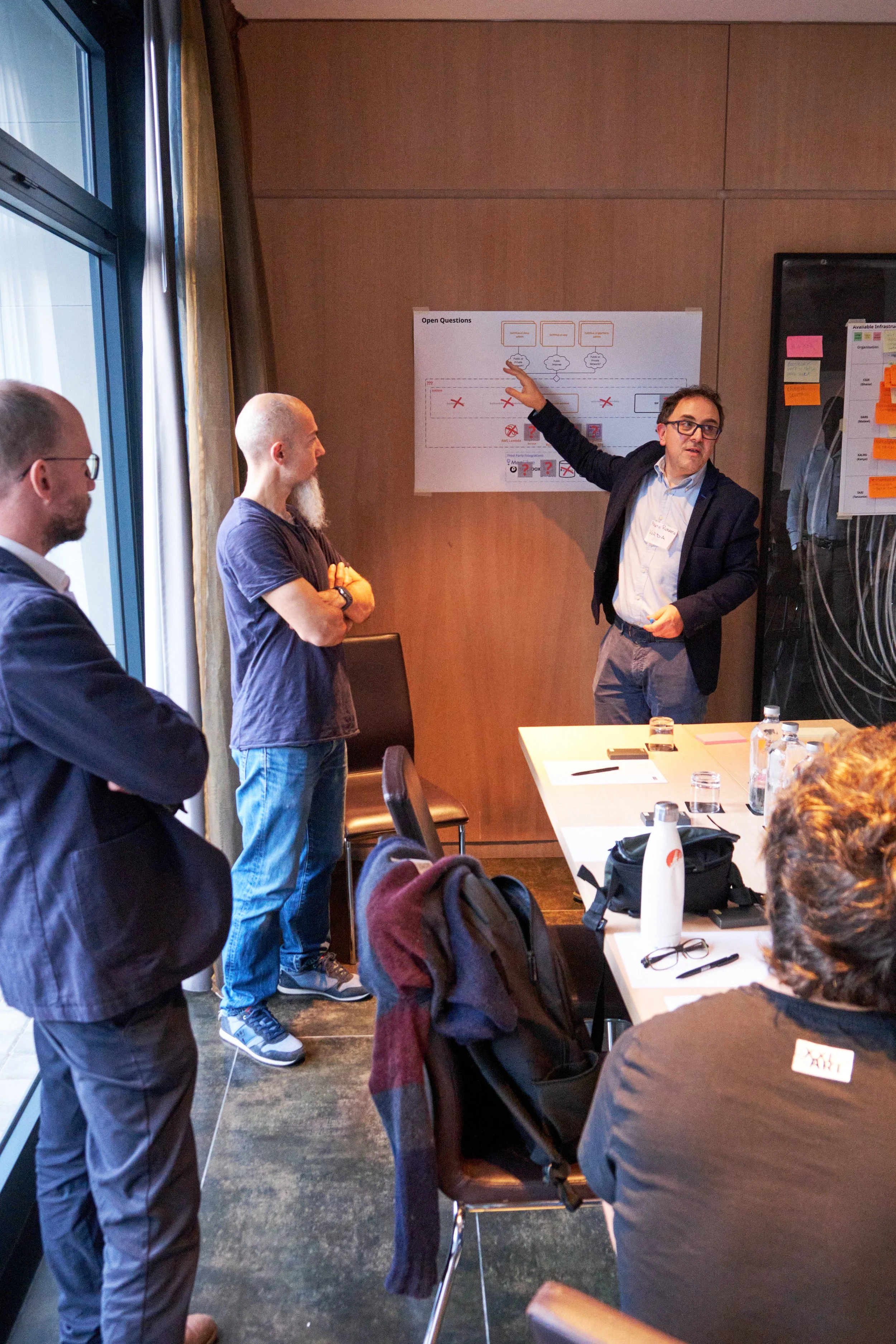
Alongside product discussions, technical sessions focused on how an open-source SoilHive can be deployed within government environments. Participants shared experiences with national data centres, security requirements, user management, and data management challenges. These exchanges helped shape a technical direction that is realistic, flexible, and aligned with institutional constraints, a crucial condition for long-term sustainability.
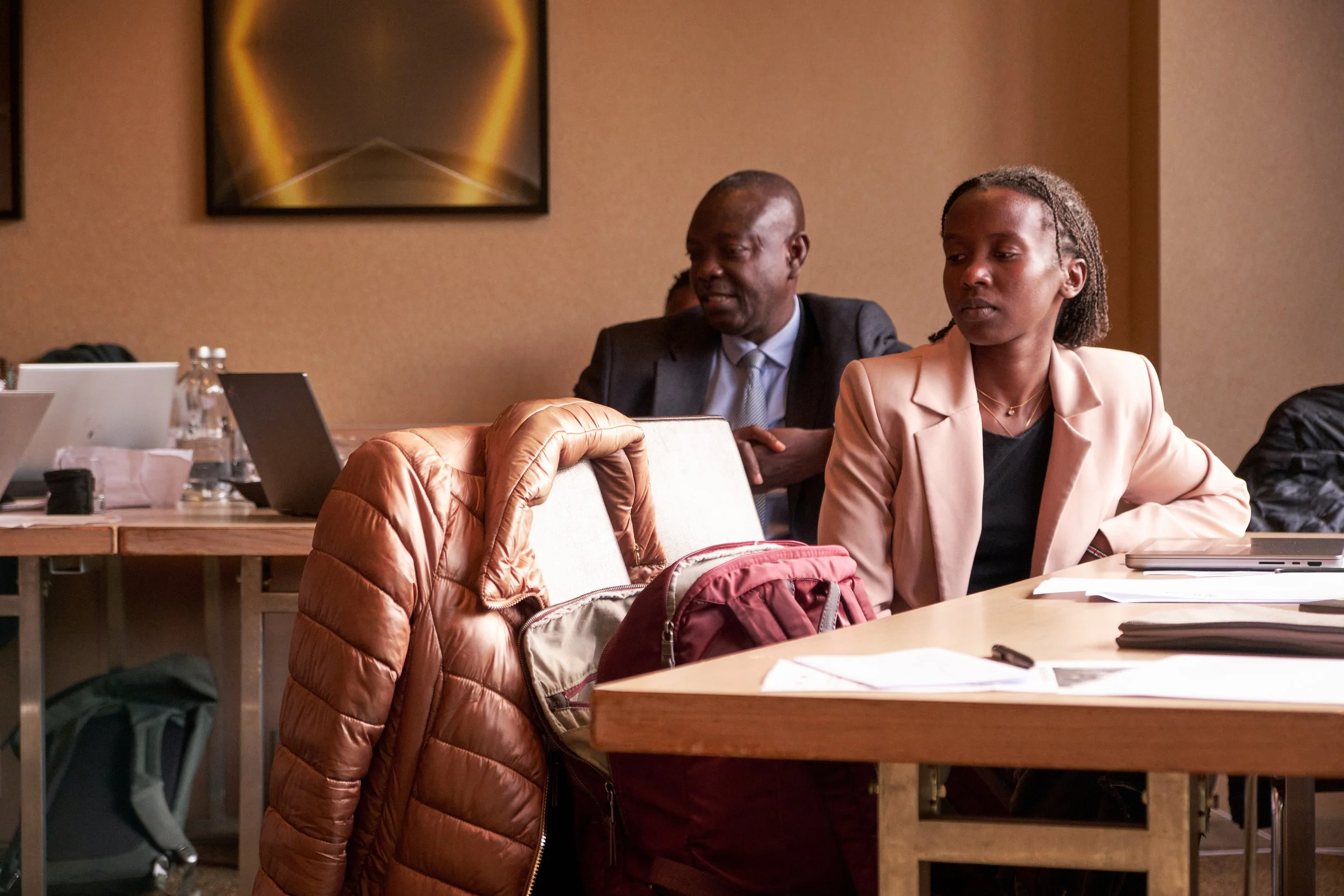
The workshop also opened conversations on governance and collaboration. Countries expressed strong interest in continuing to shape the platform together, through shared decision-making structures and clear contribution mechanisms.
A milestone, and the road ahead
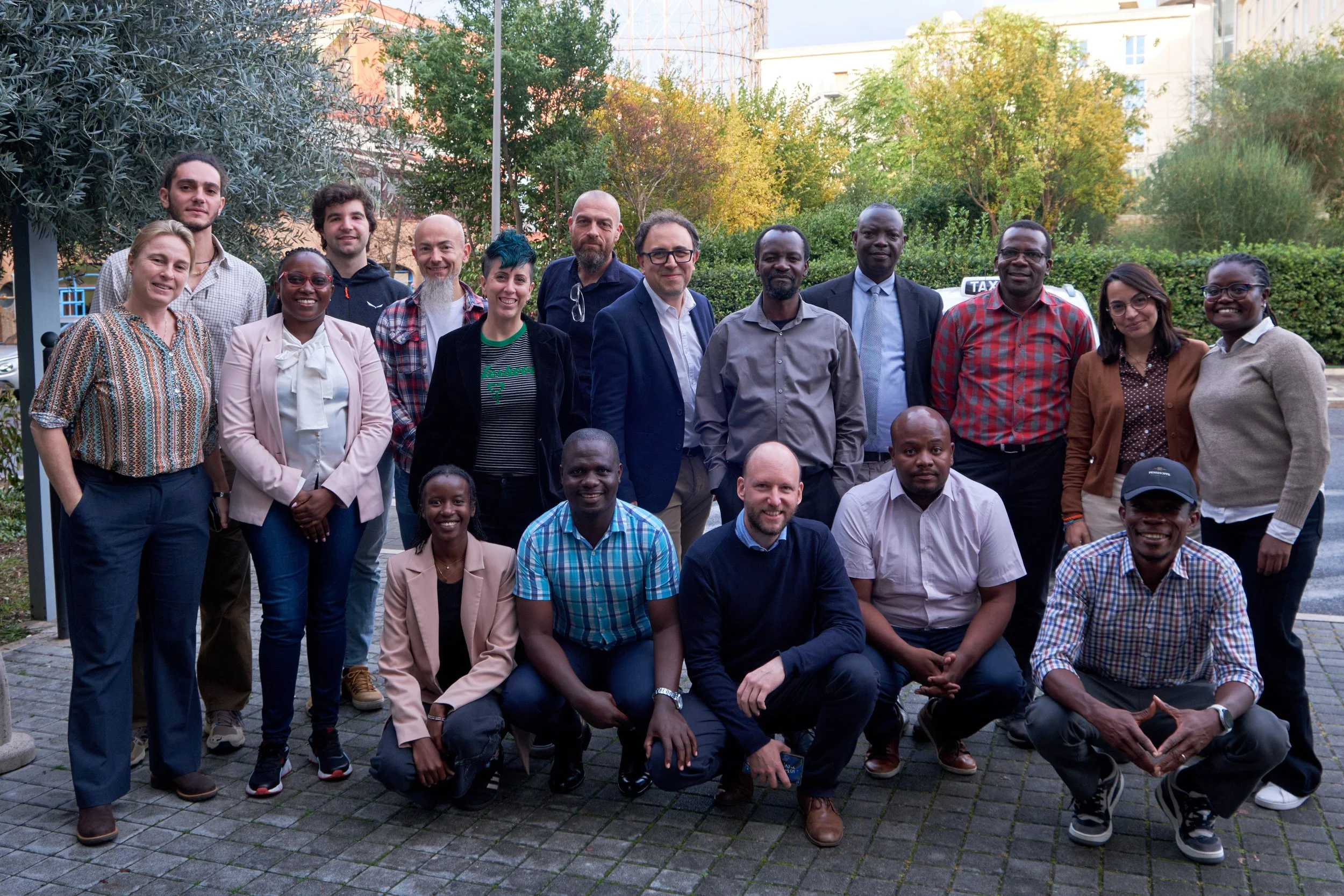
The Rome workshop was designed to set direction rather than deliver final solutions. It marked an important first milestone in a longer, collaborative process characterised by strong country ownership and a shared commitment to shaping SoilHive together. Participants left with a clear understanding that the open-source transition is not something delivered to countries, but something being built with them.
This collaboration will continue to deepen in the coming months. Together with CIFOR-ICRAF and CA4SH, the next phase will move forward through a follow-up workshop planned in Nairobi at the end of January, focused on refining priority use cases, and on clarifying how SoilHive can best support practitioners and institutions in their work.
In parallel, the Varda Foundation will focus on strengthening the technical foundations and building the capacity required for countries to deploy, operate, and adapt their own SoilHive instances within national systems.
Step by step, this process is laying the groundwork for a shared, open, and country-driven soil data infrastructure, one that can evolve over time and respond to the real needs of those working every day to improve soil health and restore land.