
Resource Centre
The CA4SH Resource Centre is a one-stop hub for soil health knowledge, tools, and solutions.
It brings together curated resources from across the global community working to scale soil health alongside original knowledge products co-developed with the Coalition.
Browse our Libraries
-

CA4SH Knowledge Bank
The CA4SH Knowledge Bank houses original knowledge products co-generated with CA4SH partners through CA4SH activities, as well as our activity-based reports.
-

GIZ SOILutions
The GIZ SOILutions Library is a dedicated library housing more than ten years of insights from the GIZ ProSoil and SoilMatters global programmes.
-
Partner Resources
This library houses all resources submitted by CA4SH partners.
Search
Search for resources by keyword, partner organization, event, or geography:
Recent Resources
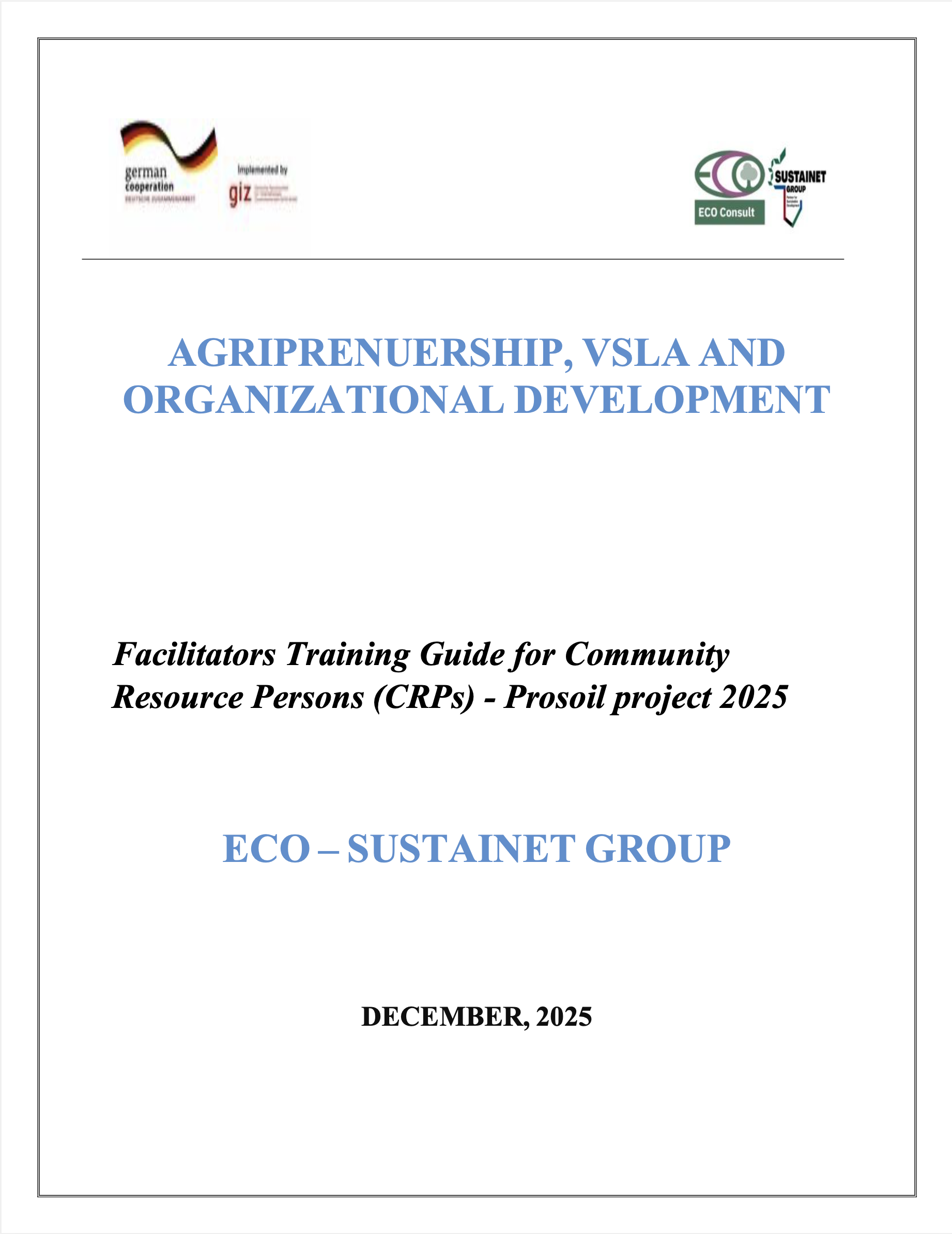
The main purpose of this manual is to serve as a comprehensive training and reference tool for facilitators, CRPs, and CBO technical officers supporting farmer groups under the ProSoil Project.

Under the ProSoil Project, Community Resource Persons (CRPs) were trained to enhance their technical and business capacities in agripreneurship, group management, VSLA operations, record keeping, and governance. Each group nominated two CRP representatives who participated in the intensive training with the expectation that they would cascade knowledge to their peers and strengthen the performance of their groups.

Soil protection and rehabilitation project (prosoil) is a project under WHH in collaboration with GIZ which aims at managing soils for sustainable production and hence increased food productivity.

Despite growing interest in sustainable rangeland management and restoration, there is currently no widely accepted framework for monitoring ecological outcomes across rangeland systems. Existing approaches vary considerably in the indicators used, methods applied, and scales of assessment, making it difficult to compare results, aggregate data, or demonstrate progress consistently across landscapes and regions. These challenges are particularly apparent in rangelands, where high spatial and temporal variability in ecological conditions, climatic fluctuations, and diverse management systems can complicate the interpretation of ecological change. While rangeland resilience also includes important social, cultural and economic dimensions, a key gap currently lies in the measurement of biophysical changes across rangeland landscapes.
This framework responds to that need by defining a harmonised set of indicators of rangeland health and associated methodological principles that enable comparability across regions while allowing flexibility for adaptation to local contexts.

Rangelands cover more than half the planet’s land surface and sustain the livelihoods, either directly or indirectly, of billions of people. Yet, an estimated 40–50% of these systems show signs of degradation, manifesting as soil erosion, woody encroachment, and declining forage productivity, placing global food security, climate goals, and local livelihoods at risk. While several monitoring frameworks and tools to measure rangeland condition exist, most remain fragmented, narrow in scope, and difficult to compare across projects, sectors, or regions. A credible, global monitoring framework is needed to guide investment, anchor emerging livestock value-chain standards, and track progress toward international restoration targets.
This review synthesizes rangeland monitoring insights from four key source domains: (i) twelve widely used field-based frameworks, (ii) fourteen sustainability standards with mandated landscape monitoring components, (iii) five Earthobservation (EO) platforms that report on rangeland indicators; and (iv) two citizen science mobile applications. We integrate these findings with a review of 62 peer-reviewed studies, along with the insights and recommendations from a multi-stakeholder consultation workshop convened in Nairobi in October 2024.

Up to 40% of the world’s land is degraded, affecting more than 3.2 billion people and increasingly putting the businesses and economies that depend on healthy land at risk. These pressures are driven by unsustainable land use and economic incentives that prioritize short-term production over long-term soil health, compounded by climate change.
Healthy soil is not only an environmental or agricultural imperative; it is a strategic economic asset. Yet soil remains largely invisible in how governments, businesses and investors assess value and manage risk.
This paper makes the business case for action: soil dependency is business dependency. Healthy soils support productivity, resilience and long-term value, while degraded soils create growing risks. Recognizing and investing in soil health is both urgent and achievable.

Welthungerhilfe organized and successfully implemented a capacity strengthening initiative targeting thirty (30) Community Resource Persons (CRPs) between 25th July to 1st July 2025.
The activity combined a one-day refresher training on digital data collection with a five-day on-the-job field engagement exercise, designed to reinforce the CRPs’ technical competencies, practical field skills, and their ability to deliver consistent extension services within their communities.

This guide helps Community Resource Persons establish and manage Sustainable Land Management (SLM) practices demonstration farms for learning purposes that considers farmers local conditions and needs for ease of understanding, joint learning and adoption.


Training for Community Resource Persons (CRPs) on Sustainable Agriculture and Land Management Practices at Kenya School of Agriculture (KSA), Ugenya, 16–20 December 2024

In partnership with the ProSoil project team, Kenya School of Agriculture's Ugenya campus developed and delivered a five-day training program using a Competence learning approach. The training was attended by 33 participants from Siaya, Kakamega, and Bungoma counties. The selection of Community Resource Persons (CRPs) was based on the following specific criteria to ensure their effectiveness in supporting the ProSoil initiative.

The Soil Protection and Rehabilitation Project in Western Kenya (ProSoil Phase III) is part of a technical support program assisted and funded by the Deutsche Gesellschaft für Internationale Zusammenarbeit (GIZ) GmbH.
The project aims to implement soil conservation and rehabilitation measures in order to reduce soil degradation, improve food security and climate change adaptation under the SEWOH initiative of BMZ, supported in seven countries.

The Soil Protection and Rehabilitation Project in Western Kenya (ProSoil Phase III) is part of a technical support program assisted and funded by the Deutsche Gesellschaft für Internationale Zusammenarbeit (GIZ) GmbH.
The project aims to implement soil conservation and rehabilitation measures in order to reduce soil degradation, improve food security and climate change adaptation under the SEWOH initiative of BMZ, supported in seven countries.
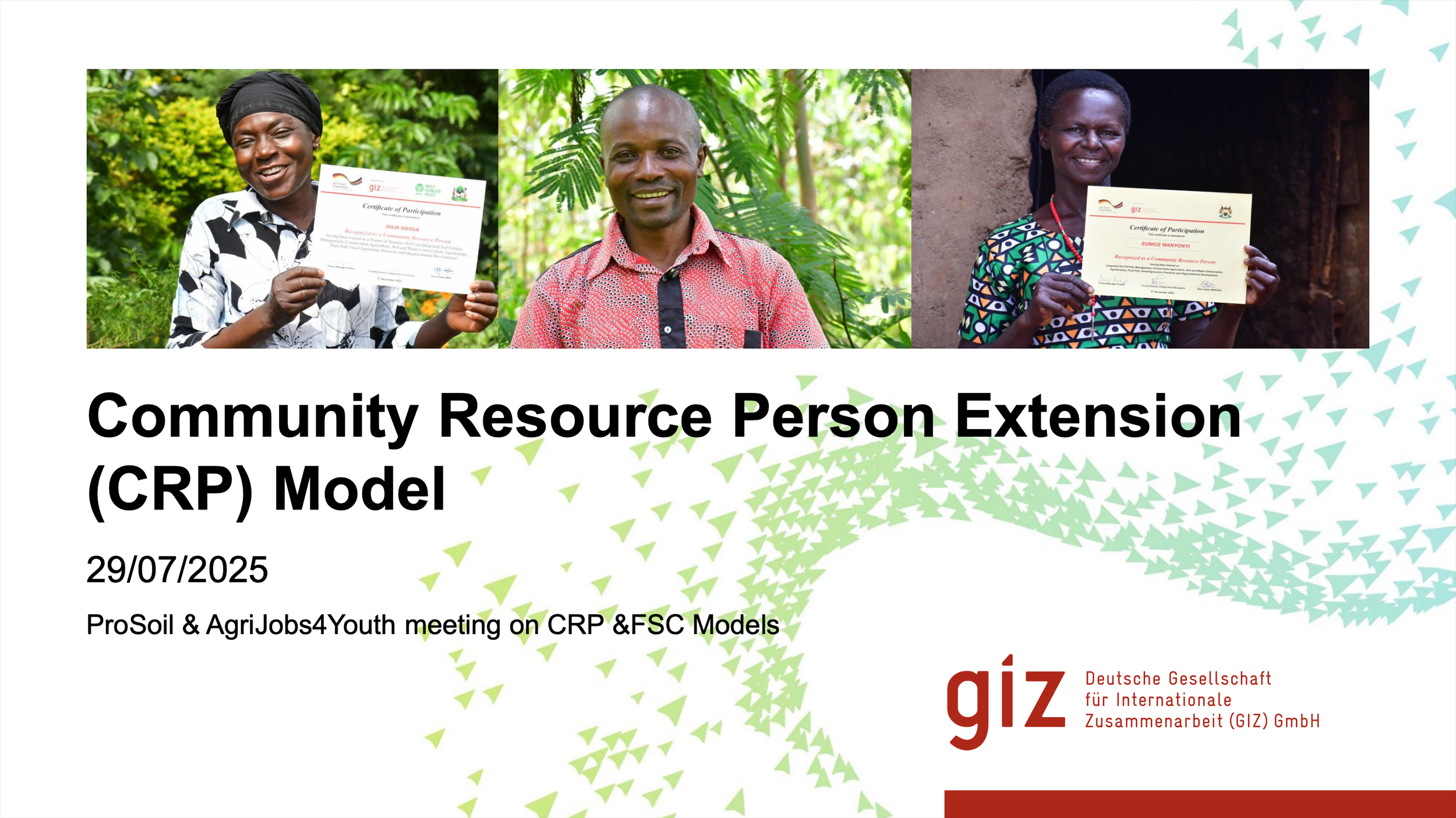
A Scalable Farmer-to-Farmer Extension Model for Sustainable Agriculture Land Management Practices.

Seed security is a cornerstone of agricultural productivity, food security, and climate resilience, particularly in regions vulnerable to climate change. This assessment aimed to examine the seed security situation and identify interventions that could strengthen seed systems and enhance agricultural productivity in Bungoma, Kakamega, and Siaya Counties in western Kenya. Data was collected from 323 households, 20 local seed traders, 5 agro-input dealers, 15 key informants, supplemented by five focus group discussions.

This B.Tech Agricultural Engineering project is based on the recent AI/ML research direction 'AgroSense: An Integrated Deep Learning System for Crop Recommendation via Soil Image Analysis and Nutrient Profiling'. The project connects agricultural engineering with artificial intelligence, machine learning, deep learning, IoT, computer vision, drone analytics, or RAG-style decision support. Students can use the linked 2023-onward paper/source as the academic base and convert it into an implementation-focused final-year project with sensors, datasets, dashboards, mobile/web interfaces, prediction models, or prototype automation.

This study was initiated to investigate the commercial feasibility of Mucuna pruriens as an ingredient to the production of livestock feed. The study provides recommendations on possible further interventions that the project can put in place to support development of long-term, sustainable partnerships between the farmers and commercial utilizers of Mucuna for livestock feeds production.

Benjamin Nyongesa, a 44-year-old farmer from Ndengelwa sub-location, Kanduyi sub-county has been feeding his sheep and dairy cattle on Mucuna leaves, stems and pods for a length of time. He was first trained on the benefits of Mucuna in 2022 and allocated a portion of his farm on pure Mucuna. Being a farmer with a large number of livestock he decided to introduce the leguminous plant to his animals and was impressed when he saw the sheep and cattle enjoying the Mucuna with no side effects.

Contents:
What is Mucuna pruriens
Issues and opportunities in Mucuna farming
Issues and opportunities in Mucuna processing
Conclusions and recommendations

While the primary function and main reason for the cultivation of mucuna is soil cover and nitrogen fixation, the tremendous biomass produced as well as the pods and seeds have potential as animal feed.

Striga is a parasitic weed that attaches itself to the roots of host crops mostly cereals (maize, sorgum, millet and rice) and grasses (nappier,bracharia,sugarcane); it flourishes in poor soils and cereals mono-crop. Striga weed is significantly capable of reducing and in some cases wiping out the entire crop.


Mucuna is an annual climbing legume (nitrogen fixing) grown as green manure/ cover crop to improve soil properties and crop yields. It is a rich source of protein that compares well with other edible food legumes such as lima beans and soybean in nutrient quality and digestibility. It can also be used as a fodder crop for livestock. It is commonly referred to as velvet bean, jack bean, Cowhage, Pica (or Pica-Pica), Cowitch, or Yoruba.


Cover crops are specific crops that play a major role in Conservation Agriculture by addressing crop production constraints such as low soil fertility. They are primarily grown for the benefit of the soil rather than as a main crop. They are commonly used to surpress weeds, manage soil erosion, help in improving soil Soil fertility and quality by fixing nitrogen in the soil, control disease and pests and increase crop diversity.

In response to the observed challenges that hinder the widespread adoption of Green Manure Cover Crops (GMCC) practices in Western Kenya, the GIZ ProSoil Project in collaboration with the Kenya Agricultural and Livestock Research Organisation (KALRO) through the Food Crops Research Institute – Alupe Centre under a Financial Agreement have implemented a grant supported project for bulking of seeds for assorted GMMCs and the building of capacities of the farmers and extension staff on the good practices for GMCC production.
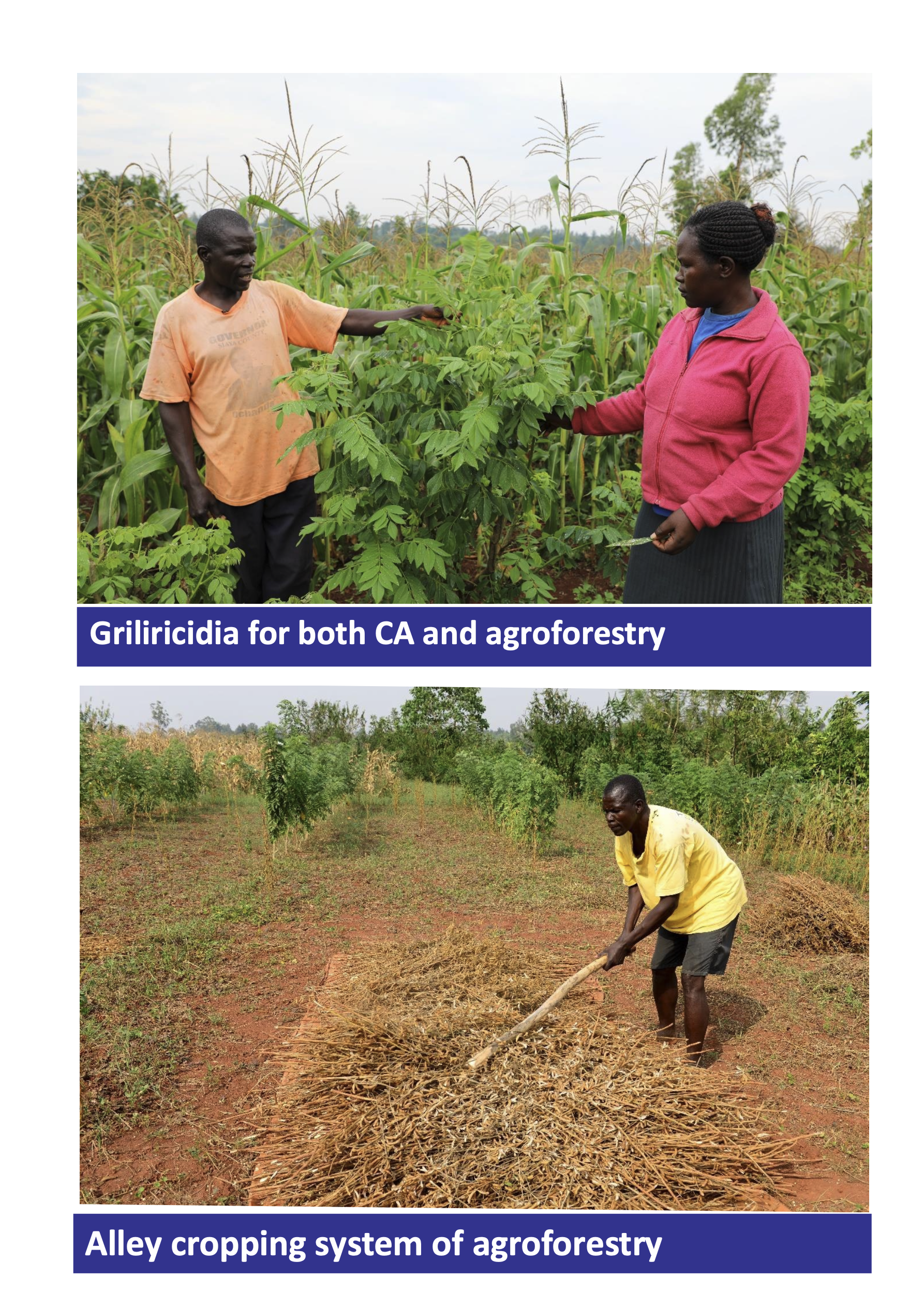
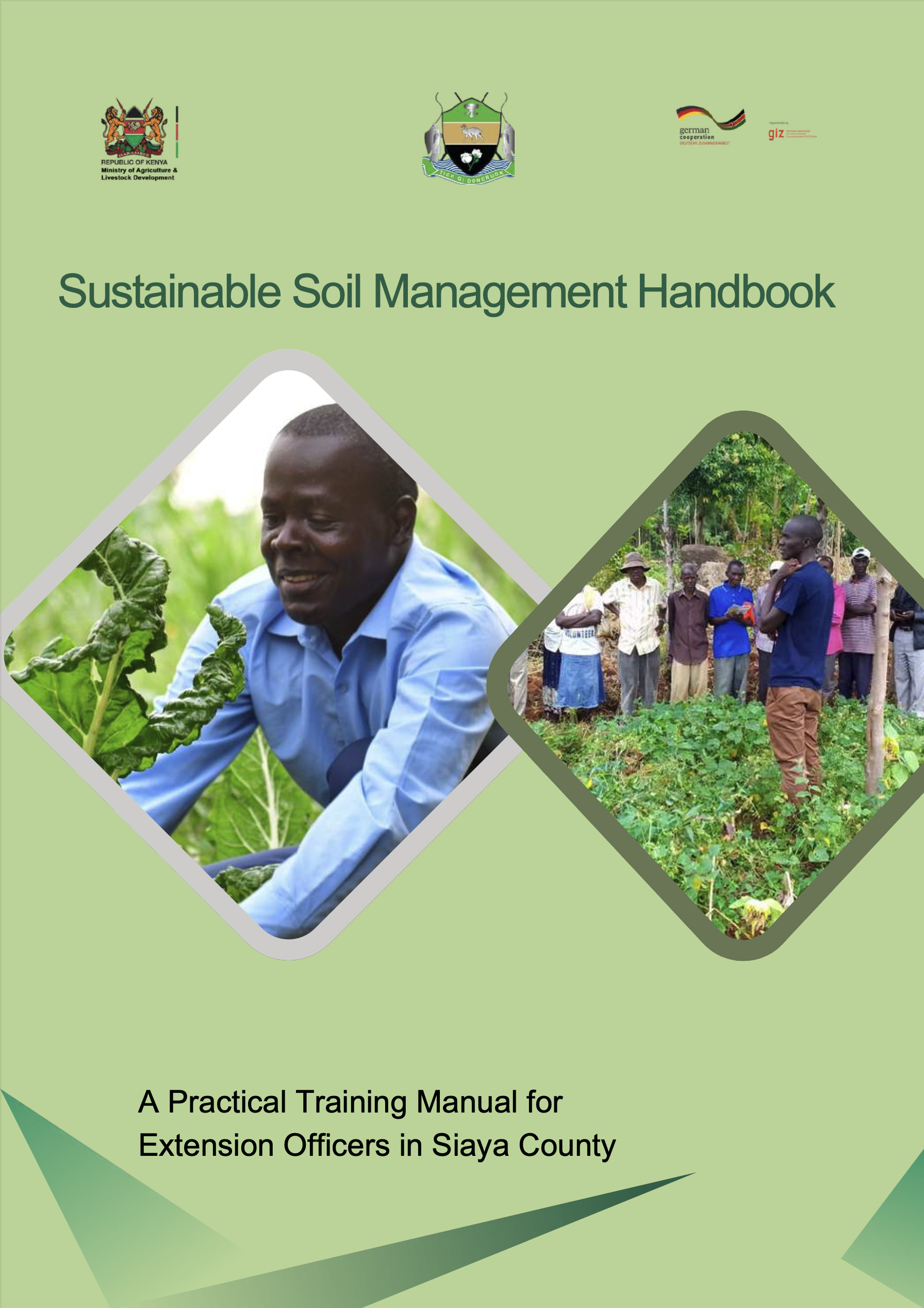
This training manual provides a practical, county-owned, and user-friendly guide to strengthen the capacity of frontline actors in promoting Sustainable Agricultural Land Management (SALM) in Siaya County. Drawing from over a decade of ProSoil project experience, the manual translates proven practices into actionable training content and participatory methodologies tailored to the realities of smallholder farmers.
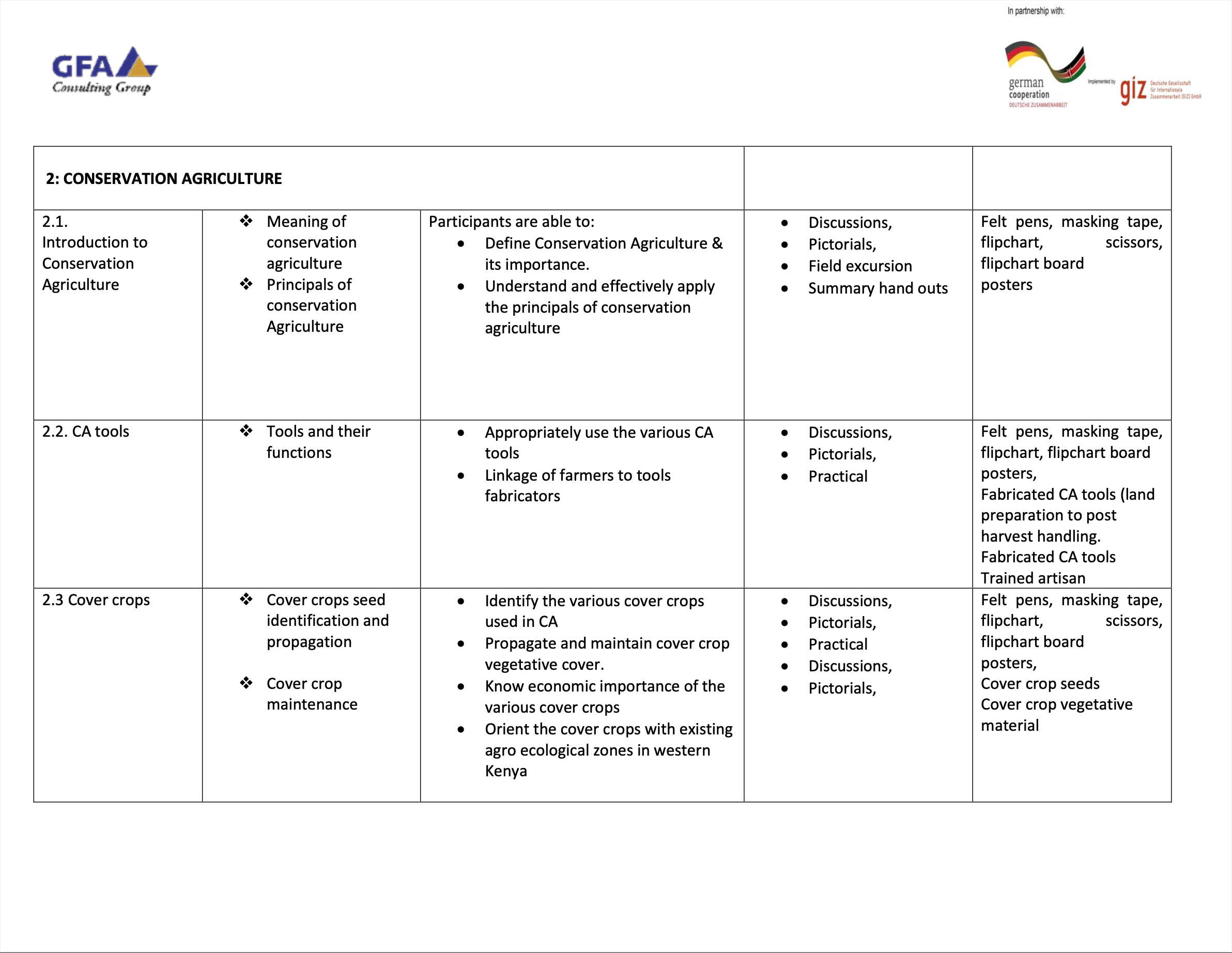
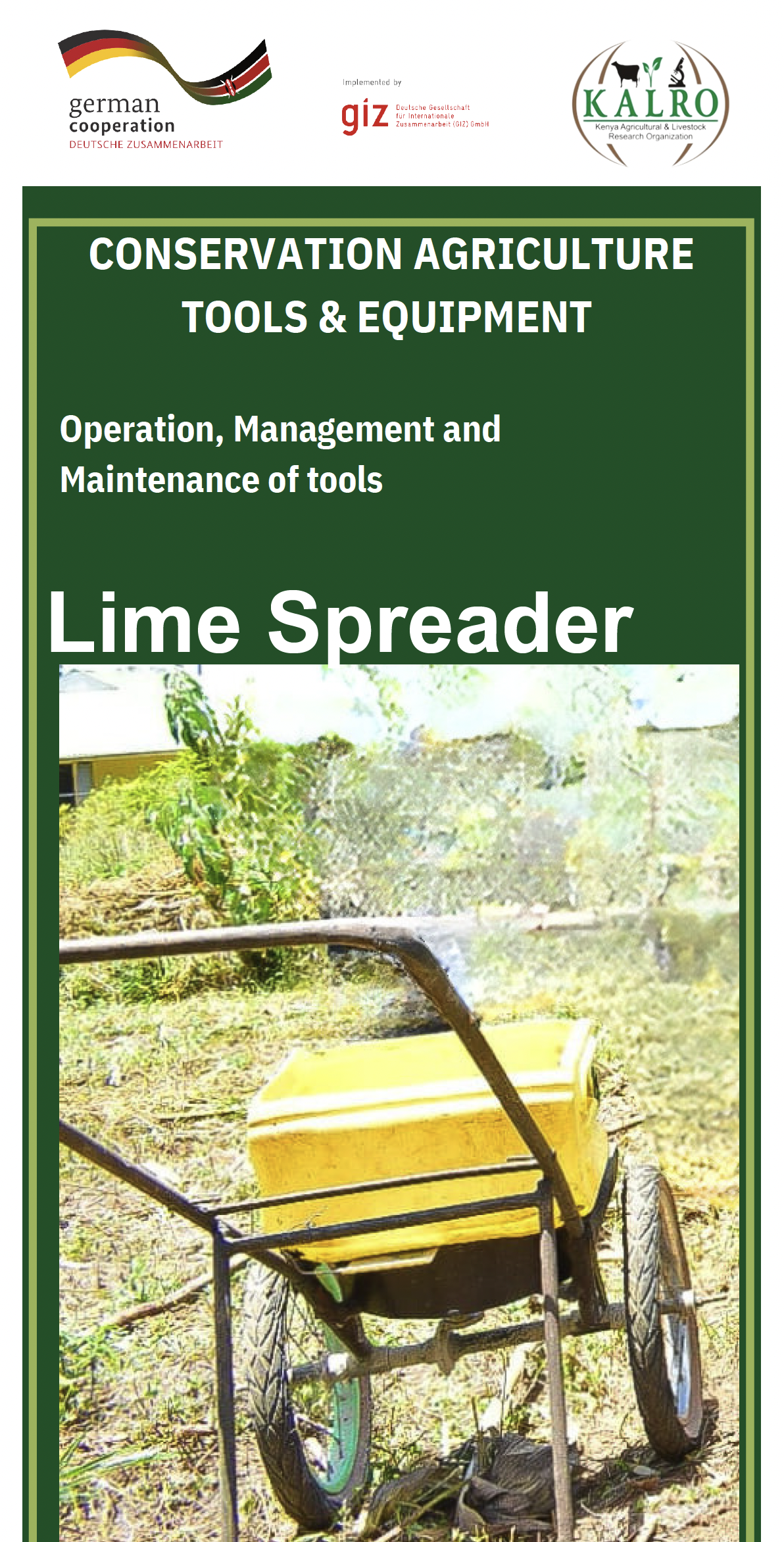
Submit a Resource

There are several ways to submit a resource to the Resource Centre:
Fill in this template to submit a Soil Health Solution
Send a web link or a file to communications@coalitionforsoilhealth.org
Reach out to the CA4SH Team with an idea to co-develop a new resource!
Have a question?
Please contact communications@coalitionforsoilhealth.org, or fill in the form below: