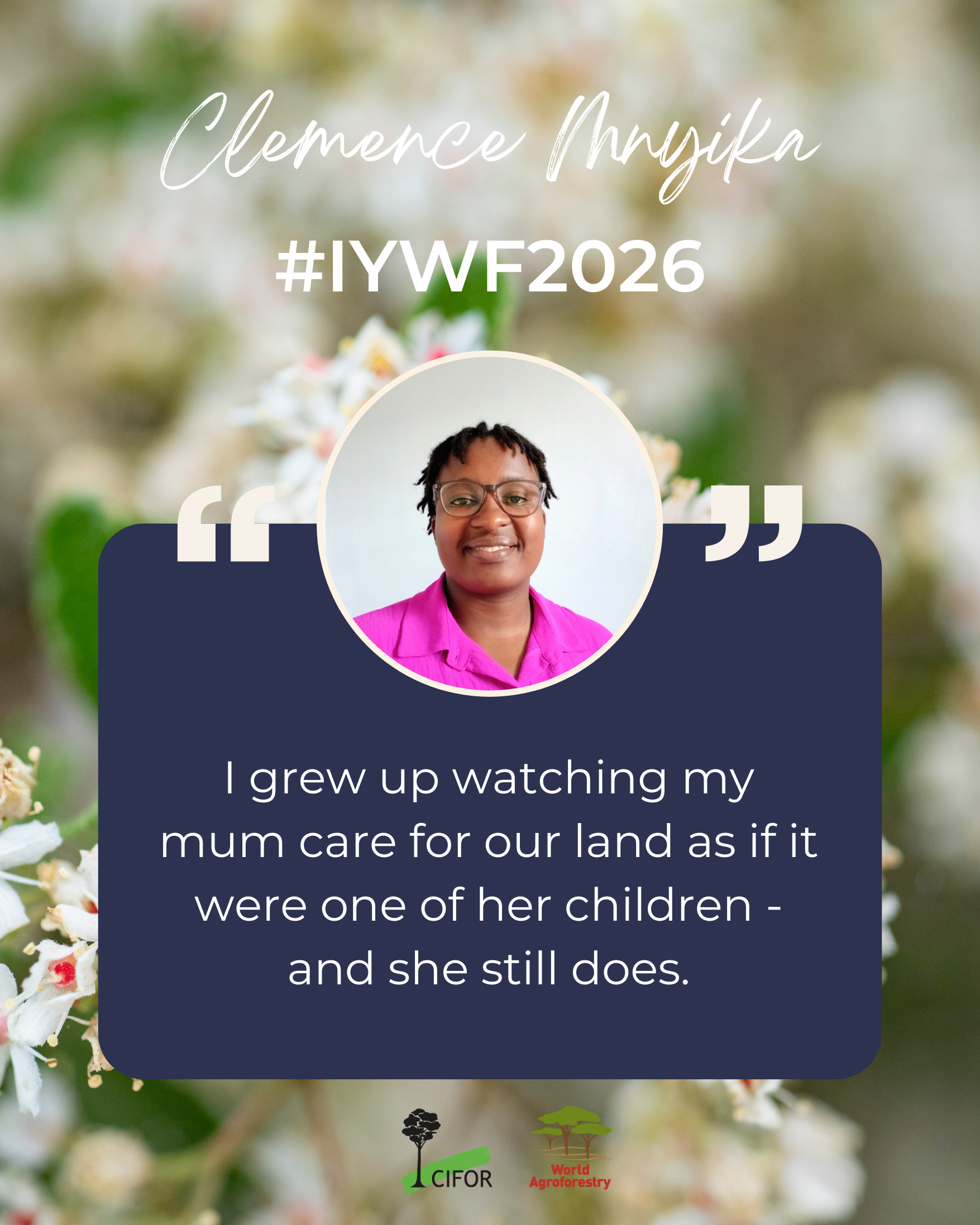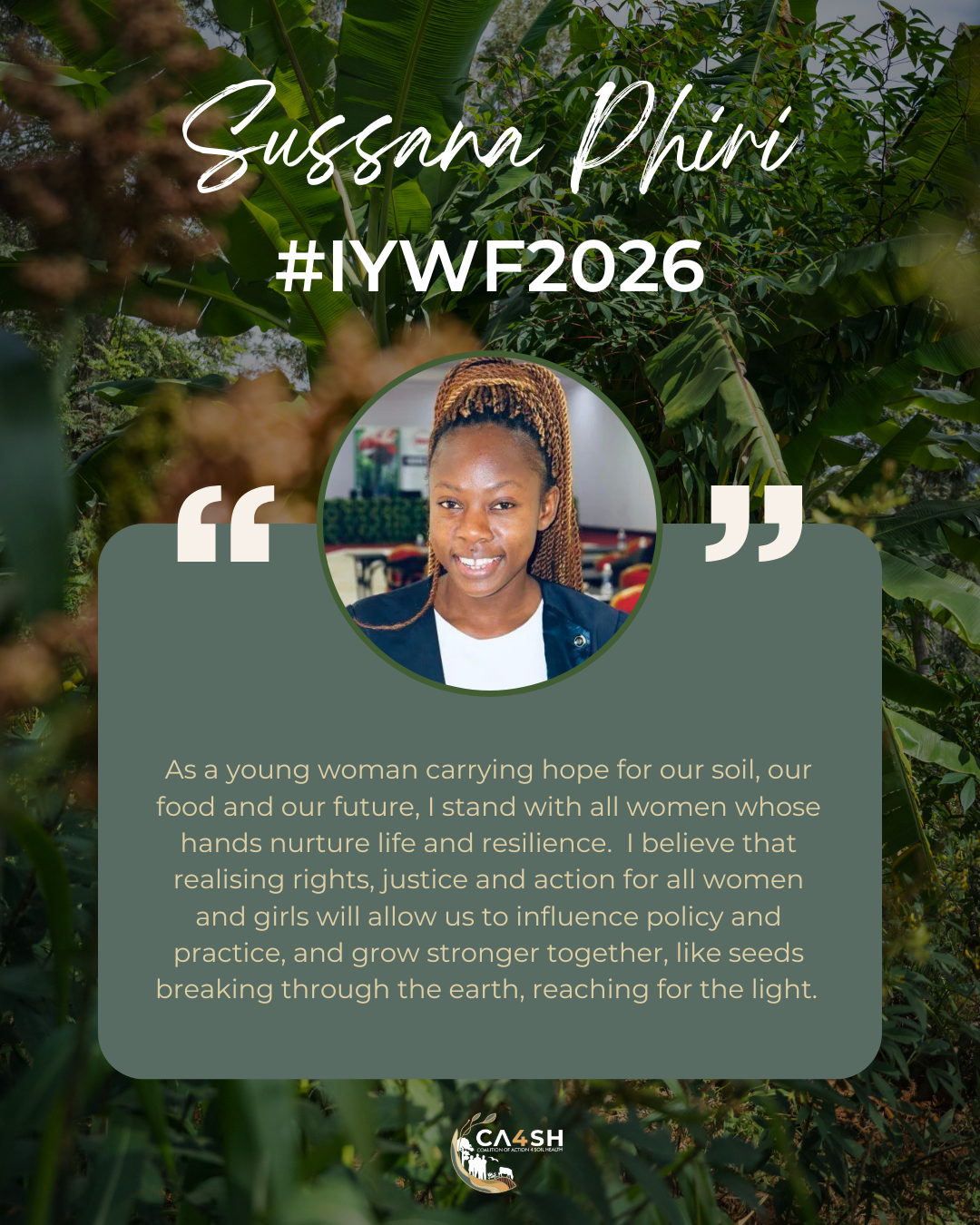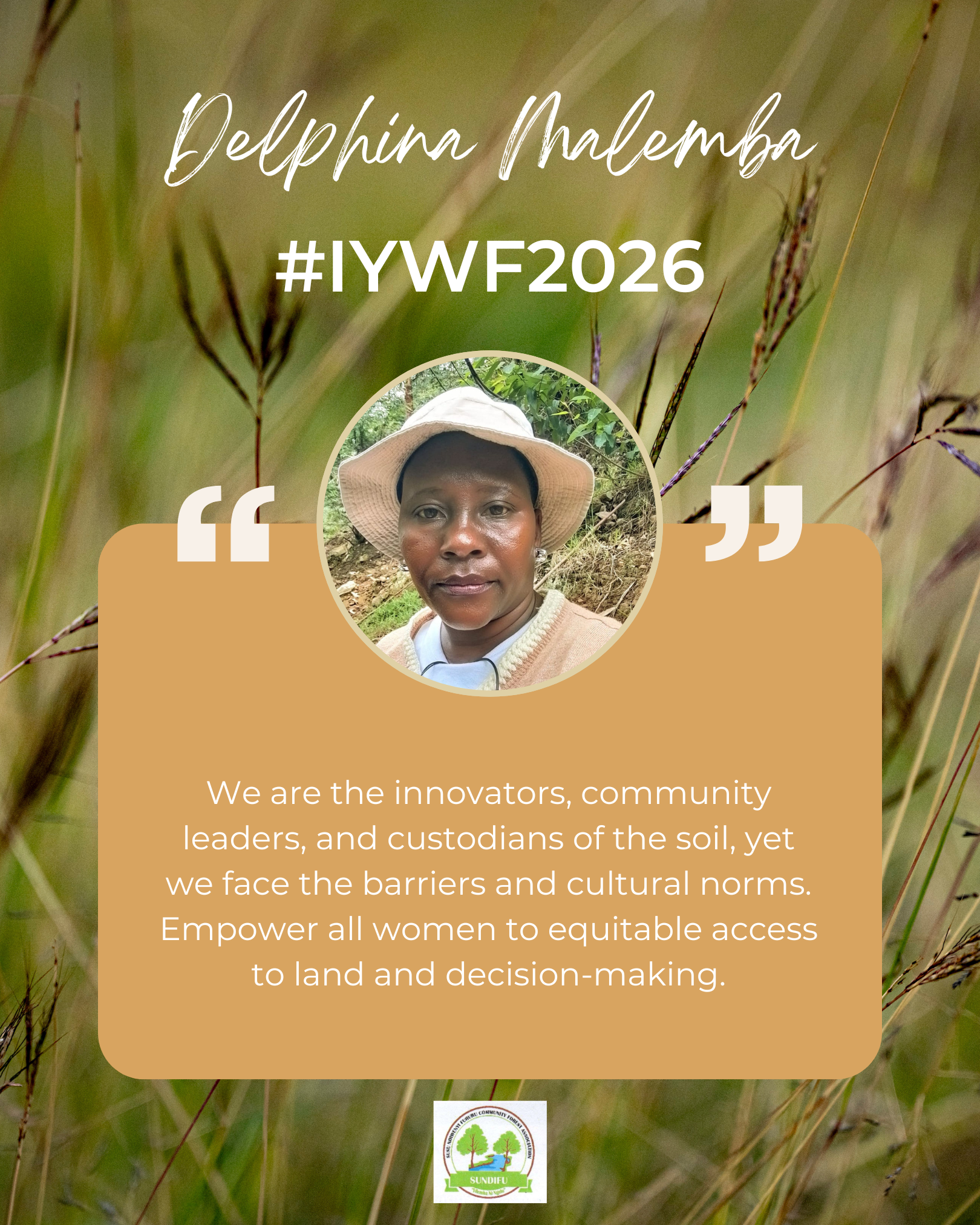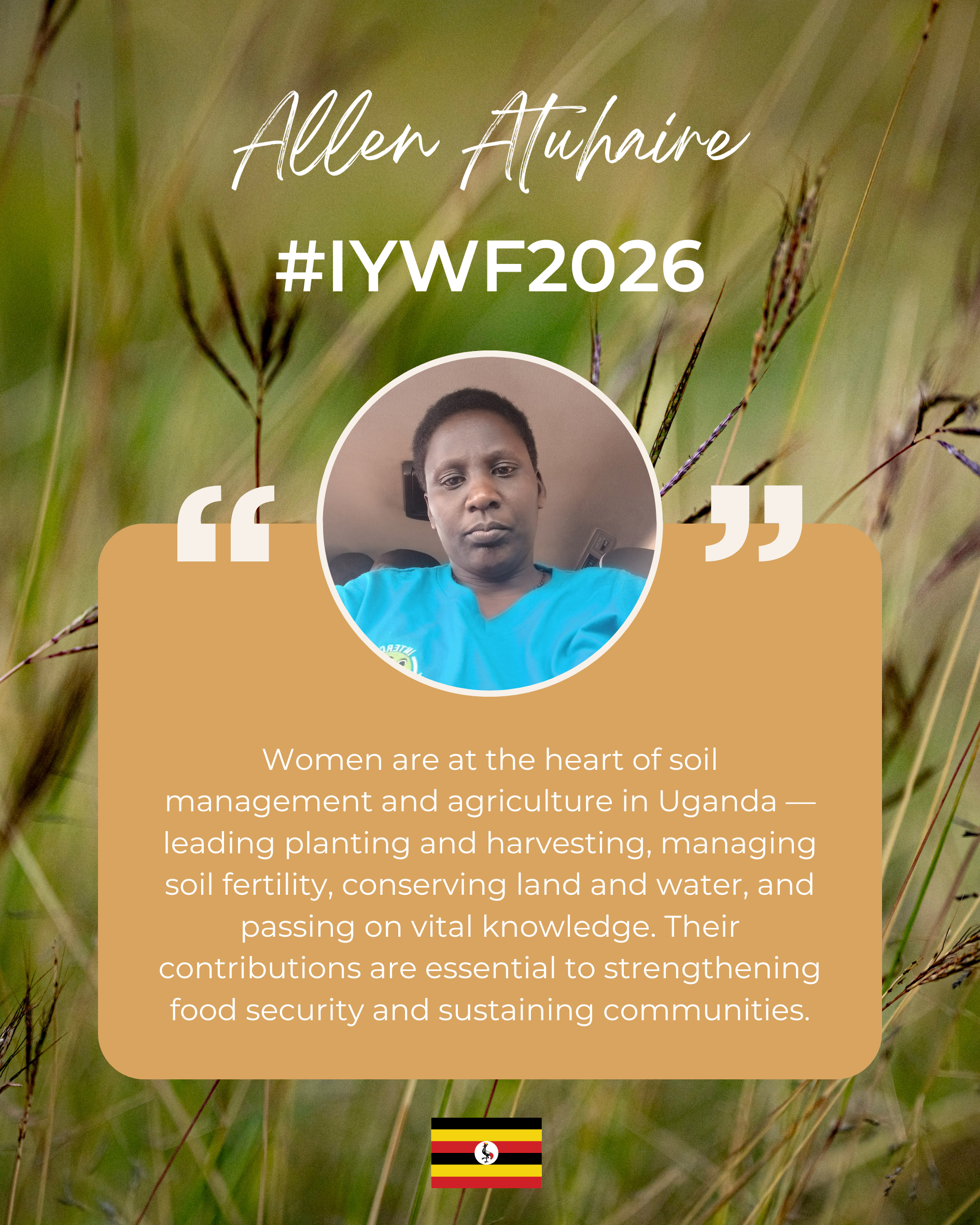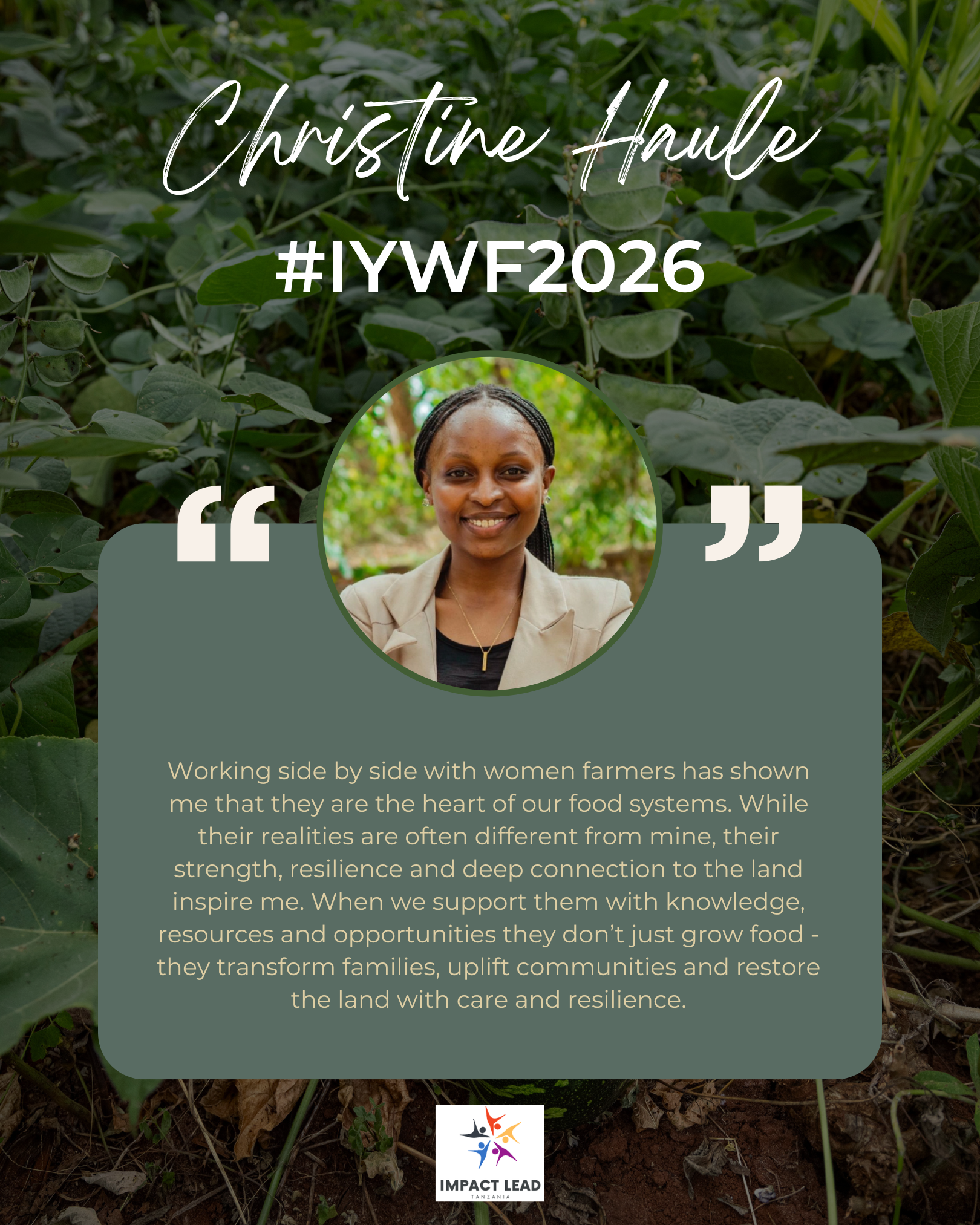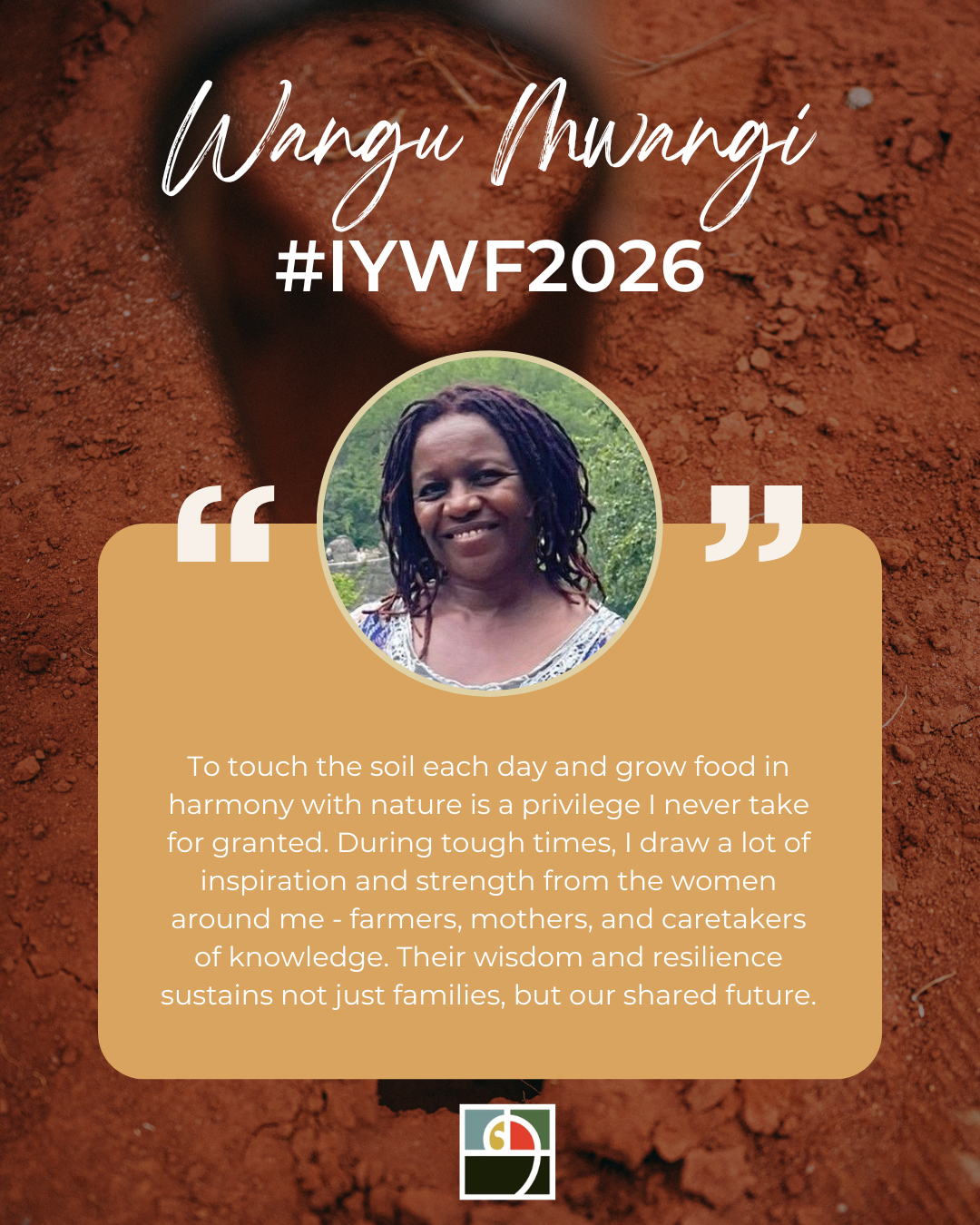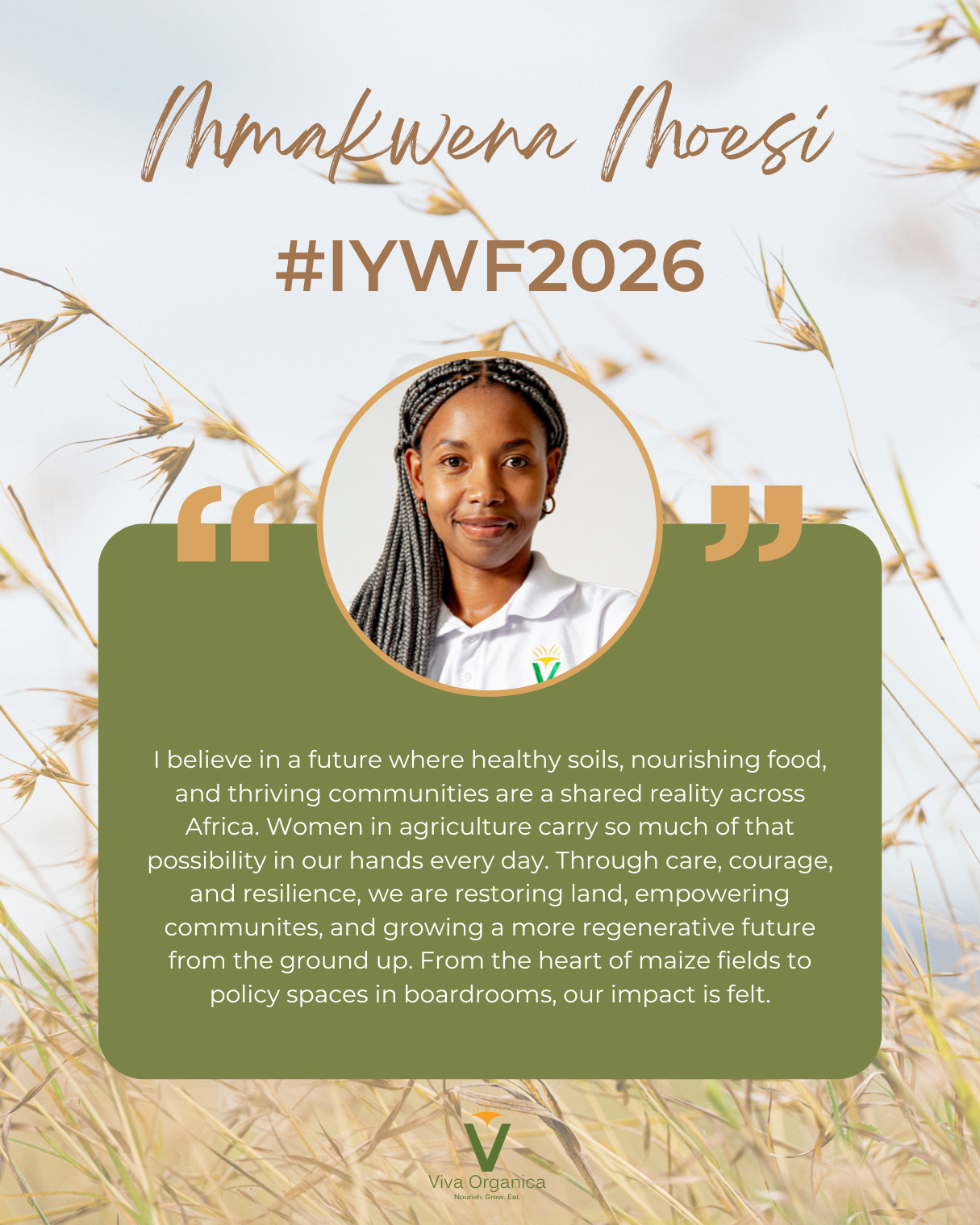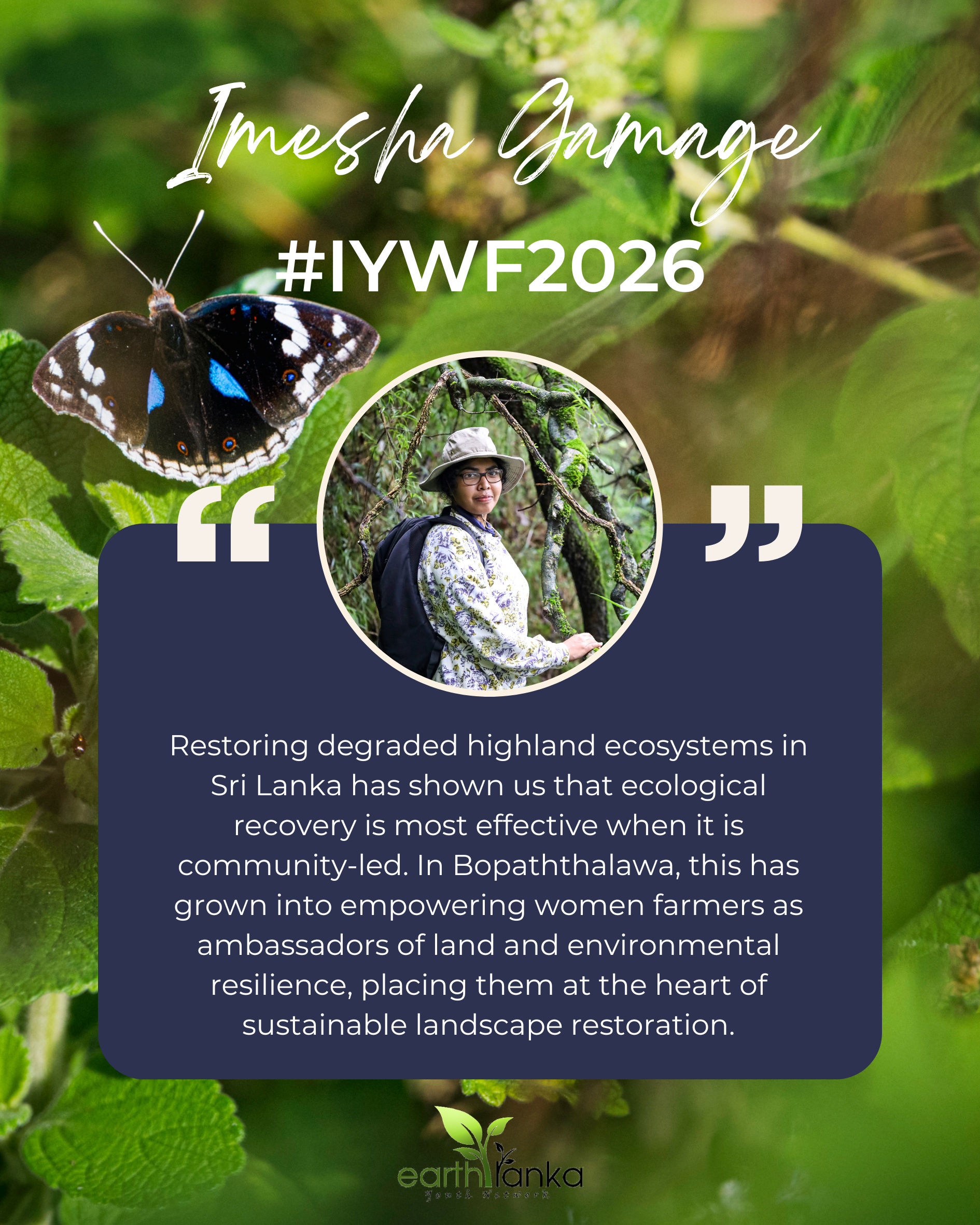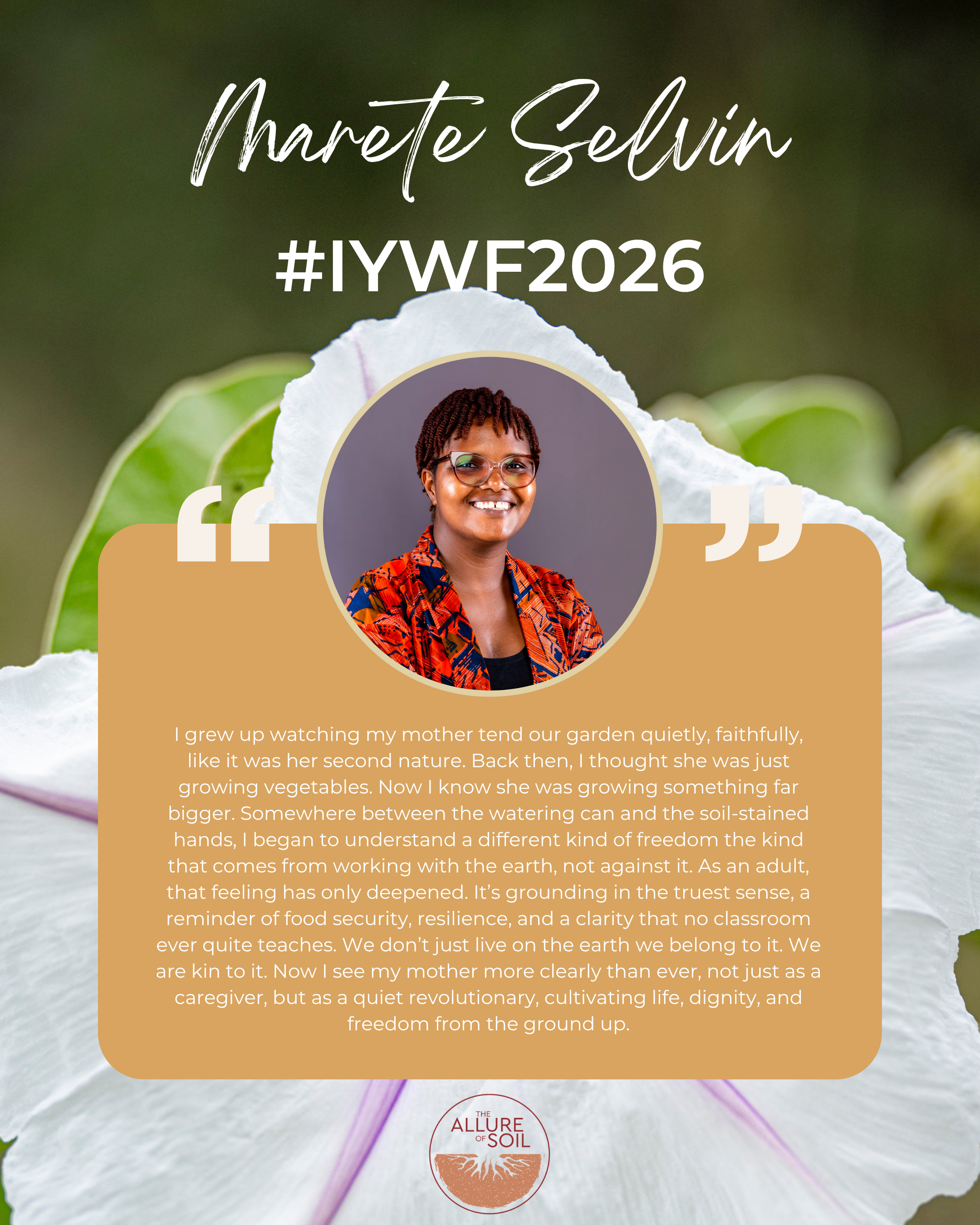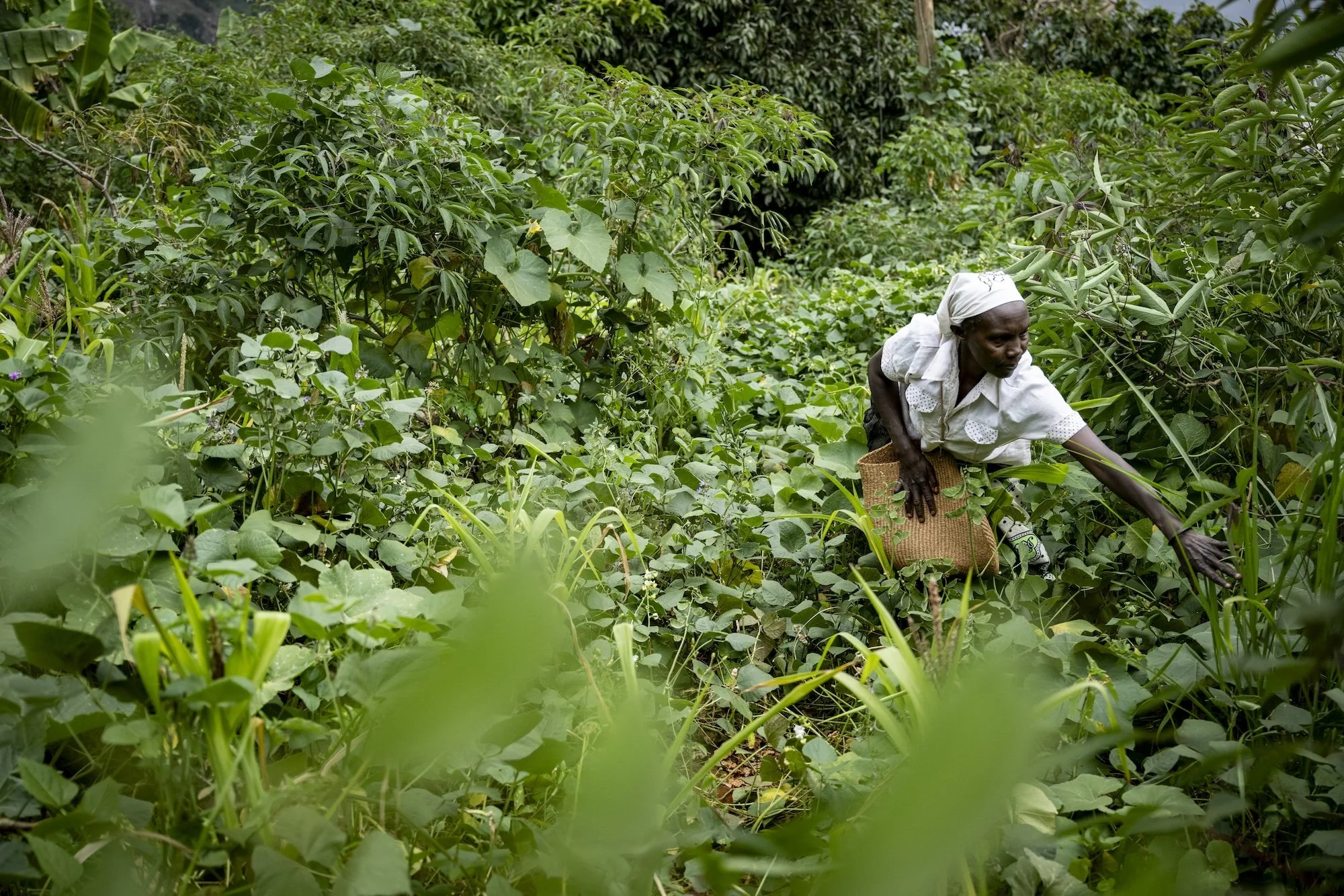
In recognition of the vital role women play in shaping our food systems, the United Nations has declared 2026 the International Year of the Woman Farmer (IYWF 2026).
The Year will highlight the essential and often under-recognised contributions of women across agrifood systems, from production and processing to markets and trade. Women farmers are fundamental to food security, improved nutrition, healthy soils, and resilient rural economies.
IYWF 2026 provides a global platform to raise awareness, catalyse action, and accelerate efforts to close gender gaps — strengthening women’s livelihoods and advancing more inclusive, sustainable agrifood systems worldwide.
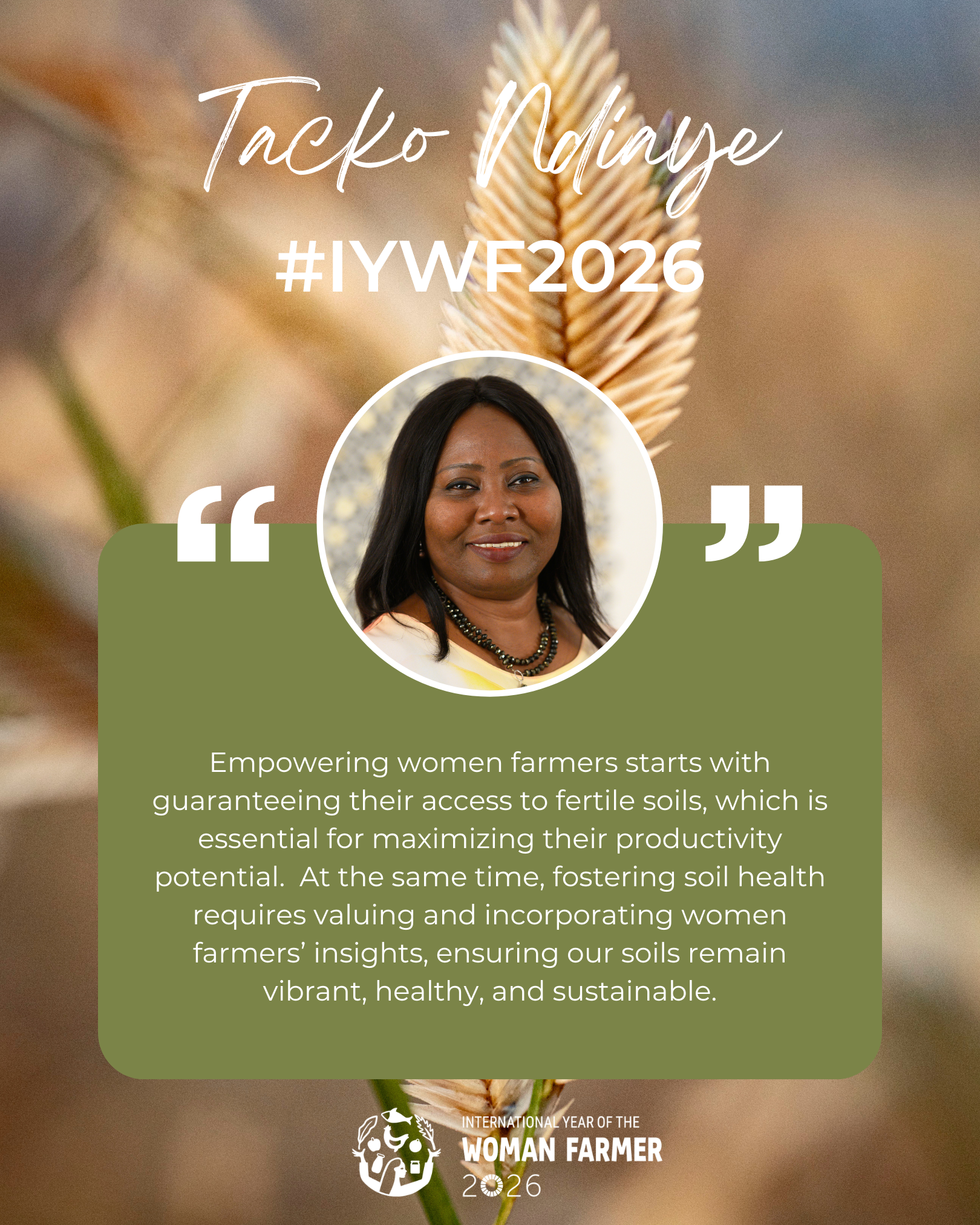
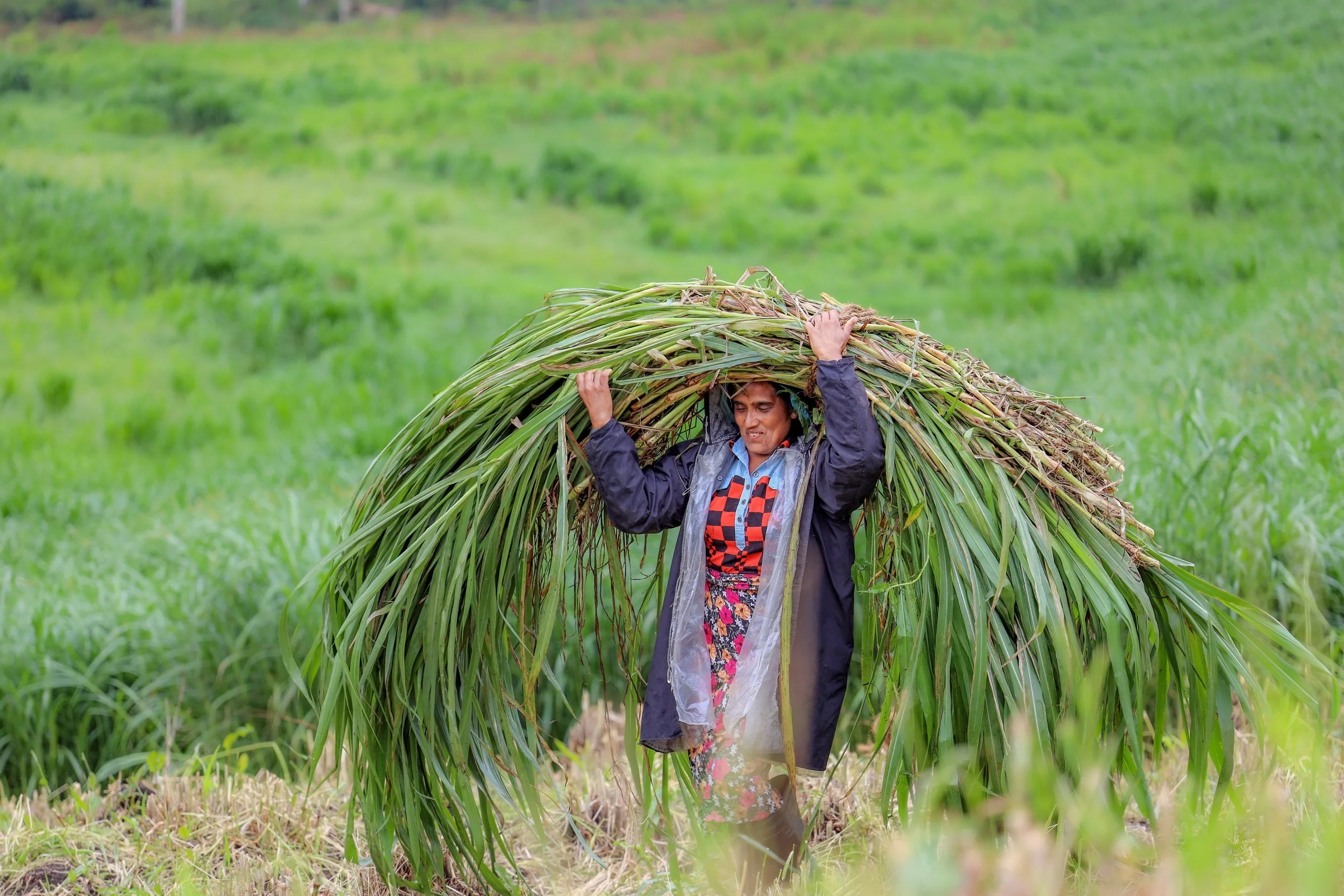
International Year of the Women Farmer Photo Competition Winner!
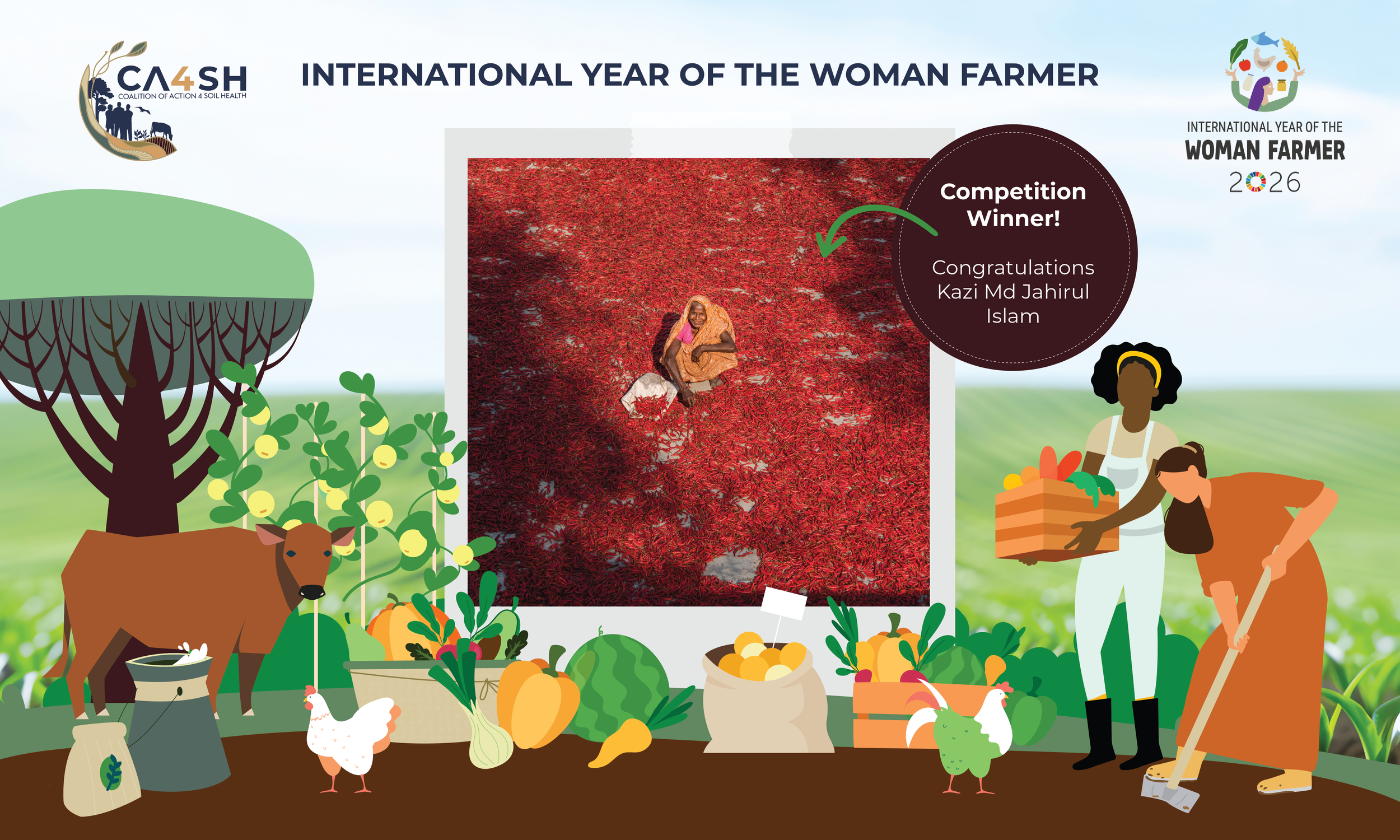
'Harvesting Hope'
Photographer: Kazi Md Jahirul Islam | Location: Bogura, Bangladesh
“In every handful of chilies lies a story of dedication and hope. This woman farmer represents the millions of women whose daily efforts nurture the land and sustain rural livelihoods. Their work extends beyond the harvest—they are caretakers of the soil, guardians of agricultural traditions, and key contributors to food security. Recognizing and supporting women farmers is essential to building resilient communities and ensuring a sustainable future for all.”
News
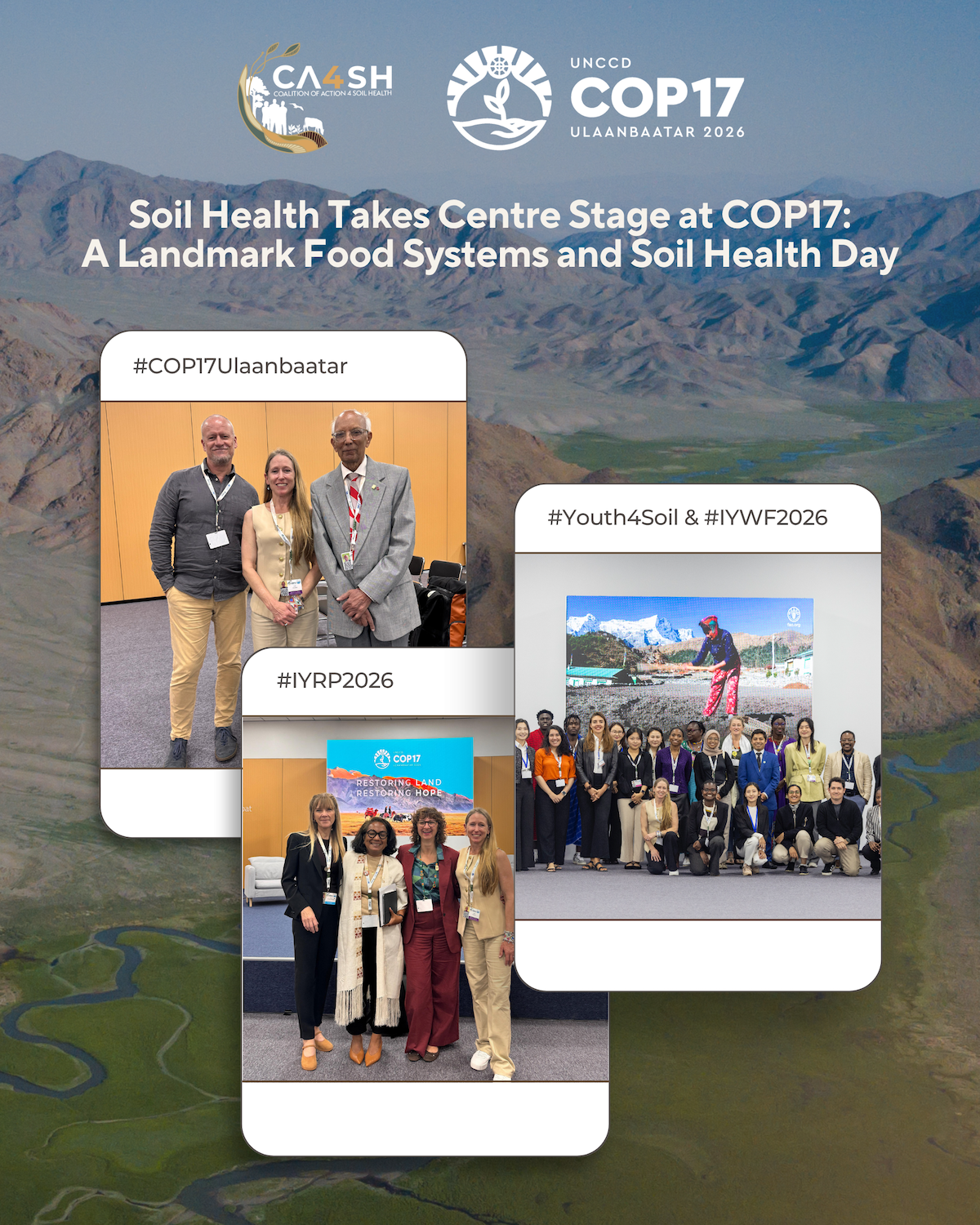
27 August 2026, Ulaanbaatar | At UNCCD COP17 Mongolia, soil health was at the center of the agenda. It was present across negotiations, ministerial dialogues, side events, and the Action Agenda. The numbers give a sense of its scale: the Coalition of Action 4 Soil Health (CA4SH) network held 72 events alongside 90+ partners across the two weeks.
Harvesting Hope was selected as the winning image in the CA4SH International Year of the Woman Farmer Photo Competition, celebrating the knowledge, resilience and contribution of women farmers around the world.
Through a single, powerful frame, the photograph captures the people at the heart of our food systems and the vital connection between farmers, land and the future of food.
Photographer: Kazi Md Jahirul Islam
Location: Bogura, Bangladesh
Image caption: In every handful of chilies lies a story of dedication and hope. This woman farmer represents the millions of women whose daily efforts nurture the land and sustain rural livelihoods. Their work extends beyond the harvest—they are caretakers of the soil, guardians of agricultural traditions, and key contributors to food security. Recognizing and supporting women farmers is essential to building resilient communities and ensuring a sustainable future for all.
On 4 June 2026, the AgriCord National Assembly convened at Swiss-Belinn in Nairobi, bringing together farmers’ organizations, researchers, development partners, financial institutions, and government stakeholders to exchange practical solutions for advancing sustainable agriculture. The assembly provided a dynamic platform for dialogue, knowledge sharing, and collaboration among key actors committed to strengthening agricultural systems and rural livelihoods.
The Assembly also included a field visit with farmer organizations in Machakos and Kajiado counties, engaging participants from dialogue to action. These field visits offered an opportunity to ground discussions in real world contexts, enabling participants to better understand local realities, ongoing innovations, and emerging opportunities within farming communities.
Story by Dickens Ateku Alubaka, Senior Manager, Soil and Land Health Laboratories Research Services, Landscape Alliance (ICRAF)
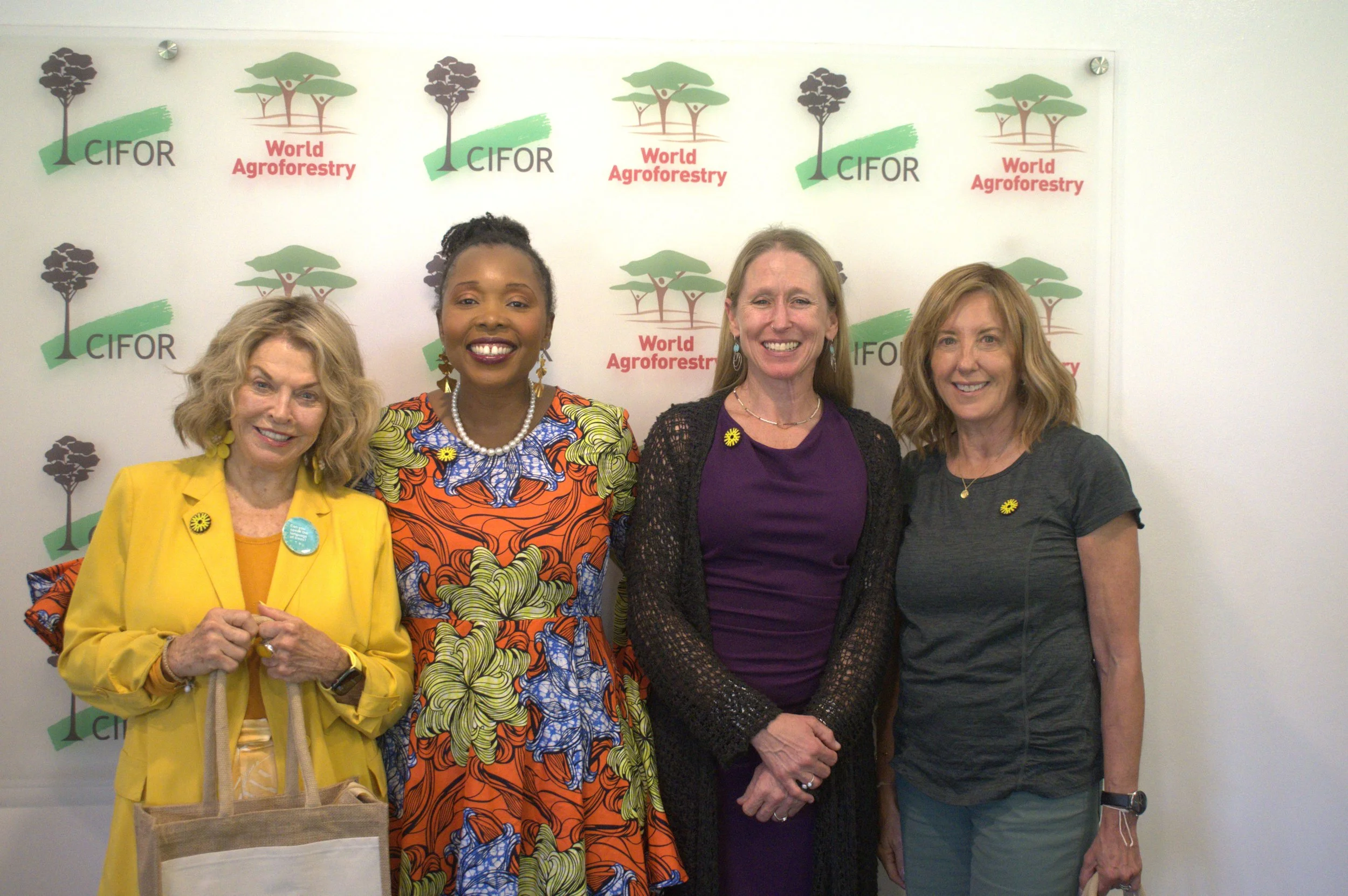
22 May 2025 | The CIFOR-ICRAF campus in Nairobi, Kenya welcomed two globally recognized leaders for a high-level listening session and field visit focused on climate justice, regenerative food systems, and innovation in African landscapes.
Among their long standing advocacy for women and the planet, Pat Mitchell and Rhonda Carnegie are co-founders of Project Dandelion, a women-led campaign for climate justice. Their visit to the CIFOR-ICRAF campus formed part of Project Dandelion’s global listening tour, which seeks to surface innovations in food systems, amplify women’s leadership, and strengthen connections between science, policy, and lived experience across regions.
Hosted by CIFOR-ICRAF, the session brought together researchers, early-career scientists, and technical staff working across soil health, tree biodiversity, seed systems, and spatial analytics.
Celebrating International Girls in ICT Day
As a Program Manager at the Varda Foundation, Ester Miglio works at the intersection of soil science, data, and digital innovation, helping transform complex information into tools that can be used in practice. Her role is to connect people, data, and products, ensuring that technical development is grounded in real needs and supports better land-use decisions.
When I joined #Youth4Soil, I was genuinely excited, especially about the mentorship component. My main expectation was to learn from experienced professionals, particularly women in my career pathway, and to benefit from their insights on how to excel in research and development.
Read more about Clemence Mnyika’s journey with Mentor Shallom Abla Lumor
CIFOR-ICRAF has been conducting a series of trainings on Gender and Social Inclusion (GESI) in forest and landscape restoration for Community Forest Associations (CFAs) in Makueni County, Kenya as part of the UK PACT project.
To date, the trainings have reached more than 600 individuals, emphasizing the importance of gender equity in achieving sustainable restoration outcomes. Over the past two years of implementation, some common themes have emerged, highlighting that many CFA members feel held back by their current level of skill in agroforestry practices and soil conservation techniques. In response, CIFOR-ICRAF followed up with technical, on-farm training in sustainable agroforestry practices and composting for soil conservation.
Resources
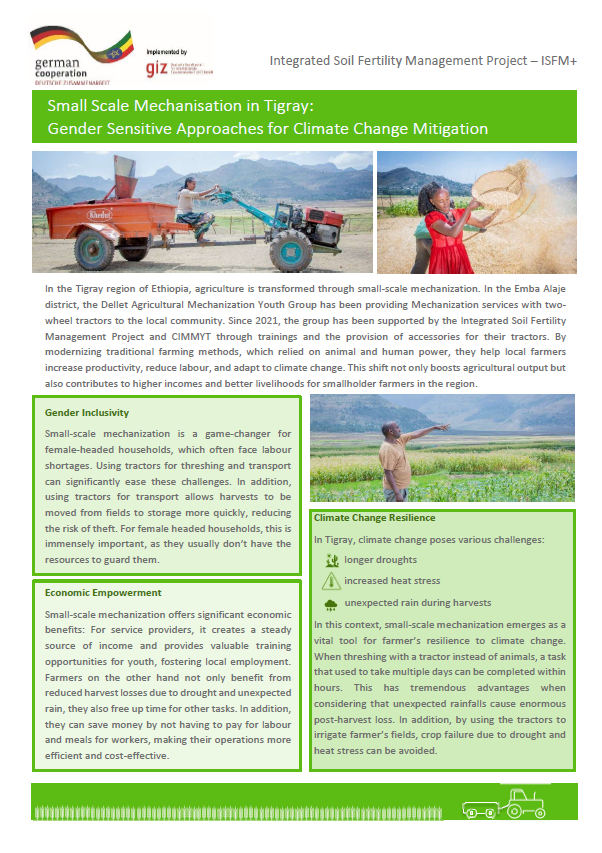
In the Tigray region of Ethiopia, agriculture is transformed through small-scale mechanization. In the Emba Alaje district, the Dellet Agricultural Mechanization Youth Group has been providing Mechanization services with twowheel tractors to the local community. Since 2021, the group has been supported by the Integrated Soil Fertility Management Project and CIMMYT through trainings and the provision of accessories for their tractors. By modernizing traditional farming methods, which relied on animal and human power, they help local farmers increase productivity, reduce labour, and adapt to climate change. This shift not only boosts agricultural output but also contributes to higher incomes and better livelihoods for smallholder farmers in the region.
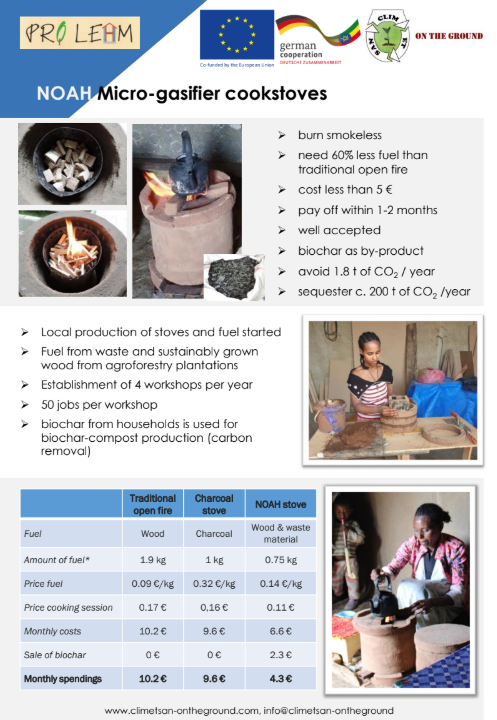
➢ Local production of stoves and fuel started
➢ Fuel from waste and sustainably grown wood from agroforestry plantations
➢ Establishment of 4 workshops per year
➢ 50 jobs per workshop
➢ biochar from households is used for biochar-compost production (carbon removal)
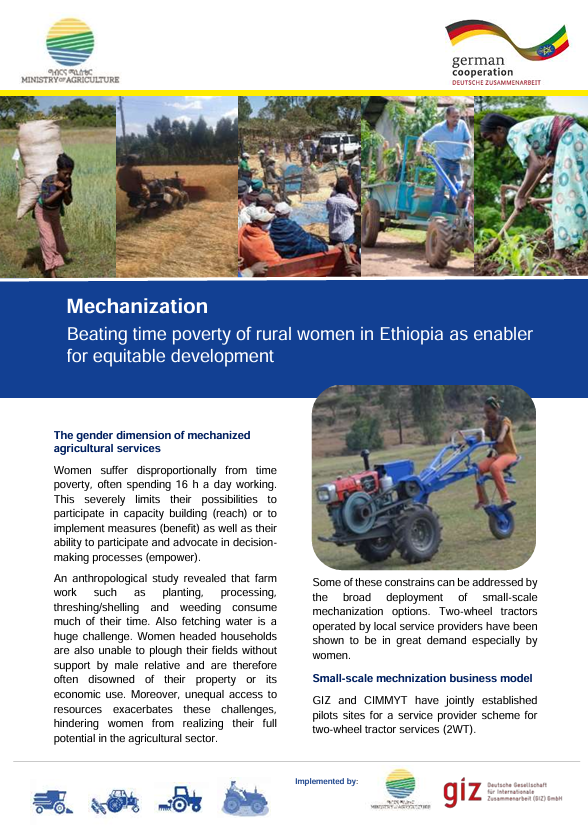
Women suffer disproportionally from time poverty, often spending 16 h a day working. This severely limits their possibilities to participate in capacity building (reach) or to implement measures (benefit) as well as their ability to participate and advocate in decision-making processes (empower).
An anthropological study revealed that farm work such as planting, processing, threshing/shelling and weeding consume much of their time. Also fetching water is a huge challenge. Women headed households are also unable to plough their fields without support by male relative and are therefore often disowned of their property or its economic use. Moreover, unequal access to resources exacerbates these challenges, hindering women from realizing their full potential in the agricultural sector.
Some of these constrains can be addressed by the broad deployment of small-scale mechanization options. Two-wheel tractors operated by local service providers have been shown to be in great demand especially by women.
This synthesis report examines how gender is implicated in soil health interventions across diverse country contexts, and how Soil Matters as a global programme can respond with both gender-responsive and gender-transformative approaches. It draws on national gender analyses conducted between 2024–2025, offering cross-country insights, strategic recommendations, and key entry points to ensure that gender equality is not only acknowledged but actively pursued within the programme’s design, delivery, and scaling pathways.nger. Depending on the climate scenario, up to 80 million additional people could be at risk of hunger due to climate change (IPCC 2022).
Les actions Genre du projet sont orientées par la stratégie Genre de la GIZ qui vise l'égalité des sexes en son sein et dans ses activités dans les pays partenaires. Elles contribuent également à la Stratégie Nationale Genre du Secteur Agricole (SNGSA) libellée "La vision a besoin d'attitude: l'attitude rencontre l'action" du Bénin de 2021, dont l'objectif général est de réduire durablement les inégalités liées au genre dans le secteur agricole à travers le renforcement de la coordination des interventions en matière de genre, des capacités des femmes et autres groupes vulnérables ainsi que l'adoption des comportements sensibles au genre par tous les acteurs.
Ce document constitue une ressource précieuse pour tous ceux qui sont engagés dans la préservation et la valorisation des terres en Tunisie. Sa mise à disposition vise à encourager l’adoption de pratiques durables, contribuant ainsi à un avenir plus prometteur pour notre environnement et nos communautés.
This document, encompassing various success stories and strategic insights, highlights the diverse contributions of Non-State Actors in advancing agricultural development. It features case studies such as Pambana Enterprise in Zambia, which exemplifies youth-led initiatives in reducing post-harvest losses and promoting food security and climate resilience. The role of media, as demonstrated by Sydney Katunga Phiri, is underscored as crucial for translating complex agricultural policies, fostering public accountability, and building a continental narrative around key themes like youth agripreneurship, gender inclusion, and climate-smart agriculture.
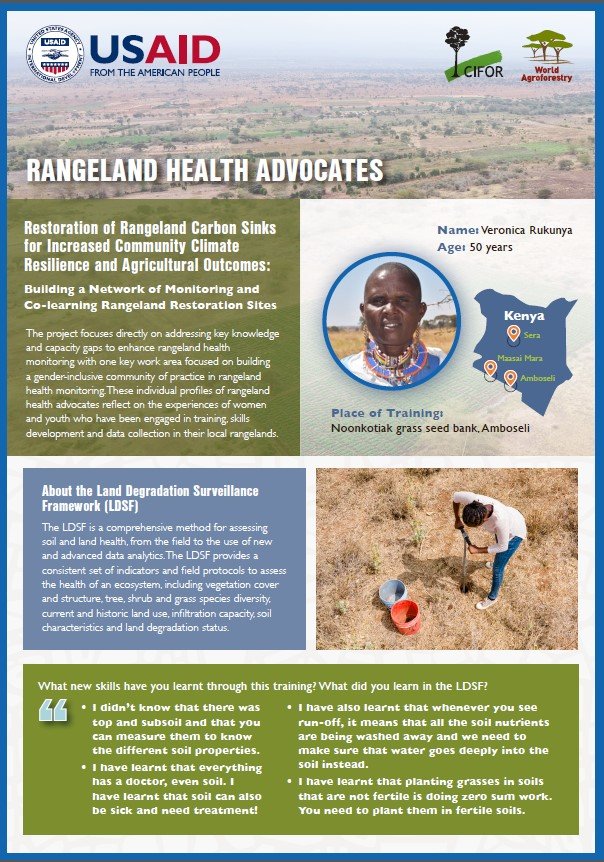
The Restoration of Rangeland Carbon Sinks focuses directly on addressing key knowledge and capacity gaps to enhance rangeland health monitoring with one key work area focused on building a gender-inclusive community of practice in rangeland health monitoring.
These individual profiles of rangeland health advocates reflect on the experiences of women and youth who have been engaged in training, skills development and data collection in their local rangelands.
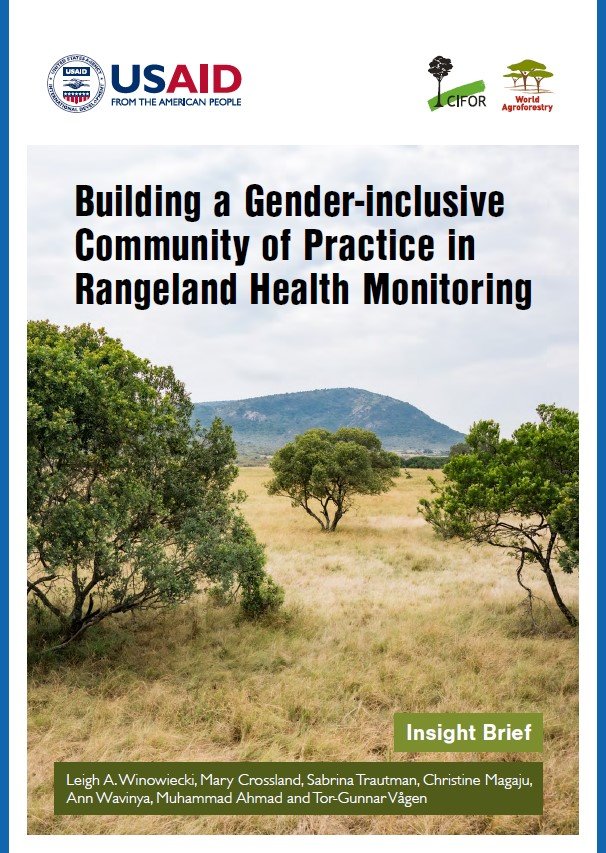
This brief summarizes the capacity development activities undertaken by the project Restoration of Rangeland Carbon Sinks to build gender inclusive community of practice in rangeland health monitoring.
Specifically, the brief outlines the critical need to address gender inequalities in rangeland health monitoring and synthesises reflections from women and youth on skills they have built through capacity development activities. The brief also highlights the impact these activities are having not only in their own agency and development, but also the wider implications and impact they want to create in their communities as a result of the skills they have built and been exposed to.
Contribute to this page
Contact us to submit a resource, news story, or opportunity to advertise and we will review it for inclusion on this page.
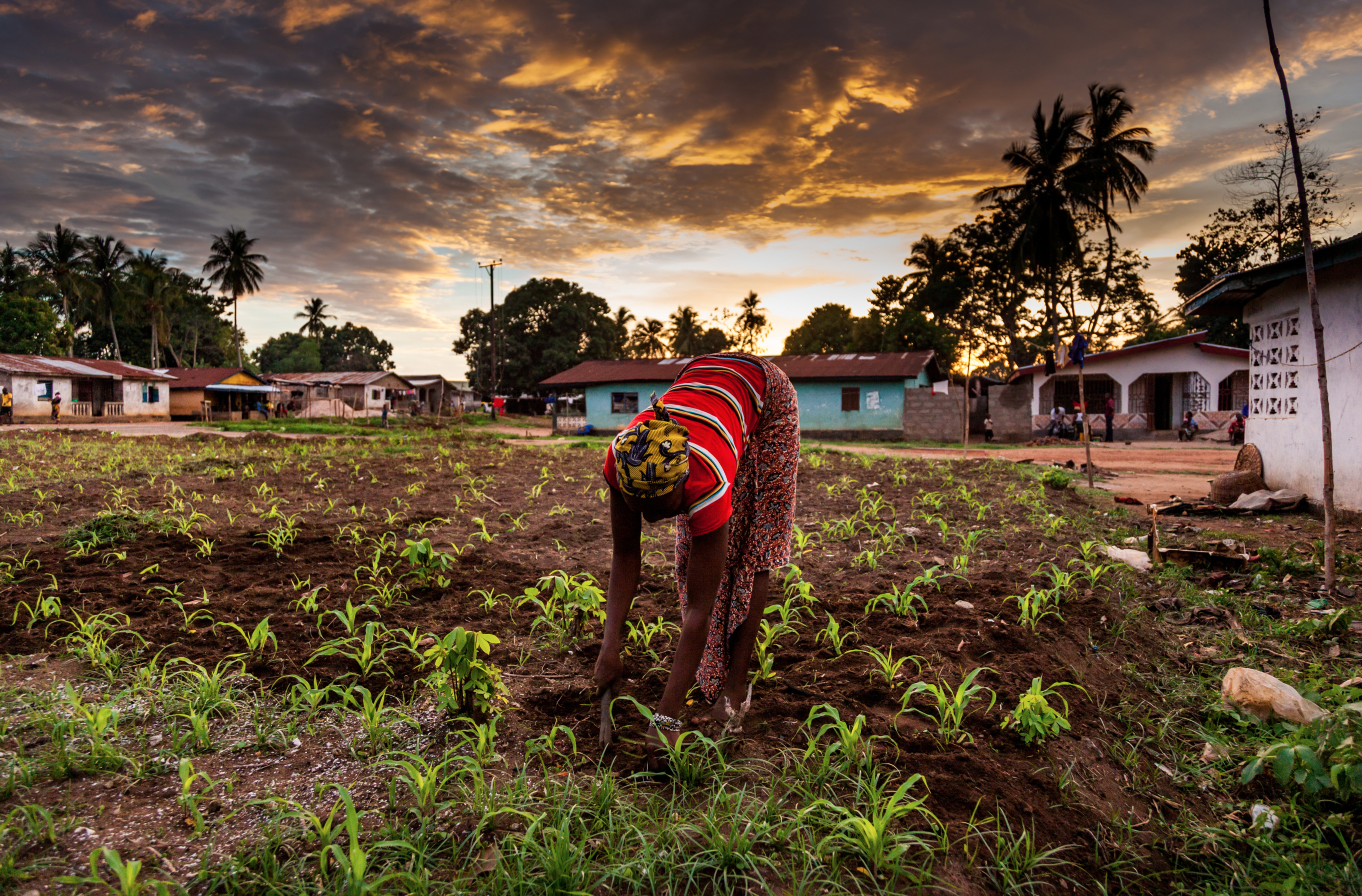
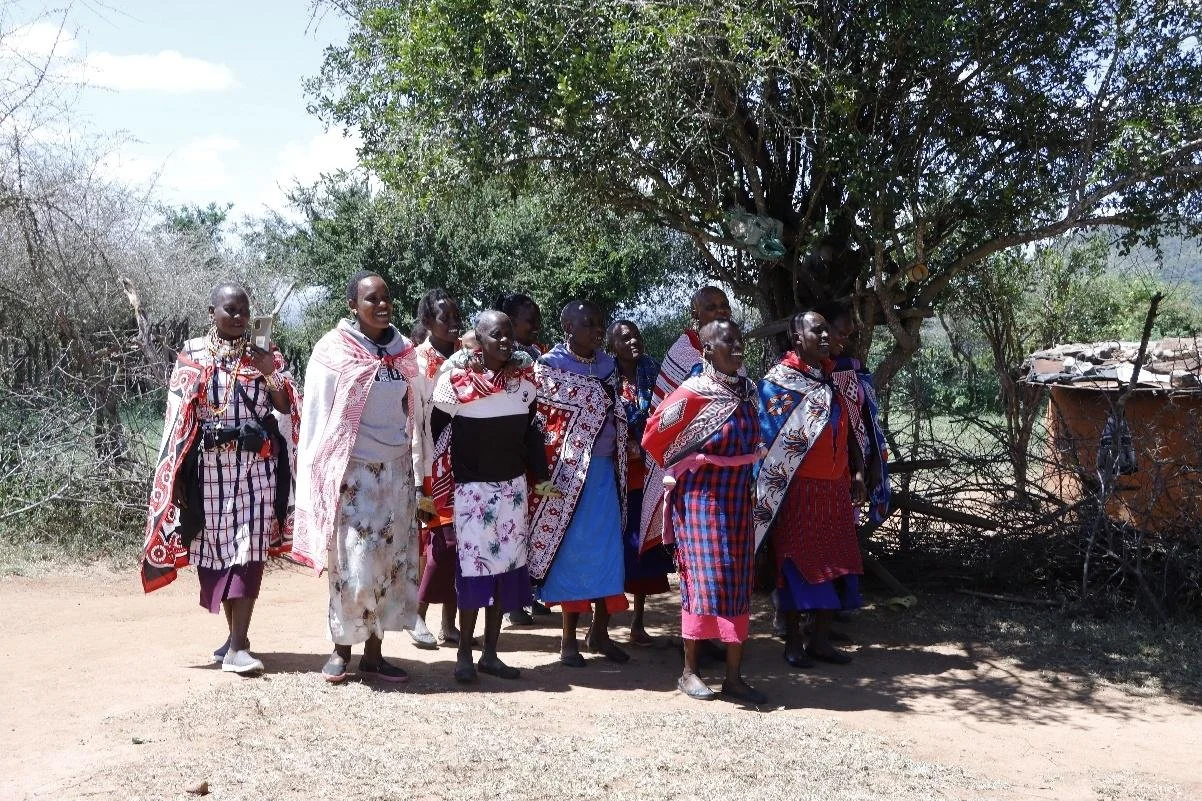
For the Milk Mamas at the heart of The Sarara Foundation’s (TFS) flagship Milk to Market Program, conservation and care for the land are lived responsibilities, not imposed obligations.
With their livelihoods and the wellbeing of their communities deeply connected to the milk they provide to Reteti Elephant Sanctuary, they are driven by a commitment to nurture the health of their herds and the landscapes they depend on through far-reaching land restoration efforts that benefit people, livestock, and wildlife.