Empowering Women Farmers and Building Resilient Food Systems: Insights from the AgriCord Field Visit in Kajiado County
Story by Dickens Ateku Alubaka, Senior Manager, Soil and Land Health Laboratories Research Services, Landscape Alliance (ICRAF)
Photos by AgriCord; collages developed by Dickens Ateku
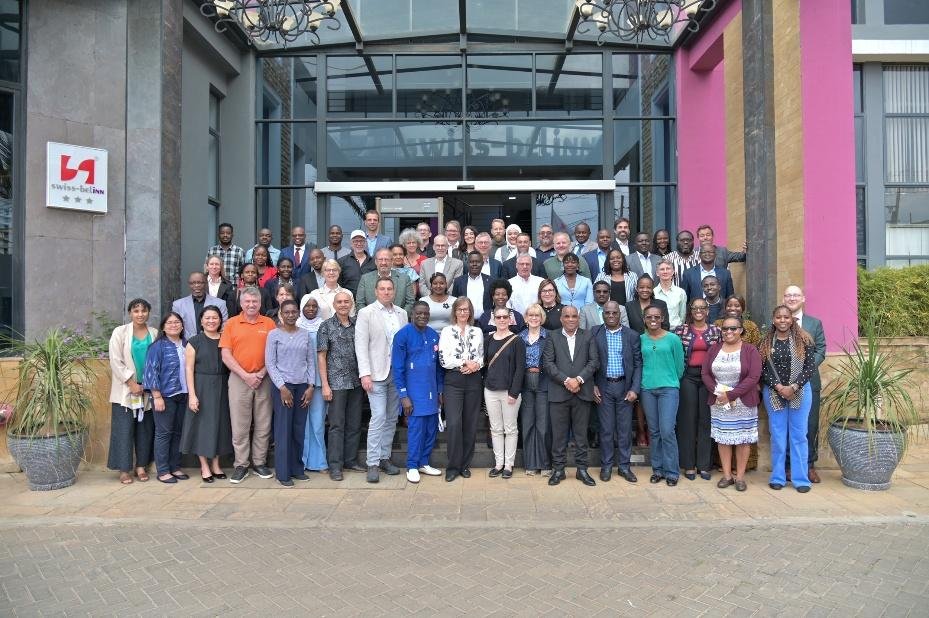
Figure 1: Participants of the AgriCord National Assembly convened at Swiss-Belinn Nairobi, bringing together diverse stakeholders to exchange knowledge and solutions for advancing sustainable agriculture. (Credit: AgriCord)
Introduction
On 4 June 2026, the AgriCord National Assembly convened at Swiss-Belinn in Nairobi, bringing together farmers’ organizations, researchers, development partners, financial institutions, and government stakeholders to exchange practical solutions for advancing sustainable agriculture. The assembly provided a dynamic platform for dialogue, knowledge sharing, and collaboration among key actors committed to strengthening agricultural systems and rural livelihoods.
The Assembly also included a field visit with farmer organizations in Machakos and Kajiado counties, engaging participants from dialogue to action. These field visits offered an opportunity to ground discussions in real world contexts, enabling participants to better understand local realities, ongoing innovations, and emerging opportunities within farming communities.
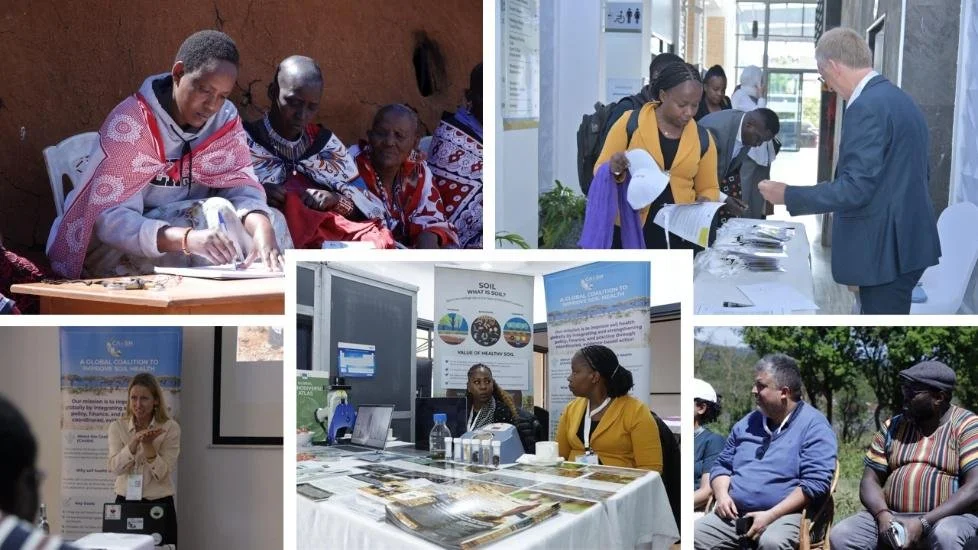
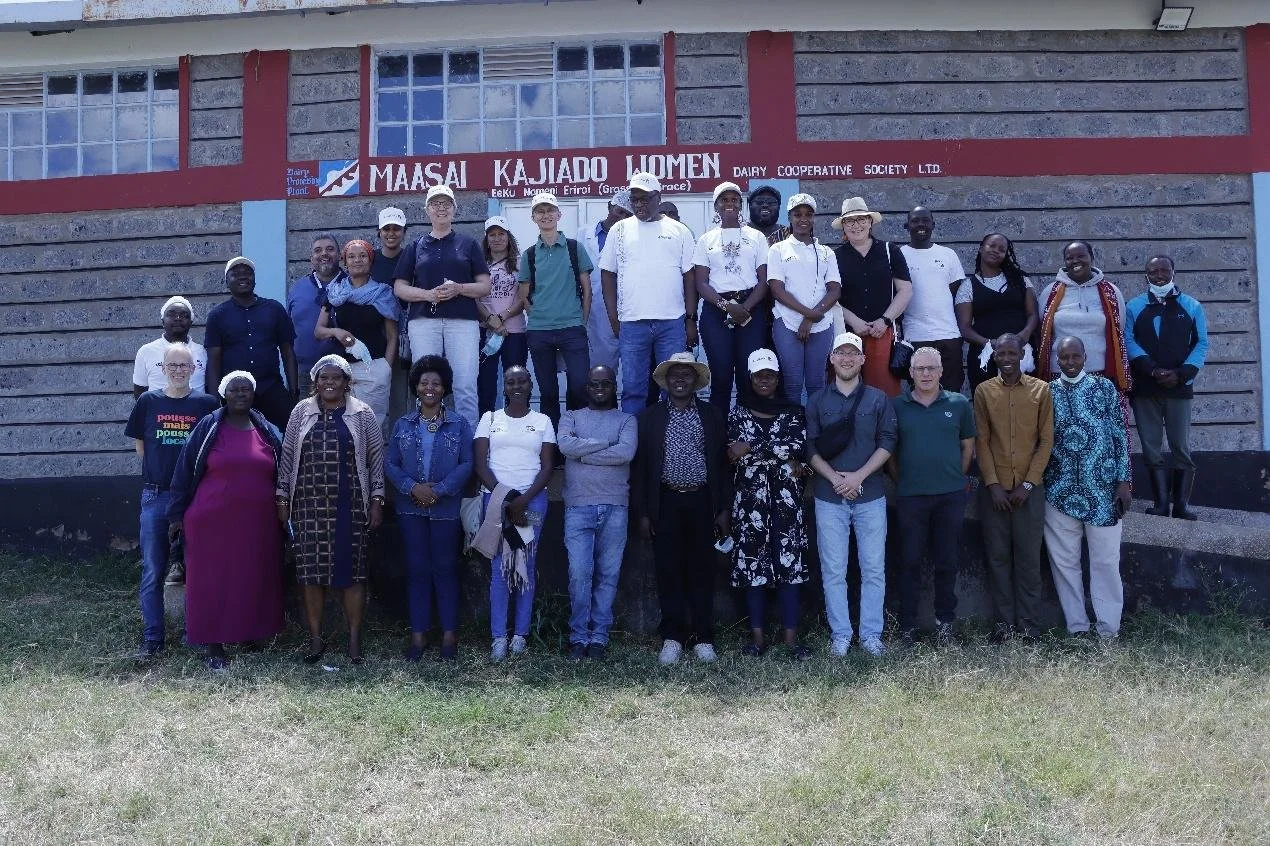
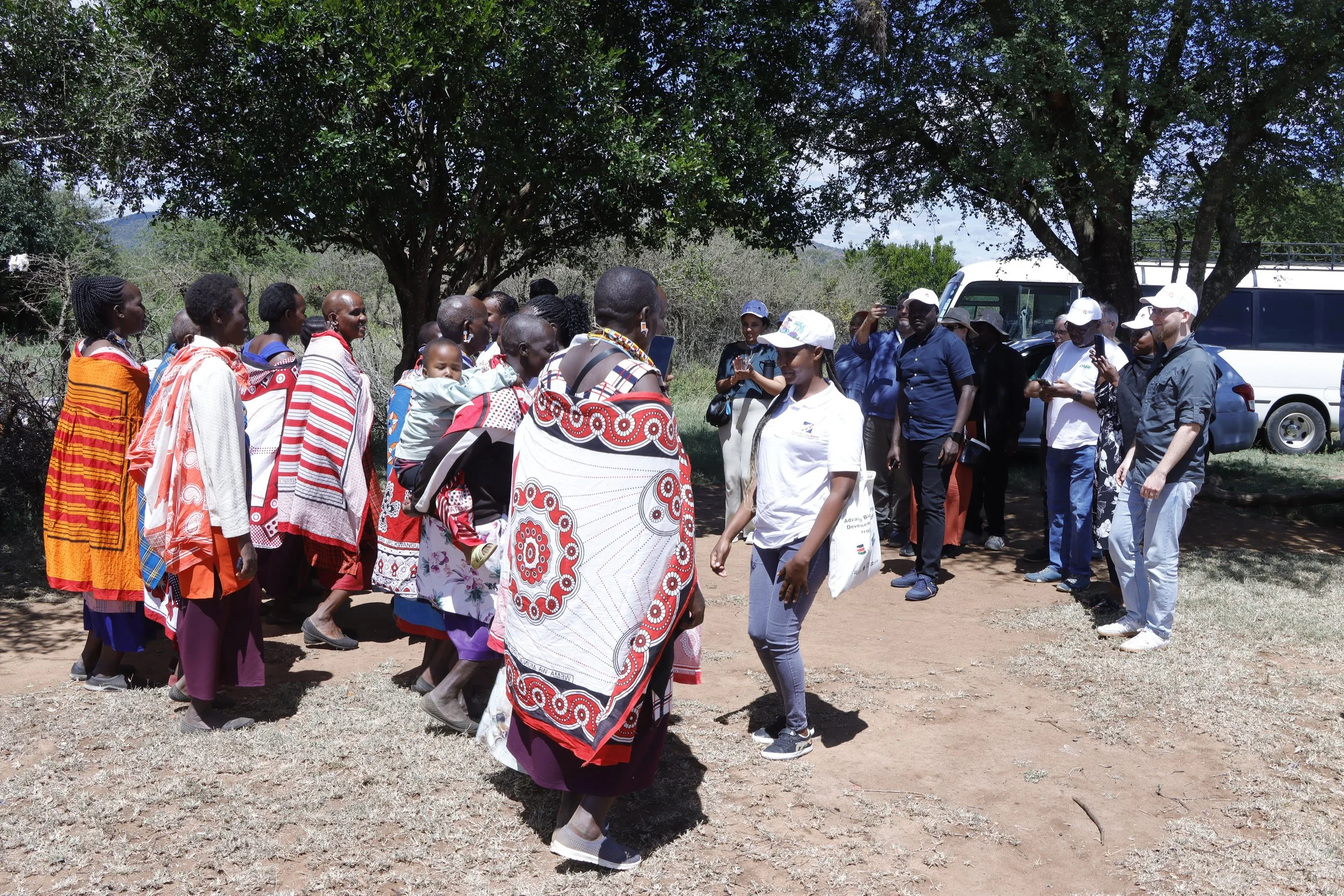
Figure 2: Members of the Maasai Kajiado Women Dairy Cooperative Society Ltd. together with participants from CIFOR-ICRAF during the AgriCord field engagement, highlighting collaboration between farmer organizations and research partners. (Credit: AgriCord)
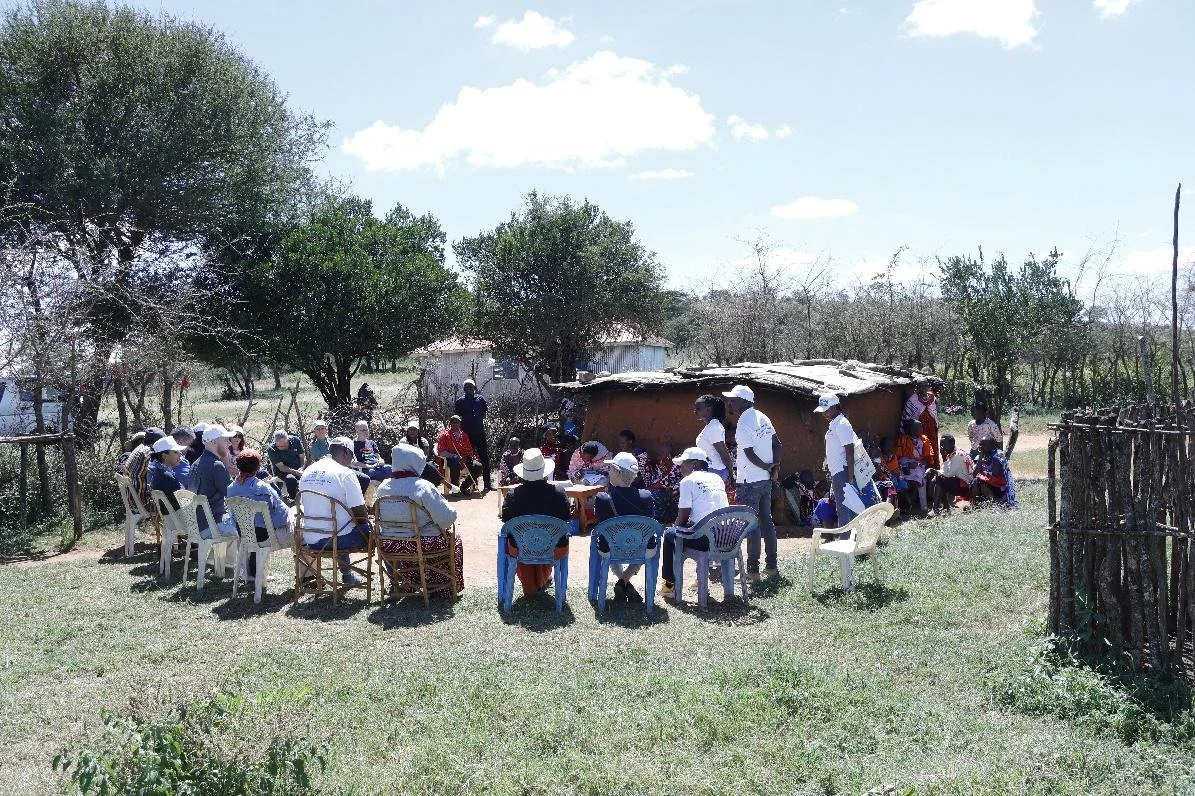
Representing the Landscape Alliance (ICRAF) Soil and Land Health Theme, I joined the field visit to Kajiado County, where we engaged with the Maasai Kajiado Women Dairy Cooperative Society Ltd. This cooperative stands as a powerful example of how collective action can transform livelihoods in semi-arid regions. Coordinated by the We Effect organization, the visit created a valuable space for interaction with cooperative members, who shared their experiences, challenges, and success stories. These firsthand insights highlighted both the resilience of the community and the potential for scaling sustainable, farmer-led solutions.
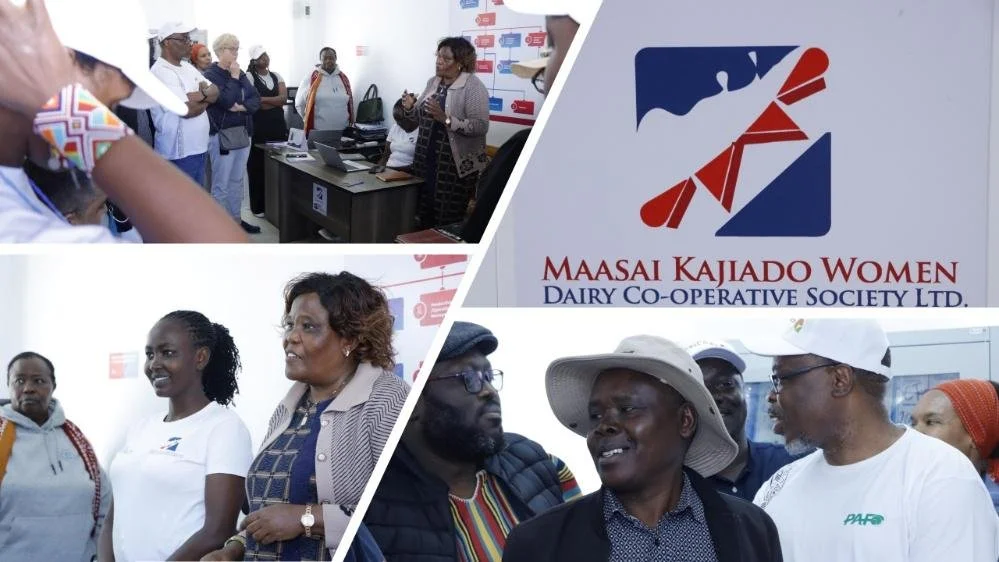
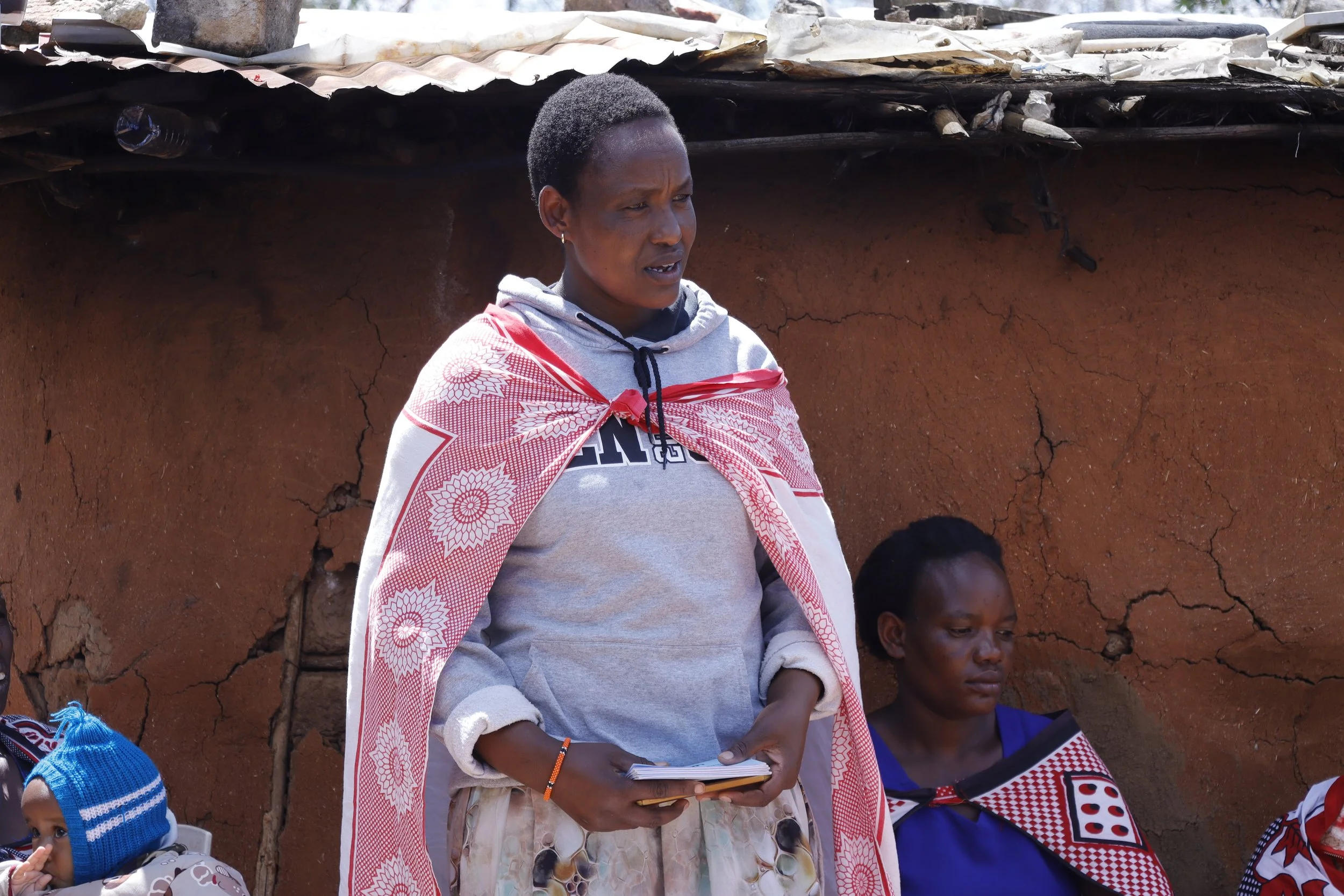
Figure 3: Members of the Maasai Kajiado Women Dairy Cooperative Society Ltd. alongside AgriCord participants during a visit to their offices in Kajiado Town, showcasing engagement and knowledge exchange at the local level. (Credit: AgriCord)
Women at the Center of Transformation
At the heart of the Maasai Kajiado Women Dairy Cooperative Society Ltd is a powerful story of women’s leadership and transformation. Comprising over 3400 women across seven Kajiado sub-counties, the cooperative is entirely managed by women, demonstrating strong governance structures, accountability, and financial discipline. Through dairy related income, members have significantly improved their livelihoods. Structured systems, coupled with the adoption of digital payment platforms, have enhanced financial independence, enabling women to invest in education, housing, healthcare, and overall household well being.
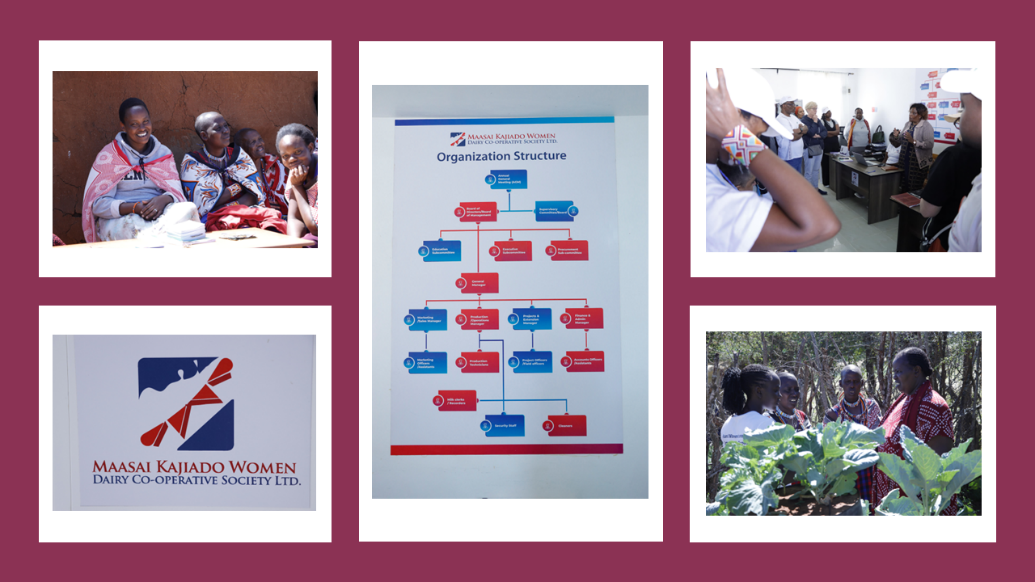
Figure 4: Organizational structure of the Maasai Kajiado Women Dairy Cooperative Society Ltd., illustrating its governance framework, leadership roles, and coordination across member groups. (Credit: AgriCord)
Operating within Kajiado County which is a semi-arid region characterized by low literacy levels among women and deeply rooted patriarchal norms, the cooperative has strategically leveraged existing cultural dynamics to its advantage. While Maasai men traditionally own cattle, women control milk. Building on this, the cooperative has organized women into smaller, manageable groups of approximately 25 members. These groups coordinate milk production and aggregation at the local level, creating an efficient and inclusive system that ensures broad participation.
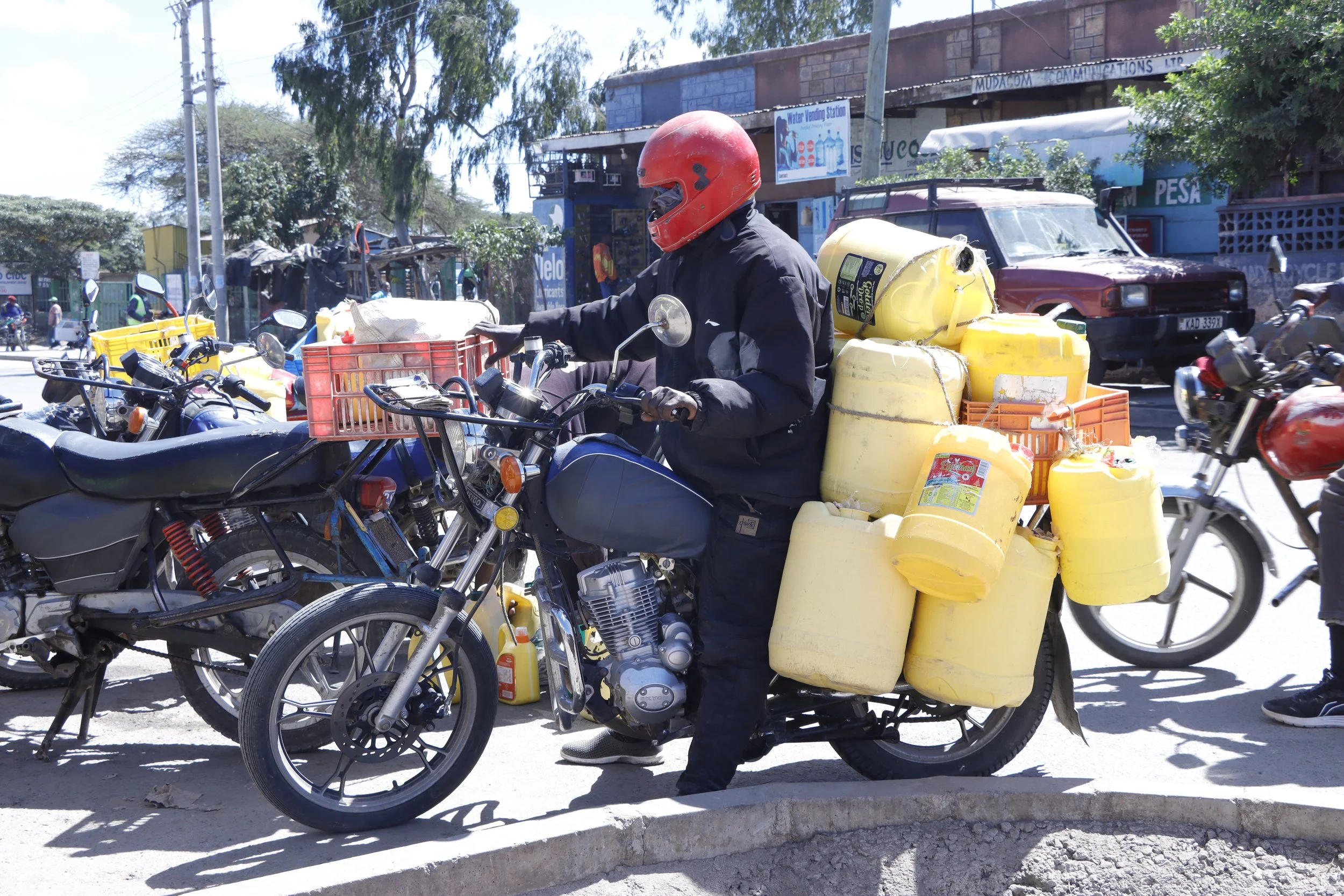
Despite these achievements, logistical challenges persist, particularly due to poor road infrastructure that becomes more problematic during rainy seasons. To address this constraint, the cooperative has innovatively engaged local youth who use motorbikes to transport milk from collection points to central aggregation centers. This solution not only improves efficiency and reduces delays but also creates employment opportunities within the community.
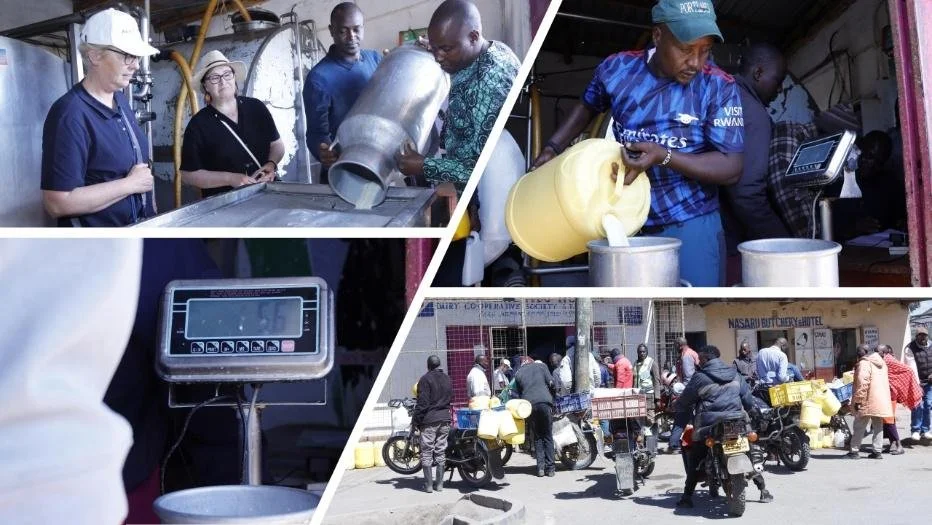
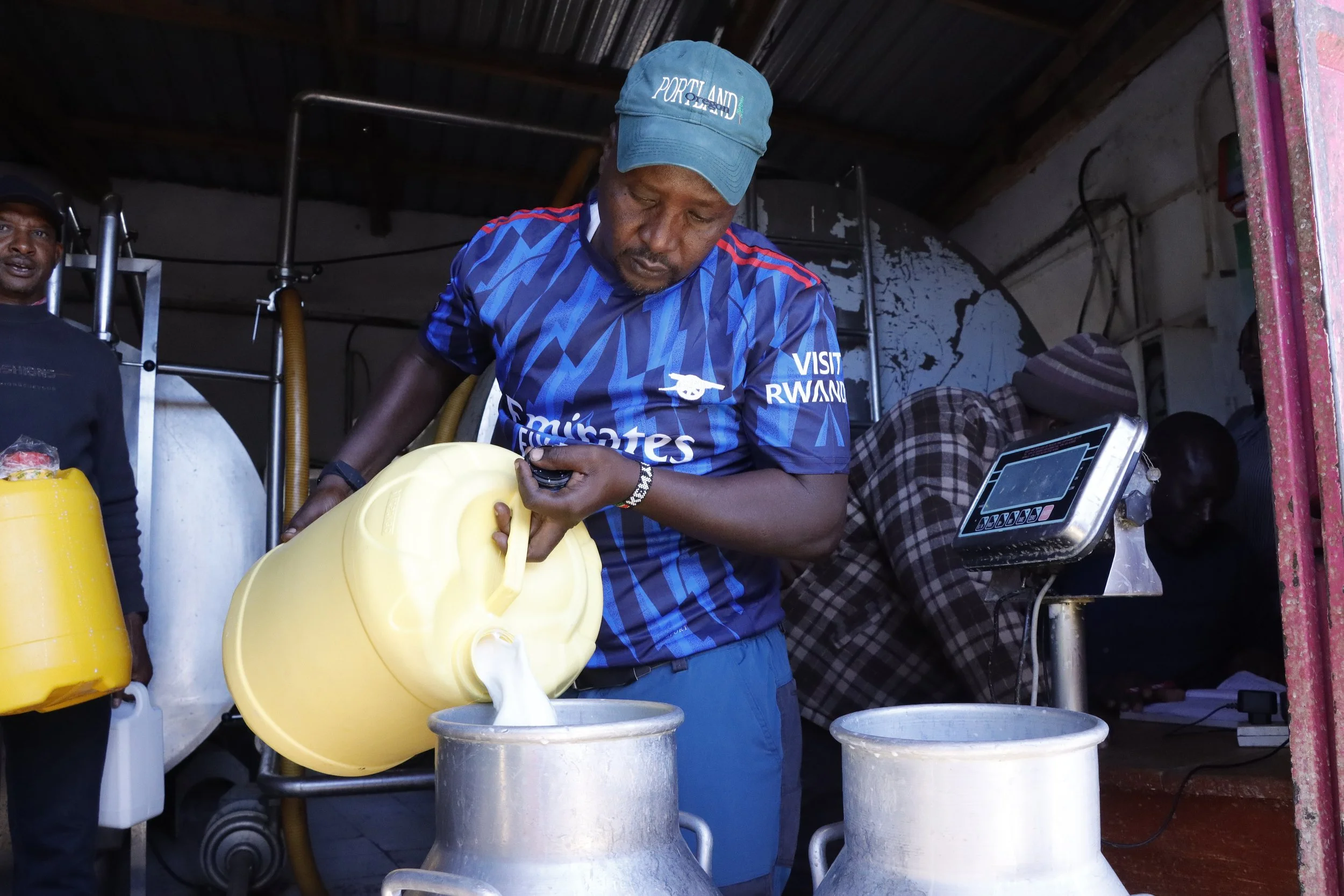
Figure 5: Milk collection and aggregation centre in Kajiado Town operated by the Maasai Kajiado Women Dairy Cooperative Society Ltd., showcasing facilities used for milk reception, quality control, and temporary storage before processing. (Credit: AgriCord)
At aggregation centers, such as the one in Kajiado town, strict quality control measures are applied to maintain high standards. Milk is assessed based on weight, pH, density, bacterial levels, and hygiene conditions before acceptance. Detailed records are maintained for each delivery, ensuring transparency and accuracy in monthly payments to members. Milk that does not meet the required standards is rejected, reinforcing a culture of quality and accountability across the cooperative.
This model underscores how women, when organized and supported, can drive systemic change transforming traditional roles into economic opportunities while strengthening resilience and sustainability within their communities.
From Production to Value Addition: A Structured Dairy Ecosystem
The Maasai Kajiado Women Dairy Cooperative Society Ltd has established an efficient and well-coordinated system for milk aggregation, quality control, and processing, demonstrating a practical model for strengthening farmer led value chains. Milk collection begins at decentralized group levels, making it easier for farmers to access collection points within their communities. From there, the milk is transported often by youth using motorbikes to central aggregation hubs. This approach not only ensures timely delivery and reduces post-harvest losses but also creates employment opportunities for young people within the local economy.
At the aggregation centers, the cooperative applies rigorous quality control measures to maintain high product standards. Each batch of milk undergoes testing for key parameters such as pH, density, and bacterial levels, ensuring that only quality-assured milk proceeds to processing. This commitment to quality not only safeguards consumer health but also enhances trust and reliability in the cooperative’s products.
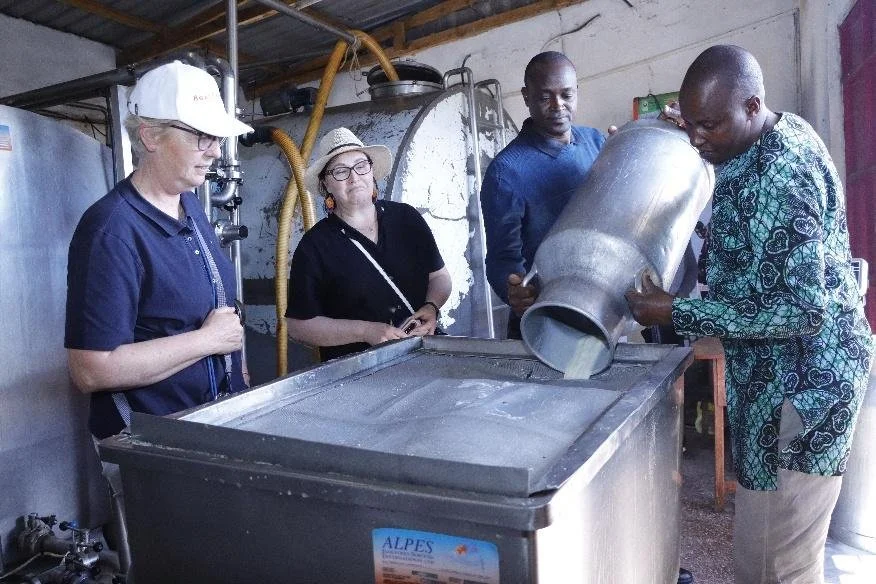
Figure 6: Milk collection and aggregation centre in Kajiado Town, where a worker from the Maasai Kajiado Women Dairy Cooperative Society Ltd. demonstrates the sieving process used to remove debris and other solid particles, ensuring milk quality prior to storage and processing. (Credit: AgriCord)
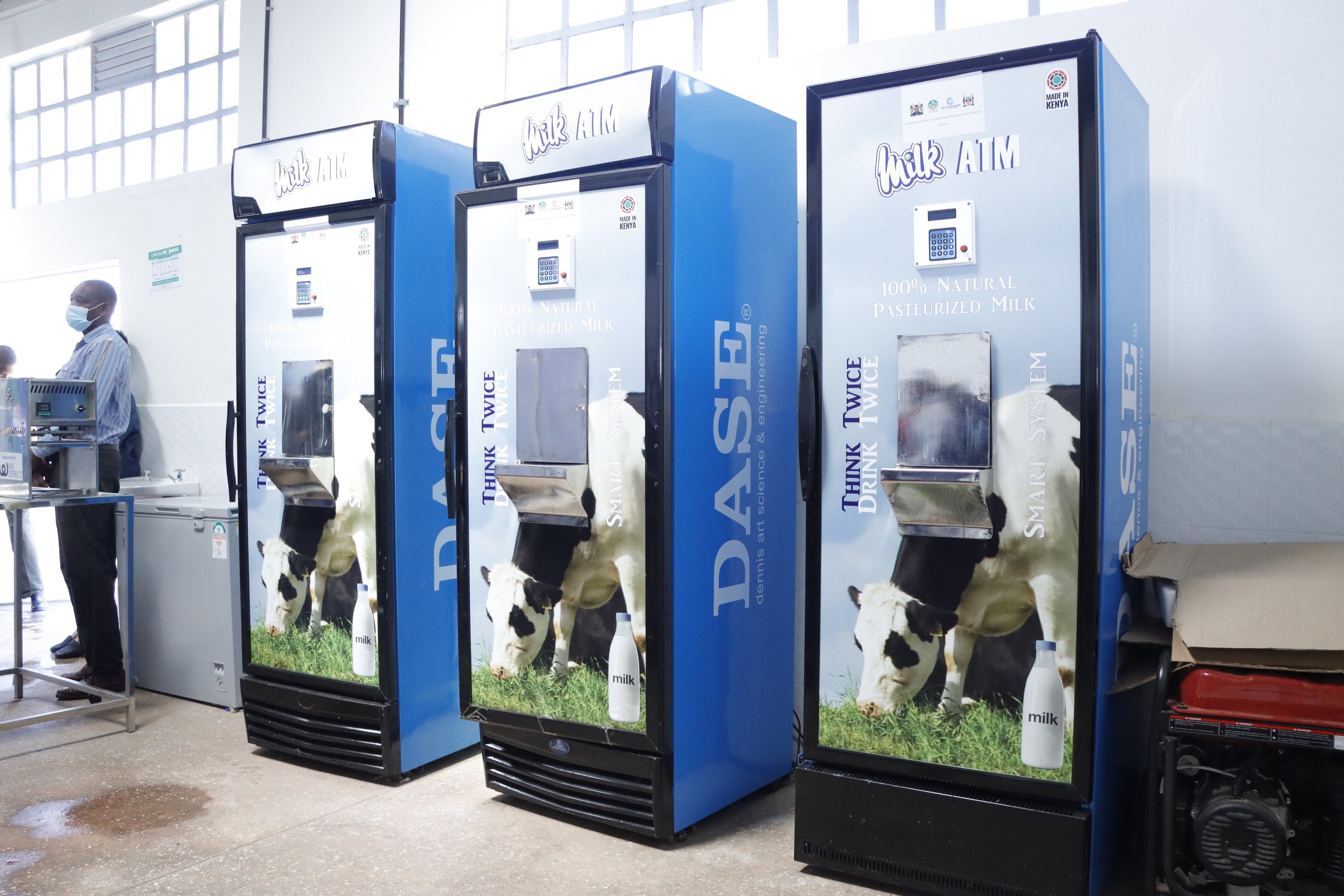
Once collected and aggregated, the milk is stored in cooling facilities to preserve its quality before onward transportation to the dairy processing plant. This facility represents a strong example of collaborative investment, having been funded through contributions from farmers alongside support from the Kajiado county government, Kenya Climate Smart Agriculture Project (KSCAP), the World Bank, and the government of Kenya. Such partnerships highlight the power of blended financing in building critical rural infrastructure that individual farmers would not be able to establish on their own.
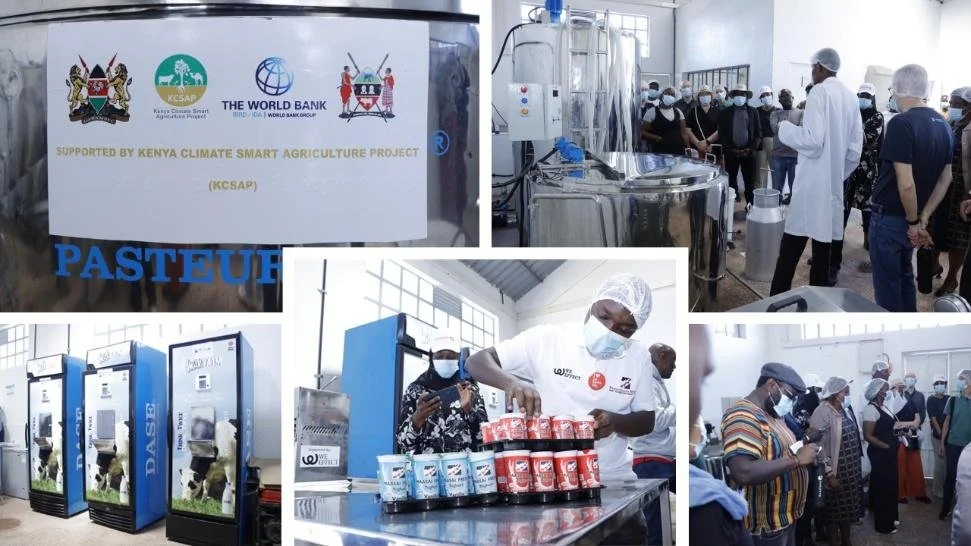
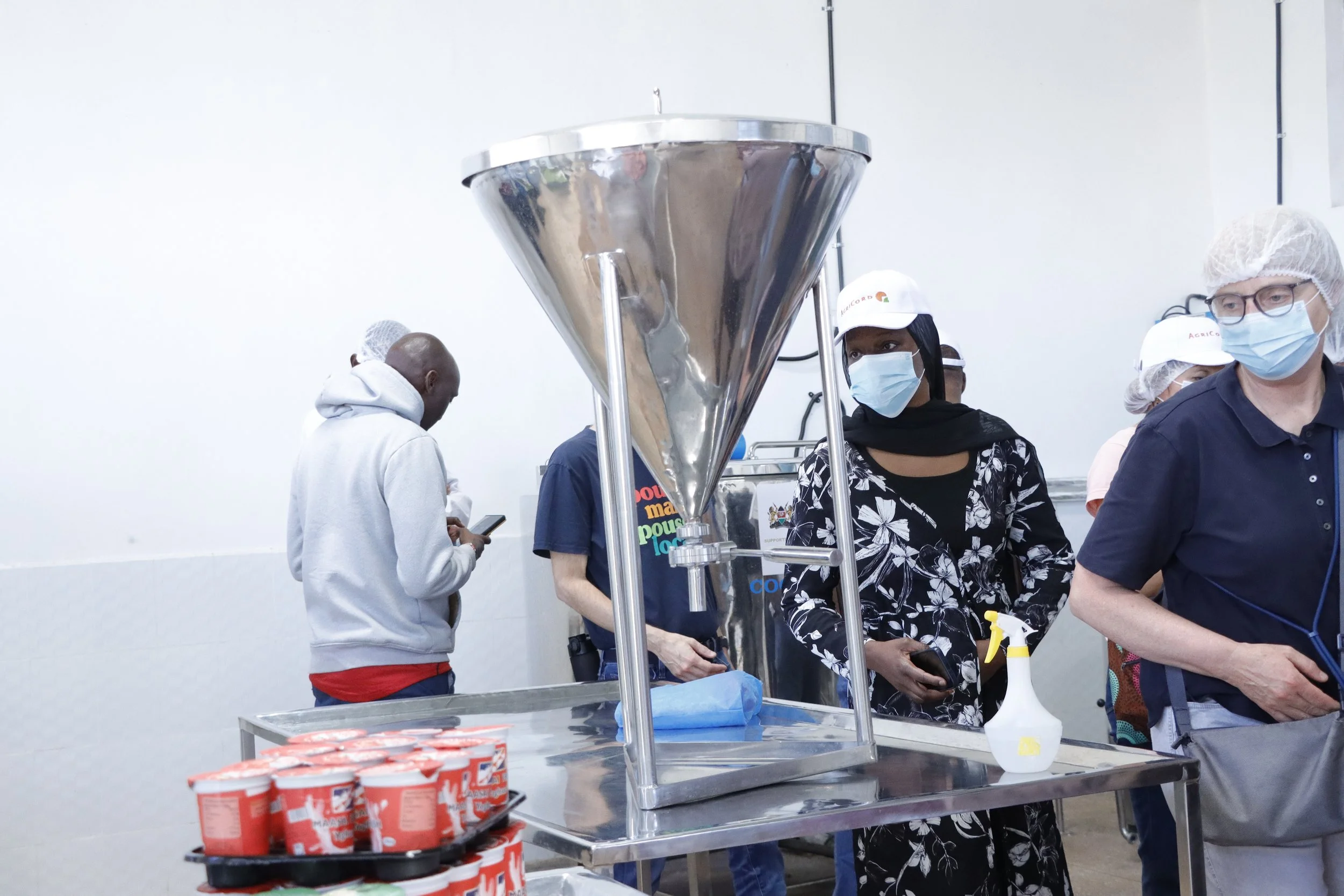
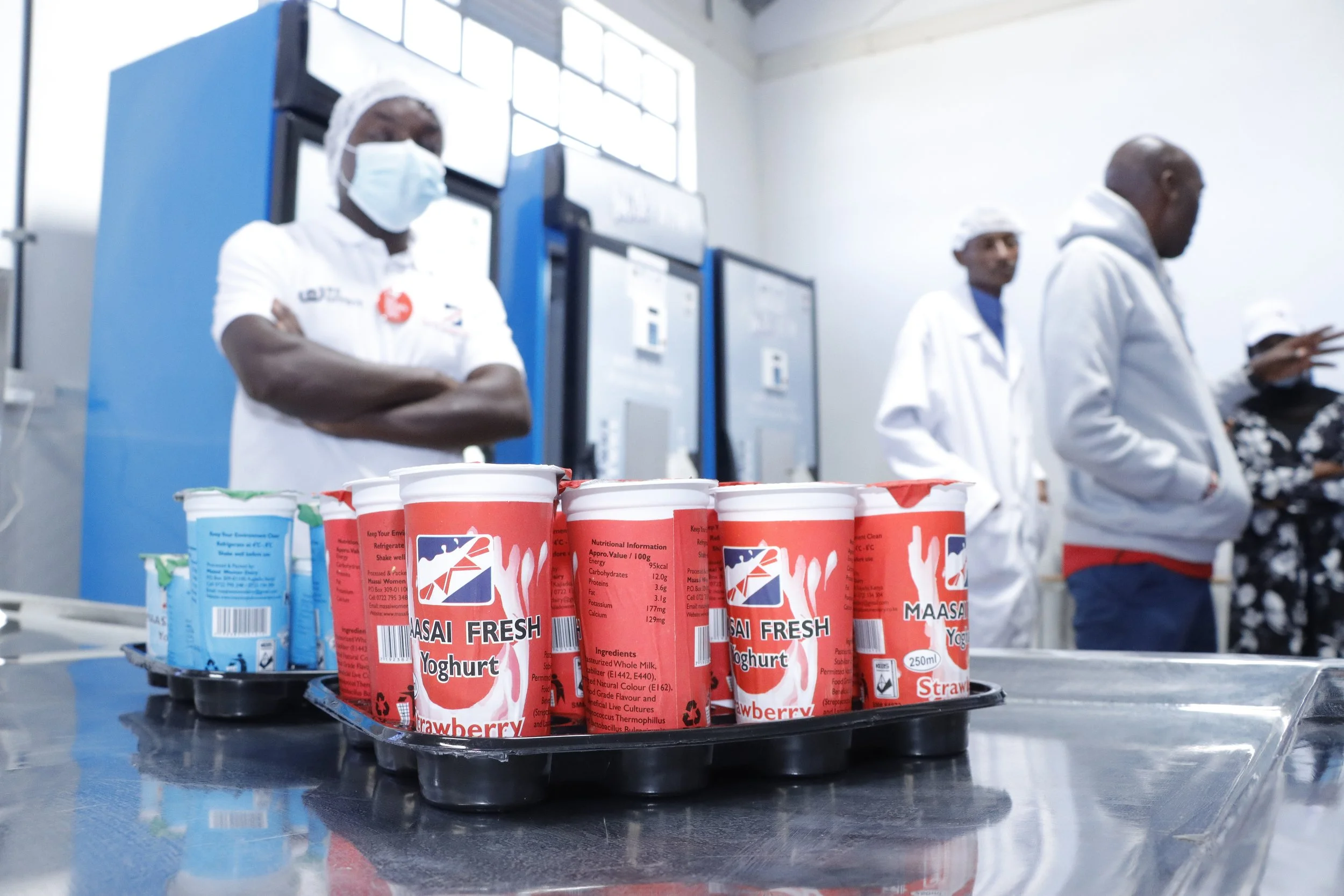
Figure 7: Milk processing facility operated by the Maasai Kajiado Women Dairy Cooperative Society Ltd., where collected milk undergoes quality testing, pasteurization, and value addition into products such as fresh milk, skimmed milk, and yoghurt. (Credit: AgriCord)
Beyond aggregation, the cooperative has invested in processing to increase the value of its milk. By producing a range of value-added products including fresh milk, skimmed milk, and yoghurt the cooperative is able to diversify its offerings and compete more effectively in the market. This strategic move allows farmers to capture more value from their produce, rather than relying solely on raw milk sales.
At the processing plant, the milk undergoes a series of carefully controlled steps to ensure safety and quality. It is first subjected to thorough quality testing, followed by cooling to maintain freshness. The milk is then pasteurized to eliminate harmful microorganisms and homogenized to improve consistency and texture. For products such as yoghurt, fermentation processes are applied under controlled conditions to achieve the desired taste and nutritional profile.
The final stage involves processing the milk into a range of value-added products, including fresh milk, skimmed milk, and yoghurt. These products are then packaged and prepared for distribution to the market. This end-to-end system from aggregation and cooling to processing and packaging demonstrates how strategic investment and coordinated value chain development can enhance product quality, reduce losses, and significantly increase returns for farmers.
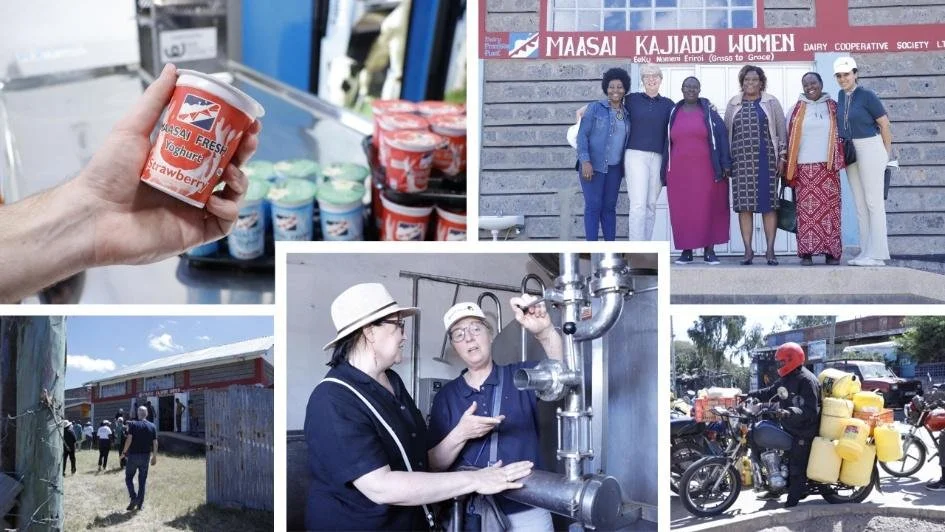
Figure 8: End-to-end dairy value chain activities of the Maasai Kajiado Women Dairy Cooperative Society Ltd., featuring the processing facility, value added products (including fresh milk, skimmed milk, and yoghurt), and youth transporting milk to aggregation centers using motorbikes illustrating integrated socio-economic engagement across the production system. (Credit: AgriCord)
Overall, this integrated system illustrates how farmer organizations can evolve beyond primary production to become active and competitive players within agricultural value chains. By combining efficient logistics, strict quality assurance, and value addition, the cooperative is not only improving incomes for its members but also contributing to a more resilient and inclusive dairy sector.
Innovative Community Financing: The Power of VSLAs
Access to formal financial services remains a persistent challenge in many rural areas, limiting the ability of smallholder farmers especially women to invest in their livelihoods. In response, women’s groups within the Maasai Kajiado Women Dairy Cooperative Society Ltd have developed innovative, community driven financial systems through Village Savings and Loan Associations (VSLAs). These grassroots mechanisms are enabling members to save consistently, access short-term credit, build financial resilience, and share profits collectively.
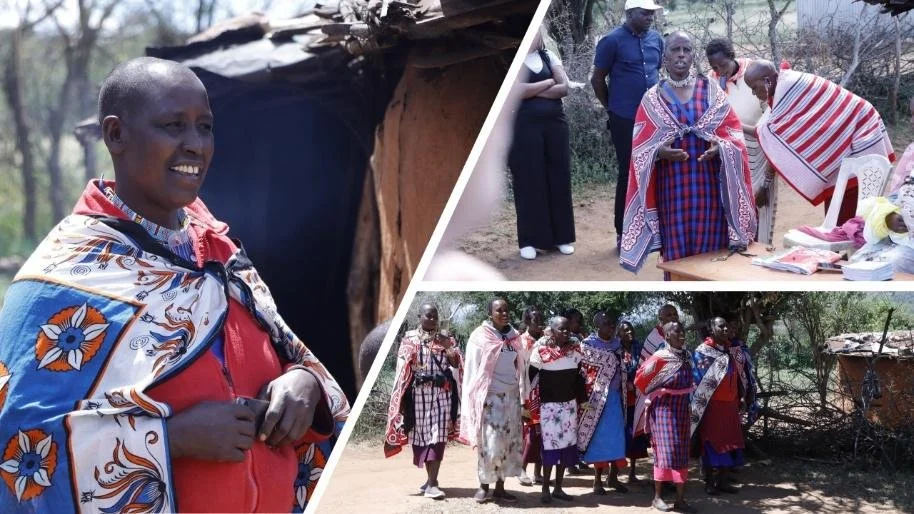
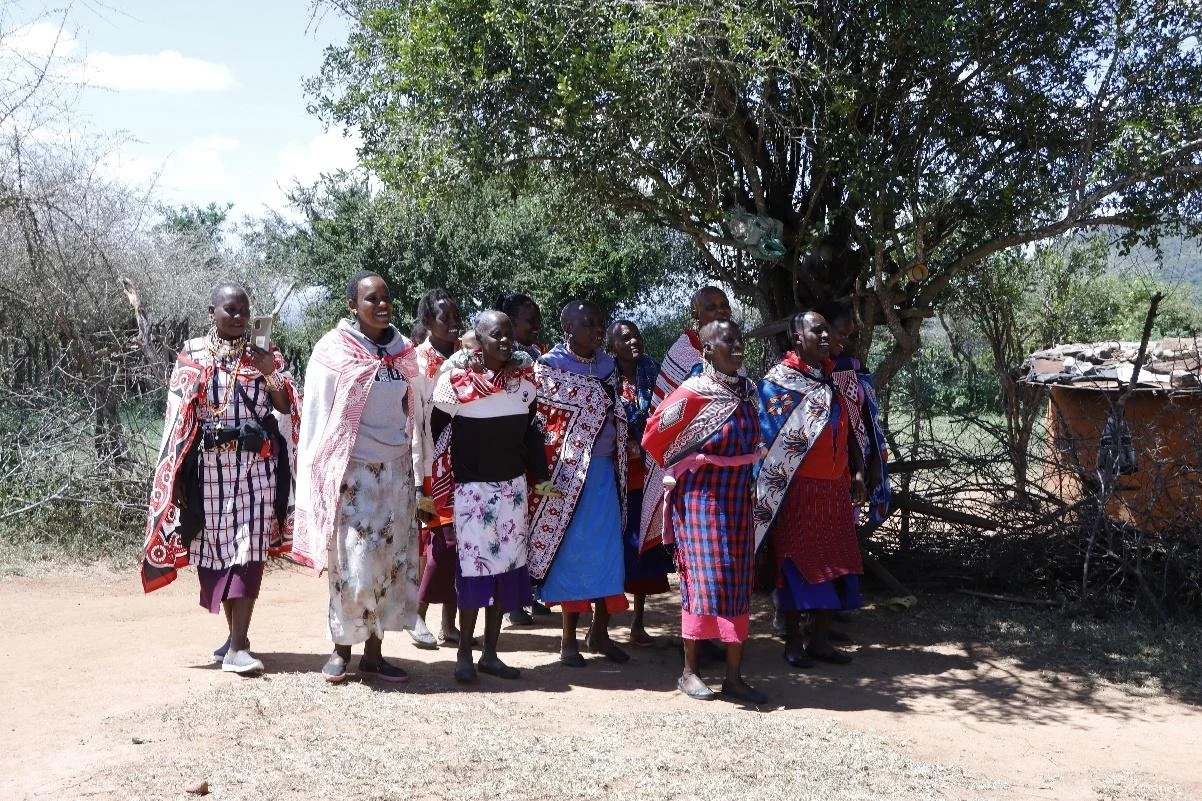
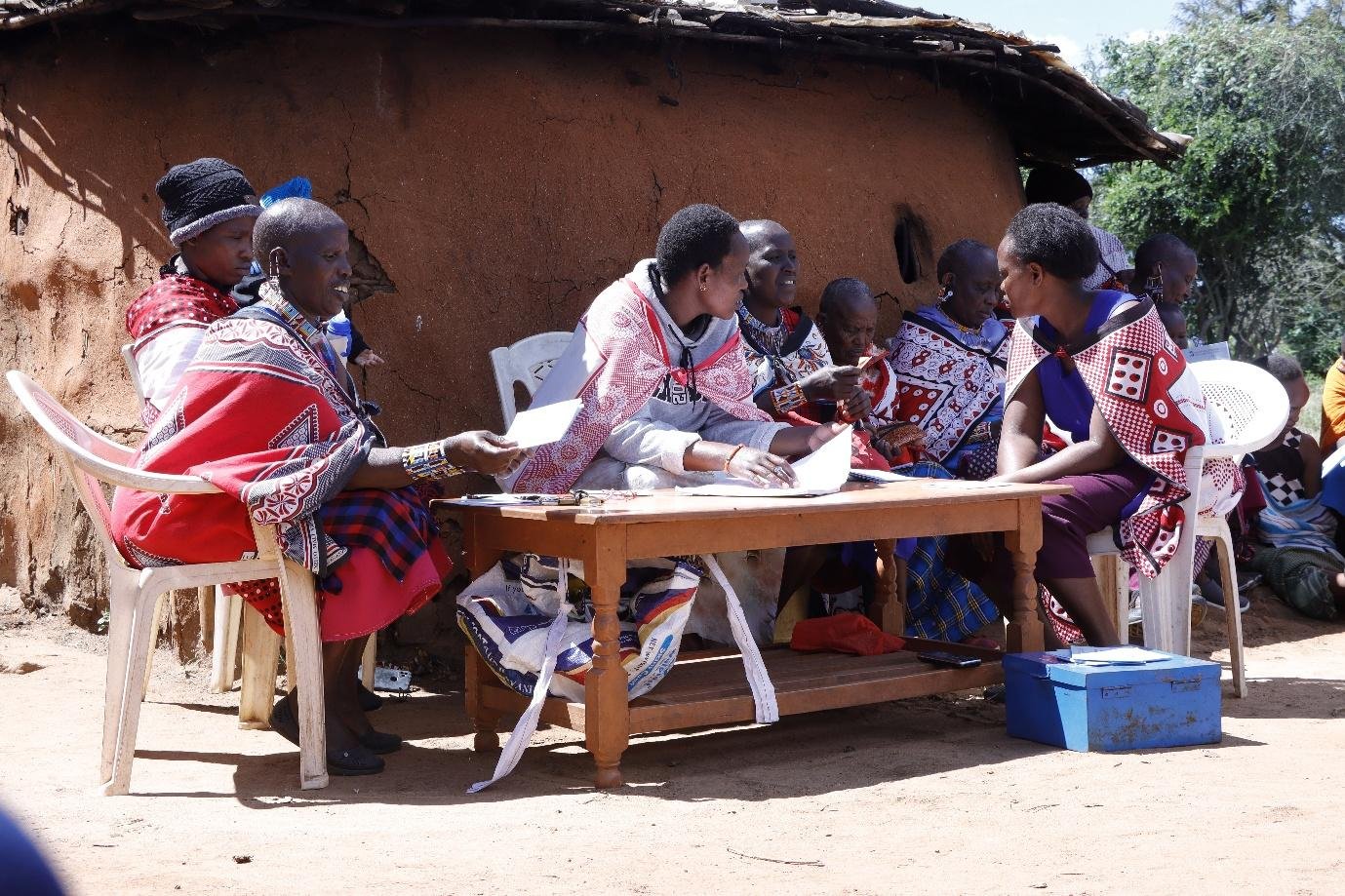
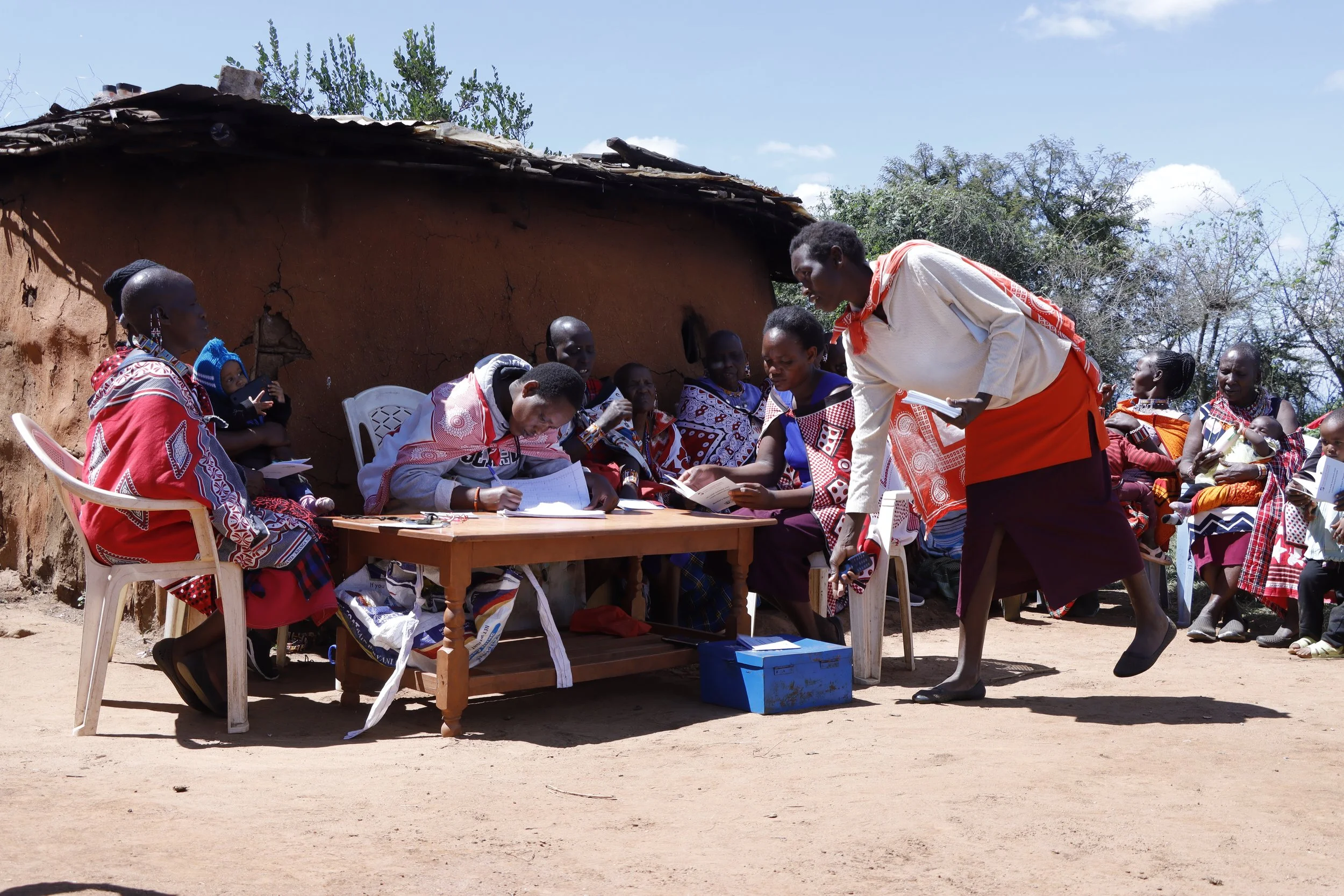
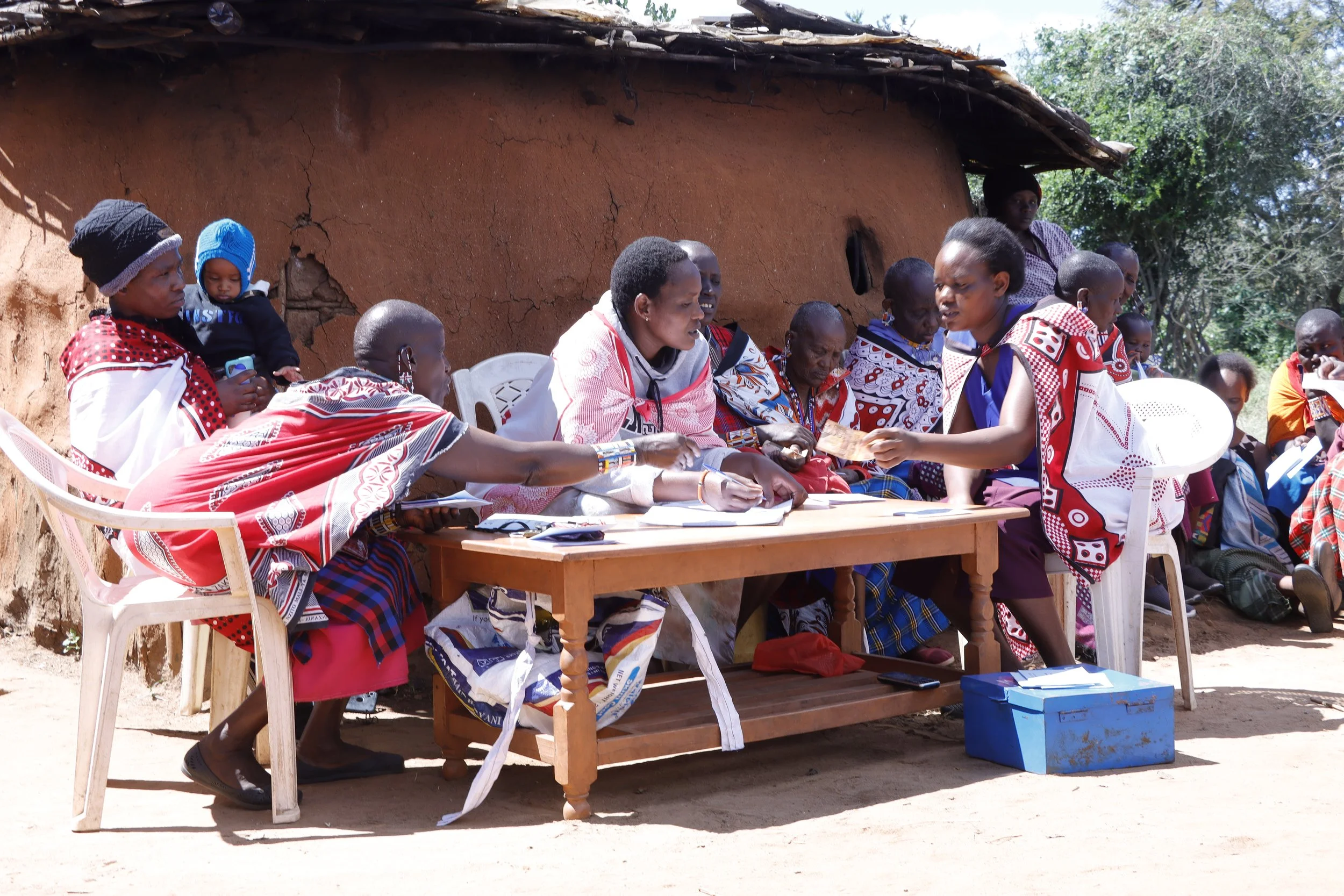
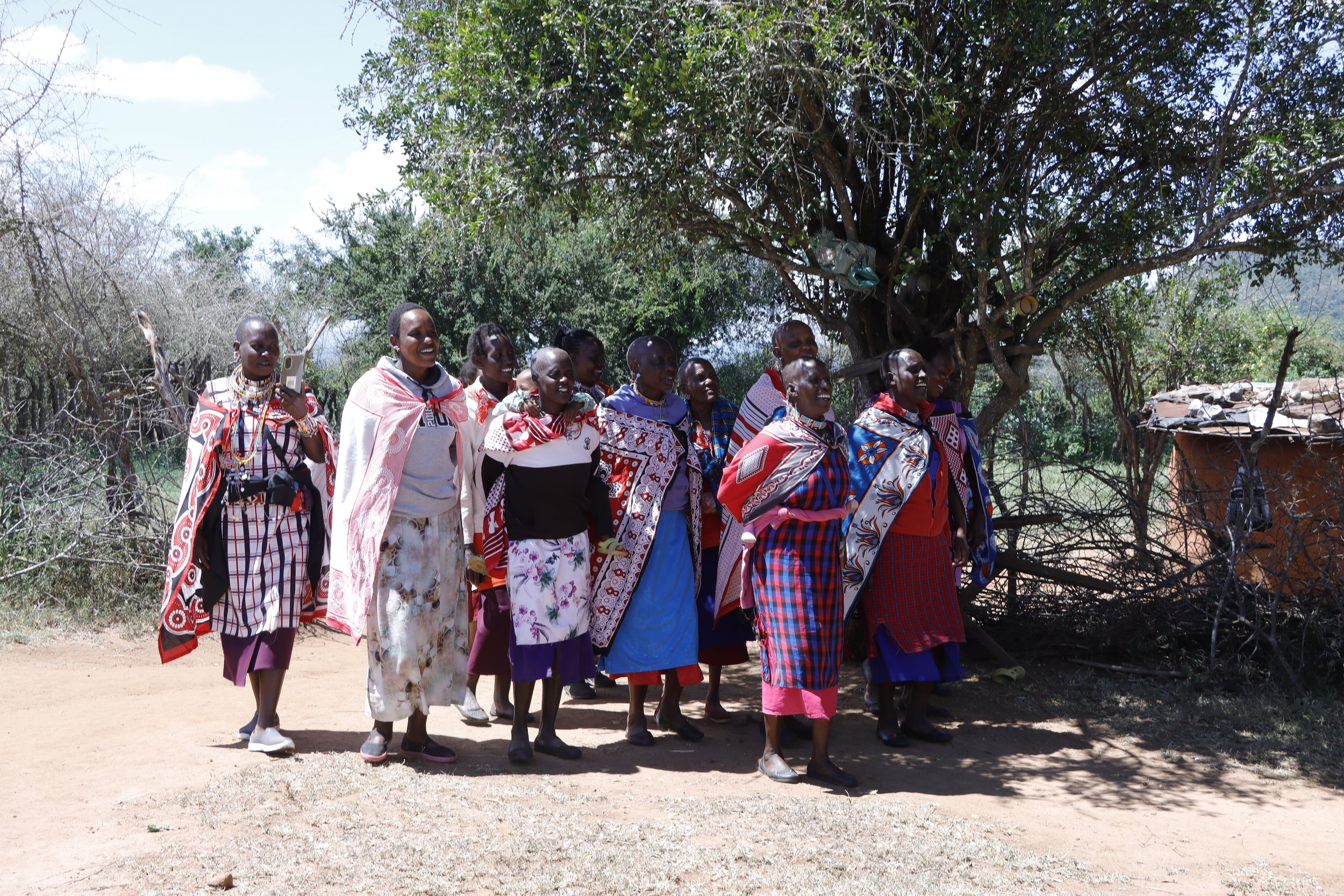
Figure 9: Members of the Maasai Kajiado Naleto Alevai Women Group, a 25-member subgroup within the cooperative network, highlighting community-based organization and collective participation in daily and financial activities. (Credit: AgriCord)
Through the VSLA model, members make regular contributions, creating a pooled fund from which they can borrow. This system not only provides timely access to credit but also strengthens a culture of savings and financial discipline among participants. It has become a critical tool for managing household needs, supporting small enterprises, and investing in agricultural activities.
A strong example of this model in action is the Naleto Alevai Women Group, a 25-member subgroup within a broader network of over 60 similar groups across Kajiado County. Each member contributes KES 200 weekly, building a shared financial base. Members are eligible to borrow up to twice the value of their savings, with loans repayable within 16 days at an interest rate of 10 percent. This structured yet flexible system ensures liquidity while maintaining sustainability of the fund.
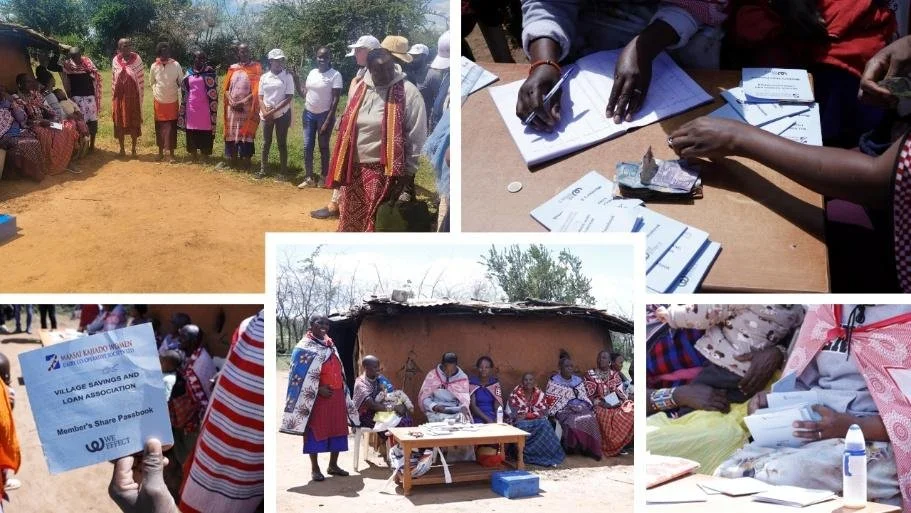
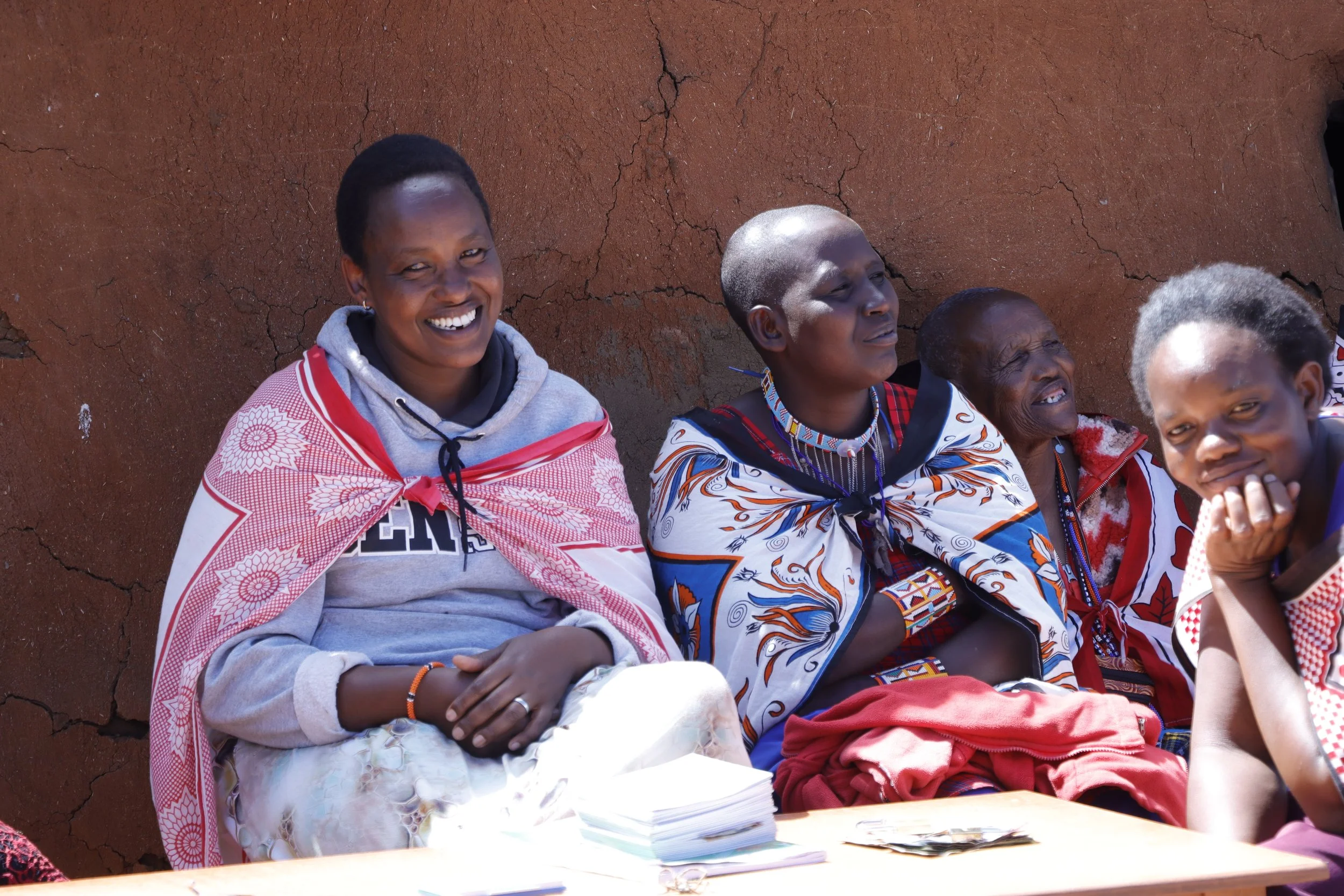
Figure 10: Members of the Maasai Kajiado Naleto Alevai Women Group demonstrating their Village Savings and Loan Association (VSLA) model, showcasing community-led savings, lending practices, and financial management systems that strengthen economic resilience. (Credit: AgriCord)
Governance and accountability are central to the success of the VSLA system. The Naleto Alevai Women Group operates under a clearly defined leadership structure that includes a chairperson, secretary, and treasurer, alongside three additional members who serve as key padlock holders responsible for safeguarding the savings box. All financial transactions require the presence of these officials, ensuring transparency and minimizing risks of mismanagement.
At the end of each annual cycle, accumulated savings and generated profits are distributed among members, providing a significant financial boost. In the most recent cycle, the Naleto Alevai Women Group shared out KES 800,000 among its members, demonstrating the tangible economic impact of this approach.
Capacity building has further strengthened these groups, with support from development partners such as We Effect organization playing a key role in empowering women with financial management skills and organizational capacity. As a result, VSLAs are not only addressing gaps in formal financial access but are also fostering economic independence, social cohesion, and resilience among rural women.
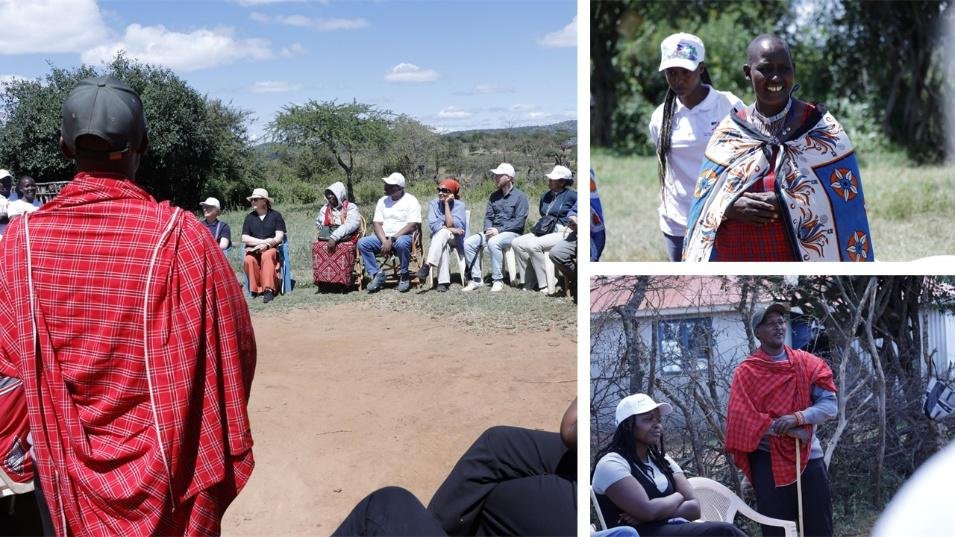
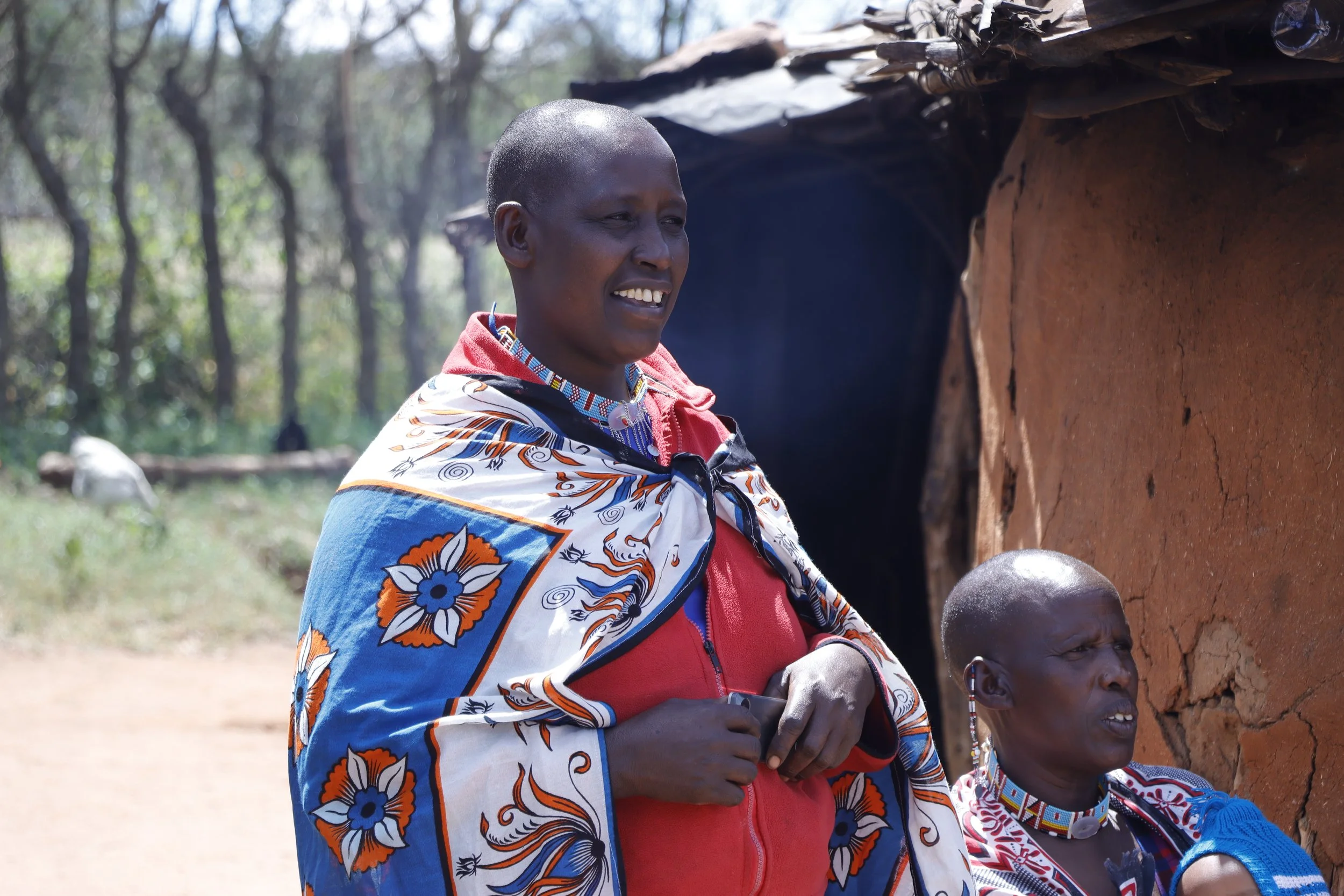
Figure 11: AgriCord participants together with a Maasai village elder and members of the Kajiado Naleto Alevai Women Group, highlighting intergenerational engagement, community leadership, and collaborative learning during the field visit. (Credit: AgriCord)
This model highlights the transformative potential of community-led financing systems in unlocking opportunities for inclusive rural development and strengthening farmer organizations from within.
Key Challenges and Opportunities
Despite the significant progress made by the Maasai Kajiado Women Dairy Cooperative Society Ltd, a number of structural and environmental challenges continue to affect the sustainability and growth of the dairy enterprise. Chief among these is climate variability, particularly seasonal drought, which significantly reduces milk production and destabilizes household incomes. Closely linked to this is persistent water scarcity, which not only limits livestock productivity but also constrains the adoption of climate-smart practices such as agroforestry that could otherwise enhance fodder availability and support more stable production systems.
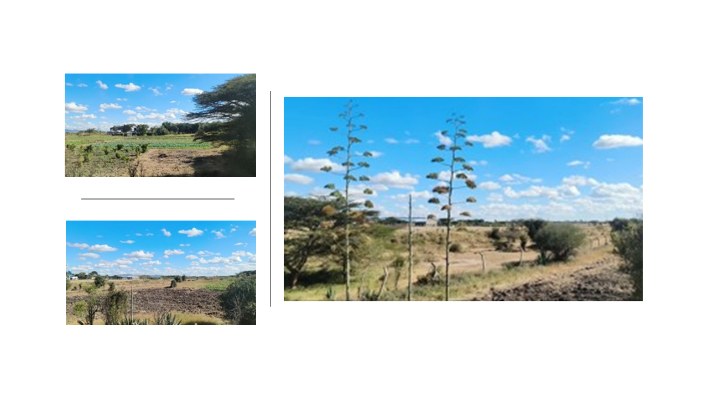
Figure 11: Dryland landscape terrain in Kajiado County, illustrating the potential for agroforestry development alongside existing challenges of limited water availability in semi-arid environments. (Credit: Dickens Ateku)
Infrastructure limitations further compound these challenges. Poor road networks hinder efficient milk collection and transportation, increasing the risk of spoilage and reducing market efficiency. At the same time, the community generates substantial quantities of livestock manure that remain largely underutilized. This represents a missed opportunity for improving soil health, enhancing crop productivity, or developing manure-based enterprises through aggregation and sale to external markets.
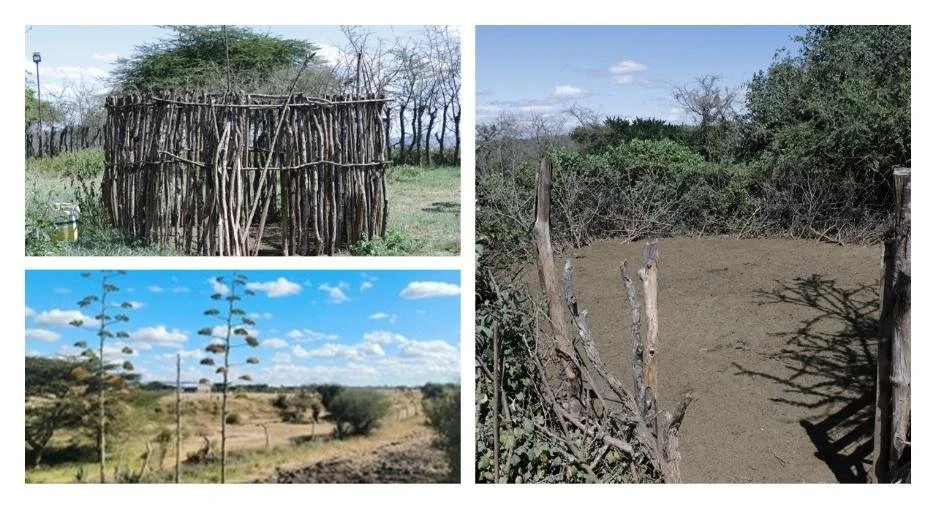
Figure 12: Landscape of Kajiado County showing a typical pastoral setting, including a pen where kid goats are kept and a traditional boma where cattle rest after grazing. The site also highlights the presence of substantial amounts of underutilized cow dung manure, indicating opportunities for improved organic resource management and soil fertility enhancement. (Credit: AgriCord)
However, these constraints also present important opportunities for innovation and collaboration. Addressing climate stress and water scarcity could unlock pathways for investment in water harvesting technologies, climate-resilient fodder systems, and integrated agroforestry models. Similarly, improving rural infrastructure would enhance market access and reduce losses along the value chain. The untapped potential of livestock manure offers a promising avenue for circular economy approaches that link dairy production with sustainable land management and soil health improvement.
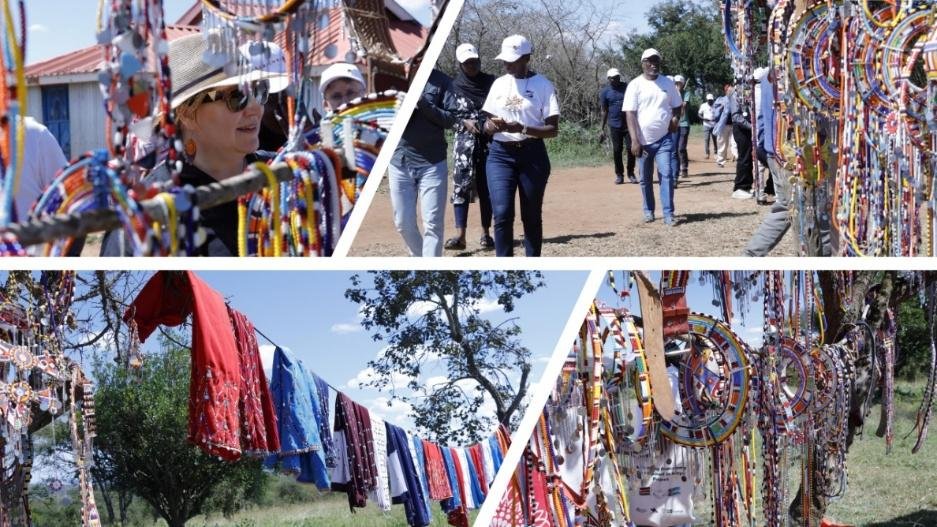
In response to existing vulnerabilities, women within the cooperative have already begun diversifying their livelihoods to reduce dependence on dairy alone. Complementary income-generating activities such as kitchen gardening, poultry farming, honey harvesting, and the production and sale of Maasai arts and crafts; including jewellery, carvings, and traditional attire are strengthening household resilience and broadening income streams.
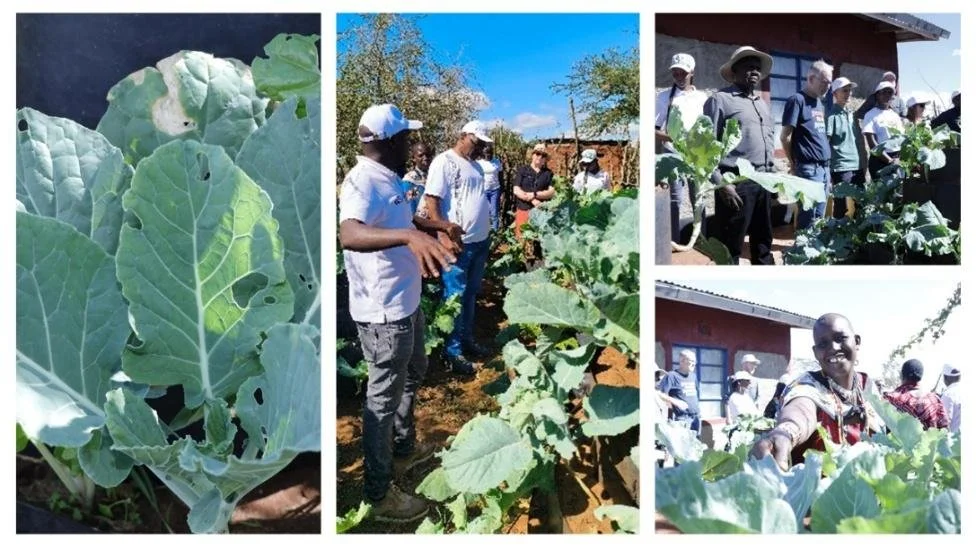
Figure 13: Kitchen garden established by the Maasai Kajiado Naleto Alevai Women Group, demonstrating diversified livelihoods, improved household nutrition, and small-scale climate-resilient food production practices. (Credit: AgriCord)
Ultimately, while the cooperative faces real and persistent challenges, its proactive approach and strong social organization position it well to leverage these challenges as opportunities. With the right mix of investment, capacity building, and strategic partnerships, these constraints can be transformed into drivers of inclusive growth, resilience, and sustainable rural development.
Opportunities for Collaboration with the Soil and Land Health Theme
The field visit highlighted several strategic entry points through which the Soil and Land Health Theme can support and scale impact within the Maasai Kajiado Women Dairy Cooperative ecosystem. These opportunities build on existing community strengths while addressing critical gaps in sustainability, productivity, and resilience.
A key area of collaboration lies in advancing soil health and organic resource management. The large volumes of livestock manure currently underutilized present a valuable opportunity to improve soil fertility through its promotion as an organic fertilizer. Establishing systems for manure aggregation, processing, and commercialization could not only enhance soil productivity but also create additional income streams for farmers.
Climate smart agriculture and agroforestry also offer significant potential. Supporting the integration of drought-resilient fodder species alongside agroforestry systems can help stabilize feed availability while improving soil structure and moisture retention. These practices further contribute to carbon sequestration, aligning local interventions with broader climate resilience and mitigation goals.
Strengthening soil and land health diagnostics is another critical entry point. Deploying soil testing services and digital advisory tools would enable farmers to make informed decisions based on site-specific conditions. Tailored recommendations for pasture and crop management can significantly improve productivity while promoting sustainable land use practices.
Capacity building and extension services remain central to long-term impact. Training farmers on soil health management, regenerative agriculture, and sustainable intensification can enhance both knowledge and practice. Participatory approaches that build on local knowledge systems will be essential in ensuring adoption and sustainability of interventions.
There is also a strong opportunity to advance the circular economy and waste-to-value innovations. Supporting the development of biofertilizers and composting enterprises can transform agricultural waste into valuable inputs. Linking farmer groups to markets for organic products would further strengthen these emerging enterprises and create new economic opportunities.
In addition, leveraging data, monitoring systems, and decision-support tools can enhance planning and implementation at scale. The use of spatial data and soil analytics can inform landscape-level interventions, enabling evidence-based decision-making and targeted investments for climate resilience.
Finally, integrating soil health interventions within broader livelihood systems will be essential. Aligning these efforts with dairy production, kitchen gardening, and agroforestry can enhance diversification, improve productivity, and strengthen household income resilience.
Collectively, these collaboration areas provide a comprehensive framework for partnership, positioning the Soil and Land Health Theme to support a transition toward more sustainable, productive, and resilient agricultural systems.
Conclusion: Scaling Impact Through Partnerships
The AgriCord field visit underscored the transformative power of collective action among farmer-led organizations, particularly highlighting how women farmers in Kajiado are building resilient livelihoods despite challenging environmental conditions. Through structured group organization, strategic partnerships, innovative financing mechanisms, and targeted investments in aggregation and value addition, these farmers are overcoming systemic barriers that have historically limited their growth. As a result, they are gaining improved access to financial resources, strengthening their position within agricultural markets, and enhancing the overall sustainability of their enterprises.
“On the sidelines of AgriCord’s Partners Forum, we had the opportunity to meet with Maasai Kajiado Women Dairy Cooperative in Kajiado, about two hours south of Nairobi, in Maasai territory. The women-led cooperative of 3,400 members partners with We Effect on technical assistance, including training, the establishment of seven milk collection centres, and a dairy processing facility. In Maasai tradition, cattle belong to men, while milk belongs to women therefore ensuring that milk is properly valued and marketed is essential for women’s livelihoods. The way these women are organized is remarkable, especially considering that many of them have had little or no formal education.
Thanks to the regular milk payments they receive through mobile banking and the 60 Village Savings and Loan Associations (VSLAs) providing loans, they are now able to invest in education for their children, improve their homes and living conditions. We met with one VSLA group of 20 women using these opportunities to invest in 200-litre water storage tanks, purchase goats for fattening, start poultry enterprises, or collectively create small vertical kitchen gardens.”
This integrated and collaborative approach demonstrates that resilience is not built through isolated interventions, but through coordinated systems that connect production, finance, processing, and market access. By working together, farmer organizations are not only improving their economic outcomes but also fostering social cohesion and long term stability within their communities.
Looking ahead, strategic collaboration between farmer organizations and research institutions such as CIFOR-ICRAF presents a unique opportunity to scale these successes. Integrating soil and land health solutions into existing agricultural systems can unlock sustainable productivity gains, improve soil fertility, and strengthen climate resilience. In dryland regions such as Kajiado, where environmental pressures are particularly acute, such partnerships are essential for driving lasting impact.
Ultimately, scaling these models will require continued investment, knowledge exchange, and inclusive partnerships that place farmers, especially women, at the center of innovation. By building on existing strengths and aligning efforts across stakeholders, it is possible to accelerate the transition toward more resilient, productive, and sustainable agricultural systems that can serve as models for other regions facing similar challenges.
Call to ActionStrengthening partnerships between research institutions, development actors, and farmer organizations is critical to advancing sustainable and inclusive food systems. The experience from Kajiado offers a clear and practical pathway, one grounded in collaboration, innovation, and the empowerment of local communities.
Now is the time to scale what works. By investing in farmer led models, supporting community driven financing systems, and integrating soil and land health solutions into agricultural value chains, stakeholders can drive meaningful and lasting change across dryland regions and beyond.
Join us in fostering resilient livelihoods, restoring soil health, and building sustainable futures for farming communities.