
2026 Desertification & Drought Day
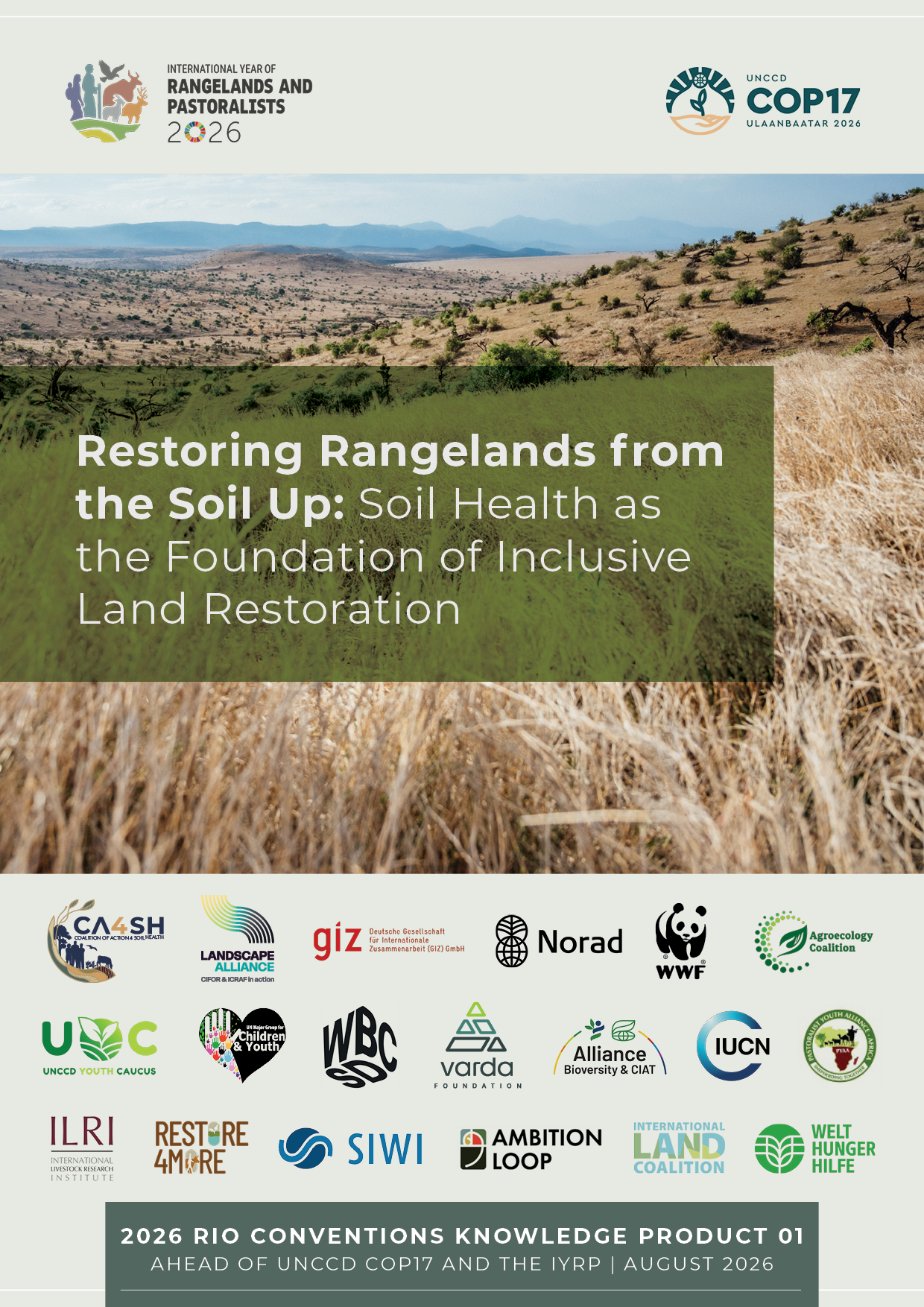
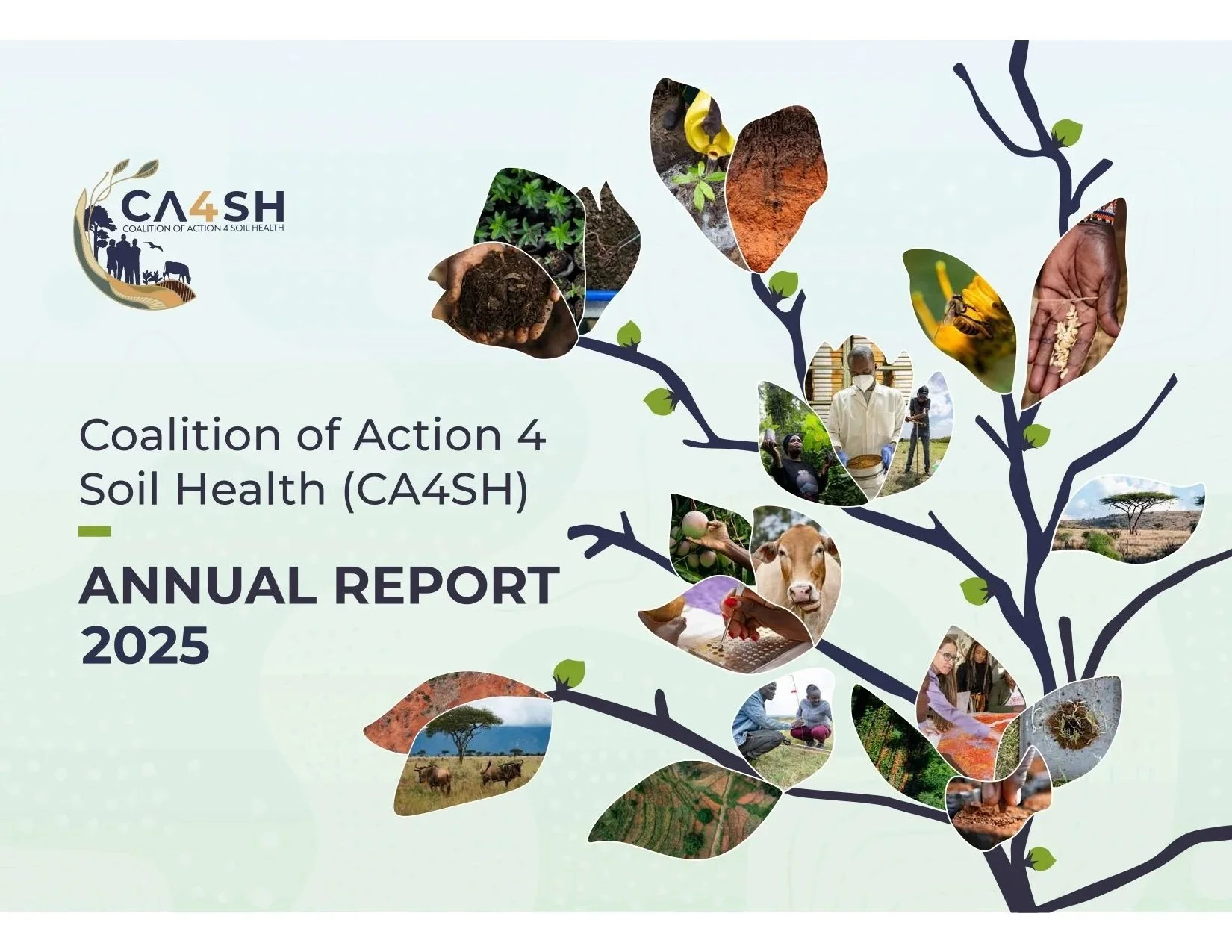
Throughout the month of June, the Coalition of Action for Soil Health (CA4SH) will spotlight soil health solutions, stories, and innovations connected to Desertification and Drought Day 2026 and the International Year of Rangelands and Pastoralists (IYRP2026).
Towards scaling soil health, rangeland restoration, and achieving global goals: Bringing evidence to bear
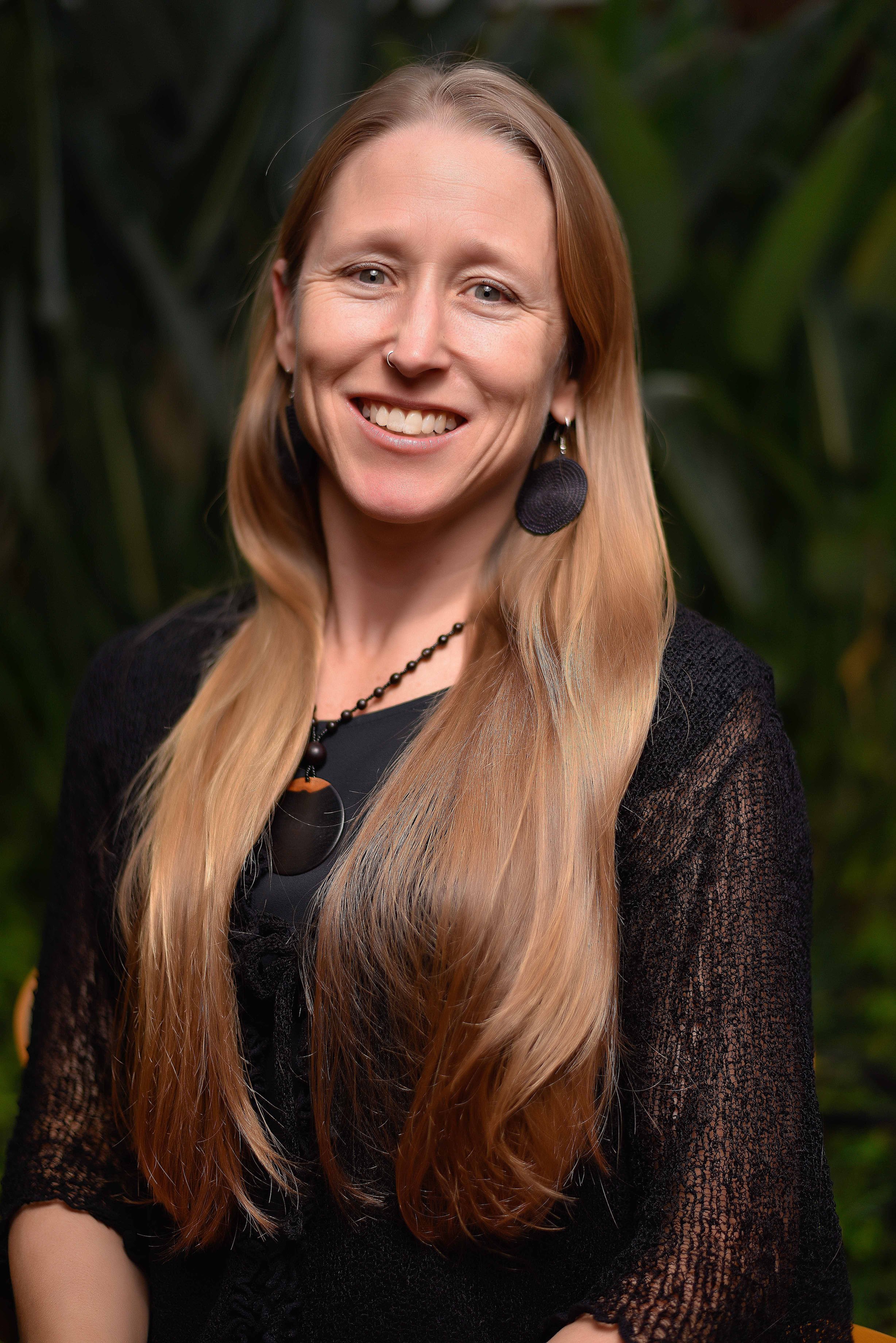
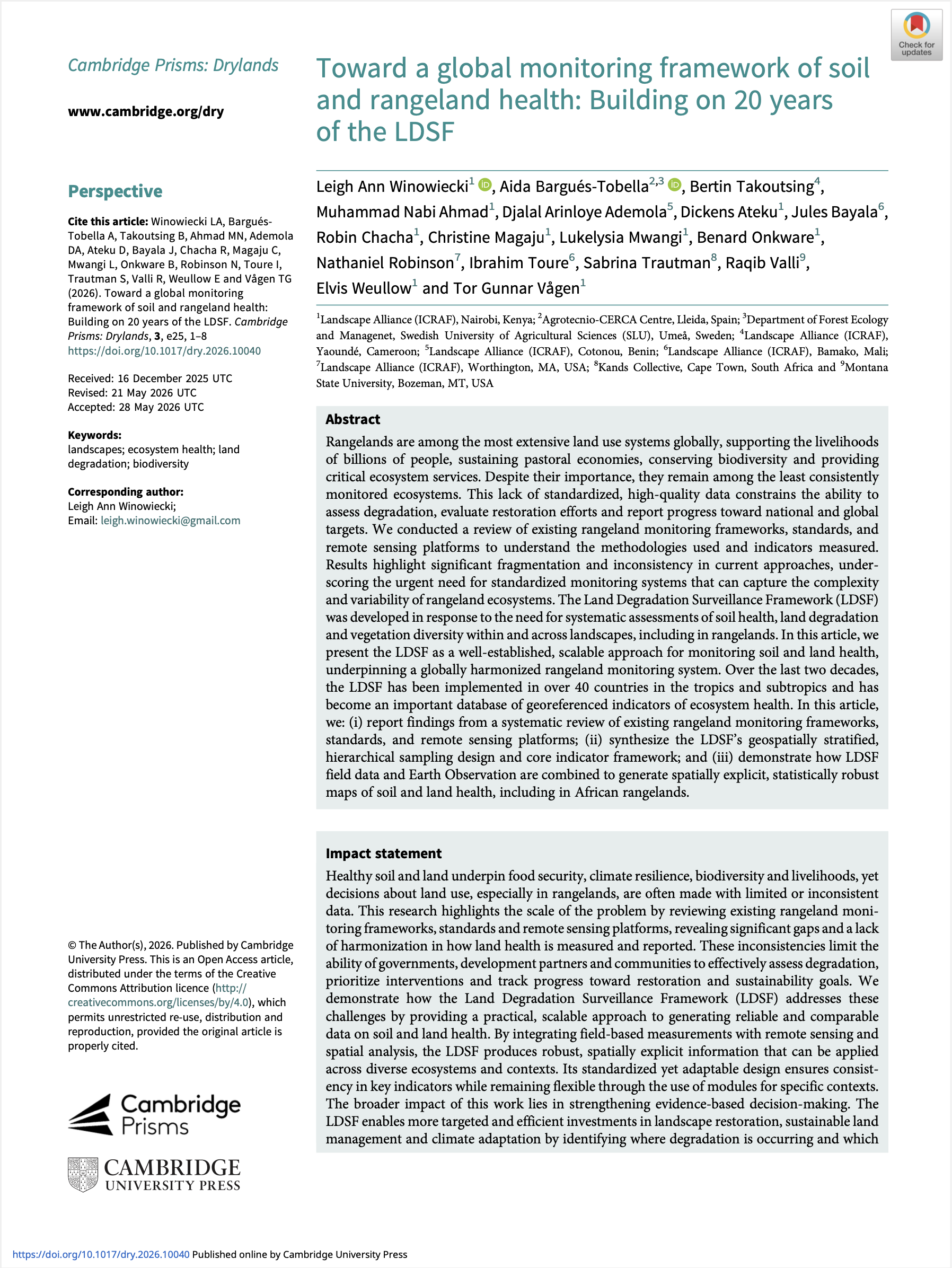
By Dr Leigh Ann Winowiecki, Soil and Land Health Research Theme Lead for the Landscape Alliance (ICRAF) and Co-Lead of the Coalition of Action 4 Soil Health (CA4SH)
Featured Land Health Projects
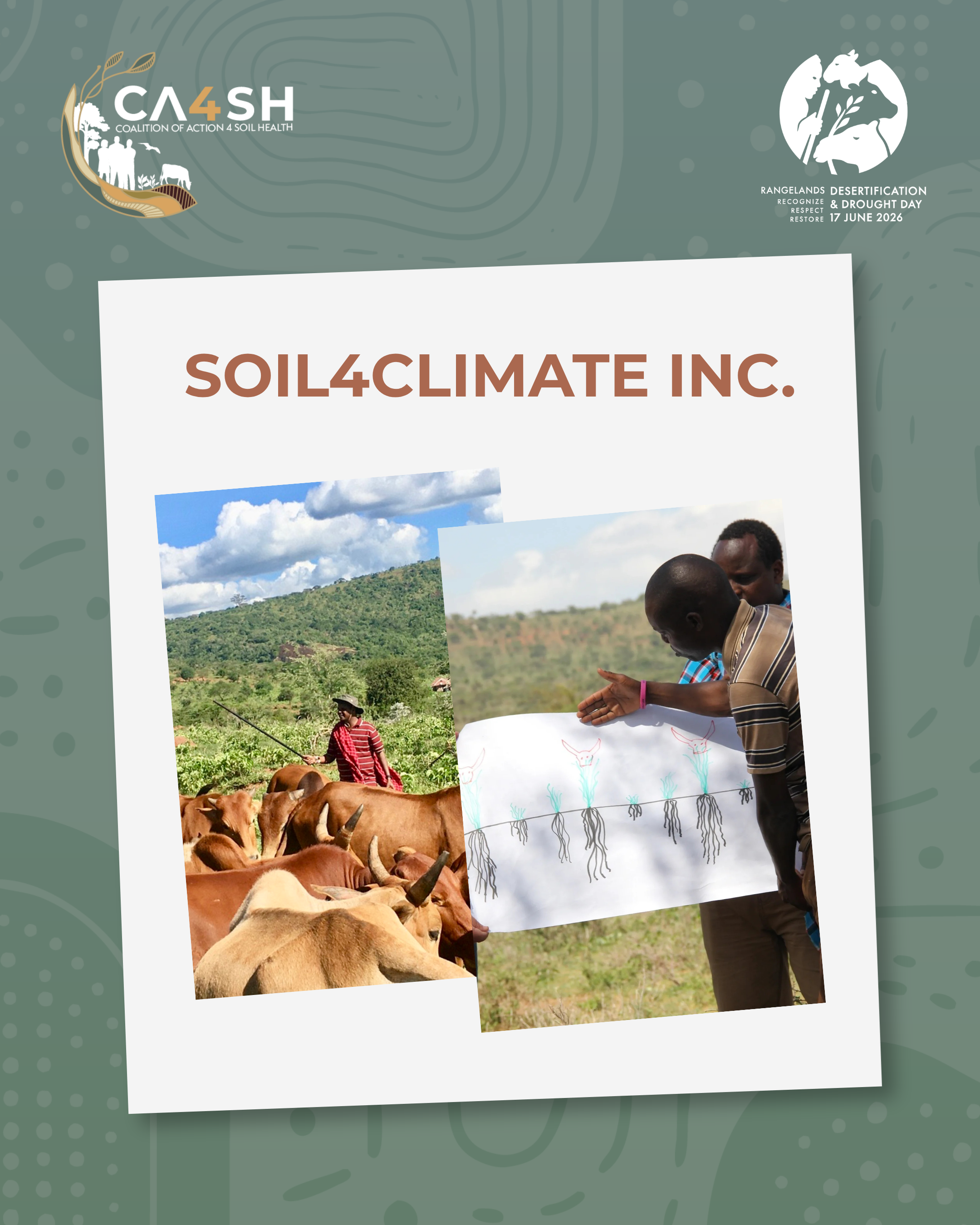
Soil4Climate Inc.
Enkop Osiligi, or ‘Promised Land’ Project
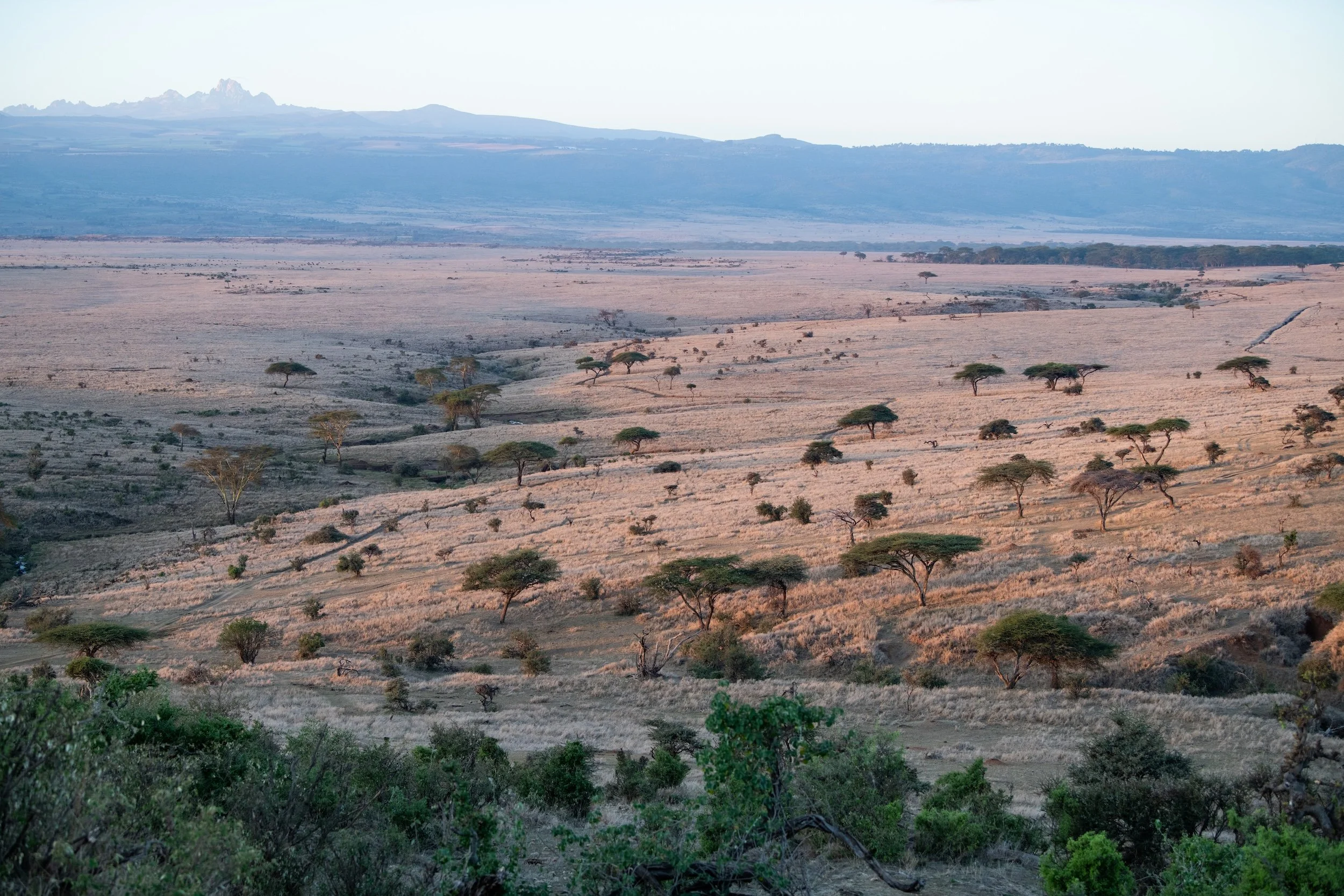
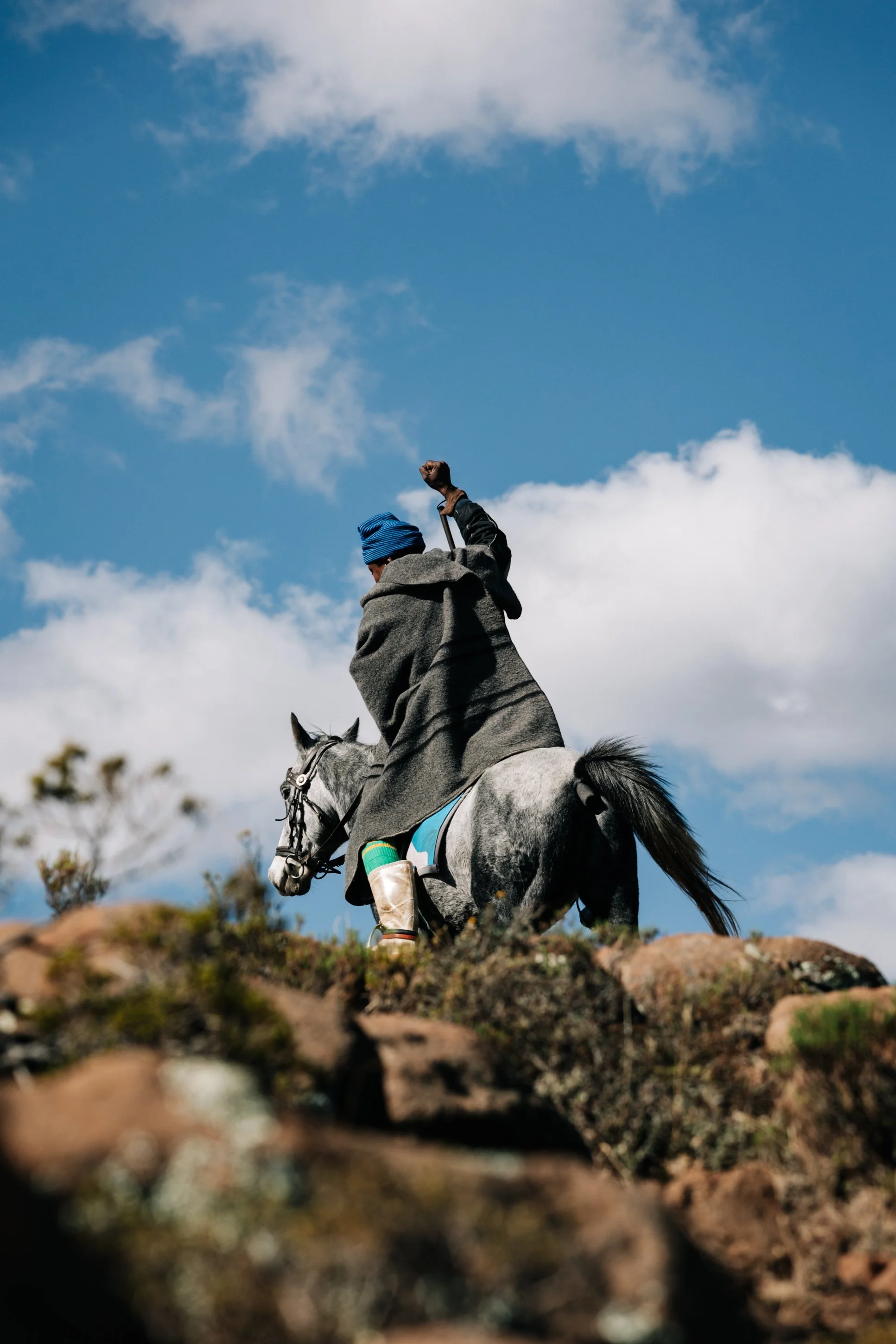
Through a collaboration with The Maasai Center for Regenerative Pastoralism and the Tanzania Eco-Warriors Initiative, Soil4Climate is launching the Enkop Osiligi project, which, in the Maasai language, means “Promised Land.” Its goal is to make Maasai Lands a showpiece of ecological resilience, soil health, food security, and sustainable livelihoods.
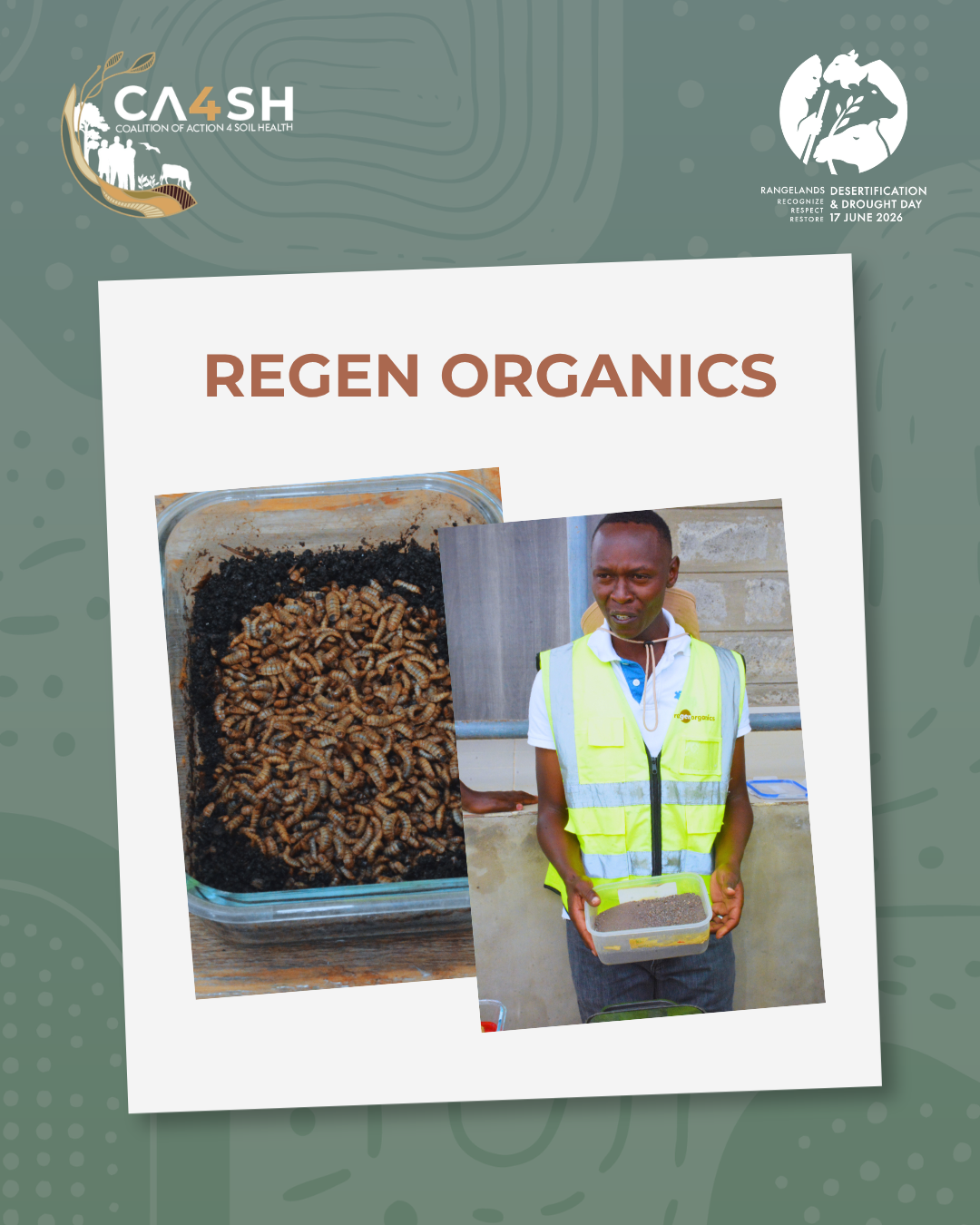
Regen Organics
Regen Organics partners with Kenya Airways and Servair to transform organic waste from Kenya Airways’ catering operations at Jomo Kenyatta International Airport into regenerative agricultural inputs.
The waste is fed to Black Soldier Fly larvae, which reduce its volume by up to 70% in approximately 15 days. The larvae are then processed into protein-rich feed for poultry, aquaculture, and livestock, while the remaining frass is converted into Evergrow organic fertilizer, improving soil health and enhancing water retention.
Any residual material undergoes a 180-day composting process to produce nutrient-rich compost that helps restore soil fertility.
The result is a fully closed-loop system: organic waste that would otherwise end up in landfill is instead transformed into valuable agricultural products, building healthier, more resilient soils and supporting smallholder farmers across Kenya.
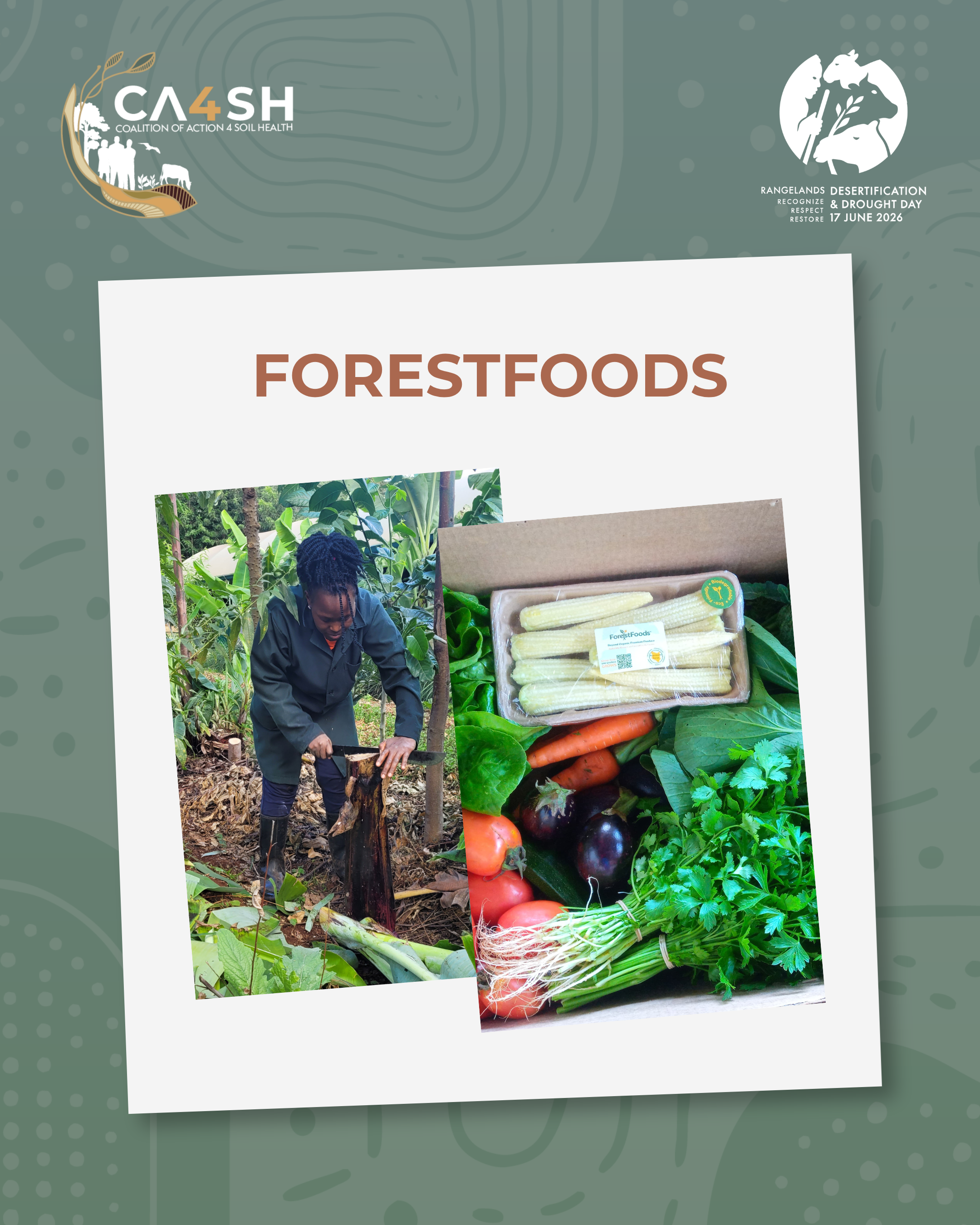
ForestFoods
ForestFoods is a Kenyan regenerative agriculture company pioneering commercial syntropic agroforestry systems across multiple agro-ecological zones. They design productive landscapes that generate multiple outputs from the same hectare, including nutrient-dense food, renewable timber, biomass, essential oils, livestock products, indigenous tree seedlings, and ecological restoration outcomes.
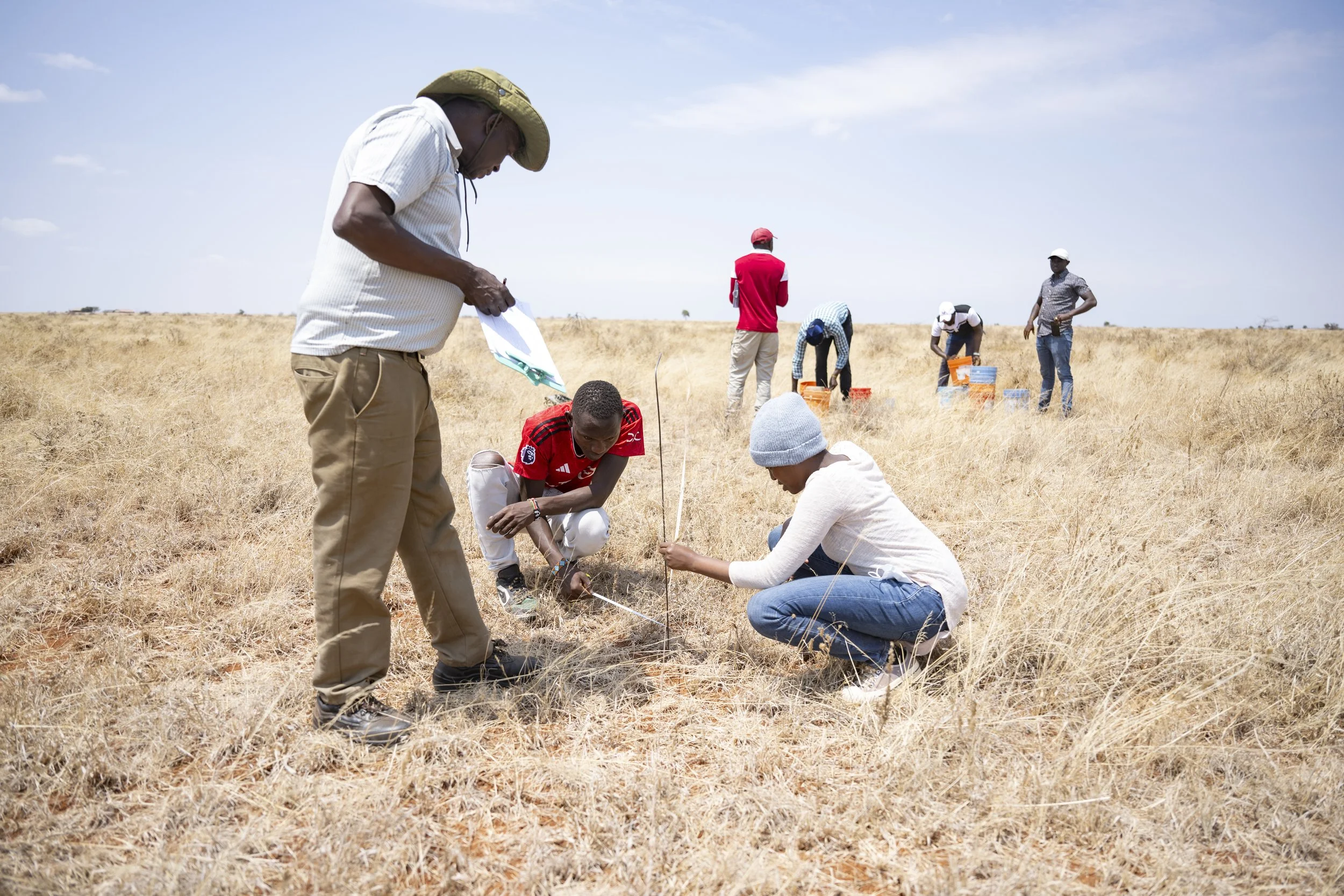
By combining biodiversity, natural succession, optimised plant nutrition, soil biology, and ecosystem-based design, ForestFoods demonstrates that profitable agriculture can improve soil health, strengthen local hydrology, increase biodiversity, create meaningful employment, and restore degraded landscapes. Independent assessments conducted with ICRAF have identified very high soil organic carbon levels and exceptionally high populations of beneficial mycorrhizal fungi across our systems, providing evidence that regenerative agriculture can simultaneously support productive farming, ecosystem restoration, and climate resilience.
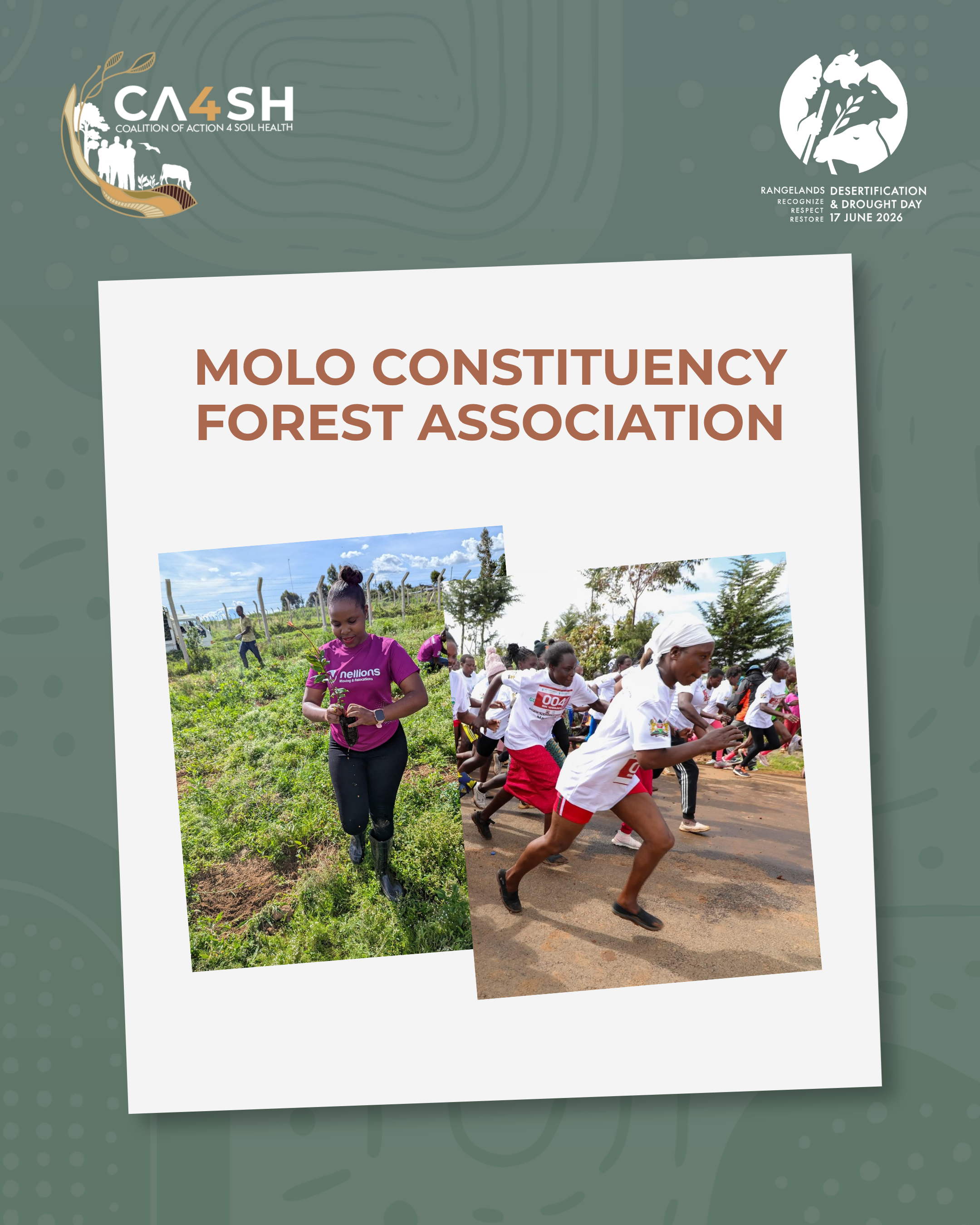
Molo Constituency Forest Association
“Who plants a tree, plants hope.”
Through tree planting, forest restoration, environmental education, youth engagement, sustainable agriculture, and the preservation of indigenous knowledge, the Molo Constituency Forest Association is helping to protect the natural systems that support life, livelihoods, and biodiversity.
From school conservation programs and community-led forest protection to innovative approaches such as herbal medicine for poultry farming, local action is creating lasting impact on the ground.
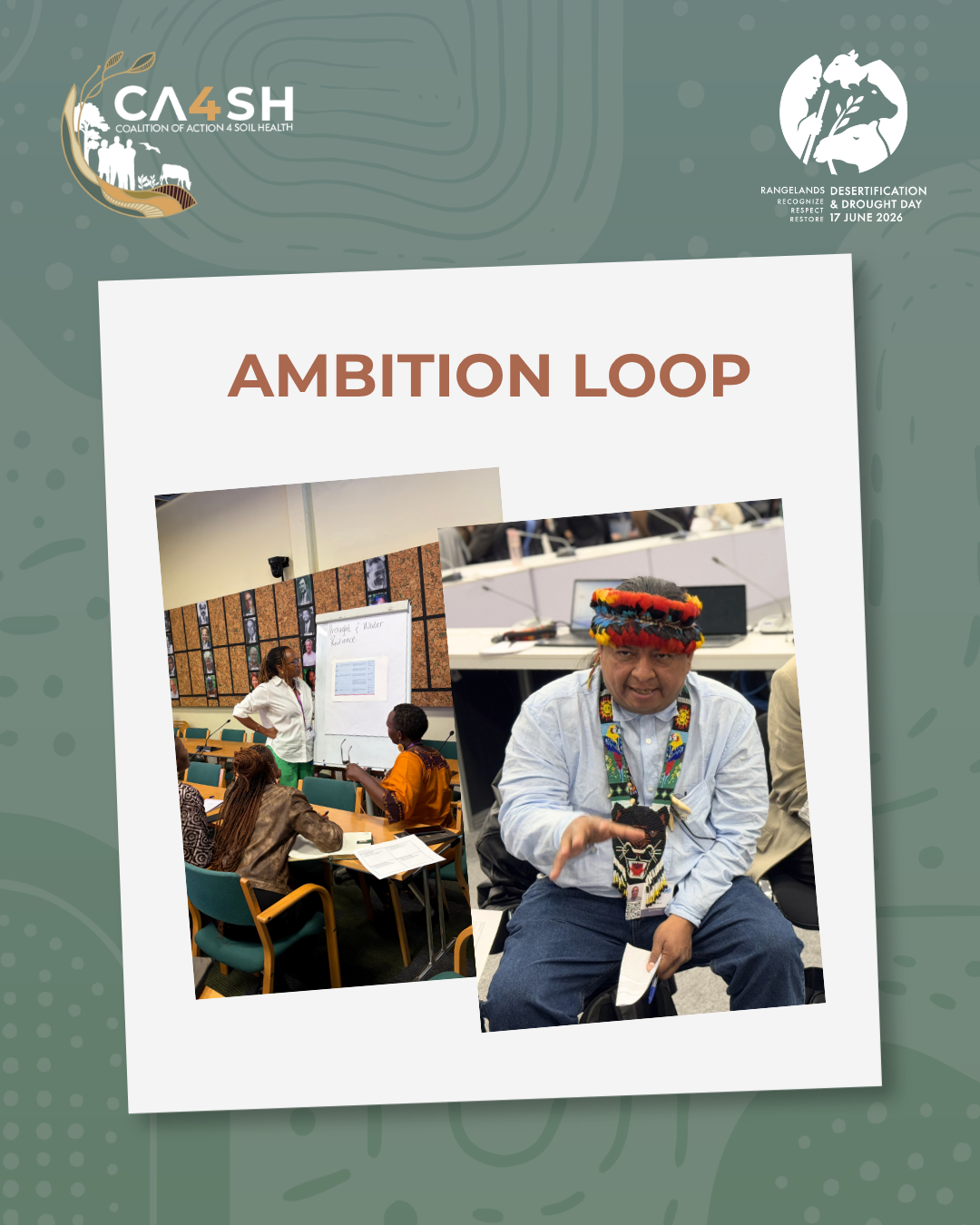
Ambition Loop’s Land and Soil Portfolio
The Riyadh Action Agenda is demonstrating that there is real-world momentum for land restoration and drought resilience. At COP17, Ambition Loop is supercharging this momentum by launching the first set of Land & Soil Breakthroughs: time-bound, measurable milestones, co-developed and structured across four thematic coalitions (rangelands, agriculture, drought/water, and urban-rural linkages).
By bringing together close to 70 partner organisations, Ambition Loop isn't just convening powerful coalitions and synthesising their insights into knowledge products; they are supporting the construction of a unified, multi-year roadmap for non-state actor action towards land degradation neutrality.
This vital work bridges the gap between the Rio Conventions to turn voluntary commitments into visible, investable action for land restoration, biodiversity protection and climate resilience well beyond 2030.
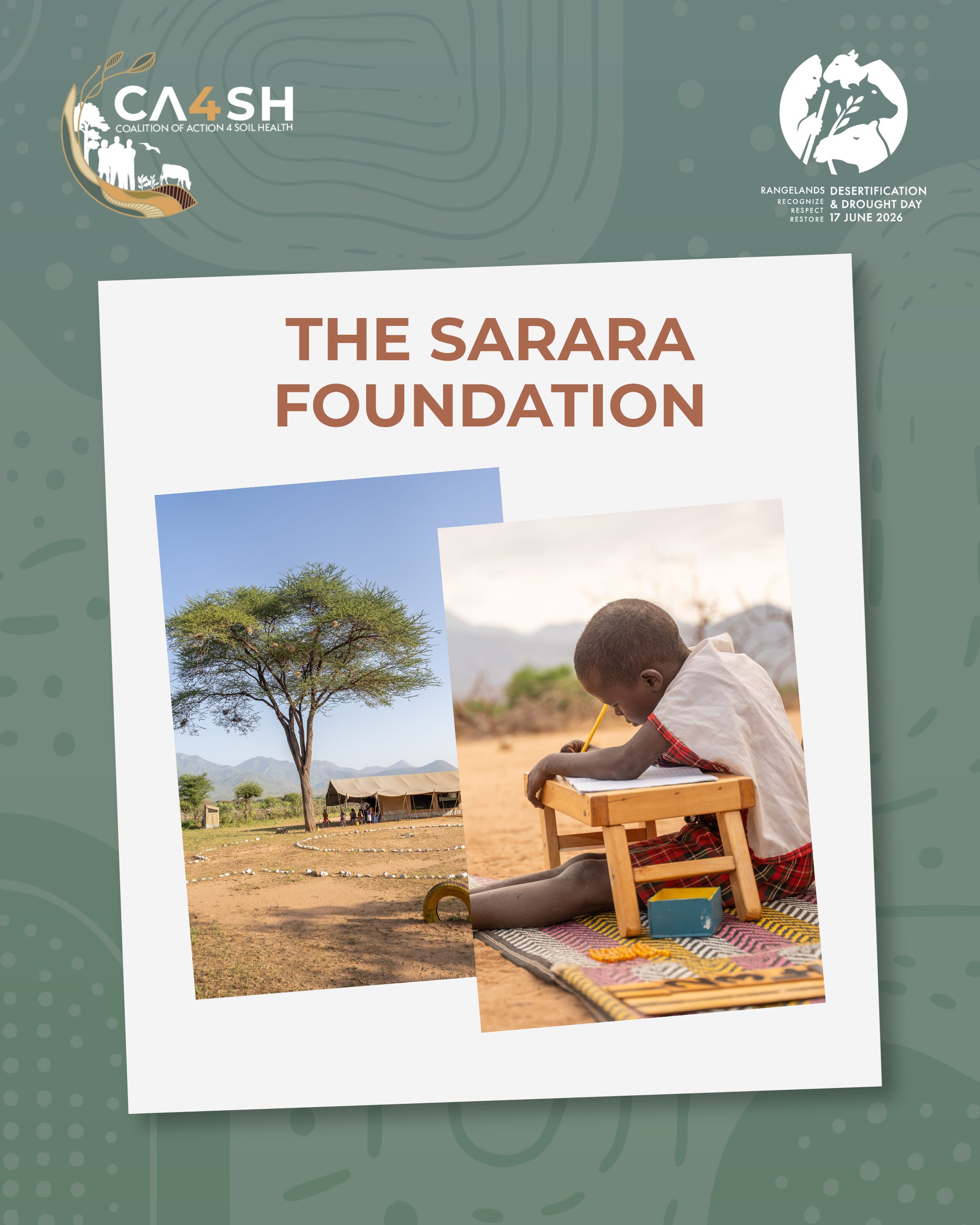
The Sarara Foundation
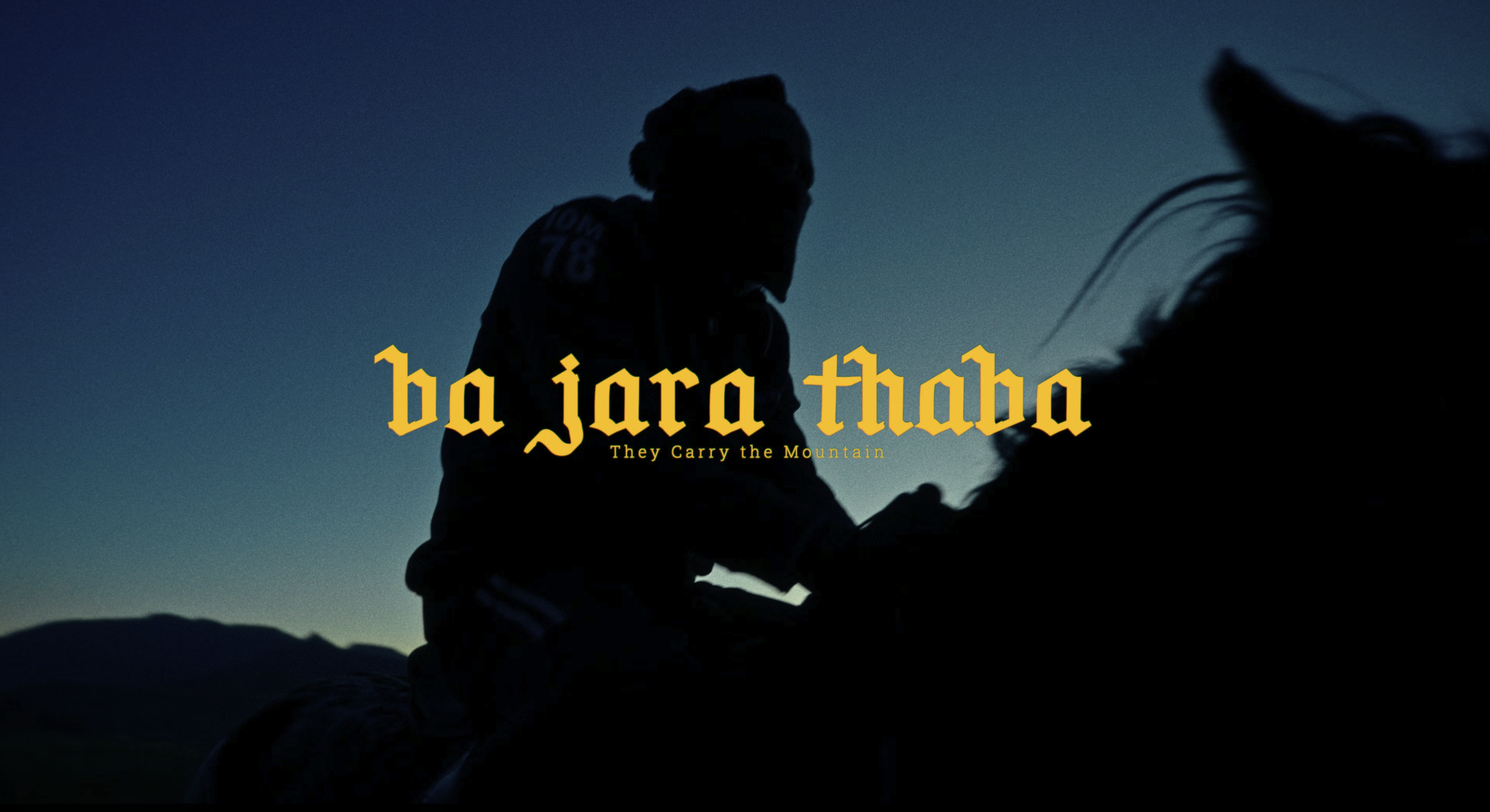
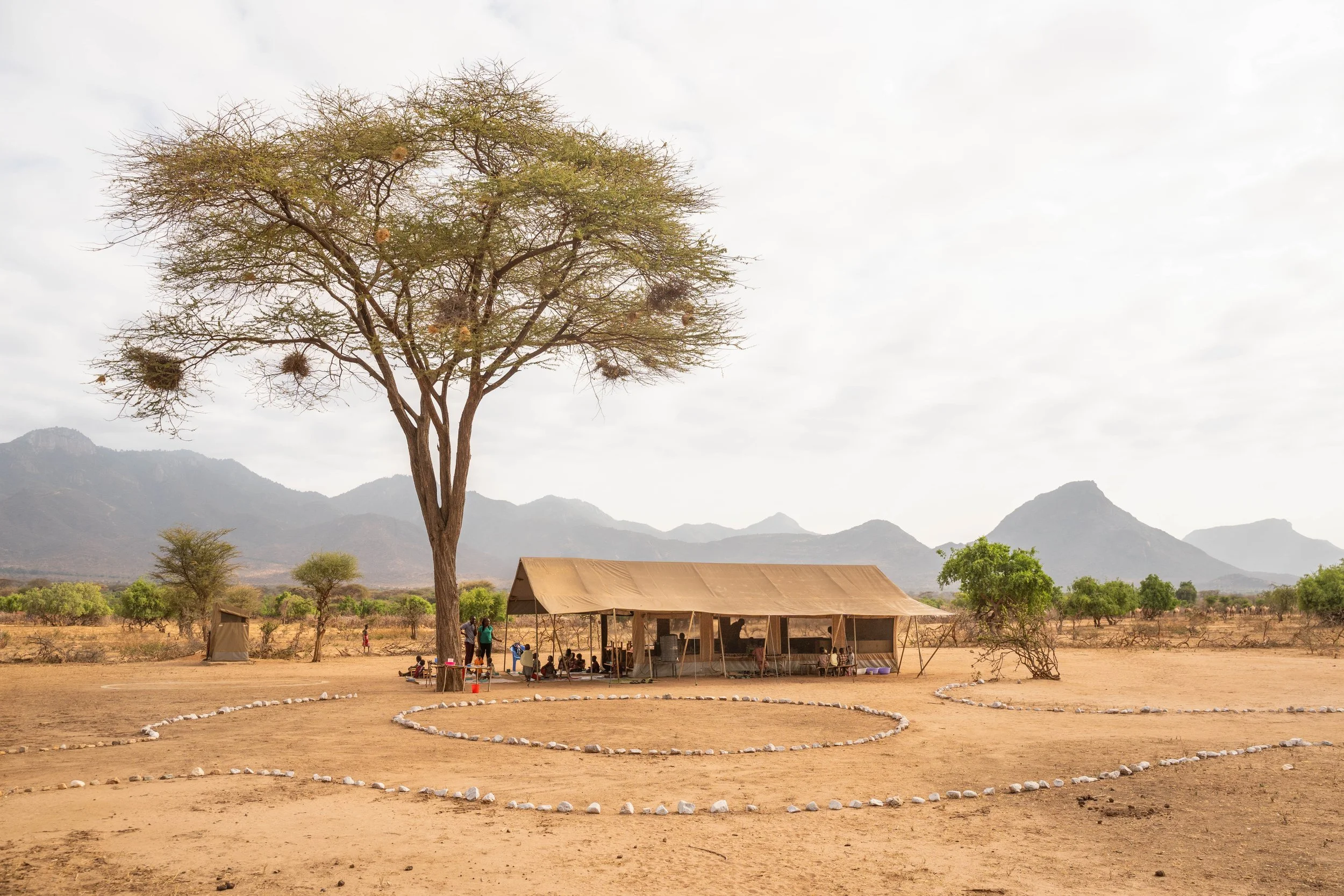
Conventional education systems have often struggled to accommodate a nomadic way of life. Fixed school buildings and rigid grade structures can make it difficult for pastoralist children to access education without leaving their families and communities behind.
Recognising this challenge, TSF launched its Mobile Montessori school in 2019 in partnership with Association Montessori Internationale (AMI). Now offering four schools, with a fifth set to open this year, more than 1,000 Samburu children have already gained access to early childhood education through its classrooms that move with the community. Offering early learning rooted in culture and conservation, the program is a pathway to help future generations prosper and steward their own land. The vision is to keep expanding to fulfil everyone’s fundamental right to learning, and provide best-in-class education that celebrates Samburu culture and heritage.
News & Updates
Resources




Contribute to this page
Contact us to submit a resource, news story, or opportunity to advertise and we will review it for inclusion on this page.
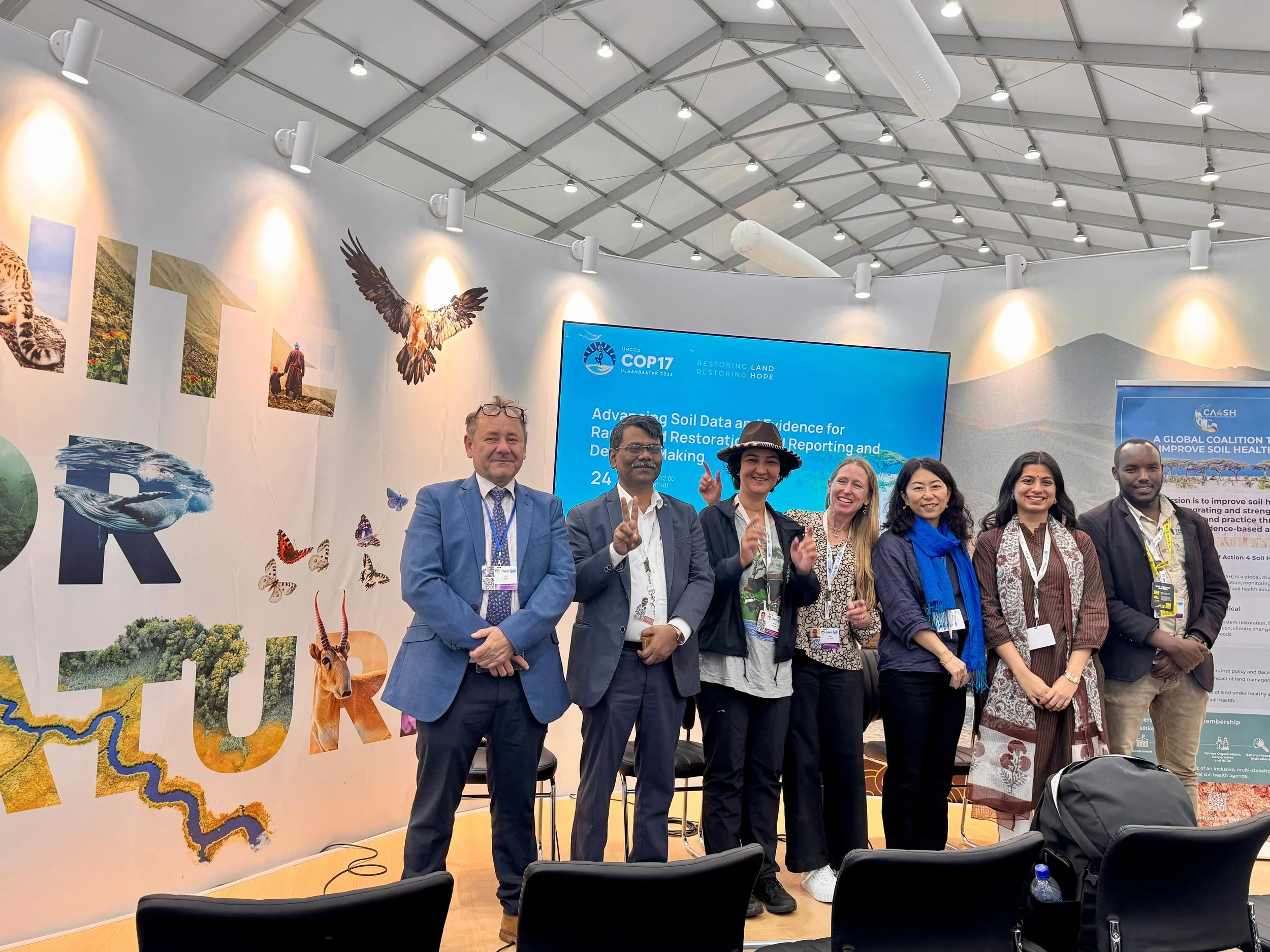
The Coalition of Action 4 Soil Health (CA4SH), Landscape Alliance (CIFOR-ICRAF), Deutsche Gesellschaft für Internationale Zusammenarbeit (GIZ) GmbH, the Norwegian Agency for Development Cooperation (Norad), CGIAR Multifunctional Landscapes Science Program, WWF, and partners, convened senior leaders and partners at UNCCD COP17 Mongolia for a high-level dinner focused on a simple but critical message: healthy soils are fundamental to resilient food systems, healthy ecosystems and a more climate-resilient future.