Soil Policy
CA4SH advocates for evidence-based policy as an enabler for scaling global soil health.
We are constantly collecting resources, updates, and initiatives from around the World to share in this Hub of all things soil policy.
Global Soil Policy Mechanisms
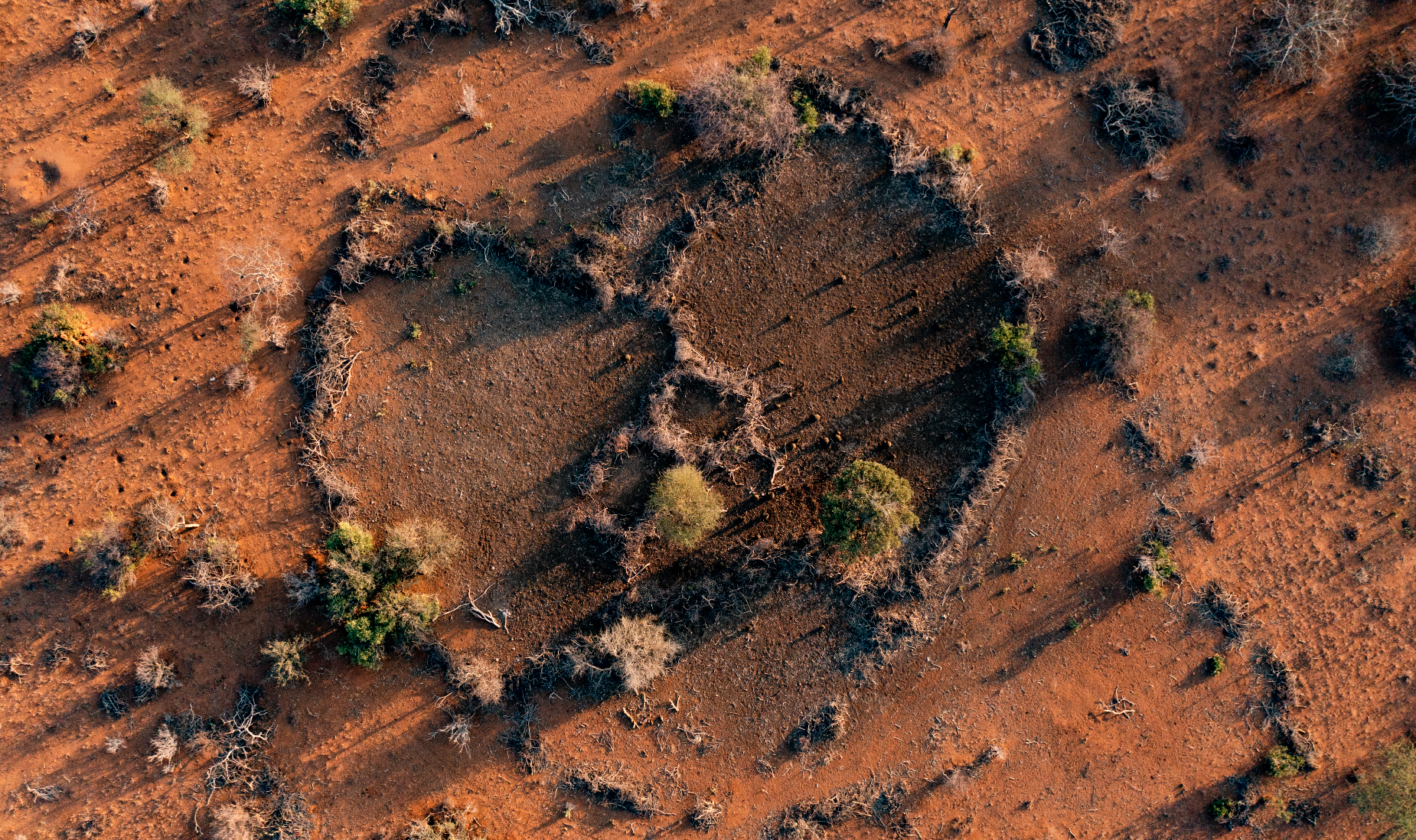
Australian National Soil Strategy
The National Soil Strategy was released in May 2021, becoming Australia’s first national policy for soil. The Strategy lays out a roadmap for how Australia will value, manage and improve its soil over the next 20 years.
Australian National Soil Action Plan
This is the first of four action plans to be developed under the National Soil Strategy, released in 2021. It was endorsed by the Minister for Agriculture, Fisheries and Forestry on 28 November with the support of all state and territory jurisdictions.
The action plan sets out 4 priority actions. These guide the focus and design of support to action on soil by governments at all levels and partners over the next 5 years.
All priority actions are linked to the 3 broader goals of the National Soil Strategy:
Prioritise soil health
Empower soil innovation and stewards
Strengthen soil knowledge and capability
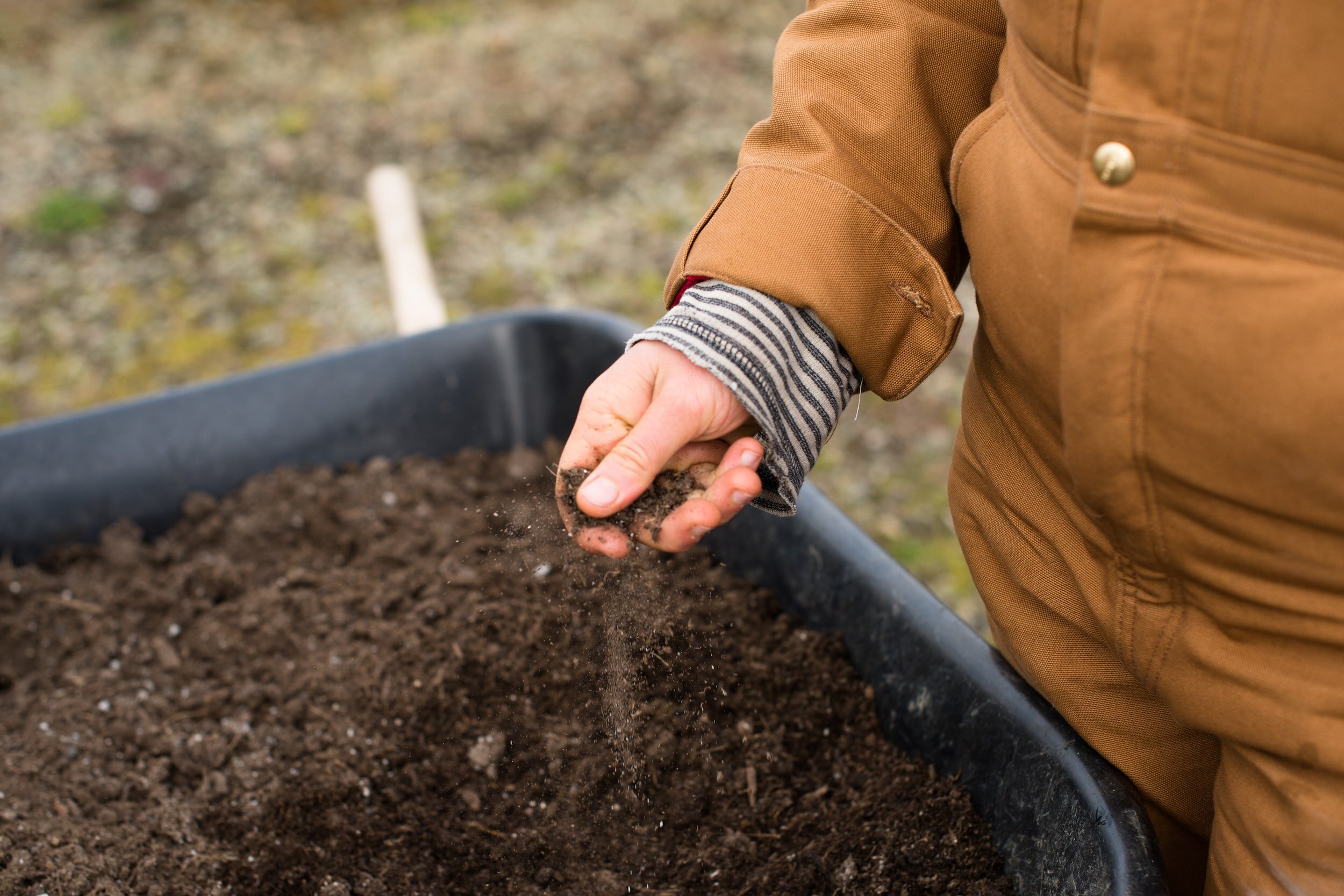
Responses to the UK Soil Health inquiry are currently being reviewed by the House of Commons Environment, Food and Rural Affairs Committee. The results of the Inquiry will lay out a roadmap for how the UK government will meet its goal of having all soil “managed sustainably” by 2030.
United Kingdom Soil Health Inquiry
European Union Soil strategy for 2030
The EU soil strategy for 2030 sets a vision, framework, and objectives to achieve healthy soils by 2050, with concrete actions by 2030. It also announces a new Soil Health Law by 2023 to ensure a level playing field and a high level of environmental and health protection.
The EU Mission Soil Manifesto
The Mission Soil Manifesto highlights the urgent need for action to protect soil health. It represents a key step for further local engagement by mobilizing regions, municipalities, organizations, businesses, schools, citizens, and other stakeholders. Mission Soil also supports the creation of 100 living labs and lighthouses that demonstrate and lead the transition towards healthy soils in rural and urban areas by 2030. This is supported by NATI00NS, an initiative which is creating links between learning lab clusters.
The EU Soil Monitoring Law
The EU soil strategy for 2030 provides the framework and concrete steps towards protecting and restoring soils, and ensuring that they are used sustainably. As part of this, a new Soil Monitoring Law was adopted on 23 October 2025 to ensure a level playing field and a high level of environmental and health protection.

Federal Soil Health Bill Tracker
Land Core is a non-profit organization that has worked with the USDA, legislators, soil scientists, NGOs and farmers across the United States to develop federal legislation to scale healthy soil practices. The Bill Tracker highlights the bills and legislators that could have a significant impact on soil health in the USA.

On 21 October 2022, CA4SH participated in a policy roundtable organized by Accelerating Impacts of CGIAR Climate Research for Africa (AICCRA), bringing together experts and developing recommendations on how to include soil organic carbon in Member States’ Nationally Determined Contributions (NDCs). AICCRA produced six policy briefs focusing on AICCRA project countries, and CA4SH is keen to partner on scaling this to new contexts.
Integrating soil organic carbon into Nationally Determined Contributions
Food Forward NDCs
Food Forward NDCs is a guidance tool to support the enhancement and implementation of NDC ambitions for agriculture and food systems transformation. It will help countries to strengthen their NDCs by providing easy and accessible content to identify policy measures and practices and information about their climate change mitigation, adaptation and sustainable development benefits.
Resources

Up to 40% of the world’s land is degraded, affecting more than 3.2 billion people and increasingly putting the businesses and economies that depend on healthy land at risk. These pressures are driven by unsustainable land use and economic incentives that prioritize short-term production over long-term soil health, compounded by climate change.
Healthy soil is not only an environmental or agricultural imperative; it is a strategic economic asset. Yet soil remains largely invisible in how governments, businesses and investors assess value and manage risk.
This paper makes the business case for action: soil dependency is business dependency. Healthy soils support productivity, resilience and long-term value, while degraded soils create growing risks. Recognizing and investing in soil health is both urgent and achievable.

The Measuring Agroecology and its Performance (MAP) project is a collaborative initiative of the Agroecology TPP aimed at fostering agroecological transitions by generating evidence of agroecology’s contribution to societal goals. The MAP project is funded by the German Federal Ministry for Economic Cooperation and Development (BMZ), co-funded by the European Union (EU) and supported by the Deutsche Gesellschaft für Internationale Zusammenarbeit (GIZ) GmbH. The Tool for Agroecology Performance Evaluation (TAPE) was applied in 2024 in three Ethiopian districts (Hula, Sodo-Zuria and Walmara) in the context of the Global Programme “Soil Protection and Rehabilitation for Food Security” (ProSoil), operating as ISFM+ in Ethiopia. To assess the contribution of ProSoil to agroecological transitions of farmers and their multidimensional performance, TAPE was applied with 99 households that actively participated in ProSoil activities (ProSoil group) and with 99 households that had not actively participated in the programme (comparison group).

The Measuring Agroecology and its Performance (MAP) project is a collaborative initiative of the Agroecology TPP aimed at fostering agroecological transitions by generating evidence of agroecology’s contribution to societal goals. The MAP project is funded by the German Federal Ministry for Economic Cooperation and Development (BMZ), co-funded by the European Union (EU) and supported by the Deutsche Gesellschaft für Internationale Zusammenarbeit (GIZ) GmbH. The Tool for Agroecology Performance Evaluation (TAPE) was applied in 2024 in four municipalities (Za-Kpota, Bantè, Sinendé and Kandi) in Benin in the context of the Global Programme “Soil Protection and Rehabilitation for Food Security” (ProSoil). To assess the contribution of ProSoil to agroecological transitions of farmers and their multidimensional performance, TAPE was applied with 120 households that actively participated in ProSoil activities (ProSoil group) and with 120 households that had not actively participated in the programme (comparison group).

The Measuring Agroecology and its Performance (MAP) project is a collaborative initiative of the Agroecology TPP aimed at fostering agroecological transitions by generating evidence of agroecology’s contribution to societal goals. The MAP project is funded by the German Federal Ministry for Economic Cooperation and Development (BMZ), co-funded by the European Union (EU) and supported by the Deutsche Gesellschaft für Internationale Zusammenarbeit (GIZ) GmbH. The Tool for Agroecology Performance Evaluation (TAPE) was applied in 2024 in four municipalities (Belobaka, Katsepy, Manerinerina and Tsaramandroso) in the Boeny Region of Madagascar in the context of the Global Programme “Soil Protection and Rehabilitation for Food Security” (ProSoil). To characterize farmers’ transition to agroecology and assess the correlation between agroecological integration and multidimensional performance, TAPE was applied with 200 households in the intervention area of ProSoil.

The Measuring Agroecology and its Performance (MAP) project is a collaborative initiative of the Agroecology TPP aimed at fostering agroecological transitions by generating evidence of agroecology’s contribution to societal goals. The MAP project is funded by the German Federal Ministry for Economic Cooperation and Development (BMZ), co-funded by the European Union (EU) and supported by the Deutsche Gesellschaft für Internationale Zusammenarbeit (GIZ) GmbH. The Tool for Agroecology Performance Evaluation (TAPE) was applied in 2024 in three Kenyan counties (Bungoma, Kakamega and Siaya) in the context of the Global Programme “Soil Protection and Rehabilitation for Food Security” (ProSoil). To assess the contribution of ProSoil to agroecological transitions of farmers and their multidimensional performance, TAPE was applied with 101 households that actively participated in ProSoil activities (ProSoil group) and with 100 households that had not actively participated in the programme (comparison group).

At the Agroecology Leadership Academy, participants develop their skills and build on their experience as leaders in agroecological transformation. They are equipped to navigate complex systems and support social transformation. Through joint initiatives, the teams help enhance agroecological transformation in their countries. Our learning methods include blending the “what” (agroecological transformation) with the “how” (leadership), using interactive experiences and action-based methodologies, and co-creating a collective learning space for joint action.

This synthesis paper is a product of a first workshop on upscaling the potential of soil organic carbon for climate action, held in April 2020. Experts came together for the “Climate-Soil Community of Practice” to disseminate information on successful land management and soil carbon projects, highlight good practices for overcoming adoption barriers and strengthen the case for sustainable land management as a key to effective climate action. This synthesis paper presents the outcomes of the presentations and discussions derived during the event on the linkages between sustainable land management and climate change. It aims to provide guidance on a holistic approach to land use and climate policy processes within the scope of international agendas and national actions. It offers entry points at the national level and presents good practices to current barriers in aligning these two closely interconnected, yet often separately treated processes.

Years of chemical-intensive agricultural practices following the Green Revolution in the late 1960s have led to extensive soil degradation in India. This has implications for food security, farmers’ incomes, and the country's economy. However, domestic top-down policy mandates in recent times have favoured practices like natural farming with a view to slow down and eventually halt soil degradation. This is in line with the international Sustainable Development Goals (SDGs), one of which is focused on restoring degraded lands (SDG 15.3 aims to strive achieve land degradation neutrality). Taking cue from recent policy mandates on soil and land, this chapter posits the historical significance of the Panchayat — a village-level administrative institution in India — and argues for its involvement in policy implementation for soil rehabilitation at the village level, The article also makes a case for the introduction of an overarching National Soil Policy to encourage natural farming practices and biofertilizer use.

The Global Programme „Soil protection and rehabilitation for food security“ which is implemented by GIZ on behalf of the German Federal Ministry for Economic Cooperation and Development, works with partners who identified the need for sharing and implementing sustainable approaches for soil protection and rehabilitation in six countries (Benin, Burkina Faso, Ethiopia, India, Kenya and Madagascar). At the political level, the programme advises the partner governments on improving general political conditions. The governments have to create incentives for farmers and smaller enterprises to use the soil in more sustainable ways. To support these national activities, the programme organizes international forums that encourage participants to share lessons learned.
The Land Matters! Integrating soil degradation concerns and solutions into policy processes Massive Open Online Course (MOOC) is contributing to the aforementioned Global Programme. Many academics and practitioners struggle to support decision making which takes into account land use related trade-offs in ecosystem service provision, even though many have evidence of such trade-offs. The MOOC therefore helps them in finding ways to support decision-making. It is hosted on the GIZ online platform, Global Campus 21.

Decisions on investment and policy require answers to key questions about the scalability, economic viability, and long-term effects of biochar use under realistic scenarios. Information on market size is key to drive advancements in delivery models, product formulation, regulatory frameworks, and fiscal incentives for effective and sustainable integration into the agri-food value chains. This ex-ante upscaled assessment aims to provide clarity on the potential scale and impact of biochar use in maize systems of Kenya by leveraging official data on land use, crop yields and fertilizer statistics, findings from research and case studies, all while accounting for varied need of residues, uncertainties and safety margins. A modelling procedure (Figure 1) with sequential operations starting from grain production data over standard conversion to residue quantities, deductions of competing pulls for livestock, resource recovery from pyrolytic processes, and dose-response yield gain was implemented that provides a comprehensive approach to evaluating agricultural efficiency and sustainability. As the benefit of soil health interventions is manifested over multiple years, these steps were looped, and legacy effects carried forth. Input data and conversion factors were furnished or reviewed by selected informants that are experts or practitioners in the field, ensuring robust and representative outcome. This framework and methods can be replicated across other geographic scales and regions. Besides the biophysical potential, the financial viability of biochar use was evaluated against prices of production, grain and fertilizer. The main factors used for conversion and response calculation are summarized in Annex #1. Results presented in this brief can help stakeholders anticipate the likely-hood outcomes and make informed decisions about the adoption and implementation.

Clarifying and communicating the values of grasslands is essential to catalysing increased conservation, restoration and sustainable management. Grasslands and savannahs face significant and widespread threats from multiple fronts and are an underacknowledged ecosystem in the minds and imaginations of people around the world. The report reflects a growing recognition and commitment to grassland and savannah conservation within WWF and partners, due to their critical roles in food security, biodiversity, ecosystem services and human cultures. It contributes to momentum building towards the International Year of Rangelands and Pastoralists and the next Conference of the Parties of the UN Convention to Combat Desertification (UNCCD) in Mongolia, both in 2026. This report aims to help governments to develop ambitious yet realistic conservation strategies for these critical ecosystems and inform private sector initiatives and finance.

This paper is the outcome of the “Partners for Change – SOILutions for a Food Secure, Resilient, and Sustainable Future” (short SOILutions) conference held in Berlin, Germany, from 20th to 22nd May 2025. It is based on the experience and lessons learned from over a decade of on-the-ground implementation through a major investment in soil protection and rehabilitation. Since 2015, the Federal Ministry for Economic Cooperation and Development (BMZ) together with the European Union (EU) and the Gates Foundation (GF) have provided over EUR 240 million through the programme “Soil Protection and Rehabilitation for Food Security” (short ProSoil) This programme has been successfully implemented in several African countries and India using a multipartnership approach. To date, nearly 1 million hectares of agricultural land have been protected and rehabilitated, achieving an average yield increase of 44 per cent and providing more food and better nutrition for 2.6 million people in seven countries.

This Policy Brief derives from the “Partners for Change – SOILutions for a Food Secure, Resilient, and Sustainable Future” (short SOILutions) conference in May 2025. The Partners for Change (P4C) Network brings together around 250 key stakeholders from government, civil society, and the private sector from over 30 countries. To advance the transformation of agricultural and food systems, the P4C Network provides an inclusive dialogue platform that fosters the c ocreation of sustainable transformation pathways across the three stakeholder groups.

The Soil Health Resolution is a set of commitments to enable and scale healthy soil practices to mitigate and adapt to climate change, restore biodiversity, improve water resilience, enhance food and nutrition security, and protect natural and cultural heritage.

Healthy soil is the foundation of resilient landscapes, sustainable food systems, and climate adaptation in Africa’s drylands. As a unifying element across climate, nutrition, biodiversity, and restoration agendas, soil health plays a critical role in realising the ambitions of the African Union’s Great Green Wall Initiative (GGWI). With over 65% of productive land degraded and soil erosion undermining agricultural productivity, smallholder farmers across the continent face compounding vulnerabilities. The GGWI Strategy (2024–2034) recognises soil health as central to reversing land degradation and building long-term resilience, aligning closely with the Africa Fertiliser and Soil Health Action Plan (AFSH-AP) (2023 – 2033) and broader goals outlined in the Ten-Year Comprehensive Africa Agriculture Development Programme (CAADP) Strategy and Action Plan (2026-2035).

Healthy soil is critical for ecosystem restoration, climate change mitigation and adaptation, biodiversity conservation, water cycling, farmer livelihoods, and food and nutrition security. Despite its importance, soil health has often been overlooked, but momentum is growing as evidenced by recent high-level initiatives such as the Nairobi Declaration as part of the Africa Fertiliser and Soil Health Action Plan and the European Union Soil Mission: A Soil Deal for Europe. The UN Decade on Ecosystem Restoration was launched on 5 June 2021 to galvanise local, national and global action to restore degraded ecosystems. In the same year, the UN Food Systems Summit (UNFSS) initiated a call for coalitions of action to champion integrated, systemic approaches to transform food systems. The Coalition of Action 4 Soil Health (CA4SH) was launched to bring soil health into focus with participation across sectors and scales to ultimately raise awareness about this critical ecosystem that we depend on, but which is being degraded at unprecedented rates. Since 2021, CA4SH has grown to include nearly 200 members (as of January 2025) representing the public and private sectors, research institutions, non-governmental organisations, farmer organisations and cooperatives, individuals, youth-led organisations, and indigenous organisations to mention some. The initiative has also had a strong focus on gender equity and social inclusion (GESI) in soil and landscape restoration. The Coalition promotes soil as a unifier across a diverse set of stakeholders, building partnerships to overcome critical economic, technical and institutional barriers to the adoption and scaling of healthy soil practices. Furthermore, CA4SH facilitates evidence-based policy and practice action for the scaling of restoration practices that improve soil health. The Private Sector Guiding Group, launched as part of the UNFSS, developed a call to action to support increased investments in healthy soil, and continues to support the actions of the Coalition. Its four working groups focus on communication, soil health monitoring and implementation, policy, and financial investment. In the first three years since its launch, the Coalition has engaged in multinational dialogues and contributed to the adoption of soil health in the outcomes from the UN Framework Convention of Climate Change (UNFCCC) 27th Conference of the Parties (COP27) through the Koronivia joint work on agriculture (now the Sharm El-Sheikh Declaration), the UNFCCC COP28 UAE Declaration on Food Systems and Agriculture, the UNCCD COP16 Riyadh Action Agenda and also launched the Soil Health Resolution. Leveraging on the enabling policy environment, the Coalition catalyses public and private sector action with outcomes for economic returns and growth, productivity and rural livelihoods, climate and nature. The positioning of the Coalition in the current global environmental transition is pivotal to drive the multifaceted benefits that soil health improvement offers to food systems transformation and global adaptation to and mitigation of climate change.

This Brief focuses on soil health on the African Continent, drawing on discussions with senior government officials from Ministries of Agriculture across Africa, who convened in Kigali as part of the Policy Dialogue series in September 2024 to discuss issues related to the implementation of the Africa Fertilizer and Soil Health Action Plan. This Policy Dialogue aimed to: identify policy action to incentivize and support the improvement of soil health and environmentally sustainable fertilizer use, including fertilizer subsidy reform programs; and share lessons learned, challenges and opportunities for policy reform to enhance effectiveness of fertilizer support and other public programs on soil health and sustainability

This Brief focuses on the interactions between water security, resilient freshwater systems and agricultural practices and land use. It identifies policy instruments and actions for governments to provide incentives and support to water users in agriculture to manage the quantity and quality of water sourced, used and discharged in a more sustainable way. This can boost water security and resilience of freshwater systems more broadly while strengthening the resilience of agricultural production and food security.

2024 was a big year for soil health and for the Coalition of Action 4 Soil Health (CA4SH). We engaged global stakeholders in united advocacy to scale soil health through our priority areas of action, including science, policy, finance, youth engagement, and implementation on the ground. Scaling soil health can not happen in a vacuum; it requires the diverse perspectives, expertise, experience, and networks of the global community to come together. CA4SH is uniquely positioned to bring these voices together, offering a community and a meeting place for these partnerships to grow and bloom, and in 2024, we did just that in the name of healthy soil.

African Heads of State and Government formally adopted the Africa Fertilizer and Soil Health (AFSH) Summit Declaration, also known as the Nairobi Declaration, during the AFSH Summit. The AFSH Summit addressed the urgent need to improve soil health and enhance fertilizer utilization across the continent to boost agricultural productivity and alleviate hunger and poverty. These priorities were initially identified in the 2006 Abuja Declaration on Fertilizer for the African Green Revolution.
Furthermore, the 2014 Malabo Declaration under the Comprehensive Africa Agriculture Development Program (CAADP) reaffirmed AU Member States' commitment to inclusive agricultural transformation, building on earlier initiatives such as the 2003 Maputo Declaration on CAADP and the 2004 Sirte Declaration on sustainable agriculture and water management. Despite these commitments, AU Member States have faced significant challenges in implementing the objectives outlined in these declarations.
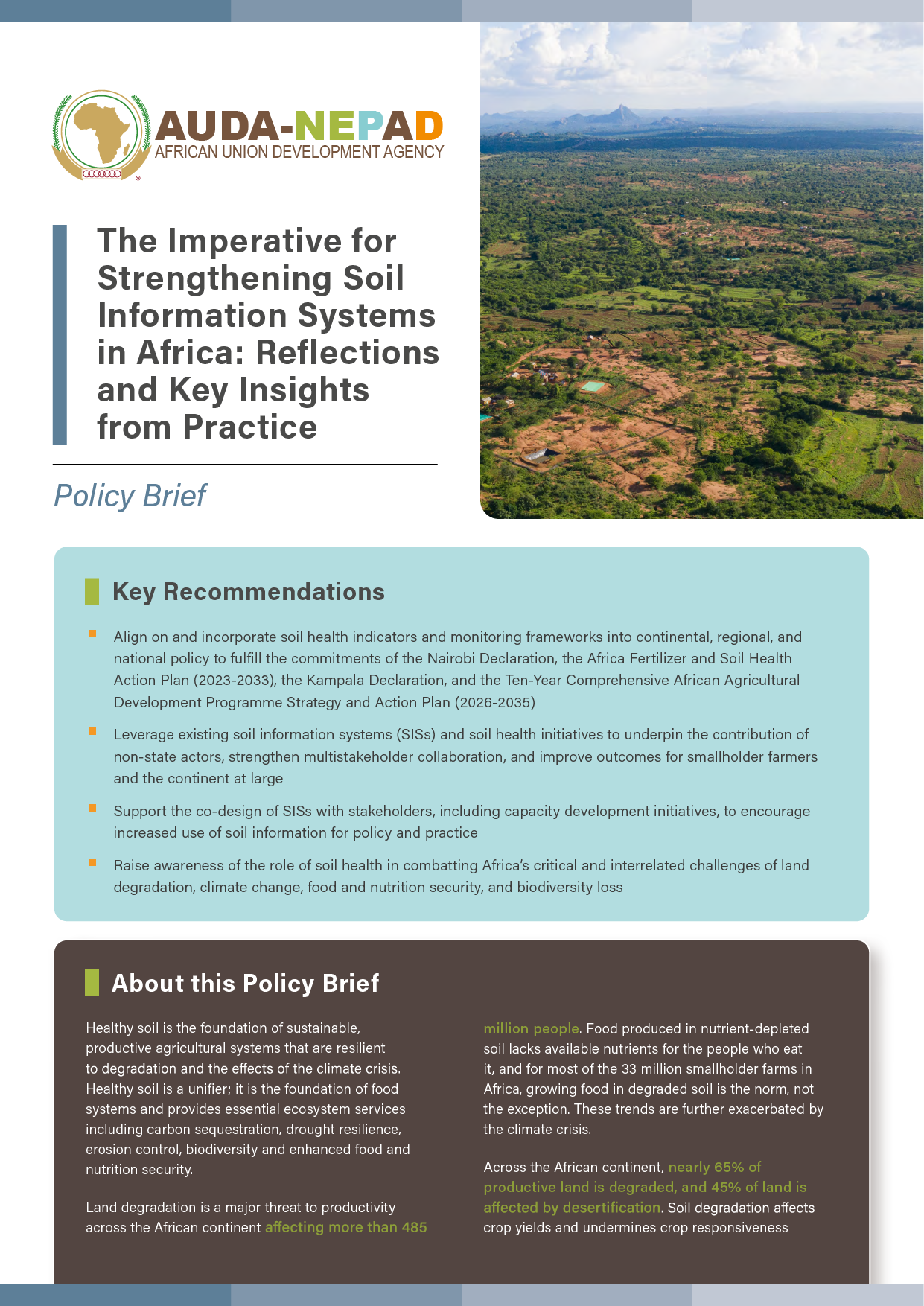
Only through collaborative, cohesive soil health monitoring efforts can AU Member States ensure that interventions are based on evidence to maximize impact. For example, such a monitoring framework can be used to prioritize, track and adapt locally revelant interventions. In turn these data can be used to inform policy and financial investments. This policy brief outlines the case for African policymakers to scale soil information systems (SISs) and integrate them into continental, regional and national policy frameworks.

To reverse Africa's interrelated challenges of land degradation, climate change, food security and biodiversity loss, African Union (AU) Member States will need to markedly increase the health of their soils and invest in soil restoration that is targeted and based on scientific evidence.

The Coalition of Action 4 Soil Health (CA4SH) is a multistakeholder partnership committed to scaling soil health, globally. CA4SH places a high degree of importance on the role of youth as innovators and experts toward scaling global soil health. Youth are engaged through the #Youth4Soil movement, which includes a working group, mentorship opportunities, and support for speaking and engagement. We also want to highlight youth approaches to advocating for global soil health.
In April 2024, Roël D. Houdanon, Founder & Chief Technical Advisor, Land and Health Association shared an op-ed highlighting the role of youth in defending soil health. He presented several avenues for youth to get involved in scaling soil health:
Awareness Raising
Innovation & Technology
Policy Advocacy
Community Engagement
Education
Science & Research
We reached out to youth partners to learn about their individual approaches to scaling soil health through these thematic action areas.
These are their responses.
The CA4SH Monitoring, Research and Implementation have compiled expert advice and considerations for those looking to monitor soil health.

The Coalition of Action 4 Soil Health (CA4SH) is a multi stakeholder partnership committed to scaling soil health, globally. CA4SH ’s membership base comprises stakeholders from member states, the private sector, research institutions, civil society, farmer organisations, multilateral organisations, and NGOs.
To leverage the wealth of knowledge and experiences from across our partners in addressing key challenges currently constraining farmers to implement healthy soil practices, CA4SH held a three-part virtual Webinar Series in early 2024. The 2024 Webinar Series was held over three sessions under the topics of bringing soil health into policy, science & knowledge for improving and monitoring soil health, and financing healthy soil practices. The objectives were to explore soil-related themes and share experiences with a focus on tailoring and scaling successful methodologies.
This brief summarizes the sessions, and coallates lessons learned, calls to action, and opportunities for scaling these approaches to align action on soil ahead of the 2024 Rio Conventions.
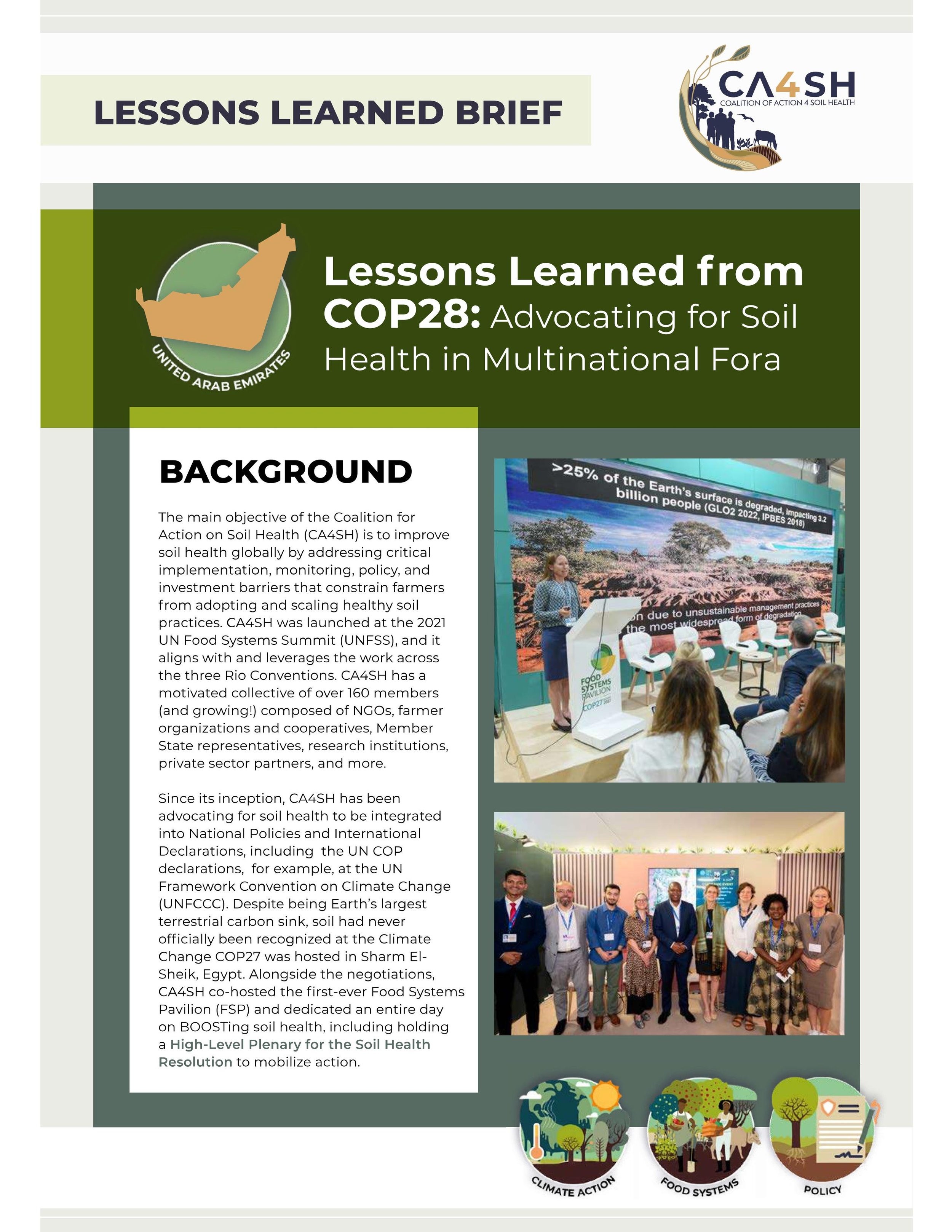
Soil health was formally recognized in the COP28 UAE Declaration on Sustainable Agriculture, Resilient Food Systems, and Climate Action, in part because of the advocacy approach taken by CA4SH and our partners. In this brief, CA4SH partners and member states who engaged in this process lay out key lessons learned while advocating for soil in the context of the UNFCCC COPs, with recommendations for scaling this approach in other contexts.

For the Coalition of Action 4 Soil Health (CA4SH), 2023 was marked by continual learning and exponential growth, and we are celebrating by launching the inaugural Annual Report. Highlights include a reflection on our roots and growing the Coalition (which now has over 170 multistakeholder members and counting!), zooming in on key engagements, advocating for soil health in the climate agenda, achievements, lessons learned, and a look at what’s to come.

Food system transformation is needed for "safeguarding food security and ending hunger, and the particular vulnerabilities of food production systems to adverse impact of climate change".
Read the full policy brief from 4p1000, CIRAD, and IRD

This brief focuses on Payments for Ecosystems or Environmental Services (PES) as a mechanism for providing incentives to land users to transition to more sustainable land management.
Agriculture and food systems are both drivers and victims of escalating climate and nature crises, in turn increasing the risks to healthy diets, livelihoods and economies. Public policies can set incentives for farming and market practices that further exacerbate these trends, but they can also play a role in reversing them. The global Agriculture Policy Dialogue on Transition to Sustainable Agriculture is a peer-to-peer platform to share experience, facilitate partnerships and catalyse policy leadership to accelerate the transition to sustainable agriculture and food systems that benefit people, prosperity and the planet.
Policy Pathway Briefs provide an overview of emerging experiences and lessons on policy approaches that contribute to this transition, covering a series of topics requested by Policy Dialogue members, to support peer leaning and knowledge exchange. The briefing notes are in no way exhaustive. The options facing governments will be context specific and look different across and within countries. The notes aim to act as a discussion starter and to facilitate exchanges between countries engaged in the Agriculture Policy Dialogue and with other global initiatives, drawing on the experiences presented by members and examples identified through further research.
News and Updates
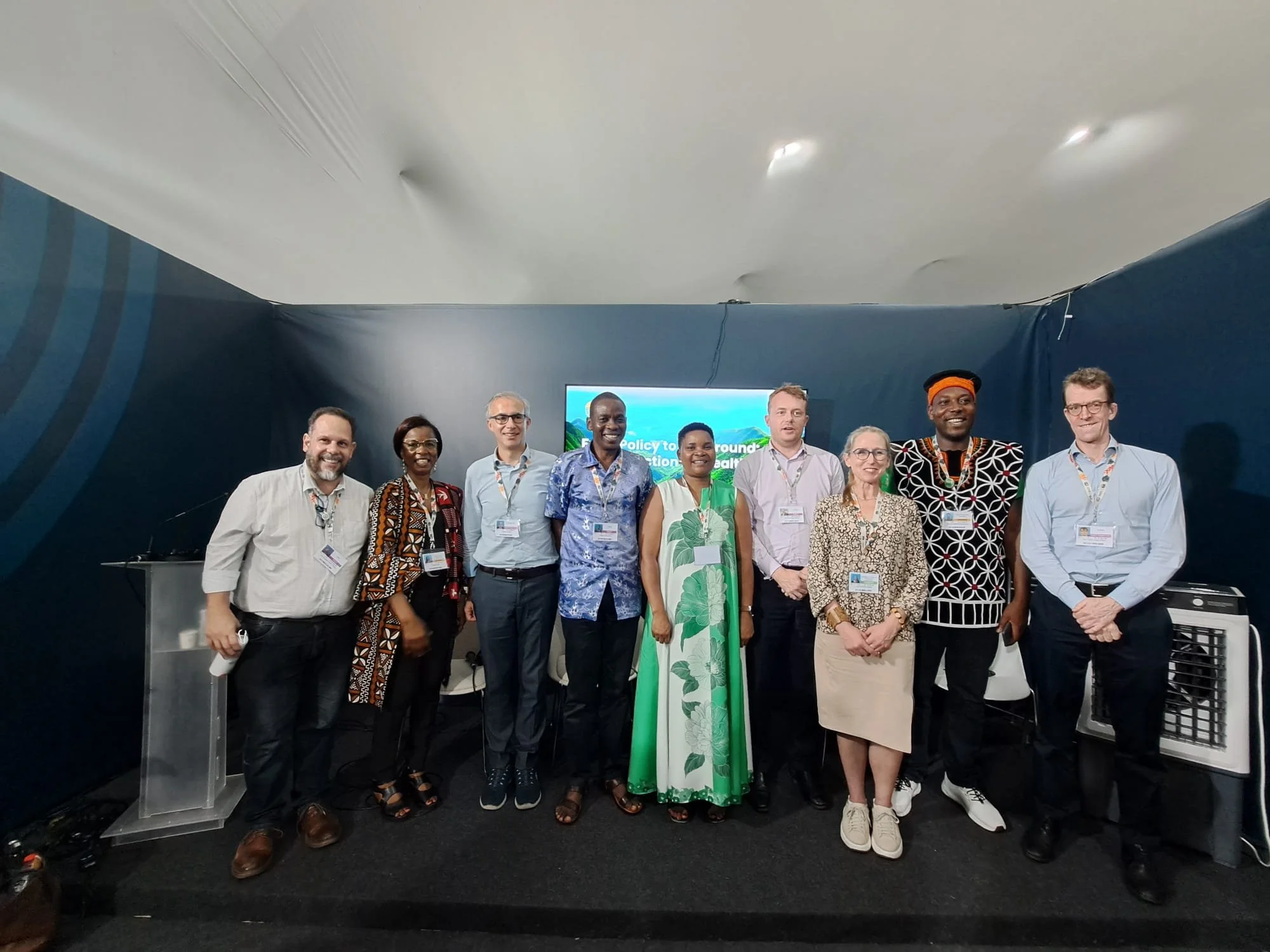
Healthy soil is essential for ecosystem restoration, biodiversity conservation, food security and nutrition, and climate mitigation and adaptation. At the COP30 plenary session “From Policy to the Ground: Scaling Action for Healthy Soil”, governments, development agencies, farmer organizations, and youth networks came together to reflect on how policies can drive real change for soil health, and it must be brought into the center of climate negotiations.
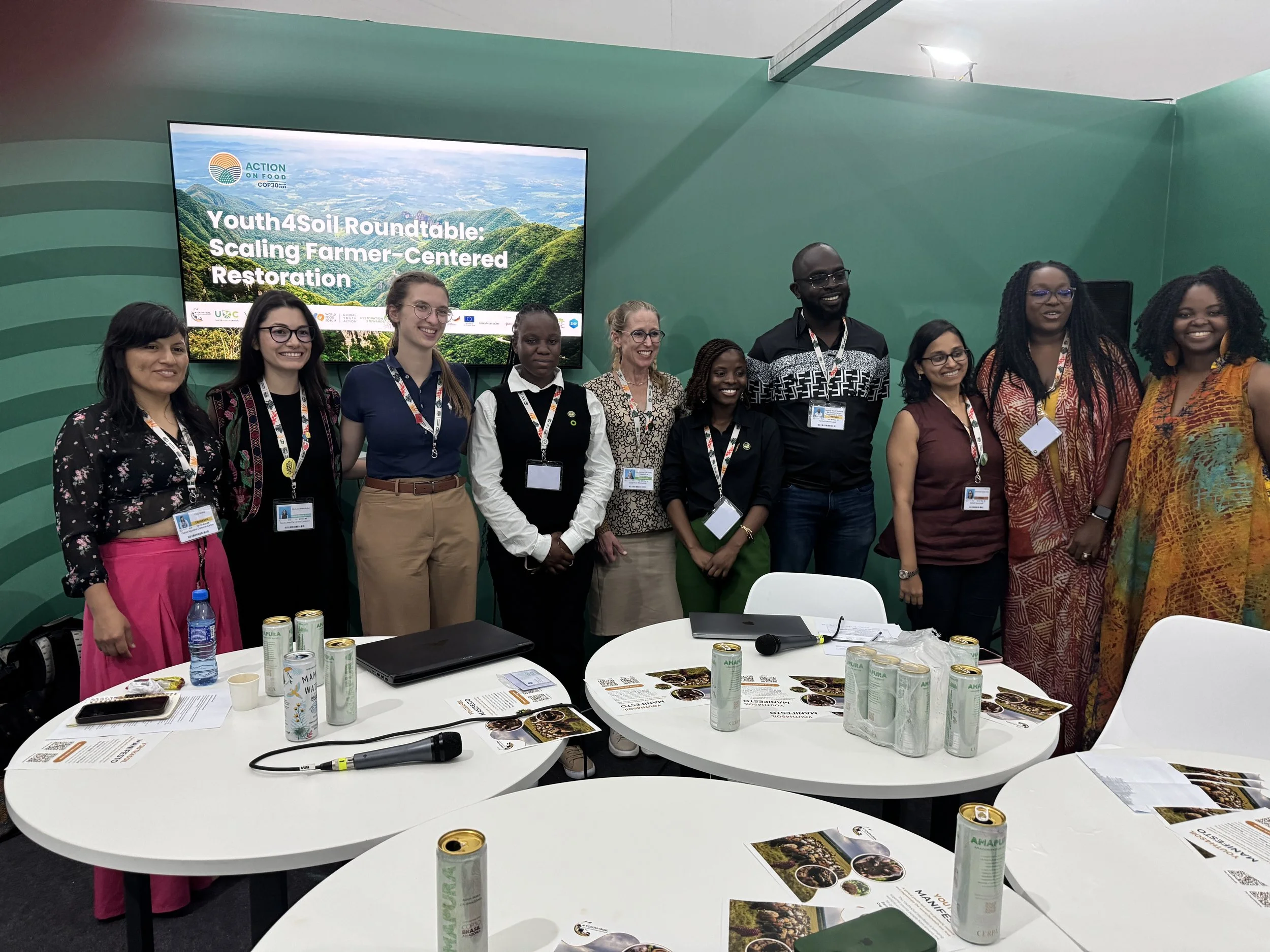
At the heart of COP30’s Blue Zone, the Action on Food Hub became a stage for one of the most urgent conversations of our time: how to scale farmer-centered restoration through the power of youth leadership. On Saturday, 15 November 2025, global voices converged to spotlight the role of young changemakers in driving soil health, food security and climate resilience.
The session was organized by the Coalition of Action 4 Soil Health (CA4SH) in partnership with leading youth networks—including the Youth4Soil Initiative, the UNCCD Youth Caucus, Global Landscapes Forum Restoration Stewards, World Food Forum, International Association for Agriculture Students (IAAS), YOUNGO, and the Young Professionals for Agriculture Development (YPARD). Participants represented a global population from India, Belgium, Netherlands, Costa Rica, Kenya, Burkina Faso, Zambia, Peru, and more.

The Global Climate-Smart Agriculture (CSA) Conference is more than a knowledge exchange platform; it is a platform to incite climate action in agriculture. Immediately preceding the UN Climate Conference (UNFCCC COP30) taking place in Belem, Brazil, organizers of the 2025 CSA conference saw this year’s assembly as a critical opportunity to align on the future of food and agriculture ahead of COP30.
As an organization with action as a primary tenet, the Coalition of Action 4 Soil Health (CA4SH) was invited to co-chair the Soil Health and Plant Nutrition thematic session with partners from the International Fertilizer Development Center (IFDC). The session comprised two sub-sessions on 5th and 6th November, dedicated to finance and technology, respectively. Below, we summarize the innovations and key messages shared in these sessions, and chart a way forward for soil health at COP.
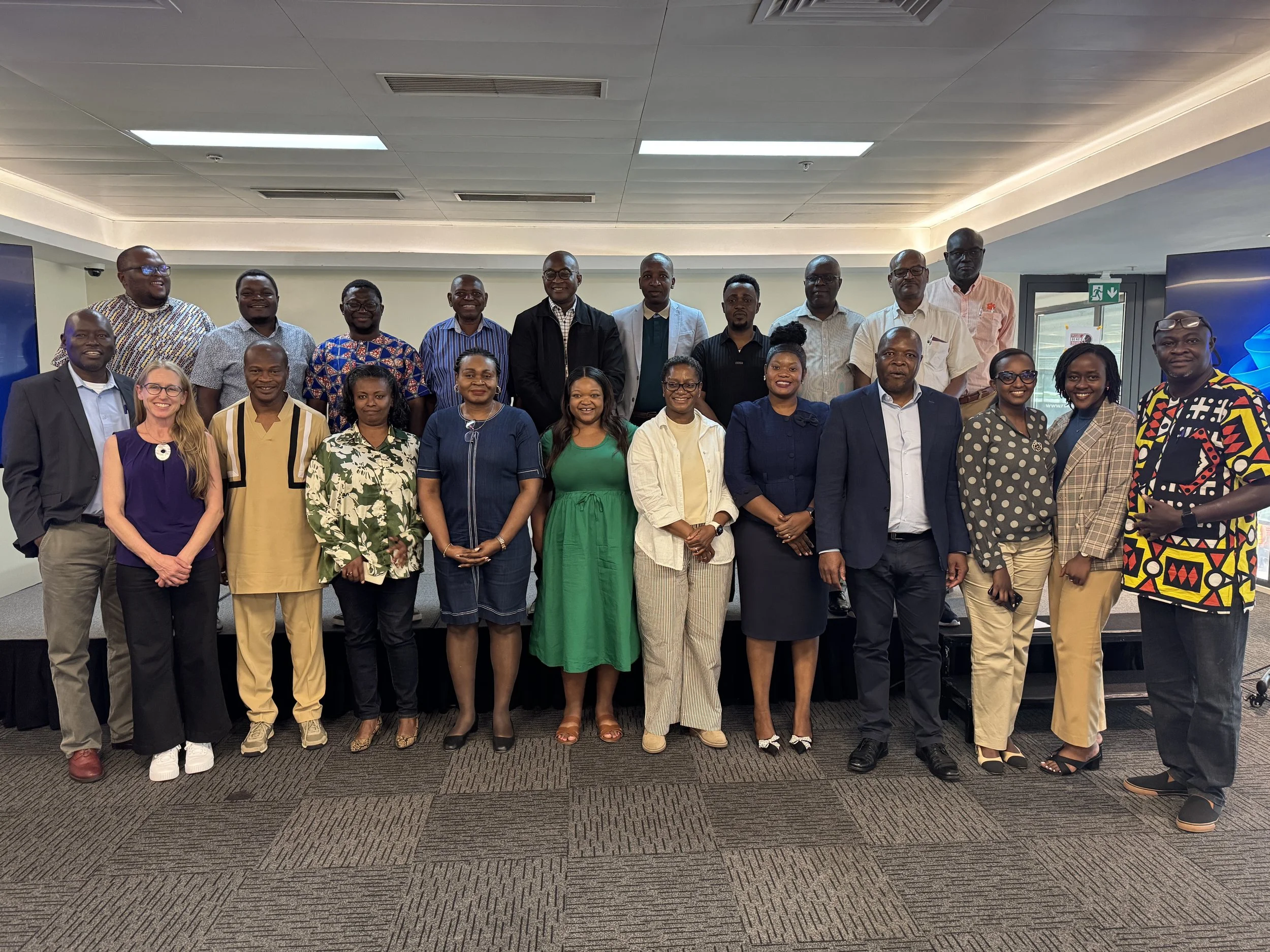
The African Union Development Agency (AUDA-NEPAD) and the African Union Commission have convened a Soil Health Monitoring Task Force to design and operationalize a systematic, scientifically sound monitoring system aligned with the CAADP Biennial Review (BR) process.
Ahead of the CAADP Partnership Platform (CAADP PP), which took place in Kigali, Rwanda, from 29-31 October 2025, AGRA supported the convening of the Task Team meeting on 27 and 28 October. The validation meeting provided a platform for the Task Force to present its work on building a soil health monitoring system in support of the AFSH Action Plan, including identifying key indicators and a relevant soil health definition. Members of the Task Force and the broader AFSH stakeholder group attended and provided feedback through several participatory workshop sessions.

From 14–16 October 2025, the Annual Meeting of the Global Future Councils (GFCs) from the World Economic Forumtook place in Dubai, UAE. The GFCs are the World’s foremost multistakeholder and interdisciplinary knowledge network dedicated to promoting innovative thinking to shape a more resilient, inclusive and sustainable future. Each of the 37 Councils’ thematic insights are taken forward by the Forum’s ongoing initiatives, communities and meetings to ensure impact. The October meeting brought together over 500 global experts and 150 cybersecurity leaders to address the complex intersections of technology, resilience, and sustainability.
The GFC on Soils was established by the World Economic Forum (WEF) as a strategic and timely response to the escalating global crisis of soil degradation. With over one-third of the world’s soils already degraded and desertification threatening food security, climate stability, and biodiversity, the council was formed to galvanize international action and innovation around soil health.

Today, EU lawmakers listened to citizens and science and rubber stamped the deal on the Soil Monitoring Law, the EU’s first ever law on soil health, after months of negotiations. Despite severe shortcomings of the endorsed text, this is an important milestone towards addressing Europe’s crisis of soil degradation. Its success will depend on impactful implementation.
Contribute to this page
Contact us to submit a resource, news story, initiative to highlight, or an event to advertise and we will include it on this page.
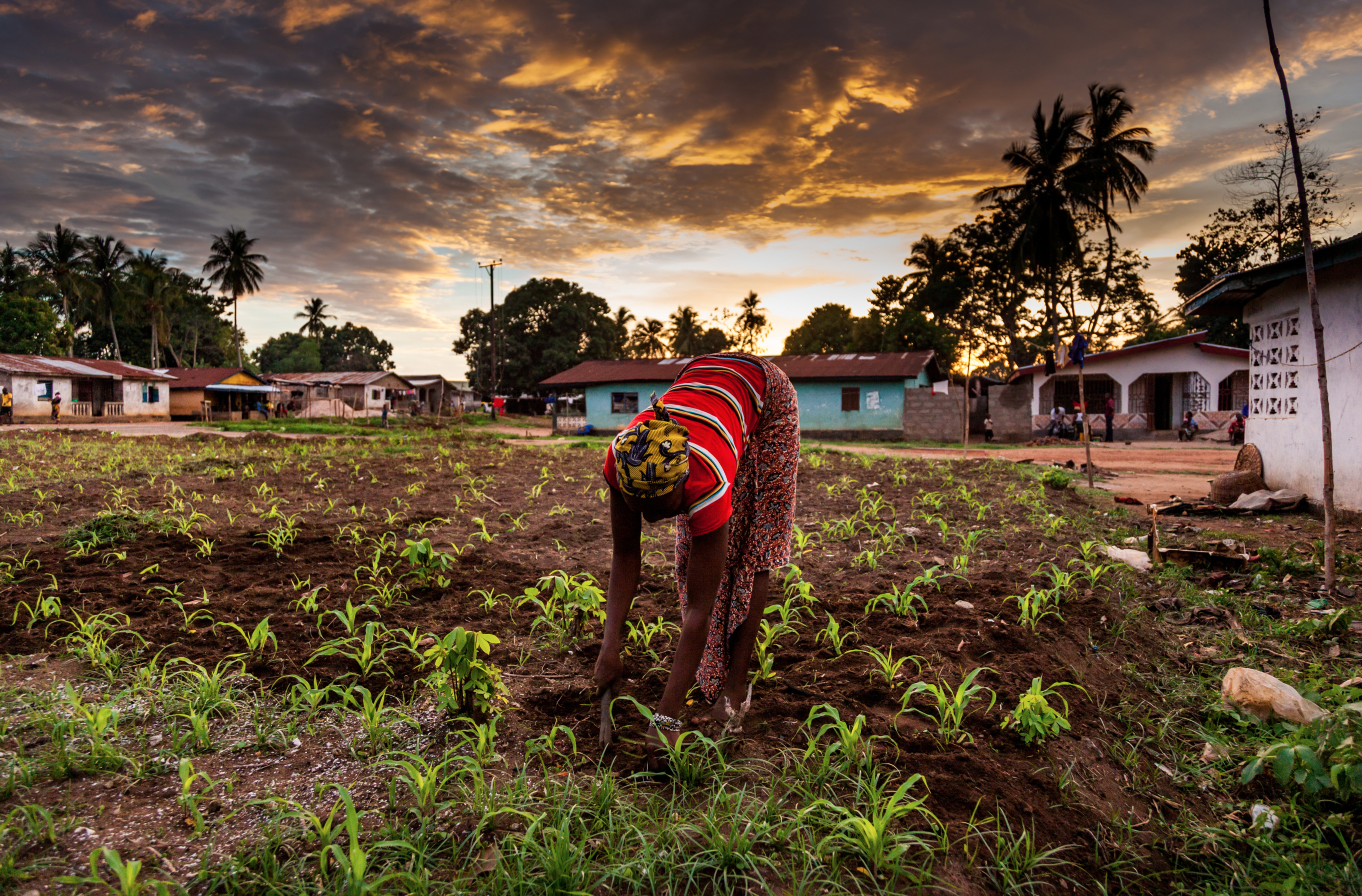
The Agroecology Leadership Academy is conducted with financial support from the European Union (EU) as part of the EU co-funded Action “ProSilience: Enhancing soils and agroecology for resilient agrifood systems in Sub-Saharan Africa”. ProSilience is integrated into the Global Programme “Soil Protection and Rehabilitation for Food Security” (ProSoil) commissioned by the German Federal Ministry for Economic Cooperation and Development (BMZ) and implemented by the Deutsche Gesellschaft für Internationale Zusammenarbeit (GIZ) GmbH, As a core part of the Academy, the country teams from the seven countries were supported to put transformation initiatives into actions. Within a few months, the participants catalyzed effective action by advancing national policies, bringing a wide range of stakeholders together, spreading hands-on knowledge and developing innovative media products.
This document summarizes Lessons Learnt on the base of internal reflection and harvesting workshops, a meeting with country facilitators, a survey by participants and focus group interviews with participants. It aims to openly share experiences with other practitioners interested in setting up similar programmes.