Why Kenya's Rangelands Matter More Than Ever
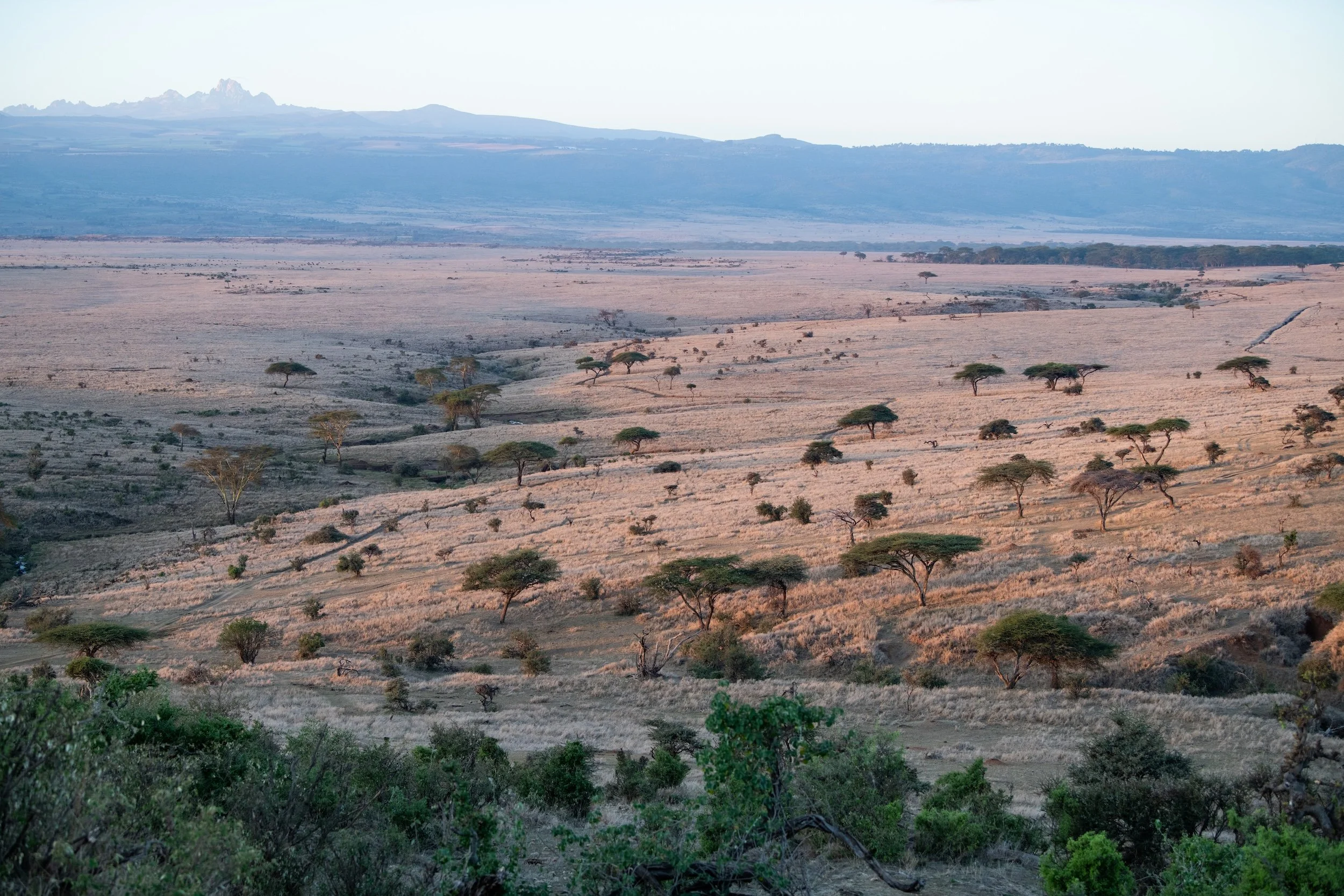
Rangelands cover around 80% of Kenya's landmass, yet they are too often viewed through the lens of scarcity rather than the abundance of knowledge, resilience, and opportunity they hold.
Attending the National Conference on Rangelands and Pastoralism, held as part of the International Year of Rangelands and Pastoralists (IYRP 2026), was a timely reminder that these landscapes are not only central to Kenya's future, but also to global conversations on climate resilience, biodiversity, food security, and sustainable livelihoods.
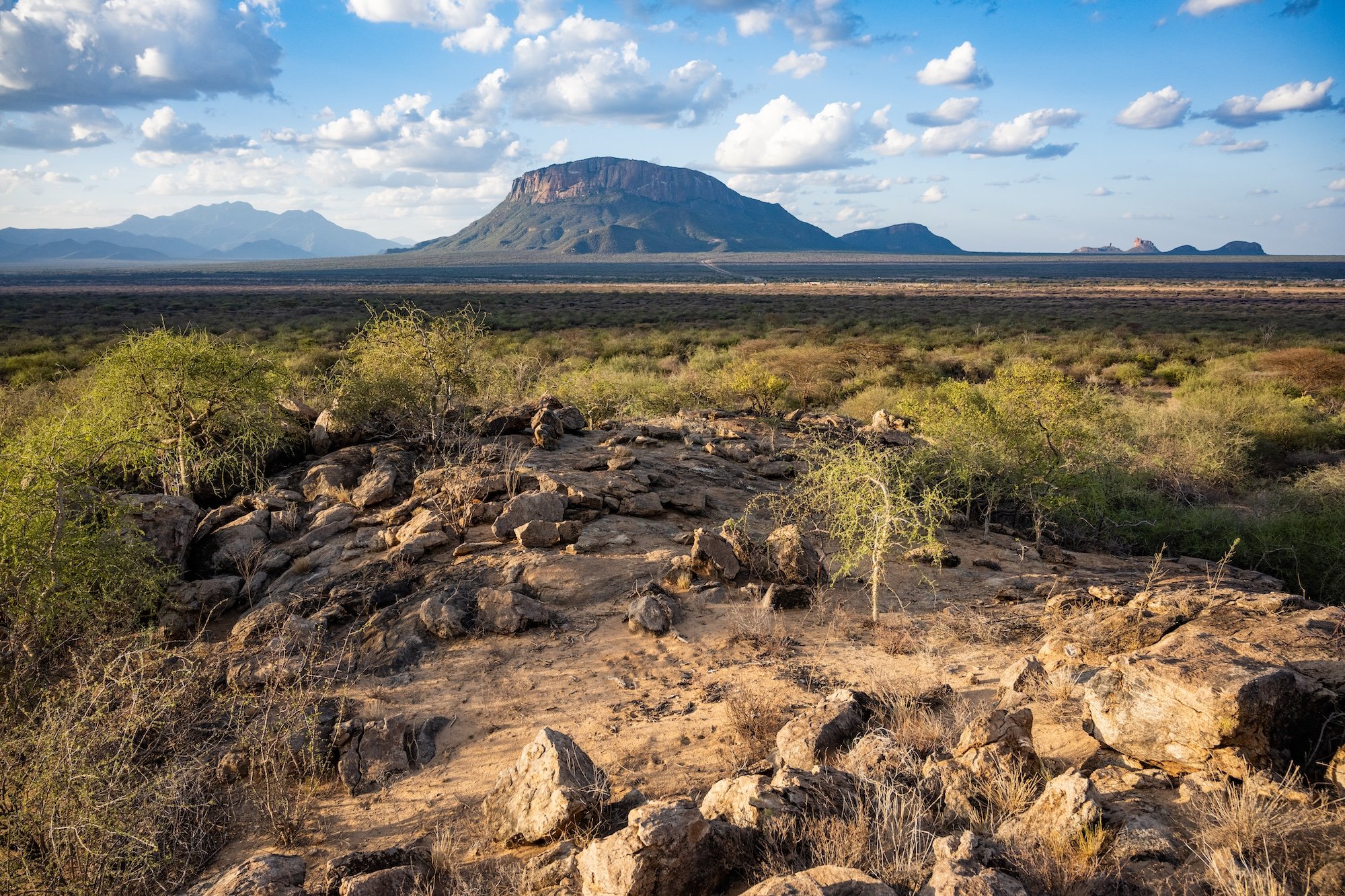
Image by Kelvin Trautman
Bringing together researchers, policymakers, practitioners, and community representatives under the theme "Lands in Motion: Stewards of Knowledge and the Future," the conference reinforced several important lessons.
The first is that restoration begins with people. Successful landscape restoration is built on meaningful participation, local ownership, and long-term investment in the people who know these landscapes best. Lasting change cannot happen without communities leading the way.
Equally important is recognising the value of Indigenous Knowledge. Pastoralist communities have managed Kenya's rangelands for generations, adapting to changing climates while maintaining productive landscapes. Their knowledge should not sit alongside science as an afterthought, but be integrated into research, planning, and decision-making from the outset.
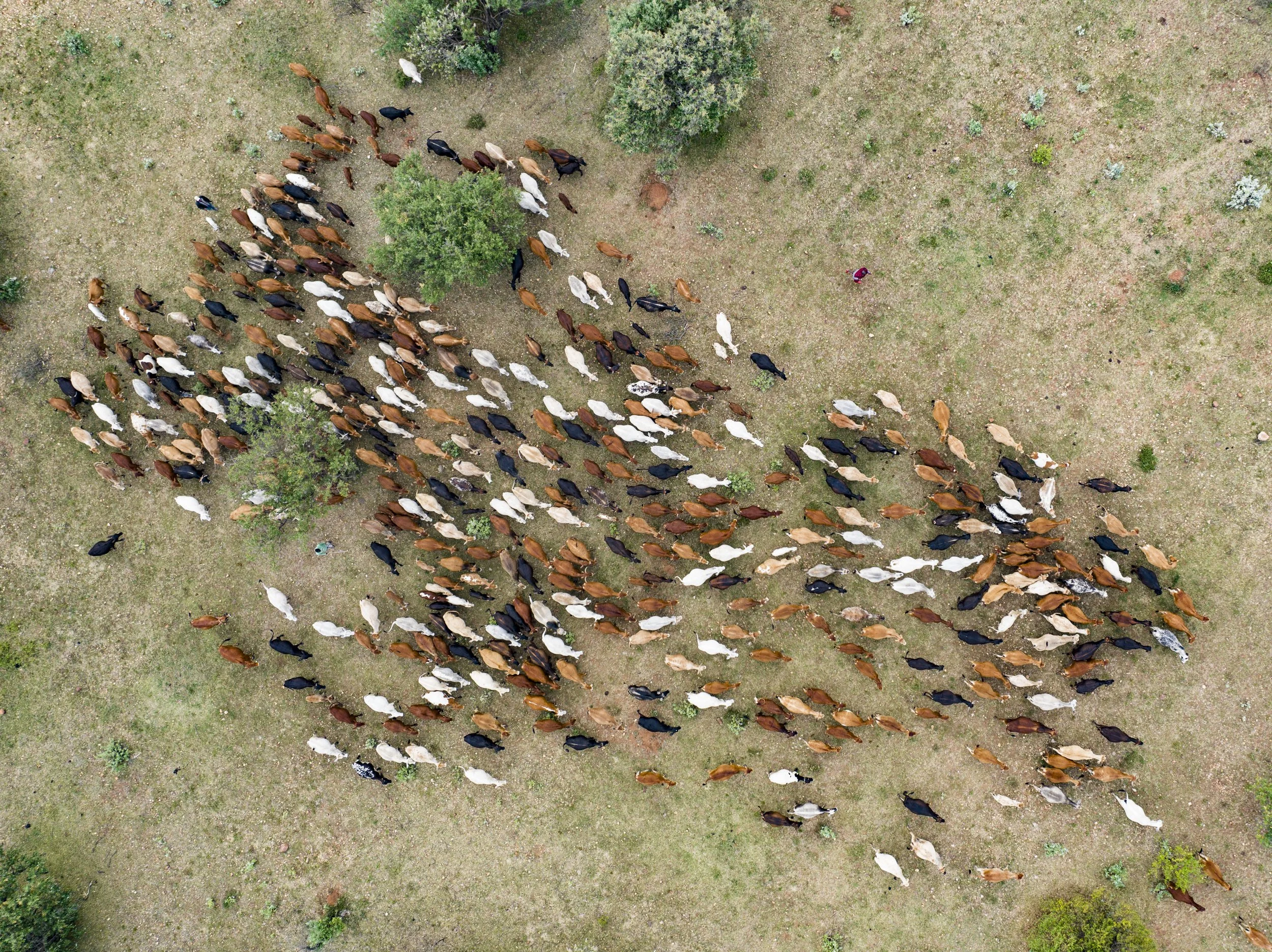
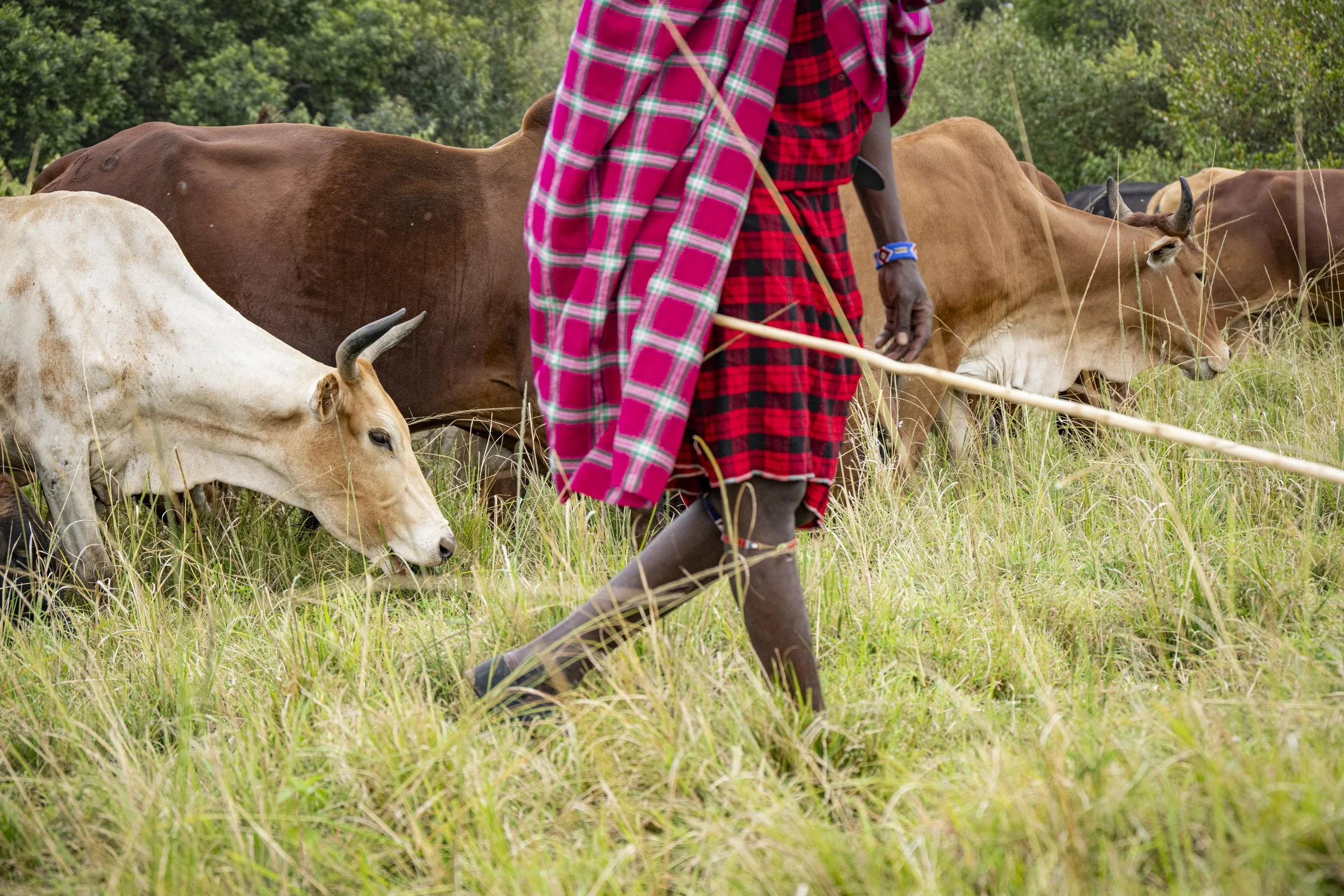
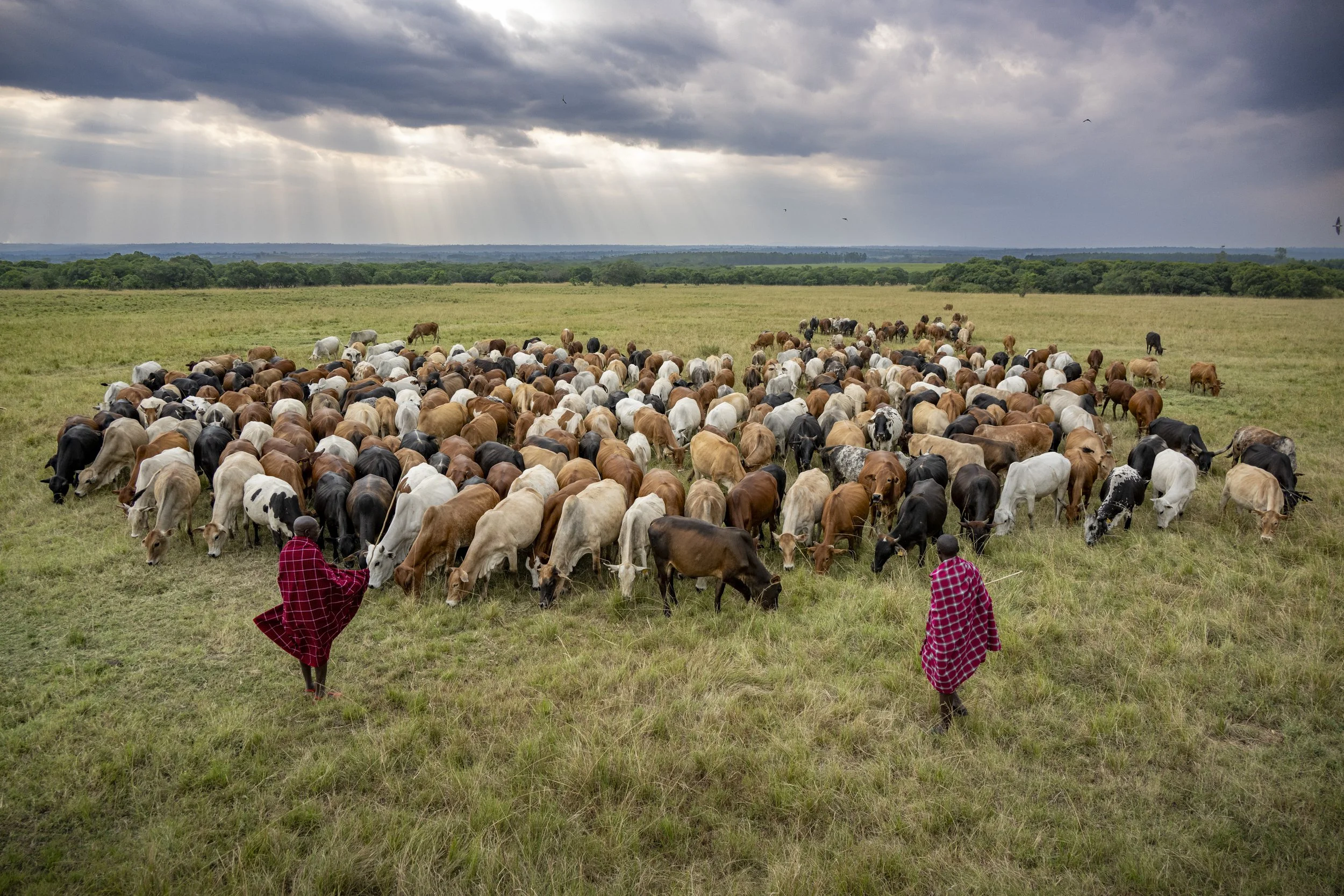
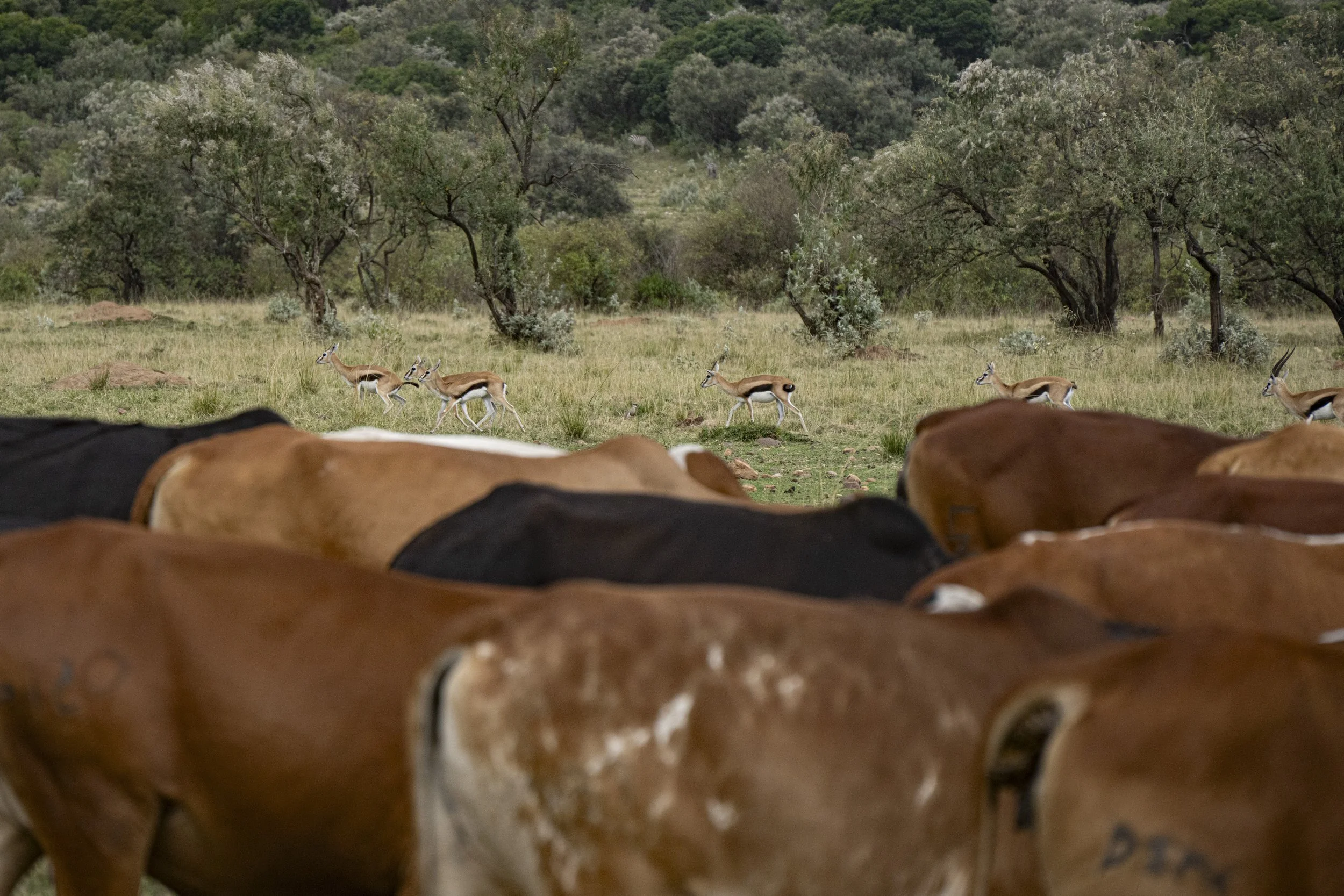
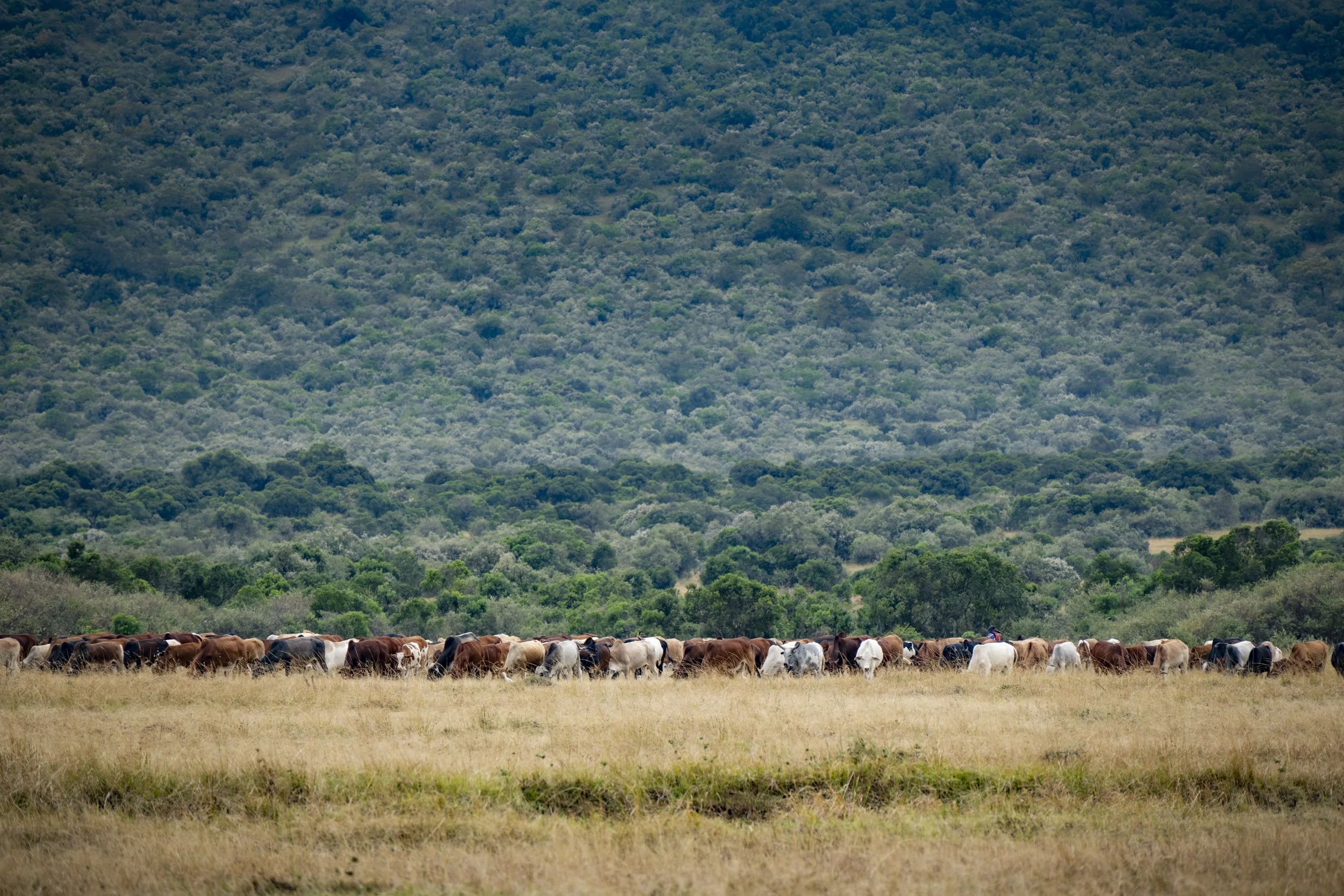
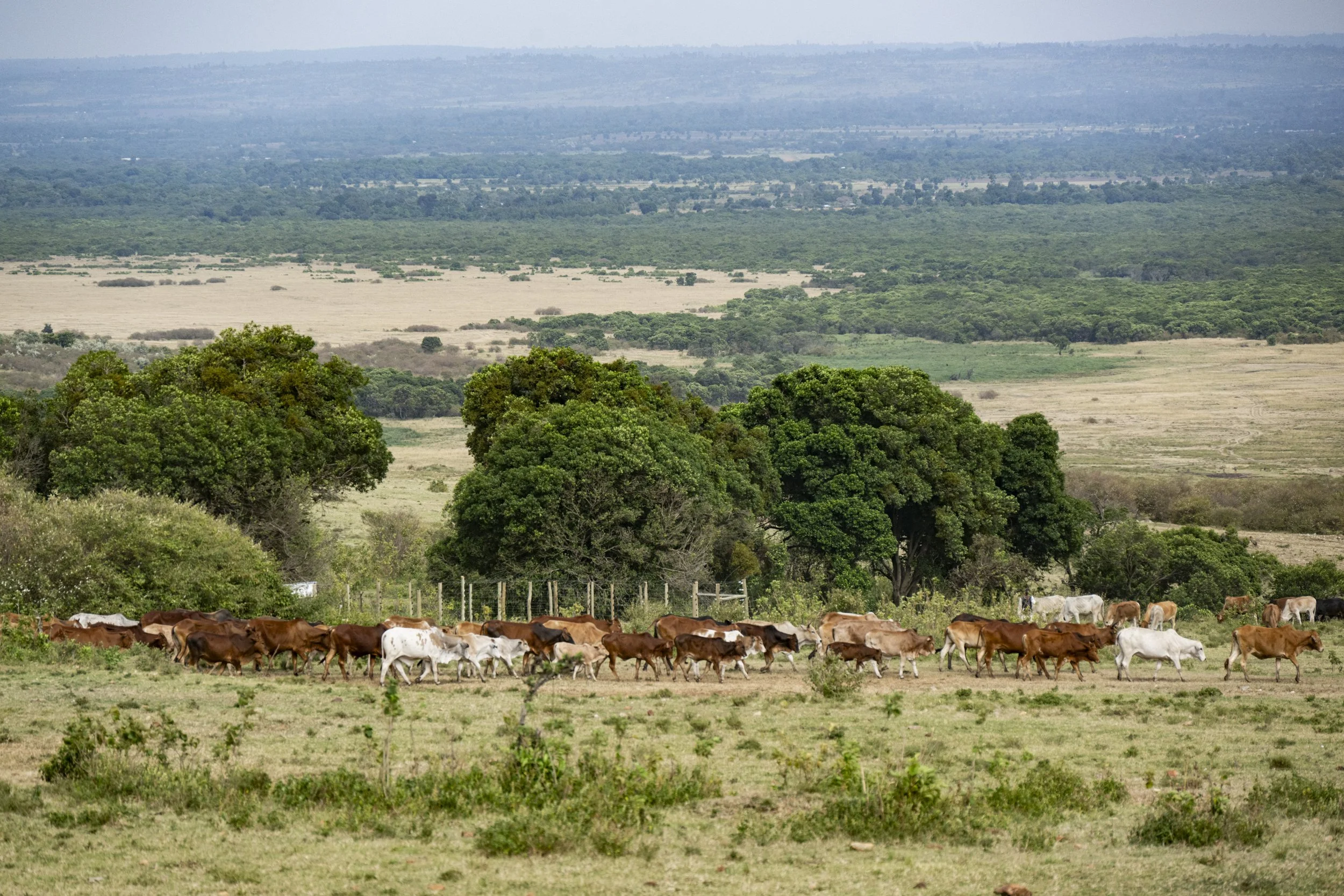
Images by Kelvin Trautman
The discussions also highlighted the importance of inclusion. Women, men, and young people are already driving innovation in pastoral systems, natural resource management, and restoration. Expanding access to leadership opportunities, green enterprises, and decision-making spaces will strengthen both communities and the ecosystems they depend on.
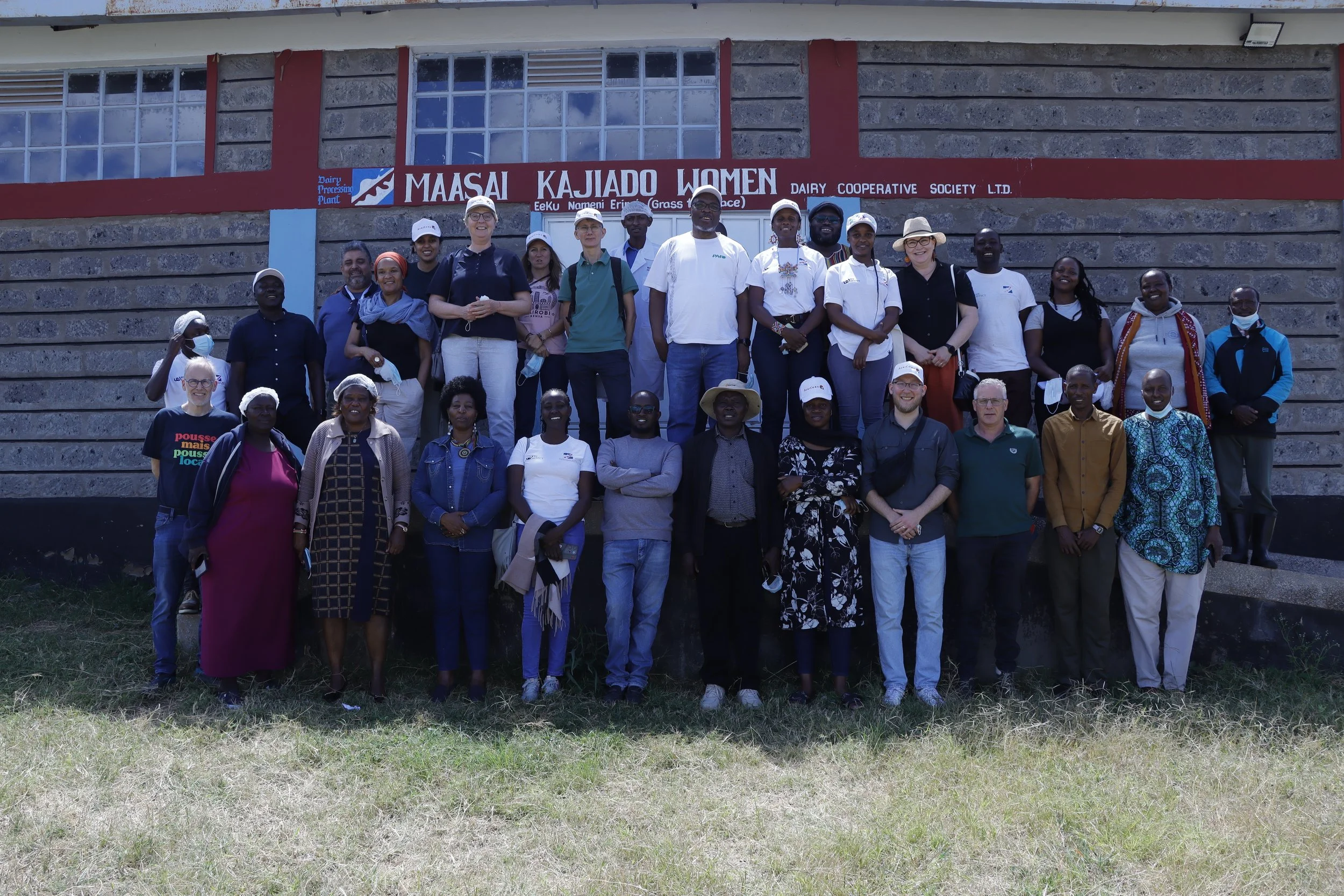
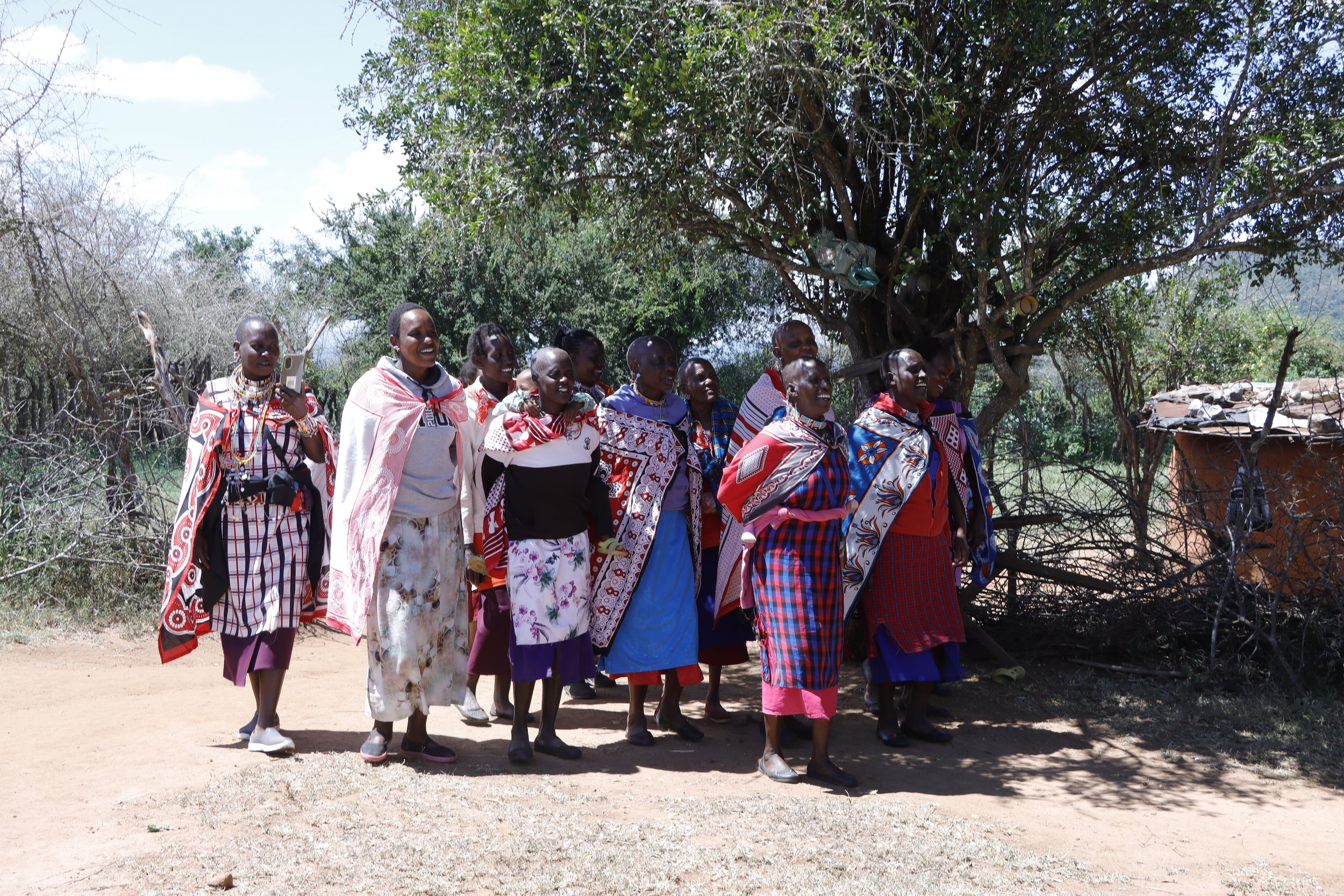
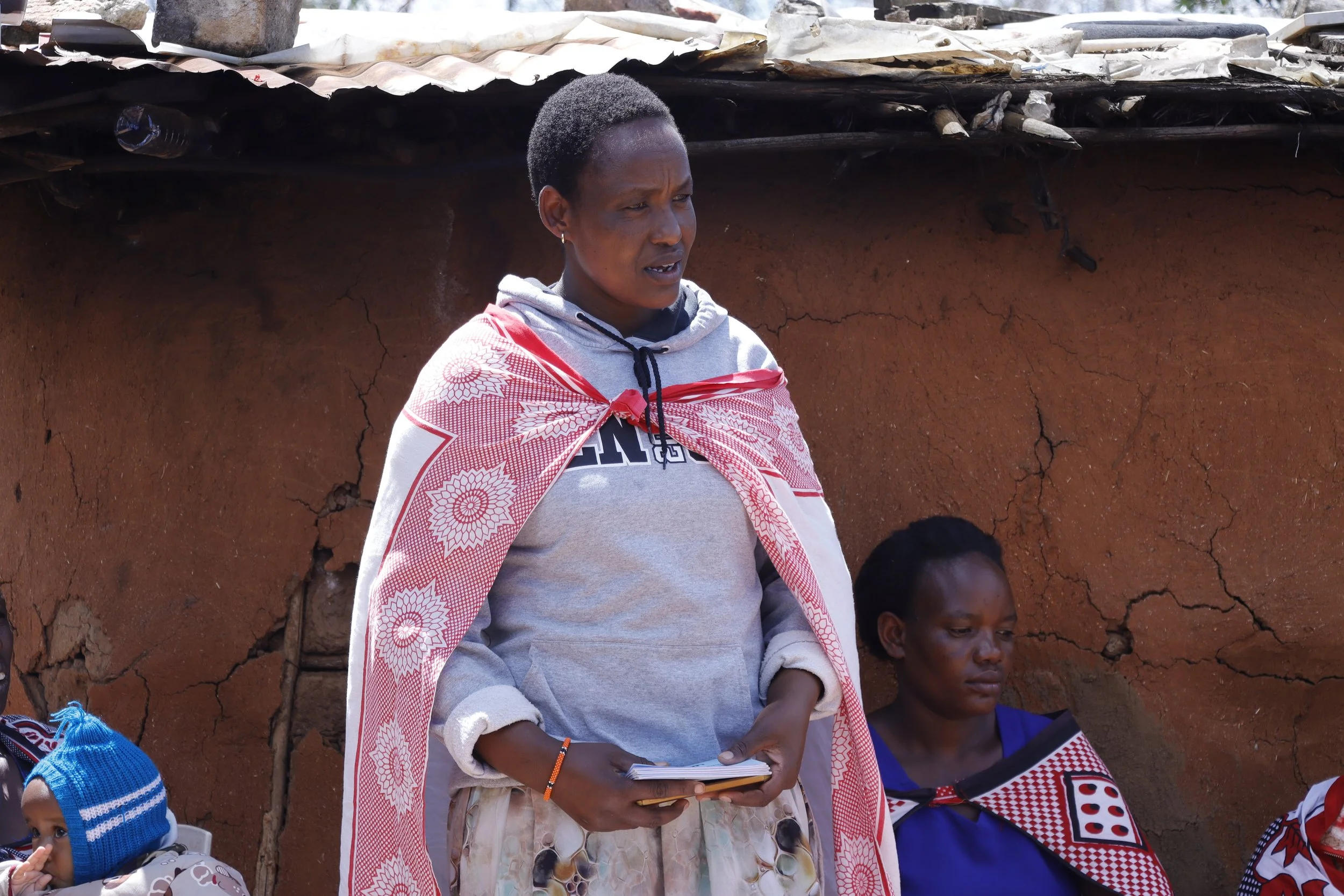
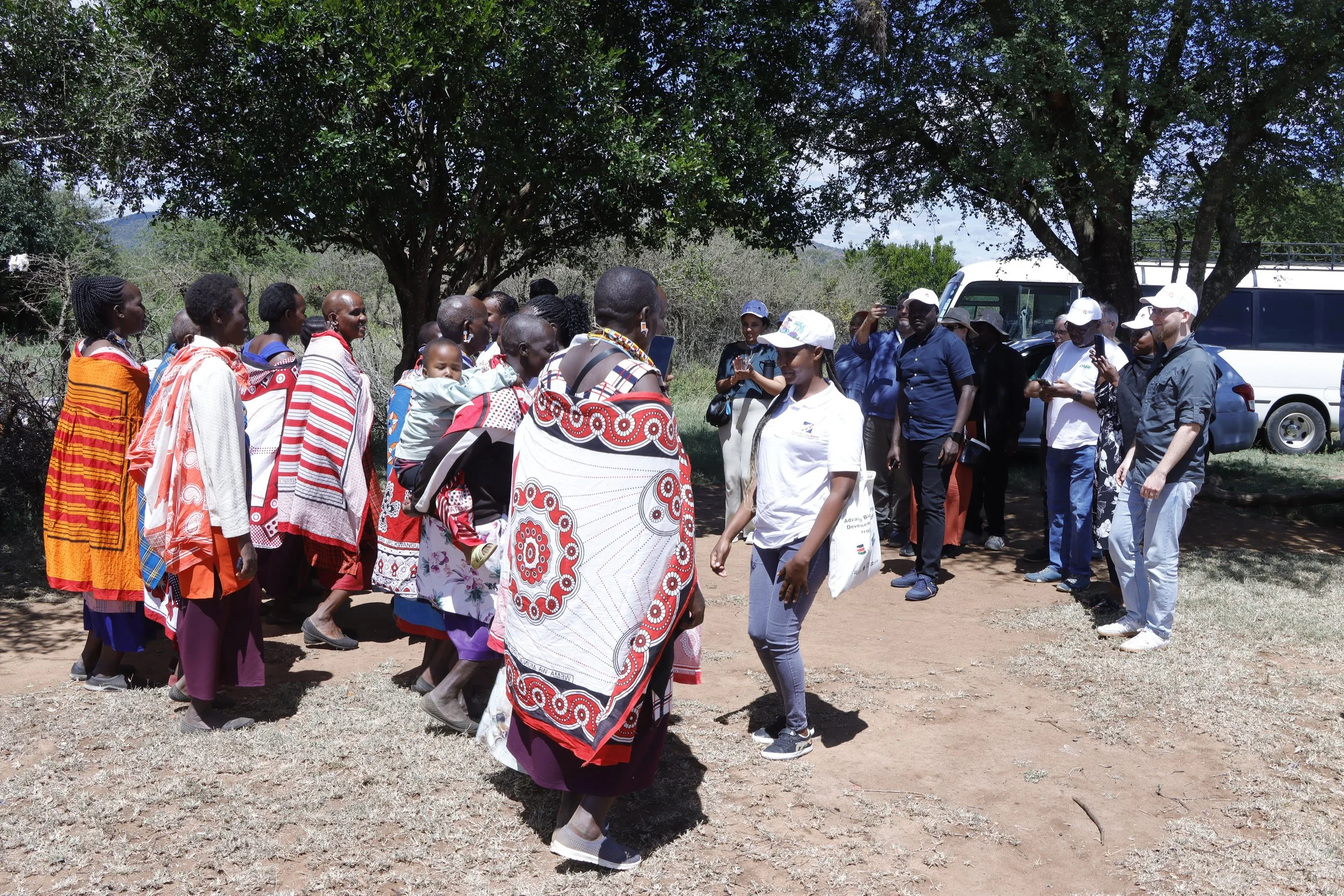
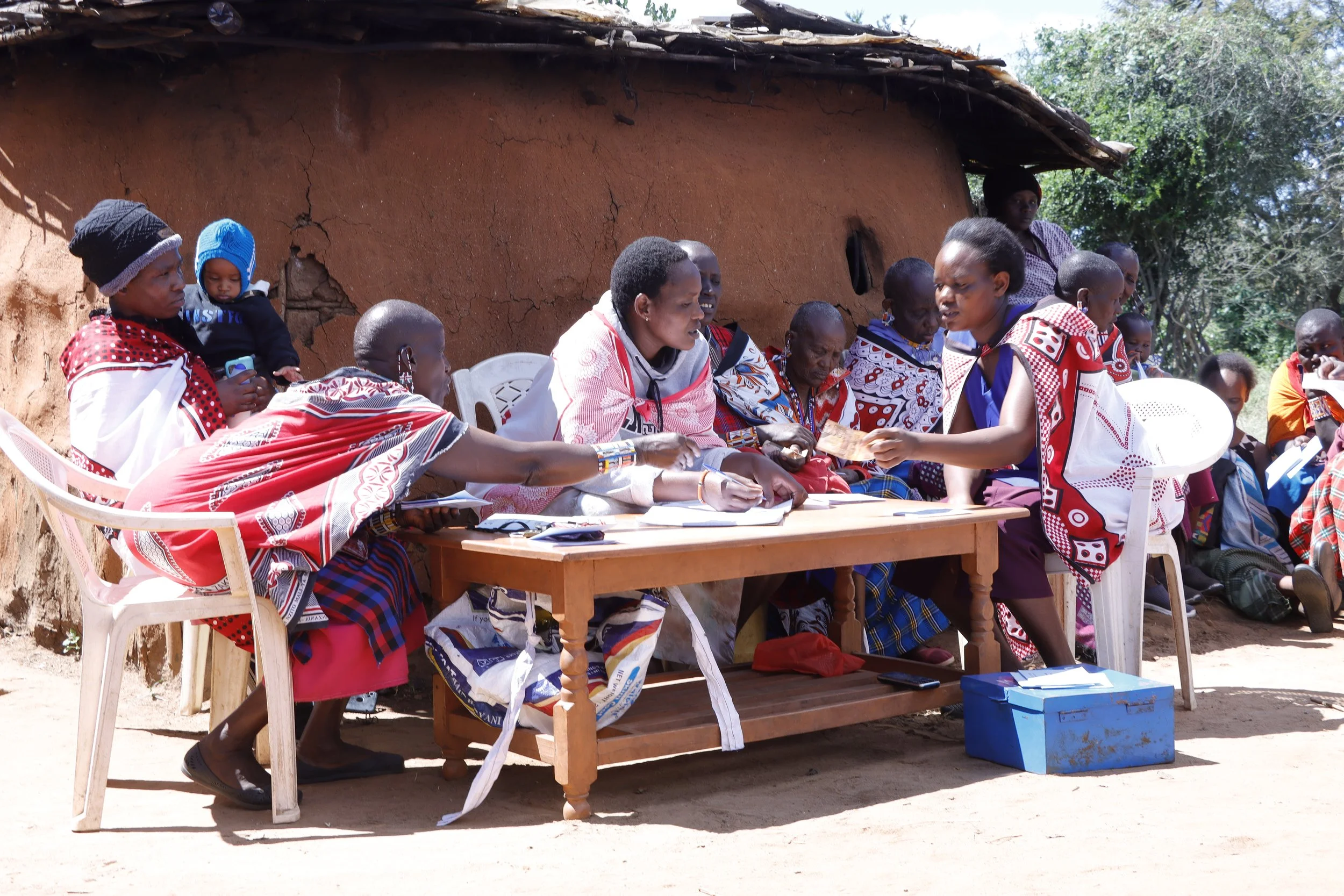
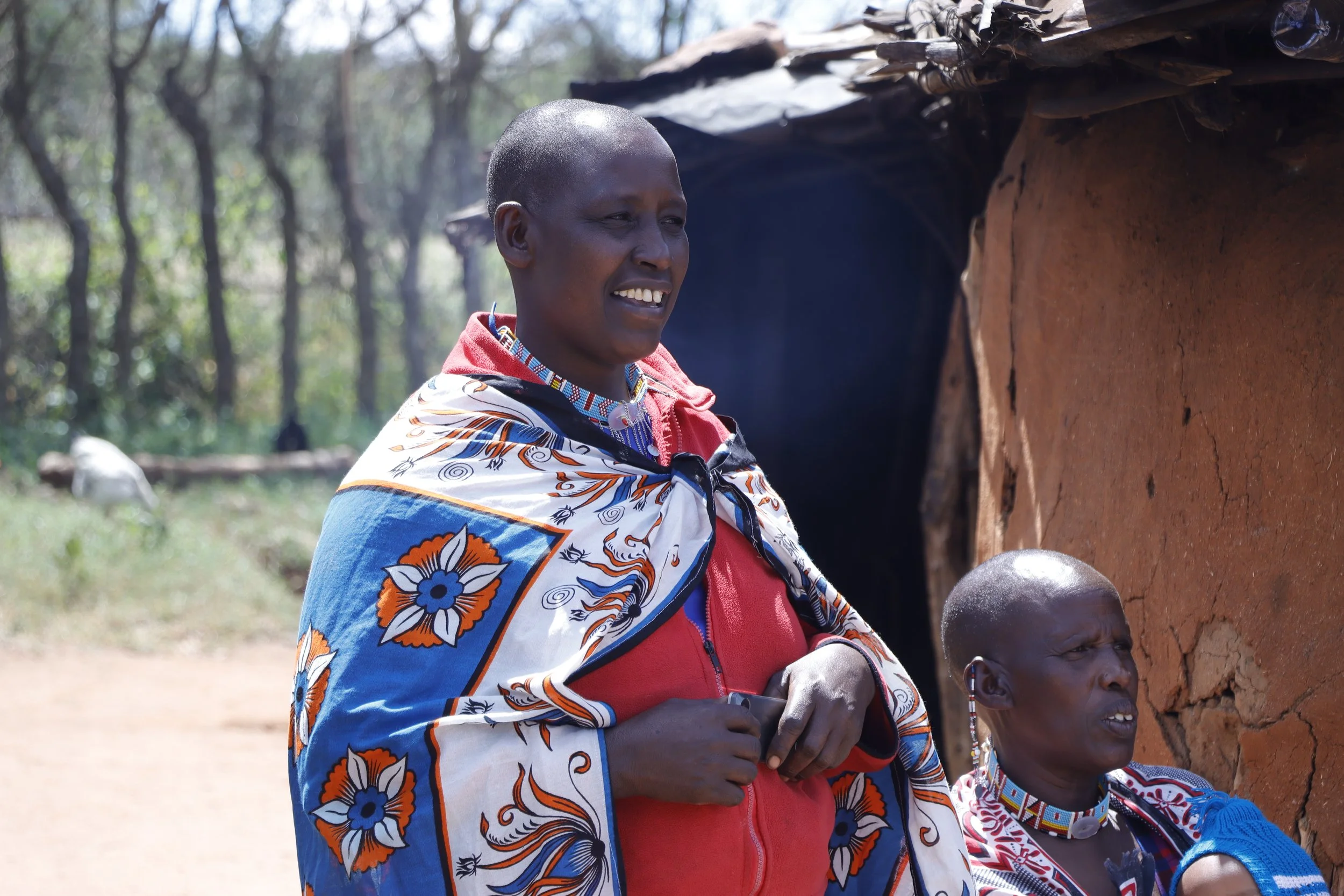
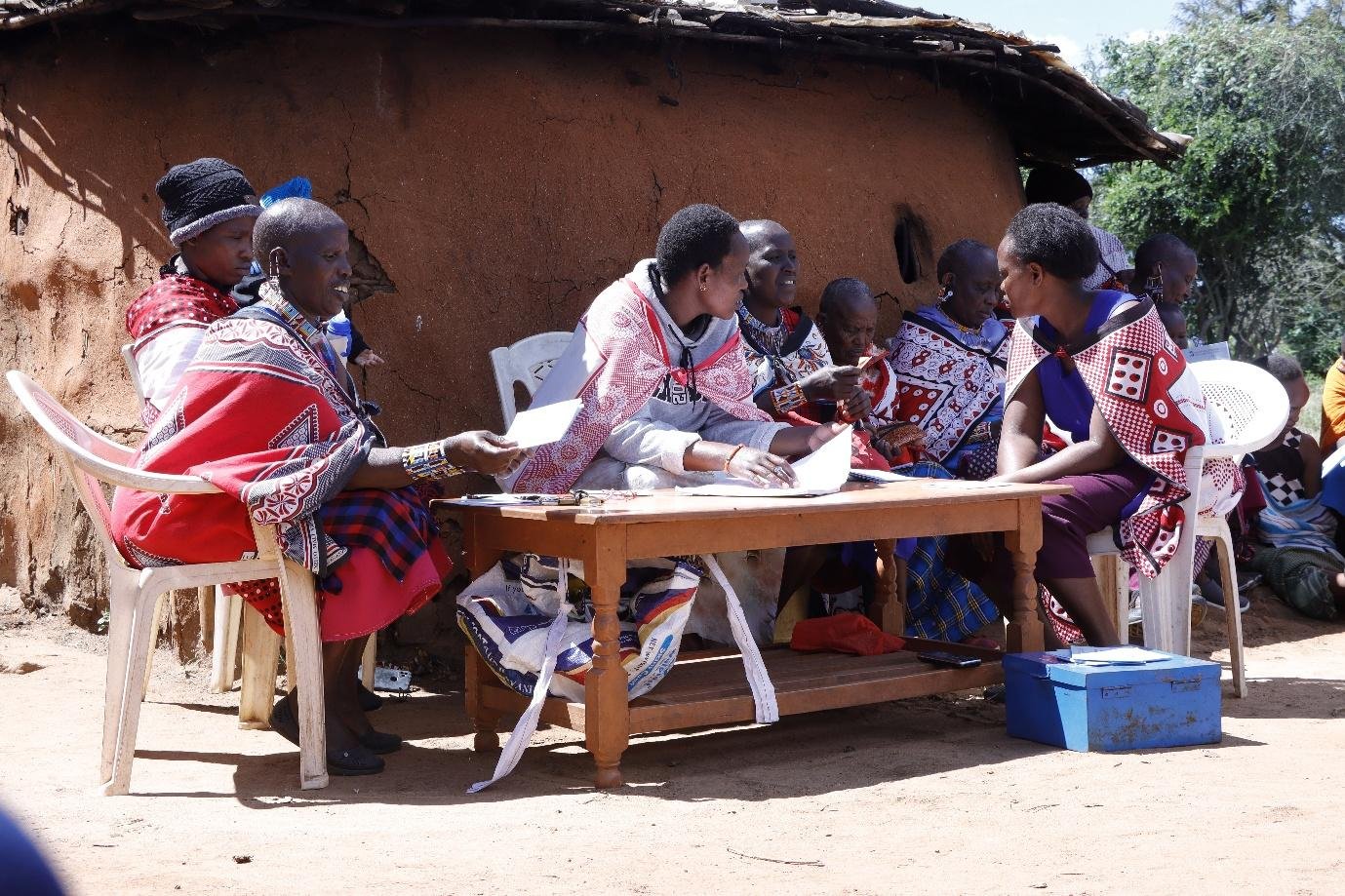
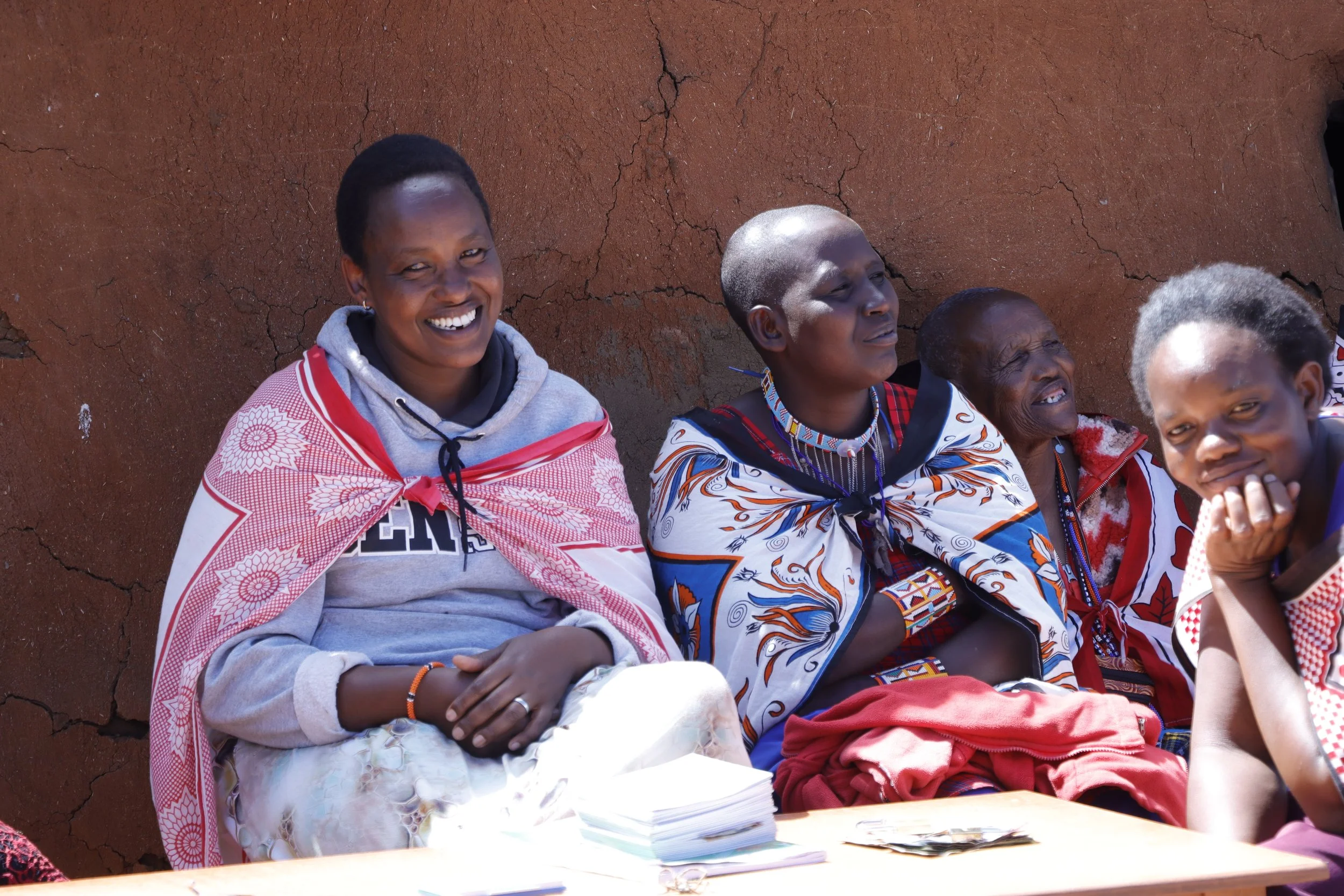
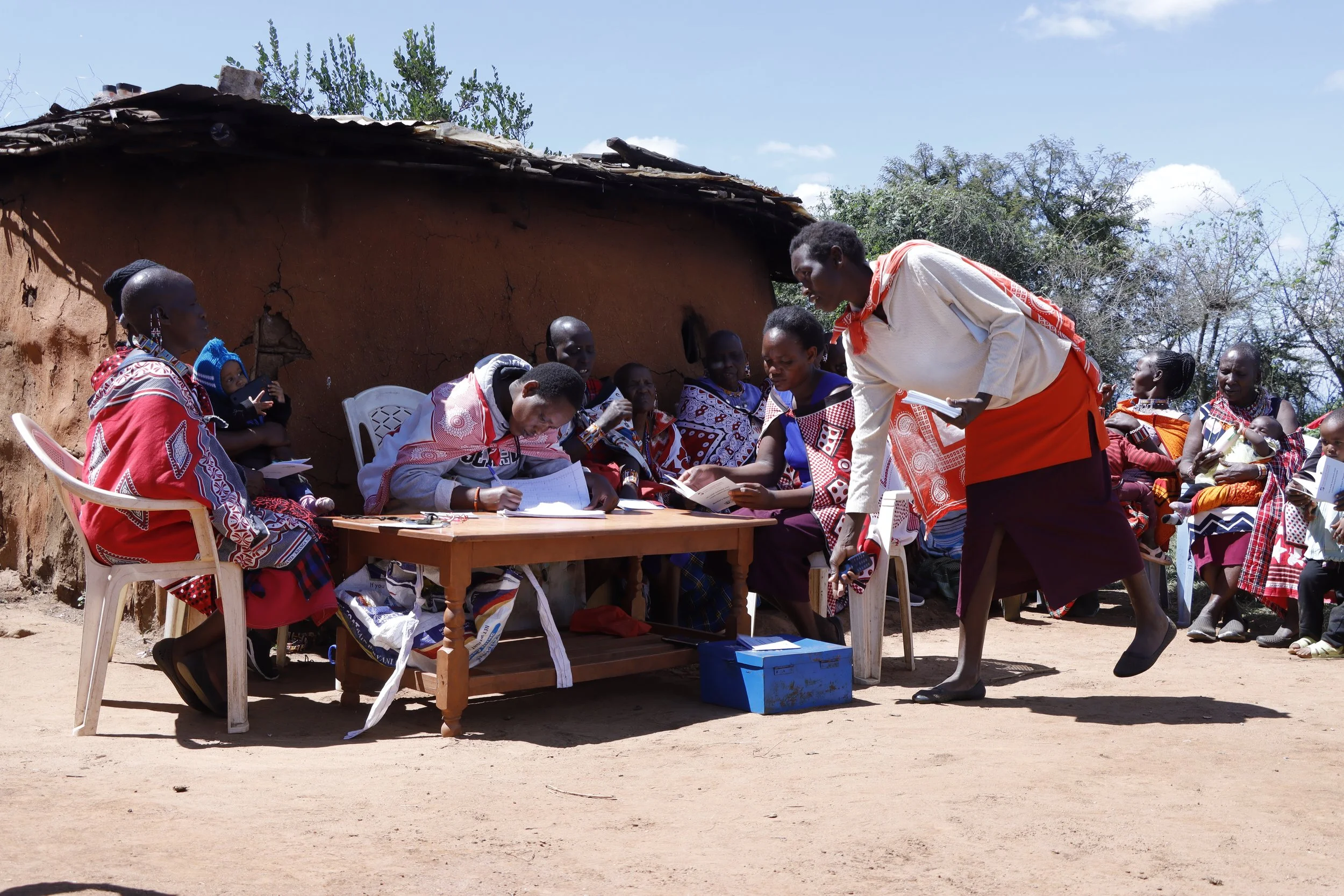
A field trip to visit the Maasai Kajiado Women’s Dairy Cooperative Society, images by Kelvin Okumu
Finally, research must lead to action. We need more site-specific, adaptive research that responds to local realities and informs practical policies that communities can apply on the ground.
These principles are at the heart of the TWENDE Project, which recognises that restoring landscapes requires more than technical solutions alone. By supporting community-led restoration, strengthening local capacities, and promoting collaboration across sectors, the project demonstrates how science, policy, and local knowledge can work together to build healthier, more resilient landscapes.
As the global community prepares for UNCCD COP17 in Mongolia later this year, the conversations taking place across Kenya are particularly relevant. Achieving global land restoration goals will depend on strengthening community leadership, valuing Indigenous Knowledge, promoting inclusive governance, and ensuring that research delivers tangible benefits for the people living and working in these landscapes.
Healthy rangelands are not simply places to be restored. They are living systems, shaped by generations of stewardship, and they hold many of the solutions we need for a more resilient future. The challenge now is to ensure that the voices of the people who know them best continue to shape the decisions that lie ahead.
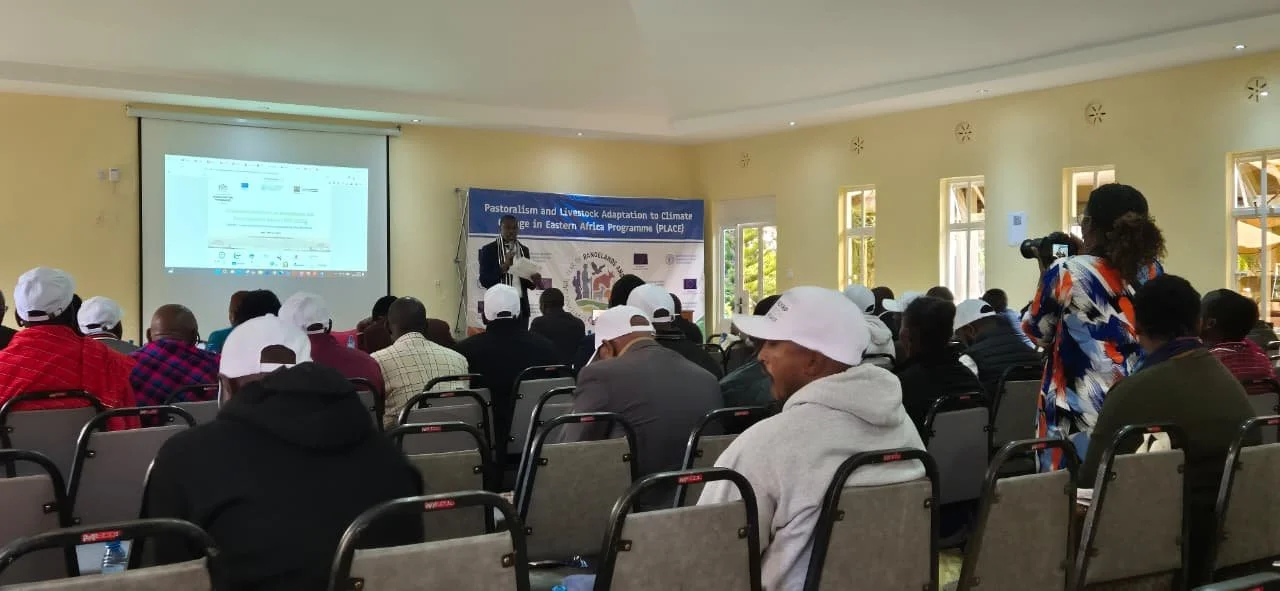
Images: Clemence Mnyika & Christine Magaju


Can Kenya transform its food systems while restoring ecosystems, improving nutrition, and building resilience to climate change?
That question brought together more than just experts, it united policymakers, researchers, farmers, youth, women, pastoralists, civil society, development partners and the private sector at the 3rd National Agroecology Symposium, held on 22–23 July 2026 at the Kenya Institute of Monetary Studies (KIMS) in Nairobi. Under the theme "Transforming Agrifood Systems through Agroecology: A One Health Approach for Inclusive, Sustainable and Resilient Futures," the symposium demonstrated that agroecology has evolved from an emerging concept into a national movement for transforming Kenya's agrifood systems.
Story by Dickens Ateku Alubaka, Senior Manager, Soil and Land Health Laboratories Research Services, Landscape Alliance (ICRAF)