Where wetlands meet soil health: Community-led Nature-Based Solutions in Kenya
Story by: Benson Mogaka, Founder & CEO, Wetlands Conservation Organisation
Wetlands Conservation Organisation officially launched the Wezesha Pilot Project on 20th August 2025. Since then, the initiative has been empowering youthful facilitators to train local communities on Nature-Based Solutions best practices for wetland restoration. By integrating storytelling as a communication tool, the project aims to help communities adapt to the impacts of climate change while raising awareness about wetland conservation.
As we commemorate World Wetlands Day 2026, let's remind ourselves of how wetlands and healthy soils are deeply interconnected, as they function as one integrated system that supports water, climate, biodiversity, and human livelihoods.
Wetlands Conservation Organisation connects wetlands to soil health by restoring wetland soils, protecting soil carbon, applying nature-based solutions, reducing land degradation, empowering communities, and influencing policy.
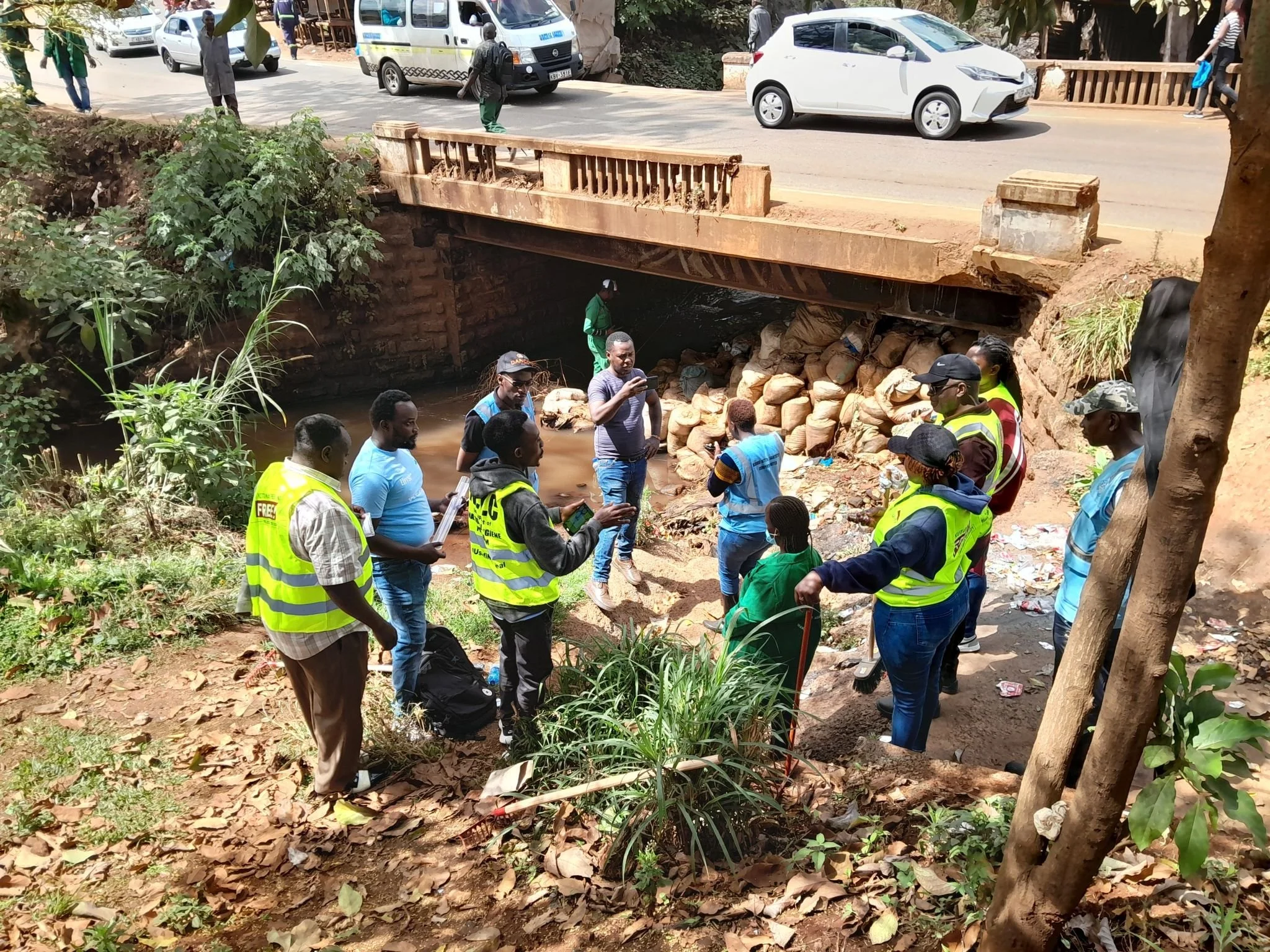
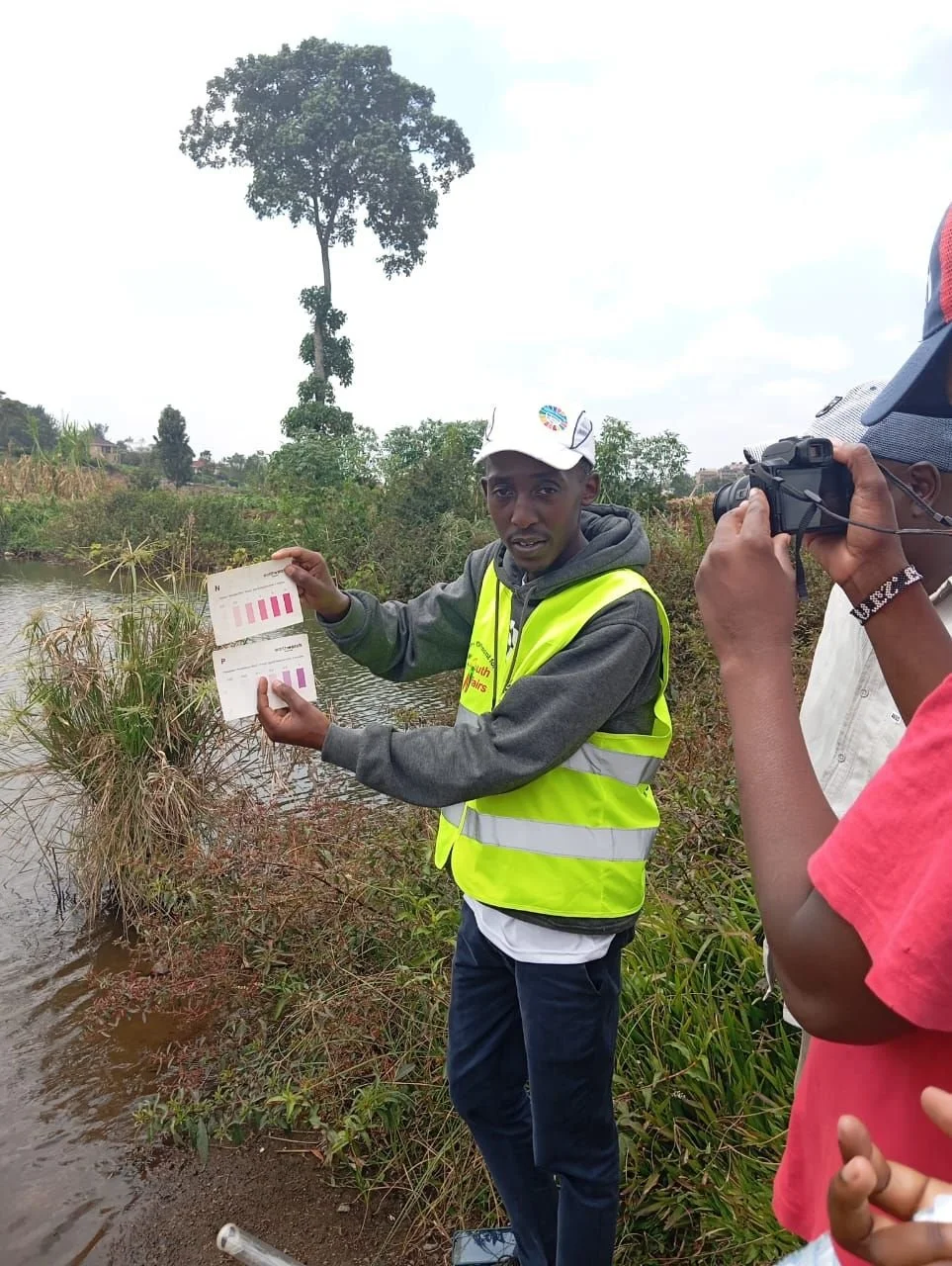
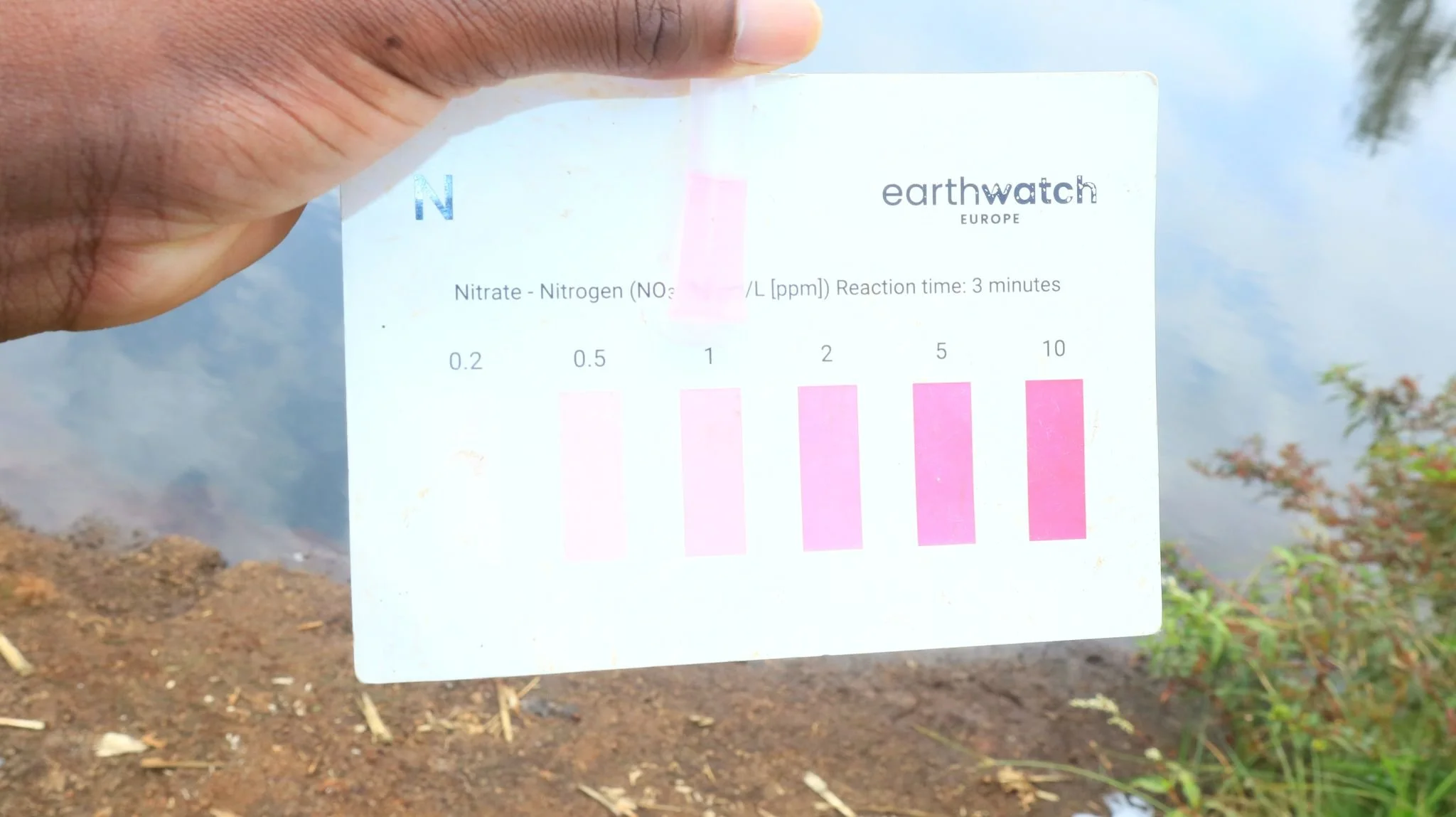
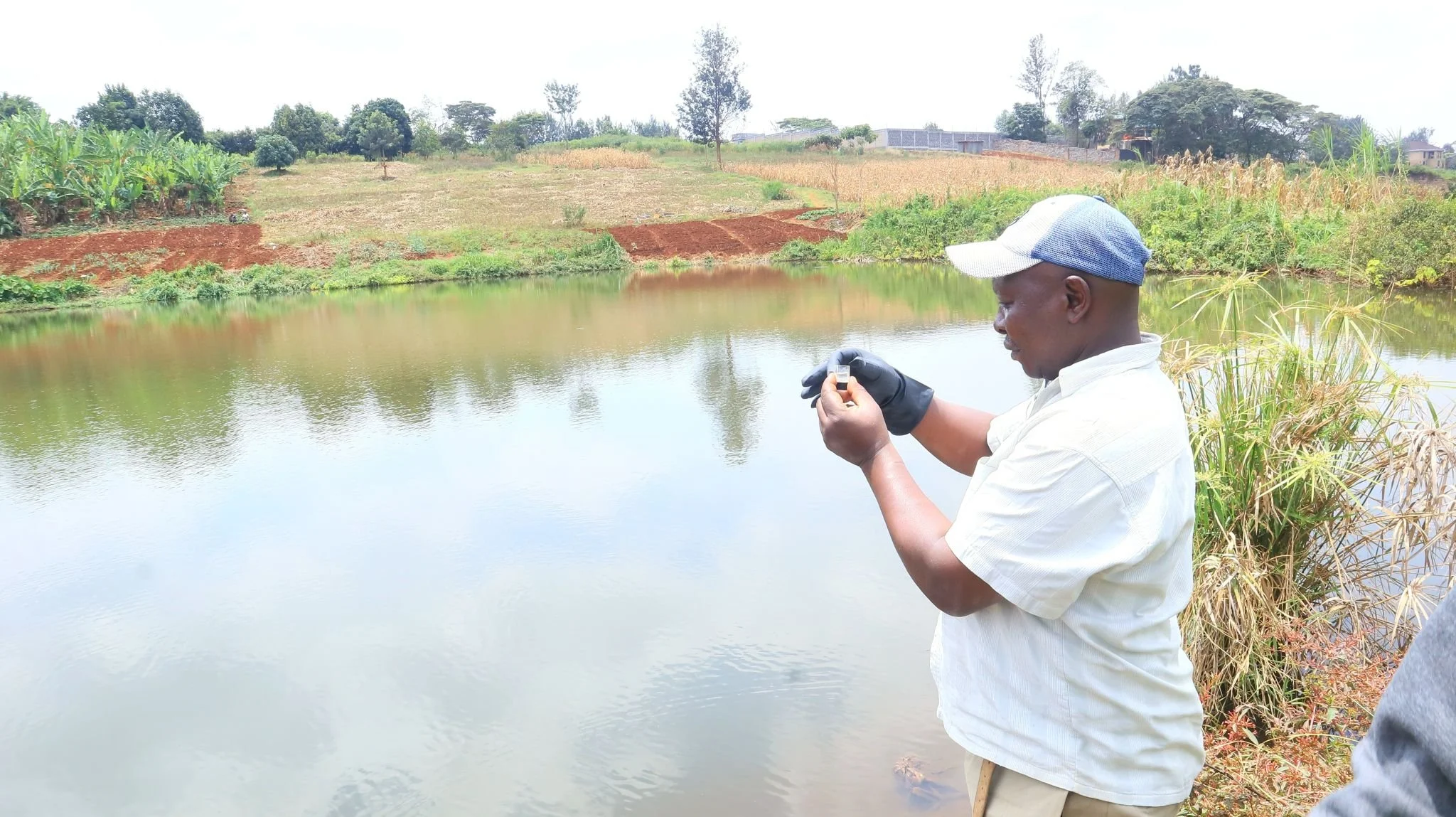
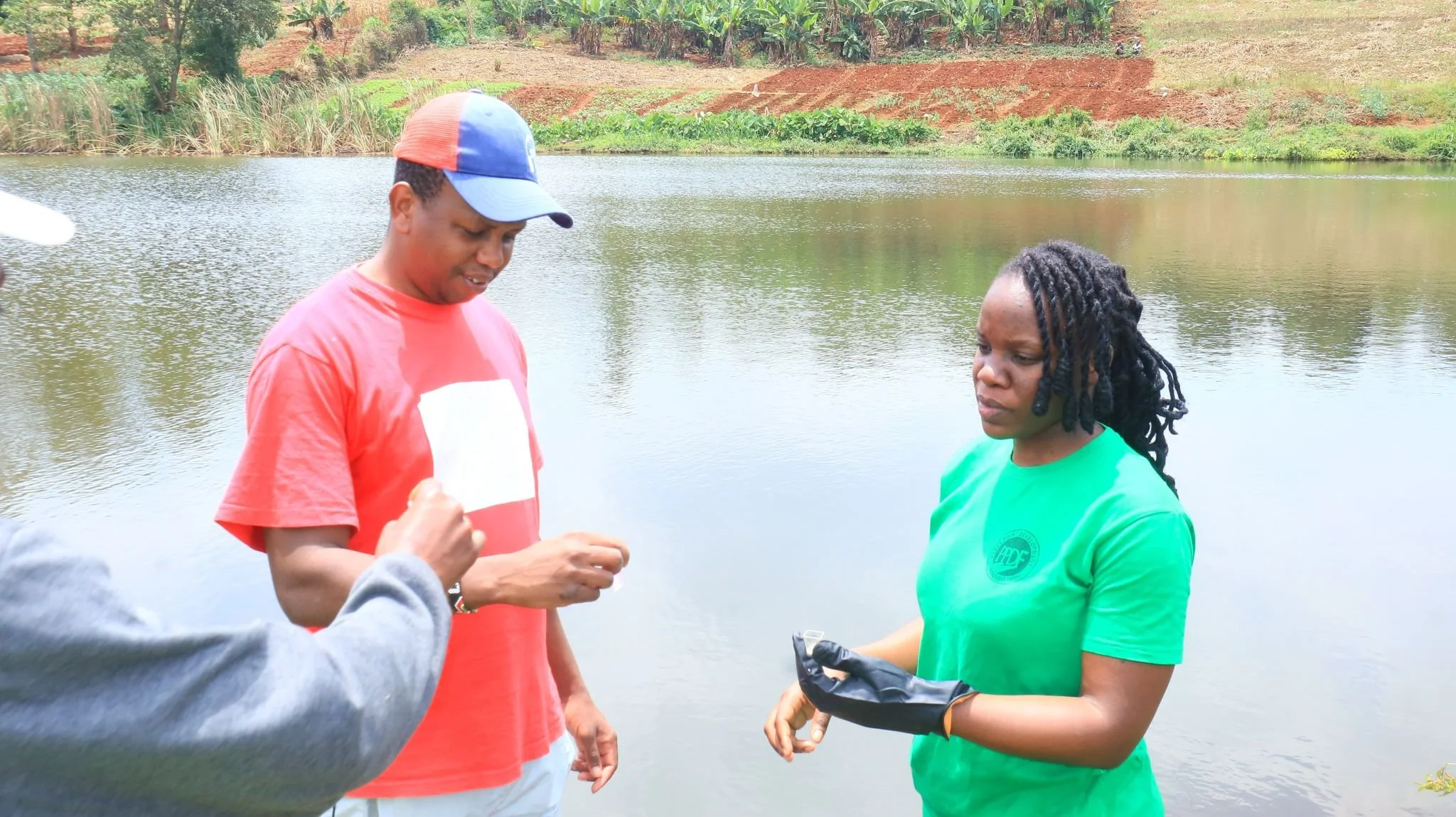
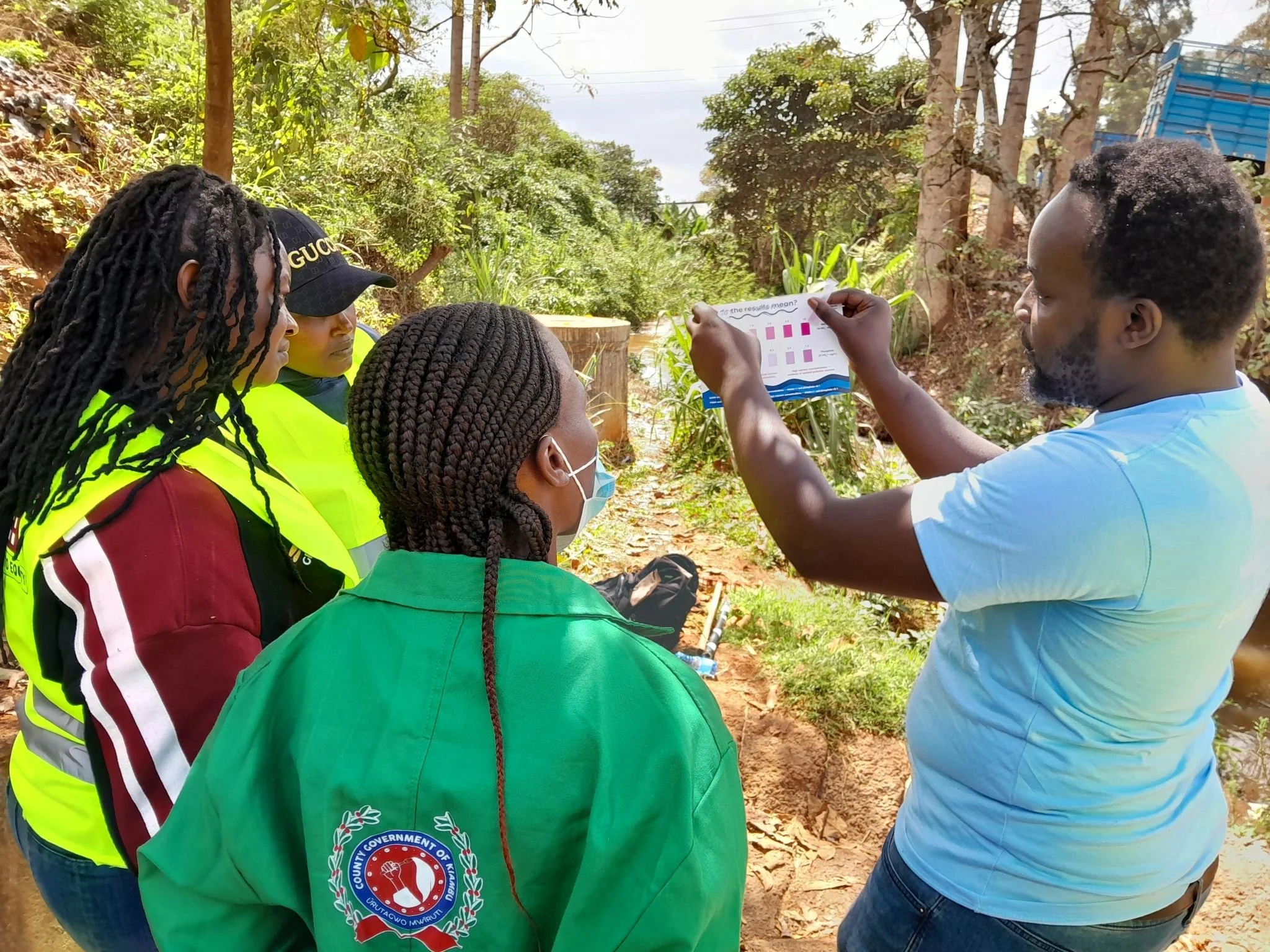
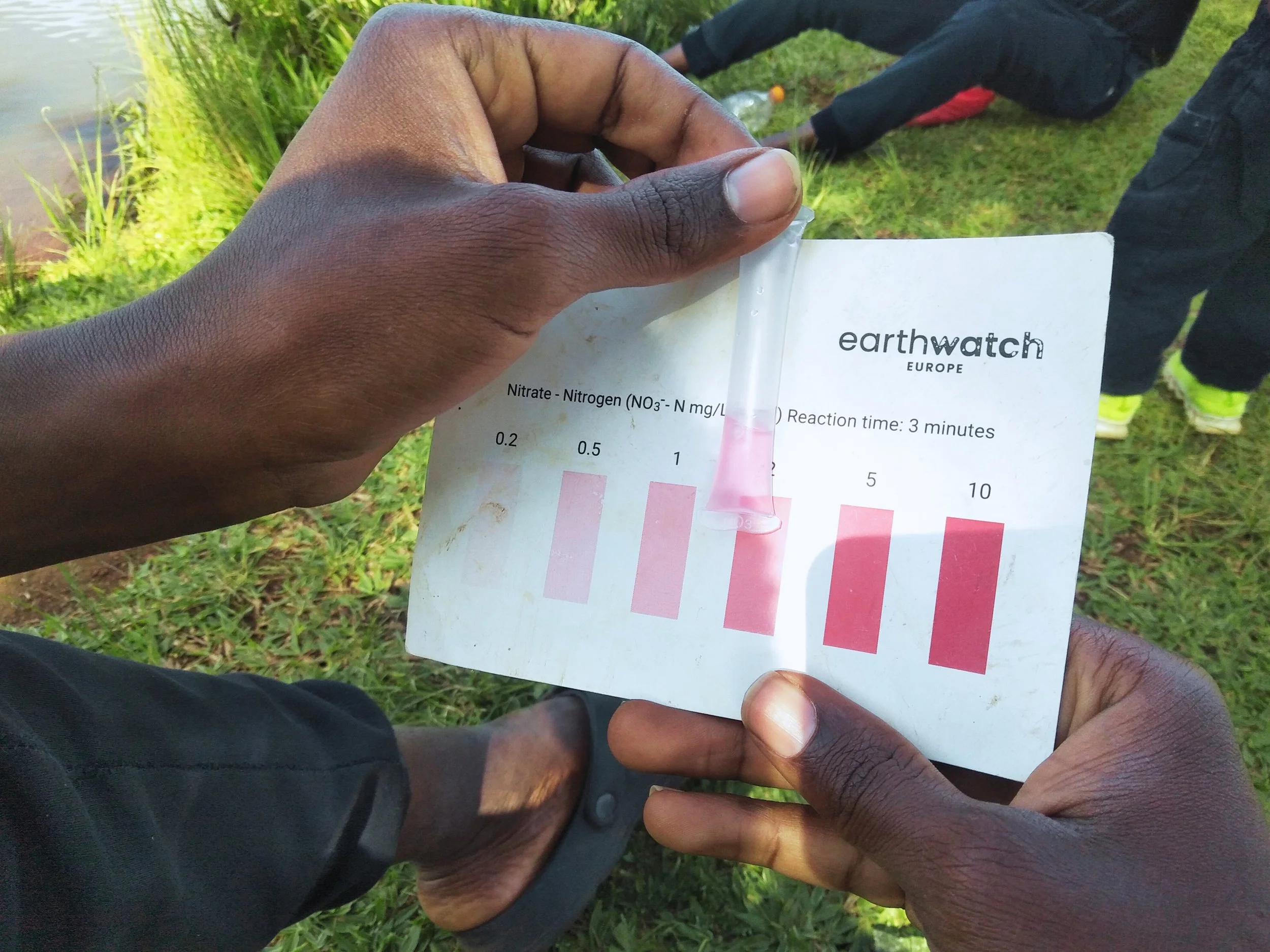
In our pilot activities in Nairobi, Kiambu and Migori County, the data collected through engaging local communities in hands-on citizen science water quality monitoring in wetlands including Michuki Dam, River Ruaka and Orarwe Wetland respectively, have indicated an impact by man-made pollutants. Unsustainable agricultural practices are depleting our soils, contaminating our water, and accelerating climate change at an alarming rate.
The intensive farming methods including heavy tillage, and overuse of synthetic inputs have become standard farming practices across the pilot site. Excess chemicals are polluting the local rivers and wetlands evidenced by our regular monthly water data collected.

“Healthy wetlands mean healthy soils, and healthy soils mean resilient communities and ecosystems.”
Joseph Wainaina - Chairperson, Roysambu Green Foundation.
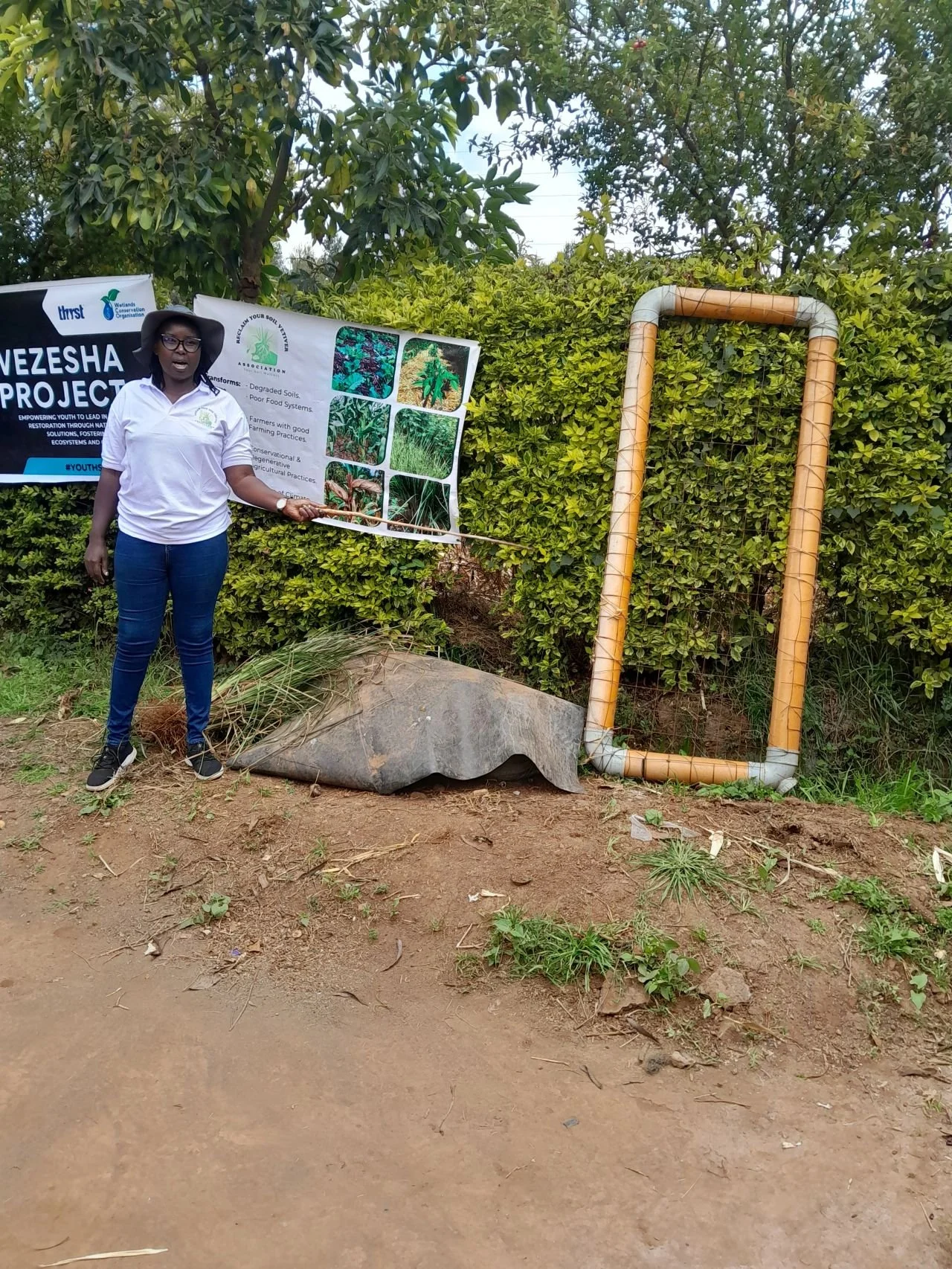
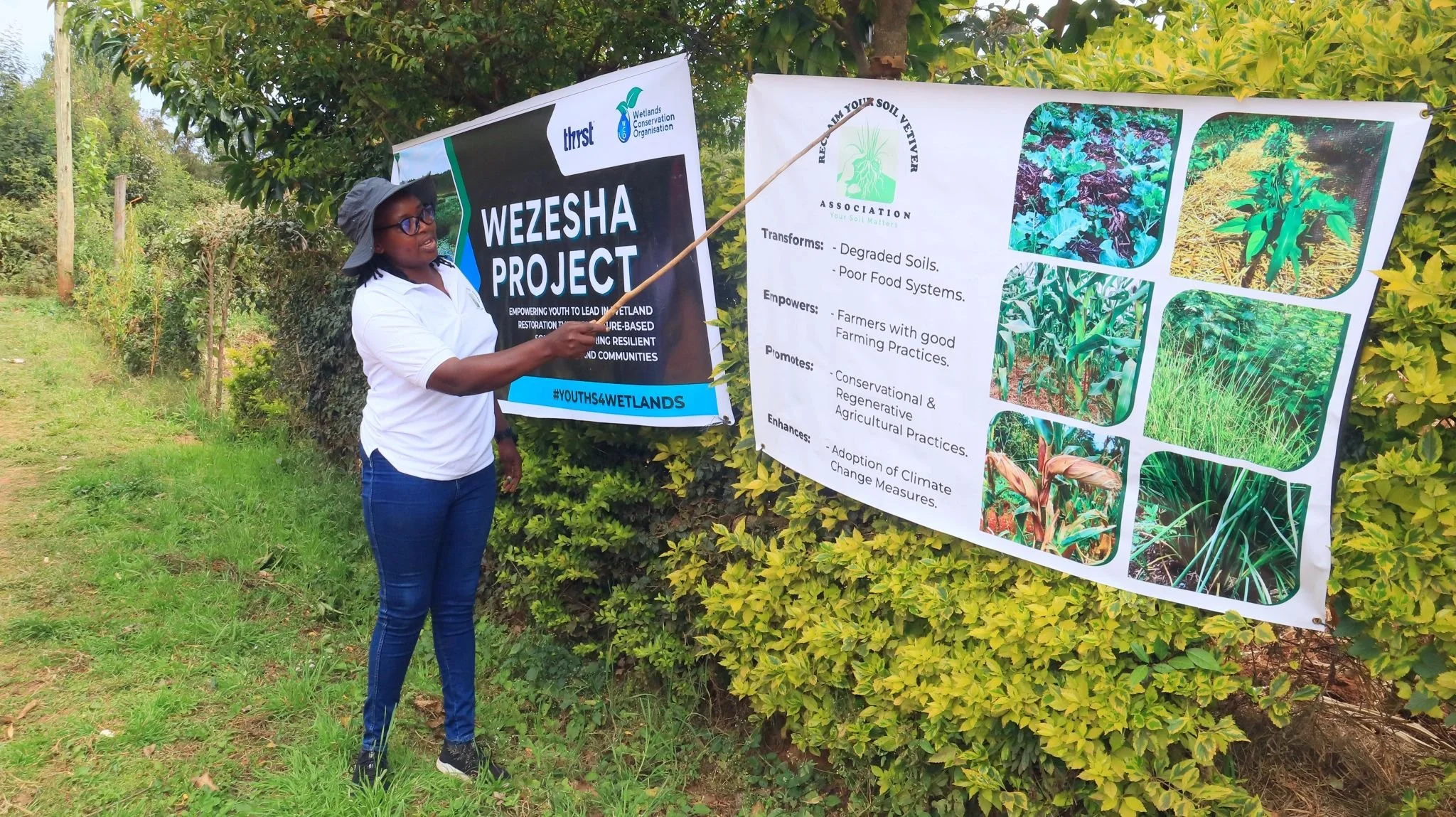
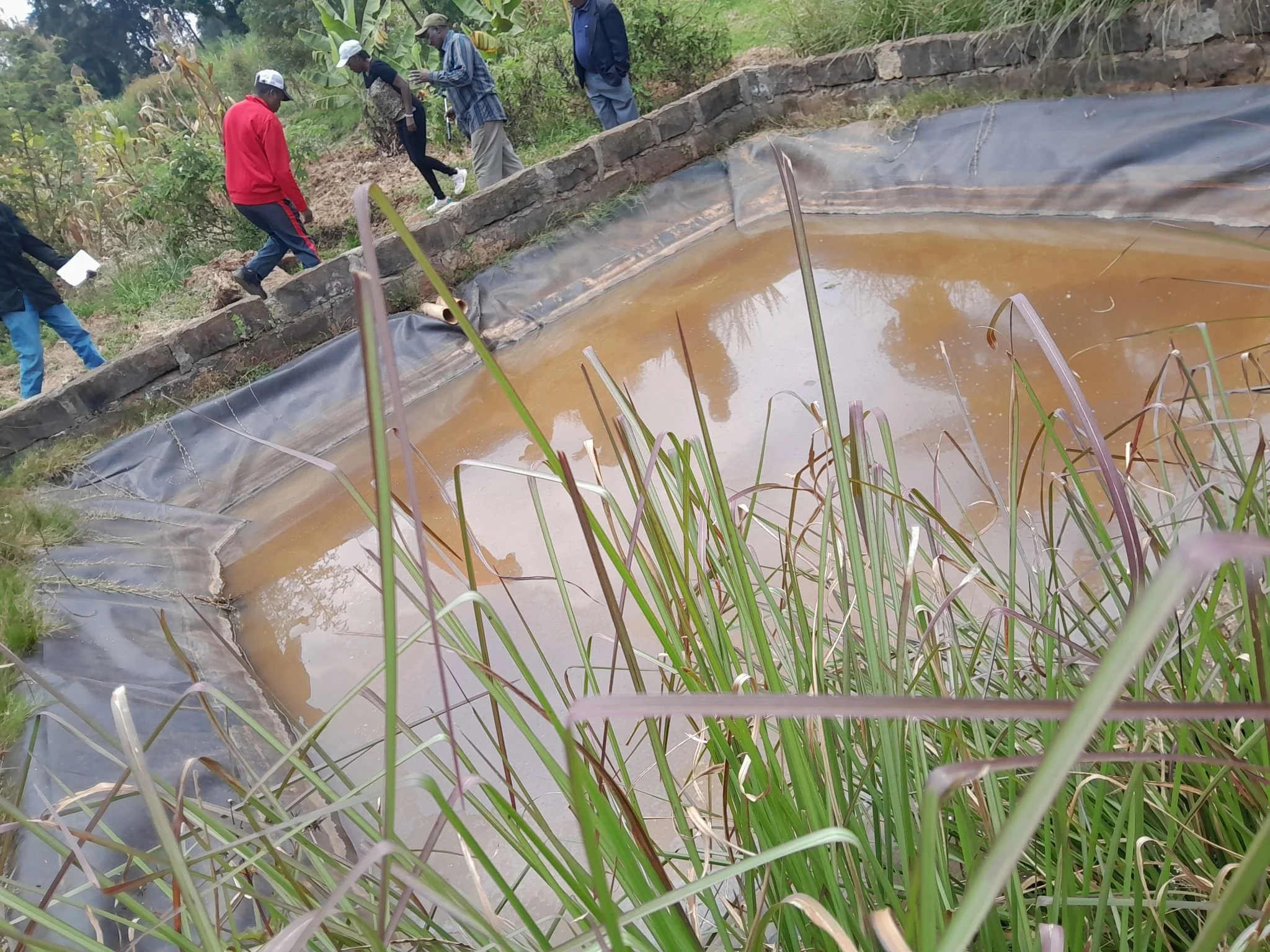
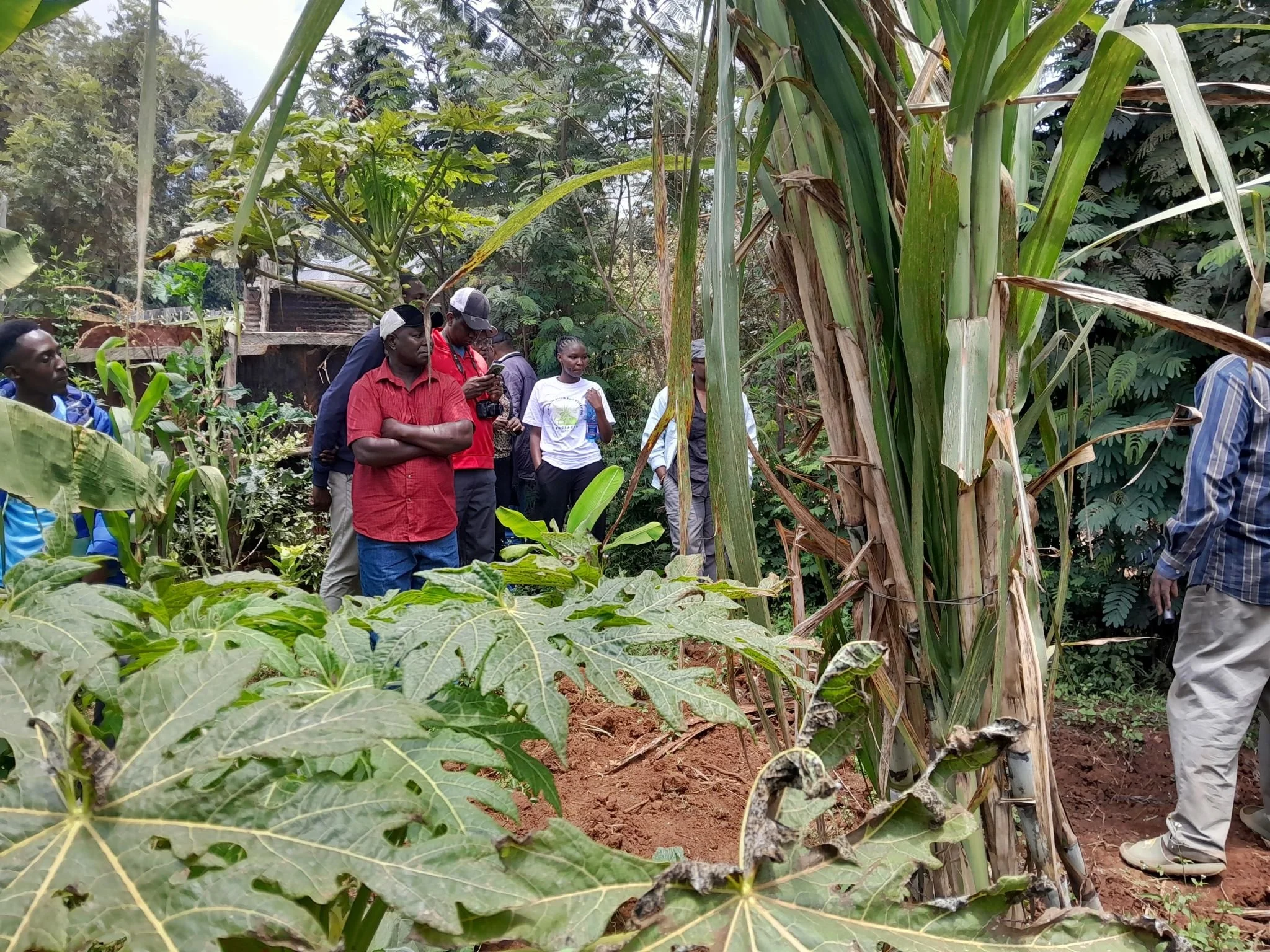
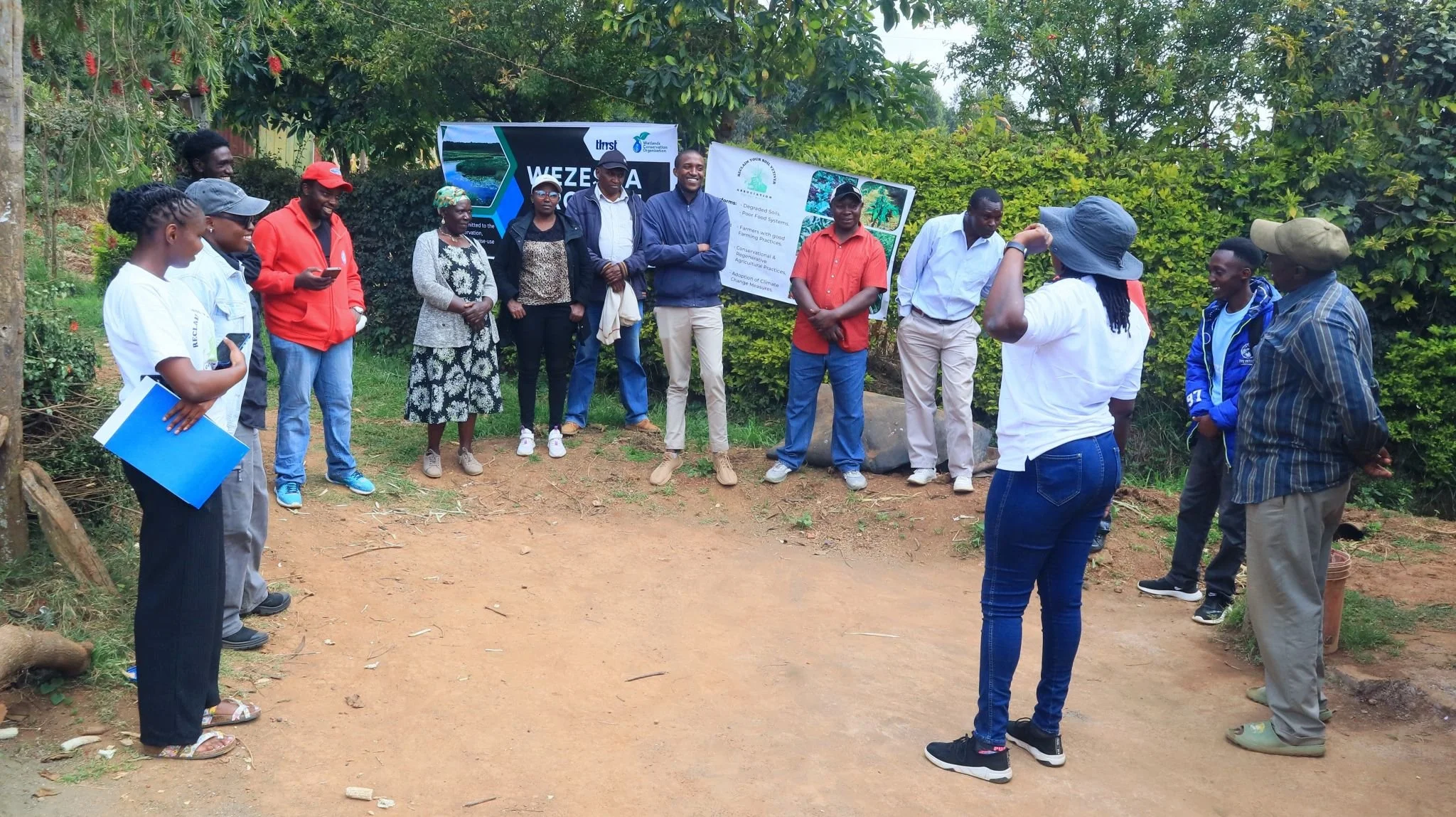
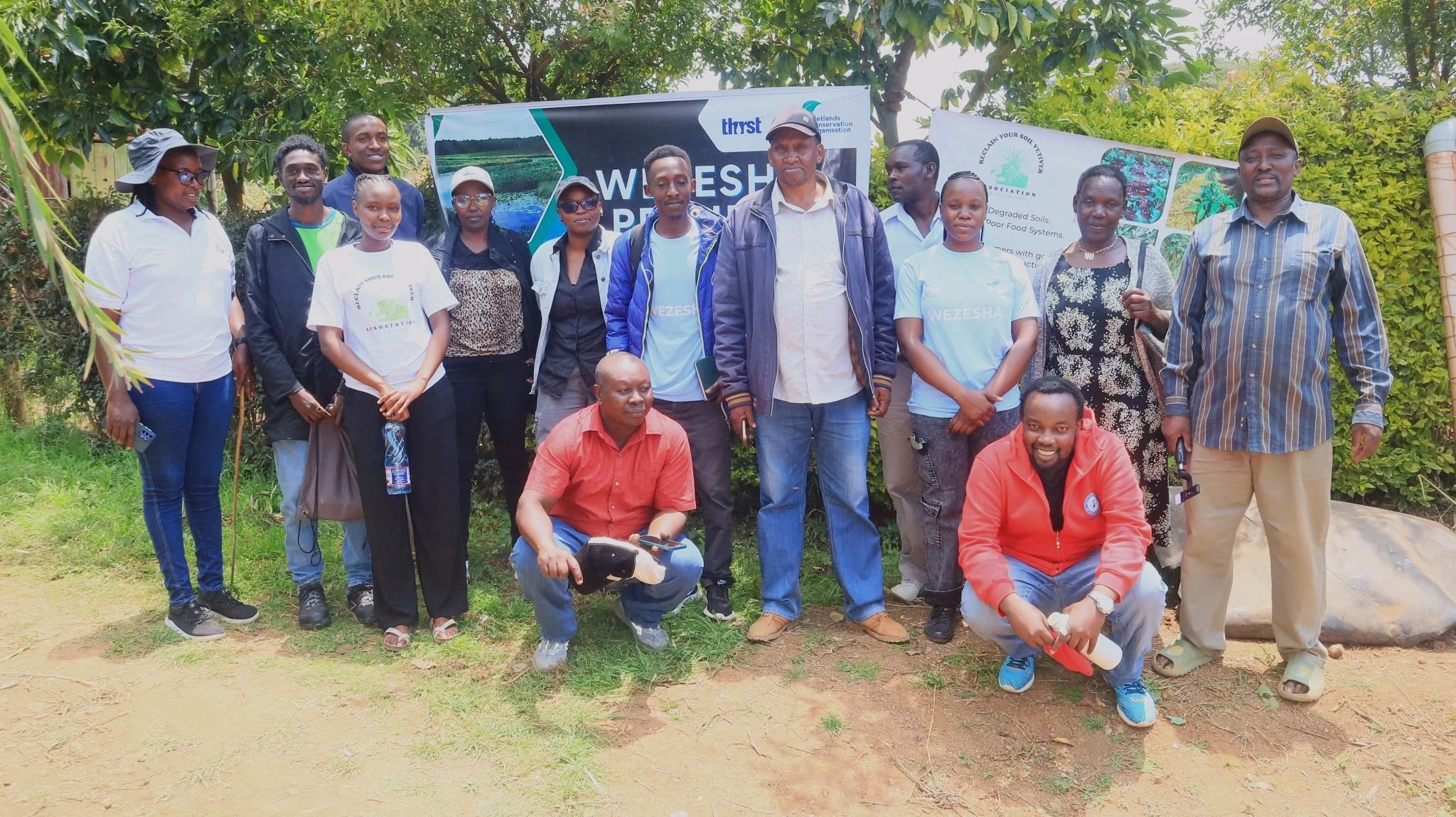
As part of the Wezesha Project milestone activity, Wetlands Conservation Organisation has been facilitating targeted participants including the local farmers for capacity building programmes on nature based solution best practices for promoting conservation of healthy wetlands and soils including a field trip to Reclaim your Soil with Vetiver Association (an initiative that promotes vetiver grass as nature based solution).
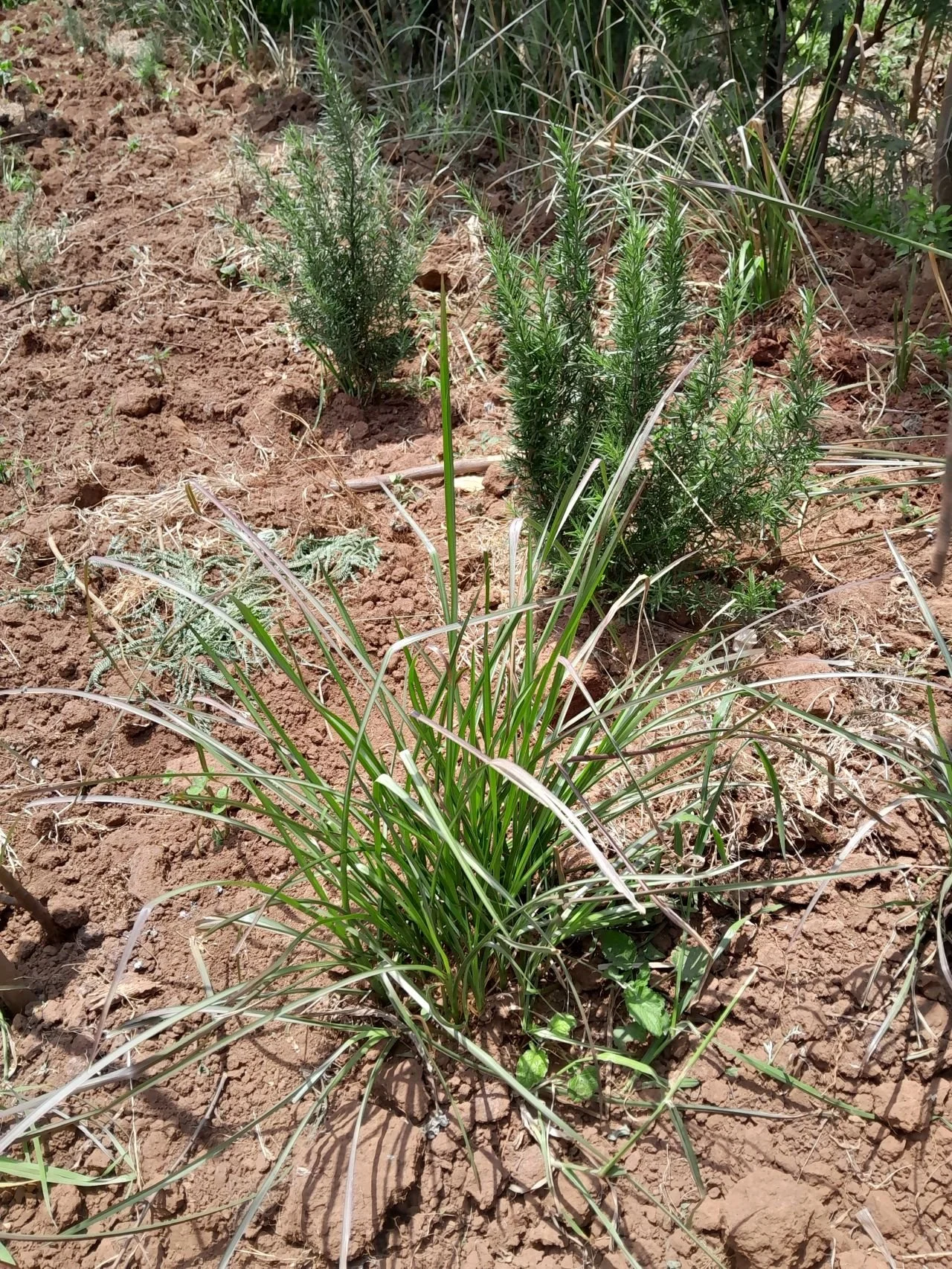
Vetiver grass (Chrysopogon zizanioides)
Vetiver grass (Chrysopogon zizanioides) is a fast growing perennial grass that is native to Asian countries. Previous use was restricted to land protection purposes for over 50 years. Its real impact on soil and water conservation was realised in the late 1980s when the World Bank promoted it in a system referred to as the Vetiver Grass System.
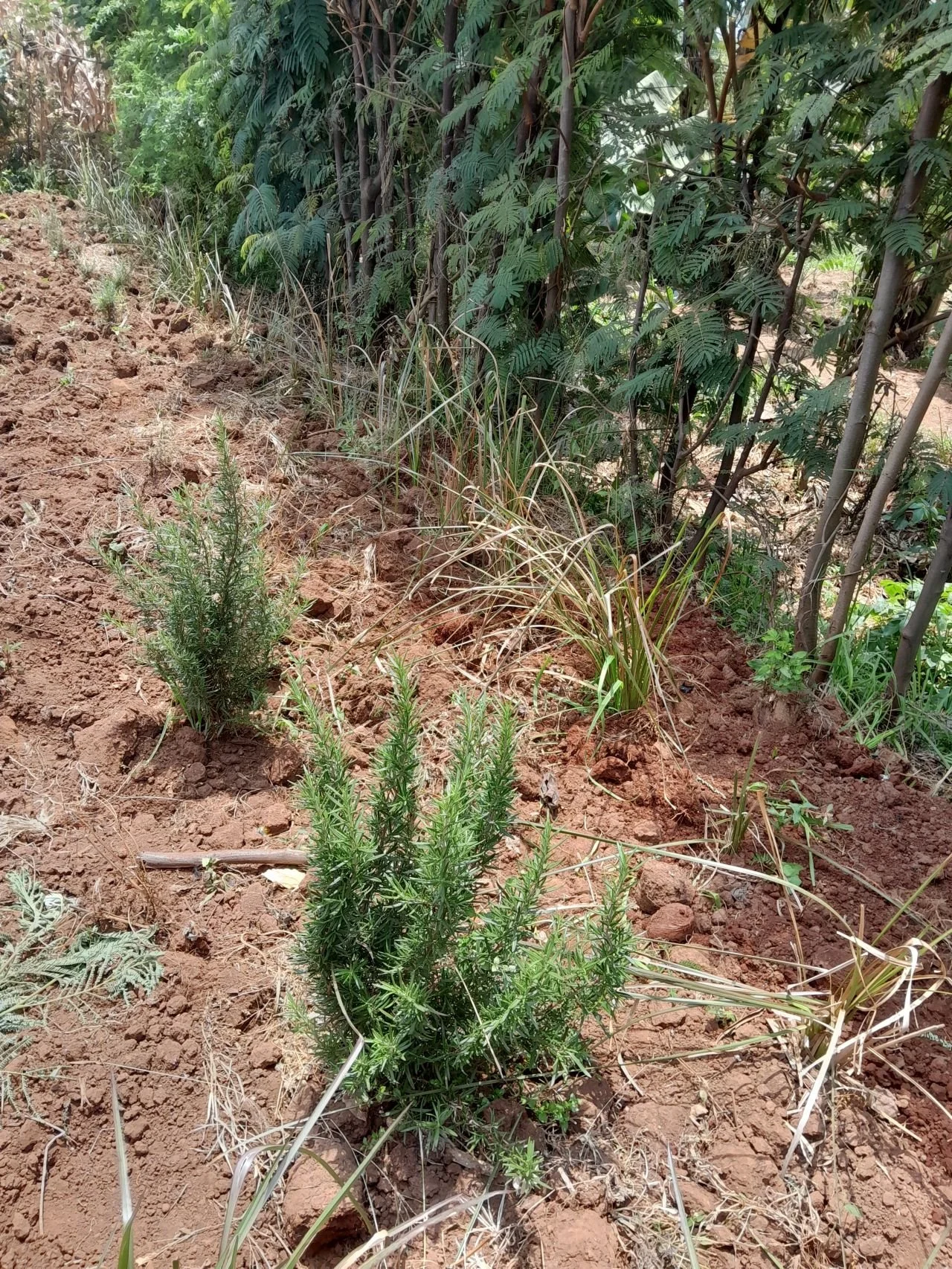
The application of the Vetiver Grass System has largely been on agricultural land, but due to its unique morphological, physiological and ecological characteristics, including its tolerance to adverse conditions, it has been used in the area of environmental protection in civil engineering. Vetiver grass is also grown around ponds and reservoirs, and in riverine areas, arresting the siltation and flow of chemicals from agricultural farms into the water and the water bodies.
In agriculture, Vetiver grass largely mitigates the effects of climate change and it has been used to build healthy soils by adding on the much needed soil carbon, (equivalent CO₂), conserving moisture through mulching, reducing soil disturbance, enhancing water infiltration to the soil, recharging the water table for crops and plants, and stopping sweeping away of the soils by surface erosion.
The aim has been to promote sustainable farming practices which have a great potential for benefiting the environment and preserving natural resources.
Our training applies a Champion Farmer model and delivers collaboration with local youth-led initiatives and community based organisations to advance sustainable agriculture and wetland restoration. Small plots are developed where we grow and demonstrate some services that Vetiver offers. So far, three community-based organisations and more than thirty Champions have been trained on propagation, management and use of Vetiver grass on their lands and the benefits they should observe building up as they work with other farmers.
This year, our initiative aims to build the capacity of more than one thousand beneficiaries (community farmers, youth and community-based organisations) in Nature-Based Solutions, with a focus on Vetiver grass as a regenerative agricultural tool for soil restoration, water conservation, and ecosystem resilience.