Multi-stakeholders Recognise Soil as a Strategic Asset for People, Nature and Climate at UNEA-7

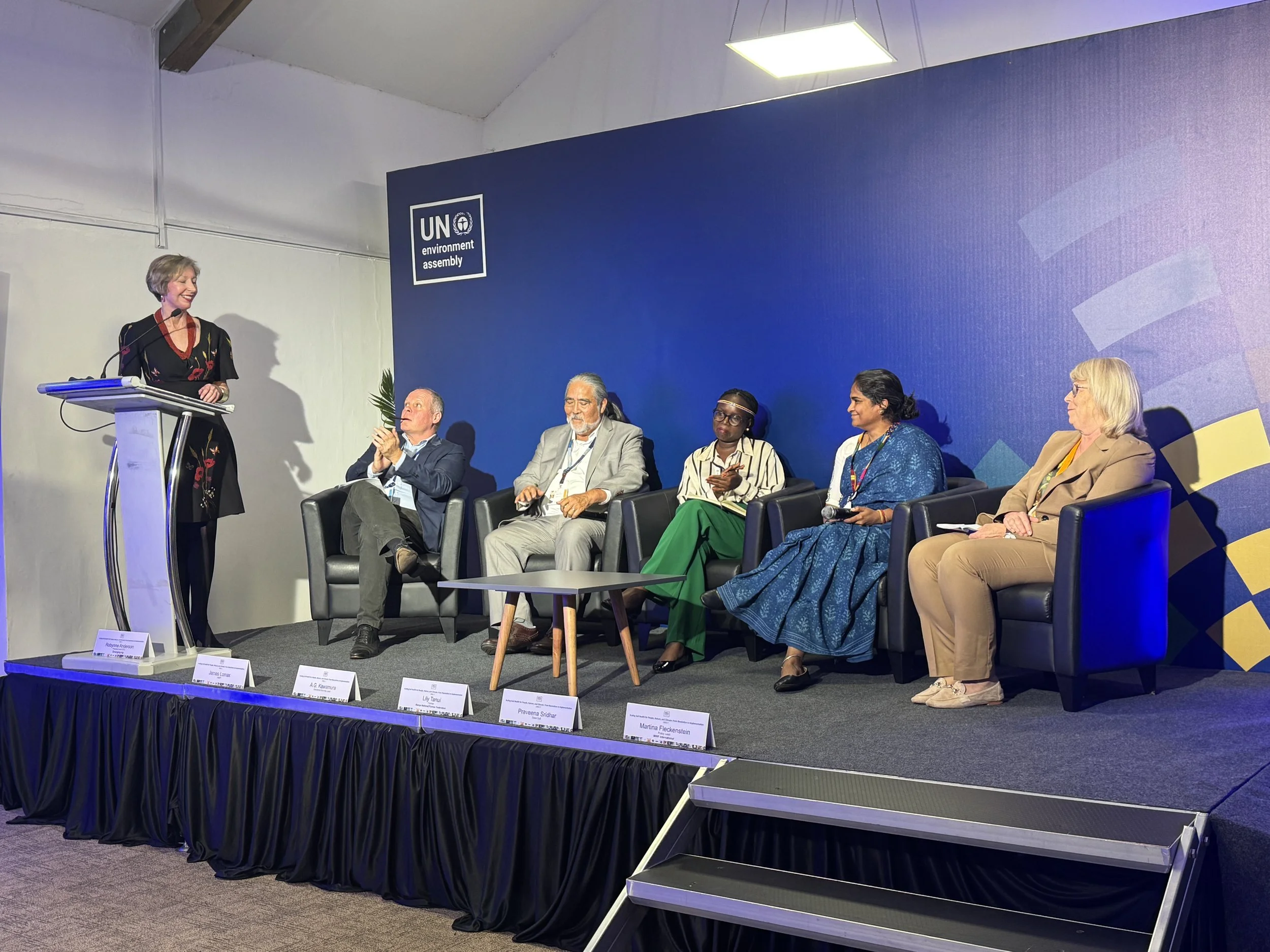
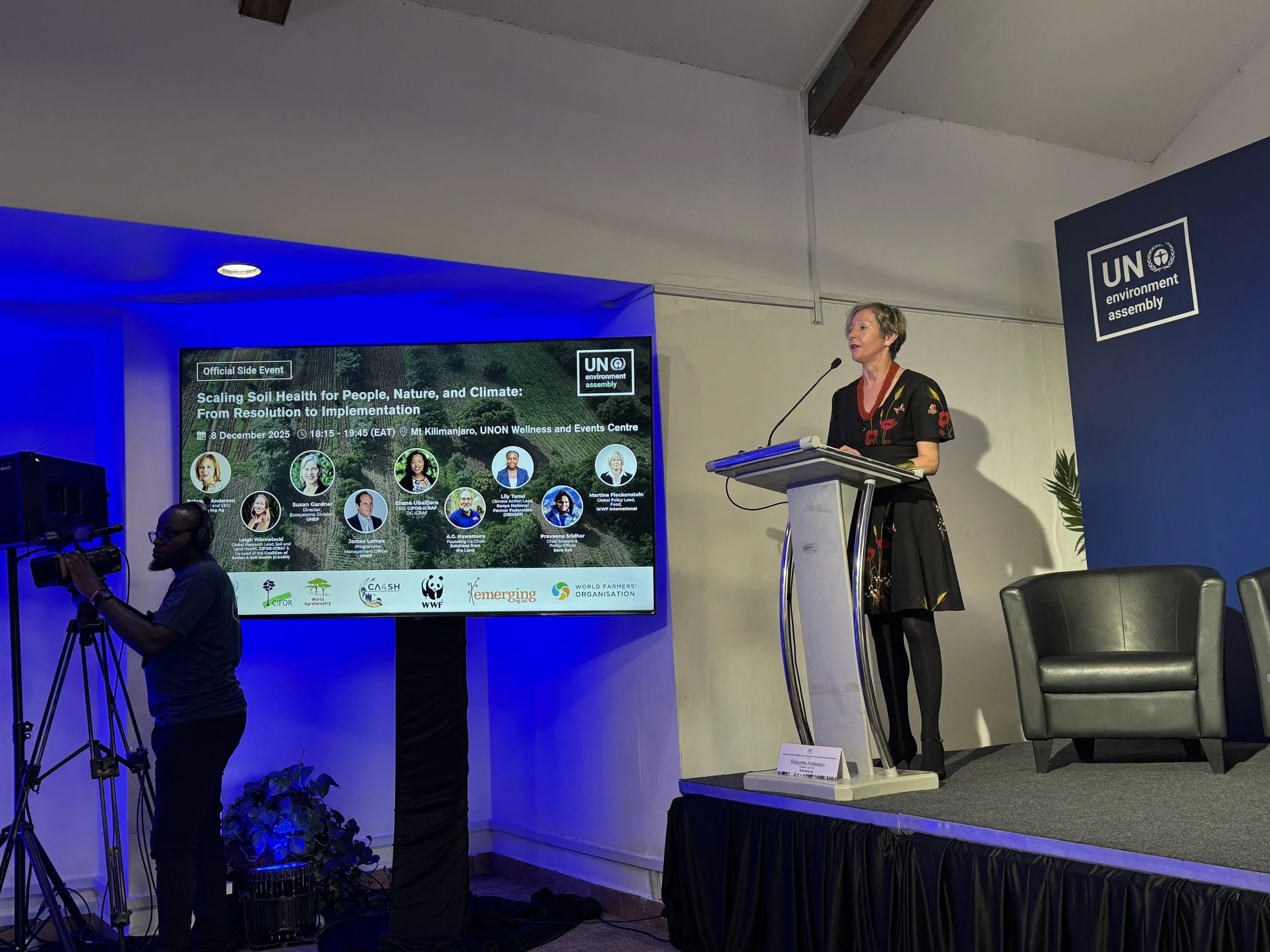
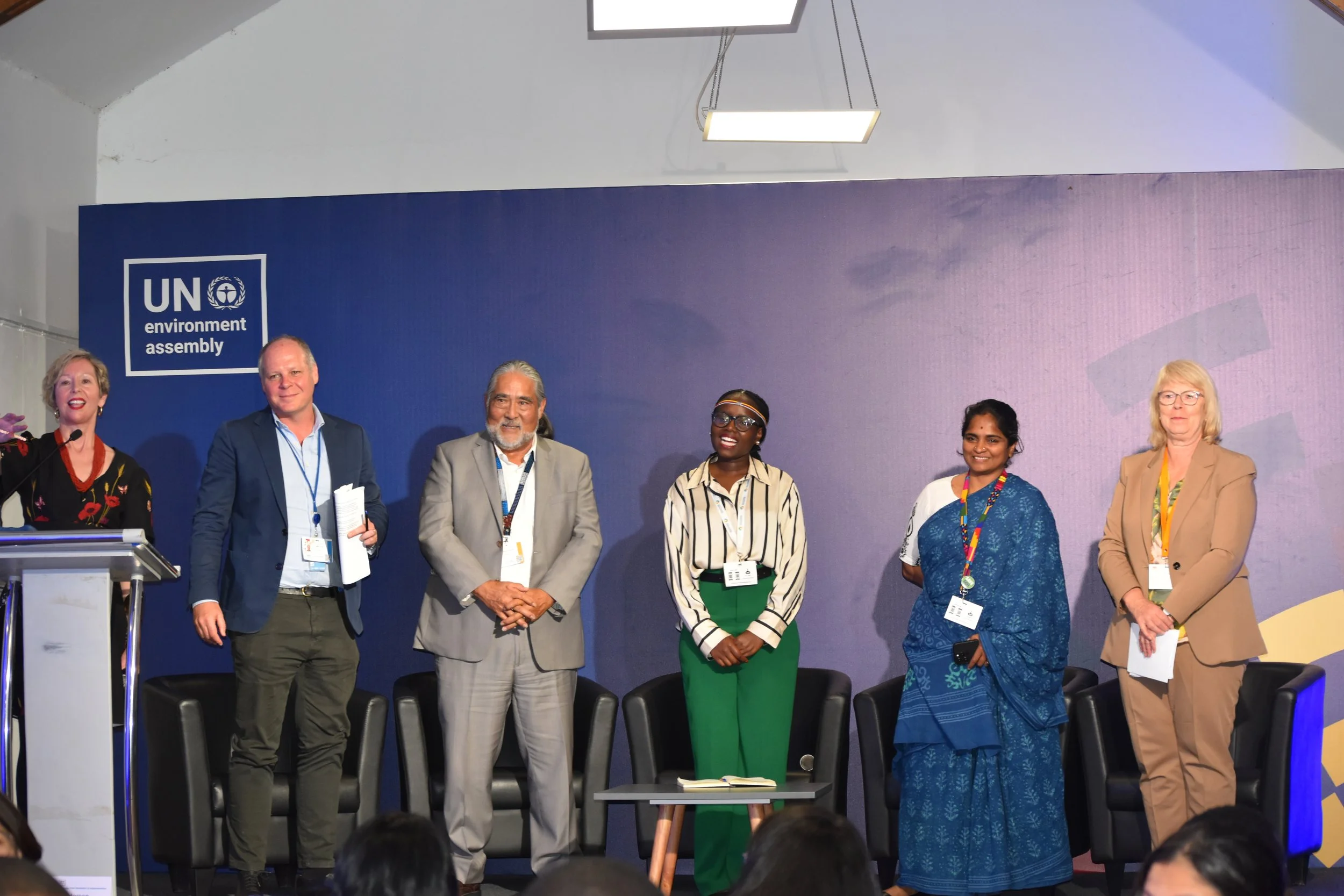
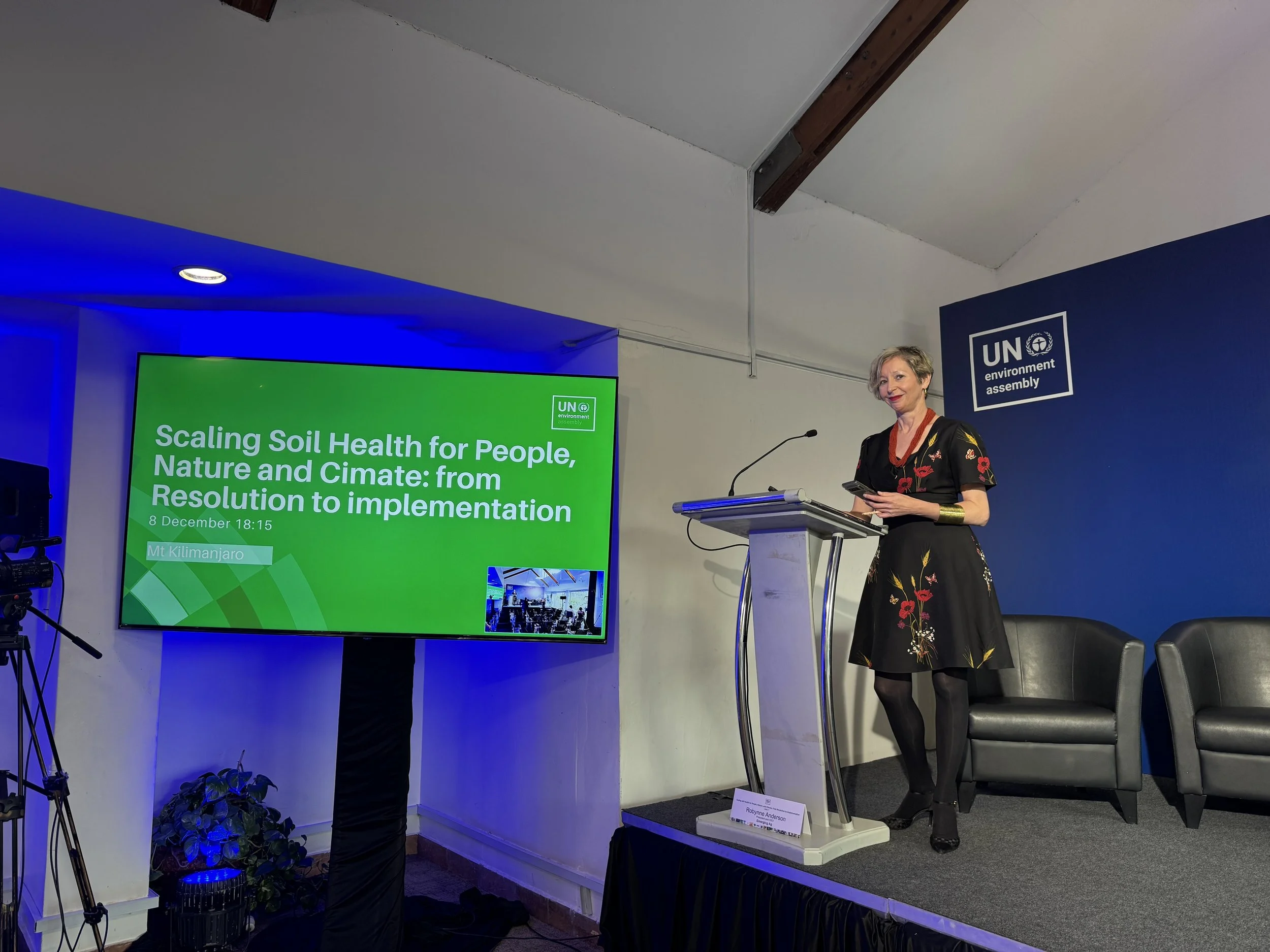
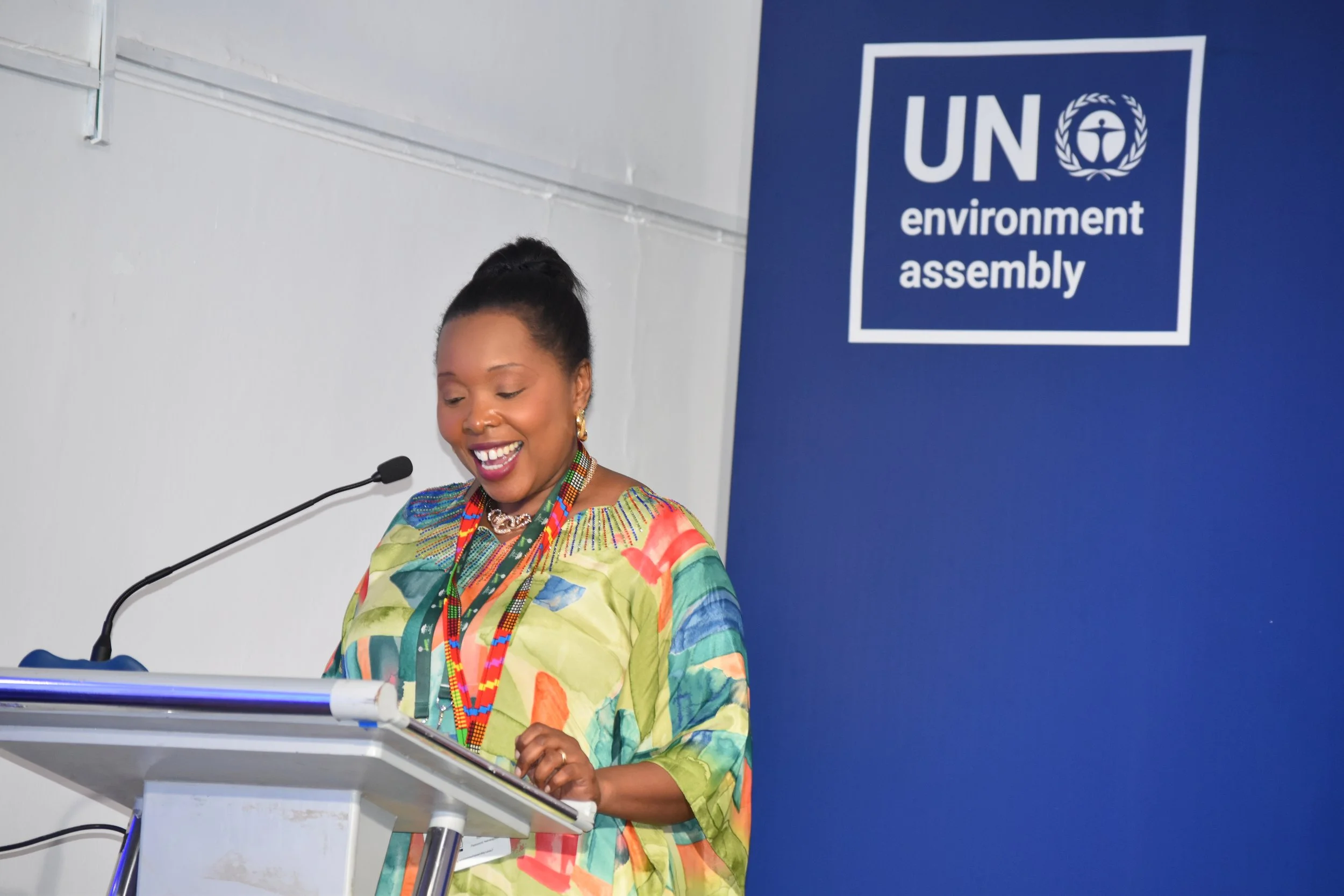
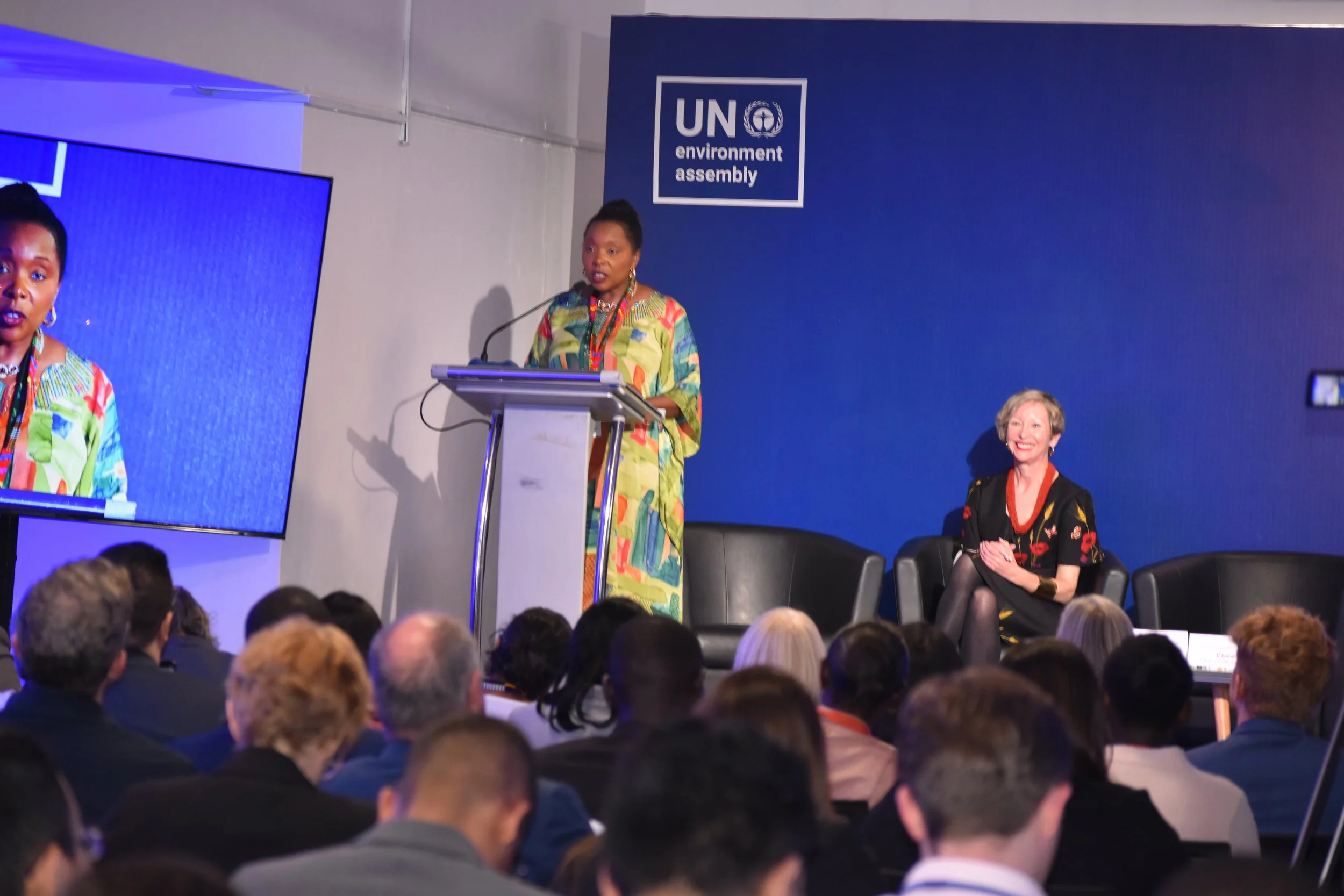
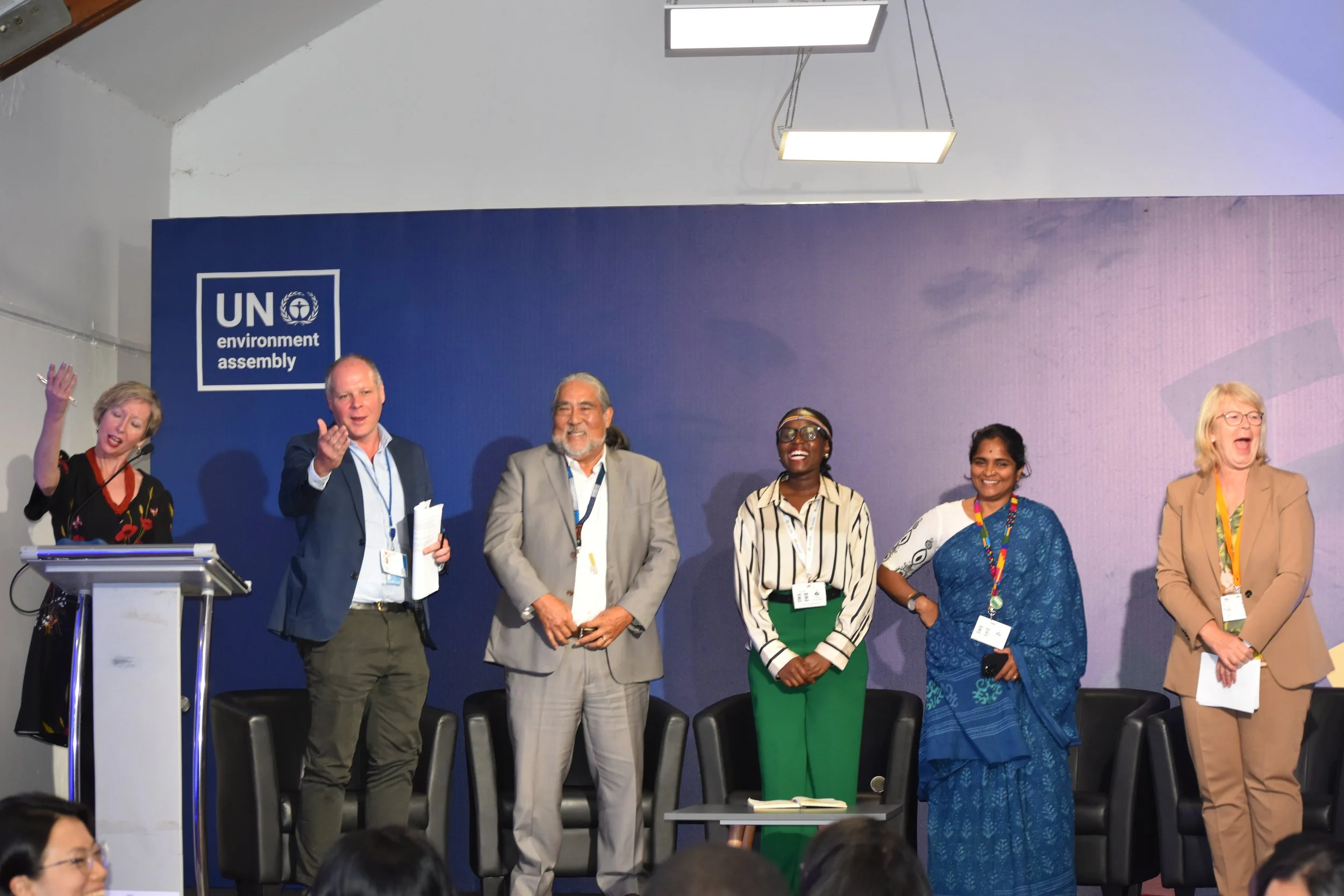
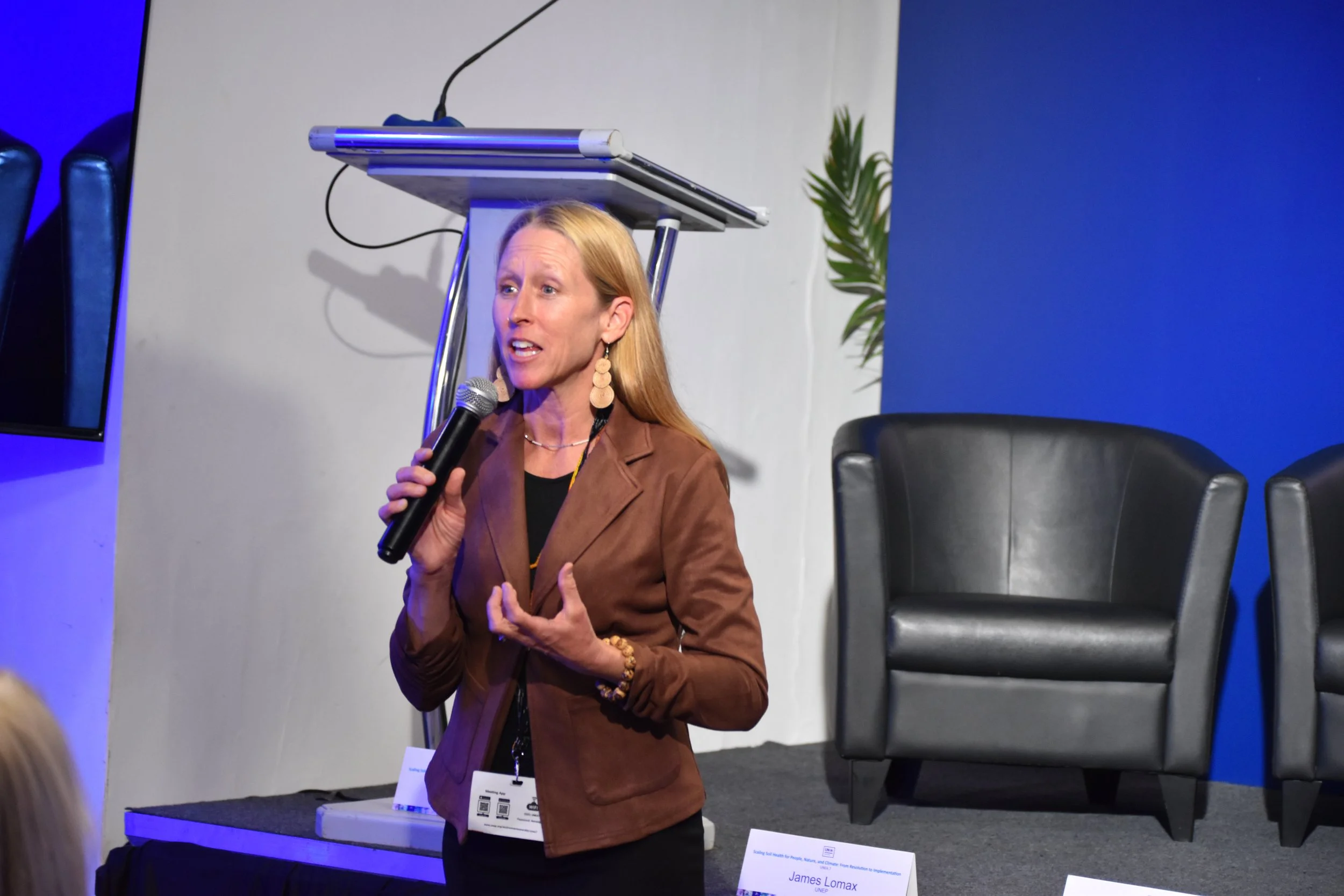
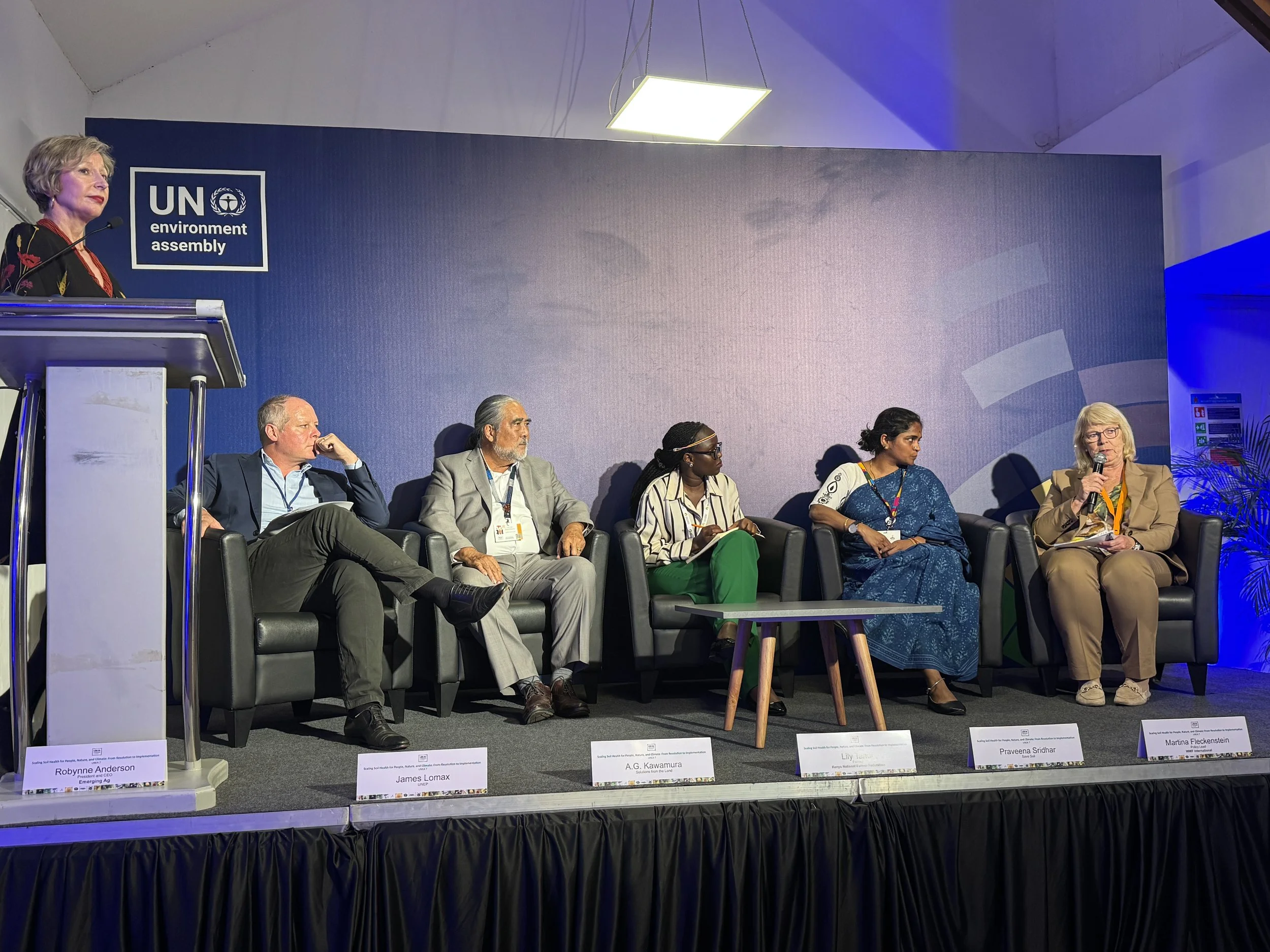
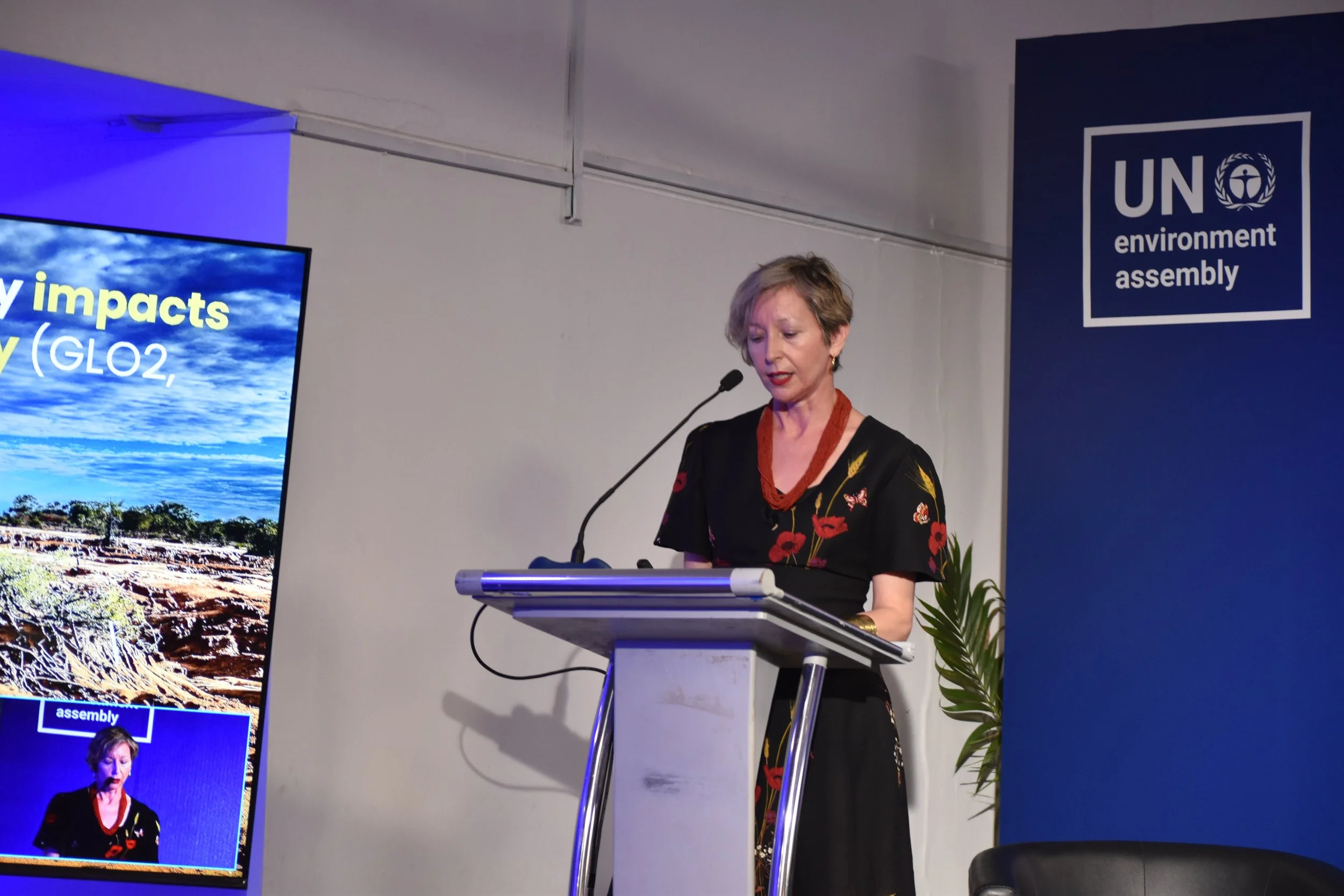
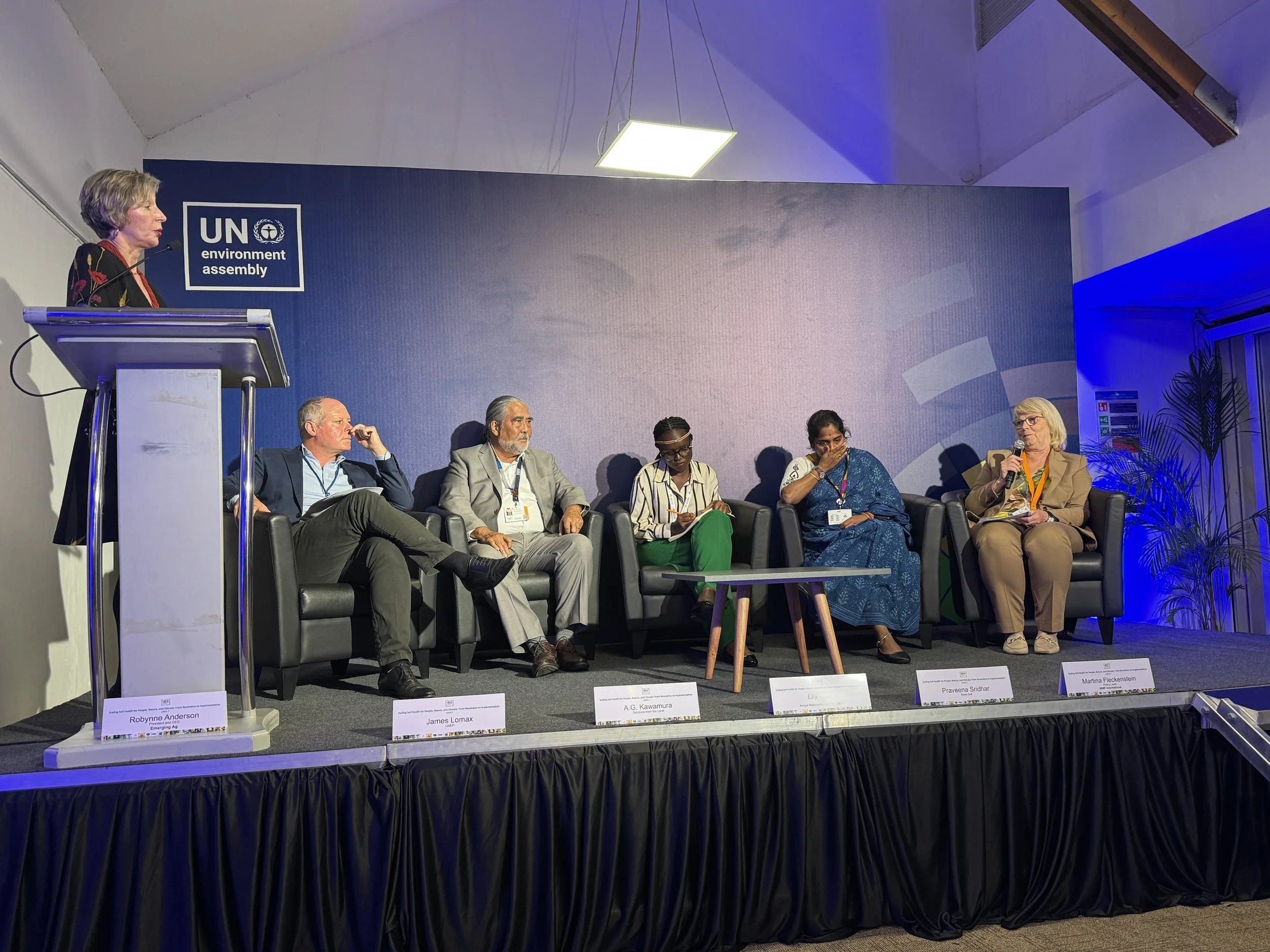
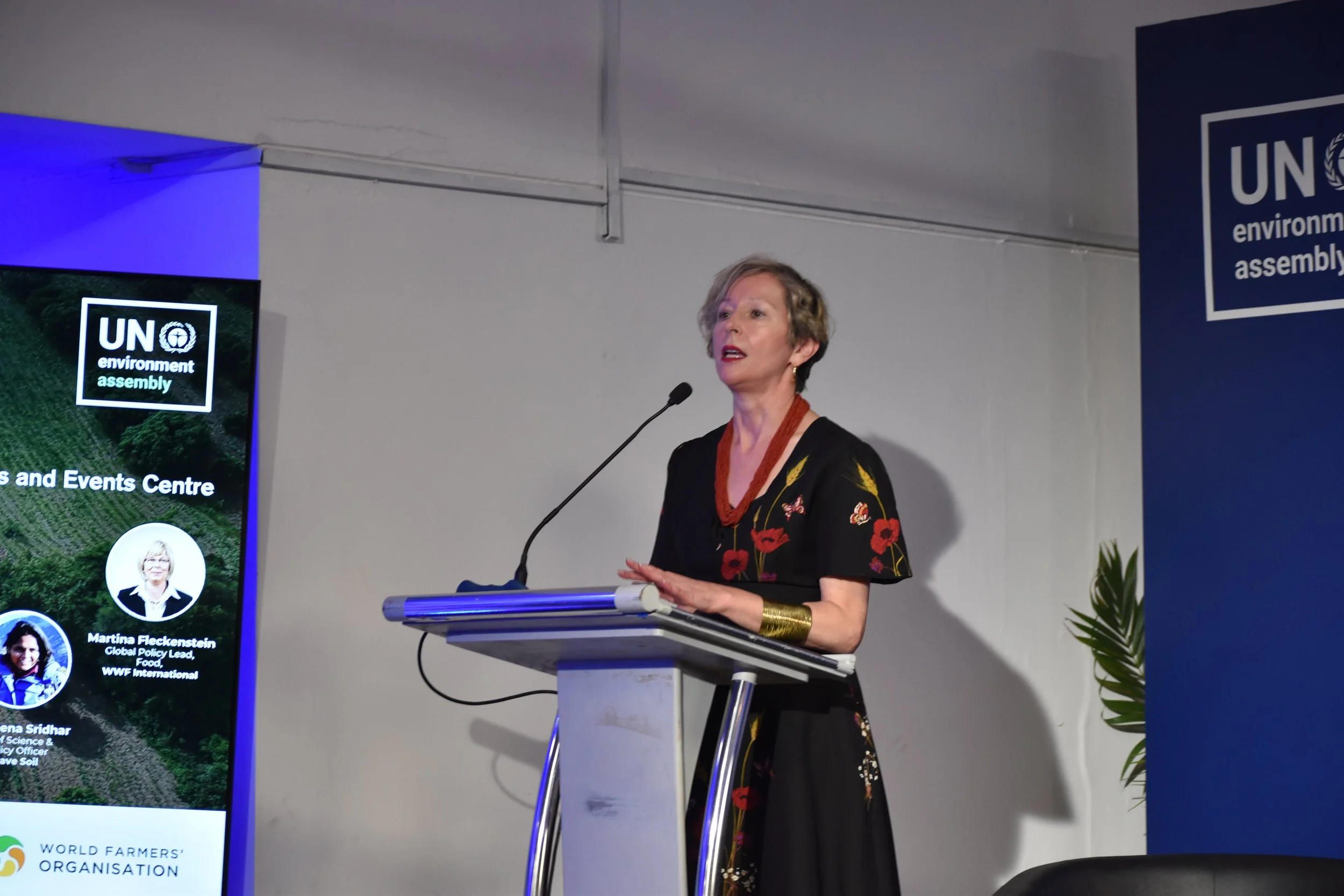
At the Seventh Session of the United Nations Environmental Assembly (UNEA‑7), soil was not just a technical topic — it was recognized as a strategic asset for people, nature, and climate. The side event “Scaling Soil Health for People, Nature, and Climate: From Resolution to Implementation” brought together UNEP, CIFOR‑ICRAF, CA4SH, WWF International, Solutions from the Land, Kenya National Farmers’ Federation and Emerging Ag to explore how global commitments are being translated into national policies and community‑level action and how these can be scaled to achieve more impact for people, nature and climate.
The event was held under threefold objectives meant to:
Underscore the critical role of soil health,
Support the implementation of AMCEN Decision 20/1(a) to advance sustainable soil health for Africa’s future, and
Drive forward UNCCD Decision 19/COP16 to avoid, reduce, and reverse land and soil degradation while meeting restoration targets under the KMGBF and the UN Decade on Ecosystem Restoration.
Together, these commitments reflect a growing recognition that healthy soil is the foundation of resilient food systems and sustainable development.
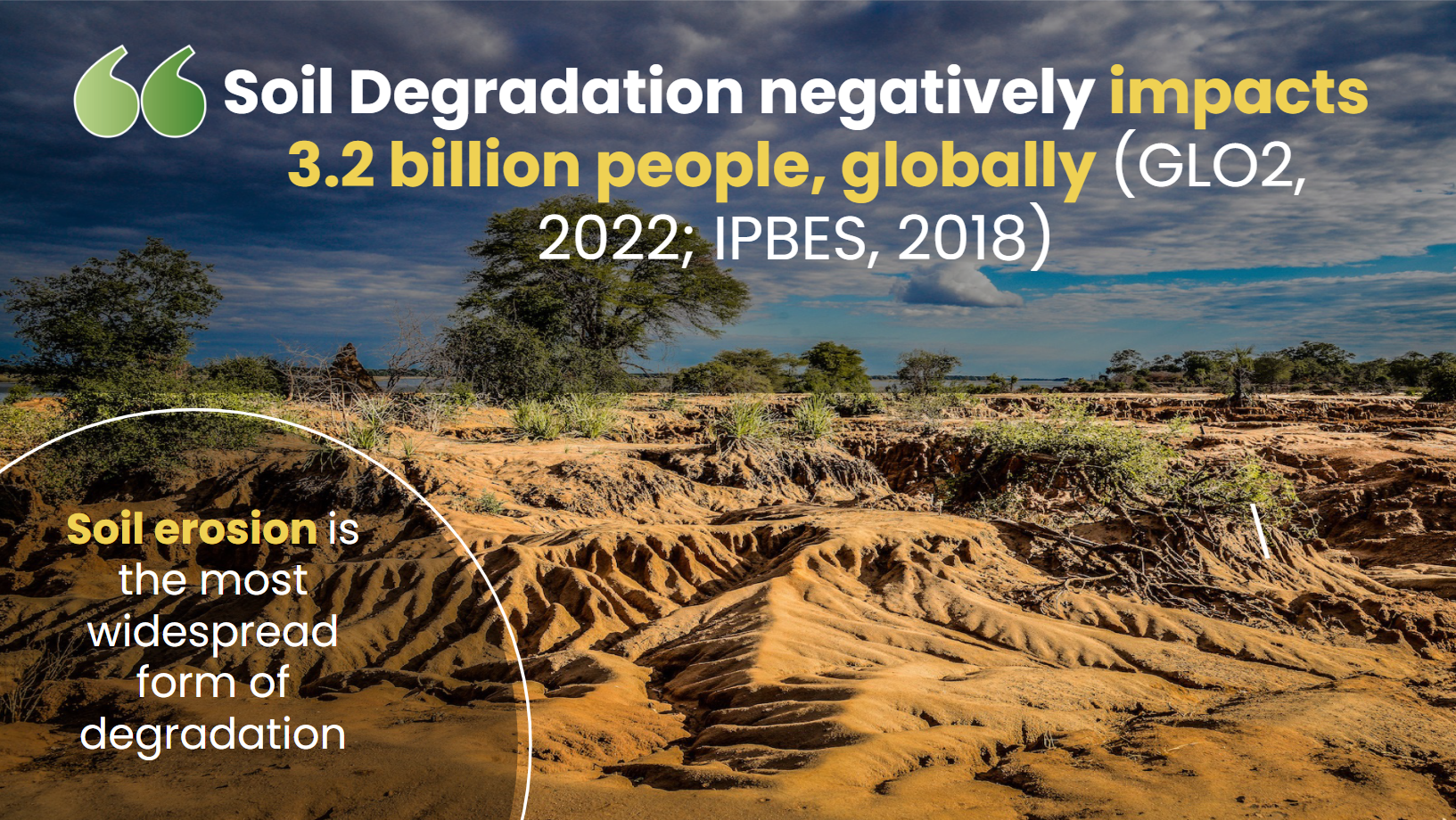
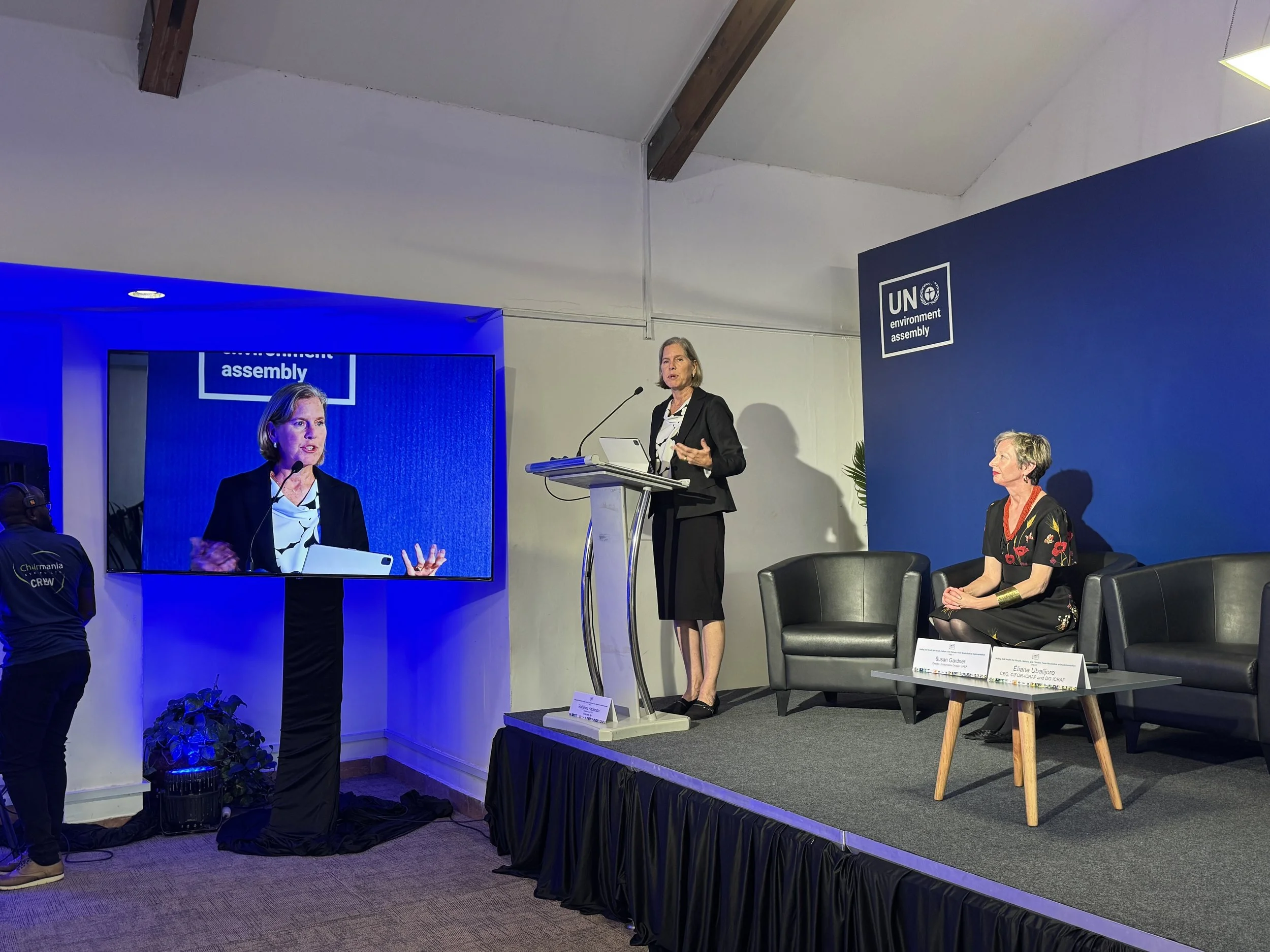
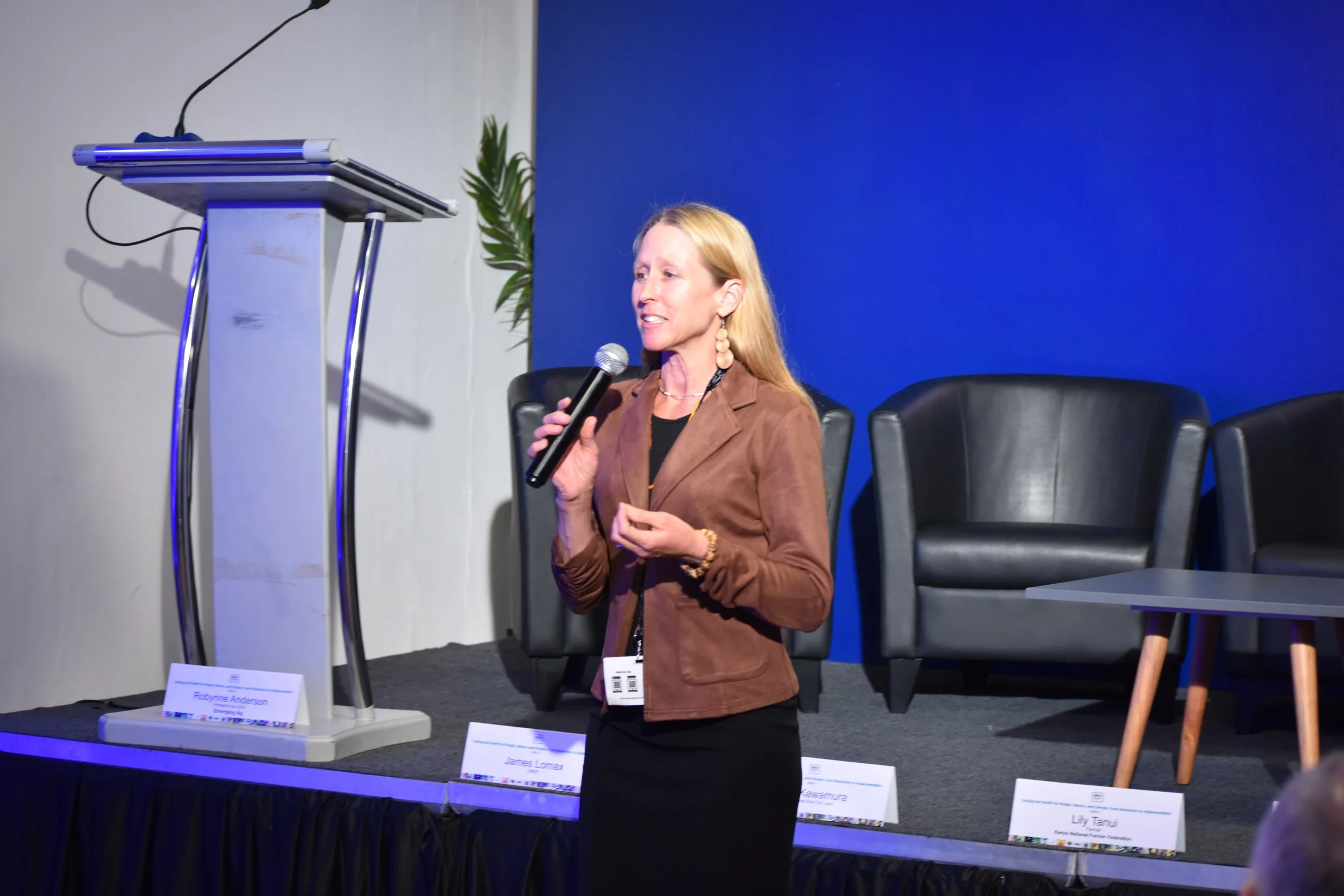
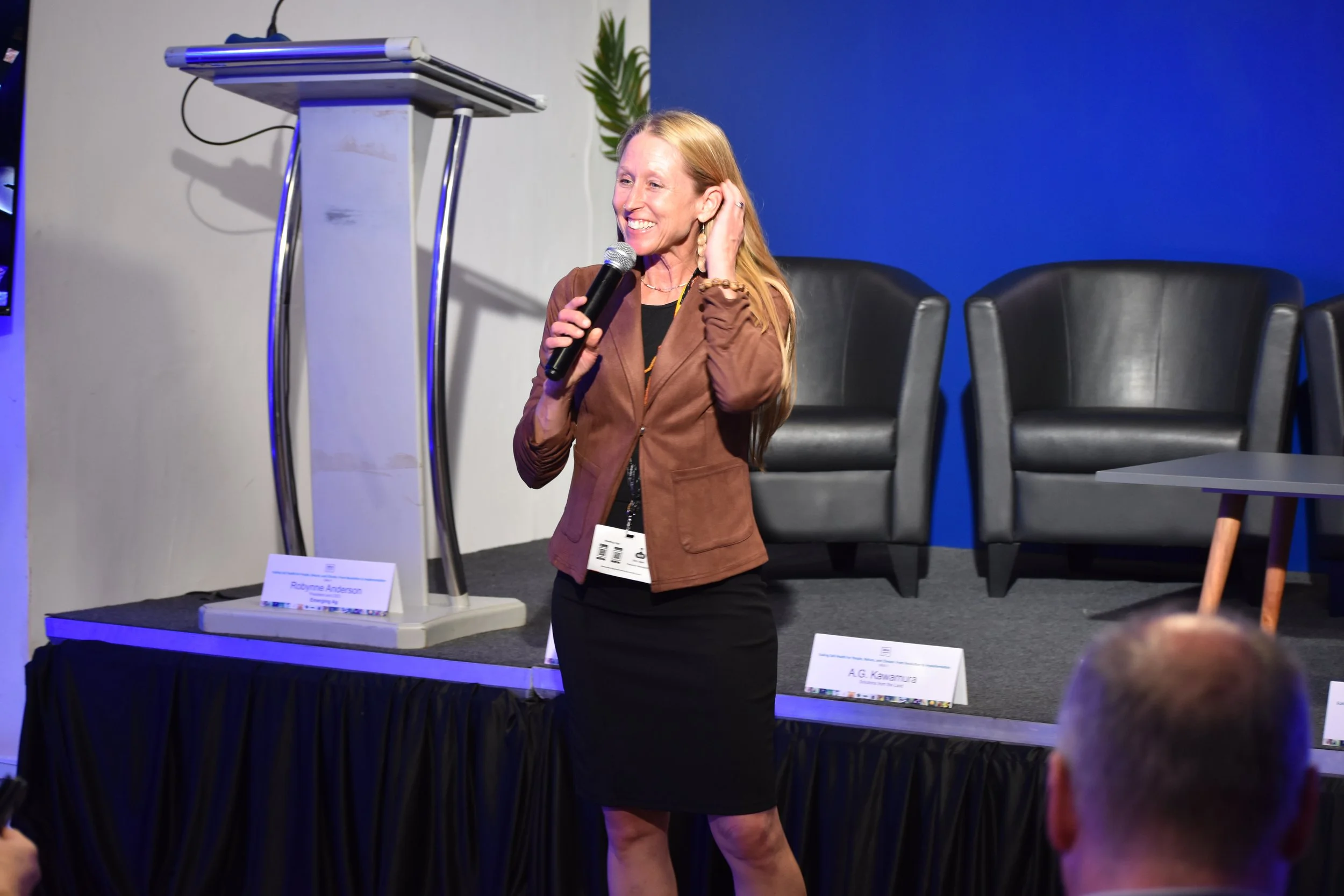
Robynne Anderson, CEO of Emerging Ag, opened with a stark reminder: 95% of our food depends on soil, yet degradation already affects 3.2 billion people worldwide. Sustainable soil management could increase yields by up to 58%, making soil health one of the most powerful nature‑based solutions (NBS) for food security, climate resilience and biodiversity.
For policymakers, this means soil is not a niche issue. It is central to achieving the Kunming‑Montreal Global Biodiversity Framework (KMGBF) targets, the UNCCD Land Degradation Neutrality (LDN) goals, and Africa’s own AMCEN Decision 20/1(a) on resilient food systems.
Soil Health: Africa’s Strategic Asset for Resilience
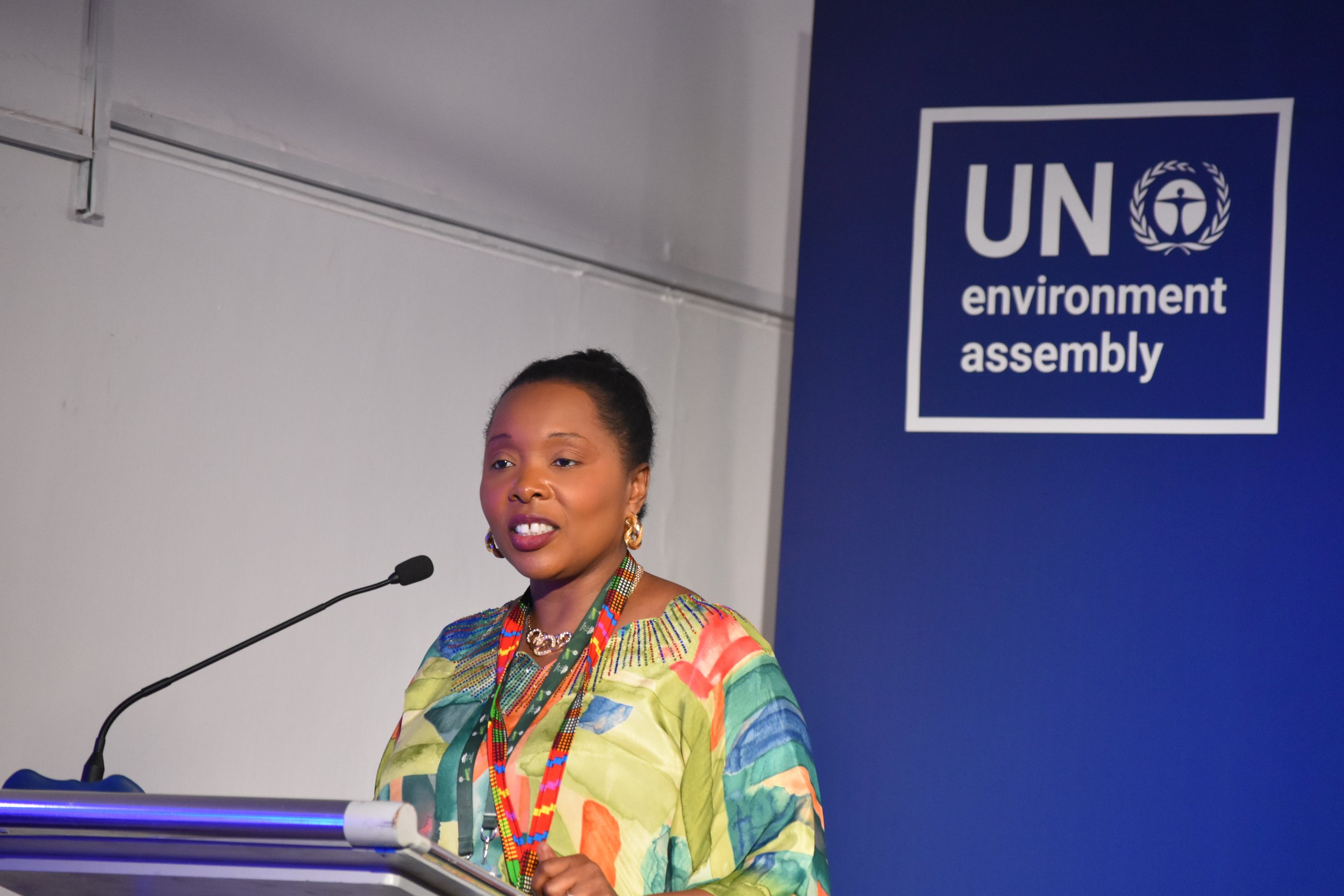
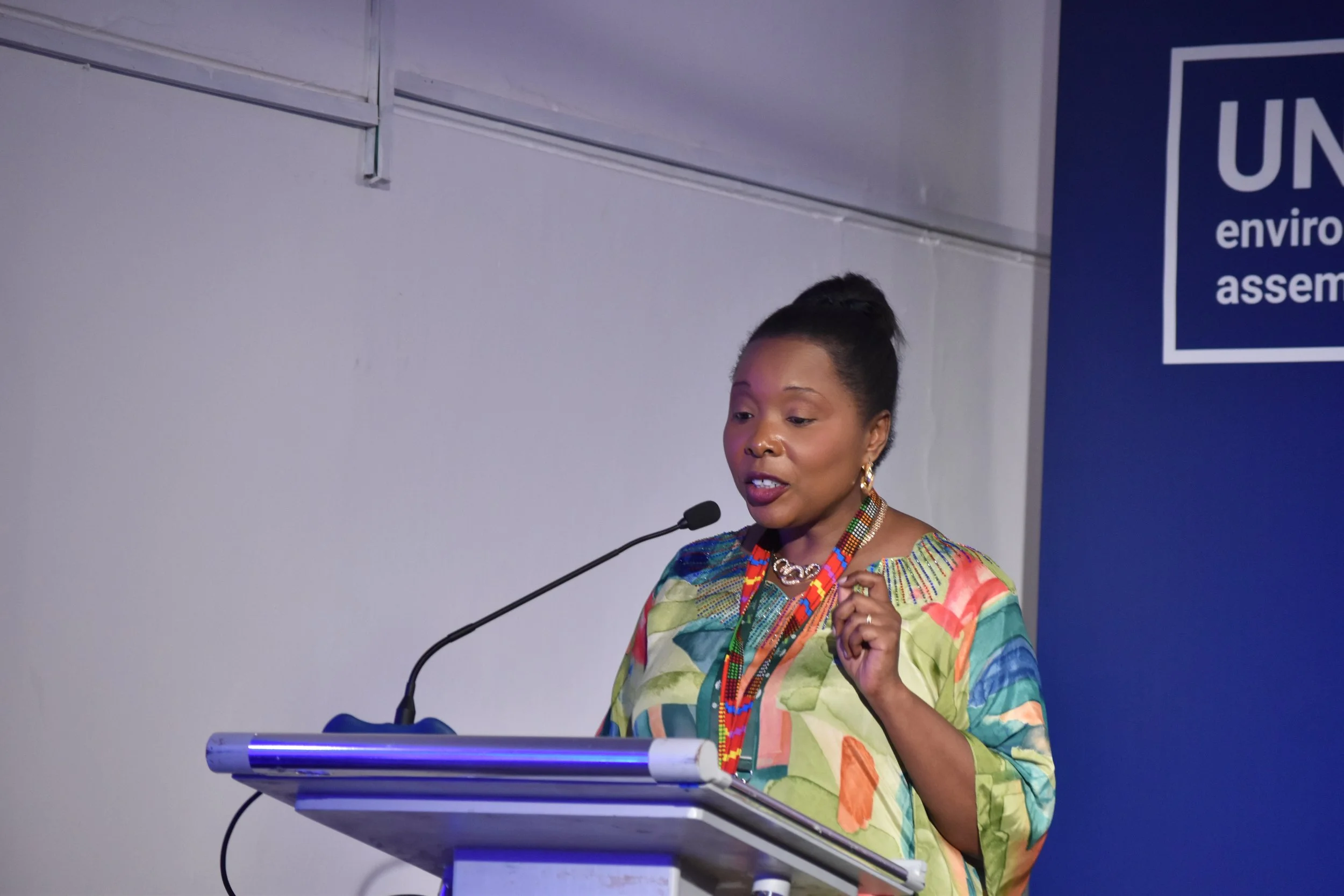
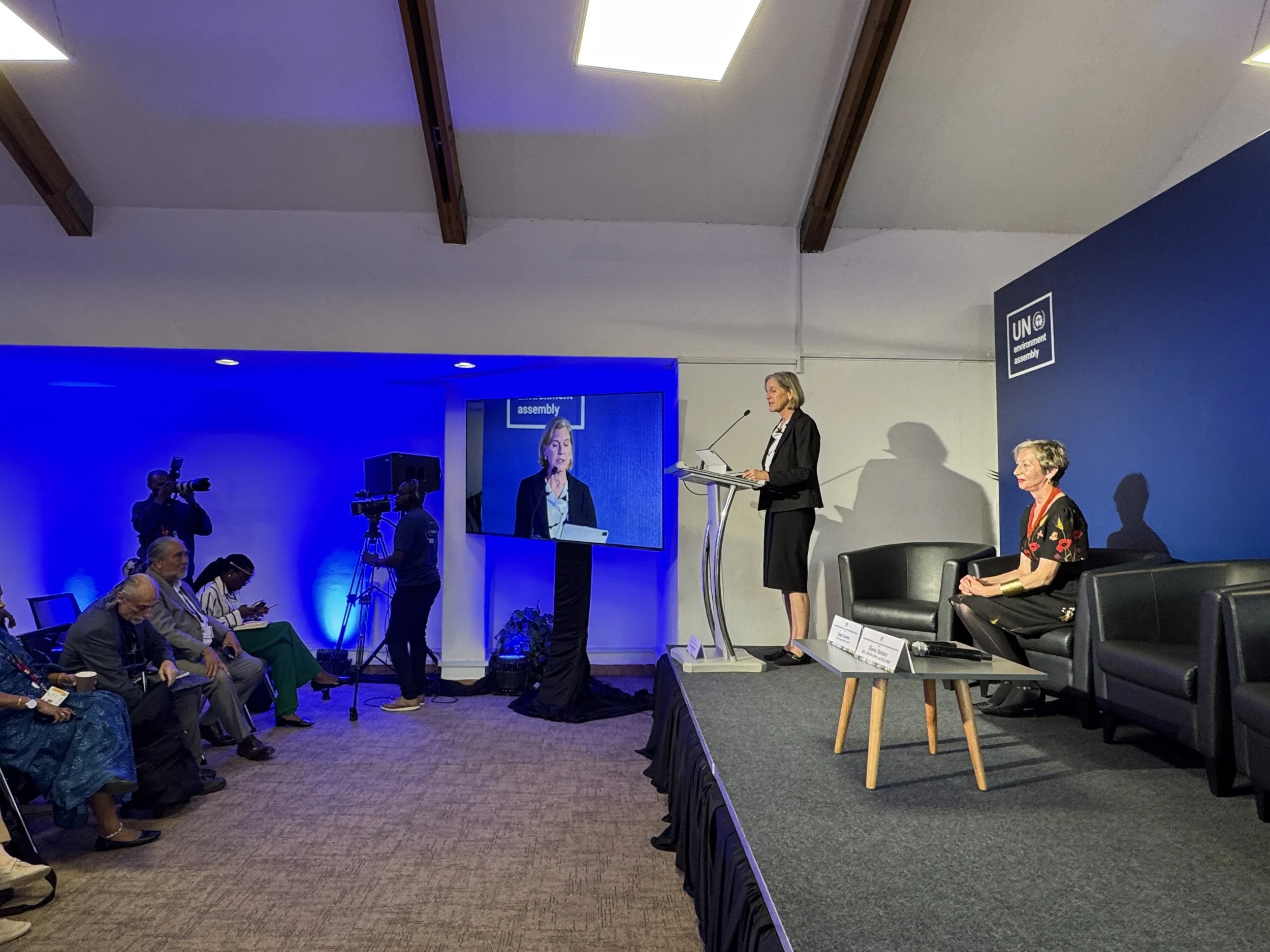
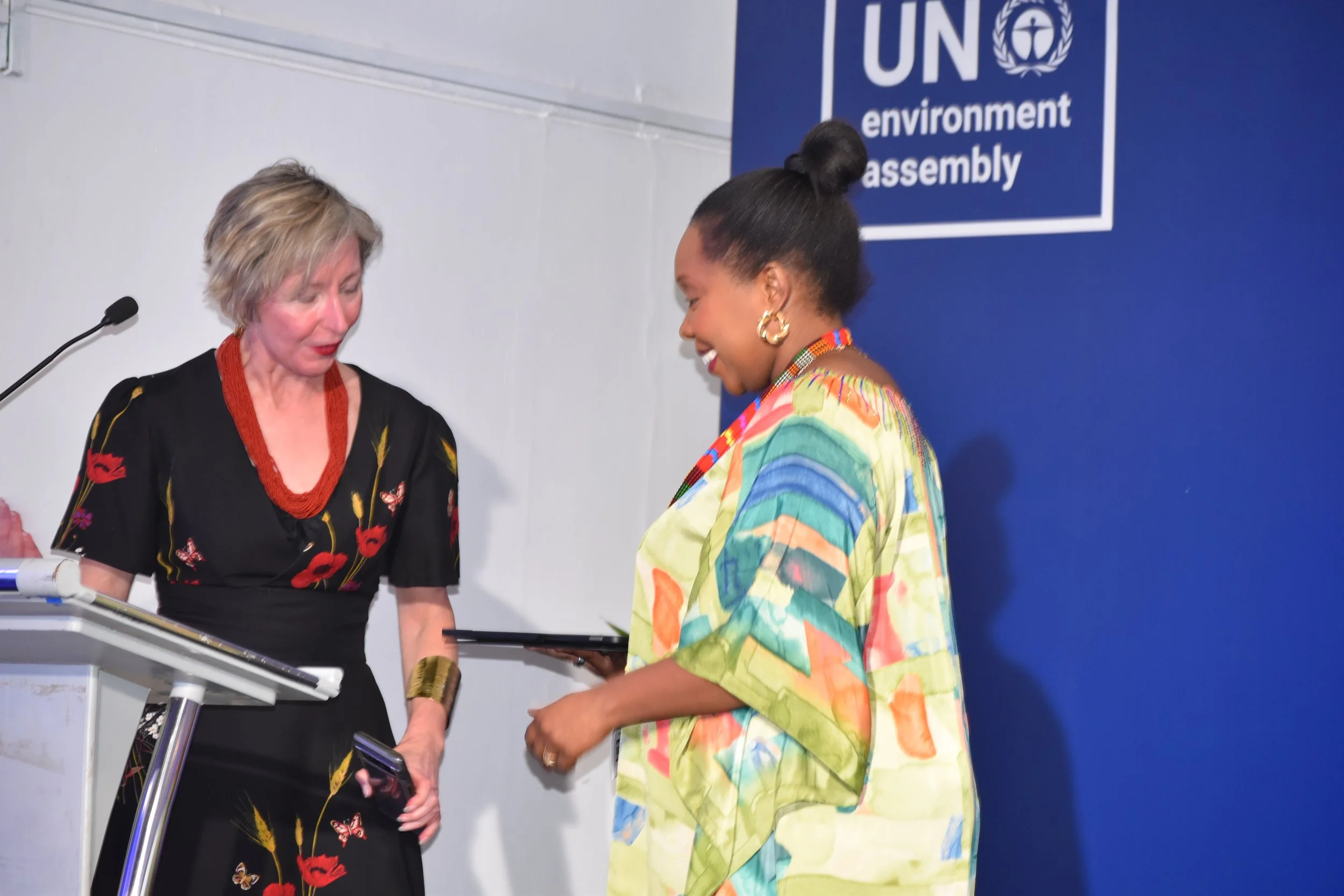
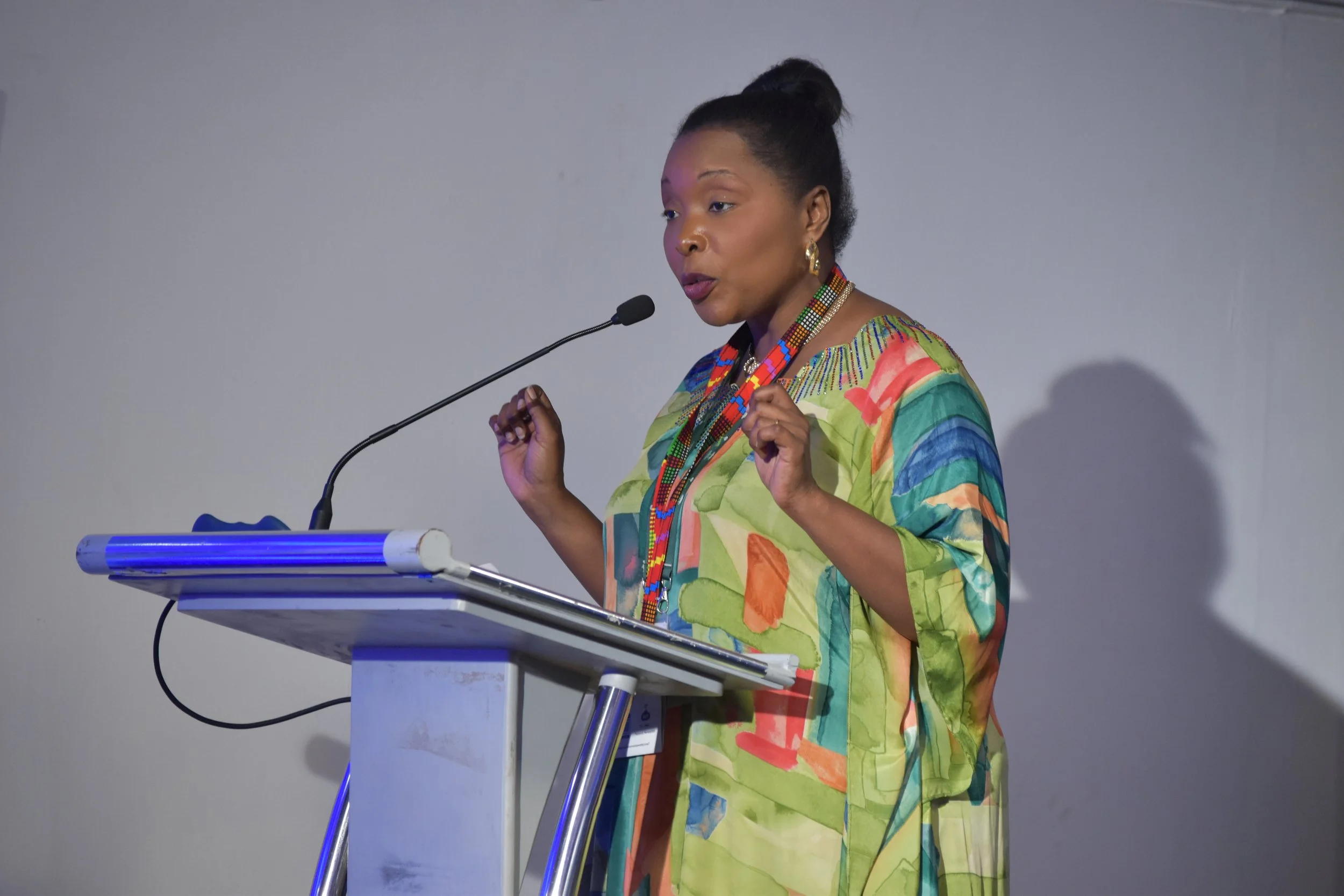
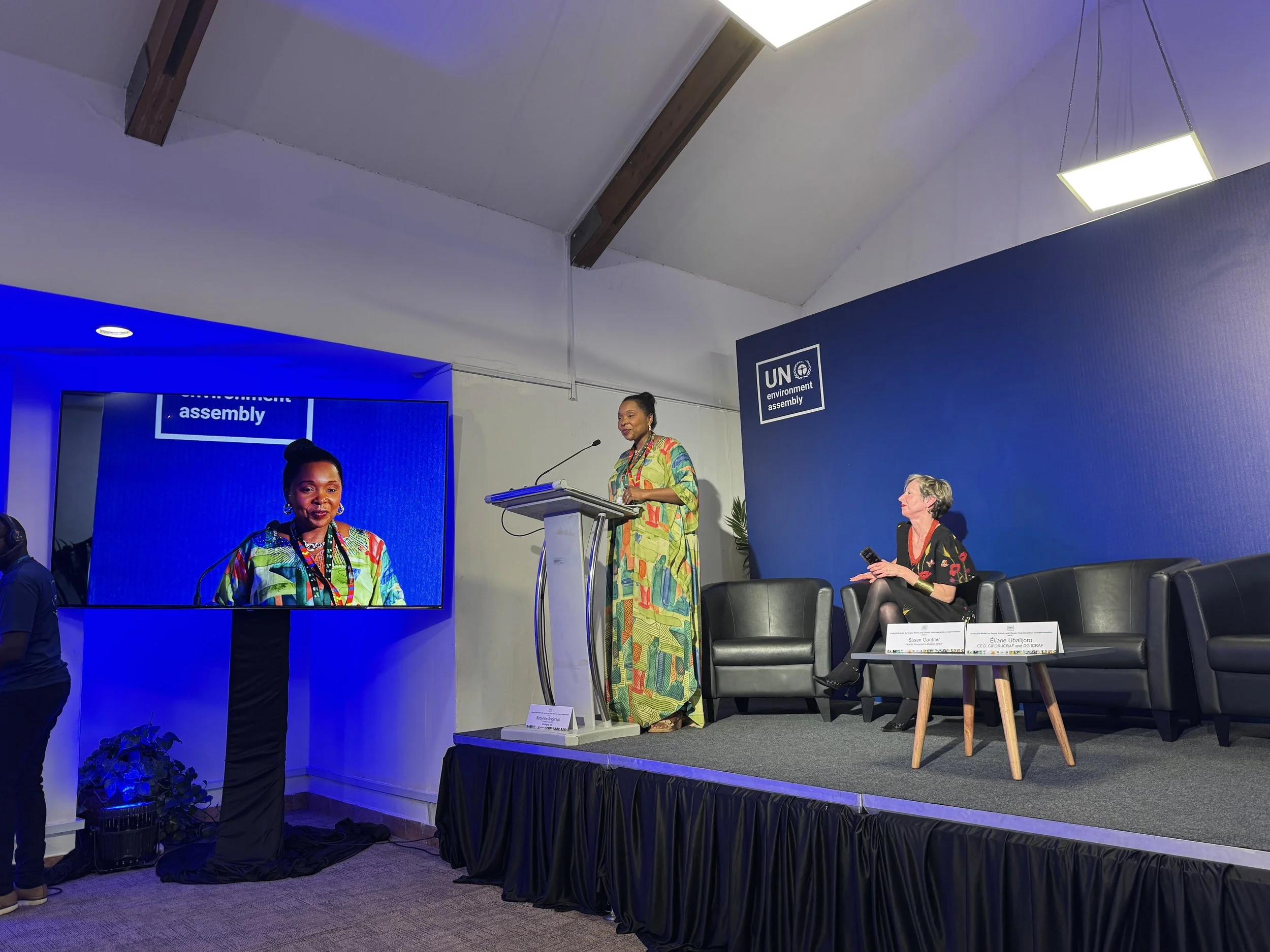
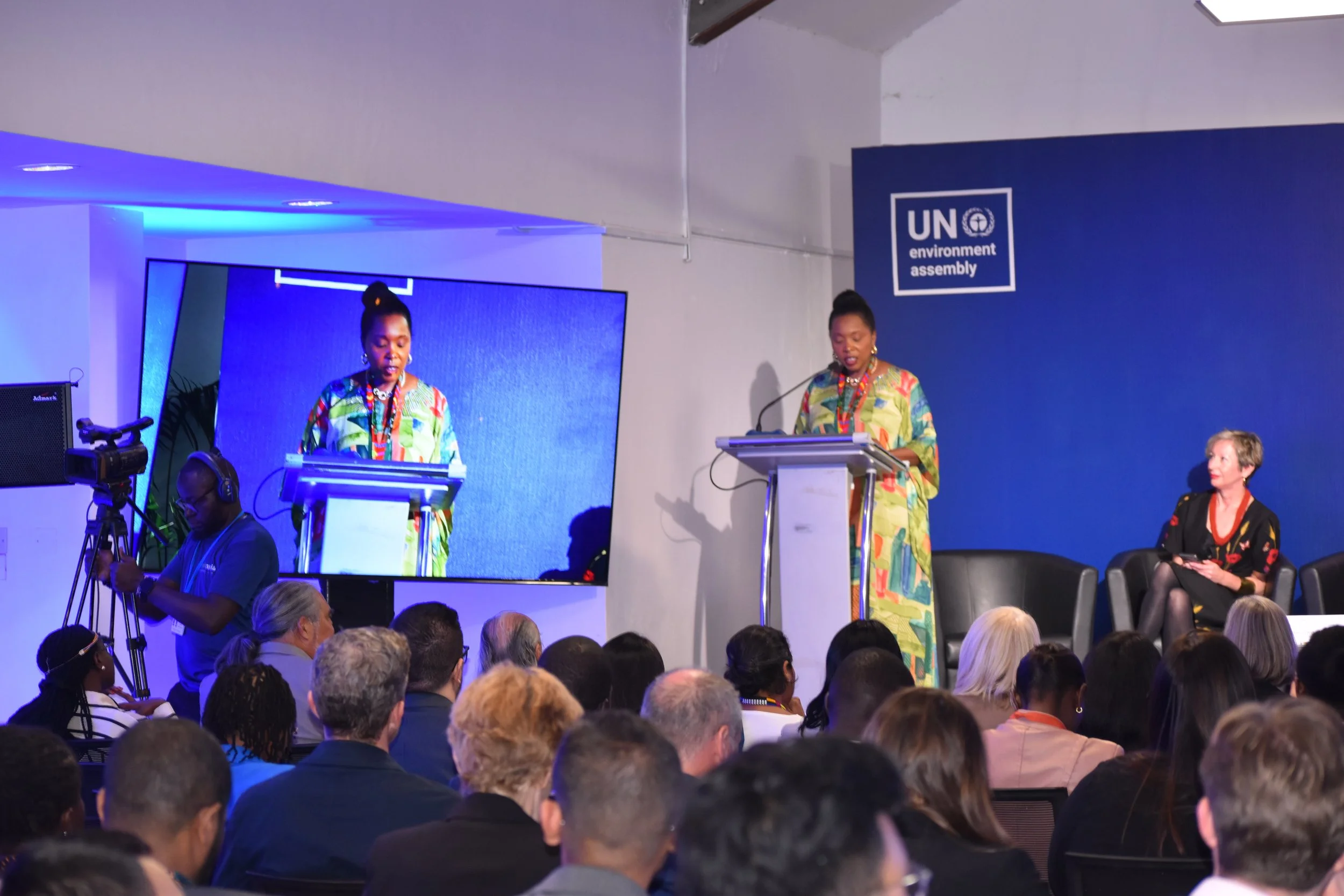
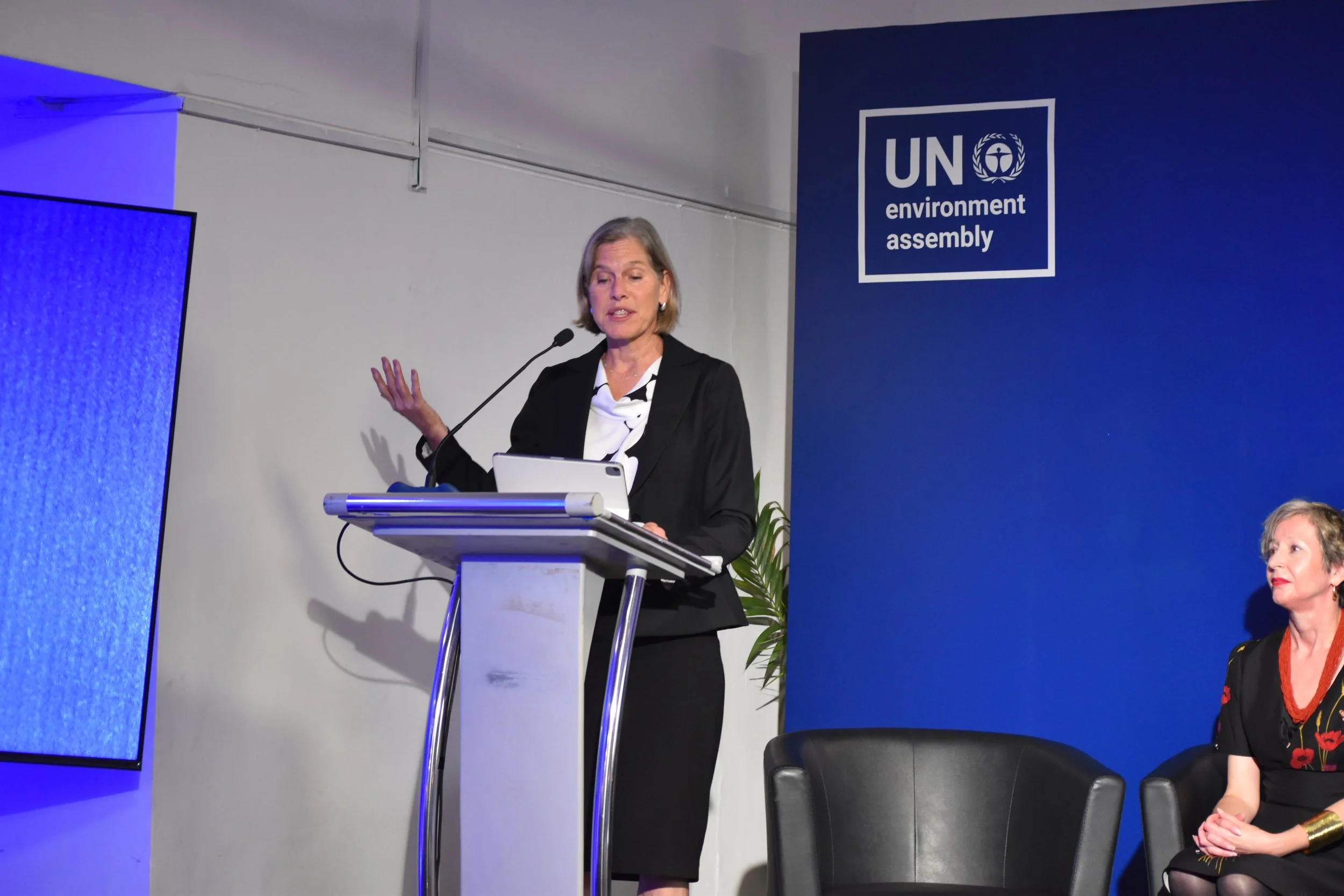
In her opening remarks, Susan Gardner, Director of UNEP’s Ecosystems Division, reminded us that soil health is far more than an agricultural issue—it is one of the greatest nature‑based solutions for food security, peace and stability. Agriculture remains the backbone of Africa’s economies, contributing around 20% of per capita GDP and employing 60% of the workforce. Yet soil degradation is eroding this foundation, with two‑thirds of cropland in Sub‑Saharan Africa degraded, costing an estimated 70 billion dollars annually. Families, farmers and local communities are the first to feel these impacts, as strong harvests and stable incomes are literally being washed away.
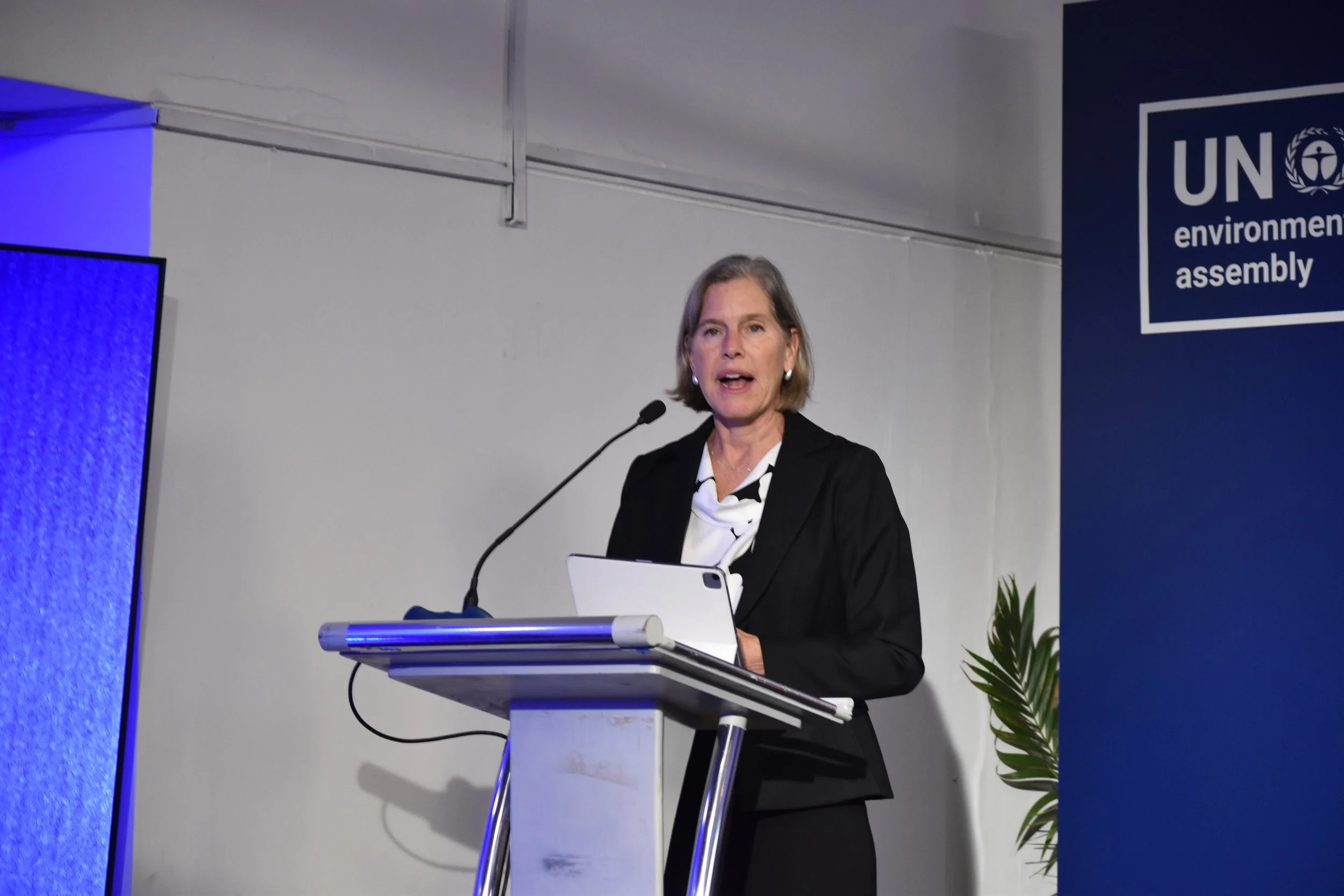
Gardner emphasized that investing in soil health offers a pathway to rapid and positive change. She indicated that UNEP was supporting African countries to move from political commitments to concrete soil solutions through AMCEN, leveraging mechanisms such as the UN Decade on Ecosystem Restoration. Initiatives like Regreening Africa which are already reaching 600,000 households across eight countries with tree planting, soil and water conservation and farmer‑managed natural regeneration were exemplified. Other examples included communities leading the way—using mobile apps to gather data, adopting practices like crop rotation and composting and diversifying livelihoods through beekeeping and tree‑based products.
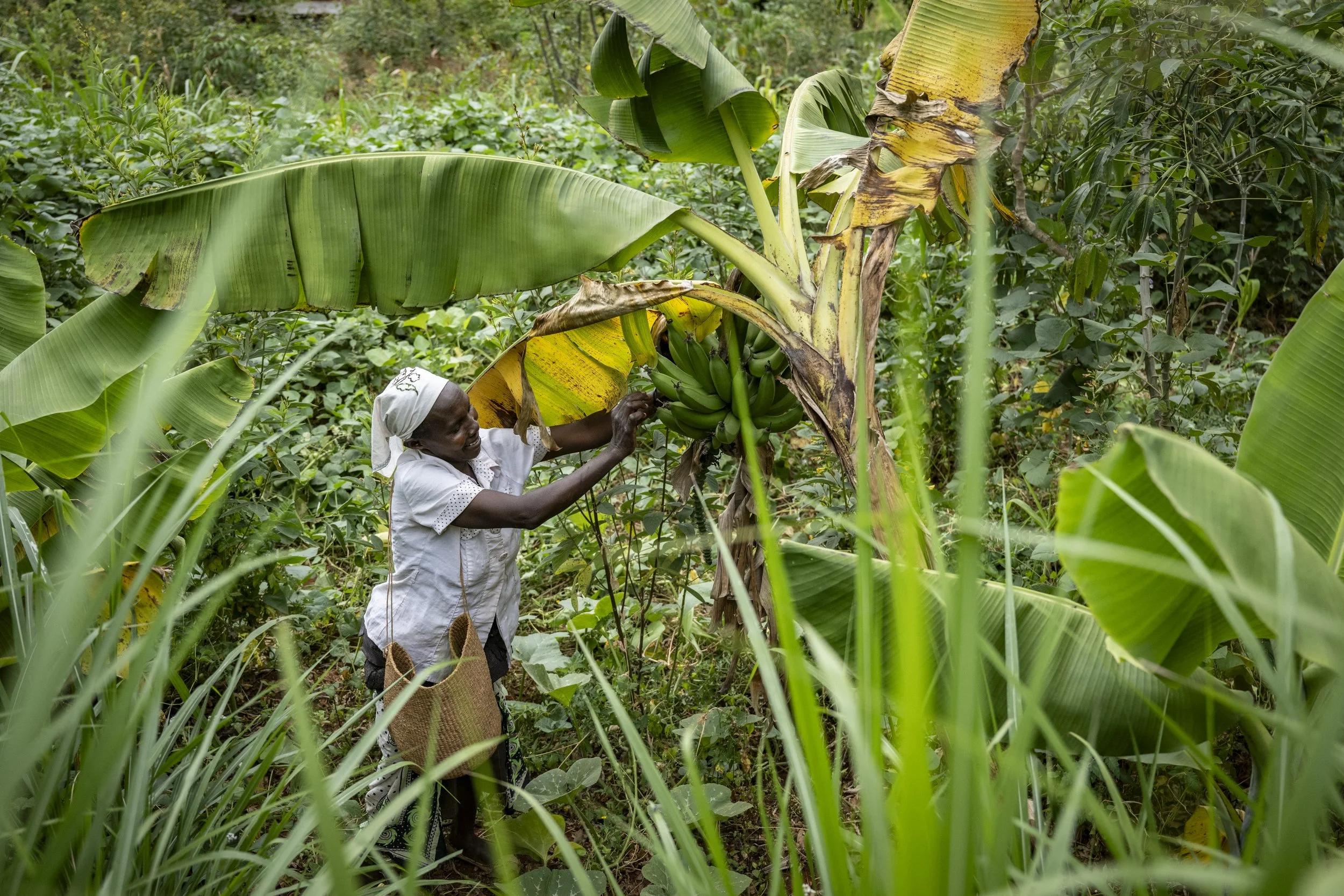
In Ethiopia, villagers have transformed steep hillsides by halting grazing, building terraces, and harvesting rainwater, proving that practical, community‑led action can restore landscapes and strengthen resilience. Gardner emphasised inclusion of young people to achieve meaningful impact.
“Africa is home to more than 400 million young people, and the future they inherit is dependent on soil health. We must ensure that as we hand over the baton, we hand over coherent policies, robust data systems, and coordinated investments that match the scale of the challenge.
”
Looking ahead, Gardner announced the launch of Shield Africa a month from the event, a new initiative designed to help countries achieve Land Degradation Neutrality (LDN) and respond directly to AMCEN and UNCCD decisions. Shield Africa will strengthen soil governance, build modern soil information systems, attract blended finance and equip farmers and young entrepreneurs with the skills to scale soil‑positive practices.
Scaling Soil Health for Shared Prosperity
At this defining moment, as the world grapples with the challenge of nourishing nearly nine billion people, Eliane Ubalijoro, CEO of CIFOR‑ICRAF and Director General of ICRAF, reminded us that soil health must anchor our collective response. Over a third of the earth’s surface is already degraded, including half of all agricultural land, leaving communities vulnerable to droughts, floods, and food insecurity. When soil falters, yields plummet, ecosystems lose resilience, and countries struggle to meet climate and biodiversity targets. From the recent floods in Asia to the widespread degradation across Sub‑Saharan Africa, the urgency is clear: scaling soil health worldwide is essential to transform scarcity into shared prosperity. As Ubalijoro emphasized, “.”
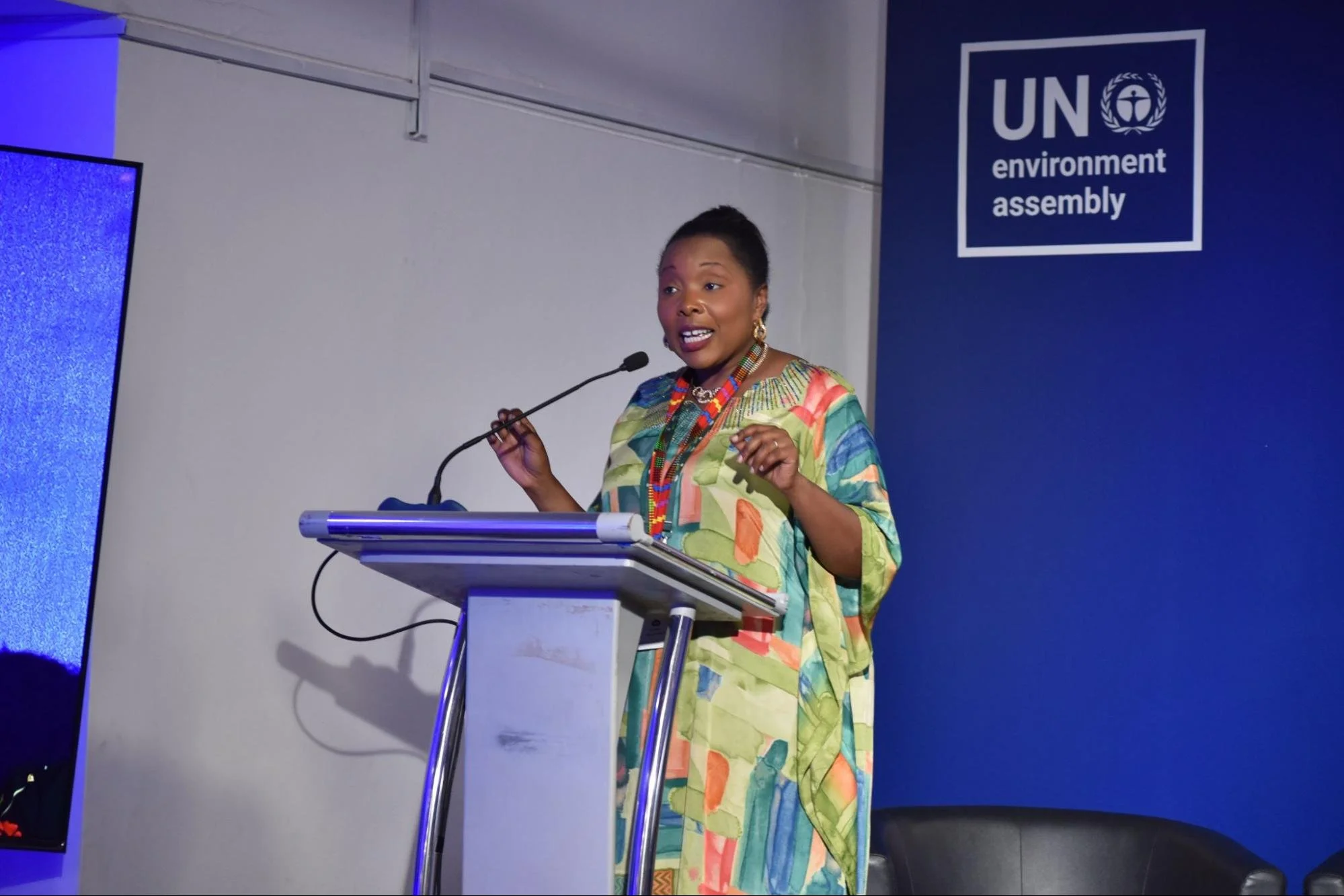
“Soil may be out of sight but should definitely not be out of mind.”
—Eliane Ubalijoro, CEO of CIFOR‑ICRAF and Director General of ICRAF
CIFOR‑ICRAF is leading efforts to regreen Africa, harnessing over 20 years of scientific expertise, vibrant global partnerships, and an extensive database of land health indicators. These tools, combined with financial inclusion and enabling environments, can help translate international commitments—AMCEN decisions, the Kunming‑Montreal Global Biodiversity Framework, the UN Decade on Ecosystem Restoration, and UNCCD targets—into healthier soils on real farms and landscapes. Well‑designed tree‑based systems, for example, can reduce soil erosion by up to 50% and improve food security for more than one billion people if scaled. Through initiatives, such as hosting the CA4SH Secretariat, CIFOR‑ICRAF exemplifies the power of multistakeholder engagement, shielding smallholder farmers from risk and driving systemic change. The spotlight now turns to how governments, private sector actors, and communities can operationalize these commitments in national priorities, budgets, and monitoring systems—ensuring that soil health becomes the foundation of resilience and climate action.
To truly embed soil health at the heart of sustainable development, collective leadership must rise to the challenge. Governments can align policies and budgets with restoration goals, the private sector can invest in regenerative practices and innovative financing and communities can champion local stewardship rooted in traditional knowledge. Together, these efforts can unlock a virtuous cycle—where healthier soils sustain livelihoods, stabilize climates, and secure biodiversity for generations to come. The path forward is clear: by treating soil as a living foundation rather than an expendable resource, we can nourish both people and planet, turning today’s crisis into tomorrow’s resilience.
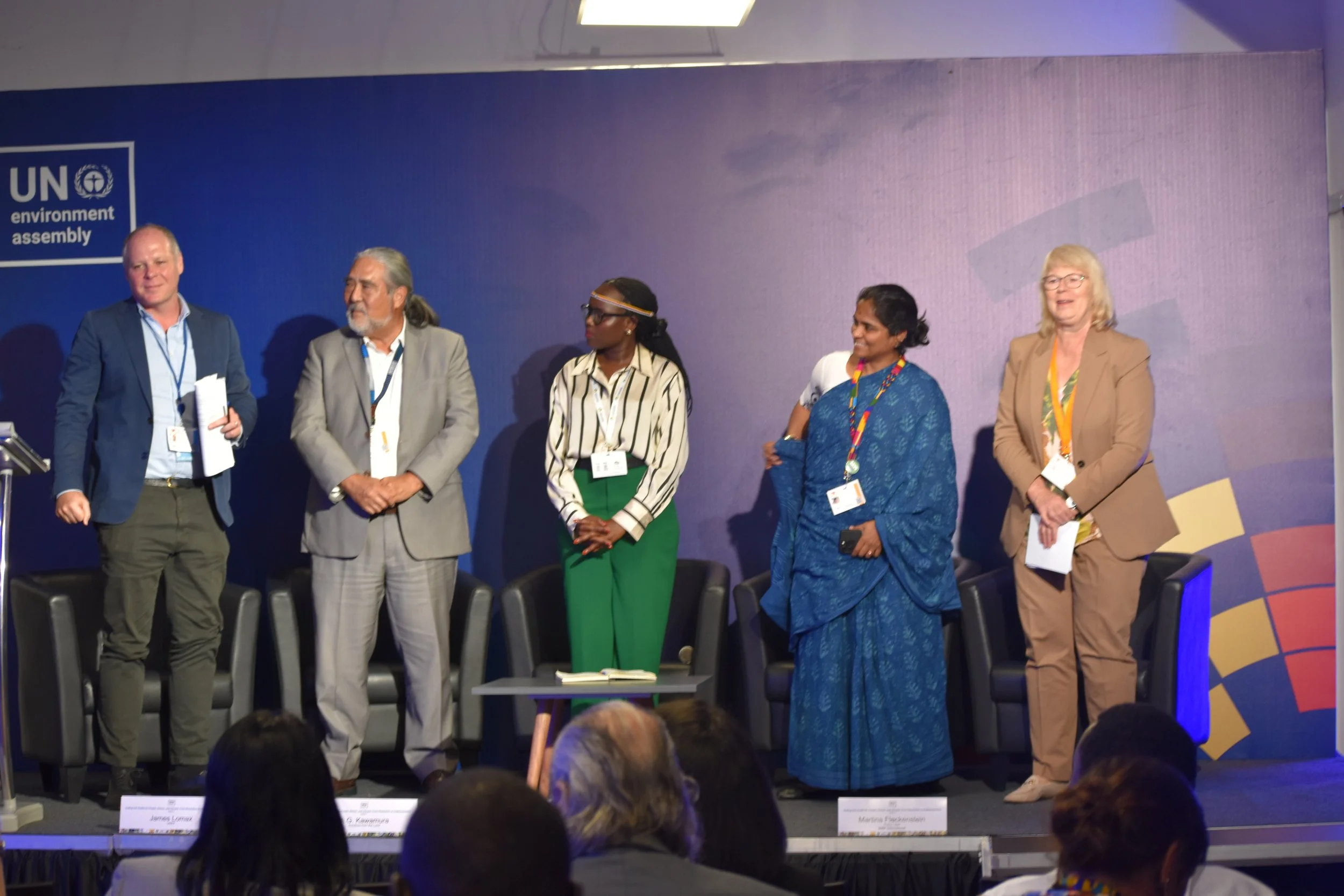
PANEL DISCUSSION
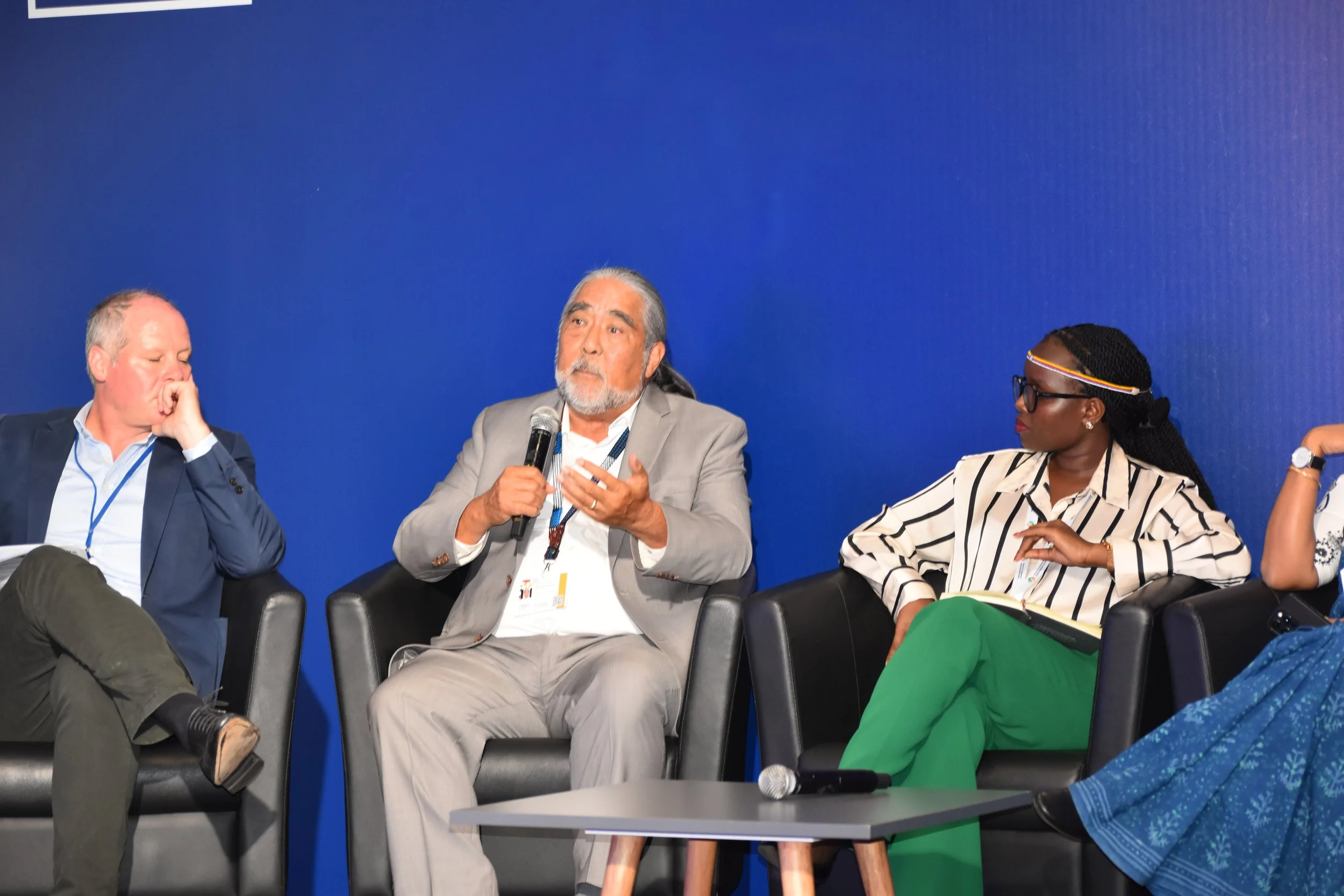
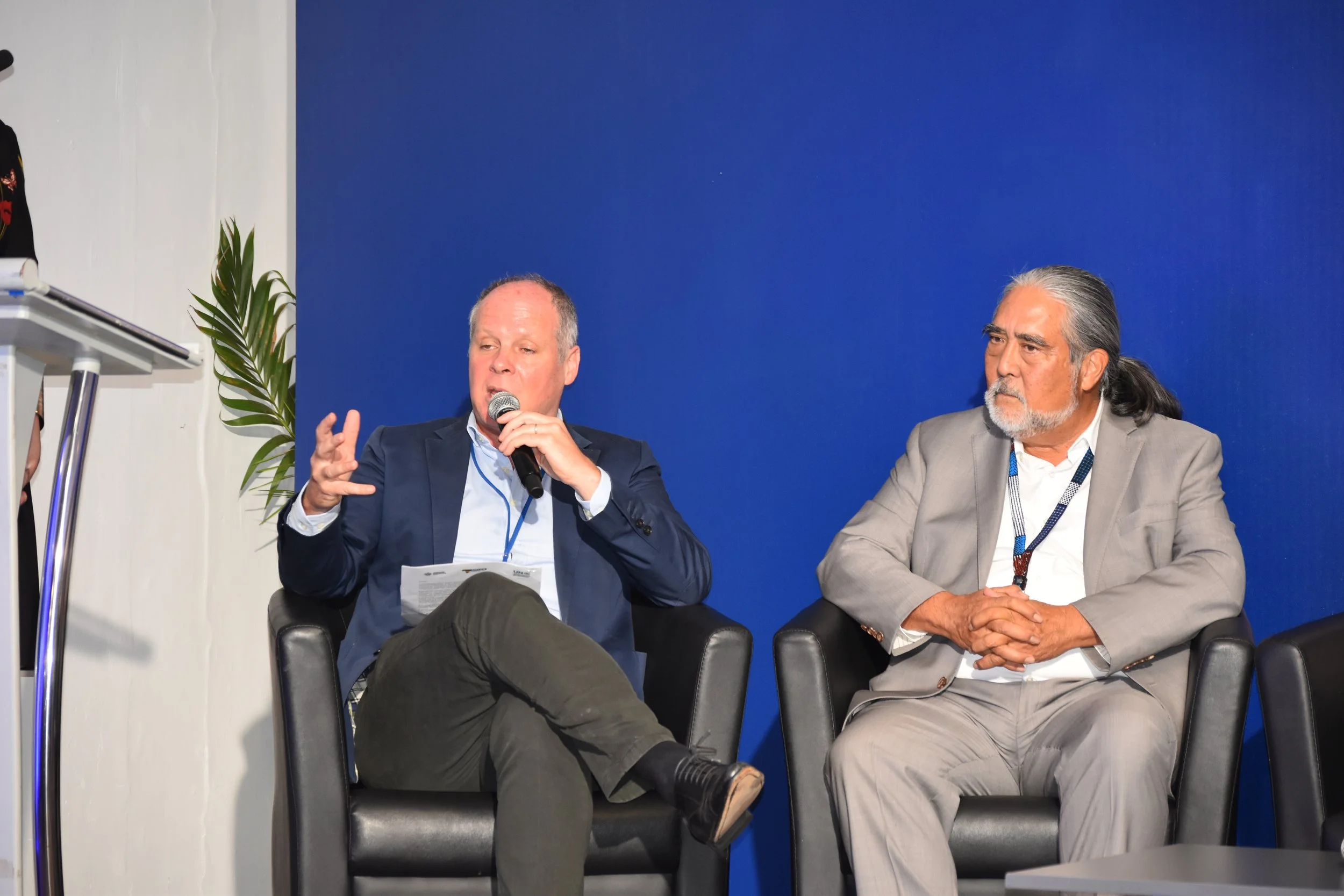
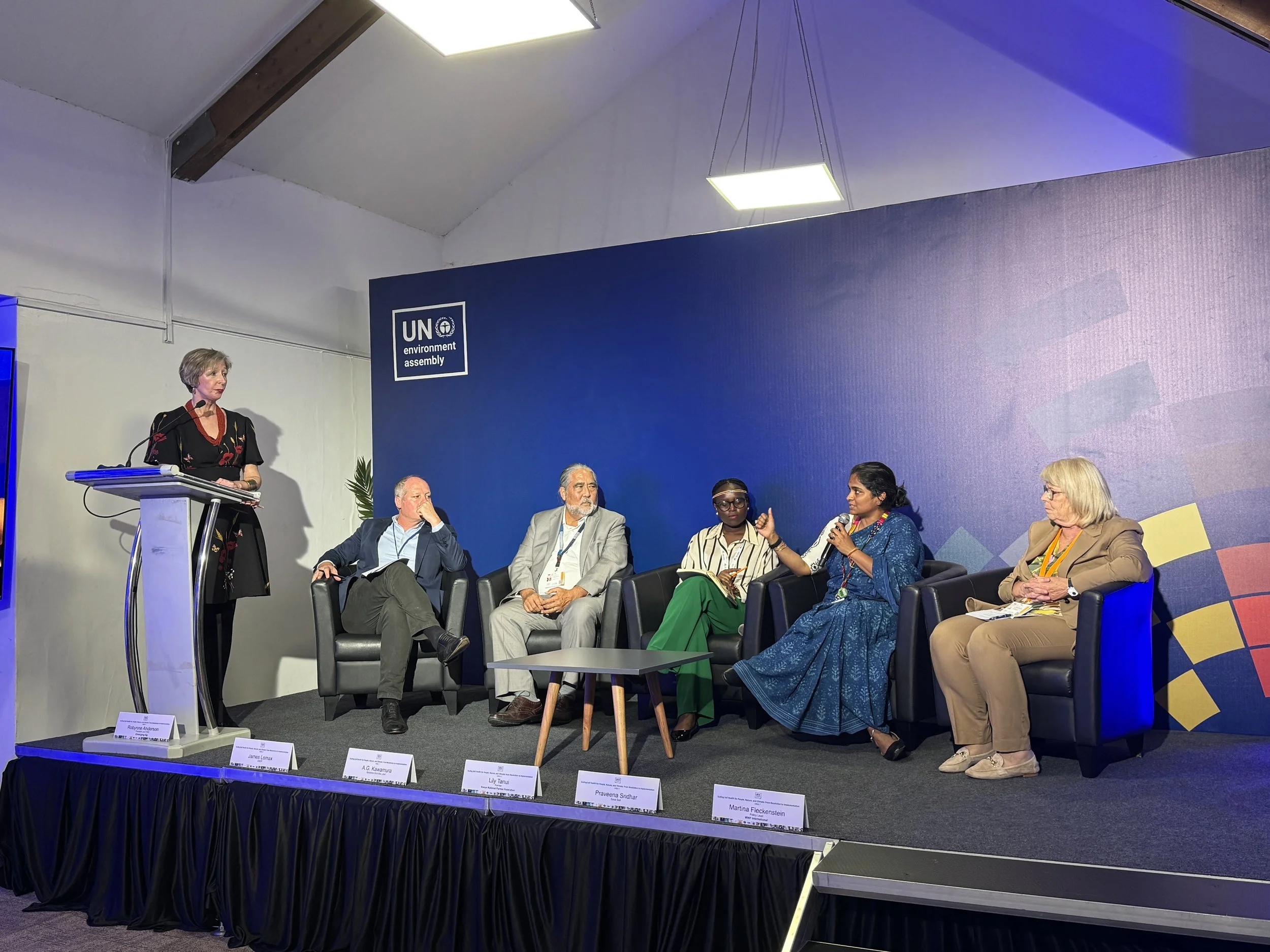
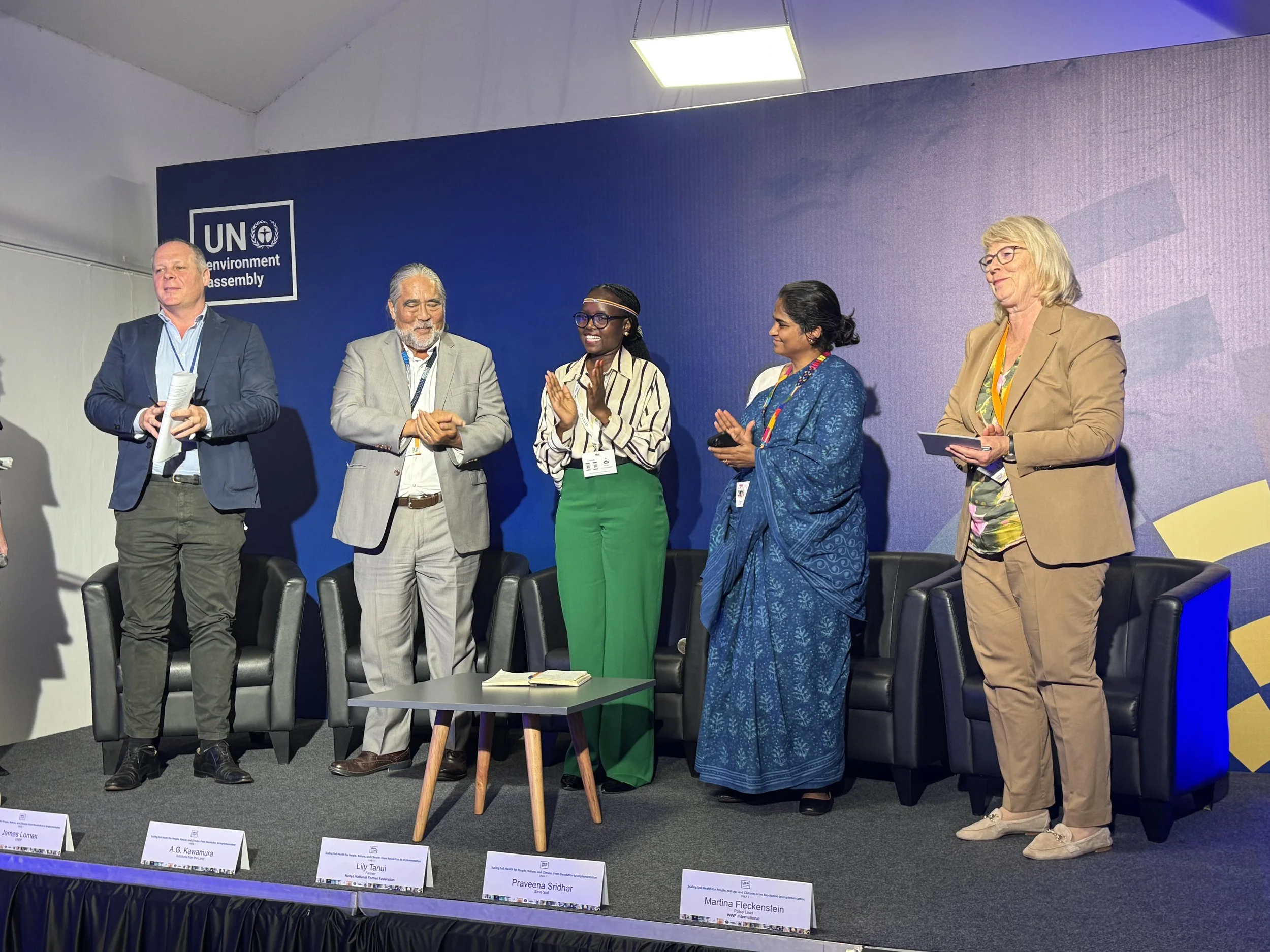
James Lomax highlighted the AMCEN resolution on soil health, endorsed by 54 African environment ministers, as a landmark commitment to reversing land degradation and restoring ecosystems. He emphasized that soil health is fundamental to building sustainable food systems and carries multiple co‑benefits: improved water retention, carbon sequestration, energy buffering, and resilience for vulnerable communities. For Lomax, soil health is a multi imperative that anchors Africa’s environmental and agricultural future.
“Focusing on soil health affects water, resilience of local communities, carbon capture—there are numerous co-benefits to focusing on soil health beyond just climate.”
Looking ahead, Lomax urged ministers to take greater interest in agriculture by recognizing soil health as a unifying priority across governance, land tenure and financing. He called for a coordinated approach that brings together diverse skillsets and stakeholders, while fundraising for better soil management in the continent most vulnerable to climate shocks. By centering farmers and youth as co‑creators of solutions and embedding soil health into national policies, Lomax believes Africa can build a mosaic of action that ensures long‑term resilience.
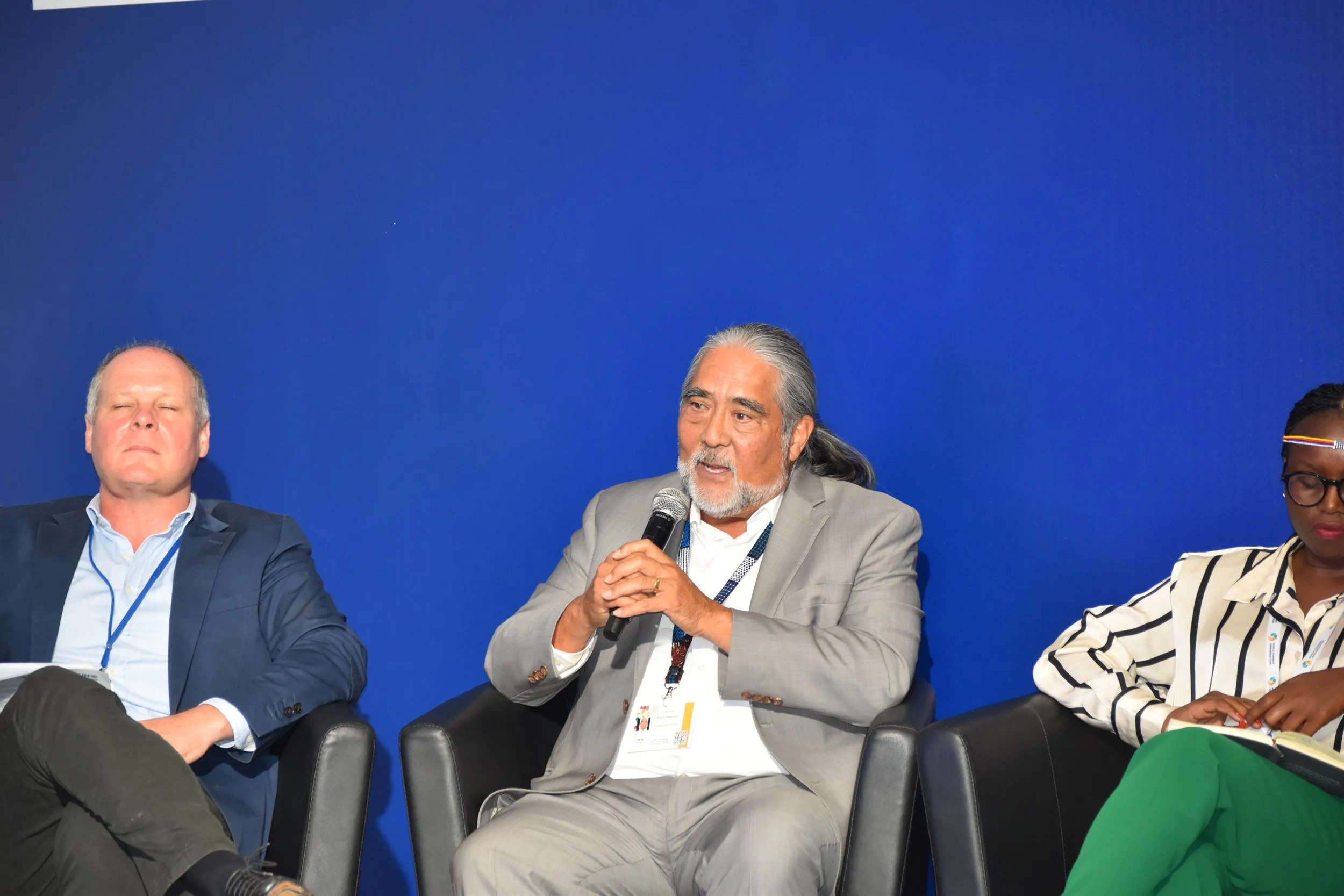
A.G. Kawamura, Founding Co‑Chair of Solutions from the Land, drew on nearly five decades of farming experience to illustrate the practical realities of soil regeneration. Beginning his journey as a beekeeper and later becoming a certified organic grower for local food markets, Kawamura has consistently demonstrated that any piece of land—whether fertile or degraded—can be brought back to life with persistence and innovation. His philosophy of “find land anywhere and grow on it” reflects both resilience and adaptability, often working fields without certainty of ownership or long‑term security.
One of his most striking examples was the restoration of a compacted field where nothing would grow. Over two and a half years, he and his team applied compost, organic matter, charcoal, and water until the soil regained vitality, eventually supporting green beans. This “zebra field” story underscores the patience and investment required to revive soils, as well as the risks farmers face when land tenure is uncertain. Kawamura’s experience highlights the tension between the need to invest deeply in soil health and the reality that future landowners may not continue those practices.
Through Solutions from the Land, Kawamura has championed farmer‑led innovation and practical soil health solutions that bridge local food production with global sustainability goals. His work demonstrates that soil regeneration is not only possible but essential, requiring both technical interventions and supportive policies that secure farmers’ investments in the land. By sharing these lived experiences, he reinforces the message that soil health is the cornerstone of resilient food systems and climate action.
Eng. Lily Tanui, youth advocate and Climate Action Lead at the Kenya National Farmers’ Federation (KENAFF) delivered a powerful message.
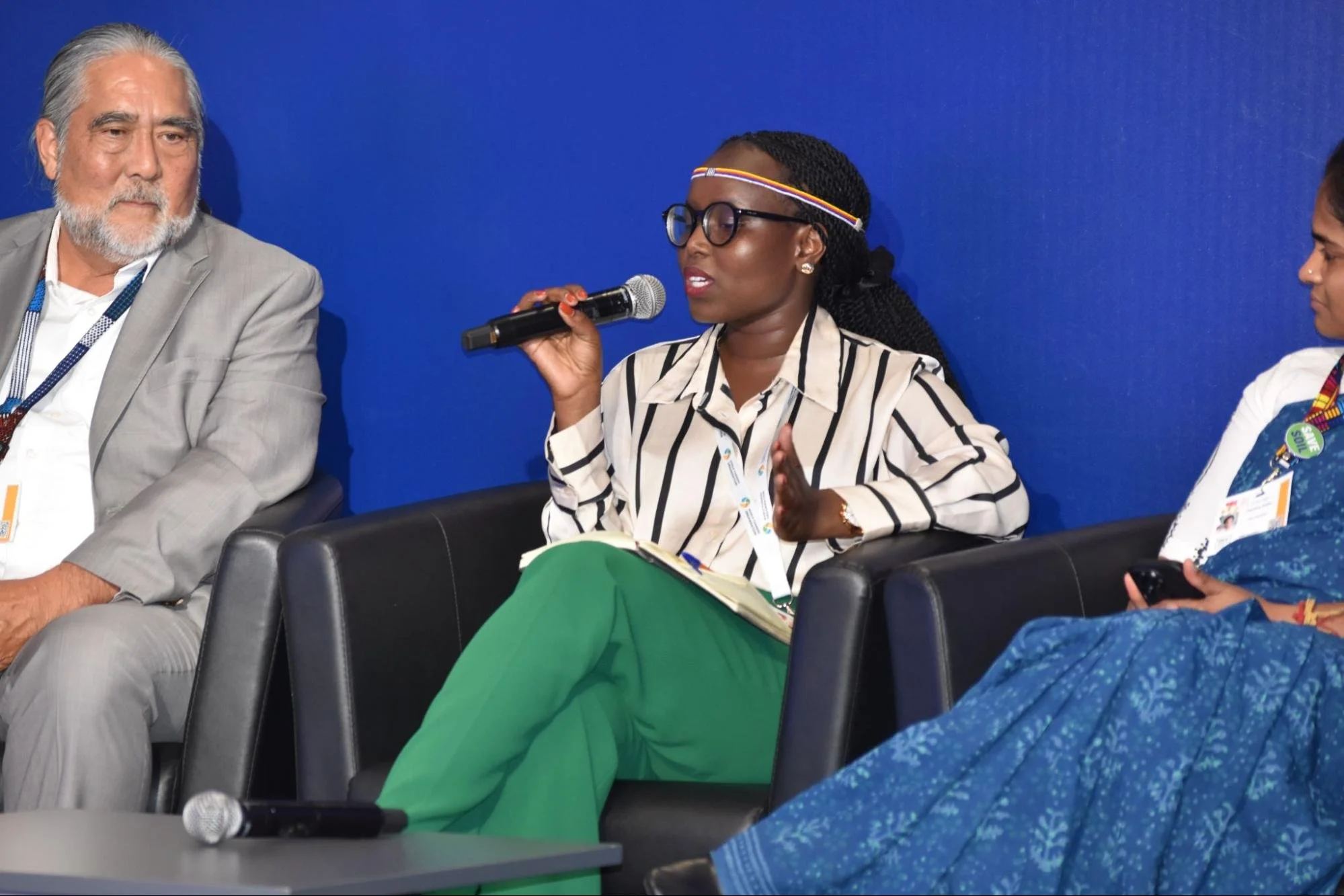
“Young farmers are being left behind, they need land and accessible finance.”
–Eng. Lily Tanui, Climate Action Lead, Kenya National Farmers’ Federation (KENAFF)
She stressed that farmers must be seen not as passive beneficiaries but as co‑creators of solutions. For soil health to scale meaningfully, governments must integrate soil testing and biofertilizer subsidies into national programmes, ensuring that farmers have the tools and knowledge to adopt sustainable practices.
Tanui highlighted the Integrated Soil Health Fertility Initiative, which has already trained youth to provide affordable soil testing services directly to farmers. This initiative demonstrates that farmers are ready to adopt new practices when solutions are accessible and inclusive. She emphasized that young people need access to finance and land to participate effectively, and that policies must put youth and farmers at the very center of soil health strategies.
KENAFF’s vision also includes agroforestry as a cornerstone of resilience, advocating for the 50‑30‑20 rule: 50% indigenous trees, 30% fruit trees and fodder and 20% exotic trees integrated into farming systems. This approach not only improves soil fertility and biodiversity but also strengthens livelihoods and food security. Tanui’s call to action is clear—empower farmers and youth, embed soil health into subsidy programmes, and build inclusive systems that make sustainable practices both affordable and scalable.
“Politicians come and go with elections—what stays is the legal framework. We need permanent policy solutions for soil.”
Praveena Sridhar, Chief Science & Policy Officer, Conscious Planet #SaveSoil, emphasized the importance of legal instruments to secure soil health, referencing the IUCN Declaration and Decision on Soil Security as a critical step forward. She highlighted that while farmers are ready to implement solutions, they need support, investment and policy frameworks to adopt them at scale. Without a global legal framework, soils remain vulnerable despite their central role in food systems, climate resilience and biodiversity.
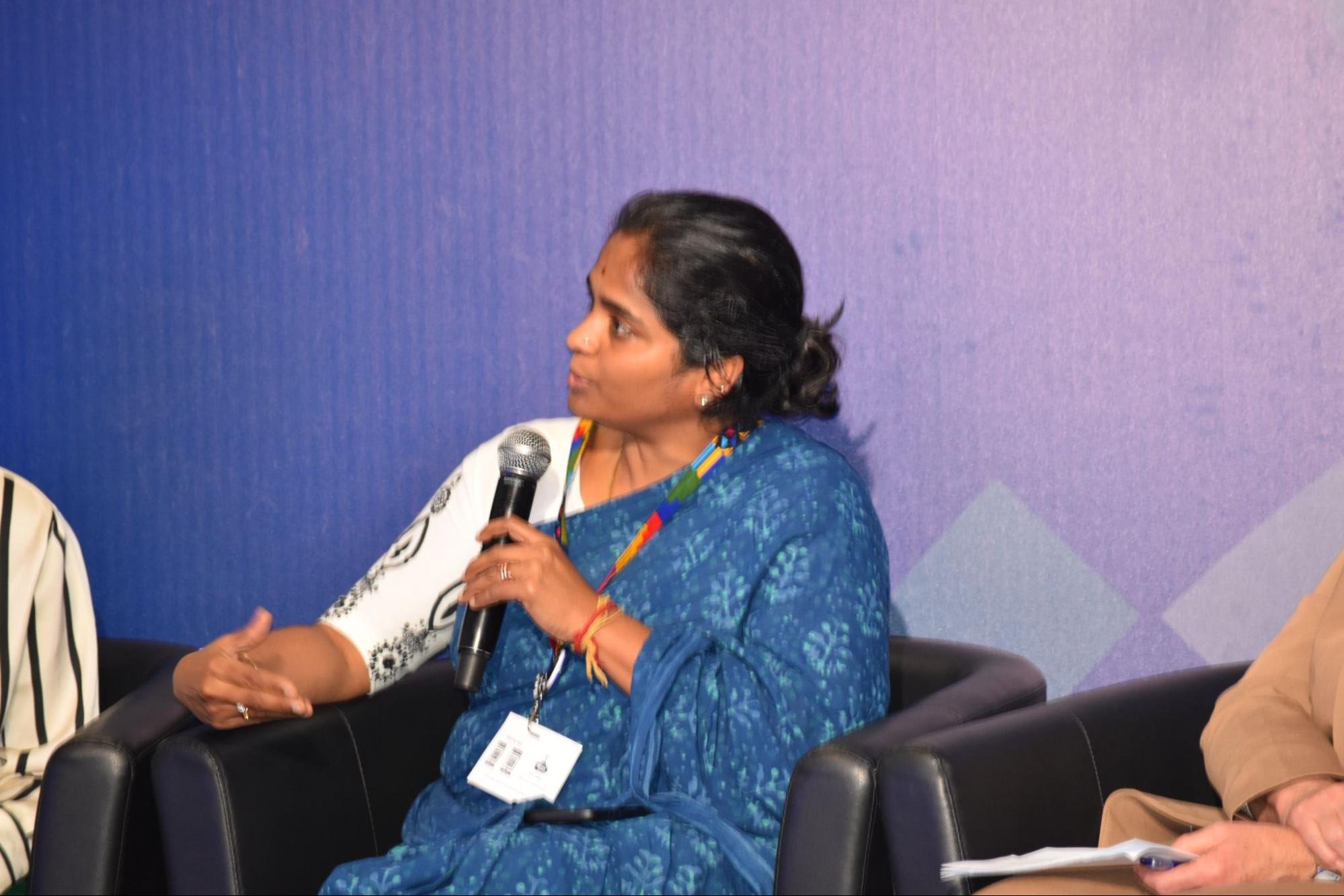
She called for a bold “James Bond resolution”—a global legal instrument to govern soils holistically and ensure continuity in soil protection and restoration efforts. Sridhar stressed the urgent need for a soil security law that anchors soil health in international policy, offering farmers the stability and support they need to invest in sustainable practices.
Her message was clear: governments must move beyond short‑term initiatives and embed soil health into permanent frameworks that transcend political cycles. By doing so, soil health can be safeguarded for generations to come, ensuring resilience for communities and ecosystems worldwide.
Martina Fleckenstein, Policy Manager for Food at WWF, pointed to the Coalition of Action 4 Soil Health’s efforts and the IUCN resolution as important milestones, urging that the next steps must focus on making soil more prominent for politicians and decision‑makers. She was optimistic that the momentum would continue, stressing that soil degradation is inseparable from food systems: when soil erodes, carbon is lost, and when it degrades, the capacity to produce food diminishes.
She highlighted that soil health should be fully integrated into national policies and climate commitments, noting the encouraging rise in mentions of soil health within NDCs across many countries. Fleckenstein called for the use of available tools and instruments to assist governments in implementing recommendations, while also underscoring the urgent need for more financing to address soil health and land degradation. Her message was clear: protecting and restoring soils is not only an environmental imperative but also a cornerstone of food security and climate resilience, requiring long‑term policy frameworks and sustained investment.
Key Themes from Question and Answer Session
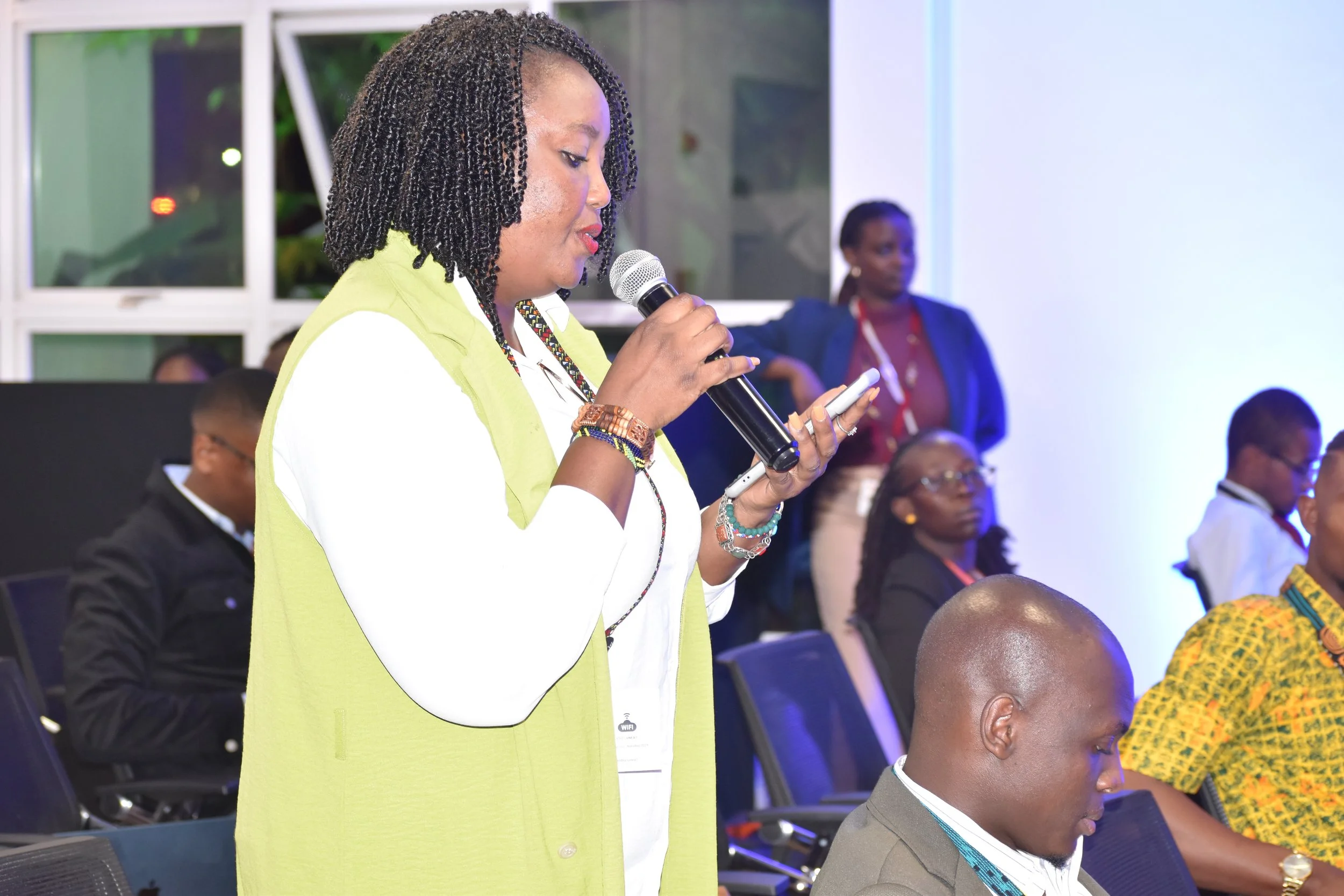
Smallholder farmer support: Kenzugi (Crop Nuts) raised the need for skills and training. Participants emphasized incentives, access to equipment and seed, and continuous hand‑holding through training, call centers, and digital platforms like WhatsApp groups to ensure lasting behavior change. Robynne Anderson added that those with the least resources should not be expected to shoulder the greatest burden of change.
Livestock & restoration: Professor Jackie McGlade highlighted the role of livestock in restoration agendas. Martina Fleckenstein referenced the IYLR grasslands meeting, stressing the importance of strengthening messages on soil health and carbon storage in soils and land.
Indigenous knowledge & technology: Ali Mzola (Tanzania) asked how to create synergies between traditional knowledge and emerging technologies such as aeroponics. This sparked discussion on blending heritage practices with modern innovations.
Stakeholder engagement: One participant asked how to ensure soil health efforts are effective. Responses pointed to inclusive strategies, incentives, and accessible knowledge systems to keep stakeholders engaged.
Farmer incentives & ecosystem services: Lily Tanui advocated for payment for ecosystem services, rewarding farmers for biodiversity and tracking benefits up to sales so that farmers value the process.
Alternative farming methods: A.G. Kawamura and James Lomax highlighted hydroponics, growing in sand, and other proven technologies as complementary approaches to soil‑based farming. Kawamura noted that farmers with generational ties to land can appreciate changes over time, while Lomax stressed the importance of embedding soil health and land issues within UNEA’s workload and collective stakeholder action.
Future of horticulture: Discussions emphasized that arable land with rainfall and irrigated water can be optimized, but horticulture has a great future through diverse farming technologies beyond traditional soil systems.
Closing Remarks
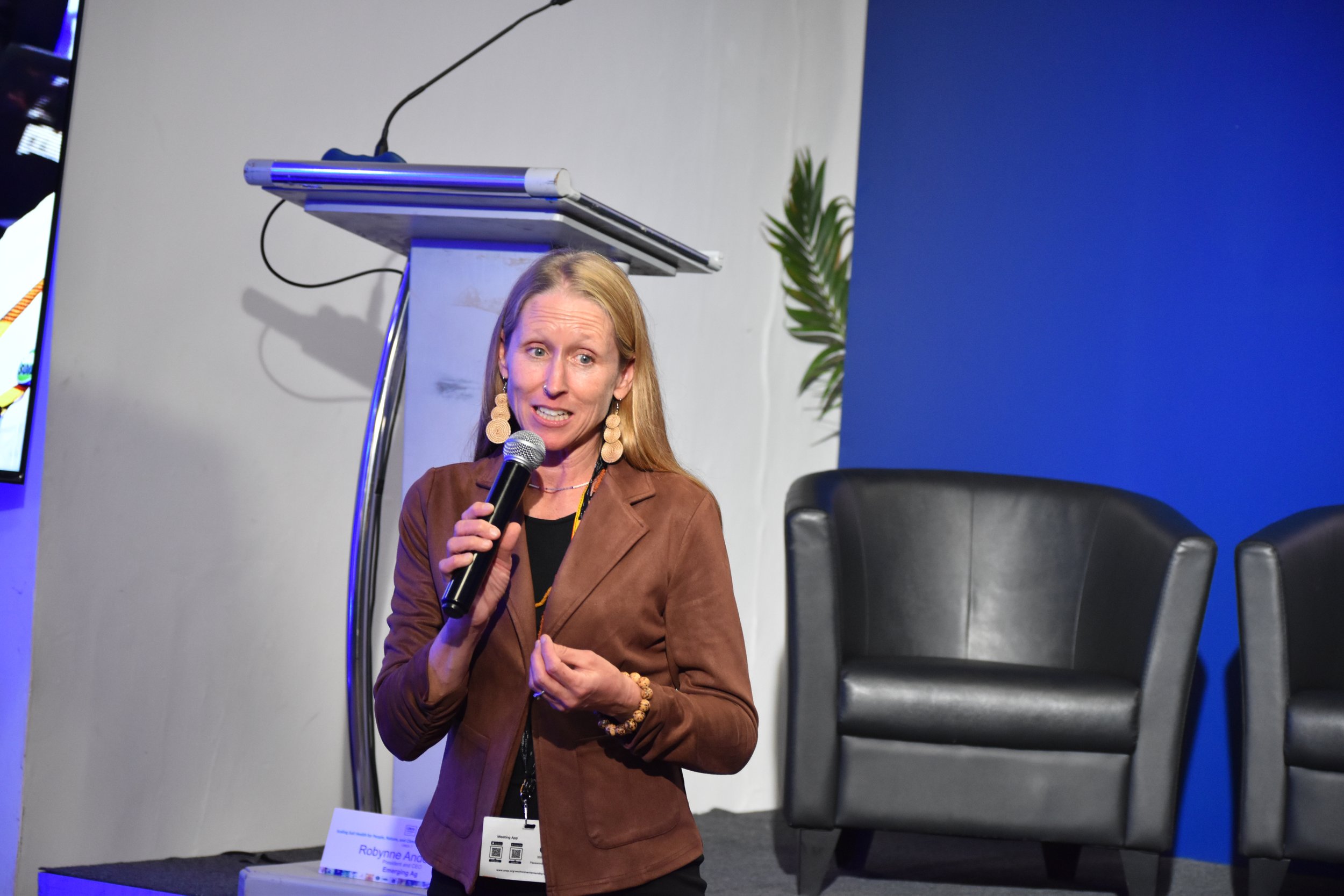
Dr Leigh Ann Winowiecki, Global Research Lead for Soil and Land Health at CIFOR‑ICRAF and Co‑lead of the Coalition of Action 4 Soil Health (CA4SH), closed the session with an energetic call to action: “” She reminded participants that healthy soil underpins everything we depend on—food, biodiversity, climate resilience—and acknowledged the presence of the Vice President’s office, which is implementing the ambitious 1 million trees project, whose trees will be rooted in soil; living proof of its importance. She highlighted that soil biological indicators are now embedded in national biodiversity strategies (NBSAPs) and noted that in the first round of NDCs reporting, 30 countries already mentioned soil health, a number that continues to be tracked.
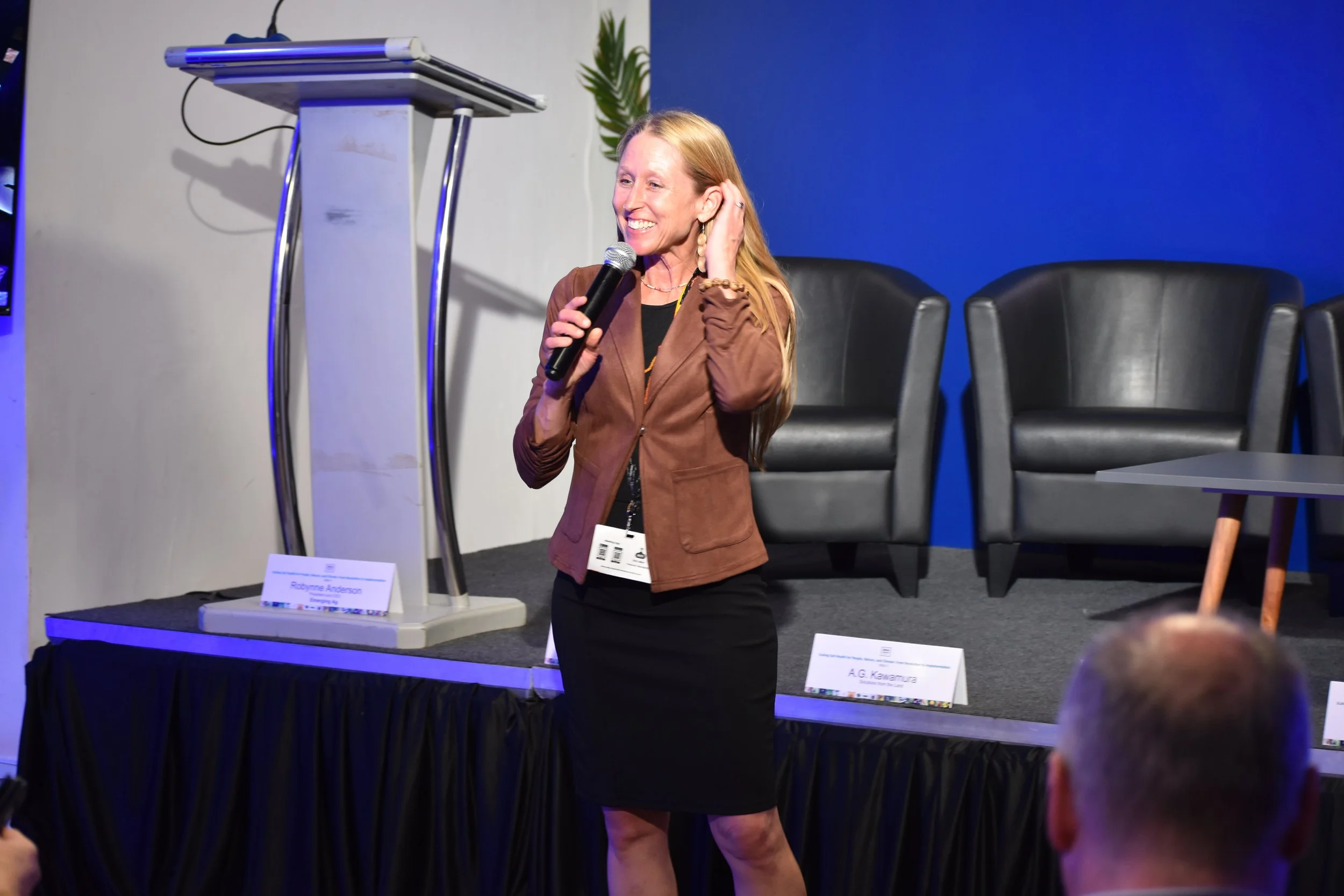
“We must bend the curve on land degradation.”
—Dr Leigh Ann Winowiecki, Global Research Lead for Soil and Land Health at CIFOR‑ICRAF and Co‑lead of the Coalition of Action 4 Soil Health (CA4SH)
Winowiecki emphasized that investing in soil is investing in farmers, who are the true stewards of biodiversity. She underscored soil’s critical role in climate action, pointing out that soil stores three times more carbon than above‑ground vegetation. Her closing message was clear and urgent: we must first stop degradation, then restore degraded soils, and ultimately bend the curve on land degradation by accelerating restoration. Healthy soils are the foundation of resilient ecosystems and sustainable futures, and protecting them is non‑negotiable.
Healthy soil was emphasized as the living foundation of our future. By advancing the AMCEN Decision 20/1(a) and aligning with the UNCCD Decision 19/COP.16, the event underscored that protecting and restoring soils was not just an environmental priority—it was central to achieving ecosystem restoration, climate action, biodiversity targets, and food and nutrition security. The commitments under the KMGBF and the UN Decade reminded participants that the time to act was now: we had to bend the curve on land degradation and accelerate restoration. Every hectare of healthy soil restored was seen as a step toward resilient food systems, thriving communities, and a stable climate.
This gathering of diverse actors—governments, private sector, youth, scientists, investors, farmer organizations, and civil society—signaled a united front. Together, they are scaling innovations, embedding soil health into national policies, and unlocking inclusive investments that empower farmers as stewards of biodiversity. The momentum is high, and the message is clear: soil health was the bedrock of resilience. By working collectively, commitments are being transformed into action, ensuring that soil remains fertile, carbon‑rich, and life‑sustaining for generations to come.