BLOGS, ARTICLES AND NEWS
Get updates directly from the CA4SH Global team and stakeholders
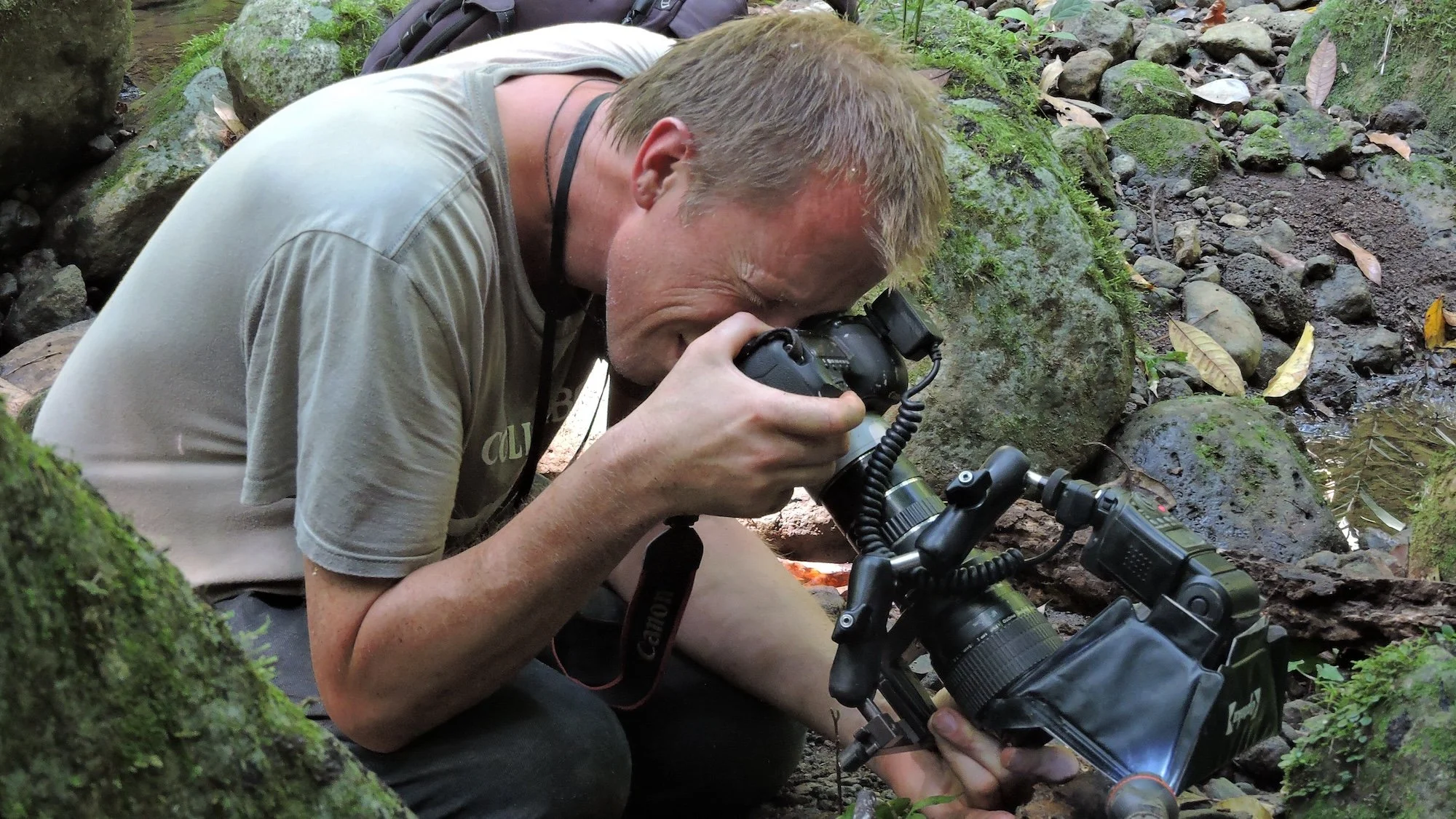
“To see a World in a Grain of Sand And a Heaven in a Wild Flower…”.
Wise words from William Blake, and truly at the heart of Andy Murray’s macro photography journey.
My name is Andy Murray and for the last fourteen years I have been studying, photographing and writing about springtails and the other soil animals that make up the soil mesofauna. I document their lives on a website, chaosofdelight.org and try to pass on the unshakable and profound love and respect I have for these beautiful, tiny lives and the hidden world they sustain.
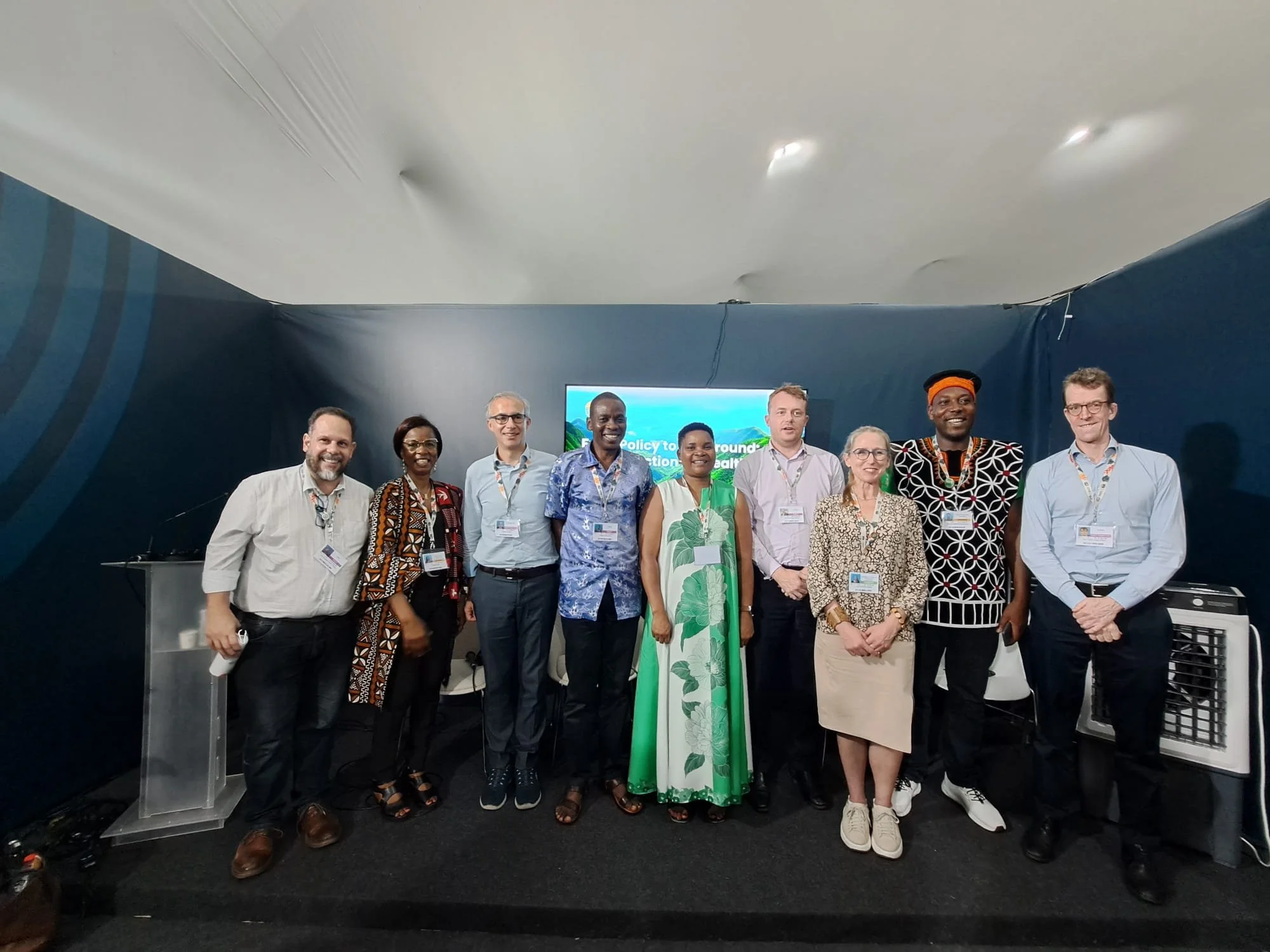
From Policy to the Ground: Scaling Action on Healthy Soil at COP30
Healthy soil is essential for ecosystem restoration, biodiversity conservation, food security and nutrition, and climate mitigation and adaptation. At the COP30 plenary session “From Policy to the Ground: Scaling Action for Healthy Soil”, governments, development agencies, farmer organizations, and youth networks came together to reflect on how policies can drive real change for soil health, and it must be brought into the center of climate negotiations.
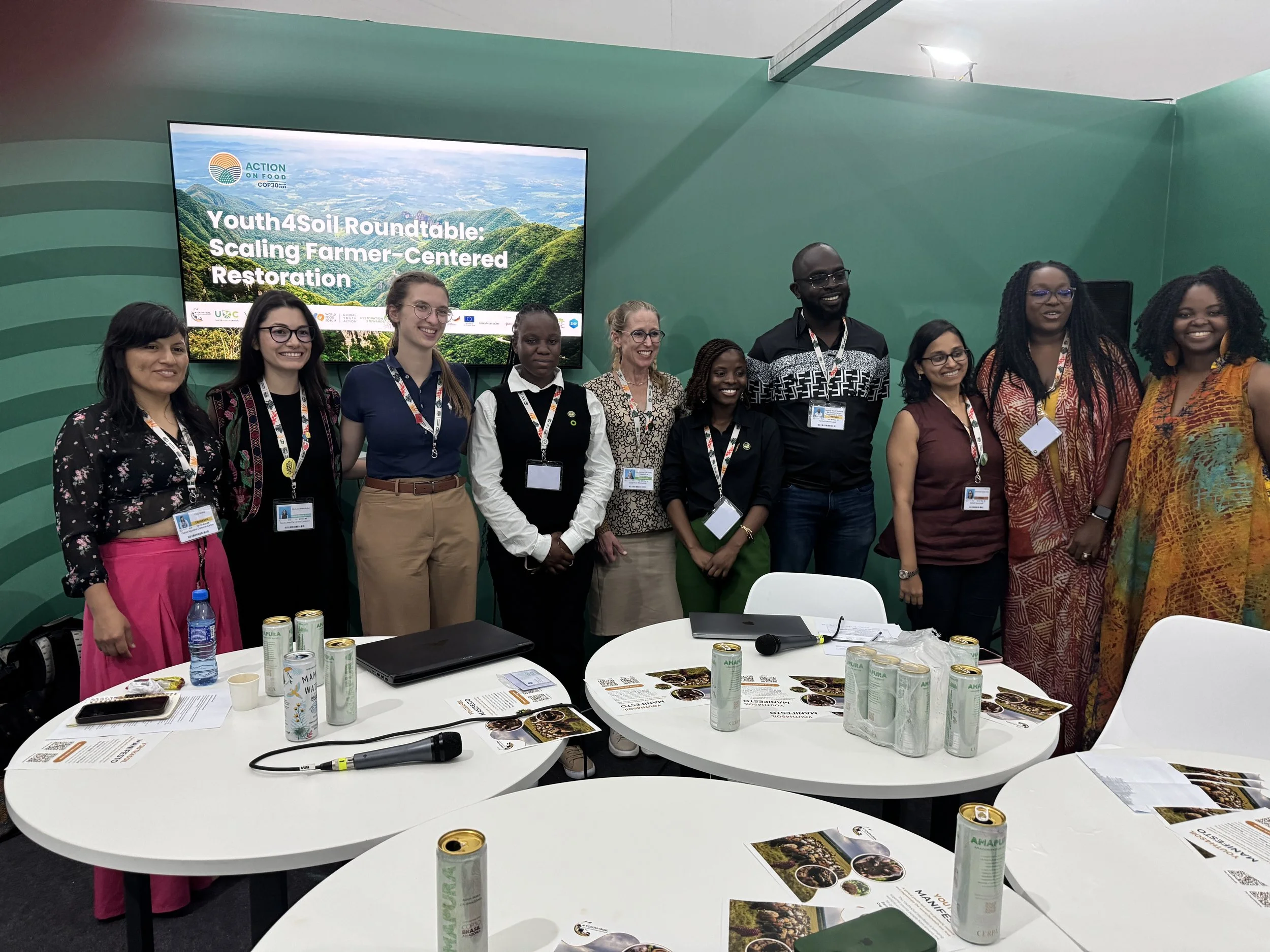
Youth Converge for Farmer-Centered Restoration to Advance Global Climate Action at COP30
At the heart of COP30’s Blue Zone, the Action on Food Hub became a stage for one of the most urgent conversations of our time: how to scale farmer-centered restoration through the power of youth leadership. On Saturday, 15 November 2025, global voices converged to spotlight the role of young changemakers in driving soil health, food security and climate resilience.
The session was organized by the Coalition of Action 4 Soil Health (CA4SH) in partnership with leading youth networks—including the Youth4Soil Initiative, the UNCCD Youth Caucus, Global Landscapes Forum Restoration Stewards, World Food Forum, International Association for Agriculture Students (IAAS), YOUNGO, and the Young Professionals for Agriculture Development (YPARD). Participants represented a global population from India, Belgium, Netherlands, Costa Rica, Kenya, Burkina Faso, Zambia, Peru, and more.
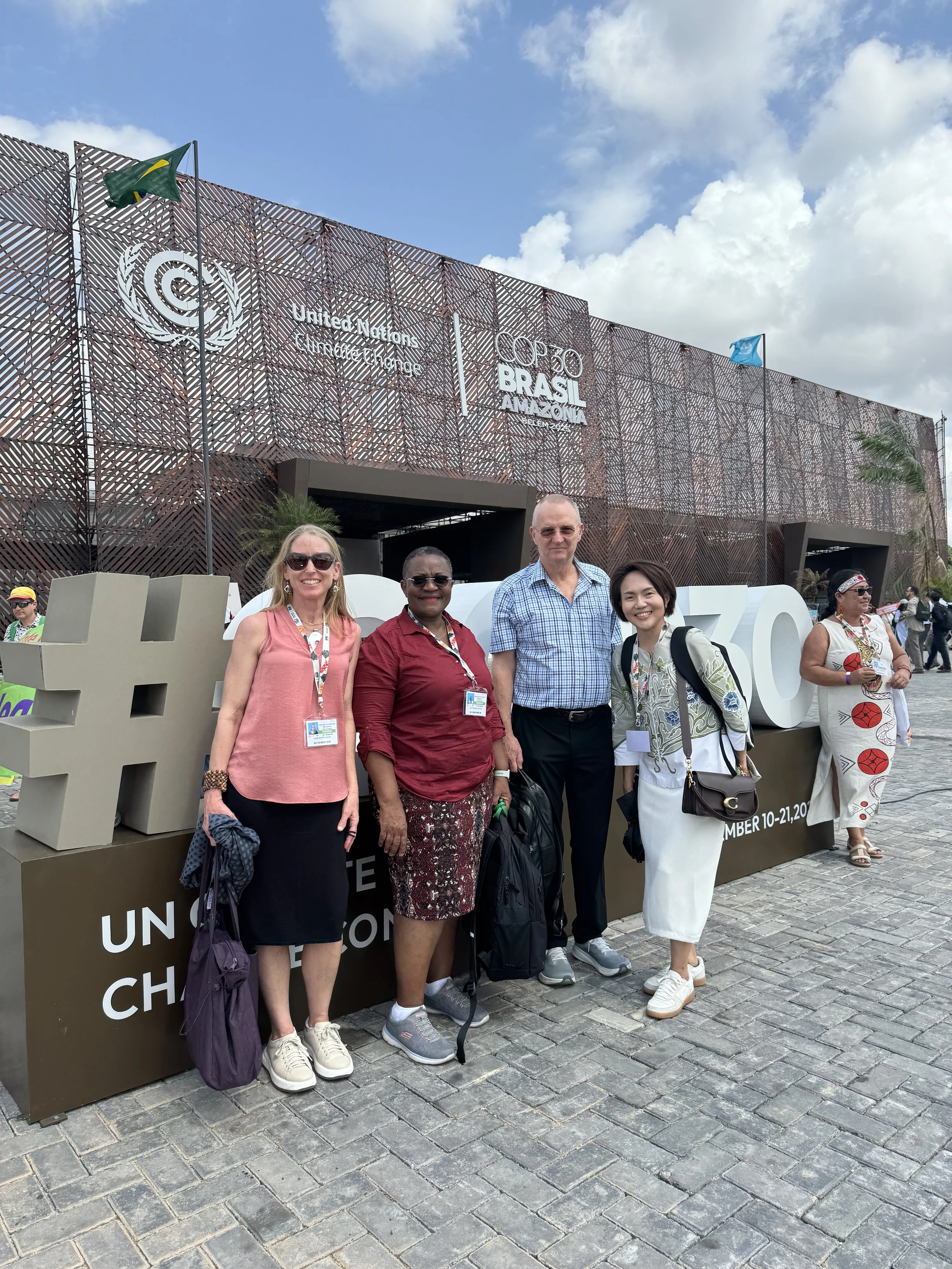
CA4SH at COP30: Leveraging partnerships, experience, and momentum to drive soil health in the climate agenda
From 10–21 November 2025, delegates from UN Member States, civil society organizations, the research community, Indigenous peoples, youth, non-profit organizations, the private sector, and more, came together in Belém, Brazil to drive the future of the global climate agenda.
Representation from diverse groups is paramount to ensuring the voices of all are heard, and central to the approach from the Coalition of Action 4 Soil Health (CA4SH). At this year’s COP, we centred youth voices, presented experiential learning from farmer-centred food security initiatives, called for increased attention to soil health as a climate solution from policy and financial stakeholders, and stressed the need for approaches to be rooted in Indigenous knowledge and value systems. The CA4SH Secretariat participated in 20 unique sessions across the Action on Food Hub, Brazil Pavilion, Food & Agriculture Pavilion, Spanish Pavilion, and the Nordic Pavilion, and we supported our network of partners and collaborators by promoting their engagements through our annual #COPSoil landing page.
Read on for an overview of our engagements at COP, positioning soil health as a key climate solution with co-benefits for global food security, biodiversity, sustainable landscapes, and rural livelihoods.

Cultiver l’Avenir : Innovations Jeunes pour la Santé des Sols en Afrique Francophone
Le 11 septembre 2025, le groupe du travail Jeunes4Sol Francophone, sous l’égide de la Coalition of Action for Soil Health (CA4SH), a tenu un webinaire inspirant sur le thème « Cultiver l’Avenir : Histoires Inspirantes et Solutions Innovantes des Jeunes pour la Santé des Sols et l’Agriculture Durable ». Cet événement a mis en lumière des initiatives portées par de jeunes leaders africains œuvrant pour la régénération des sols et la promotion de pratiques agricoles durables.

Showcase of Highlighted Results and Solutions Land Restoration for Climate: Private Sector Progress and Solutions
A side event showcased rising global momentum for land restoration, with the Riyadh Action Agenda surpassing one hundred initiatives and the COP28 Action Agenda on Regenerative Landscapes mobilising more than USD nine billion in private investment.

Climate-Smart Agriculture from the Soil Up: The Global CSA Conference
The Global Climate-Smart Agriculture (CSA) Conference is more than a knowledge exchange platform; it is a platform to incite climate action in agriculture. Immediately preceding the UN Climate Conference (UNFCCC COP30) taking place in Belem, Brazil, organizers of the 2025 CSA conference saw this year’s assembly as a critical opportunity to align on the future of food and agriculture ahead of COP30.
As an organization with action as a primary tenet, the Coalition of Action 4 Soil Health (CA4SH) was invited to co-chair the Soil Health and Plant Nutrition thematic session with partners from the International Fertilizer Development Center (IFDC). The session comprised two sub-sessions on 5th and 6th November, dedicated to finance and technology, respectively. Below, we summarize the innovations and key messages shared in these sessions, and chart a way forward for soil health at COP.

Op-Ed | Soils: The Secret Solution in Our Climate Arsenal
By Dr Anneke Trux, Co-Lead of Global Programmes “Soil Protection and Rehabilitation for Food Security” (ProSoil) and “Soil Matters – Innovations for Soil Health and Agroecology”
Soils are finally stepping into the spotlight of global climate action! They do so for good reasons. Long underestimated, they are now recognised as a pillar for climate mitigation. Yet, let’s be clear: while soils are an emerging hero, they are not a silver bullet. They must complement, not replace, mitigation efforts in energy, transport, industry and other.
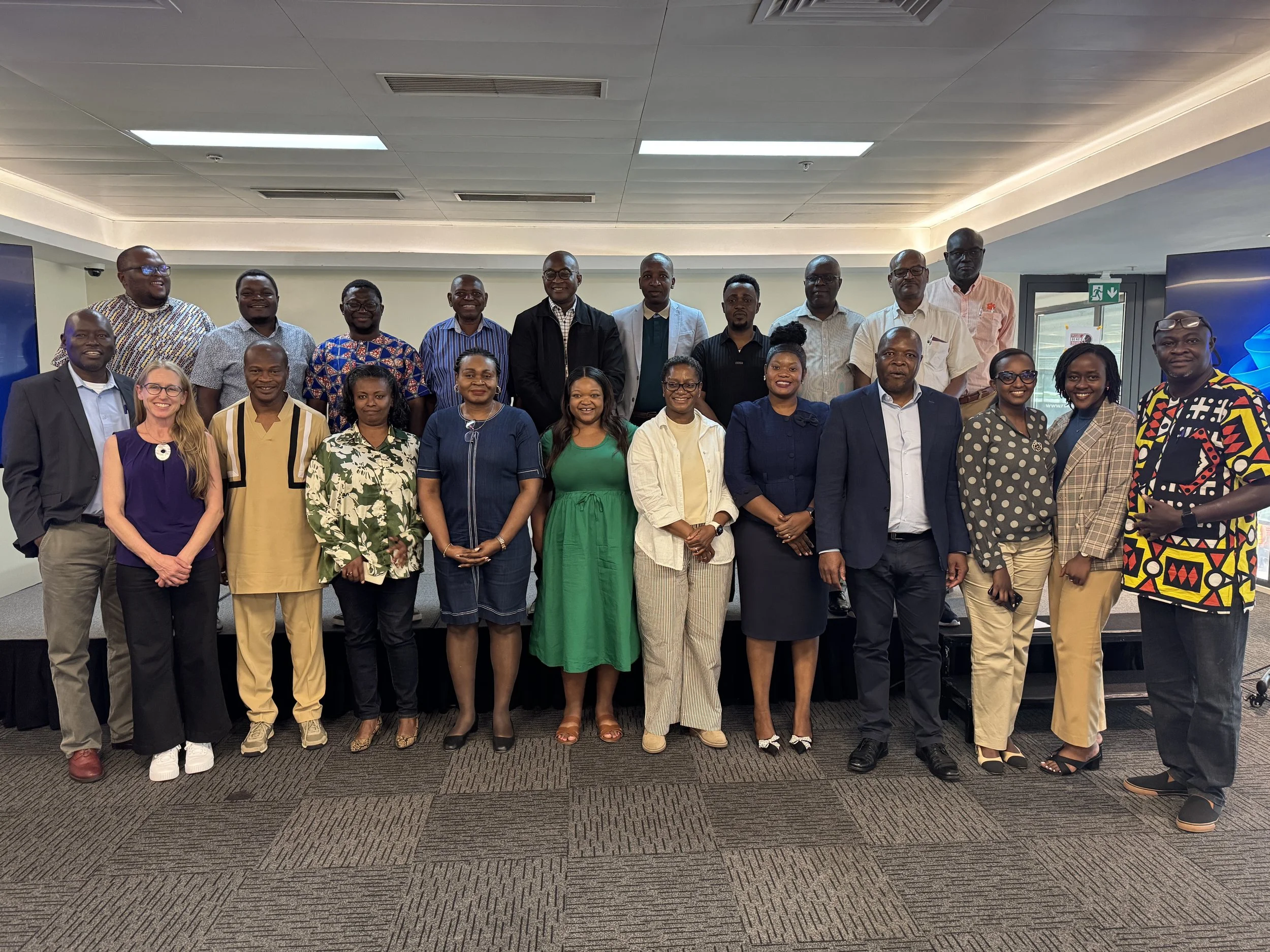
CA4SH and CIFOR-ICRAF at CAADP Partnership Platform: Rooting agricultural transformation in healthy soil on the African continent
The African Union Development Agency (AUDA-NEPAD) and the African Union Commission have convened a Soil Health Monitoring Task Force to design and operationalize a systematic, scientifically sound monitoring system aligned with the CAADP Biennial Review (BR) process.
Ahead of the CAADP Partnership Platform (CAADP PP), which took place in Kigali, Rwanda, from 29-31 October 2025, AGRA supported the convening of the Task Team meeting on 27 and 28 October. The validation meeting provided a platform for the Task Force to present its work on building a soil health monitoring system in support of the AFSH Action Plan, including identifying key indicators and a relevant soil health definition. Members of the Task Force and the broader AFSH stakeholder group attended and provided feedback through several participatory workshop sessions.

Orienting soil management technologies for West Africa in robust data infrastructure
From 20-24 October 2025, researchers, innovators, public institutions, private sector actors and end users of agricultural technologies in West Africa, convened in Bamako, Mali for the Market for Agricultural Innovations and Technologies (MITA) flagship event. Organized around the theme of "facilitating access to integrated soil management agricultural technologies and innovations," the event is hosted by the Conseil Ouest et Centre Africain pour la Recherche et le Développement Agricoles (West and Central African Council for Agricultural Research and Development or CORAF).
Click to read reflections from CIFOR-ICRAF Scientist, Dr Bertin Takoutsing

CA4SH at IUCN: Soil Health for Nature Conservation and Resilience
At the IUCN World Conservation Congress 2025 in Abu Dhabi, the Coalition of Action 4 Soil Health (CA4SH) and partners led an interactive session on Soil Health for Nature Conservation and Resilience. Bringing together policymakers, researchers, and youth leaders, the discussion spotlighted soil health as a unifying solution for biodiversity, climate, and food systems. The approval of IUCN Motions 002 and 007 marked a major step forward for improving soil health globally.

#Youth4Soil | My Mentorship Journey
When I joined #Youth4Soil, I was genuinely excited, especially about the mentorship component. My main expectation was to learn from experienced professionals, particularly women in my career pathway, and to benefit from their insights on how to excel in research and development.
Read more about Clemence Mnyika’s journey with Mentor Shallom Abla Lumor

New World Economic Forum Global Future Council on Soil and Land Health Advances Global Soil Agenda
From 14–16 October 2025, the Annual Meeting of the Global Future Councils (GFCs) from the World Economic Forumtook place in Dubai, UAE. The GFCs are the World’s foremost multistakeholder and interdisciplinary knowledge network dedicated to promoting innovative thinking to shape a more resilient, inclusive and sustainable future. Each of the 37 Councils’ thematic insights are taken forward by the Forum’s ongoing initiatives, communities and meetings to ensure impact. The October meeting brought together over 500 global experts and 150 cybersecurity leaders to address the complex intersections of technology, resilience, and sustainability.
The GFC on Soils was established by the World Economic Forum (WEF) as a strategic and timely response to the escalating global crisis of soil degradation. With over one-third of the world’s soils already degraded and desertification threatening food security, climate stability, and biodiversity, the council was formed to galvanize international action and innovation around soil health.

CA4SH and Partners Develop Plan to Accelerate Regenerative Agriculture for Healthy Soil and Healthy Diets for COP30 Action Agenda
The COP30 Action Agenda is the UNFCCC COP30 Presidency’s flagship initiative to mobilize voluntary climate action from multistakeholder organizations to tackle the climate crisis in line with the Paris Agreement. The Action Agenda engages actors outside of government, those who are not included in the formal negotiations, but who are essential for actioning the climate agreements on the ground.
The Coalition of Action 4 Soil Health (CA4SH) is an initiative of Action Group 8, Land Restoration and Sustainable Agriculture, that addresses one of the six thematic axes laid out by the COP30 Presidency, namely, Axis 3. Transforming Agriculture and Food Systems. Learn more about the structure and calls of the Action Agenda here and about the composition of the Action Groups here
Included in the Action Agenda is a call for active solutions to achieve the goals of the Convention. CA4SH and several partners have submitted a solution which aims to bring soil health to the forefront of agricultural transformation. In advance of the COP30, we are excited to share an outline of the solution below.

European Parliament seals the deal of first-ever EU law on soils
Today, EU lawmakers listened to citizens and science and rubber stamped the deal on the Soil Monitoring Law, the EU’s first ever law on soil health, after months of negotiations. Despite severe shortcomings of the endorsed text, this is an important milestone towards addressing Europe’s crisis of soil degradation. Its success will depend on impactful implementation.

Pathways to agrifood system transformation: From Local Innovation to Policy Change
Stories of Change to capture innovation journeys and invisible transformative changes
The DeSIRA initiative is a portfolio of 80 research and innovation (R&I) projects run in over 65 countries across three continents between 2019 and 2026, supported by a European Union contribution of €340 million. DeSIRA aims to enhance the contribution of R&I in addressing complex issues relating to sustainability transitions and agrifood system (AFS) transformation, towards achieving the Sustainable Development Goals, in low- and middle-income countries.

AfrioCAT To Boost Sustainable Land Management in Africa: AUDA-NEPAD Programme Officer for Climate Change
Addis Ababa, October 21, 2025 (ENA) - The launch of the AfrioCAT network in Addis Ababa is expected to assist the fight against land degradation and food insecurity in the continent, AUDA-NEPAD Programme Officer for Climate Change said.
This was made public during an inaugural workshop convened in Addis Ababa today co-hosted by AUDA-NEPAD and the Water and Land Resource Centre of African Union Development Agency (AUDA-NEPAD) and other key partners, and the World Overview of Conservation Approaches and Technologies (WOCAT).
AfrioCAT will serve as the official WOCAT Regional Cluster for Africa, is expected to significantly boost regional efforts in Sustainable Land Management (SLM) and Land Degradation Neutrality (LDN).

Top 10 Emerging Technologies for the Planet
Seven of Earth’s nine planetary boundaries – the natural systems that keep our planet stable – have now been breached.
Climate disasters are disrupting industries from agriculture to finance, exposing deep vulnerabilities in supply chains, infrastructure and communities worldwide.
From precision fermentation to green concrete, what are the most promising emerging technologies that can strengthen planetary resilience when climate risks know no boundaries?
Watch a recroding from the session at the 2025 World Economic Forum and download the report in collaboration with Frontiers, highlighting how innovation can help restore balance within these limits.

GCSAYN ED meets British Society of Soil Science Delegation
New York (USA), 26th September 2025 :- The Executive Director of Climate Smart Agriculture Youth Network Global Mr. Divine Ntiokam had a special meeting with Mr. Andrew Morris, the Executive Director of British Society of Soil Science (BSSS) on September 25th on the sidelines of UNGA80 & UN Climate Summit. Also present in the meeting was Mr. Khalid Mahmood Partnerships and Development Manager for BSSS.

Science of Scaling Biosolutions for Soil Health
As Brazil prepares to host COP30 in Belém, CGIAR Climate Action, together with the Brazilian Ministry of Agriculture and Livestock (Ministerio da Agricultura - MAPA), Embrapa, and CGIAR Multifunctional Landscapes, are convening a series of high-level dialogues to put biological solutions at the center of climate action in agriculture.
This webinar showcased how biological nutrient management technologies can be mainstreamed across cropping systems through evidence-based solutions that align science, policy, and practice. By highlighting innovations in phosphorus solubilization, microbial inoculants, and integrated crop-livestock-agroforestry systems, the session aimed to catalyze increased investment from governments, private sector actors, and development partners while demonstrating concrete pathways for farmers to reduce input dependency and enhance soil health at scale.