From Trails to Trees: Marking International Day of Forests with a Regenerative Vision for Sport and Soil
Written by Colleen Knox, in collaboration with Mountain Runner Events
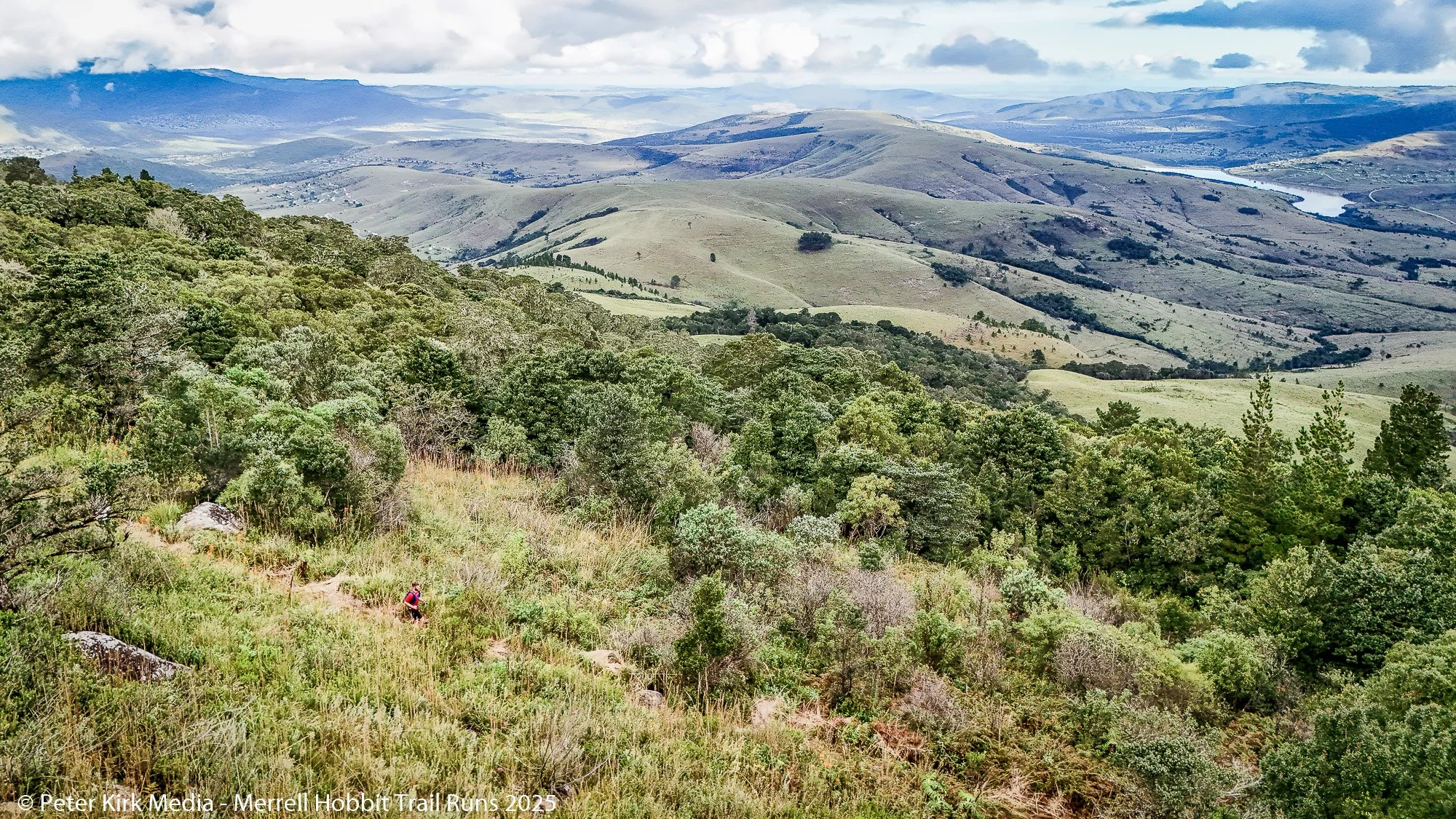
In the mountain village of Hogsback, perched high in South Africa’s Eastern Cape, trail running has taken on a quieter, more rooted meaning.
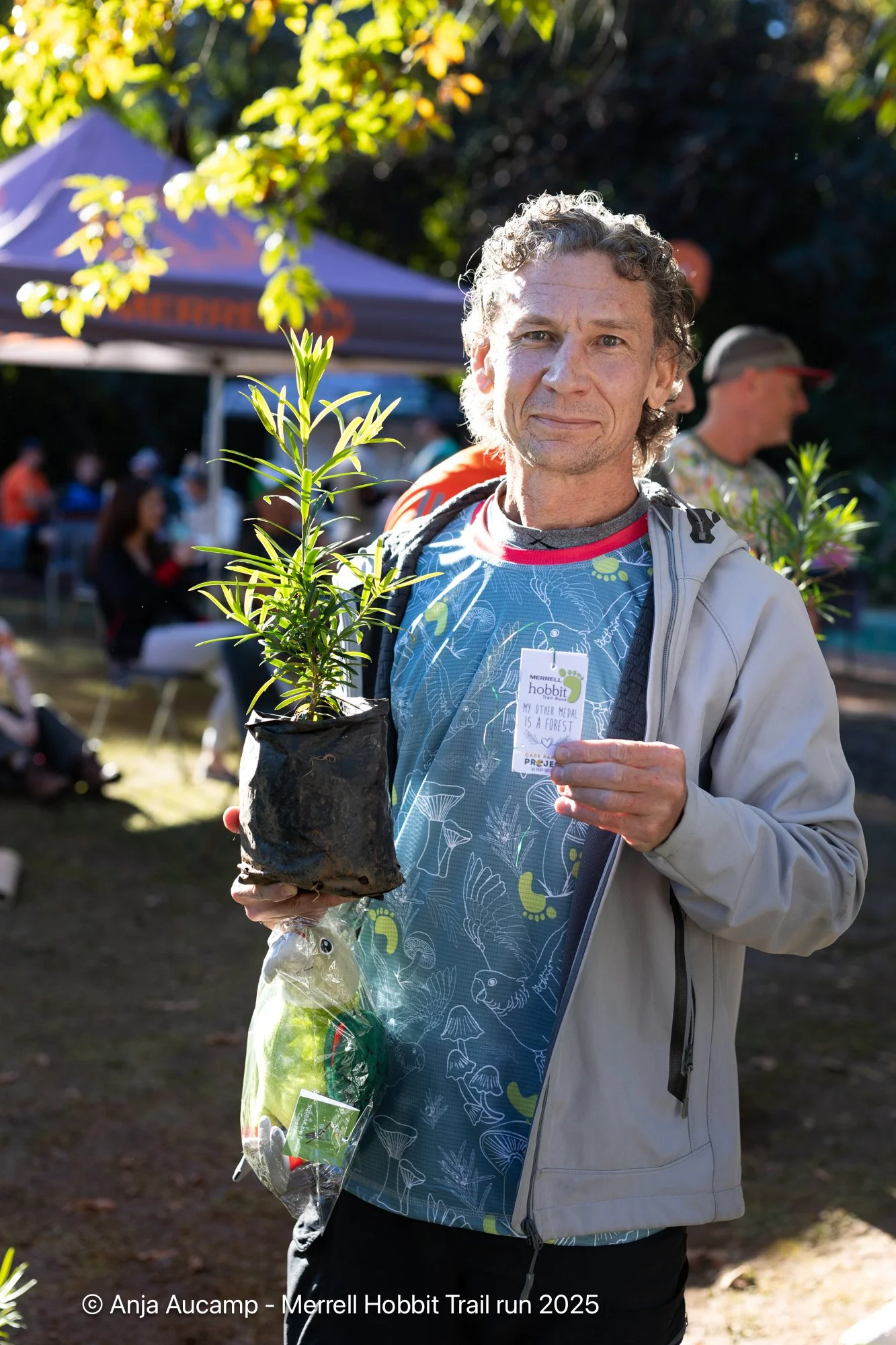
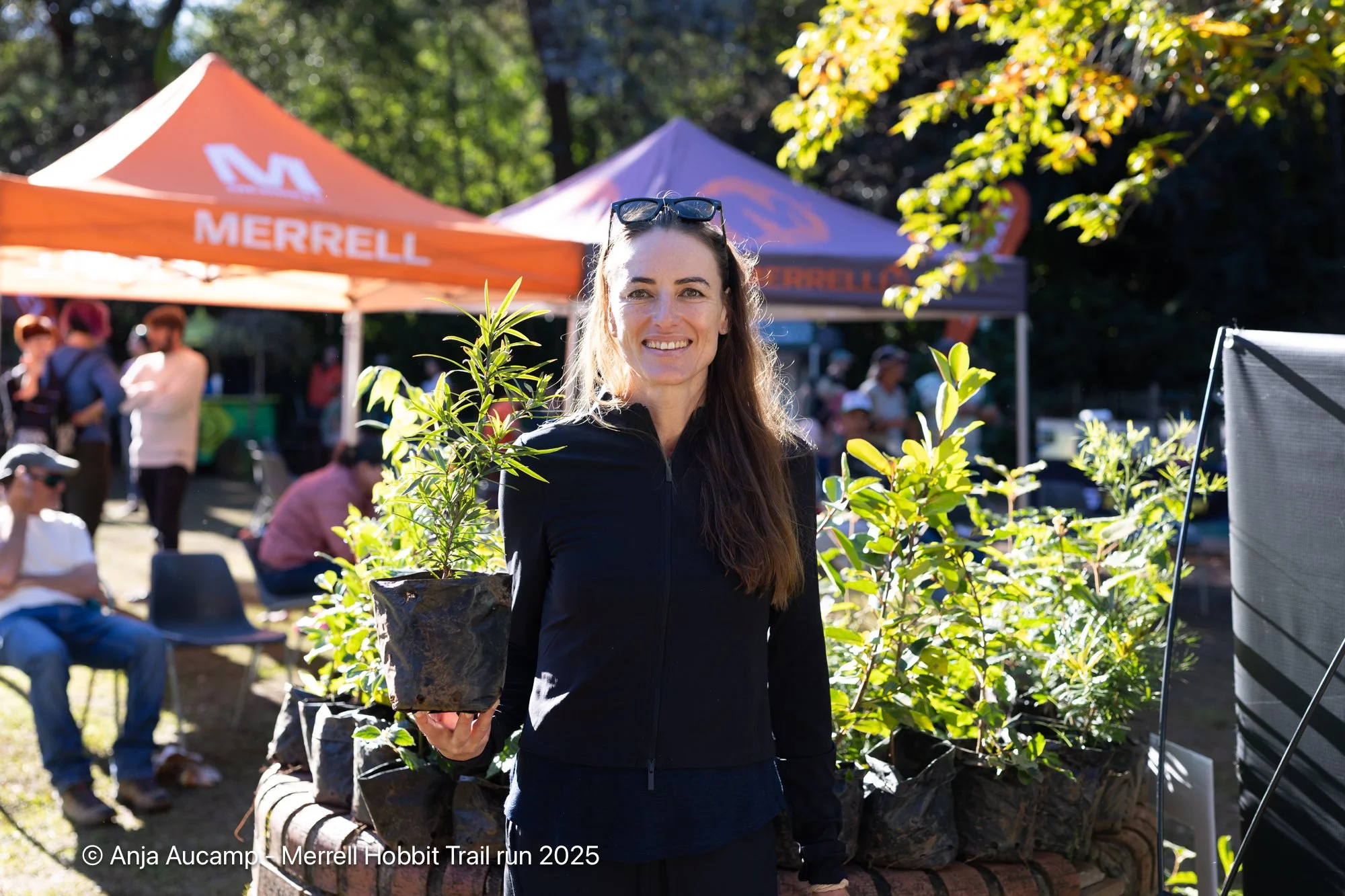
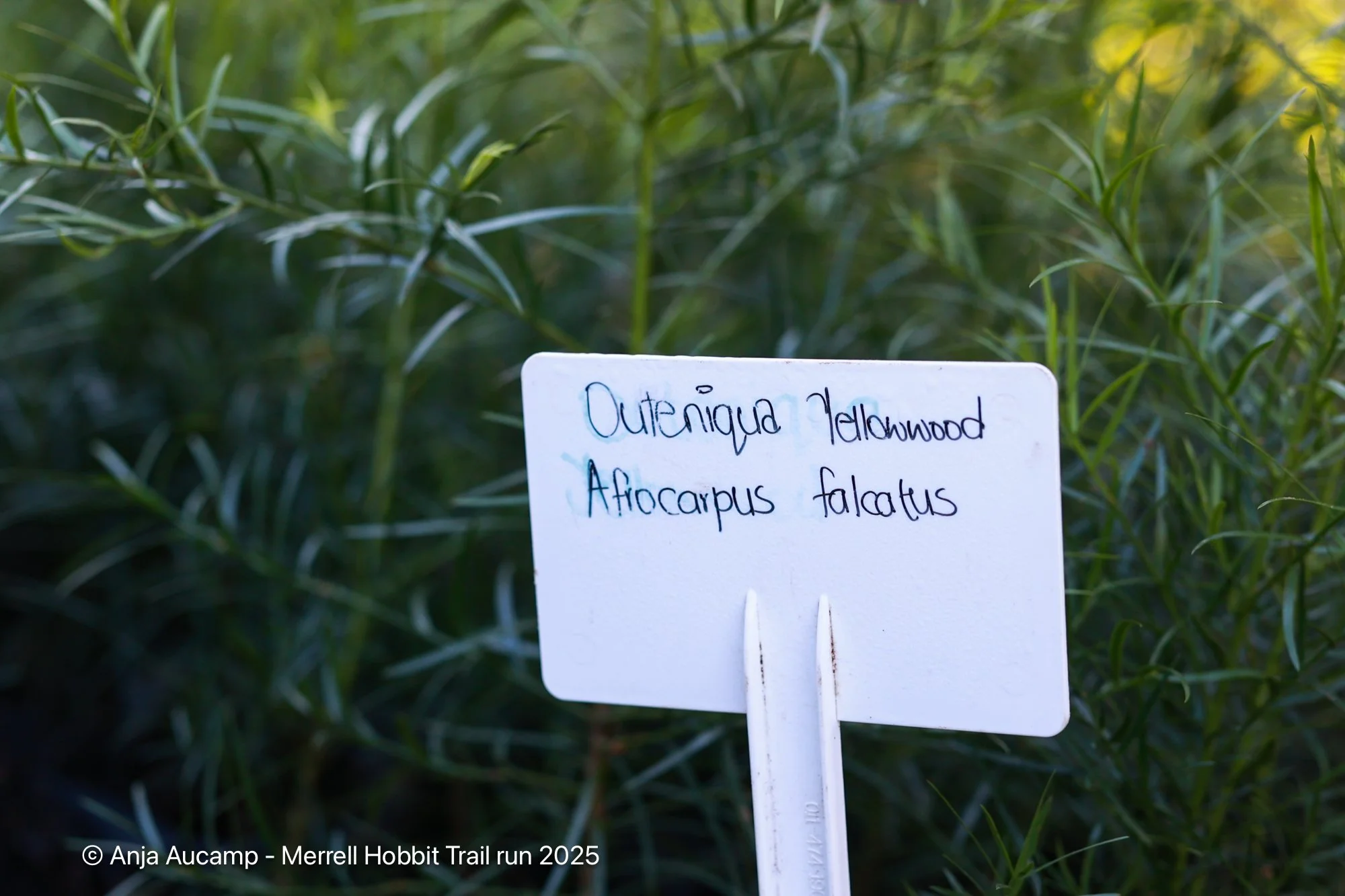
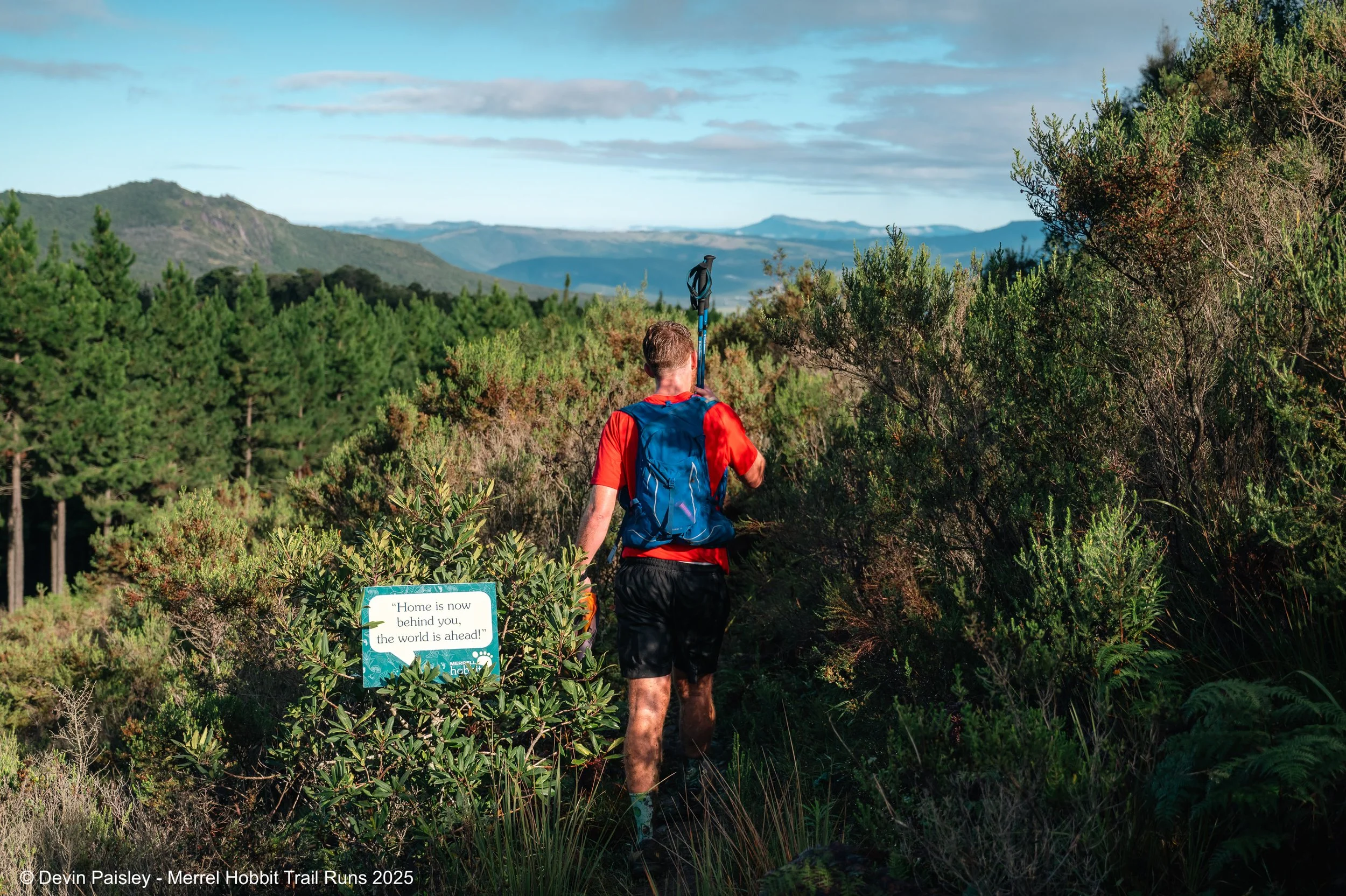
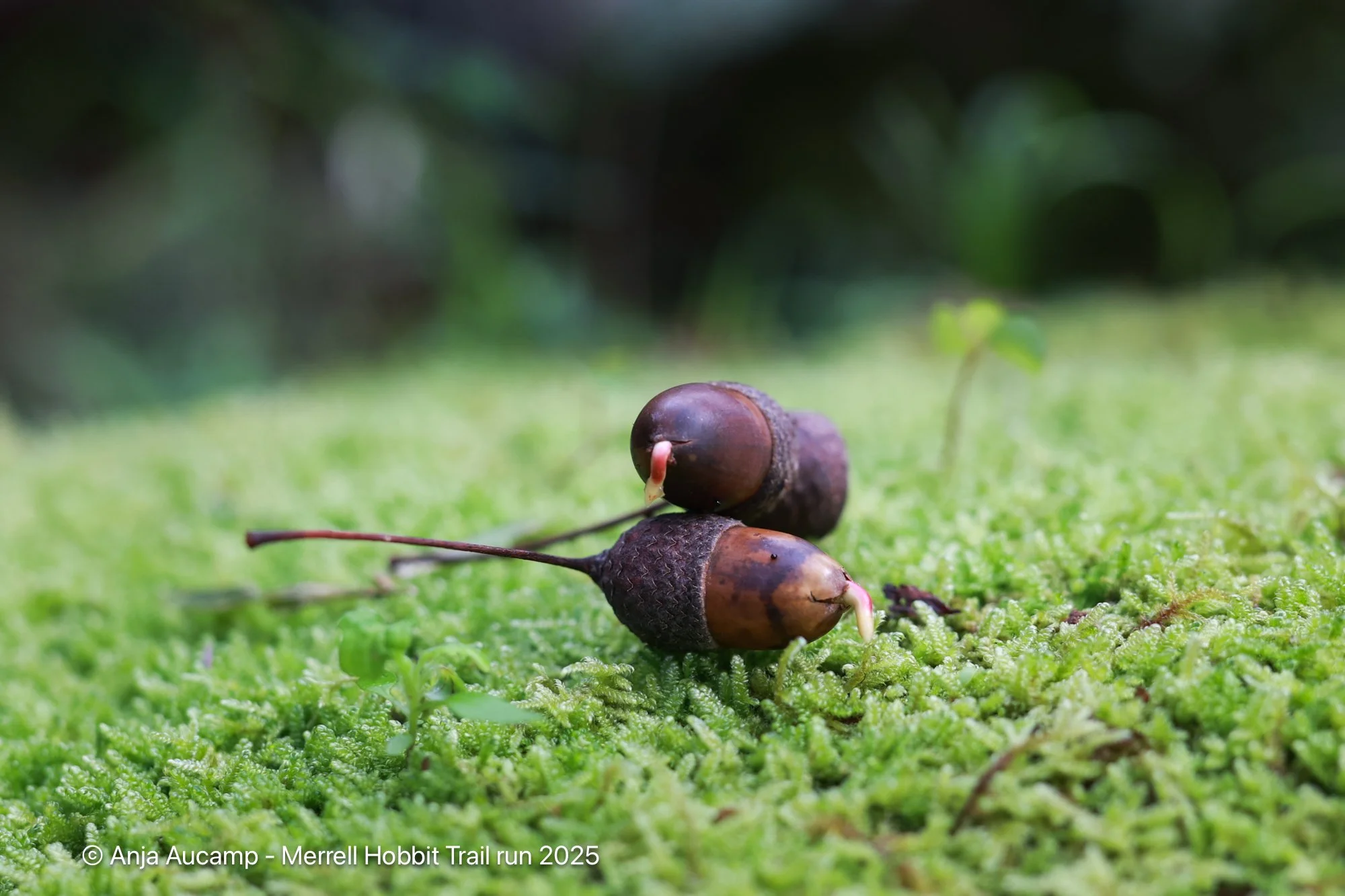
At last year's Merrell Hobbit Trail Runs, hosted by Mountain Runner Events, finishers of the 90km Hobbit Wayfarer did not receive a traditional medal. There was no metal disc stamped and ribboned to hang around the neck. Instead, runners were gifted something alive: an indigenous tree, planted nearby on their behalf.
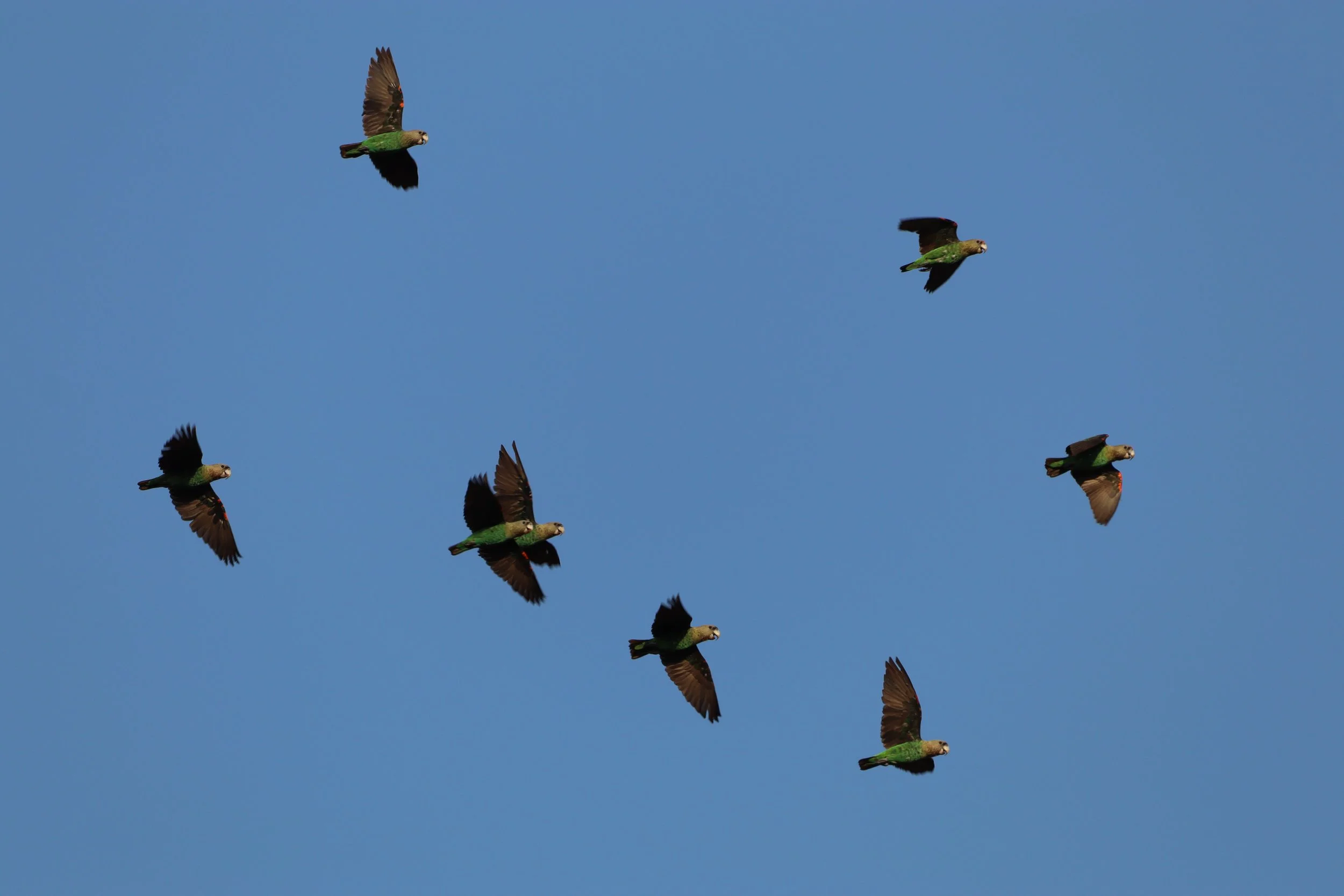
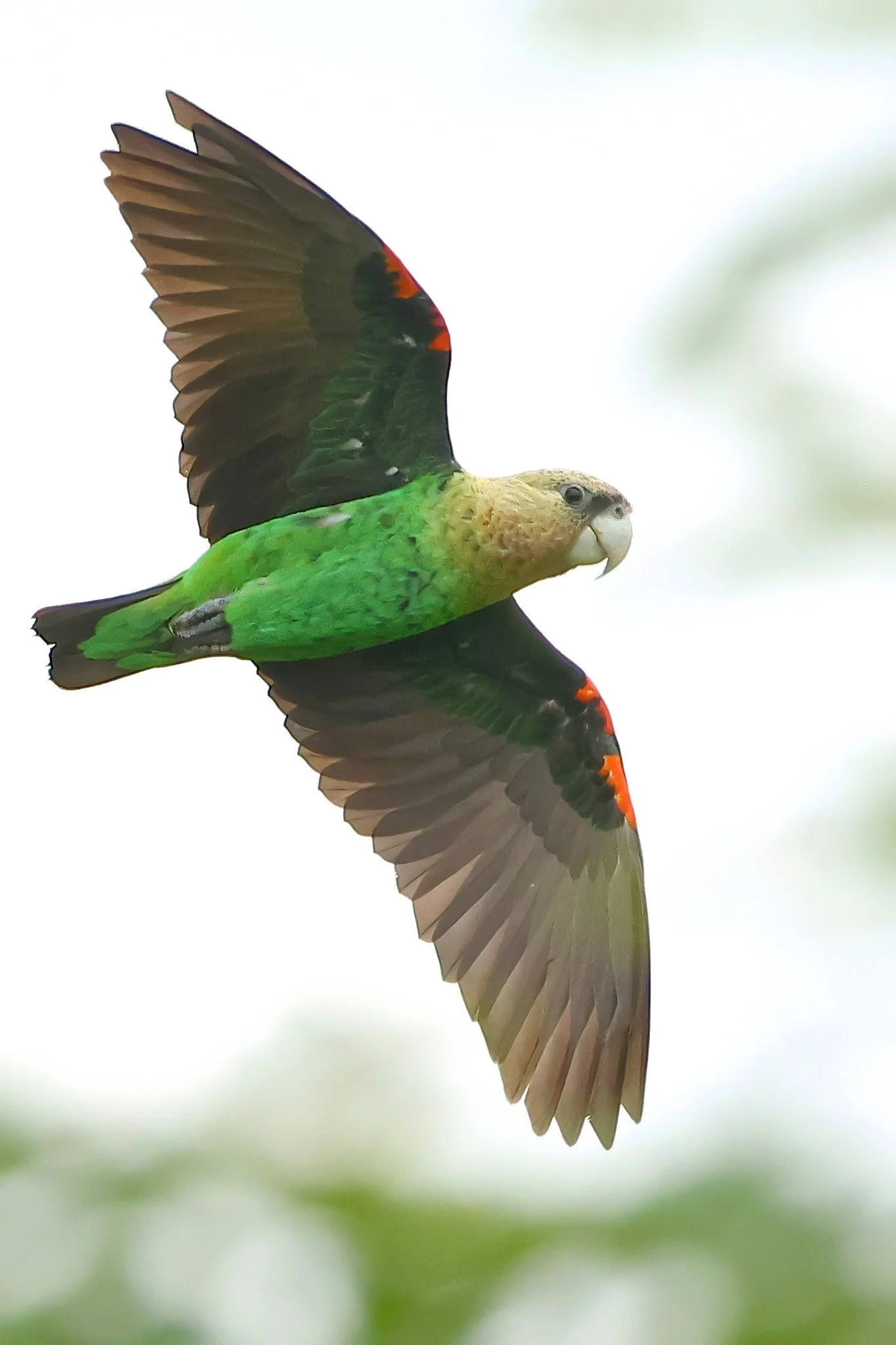
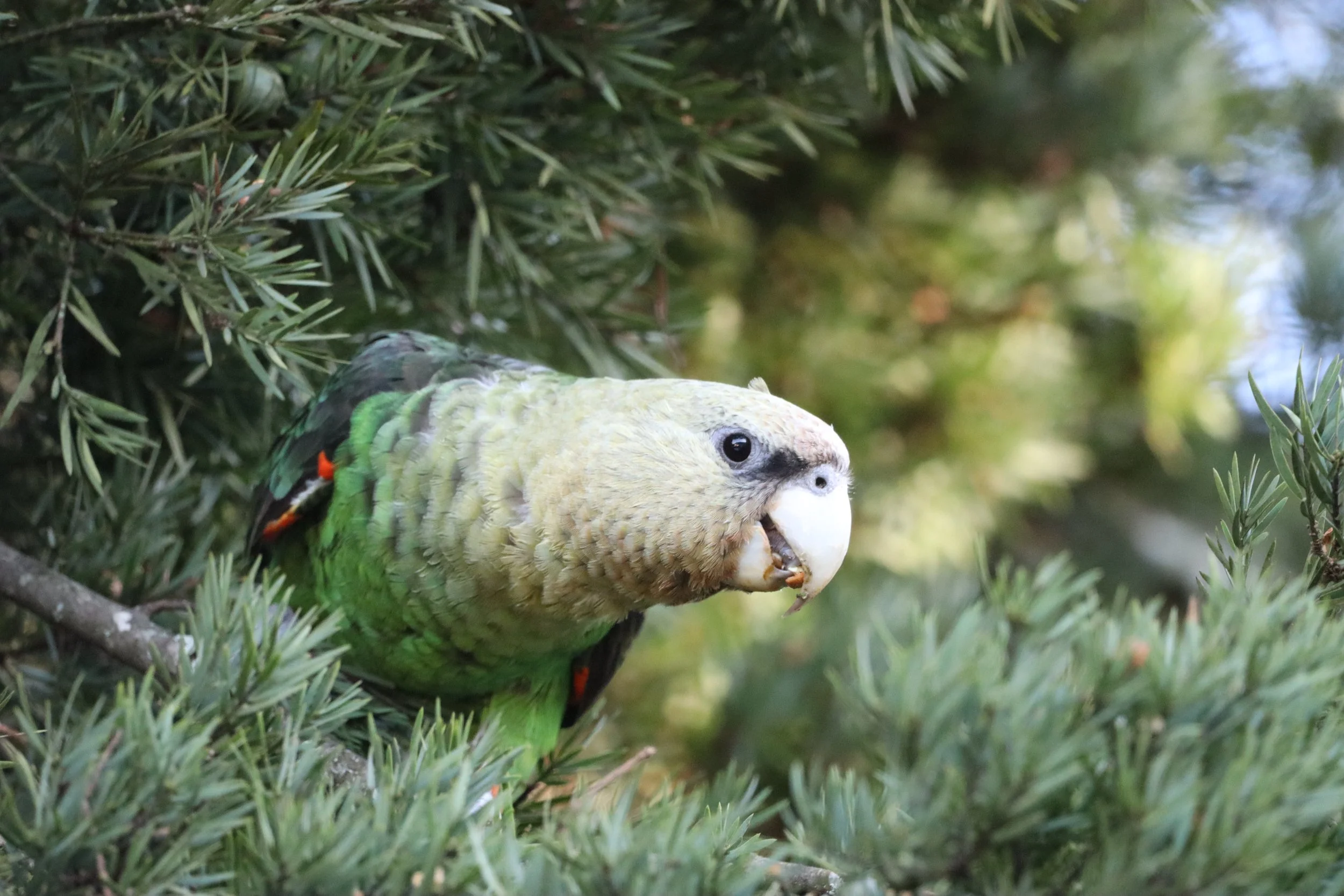
The initiative, developed in collaboration with the Cape Parrot Project, reflects a growing awareness that sport does not exist in isolation from the landscapes that host it. Hogsback lies within the Amathole mistbelt forests - a critical habitat for the endangered Cape Parrot - and these forests depend not only on rainfall and protection from logging, but on healthy, functioning soil.
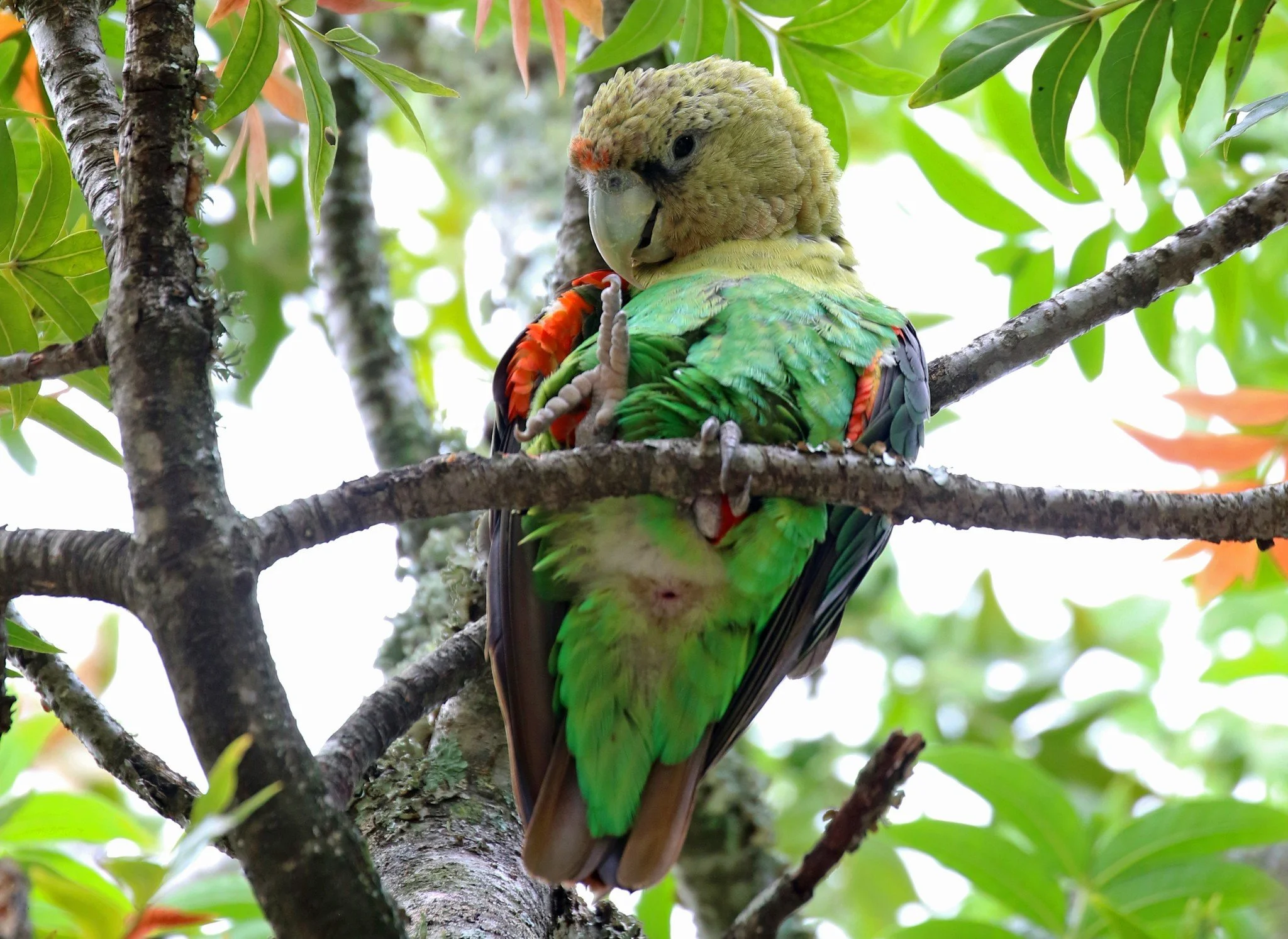
The Cape Parrot is South Africa’s only parrot species found nowhere else in the world. Today, it is classified as endangered, largely due to the ongoing loss and degradation of its indigenous forest habitat. The Cape Parrot Project works to safeguard the species by advancing targeted research to address critical knowledge gaps, while collaborating with local communities to restore and protect the forests on which these birds depend.

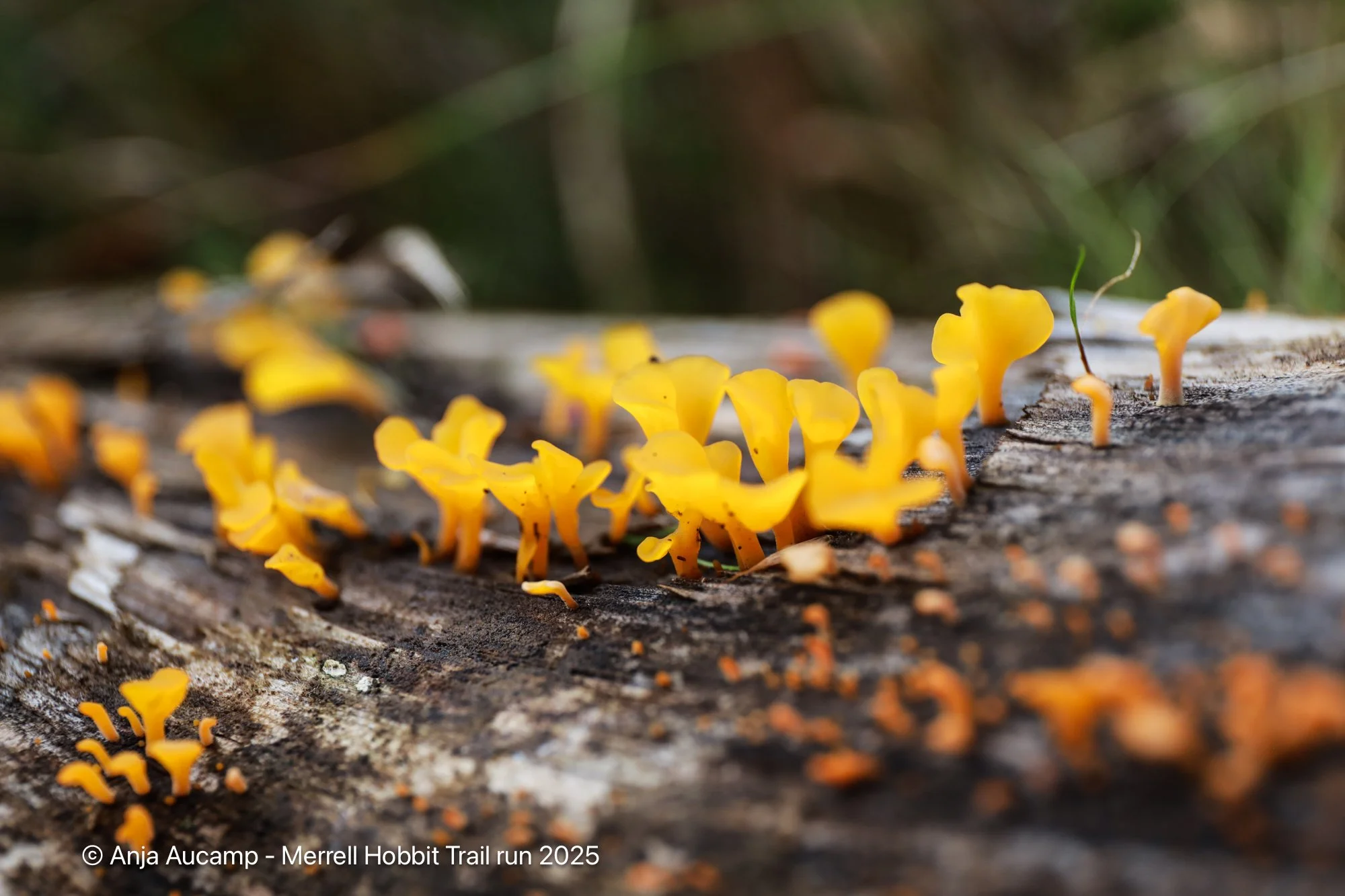
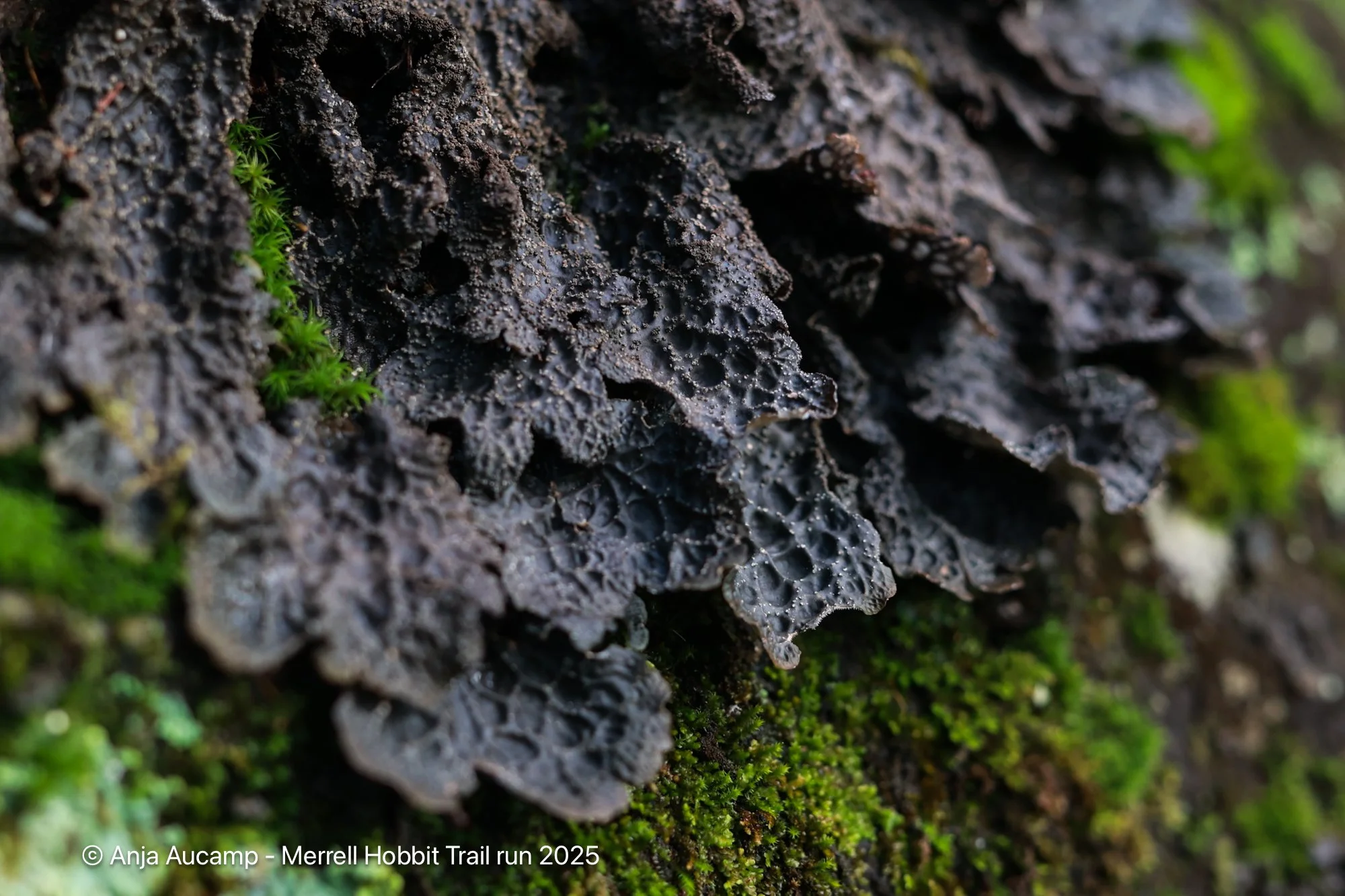
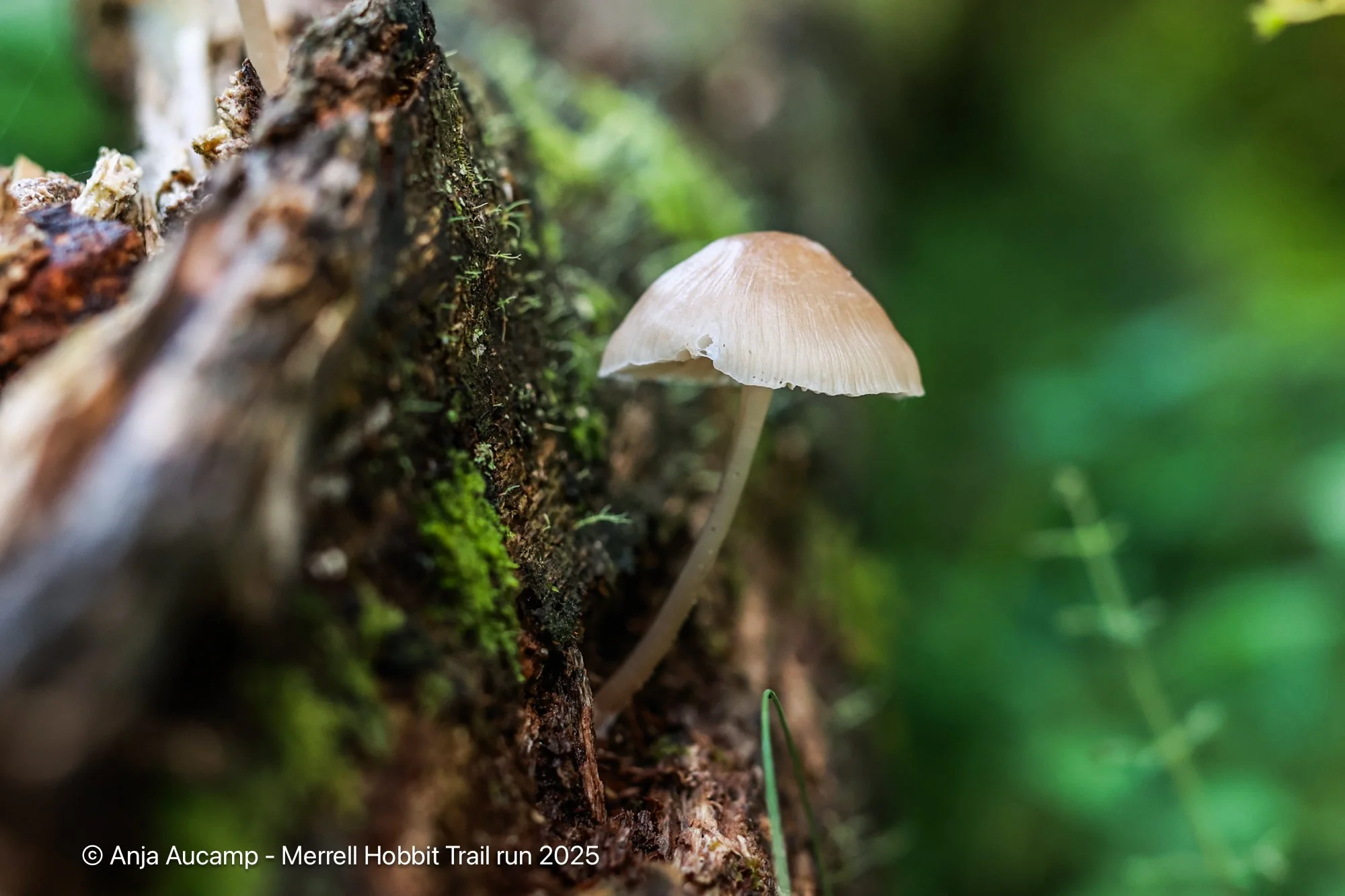
Soil is often the unseen partner in biodiversity conservation. Beneath every indigenous sapling lies a vast, living network of fungi, microbes, insects and organic matter. These communities cycle nutrients, retain water, stabilise slopes and create the conditions that allow forests to regenerate. Without healthy soil, even the most well-intentioned tree planting effort will struggle.
By gifting runners indigenous trees instead of medals, Mountain Runner Events is making a subtle but important statement: achievement can be regenerative. A medal is traditionally mined, manufactured, transported and eventually stored - a symbol of effort, yes, but also a product of extracted planetary resources. Metal mining disturbs soil systems, contributes to habitat loss, and carries a carbon footprint that lingers long after race day.
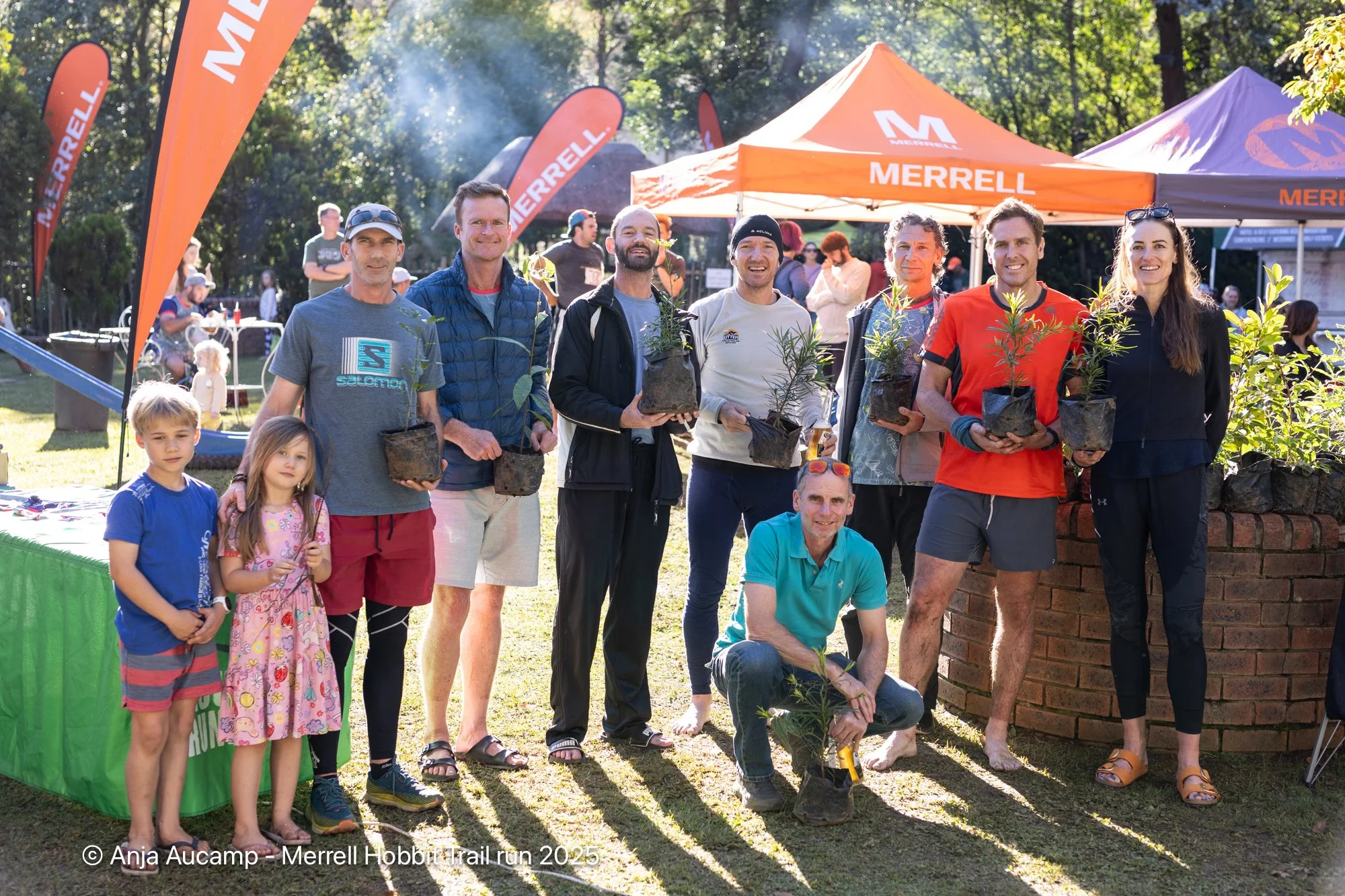
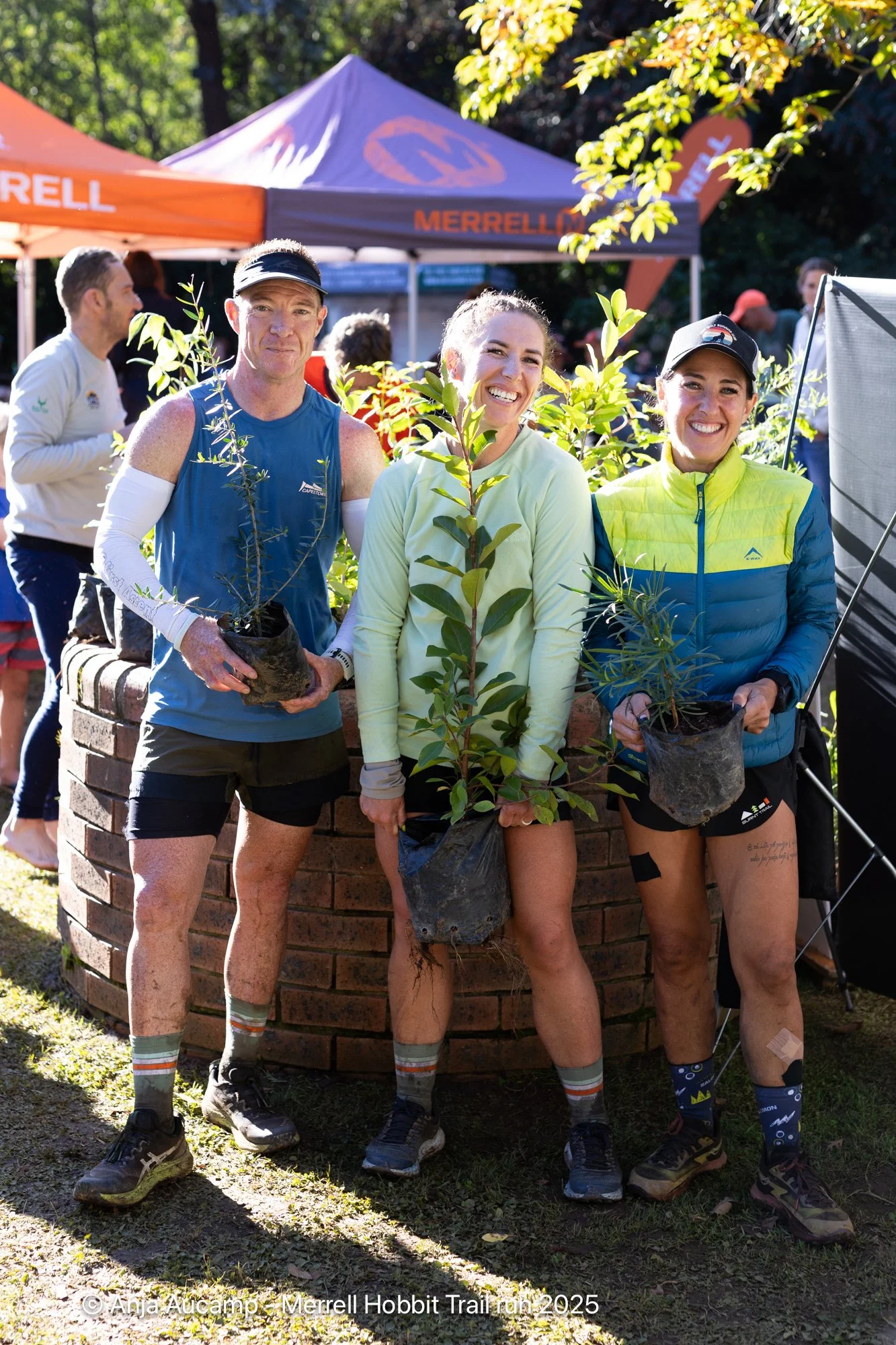
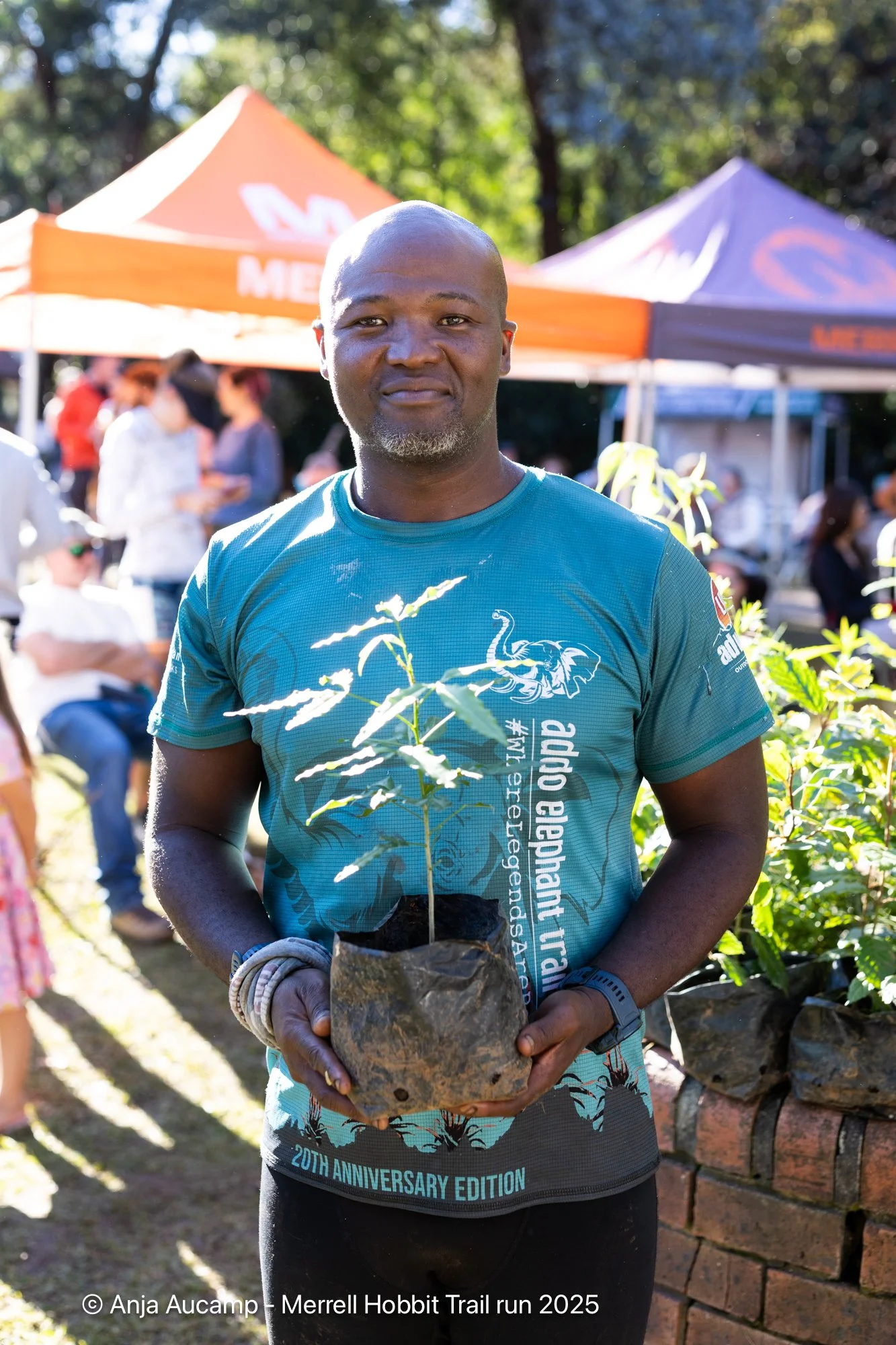
A tree, by contrast, enters into relationship. Planted in the right place, it anchors soil with its roots, feeds underground microbial networks through carbon-rich exudates, and creates habitat for birds, insects and mammals. Over time, it becomes shade, seed source and shelter. In the case of Hogsback, it contributes - however modestly - to the restoration of indigenous forest systems that support the Cape Parrot and countless other species.
Of course, “living medals” are not a silver bullet. Tree planting must be thoughtful and locally appropriate. Species selection matters. Provenance matters. Ongoing care matters. This is where collaboration becomes crucial. By partnering with the Cape Parrot Project, Mountain Runner Events is aligning its symbolic gesture with ecological expertise and local conservation priorities.
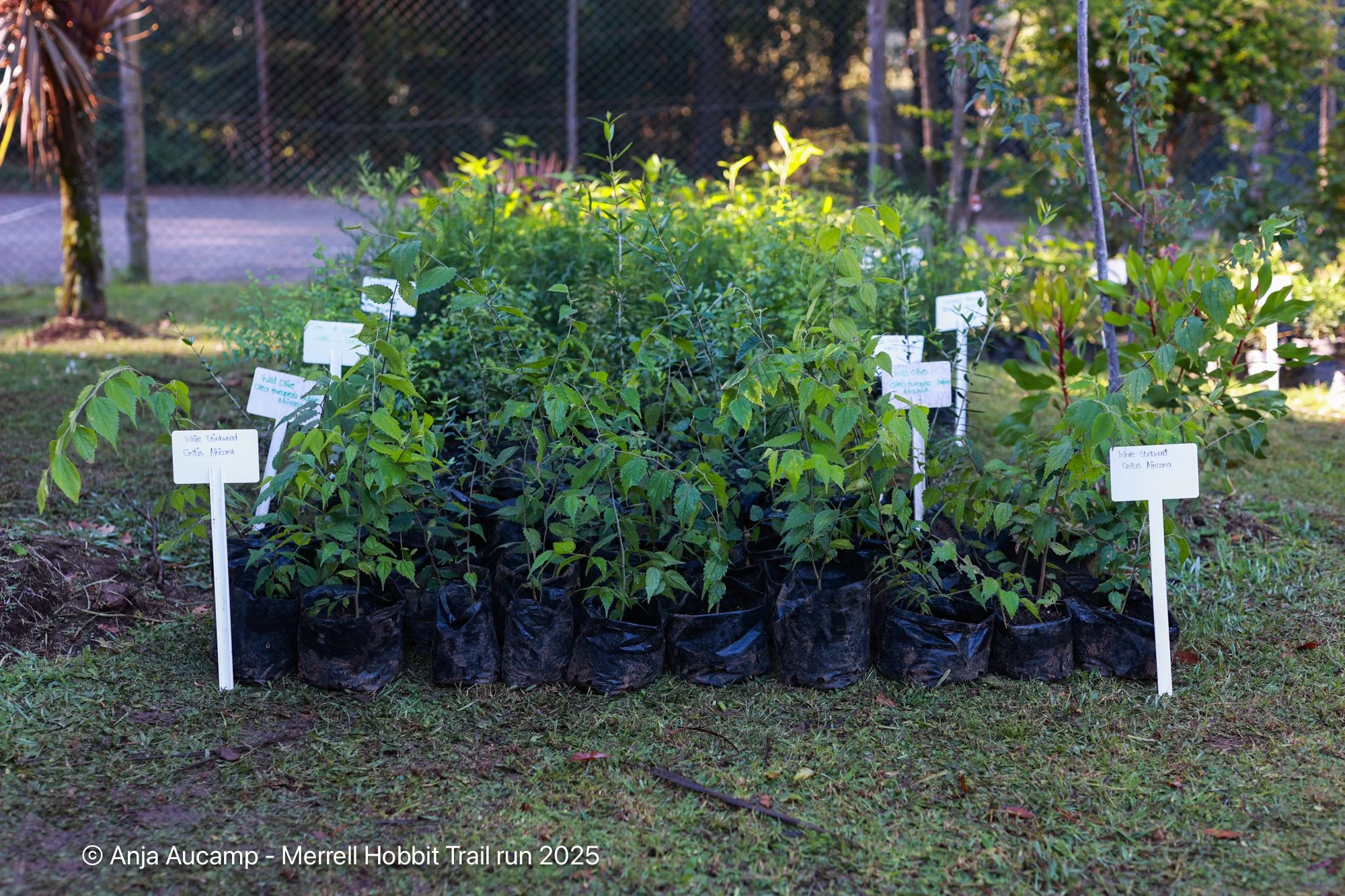
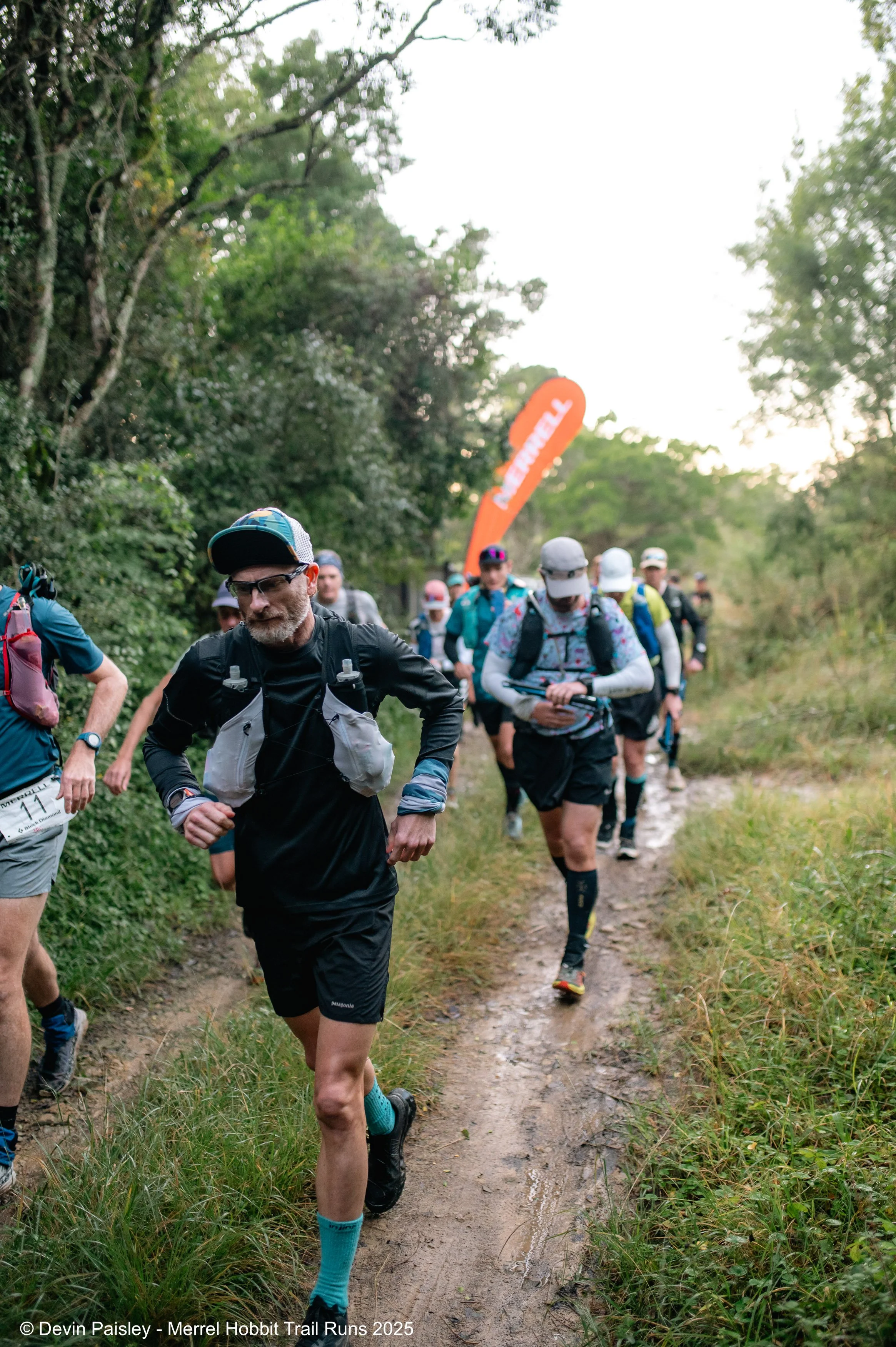
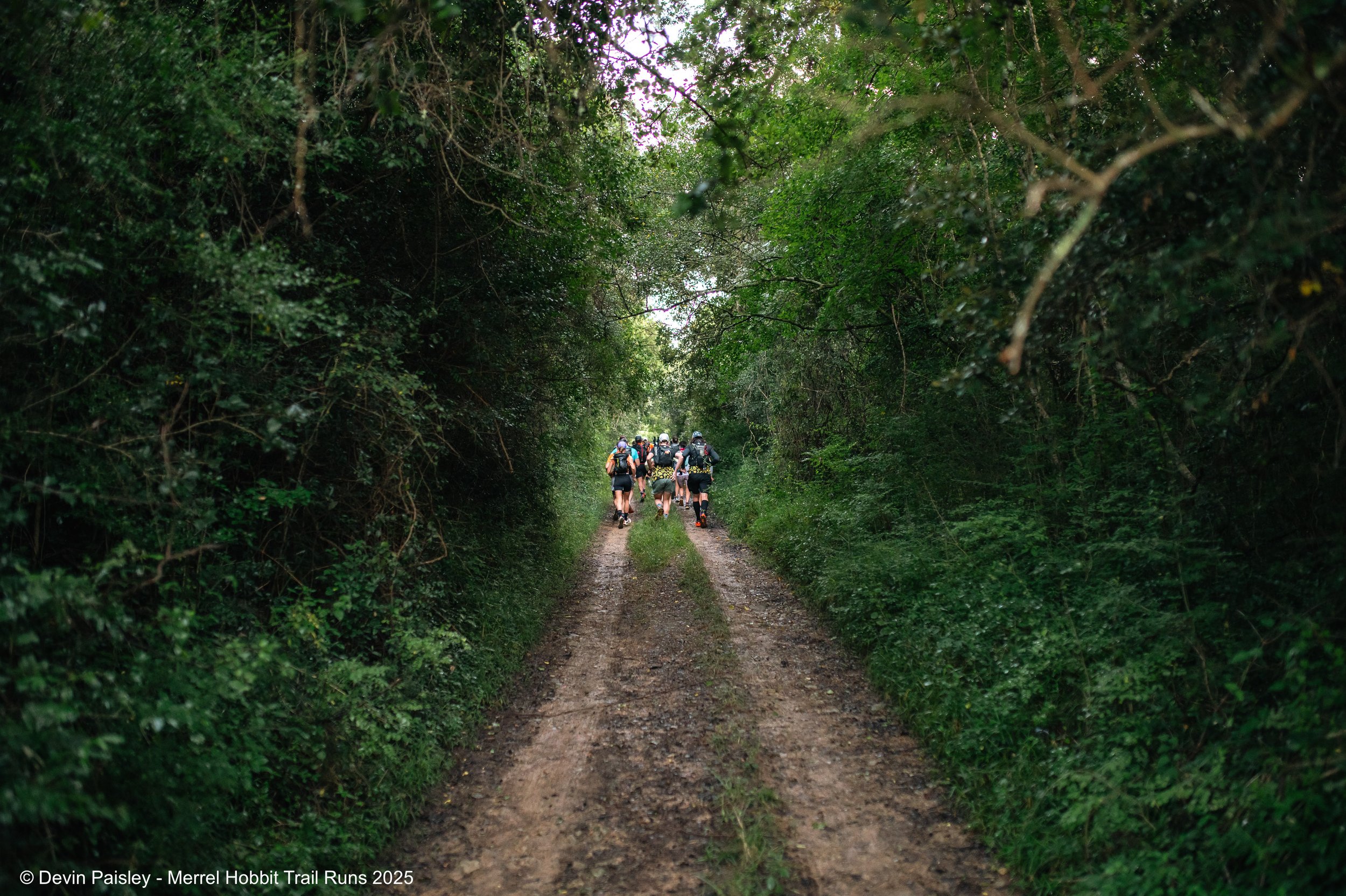
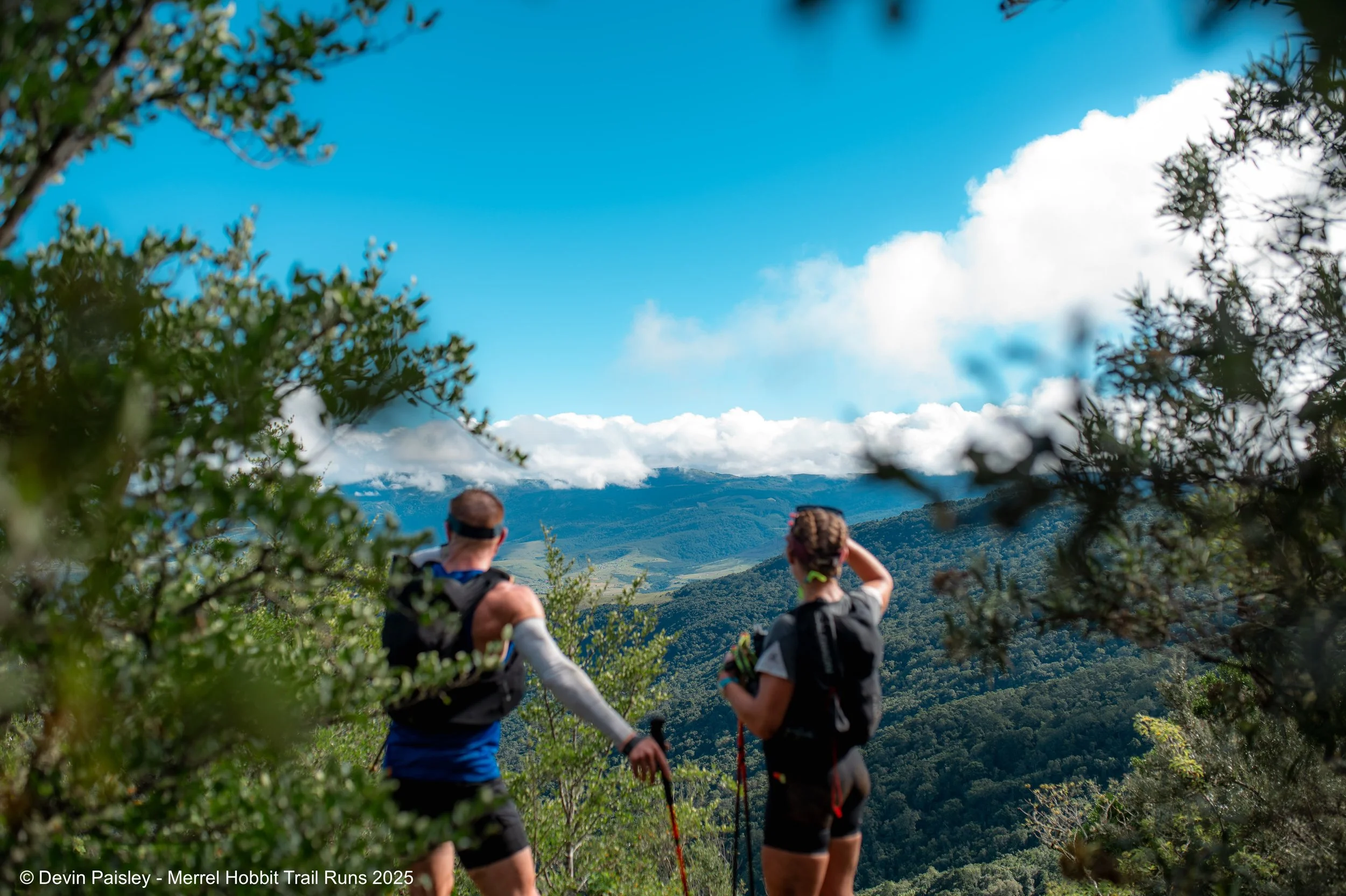
There is also a broader message for the running industry. Trail running, perhaps more than any other sport, depends on intact ecosystems - stable trails, resilient soils, flowing water and biodiverse landscapes. When soil erodes, when invasive species outcompete indigenous vegetation, when forests degrade, the very routes runners love begin to disappear.
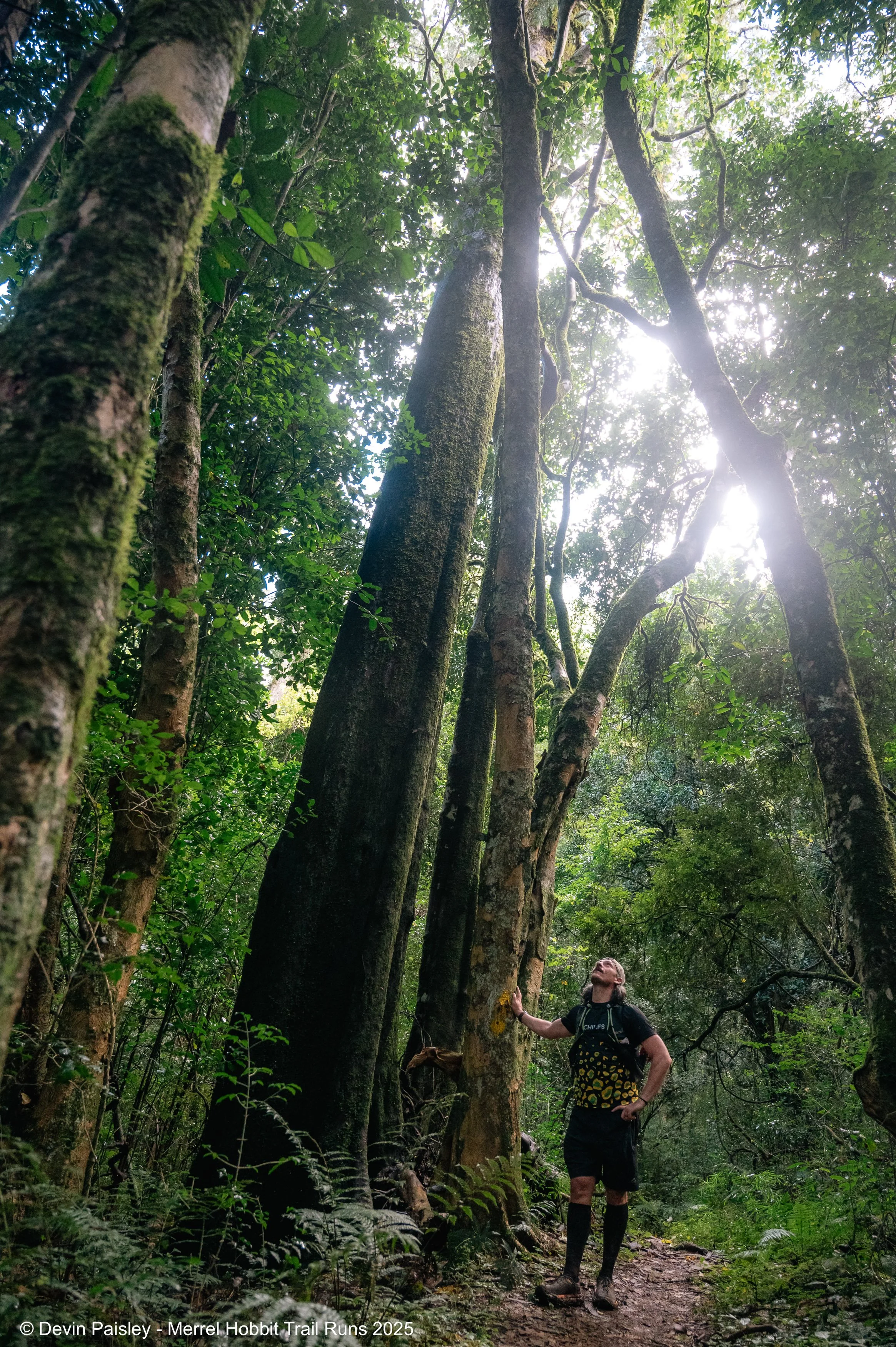
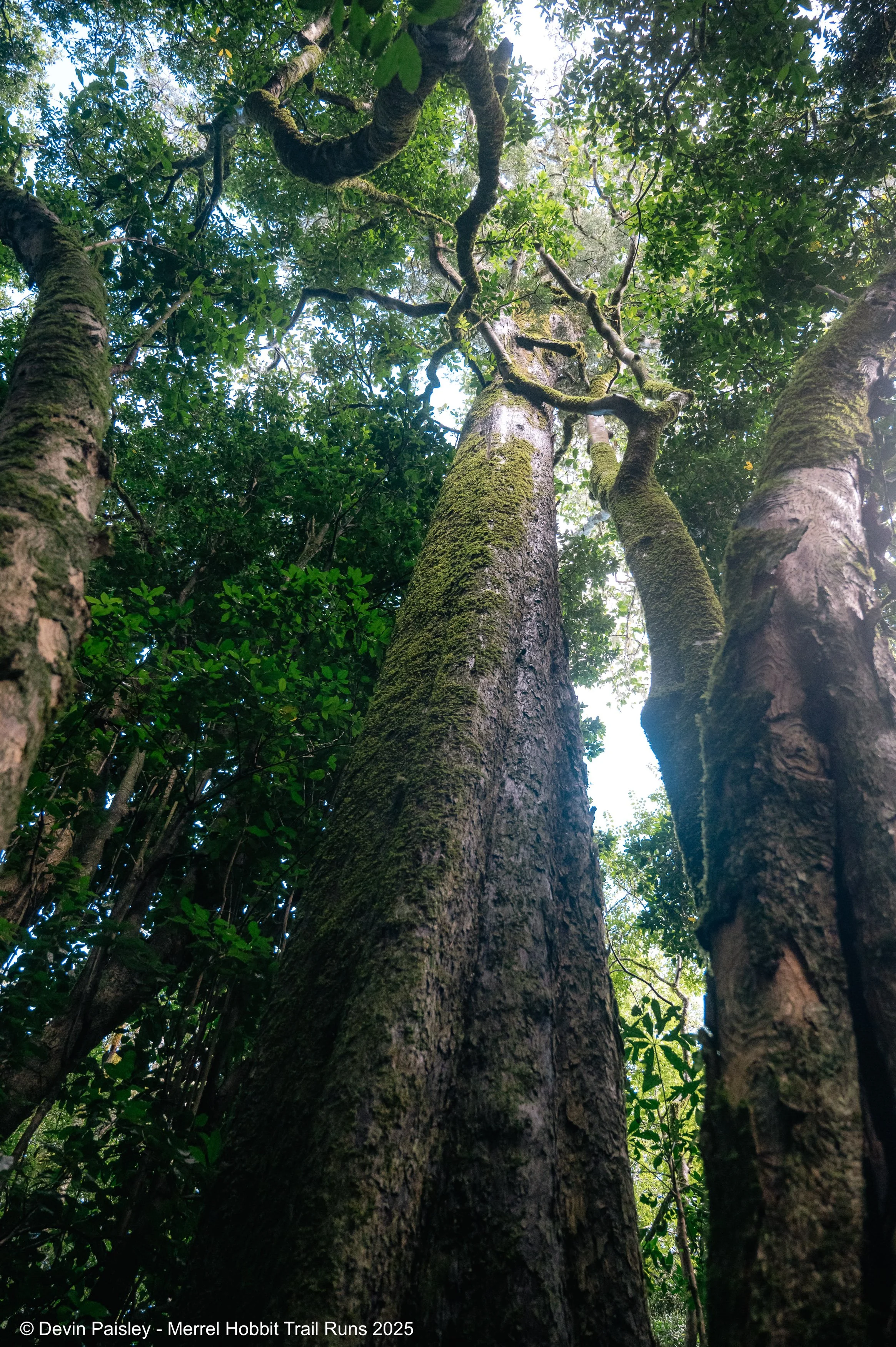
Event organisers occupy a unique position. They convene communities. They shape culture. They influence supply chains - from merchandise, to catering, to transport logistics. Choosing to replace traditional medals with indigenous trees is one small but visible way of shifting norms toward regeneration rather than extraction.
For runners, the experience changes too. Instead of a medal tucked into a drawer, there is a sapling that is planted on their behalf. The finish line extends beyond the tape. Months later, when it's planted and the roots take hold after good rain, the memory of the climb or descent returns - now tied to something living.
Soil health, biodiversity and habitat protection are often discussed in policy rooms and scientific journals. But they also live in decisions like these: what we produce, what we celebrate, and what we leave behind.
In Hogsback, each runner who crossed the finish line carried home more than a result. They carried the beginnings of a forest story - one rooted in soil, sustained by biodiversity, and shaped by the understanding that even small shifts in how we celebrate achievement can contribute to a healthier planet.
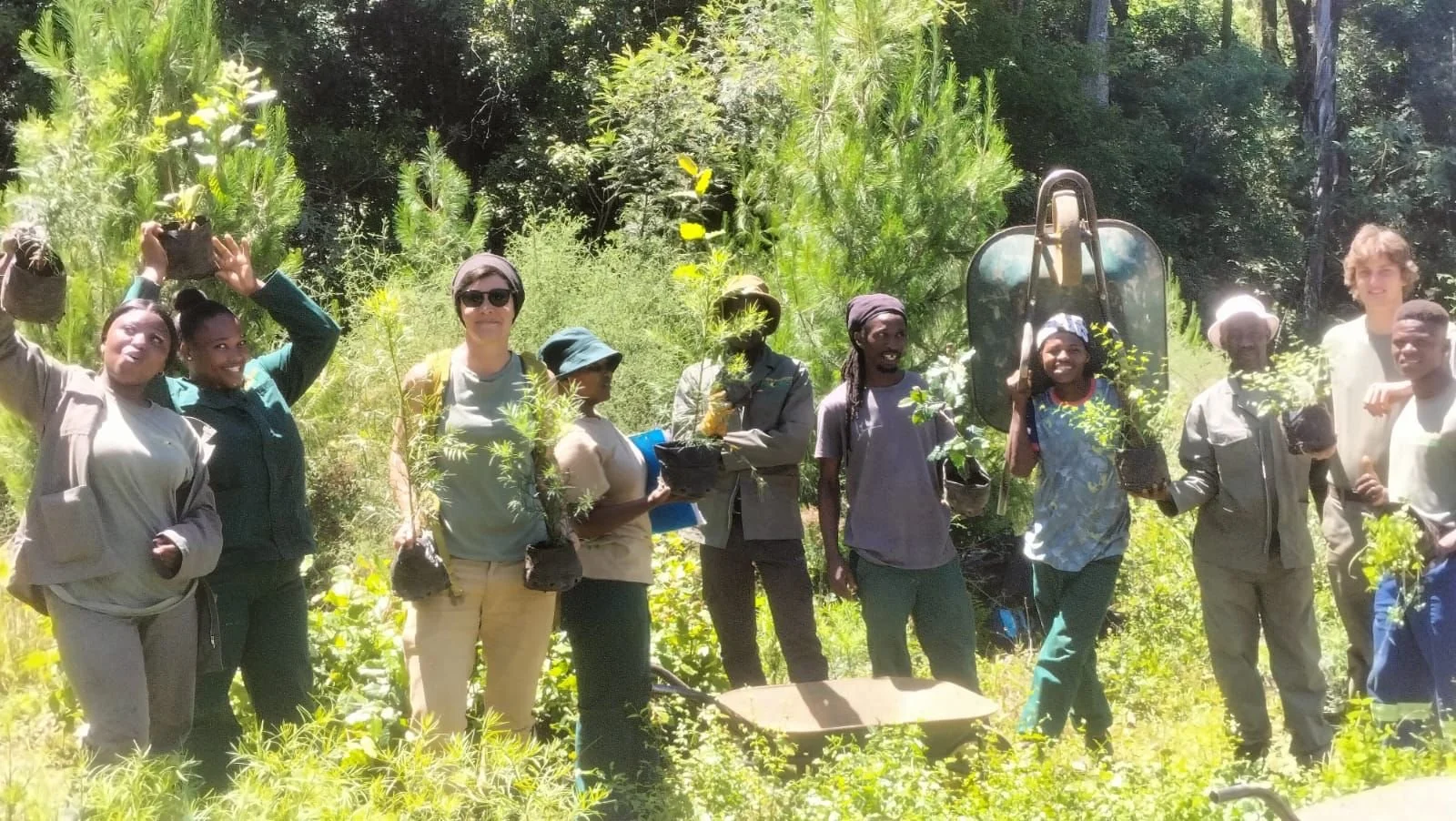
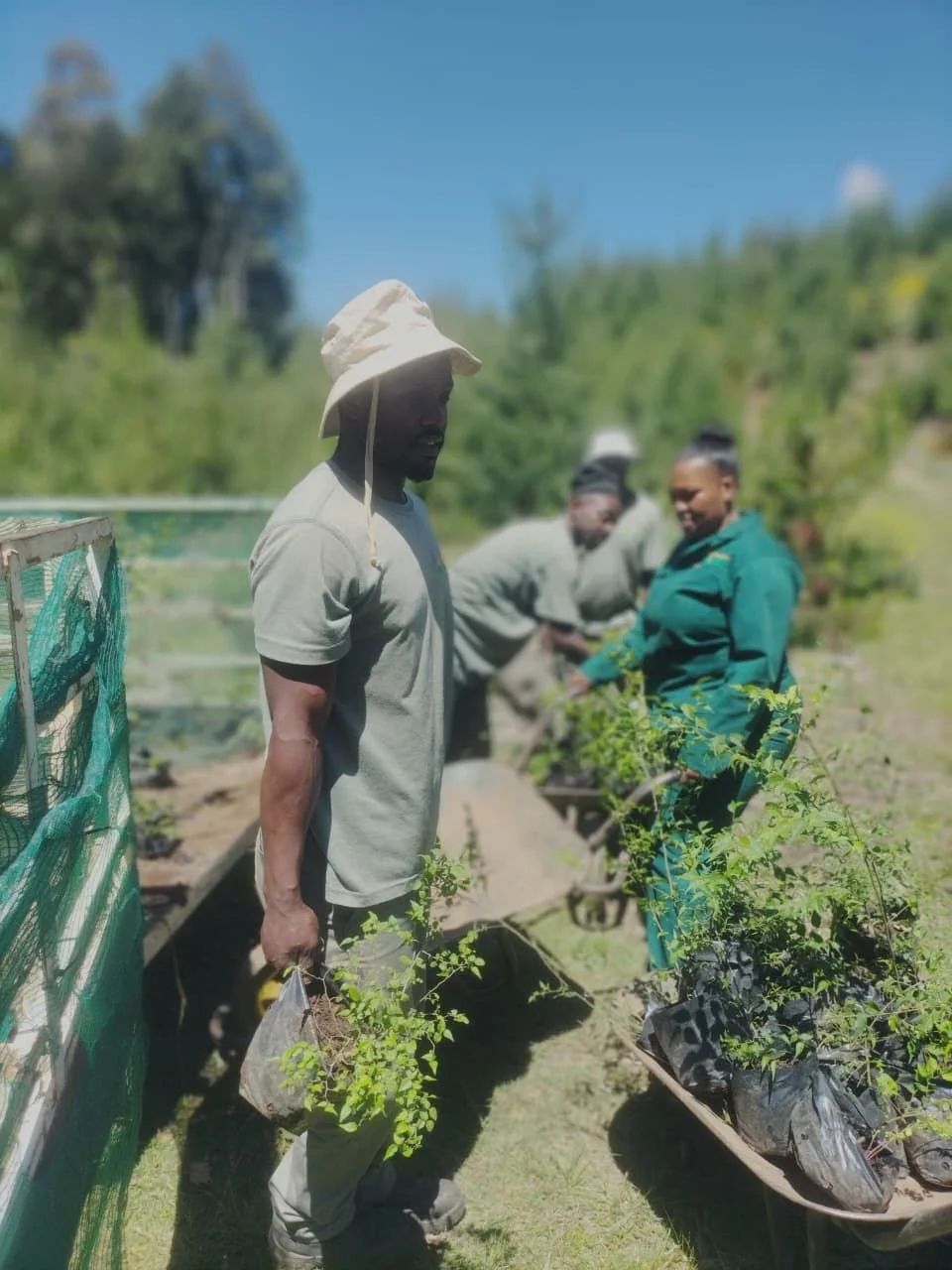
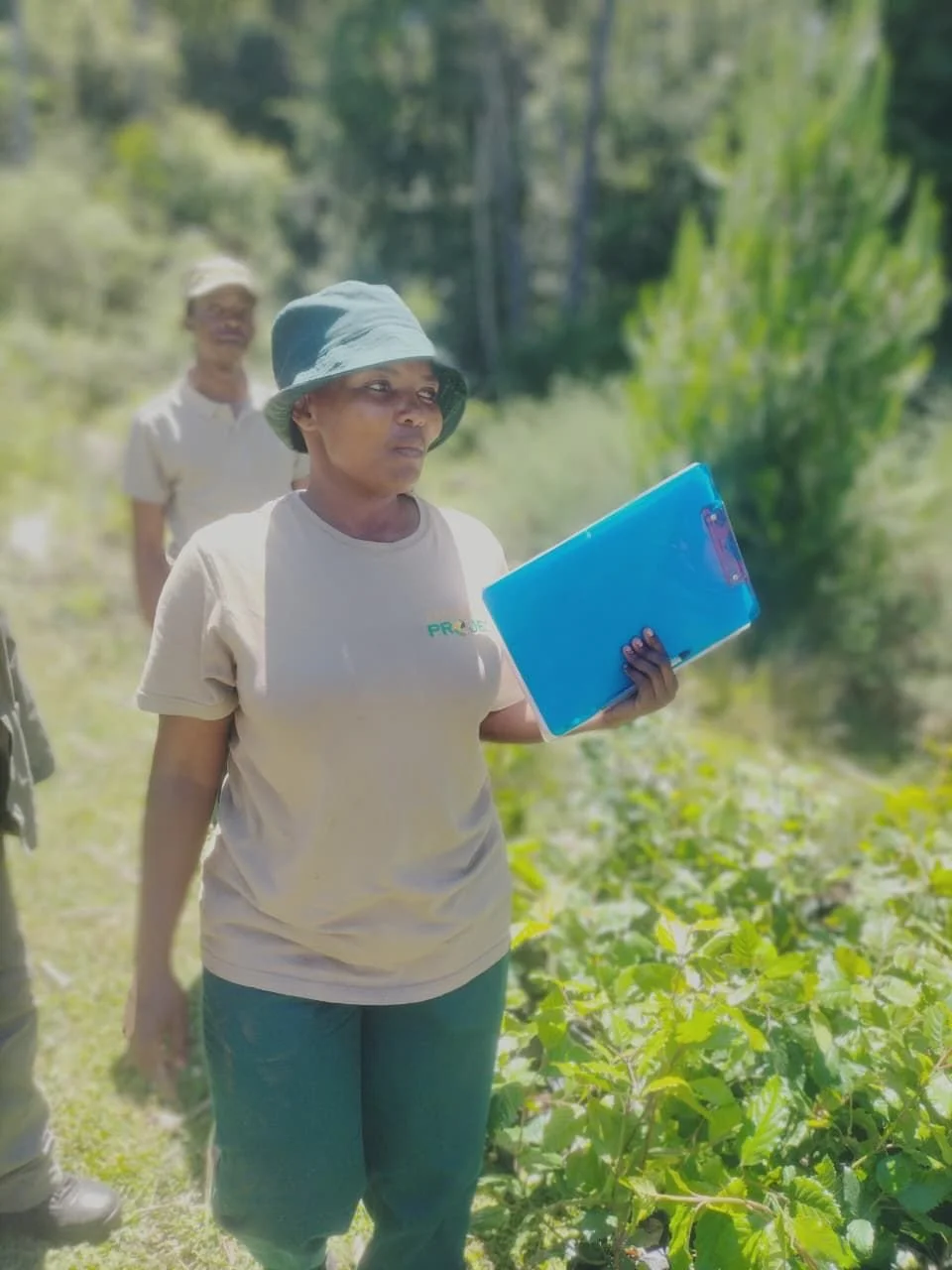
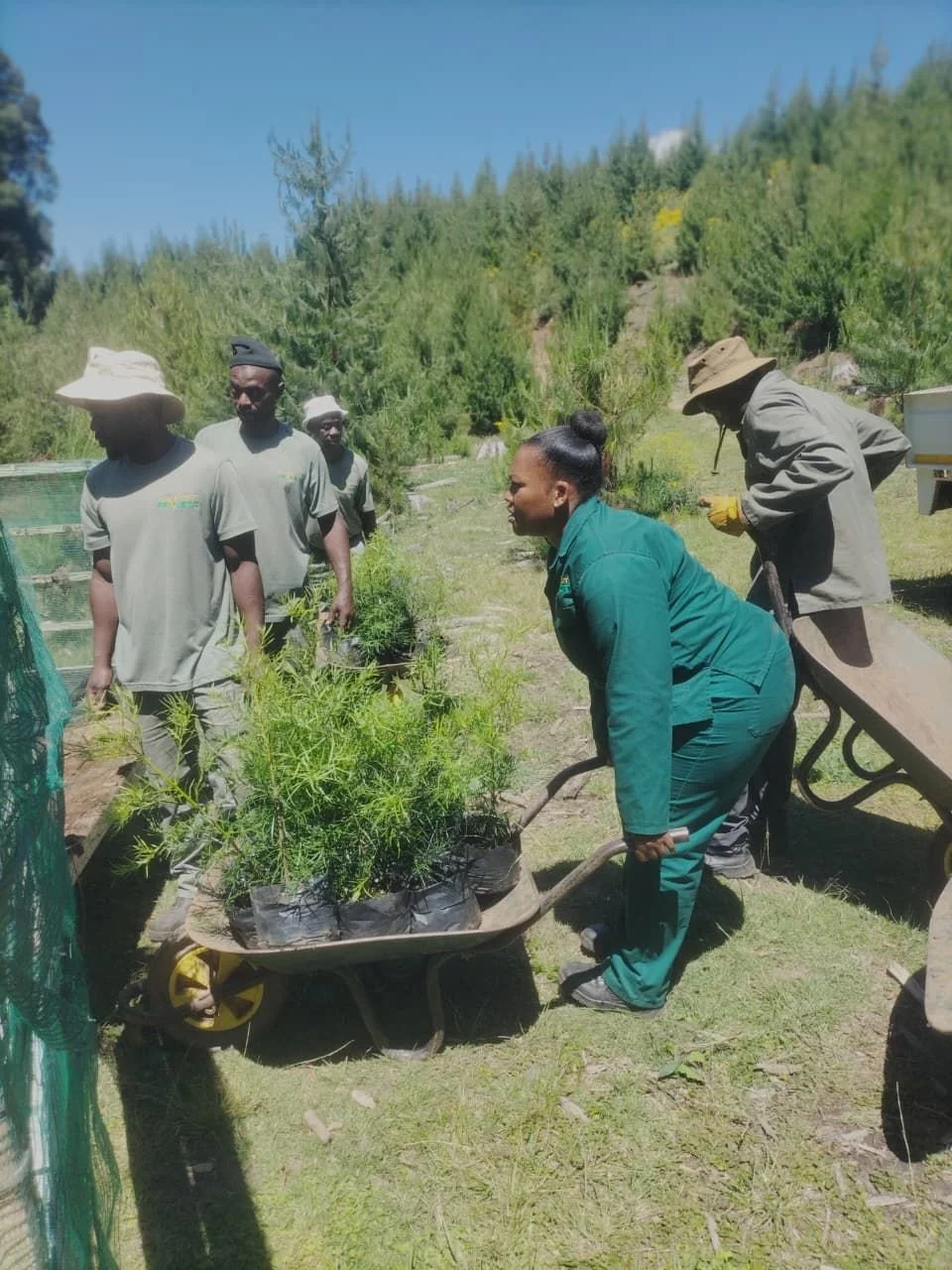
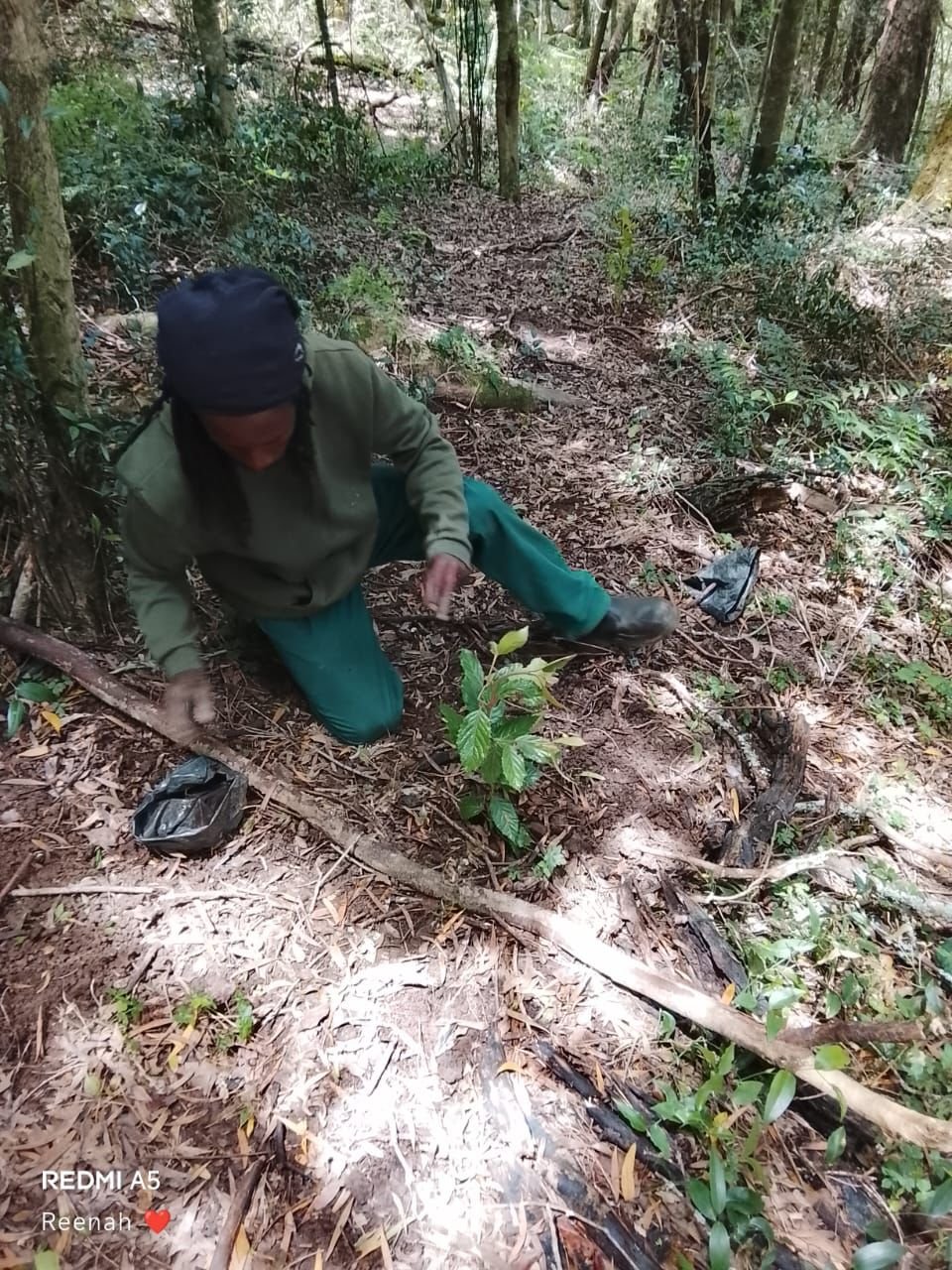
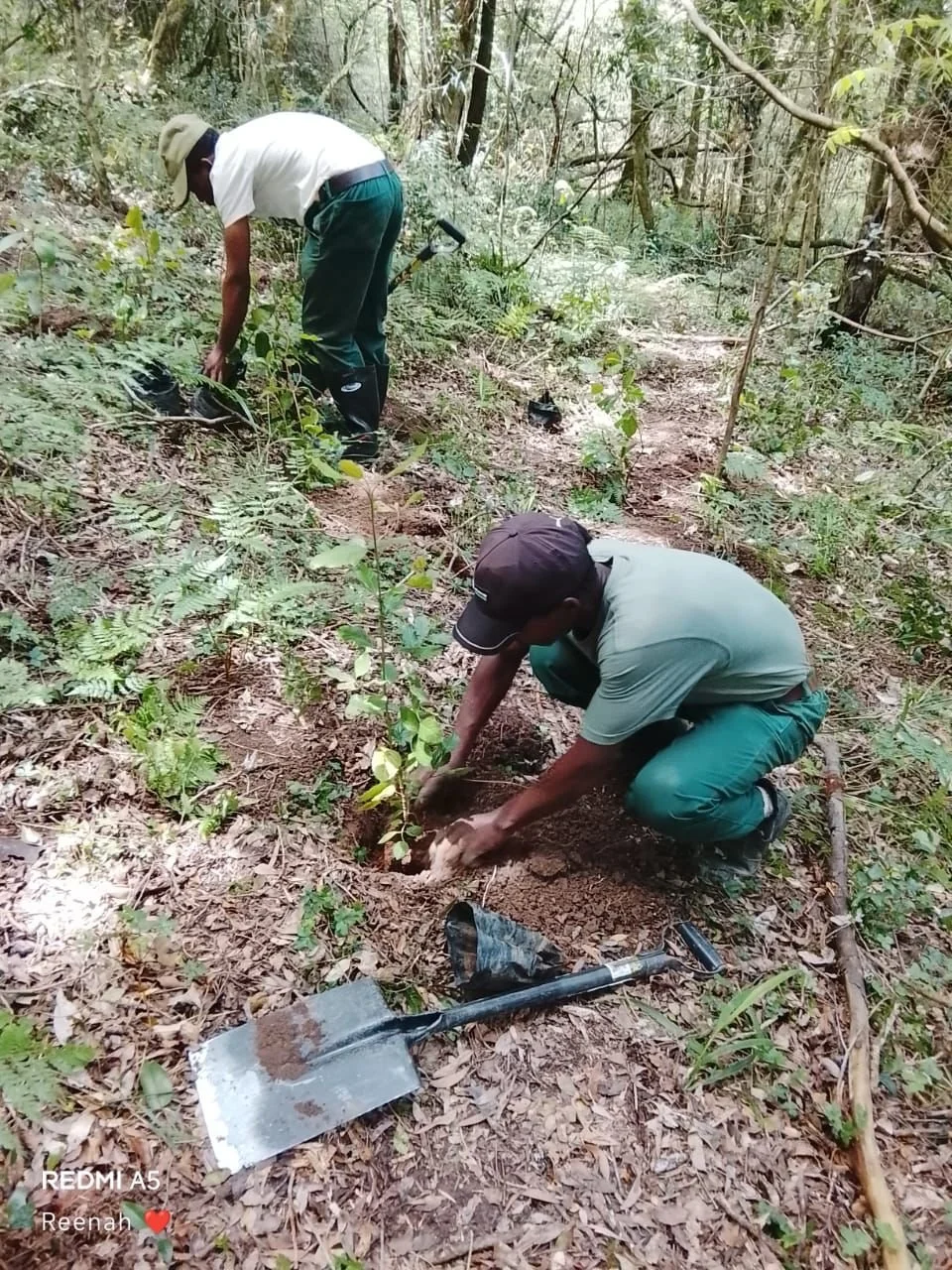
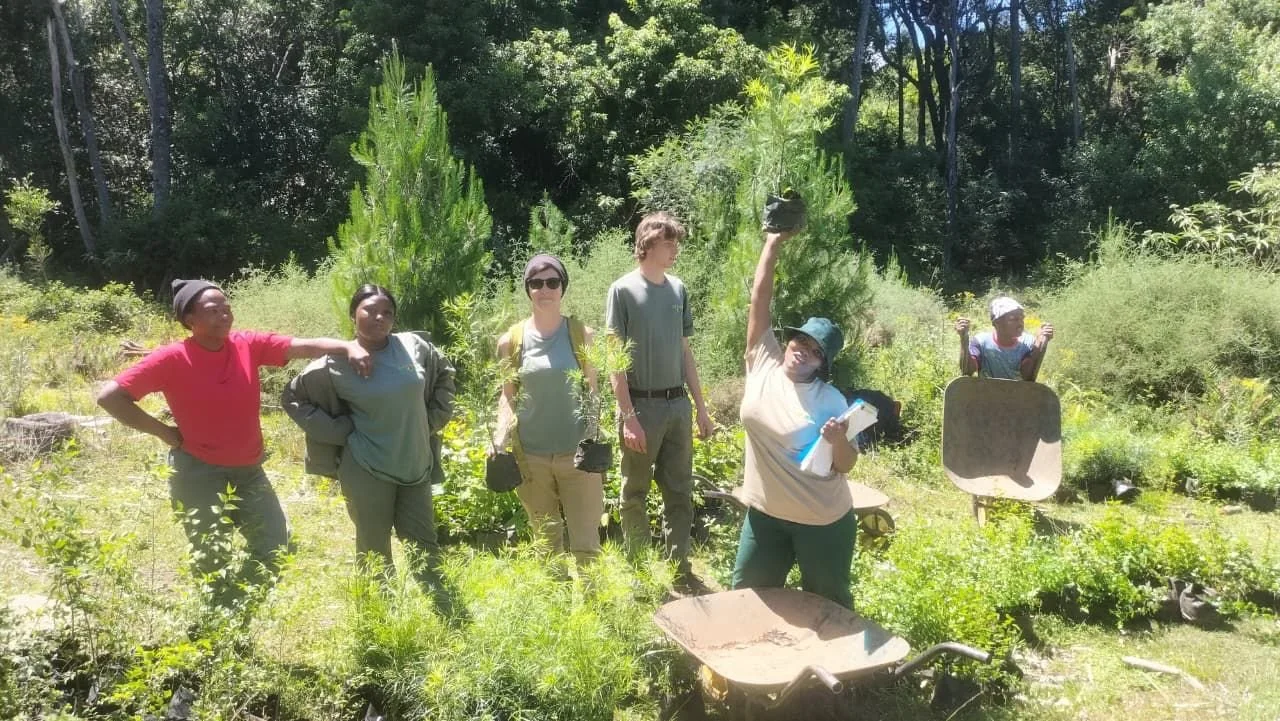
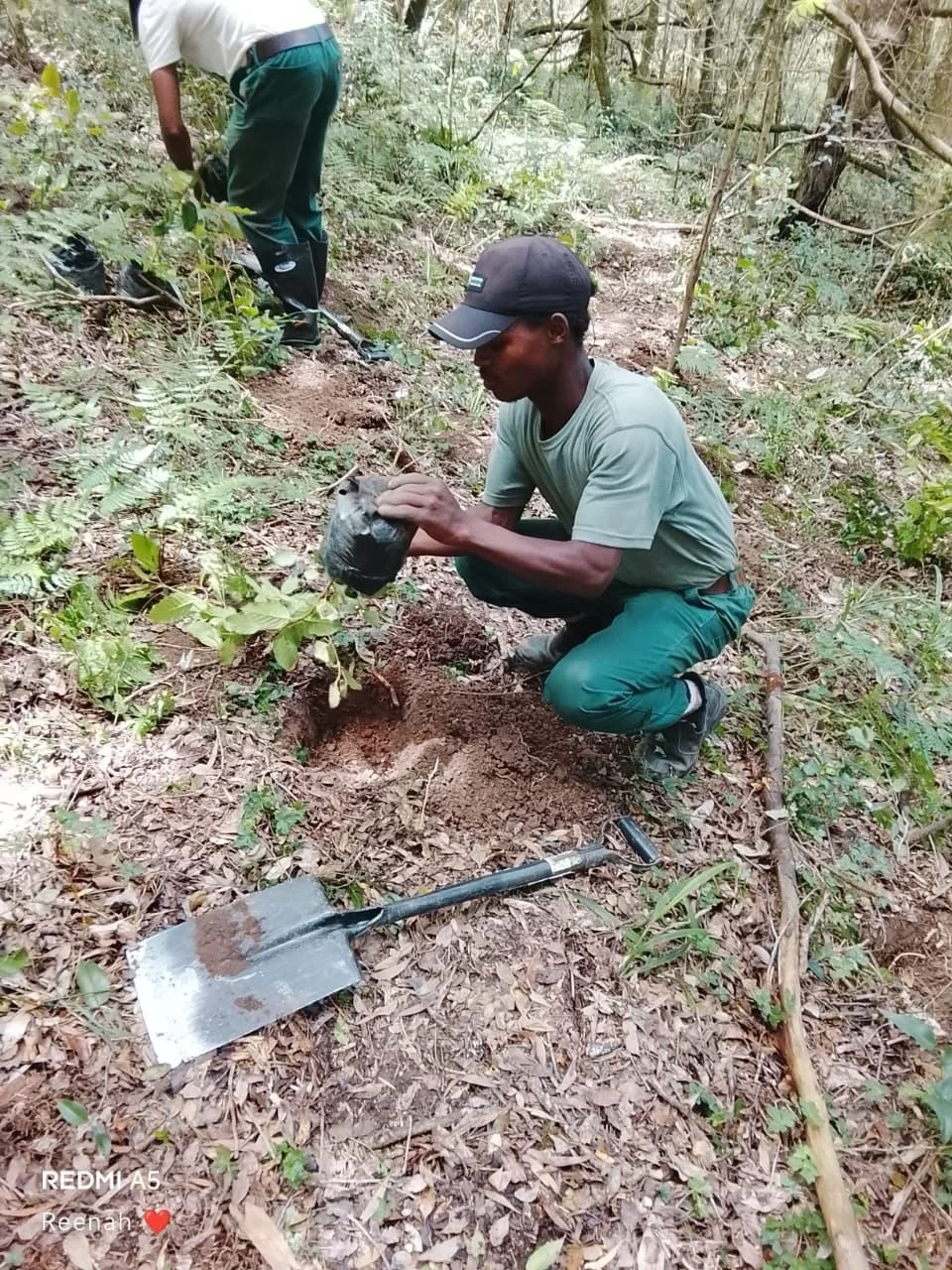
Tree planting carried out by the Cape Parrot Project in 2025