“Welcome to The Rhizosphere” by Poppy Flint
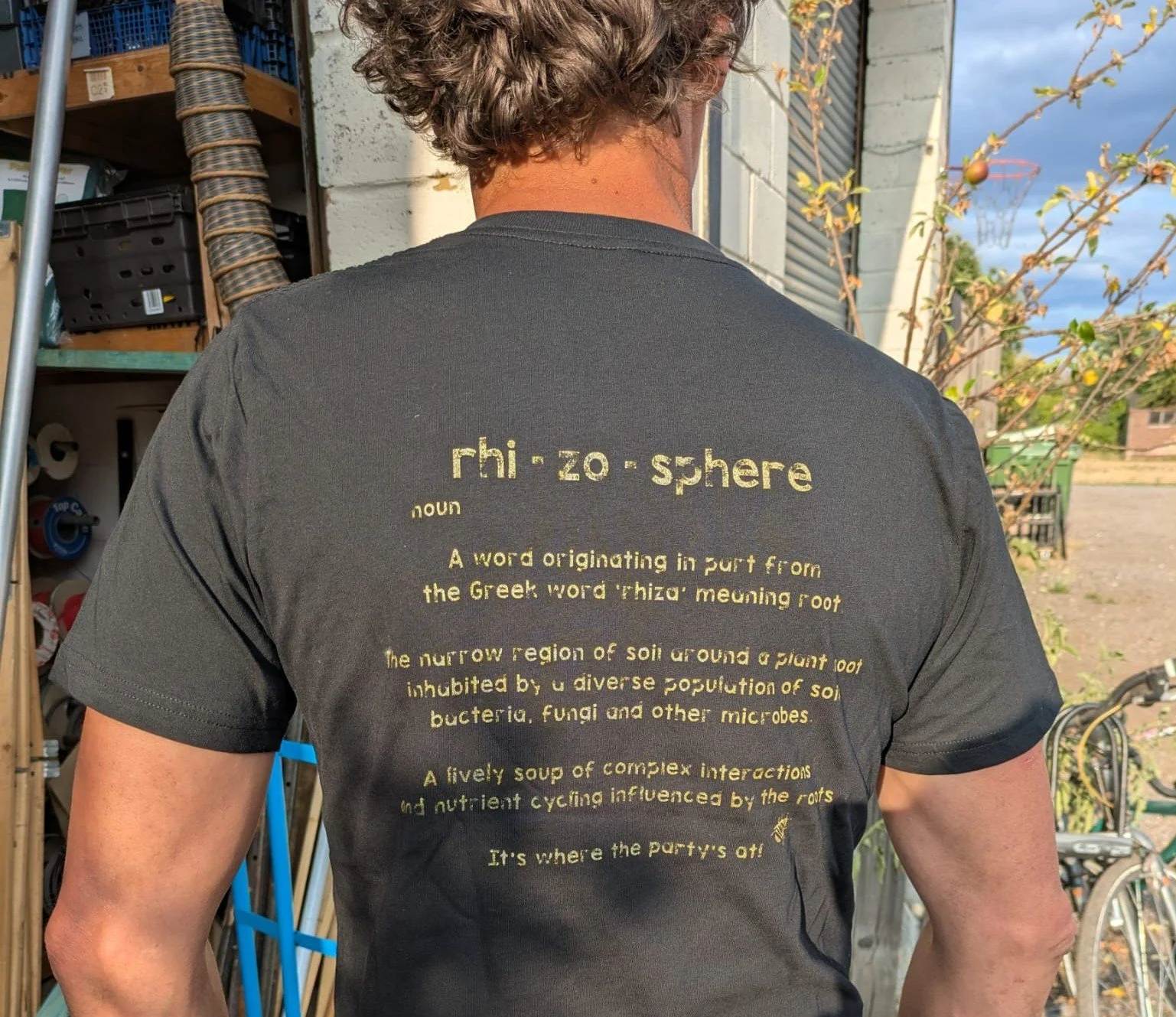
Noun: rhi – zo – sphere
A word originating in part from the Greek word ‘rhiza’ meaning root.
The narrow region of soil or substrate around a plant root that is inhabited by a unique population of soil bacteria and micro-organisms.
Or as my good friend, animator and soil life enthusiast Michelle Tylicki put it when she joined me on a Walk Under the Trees,
“It’s where the party’s at!”
Roll on 3 years, 2 mini venues at Glastonbury Festival and a lot of practical and metaphorical delving into the below-ground - The Rhizosphere has just registered as a Wales-based cooperative of artists, educators, event producers and technologists.
One of our core goals is seeking out the relatable stories in ecological, agricultural and climate research, and translating this into interactive, educational and playful experiences.
An example of this approach is a recent personal project called un(common) threads which was made in collaboration with Fat Fox Mushrooms and Bailes+Light, and funded by The British Mycological Society. It was inspired by research by Dr Laura Suz and her team at The Royal Botanical Gardens, Kew into how ancient, carbon sequestering ectomycorrhizal fungi are being impacted by nitrogen in air pollution, and knock on consequences for forests.
It used beautiful photographs Laura had taken of the mycorrhizal specimens she was studying. Visitors had to collaborate to create a lively scene with diversity of species.
How The Rhizosphere evolves will be defined by the members; we have a domain name and plenty of ideas, now for the website, partnerships and funding applications!
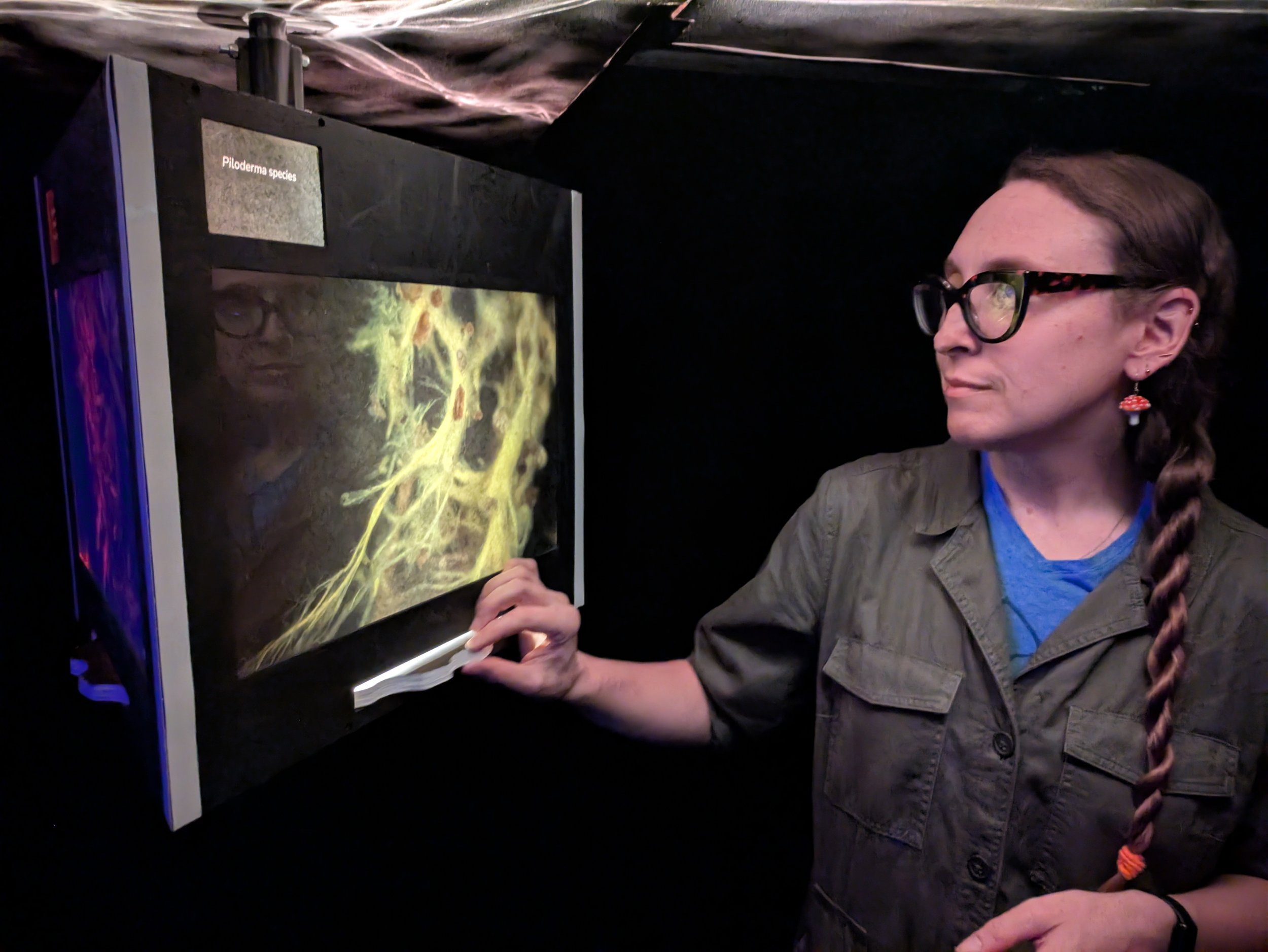
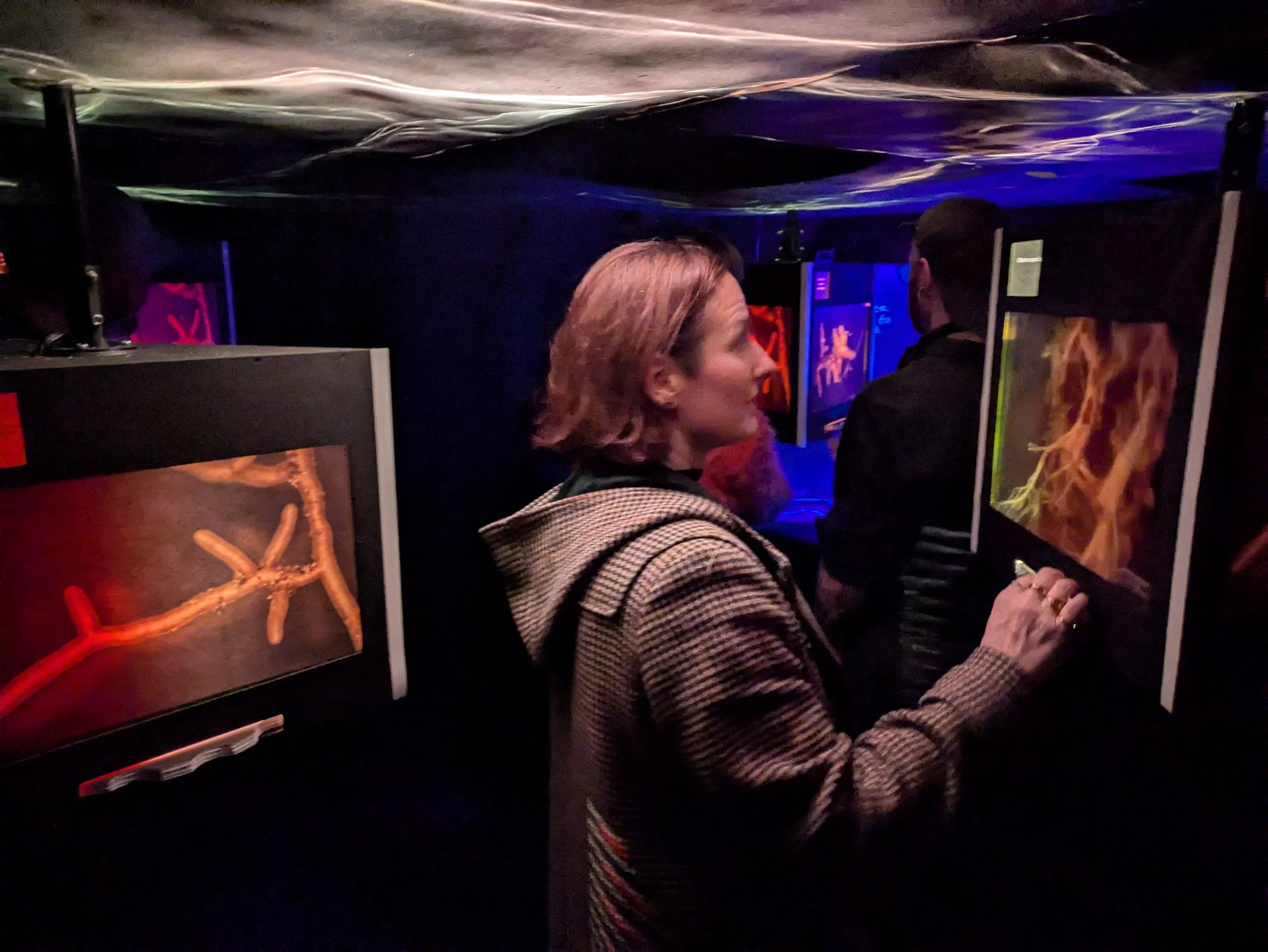
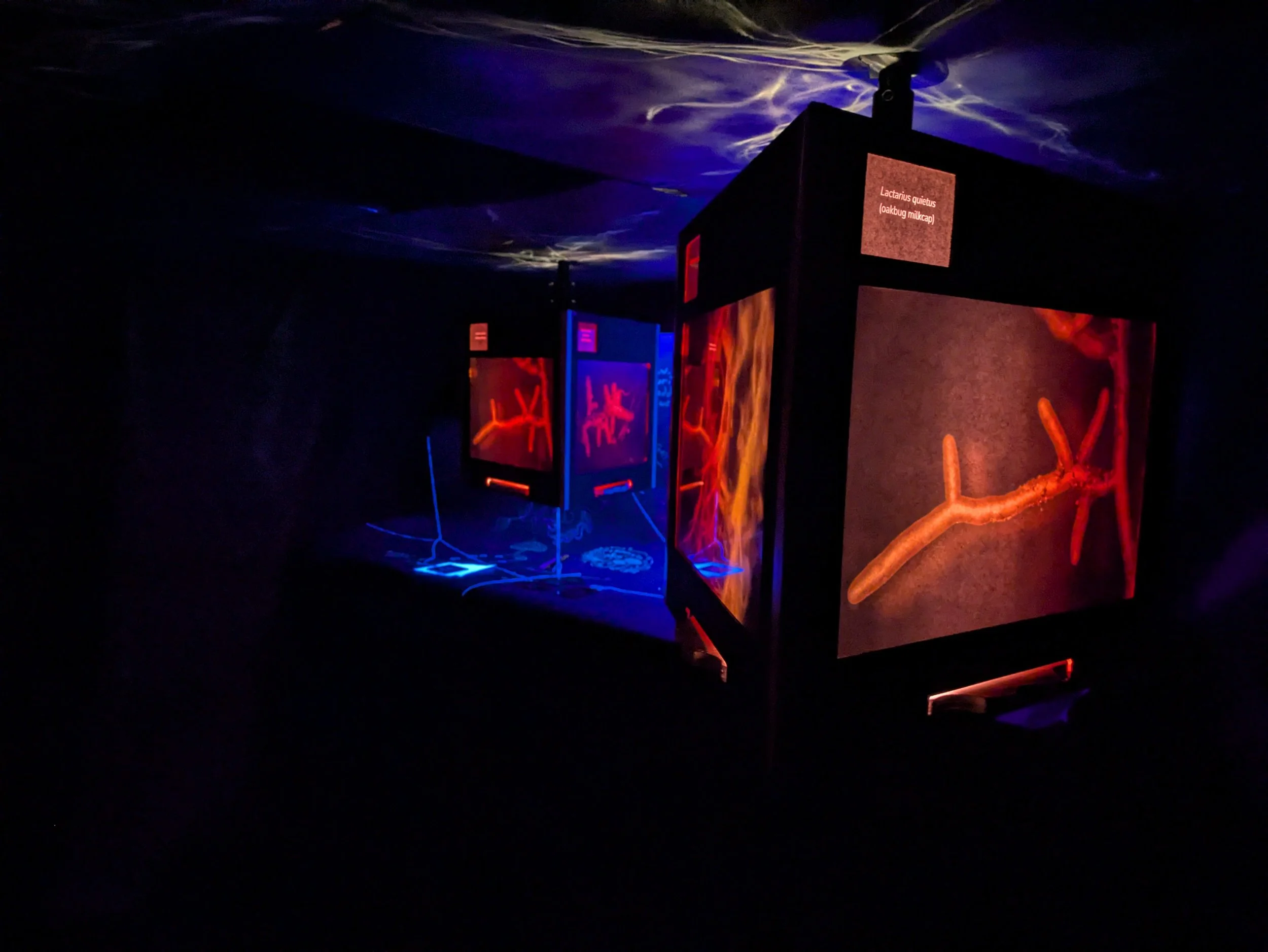
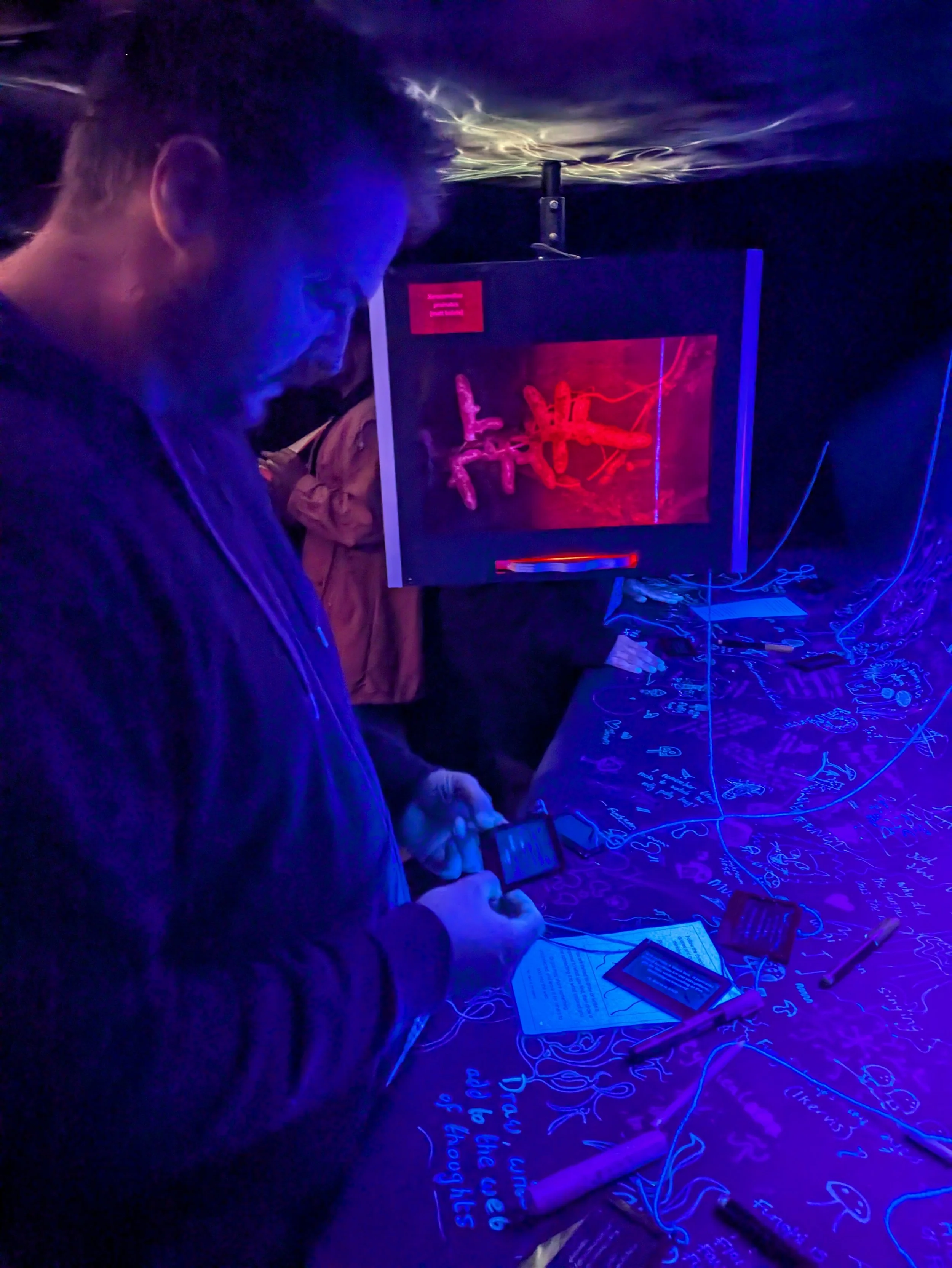
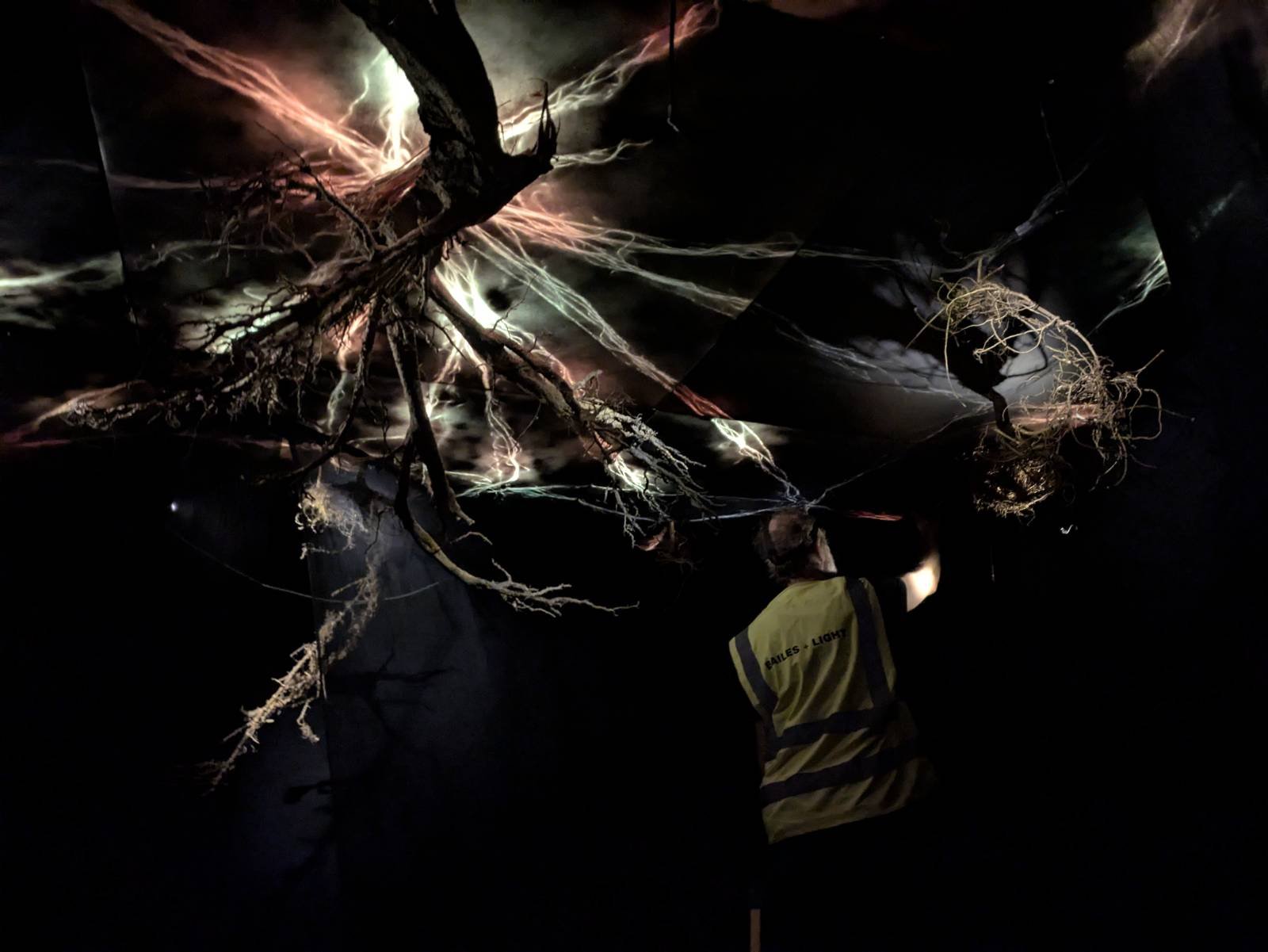
(un)common threads by Poppy Flint and Benji Bailes, London, October 2025 / The Rhizosphere in Shangri-la, Glastonbury Festival, June 2025
A System’s View of Soil
My love for soil formed through a combination of organic horticulture training at OrganicLea, developing training on natural flood management for the rivers trust, Thames21, and working on sustainable food and climate education. As the web formed in my mind of the cycles, functions and social fabric that soil holds, my appreciation expanded beyond food growing and nutrients to seeing it as a crucial biological and physical global regulatory system.
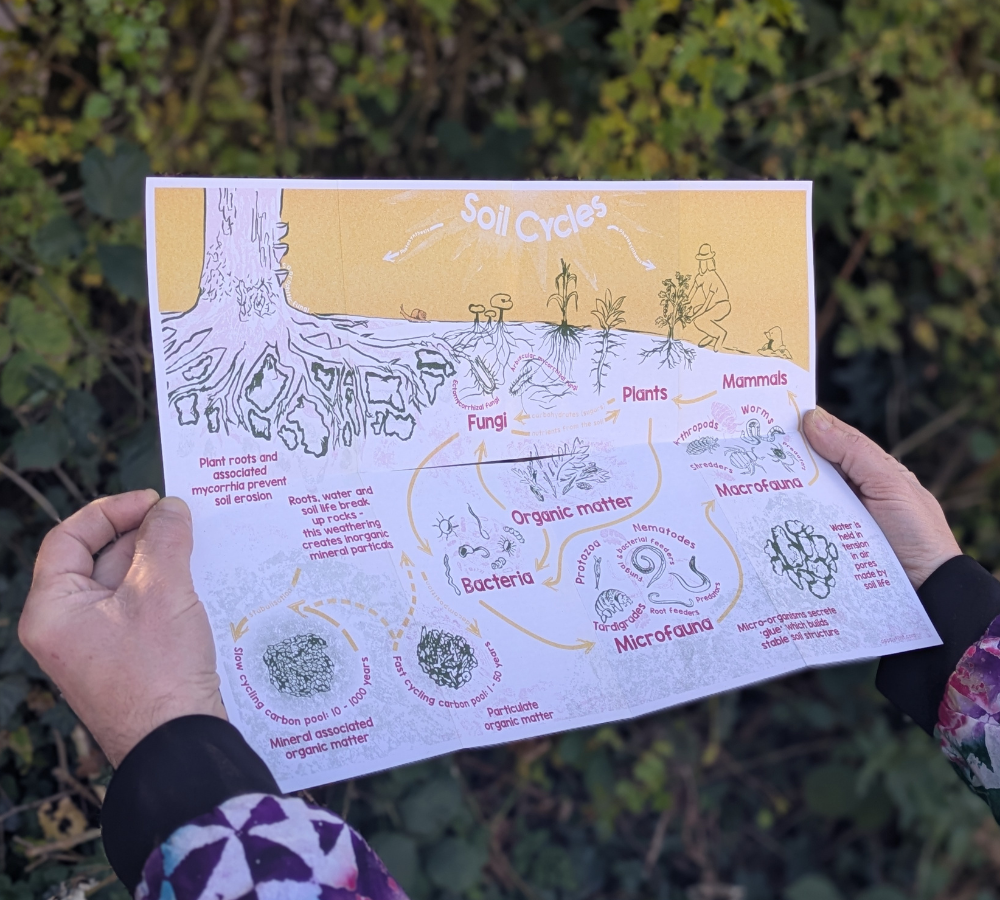
While preparing for the first Rhizosphere installation for the Greenpeace Field at Glastonbury festival I was looking for an illustration that depicted (a less messy version of) what I had in my mind - a version of the soil food web that incorporated the chemical and physical processes.
I’d just been introduced to the concept of ‘soil as an extended phenotype’ and the importance of air pore connectivity by Dr John Crawford and Andy Neil. This is the theory that soil microbial life ‘builds’ its home in favourable environments, which in turn influences the structure and make-up of the soil.
And just as bacteria secrete a ‘glue’ to bind soil particles, this concept seems to be the glue that unites the parts and processes of the soil into a living whole; the micro and macro, the dynamic balance, the fast and very very slow.
I was surprised that I couldn’t find the diagram I wanted, and even more surprised to be told that this systems view of soil is a relatively new way of approaching the subject.
So, with the guidance of Michelle, version 1 of this Soil Cycles illustration has now been created.
It could of course include so much more, but hopefully we’ve found a balance of detail, legibility and accessibility. It will continue to evolve and I welcome feedback from those with knowledge of the ‘soily’ realm.
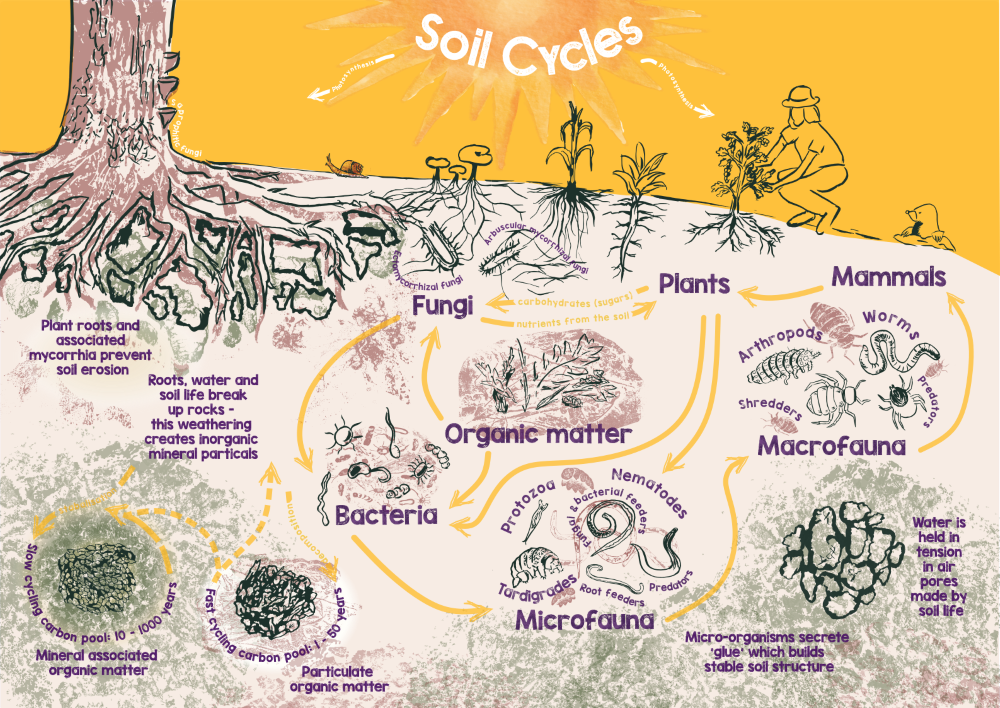
Soil Cycles diagram
The Soil Cycles poster is currently available as part of a booklet that introduces the 'characters’ of the soil. The next step is to turn the illustration into an educational animation. We are looking for grant funding and have a crowd funder open to harness public support.
Can you support this project?
Find out more and purchase the Soil Cycles booklet and poster here
Click here to donate to help get the animation made
Email me if you can signpost us to suitable funding - poppy@poppyflint.com
Let’s Walk Under the Trees
The characters of the Soil Cycles developed as part of Walk Under the Trees - a guided walk which I describe as sitting somewhere between mindful, playful and scientific. As we walk and talk I encourage people to consider the soil and adventure underground with a bit of information and a lot of imagination.
The format is informal, getting side tracked is welcomed, and everyone is urged to share what they know or imagine of the world underfoot. It is adaptable to any age group and setting (ideally with trees) so please get in touch if you’d like to Walk Under the Trees in your area.
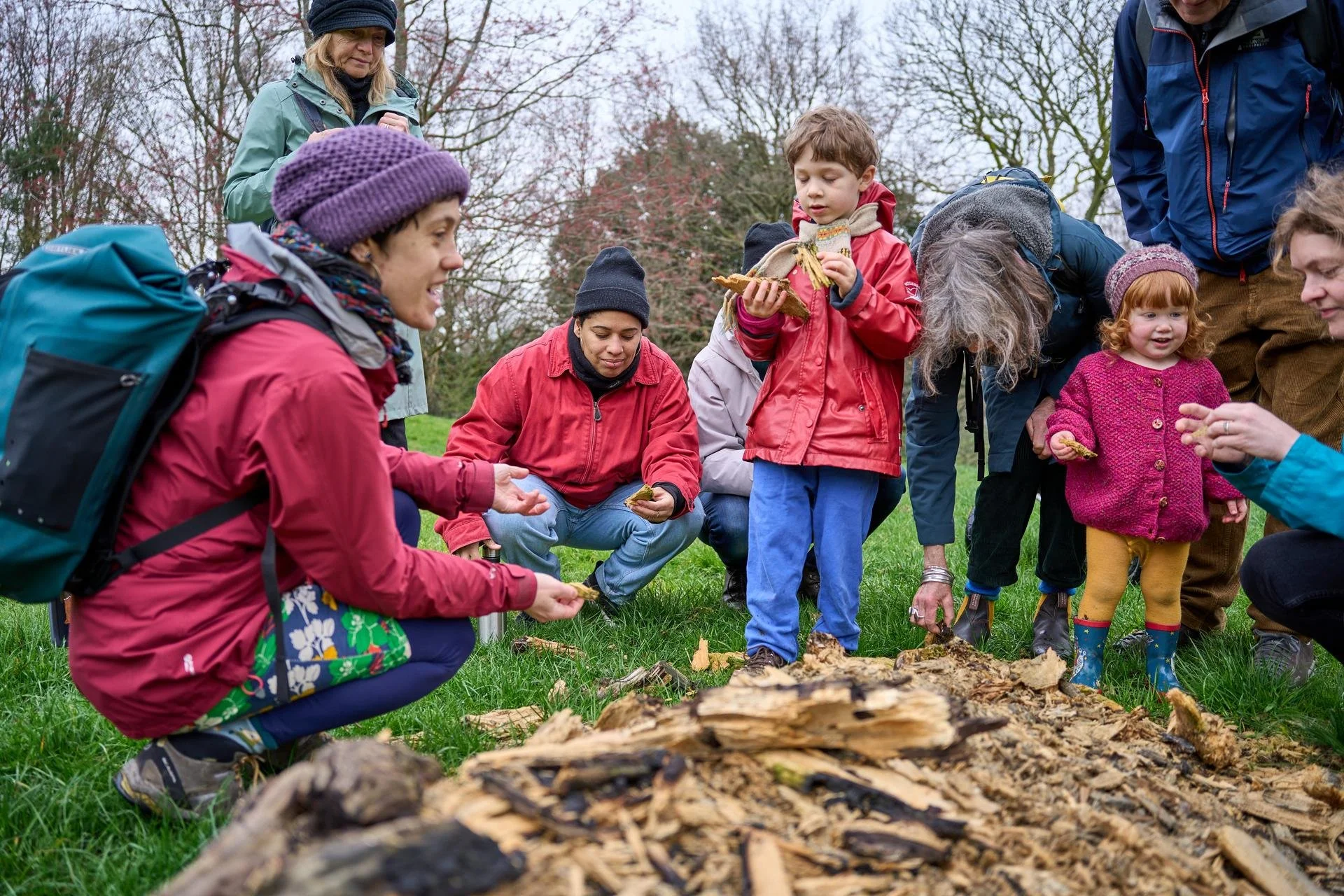
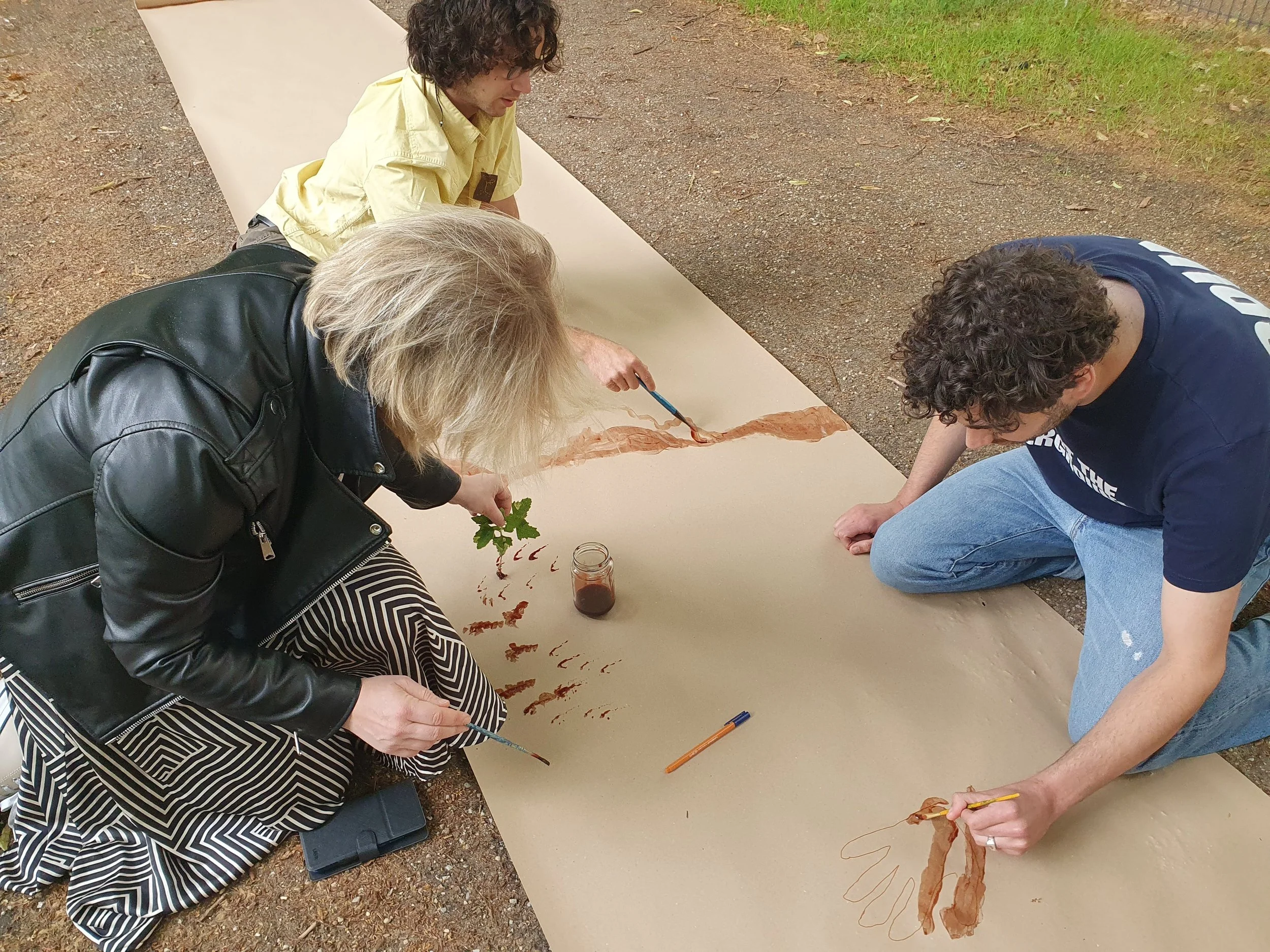
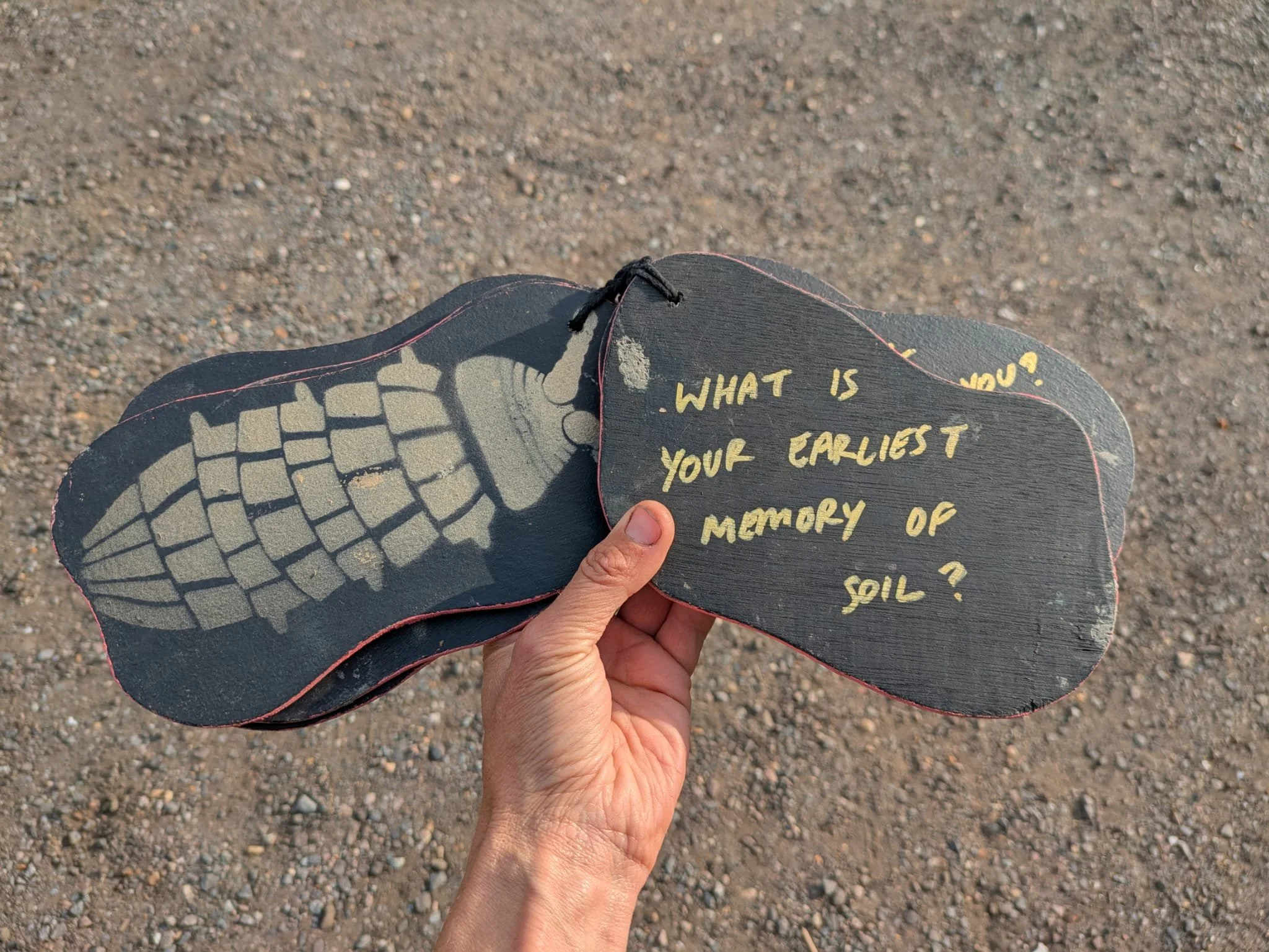
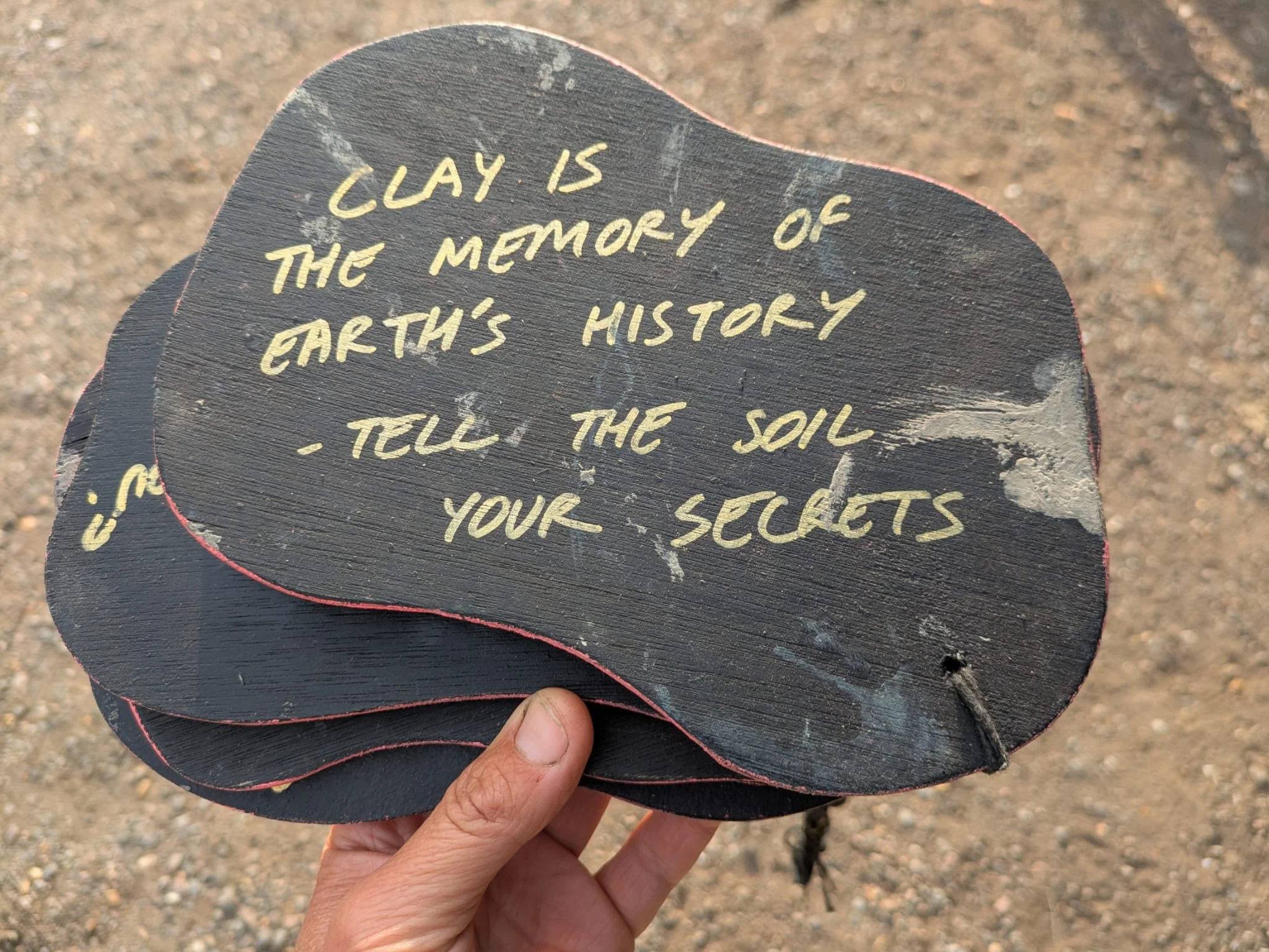
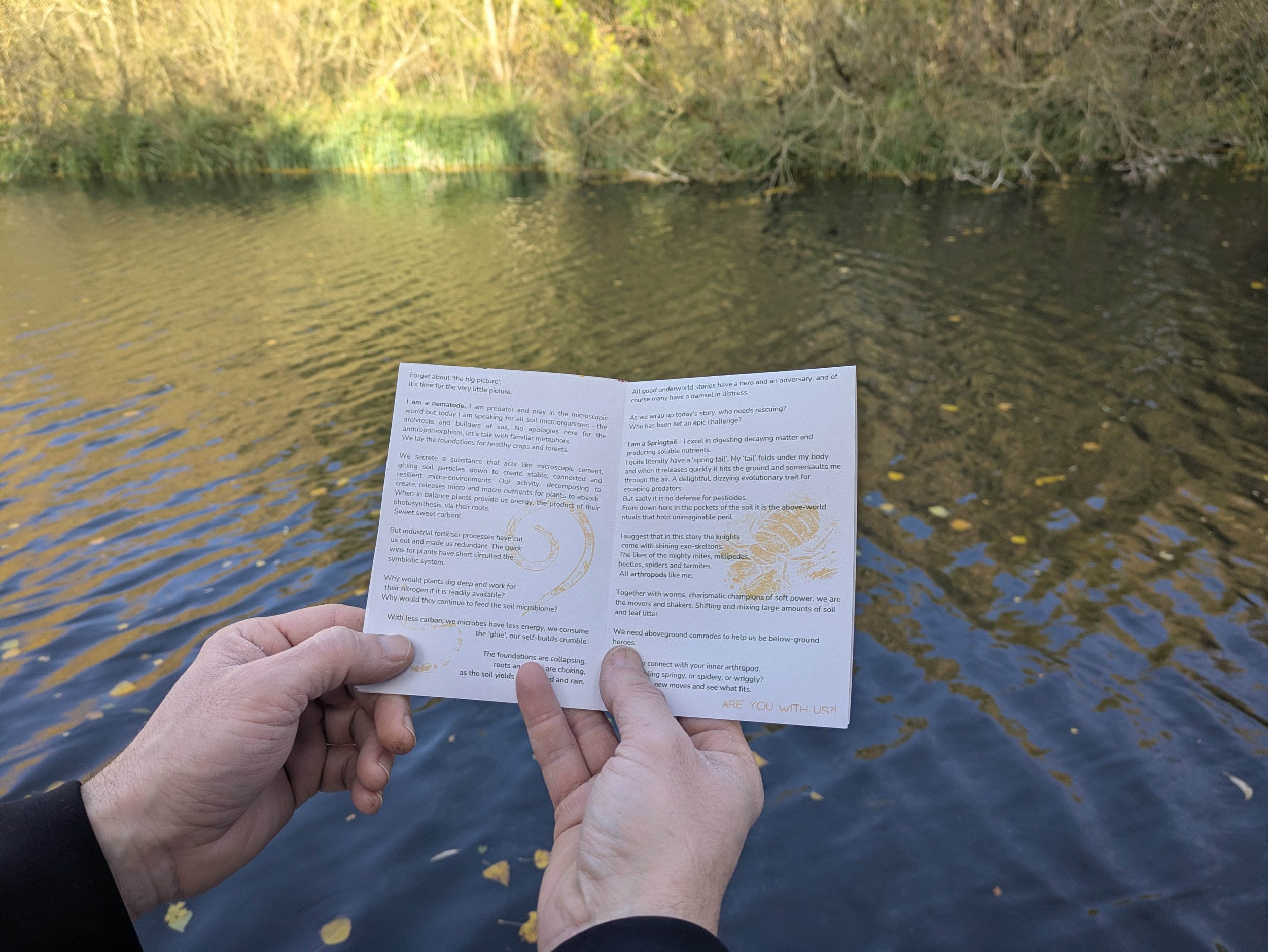
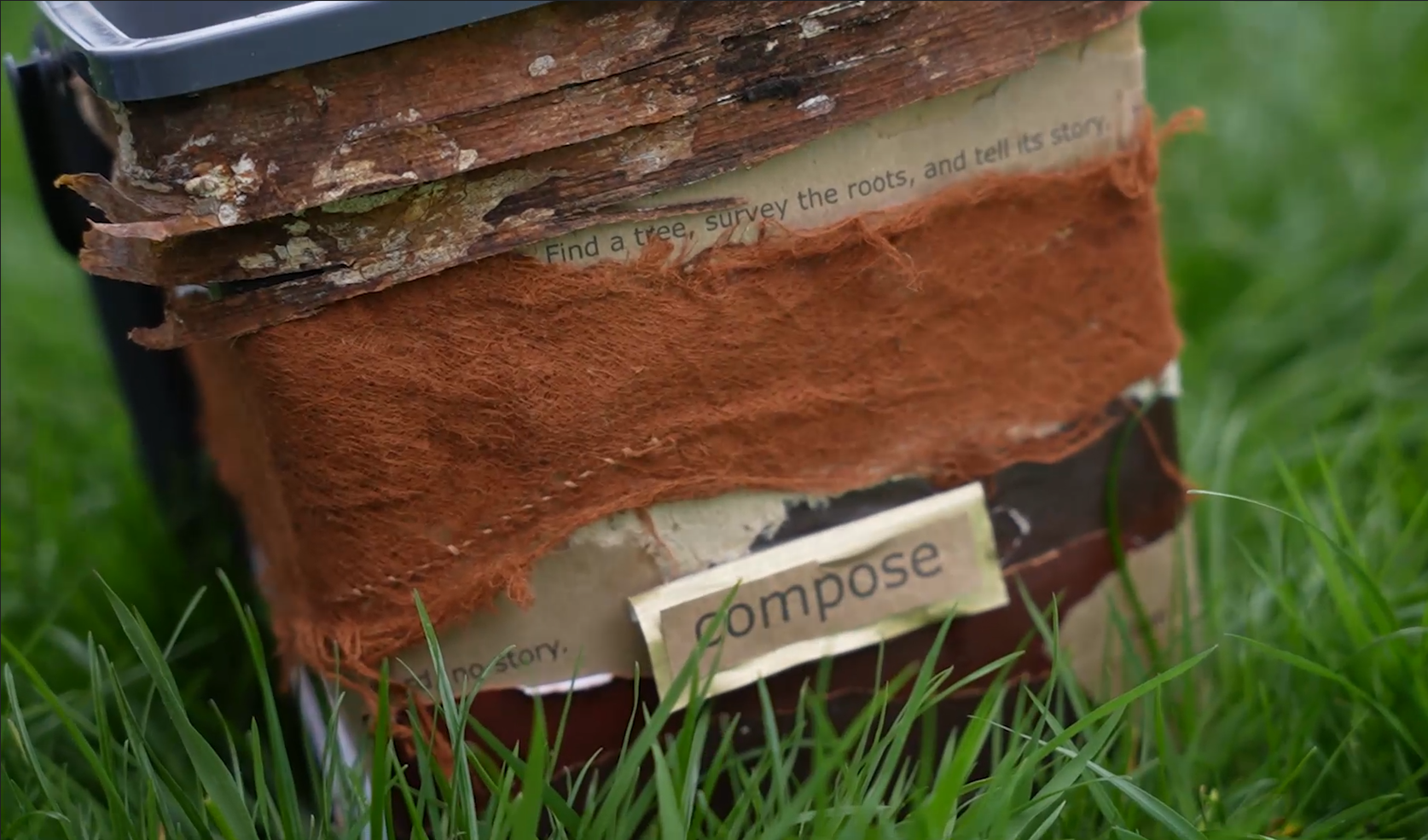
Images show walks and workshops facilitated by Poppy Flint and the Soil Cycles booklet for Walk Under the Trees
Rhizosphere dreams
And so to wrap up as any good story or natural cycle does, back where we started: there are two Rhizosphere projects I’m working on in 2026.
Underfoot - a perception-shifting installation among the roots of trees that is (hopefully) going to be built in an empty shop unit in Ilford, East London. As a normally unseen, overlooked anchor of the ecosystem, the world underfoot is a poignant setting to encounter stories and questions about human’s relationship with nature.
Artists-in-the-Field - based on the familiar principle of an Artist-in-Residence, artists will be partnered with practice-based researchers and farmers/ land managers undertaking field research. They’ll develop original work and lead community engagement activities in the area local to the farm or forest.
If you are a researcher with a story to tell, or a community you want to creatively engage with, or if any of the above simply piques your interest, I’m always open for a conversation. Please get in touch.
Contact me directly: poppy@poppyflint.com
Follow what we are up to on Instagram @the.rhizosphere
Email us on hello@therhizosphere.coop