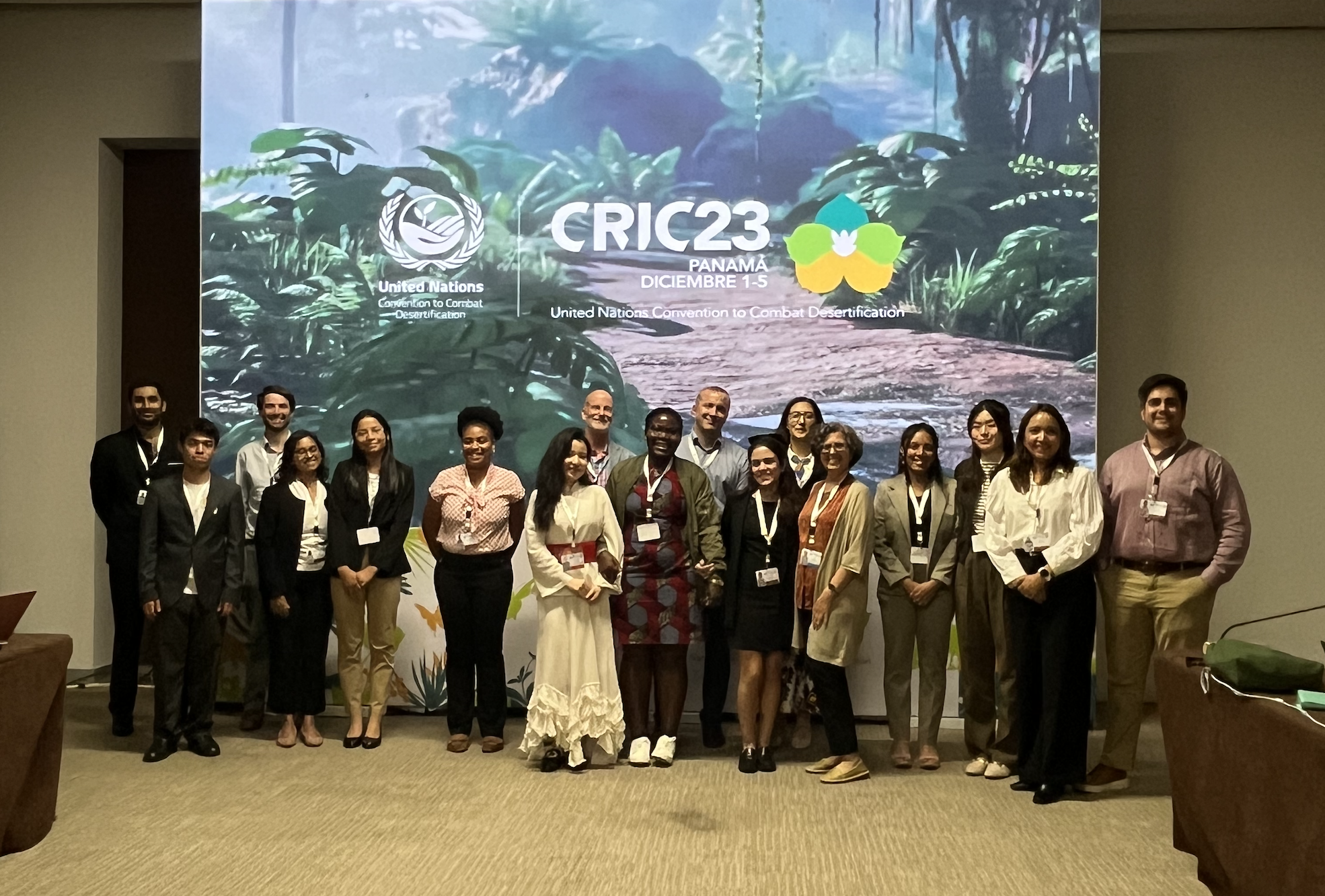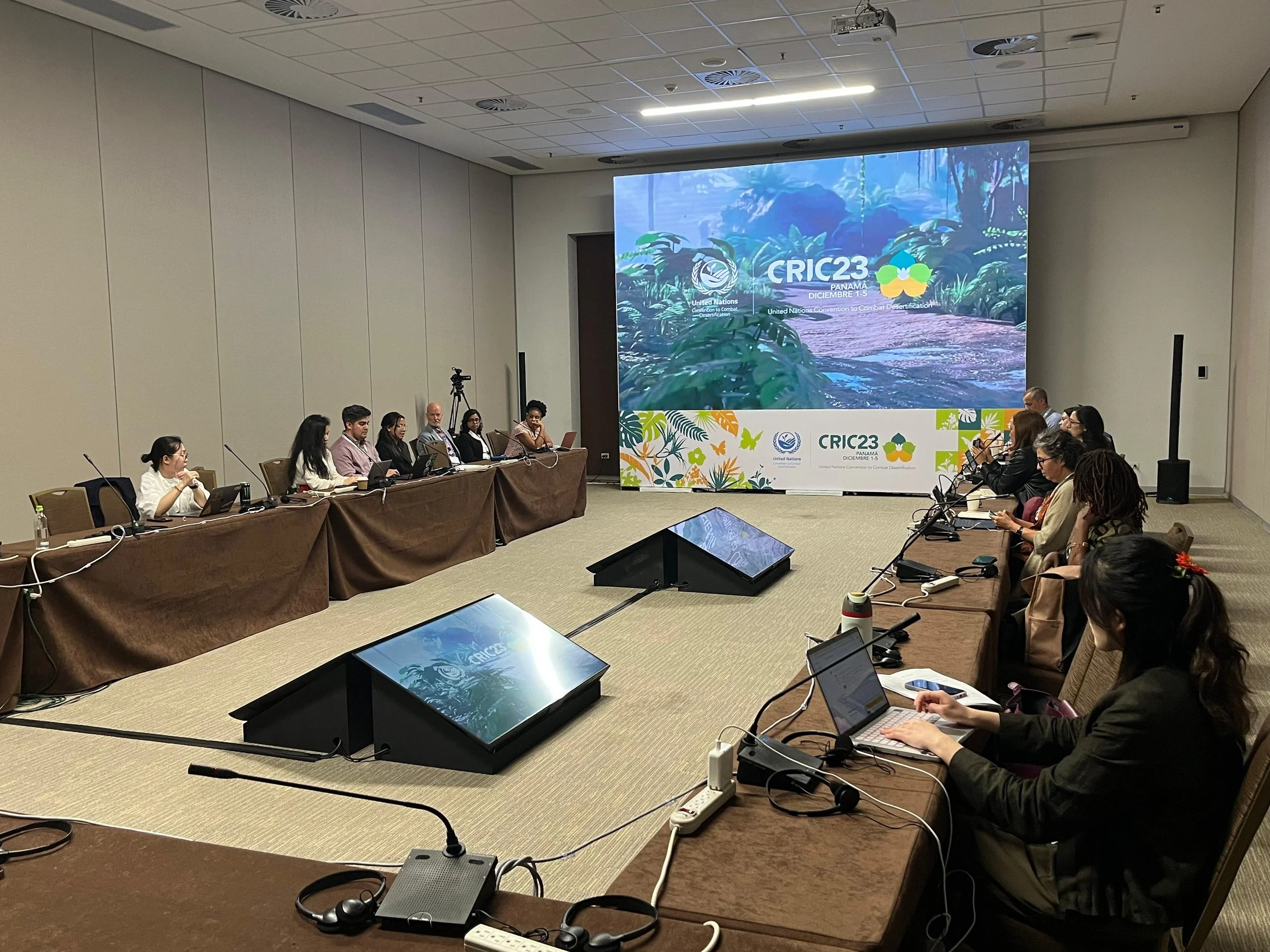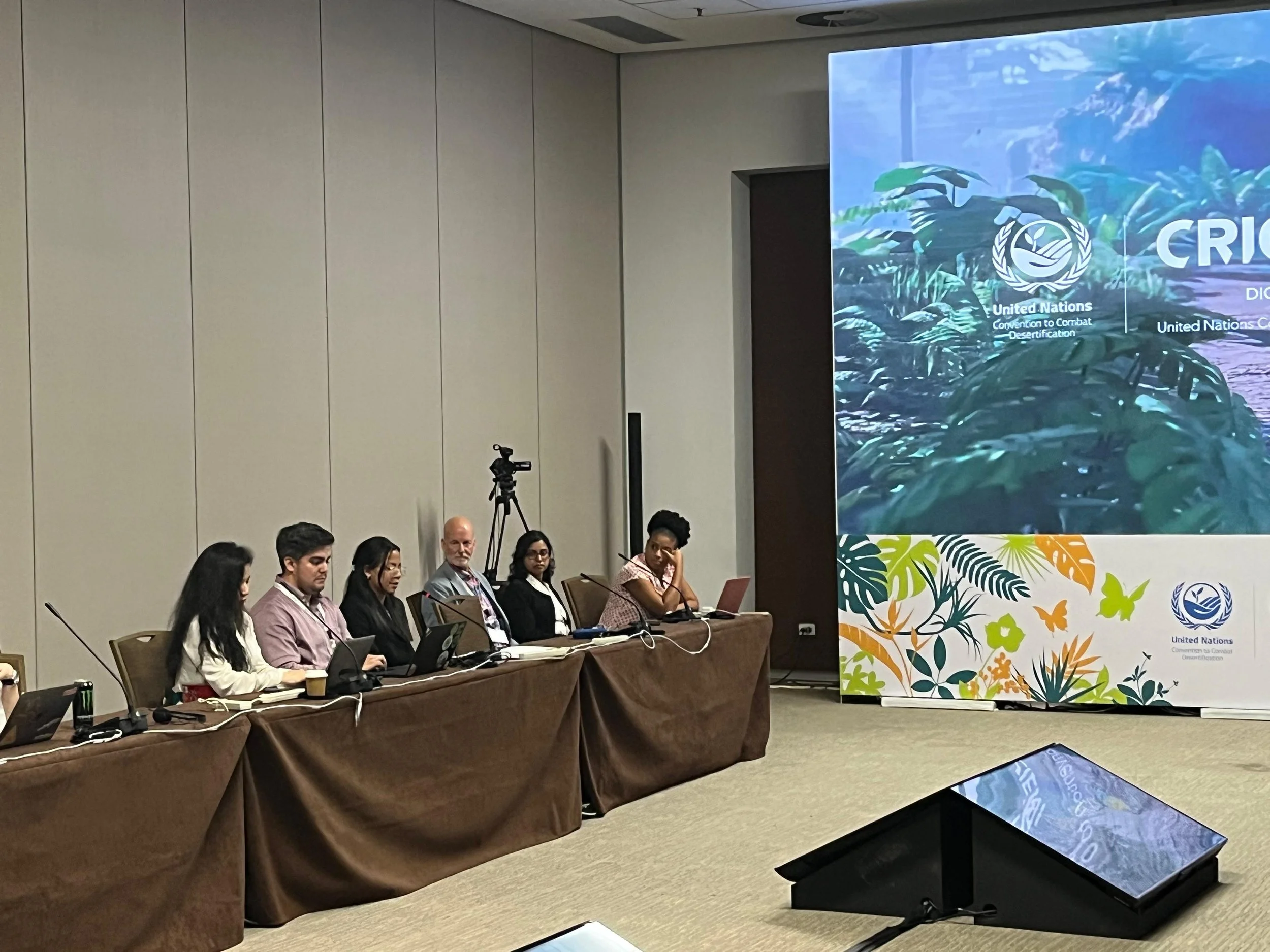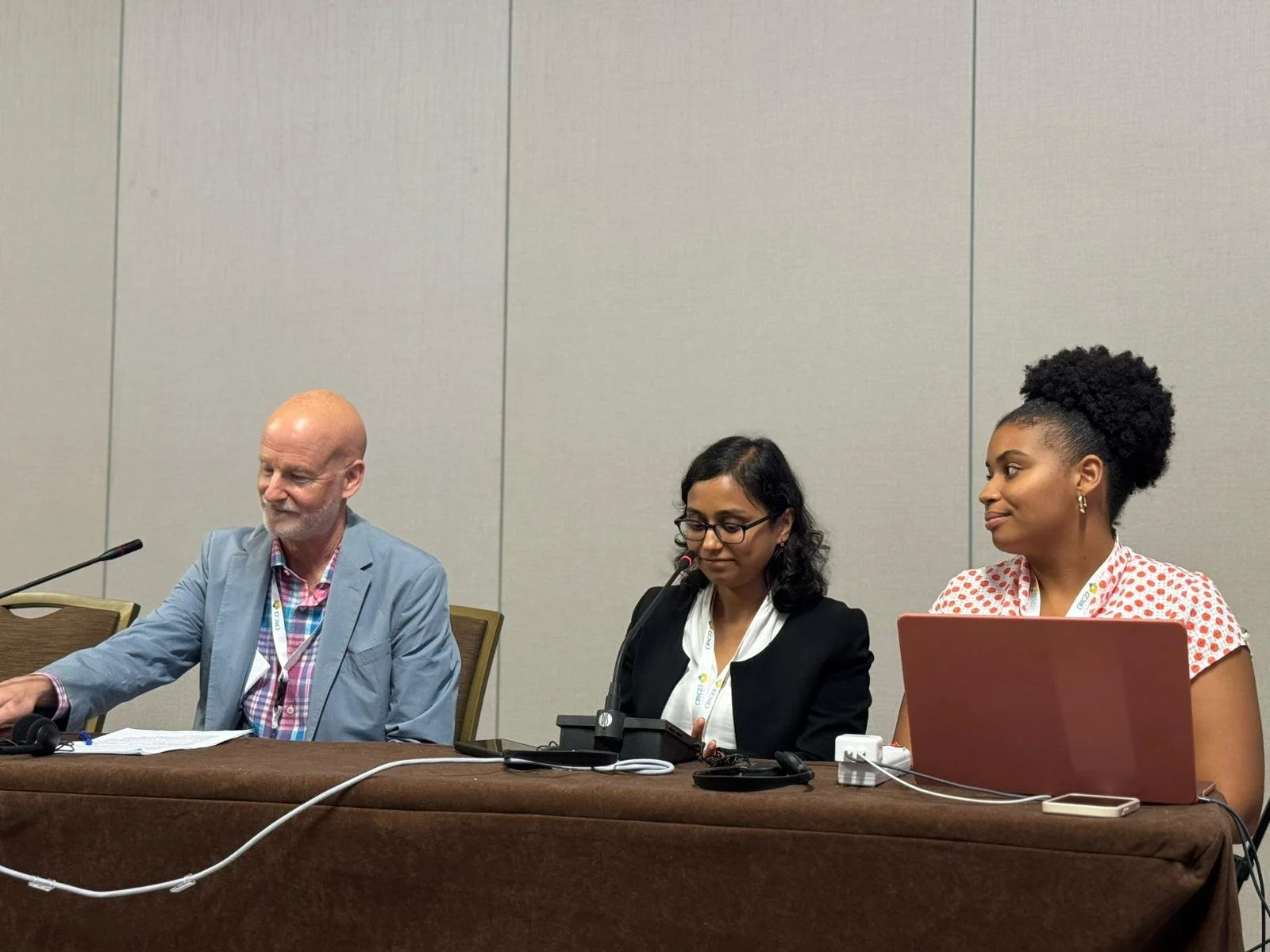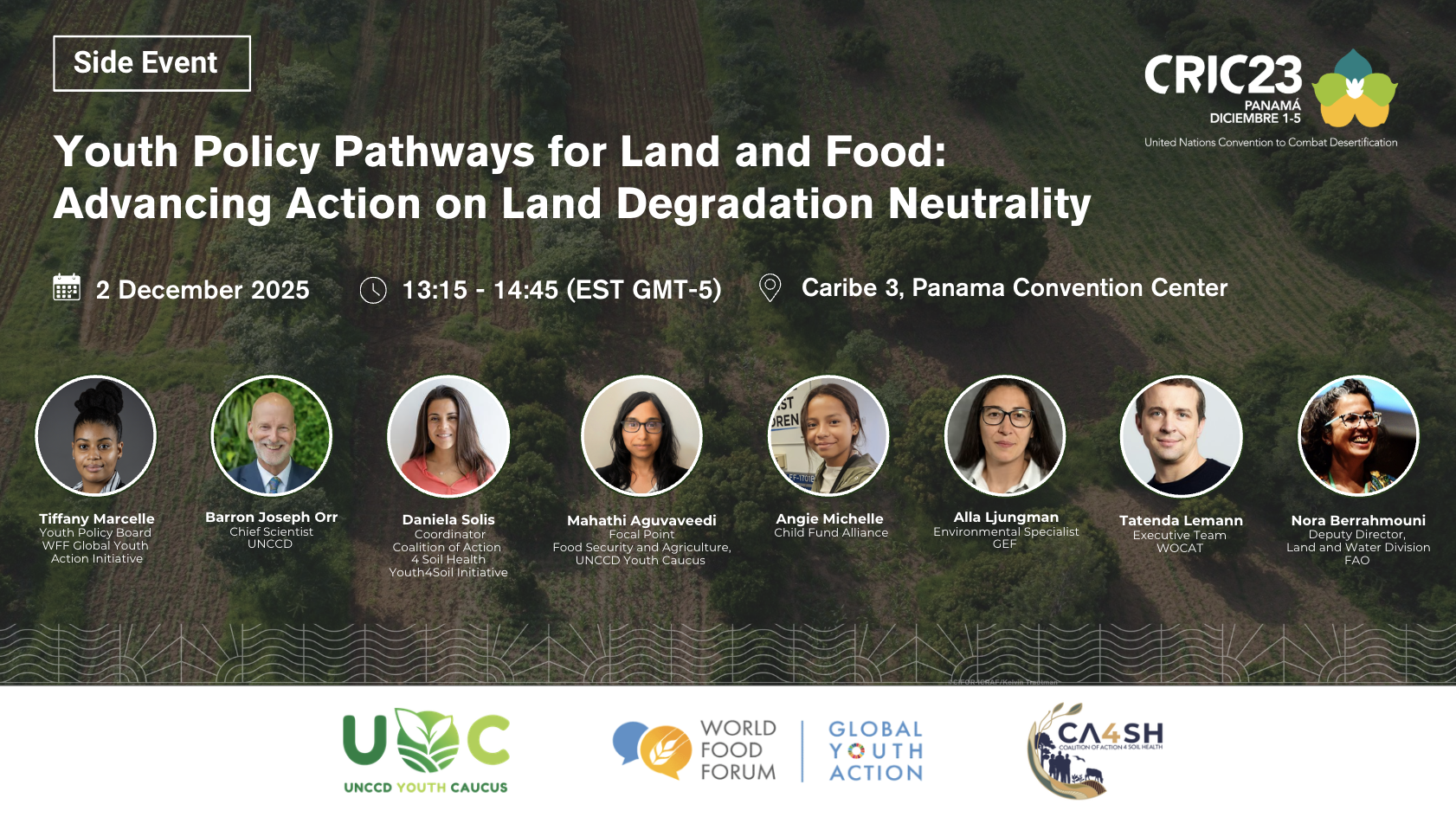
2 December 2025 - At the twenty-third session of the Committee for the Review of the Implementation of the Convention (CRIC 23) of the United Nations Convention to Combat Desertification (UNCCD), in Panama City, Panama, the side event “Youth Policy Pathways for Land and Food: Advancing Action on Land Degradation Neutrality” brought together young people, technical experts, and partners to explore the interlinkages between food systems and land, and how youth perspectives can help shape more coherent, inclusive, and actionable approaches to Land Degradation Neutrality (LDN). The session was co-hosted by the UNCCD Youth Caucus, World Food Forum (WFF) Global Youth Action Initiative, and Coalition of Action 4 Soil Health (CA4SH) Youth4Soil Initiative.
Connecting Food, Land, and Youth Action
Tiffany Mercelle (WFF Global Youth Action Initiative) opened the session with a simple reflection: Where does the food we rely on come from? She invited participants to reflect on the origins of their meals and what this reveals about our relationship with land. “We often talk about how far removed we’ve become from our food, and in part that’s because we’ve become far removed from the land that sustains us.”
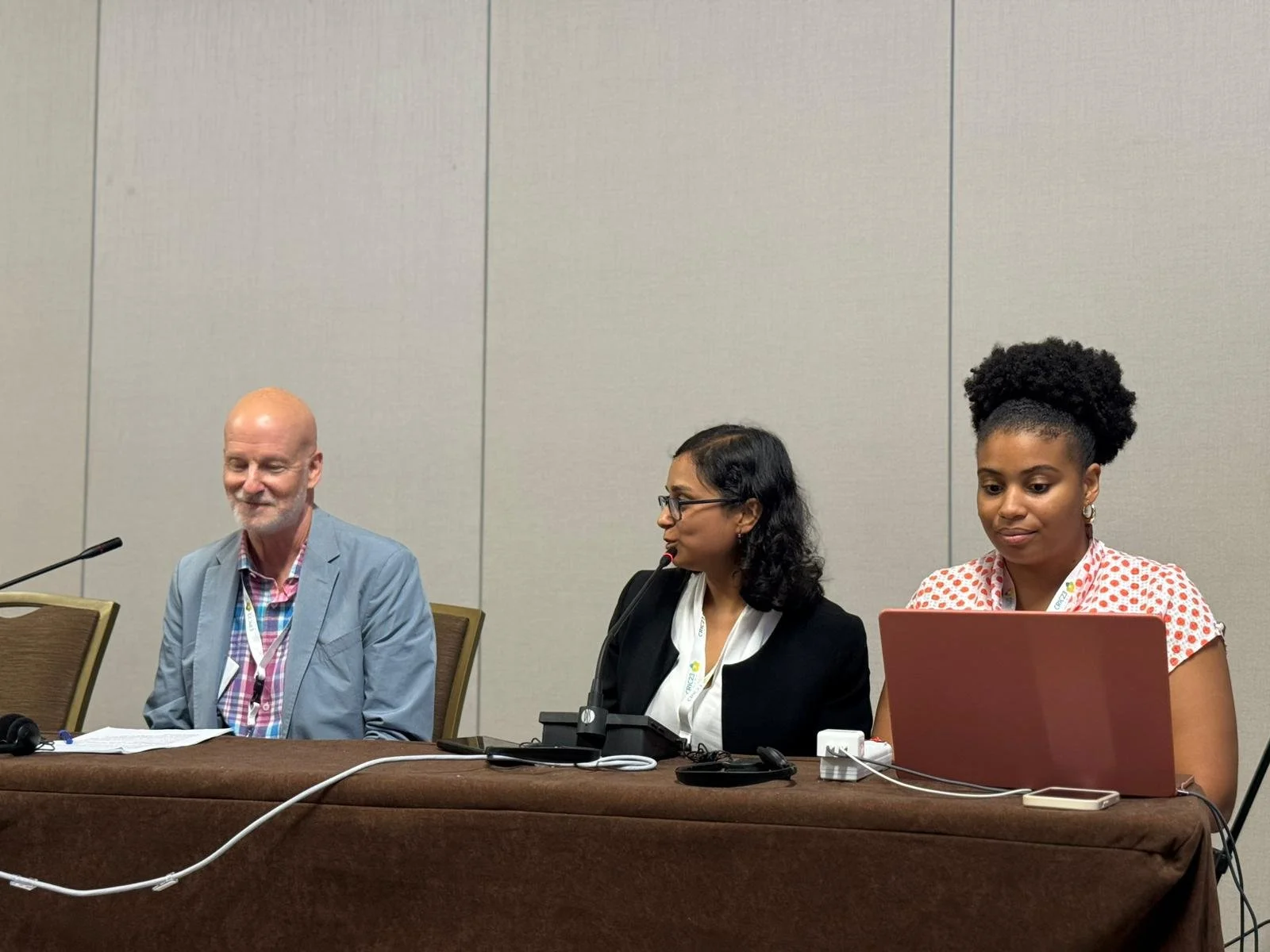
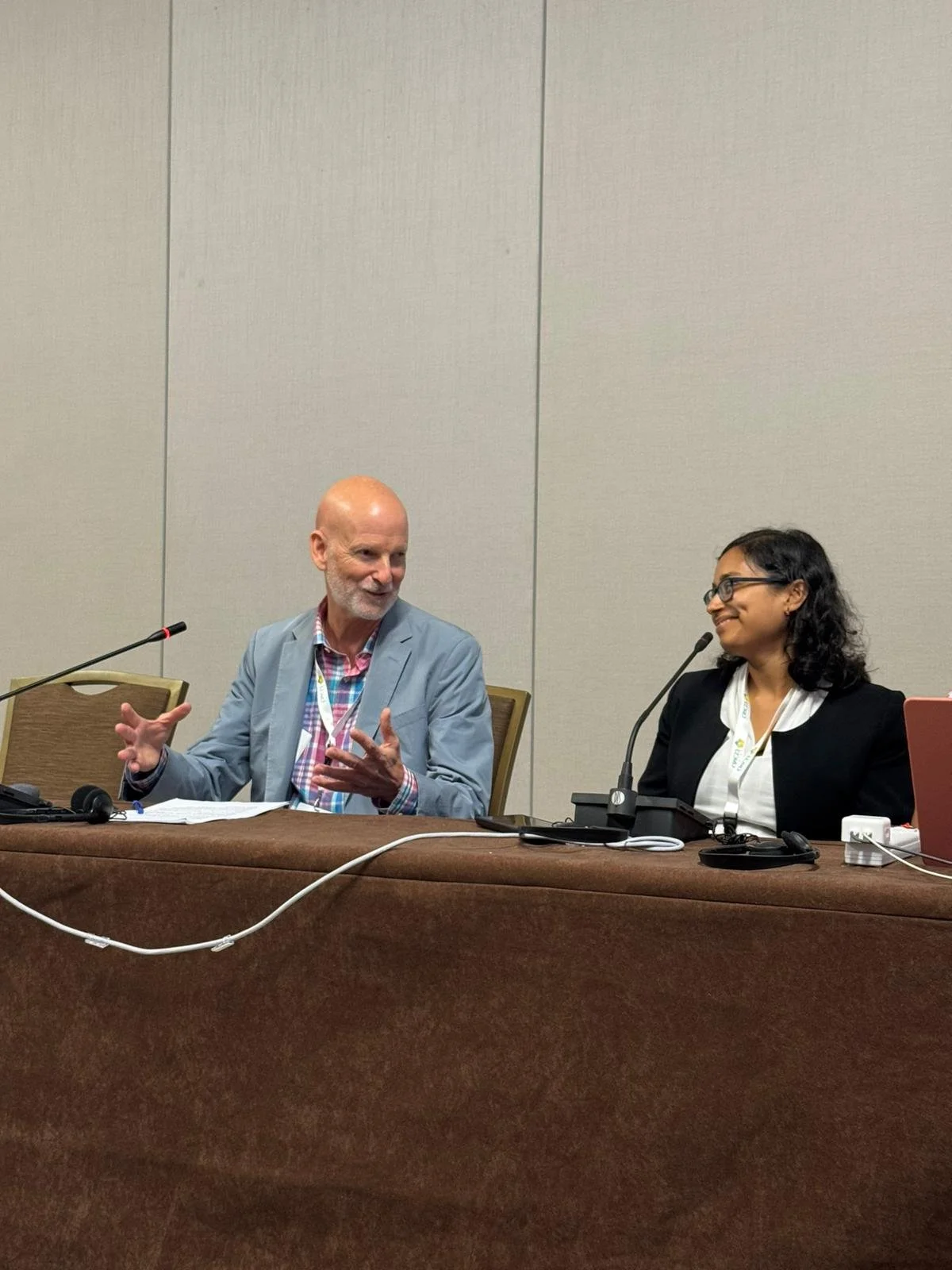
Following this reflection, Dr. Barron Joseph Orr (UNCCD) and Mahathi Aguvaveedi (UNCCD Youth Caucus) held a keynote conversation on how sustainable land management strengthens communities facing drought and climate stress. “Sustainable land management and curtailing land degradation is essential in a world seeing more frequent floods and droughts”, she noted. Dr. Orr illustrated the gap between common public responses to drought and what actually builds resilience. Communities are often told to conserve water, but this is “a tiny fraction of what would happen if we put biology back in the soil”.
Increasing organic matter in soil raises its water holding capacity, allows water to stay longer in the ground and improves water productivity, “or as Dr. Rattan Lal would call it: more crop per drop”. When scaled effectively, it can significantly boost resilience. Another important measure is shifting away from thirsty crops toward varieties better adapted to drought. “These two actions do more resilience than any other measures out there by far.”
“There’s a disconnect between people and the land, but it’s reversible. If we make this objective cool and meaningful, youth can drive the change that governments will embrace.”
Youth Pathways for Land and Food
Youth Leadership on Soil and Land Restoration
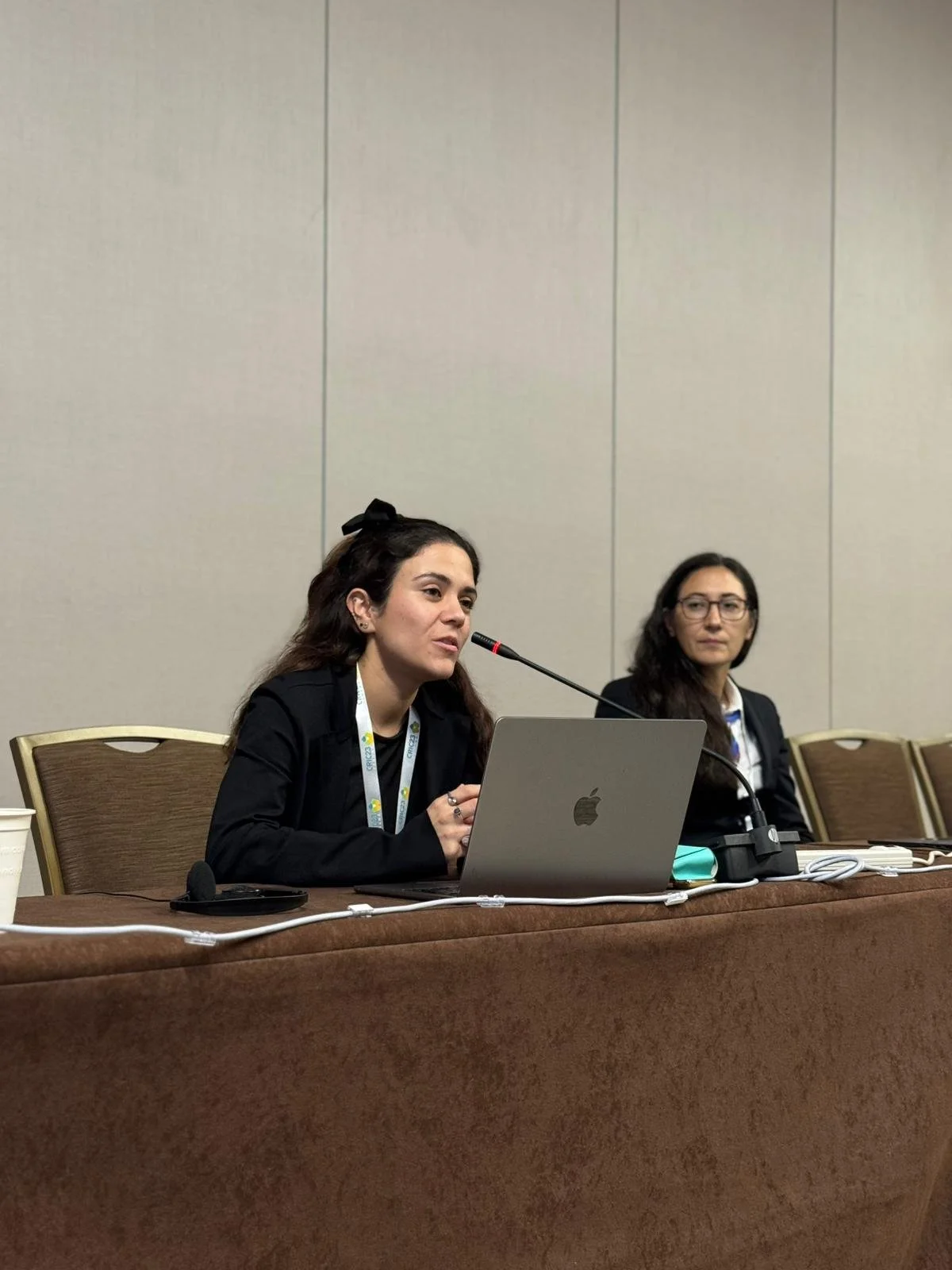
Daniela Solis (Coalition of Action 4 Soil Health and UNCCD Youth Caucus) underlined a central challenge: young people across the world are already restoring land and improving soil health, yet remain sidelined in the decision-making spaces that shape decisions and resources. “Young people are practicing solutions that directly contribute to LDN targets, such as agroecology, agroforestry, composting, cover cropping, planting native species, but often with extremely limited means.”
She highlighted systemic barriers such as insufficient financing, insecure land tenure, limited technical support, fragmented policies, and minimal youth representation in national planning, implementation, and reporting. Even when present at negotiations, young people remain excluded from rooms where decisions are finalized.
To address these gaps, the Youth4Soil Manifesto, launched this year on World Soil Day, brings together global youth priorities, practical recommendations, examples of youth-led action, and commitments toward a unified youth vision for healthy soil by 2050.
“Young people must be included throughout the entire process as active partners and decision-makers. We’re not just restoring the land, we’re restoring justice and integrity to these decision-making processes. ”
Lived Experience from El Salvador
Bringing the discussion back to local realities, Angie Miechelle Huezo Gámez (Red de Adolescentes y Jóvenes de Educo El Salvador) offered a powerful reminder of what land degradation means for children and adolescents. She began with a memory from her family’s milpa (maize field). “My dad always says the land speaks, but that day he said something different: this time, I think the land can’t take any more”. The soil in her hands, she recalls, “crumbled like dust”, revealing how deeply land degradation profoundly impacts daily life: “When the soil becomes sick, everything else begins to break too, food, health, work, school, our lives”.
She described how degradation in El Salvador, driven by deforestation, intensive agriculture, urbanization, and prolonged drought, forces children out of school when harvests fail. Extreme heat makes farm work dangerous, and nearly 80% of rivers are contaminated, leaving communities without water to drink or plant. “In Central America, especially in the Dry Corridor, more than 7.1 million people suffer from food insecurity. And those most affected are children and adolescents.”
Despite this, young people are acting, by leading clean-ups, reforestation, river protection, fire-prevention campaigns, community gardens, mangrove restoration, composting initiatives, and projects investigating the impacts of waste and pollution. “These interventions may seem small, but they add up.”
Through Educo’s youth programs, she learned that “education heals, empowers, and protects”, and called for real youth participation in decisions that affect their land and future. She reminded the room that “climate justice is also the right of girls, boys, and adolescents.”
“This work cannot remain in speeches. Small countries are the most vulnerable, but also the bravest. We are not fighting only for the land, we are fighting for our dignity and for our right to exist.”
Adding to Angie’s intervention, Ana Iris Martinez (ChilFund Alliance) emphasized that youth leadership does not emerge from technical projects alone, but from long-term investments in empowerment, agency, and voice. She stressed the need for learning spaces where young people can understand environmental challenges in ways that are accessible, relevant, and rooted in their lived realities, and called for education and culture ministries to join environment and agriculture ministries in supporting youth-led action. “Youth agency begins locally but must be recognized and supported at national and global levels.”
Financing Pathways for Youth Engagement
Alla Ljungman (Global Environment Facility) outlined concrete opportunities for young people to engage with the GEF, emphasizing that the mechanism is country-led and that youth voices must be included early as priorities are shaped. “Young people are encouraged to connect directly with national GEF operational focal points and conventions focal points,” she said, noting that the upcoming GEF cycle beginning in 2026 provides a strategic moment to align youth priorities with national plans.
She highlighted several practical avenues for engagement:
The Global Support Programme, implemented through FAO, Conservation International, and UNEP, which provides almost USD 1 million per country to support grassroots, community-based, and private sector efforts.
The Small Grants Programme (SGP), which provides up to USD 75,000 in small grants per initiative, designed to mobilize bottom-up actions by empowering local civil society and community-based organizations.
Enabling activities supporting national LDN reporting, where youth data and digital skills are urgently needed.
Education and leadership opportunities, such as the Fonseca Leadership Programme, which provides scholarships and training for emerging leaders.
“There are many doors open for young people to engage with GEF processes, but the first step is connecting with national focal points and positioning youth priorities within the country-driven frameworks that guide GEF investments.”
Bringing Youth-Led Solutions into LDN Reporting
Tatenda Lemann (WOCAT) emphasized that while UNCCD reporting documents land degradation trends, it rarely captures sustainable land management practices already happening, in particular those led by youth.
Through WOCAT’s role as the UNCCD-recommended database for best practices, he explained ongoing efforts to integrate these actions into the new PRAIS reporting system, making it easier for countries to select and link documented practices to their LDN targets. Today, there are over 2,500 practices from all over the world published in the database. Because the database is open access, “everybody can document good practices which go through a review process and can reach a much bigger audience”, even being selected by country representatives for reporting.
He encouraged young people to bring in innovative best practices, share their experience widely and help show the connectedness between what is happening on the ground, the drivers of land degradation, and the solutions that they can contribute.
“Youth can help make visible the action happening on the ground by documenting and sharing sustainable land management practices so they can be meaningfully included in UNCCD reporting.”
Closing Reflections: The Heartbeat of the Land
In her closing remarks, Nora Berrahmouni (FAO) reflected on the “very rich exchange” and described the voices in the room as “the heartbeat of the land”. She highlighted how youth are advancing restoration, landscape resilience, innovation in sustainable land management, advocacy, and soil health, “often in regions most affected by degradation and drought, including the Corredor Seco”.
She emphasized the need for spaces where youth perspectives meaningfully influence policies and action. “Young people bring strong values around environmental stewardship, social justice, and community resilience, values essential for sustainable and resilient agricultural systems.”
FAO’s youth-focused initiatives include regional and thematic consultations through the World Food Forum Youth Assembly, the FAO e-learning academy, the Soil Doctors Programme, and the World Food Forum Youth Education Programme. Across these platforms, youth consistently call for secure land rights, access to resources, training opportunities, and supportive policies for the restoration of agricultural land.
She closed by reaffirming FAO’s commitment to co-develop tools and approaches together with youth, noting that young people are not only beneficiaries but “co-designers of solutions, whose evidence and leadership can strengthen planning, implementation, and monitoring.”
“Let’s continue this shared work so that the knowledge, the innovation, and the energy of young people inform the future of the Convention. ”