
Healthy Soil 4 Healthy Diets
A Plan to Accelerate Solutions under the Global Climate Action Agenda
This Plan aims to accelerate a global transition toward food systems that deliver healthy soil and healthy diets for people and the planet. By connecting science, policy, finance, and practice, the Plan seeks to translate growing commitments into coordinated, evidence-based action that improves soil health, strengthens livelihoods, supports nutritious diets, and advances food systems transformation from the soil to the plate.
Plans to Accelerate Solutions (PAS) are developed under the Global Climate Action Action Agenda (GCAA) to turn negotiated outcomes into real-world delivery. They are concise, multi-stakeholder, action-oriented workplans designed to overcome barriers to scaling solutions. The GCAA mobilizes the whole of society around voluntary climate action across six axes.
-

Thematic Axis 3
Transforming Agriculture and Food Systems
-

Key Objective 9
More resilient, adaptive, sustainable, and circular food systems
-

Timeframe
2025-2028
-

Geographic Scope
Global









Priorities
The Plan builds on existing initiatives, partnerships, and investments. It focuses on addressing the systemic barriers that prevent healthy soil practices from being adopted and scaled across diverse agroecosystems to deliver healthy diets.
Rather than creating parallel processes, it brings together stakeholders to co-develop solutions, align priorities, leverage existing knowledge, and catalyze investments through four interconnected priorities:
Strengthen the evidence base: monitoring outcomes of healthy soil practices
Scale farmer-centered healthy soil practices that support nutritious food systems
Unlock and redirect finance to accelerate the scaling of healthy soil practices
Drive policy coherence and integration to accelerate the transition to healthy soil and healthy diets
Background
Transforming global food systems to deliver healthy diets, resilient livelihoods, and a sustainable planet requires a fundamental shift in how we manage agricultural landscapes. Soil health is central to this transformation. It strengthens ecosystem function, enhances biodiversity, and improves the resilience and productivity of agricultural systems.
However, despite growing global momentum, the adoption and scaling of practices that improve soil health remains constrained by fragmented evidence, financial barriers, and policies that do not adequately support farmers and other actors through the transition. For example, it is estimated that transition costs remain disproportionately borne by farmers, and private investment is constrained by risks, lack of clear incentives, and fragmented financing mechanisms, despite estimates that agricultural innovation could unlock USD 1.2 trillion in returns over the next 10-20 years.
Despite this, there are opportunities to redirect and unlock financial instruments. For instance, only approximately 1.5% of public climate finance supports sustainable, regenerative, and agroecological pathways.
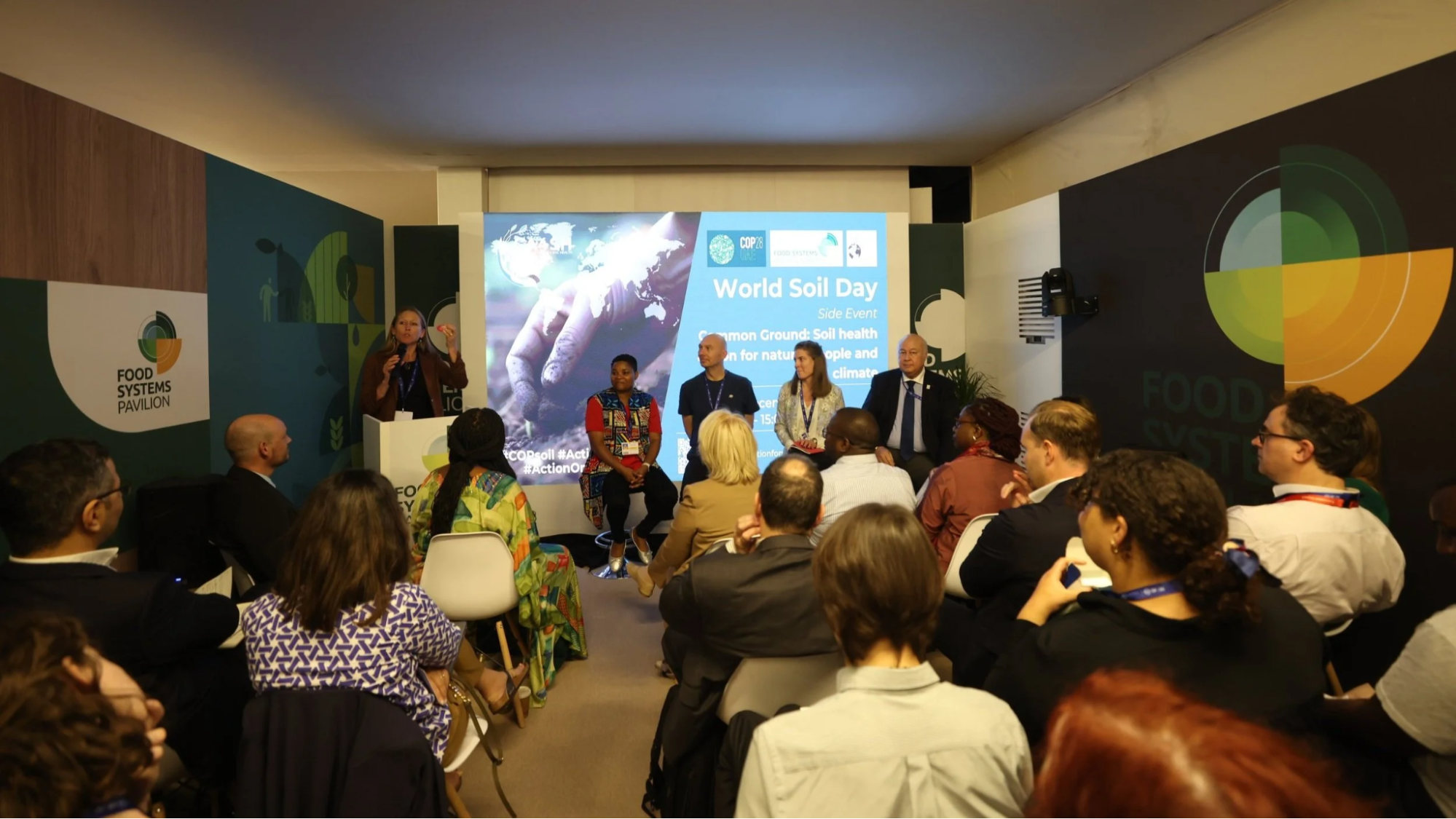
News

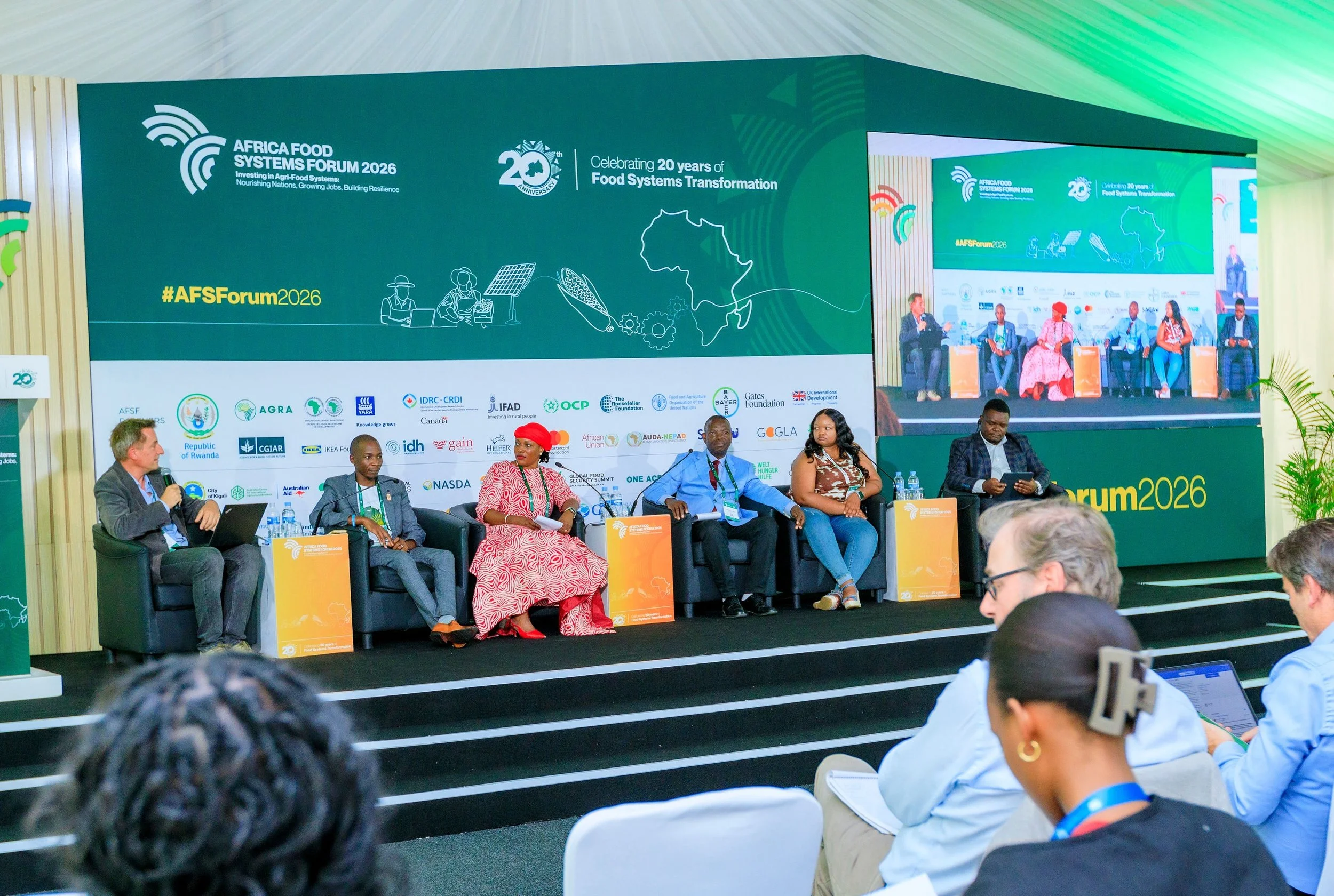
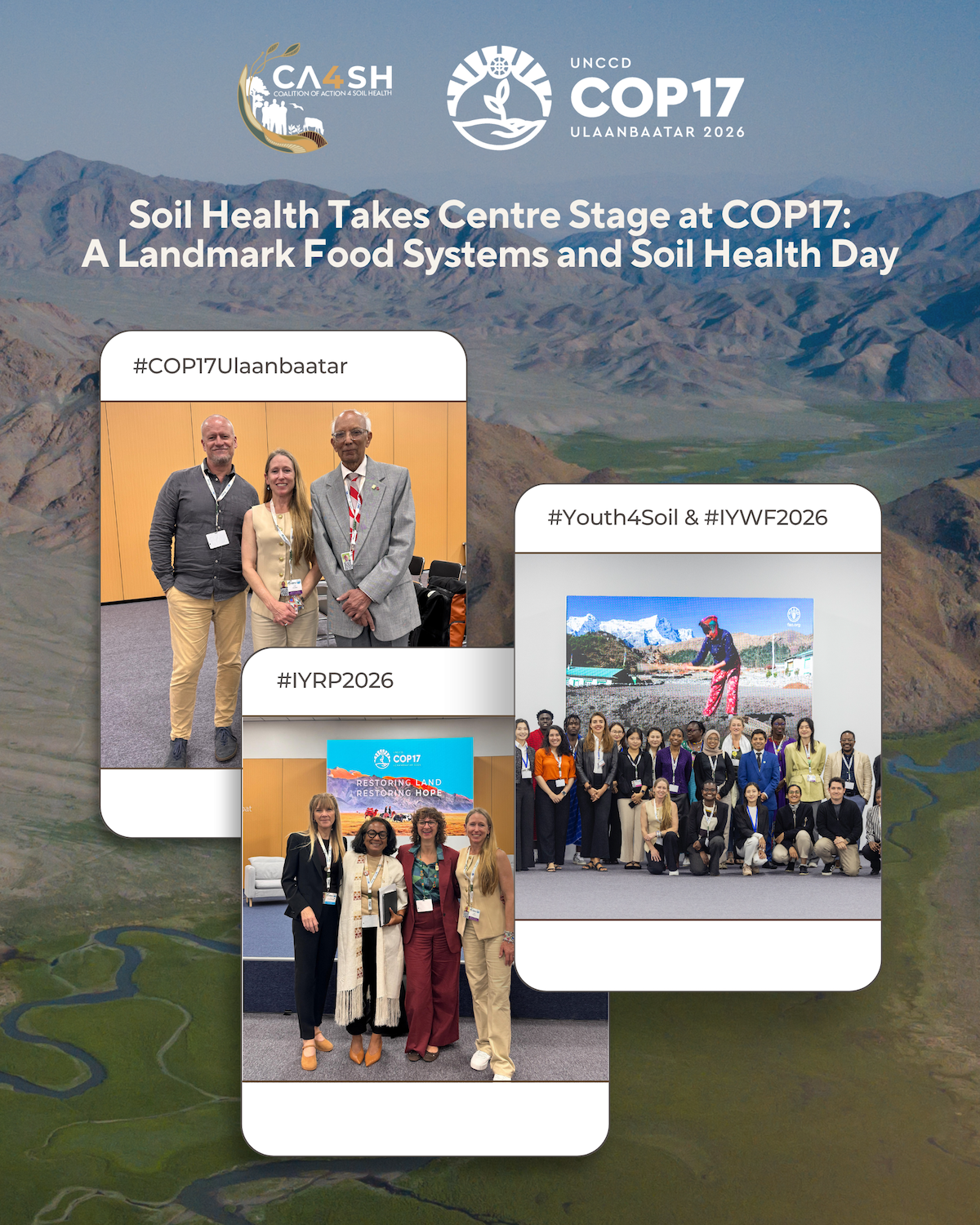
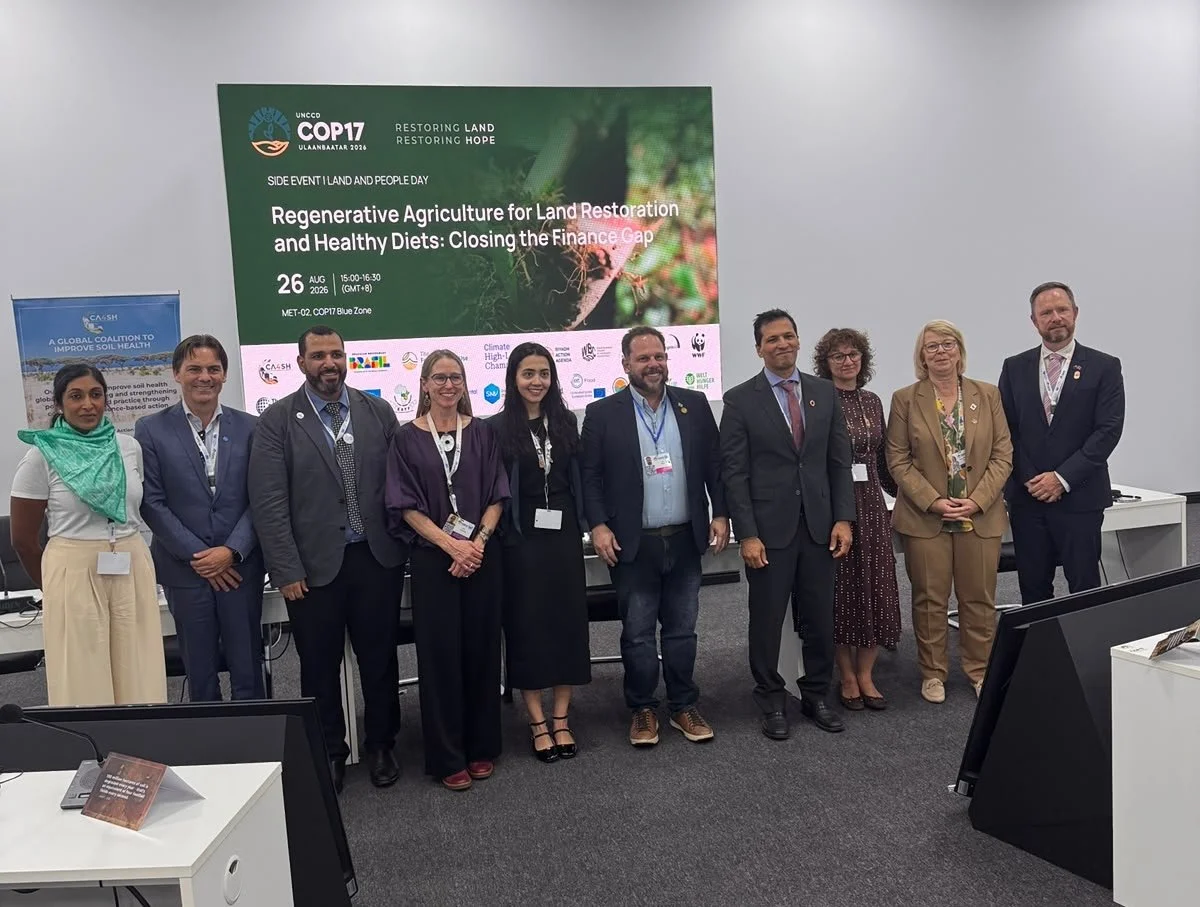

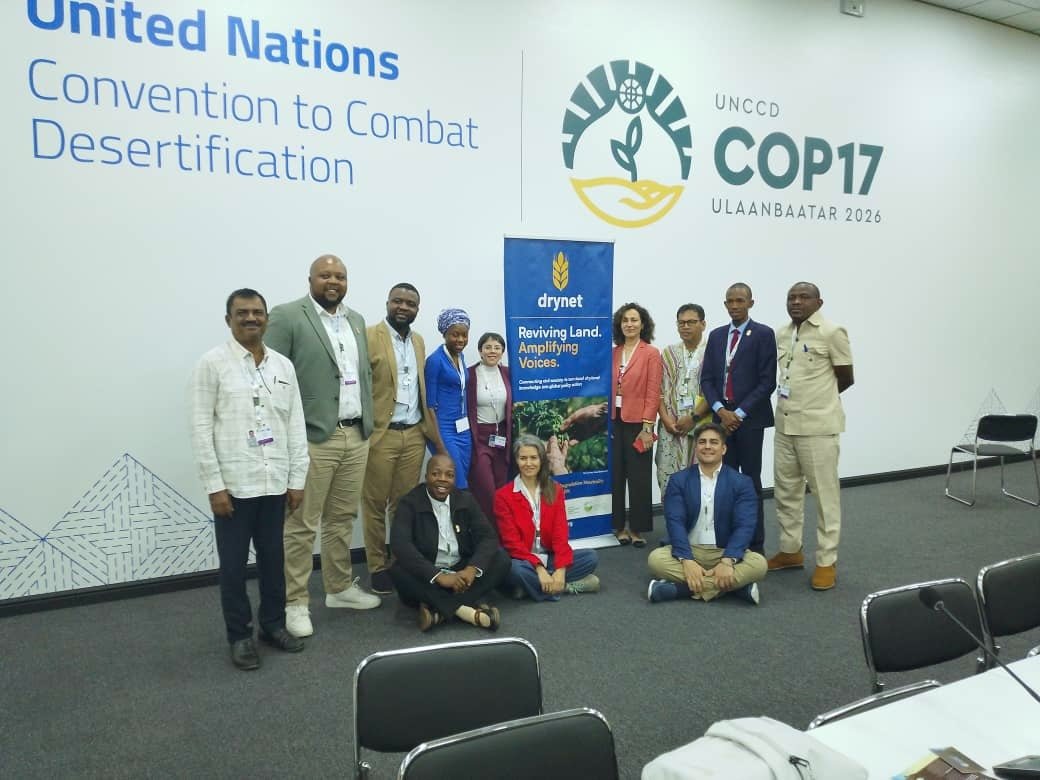
Resources


Reach out to collaborate
-

Dr Leigh Winowiecki
Soil and Land Health Global Research Lead, CIFOR-ICRAF
Co-Lead, CA4SH
-

Melanie Ho
The Coalition of Action 4 Soil Health (CA4SH), Landscape Alliance (CIFOR-ICRAF), Deutsche Gesellschaft für Internationale Zusammenarbeit (GIZ) GmbH, the Norwegian Agency for Development Cooperation (Norad), CGIAR Multifunctional Landscapes Science Program, WWF, and partners, convened senior leaders and partners at UNCCD COP17 Mongolia for a high-level dinner focused on a simple but critical message: healthy soils are fundamental to resilient food systems, healthy ecosystems and a more climate-resilient future.