Food and nutrition security is a collective effort, and at the Africa Food Systems Forum 2026 in Kigali, soil health was at the center of that conversation.
Images: Hakizimana Emmanuel, Emmy Photography
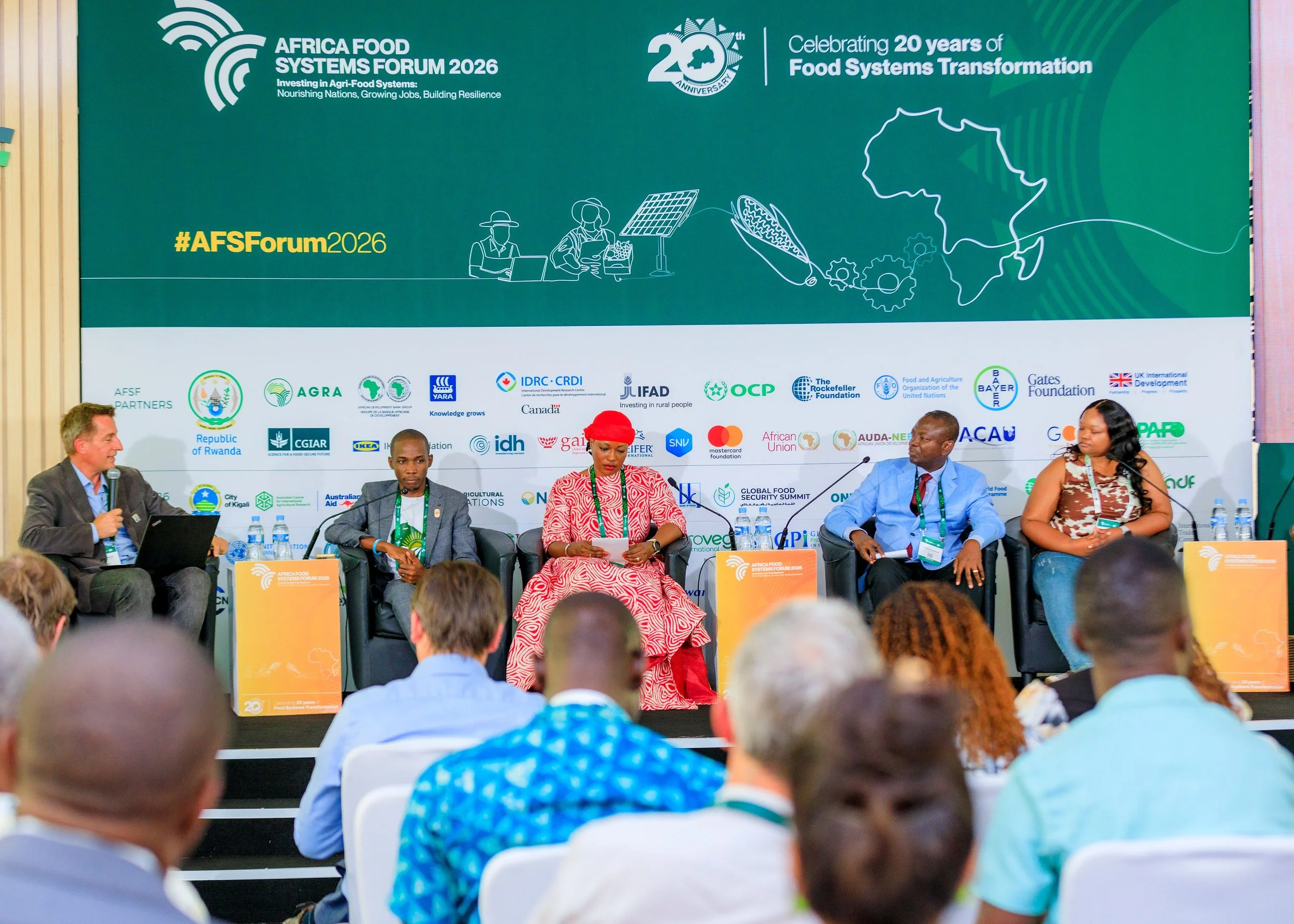
Across several sessions during the week, CA4SH partners joined discussions about a question that underlies many of the challenges facing Africa’s food systems: how do we get better evidence, smarter investment and more effective support to the farmers and communities managing the continent’s soils?
Putting soil evidence behind investment decisions
At the Soil Evidence for Smarter Subsidies side event on 31st August, the discussion moved from the value of soil data to how it can shape real investment decisions. Participants highlighted how spatially explicit soil information can help governments identify degradation, target agricultural support, improve fertiliser-use efficiency and prioritise interventions that build soil health and resilience.
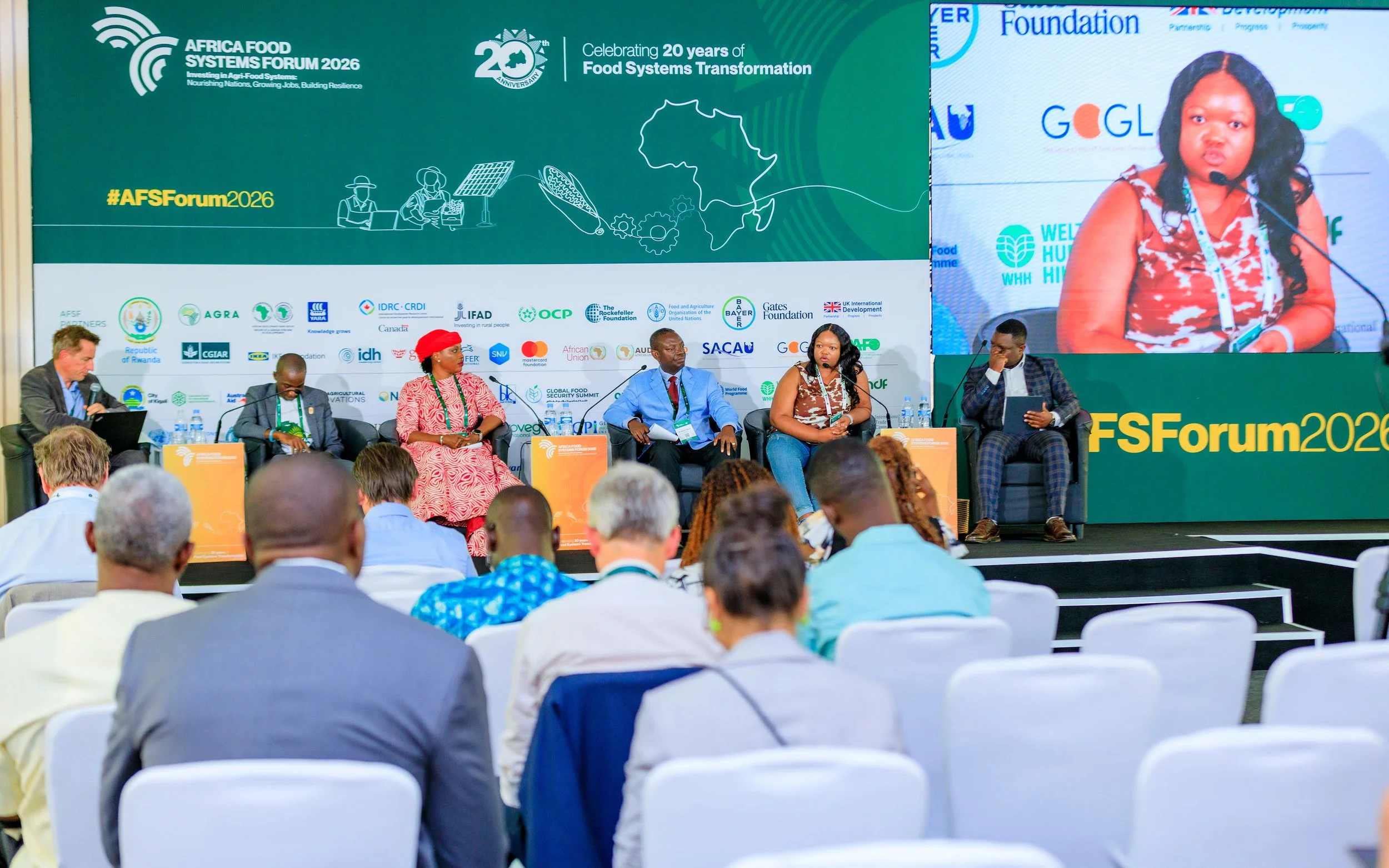
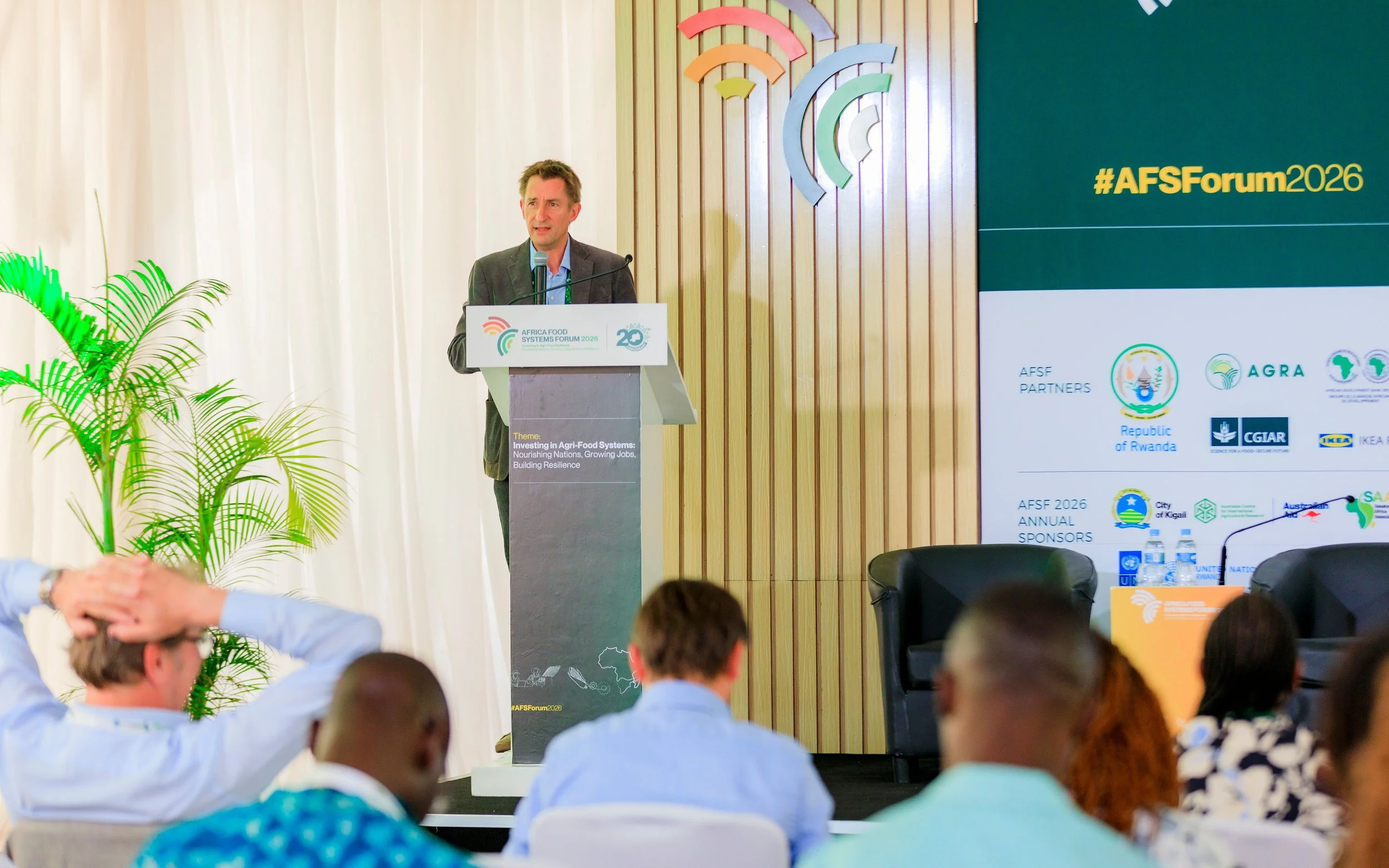
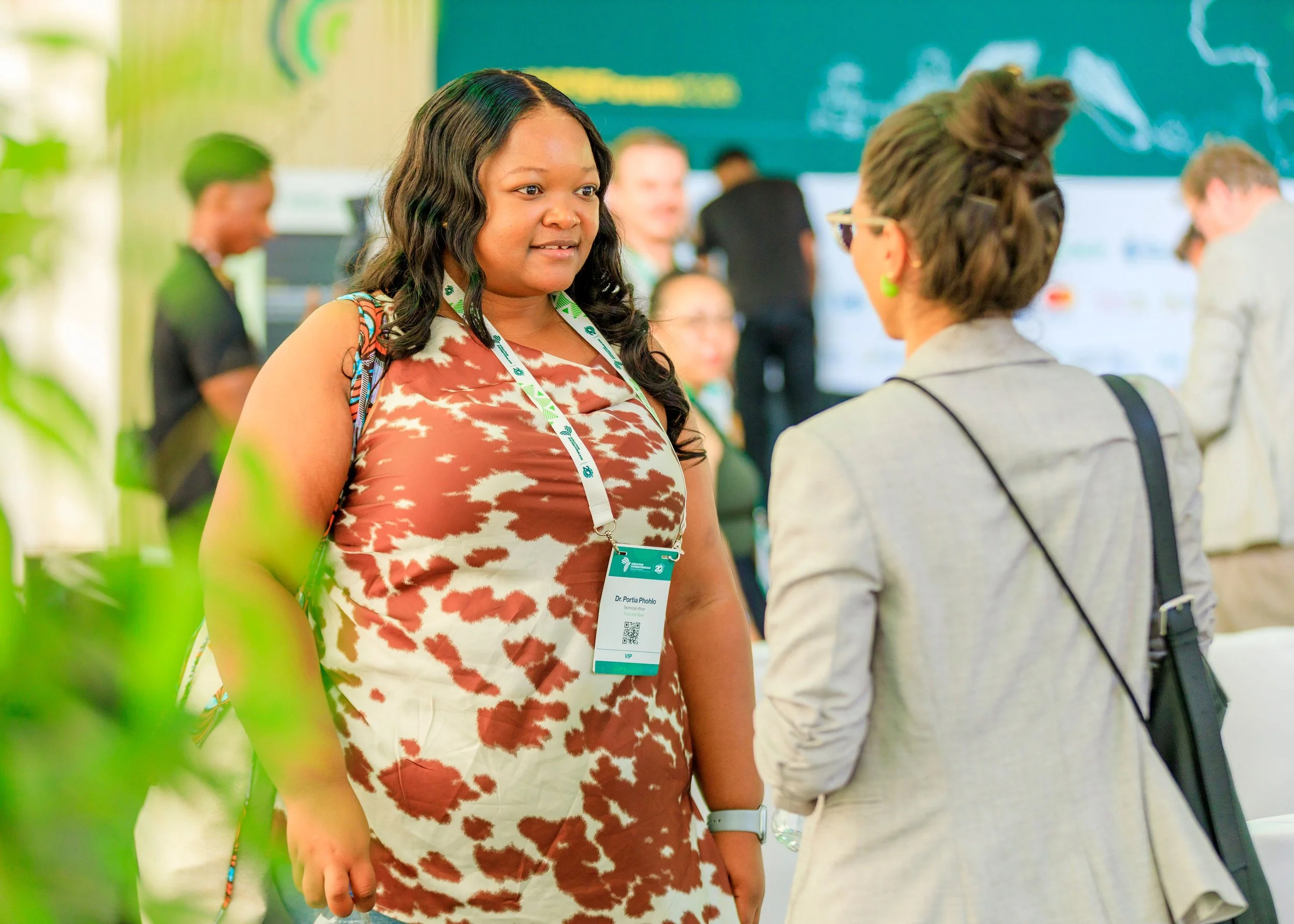
Dr. Portia Pohlo, Trace & Save | Image: Hakizimana Emmanuel, Emmy Photography
“Smarter subsidies and incentives have to start with evidence. We need to understand what the actual constraint is at farm level and then direct support accordingly. Farms and soils are different, so it does not make sense to support every farmer with the same intervention. One may need lime, another may need less fertiliser, and another may need support for practices that improve soil health and nutrient cycling. If we invest according to evidence rather than a blanket programme, we can improve nutrient-use efficiency, reduce reliance on fertiliser, and support farmers to achieve better productivity, soil health and resilience.”
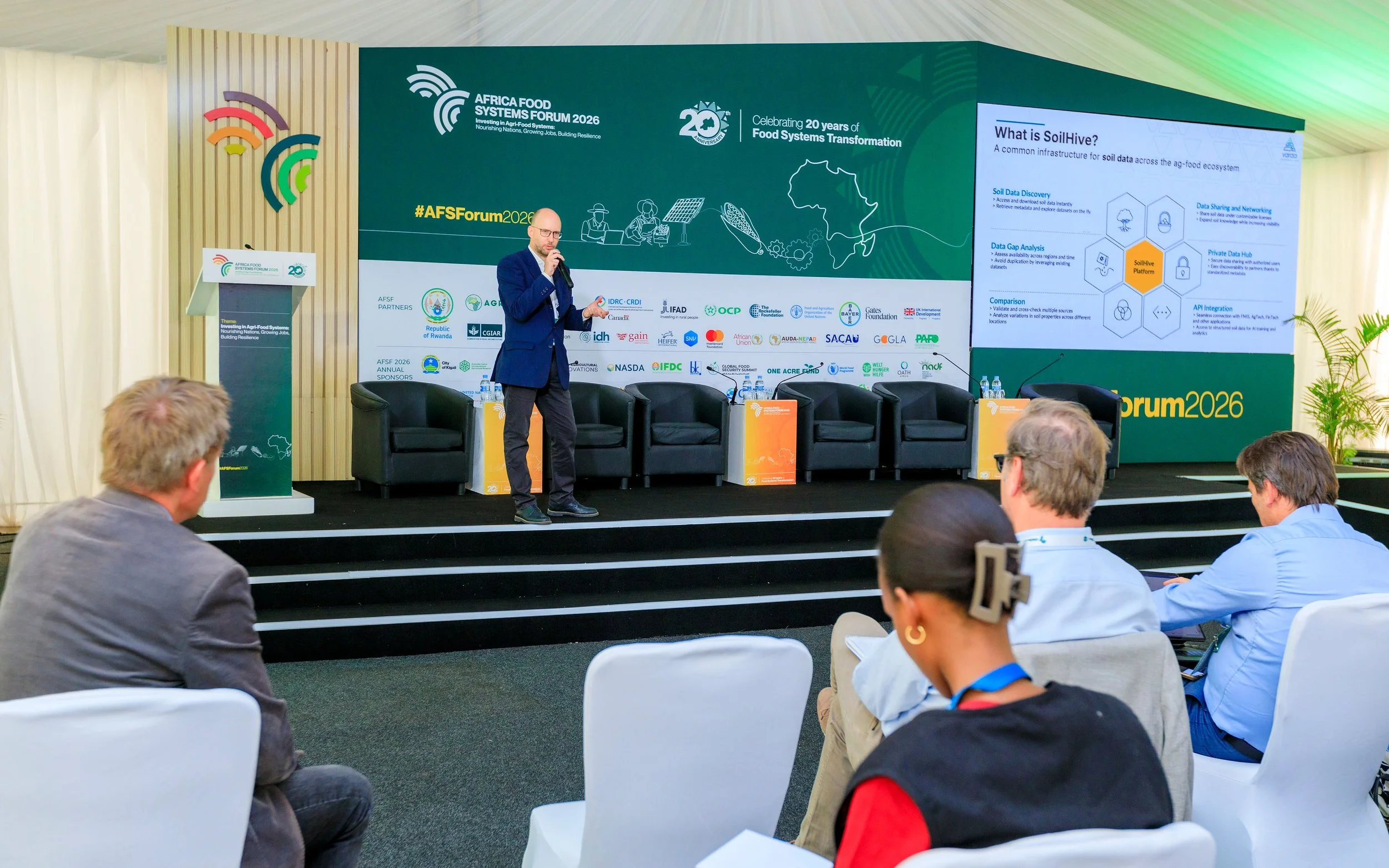
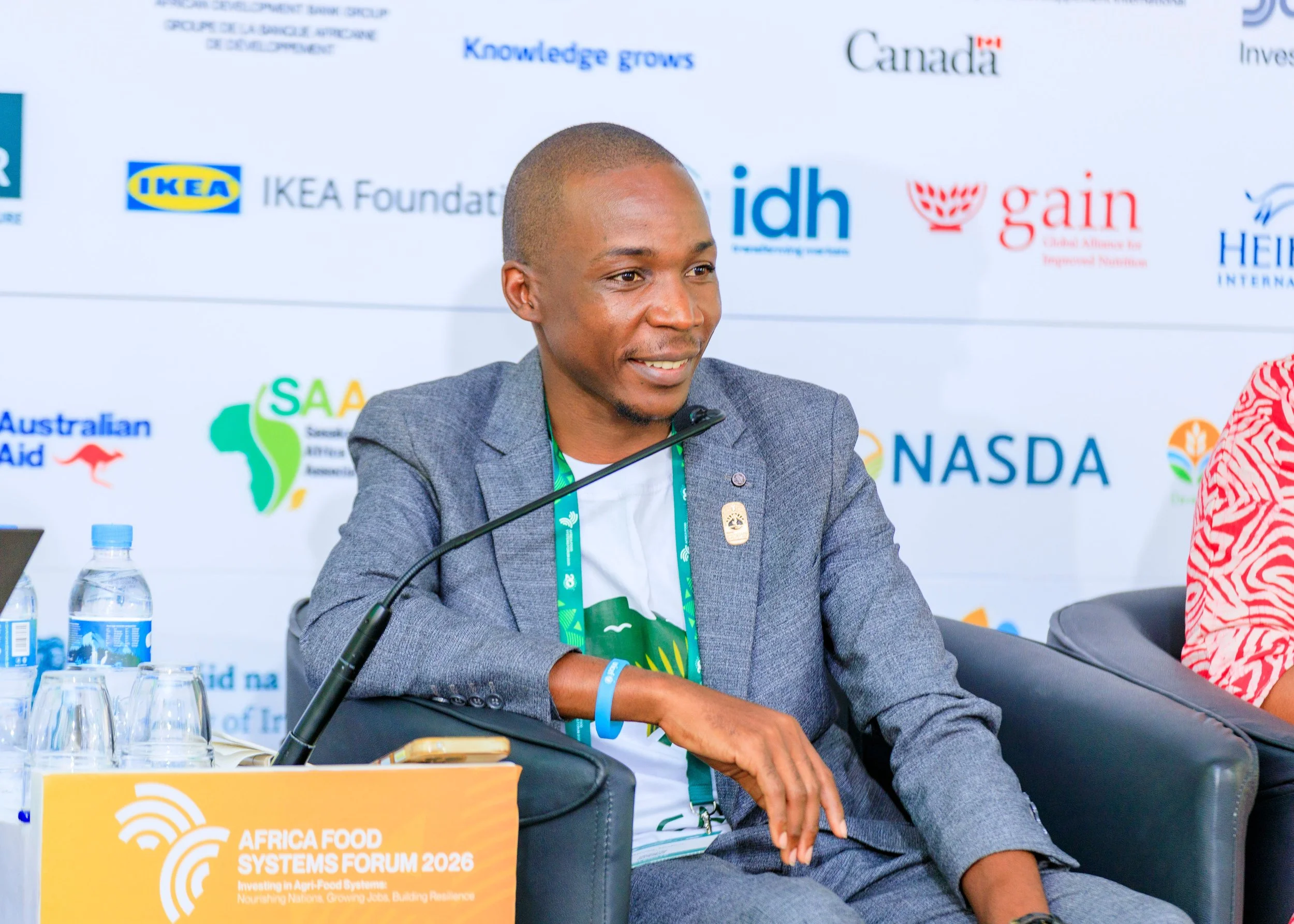
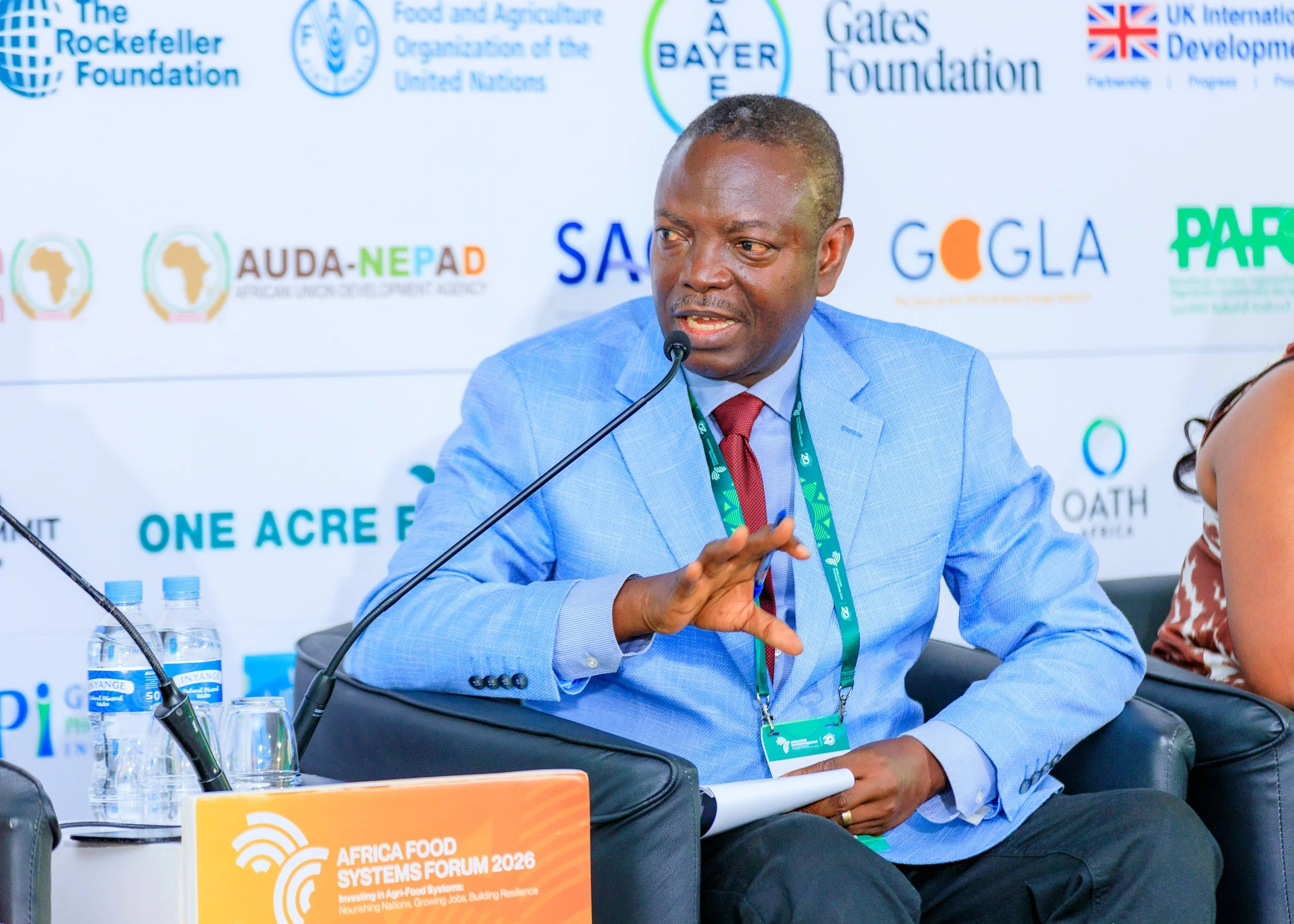
Simone Sala, Varda Foundation | Image: Hakizimana Emmanuel, Emmy Photography
The session also called for agricultural subsidies to move beyond input-centric approaches towards integrated soil fertility management, and soil water conservation, and investments in soil health. There is a real opportunity to better aligning public and private investment to support farmers to invest in improving the health of their soil. By actively engaging farmers, women, and youth in the collection, interpretation, and use of data, we can strengthen local ownership and ensure that the evidence generated is more relevant, accessible, and effectively used to inform decisions and action.
SoilHive, Varda Foundation’s open-source soil data infrastructure, was presented as a practical example of how more accessible and interoperable soil information can support these decisions.
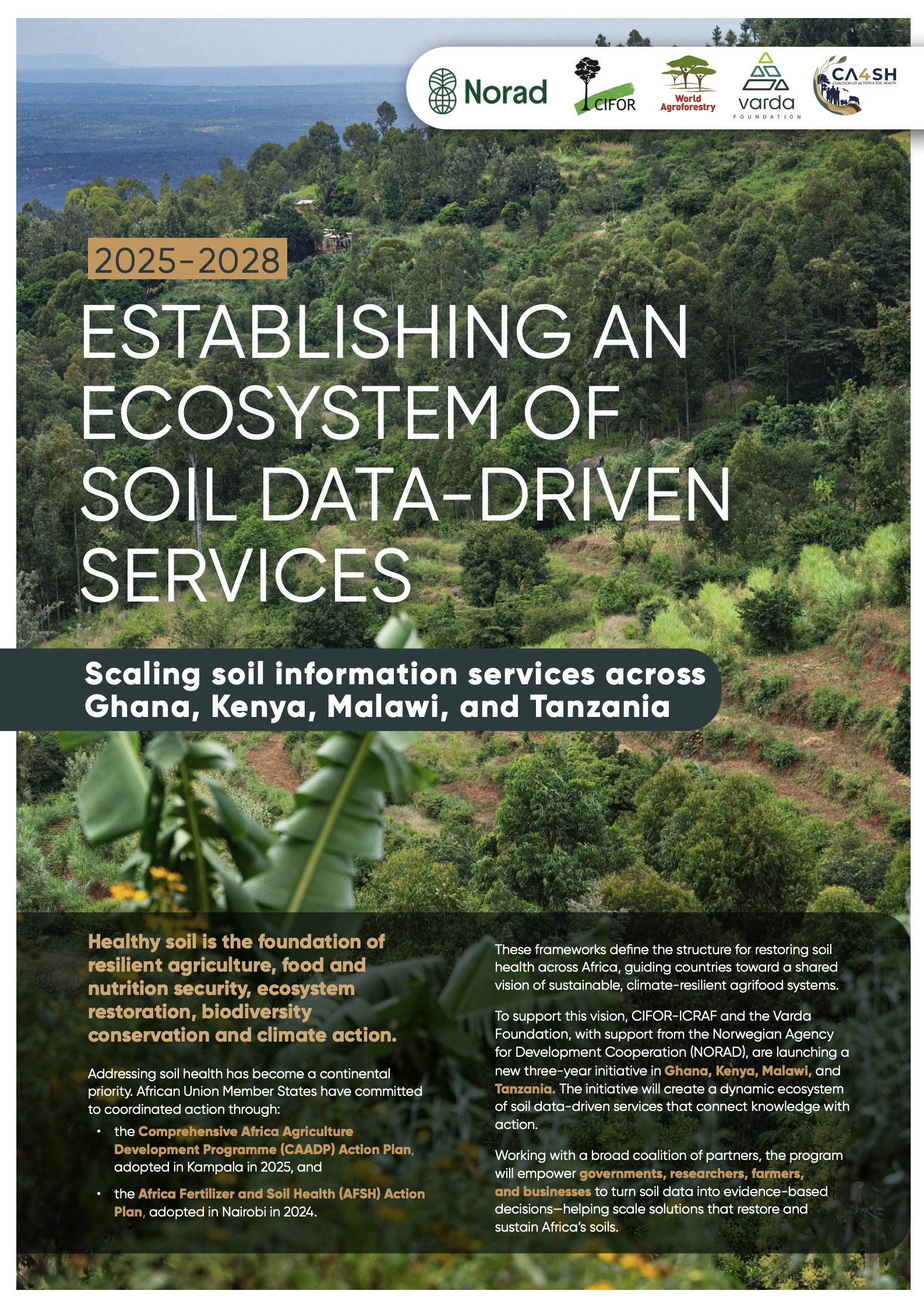
This initiative addresses the urgent challenges of soil degradation and food insecurity in Ghana, Kenya, Malawi, and Tanzania.
It builds on insights from the Global Fertilizer and Soil Health Challenge project (funded by NORAD, Aug 2024–Jan 2025), which highlighted:
The urgent need for accurate soil data.
The importance of making this data accessible.
The role of soil information in guiding and monitoring land.
Finding new ways to finance the transition
The Welthungerhilfe (WHH) Solutions Lab on Unlocking Carbon Finance for Sustainable Agriculture took a closer look at what it will take to make carbon finance work for smallholder farmers. The discussion explored the practical barriers that can prevent finance from reaching the farm level — including transition costs, risk, transaction costs and access to appropriate advisory services — as well as the need for fair and timely benefit-sharing. The session made the case for financing models that do more than attract capital: they need to give farmers a meaningful stake in the transition to conservation agriculture and sustainable land management.
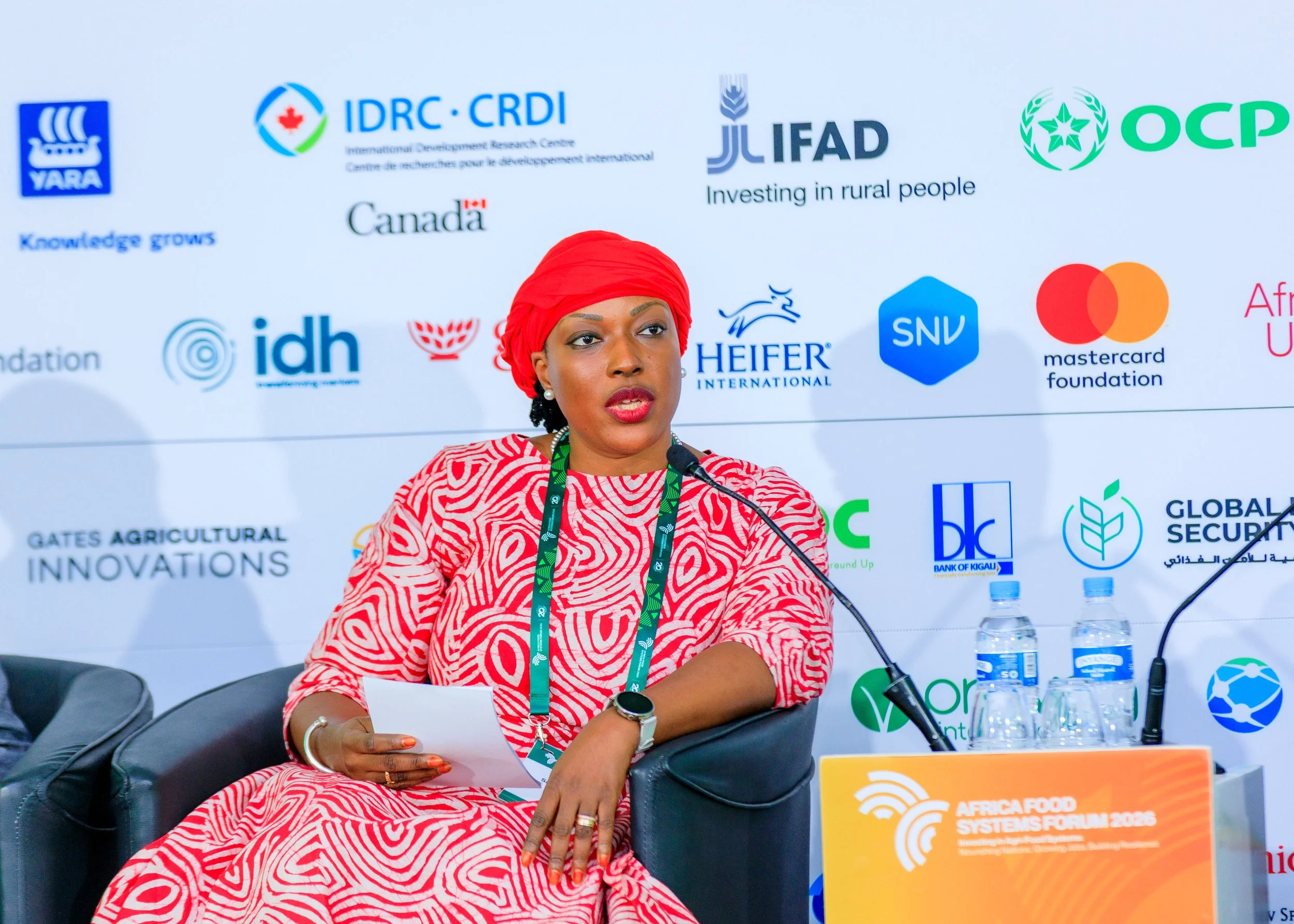
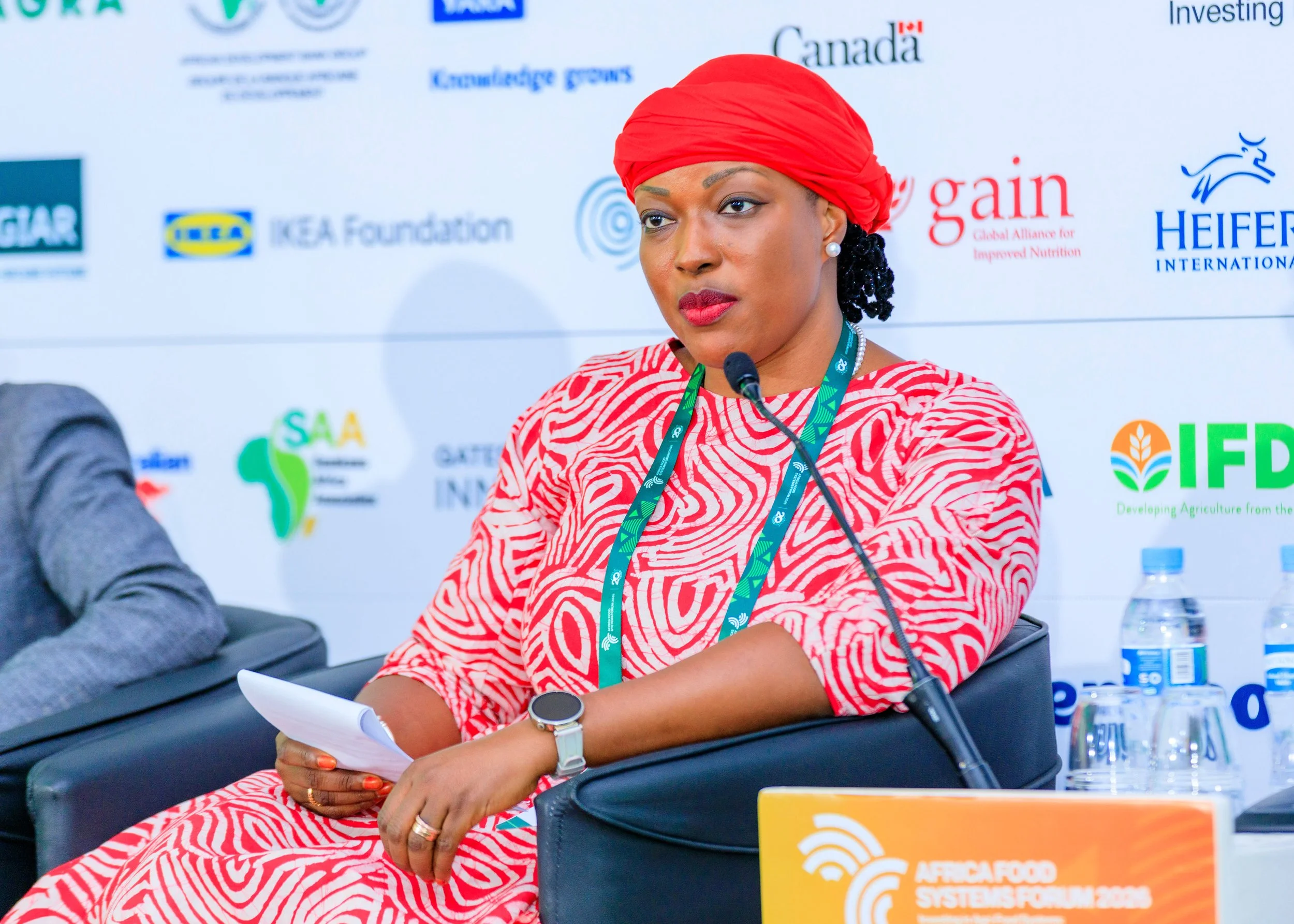
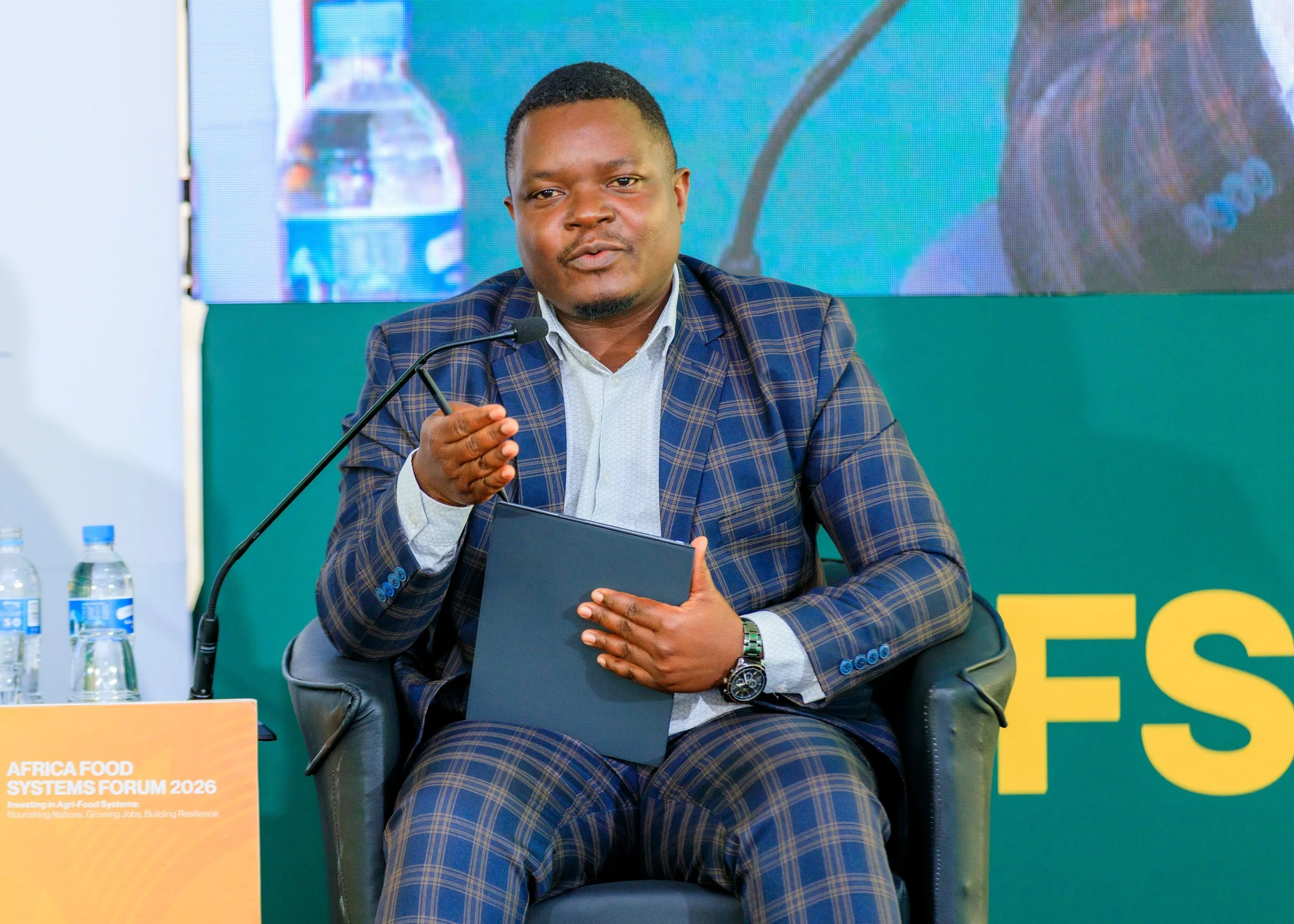
Saran Diané, SNV | Image: Hakizimana Emmanuel, Emmy Photography
“IFDC, SNV and WUR’s Soil Values programme demonstrates that achieving healthier soils at scale requires more than technical solutions. We need financing models that place women, youth and smallholder farmers at the centre. Carbon finance can help unlock the transition to sustainable land management, but only if benefits are shared fairly and farmers have a real voice in shaping the solutions.”
Make it stand out
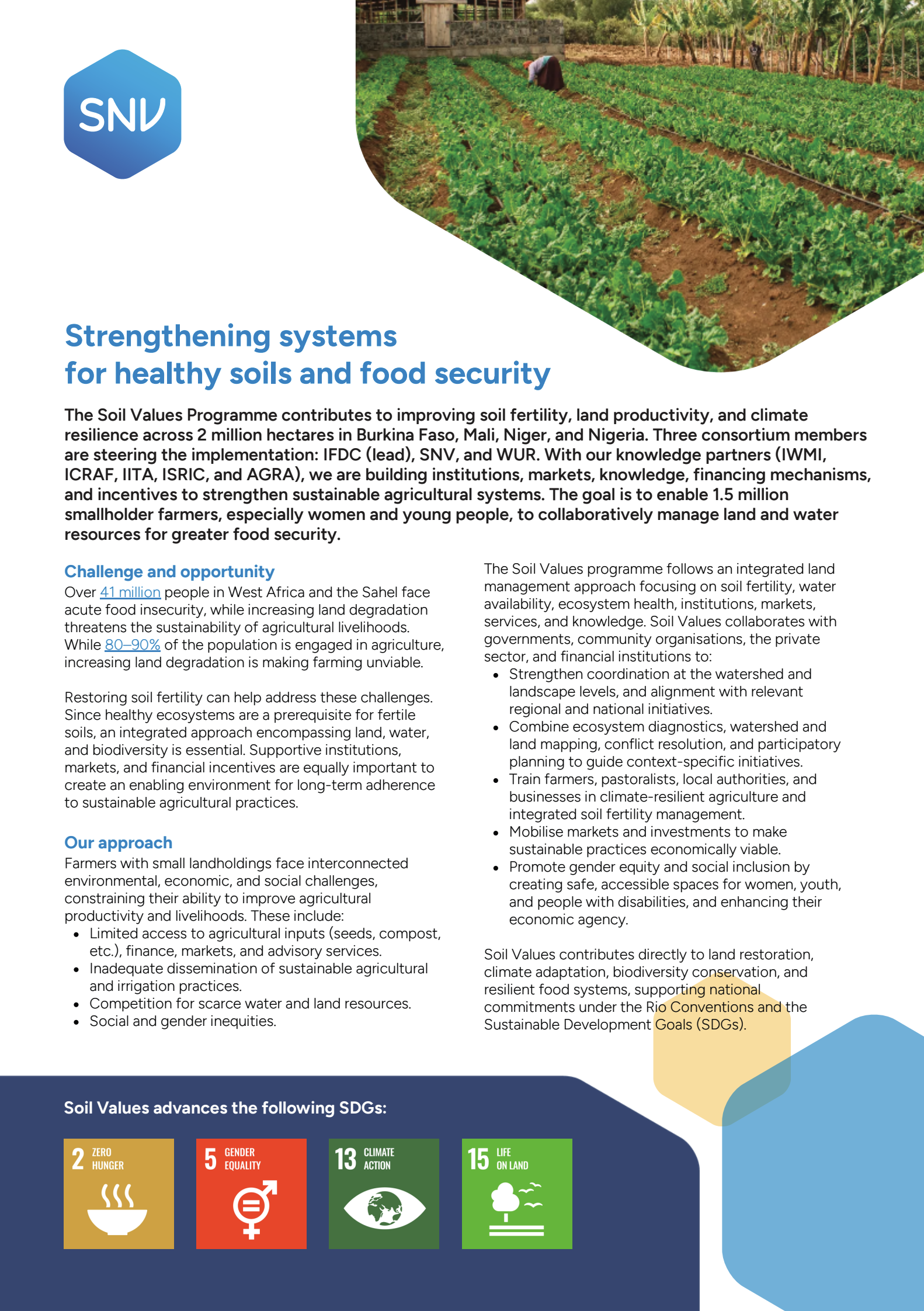
Soil Values contributes directly to land restoration, climate adaptation, biodiversity conservation, and resilient food systems, supporting national commitments under the Rio Conventions and the Sustainable Development Goals (SDGs).
The Forum also placed these questions in the context of recent fertiliser shocks. At the launch of IFDC’s 2026–2035 Strategy, discussions focused on building resilience before the next disruption hits, with the aim to strengthen the systems, partnerships and investments that can prevent a fertiliser shock from becoming a food crisis. In addition, CA4SH partners participated in the 2nd meeting of the Soil Values Program Advisory Committee (SV-PAC) on the 3rd of September to highlight progress on this 10-year project.
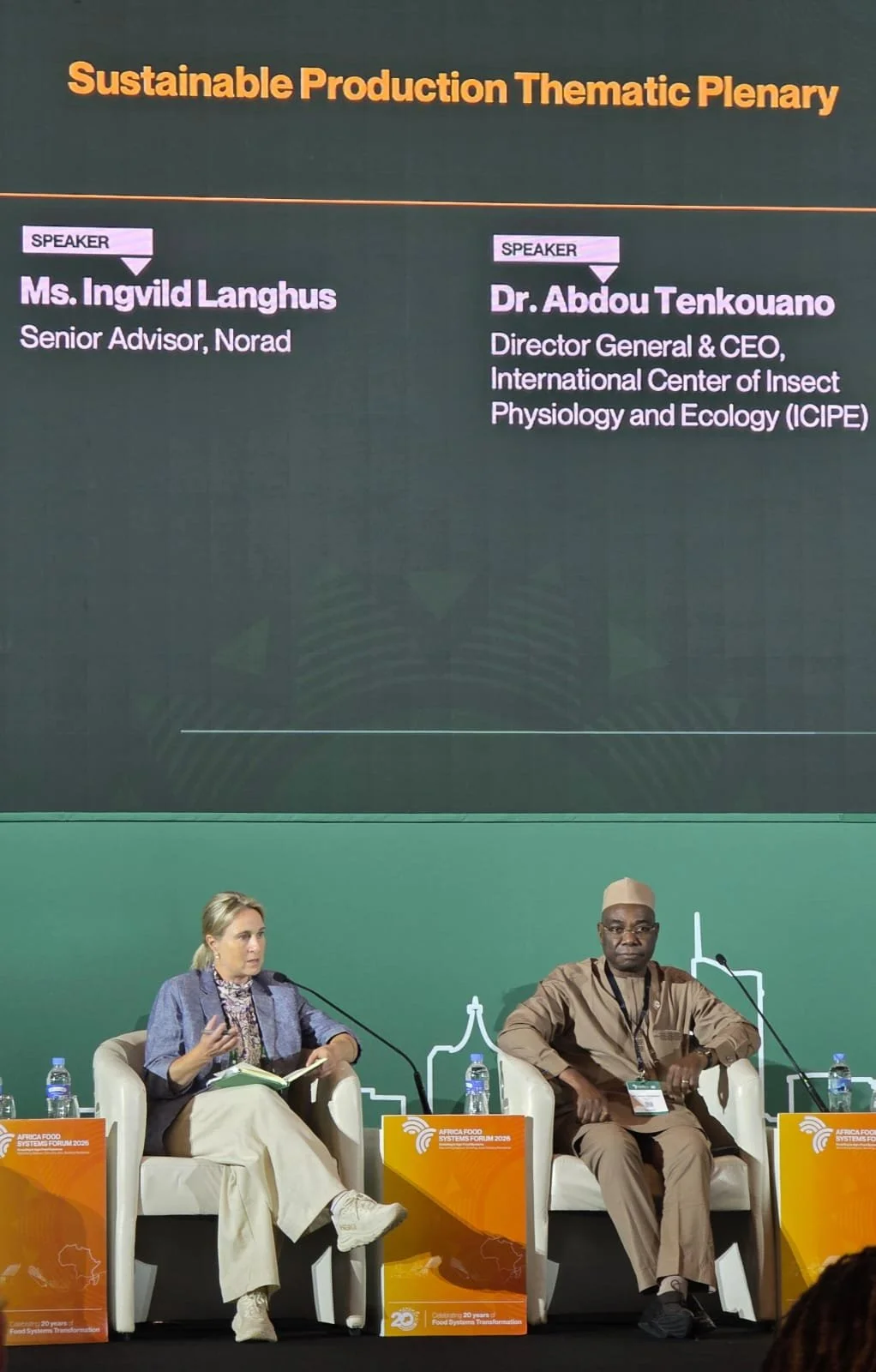
These questions carried into the High-Level Plenary on Sustainable Production: Surviving Economy Shocks – Investing in Soil Health, where Ingvild Langhus, Senior Advisor, Food Security, Norad took part in the panel alongside leaders in the CGIAR and AGRRA. Ingvild highlighted the importance of ensuring that soil information flows effectively between scientists, governments, extension services, farmers, and other land managers. And how critical it is to include diverse voices for translating soil data into evidence-based decisions and action. In collaboration with the African Union Commission, AUDA-NEPAD, AGRA, SNV, the Gates Foundation, and others, the session placed soil health within the much wider economic and geopolitical pressures facing African food systems — from declining development assistance and rising fertiliser costs to climate change and continued land degradation.
It also looked at the investment and policy environment needed to take these approaches to scale, including progress on the Africa Fertilizer and Soil Health Action Plan and Soil Initiative for Africa, endorsed at the Africa Fertilizer and Soil Health Summit in Nairobi in 2024.
“Celebrating 20 years of food systems transformation in Africa, the theme of the AFSF was “Invest in Soils!” An achievement in itself, following the recognition of the importance of soil fertility and soil health at the UN Food Systems Summit in 2021 and the Africa Fertilizer and Soil Health Summit in 2024.
This is why IFDC launched its new strategy, centred on soil fertility and soil health, during the AFSF in Kigali. We all have a role to play in regenerating our soils, increasing soil organic carbon, recirculating locally available nutrients, and innovating with mineral and organo-mineral fertilisers. Above all, we should support farmers to drive soil restoration.
Only with an entrepreneurial model behind soil health can we make a difference and restore 35% of Africa’s degraded soils — a commitment made in the Nairobi Declaration. CA4SH members, together with our public partners, are the backbone of this support!”
From evidence to investment
Across the week, the conversations approached soil health from different directions, but repeatedly arrived at the same point.
Better data matters when it leads to better decisions.
Finance matters when it reaches farmers and supports the transition to more resilient practices.
And soil health investment works best when governments, researchers, businesses, civil society and farming communities are working towards the same outcomes.
For CA4SH and partners, the next step is carrying those connections beyond Kigali, and continuing to build the evidence, partnerships and investment needed to put soil health at the centre of Africa’s food systems.