
Healthy Soils, Resilient Food Systems: Bringing Soil Health to the Heart of Global Action at COP17
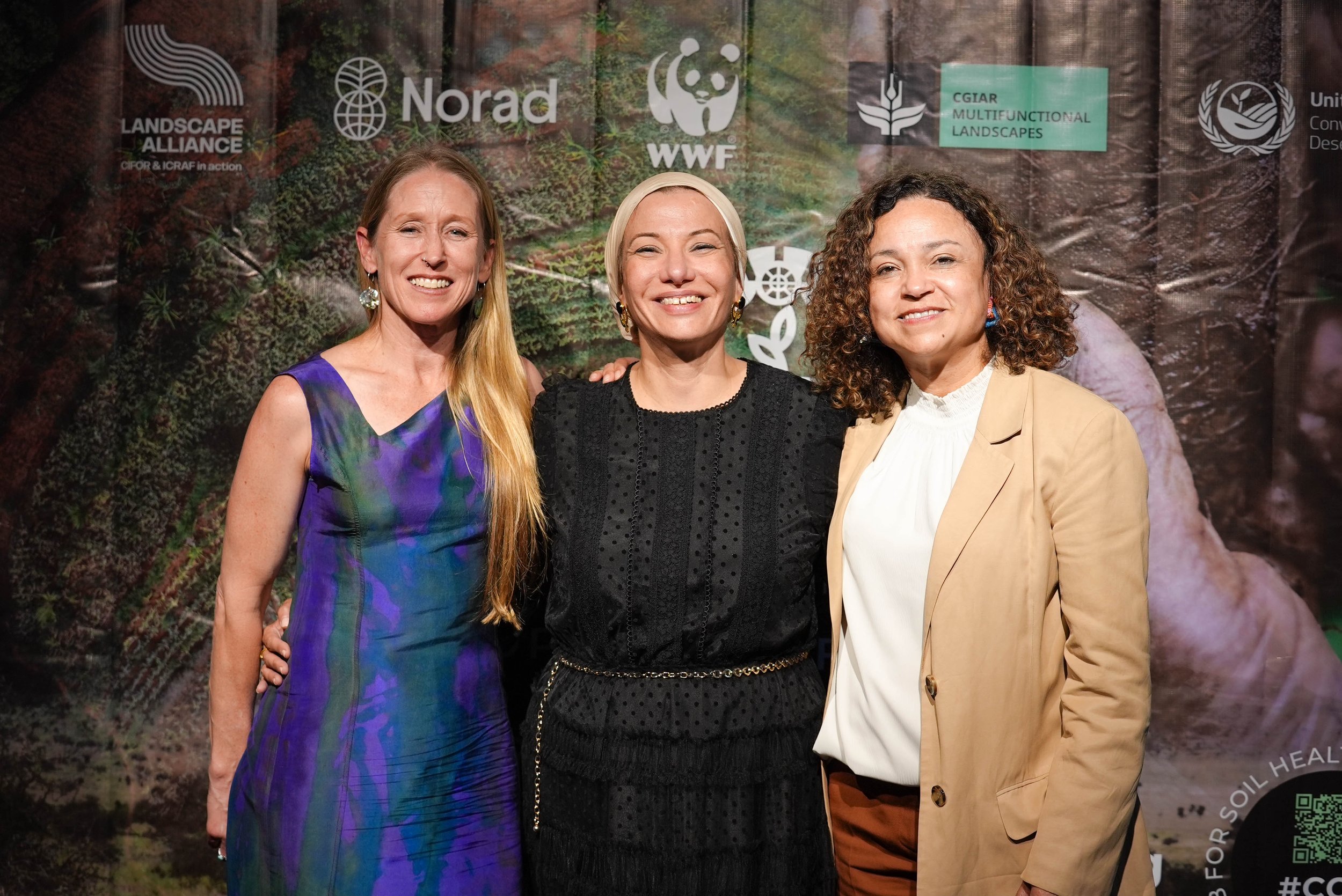
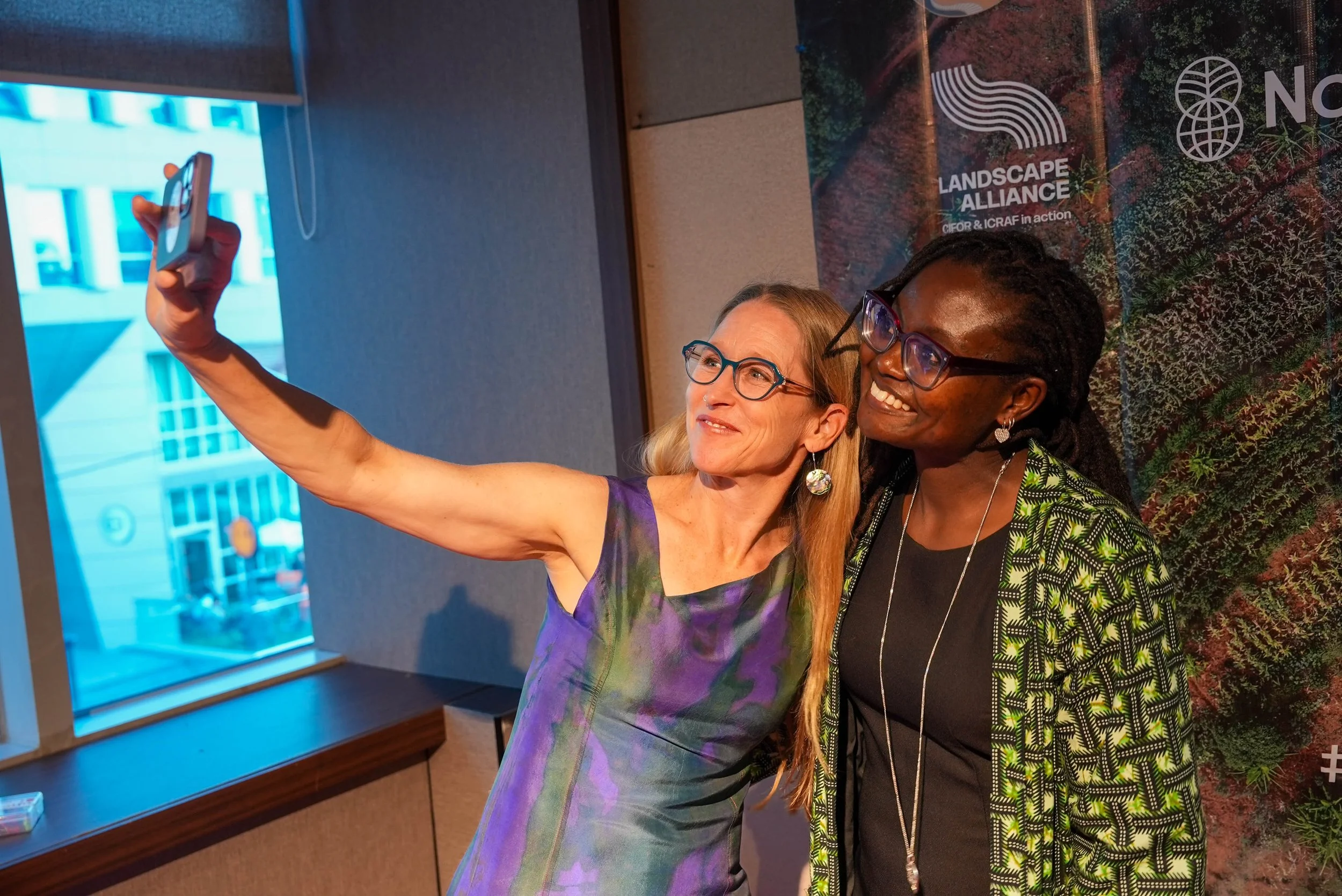
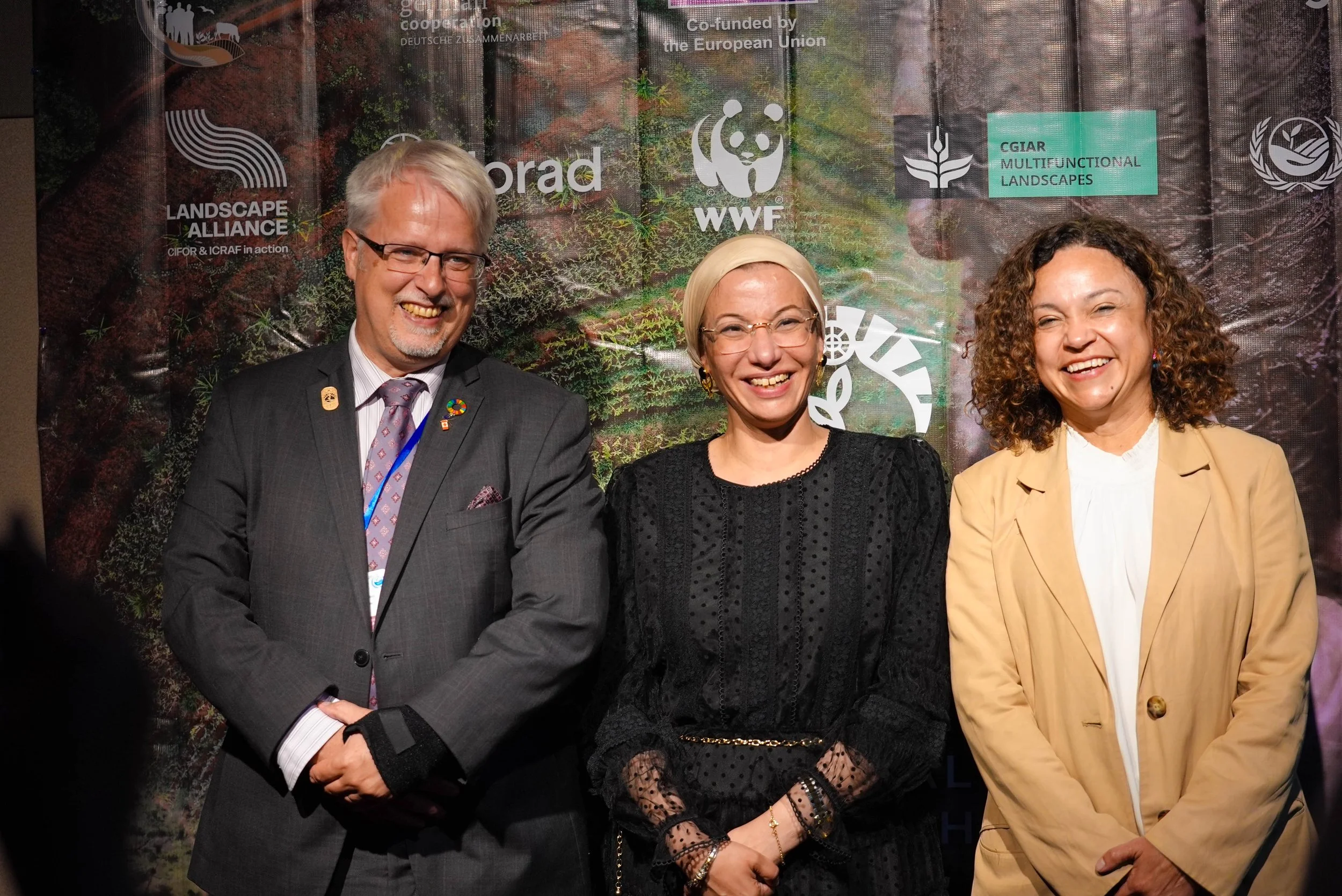
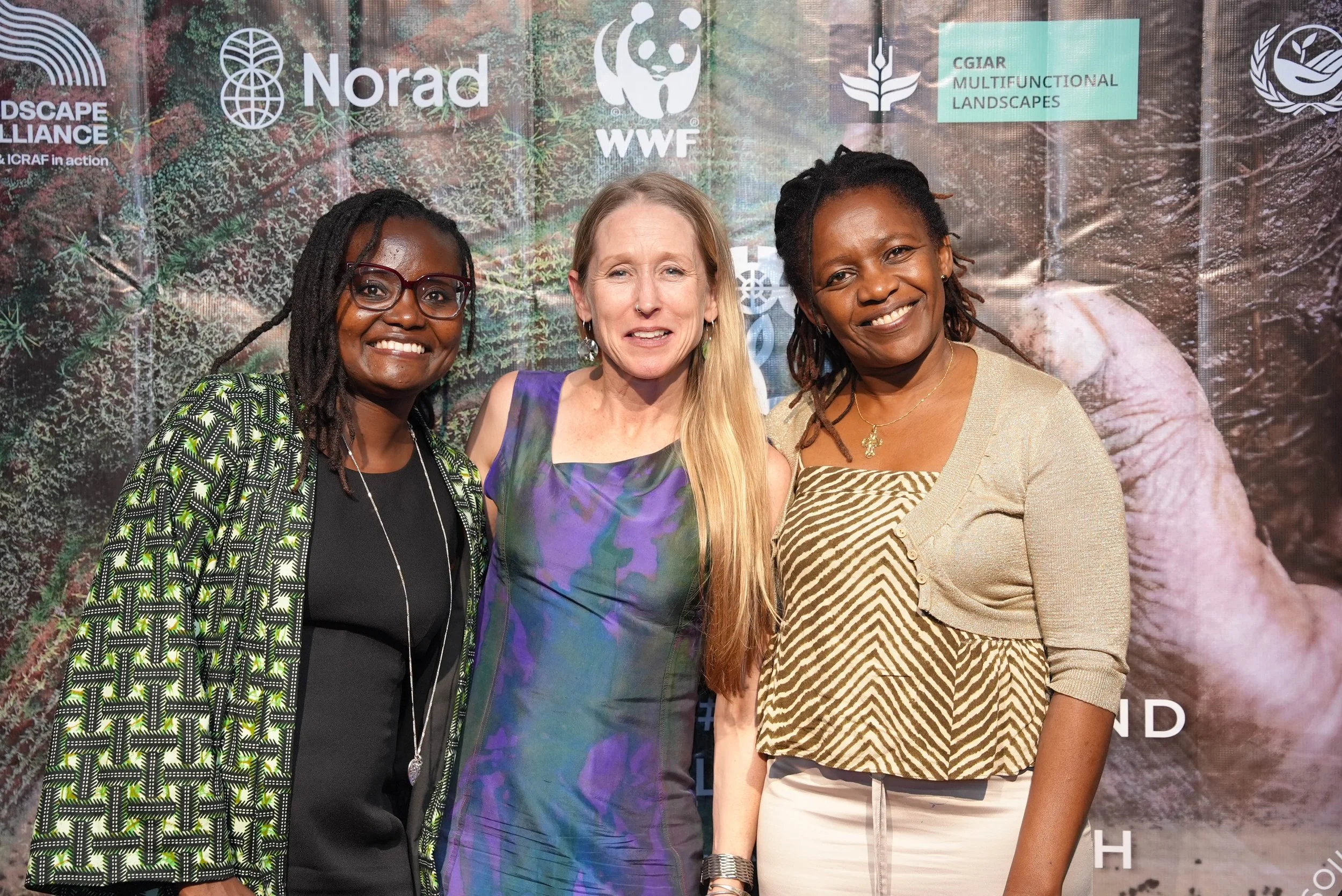
Images: Aris Sanjaya, Landscape Alliance
High-Level Dinner | UNCCD COP17 | Ulaanbaatar, Mongolia
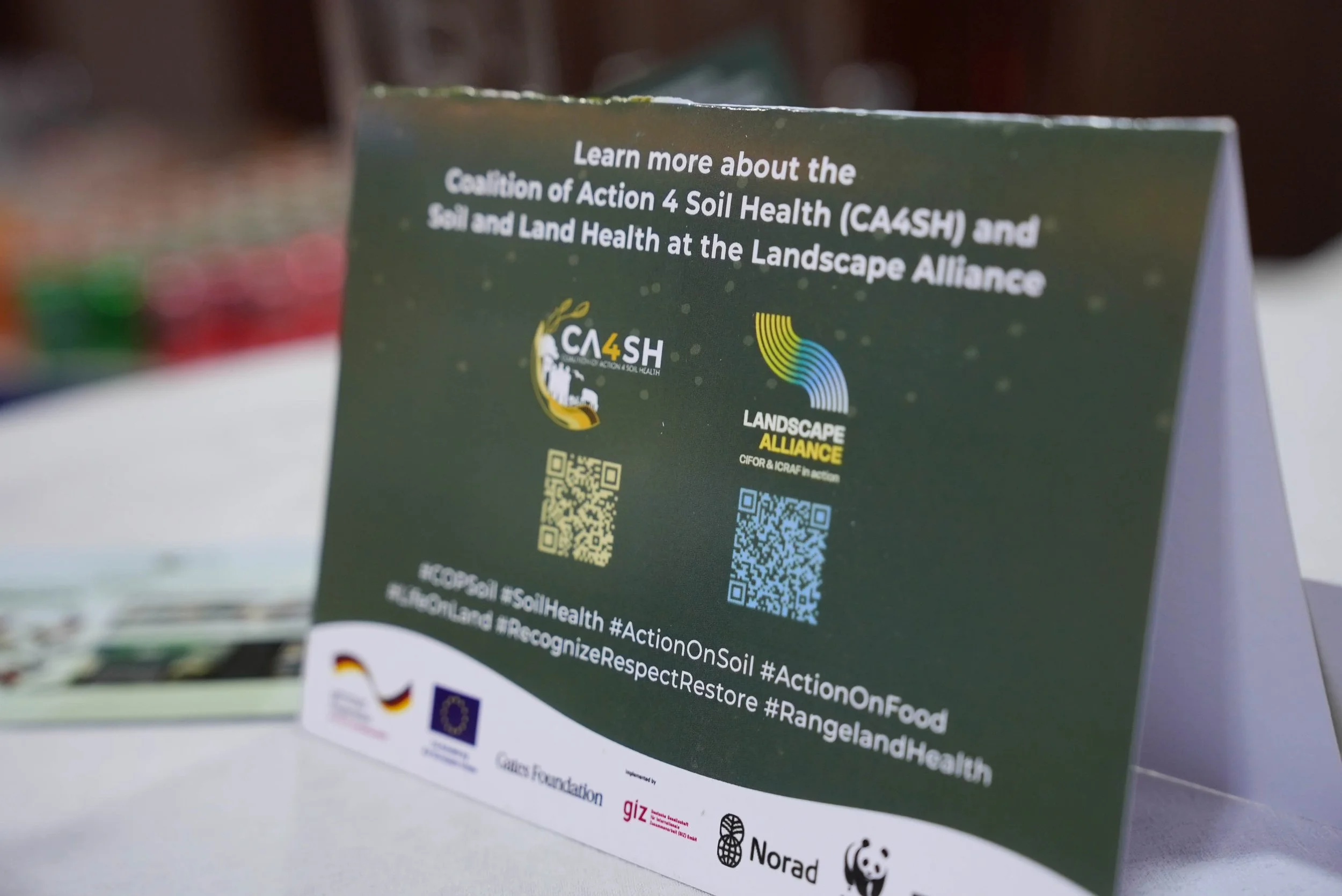
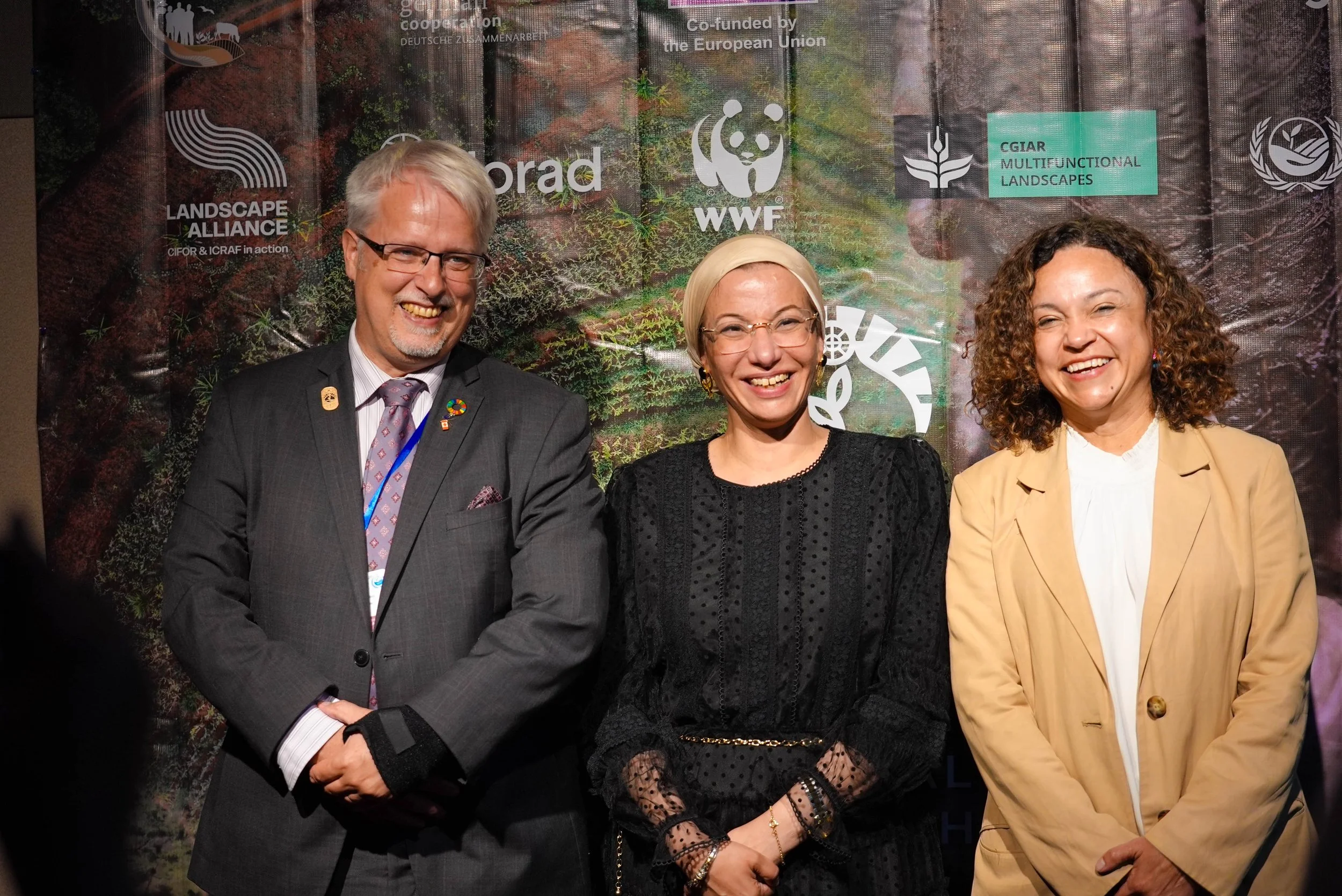
Led by Emerging Ag Inc. and co-organised by the Coalition of Action 4 Soil Health (CA4SH), Landscape Alliance (CIFOR-ICRAF), Deutsche Gesellschaft für Internationale Zusammenarbeit (GIZ) GmbH, the Norwegian Agency for Development Cooperation (Norad), CGIAR Multifunctional Landscapes Science Program, WWF, and partners.
Soils underpin almost every aspect of our lives. 95% of the world’s food is produced directly or indirectly on soils, which store more carbon than the atmosphere and all vegetation combined, and host more than a quarter of global biodiversity. Yet more than 30% of the world’s soils and around 40% of the world’s land are already degraded.
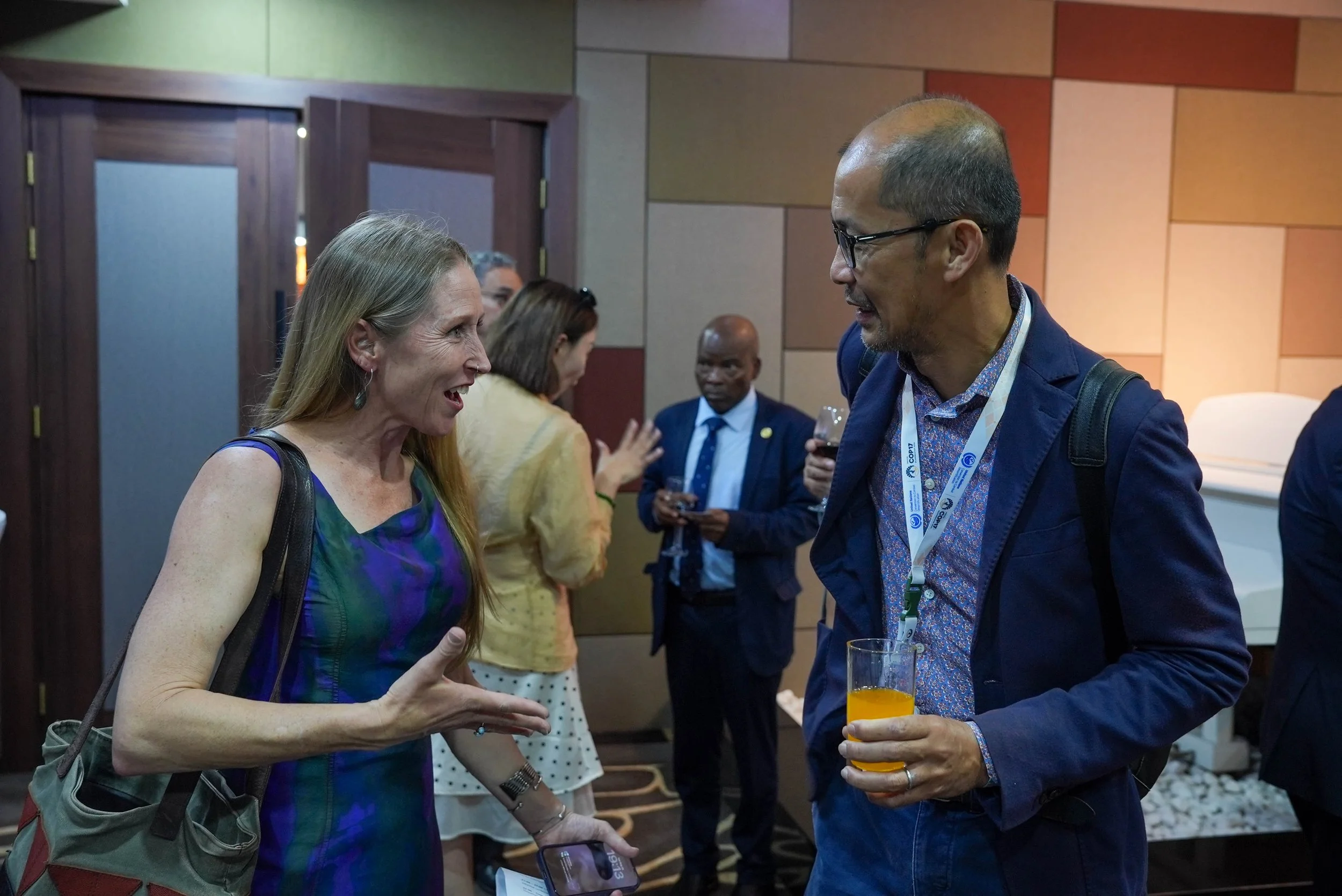
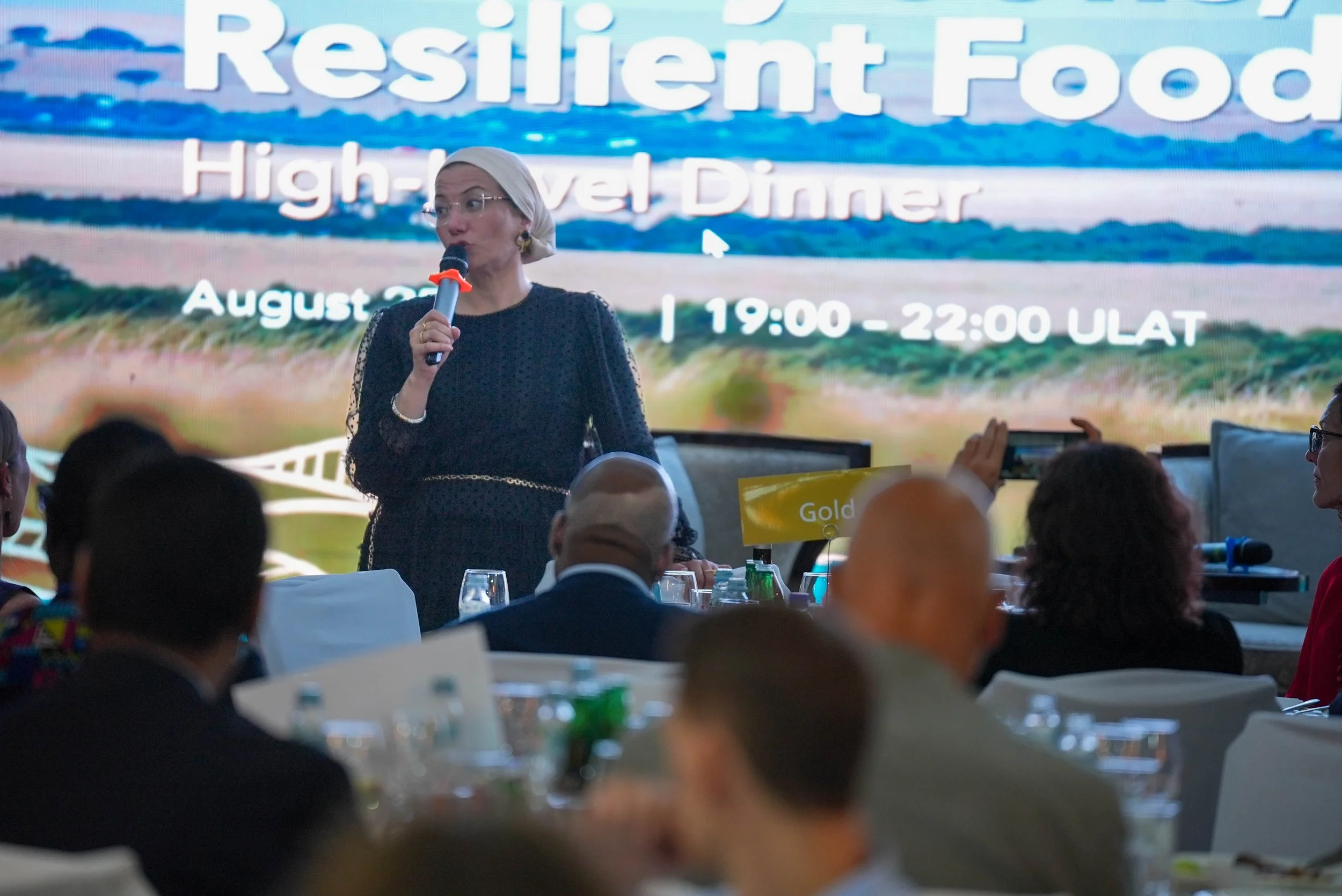
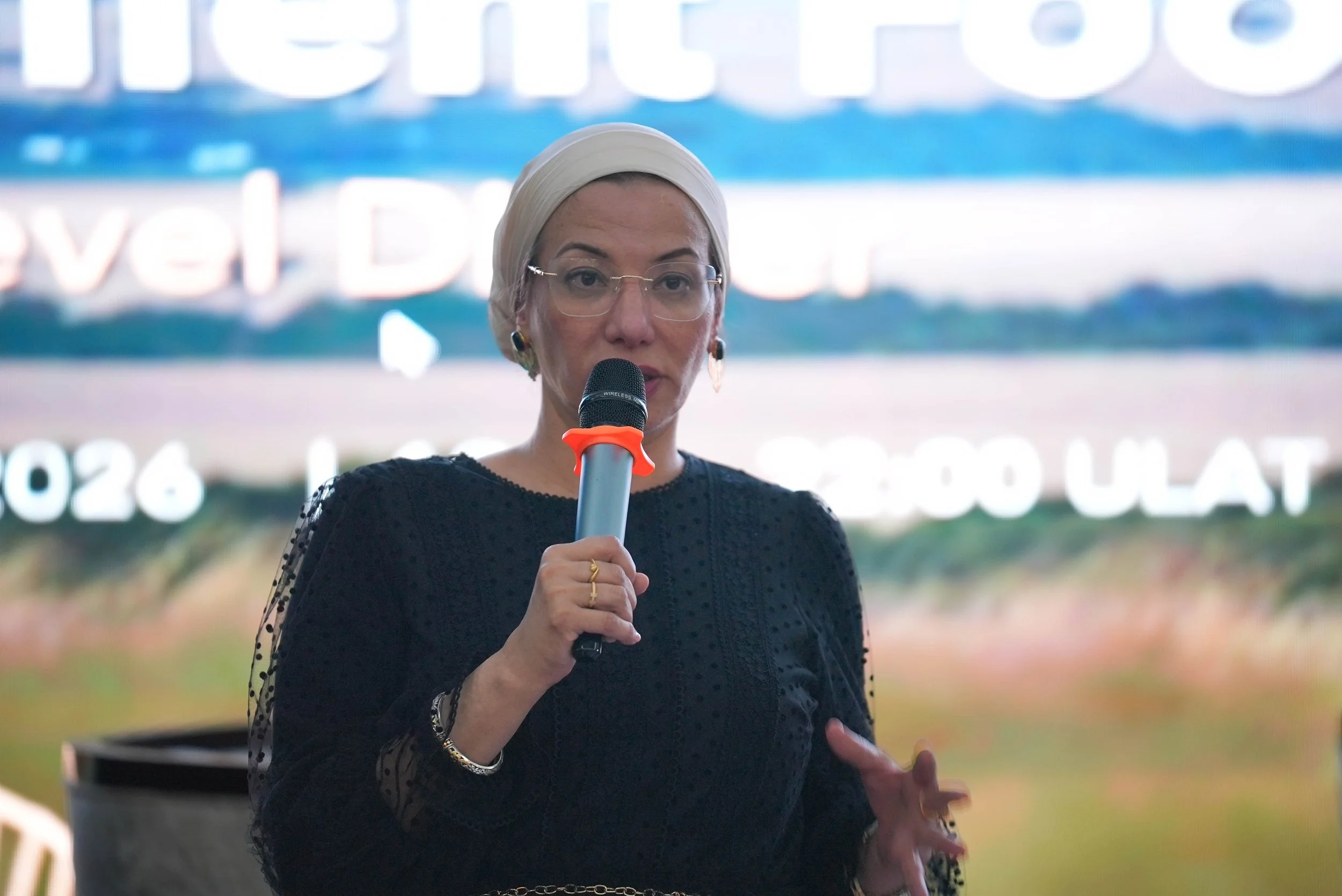
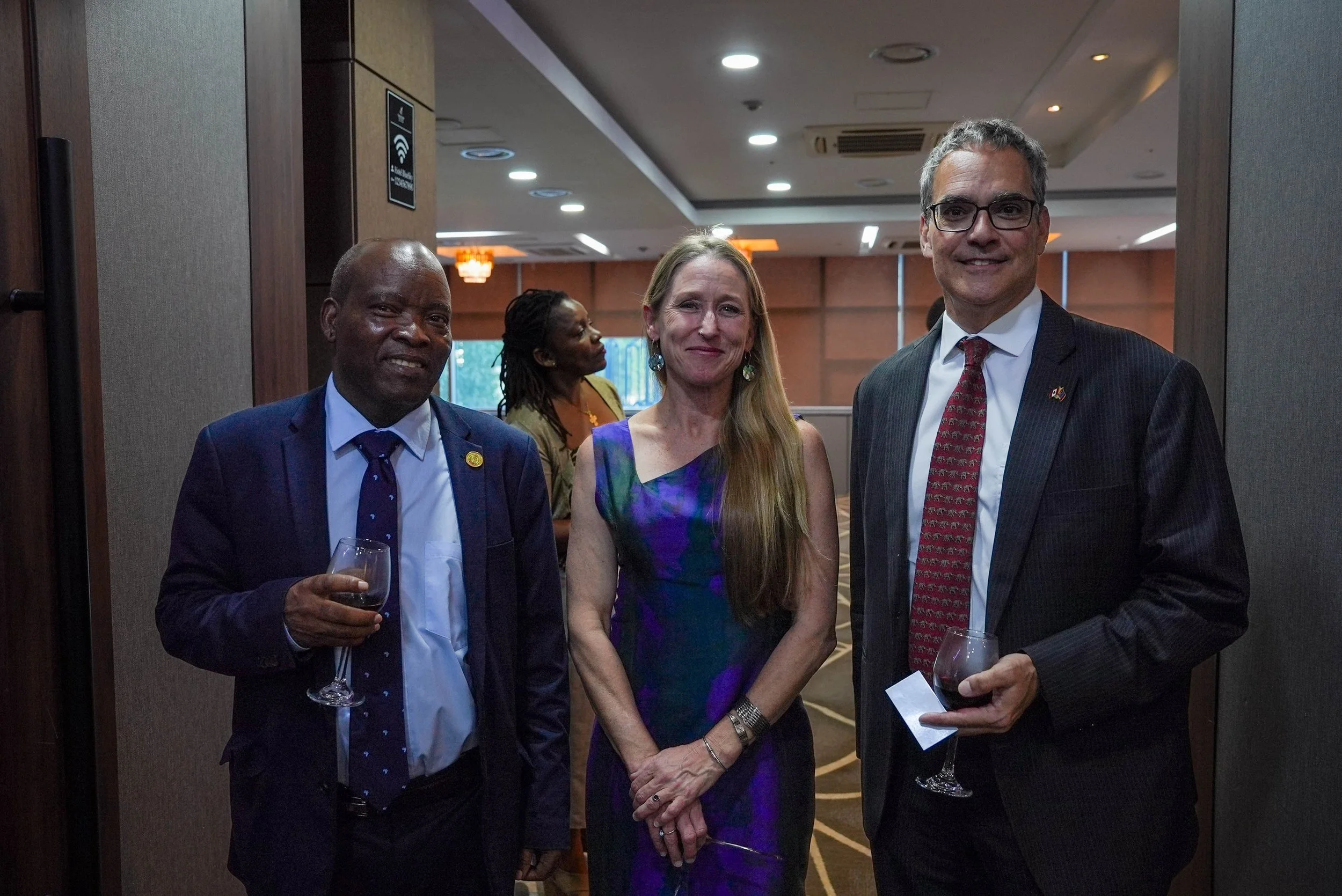
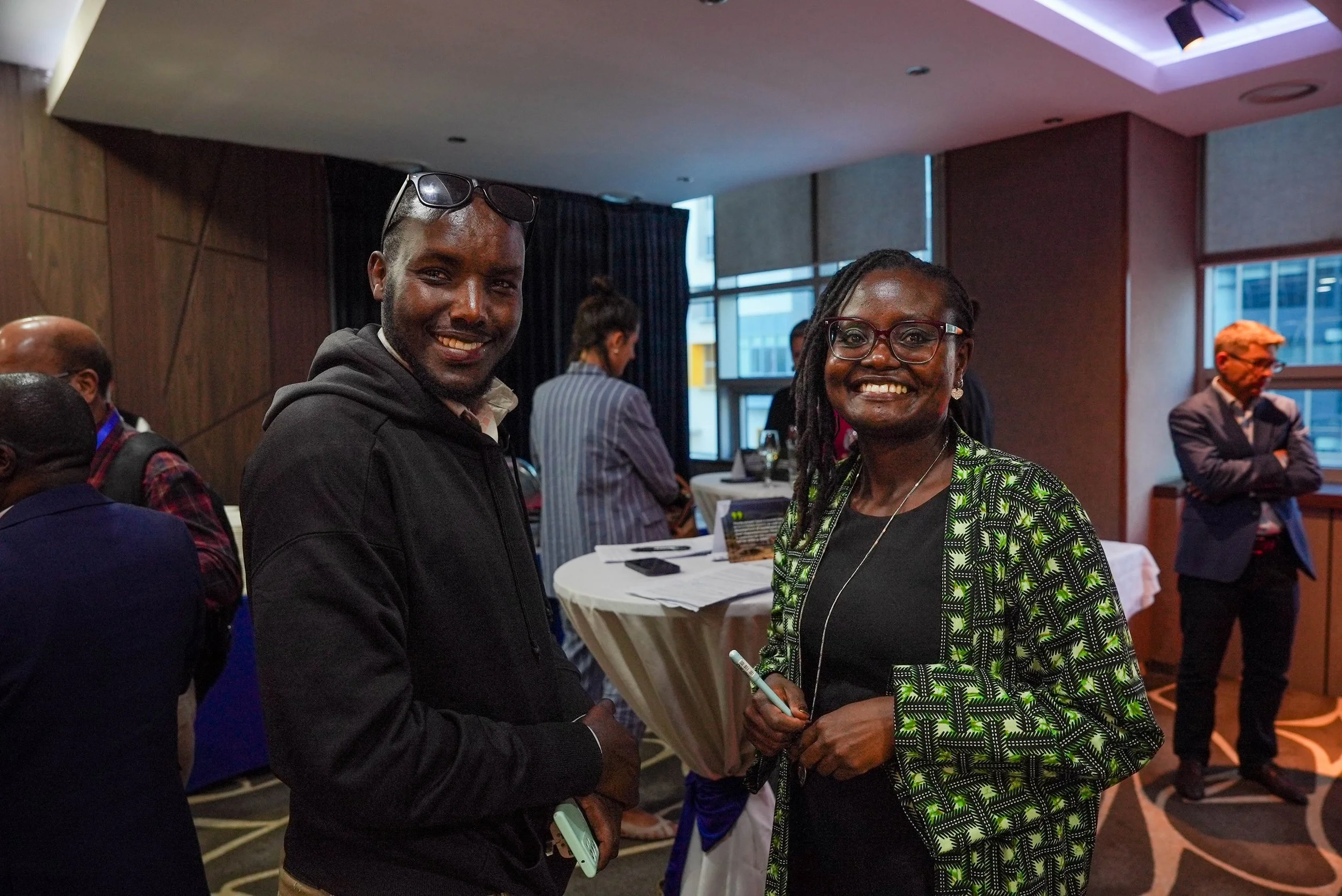
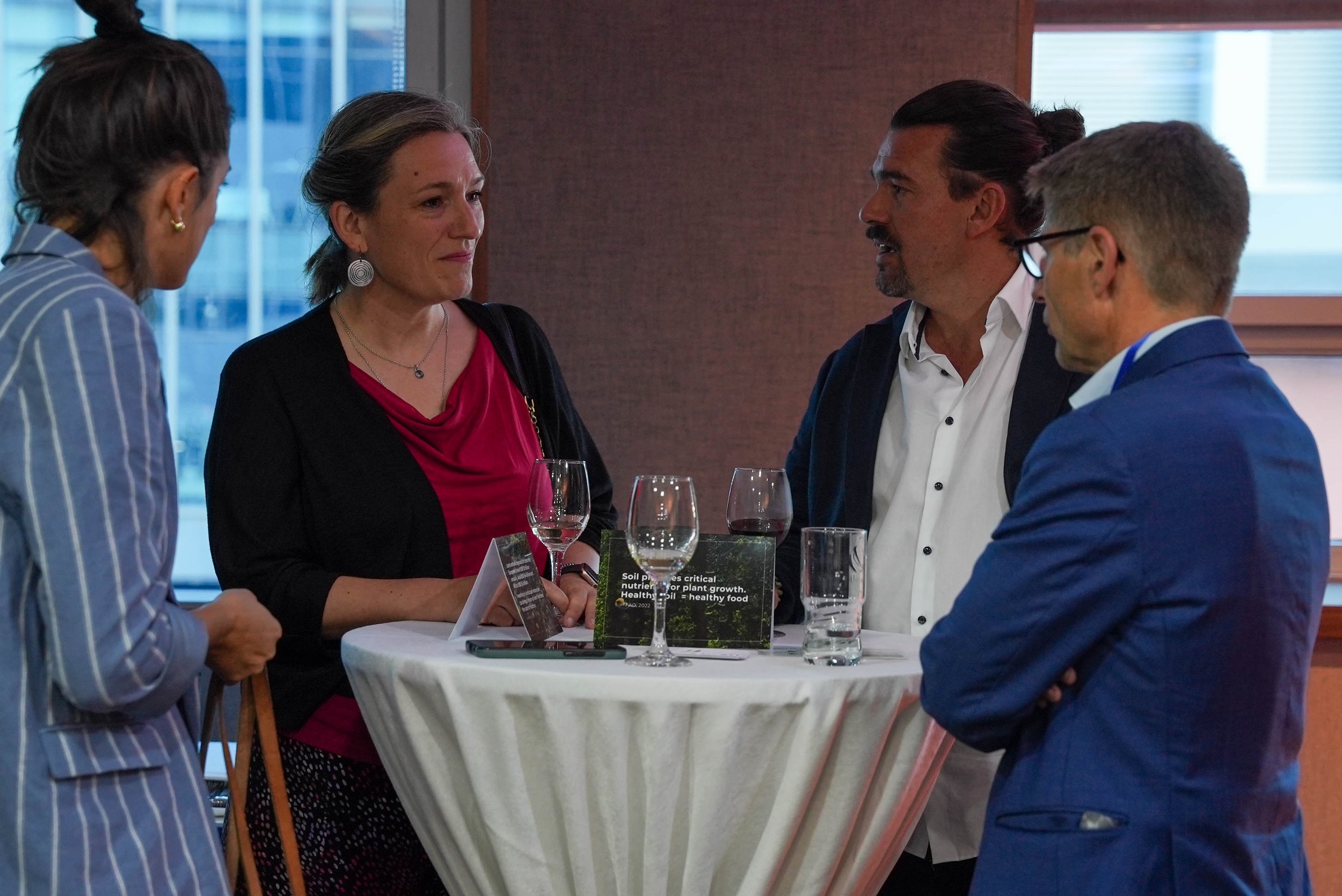
Against this backdrop, the Coalition of Action 4 Soil Health (CA4SH), Landscape Alliance (CIFOR-ICRAF), Deutsche Gesellschaft für Internationale Zusammenarbeit (GIZ) GmbH, the Norwegian Agency for Development Cooperation (Norad), CGIAR Multifunctional Landscapes Science Program, WWF, and partners, convened senior leaders and partners at UNCCD COP17 Mongolia for a high-level dinner focused on a simple but critical message: healthy soils are fundamental to resilient food systems, healthy ecosystems and a more climate-resilient future.
“Over 40% of the Earth’s surface is degraded. We all have a role to play, and we need to take action in whatever way we can.”
Images: Aris Sanjaya, Landscape Alliance
Connecting soil health and rangelands
The event took place at a key moment during the International Year of Rangelands and Pastoralists (IYRP2026), bringing an important additional dimension to the conversation, in a country where traditional pastoralist culture remains strong.
Rangelands cover around half of the Earth’s land surface and support food production, livelihoods, biodiversity and carbon storage on a global scale. Restoring these landscapes can safeguard an estimated one-sixth of the world's food supply and one-third of the planet's carbon reservoir.
Healthy soils are the foundation of productive and resilient rangelands. At the same time, the knowledge and practices of Indigenous Peoples and pastoralists are essential to maintaining the health of these landscapes.
“When we talk about soil health, we also have to talk about rangelands, savannahs and grasslands. They are all connected.”
The dinner provided an opportunity to connect these issues and consider how soil health, rangeland stewardship and land restoration can be better integrated into climate, food systems and land policy.
Building on global momentum
The dinner took place against a backdrop of growing calls for greater alignment across the Rio Conventions. At UNCCD COP16 in 2024, Parties adopted important decisions recognising the role of soil health and rangelands in addressing food insecurity, desertification, land degradation, drought and biodiversity loss. COP17 is now providing an opportunity to build on those commitments — but also highlighting the need to bridge gaps between the land, climate and biodiversity agendas and translate commitments into coordinated action on the ground. As the first of the three Rio Convention COPs taking place in 2026, COP17 has an important role in setting the tone for greater coherence and collaboration across these interconnected agendas.
“Restoring land is about restoring hope, and we will continue to do that.”
Images: Aris Sanjaya, Landscape Alliance
From commitments to investment
Across agriculture and land management, farmers, pastoralists, businesses, governments and civil society are already developing and investing in practical approaches to improve soil, plant and land management.
But scaling these solutions requires more than good practices. It requires collaboration, supportive policies, investment and mechanisms that can channel resources towards restoration.
The economic case is increasingly clear: every US$1 invested in land restoration can generate between US7$ and US$30 in benefits, through increased productivity, enhanced ecosystem services and reduced losses from disasters. Conversely, land and soil degradation costs the European Union EUR 50 billion annually, Asia USD 84 billion and Africa USD 65 billion.
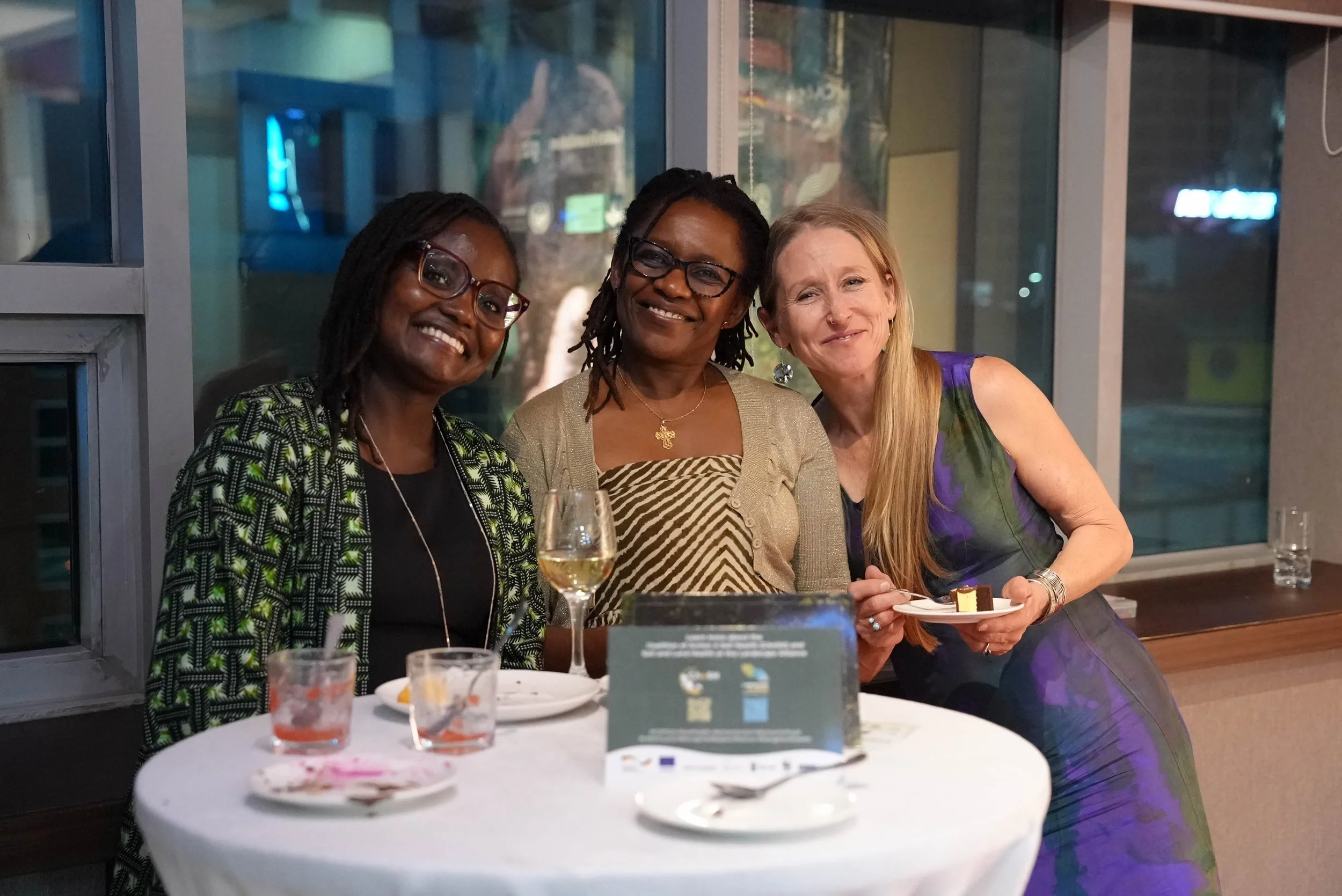
The dinner created space for senior representatives from UN organisations, governments, the private sector, farmer organisations, NGOs, civil society and other stakeholders to explore how this investment can be accelerated.
“There will be no healthy economies or healthy societies if we don’t have healthy soils and a healthy planet.”
Spotlighting action
Rather than focusing solely on commitments, the evening highlighted practical initiatives and pledges already underway — and those being developed — to increase, incentivise and resource action on soil health, rangelands and land restoration.
Brief presentations from agricultural and other stakeholders showcased approaches designed to move from ambition to implementation, demonstrating the range of actors and solutions needed to deliver change at scale.
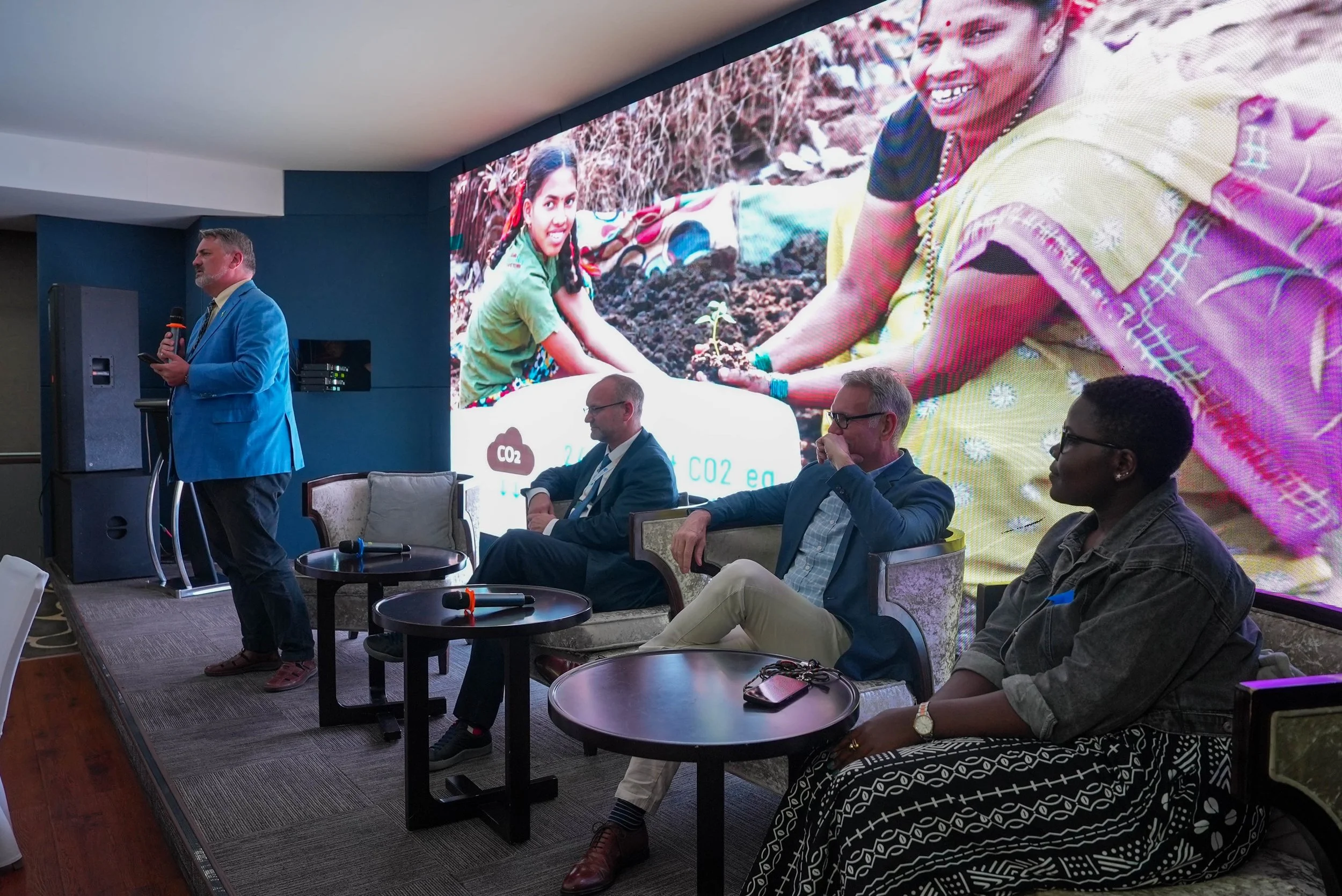
Image: Aris Sanjaya, Landscape Alliance
“It was a privilege to be a participant, rather than simply an attendee, at the Healthy Soils, Resilient Food Systems High-Level Dinner. It was enlightening to hear and engage with the active dialogue among guests who are so passionate about the role of healthy soils in delivering resilient food systems.”
Images: Aris Sanjaya, Landscape Alliance
A shared agenda for resilient food systems
The conversations at the dinner reinforced a message that is increasingly difficult to ignore: soil health cannot sit at the margins of global action on climate, food, biodiversity and land degradation.
Healthy soils underpin food production, store carbon, support biodiversity and strengthen the resilience of landscapes and the people who depend on them. Rangelands and pastoralists are an essential part of this picture, particularly as the world marks the International Year of Rangelands and Pastoralists.
Delivering on the ambition of COP16 and accelerating progress towards Land Degradation Neutrality will require these agendas to come together — backed by evidence, investment, policy alignment and the knowledge of the people managing landscapes every day. Increasing the collection, use and availability of soil health data was foregrounded as one such solution for bringing evidence to bear on policy, and moving from decision spaces to action on the ground.
As COP17 brings global attention to the challenge of land degradation and drought, the high-level dinner offered an opportunity to strengthen collaboration and spotlight the solutions already emerging.
The message from the evening emphasised that healthy soils are a foundation for resilient food systems, and investing in them is an investment in the resilience of people, landscapes and economies.
Related News
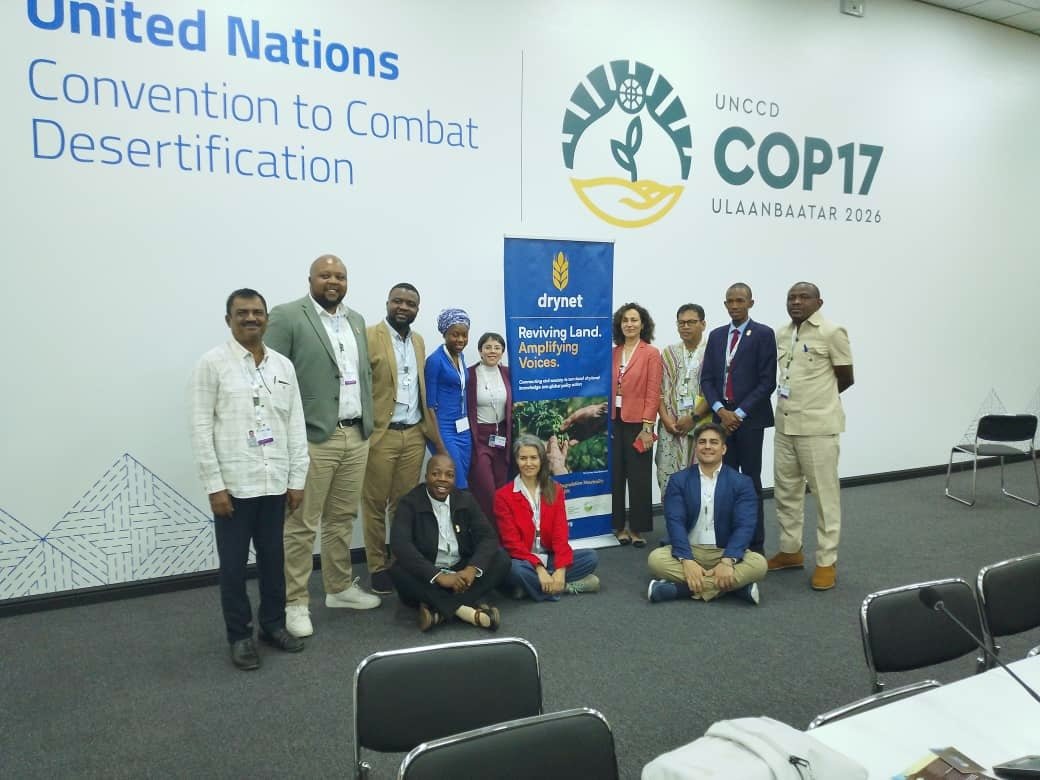

The Coalition of Action 4 Soil Health (CA4SH), Landscape Alliance (CIFOR-ICRAF), Deutsche Gesellschaft für Internationale Zusammenarbeit (GIZ) GmbH, the Norwegian Agency for Development Cooperation (Norad), CGIAR Multifunctional Landscapes Science Program, WWF, and partners, convened senior leaders and partners at UNCCD COP17 Mongolia for a high-level dinner focused on a simple but critical message: healthy soils are fundamental to resilient food systems, healthy ecosystems and a more climate-resilient future.