
Regenerative Agriculture for Land Restoration and Healthy Diets: Closing the Finance Gap
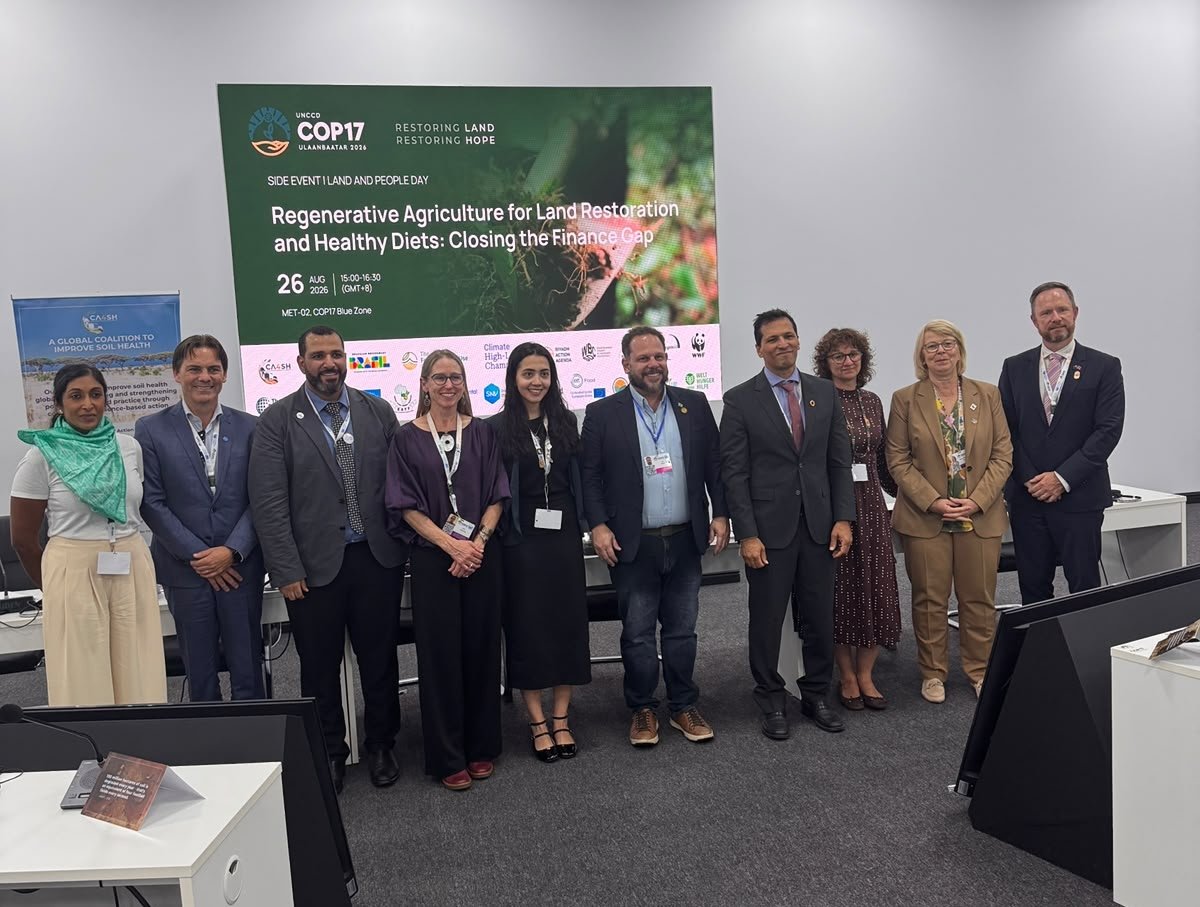
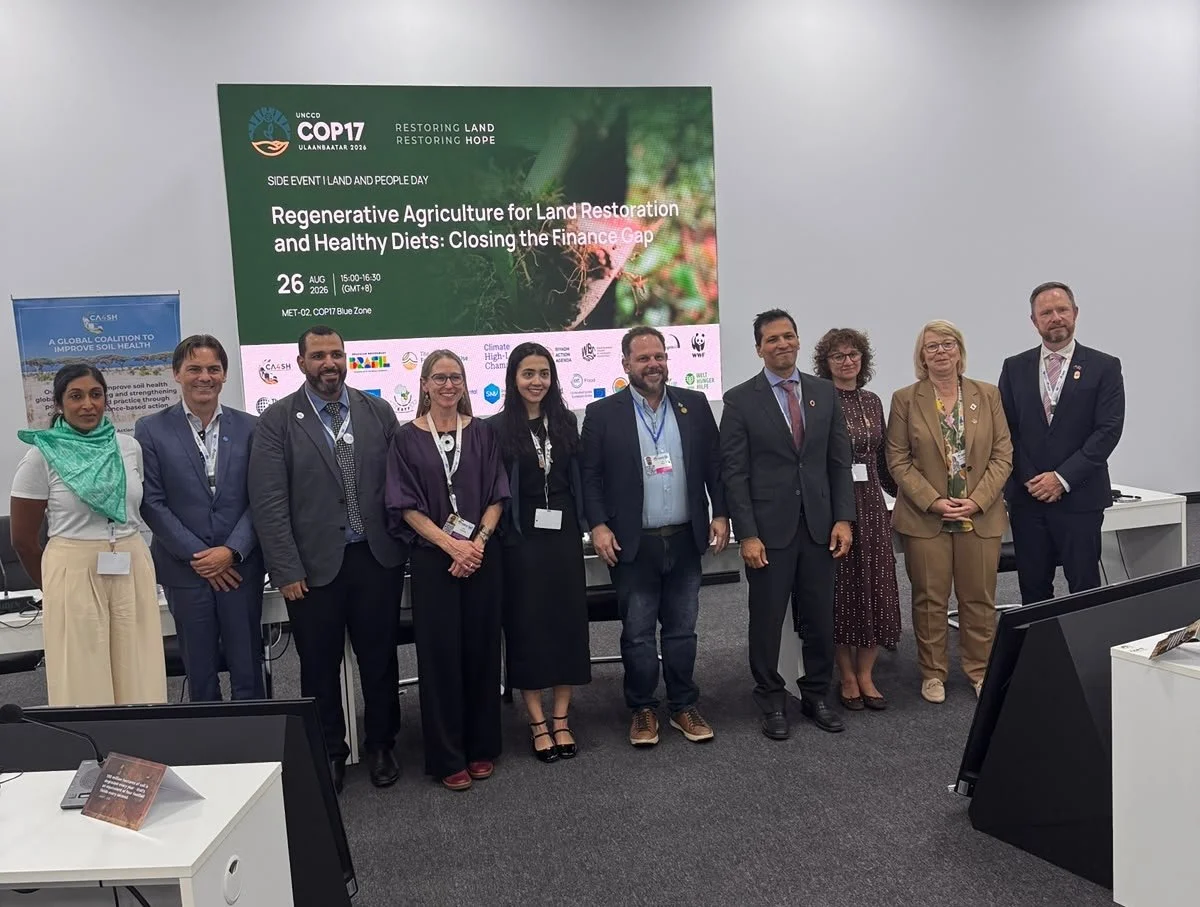
At COP17 Mongolia, the Coalition of Action 4 Soil Health (CA4SH) and partners gathered a diverse group of leaders from government, finance, agriculture, civil society and youth came together to tackle one of the biggest challenges facing the transition to regenerative agriculture: how do we close the finance gap and move from promising approaches to implementation at scale?
The session, “Regenerative Agriculture for Land Restoration and Healthy Diets: Closing the Finance Gap,” brought together progress on two complementary initiatives under the COP30 Action Agenda — the Plan to Accelerate Regenerative Agriculture for Healthy Soil and Healthy Diets and RAIZ (Resilient Agriculture Investment for Net-Zero Land Degradation) — while exploring what is needed to build a stronger global business case for regenerative agriculture.
The conversation started from a shared reality: the world does not necessarily lack solutions. What remains difficult is creating the policy, financial and institutional conditions that allow those solutions to scale.
From good practice to investable opportunity
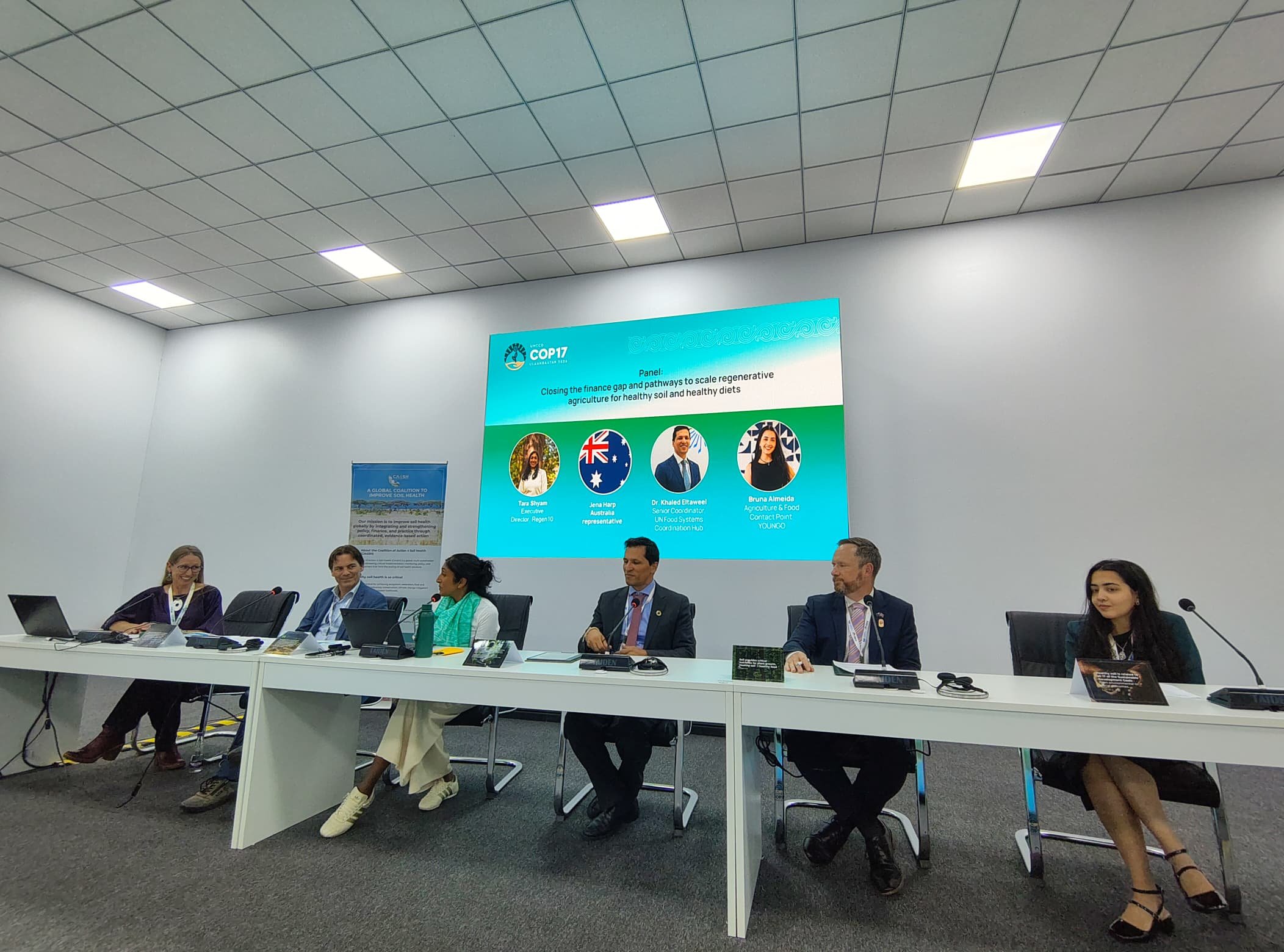
Opening the discussion, Leigh Winowiecki, Global Research Lead, Land and Soil Theme, Landscape Alliance (ICRAF), Co-Lead of CA4SH, highlighted the importance of generating the evidence needed to demonstrate impact and support farmers in adopting regenerative agriculture.
For Leigh, evidence is one of several building blocks needed to make the transition possible. But evidence alone will not shift capital.
Creating that enabling environment also requires greater alignment across the global agendas for land, climate, biodiversity and food systems.
A Brazilian model for financing restoration
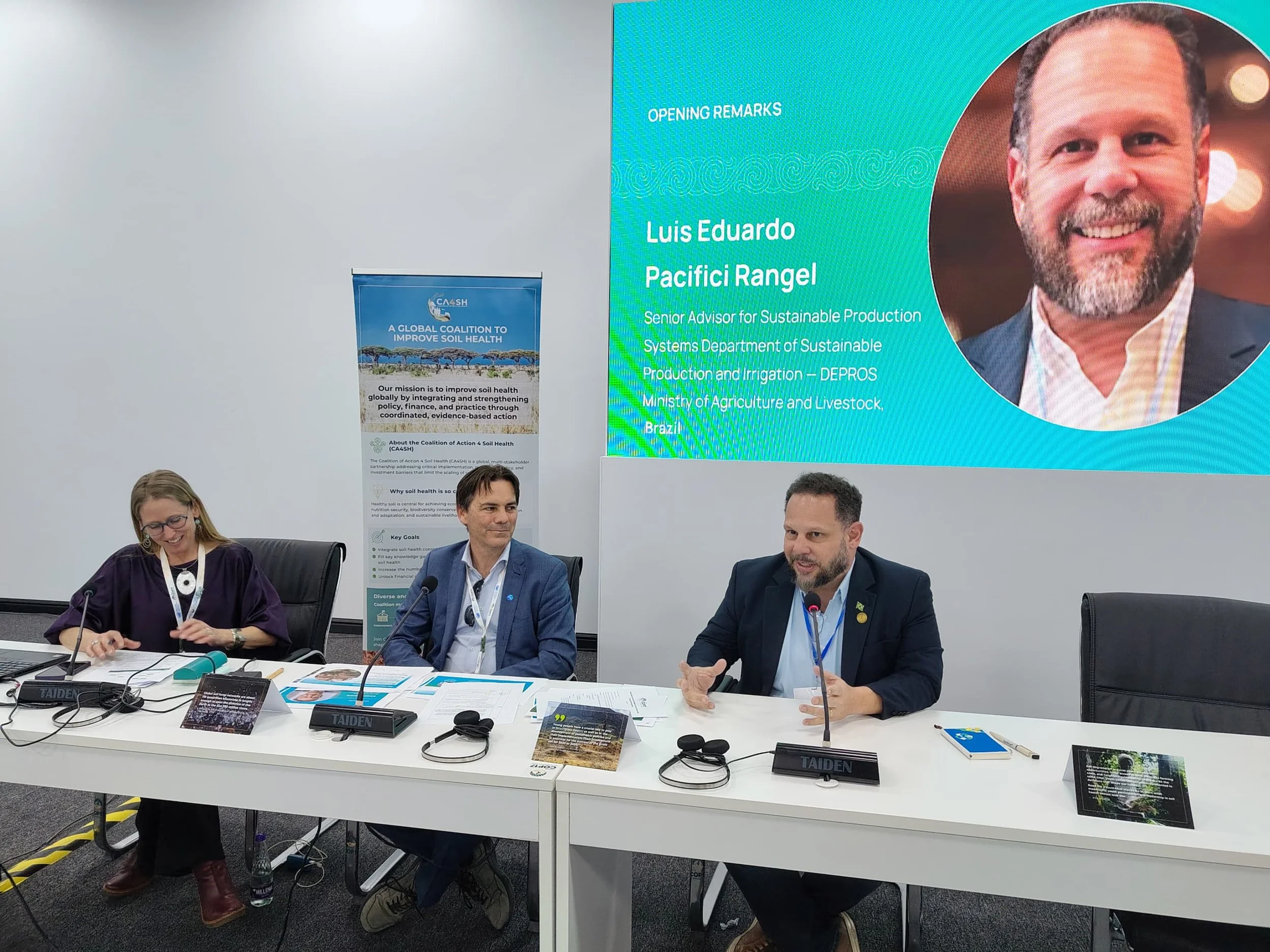
Luis Eduardo Pacifici Rangel, Senior Advisor for Sustainable Production Systems Department of Sustainable Production and Irrigation — DEPROS Ministry of Agriculture and Livestock, Brazil (RAIZ), shared insights from Brazil's experience and the development of RAIZ — Resilient Agriculture Investment for Net-Zero Land Degradation.
RAIZ, which means “roots” in Portuguese, places soil health firmly at the centre of its approach. The initiative aims to support the restoration of degraded agricultural land, improve productivity and sustainability, and create the conditions needed to mobilise private investment.
Brazil's experience demonstrates that restoration at scale requires more than technical solutions. It requires a strong business case, appropriate financial structures and an enabling environment that can bring public and private capital together.
The approach also points towards an important shift in thinking: how can public resources be used strategically to reduce risk and make restoration investable for private capital?
Breaking out of silos
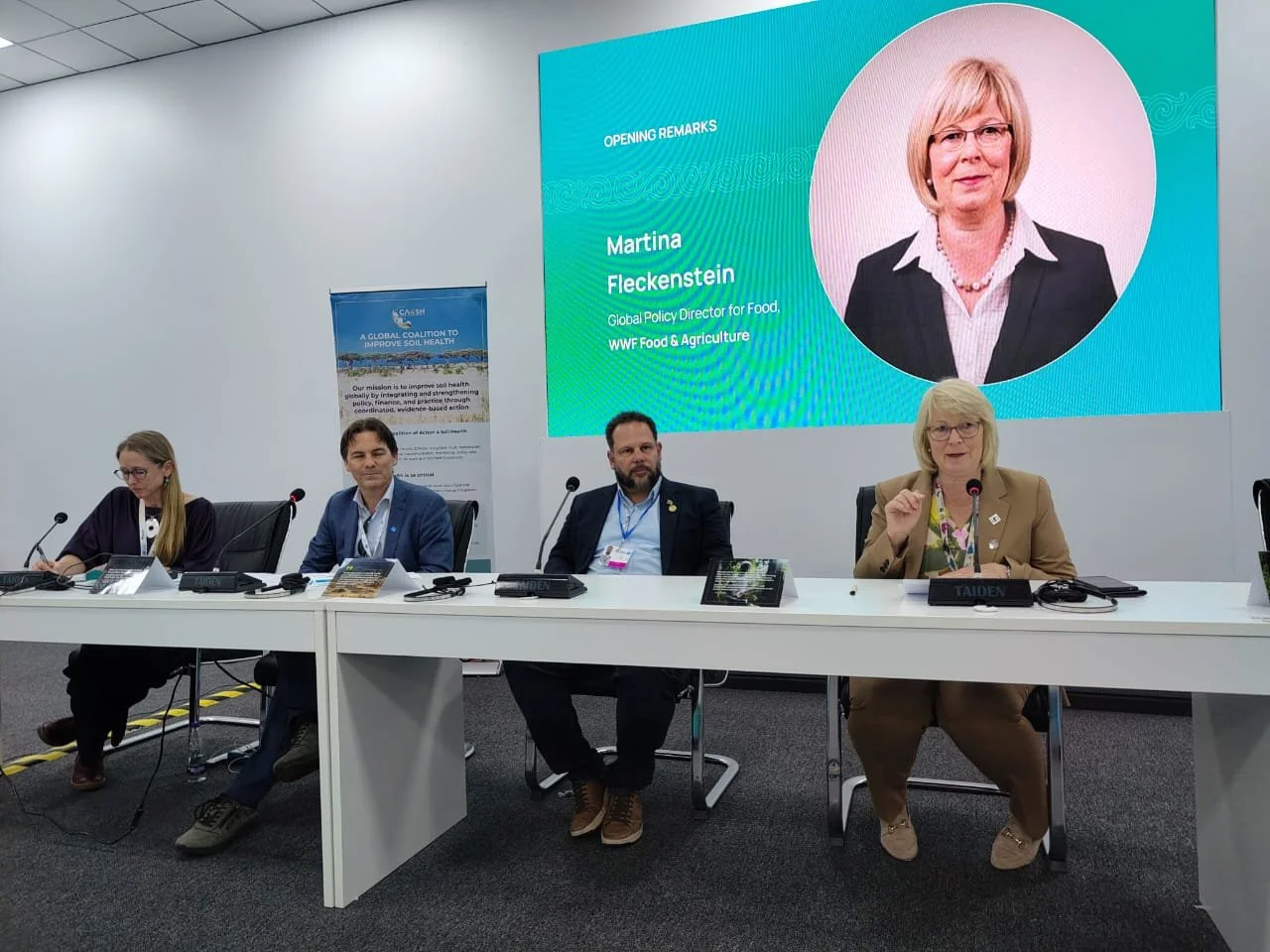
For Martina Fleckenstein, Global Policy Director for Food, WWF International, one of the biggest barriers is fragmentation.
Soil health, agriculture and food systems, nutrition and health, and land degradation and restoration are often discussed separately, despite being deeply interconnected.
“We can’t enhance agriculture without soil health resilience.”
The answer, she argued, is to bring these agendas together and recognise the ways they can reinforce one another. Regenerative agriculture, soil health and agroforestry are already recognised as important approaches — the challenge is now to create the financial and institutional architecture to support them.
This is particularly important as the world seeks greater coherence across the Rio Conventions. As Martina noted, synergies between these agendas remain critically important, even as they can become lost within increasingly siloed discussions.
A landscape approach to finance could offer one route forward, helping align investment with the multiple environmental, social and economic outcomes that landscapes provide.
Scaling regenerative agriculture means supporting transition
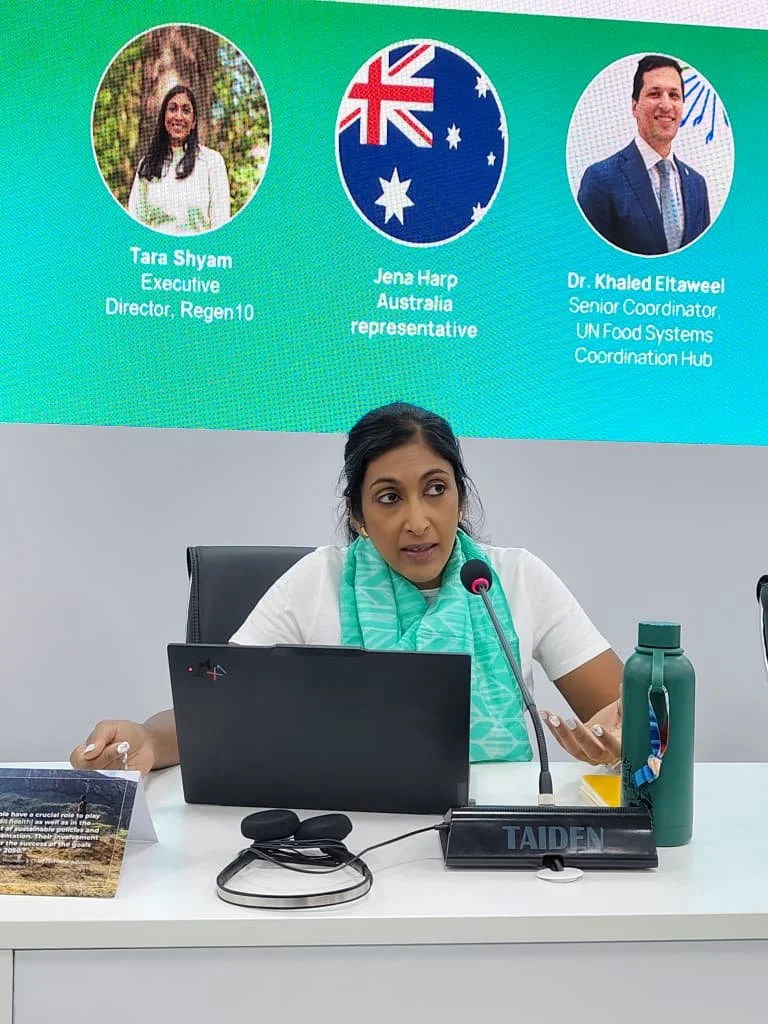
Tara Shyam, Executive Director, Regen10, brought another perspective to the question of scale: regenerative agriculture does not have a single pathway.
Different landscapes, farmers and communities will require different approaches. Regen10's work with hundreds of actors is focused on creating a shared understanding of outcomes while allowing space for context-specific pathways.
One of the biggest challenges is the cost and risk of transition. Farmers around the world are already adopting and scaling regenerative practices, but the enabling conditions needed to sustain those changes are often missing.
Tara highlighted the importance of creating alignment between the different actors involved in the transition — from farmers and communities to governments, financial institutions and businesses.
As she noted, the sector does not need another competing framework. It needs ways for different approaches to connect, complement one another and work towards shared outcomes.
Lessons from Australia: scaling takes time
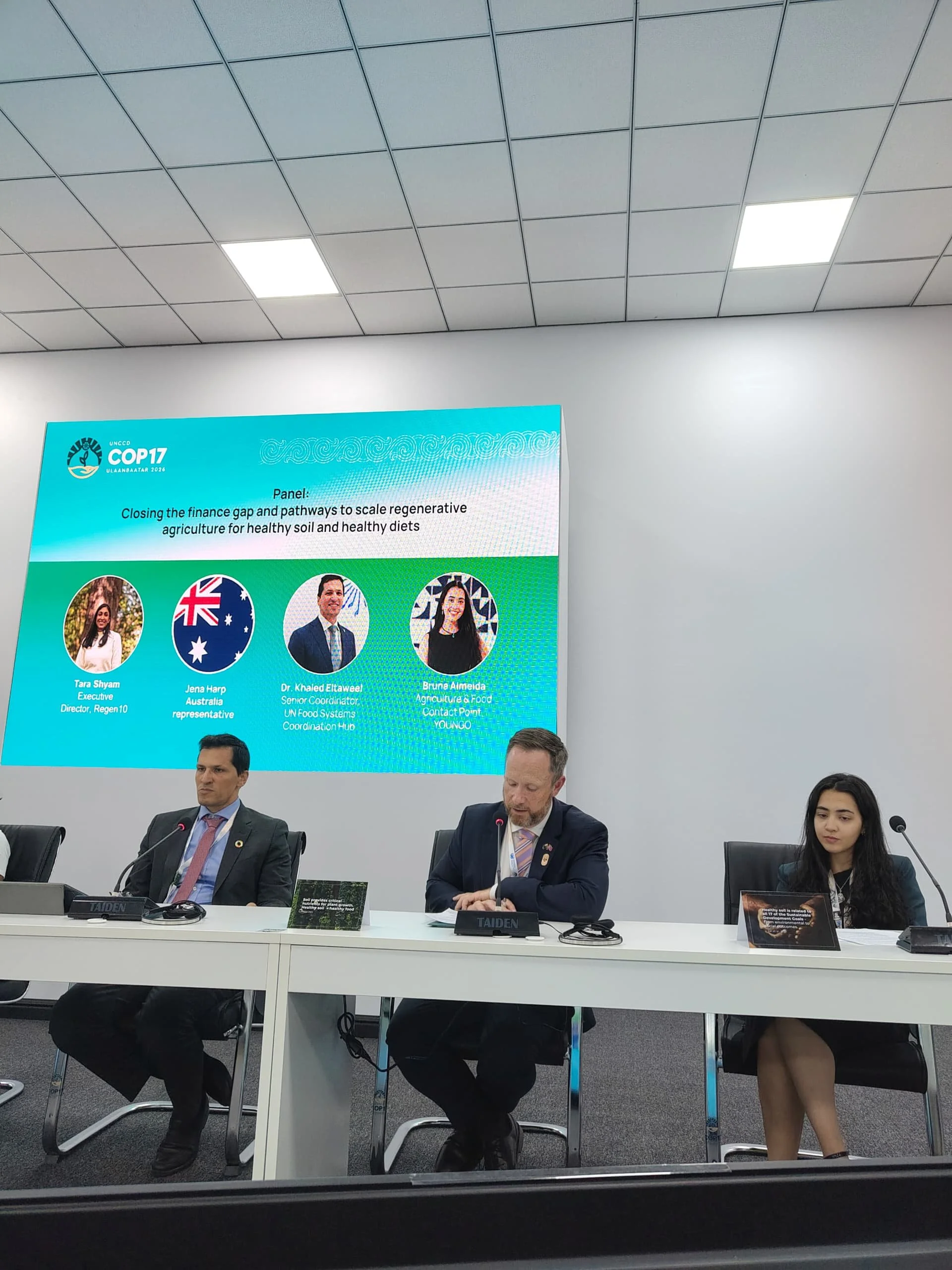
Ambassador Andrew Bermann, Australian Ambassador to Mongolia, shared Australia's experience of supporting farmers to restore degraded agricultural land and build drought resilience.
Australia's farmers are already implementing regenerative and sustainable agricultural practices, while government programmes are supporting adoption through mechanisms including competitive grants and procurement.
The country's approach places emphasis on restoring soil, water and wildlife, supported by evidence, monitoring and ongoing reporting.
For Australia, scaling sustainable land management is not simply about demonstrating that an intervention works. It requires long-term finance, partnerships, monitoring and practical guidance that farmers can use.
He also emphasised the importance of ensuring that young people — including young people in Mongolia — have a meaningful voice in shaping the future of agriculture and land restoration.
National pathways can unlock investment
Dr. Khaled Eltaweel, Senior Coordinator, UN Food Systems Coordination Hub, highlighted the growing role of regenerative agriculture within national food systems and climate planning.
The Hub's engagement with countries shows that regenerative agriculture does not always need to sit under a single definition or label. In national pathways, related approaches are often framed through nature-positive production, agroecology, climate-smart agriculture, sustainable land and water management, biodiversity protection and resilient livelihoods.
Examples from Tanzania and Rwanda demonstrate how soil health and nature-positive approaches can be integrated into broader national priorities, while experiences from Ethiopia and Lao PDR show the importance of linking sustainable production with finance, infrastructure, insurance, extension, markets and institutional coordination.
This points to an important lesson for financing regenerative agriculture: the investment case needs to cover the wider transition system, not just the cost of changing practices on individual farms.
Farmers — particularly smallholders — need support during the period when they are carrying the costs and risks of transition, before environmental and financial returns are realised.
Youth are already building the future
The role of young people was brought into sharp focus by Bruna Almeida, Agriculture & Food Contact Point, YOUNGO.
Youth are not waiting for the transition to begin. They are already implementing projects and developing solutions across food systems and soil health.
But the challenges they face are familiar: access to finance, markets, reliable buyers, supportive policy environments and meaningful participation in national planning.
Bruna highlighted the importance of creating more accessible investment pipelines for youth-led initiatives and ensuring that young people have a seat at the table in processes such as National Adaptation Plans (NAPs) and Nationally Determined Contributions (NDCs).
The discussion also pointed to a practical next step: connecting young people directly with banks and investors to explore how existing investment structures can be adapted to better support youth-led solutions.
One planet, one connected agenda
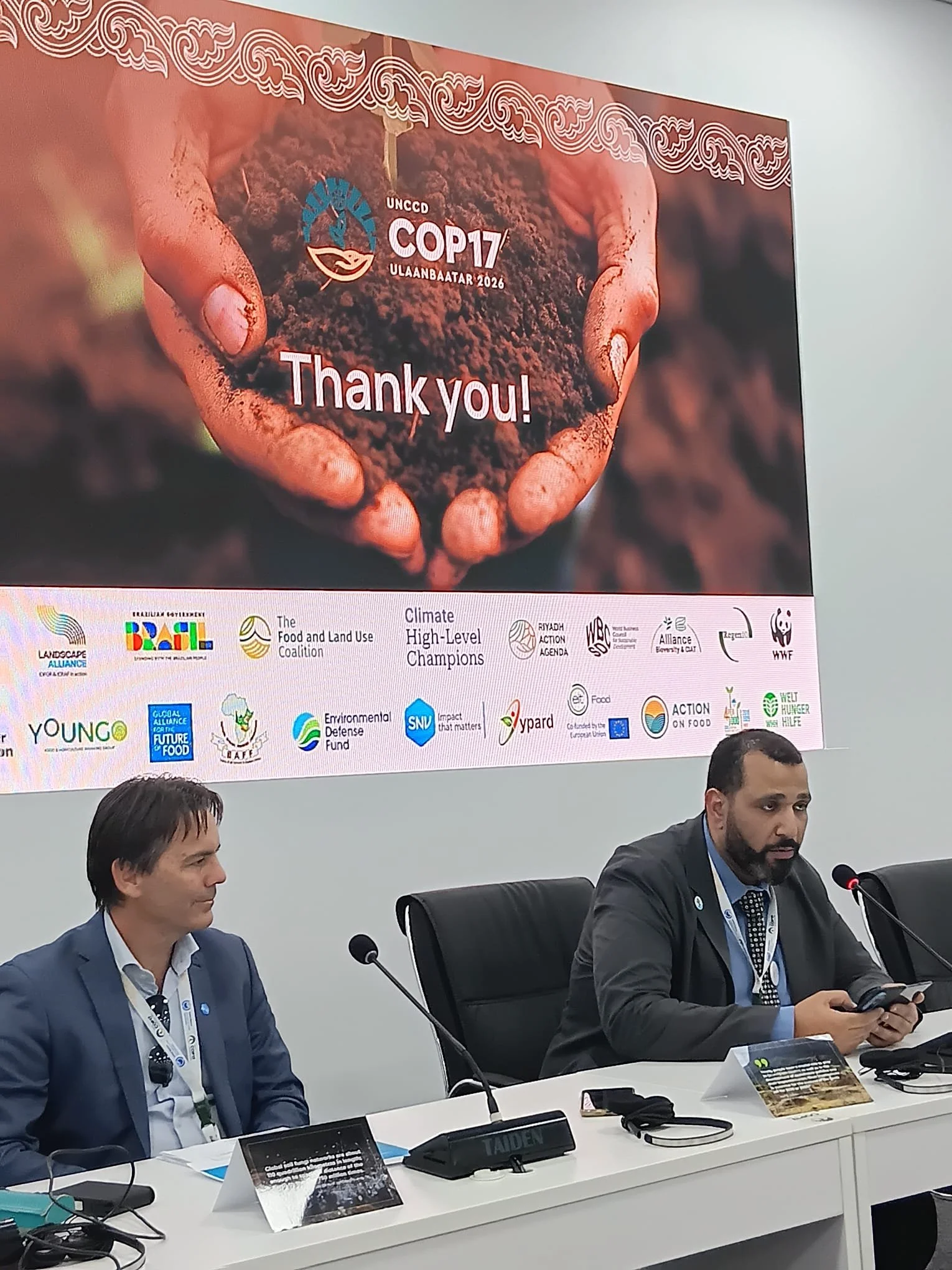
Representing Samed Ağırbaş, COP31 Climate High-Level Champion, President of the Zero Waste Foundation, Nady Mahmoud, Nature-Based Solutions and Restoration Lead, Climate High-Level Champions Team, brought the conversation back to the bigger picture.
“We have one planet and restoration can’t happen in three separate streams.”
Land, climate, biodiversity, food and water are not separate challenges. They are interconnected systems, and the solutions need to reflect that.
The evidence of what is possible is already emerging on the ground. The challenge now is to connect science, policy and finance in ways that allow those solutions to move beyond individual projects and reach landscapes at scale.
Closing the gap means changing how we invest
A clear message emerged from the discussion: closing the finance gap is not simply about finding more money. It is about making existing and new finance work better for the transition.
That means creating investment models that recognise the multiple benefits of healthy soils and restored landscapes; reducing the risks faced by farmers during transition; improving data and monitoring; aligning policy and finance; and ensuring that investments reach the people actually managing landscapes.
It also means breaking down the silos between agriculture, food systems, land restoration, climate and biodiversity.
As Harko Koster, Global Lead Climate and Food System, SNV Netherlands Development Organisation, emphasised, the challenge is not only about building capital. It is about investment, relationships and mobilisation.
And, as the session drew to a close, Leigh Winowiecki returned to the significance of the moment. Soil health is increasingly being recognised within the global land agenda, with soil organic carbon already forming one of the indicators used to track Land Degradation Neutrality.
The solutions are there. The evidence is growing. The question is how we create the conditions for finance to follow.
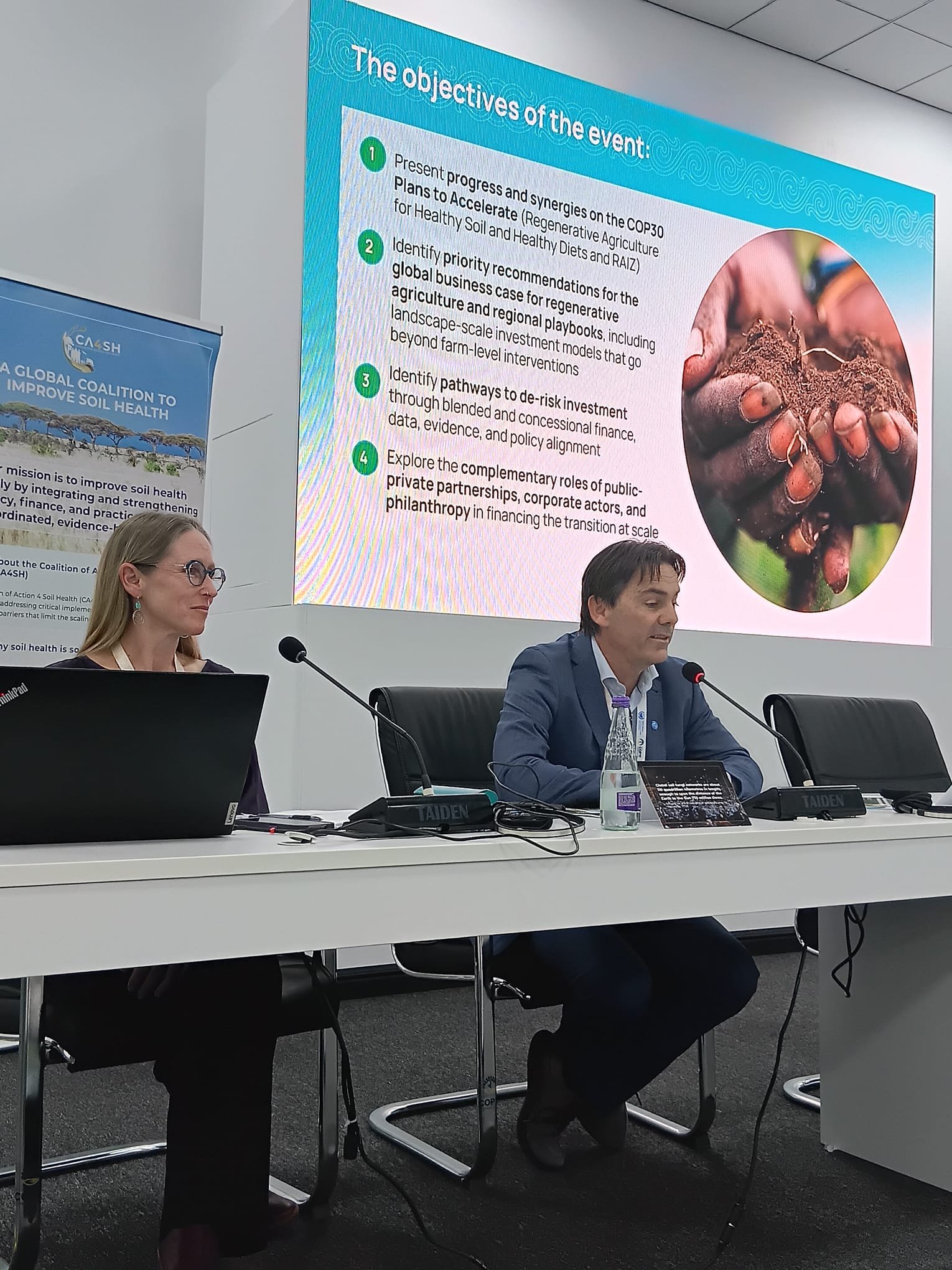
At COP17, the conversation moved one step closer to answering that question — by bringing together the people working across policy, finance, agriculture, food systems, science and communities, and looking at what it will take to make regenerative agriculture work at the scale our landscapes need.
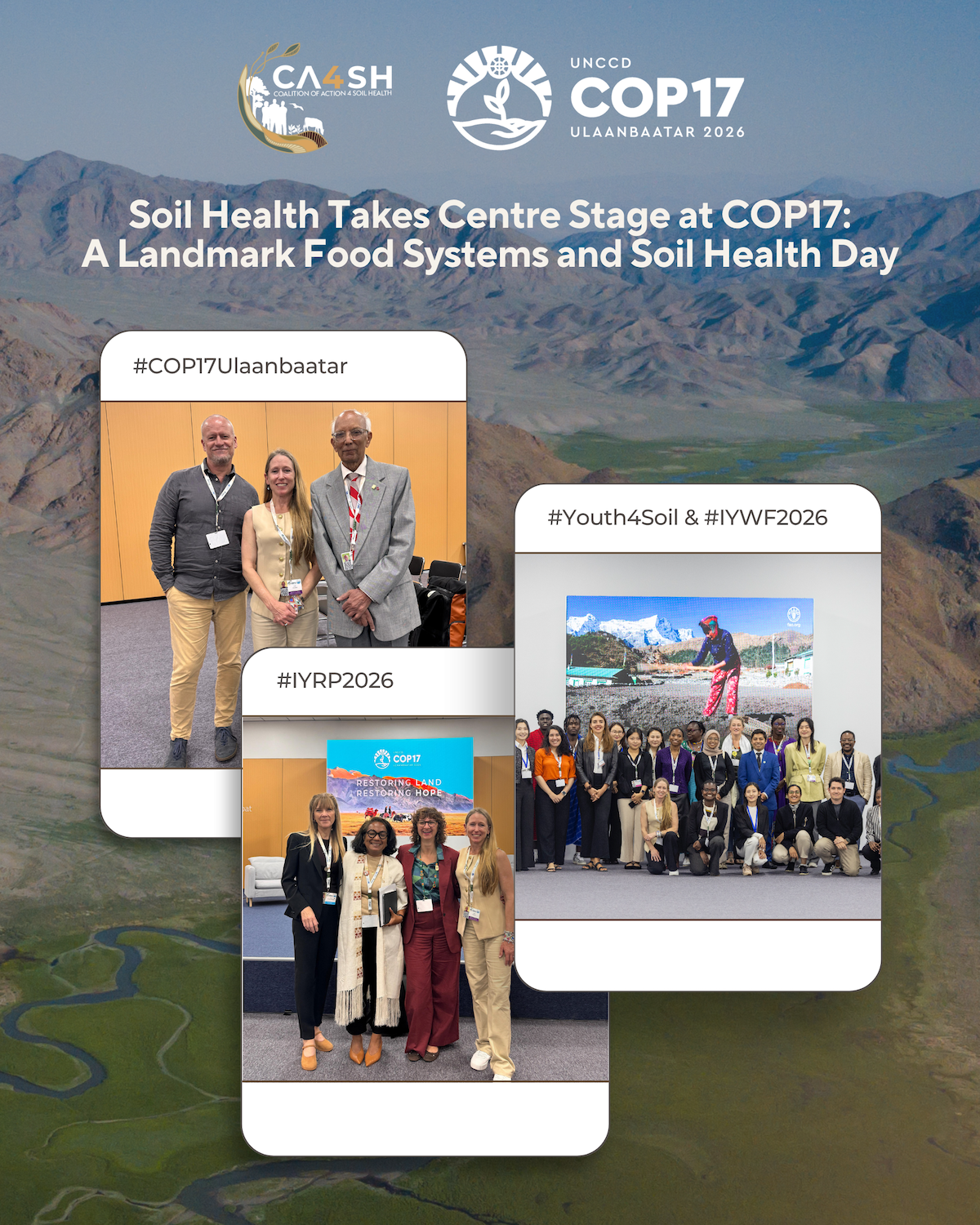

The Coalition of Action 4 Soil Health (CA4SH), Landscape Alliance (CIFOR-ICRAF), Deutsche Gesellschaft für Internationale Zusammenarbeit (GIZ) GmbH, the Norwegian Agency for Development Cooperation (Norad), CGIAR Multifunctional Landscapes Science Program, WWF, and partners, convened senior leaders and partners at UNCCD COP17 Mongolia for a high-level dinner focused on a simple but critical message: healthy soils are fundamental to resilient food systems, healthy ecosystems and a more climate-resilient future.