
Advancing Soil Data and Evidence for Rangeland Restoration, LDN Reporting and Decision Making
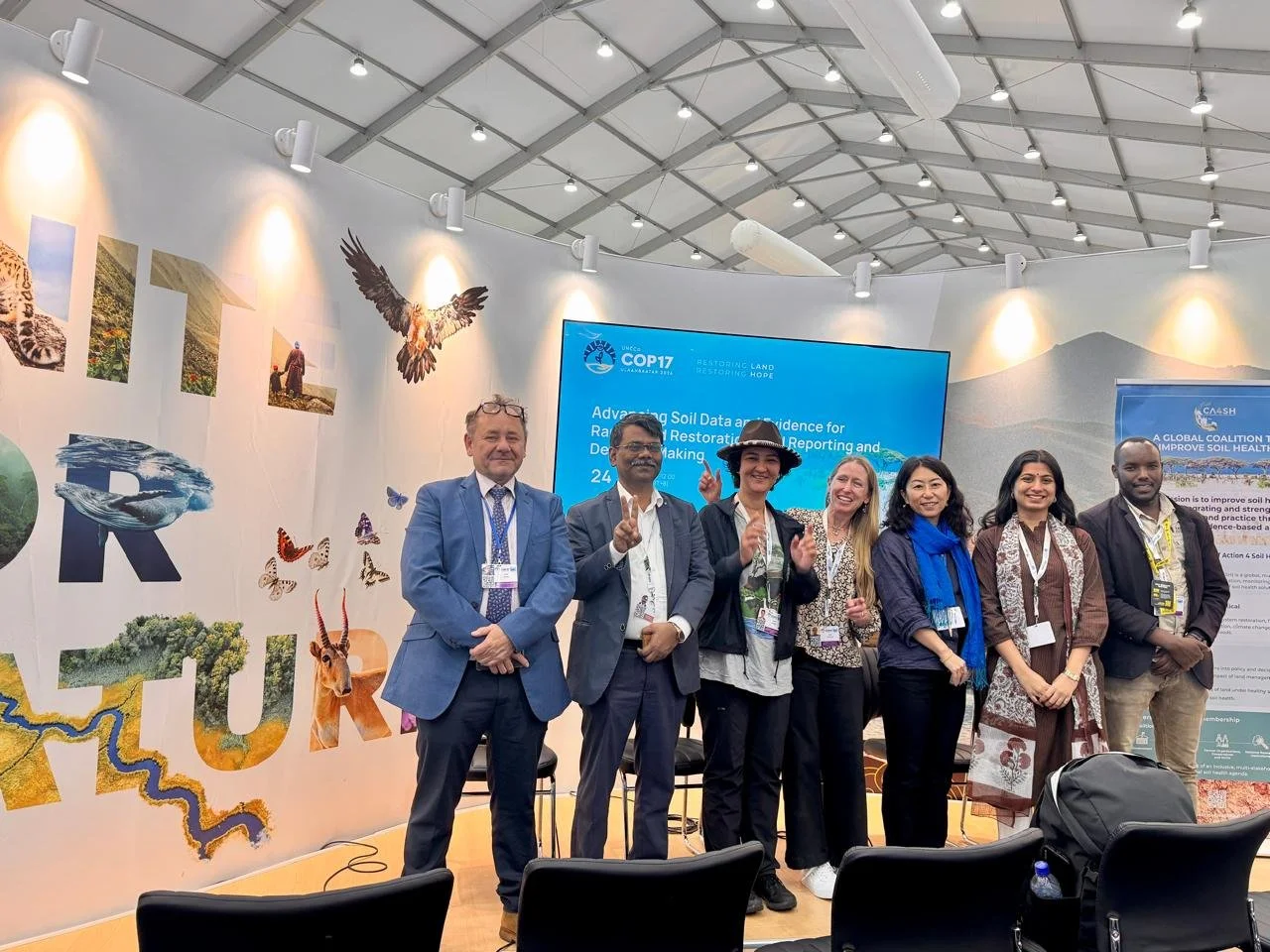
At UNCCD COP17 Mongolia, experts from soil science, agriculture, development finance, Indigenous communities and pastoralist organisations came together to examine a fundamental question: how can better soil data and evidence translate into better decisions for land restoration?
Healthy soil is at the heart of land restoration and sits at the centre of the UNCCD’s Land Degradation Neutrality (LDN) framework. Yet the data needed to understand soil health, track change and guide investment remains fragmented, difficult to collect at scale and too often disconnected from the decisions being made on the ground. With an estimated 100 million hectares of soil degrading every year, closing this evidence gap is increasingly urgent.
The session, “Advancing Soil Data and Evidence for Rangeland Restoration, LDN Reporting and Decision Making,” brought together perspectives on how soil information systems, harmonised monitoring approaches, open-data platforms and community-led monitoring can strengthen LDN reporting while making evidence more useful to practitioners, policymakers and investors.
From data to decisions
Opening the discussion, Dr Leigh Winowiecki (Landscape Alliance | CIFOR-ICRAF & CA4SH) highlighted the potential of Soil Information Systems to strengthen LDN reporting and emphasised the need to bring stakeholders together around a common agenda.
But better data does not mean applying the same solution everywhere. As Leigh noted, context and site specificity are critical to successful restoration. That message was reinforced throughout the session: soil health and land restoration interventions need to respond to the ecological, social and economic realities of individual landscapes.
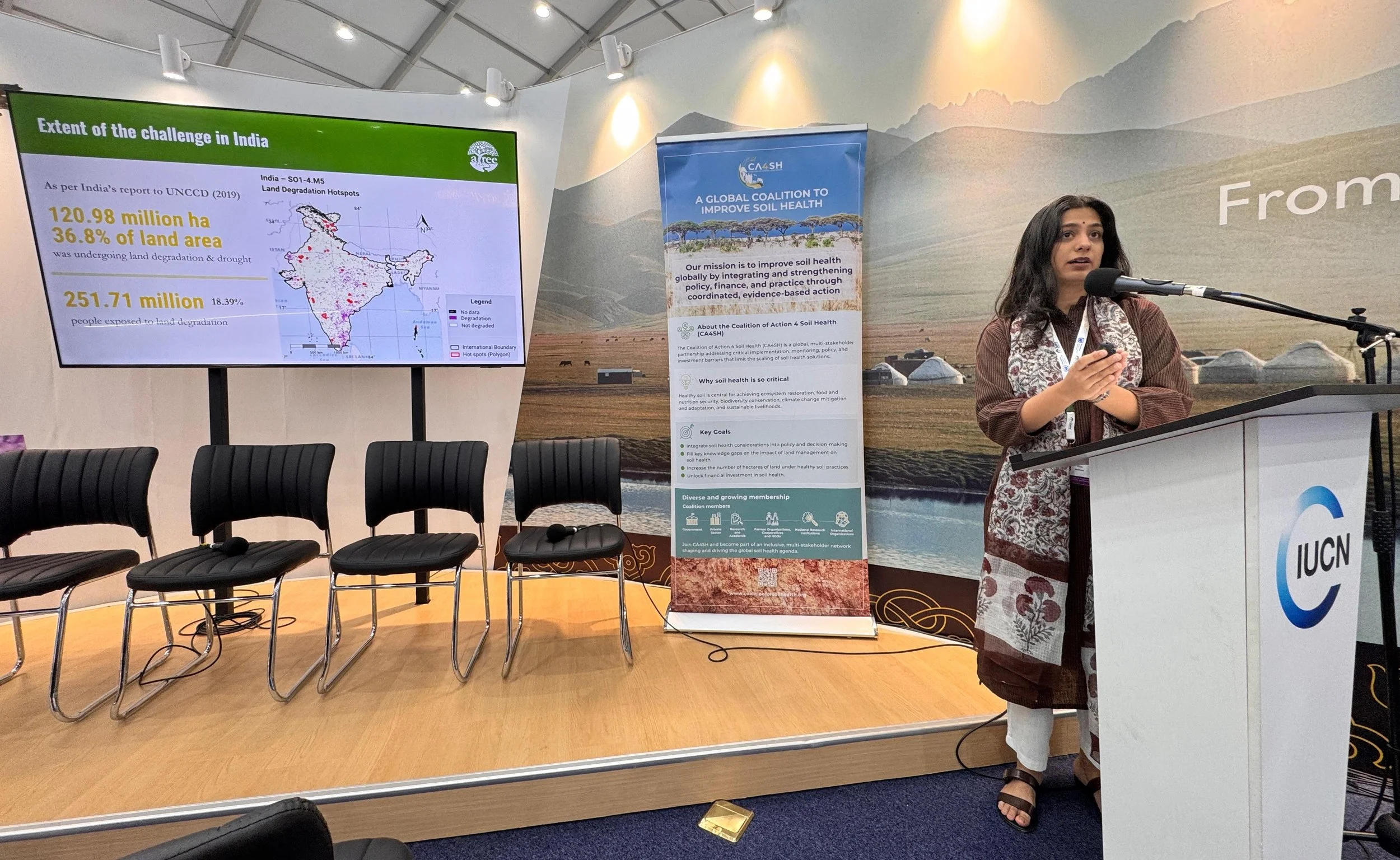
Anuja Malhotra, Policy Manager, ATREE, sharing experiences from India, illustrated the challenge. More than 36% of India's land is experiencing degradation, despite more than a century of policy attention and investment in soil health. She argued that the challenge is not simply a lack of finance, tools or data. Grasslands are still frequently overlooked as distinct ecosystems and are often managed using inappropriate or overly engineered approaches.
Instead, she highlighted the potential of low-input interventions tailored to local conditions, noting that where baselines are low, relatively small interventions can produce significant improvements in a short period. But achieving this at scale requires bringing together farmers, communities, scientists, government and other stakeholders around a shared understanding of the landscape.
Recognising the value of rangelands
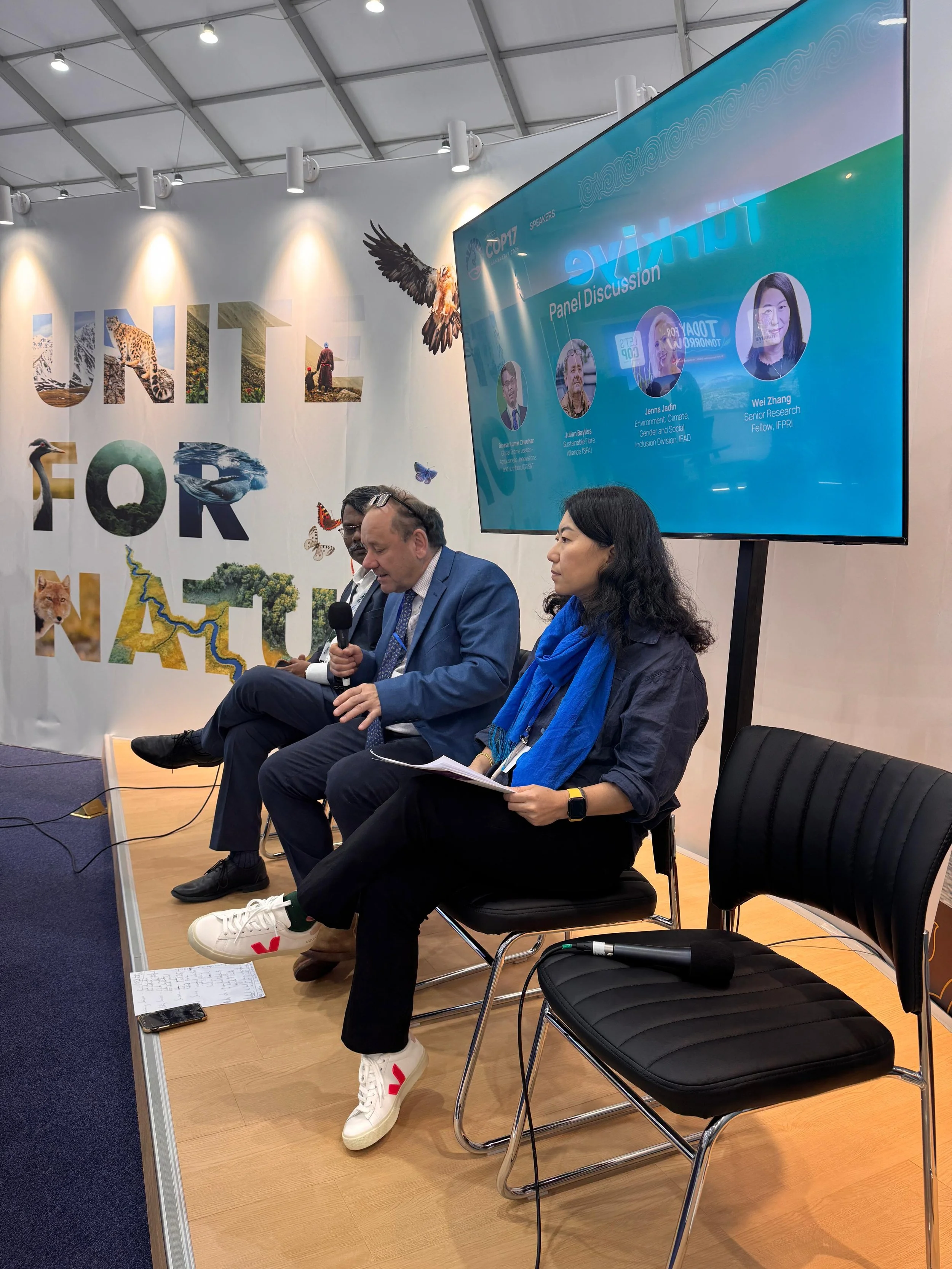
For Dr Julian Bayliss, Conservation Scientist and Ecologist and Trustee of the Rangeland Stewardship Council and Sustainable Fiber Alliance, the conversation needs to start with the ecosystem services that rangelands provide.
Soil quality and erosion are among the indicators that can help guide rangeland management, alongside the wider hydrological functions of these ecosystems. But indicators must be interpreted in context. As Julian pointed out, there is no value in planting trees in ancient grasslands that have never supported trees.
The point speaks to a wider principle running through the discussion: restoration is not about imposing a predetermined landscape outcome. It is about understanding how ecosystems function and using evidence to support interventions that restore, rather than inadvertently alter, those functions.
Making soil visible to finance
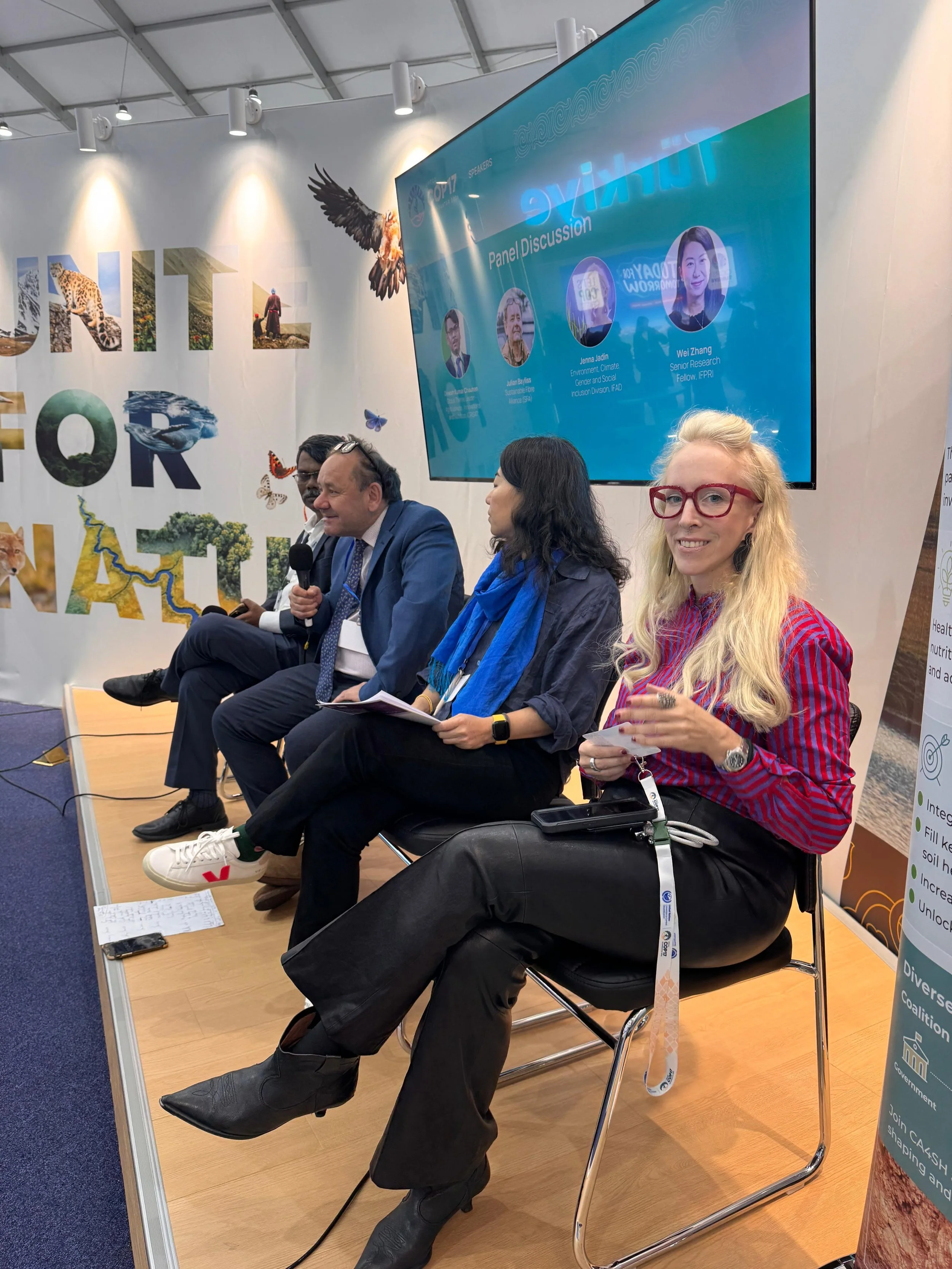
Jenna Jadin, Environment, Climate, Gender and Social Inclusion Division at the International Fund for Agricultural Development (IFAD), focused on another persistent gap: translating soil health into financial value.
“If we want to generate income from soil metrics, we first have to generate the metrics,” was a central message from her contribution. Soil clearly has economic value through food production, carbon storage and other ecosystem services, but these values are rarely captured in investment decisions.
Jenna highlighted the role of blended finance and private capital in de-risking land rehabilitation investments, noting that IFAD-supported approaches have generated returns of approximately six dollars for every dollar invested, while participants undertaking the work have seen income increases of up to 10%.
The challenge, then, is not simply demonstrating that healthy soils have value. It is developing the evidence, financial mechanisms and investment structures that allow that value to be recognised and acted upon.
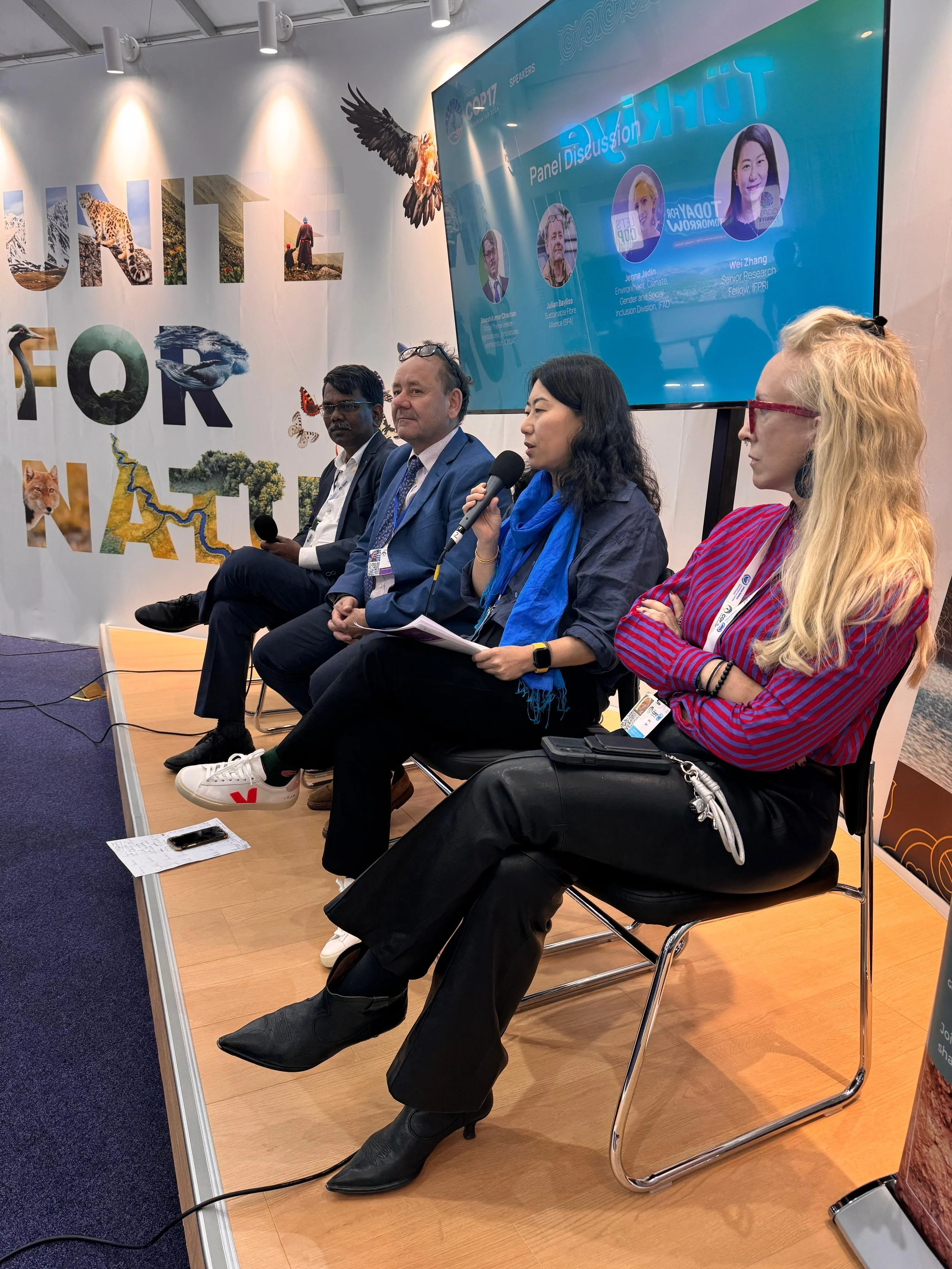
Soil data starts with a question: who can use it?
The session also pushed beyond the technical question of how much soil data we need, to ask who collects it, who controls it and who has the power to act on it.
Wei Zhang, Senior Research Fellow at the International Food Policy Research Institute (IFPRI), shared findings from their work showing that producing soil data at scale is challenging, and that data alone provides only a partial picture of soil health. Its value depends on how effectively it informs decisions.
Access to land, credit and decision-making power all shape whether farmers can invest in soil health. Women and young people can face particular constraints, meaning that better data must be accompanied by more inclusive institutions and decision-making processes.
“Soil data can be transformative only when it leads to better and more inclusive decisions,” Wei emphasised.
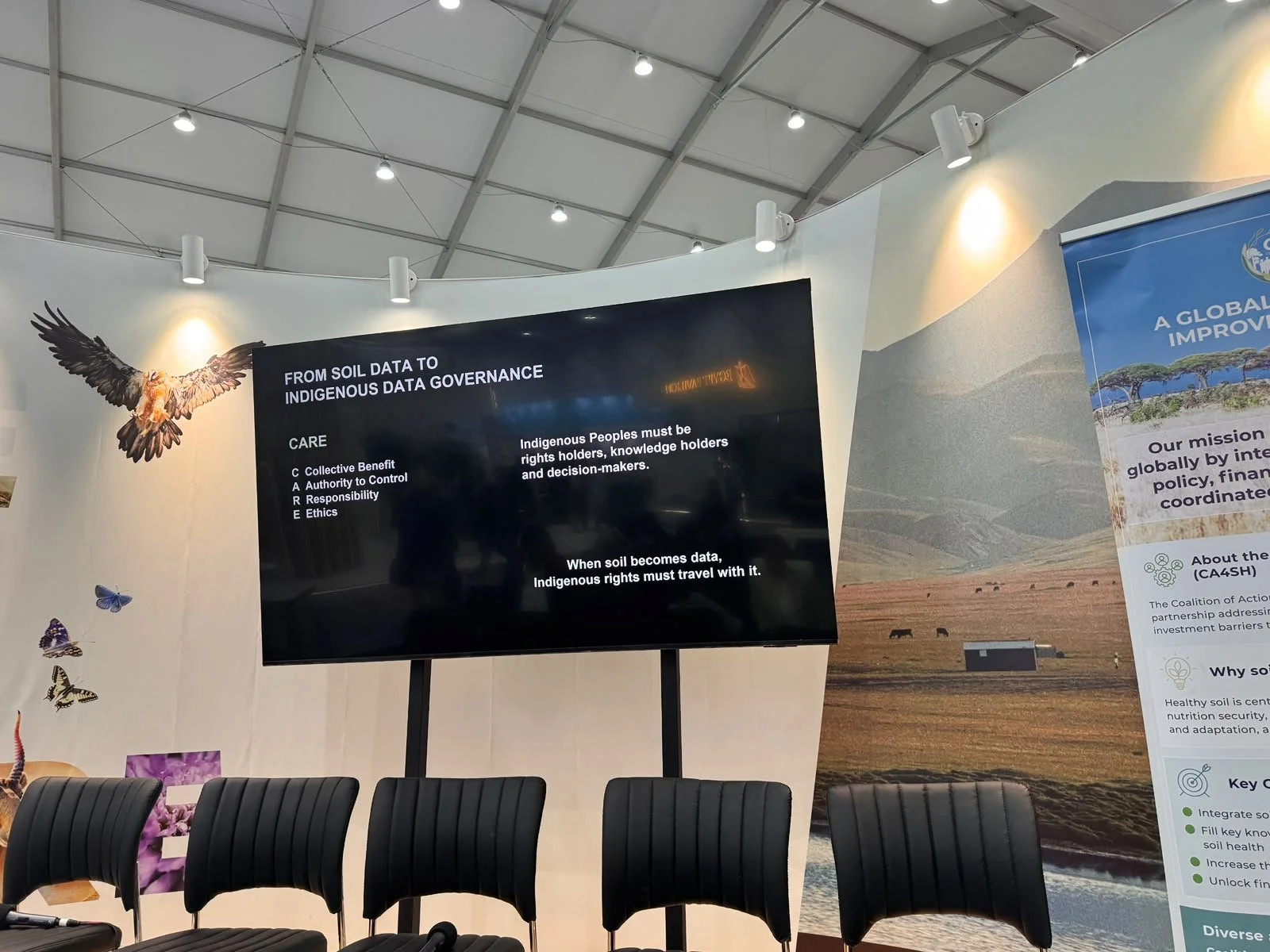
That question of agency was central to Hanieh Moghani, Regional Coordinator for West and Central Asia and the Caucasus at the ICCA Consortium. For Indigenous Peoples and local communities, she said, data is not simply a technical resource. Data sovereignty matters.
Technological advances in soil mapping and artificial intelligence may create new opportunities, but technological capacity does not automatically create the right to determine what happens to a territory. Communities must have authority over how information from their lands is collected and used, and must share in the value generated from their knowledge and data.
“When soil becomes data, Indigenous rights must travel with it,” Moghani stated.
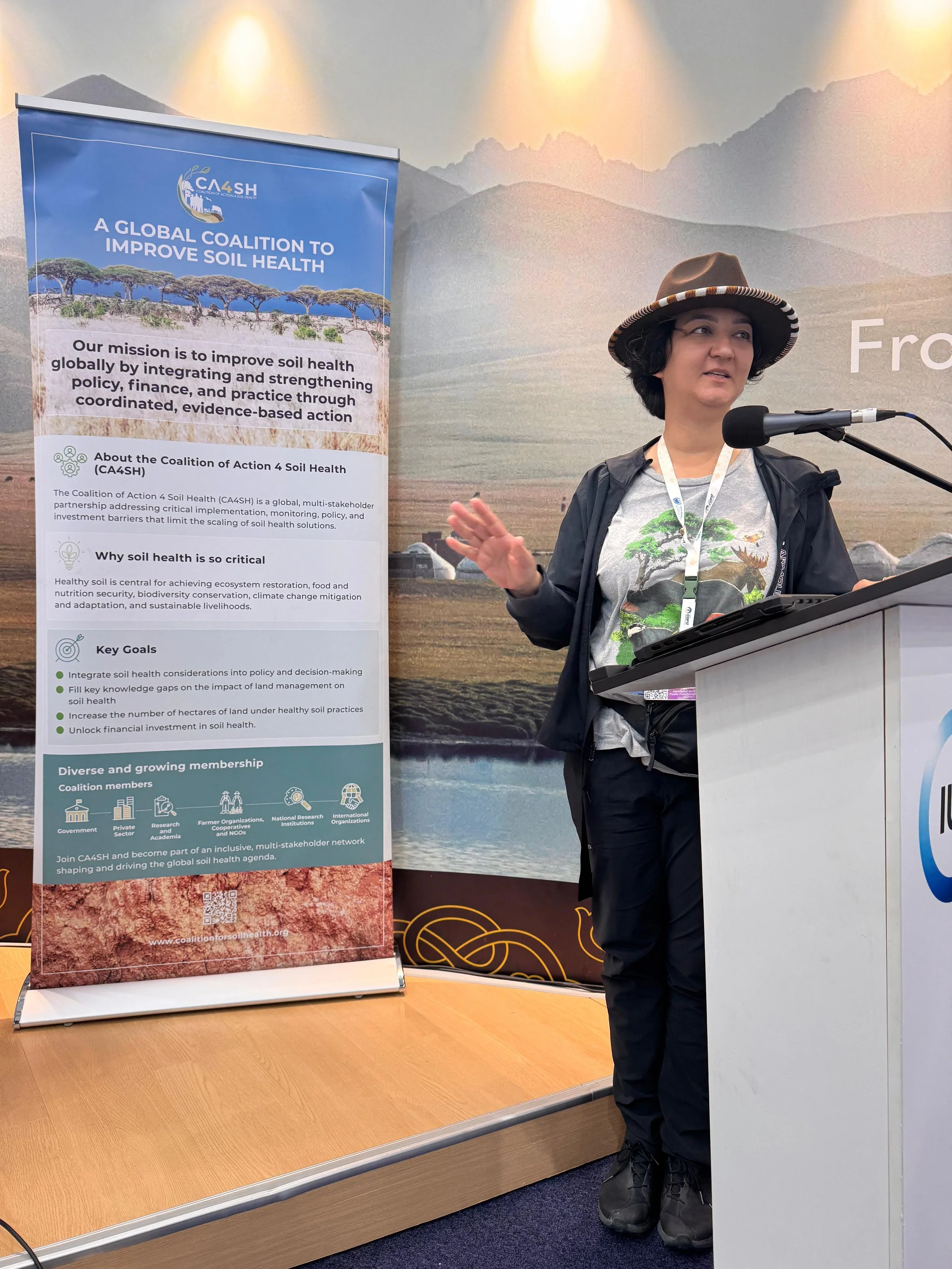
Don't lose sight of the people behind the data
For Joshua Laizer of the Pastoralist Youth Alliance-Africa and the UNCCD Youth Caucus, this was a crucial reminder that restoration ultimately happens in places, among people.
“Data alone doesn’t improve livelihoods.”
Landscapes, communities and organisations differ, and data must therefore be relevant, inclusive and usable by those working on the ground. Scientific knowledge has an important role, but it cannot replace the knowledge of pastoralists, women, youth and others who live and work within these landscapes.
Tenure also matters. People are less likely to invest in restoring land when they lack secure rights to it or do not see how they will benefit from its restoration.
For Joshua, the next step is to take these discussions beyond COP17 and into countries and territories where restoration decisions are actually being made.
From evidence to action
Across the contributions, a clear message emerged: soil data is essential, but data alone is not enough.
Better soil information can strengthen the soil organic carbon indicator within LDN, improve national reporting, guide restoration and help direct finance. But for that potential to be realised, data systems need to be interoperable, locally relevant and connected to decision-making.
They also need to sit alongside institutional reform and greater recognition of the rights, knowledge and agency of Indigenous Peoples, pastoralists, women and youth — a particularly important message during the International Year of Rangelands and Pastoralists (IYRP2026), which is highlighting the vital role of pastoralists in sustaining healthy and resilient rangelands.
As the world seeks to restore degraded land and build resilience in the face of drought and climate change, the challenge is no longer simply to collect more data. It is to make that data useful, accessible and actionable — and to ensure that the people with the greatest knowledge of and connection to the land have a meaningful role in deciding what happens next.
At COP17, the discussion made clear that this is where the real work begins: moving from evidence to decisions, and from decisions to restoration on the ground.
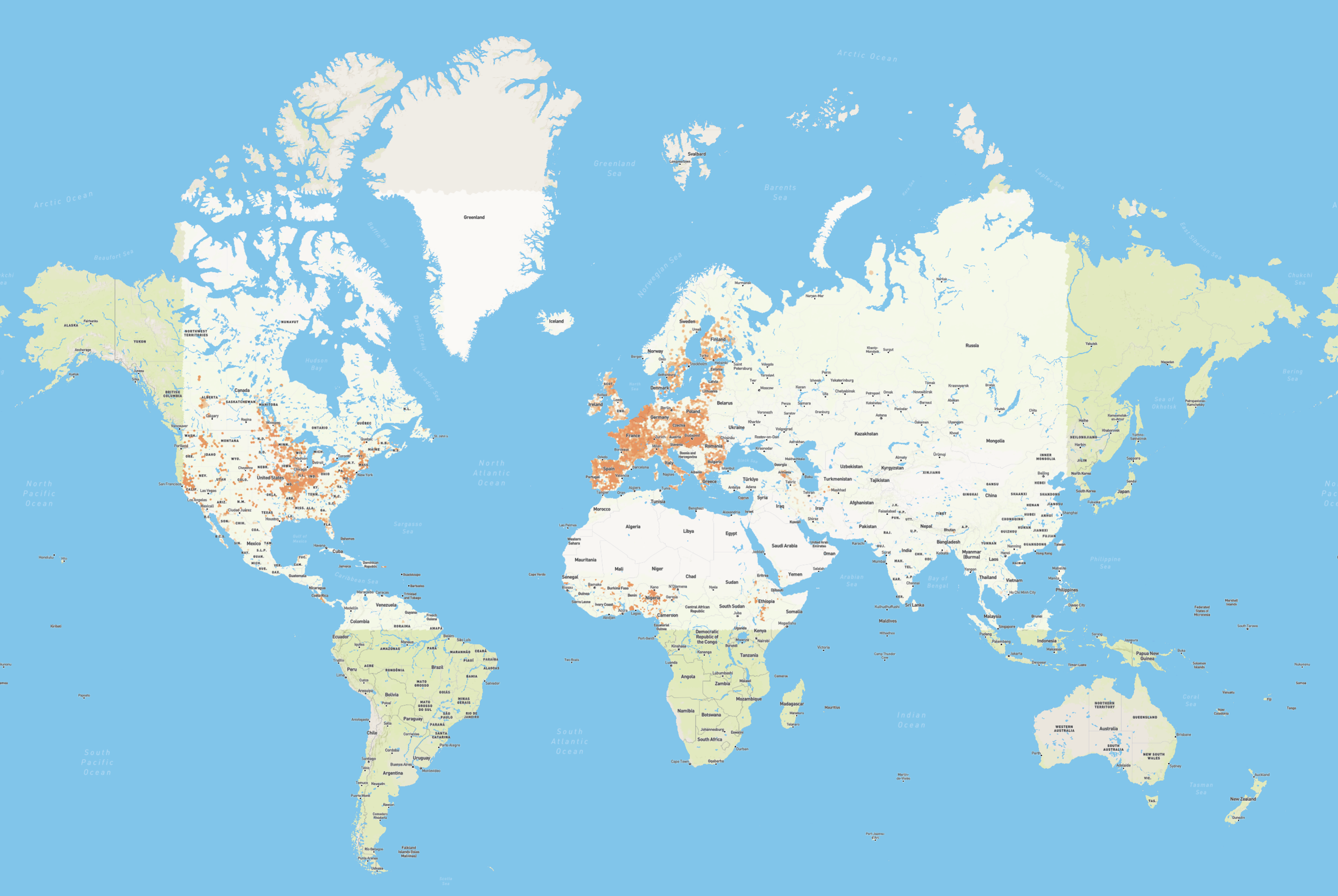
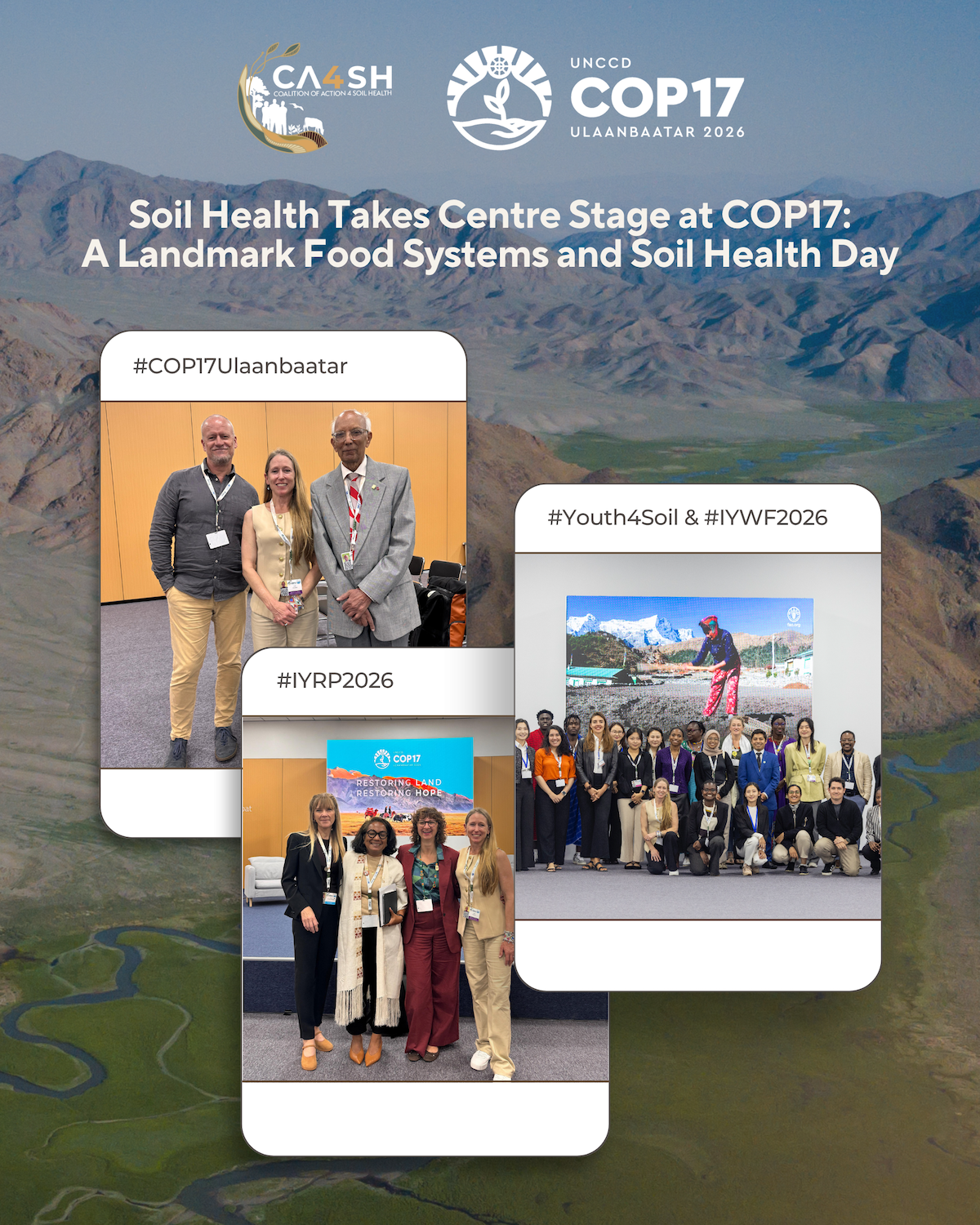

The Coalition of Action 4 Soil Health (CA4SH), Landscape Alliance (CIFOR-ICRAF), Deutsche Gesellschaft für Internationale Zusammenarbeit (GIZ) GmbH, the Norwegian Agency for Development Cooperation (Norad), CGIAR Multifunctional Landscapes Science Program, WWF, and partners, convened senior leaders and partners at UNCCD COP17 Mongolia for a high-level dinner focused on a simple but critical message: healthy soils are fundamental to resilient food systems, healthy ecosystems and a more climate-resilient future.