27 August 2026, Ulaanbaatar | At UNCCD COP17 Mongolia, soil health was at the center of the agenda. It was present across negotiations, ministerial dialogues, side events, and the Action Agenda. The numbers give a sense of its scale: the Coalition of Action 4 Soil Health (CA4SH) network held 72 events alongside 90+ partners across the two weeks.
Soil health has been a growing focus at UNCCD COPs since CA4SH’s launch at the UN Food Systems Summit in 2021. At COP15 in Abidjan in 2022, CA4SH convened its first side event at UNCCD COP, where scientists, investors and policymakers made the case for multi-stakeholder action on soil health. At COP16 in Riyadh in 2024, Decision 19/COP.16 was adopted, which formally calls on Parties to avoid, reduce, and reverse land and soil degradation in agricultural lands and to promote agrifood systems grounded in healthy soils. COP17 marked a new milestone. For the first time, soil health was explicitly included in the official programme, as a dedicated thematic day in its own right: Food Systems and Soil Health Day.
That momentum was also reflected at the high-level Soil Health Dinner on 25 August, hosted by the Coalition of Action 4 Soil Health (CA4SH), Landscape Alliance (CIFOR-ICRAF), Deutsche Gesellschaft für Internationale Zusammenarbeit (GIZ) GmbH, the Norwegian Agency for Development Cooperation (Norad), CGIAR Multifunctional Landscapes Science Program, WWF, and partners, which brought together leaders from across food systems, land restoration, climate, finance and policy to strengthen collaboration and keep soil health at the heart of global action.
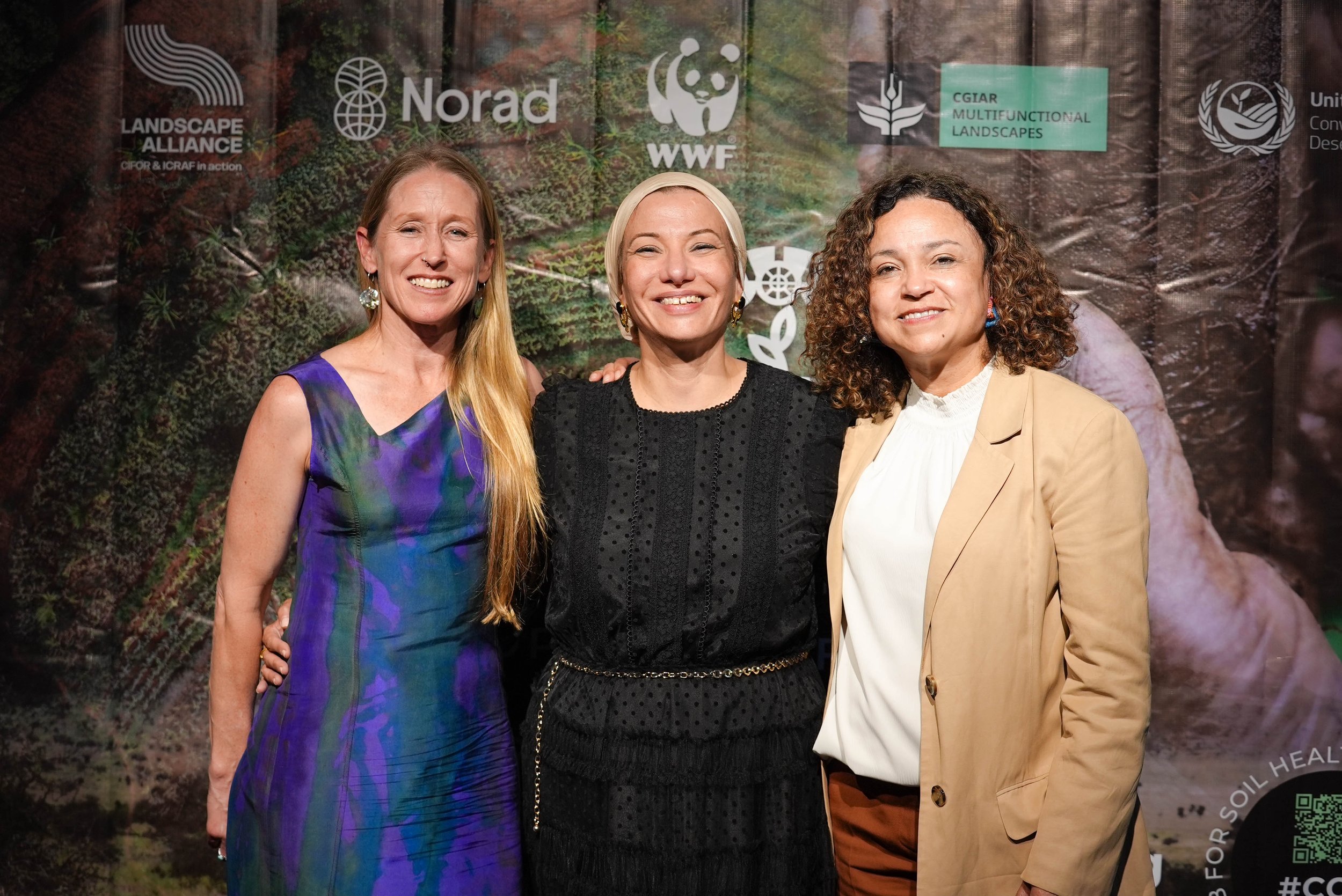
“We are so excited to have the first ever Food Systems and Soil Health Day at COP17, and we brought together private sector, policy, decision-makers, youth, scientists, NGOs to strategize on how to scale healthy soil solutions globally.”
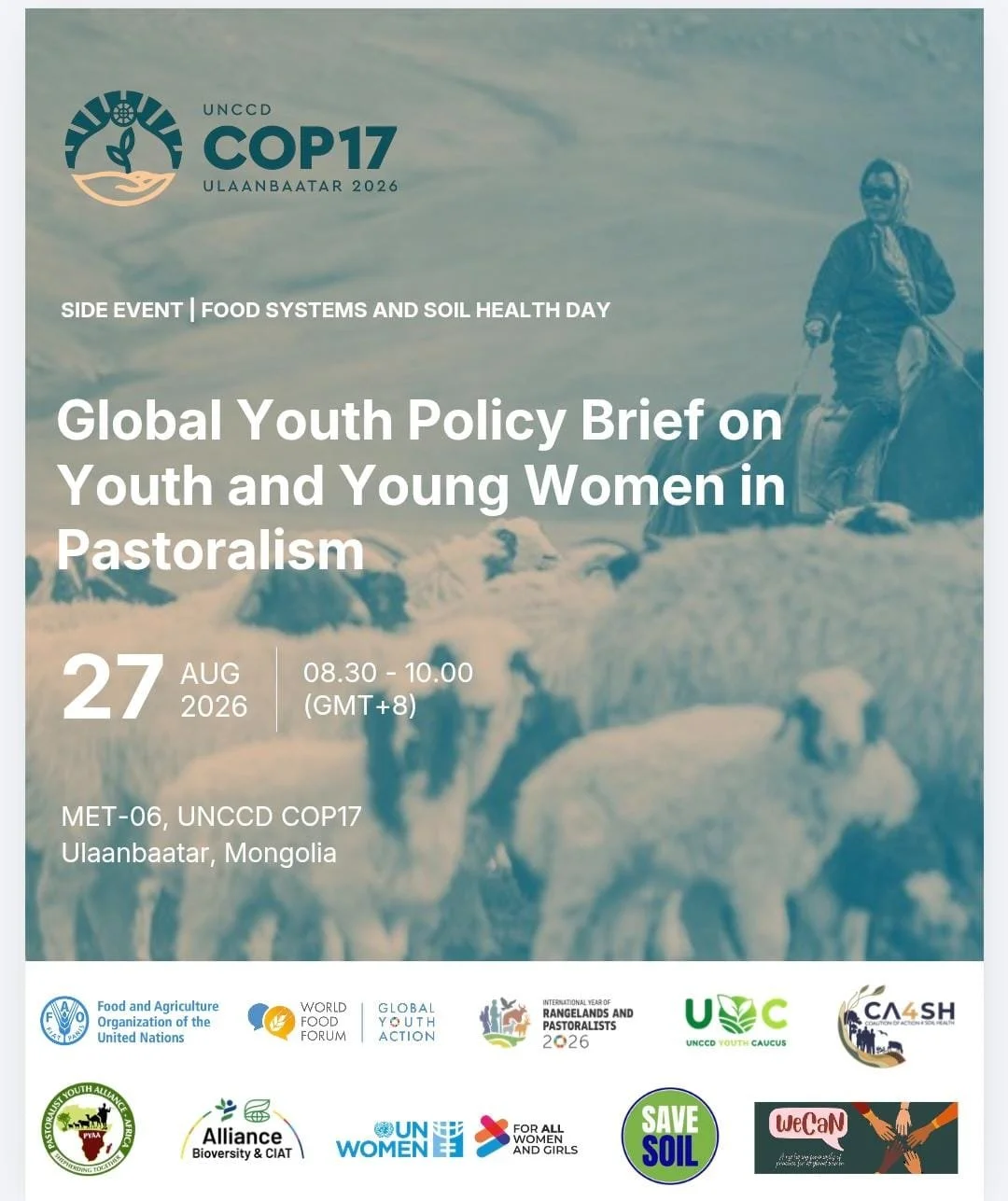
CA4SH engaged in ten events across the day, spanning youth and young women in pastoralism leadership, rangelands and global markers, private sector investment, food and soil health breakthroughs, Rio Convention synergies, grassroot engagements, data-driven innovation, national food systems pathways with ministers, soil policy, and the launch of the Youth4Soil Manifesto Implementation Guide and the celebration of the International Year of the Women Farmer 2026.
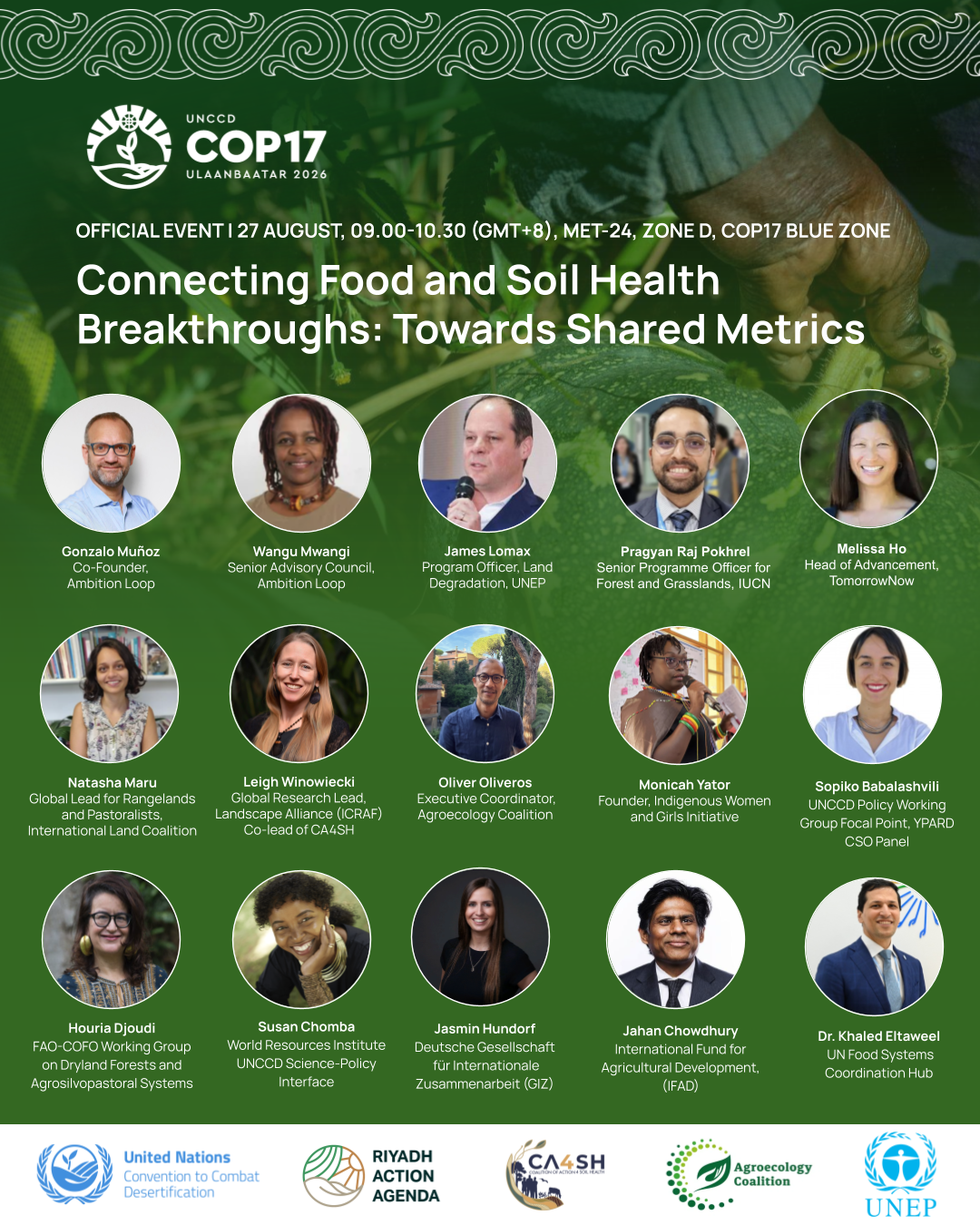
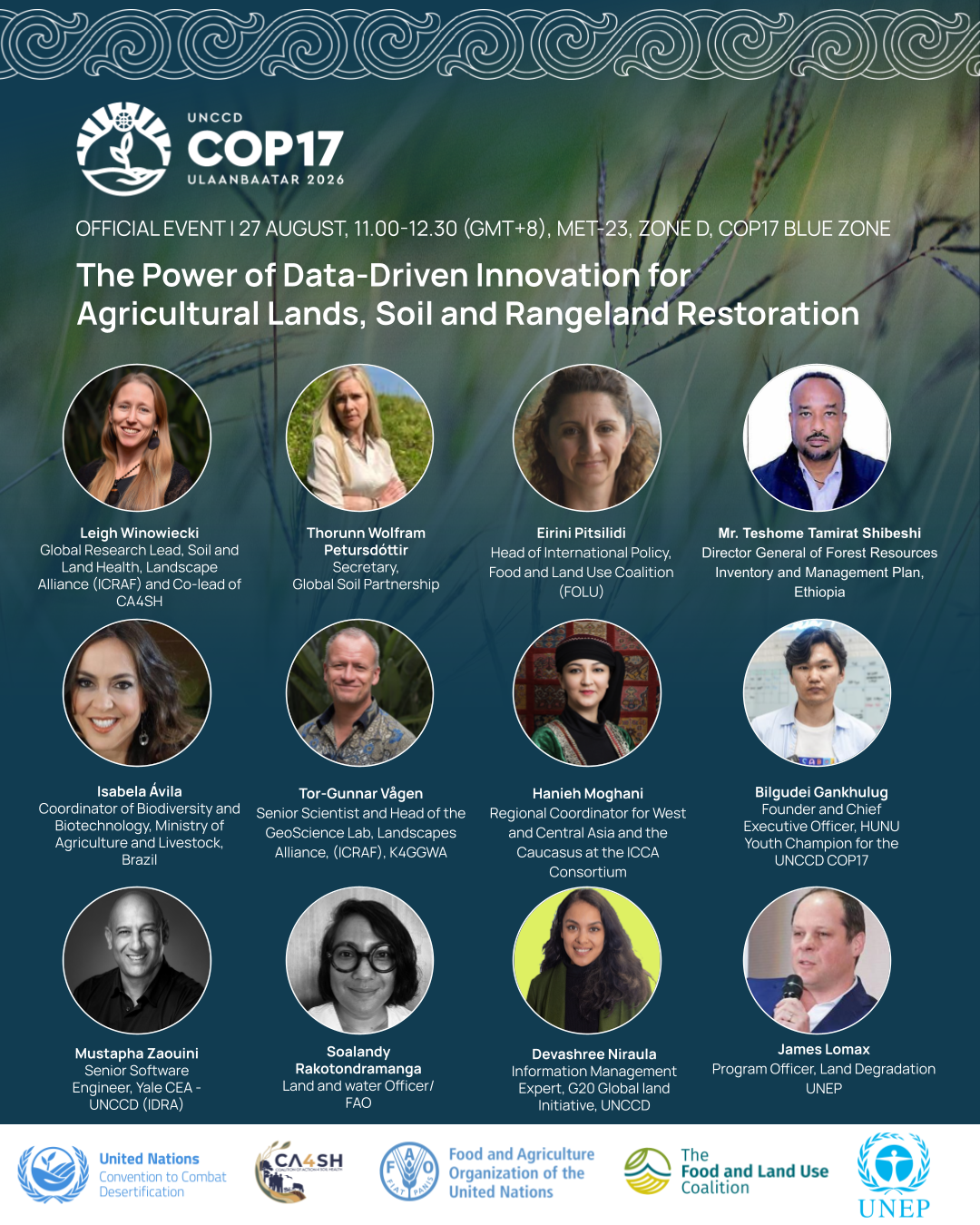
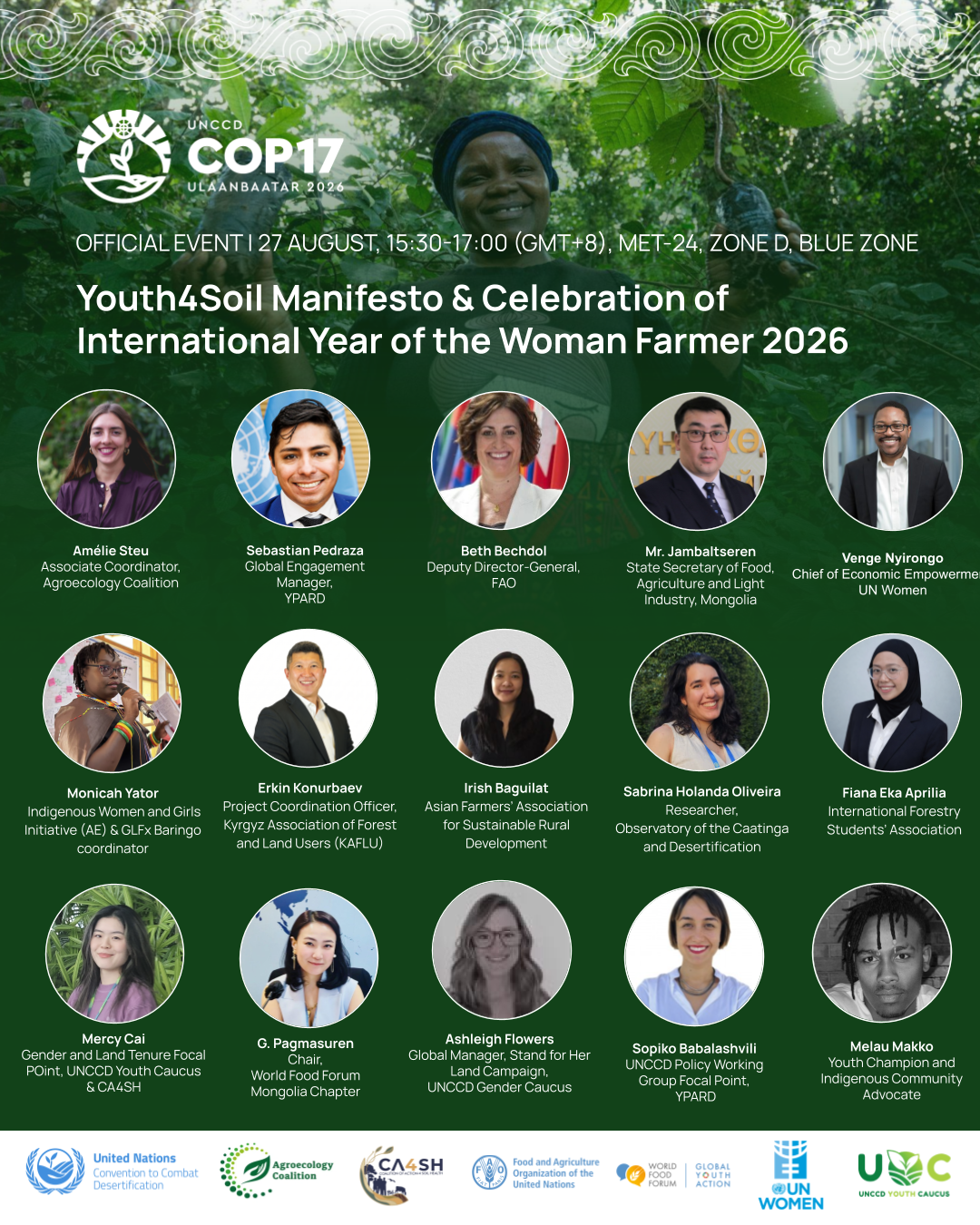
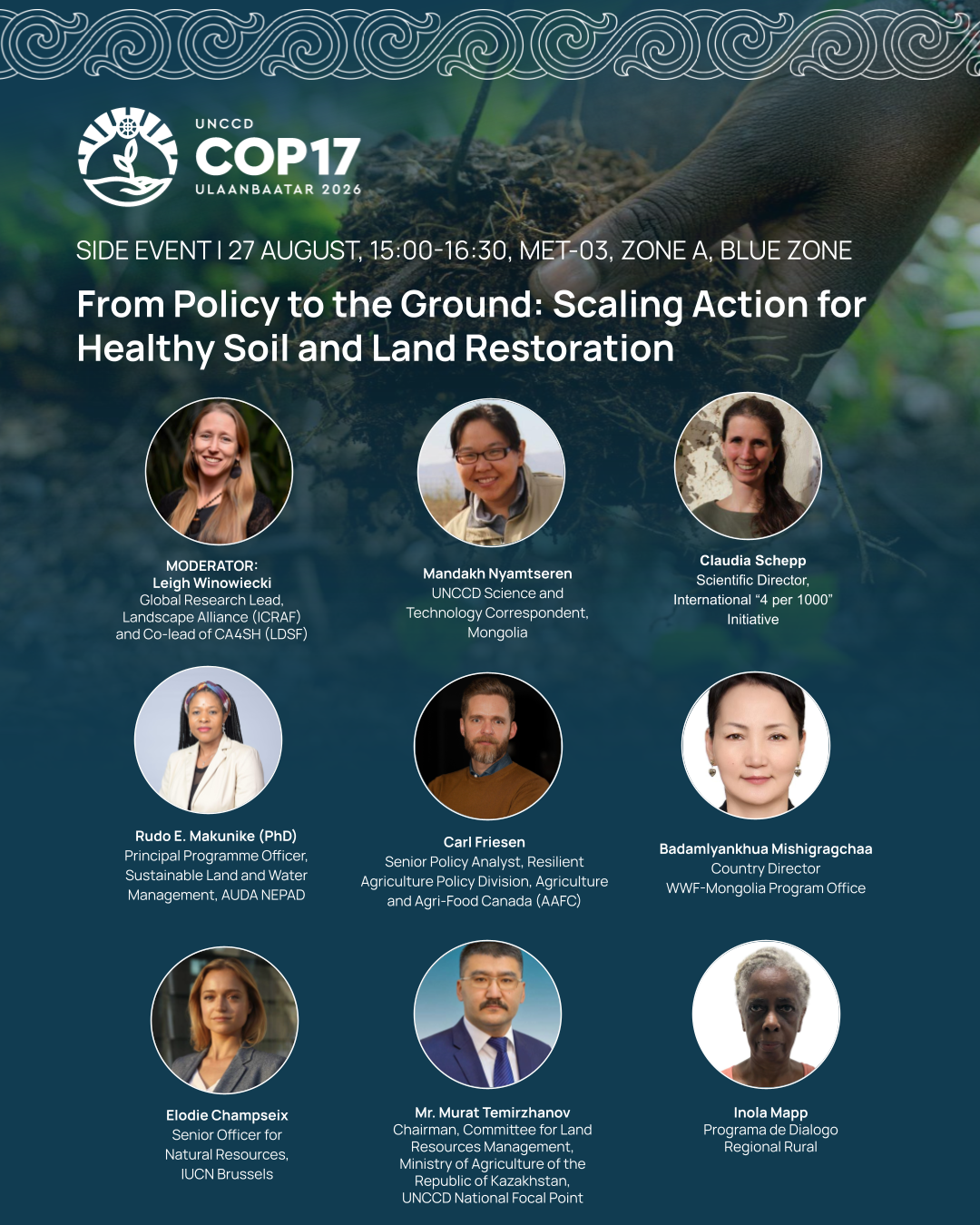
It was the culmination of months of collaboration across organisations, sectors and regions, and a demonstration of the message CA4SH has carried since its launch: healthy soil is the foundation of food systems, climate resilience, biodiversity, ecosystem restoration and livelihoods.
Across the day, that message moved from principle to practice.
Key messages:
Integrate soil health in national strategies
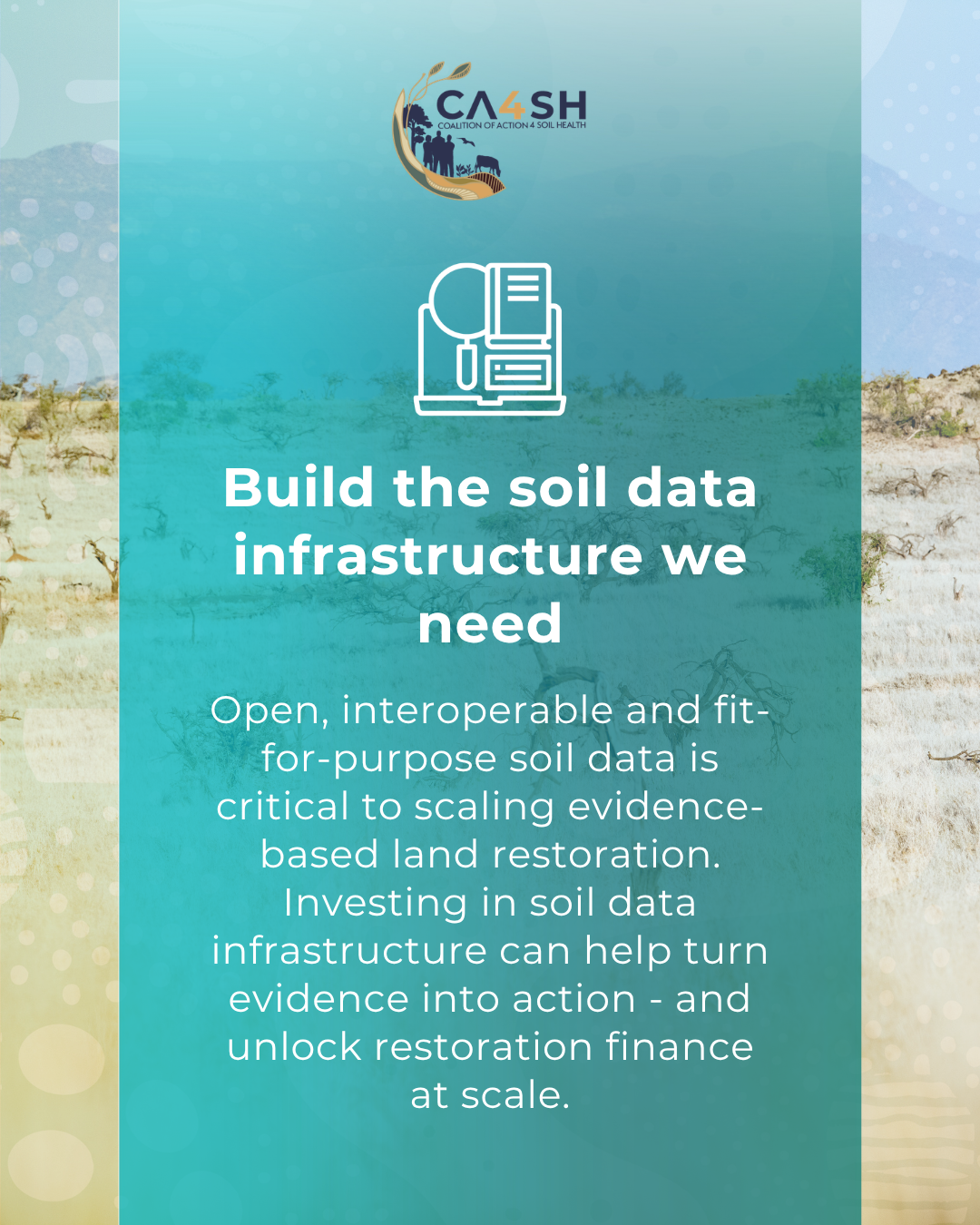
Leverage soil data and evidence to inform policy, investment and practice decisions
Harmonize and strengthen soil information systems to fulfill commitments
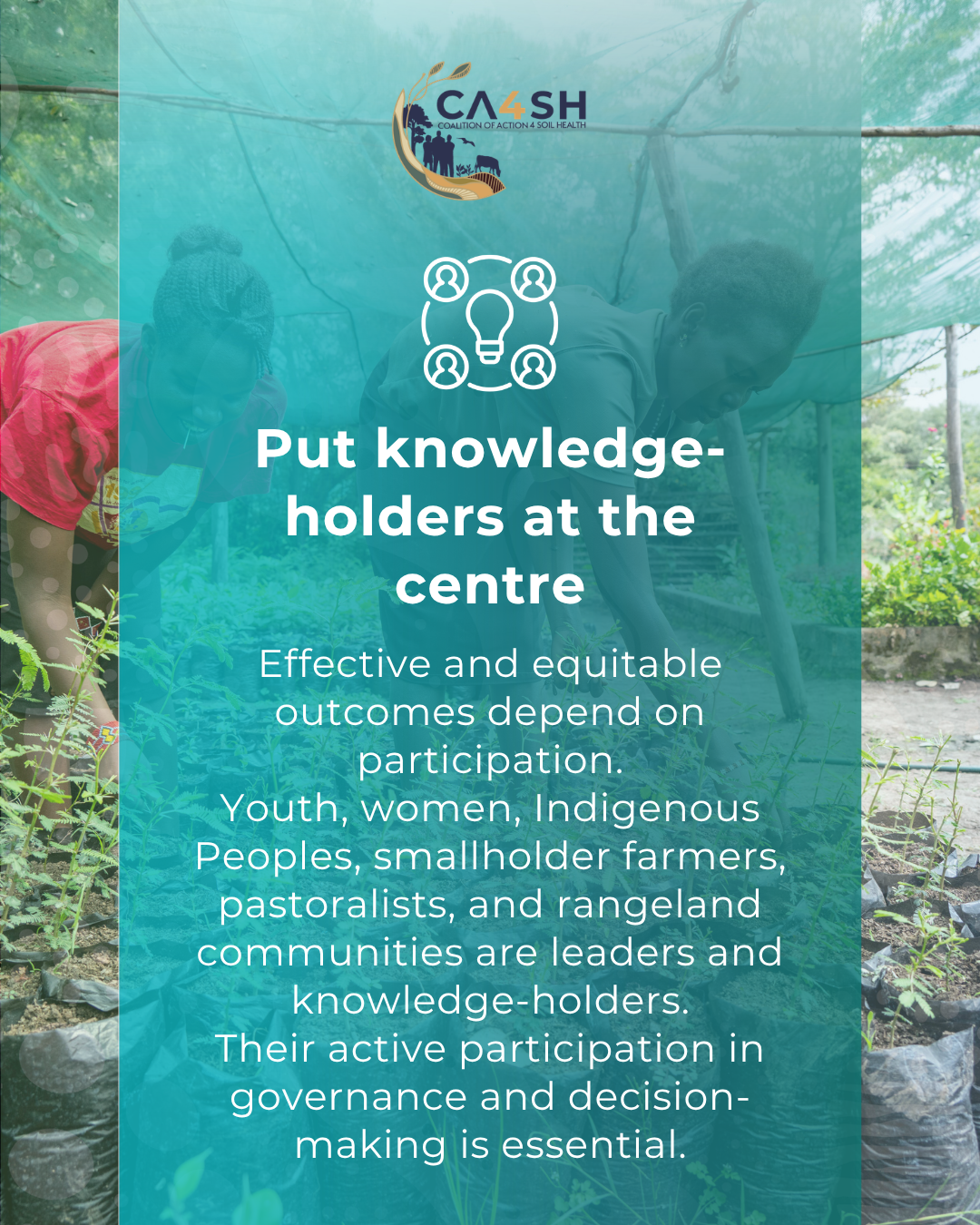
Empower farmers, pastoralists, rangeland communities, women, youth, and Indigenous Peoples as leaders and decision-makers
Putting young pastoralists and young women into the policy conversation
Co-organised by the World Food Forum Global Youth Action Initiative, FAO, WeCaN Community of Knowledge Practice, FAO Mongolia, UNCCD Youth Caucus, the IYRP Youth Working Group, Pastoralist Youth Alliance-Africa, CA4SH, Save Soil and the Alliance of Bioversity International and CIAT, the session brought youth-generated evidence directly into COP17 policy discussions and launched the Global Youth Policy Brief on Youth and Young Women in Pastoralism. The purpose of the brief is to bring young pastoralists' perspectives into global policy discussions and to translate those perspectives into practical policy recommendations.
“When we started this process, one of the challenges we identified was that, while there is growing recognition of the importance of pastoralism, there was still limited global evidence specifically capturing the experiences, priorities and policy recommendations of young pastoralists themselves.””
The brief was developed through a global youth-led consultation, and addresses land degradation, tenure security, pastoral mobility, climate impacts and livelihood opportunities, with particular attention to the experiences and leadership of young women pastoralists. The event aimed not simply to present that evidence, but to elevate young pastoralists as participants in decision-making and encourage governments, UN agencies and partners to incorporate the recommendations into policies and programmes on sustainable pastoralism, rangeland governance and Land Degradation Neutrality.
Connecting soil health, rangelands and global markets
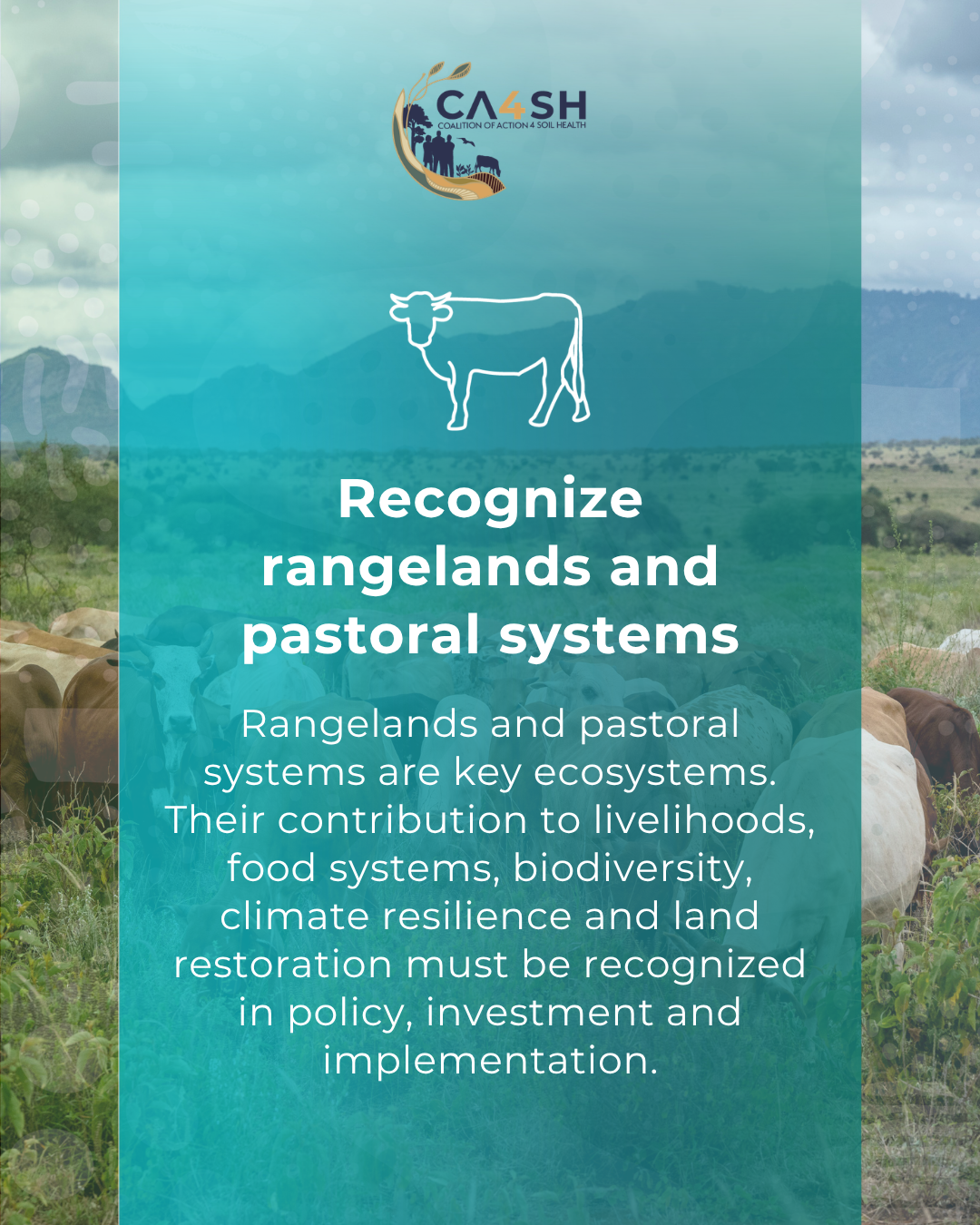
The session on Value Addition for Sustainable Commodities: Linking Soil Health, Rangelands and Global Markets, co-hosted by Sustainable Fiber Alliance, CA4SH the Landscape Alliance (CIFOR | ICRAF), WWF, and the FAO brought together expertise spanning soil and landscape science, rangeland stewardship, livestock-sector innovation, conservation, mountain systems and agricultural trade.
The session explored a critical question: how can responsible stewardship of soils and landscapes translate into tangible value for producers?
“Scientific evidence on the state of soil and rangeland health is critical for decision making and to de-risk investments. When used in combination with remote sensing and citizen science it provides a powerful basis for monitoring and adaptive management of rangelands to ensure they continue to provide critical ecosystem services.”
With rangelands covering more than half of the global land surface, the discussion connected soil health and ecosystem services with resilient livestock, food and fibre production. It examined how science, spatial data, field monitoring and locally grounded knowledge can provide credible evidence of environmental outcomes — and how traceability, verification, sustainability systems and quality assurance can turn that evidence into stronger market recognition, product differentiation and incentives for producers.
Building the investment case for soil health
The Action Agenda High-Level Private Sector and Investment Partner Roundtable: Mobilizing Finance for Soil Health and Food Systems Transformation turned the focus to the enabling conditions and finance required to move from ambition to implementation.
Convened by UNCCD and Business4Land Initiative together with IFAD and the European Investment Bank, the roundtable brought government, finance and private-sector perspectives into the same room. It examined the policy, regulatory, institutional and financial conditions needed to accelerate private-sector engagement in sustainable land and water management, alongside innovative and blended financing models for soil health and food systems transformation.
“We know that businesses and governments have a shared interest in scaling regenerative landscapes. But this requires trust and collaboration between the public and private sector. Going forward, it’s important that both sectors continue to work together to co-create country-specific solutions and unlock investment for sustainable land management.”
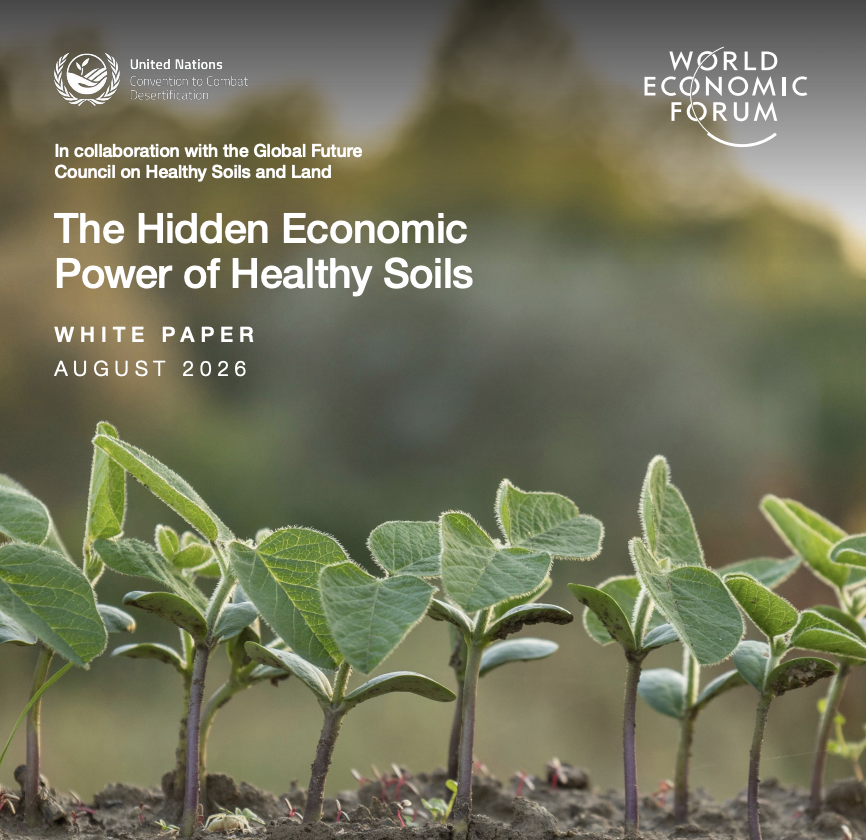
The session also opened with the launch of the WEF–UNCCD white paper on soil, developed under the World Economic Forum's Global Future Council on Soil, strengthening the economic and business case for treating healthy soil as a productive asset.
From shared ambition to shared metrics
One of the recurring themes throughout COP17 has been that commitments are only as useful as our ability to measure progress towards them.
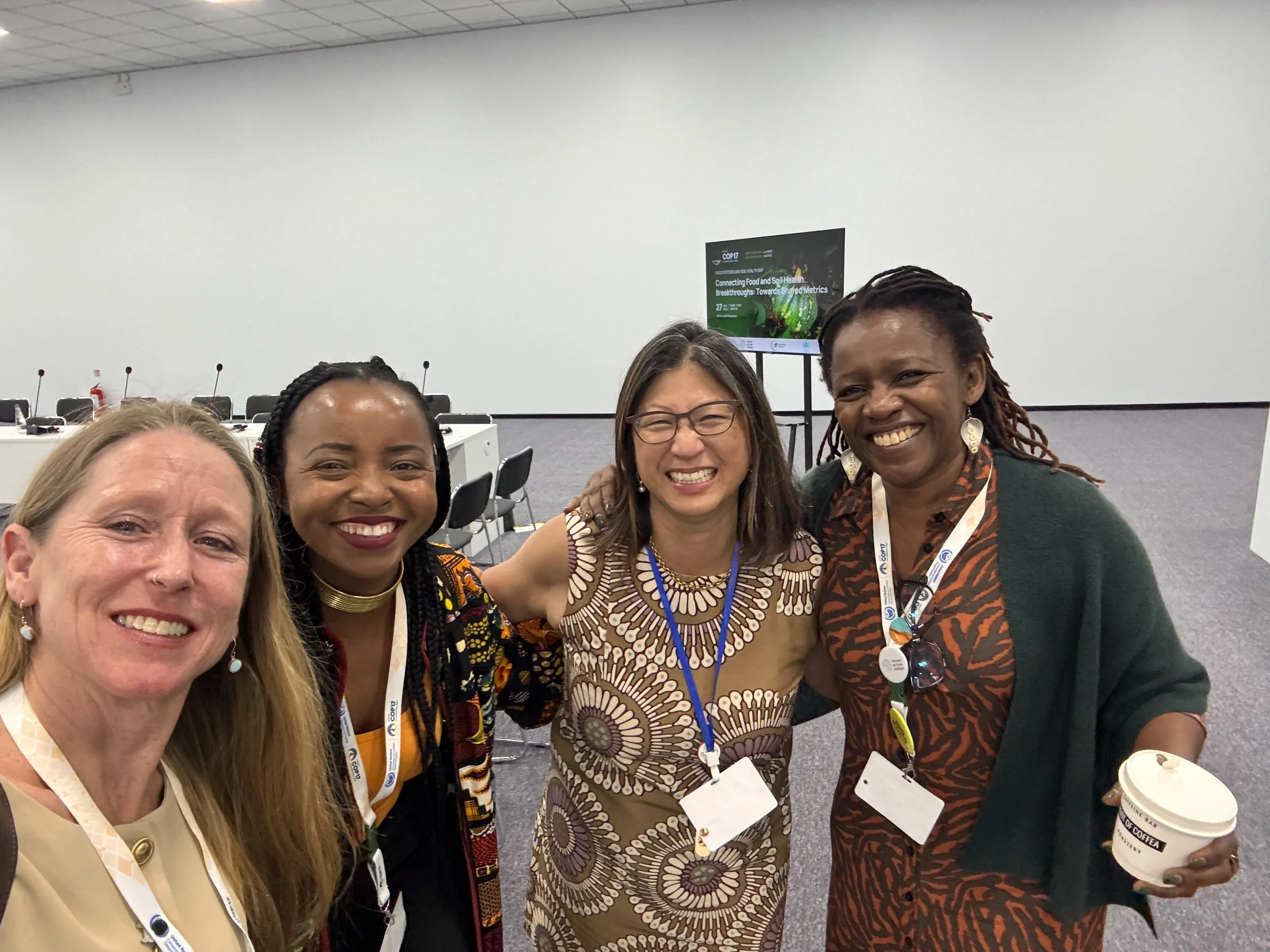
The Action Agenda High-Level Event Connecting Food and Soil Health Breakthroughs: Towards Shared Metrics, organised by UNCCD, Ambition Loop, CA4SH, Agroecology Coalition and UNEP, tackled that challenge directly.
“We have many initiatives working across food systems, soil health, agriculture, rangelands, restoration and climate. The opportunity today is to ask: how can we connect these efforts through shared metrics and a common direction?”
The event focused on bringing greater alignment to agricultural land, rangeland and soil health metrics and advancing a common framework for measuring progress on soil health, regenerative agriculture and agroecological practices. It showcased monitoring and decision-support tools and presented the Land Breakthroughs as a framework and road map developed under the Riyadh Action Agenda, as a global effort to translate high-level ambition into coordinated, measurable action on land systems, complementing and accelerating UNCCD commitments by aligning voluntary non-state actor efforts around a shared direction. It highlighted in particular Breakthroughs on Agriculture & Food Systems, and Grasslands, Savannas & Rangelands. A key outcome was the endorsement of the Breakthroughs by key stakeholders, strengthening shared accountability for action across land systems.
One land, three agendas
Food systems and agricultural landscapes do not experience climate change, biodiversity loss and land degradation separately, — even when international frameworks sometimes address them that way.
Led by the Alliance of Bioversity International and CIAT and co-organised with the Agroecology Coalition, BMZ/GIZ, SNV, World Food Forum Youth Initiative, Welthungerhilfe, WWF, IUCN, 4 per 1000, CA4SH and AICS Italy, “One Land, Three Agendas”: Using Agroecology to Deliver Rio Convention Synergies in Practice asked how the UNFCCC, CBD and UNCCD can be implemented more coherently on the ground.
“Food Systems are the nexus of biodiversity climate and land, healthy soils are the foundation, and agroecology is the pathway to nature positive Landscapes.”
The event highlighted agroecology as an implementation pathway, and explored country experience, policy coherence, finance and inclusive governance, while recognising youth, farmers, local communities and Indigenous Peoples as key actors in resilient landscapes. The emphasis was deliberately practical: identifying how integrated approaches can connect land restoration, resilient agrifood systems and sustainable livelihoods rather than allowing global commitments to remain in separate institutional silos.
Soil data that works from the ground up
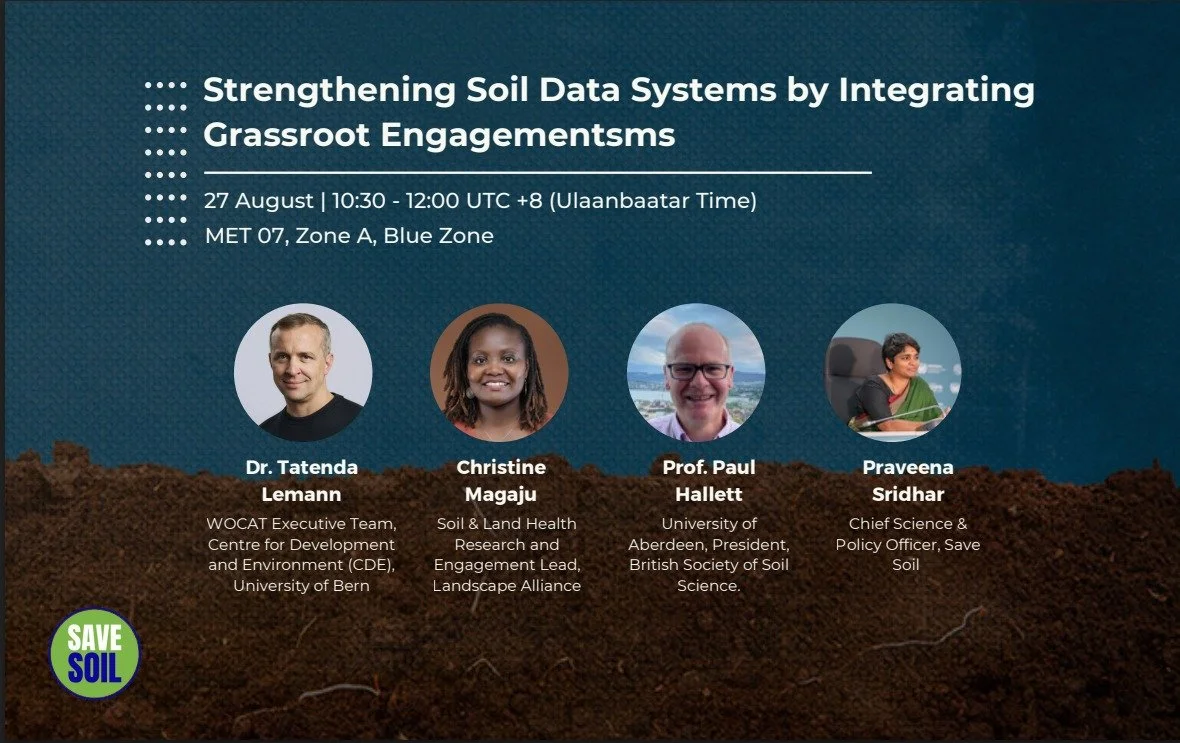
Soil data featured strongly throughout the day, and the event Strengthening Soil Data Systems by Integrating Grassroots Engagements brought a particularly important dimension to the discussion: the people who manage land are not simply users of soil information, they are also generators and holders of knowledge.
The event explored how the knowledge and farm-level data generated by land managers, communities, youth initiatives and civil society can complement national soil information systems, making data more relevant, timely and useful while strengthening local participation and ownership.
“Making soil data matter starts with understanding what matters to farmers, pastoralists and other practictioners. By connecting their needs and priorities with the science, data and innovations we develop and share, we can make evidence more useful and actionable on the ground.”
Its objectives included identifying what makes soil data “investment-ready”, strengthening participatory monitoring and exploring collaboration between governments, research institutions, grassroots organisations and investors. The goal is more inclusive and actionable soil information that can support better policy and land-management decisions while giving public and private investors greater confidence to finance restoration.
Turning data-driven innovation into restoration at scale
Images: UNCCD
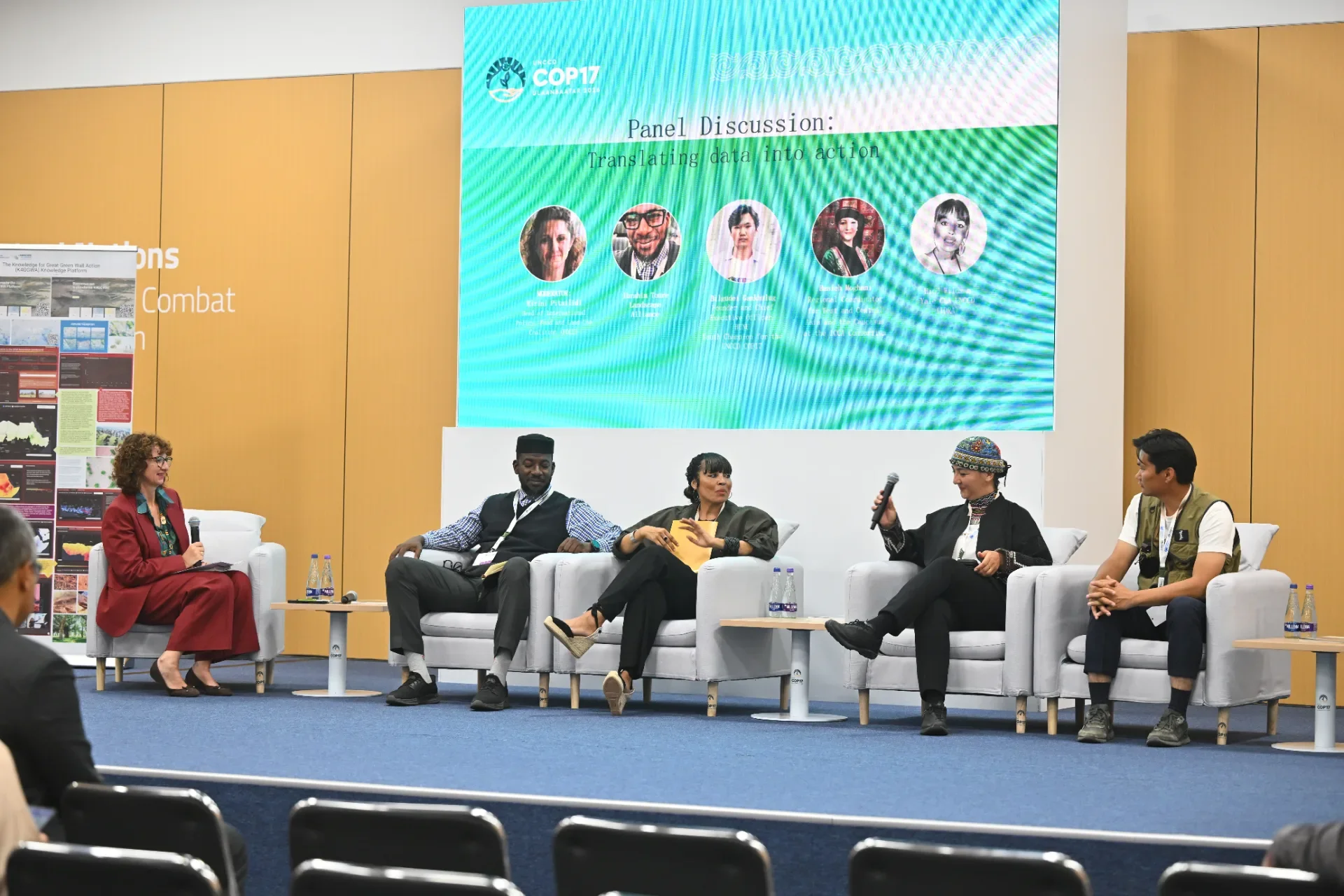
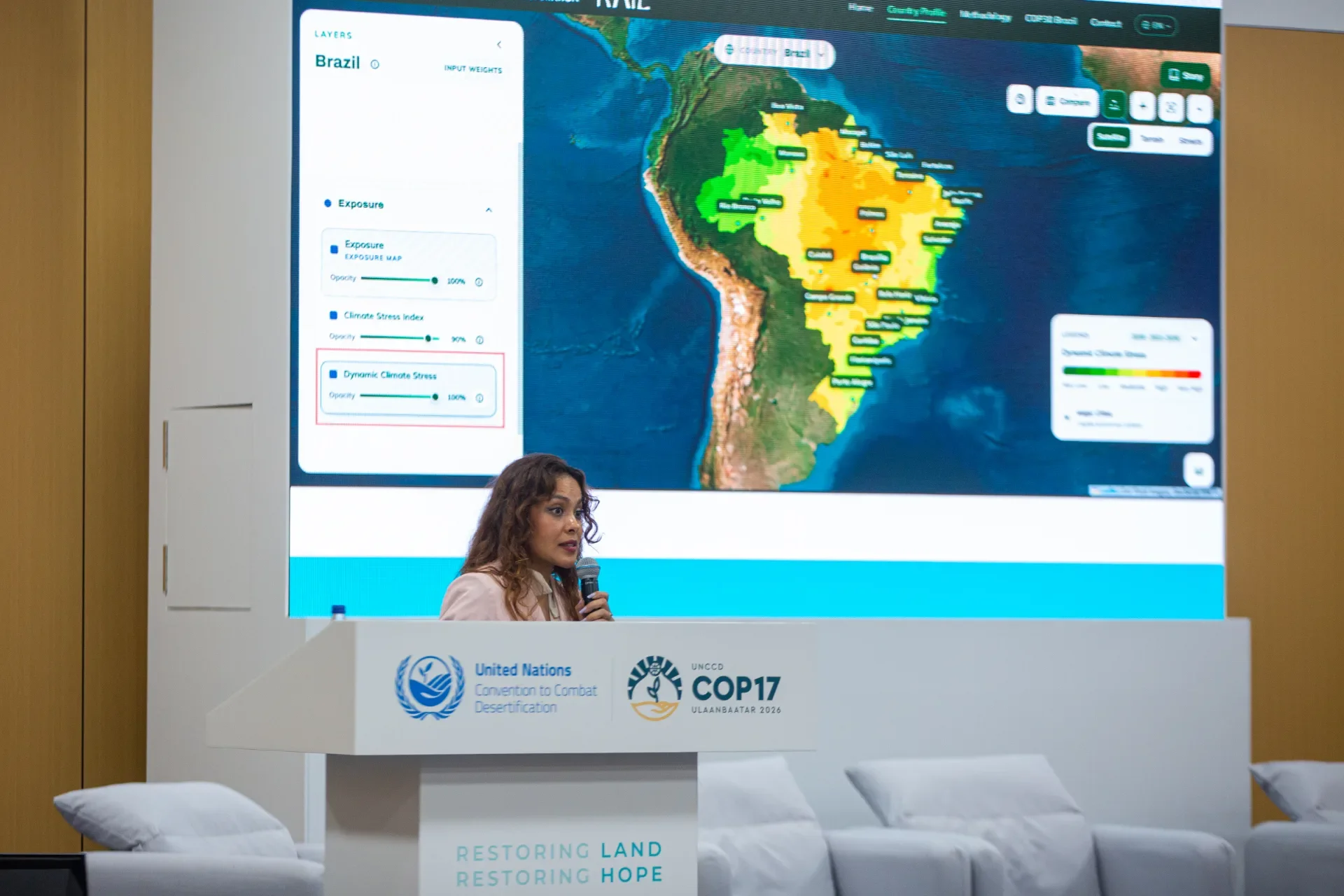
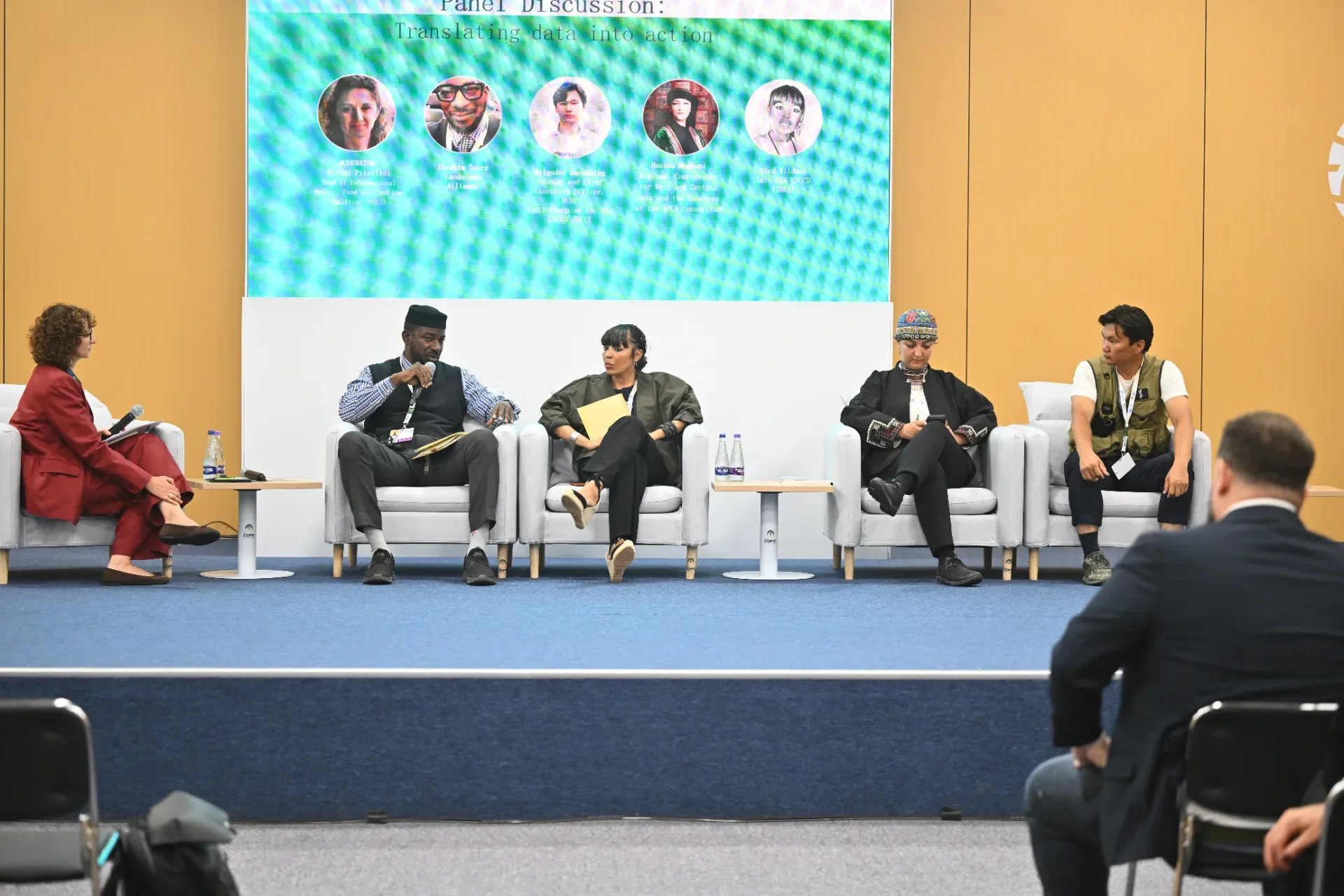
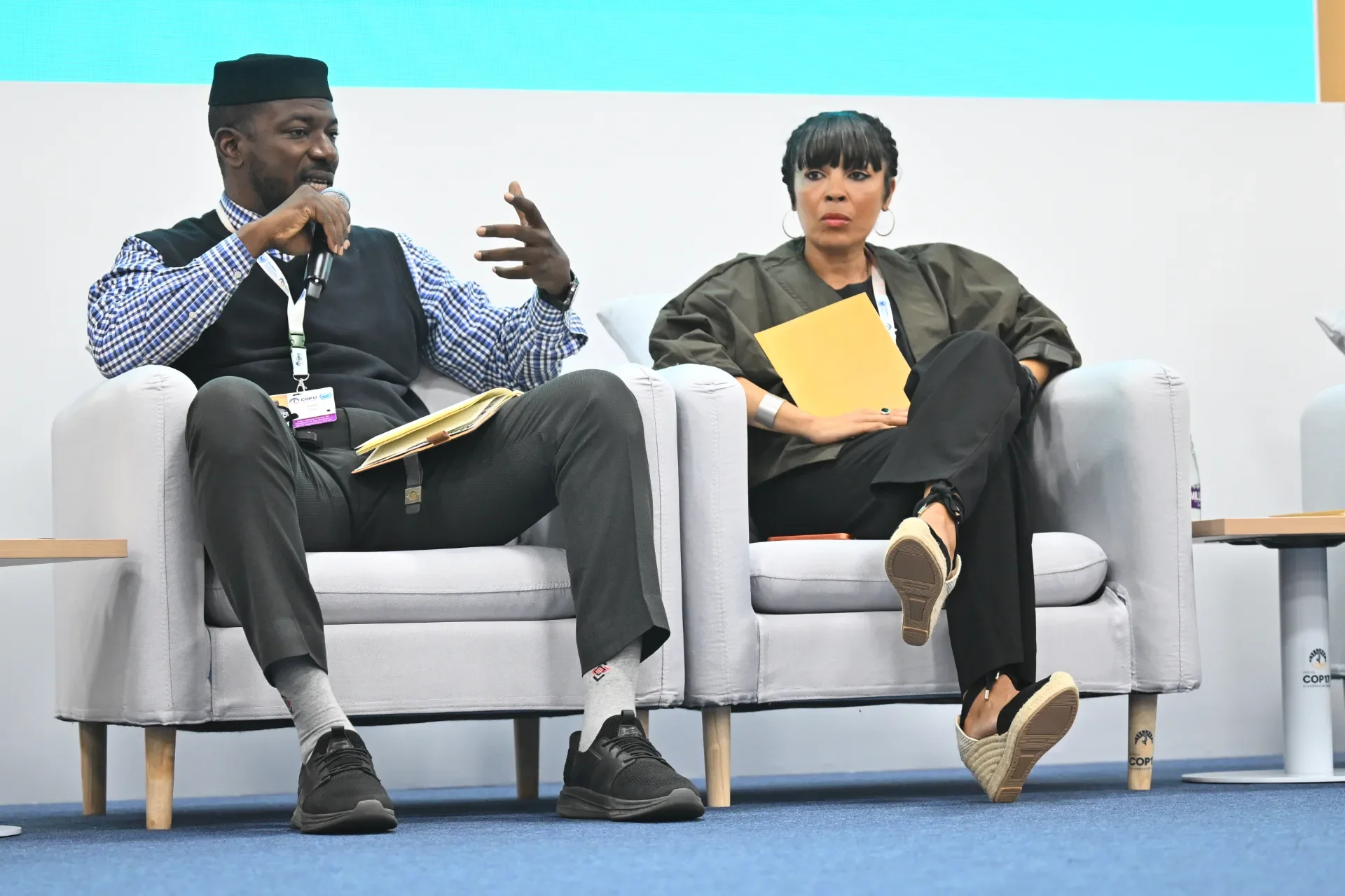
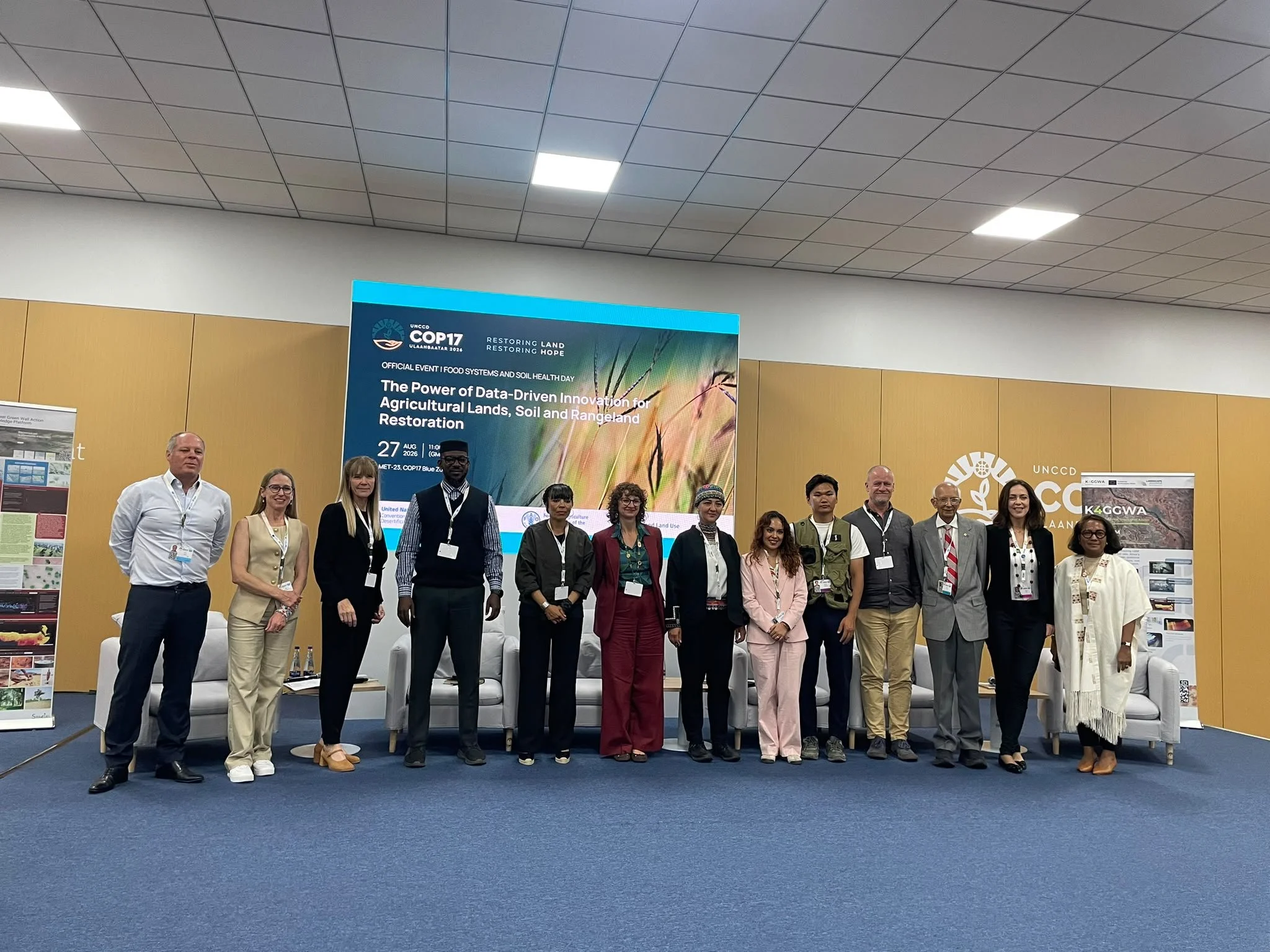
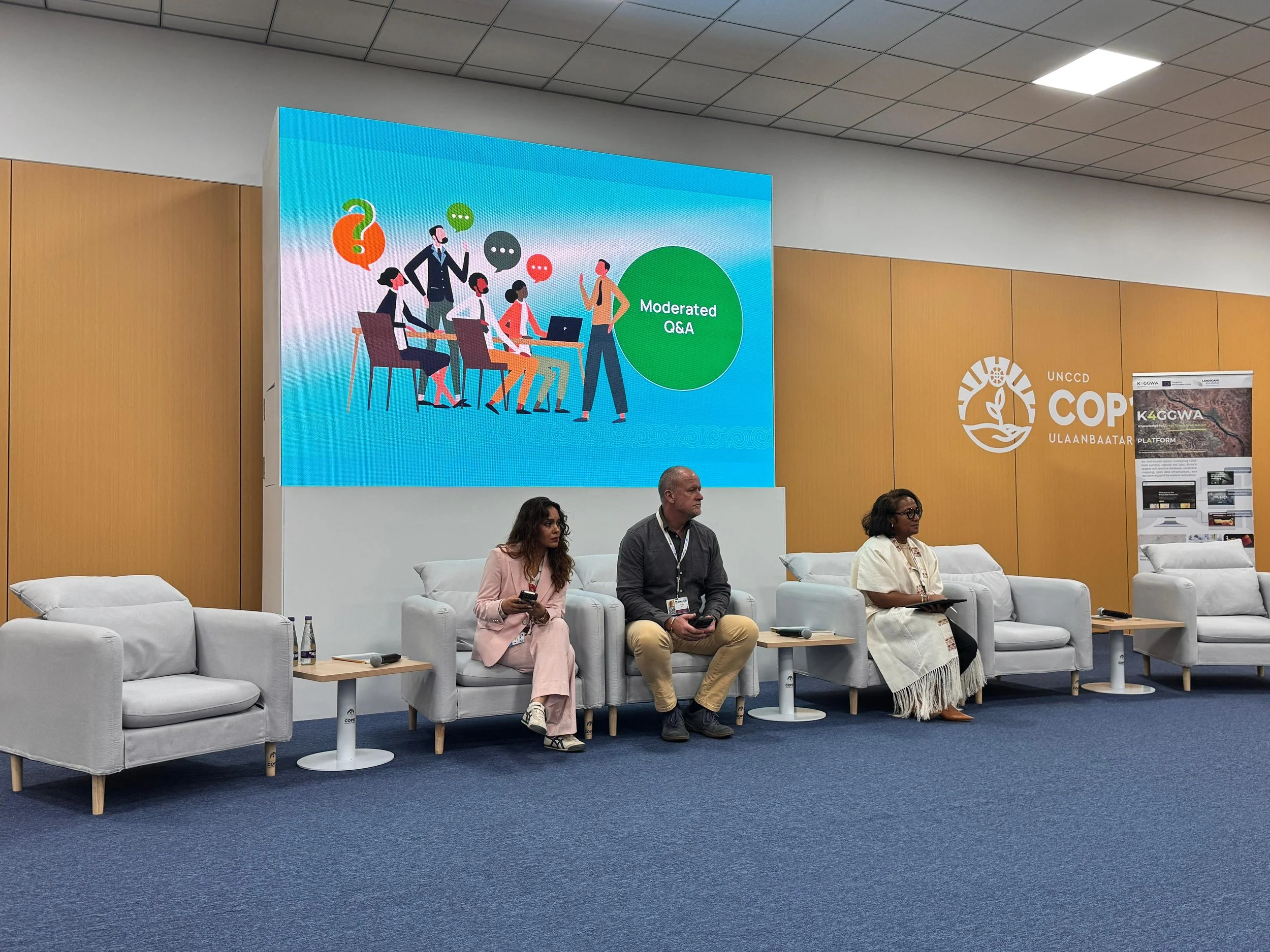
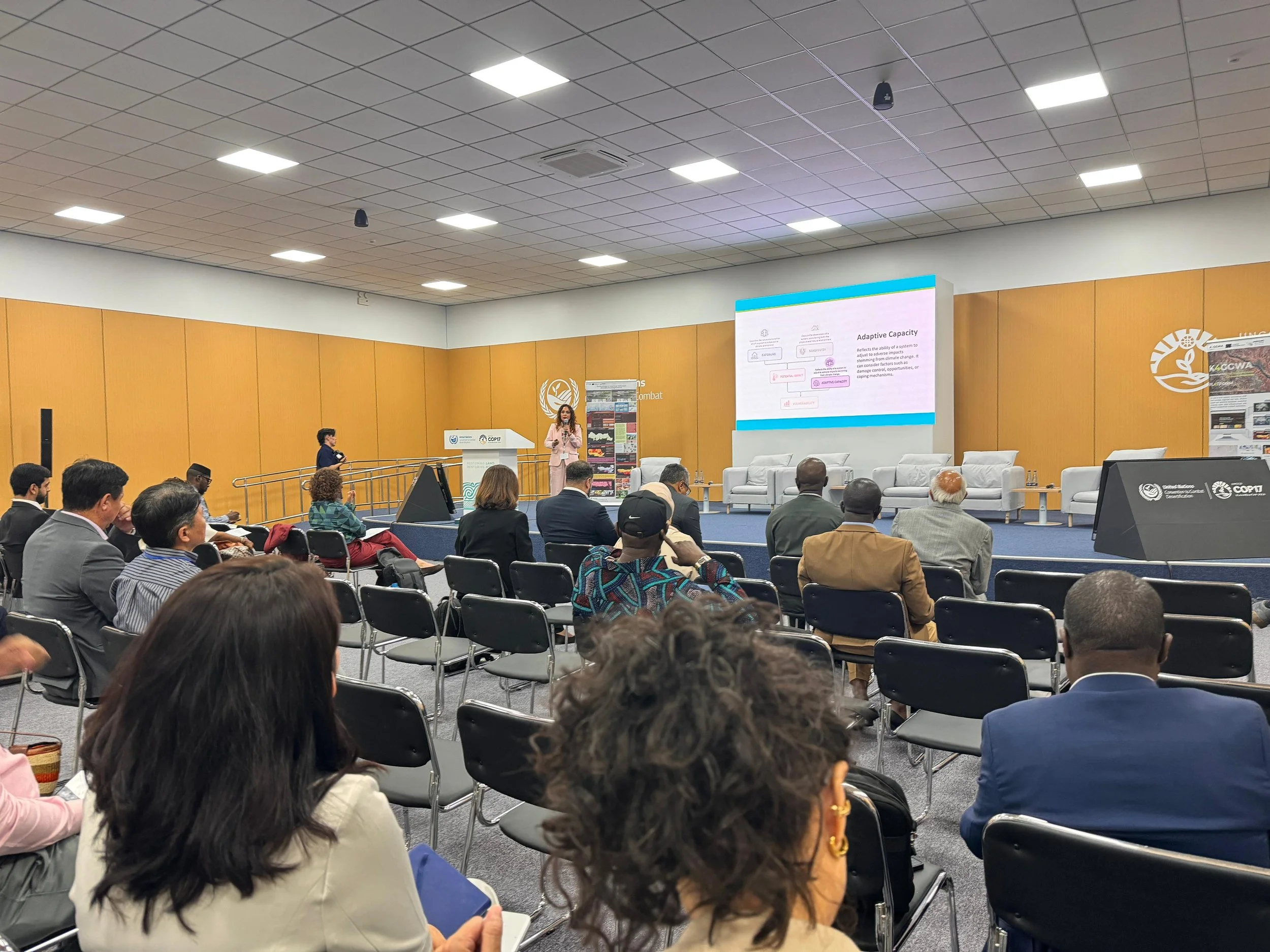
That conversation continued with the Action Agenda High-Level Event The Power of Data-Driven Innovation for Agricultural Lands, Soil and Rangeland Restoration, organised by UNCCD, CA4SH, FAO, FOLU, and UNEP.
With restoration commitments growing, the session addressed a different challenge: the rapidly expanding landscape of digital platforms, monitoring systems and decision-support tools can itself become fragmented.
Through a “fair of tools” and discussions spanning platforms and approaches including RAIZ, ATIO, IDRO, K4GGWA monitoring, soil information systems, regenerative agriculture assessment and drought-resilience data, participants explored how tools can become more interoperable, accessible and useful for real-world decisions.
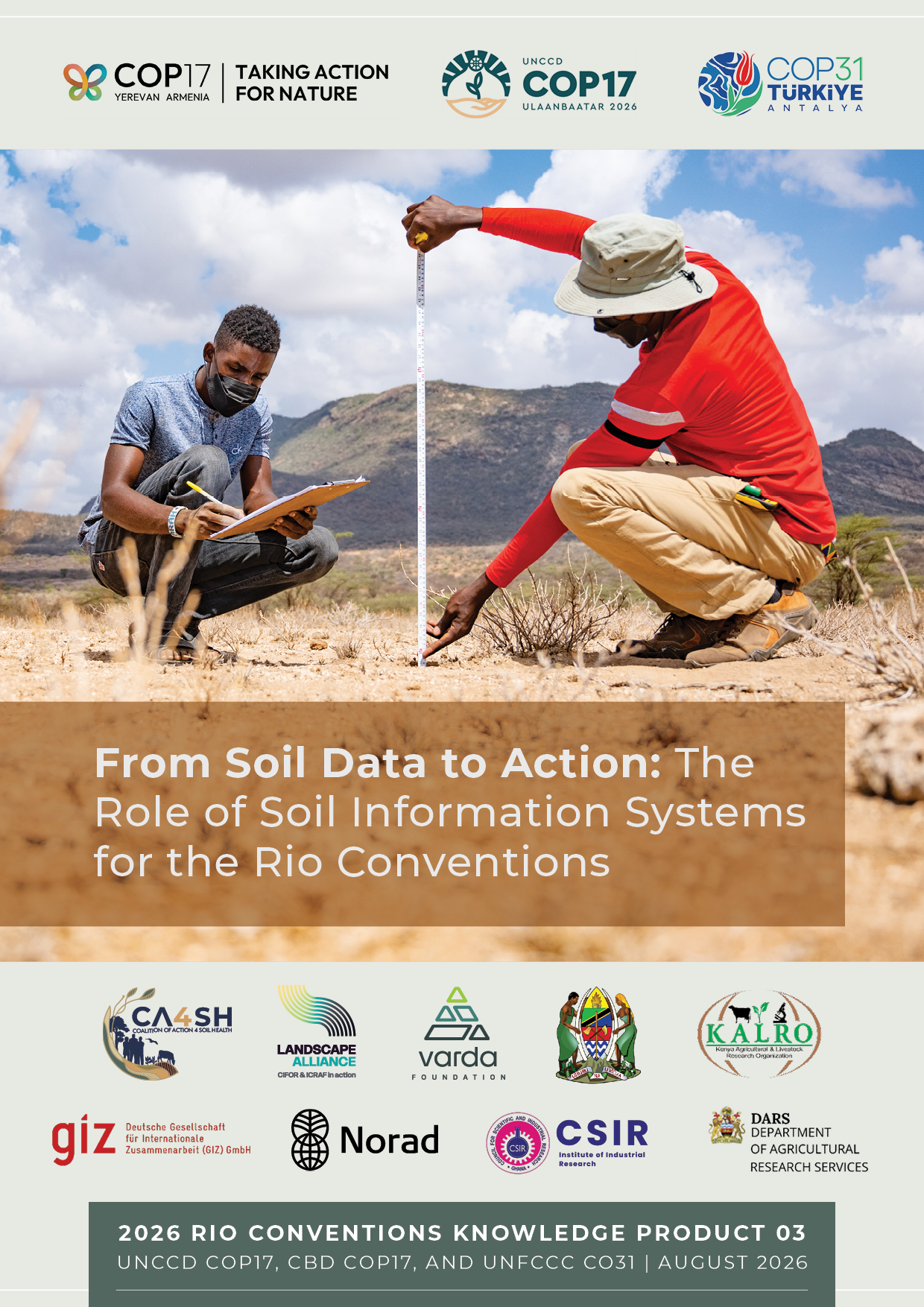
The objectives were clear: showcase innovation, translate data into actionable insights for policy and investment, ensure tools work for groups including youth, smallholder farmers, pastoralists and Indigenous Peoples, and build greater coordination to reduce duplication.
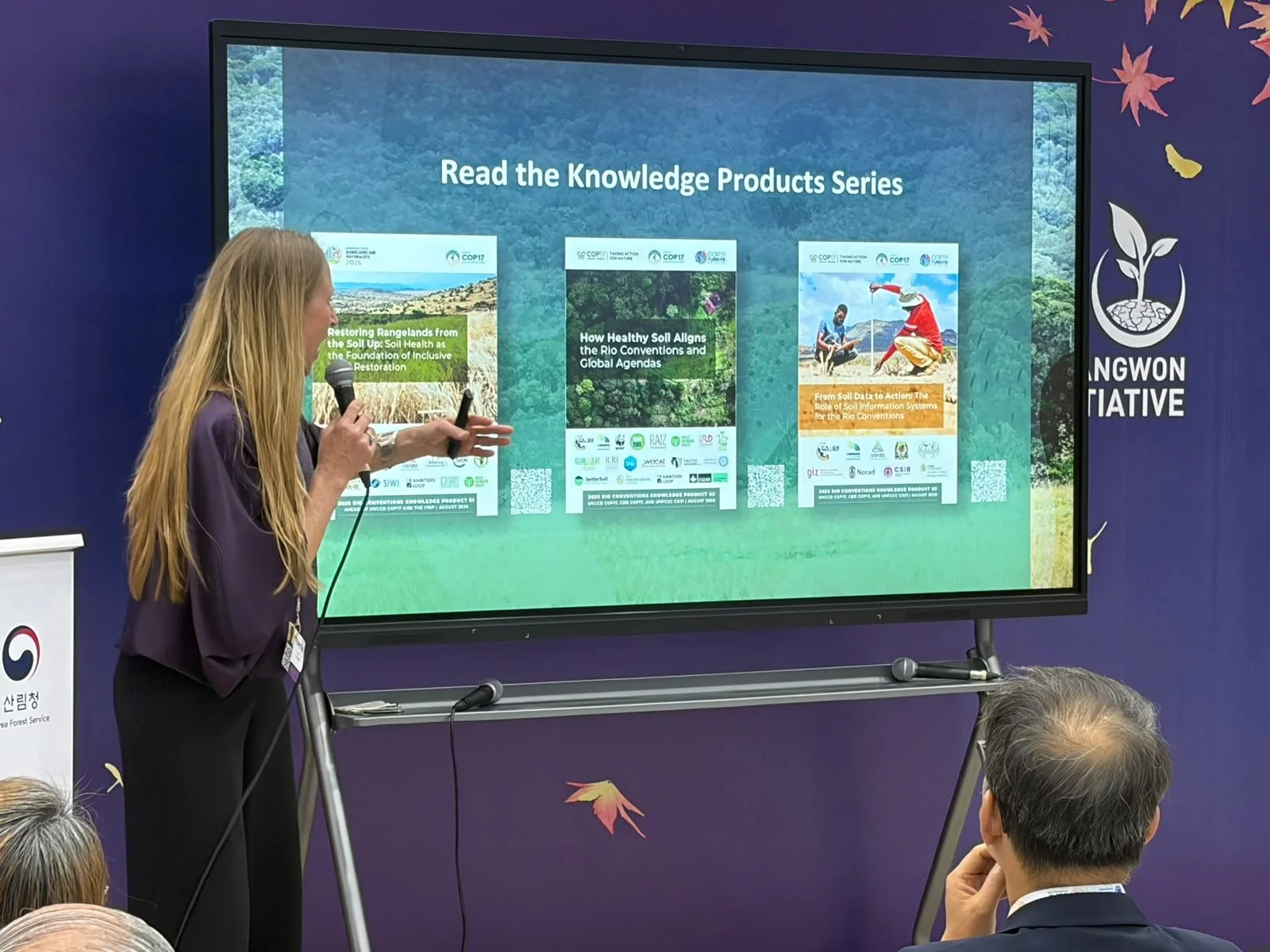
The session also launched a Soil Information Systems Brief highlighting the role of soil health data and evidence in decision-making at multiple scales.
Bringing soil health into national food systems pathways
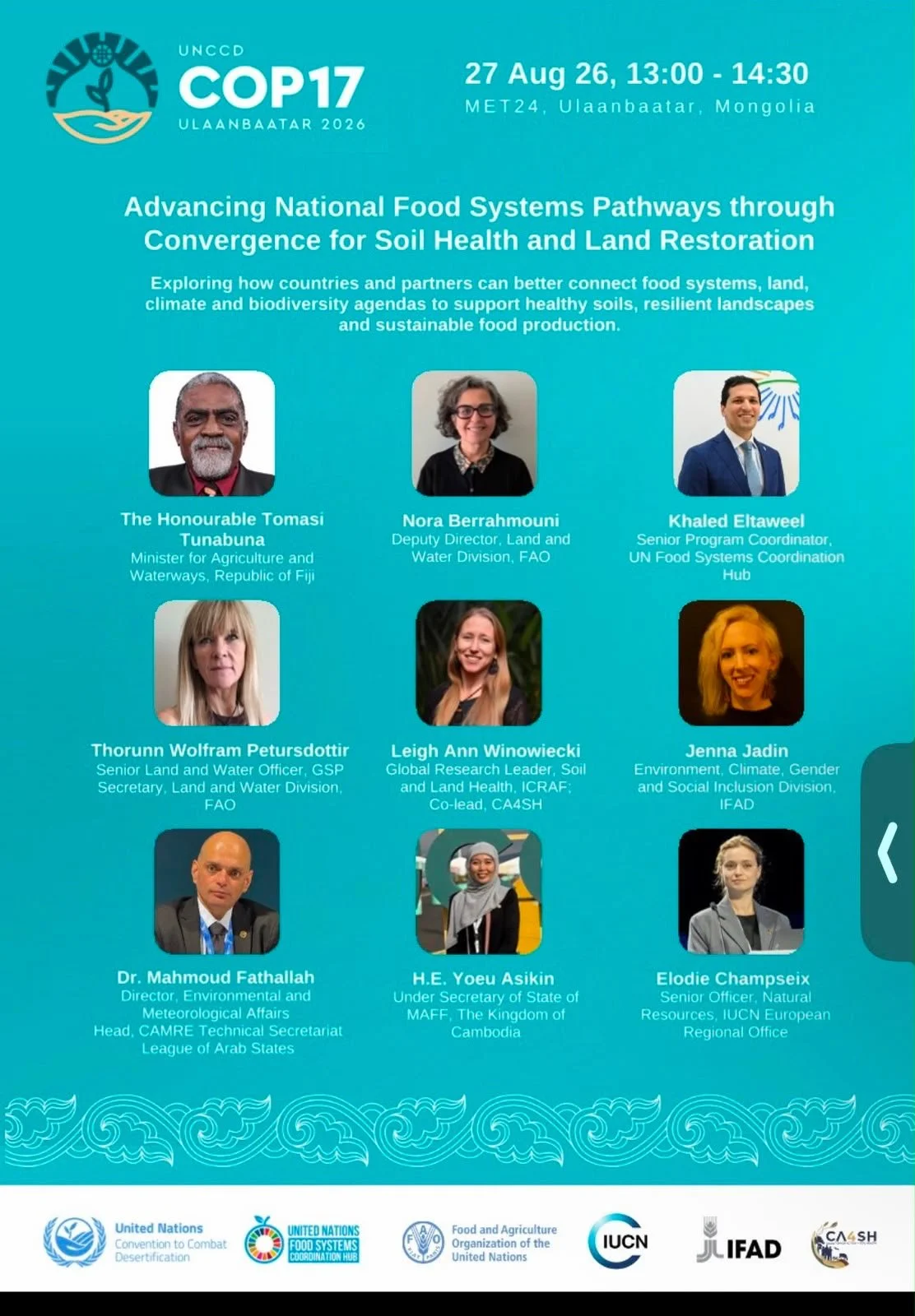
At Advancing National Food Systems Pathways through Convergence for Soil Health and Land Restoration, the focus shifted to national implementation.
Co-organised by the UN Food Systems Coordination Hub and FAO, in partnership with UNDP, IUCN, IFAD and CA4SH, the session explored soil health as a strategic entry point for connecting priorities across agriculture, land, climate, biodiversity, water, livelihoods and rural development.
Importantly, the discussion recognised that soil health is already embedded in many national priorities — through sustainable agriculture, agroecology, land management, restoration and climate adaptation — even when it is not explicitly named as a standalone objective.
“Soil health is already embedded in many national food systems pathways through broader commitment, even when it is not named explicitly. The opportunity now is to make these outcomes more visible, measurable and actionable, drawing on partners such as the Coalition of Action 4 Soil Health to strengthen data, indicators and implementation.”
The task now is to make it more visible, measurable and actionable within national food systems pathways, LDN targets, National Action Programmes, NDCs, NAPs and investment frameworks, creating greater coherence between food systems, soil health, biodiversity, climate and land restoration.
Moving soil policy from paper to practice
Later in the day, From Policy to the Ground: Scaling Action for Healthy Soil was convened by CA4SH, Landscape Alliance (ICRAF), UNCCD Youth Caucus, IUCN WCEL SoilSAL SG, Save Soil, World Food Forum Global Youth Initiative, Ambition Loop, WWF, IUCN, ATREE, Justdiggit, 4 per 1000, WOCAT, GIZ and Agriculture and Agri-Food Canada. The event examined the crucial space between adopting soil health policies and making them work in landscapes and communities.
“Process matters. We developed the National Strategy WITH farmers not FOR farmers.”
Drawing on national, regional and continental experiences, speakers explored soil strategies, legislation, institutional coordination and implementation, while connecting policy with the realities faced by smallholder farmers, pastoralists, women, youth and grassroots organisations. The session also examined the legal and governance conditions that can accelerate existing initiatives and strengthen policy coherence across the Rio Conventions.
“Co-creation and inclusivity are vital. All stakeholders must be involved in creating policy.”
#Youth4Soil meets the International Year of the Woman Farmer
The day closed on the people whose leadership will shape the future of land and food systems.
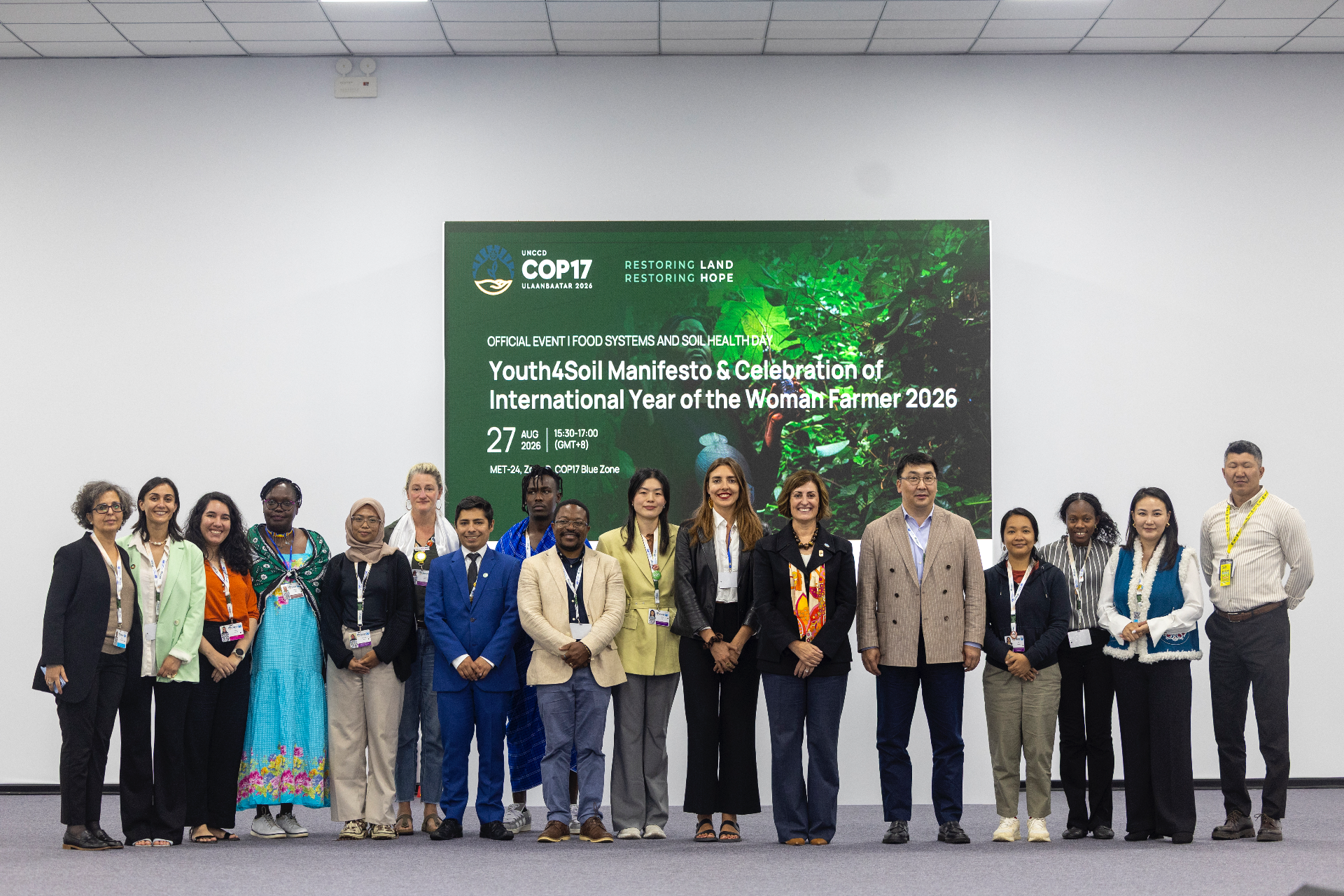
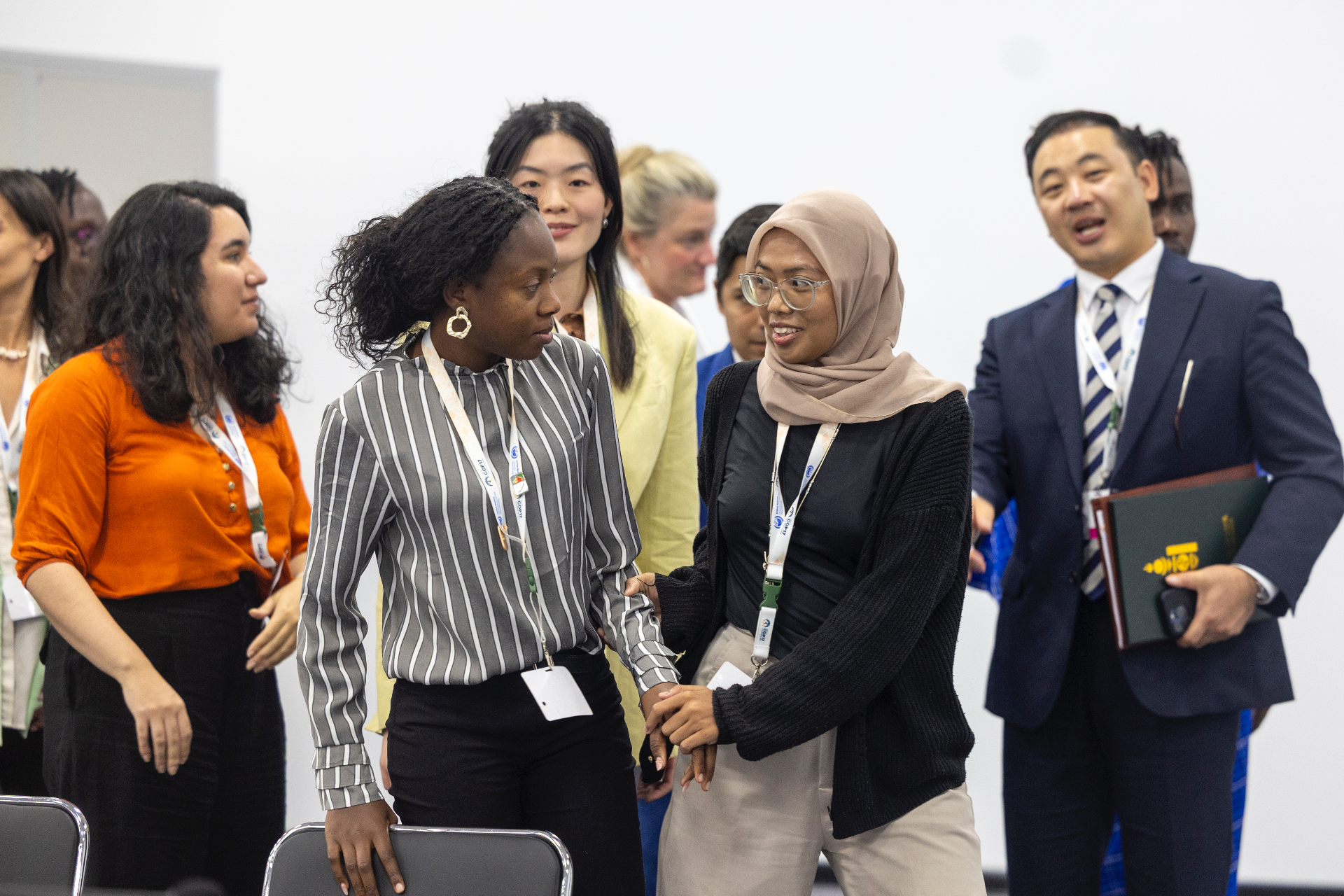
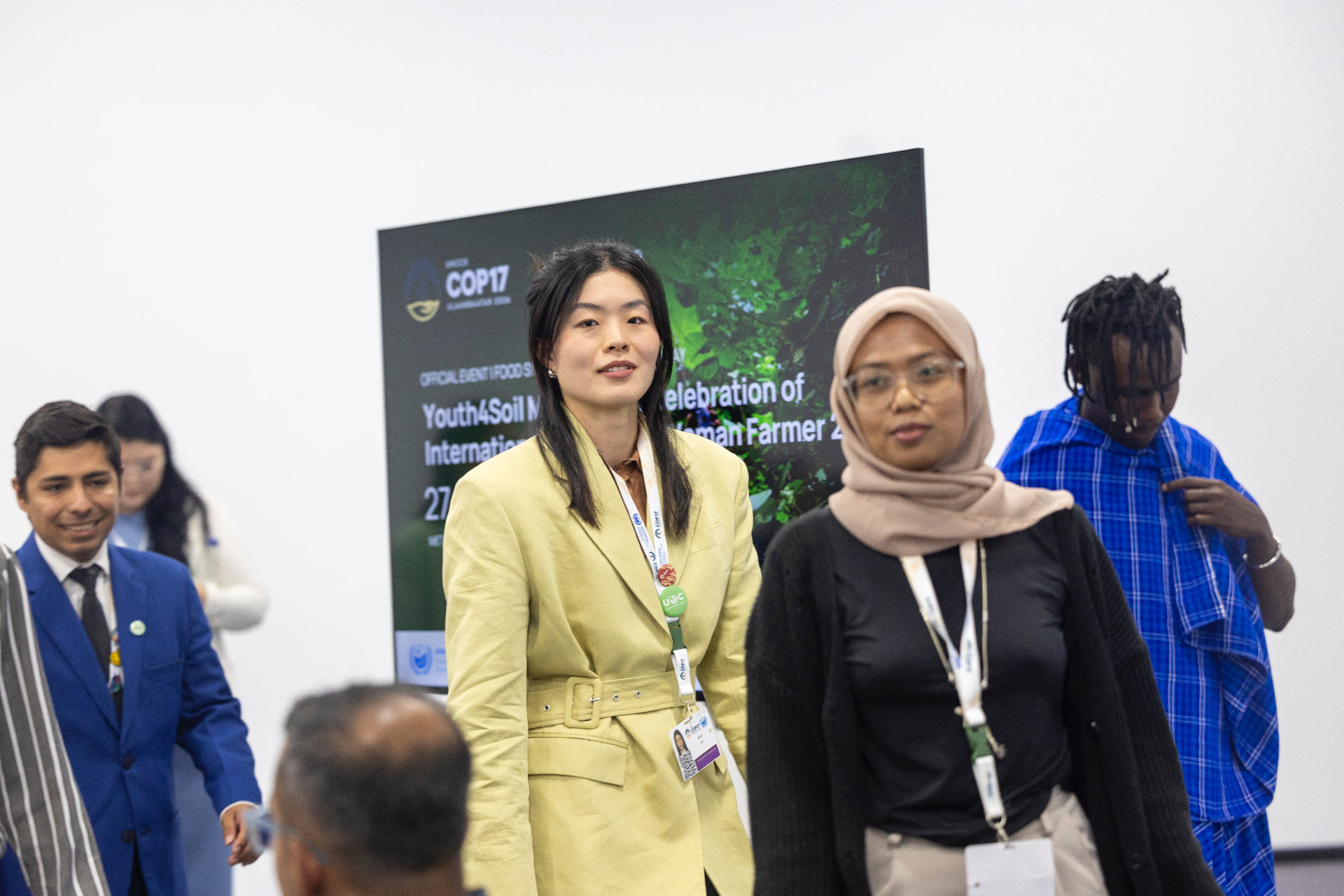
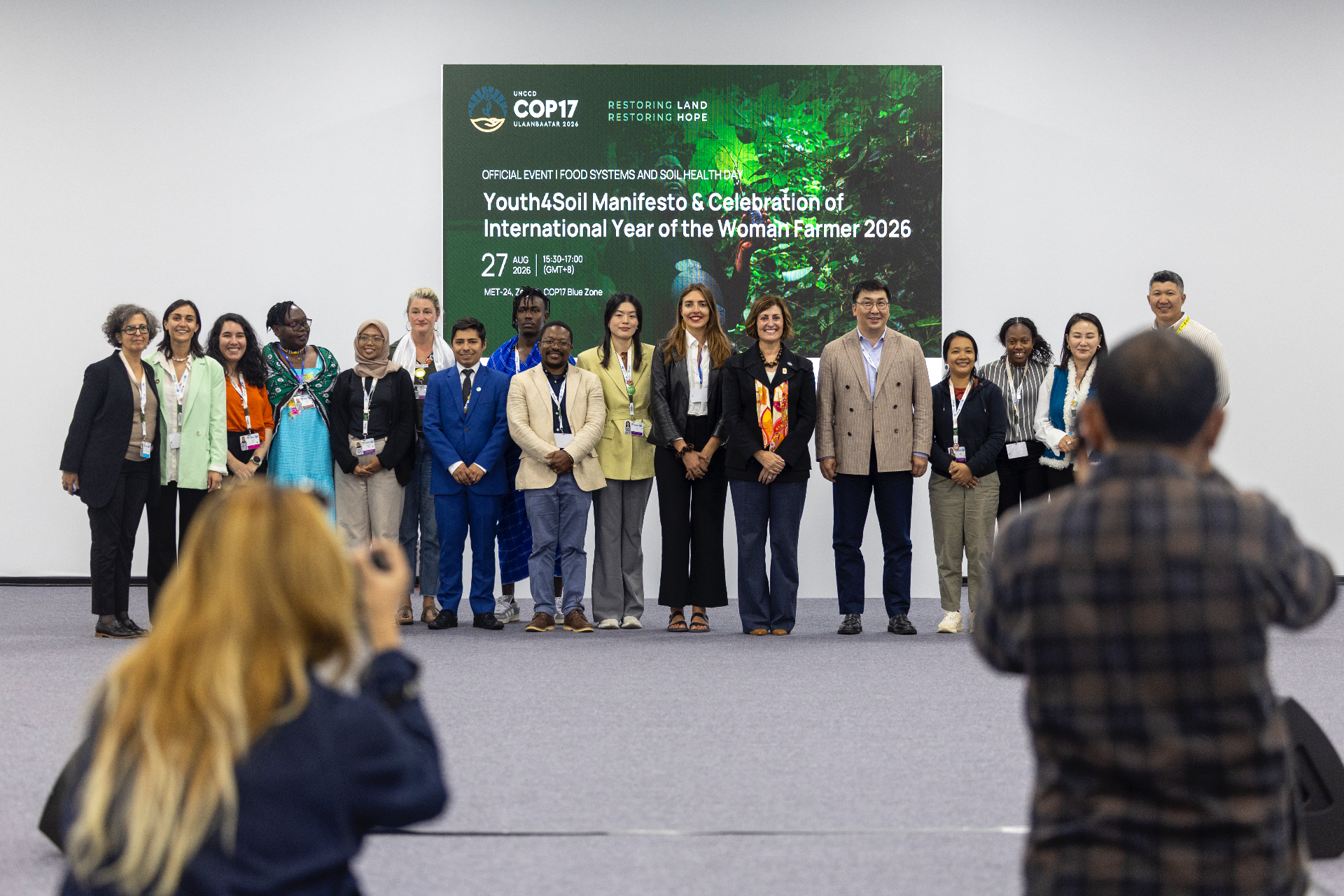
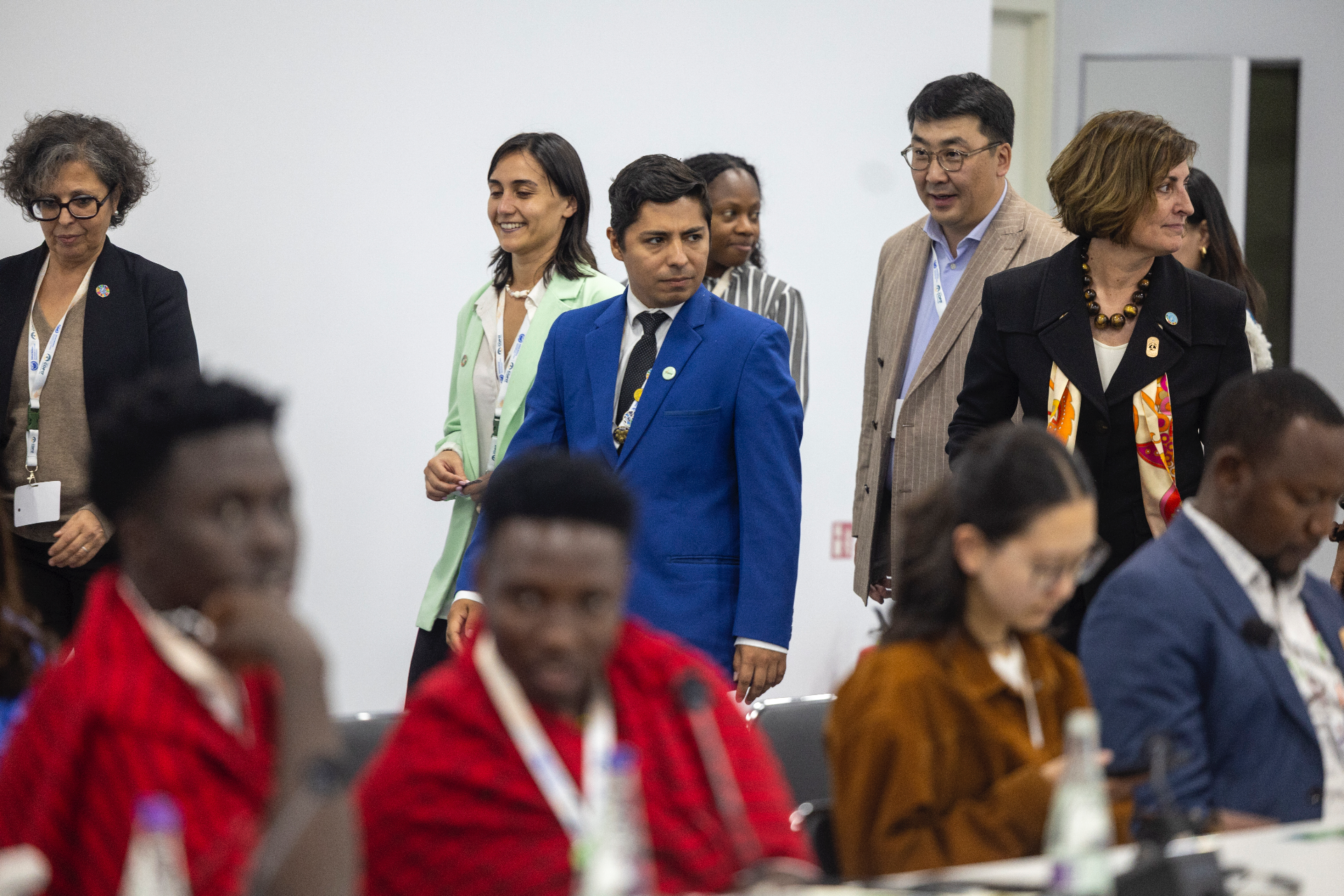
The Action Agenda High-Level Event Youth4Soil Manifesto & Celebration of the International Year of the Woman Farmer 2026 was organised by UNCCD, CA4SH, Agroecology Coalition, FAO, UN Women, WFF Global Youth Action Initiative, and UNCCD Youth Caucus.
The session celebrated women and youth as agents of land restoration, agroecological transition and soil stewardship, while confronting the structural barriers, including insecure land rights, limited institutional access and inadequate finance, that continue to constrain their leadership.
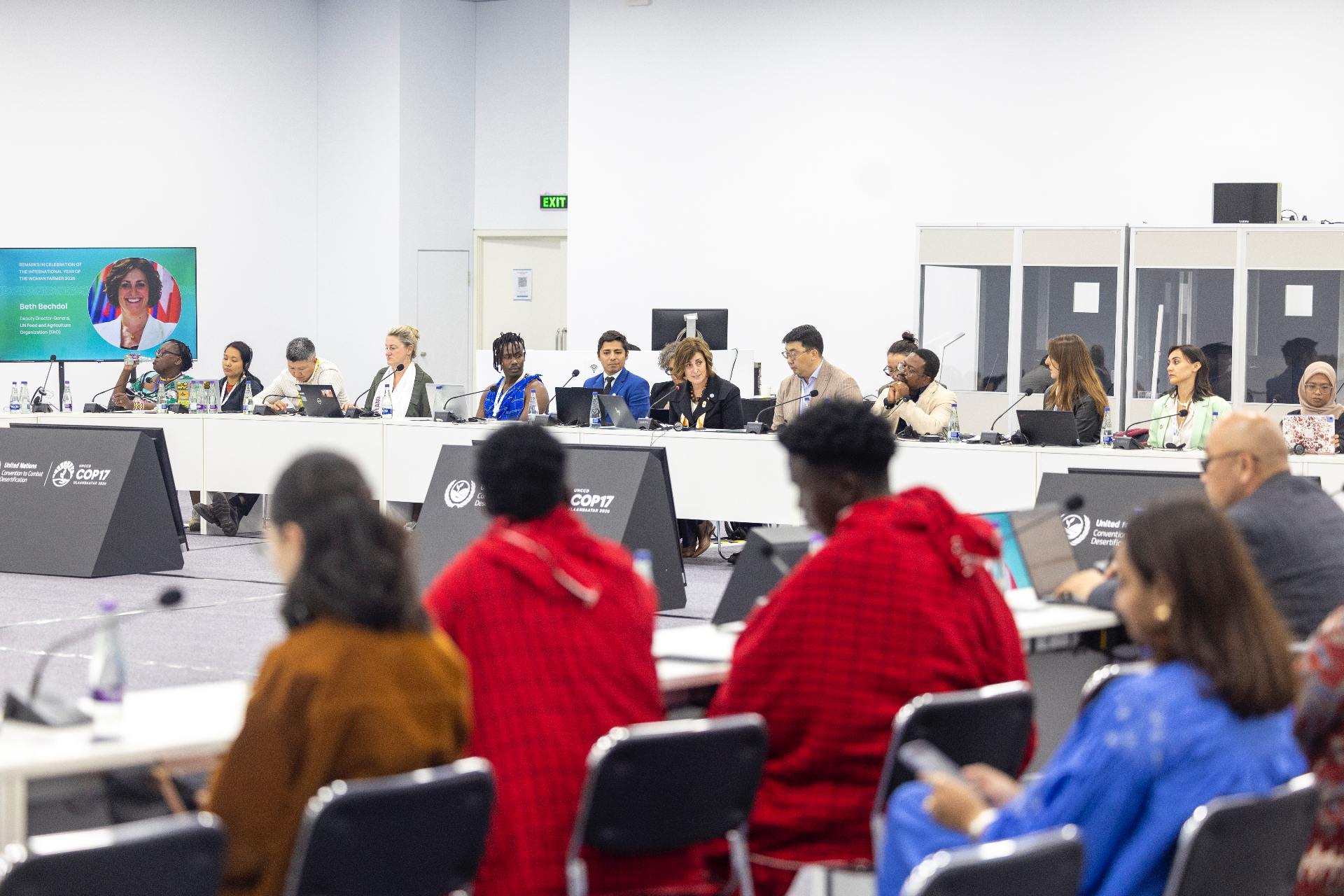
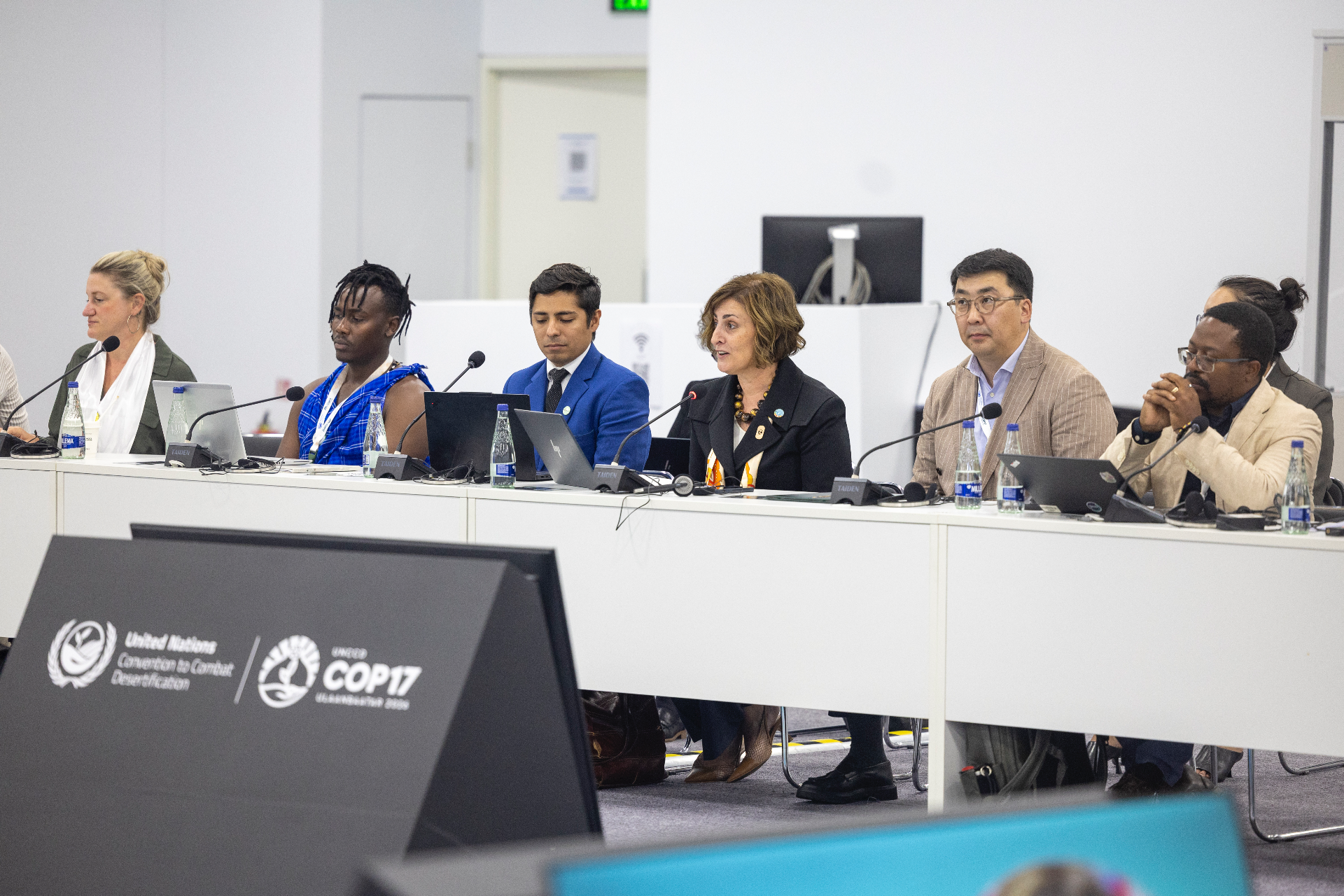
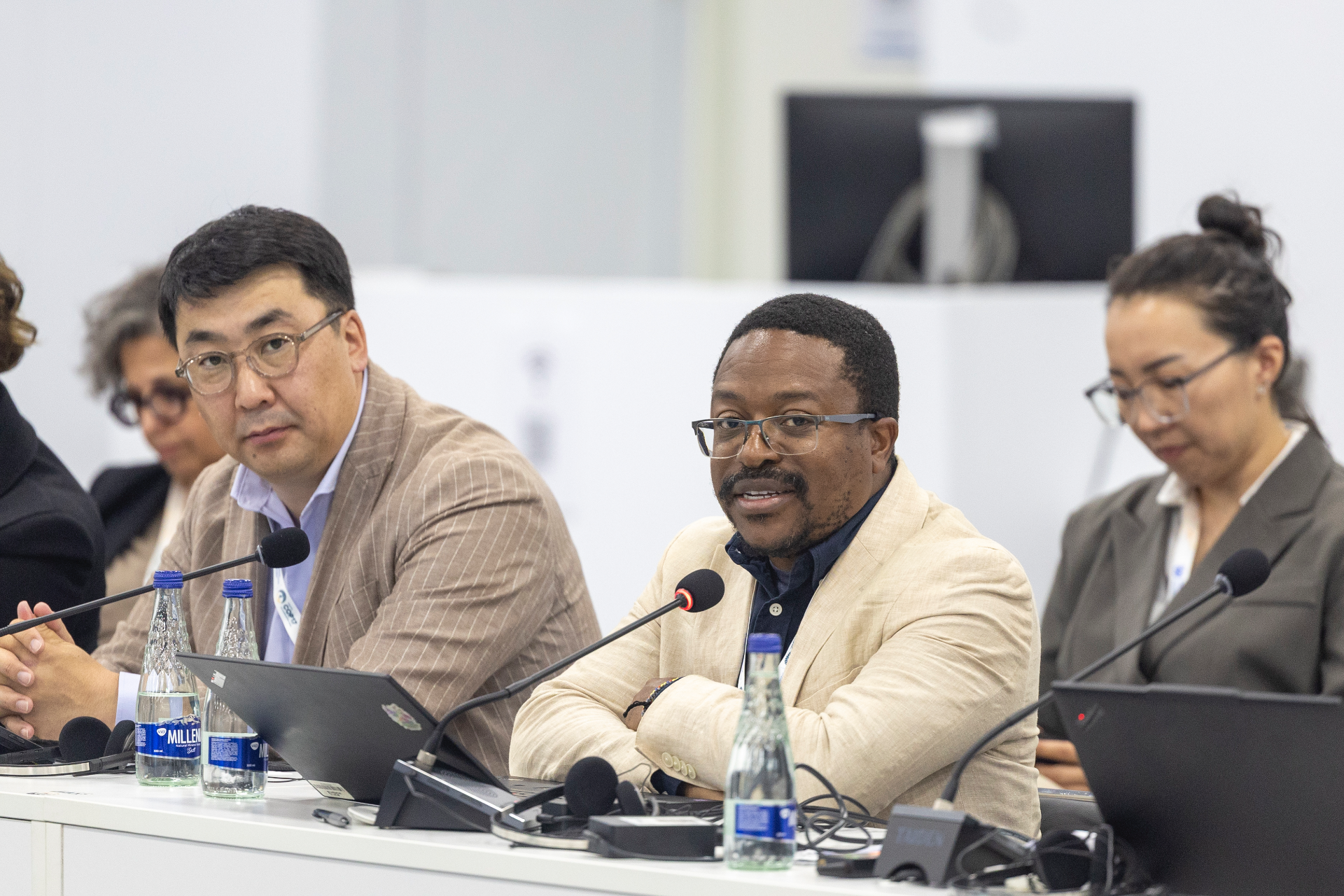
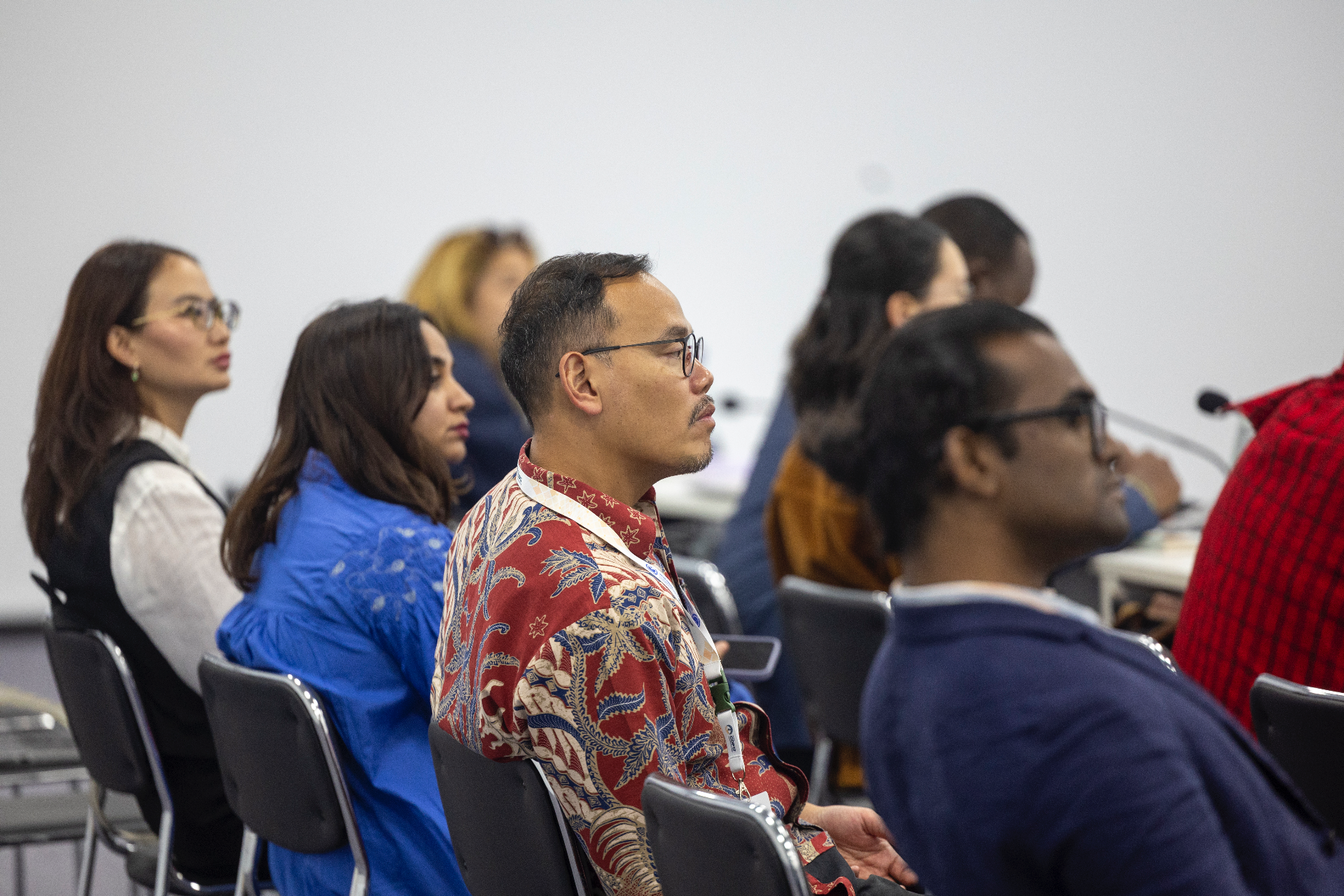
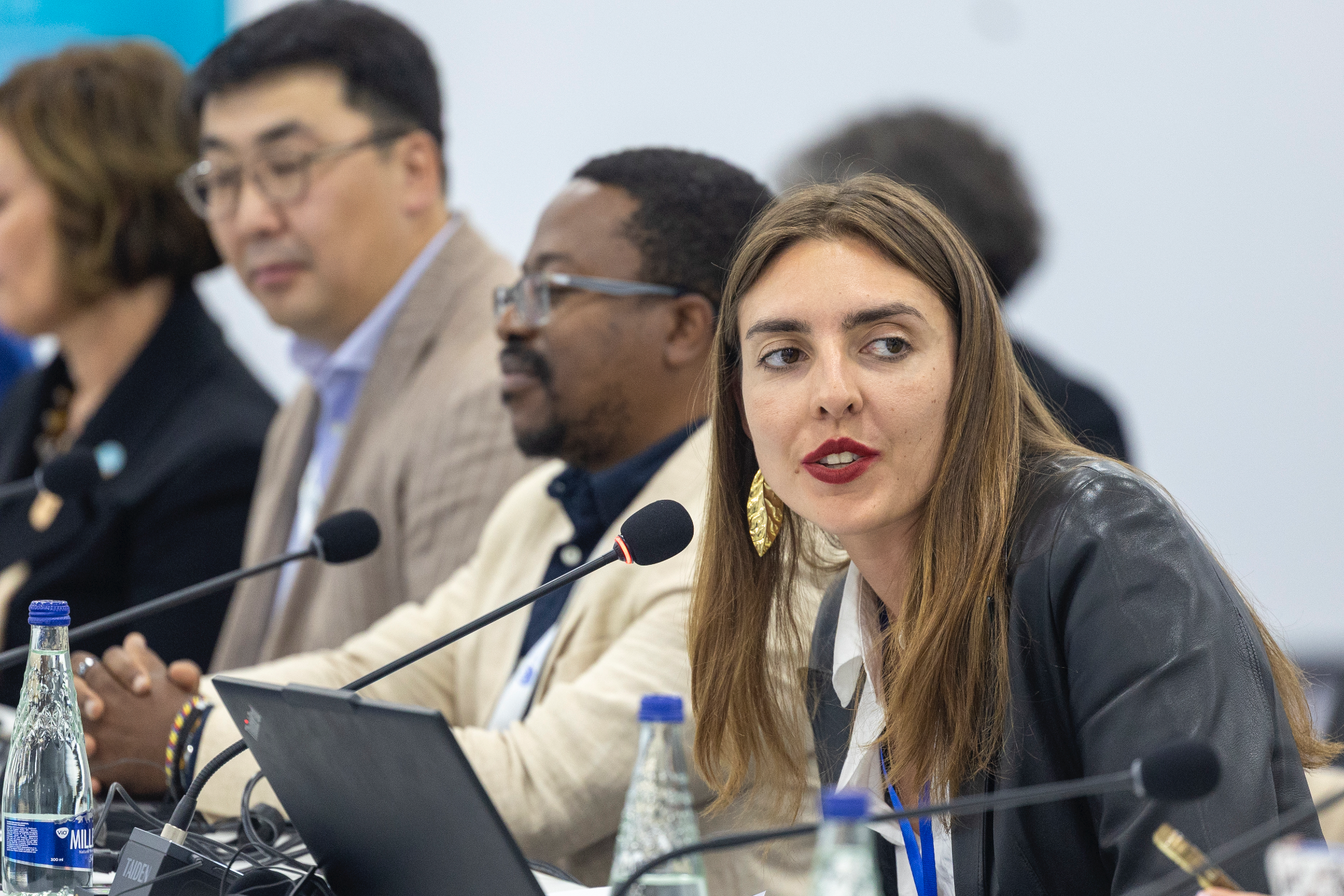
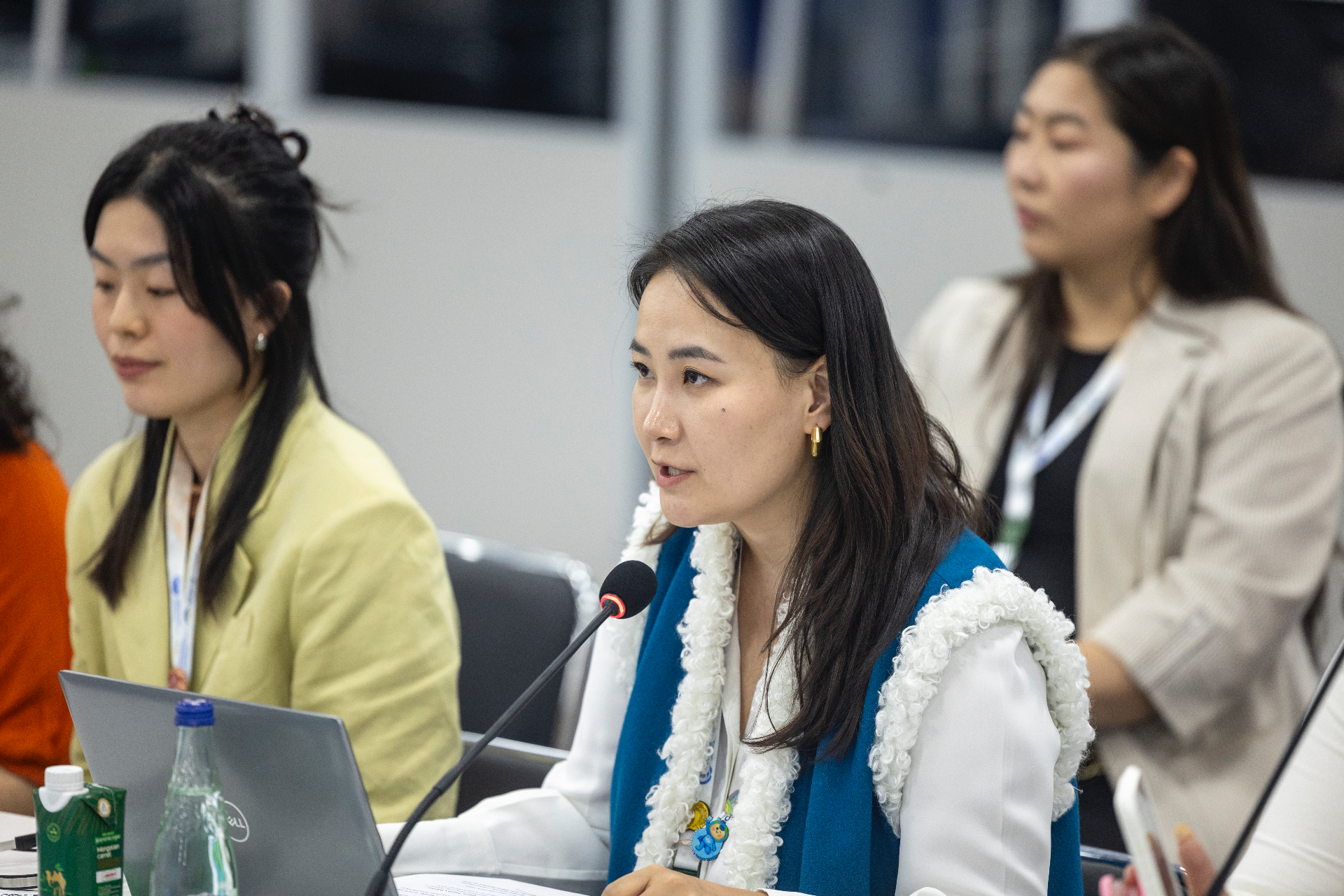
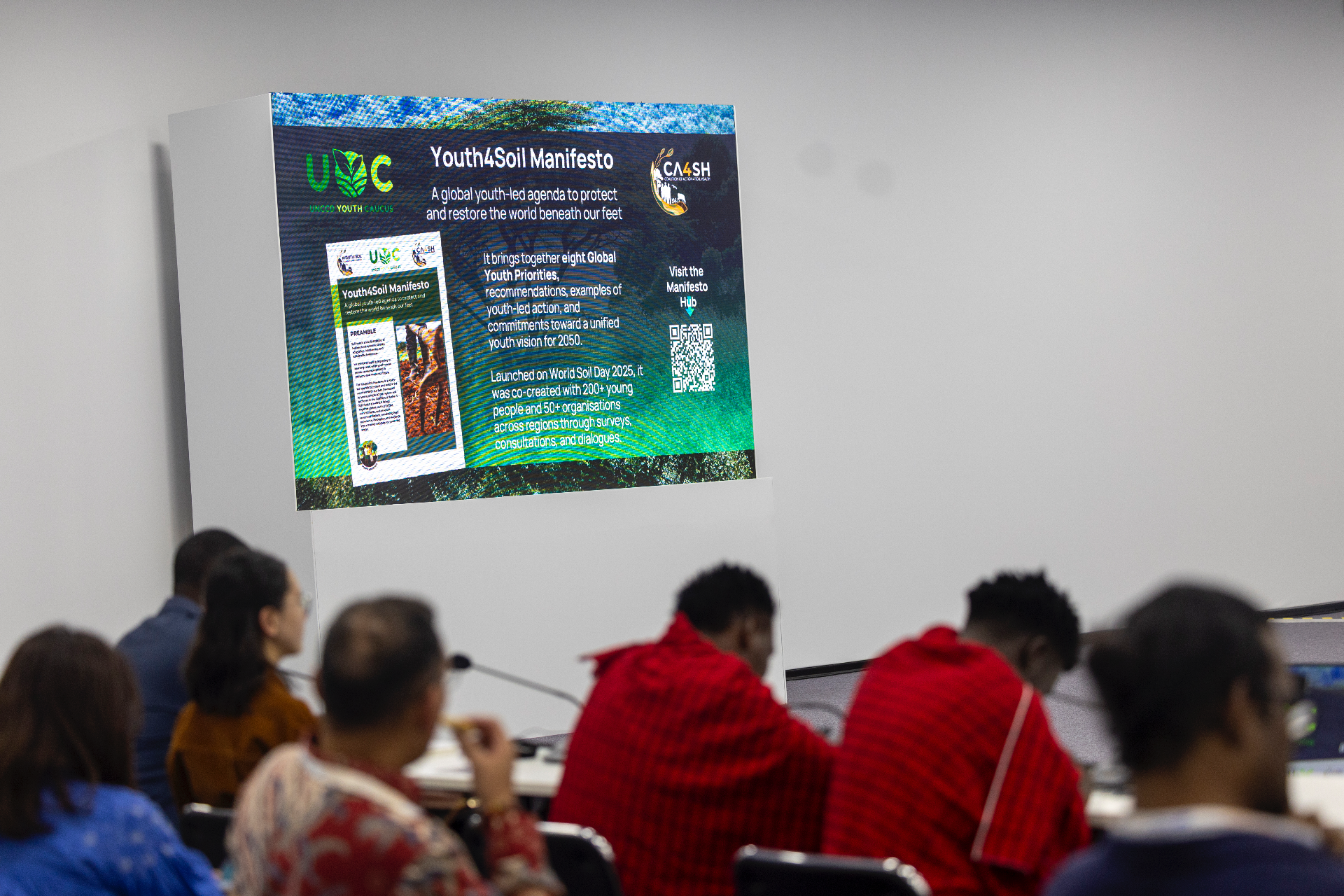
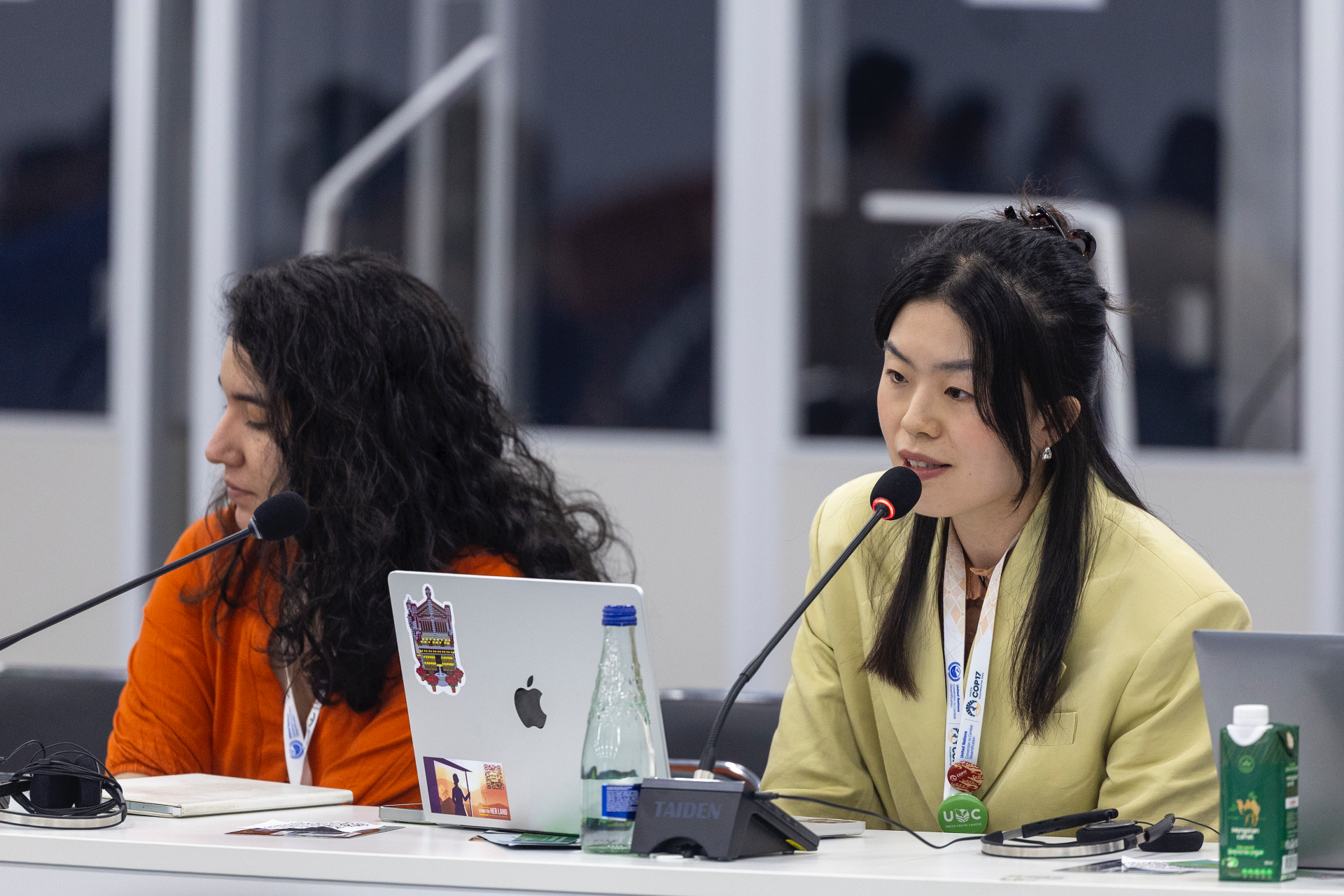

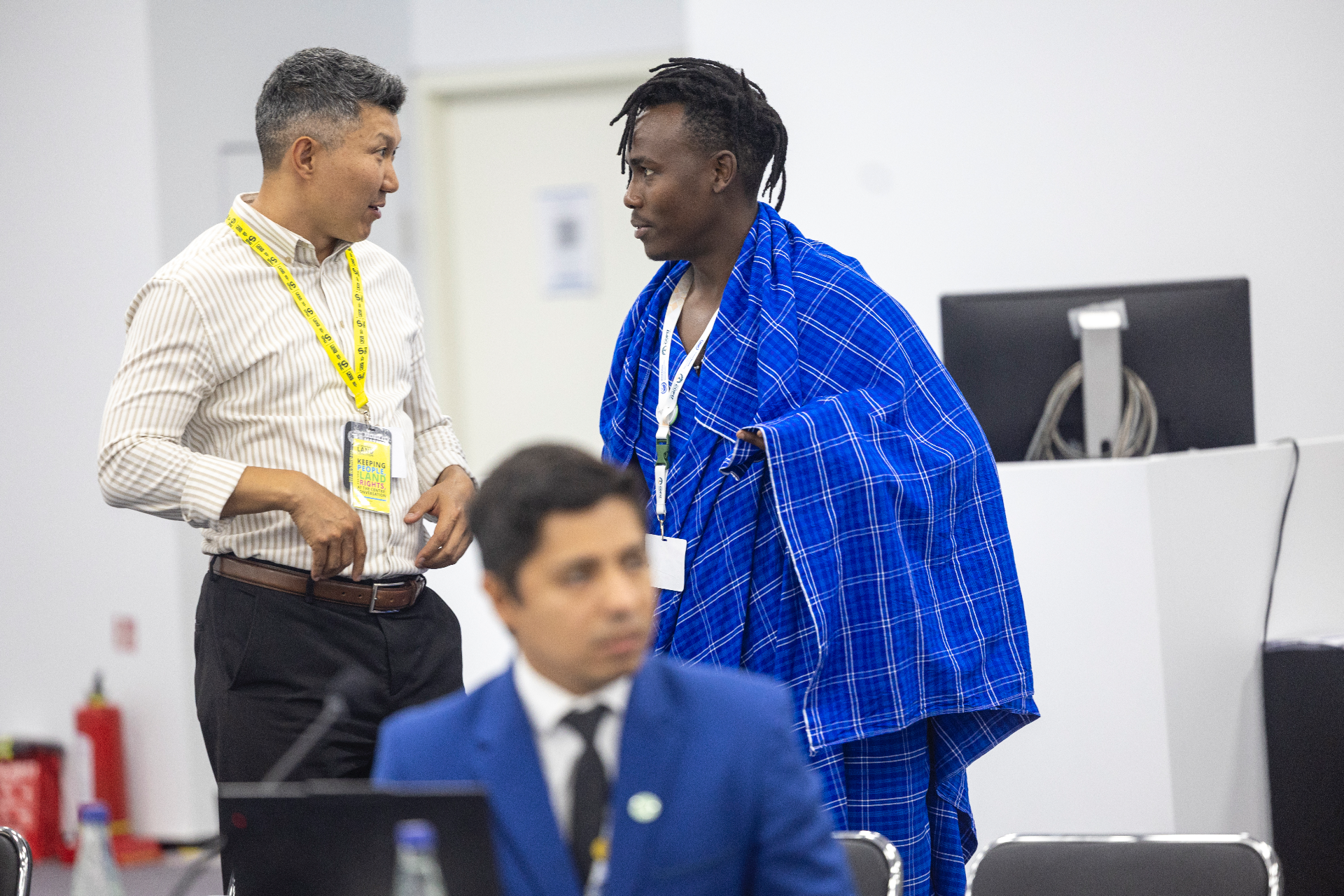
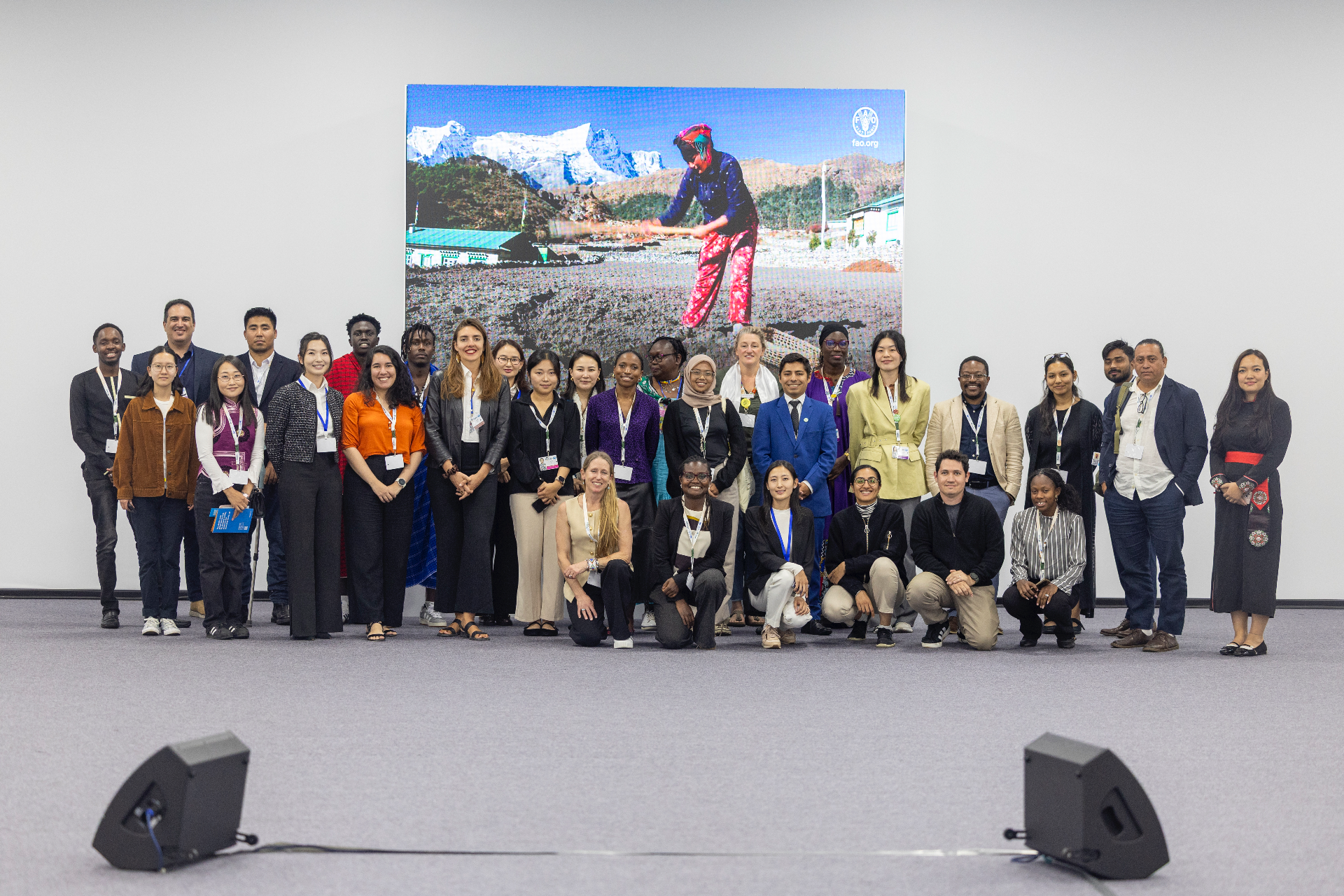
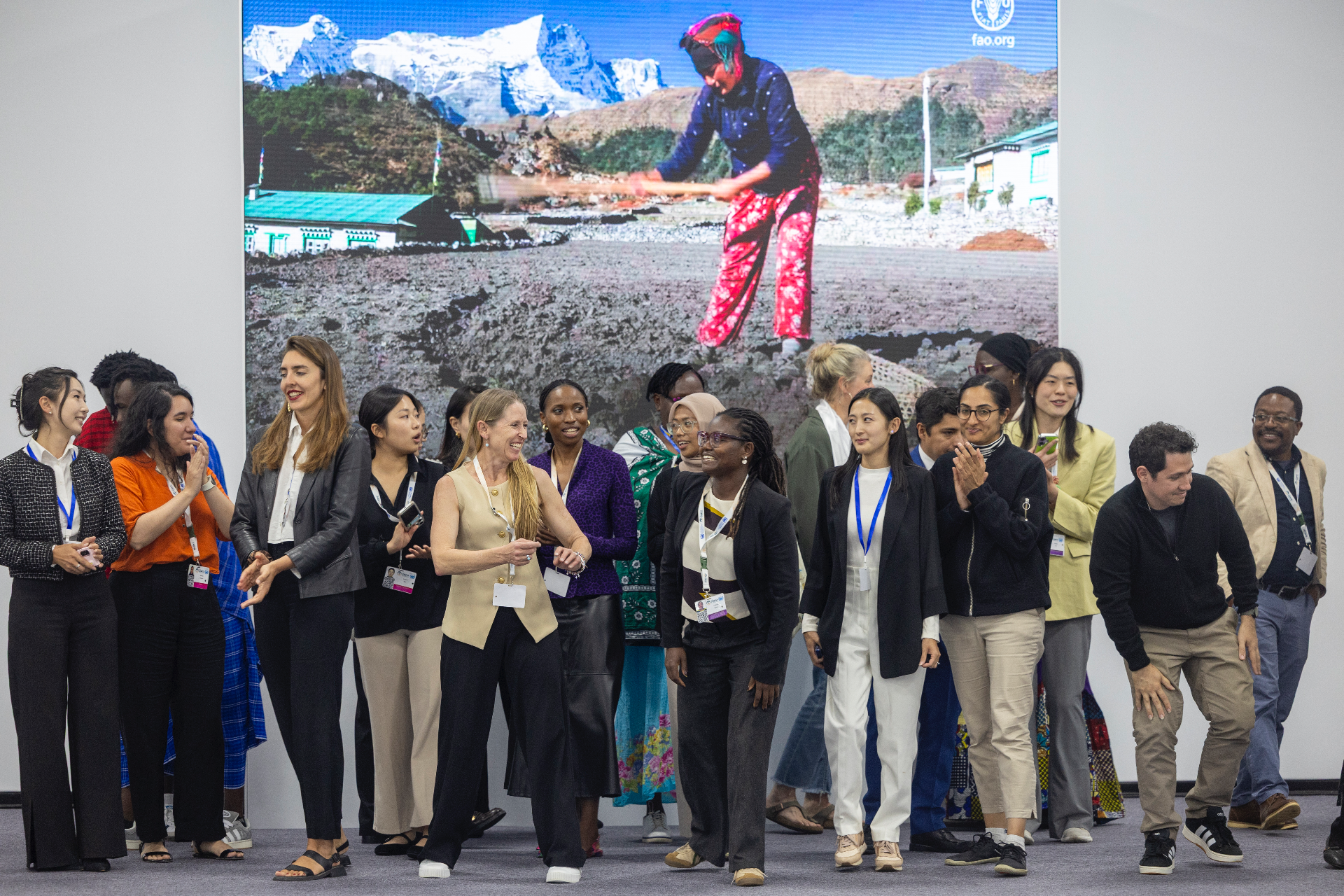
Images: UNCCD
“Supporting the active participation and leadership of women herders, farmers, agriculturalists, and youth, and elevating their voices to the decision-making level, is not merely a matter of social inclusion and equal opportunity. It is a critical investment in Mongolia’s food security, sustainable soil management, and rural development.”
It also marked the launch of the Youth4Soil Manifesto Implementation Guide and the World Food Forum National Youth Chapter – Mongolia, showcased youth-led soil health and agrifood innovations from different regions, and called for secure land rights for women and young people as a foundation for sustainable land management.
“Soil health and land rights are two sides of the same coin: one is about restoring ecosystems, and the other is about empowering the people who restore them.”
A day that showed what collaboration can look like
Soil health was never intended to be one conversation in one room.
Across finance, markets, metrics, data, policy, agroecology, national pathways, rangelands, youth and women farmers, the day demonstrated what becomes possible when soil health is treated not as a narrow technical issue, but as a connecting point between agendas.
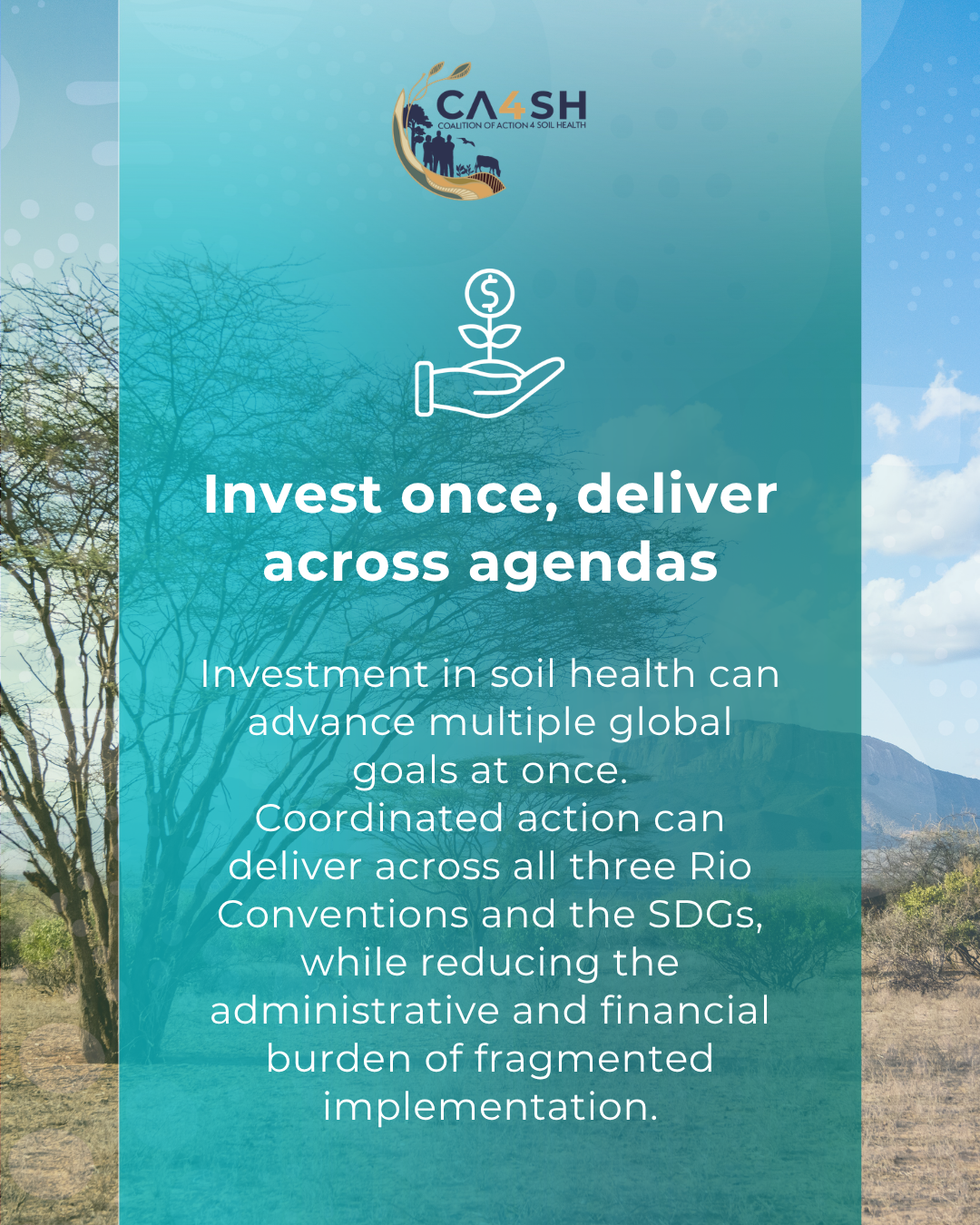
That is precisely why soil health matters at COP17. Investing in it can generate benefits across food security and nutrition, climate resilience, biodiversity, land restoration and livelihoods, while contributing simultaneously to the objectives of the three Rio Conventions and the Sustainable Development Goals.
Food Systems and Soil Health Day was part of an even bigger COP17 story. Earlier in the conference, the Soil Health Dinner brought leaders and partners together around the role of healthy soils in resilient food systems, while the WWF Mid-COP event created another important space for collaboration and exchange.
Today showed that the soil health community is no longer only making the case for why soils matter. Across Ulaanbaatar, partners were asking the next questions: How do we finance action? How do we measure it? How do we connect evidence with policy? How do we make global commitments work for farmers, pastoralists and communities? And how do we ensure that the people already restoring land, including women and young people, have the resources, rights and influence to lead?
Those are the conversations needed to move soil health from the margins of global agendas into implementation. And on Food Systems and Soil Health Day at COP17, they were happening everywhere.
Resources
Blog | Healthy Soils, Resilient Food Systems: Bringing Soil Health to the Heart of Global Action at COP17
Blog | Regenerative Agriculture for Land Restoration and Healthy Diets: Closing the Finance Gap
Blog | Advancing Soil Data and Evidence for Rangeland Restoration, LDN Reporting and Decision Making
Blog | From Soil Data to Action: Turning Evidence into Restoration at COP17
Blog | Linking Land Restoration, Soil Health and Nutrition: Highlights from COP17 Side Event
Knowledge Bank | Youth4Soil Manifesto Implementation Guide
Knowledge Bank | How Healthy Soil Aligns the Rio Conventions and Global Agendas
Knowledge Bank | Restoring Rangelands from the Soil Up: Soil Health as the Foundation of Inclusive Land Restoration
Knowledge Bank | From Soil Data to Action: The Role of Soil Information Systems for the Rio Conventions
Field Insights | #Youth4Soil Kenya Data Drive: Using the Regreening App to engage young people in restoration