
Linking Land Restoration, Soil Health and Nutrition: Highlights from COP17 Side Event
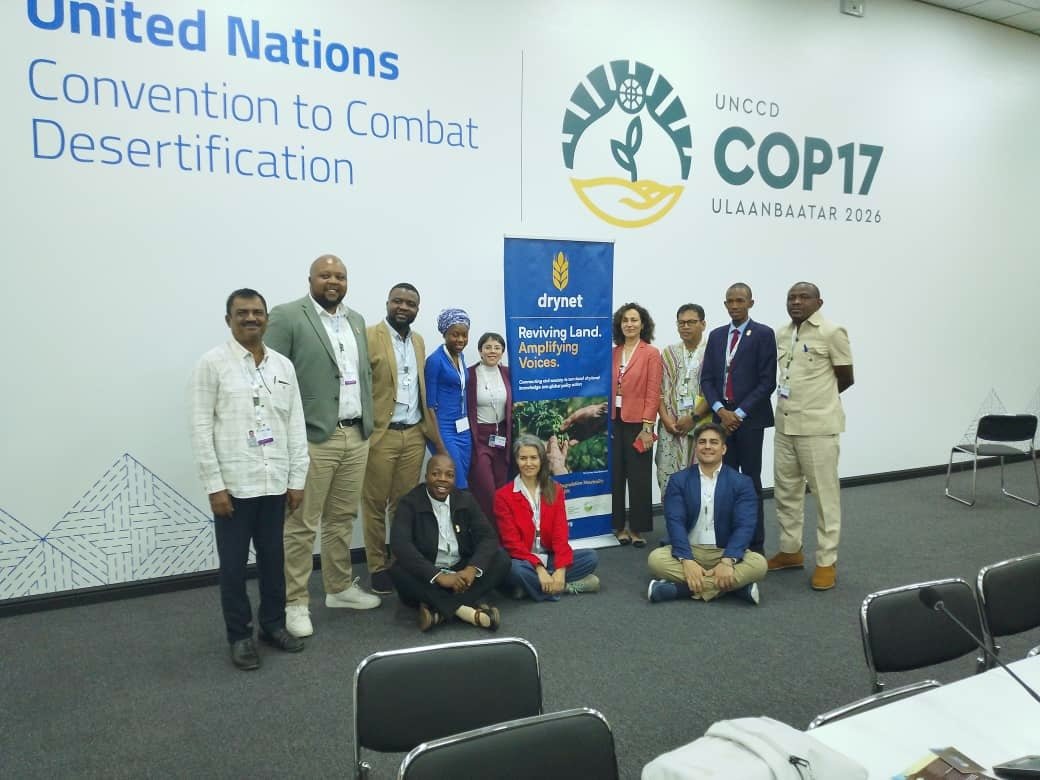
On Tuesday, 18 August, the Coalition of Action 4 Soil Health (CA4SH) joined Drynet, AIDER, and Fundación CAUCE on a side event dubbed“Healthy Soils 4 Food: Connecting Agricultural Land Restoration, Food Systems and Nutrition.”
The session brought together diverse voices — soil scientists, policy experts, nutrition advocates, and youth leaders — to explore the vital link between land restoration, soil health, nutrition, and healthy diets.
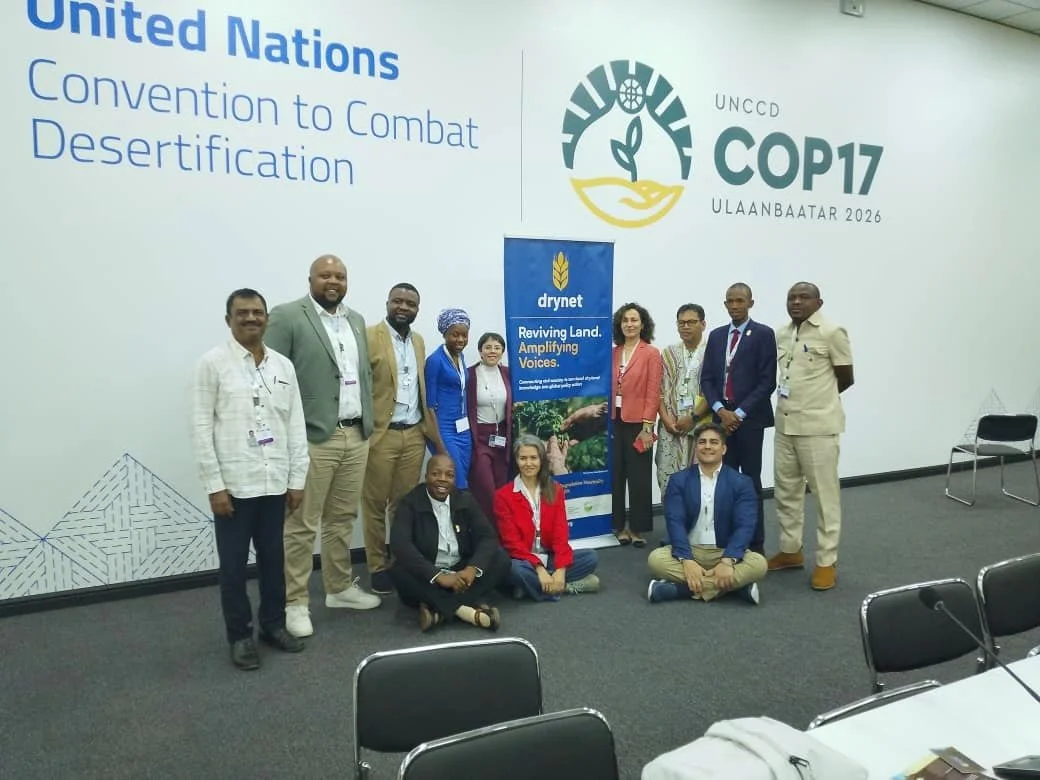
Session Highlights
The session explored the core elements that link land restoration, soil health, nutrition, and collaboration. Together, these perspectives highlight how science, policy, diets, and partnerships converge to strengthen food systems and human well-being.
Scientific foundation Prof. Paul Hallett, President of the British Society of Soil Science and Professor in Soil Science at the University of Aberdeen emphasized that soil health is not only about productivity but also about the nutritional quality of food and human well-being. His presentation underscored the science connecting soil properties, biodiversity, and food systems as observed through IWMI’s SMILE Project in Ethiopia.
Policy commitments Dr. Jamal Annagylyjova Natural Resources - Land and Water Division (NSL) of the FAO outlined the implementation of Decision 15 & 19/COP16, showing how policy frameworks can advance sustainable agriculture and resilient food systems. She called for stronger attention to soil biodiversity in upcoming UNCBD discussions.
Nutrition and sustainable diets, Glenda I. Mangia - Food and Agroecology Coordinator at Fundación CAUCE: Cultura Ambiental-Causa Ecologista OSC Argentina | Drynet Member connected soil health with the EAT-Lancet Planetary Health Diet, highlighting how sustainable diets reduce pressure on land while improving nutrition.
Cross-sectoral collaboration Sussana Phiri, #Youth4Soil and Membership Lead of CA4SH, spotlighted CA4SH as a coalition of over 400 members — spanning governments, youth, NGOs, academia, private sector, and international organizations. She shared CA4SH’s Strategic Pillars:
Convening and coordination for collective action through high-level dialogues, global and regional events, and joint advocacy.
Policy support and integration to embed soil health into national strategies.
Knowledge, evidence, and education to fill gaps and translate science into action.
Encouraging innovative investment pathways to align public and private finance for soil health.
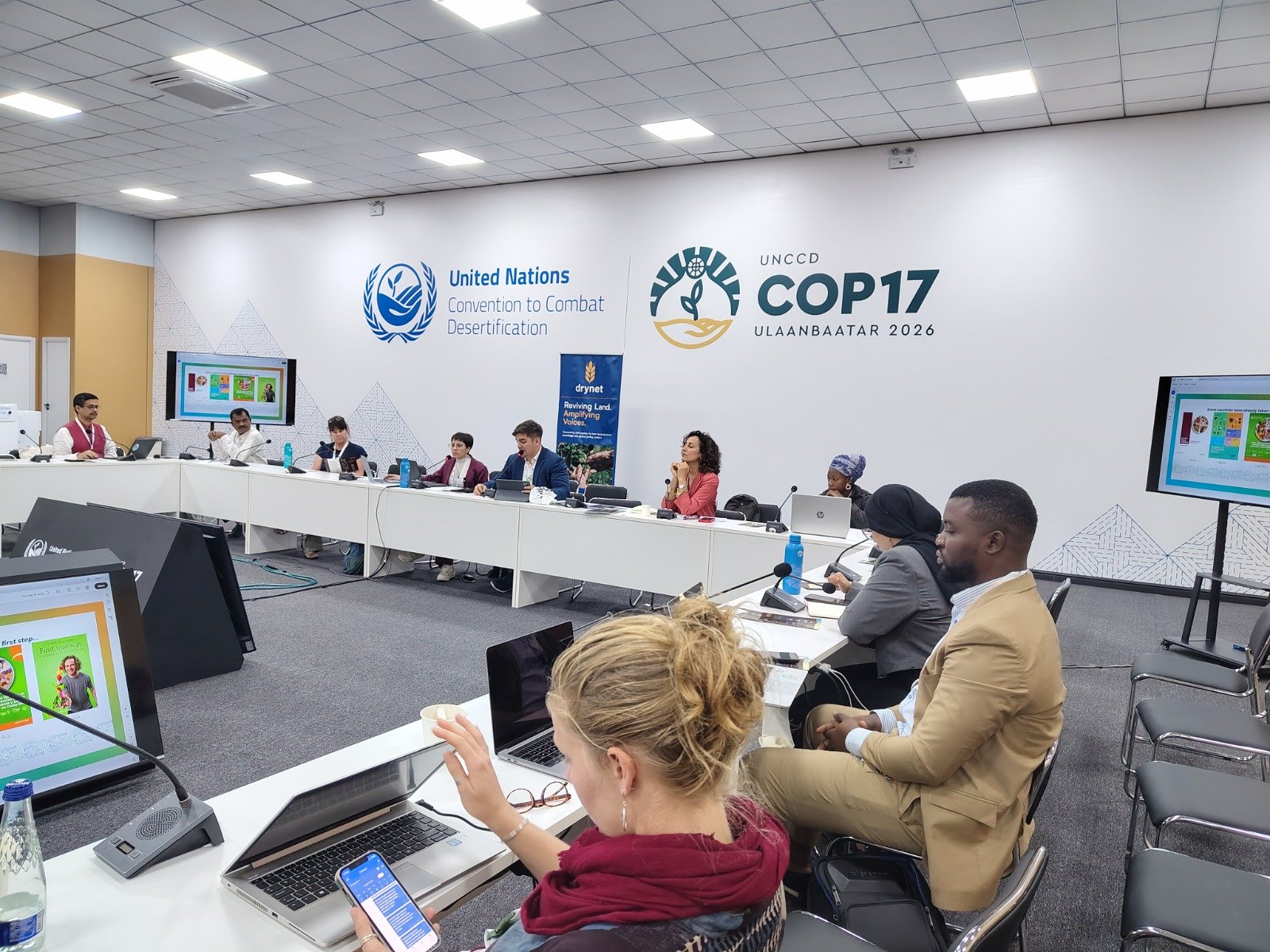
The Need for Collective Action
The session underscored the importance of connecting agricultural land restoration, food systems and nutrition, emphasizing that this ambition is possible through an inclusive, multi-sectoral approach.
Across the presentations, speakers highlighted the interconnectedness of science, policy, nutrition, and collaboration — all pointing to the urgency of collective action.
A recurring theme was the challenge of policy fragmentation. Stakeholders often operating in silos, making it difficult to integrate soil health and nutrition into coherent national strategies. This lack of policy coherence was identified as a major barrier to scaling solutions. The lack of incentives to this effect also came off as a challenge.
At the same time, the session highlighted clear opportunities for the UNCCD to move from commitment to action at COP17 and beyond: Put knowledge holders at the centre — Youth, women, Indigenous peoples, smallholder farmers, pastoralists, and rangeland communities must actively participate in governance and decision-making. Evidence from the speaker’s presentations show that inclusive participation strengthens both legitimacy and effectiveness.
Invest once, deliver across agendas; investment in land restoration, soil health and nutrition advances multiple goals simultaneously, from climate resilience and ecosystem restoration to food and nutrition security. This investment can unlock blended finance, public-private partnerships, and incentives that reward all stakeholders.
Together, these insights reinforced the shared message: land restoration, healthy soil and nutrition are interconnected.
“Soil Health is at the heart of land restoration. Healthy soil grows healthy crops, which translate to healthy food and then healthy people.” - Sussana Phiri, #Youth4Soil and Membership Lead, CA4SH
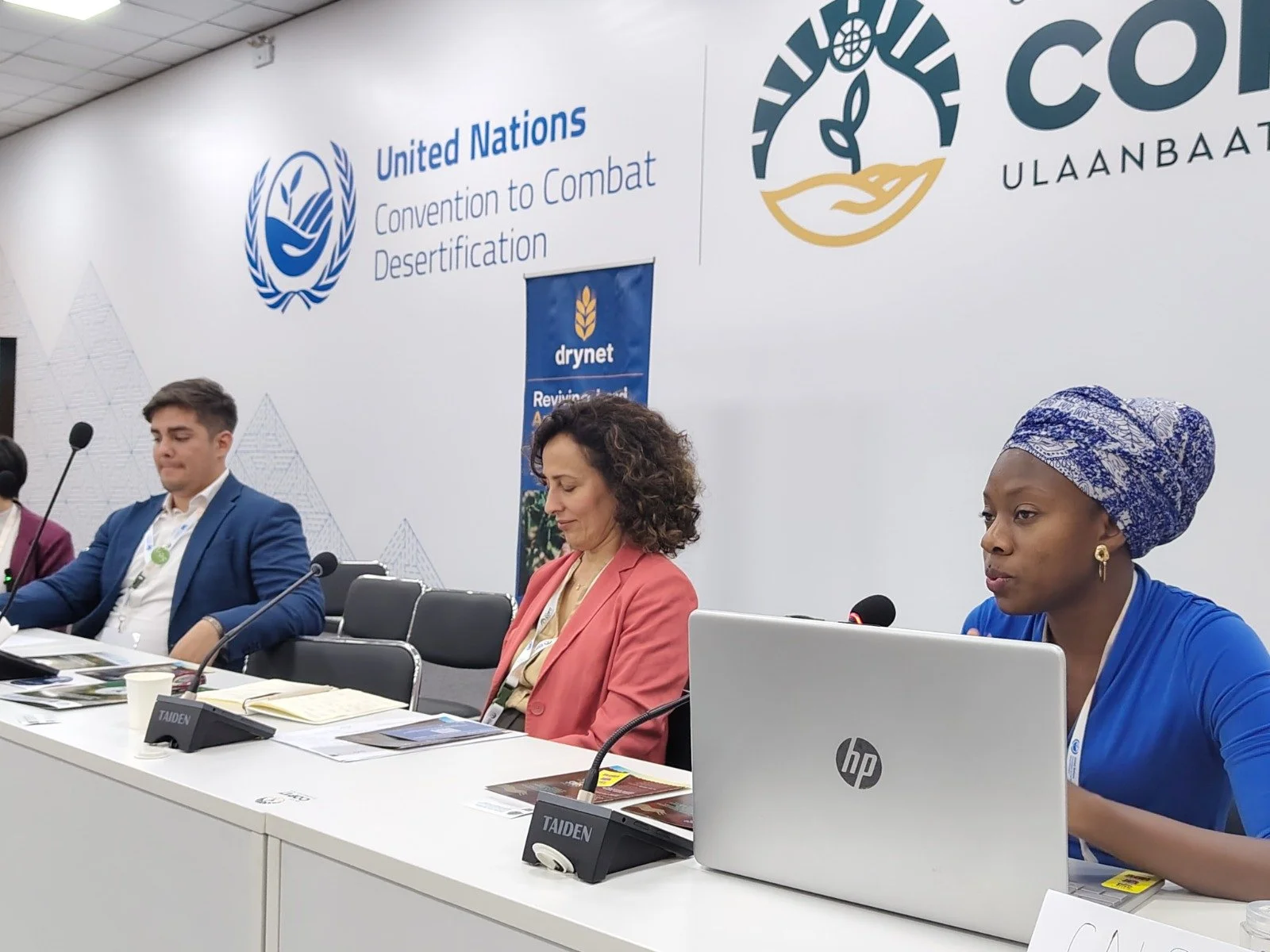
A Call to Action
Glenda Mangia closed with a resounding call:
“Will we eat the planet or will the planet feed us?”
— reminding participants that healthy soils lead to a ripple effect of many other benefits. This side event stressed the link between healthy soil, healthy food and healthy diets and their importance for the UNCCD COP 17’s success beyond the event.
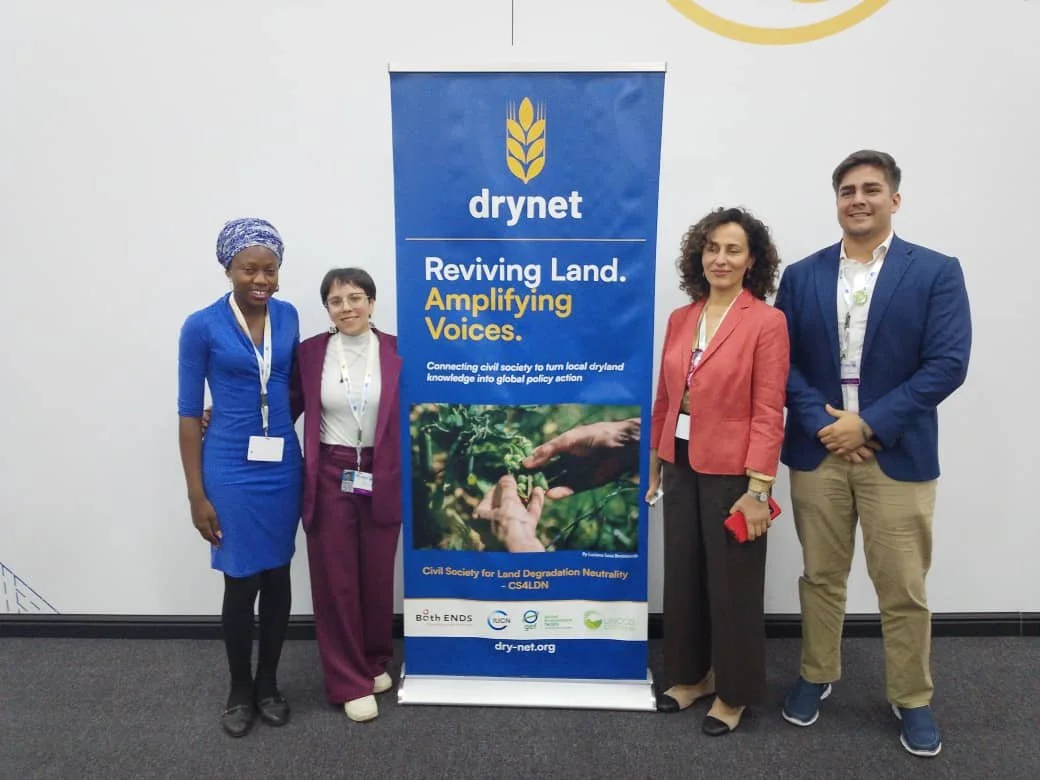
The Coalition of Action 4 Soil Health (CA4SH), Landscape Alliance (CIFOR-ICRAF), Deutsche Gesellschaft für Internationale Zusammenarbeit (GIZ) GmbH, the Norwegian Agency for Development Cooperation (Norad), CGIAR Multifunctional Landscapes Science Program, WWF, and partners, convened senior leaders and partners at UNCCD COP17 Mongolia for a high-level dinner focused on a simple but critical message: healthy soils are fundamental to resilient food systems, healthy ecosystems and a more climate-resilient future.