
Kingdom in the Sky
Somewhere in Southern Africa, roads climb above the clouds, horses remain an essential means of transport, and herders follow mountain paths shaped by generations of experience.
By Colleen Knox & Moselantja Rahlao
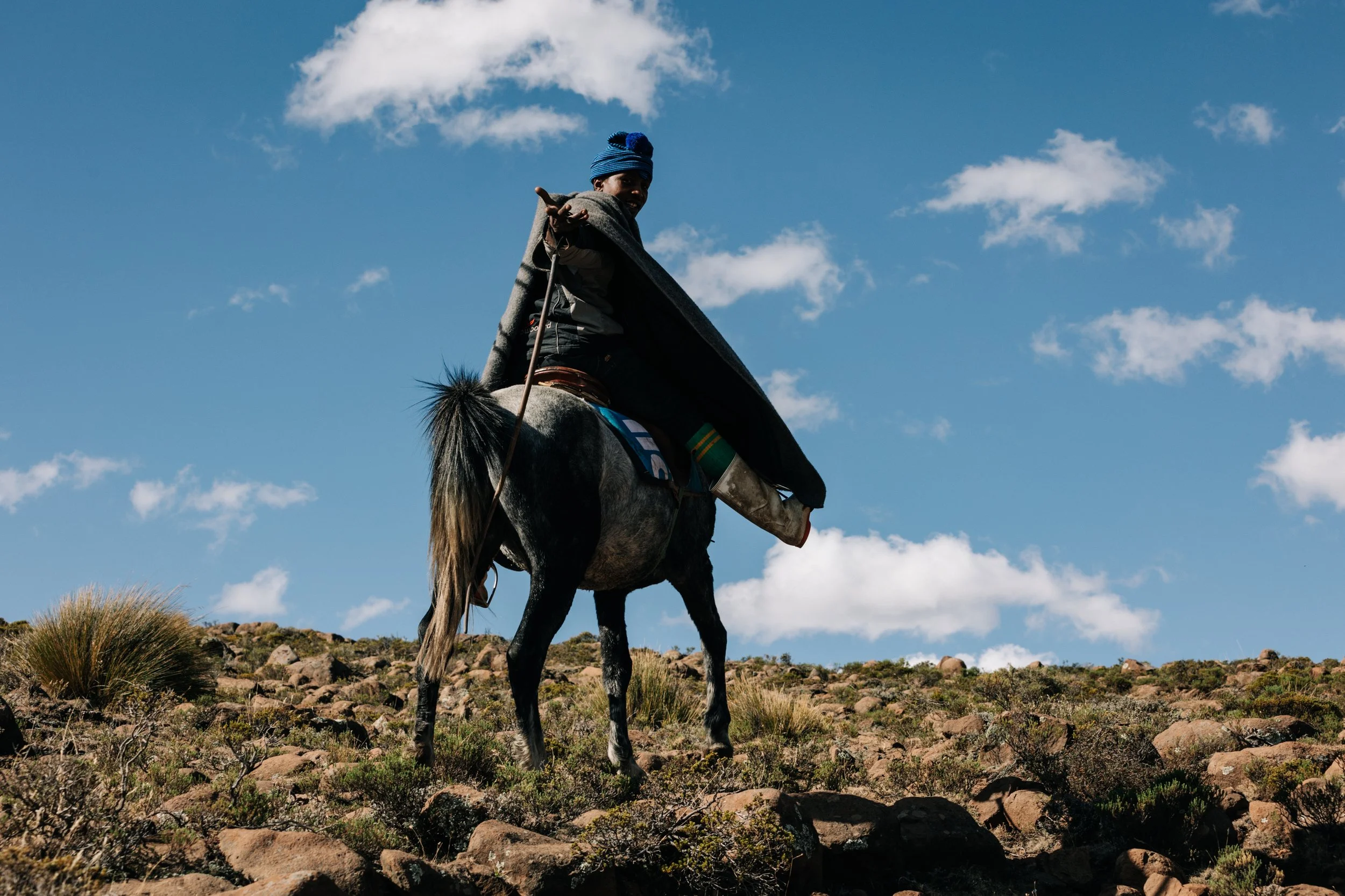
Image: Marzelle van der Merwe-Ham for Ultra-trail Drakensberg
Welcome to the Kingdom in the Sky: Lesotho, a landlocked country surrounded by South Africa. Every part of the country lies above 1,000 metres above sea level, with vast areas rising between 2,000 and 3,400 metres. Towering mountains, deep valleys, high-altitude grasslands, and wetlands define a landscape of striking beauty and ecological importance.
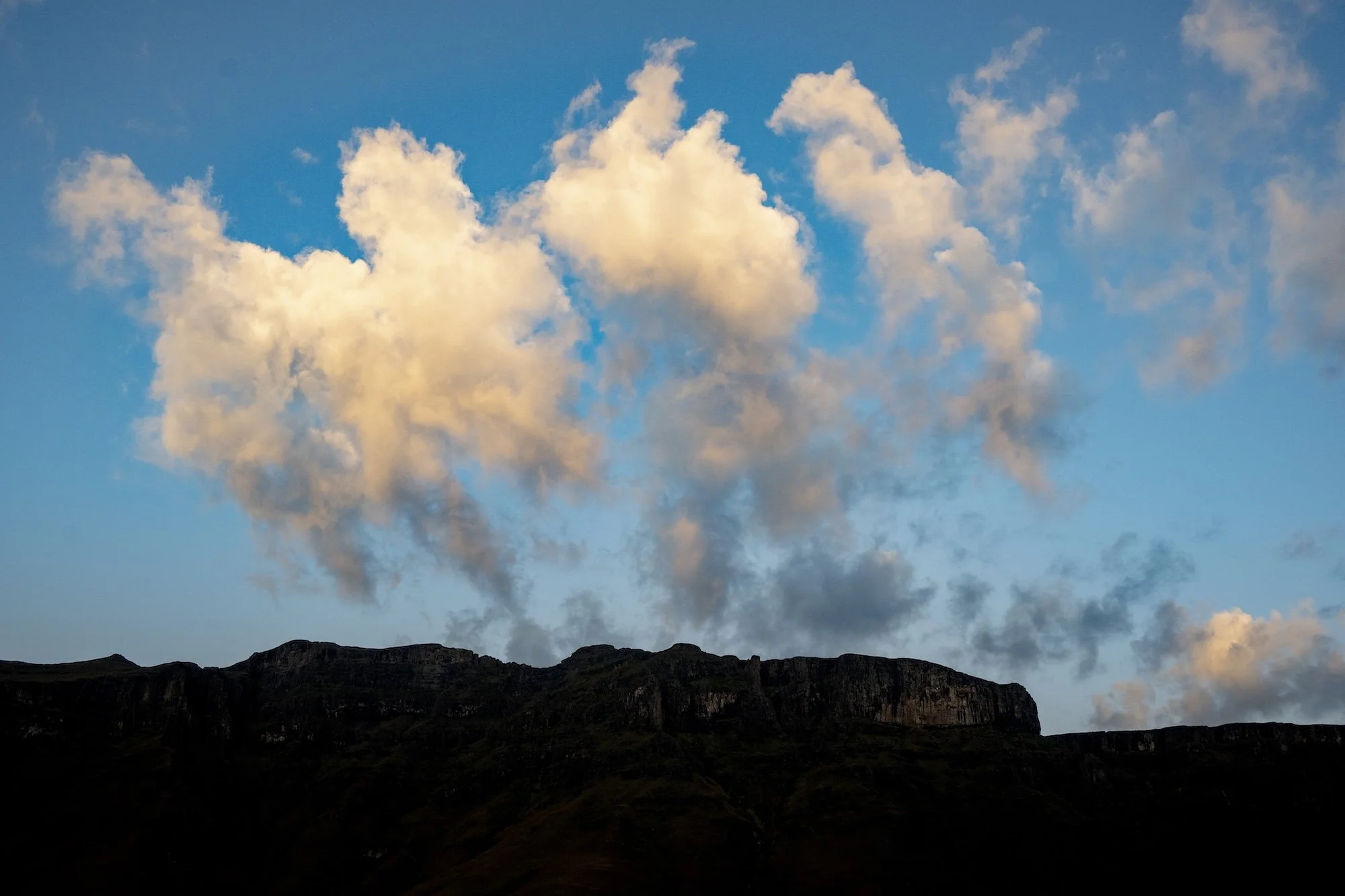
Image: Kelvin Trautman for Ultra-trail Drakensberg
Life in these highlands is shaped by extremes. Winter snow blankets mountain passes, while summer thunderstorms sweep across steep slopes. Temperatures shift rapidly, and communities have adapted to these conditions over centuries. For Basotho people, however, these mountains are not only a rugged environment, but they are also home.
Livestock are central to rural livelihoods in Lesotho. Merino sheep and Angora goats produce wool and mohair that support thousands of households and contribute to the national economy. Yet herding is more than an economic activity. It is deeply embedded in cultural identity, social systems, and the long-standing relationship between people, land, and ecosystem services.
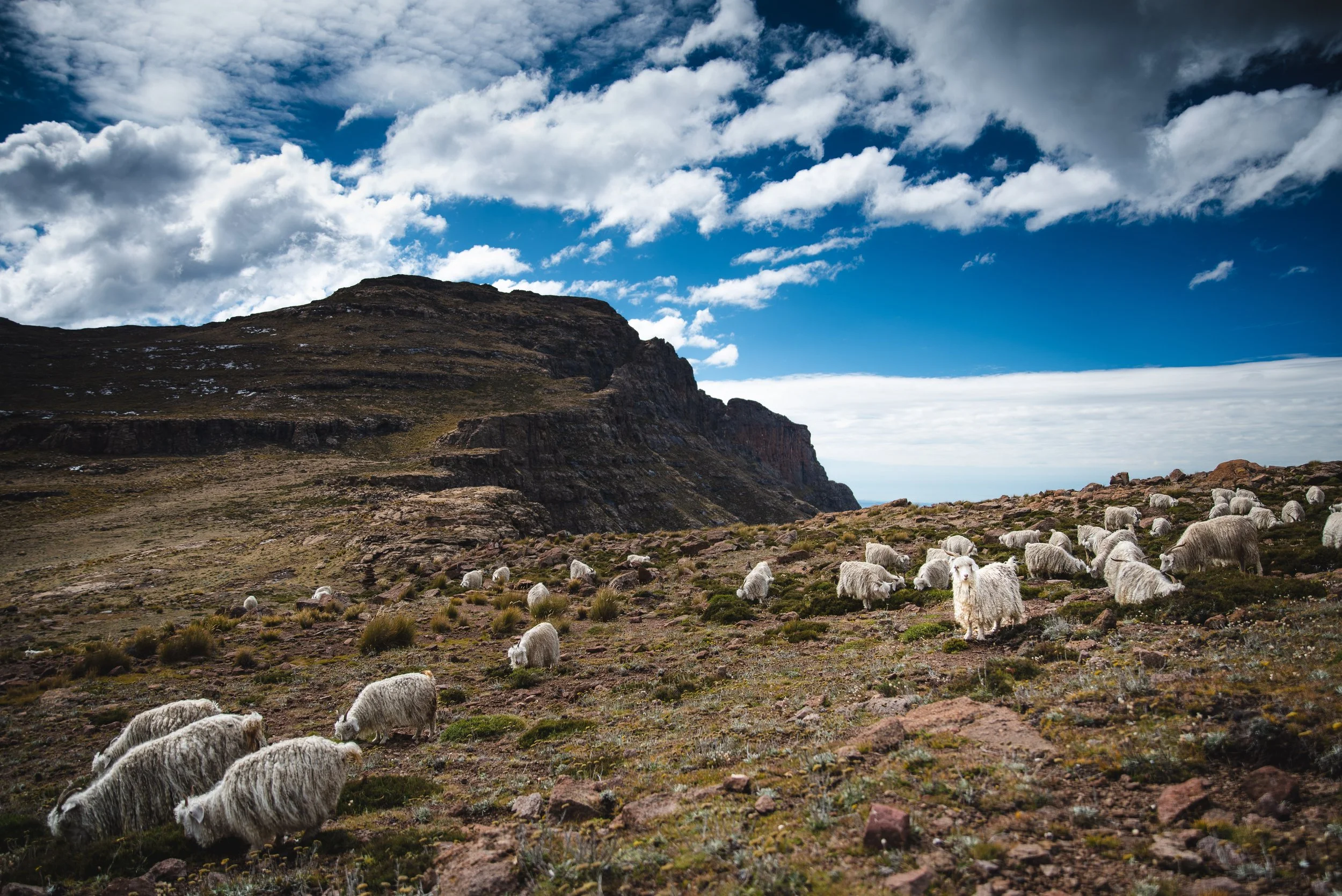
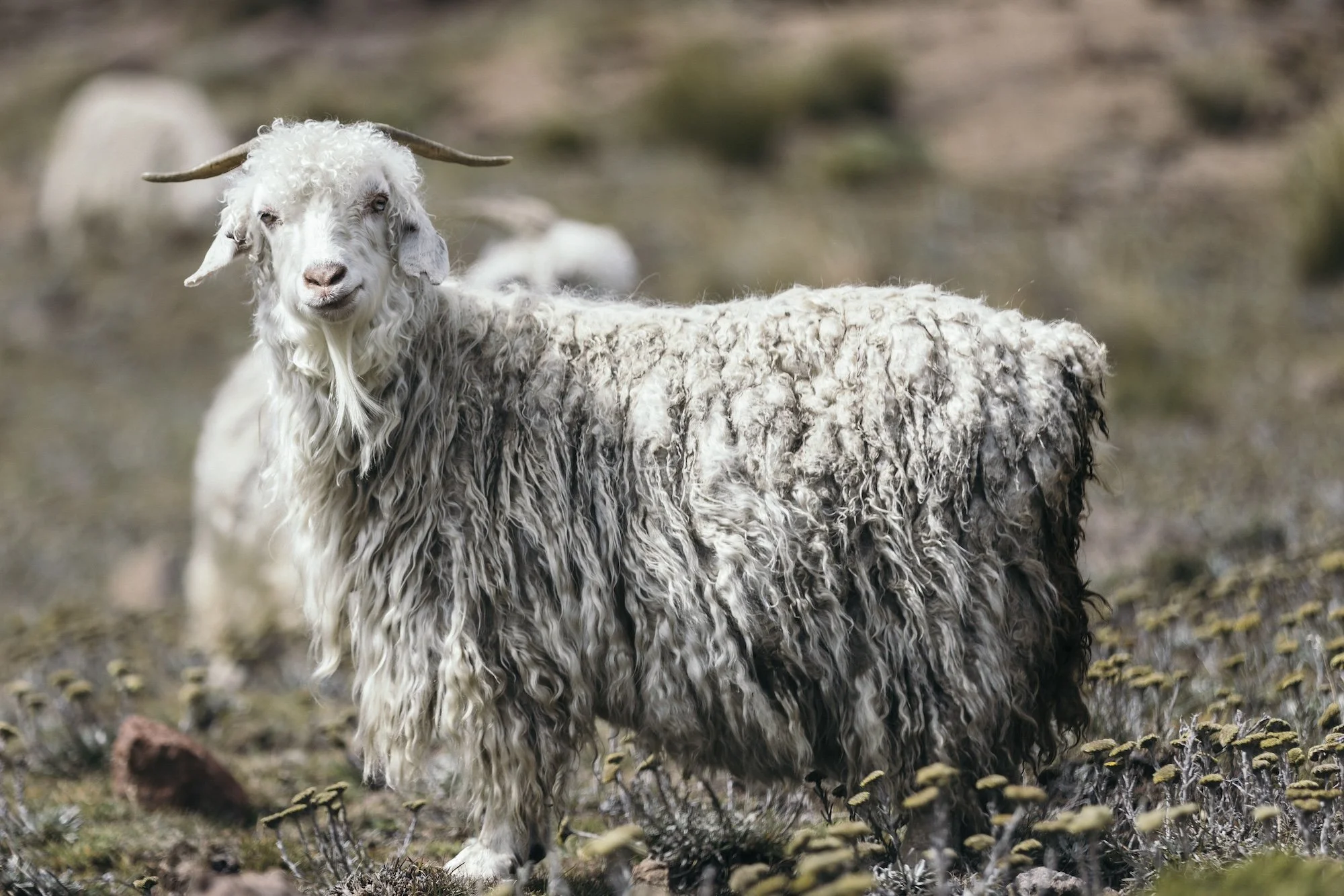
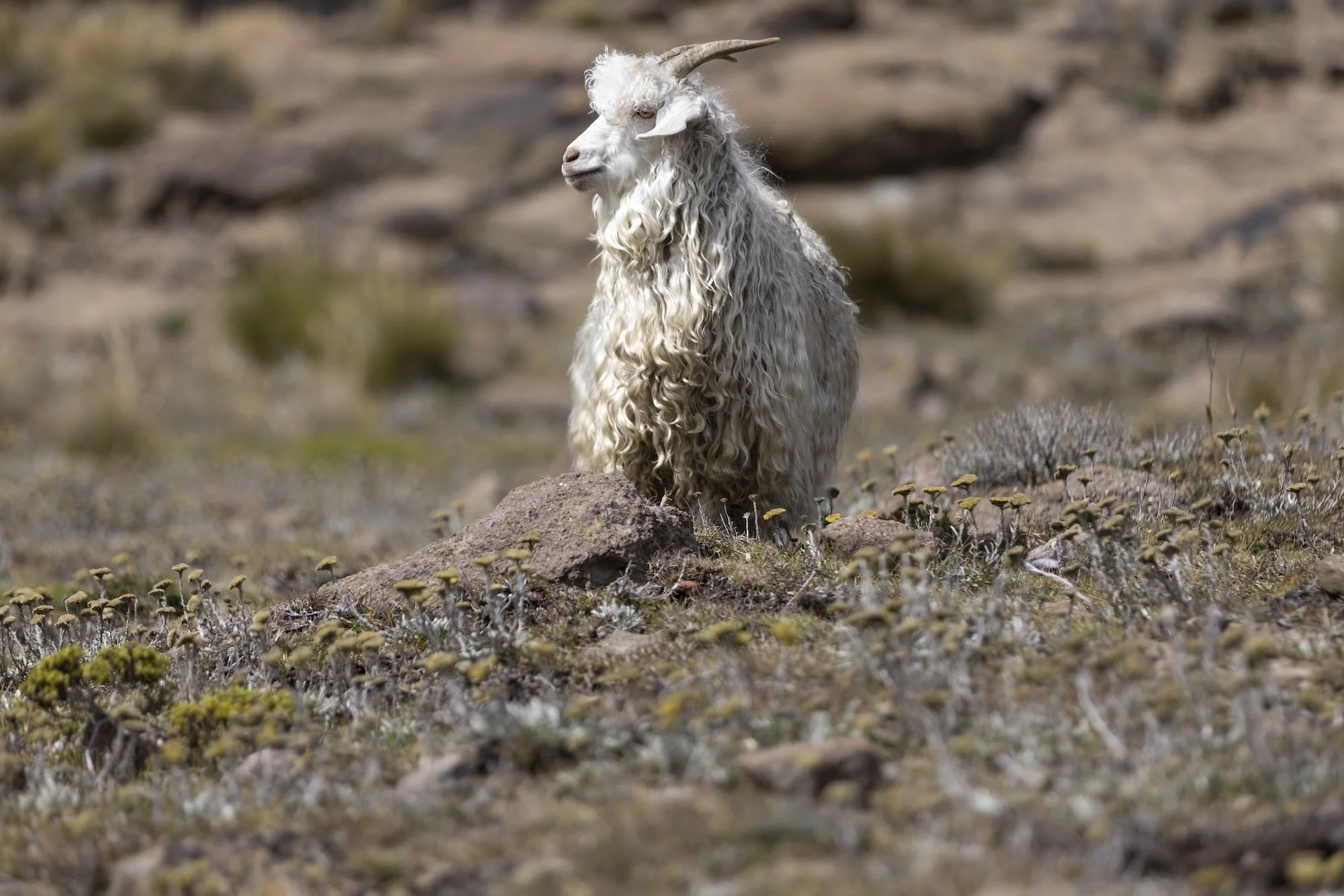
Images: Alexis Berg & Devin Paisley for Ultra-trail Drakensberg
Across the highlands, herders are a familiar presence on communal rangelands, wrapped in Basotho blankets and carrying walking sticks - melamu, as they guide sheep, goats, cattle, and horses across vast mountain terrain. Many spend extended periods at remote cattle posts, living in simple stone shelters known locally as motebo. Built without conventional soil-based material and roofed with vegetation sourced from surrounding rangelands, these shelters reflect deep adaptation. Life in these landscapes follows the rhythm of seasons, livestock needs, and ecological change.
Over generations, herders have developed a rich body of indigenous knowledge rooted in close observation of the land. They read seasonal grazing patterns, track forage availability, monitor water sources, and anticipate weather changes that influence livestock survival and rangeland conditions. This knowledge informs everyday decisions on grazing movement and resource use across extensive communal rangelands.
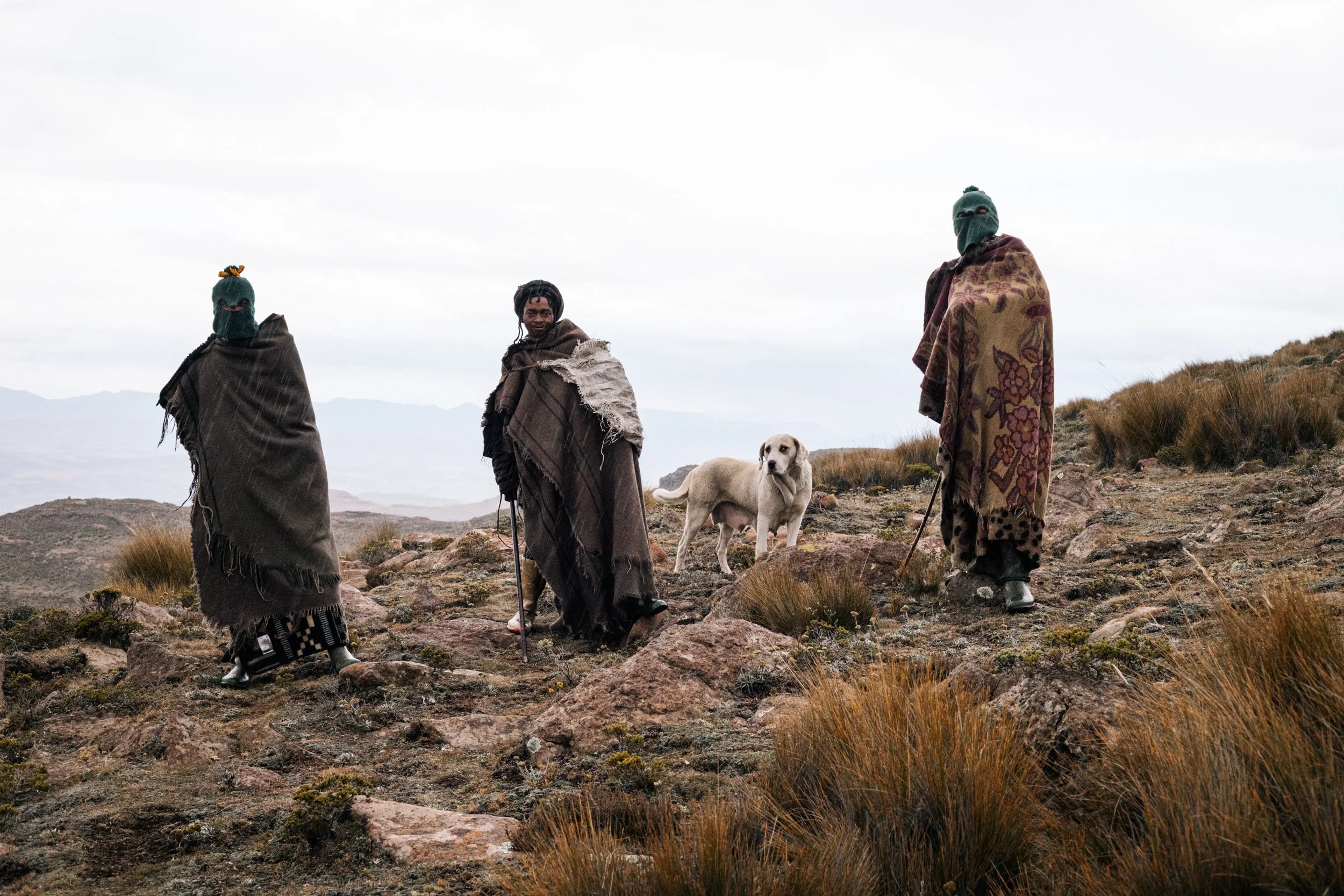
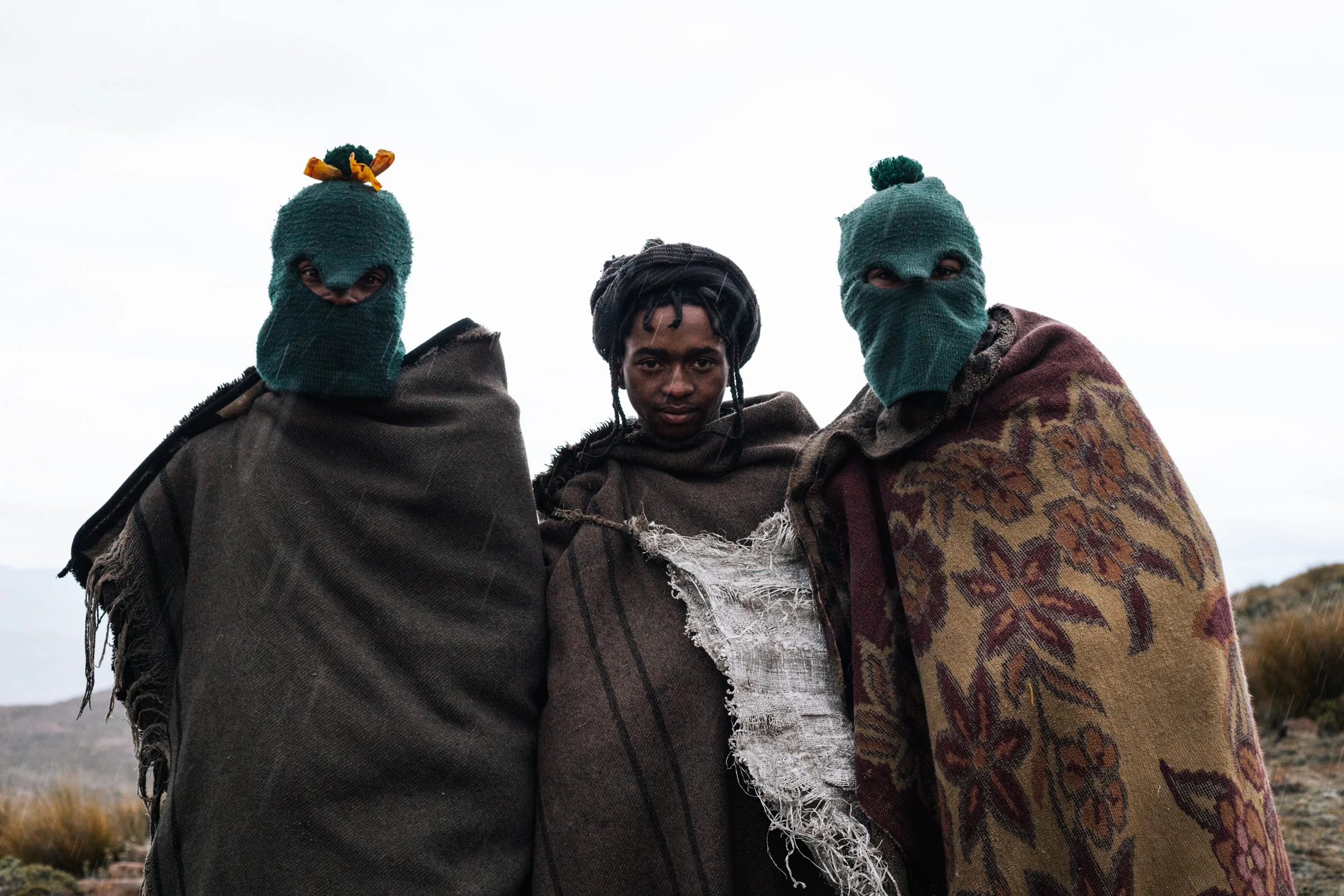
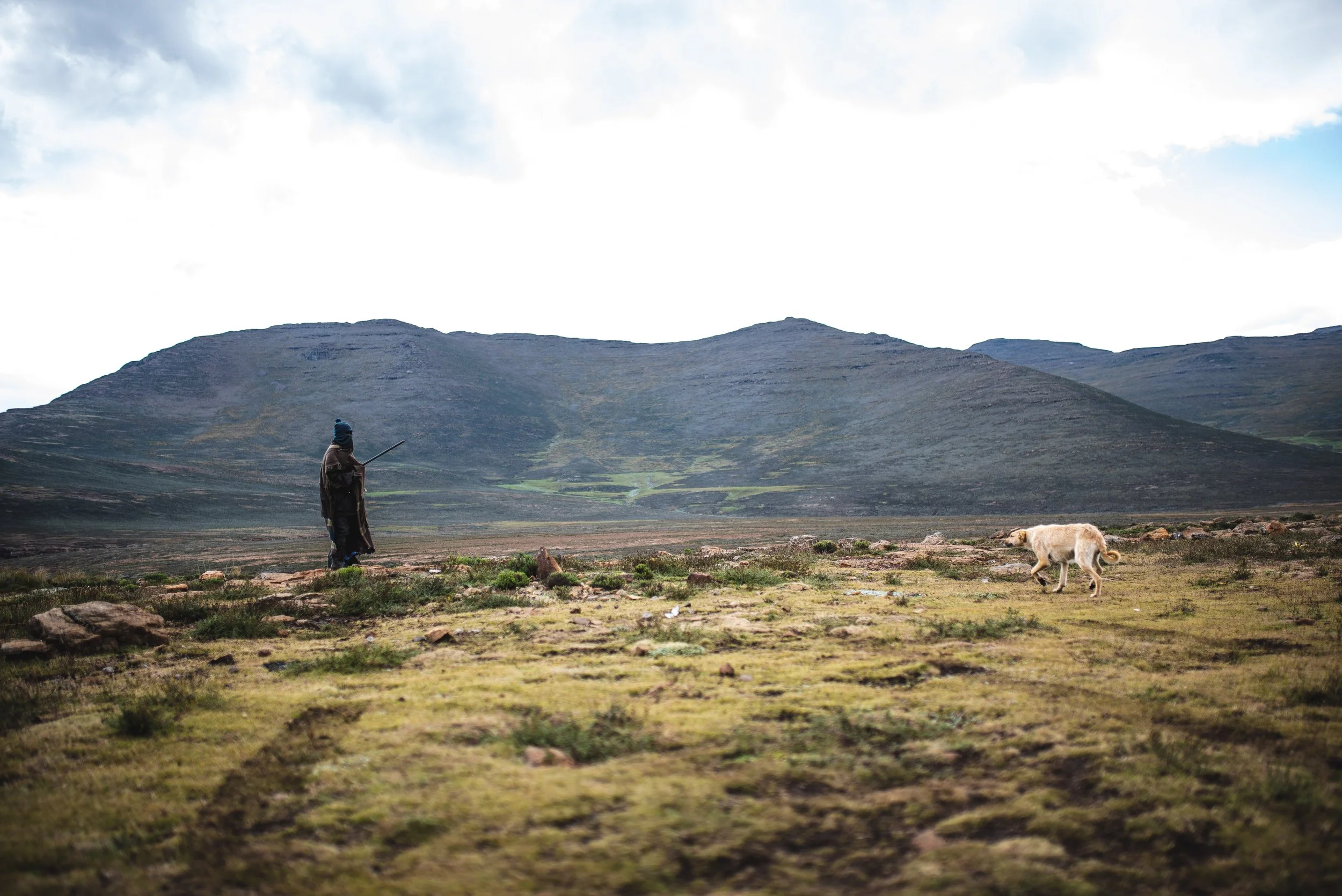
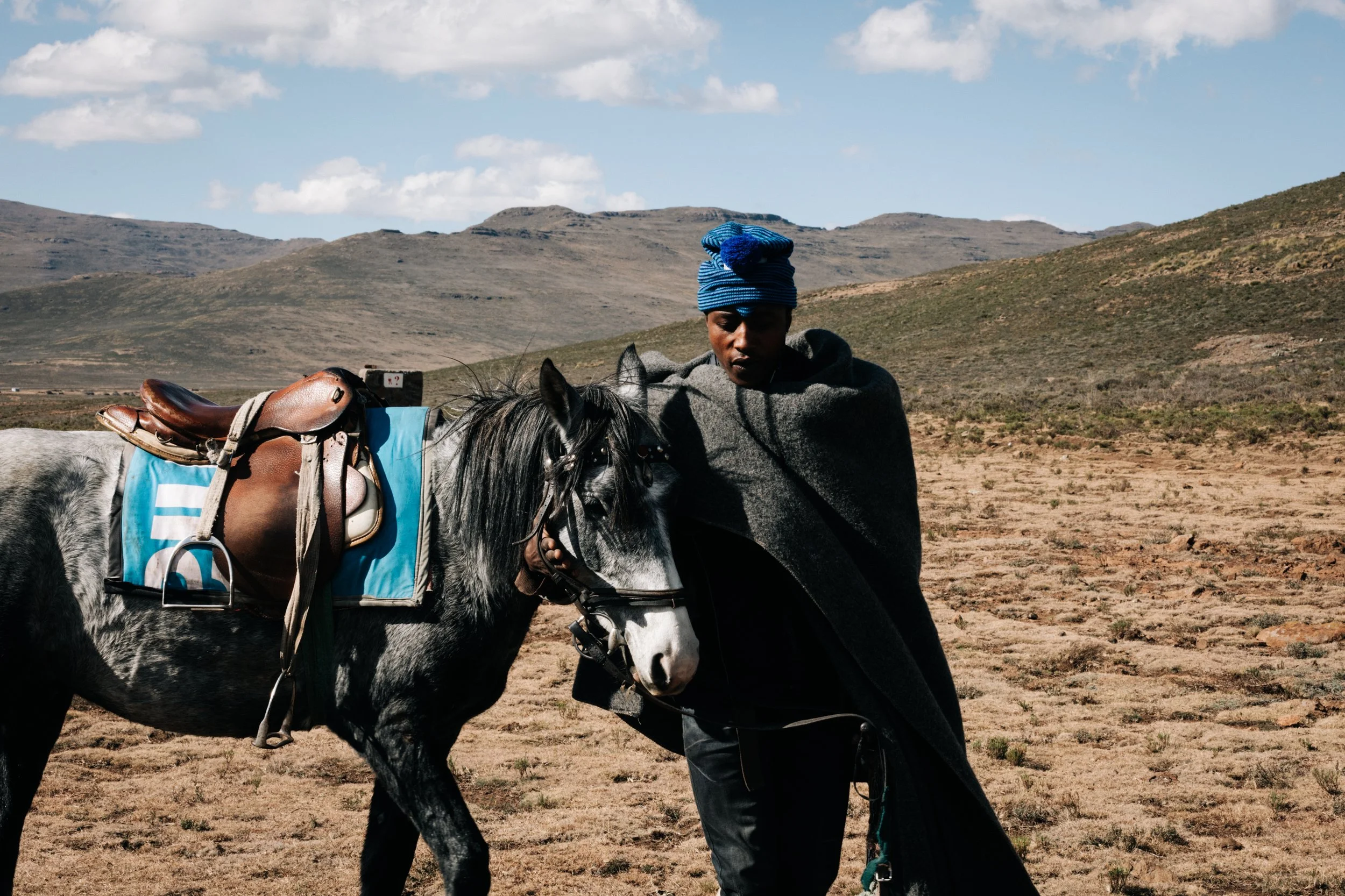
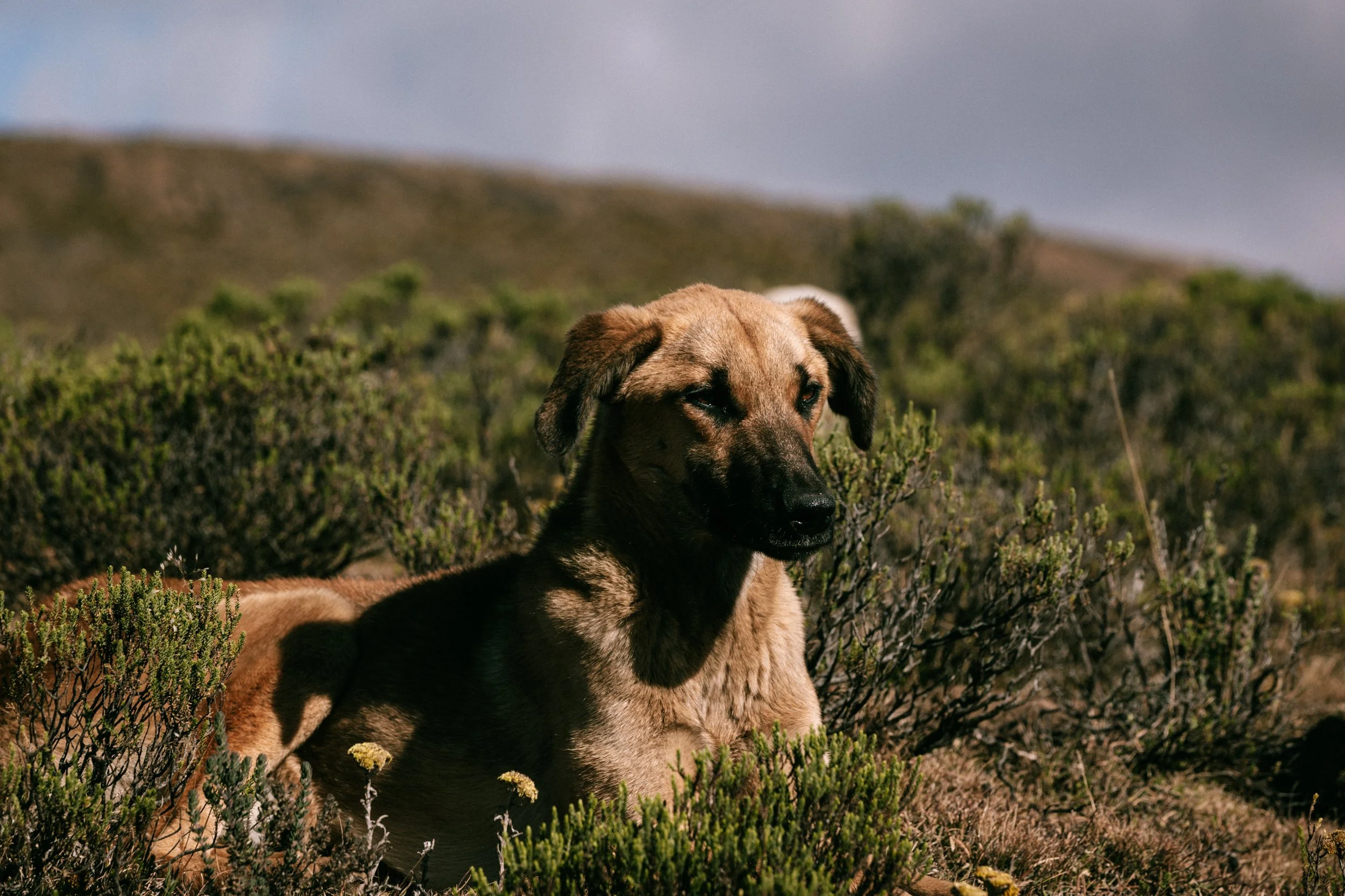
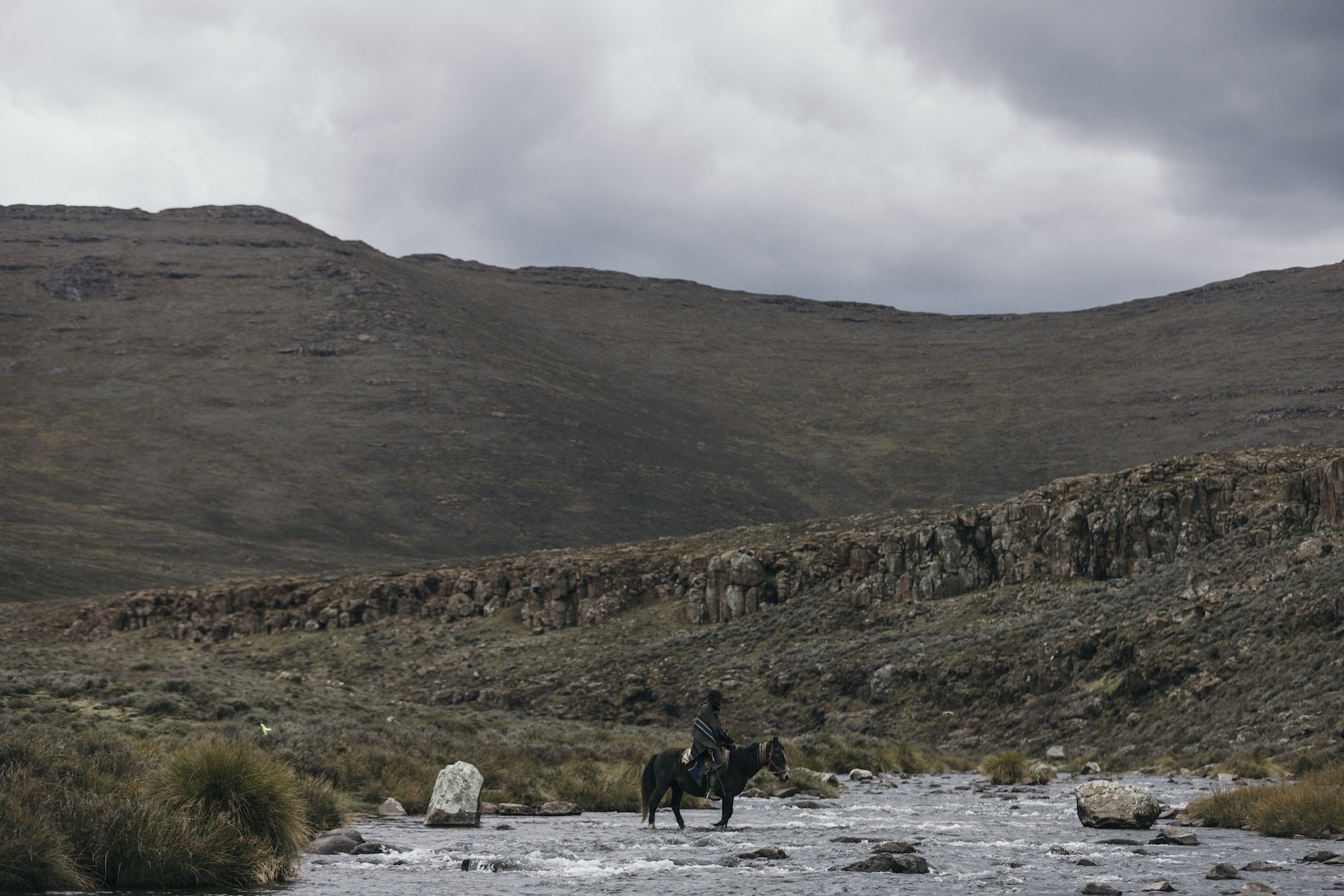
Images: Marzelle van der Merwe-Ham & Alexis Berg for Ultra-trail Drakensberg
Increasingly, this knowledge is also supporting technical approaches to rangeland assessment and mapping. Herders function as “walking archives” of plant identification and landscape memory, interpreting environmental change through lived experience. Even when communication occurs primarily in local languages, their insights provide critical understanding for sustainable land management and, at times, supports tourism and local guidance systems.
This relationship between people and landscape is also a relationship with soil. Healthy rangelands depend on healthy soils, and in turn, vegetation cover protects soils from erosion, enhances water infiltration, and supports ecosystem productivity. In Lesotho, where many major rivers originate in the highlands, these soil-vegetation systems are vital not only locally but across downstream regions as well.
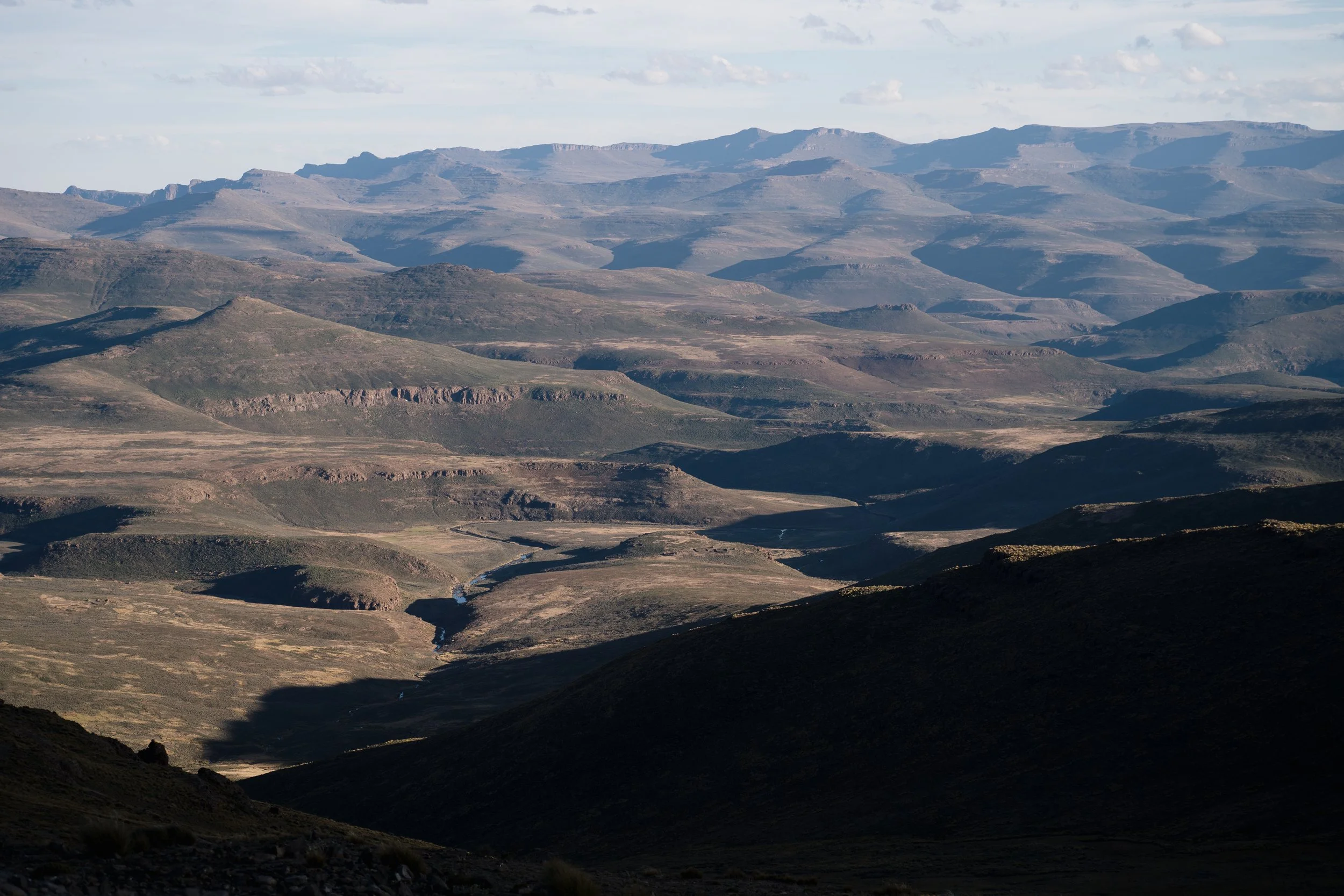
Image: Simon Pocock for Ultra-trail Drakensberg
Like many rangeland systems globally, Lesotho faces increasing environmental pressures. Overgrazing in some areas, invasive plant species, soil erosion, and shifting rainfall patterns are placing strain on ecosystems. Deep erosion gullies, known locally as mangope, cut through hillsides during intense rainfall events, carrying away fertile topsoil.
Despite these challenges, efforts to restore and manage rangelands more sustainably are growing. Communities, traditional leaders, herders, and development partners are working together to improve grazing management, rehabilitate degraded areas, protect water sources, and strengthen ecosystem resilience.
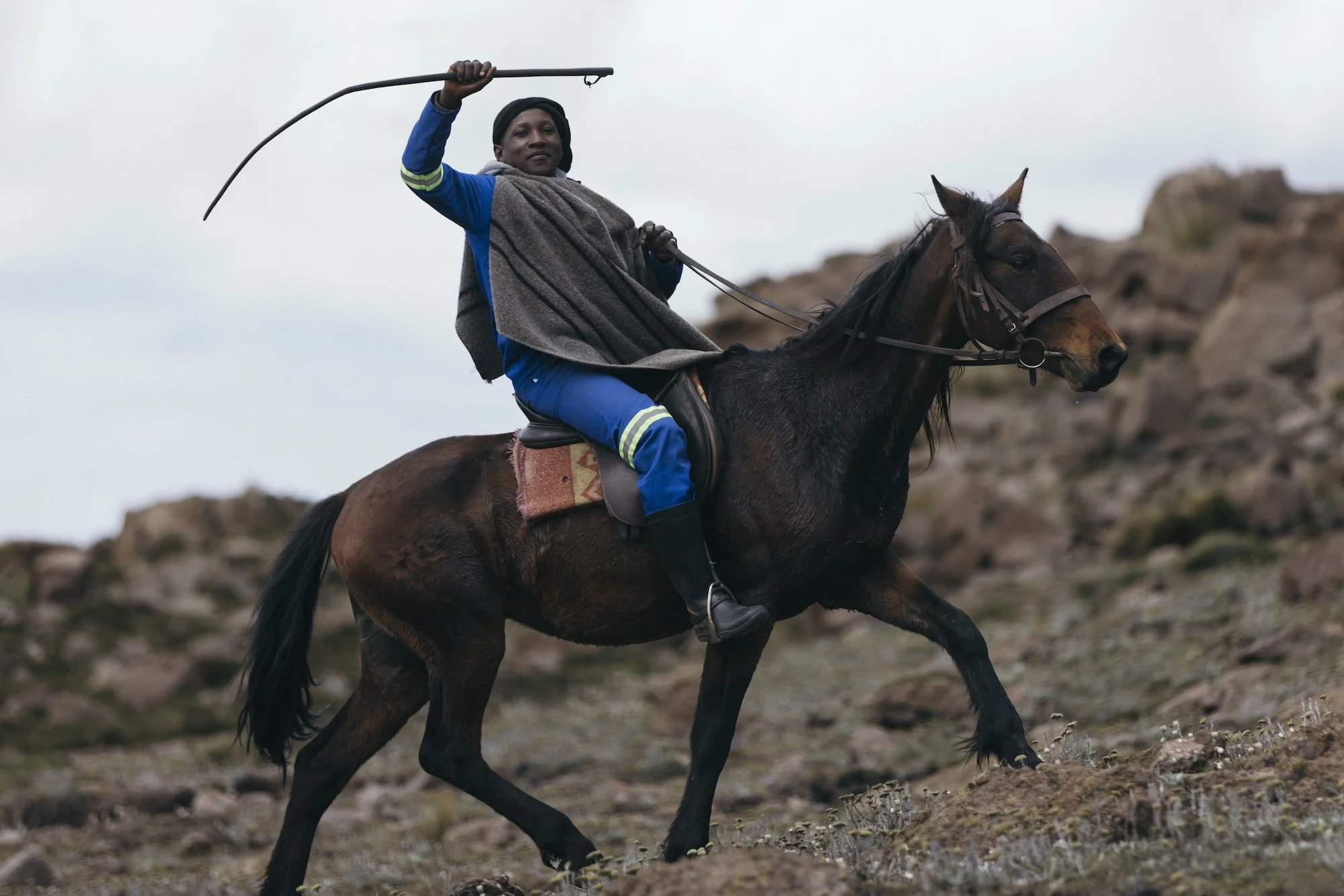
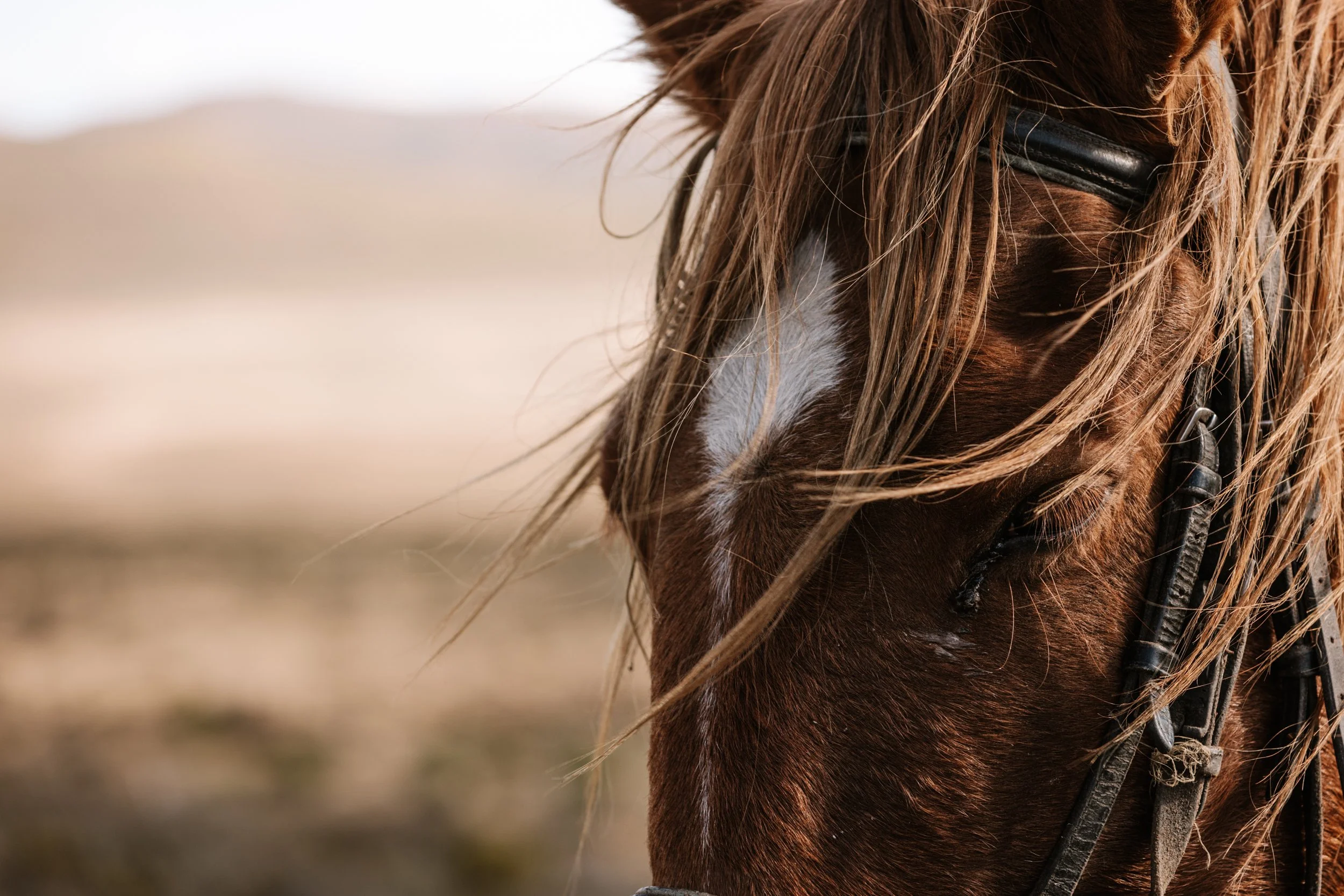
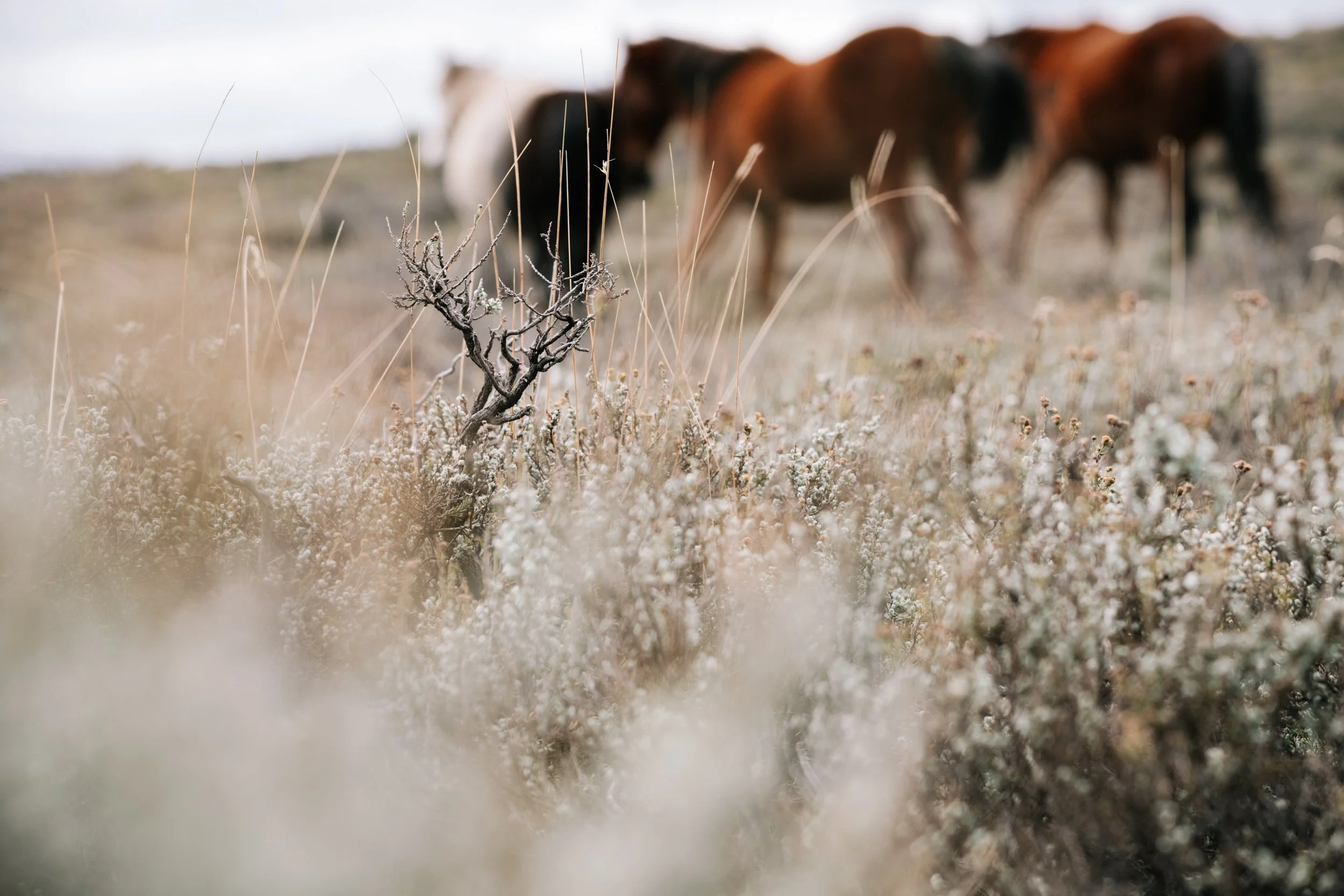

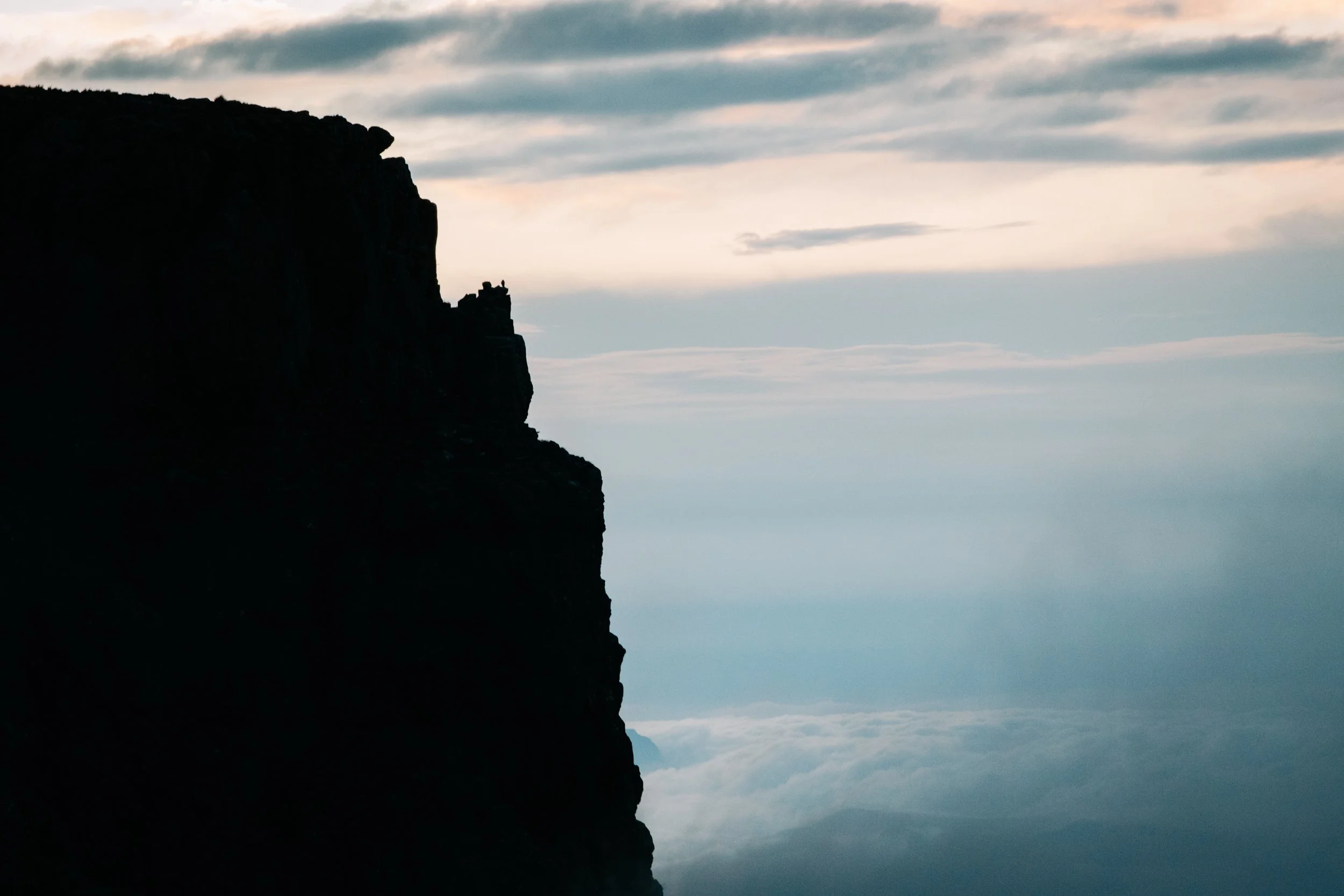
Images: Marzelle van der Merwe-Ham & Alexis Berg for Ultra-trail Drakensberg
These initiatives highlight an important principle: restoration is not only about repairing degraded land, but also about strengthening the knowledge systems and stewardship practices that have sustained these landscapes for generations.
As global attention turns toward rangelands through initiatives such as the 2026 Desertification and Drought Day theme “Rangelands: Recognise. Respect. Restore.” and the International Year of Rangelands and Pastoralists (IYRP 2026), Lesotho offers valuable lessons. Its mountain rangelands demonstrate how the biodiversity-water-food nexus and livelihoods are deeply interconnected.
In the lead-up to UNCCD COP17, the experiences of Basotho herders offer a reminder that many solutions to land degradation already exist within the communities that live closest to the land. These are not empty spaces, but living ecosystems shaped by continuous interaction between people, livestock, and nature.
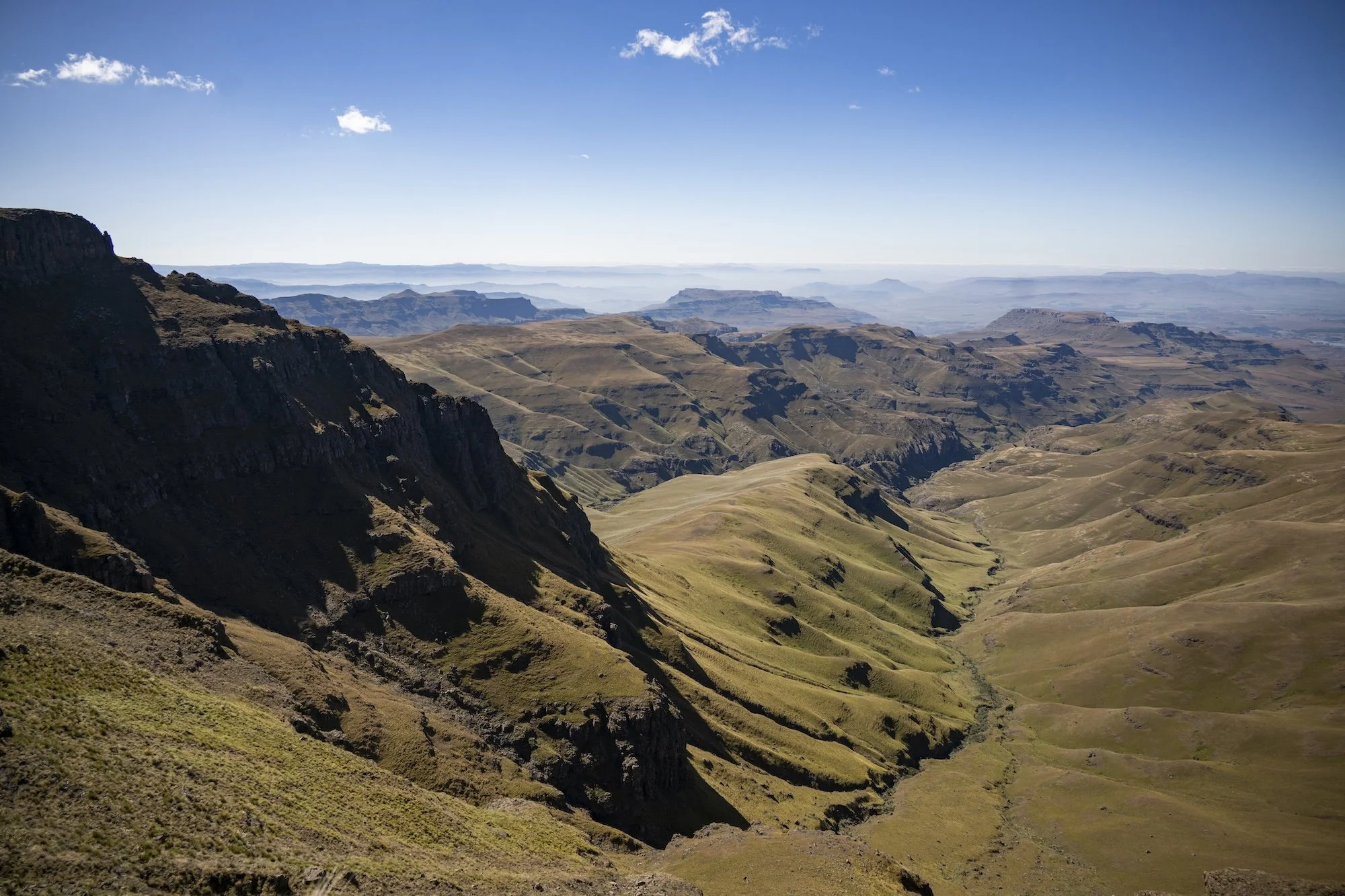
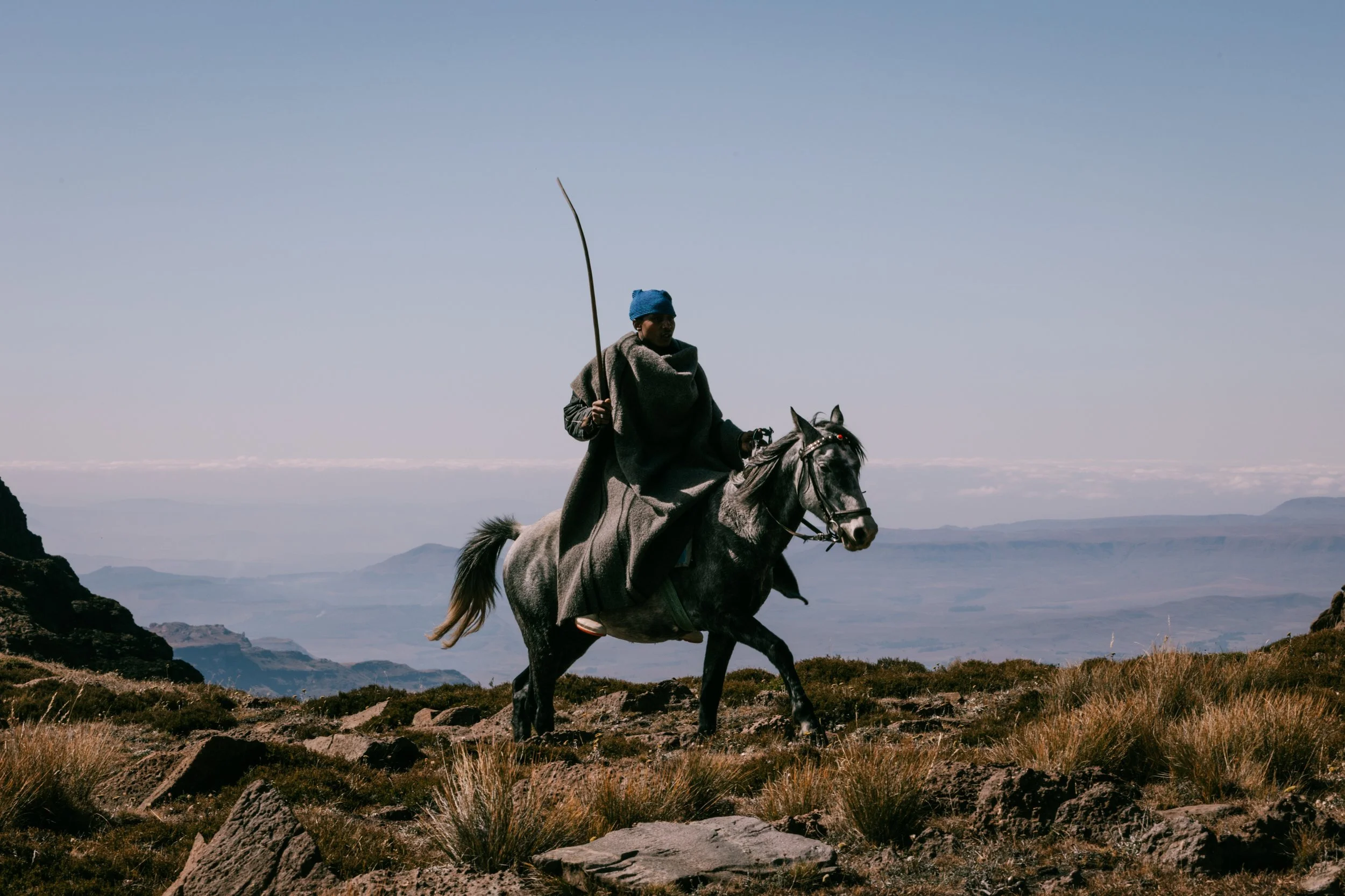
Images: Marzelle van der Merwe-Ham & Kelvin Trautman for Ultra-trail Drakensberg
In the windy highlands of Lesotho, herders continue along paths travelled by their fathers and grandfathers before them. Here, rangelands are living landscapes of knowledge, memory, and resilience, where the future of restoration is written across the mountains - one herder, one herd, and one journey at a time.
Related News
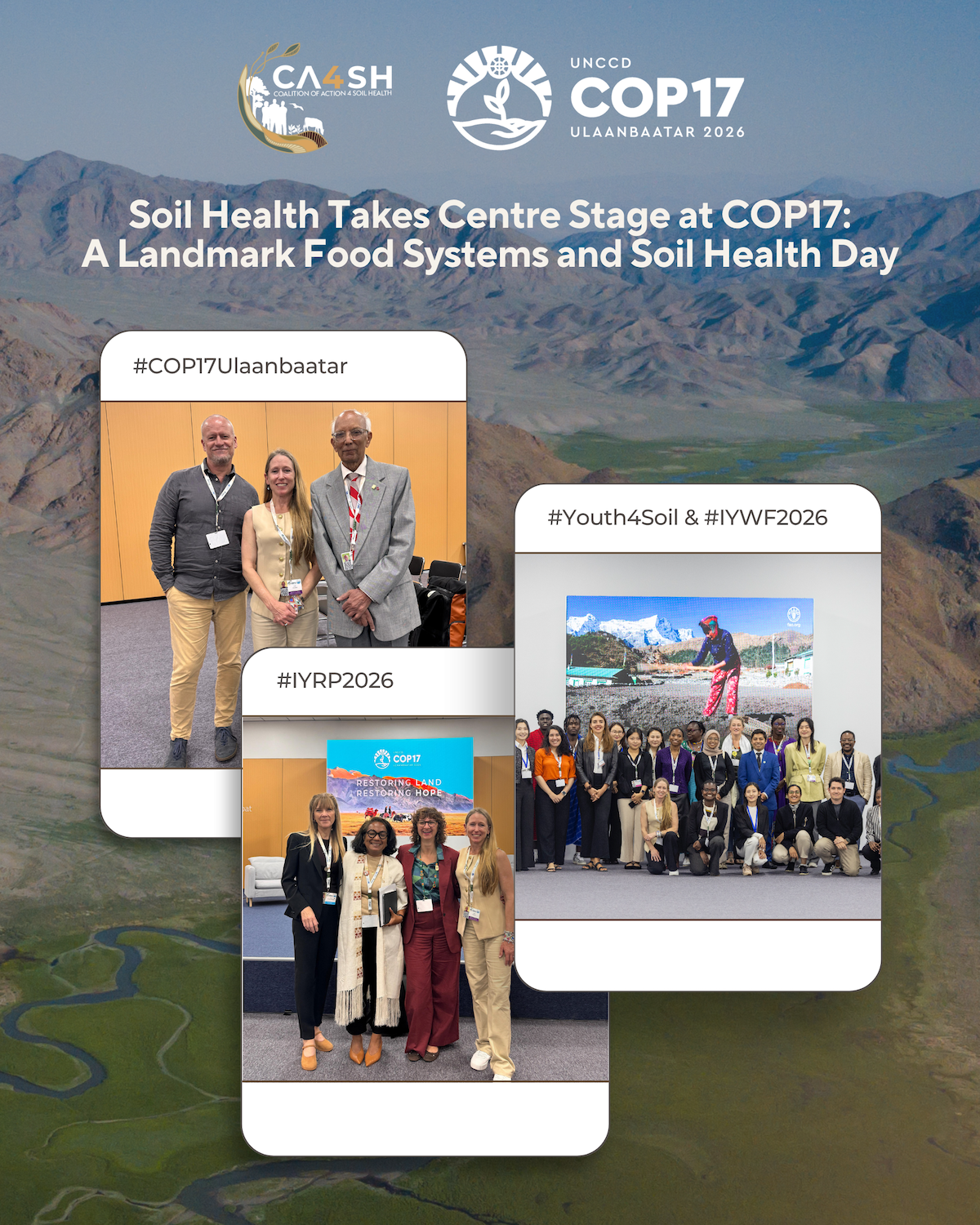
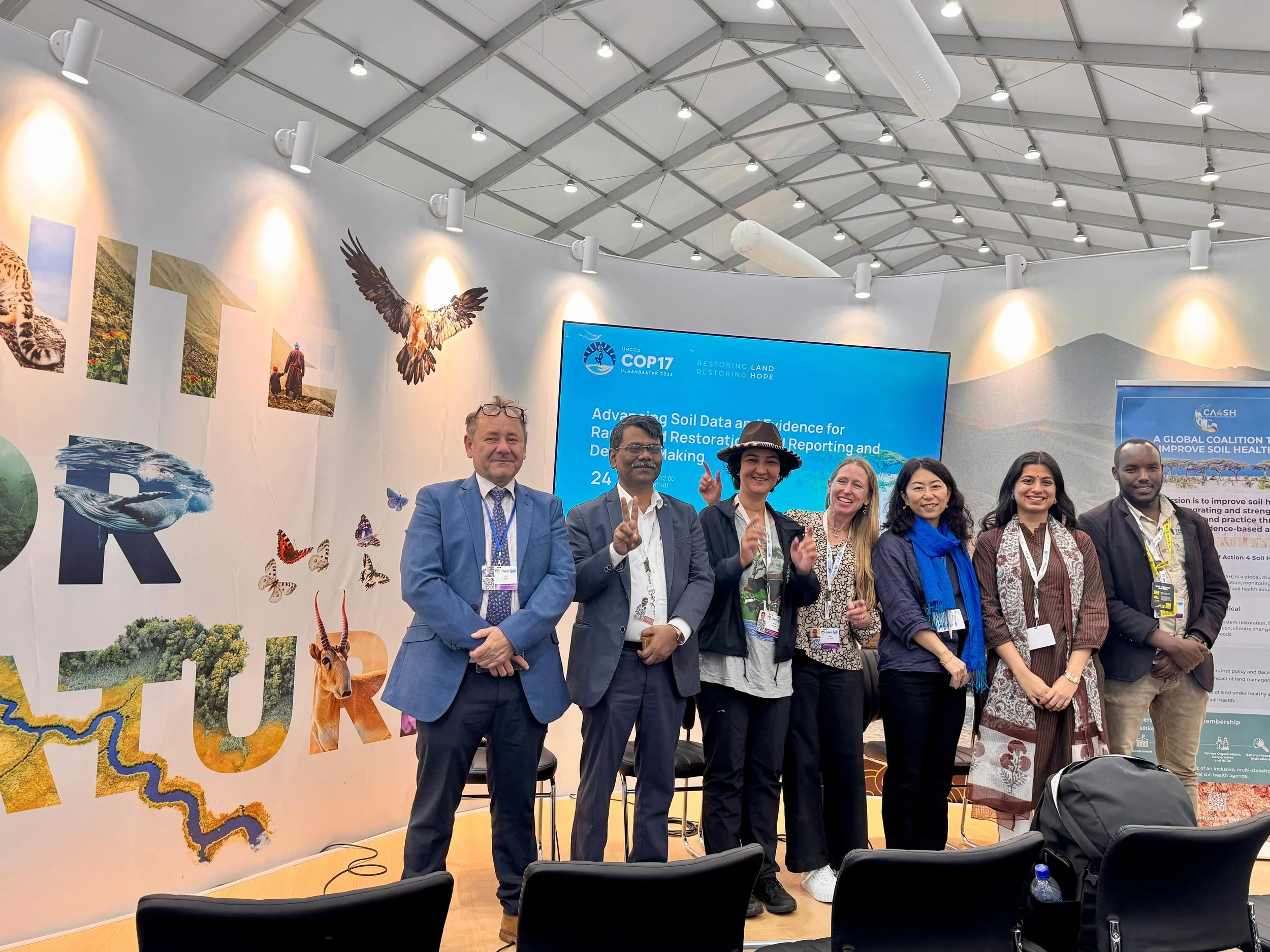
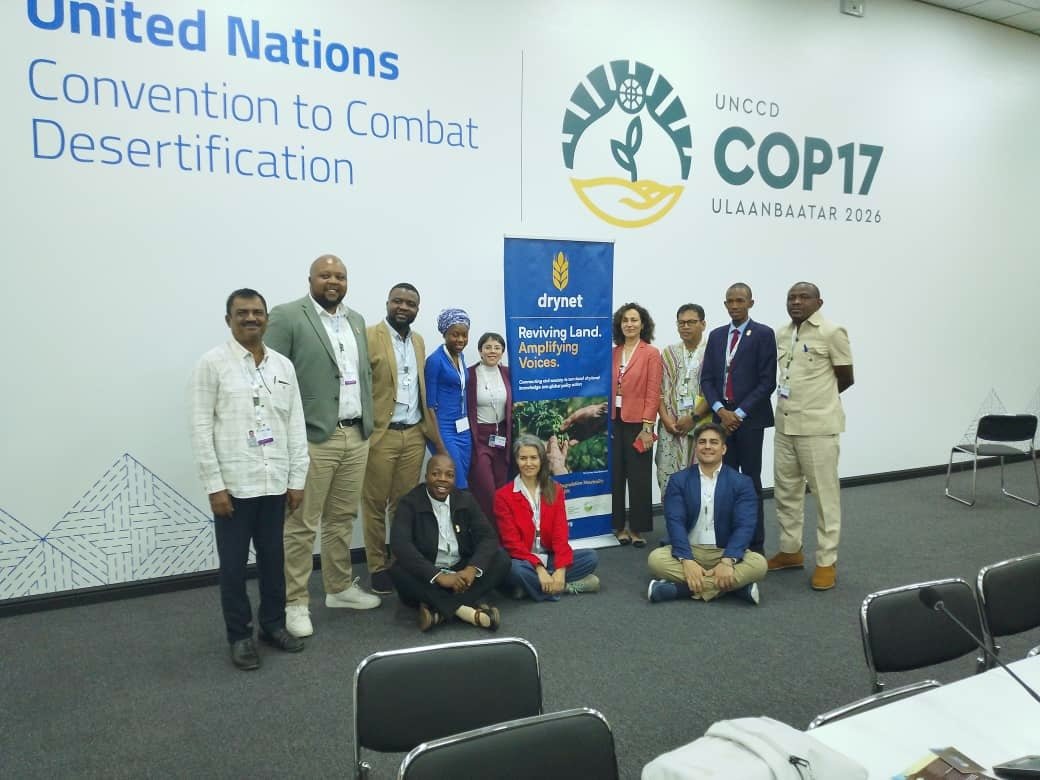

The Coalition of Action 4 Soil Health (CA4SH), Landscape Alliance (CIFOR-ICRAF), Deutsche Gesellschaft für Internationale Zusammenarbeit (GIZ) GmbH, the Norwegian Agency for Development Cooperation (Norad), CGIAR Multifunctional Landscapes Science Program, WWF, and partners, convened senior leaders and partners at UNCCD COP17 Mongolia for a high-level dinner focused on a simple but critical message: healthy soils are fundamental to resilient food systems, healthy ecosystems and a more climate-resilient future.