Op-Ed | Towards scaling soil health, rangeland restoration, and achieving global goals: Bringing evidence to bear
By Dr Leigh Ann Winowiecki, Soil and Land Health Research Theme Lead for the Landscape Alliance (ICRAF) and Co-Lead of the Coalition of Action 4 Soil Health (CA4SH)
Photos by Kelvin Trautman
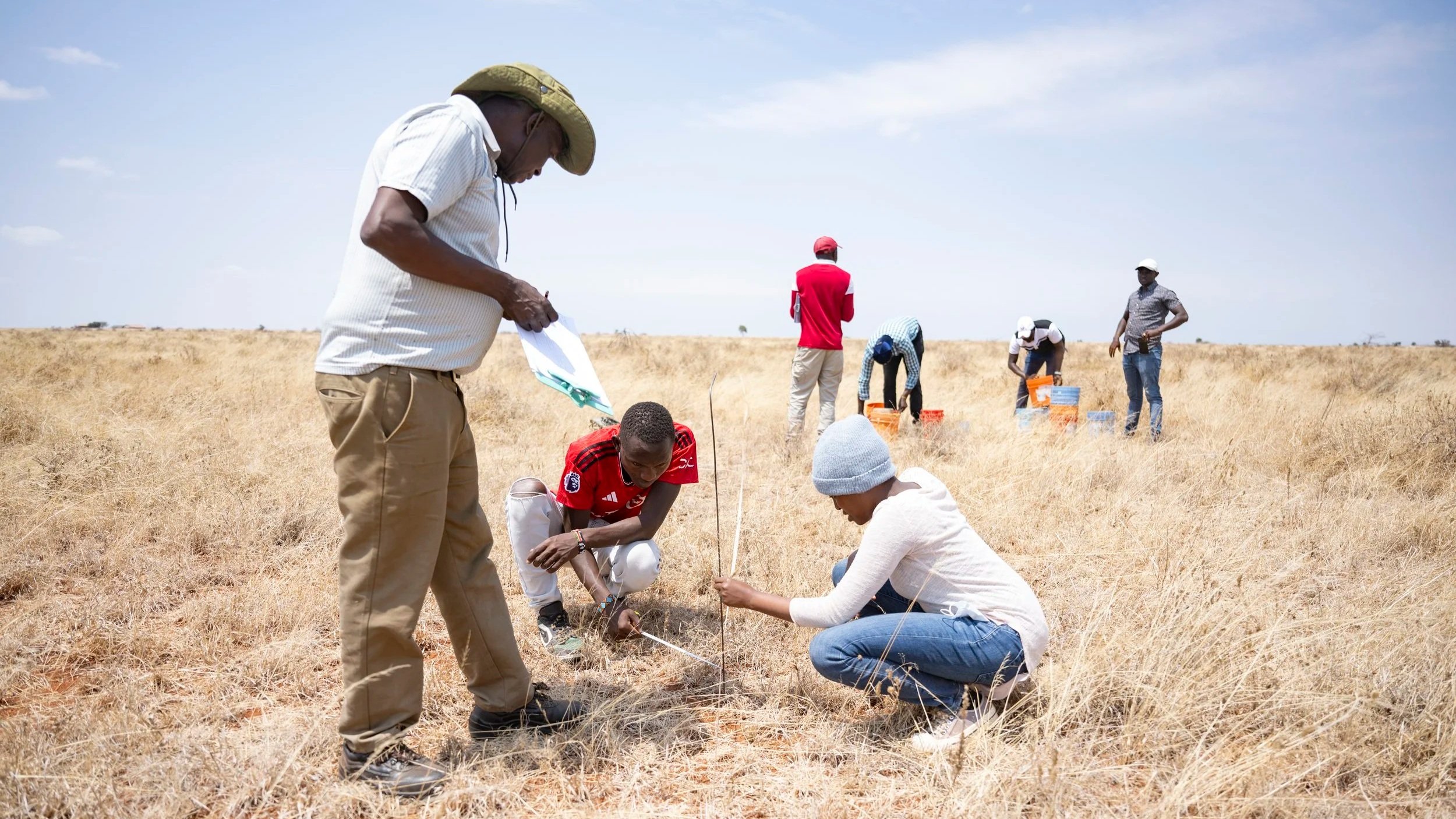
Despite progress over the past five years, soil degradation is continuing to happen at alarming rates, with over 2.3 billion people experience moderate or severe food insecurity, globally. With over 40% of the Earth’s surface degraded, including about 50% of the world’s rangelands, concerted action is needed.
Business as usual is no longer an option.
As the world marks the 2026 International Year of Rangelands and Pastoralists (IYRP)—championed by the Global Alliance for Rangelands and Pastoralists (GA4RP)—this year’s Desertification and Drought Day takes on even greater significance. Coinciding with both the IYRP and the launch of CA4SH’s five-year celebrations, the 2026 theme, “Rangelands: Recognize. Respect. Restore.”, underscores the urgent need to elevate healthy soils and resilient rangelands at the heart of global climate, biodiversity, and food systems action.
There is growing recognition that healthy soil is fundamental to ecosystem restoration, climate action, biodiversity conservation, and food and nutrition security. Nowhere is this more evident than in rangelands, where soil health determines the capacity of landscapes to store carbon, support diverse vegetation, sustain livestock and wildlife, regulate water, and strengthen the resilience of pastoral communities.

This year the UN Convention to Combat Desertification and Drought (UNCCD) COP17 promises to be “a pivotal moment for countries and partners to strengthen implementation and mobilize greater investment in drought resilience and sustainable land management”.
Building on the unprecedented outcomes of UNCCD COP16, particularly Decision 19/COP.16 on Avoiding, reducing and reversing land and soil degradation of agricultural lands, Decision 29/COP.16 on Rangelands and pastoralists, and the Riyadh Action Agenda, COP17 presents a critical opportunity to elevate soil health and rangeland restoration on the global agenda. Together, these decisions provide a powerful mandate to accelerate action, strengthen investment, and recognise healthy soil and resilient rangelands as central to climate resilience, biodiversity conservation, and sustainable livelihoods.
The Coalition of Action 4 Soil Health (CA4SH) took root at the 2021 UN Food Systems Summit and is anchored in the UNCCD where we have continually had an active presence since; at UNCCD COP16, 70+ partners CA4SH partners hosted 47 events. Soil has also gained momentum in strategic spaces such as the IUCN Motion 007: Soil Security Law, the Comprehensive African Agricultural Development Plan, Decision AMCEN/20/1(a): Advancing sustainable soil health for nature and resilient food systems in Africa, and in the decisions at the UN Climate Convention, most recently through the COP28 UAE Declaration on Sustainable Agriculture, Resilient Food Systems and Climate Action.
Bringing Evidence to Bear
Rangelands are a key ecosystem for combatting the climate crisis, land degradation and drought, biodiversity loss, and pressure on rural livelihoods as they have been disproportionately degraded, yet are a critical ecosystem. Rangelands represent approximately 54% Earth’s terrestrial surface, contain 30% of global soil carbon, and support the traditions and livelihoods of more than 500 million pastoralists. Despite these important services, there remain huge data gaps, especially in Africa, on carbon stores and how landscapes are responding to restoration initiatives and the effects of the climate crisis over time. Indeed, rangelands receive little attention at all; in a review of >6000 publications concerning landscape restoration, the ICRAF Soils team found that an overwhelming number of publications focused on forests (78%), while grasslands (6%), drylands (3%), and mangroves (2%) received much less attention.
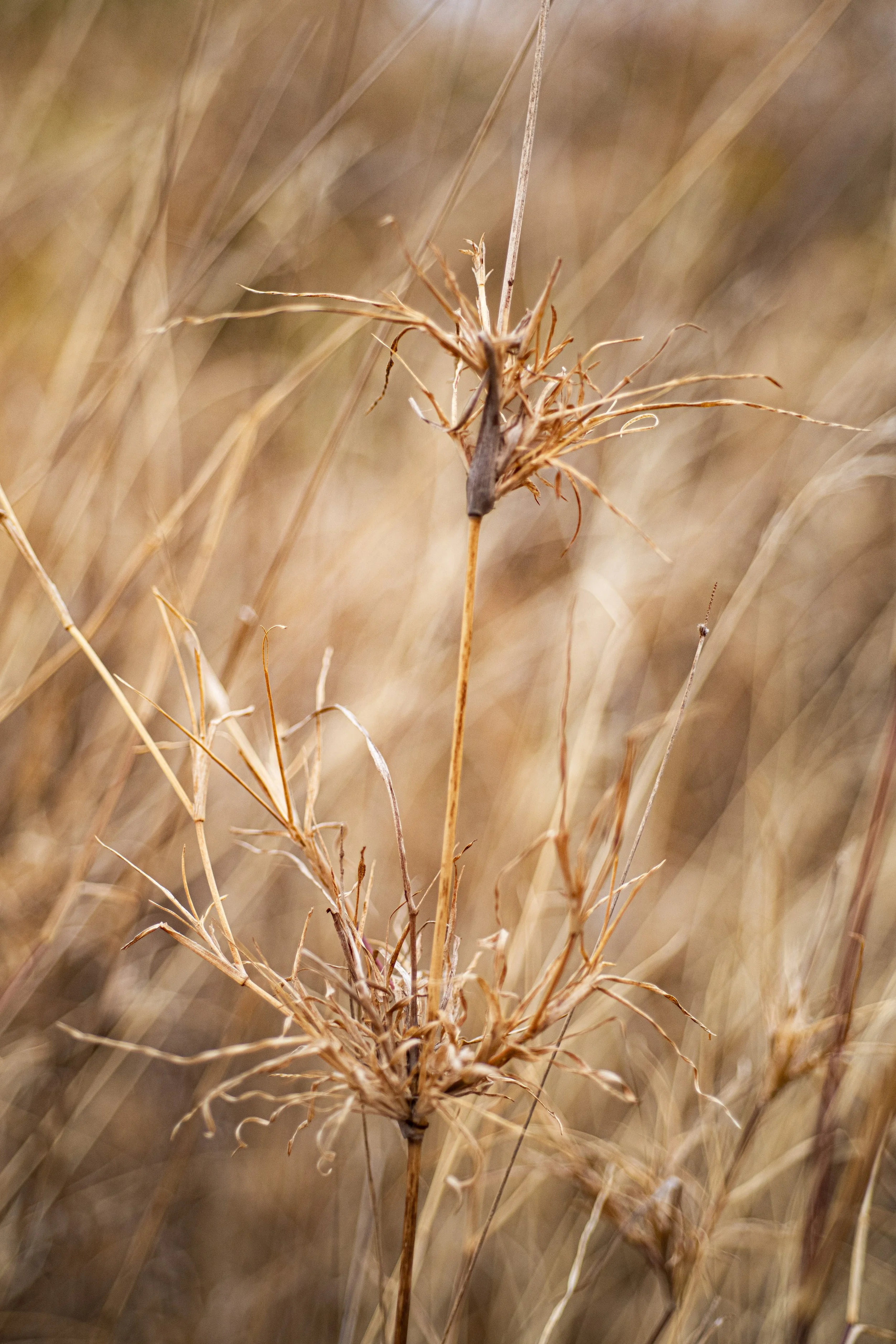
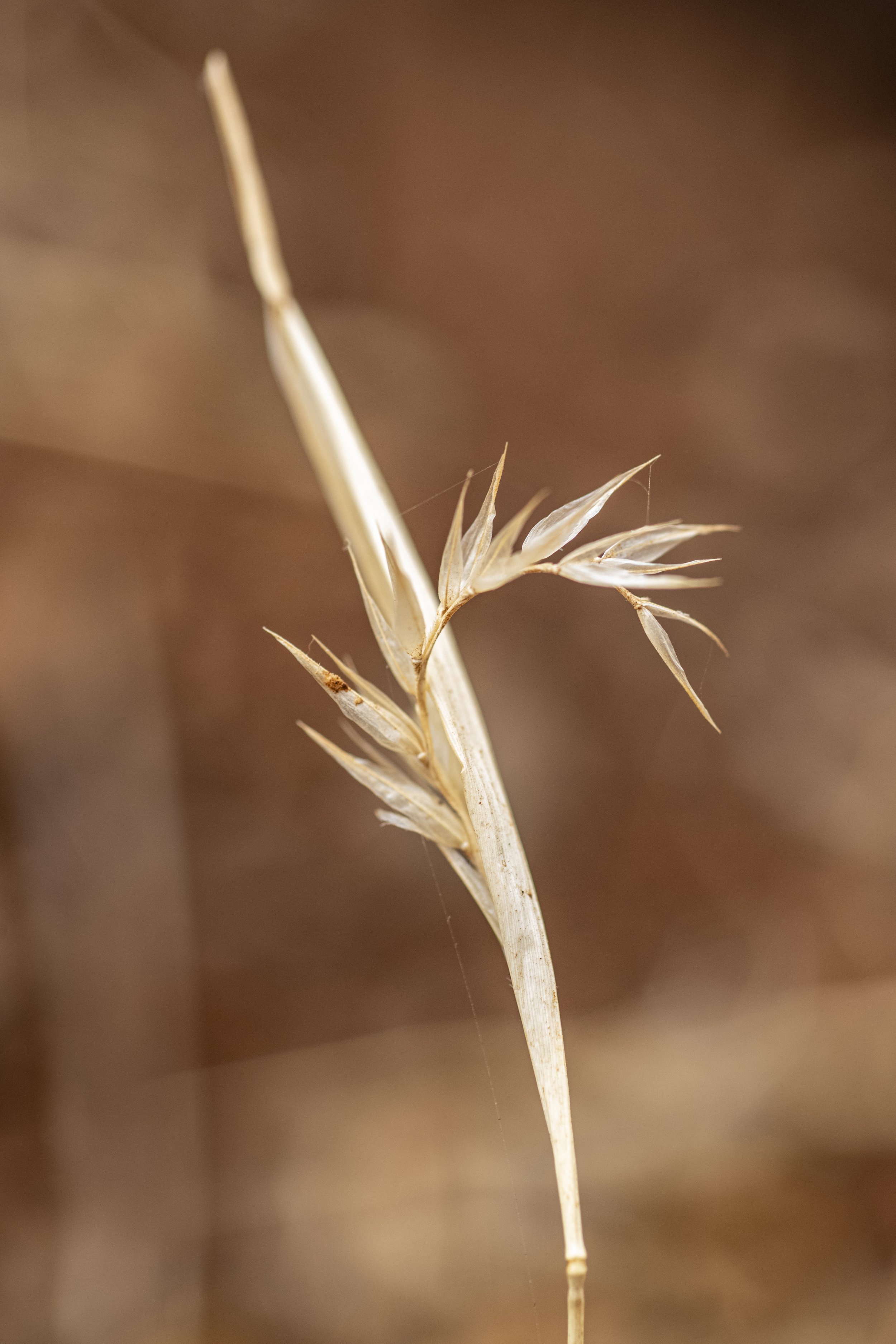
Rangelands are dominated by grasses, shrubs, and sparse trees. Grasslands store about one third of the global terrestrial carbon stocks, making them one of the most significant and undervalued carbon sinks. At the heart of these rangeland ecosystems lies grass biodiversity, the diversity of native and adapted grass species that sustain ecological processes and rural livelihoods. Without healthy, diverse grasses, rangelands lose their ability to function, making grass biodiversity not just an ecological asset, but an economic and social necessity. Increased investments in rangeland restoration and soil health monitoring is needed to fill key information gaps and enable evidence-based action.
ICRAF is working to scale soil and rangeland health through a diverse portfolio of initiatives that centre soil health as key to curbing rangeland degradation and scaling restoration. In 2005, ICRAF scientists first developed and implemented the Land Degradation Surveillance Framework (LSDF) to provide systematic, cost-effective and high-resolution data on soil and land health to support policy and decision-making. The framework has been implemented over twenty years in over forty countries across the tropics; a new paper in review by the Drylands journal details this progress. Keep an eye on this page for when it is posted.
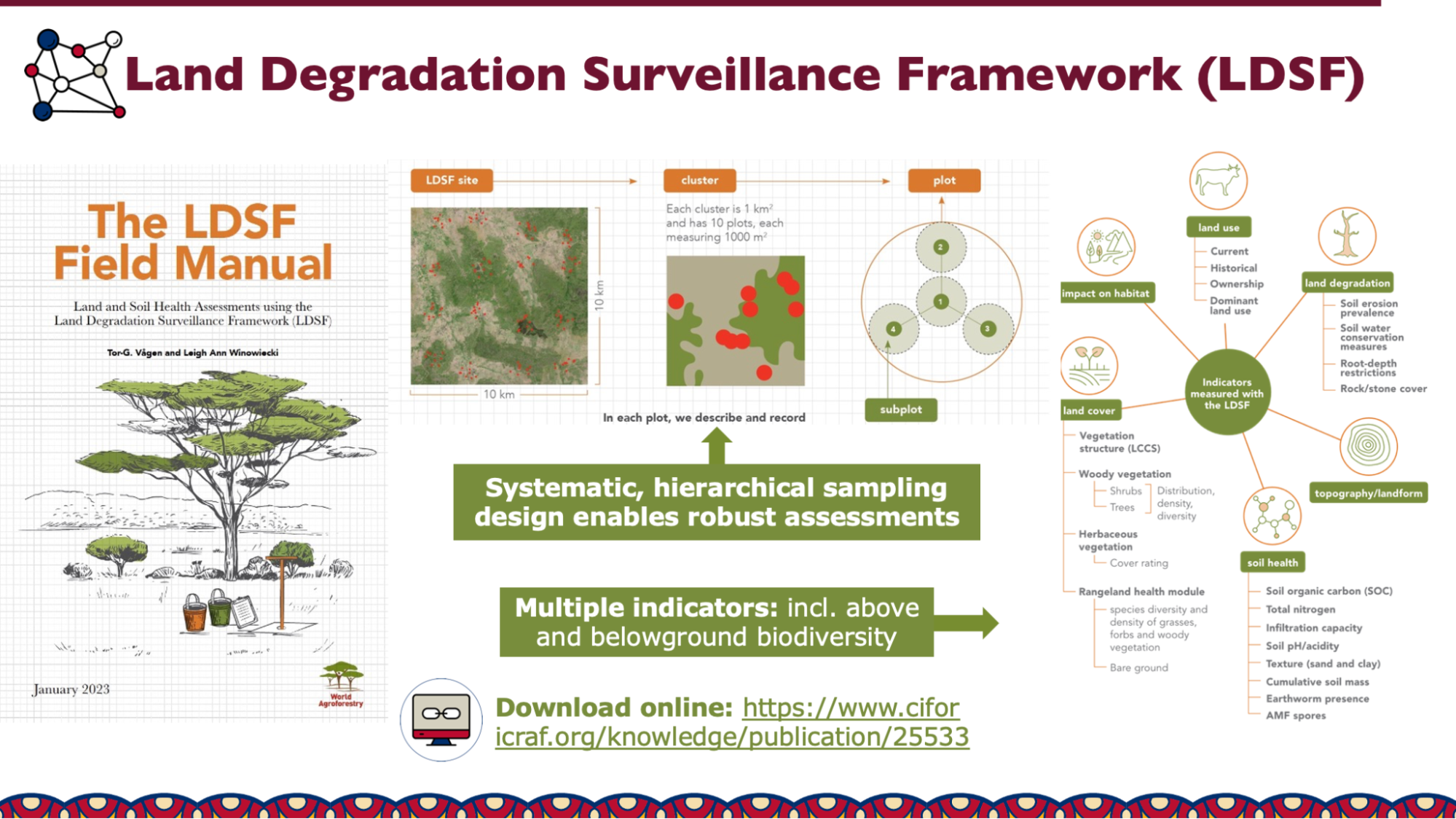
Figure One: The sampling design of the Land Degradation Surveillance Framework (LDSF).
The Laikipia Conservancies Association (LCA) Land Restoration Project, in partnership with the Nature Conservancy, local communities, and conservation organisations, is an example of how the LDSF has been critical in tracking restoration efforts, monitoring rangeland conditions change and vegetation composition, and estimating soil carbon dynamics across landscapes. By mainstreaming systemic surveys such as LDSF into rangeland management and restoration programs, stakeholders can ensure that grass biodiversity continues to underpin productive landscapes and resilient livelihoods.
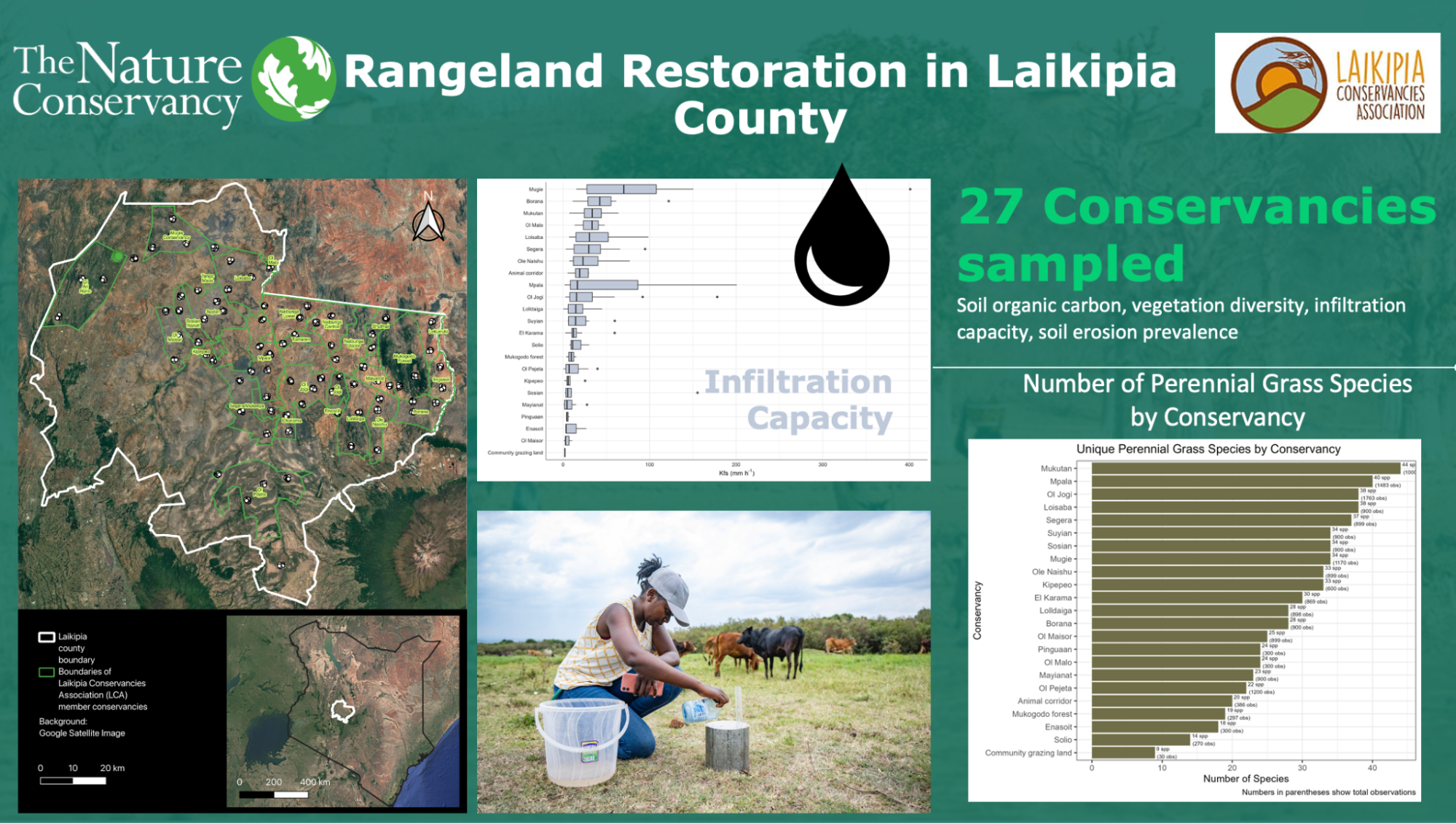
Figure Two: Sampling Design across the Laikipia Conservancies. Infiltration data from Aida Bargues-Tobella. Photo: Kelvin Trautman. Perennial grass graph: Tor Vagen, Luke Ouko, Leigh Winowiecki.
Across the Amboseli Ecosystem in southern Kenya, in collaboration with the Amboseli Ecosystem Trust, the LDSF was implemented across community conservancies, building a database of annual and perennial grass, forb, and woody species across these critical rangelands. These data, together with targeted stakeholder engagement, will raise awareness of the critical importance of the herbaceous layer in rangelands, particularly its role in protecting soils, supporting infiltration, reducing erosion, and sustaining ecosystem function.
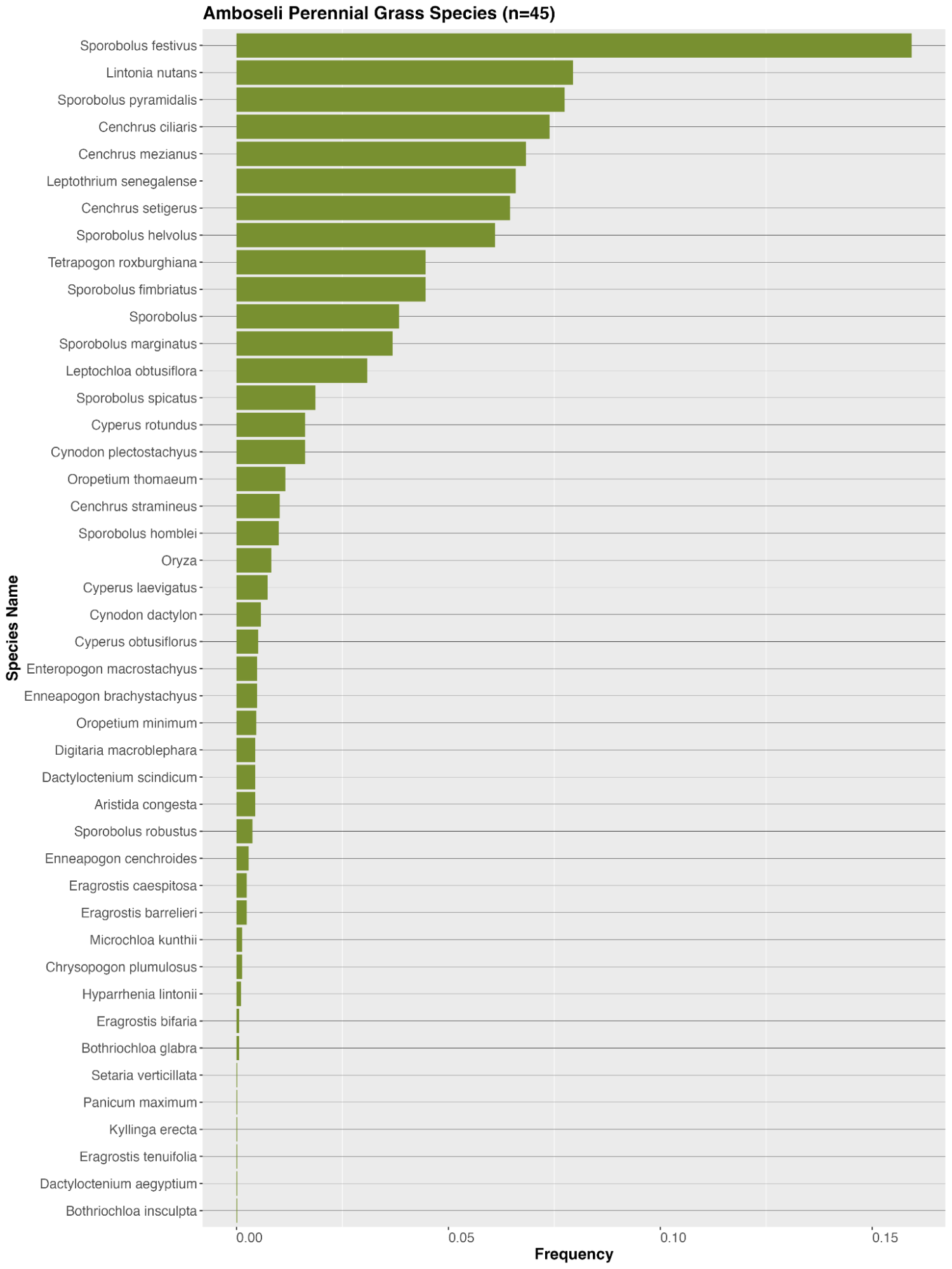
Figure Three: Perennial Grasses observed across the four community conservancies in the Amboseli Ecosystem. The most abundant grass was Sporobolus festivus and the least common was Bothriochloa inscultpa.
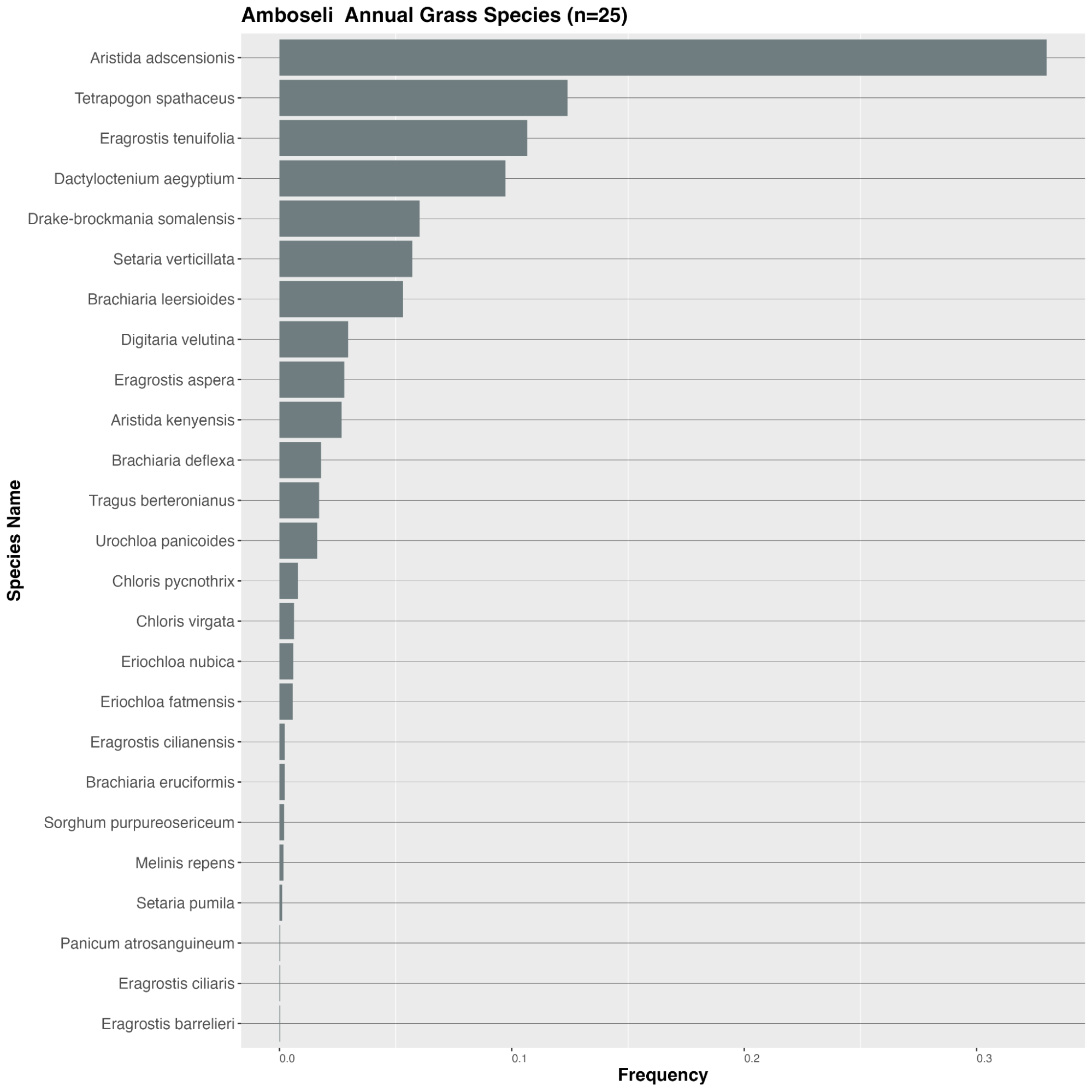
Figure Four: Annual grasses observed across the four community conservancies in the Amboseli Ecosystem. The most abundant grass was Aristida adscensionis and the least common was Eragrostis barrelieri.
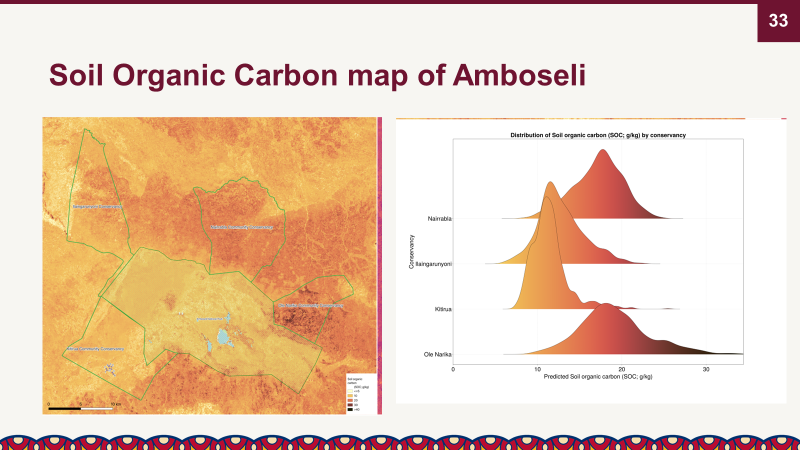
Figure Five: Soil organic carbon map of the Greater Amboseli Ecosystem. Credit: Tor Vågen.
Leveraging the two decades of soil and land health monitoring, In 2024, we partnered with the International Union for the Conservation of Nature and the International Livestock Research Institute on the Global Environment Facility (GEF)- funded project dubbed, Sustainable Investments for Large-Scale Rangeland Restoration (STELLAR) to help unlock investments in rangeland restoration. This included developing a rangelands monitoring framework to bring accountability and monitoring into action.
As the International Year of Rangelands and Pastoralists (IYRP 2026) unfolds and momentum builds toward United Nations Convention to Combat Desertification (UNCCD) COP17 in Mongolia, there is a strategic opportunity to place soil health at the centre of rangeland restoration efforts and to scale approaches that enhance soil-related ecosystem services, climate resilience, and sustainable livelihoods. Bringing these data and evidence to bear will be a critical step to inform and prioritize practice, finance, and policy. To support this moment, CA4SH and partners are launching a brief at COP17, presenting the evidence and recommendations to restore rangelands from the soil up, and we will be hosting a Soil Health Leadership Dinner at UNCCD COP17.
Restoration must be grounded in the traditional knowledge and mobility of the pastoralists and rangeland communities who have stewarded these landscapes for generations. In fact, inclusive participation in rangeland restoration strengthens local legitimacy, yields better outcomes, and ensures that restoration solutions are better aligned with community needs. When women and youth are intentionally included in training and decision-making, they not only gain technical skills but also challenge norms about who monitors land and makes decisions.

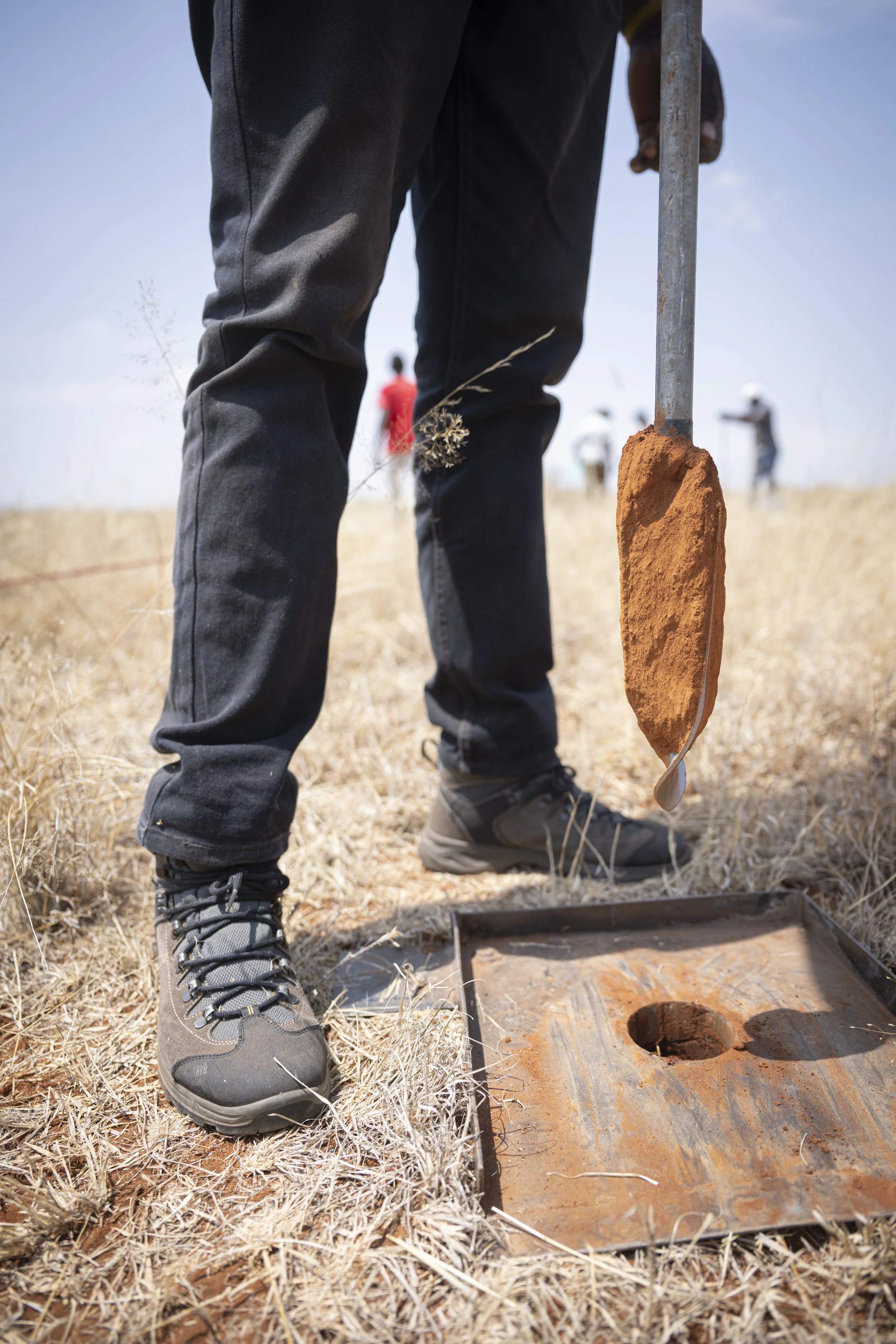
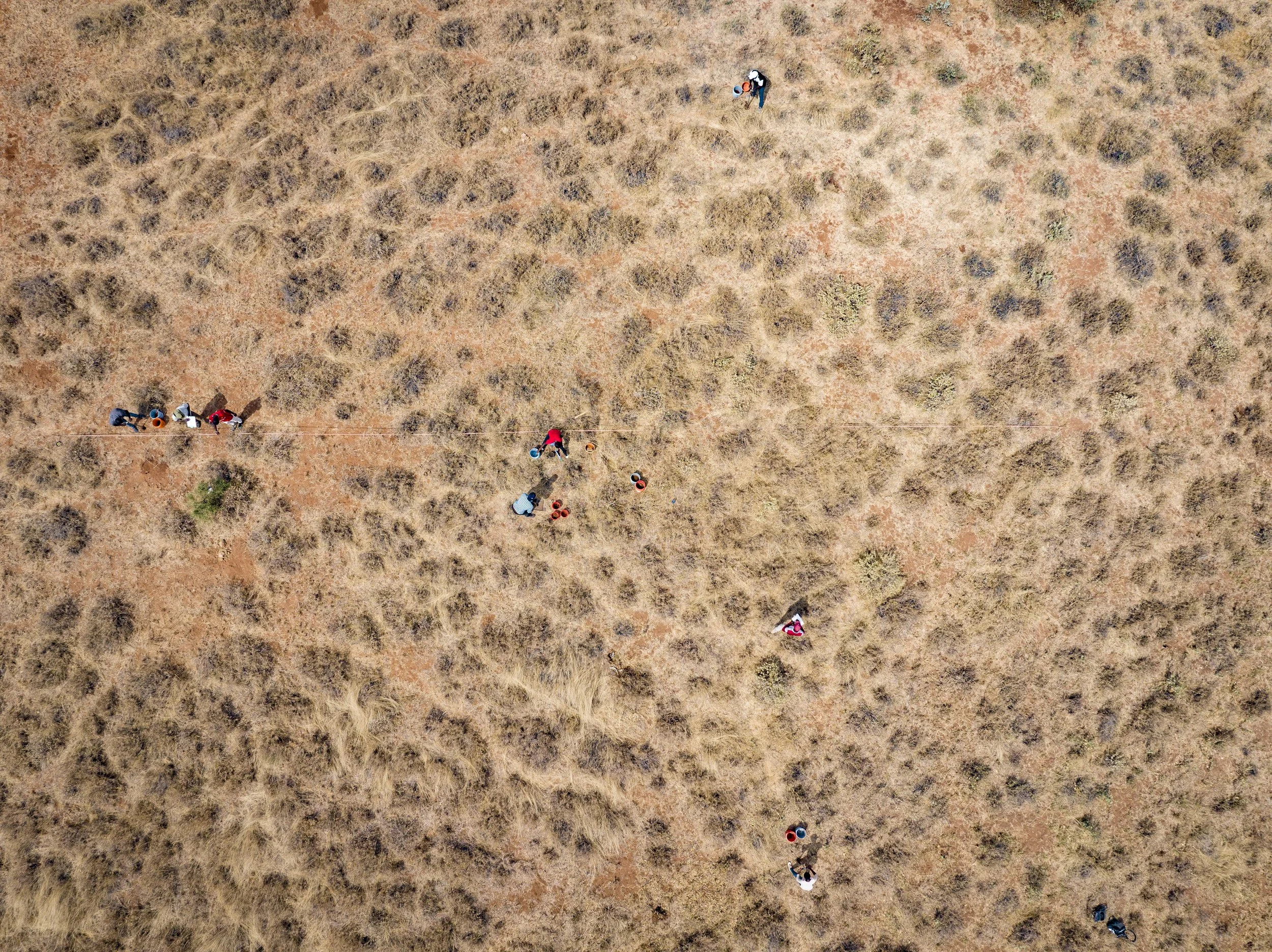
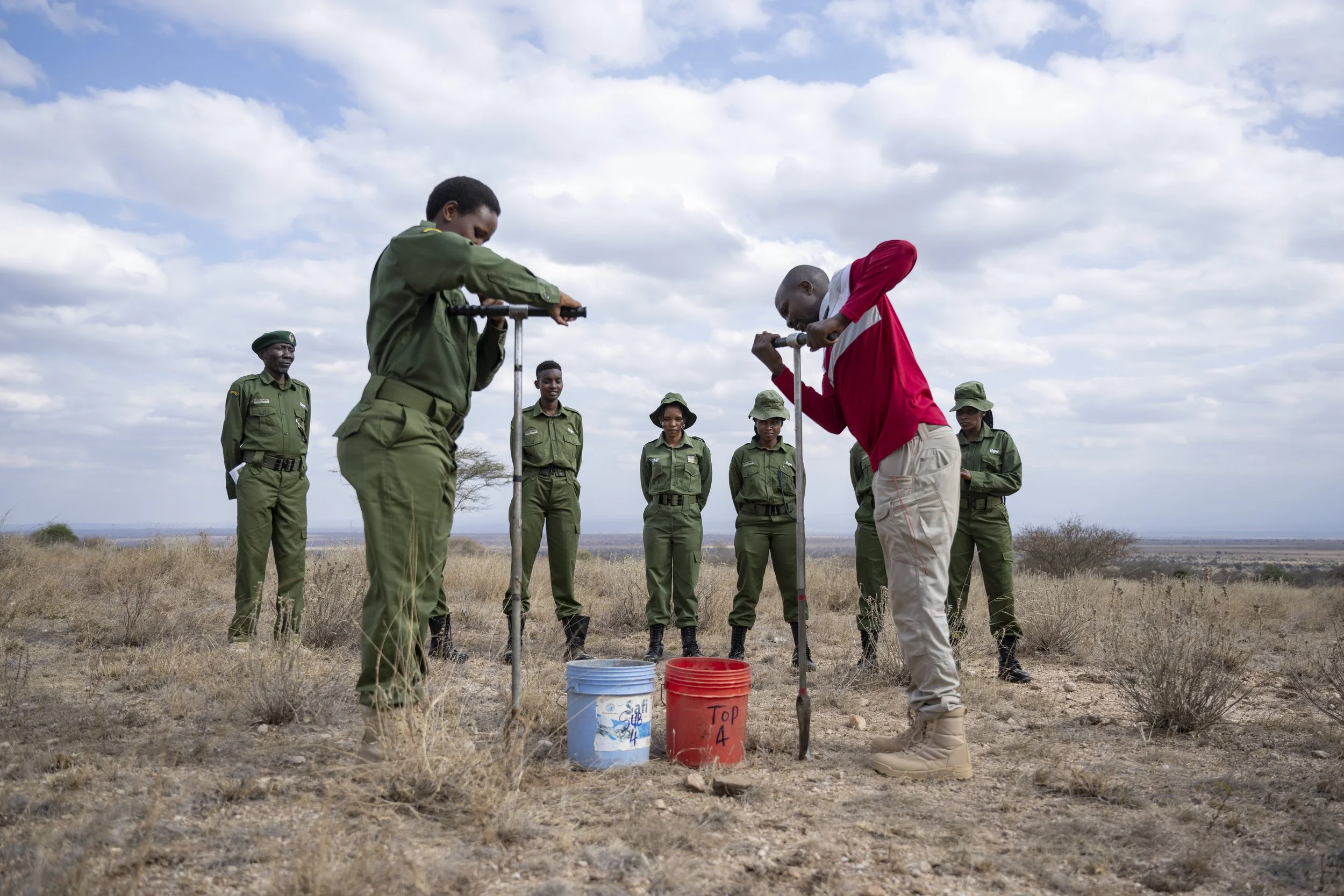
As we look to the next chapter of CA4SH, the soil health agenda, and halting and reversing desertification and drought, we are committed to scaling soil and rangeland health. Soil is a unifier, and scaling soil health must not happen in a vacuum. It is critical that we invest in long-term, consistent monitoring across diverse ecosystems—and ensure that these data do not sit unused, but are translated into evidence-based decisions and action on the ground.
We need multi stakeholder, multilateral approaches that address the Rio Conventions, and the Global Goals in tandem for the sake of our rangelands, and looking to soil is just the solution. These platforms are a key place to bring evidence to bear, to get real commitments from financiers and governments to restore soil health and support farmers and pastoralists to enact healthy soil practices.