
From Soil Data to Action: Turning Evidence into Restoration at COP17
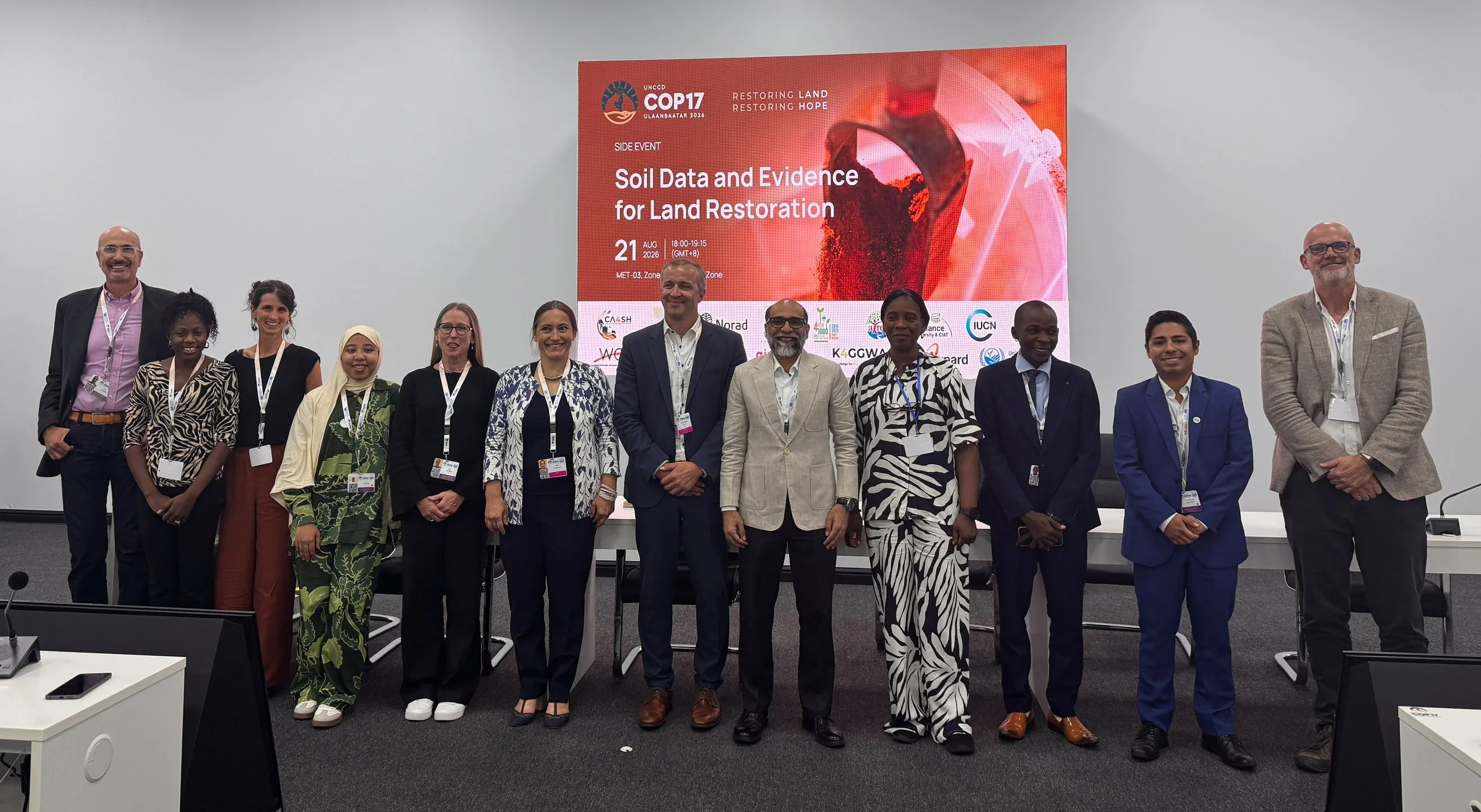
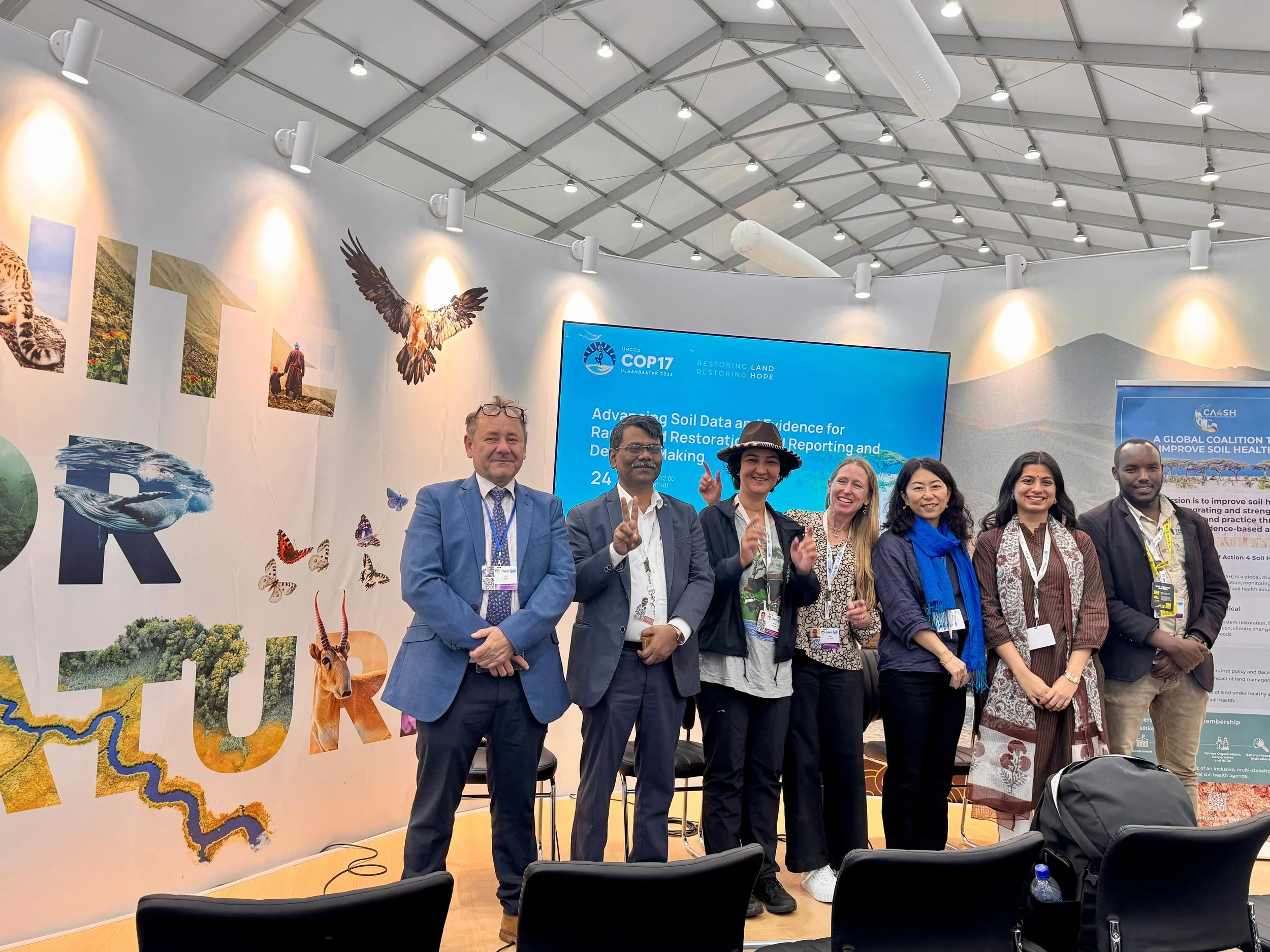
Today at the UNCCD COP17, CA4SH joined stakeholders working across the soil data landscape to explore how robust, accessible and harmonised soil health data can turn evidence into action — from informed decisions by farmers and land managers to stronger policy, national reporting and investment. The session highlighted both the challenges of fragmented datasets, limited interoperability and capacity gaps, and the opportunity to build soil information systems that support greater coherence across all three Rio Conventions while helping to de-risk investment in land restoration and soil health.
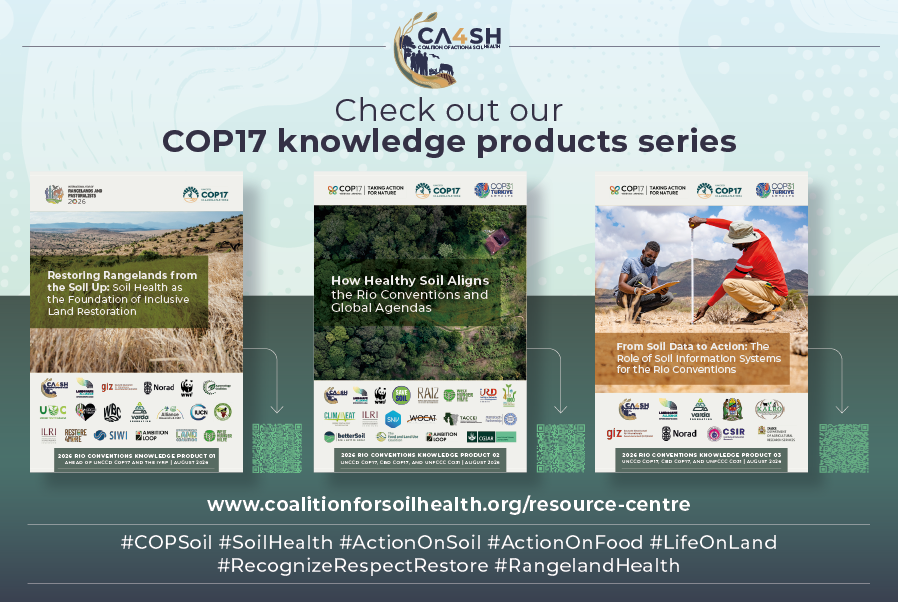
To explore this link, CA4SH and partners have developed a series of Rio Conventions knowledge briefs, exploring how soil health connects with the global agendas of the UNCCD, UNFCCC and CBD, and how stronger soil information and action can contribute to more coherent implementation across these conventions.
A strong theme throughout the discussion was that data only creates value when it reaches the people who can act on it, and when those people have ownership over the data generated from their own land and communities.
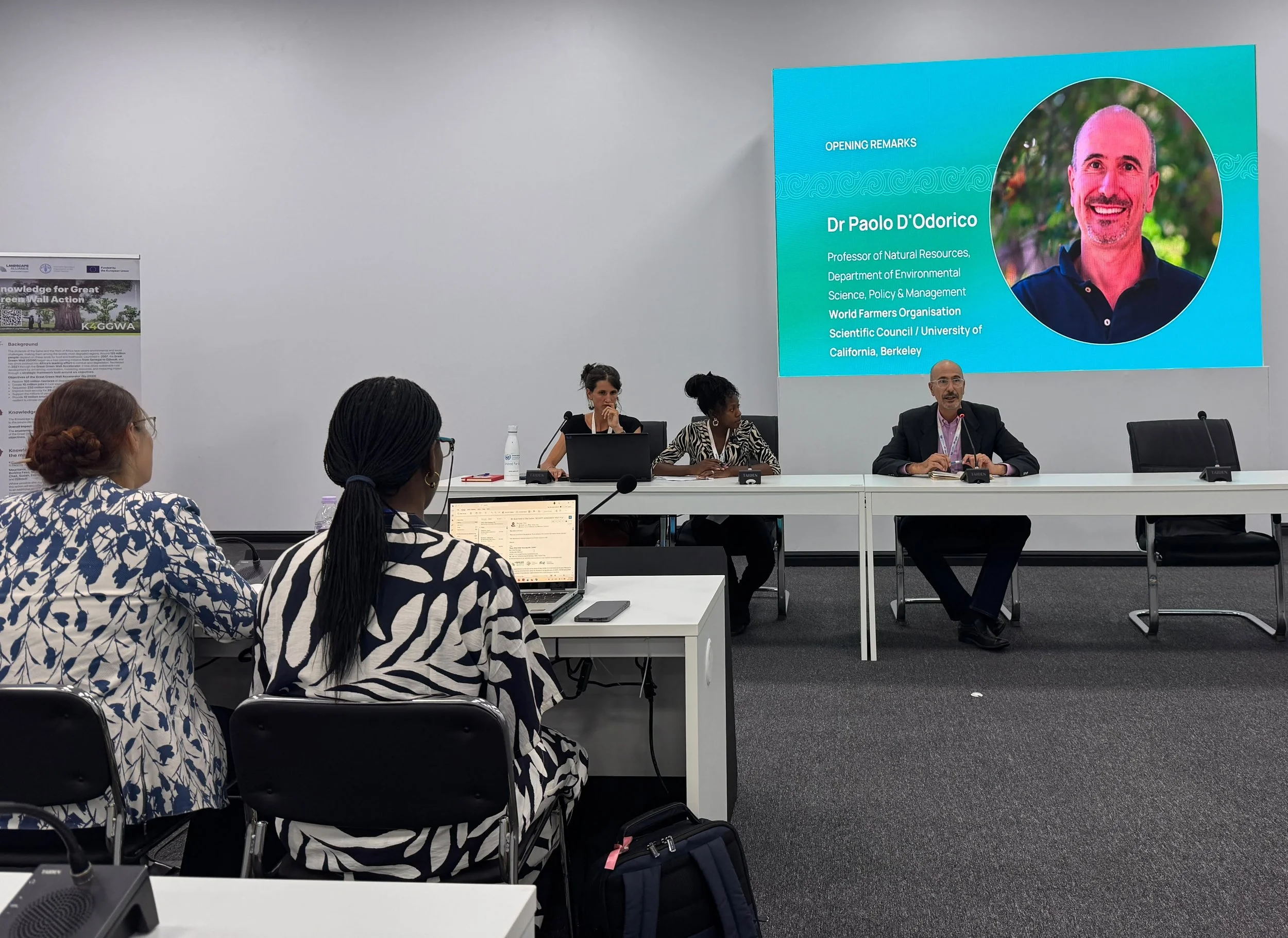
Professor Paolo D'Odorico, Professor of Natural Resources in the Department of Environmental Science, Policy & Management at the University of California, Berkeley, and a Member of the WFO Scientific Council, stressed the need to make soil data accessible and useful to farmers, using tools and approaches that work for them, while better connecting research with those who steward the land. Citizen science and extension services can play an important role in closing this gap.
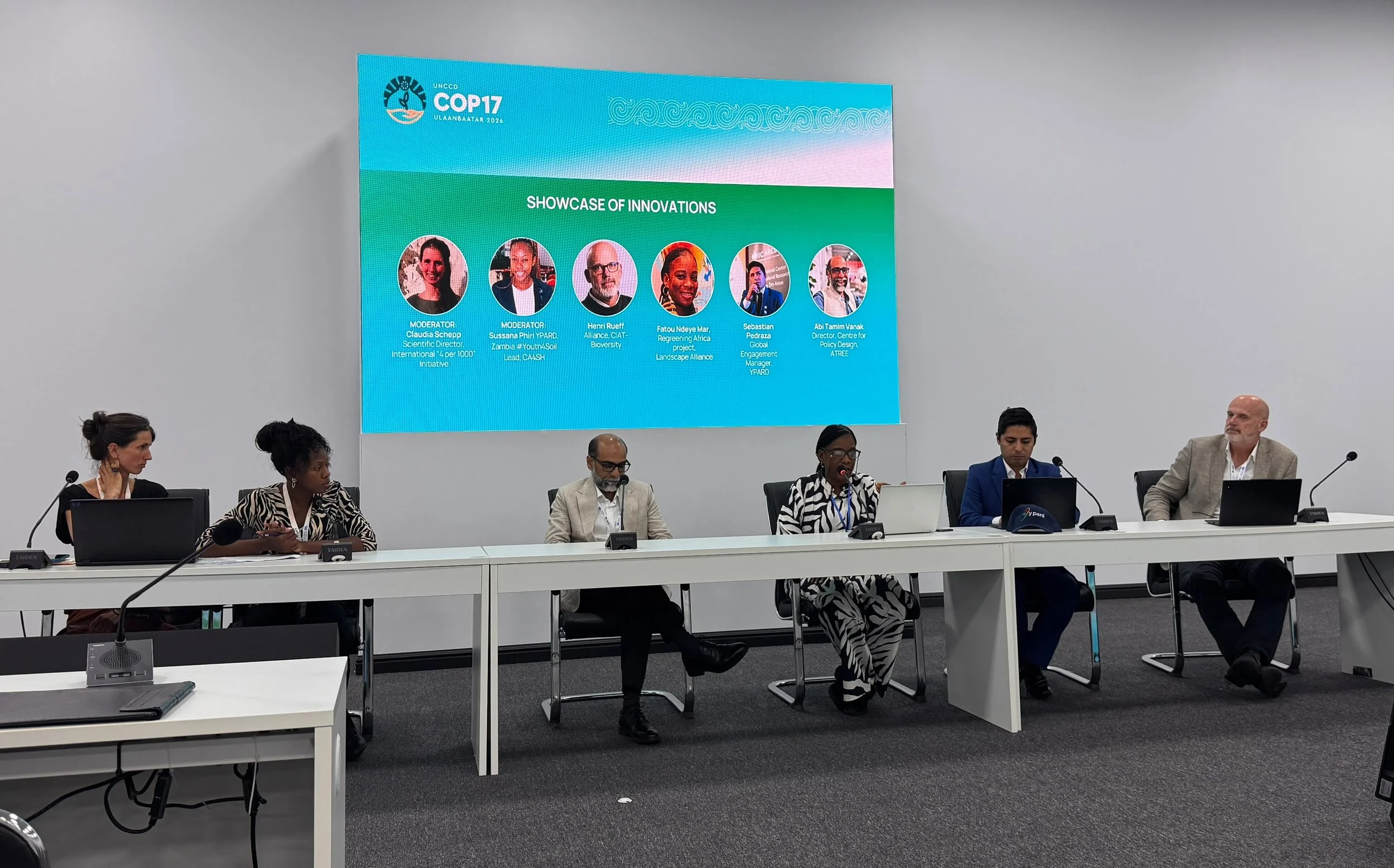
The discussion also highlighted the power of partnerships. Dr Taklu Erkossa, Project Manager in Nigeria for the Global Project Soil Matters (GIZ), shared how data collected, standardised and homogenised at national level is informing recommendations aimed at improving soil health and food production — with partnership and collective action central to developing the system.
For Sebastian Pedraza, Global Engagement Manager, YPARD, knowledge from communities, young people and farmers is equally important. With the right tools, communities can generate localised soil data and help close the gap between what is happening on the ground and what decision-makers understand. As he noted, restoration backed by evidence makes results more tangible, while data can make interventions more effective. The challenge now is to scale solutions that communities are already implementing — and mobilise the finance to do so.
Henri Rueff, Research Director, Climate Action at The Alliance Bioversity International and CIAT - CGIAR, reinforced the importance of scaling through government and private-sector partnerships, while cautioning against assuming that every farmer has access to a smartphone. He also highlighted the value of combining indigenous and scientific knowledge and, importantly, generating data together rather than simply presenting data to communities.
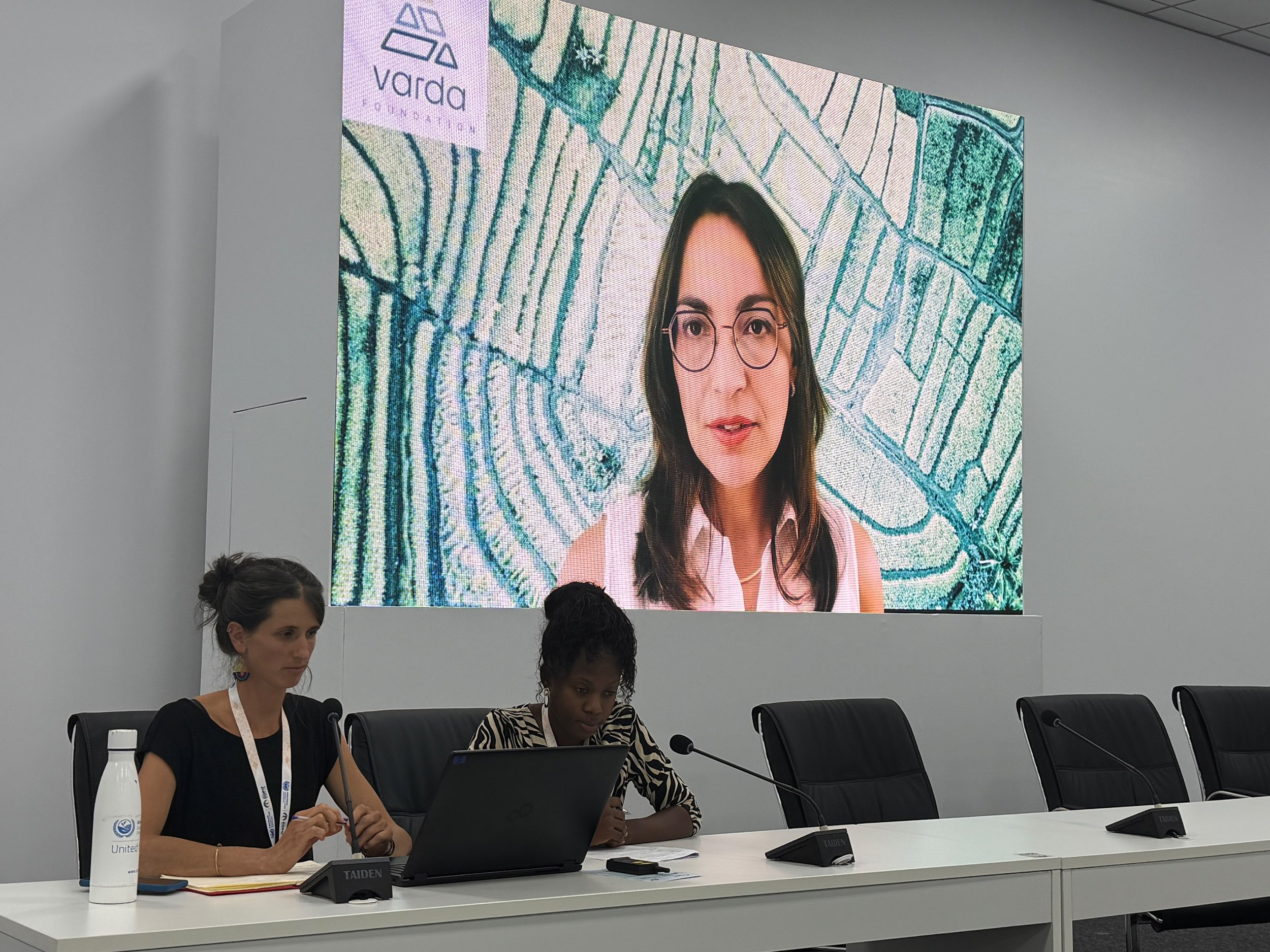
Alessandra Scordino of Varda Foundation sent a pre-recorded message sharing the lessons learned in the process of building SoilHive, and the successful launch of their open source platform the day before.
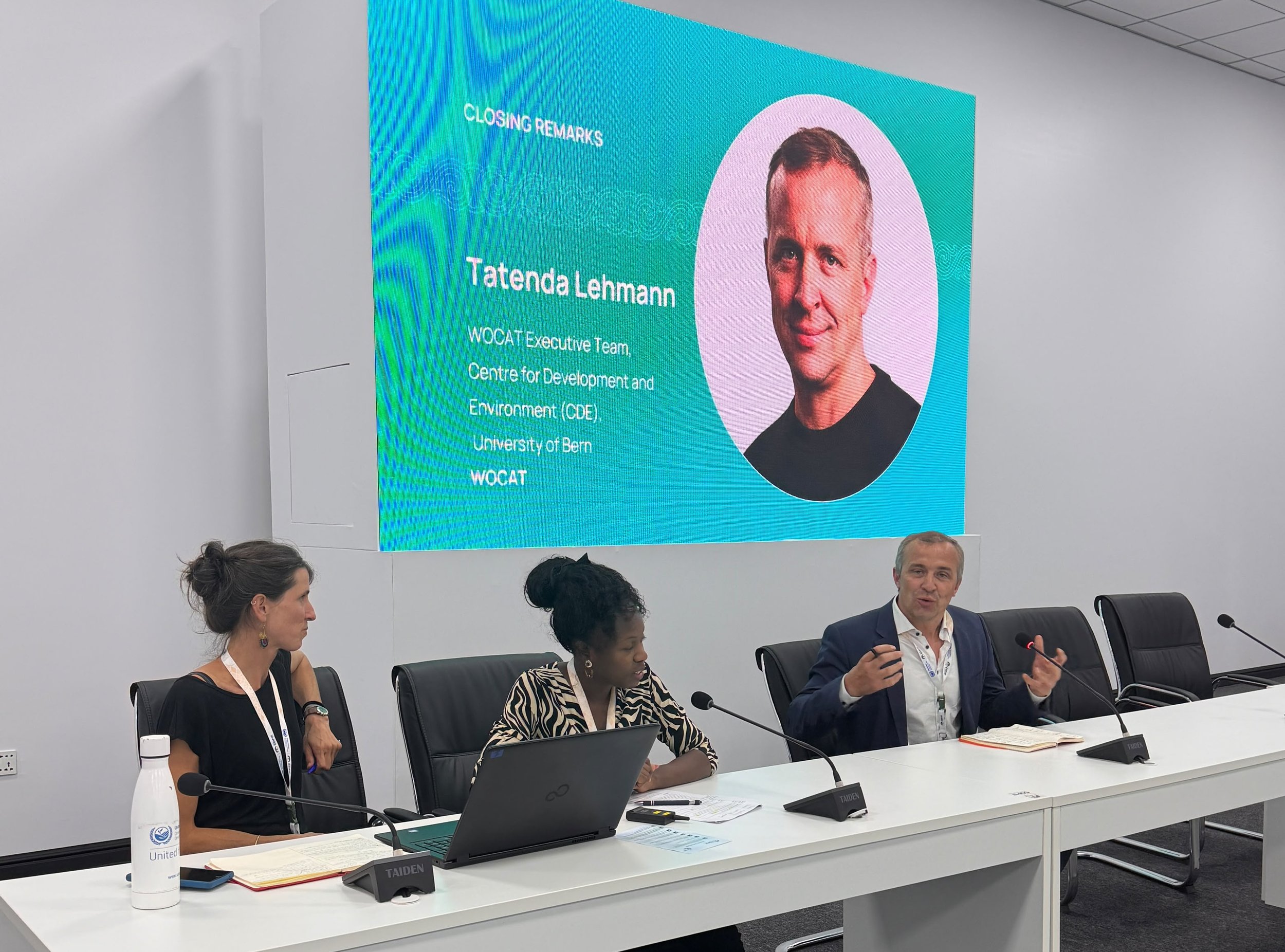
The message from the discussion was clear: the knowledge is out there, but we need the right tools, partnerships and capacity to put it to work. As Tatenda Lemann, WOCAT Executive Team, Centre for Development and Environment (CDE), University of Bern, emphasised in his closing remarks, soil data is only useful if we act on it — understanding the state of soil health, linking data to sustainable land management, and strengthening how soil health and practices are reflected in land degradation neutrality reporting.
From research institutions and governments to farmers, communities and young people, the task is not simply to collect more data. It is to build inclusive systems that make data useful, accessible and actionable — and to work together to turn evidence into restoration on the ground.
Related news
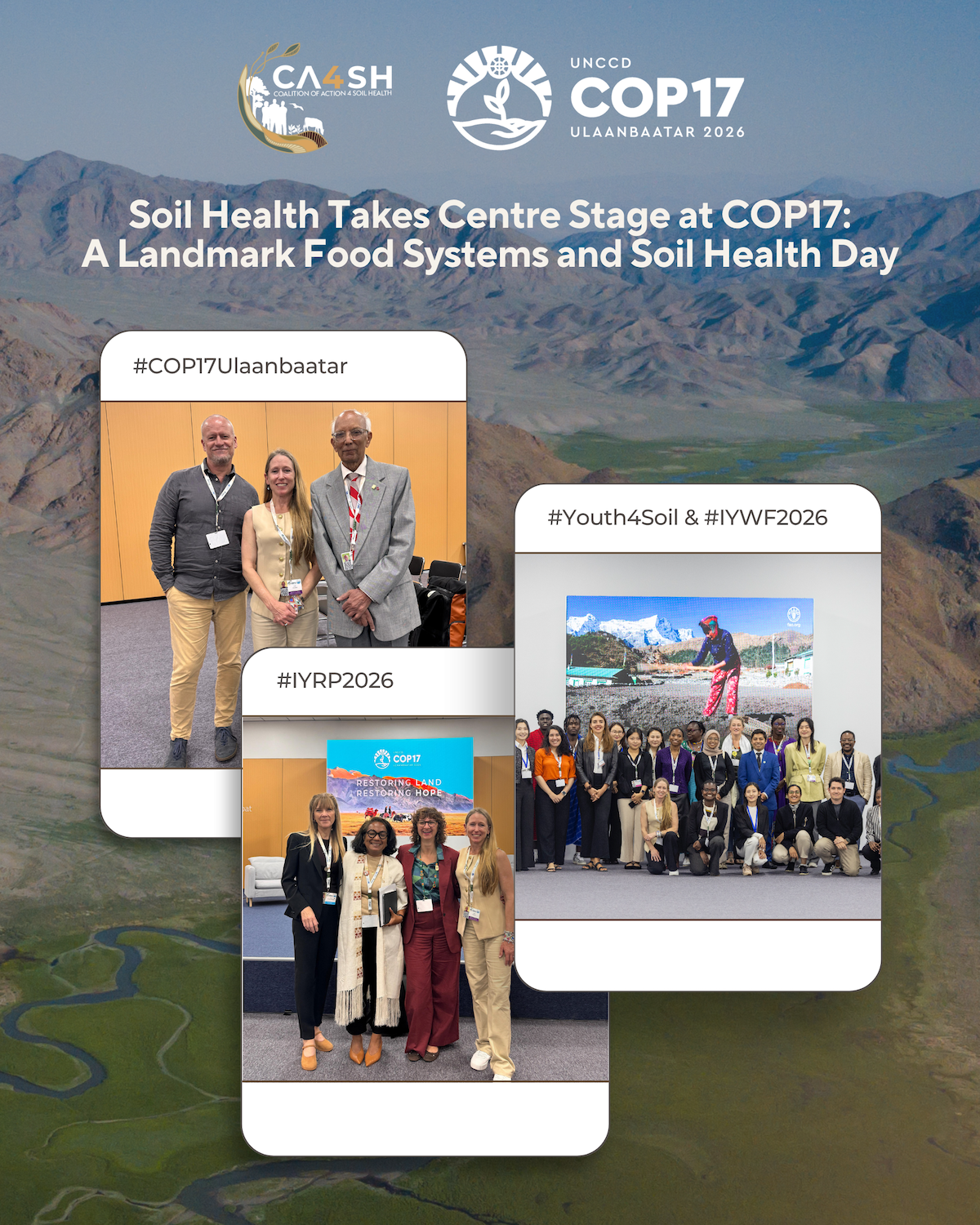
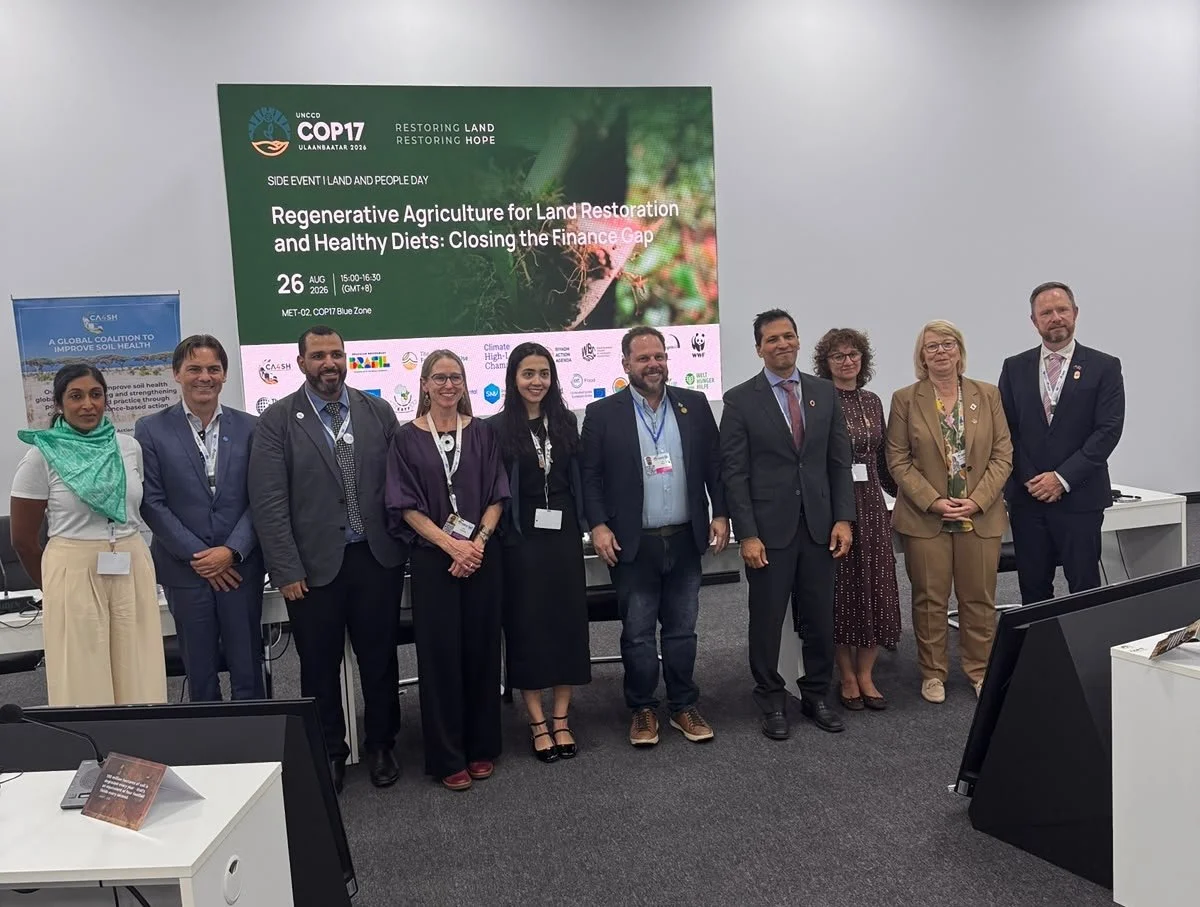

The Coalition of Action 4 Soil Health (CA4SH), Landscape Alliance (CIFOR-ICRAF), Deutsche Gesellschaft für Internationale Zusammenarbeit (GIZ) GmbH, the Norwegian Agency for Development Cooperation (Norad), CGIAR Multifunctional Landscapes Science Program, WWF, and partners, convened senior leaders and partners at UNCCD COP17 Mongolia for a high-level dinner focused on a simple but critical message: healthy soils are fundamental to resilient food systems, healthy ecosystems and a more climate-resilient future.