BLOGS, ARTICLES AND NEWS
Get updates directly from the CA4SH Global team and stakeholders
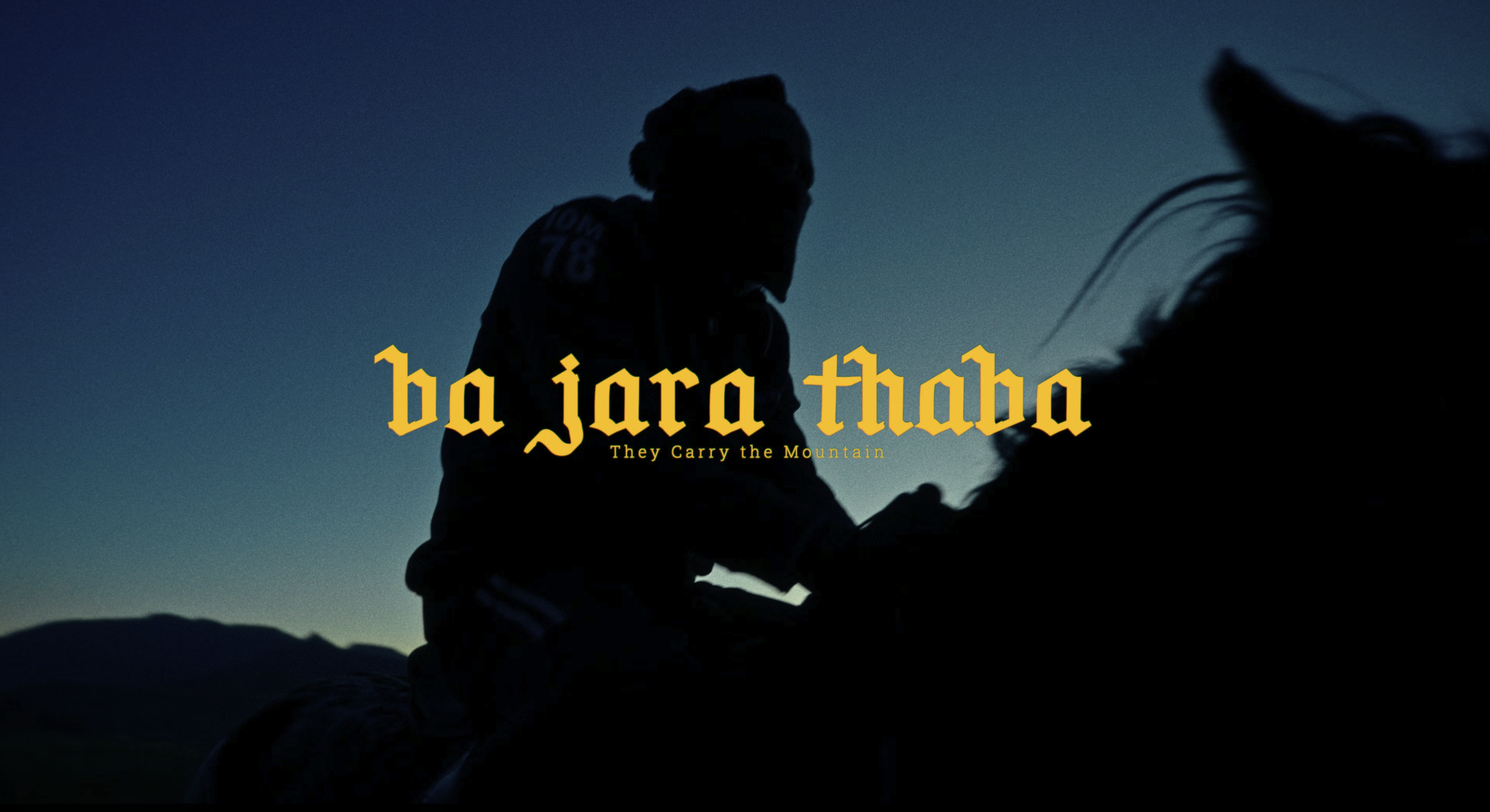
Ba Jara Thaba (They Carry the Mountain)
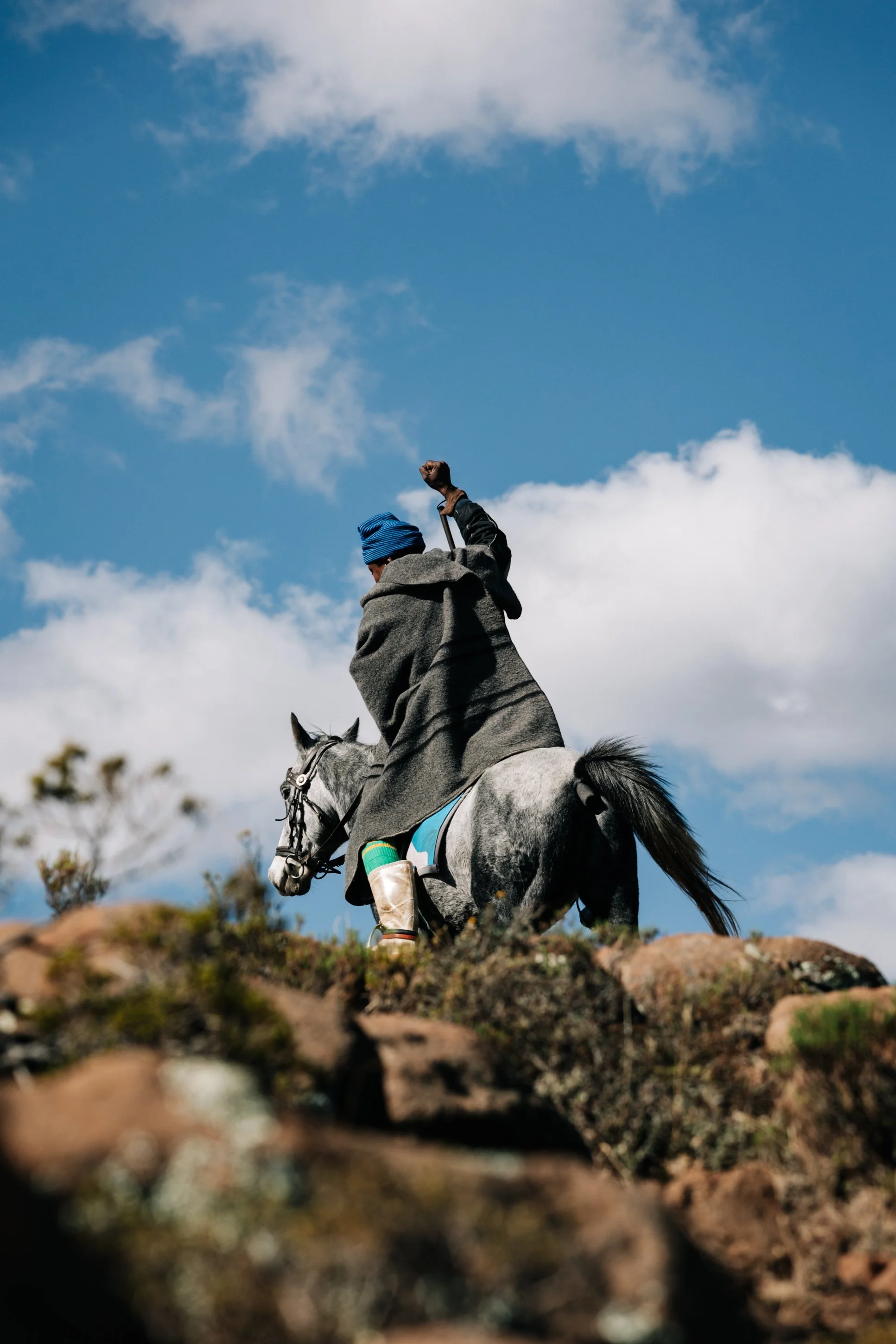
For generations, the Basotho people have lived in partnership with their horses, navigating terrain too steep for roads and too wild for machines. Here, where the mountains determine the pace of life, horse and rider move as one carrying food, people, stories, and traditions between remote communities.
It is a relationship built on trust, not ownership.
Ba Jara Thaba—"They Carry the Mountain"—captures this enduring bond through the eyes of filmmaker Ramon Mellett, whose two-year journey into the heart of Semongkong reveals a world that remains remarkably untouched by modernity. Rather than documenting a sporting spectacle, the film lingers in the quieter moments: the stillness before the race, the soft exchange between rider and horse, the silence that follows the thunder of hooves across the highlands.
Kingdom in the Sky
Welcome to the Kingdom in the Sky: Lesotho, a landlocked country surrounded by South Africa. Every part of the country lies above 1,000 metres above sea level, with vast areas rising between 2,000 and 3,400 metres. Towering mountains, deep valleys, high-altitude grasslands, and wetlands define a landscape of striking beauty and ecological importance.
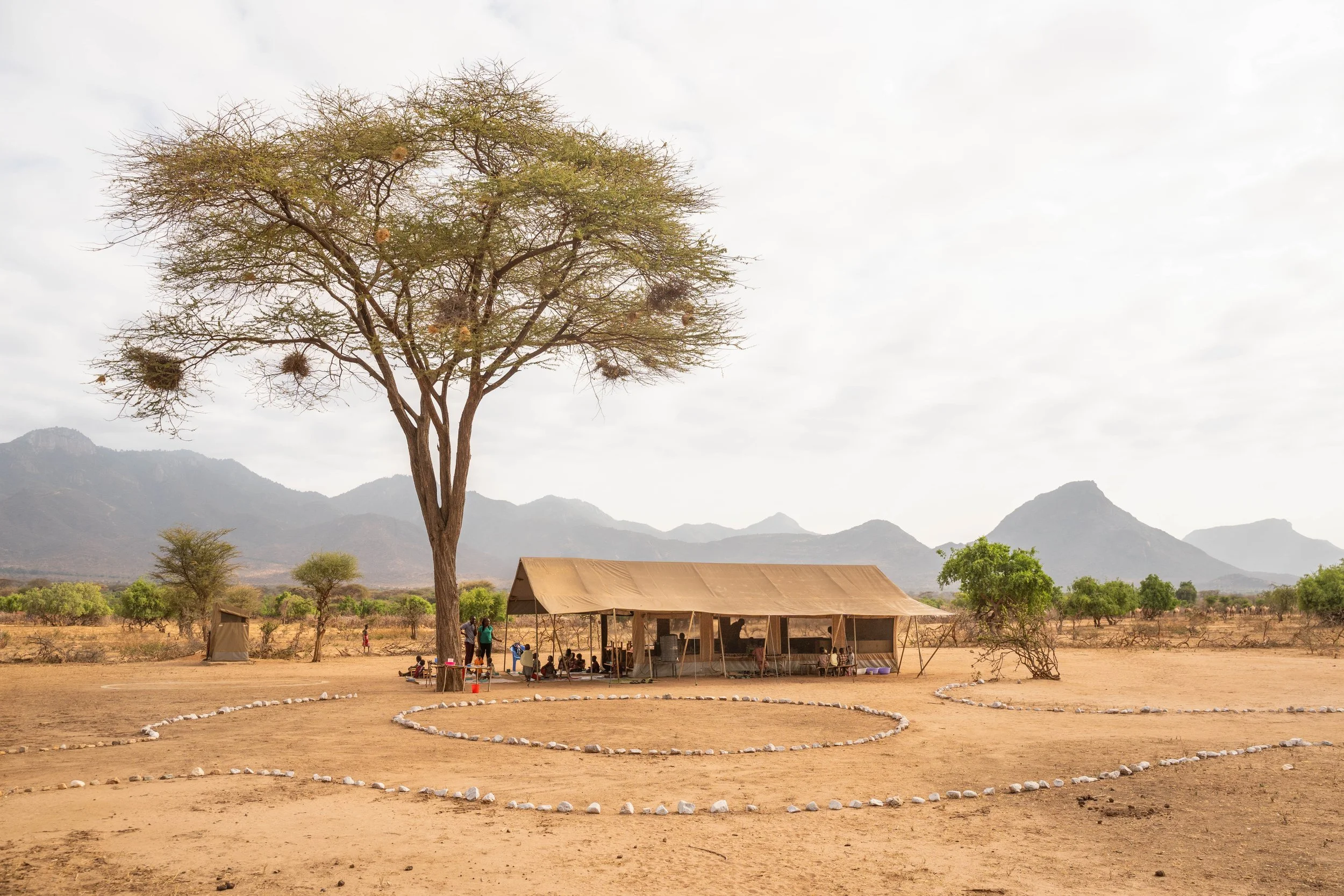
Learning on the Move: How Nomadic Education is Supporting Samburu Communities and Their Rangelands
What happens when a school follows the children instead of expecting children to leave their way of life behind?
In the rugged landscapes of northern Kenya, The Sarara Foundation (TSF) is helping answer that question through its innovative Nomadic Education Program. Designed around the realities of Samburu pastoralist life, the initiative is demonstrating that education and traditional livelihoods do not have to exist in conflict. In fact, they can strengthen one another.
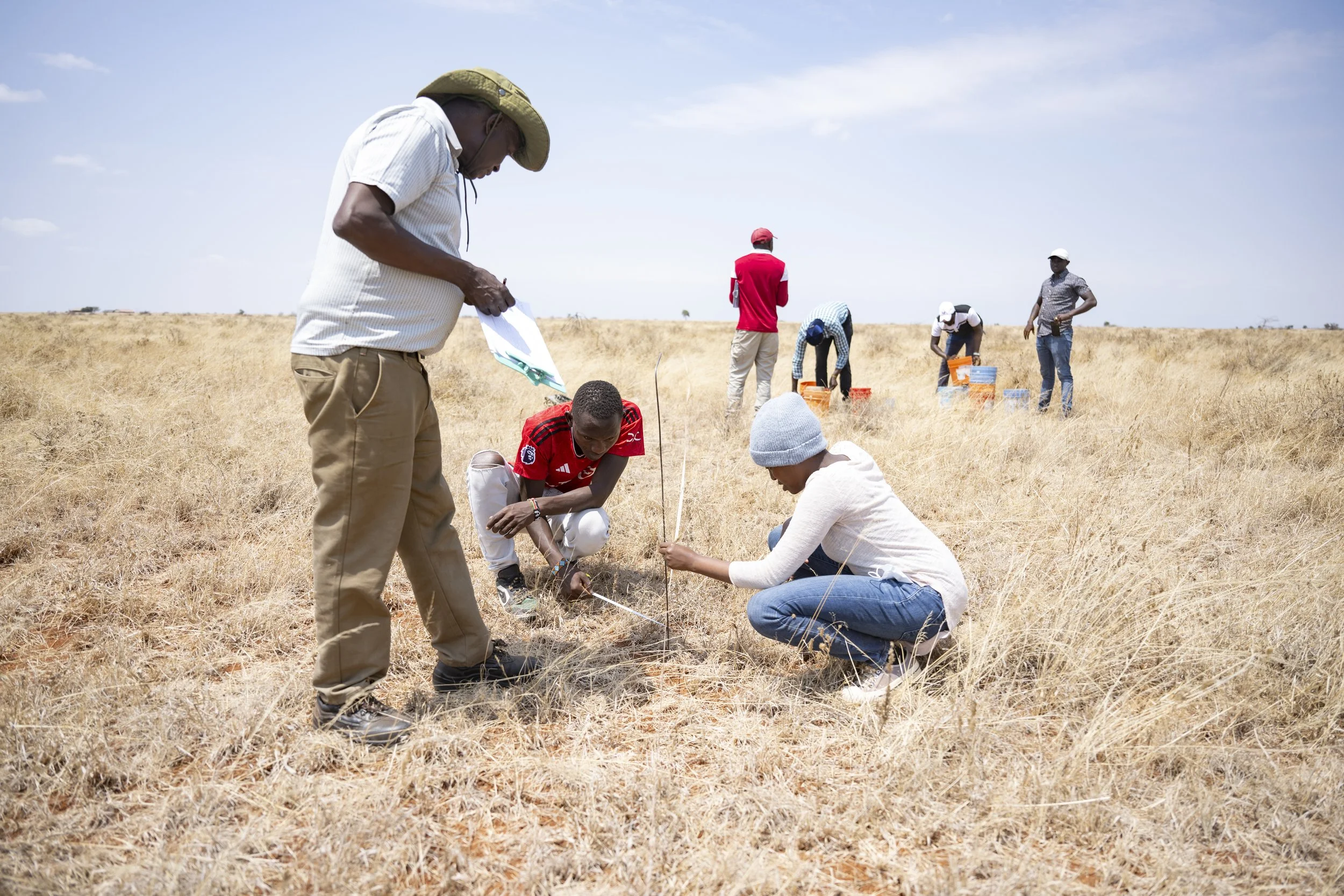
Op-Ed | Towards scaling soil health, rangeland restoration, and achieving global goals: Bringing evidence to bear
Despite progress over the past five years, soil degradation is continuing to happen at alarming rates, with over 2.3 billion people experience moderate or severe food insecurity, globally. With over 40% of the Earth’s surface degraded, including about 50% of the world’s rangelands, concerted action is needed.
Business as usual is no longer an option.
On this the 2026 Desertification and Drought Day, which coincides with the start of the CA4SH five-year celebrations and the International Year of Rangelands and Pastoralists (IYRP), the theme of this year’s Desertification and Drought Day, Rangelands: Recognize. Respect. Restore., is more relevant than ever.
Read the Op-Ed from Dr Leigh Winowiecki
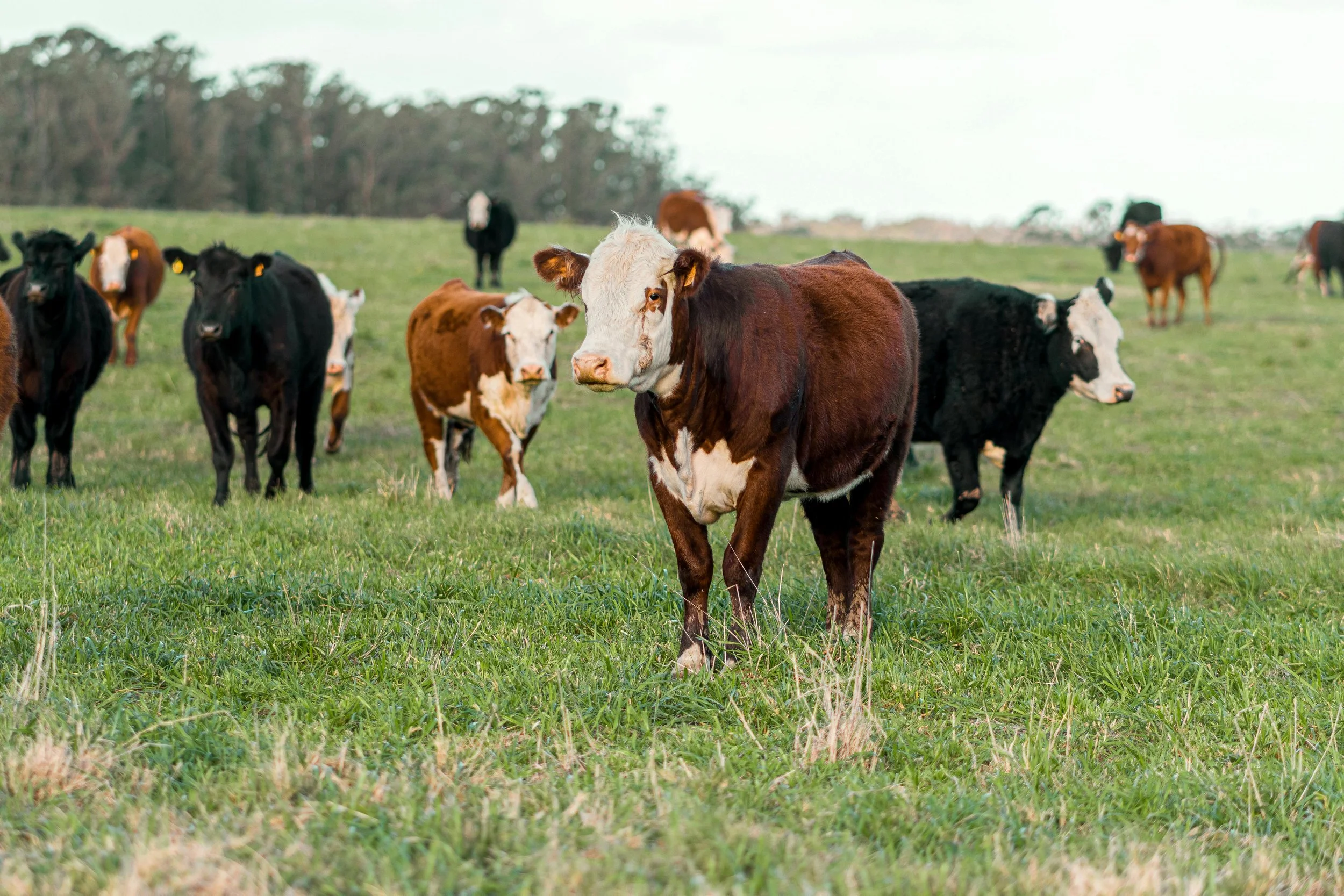
Why restoring soil health is a win-win for farmers and the environment
More than half of Europe's soils are degraded. Researchers are showing that restoring soil through better farming makes both ecological and financial sense.
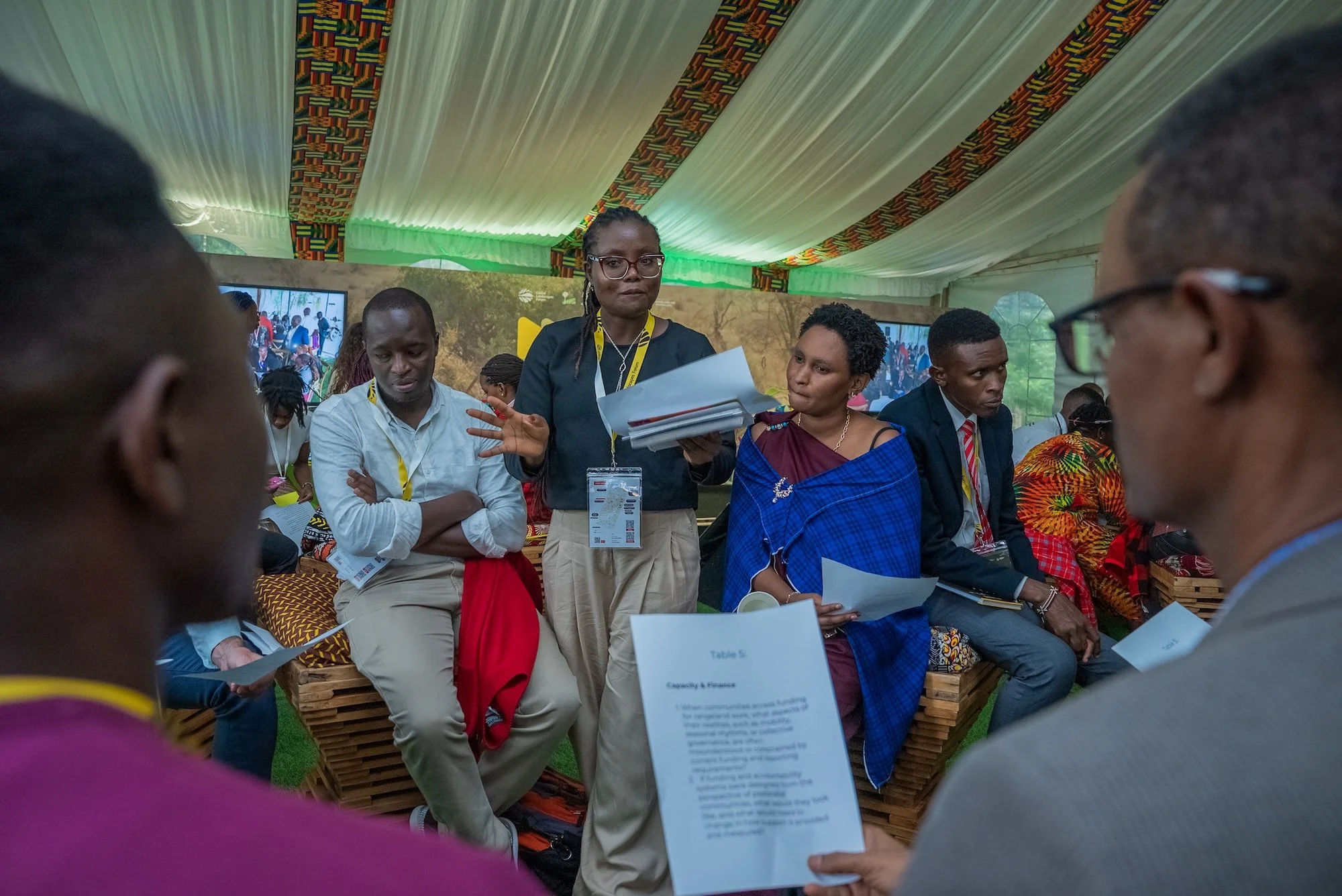
Communities, Soil, and Stewardship: Rangelands at the Heart of GLF Africa 2026
At GLF Africa 2026 in Nairobi, conversations around restoration repeatedly returned to one central idea: healthy rangelands cannot exist without the people who know, manage, and live within them.
Held at the CIFOR-ICRAF campus during the International Year of Rangelands and Pastoralists (IYRP 2026), the conference brought together researchers, pastoralist leaders, restoration practitioners, policymakers, and youth advocates to explore the future of Africa’s landscapes in the face of climate uncertainty, biodiversity loss, and land degradation.
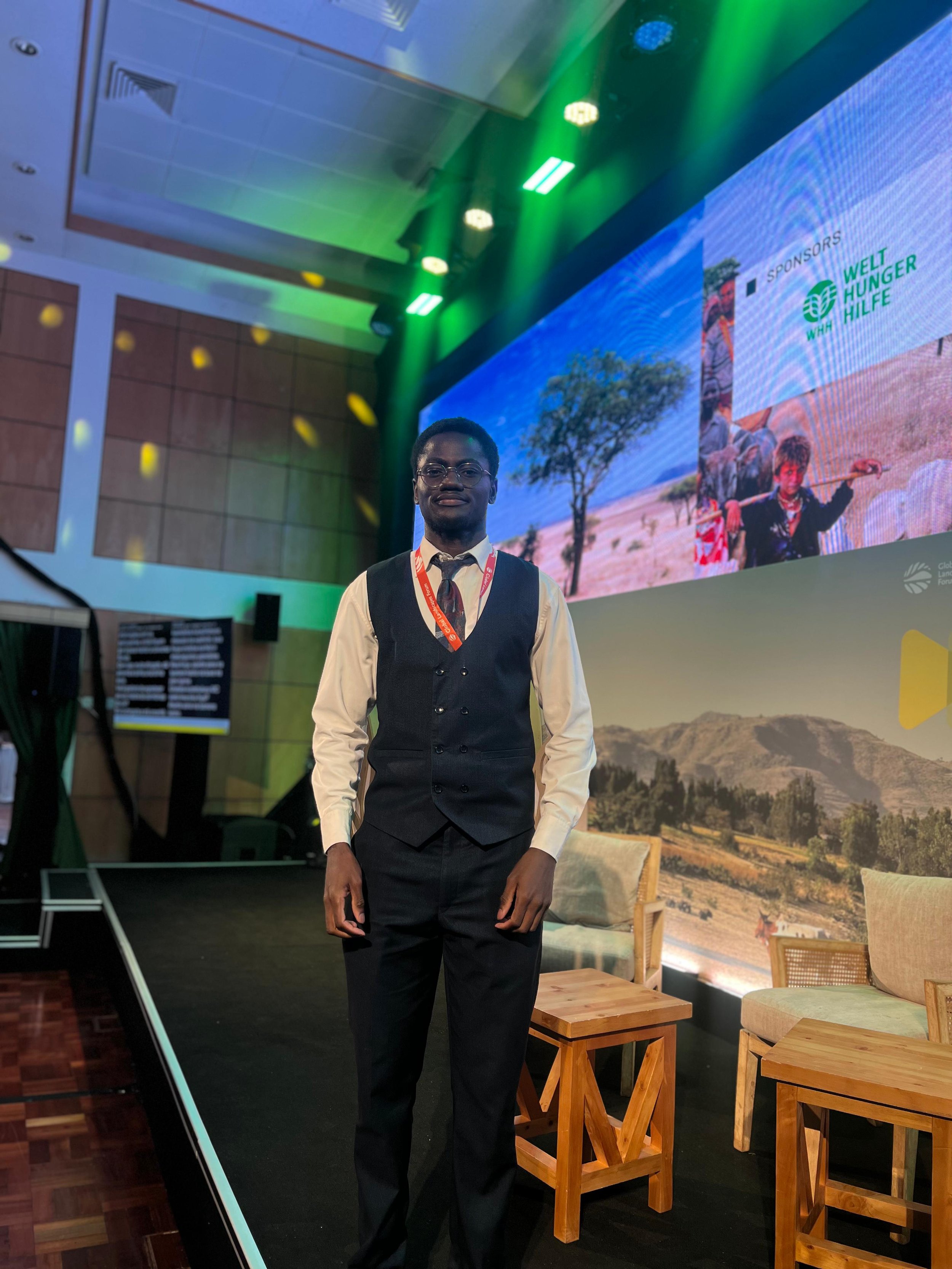
From Nairobi to Mongolia: Why Young People Must Be Part of the Future of Rangelands
Across global rangelands, livestock move slowly through open landscapes, following rainfall patterns that have shaped ecosystems for generations. To some, these lands appear empty or degraded. But at last week’s GLF Africa 2026 conference in Nairobi, hosted at CIFOR-ICRAF, one message rang clear: rangelands are living systems essential to the future of climate resilience, biodiversity, food security, and soil health.
Held during the International Year of Rangelands and Pastoralists (IYRP 2026), the conference brought together pastoralist leaders, scientists, policymakers, youth advocates, investors, and restoration practitioners from around the world to rethink how rangelands are valued - and who is included in shaping their future.
For young people, the message was impossible to ignore: this conversation belongs to you too.
Coalition of Action 4 Soil Health (CA4SH) #Youth4Soil member Lordesturs Gordon attended the conference on behalf of the Coalition, documenting the discussions, experiences, and key themes emerging from the conference through a youth perspective.
From Rangelands to Resilience: Why Pastoralism Matters for Soil Health and Climate Futures
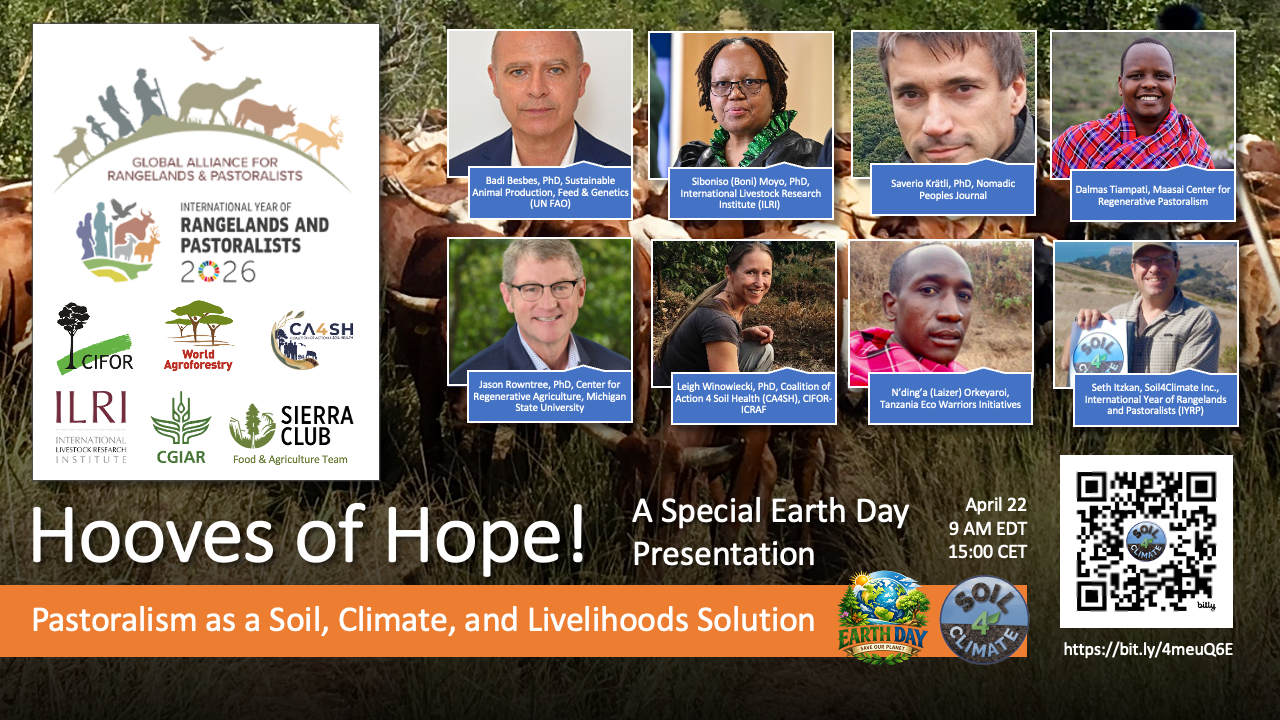
The recent “Hooves of Hope!” webinar marked more than an Earth Day celebration - it became a powerful global conversation about the future of pastoralism, rangelands, and soil health in a rapidly changing climate.
Bringing together distinguished speakers from science, policy, pastoralist communities, and regenerative agriculture, the event was hosted by Soil4Climate in partnership with the Food and Agriculture Organisation of the United Nations, the Coalition of Action for Soil Health (CA4SH), and collaborators from around the world. Timed alongside Earth Day and within the context of the International Year of Rangelands and Pastoralists, the webinar the webinar drew strong global engagement, with over 100 viewers. Together, participants explored an urgent question: how do we better recognise the communities and ecosystems already demonstrating resilience in the face of climate uncertainty?
Samburu Women at the Forefront of Land Stewardship
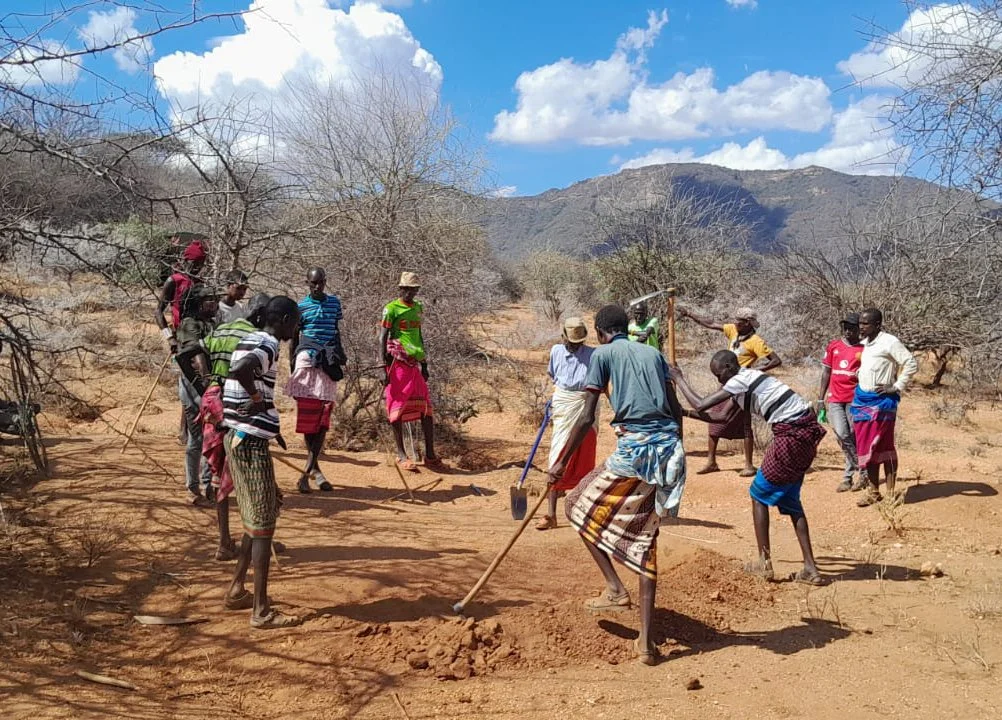
For the Milk Mamas at the heart of The Sarara Foundation’s (TFS) flagship Milk to Market Program, conservation and care for the land are lived responsibilities, not imposed obligations.
With their livelihoods and the wellbeing of their communities deeply connected to the milk they provide to Reteti Elephant Sanctuary, they are driven by a commitment to nurture the health of their herds and the landscapes they depend on through far-reaching land restoration efforts that benefit people, livestock, and wildlife.
10 Years of Soil4Climate - a CA4SH Founding Member
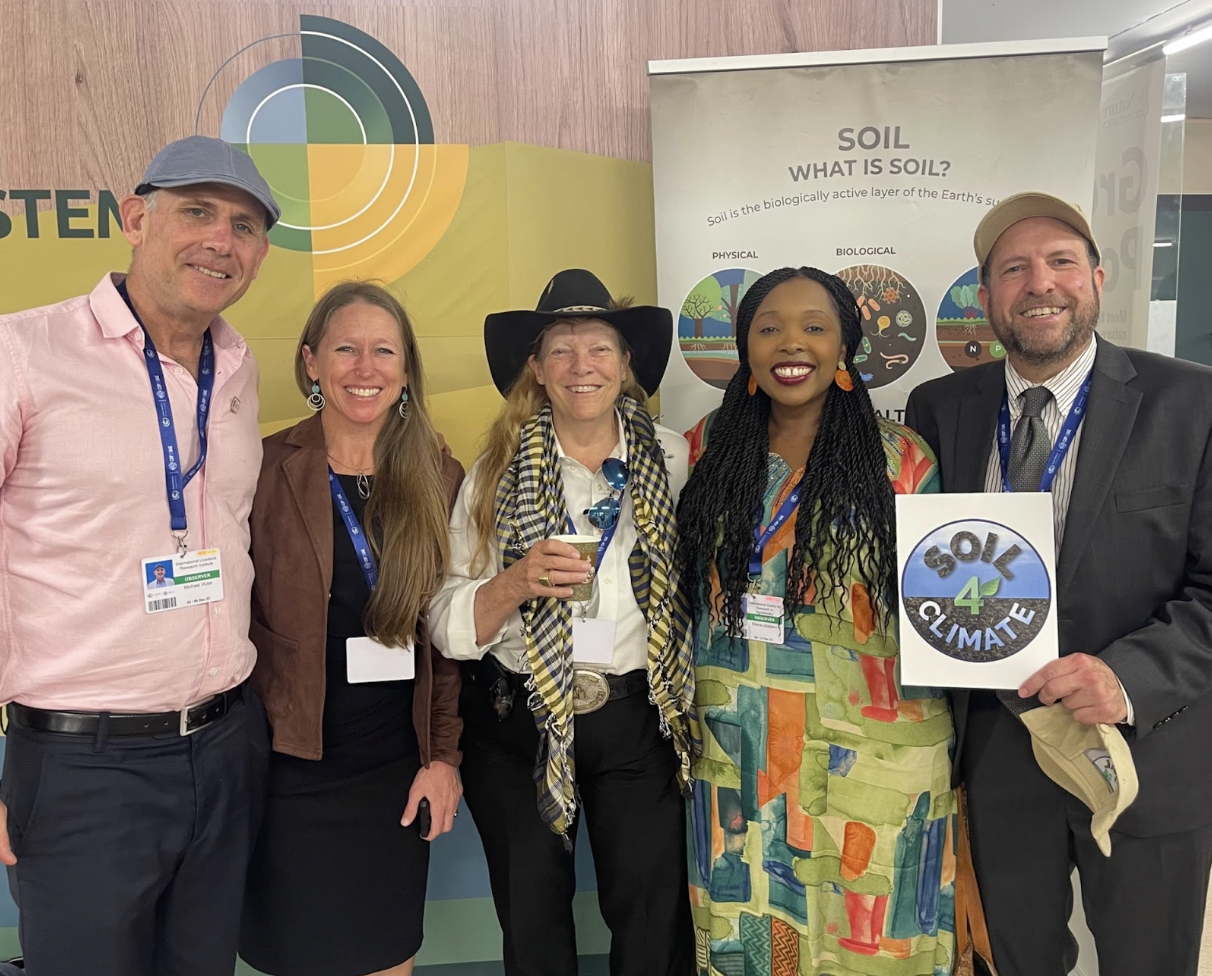
This past January marked ten years since Soil4Climate was officially incorporated in the United States — the beginning of our journey to champion soil restoration as a powerful climate solution.

CA4SH, CIFOR-ICRAF, Varda & Norad partner on a pilot initiative to advance soil knowledge exchange
On 14 January 2025, the Coalition of Action 4 Soil Health (CA4SH) hosted a reflection webinar for a recent pilot initiative from CIFOR-ICRAF, Varda, and the Norwegian Agency for Development Cooperation. Over 125 participants attended to hear insights on the soil data ecosystem in Kenya and Tanzania and contribute their questions and perspectives on the pilot results and the future of soil health data on the African continent.

CA4SH Partners Hosted Record Engagement at UNCCD COP16
The Coalition of Action 4 Soil Health (CA4SH) is rooted in the UN Convention to Combat Desertification (UNCCD). Since our official launch in 2021, CA4SH has amassed a membership of over 200 multistakeholder organizations and collaborated with countless partners.
This year, the 16th Conference of the Parties (COP) to the UNCCD was focused on a people-centred approach to accelerating action on land and drought resilience, themed Our Land. Our Future.
Since healthy soil is essential to land and drought resilience, and provides co-benefits that link with all 17 of the Sustainable Development Goals, the CA4SH network came together for a record engagement at COP16 to advocate for scaling global soil health.

Local Knowledge is Key for Grassland Conservation and Restoration
In Northern Kenya, WWF works with a community-run organisation called Nature and People as One (NaPO) through the Voices for Climate Action programme, which serves as a great example of harnessing the intergenerational knowledge and experience of pastoralist communities. Founded in 2018 by young people from Karare, Marsabit, NaPO works closely with pastoralists to address the challenges they are facing constructively, in order to protect, manage and restore rangelands and the valuable ecosystem services they provide.
Read the full story on the UN Decade of Restoration website

Ramat: Co-created Community Solutions for the Mt Marsabit landscape
In December, Nature and People as One (NaPO) held a workshop in Karare, an area bordering the Mt Marsabit National Reserve, that brought together 59 community voices representing 39 villages from Parkishon, Kamboe, Loglogo and Karare (important rangelands surrounding the Mt Marsabit Forest). The goal was to assess progress with implementing the Ramat model, celebrate its successes, and assess the challenges.
Story and photos by Adrian Leitoro, Co-Founder of NaPO