Communities, Soil, and Stewardship: Rangelands at the Heart of GLF Africa 2026
At GLF Africa 2026 in Nairobi, conversations around restoration repeatedly returned to one central idea: healthy rangelands cannot exist without the people who know, manage, and live within them.
Held at the CIFOR-ICRAF campus during the International Year of Rangelands and Pastoralists (IYRP 2026), the conference brought together researchers, pastoralist leaders, restoration practitioners, policymakers, and youth advocates to explore the future of Africa’s landscapes in the face of climate uncertainty, biodiversity loss, and land degradation.
For the Coalition of Action for Soil Health (CA4SH) & CIFOR-ICRAF, the discussions strongly reflected many of the priorities emerging through the TWENDE, Restore4More, and STELLAR projects as well as the growing recognition that soil health, rangeland restoration, and community resilience are inseparable.
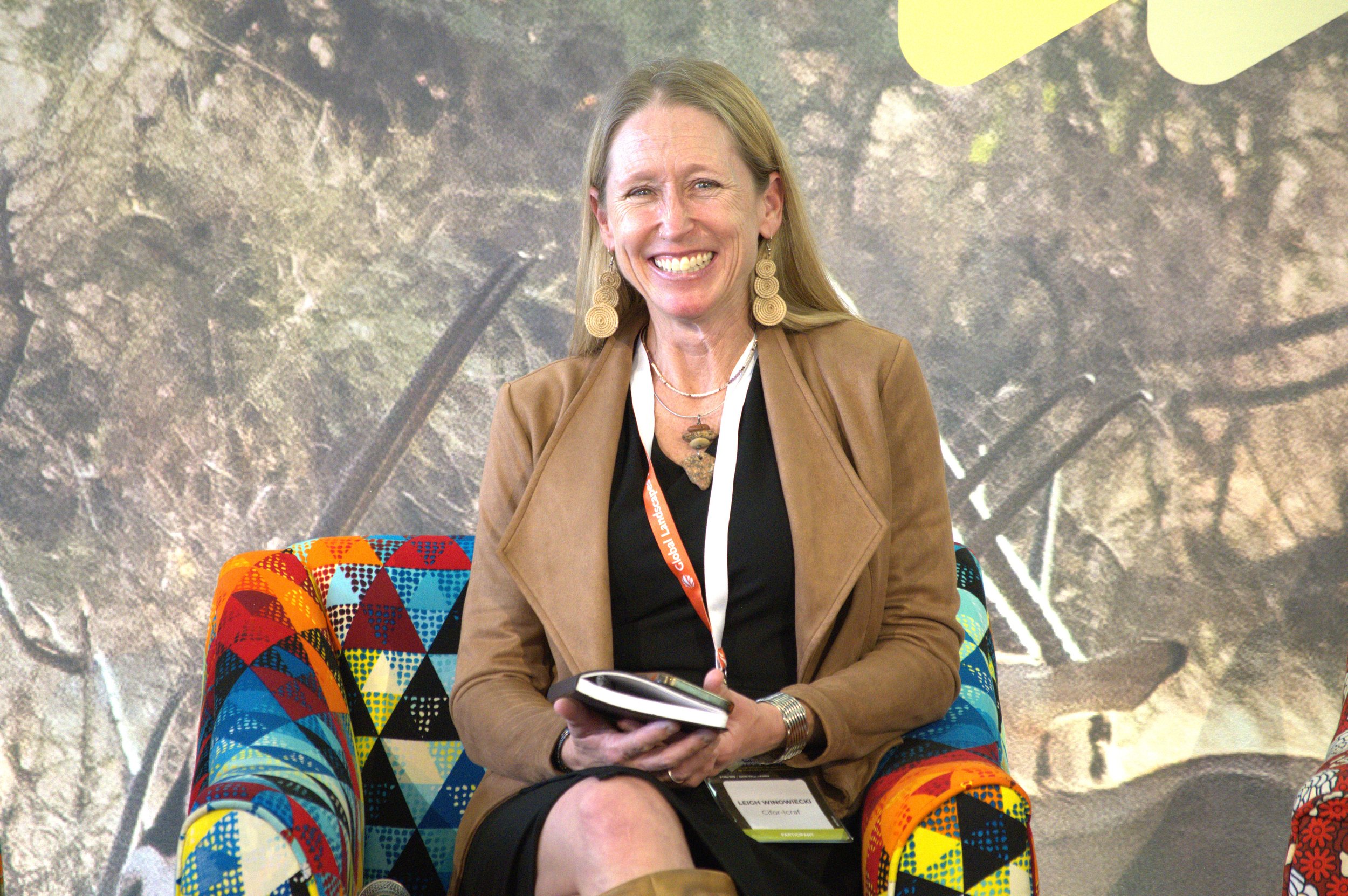
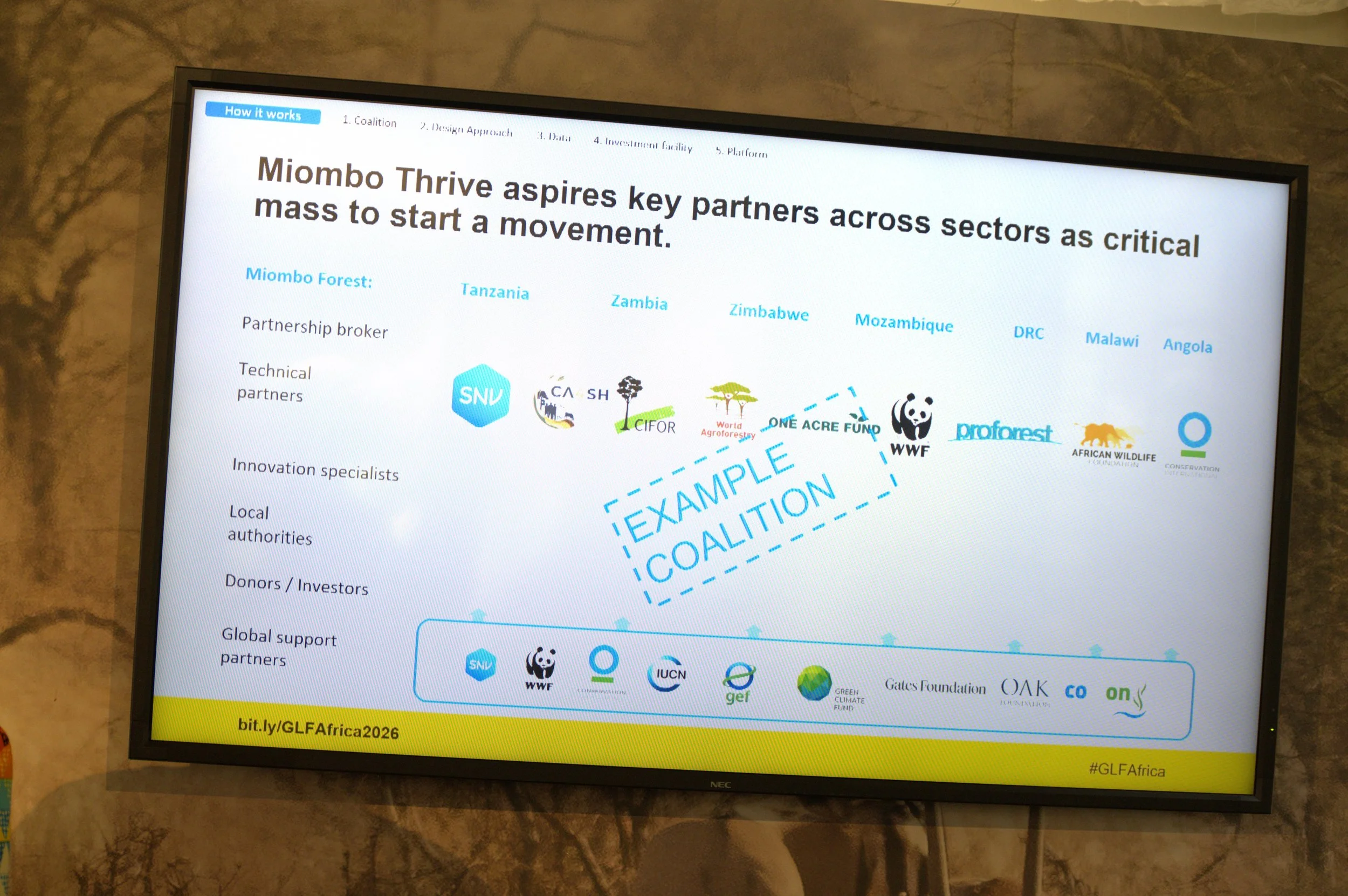
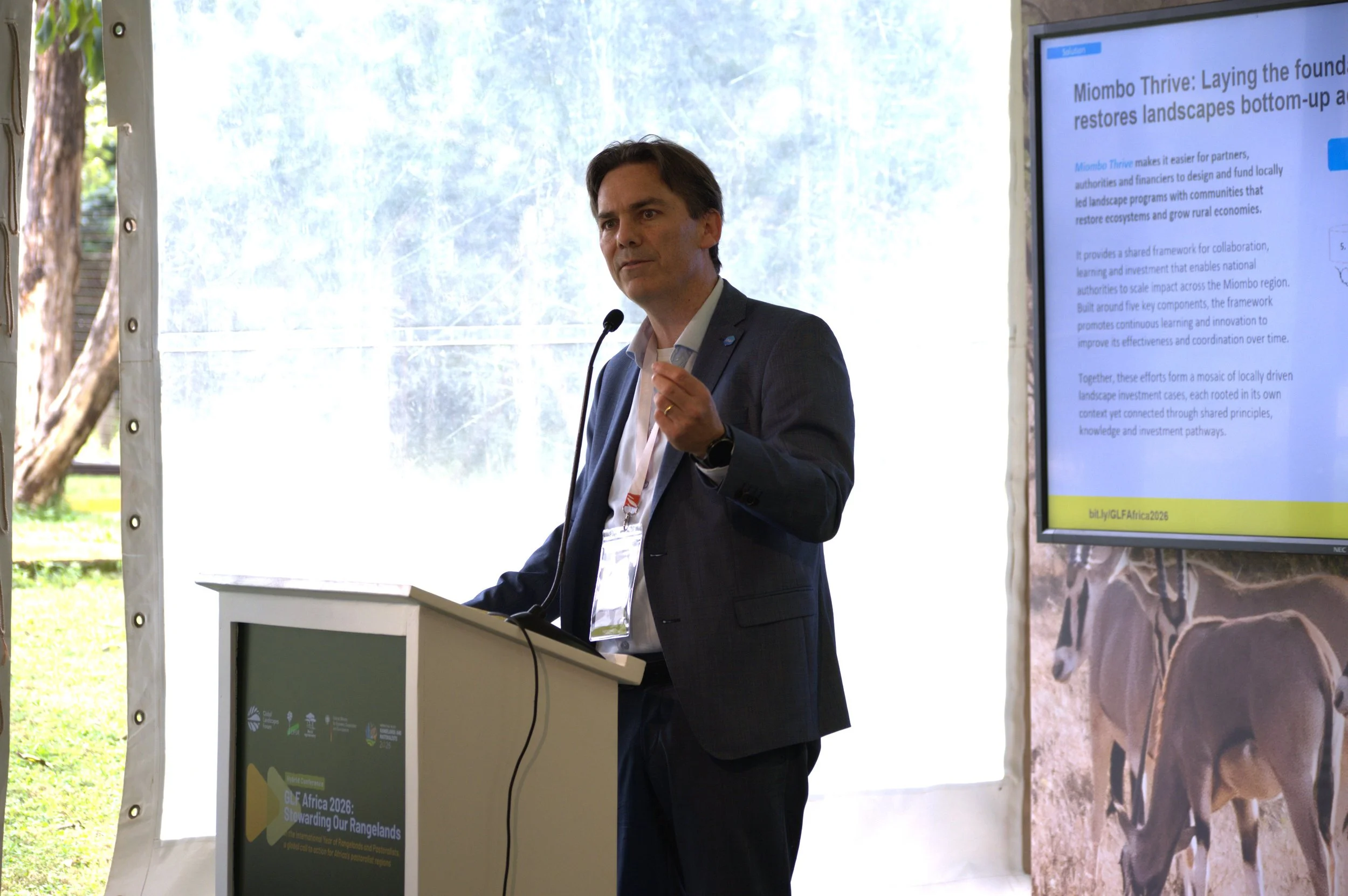
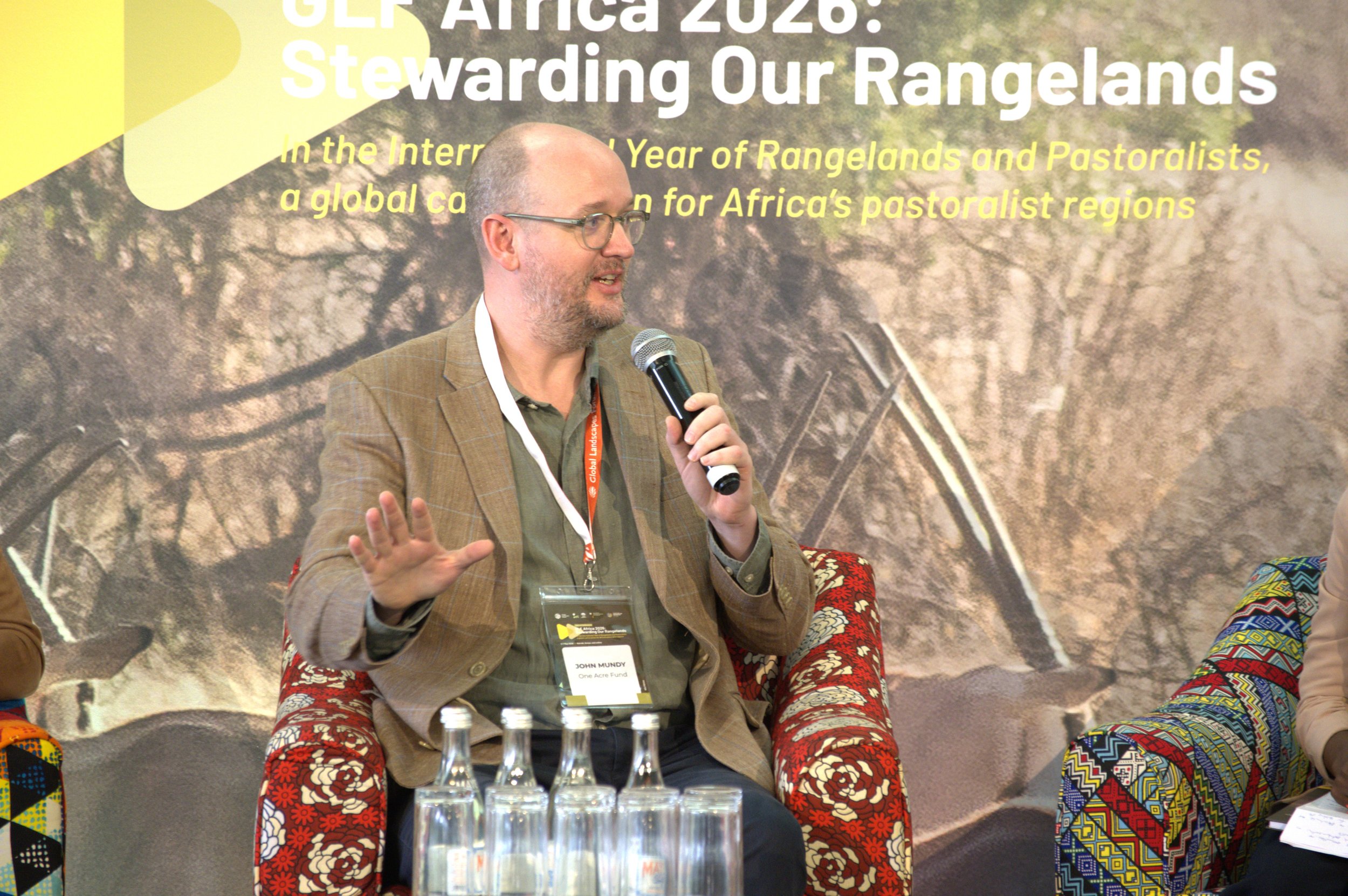
One of the key sessions contributing to this dialogue was Miombo Thrive: Laying the Foundation for a Movement Across the Miombo Region, where Coalition of Action 4 Soil Health (CA4SH) Co-Lead Leigh Winowiecki took the stage, alongside Cloffas Nyagumbo (SNV Zimbabwe), Harko Koster (SNV), John Mundy (One Acre Fund), Charity Mchiza (Center for Applied Systems Analysis), Evelyn Namubiru-Mwaura (WWF), Beatrice Lempaira (Conservation International), and Rachel Wall (Proforest) explored the urgent need to restore degraded landscapes while ensuring communities remain central to restoration processes.
Speaking during the session, Leigh highlighted the foundational role of soils in supporting resilient and productive rangelands across the Miombo region. She emphasised that restoring soil health is not only about ecological recovery, but also about strengthening livelihoods, biodiversity, and climate resilience.
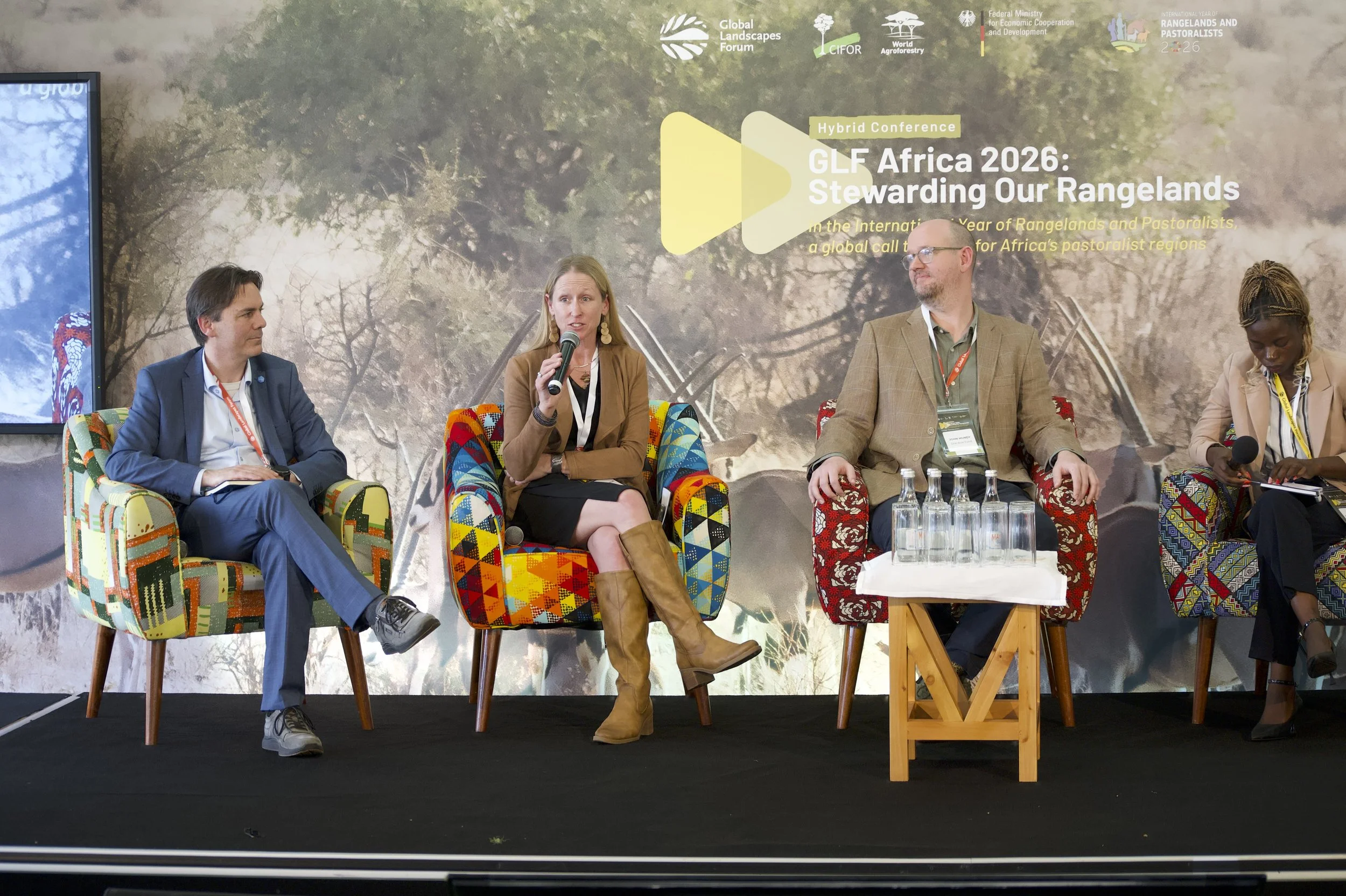
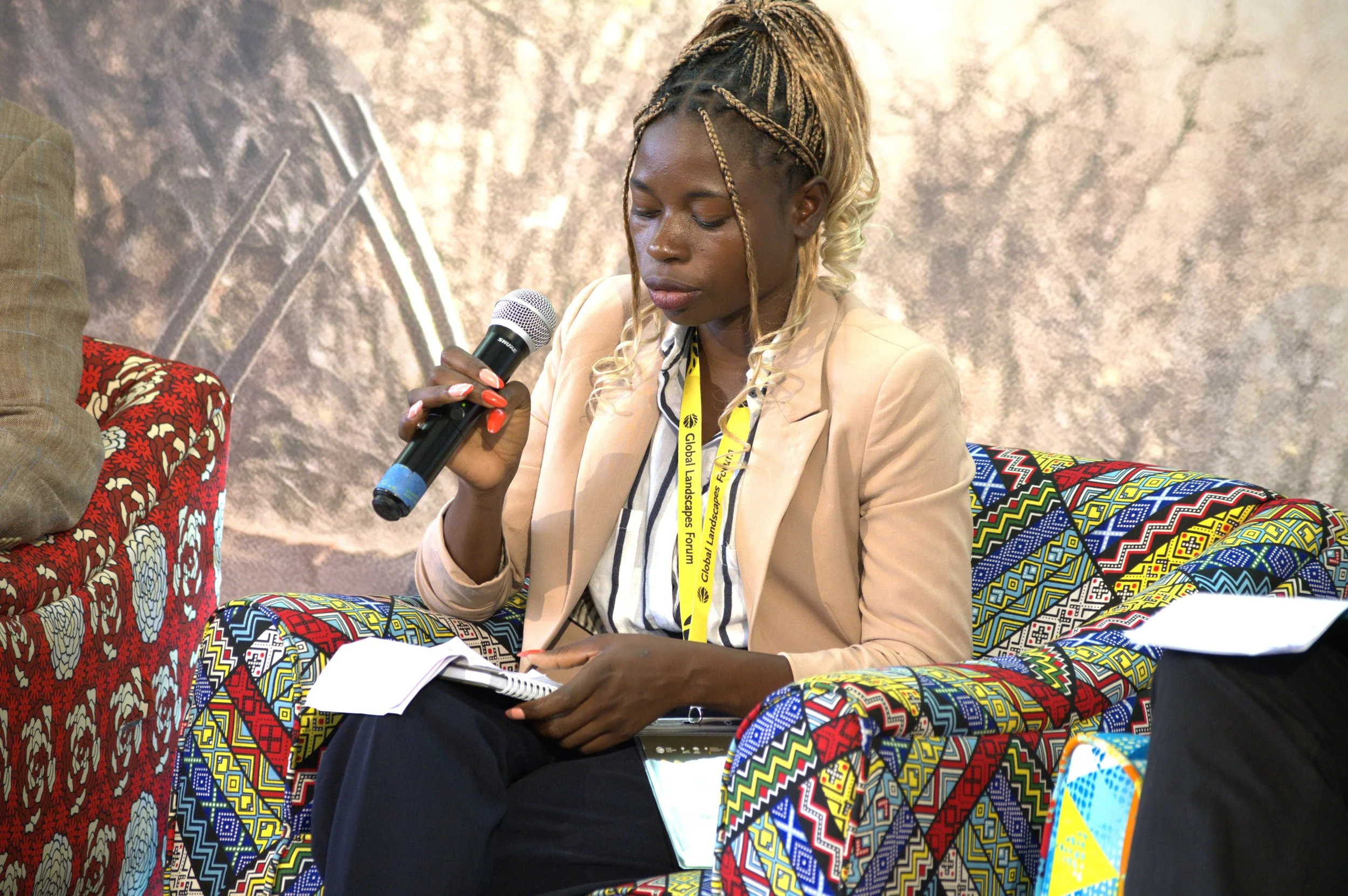
Images: Kelvin Okumu
Importantly, she stressed that restoration efforts cannot succeed without community leadership and long-term stewardship rooted in local knowledge and lived experience.
That theme carried through into the afternoon’s Landscape Dialogue Series (LDS) 2026 workshop, which focused on how communities themselves define rangeland health, prosperity, and resilience. The session brought together pastoralists, scientists, restoration experts, and policy actors to examine how scientific frameworks can better align with local realities and priorities.
For Christine Magaju, the conversation came back to listening first.
“The real work begins when we go into communities, work with them to understand and co-create solutions and interventions, understanding what success means to them.” - Christine Magaju
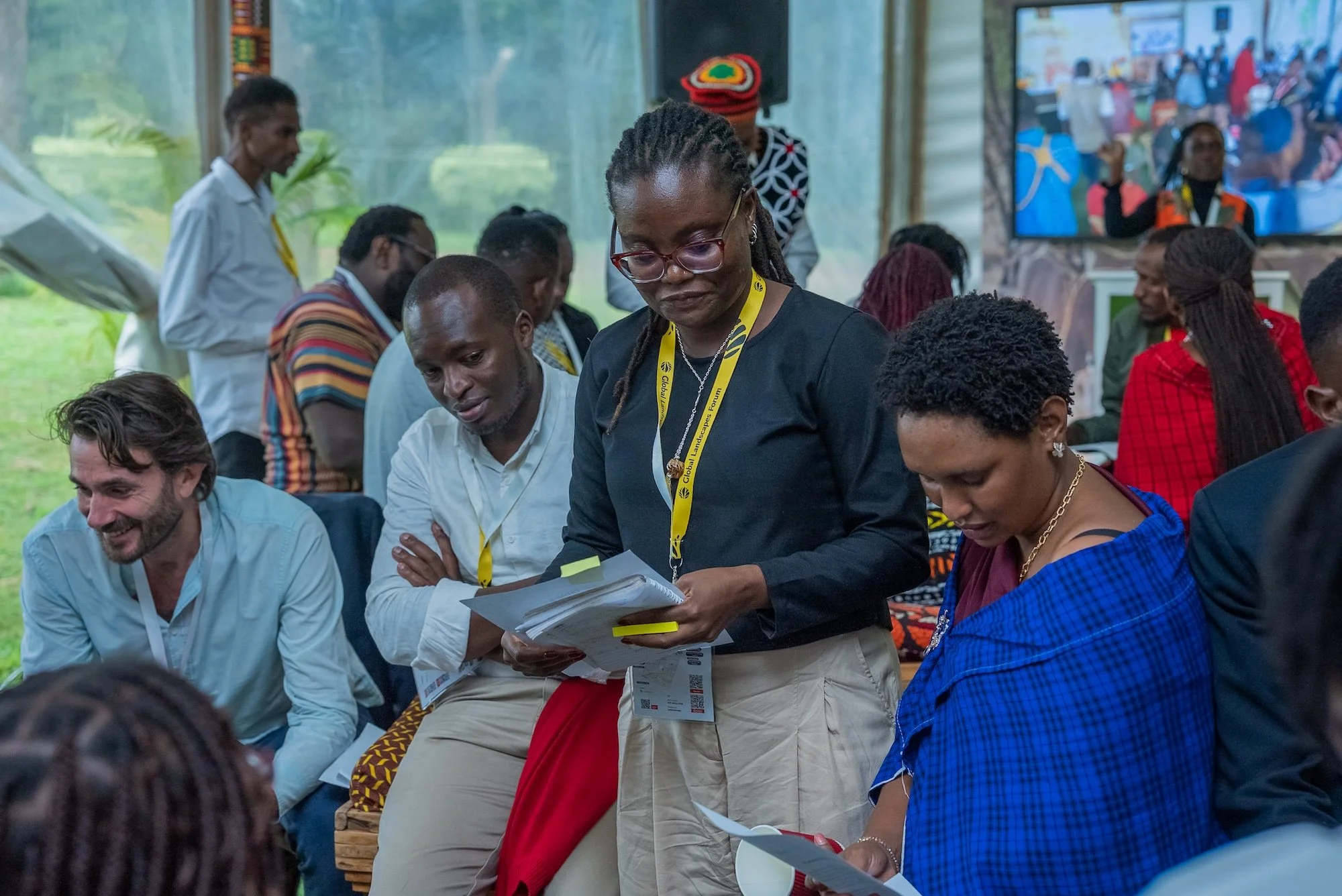
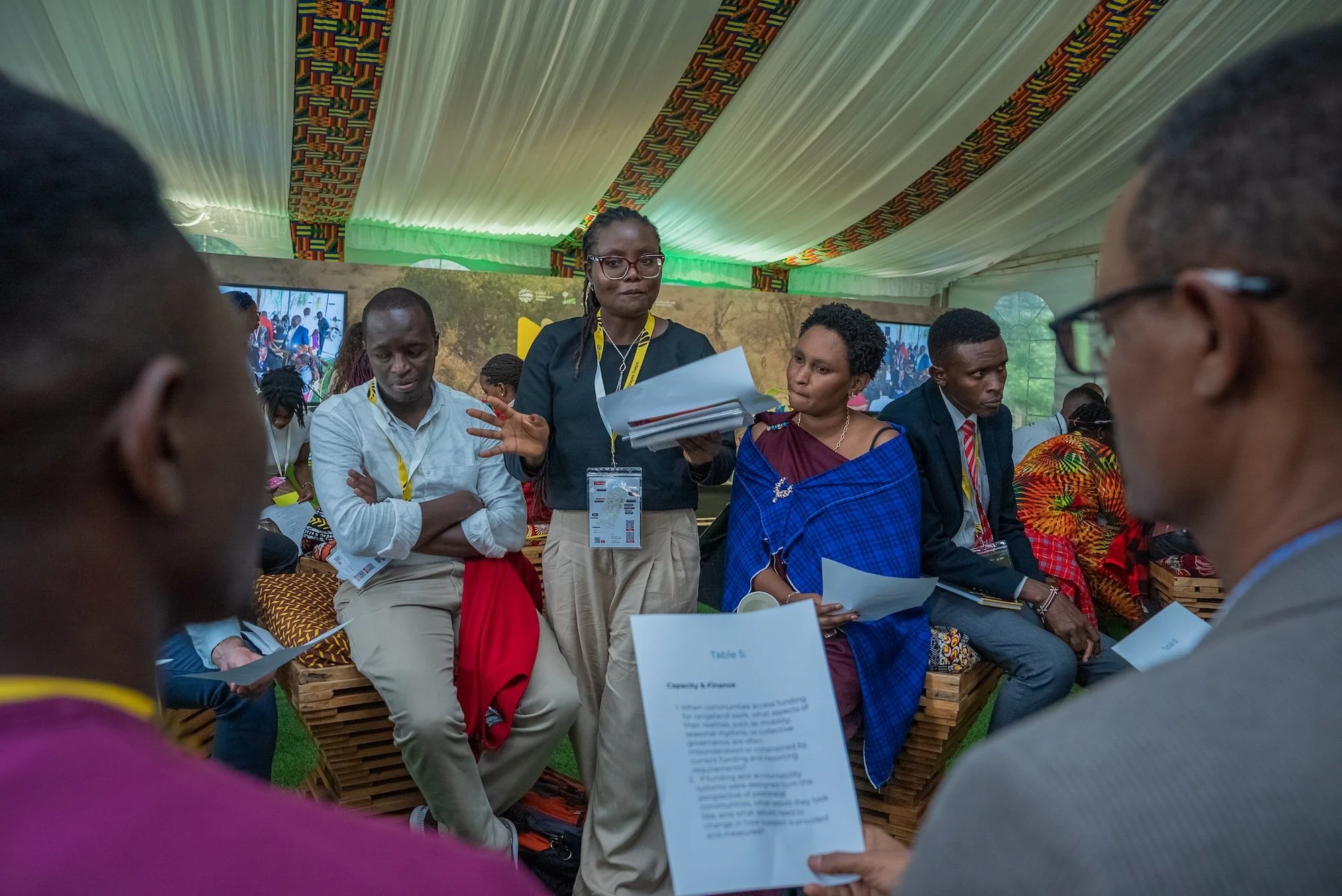
Images: Kelvin Okumu
The workshop highlighted issues deeply connected to the work of the TWENDE Project and the Landscape Degradation Surveillance Framework (LDSF): how to measure landscape health in ways that are scientifically robust while still reflecting community priorities, indigenous knowledge, mobility systems, governance structures, and pastoralist realities.
Across many discussions at GLF Africa, there was growing recognition that restoration cannot rely solely on externally defined indicators or one-size-fits-all solutions. In rangelands especially, resilience is dynamic. Landscapes shift with rainfall patterns, grazing pressure, mobility routes, and seasonal variability. Communities living within these systems often hold generations of ecological knowledge about how to adapt and steward them sustainably.
This perspective is particularly important in the lead-up to UNCCD COP17, where rangelands, pastoralist livelihoods, drought resilience, restoration finance, and land degradation are expected to feature prominently in global negotiations.
As momentum builds toward COP17, IYRP 2026 continues to challenge outdated narratives around pastoralism and dryland systems - reframing rangelands not as marginal landscapes, but as globally significant ecosystems tied to food security, biodiversity, climate adaptation, and soil health.
The conversations at GLF Africa reinforced an important shift already taking place across the restoration sector: communities are no longer being viewed simply as beneficiaries of restoration projects, but as co-creators of knowledge, governance, and long-term landscape stewardship.
For CA4SH and partners working across soil health and restoration initiatives, that shift matters deeply. Because restoring land is ultimately about more than vegetation cover or carbon storage alone. It is about restoring relationships - between people, landscapes, livestock, soils, and the systems that sustain them all.