
From Nairobi to Mongolia: Why Young People Must Be Part of the Future of Rangelands
Across global rangelands, livestock move slowly through open landscapes, following rainfall patterns that have shaped ecosystems for generations. To some, these lands appear empty or degraded. But at last week’s GLF Africa 2026 conference in Nairobi, hosted at CIFOR-ICRAF, one message rang clear: rangelands are living systems essential to the future of climate resilience, biodiversity, food security, and soil health.
Held during the International Year of Rangelands and Pastoralists (IYRP 2026), the conference brought together pastoralist leaders, scientists, policymakers, youth advocates, investors, and restoration practitioners from around the world to rethink how rangelands are valued - and who is included in shaping their future.
For young people, the message was impossible to ignore: this conversation belongs to you too.
Coalition of Action 4 Soil Health (CA4SH) #Youth4Soil member Lordesturs Gordon attended the conference on behalf of the Coalition, documenting the discussions, experiences, and key themes emerging from the conference through a youth perspective.
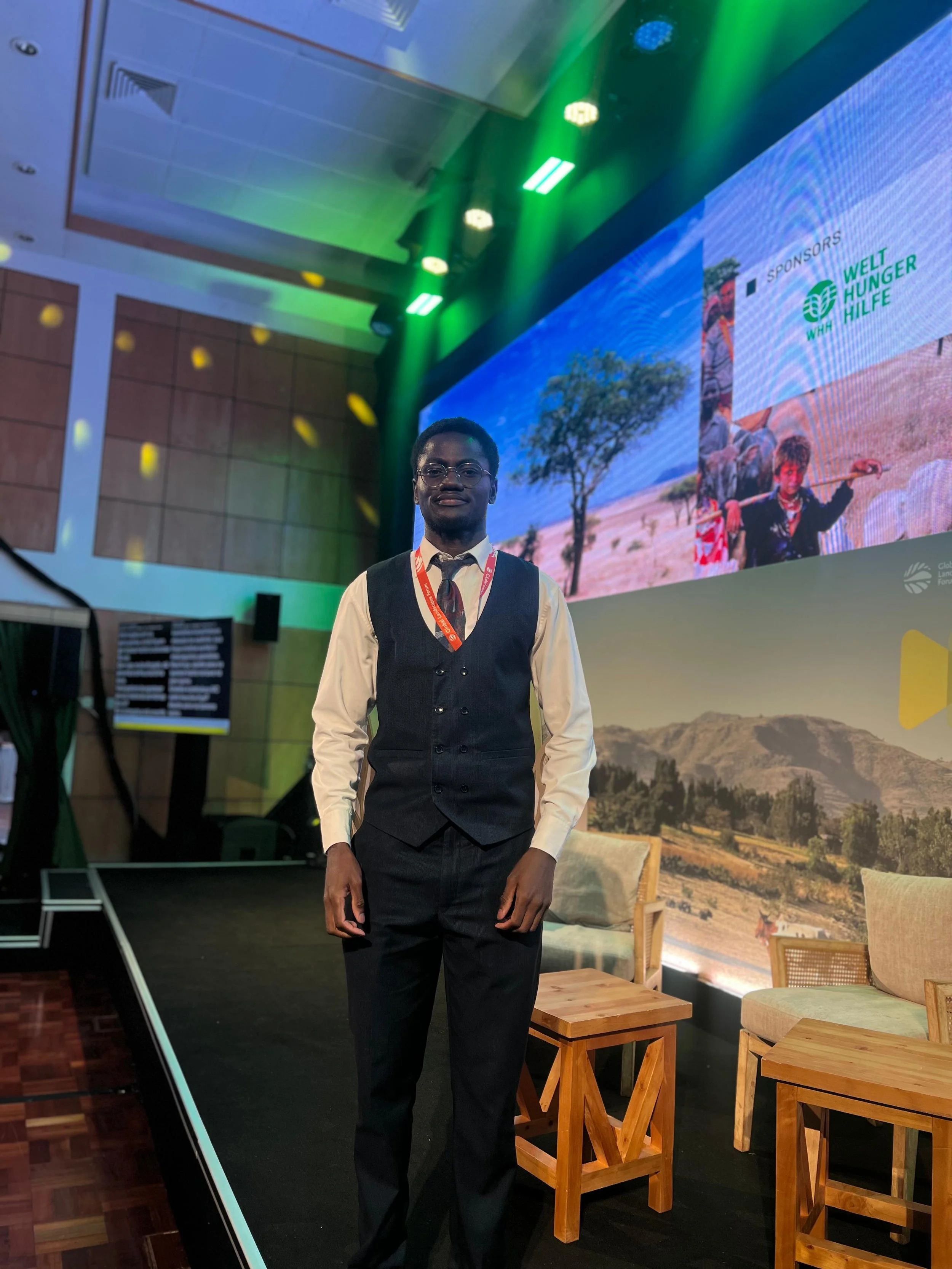
Lordesturs Gordon
“Attending GLF 2026: Stewarding Rangelands, I could almost feel the dust from my village rangelands on my boots. Elders talked how they've always moved herds to let soil breathe rotating grazes so it doesn't turn to rock, fighting that creeping degradation we all know too well. That's the soul of IYRP 2026 calling my name. I grew up trailing those paths, watching family read the land like a map: where grass hides after drought, how roots hold water. Now us youth? We're not sitting back. We're mixing that hard-won know-how with soil tests and regen plans, prying open mobility routes that fences stole, turning bare earth into something that feeds us tomorrow. Soil health's in our blood - pastoral style, no shortcuts. Who's jumping in with me for the UN push ahead? Let's herd this change ourselves.” - Lordesturs Gordon
Rangelands cover more than half of the Earth’s land surface, support billions of livelihoods globally, and contribute significantly to food systems and local economies. Yet up to 50% are currently degraded, while only a small fraction of climate finance reaches pastoralist communities on the ground. With UNCCD COP17 on the horizon, GLF Africa helped sharpen the global conversation around rangelands, restoration, and the communities already living at the frontline of climate variability.
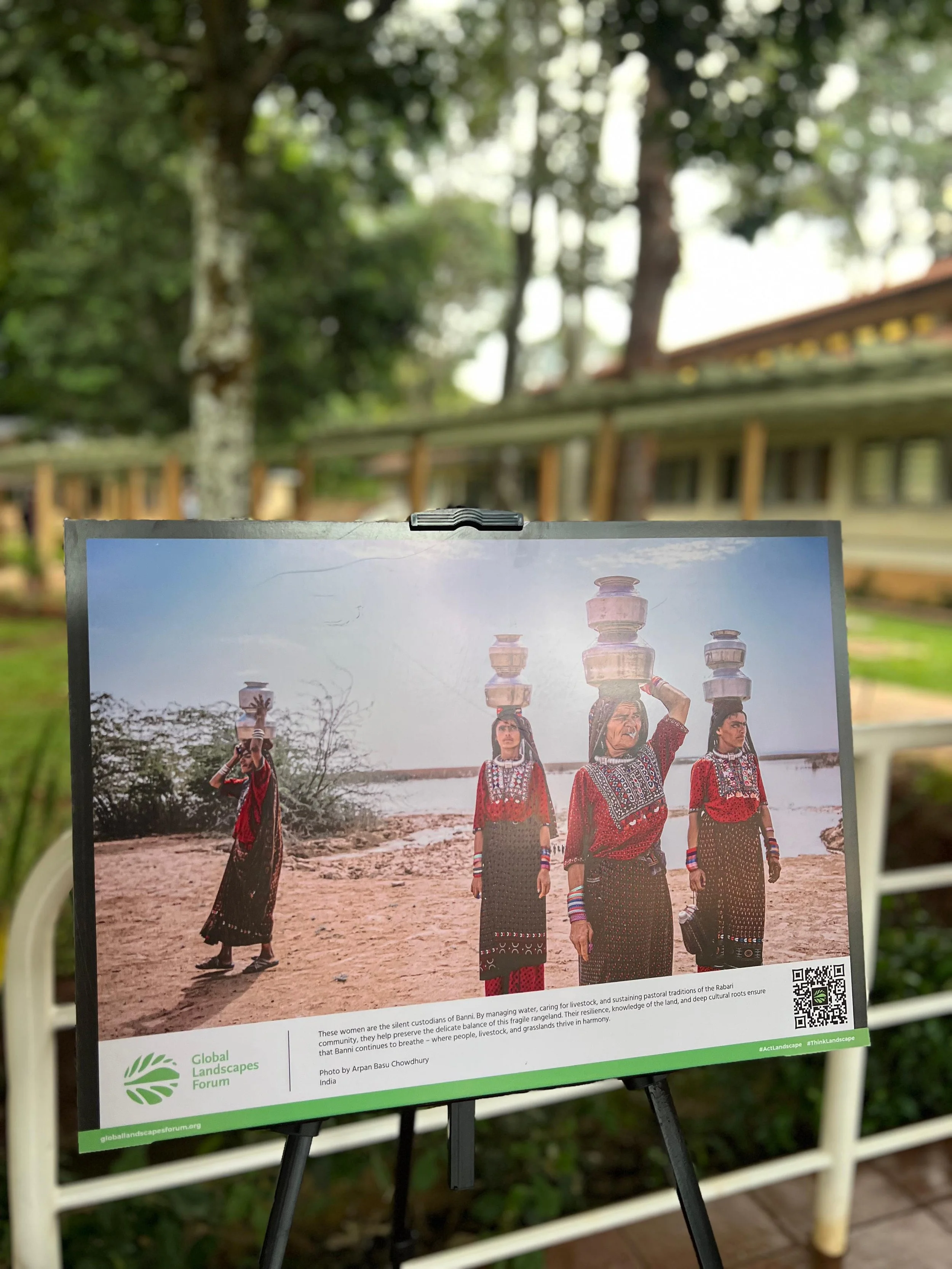
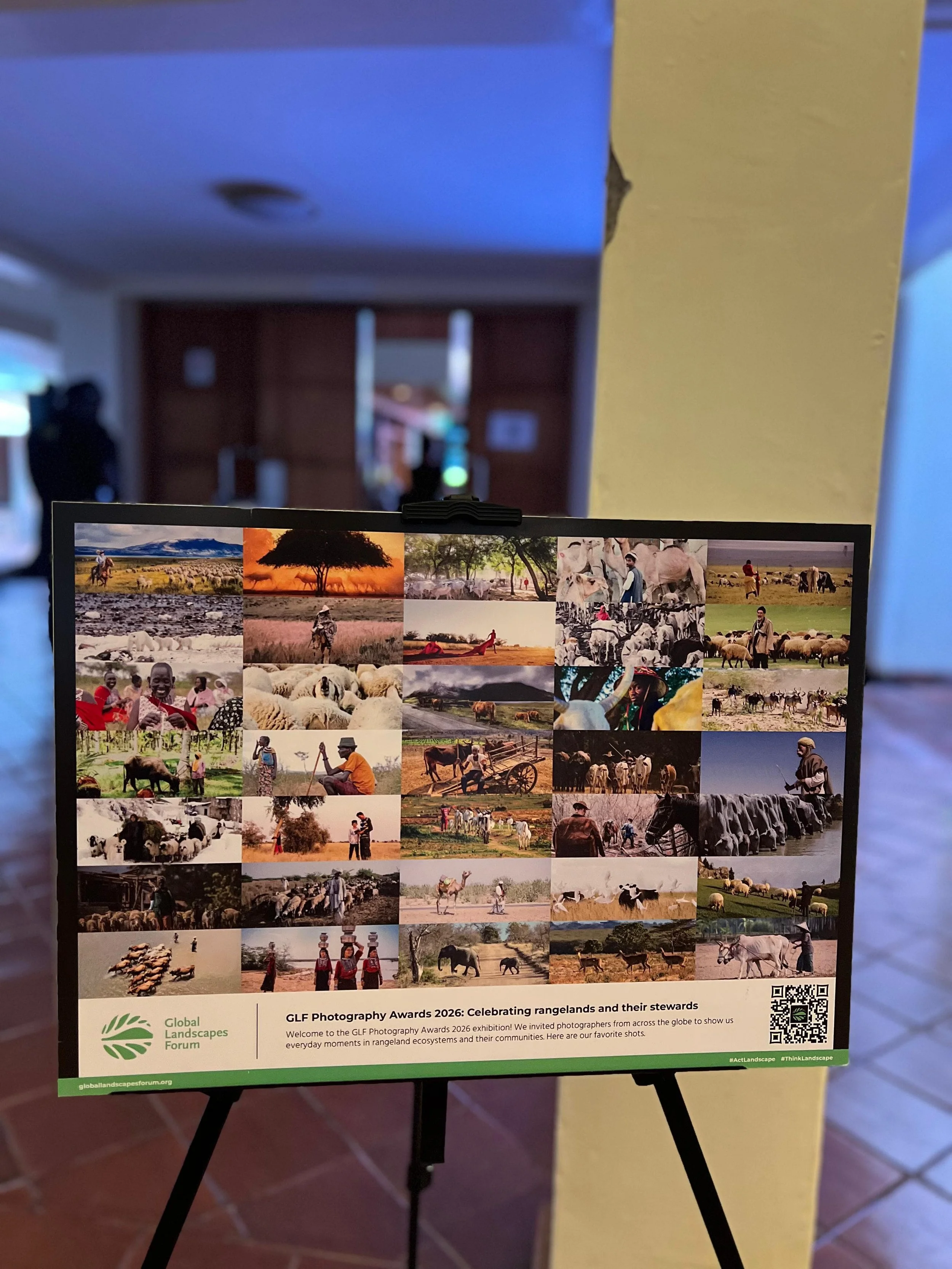
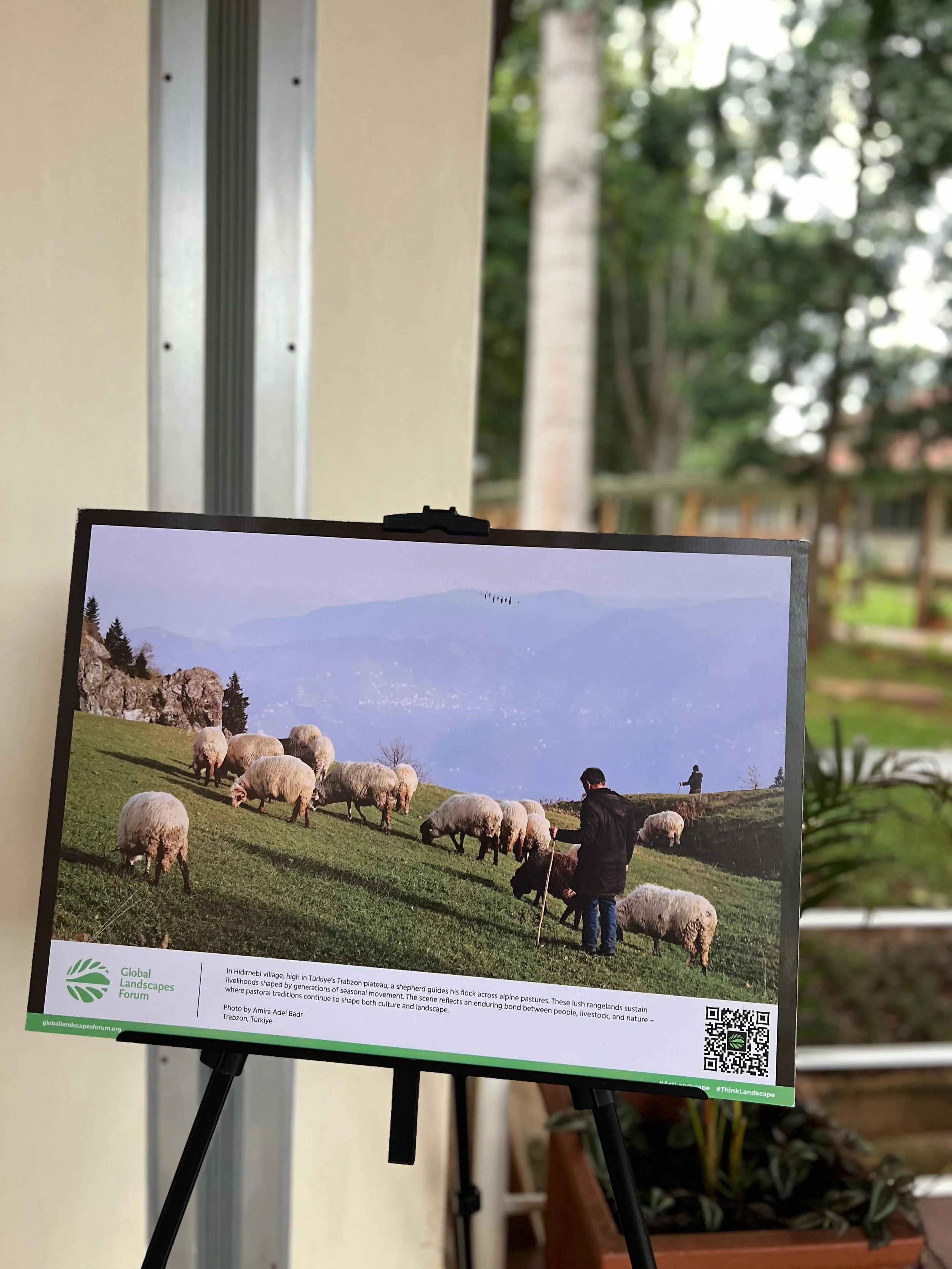
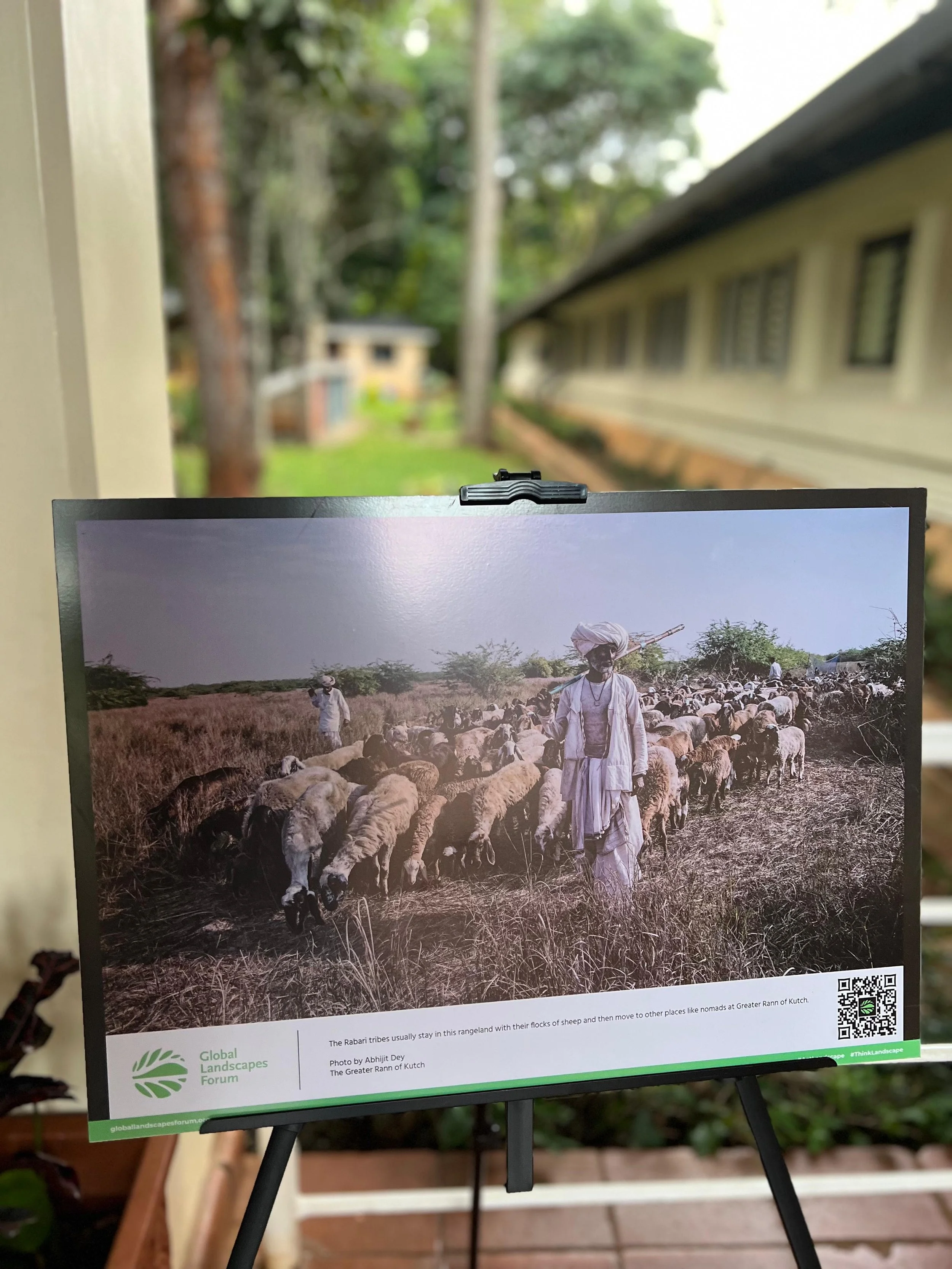
One of the most powerful themes emerging from Nairobi was the urgent need to move beyond outdated narratives around pastoralism. Conference speakers formally challenged long-standing myths that pastoralism is “backwards,” that mobility harms landscapes, or that conservation and livestock systems cannot coexist. Instead, participants highlighted pastoralism as one of the world’s oldest and most climate-adaptive land stewardship systems.
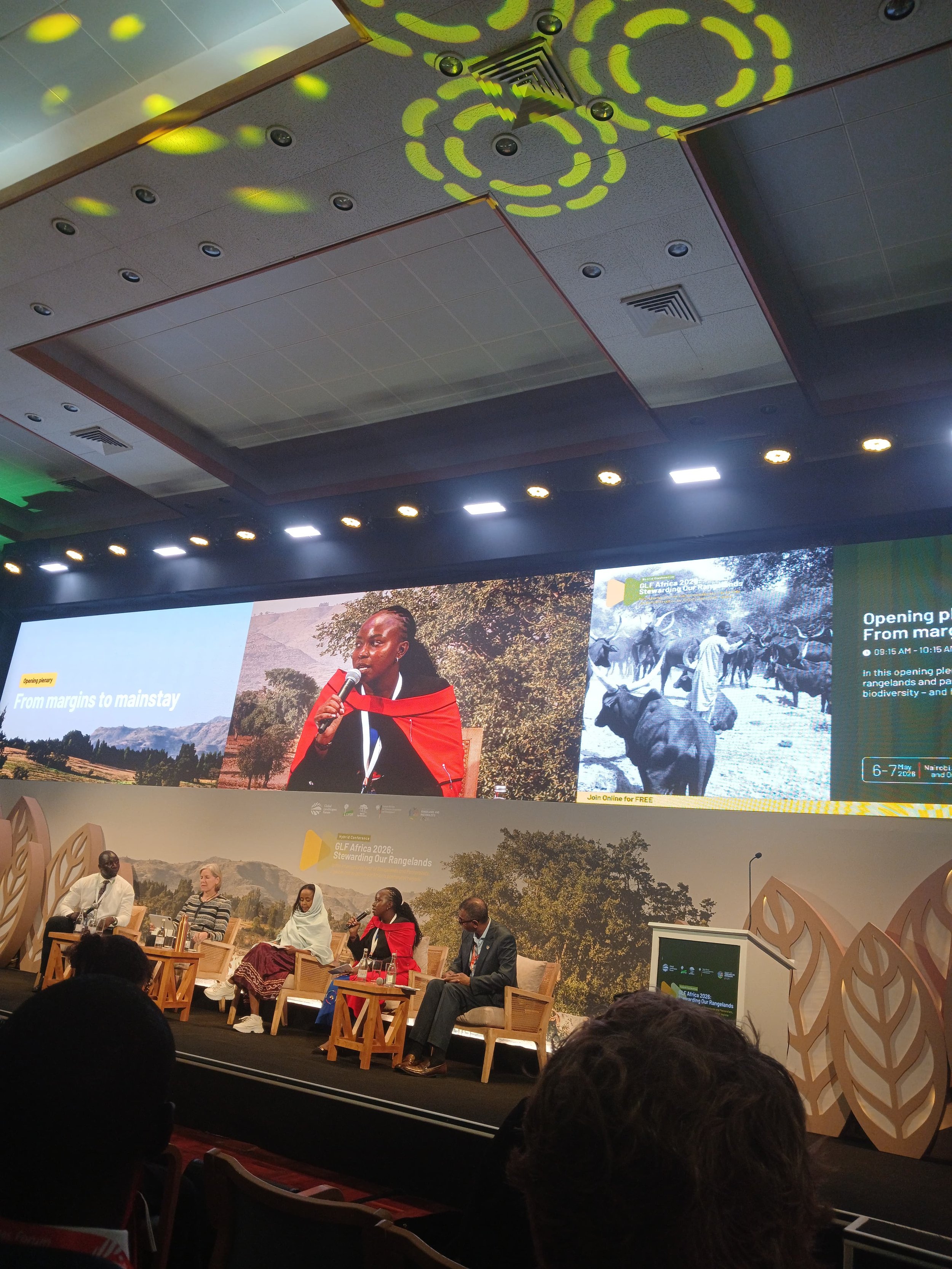
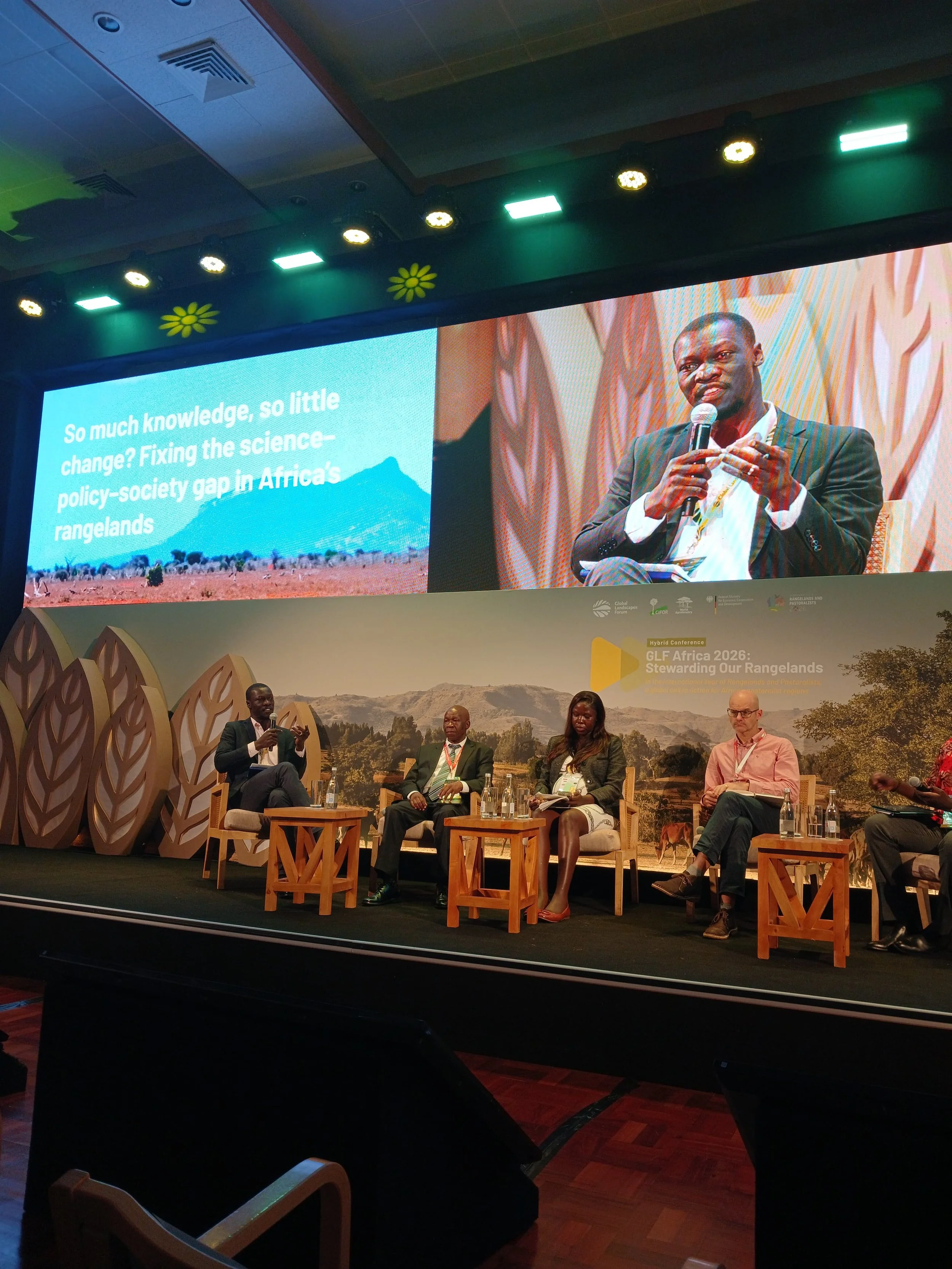
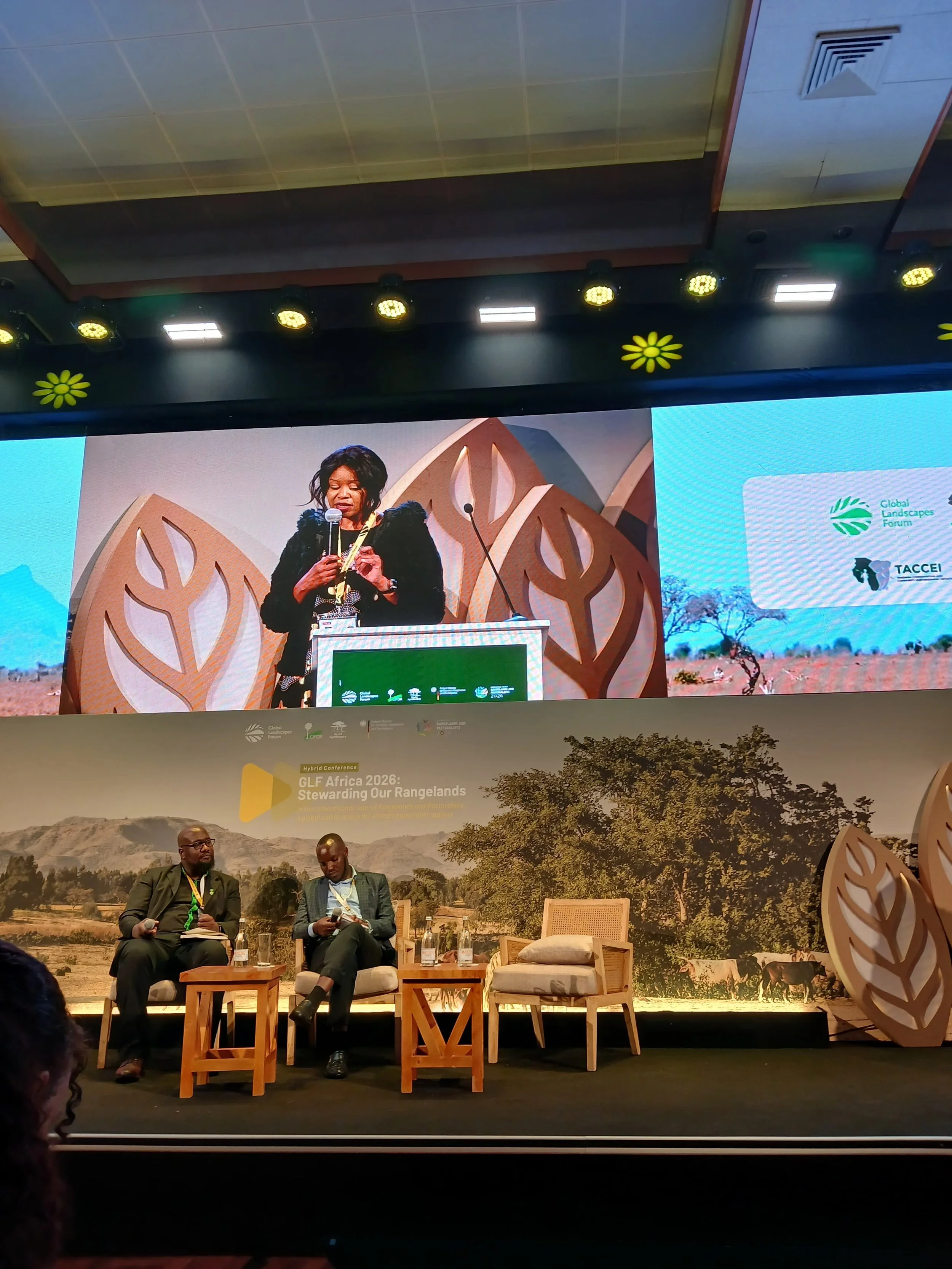
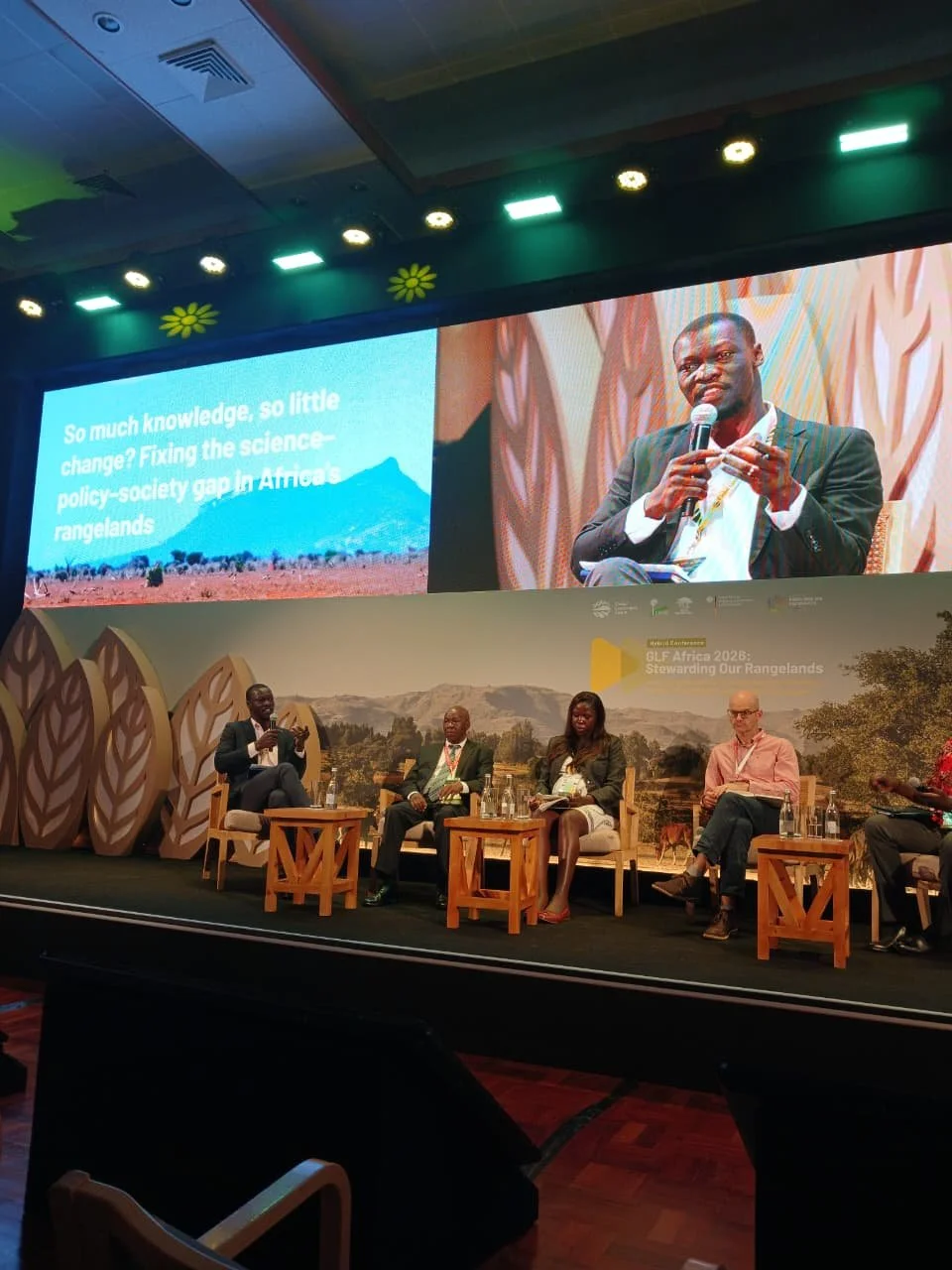
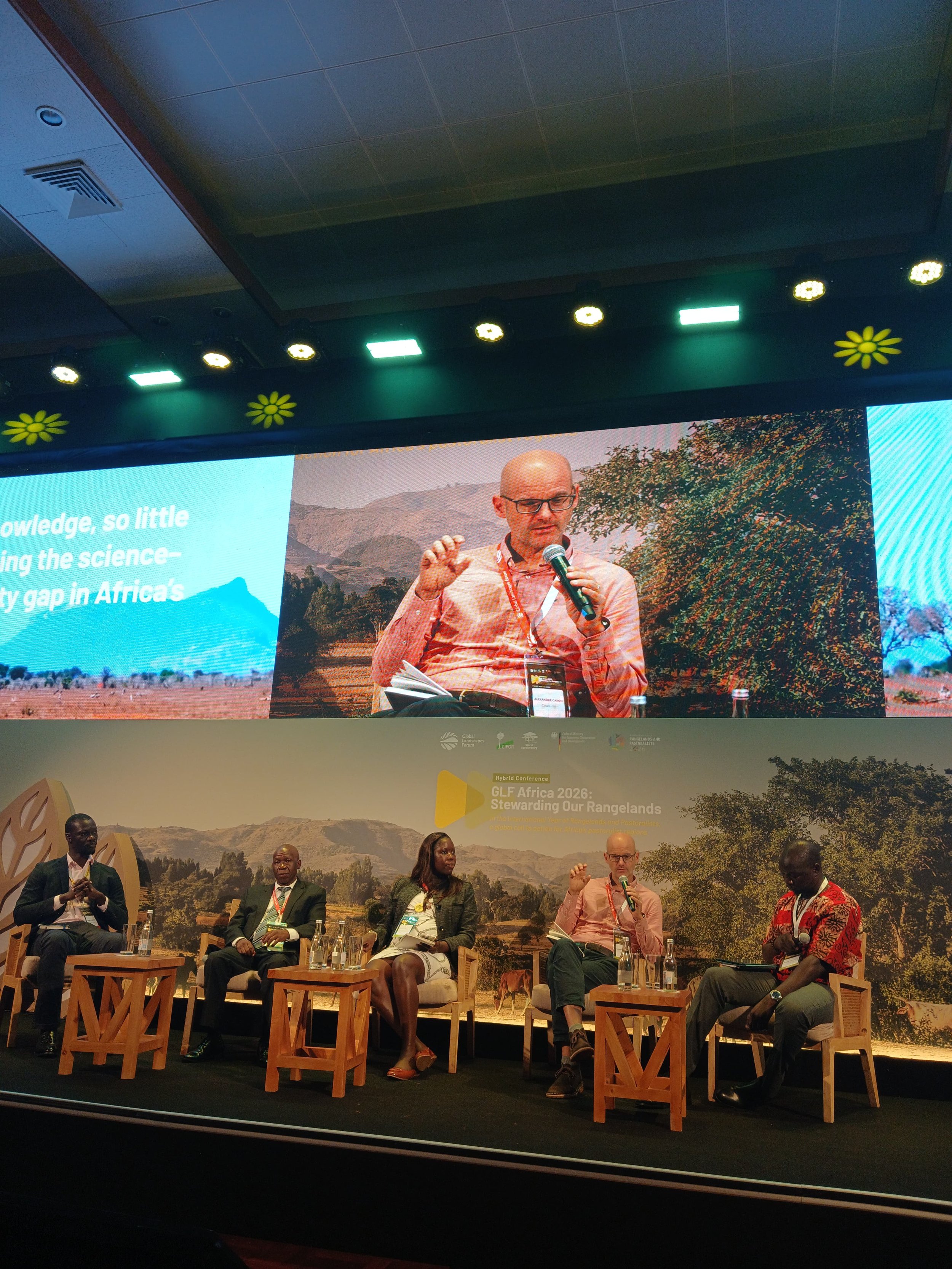
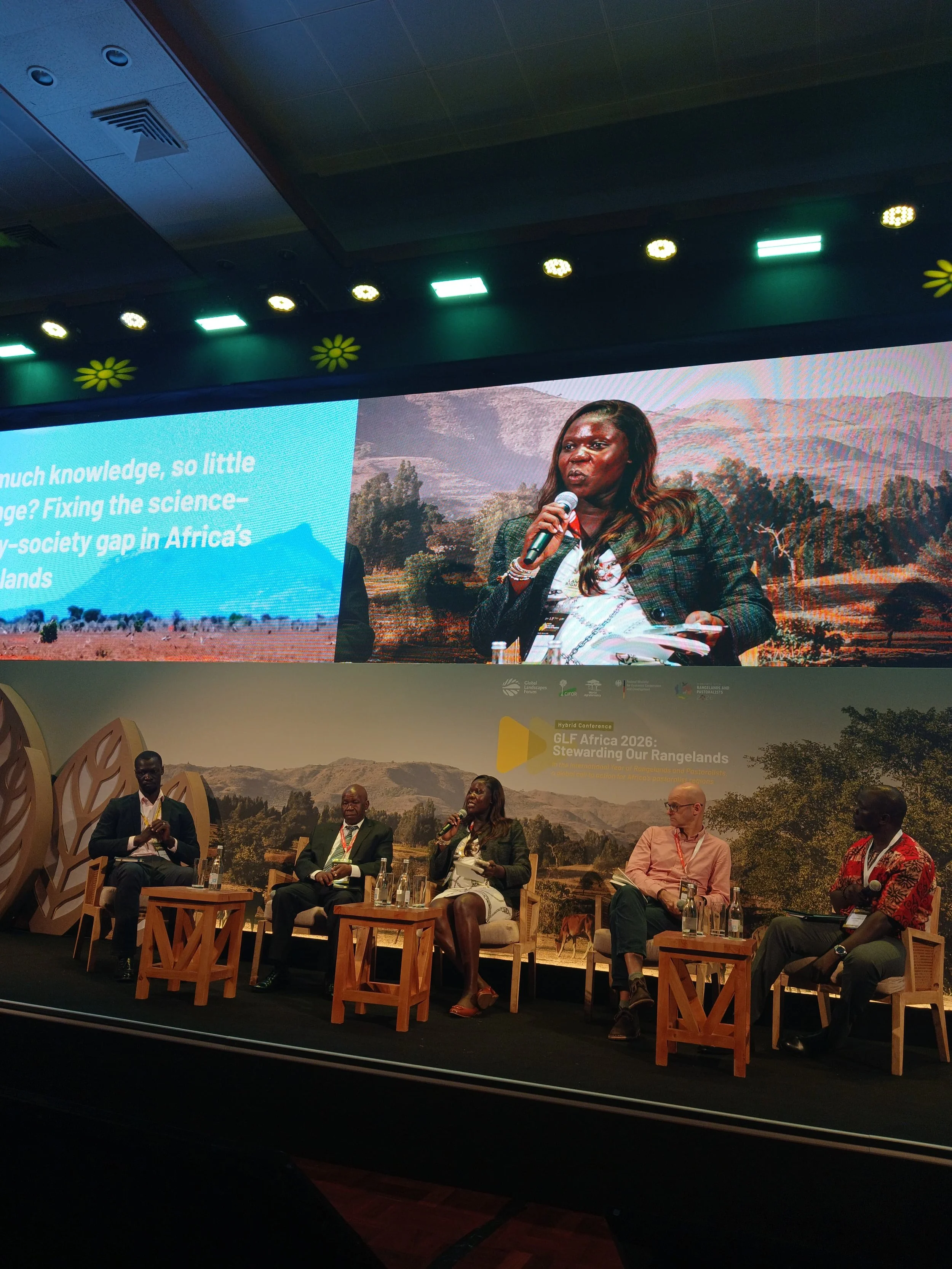
“Mobility is not a problem - it is the solution,” said Pius Loupa of the Rangelands Community Initiative Uganda, explaining how carefully managed livestock movement allows soils to rest, vegetation to recover, and biodiversity to thrive.
That idea - working with ecosystems rather than against them - surfaced repeatedly throughout the event. Regenerative grazing, indigenous knowledge systems, community-led restoration, and soil health monitoring were discussed not as niche alternatives, but as practical pathways toward resilience in an era of climate uncertainty.
Soil itself became a central character in the conversation.
“Soil is home,” said Nancy Githaiga of the African Wildlife Foundation during a Day 1 plenary session. “When the foundations shake, can anyone stand?”
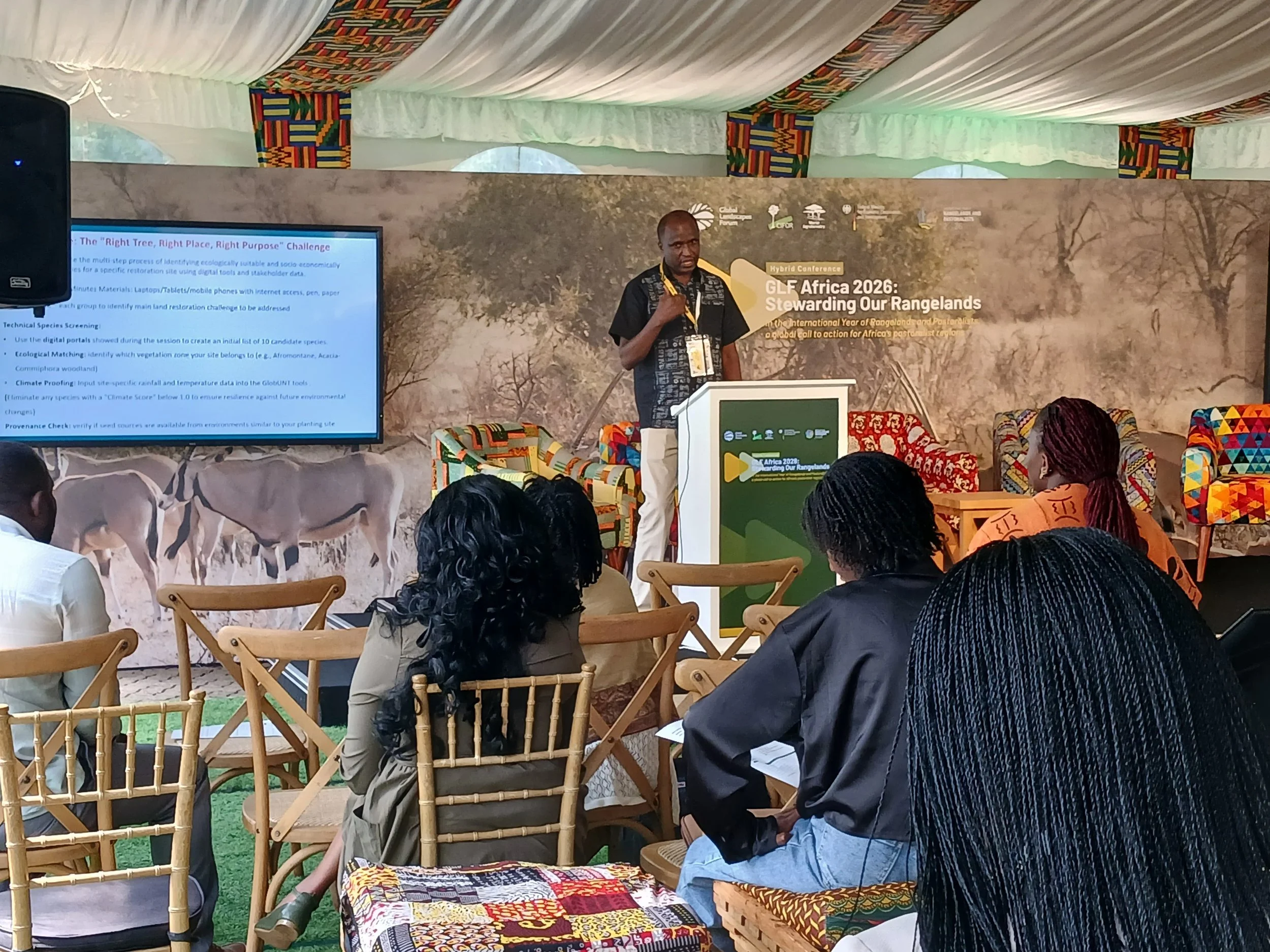
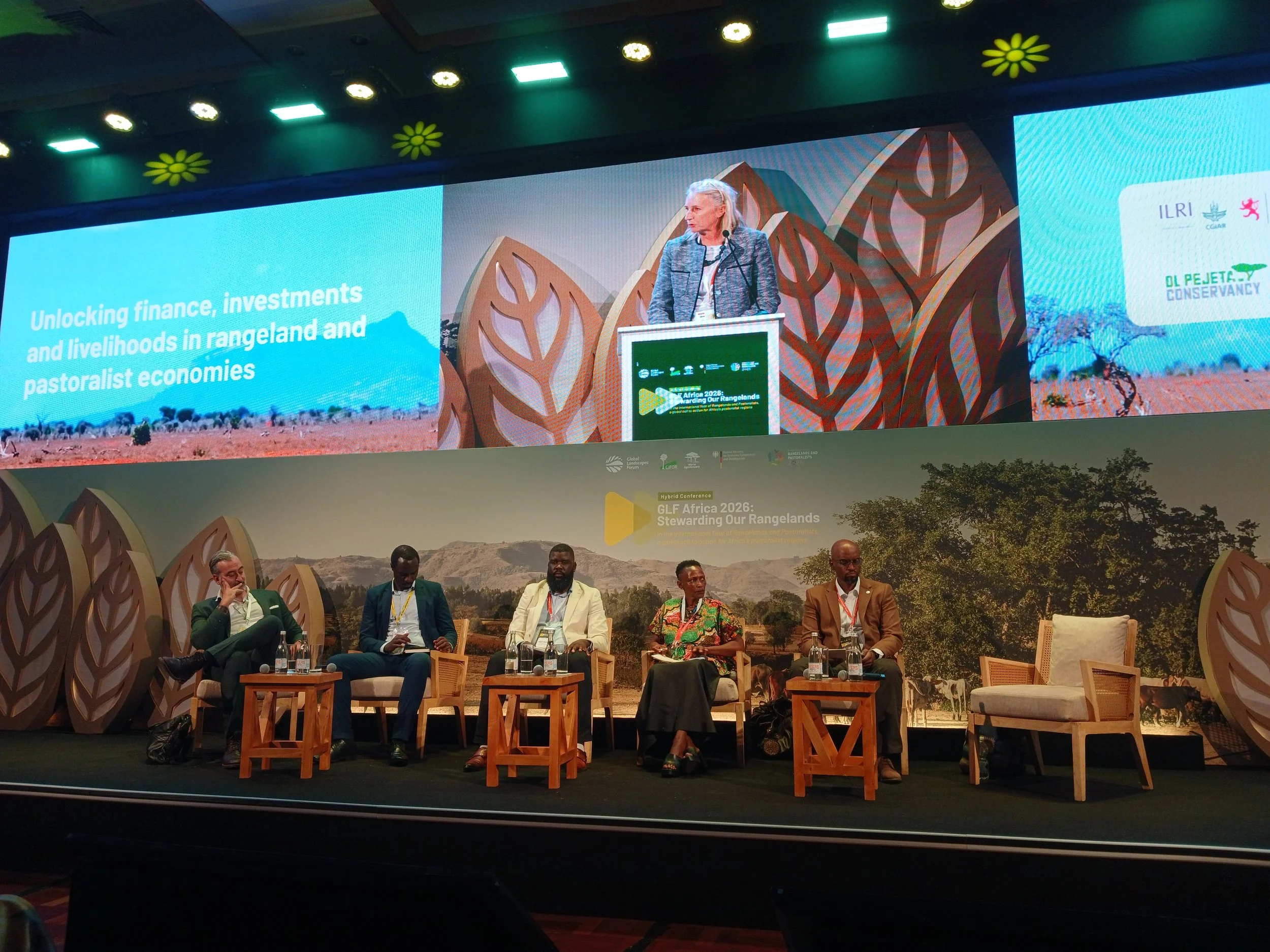
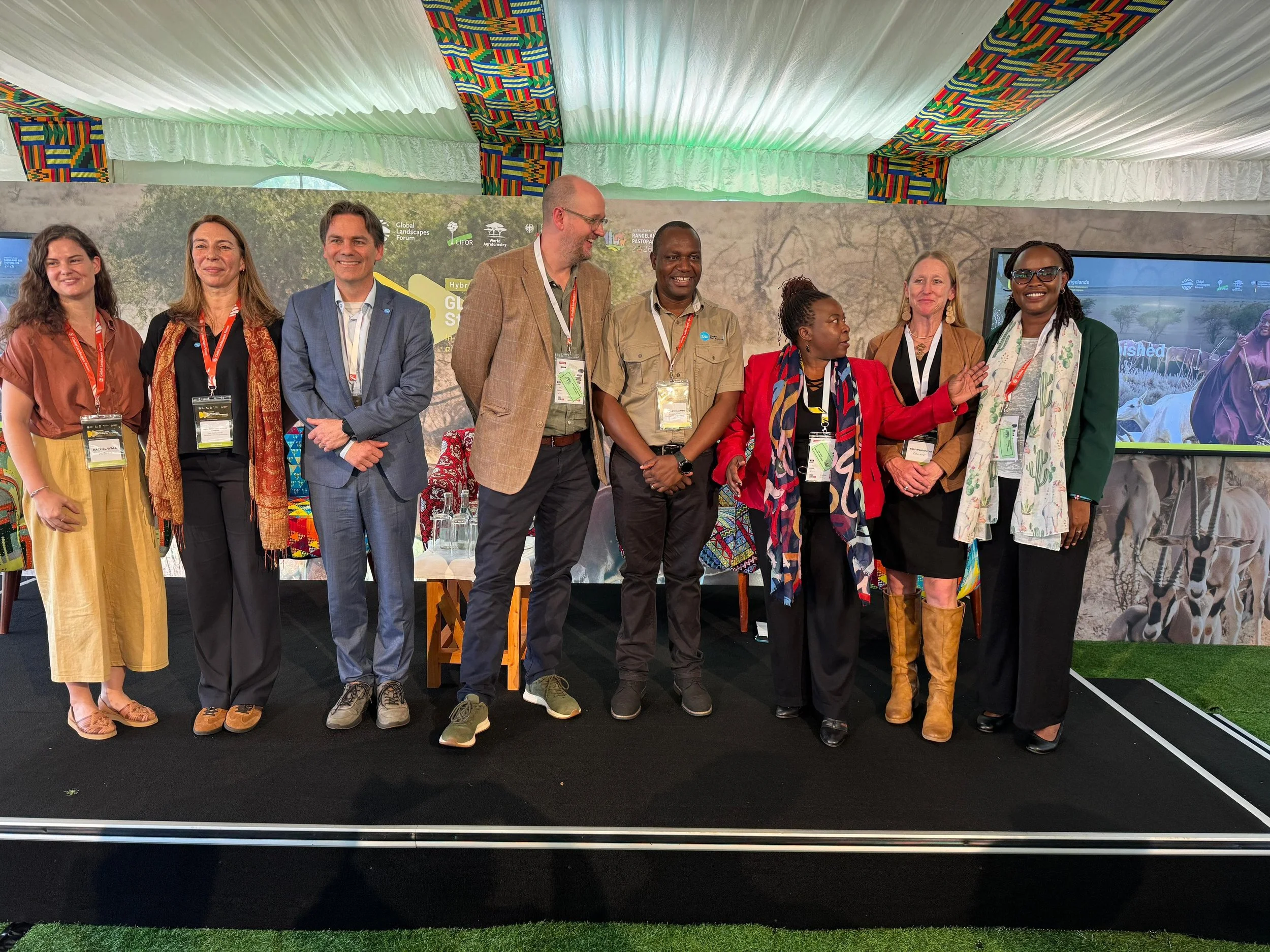
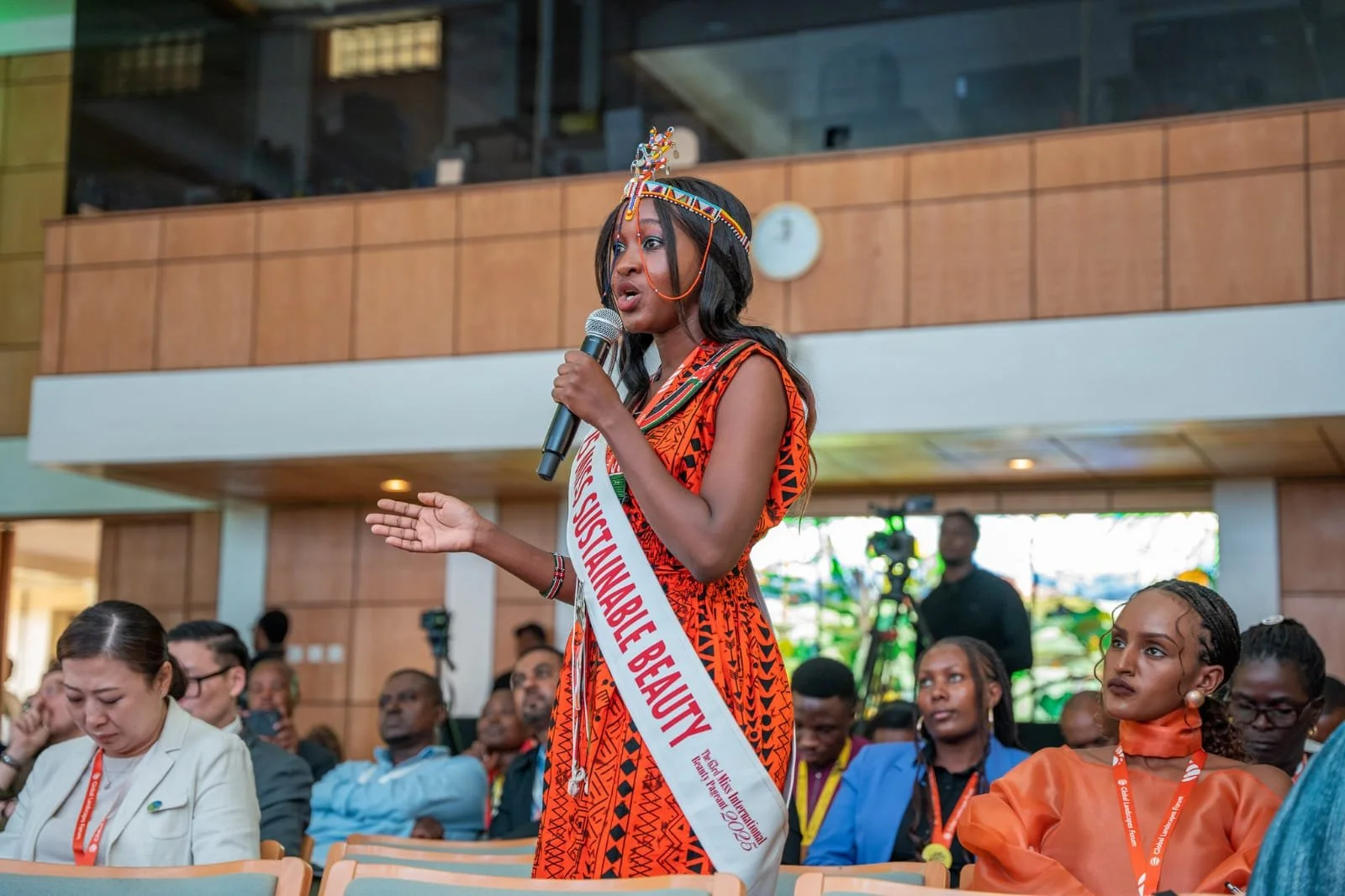
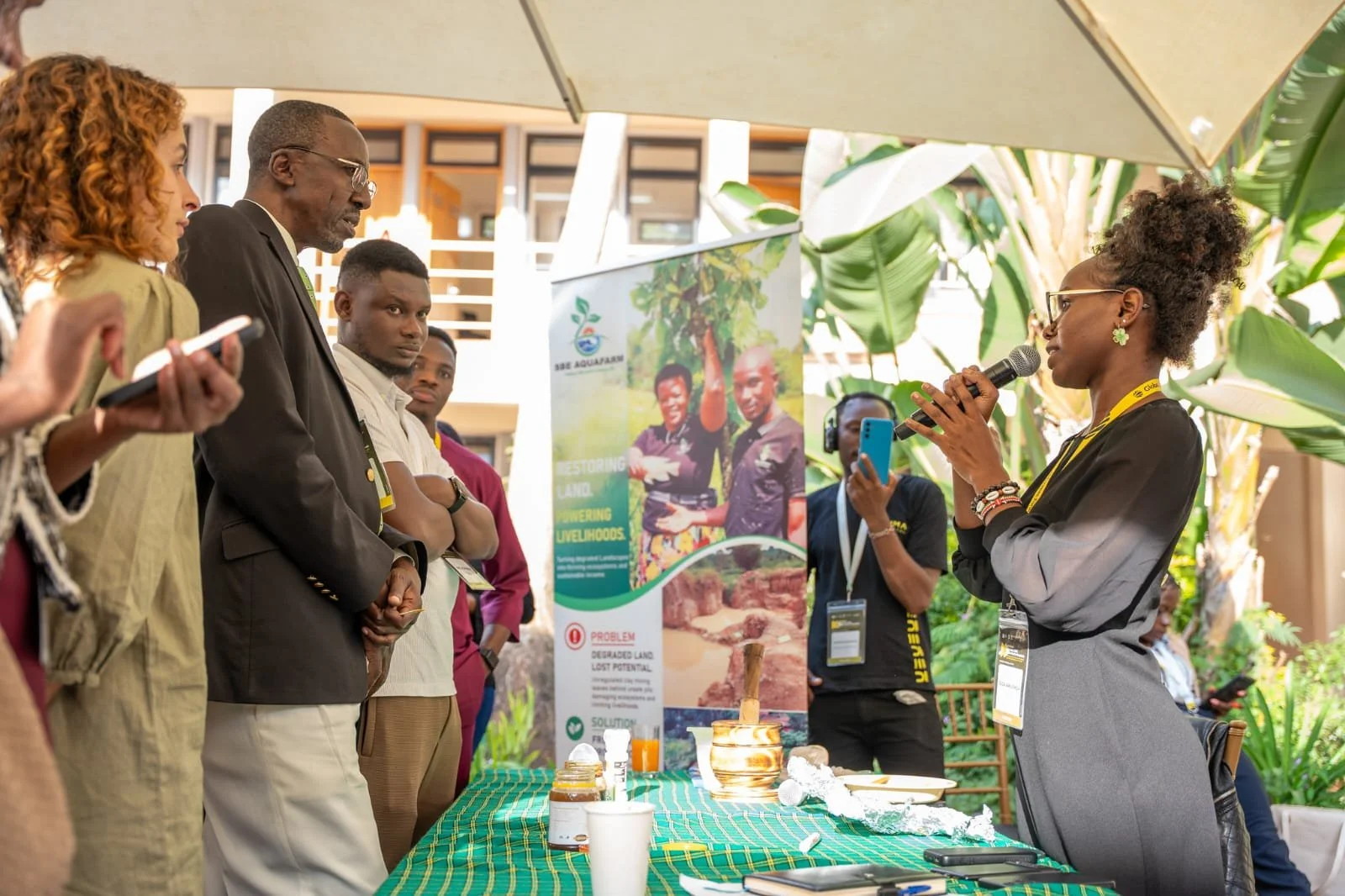
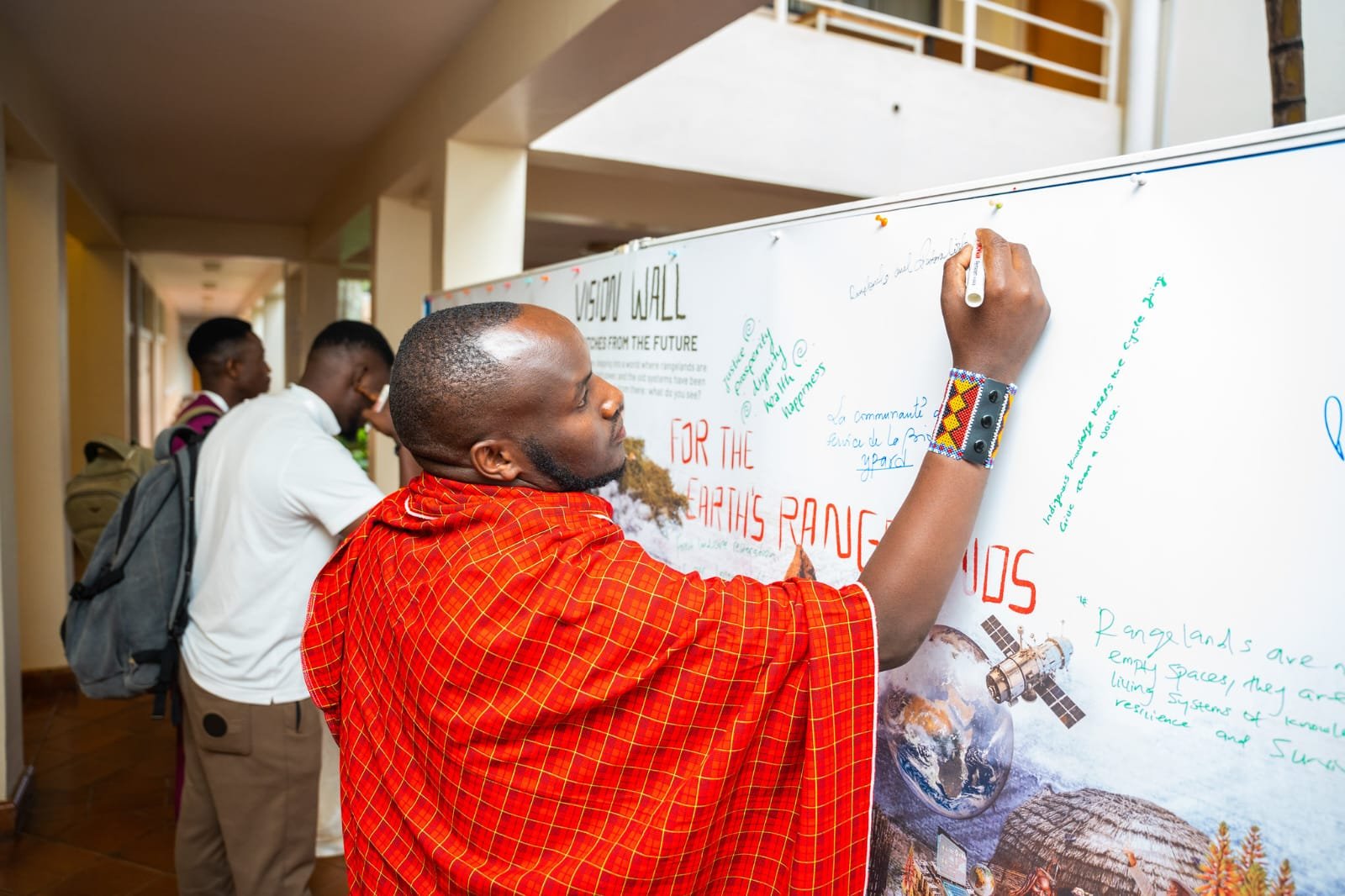
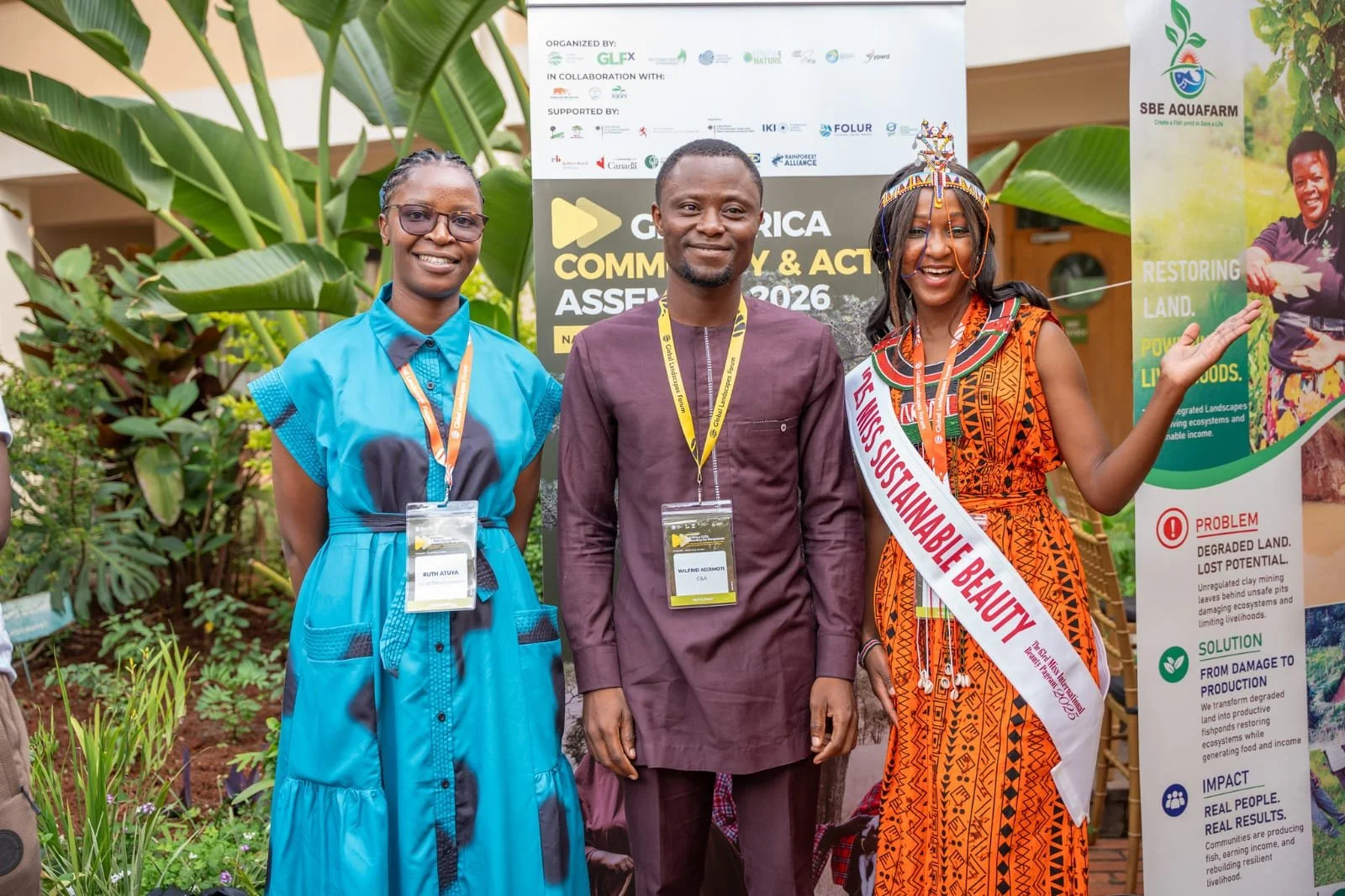
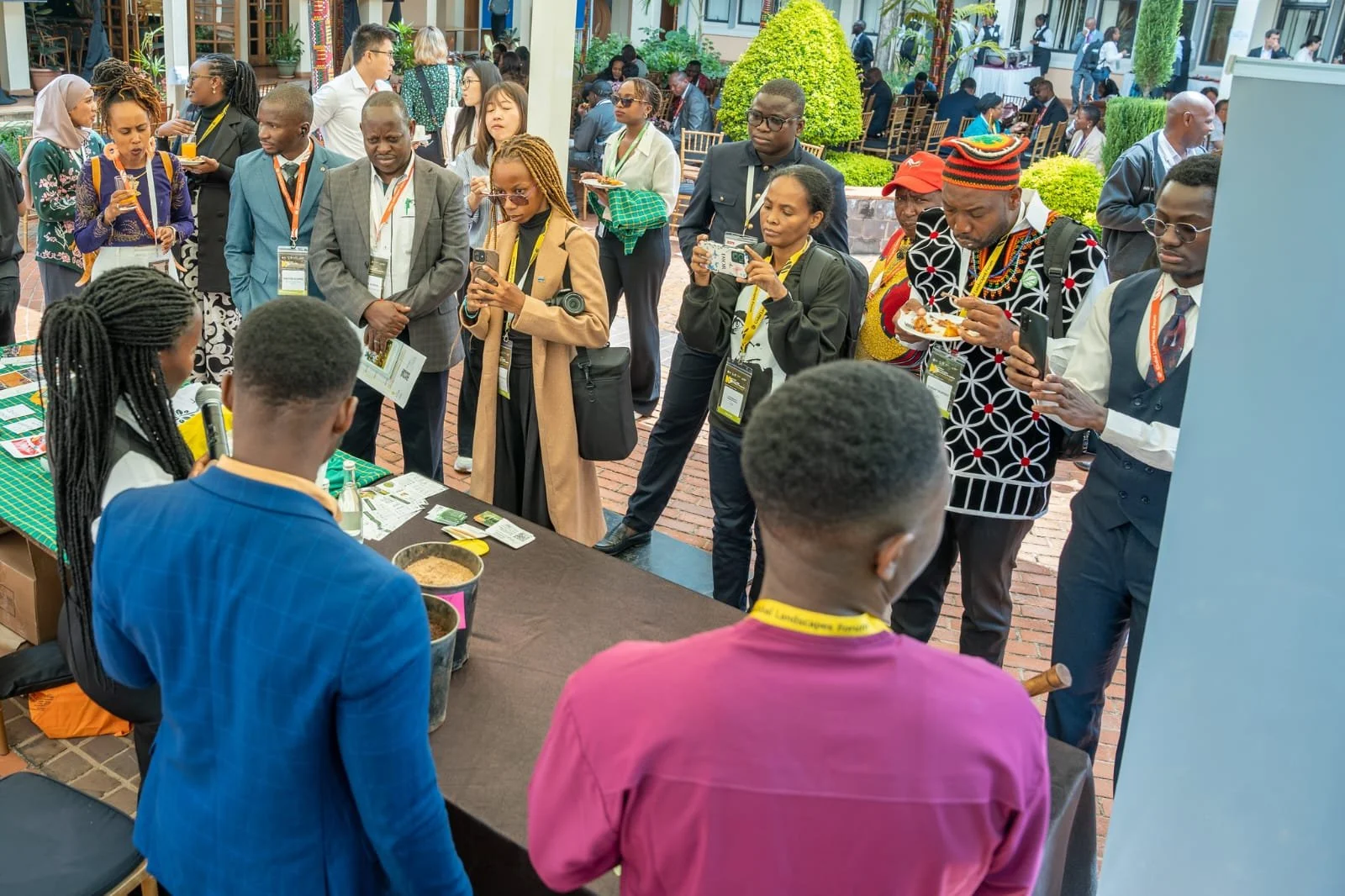
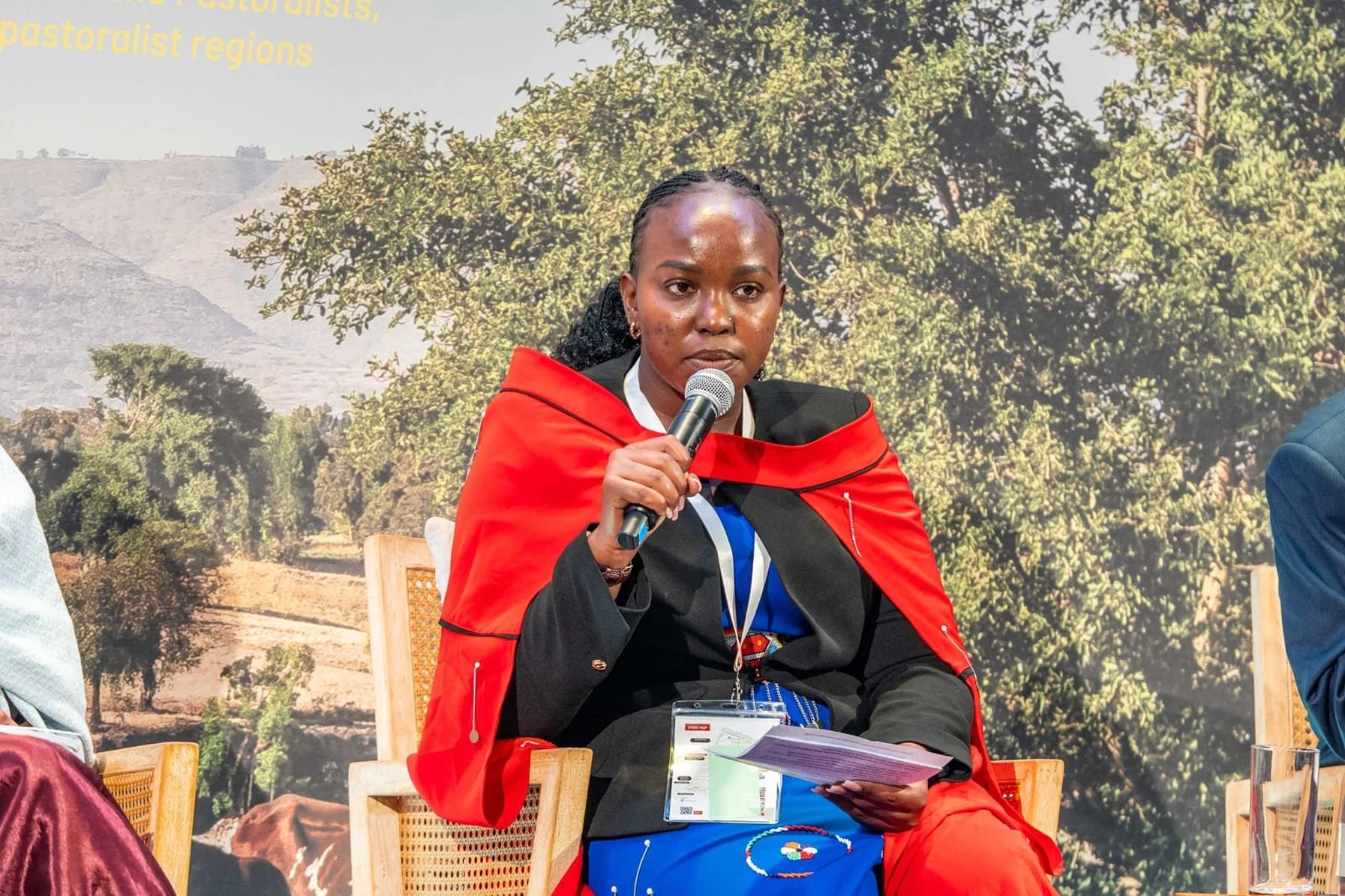
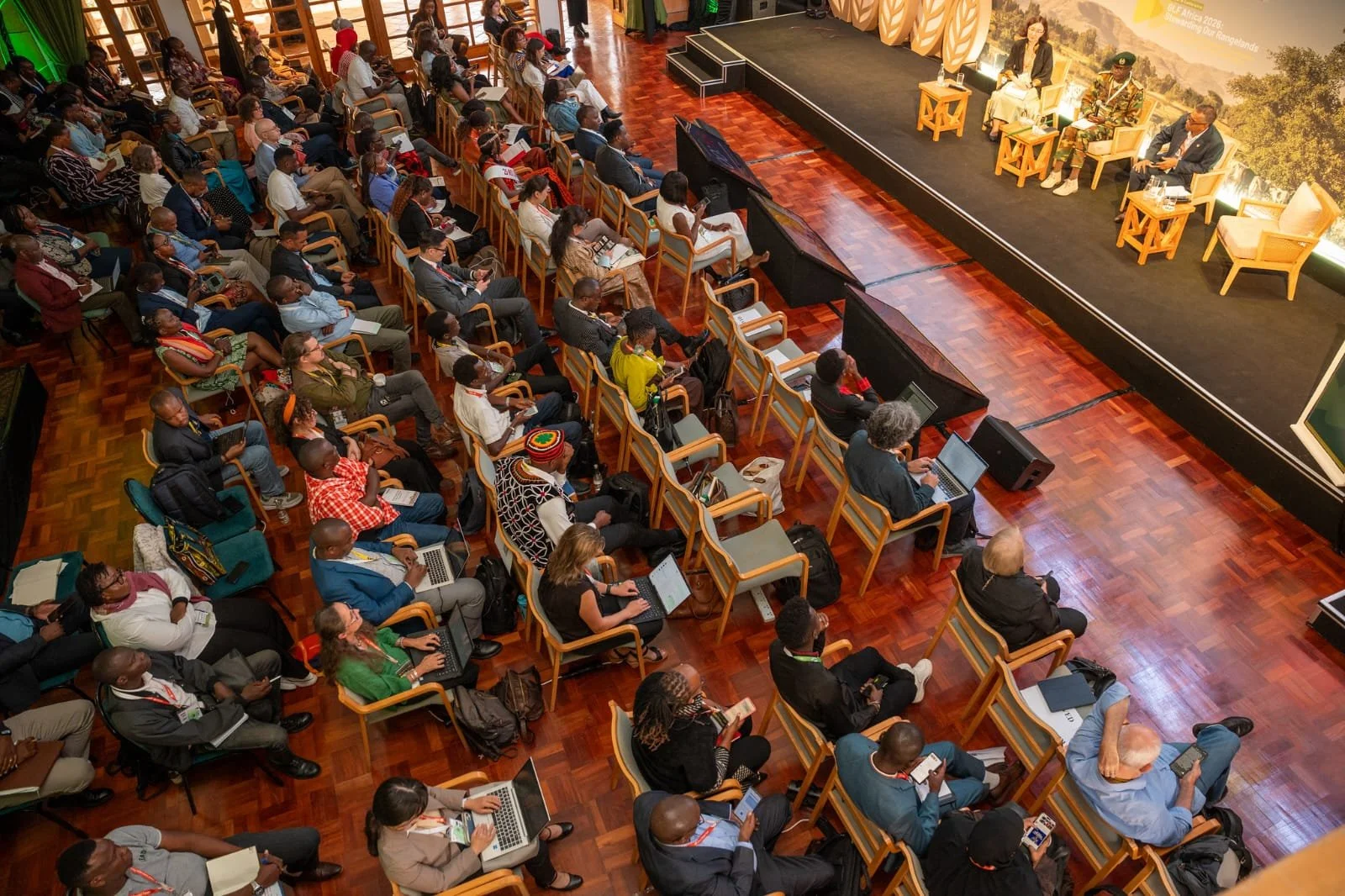
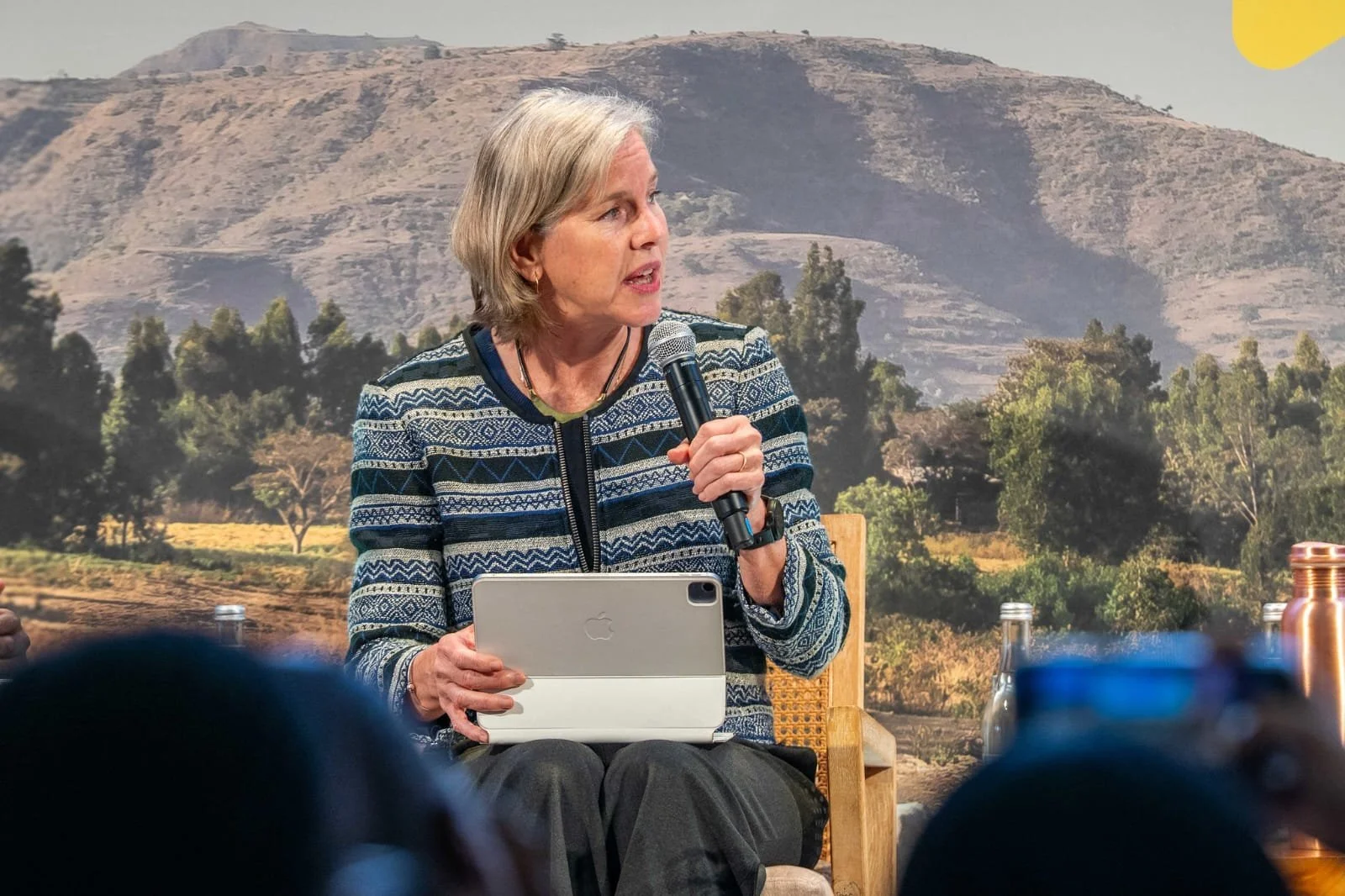
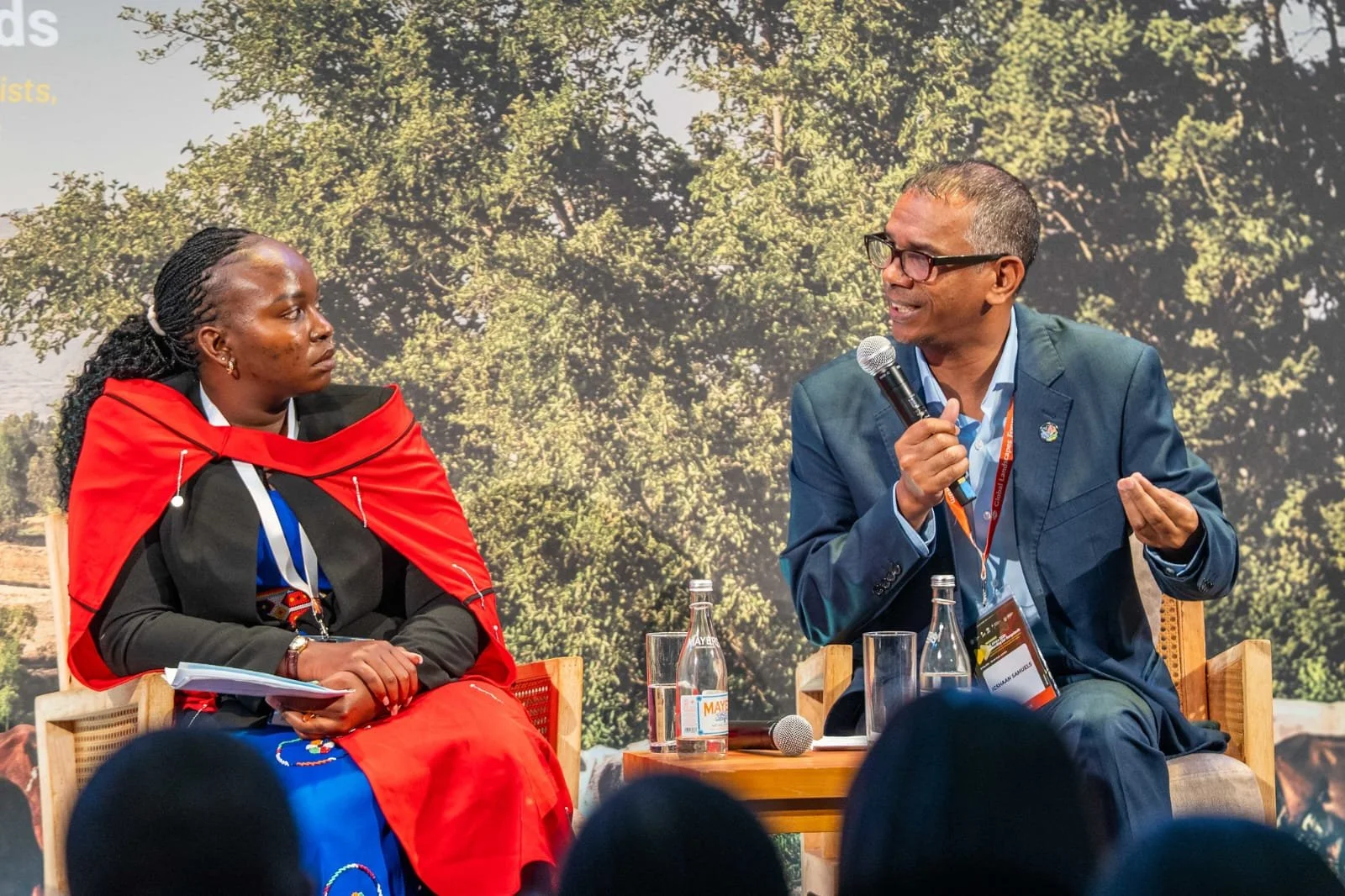
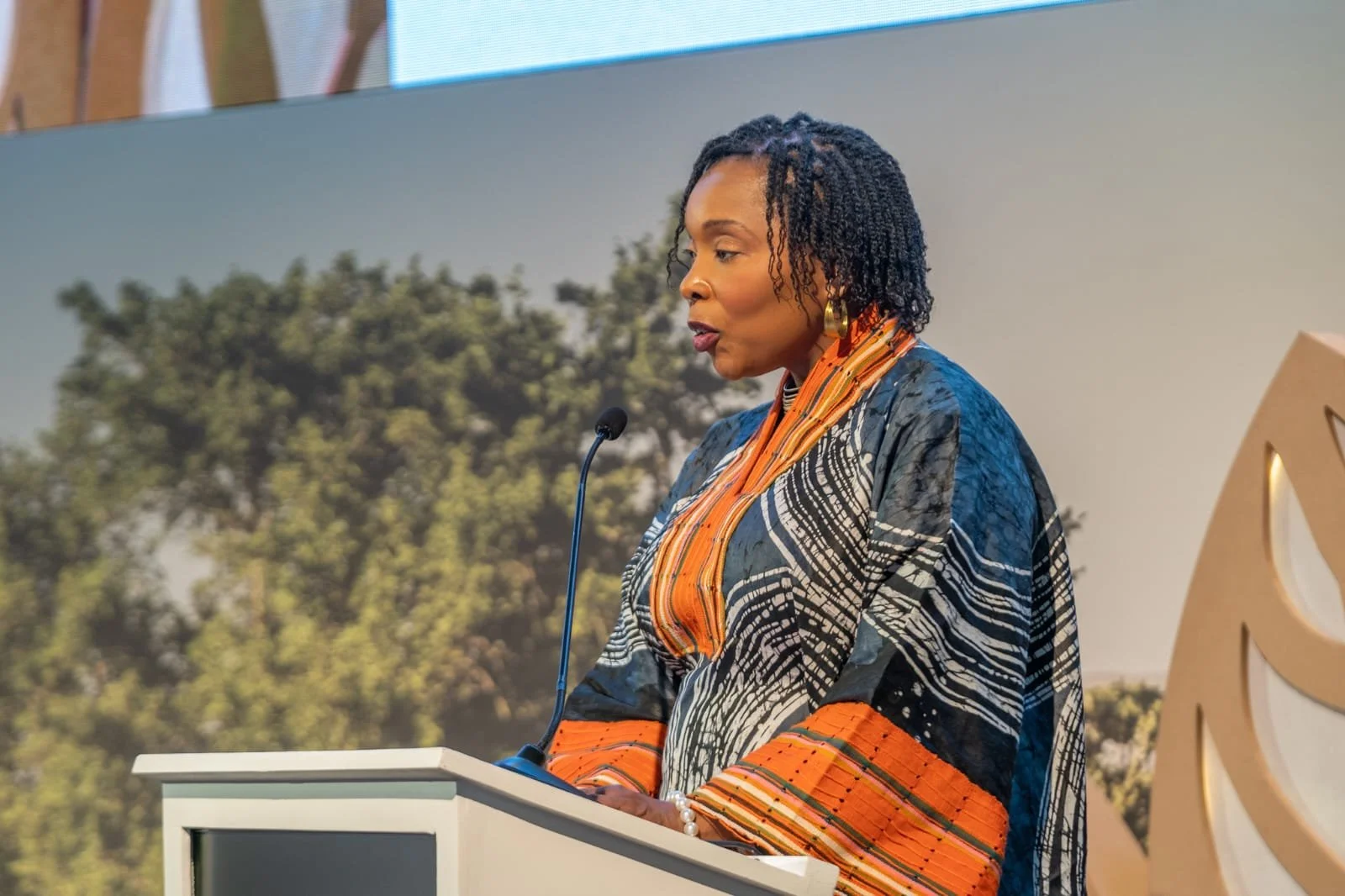
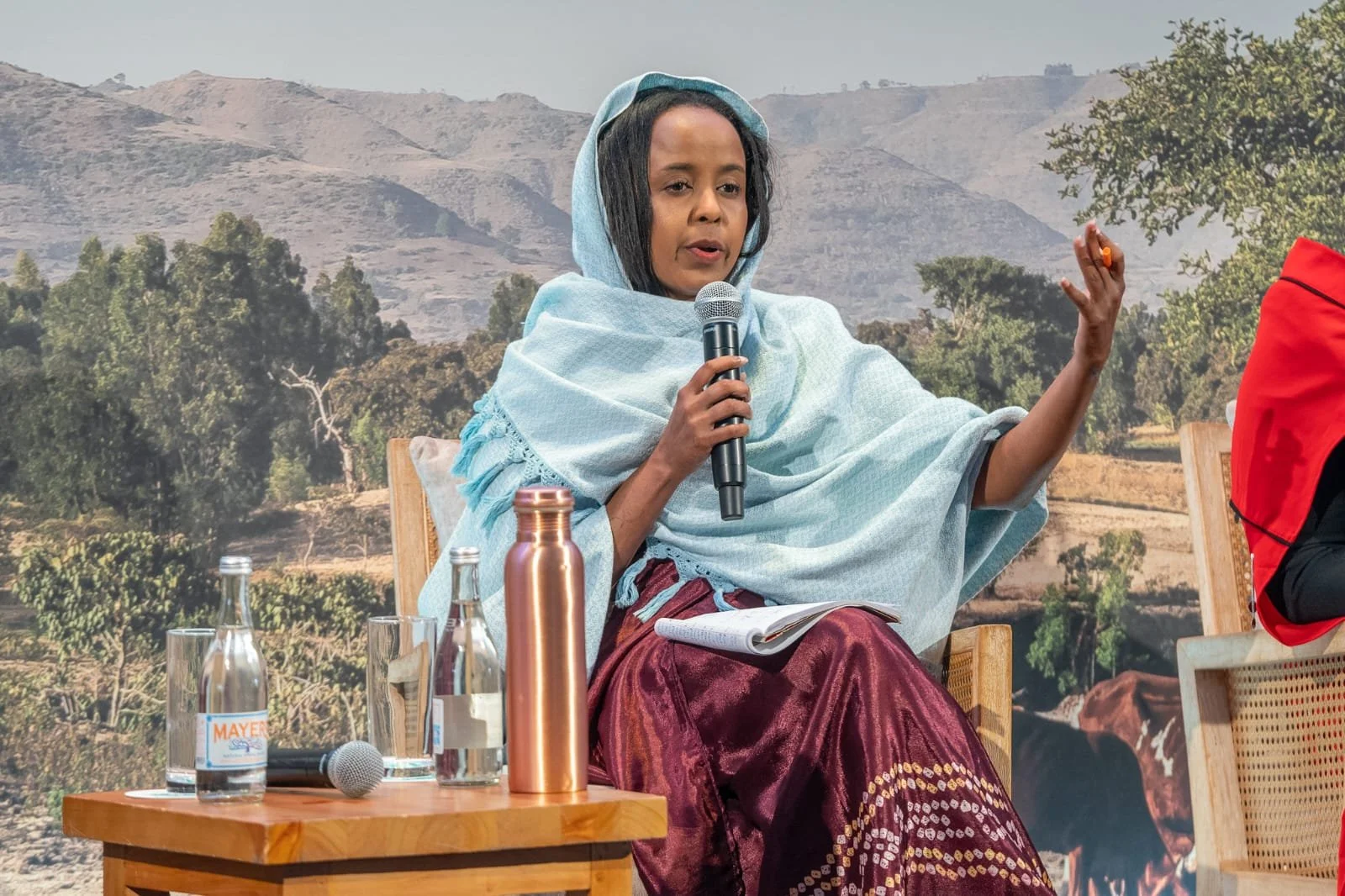
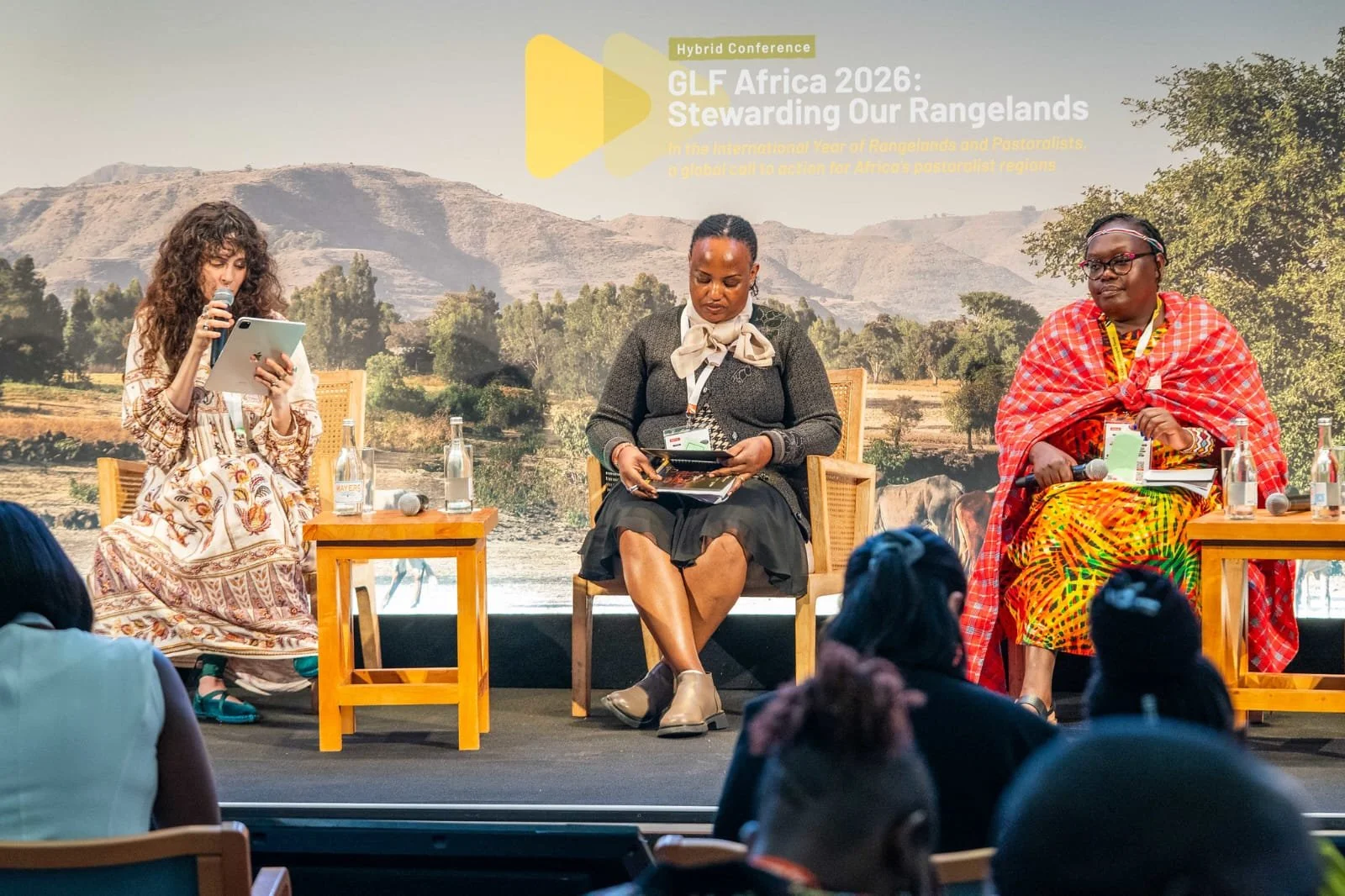
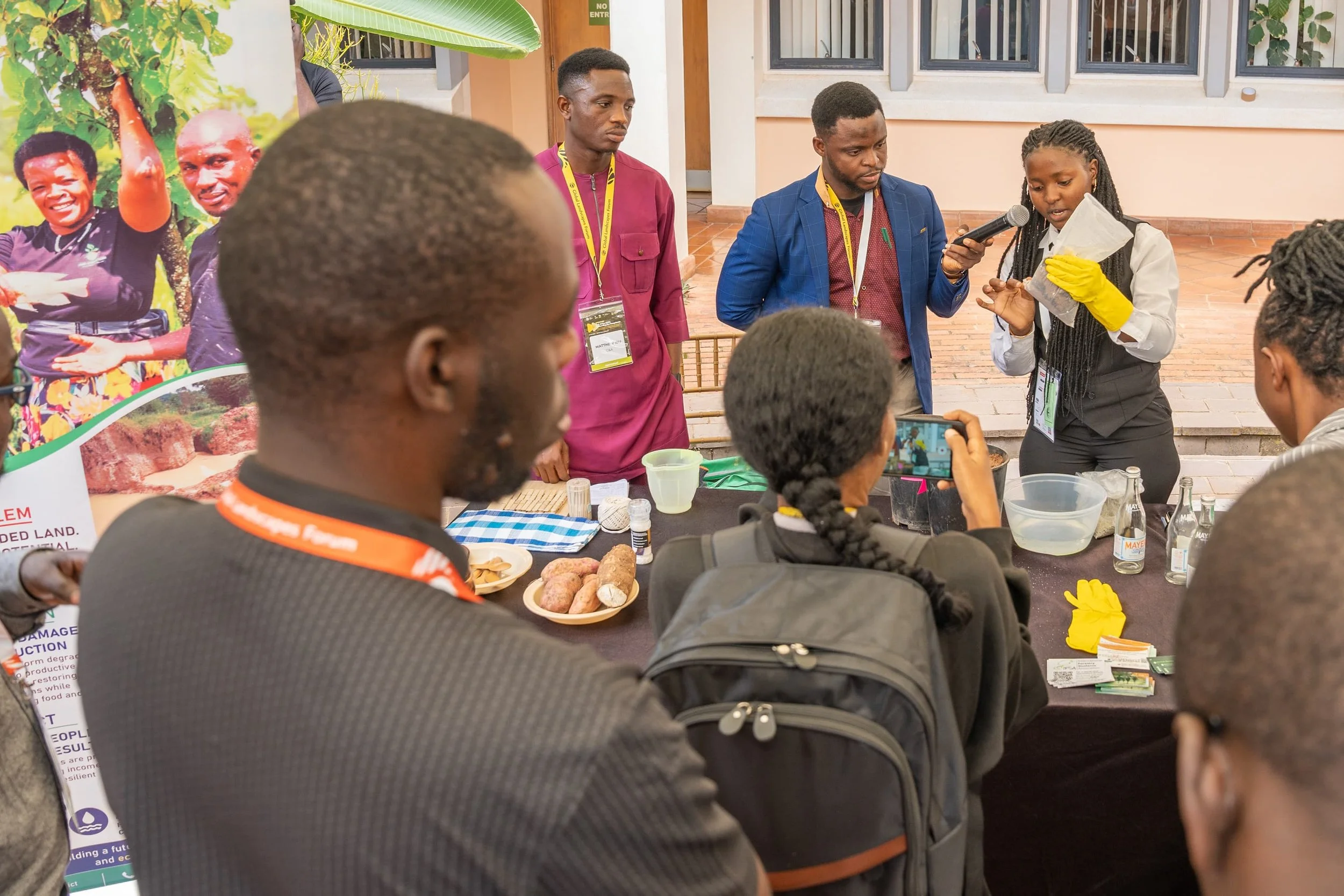
For many young people entering environmental spaces, soil health can sometimes sound abstract or overly technical. But in Nairobi, speakers reframed it differently: healthy soils mean stronger food systems, cleaner water, healthier ecosystems, more resilient livelihoods, and communities better able to withstand drought and climate shocks. Soil health is not separate from human wellbeing, it underpins it.
Importantly, GLF Africa 2026 also challenged the idea that youth are simply “leaders of tomorrow.” Across the conference, young people were already leading restoration projects, regenerative agriculture initiatives, citizen science programmes, and pastoralist advocacy efforts in real time.
From youth-led restoration enterprises to digital soil monitoring and regenerative land management projects, the next generation is already reshaping how landscapes are restored and governed. The question now is whether global systems are ready to take youth leadership seriously enough to invest in it.
That challenge will only grow more important as attention turns toward COP17 in Mongolia, where rangelands, drought resilience, land degradation, and restoration are expected to take centre stage. Several major initiatives launched in Nairobi are already helping build momentum toward those negotiations, including Mongolia’s proposed Rangeland Flagship Initiative and new international finance and policy platforms focused on restoration and regenerative land management.
For the Coalition of Action for Soil Health (CA4SH), the road from Nairobi to Mongolia is about more than conferences or declarations. It is about ensuring that restoration efforts remain grounded in science, community knowledge, and lived realities - especially those of pastoralists, women, and youth.
As one conference declaration reminded participants:
“Restoration is not only about restoring land. It is about restoring relationships - with nature, with each other, and with future generations.”
For young people watching these conversations unfold, perhaps that is the real invitation of IYRP 2026: not simply to inherit the future of rangelands, but to help shape it now.
Related Articles
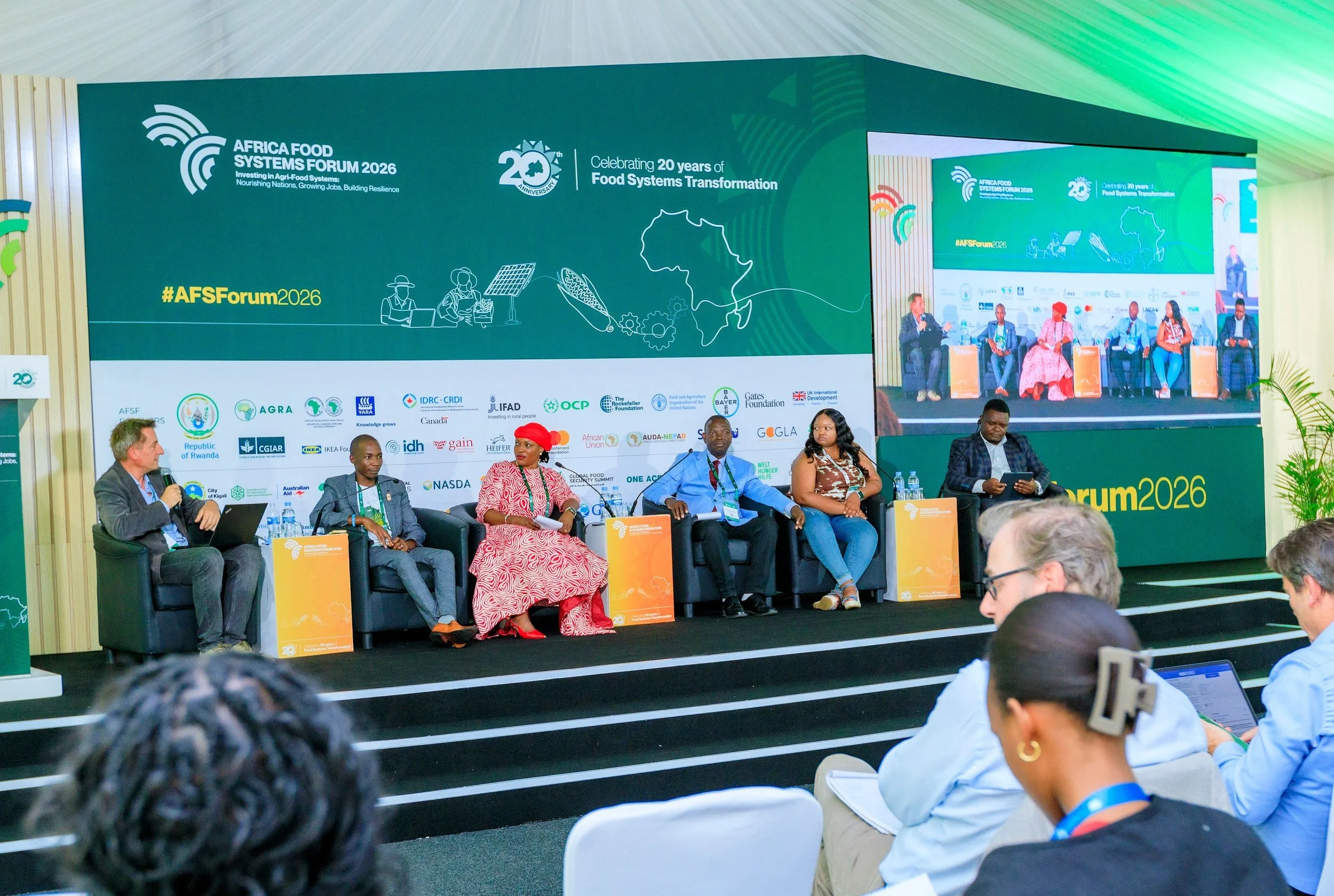
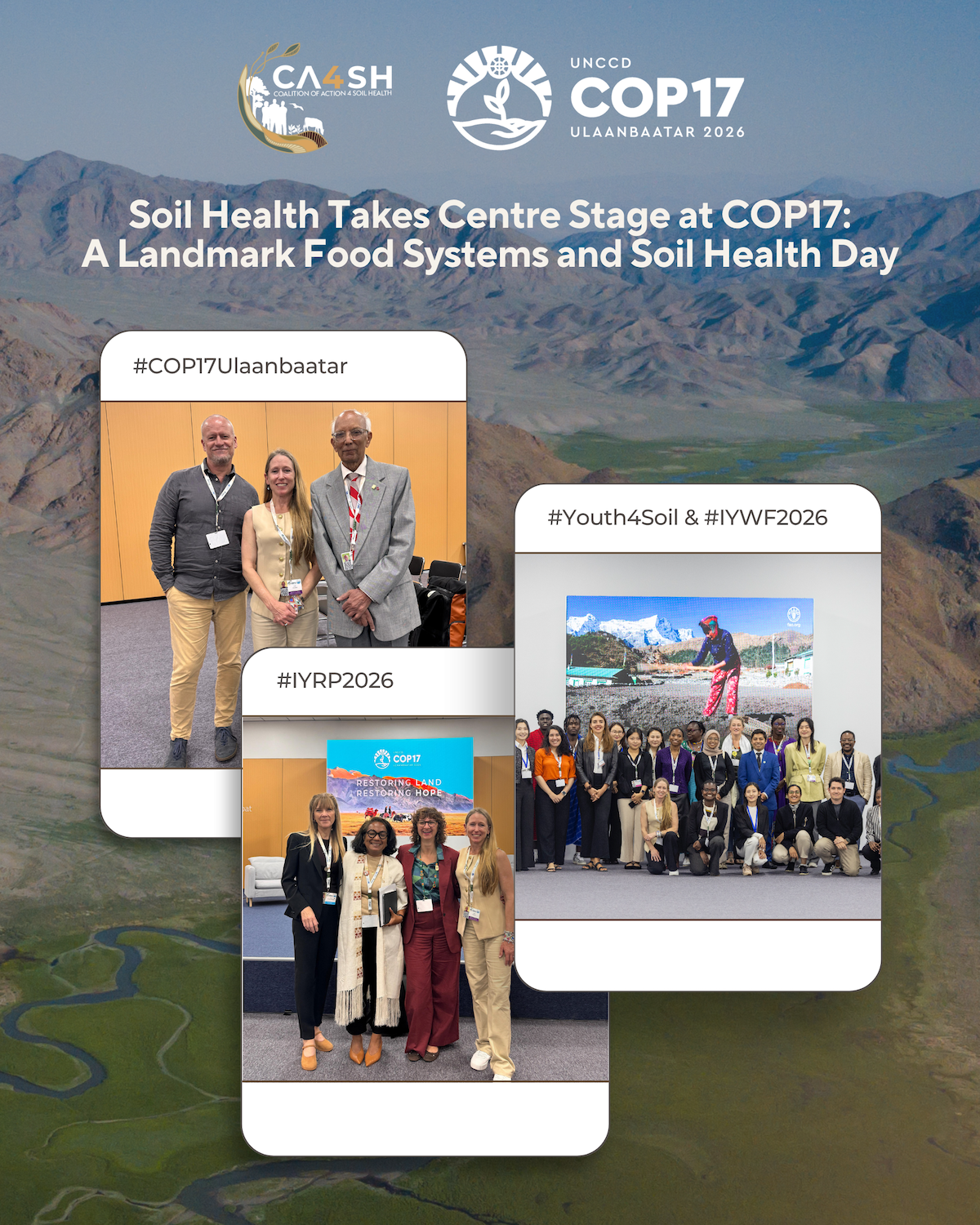


The Coalition of Action 4 Soil Health (CA4SH), Landscape Alliance (CIFOR-ICRAF), Deutsche Gesellschaft für Internationale Zusammenarbeit (GIZ) GmbH, the Norwegian Agency for Development Cooperation (Norad), CGIAR Multifunctional Landscapes Science Program, WWF, and partners, convened senior leaders and partners at UNCCD COP17 Mongolia for a high-level dinner focused on a simple but critical message: healthy soils are fundamental to resilient food systems, healthy ecosystems and a more climate-resilient future.