
Growing Together: The Soil and Land Health Theme Strengthens Collaboration Beyond the Workplace
Story by Dickens Ateku Alubaka, Senior Manager, Soil and Land Health Laboratories Research Services, Landscape Alliance (ICRAF)
Photos by @Outburts Ltd, and Lordesturs Gordon (Soil and Land Health Theme)
Great science is not only built in laboratories or tested in the field, it is built by people who trust one another, communicate openly, and work together toward a common purpose.
When people think about soil and land health, they often picture scientists collecting soil samples in farmers' fields, technicians analysing thousands of samples in a laboratory, or researchers developing innovative solutions for restoring degraded landscapes. However, what is less visible but equally important is the teamwork that makes all of this possible.
Behind every successful project is a team of people with different expertise, personalities, generations, and experiences, working together to solve complex environmental challenges. Building that kind of team does not happen by chance. It requires intentional investment in relationships, communication, trust, and shared purpose.
With this understanding, the Landscape Alliance’s Soil and Land Health Theme organized a teambuilding retreat on 30 July 2026 at Ridge Cabin Resort, in Limuru, Kenya, bringing together 31 staff members, including internship students, under the theme "Strengthening Team Cohesion, Efficiency, and Purpose." Facilitated by Outburst Ltd., the retreat was designed to strengthen collaboration, improve communication, enhance problem-solving, and remind everyone that our greatest strength lies not in individual brilliance, but in collective effort.
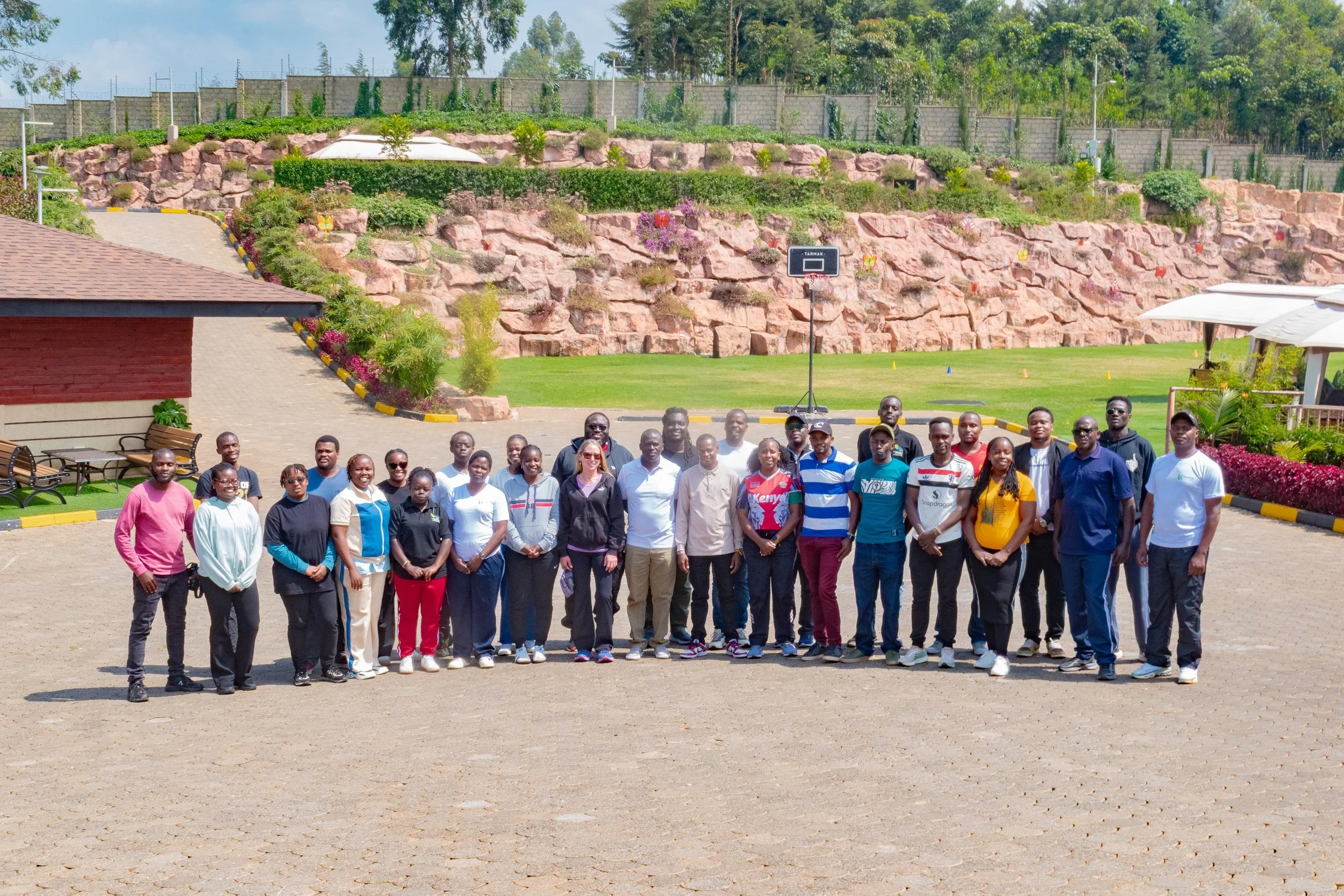
Figure 1: Landscape Alliance’s Soil and Land Health Theme staff pose for a group photograph during the team-building retreat at Ridge Cabin Resort, Limuru, Kenya.
A Reset, Away from the Office
The atmosphere was noticeably different from a normal working day. Instead of rushing to meetings or checking emails, colleagues greeted one another with smiles, shared conversations, and enjoyed the opportunity to interact outside the usual office environment.
Opening the retreat, Dickens Ateku welcomed participants and reminded everyone why they had gathered. Midway through the year, the retreat offered a valuable opportunity to pause, recharge, reconnect, and prepare for the months ahead with renewed energy. More importantly, it was a chance to strengthen relationships that ultimately improve how the Theme delivers science, innovation, and impact.
The message was simple but powerful: Enhancing Collaboration, Efficiency, and Shared Impact.
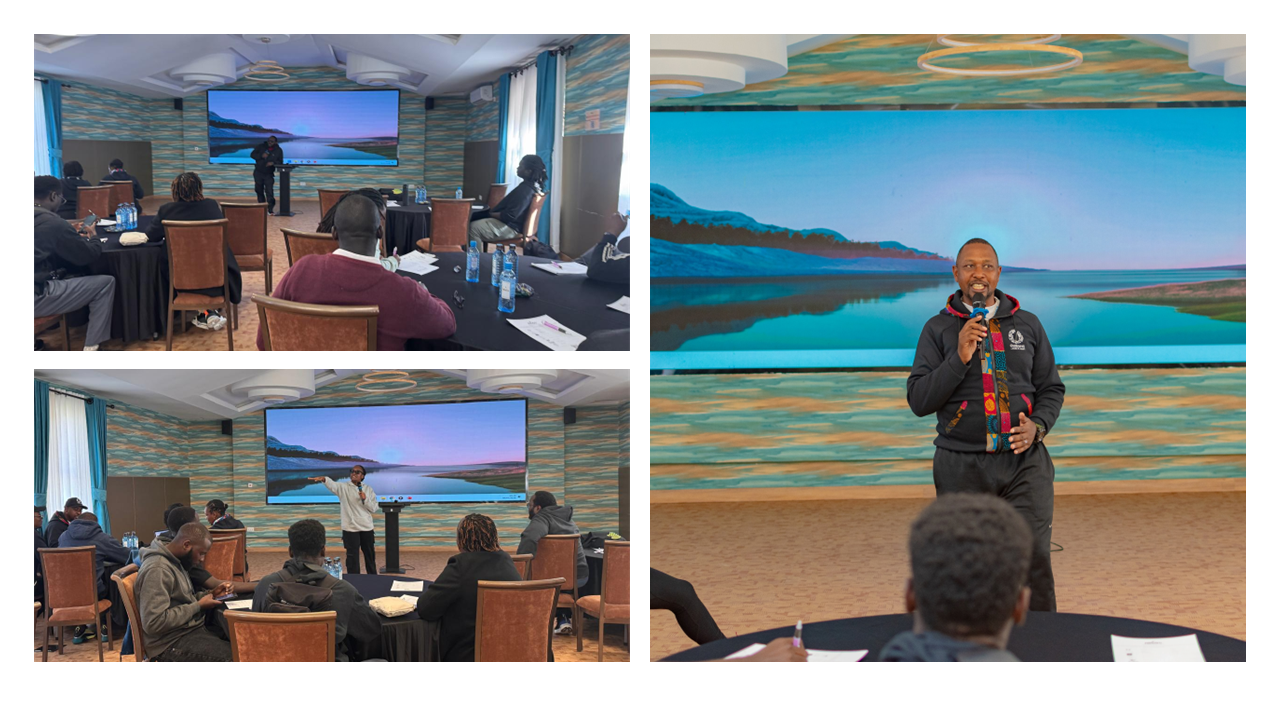
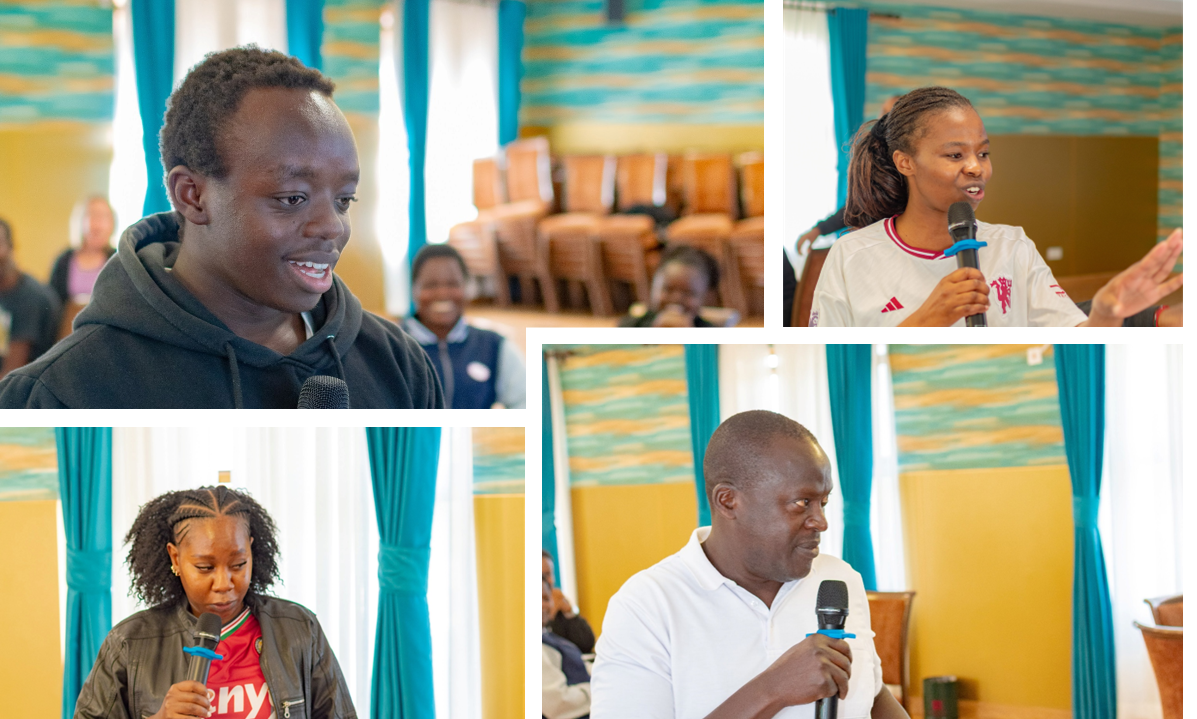
Figure 2: Staff of the Landscape Alliance Soil and Land Health Theme participating in an expectations-sharing session at the Yorkshire Conference Room, Ridge Cabin Resort, facilitated by Outburst Ltd
Breaking the Ice... One Dance at a Time
Within minutes, the conference room transformed into an energetic dance floor.
Participants were challenged to find a "high-five partner," a "leggy partner," and finally a “dance partner”, creating opportunities to interact with colleagues they might rarely work with. Laughter quickly filled the room as the formal atmosphere disappeared.
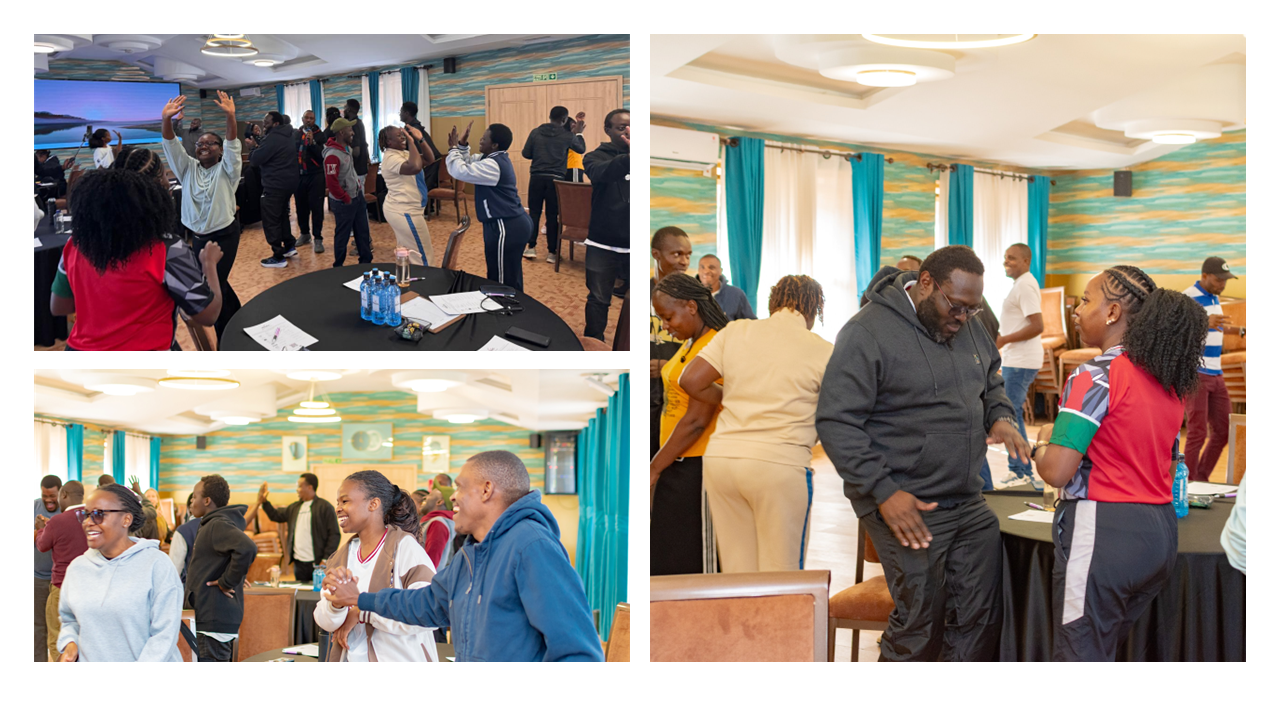
Figure 3: Laughter, movement, and interaction set the tone for the day as Landscape Alliance Soil and Land Health Theme staff participated in a lively warm-up dance and icebreaker session facilitated by Outburst Ltd. at the Yorkshire Conference Room, Ridge Cabin Resort
The fun continued with a lively "Two Truths and a Lie" challenge. Working with their dance partners, everyone shared three facts about themselves, one of them intentionally false, while their partner attempted to identify the lie. What began as a simple game soon became an excellent conversation starter. Hidden talents, interesting life experiences, and humorous surprises emerged, helping colleagues discover new sides of one another beyond job titles and project responsibilities.
These seemingly simple activities accomplished something remarkably important, they replaced unfamiliarity with conversation, conversation with laughter, and laughter with connection.
The Puzzle That Nobody Could Solve
One challenge appeared deceptively easy. Each table received a set of puzzle pieces and was asked to assemble the letter "T" within five minutes. Confidently, every group got to work. Five minutes later, Not a single team had succeeded.
The room that had moments earlier echoed with laughter suddenly became quiet. Participants admitted feeling frustrated, disappointed, with some convinced that the puzzle was impossible to solve.
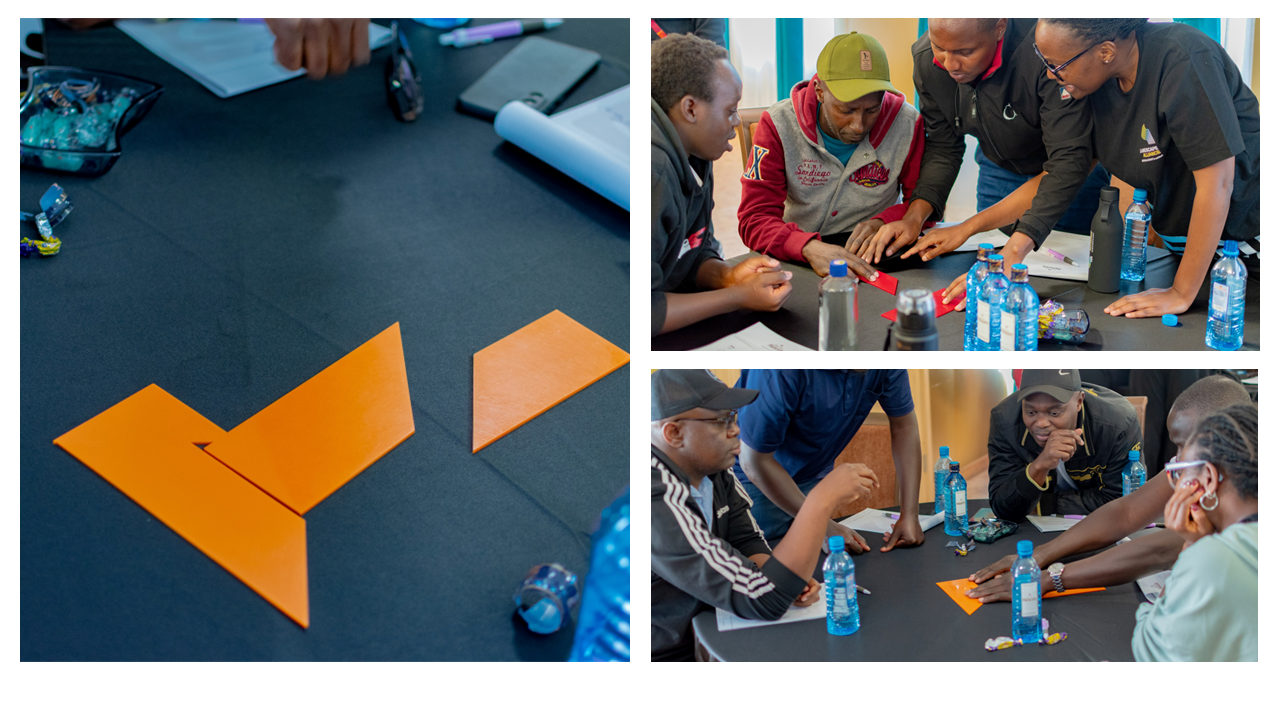
Figure 4: Team members tackle the “T” puzzle challenge during the team-building programme at Ridge Cabin Resort. The activity challenged participants to think creatively, work collaboratively, and embrace learning through problem-solving
Then came the twist, the facilitator calmly demonstrated the solution illustrating that the impossible had been possible all along.
What had seemed like failure suddenly became one of the day's most valuable learning moments. The exercise demonstrated how easily people can become discouraged when facing unfamiliar challenges, and how a negative mindset can limit creativity and persistence. Instead of viewing setbacks as failure, participants were encouraged to see them as opportunities to learn, adapt, and think differently.
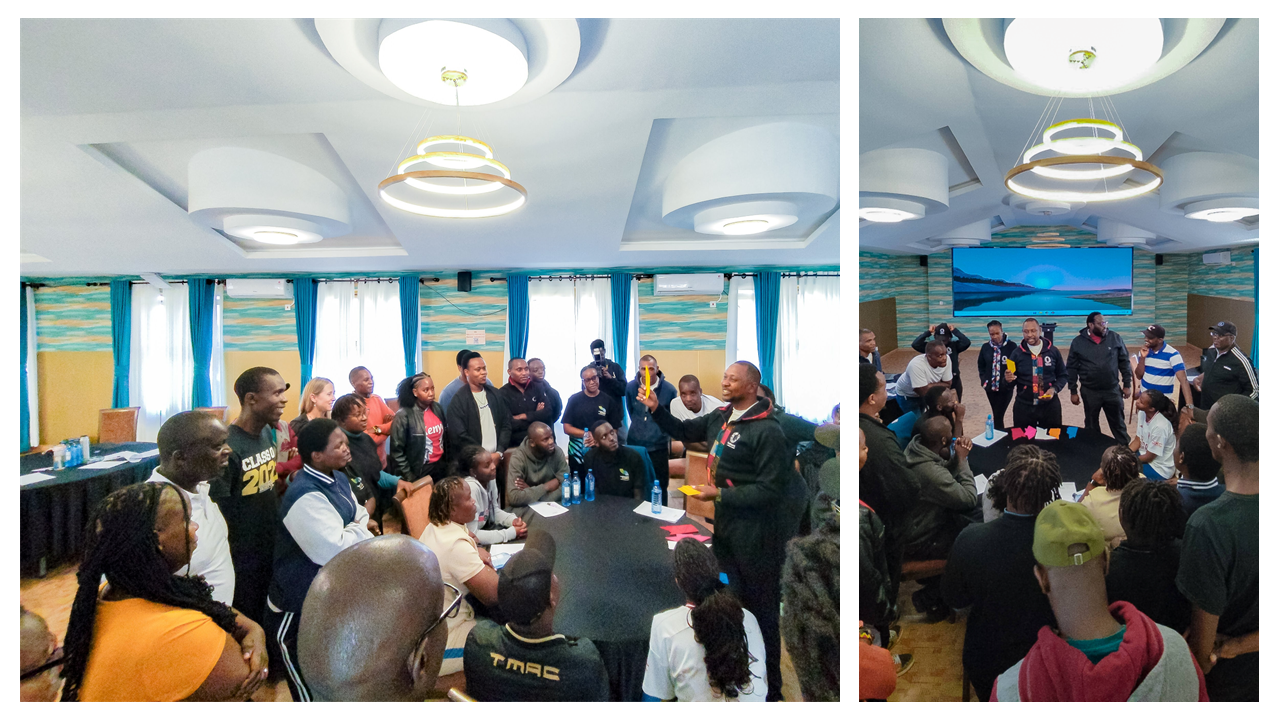
Figure 5: The facilitator reveals the solution to the “T” puzzle challenge after participants had struggled to complete it. The exercise reminded Soil and Land Health Theme staff that success often comes from remaining open to learning, embracing new perspectives, and viewing challenges as opportunities for growth.
When Pressure Changes Everything
The lesson was not yet over. After everyone had seen the solution, representatives from each table were invited to solve the same puzzle individually in just 10 seconds. Surely this time it would be easy. Surprisingly, only one participant succeeded.
Many later admitted that representing their teams under the watchful eyes of colleagues created enormous pressure. Others said their minds simply went blank. The reflection that followed resonated with everyone.
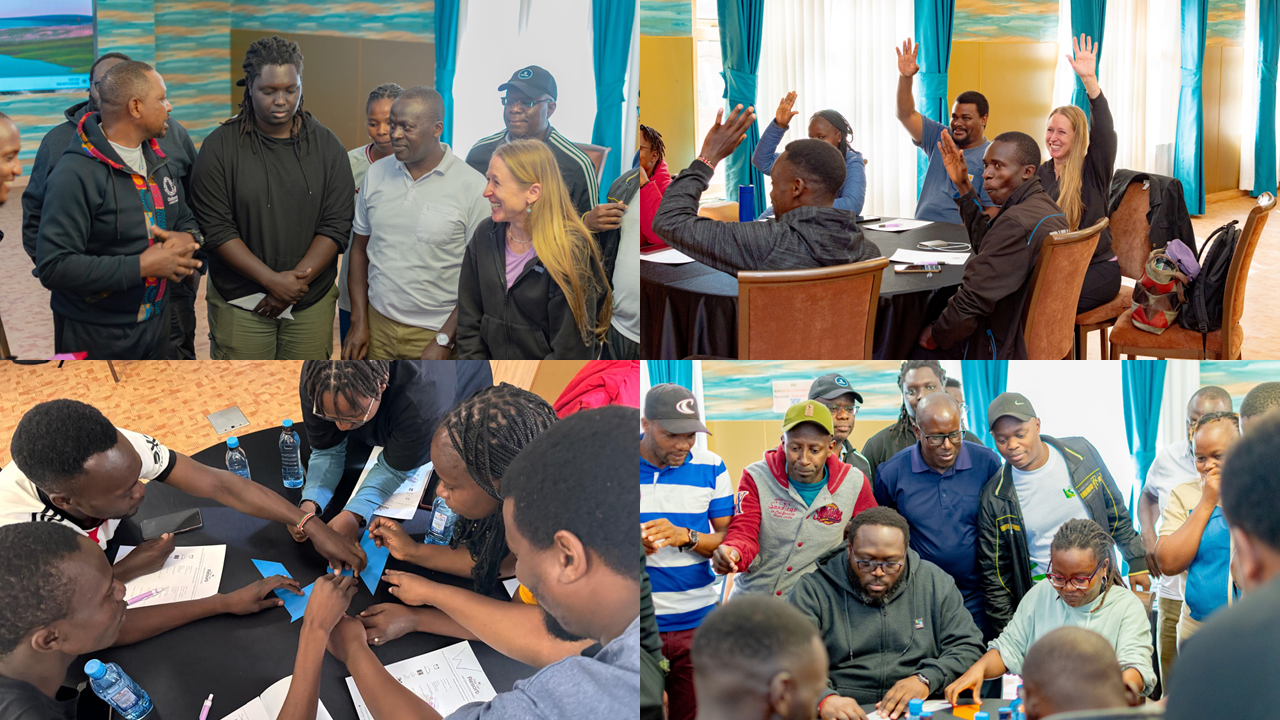
Figure 6: Team representatives take on the “T” puzzle challenge after the solution had been demonstrated by the facilitator. The exercise revealed that performing under pressure can affect confidence and clear thinking, reinforcing the importance of remaining calm and composed when facing workplace challenges.
Pressure is part of everyday work. Whether presenting research findings, managing projects, solving technical problems, or making important decisions, remaining calm often matters as much as technical knowledge.
Participants also reflected on another powerful insight: Knowledge becomes valuable only when it is shared. Teaching, learning from others, asking for help, and openly exchanging ideas are what transform individual expertise into collective success.
Following the indoor sessions, everyone moved outdoors for the next chapter of the journey. Through a fun, random exercise, participants formed two new teams.
The outdoor session commenced with the Tujuane Challenge One “Team!", designed to energize participants, foster interaction, and strengthen team cohesion. The activity began with a series of warmup exercises, including group stretches, during which participants interacted with their "high-five partner," "leggy partner," and "dance partner" from the indoor icebreaker session. These fun and engaging exercises created a relaxed atmosphere, encouraging laughter and interaction among colleagues.
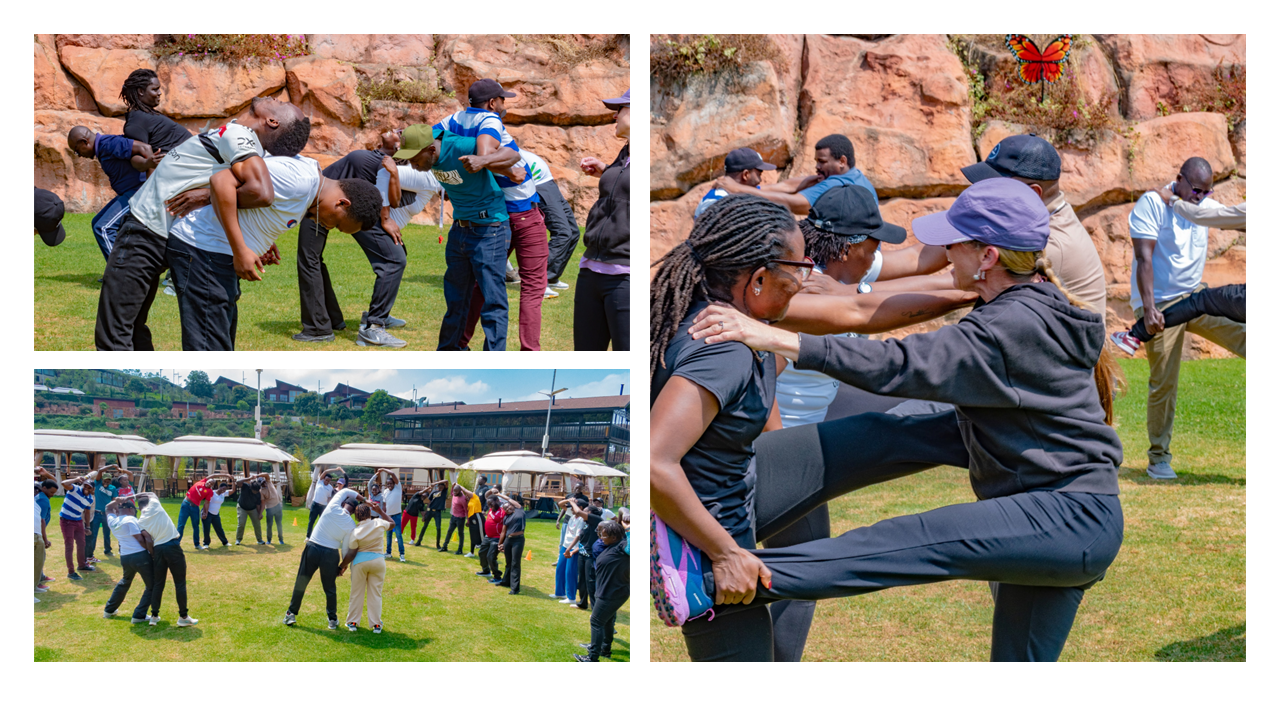
Figure 7: Laughter, movement, and interaction set the stage for the outdoor team-building activities as Landscape Alliance Soil and Land Health Theme staff reconnected with their high-five, leggy, and dance partners during a lively warm-up session facilitated by Outburst Ltd. at the grounds near the boat paddling area, Ridge Cabin Resort, the activity energized participants and strengthened team spirit before the day's outdoor challenges.
The warmup was followed by a high-energy Zumba session, which served as an aerobic exercise and helped participants loosen up physically while creating enthusiasm and setting a positive tone for the outdoor activities.
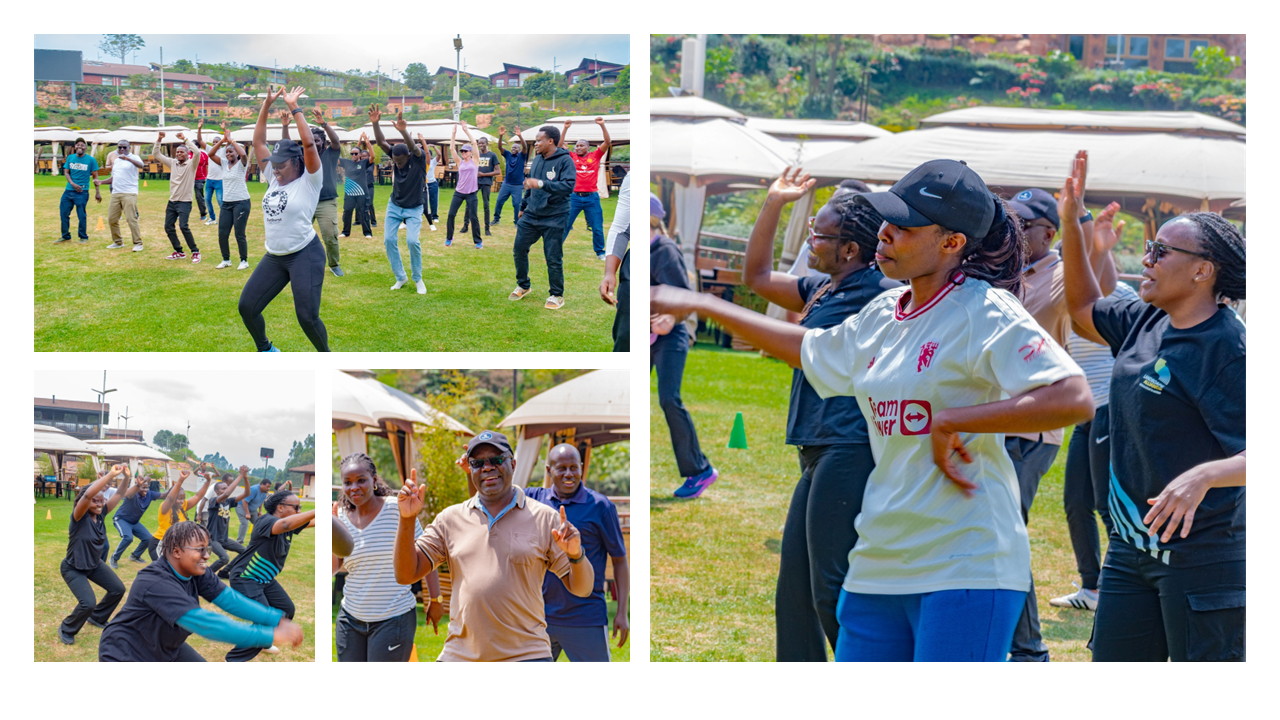
Figure 8: Music, movement, and laughter filled the air as Soil and Land Health Theme staff participated in a high-energy Zumba session at Ridge Cabin Resort. Facilitated by Outburst Ltd., the activity re-energized participants, strengthened team spirit, and created an enthusiastic atmosphere before the outdoor team-building challenges.
From Individuals to Teams: Meet Obuntu and Fisi
Participants were then instructed to mingle and choose a partner for the next challenge. Each pair agreed in advance who would touch their head and who would touch their knees when prompted by the facilitator. On the signal to begin, participants quickly performed their chosen action. Those who touched their heads were grouped into one team, while those who touched their knees formed the second team.
An interesting observation from this exercise was the composition of the two teams. The "touch head" team predominantly comprised staff who held supervisory or management responsibilities, while the "touch knees" team consisted mainly of staff in technical and operational roles. Although the grouping was entirely random, it provided an interesting mix of experience levels and perspectives, creating opportunities for interaction across different generations and roles throughout the subsequent activities.
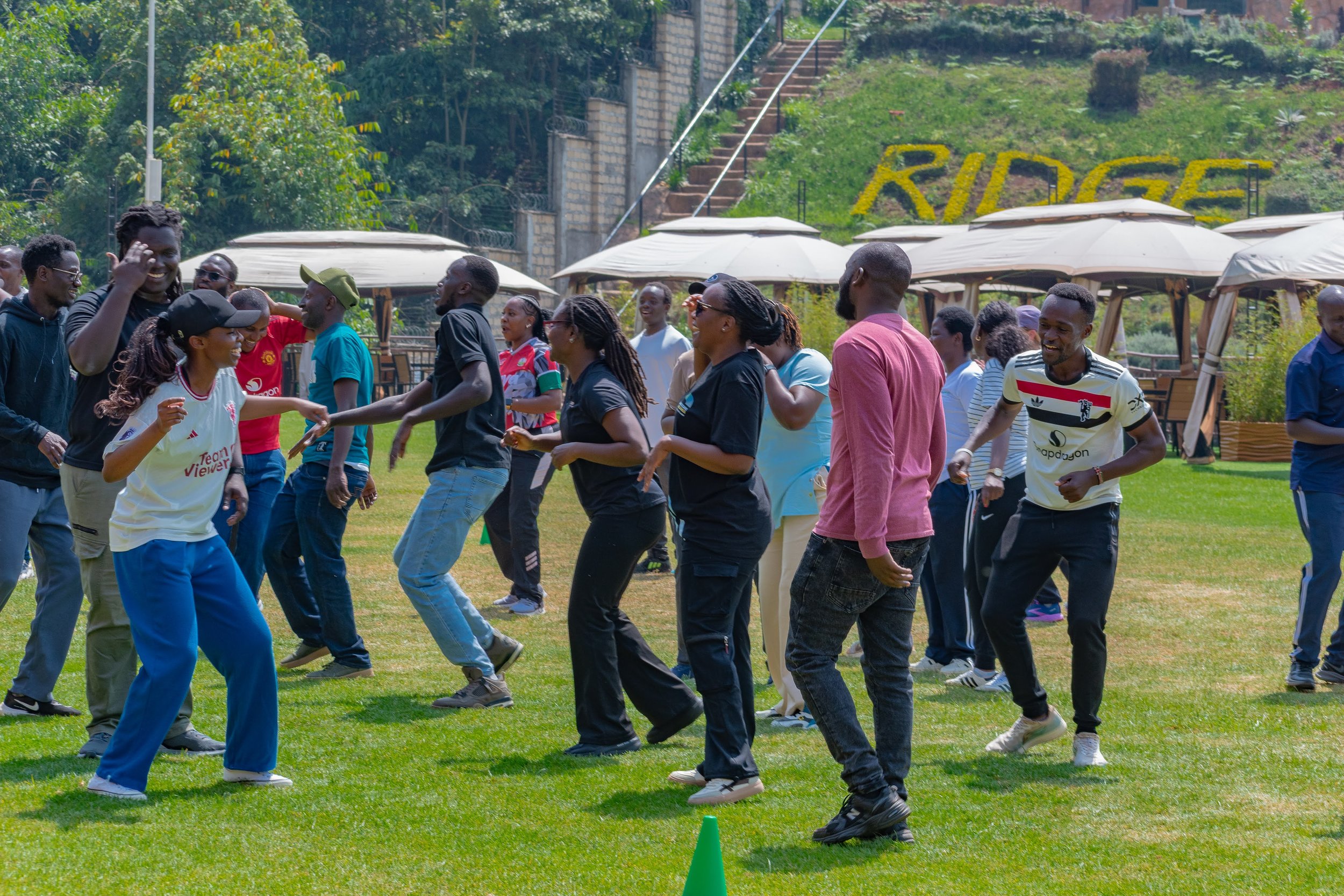
Figure 9: Smiles, laughter, and celebration marked the formation of Team Obuntu and Team Fisi following the fun-filled "Touch Head, Touch Knees" activity at Ridge Cabin Resort. Facilitated by Outburst Ltd., the exercise transformed colleagues into enthusiastic teams, ready to tackle the outdoor challenges together
Each team was challenged to develop a unique team identity by choosing a team name, creating a chant or slogan, and choreographing a victory dance. This activity encouraged creativity, collaboration, and a shared sense of identity.
The "touch head" team adopted the name Obuntu, with the slogan "I am because we are," embracing the African philosophy reflecting the importance of unity, empathy, and collective responsibility (mutual support and collective success). The "touch knees" team chose the name Fisi, with the slogan "We are the champions," reflecting ambition, resilience and determination (a winning spirit). Each team enthusiastically performed its victory dance, creating a lively and engaging atmosphere.
Soon the air was filled with chants, laughter, dancing, cheering, and healthy competition as each team unveiled its identity. What had started as two groups of colleagues was rapidly evolving into two highly motivated teams with a shared mission, to win together.
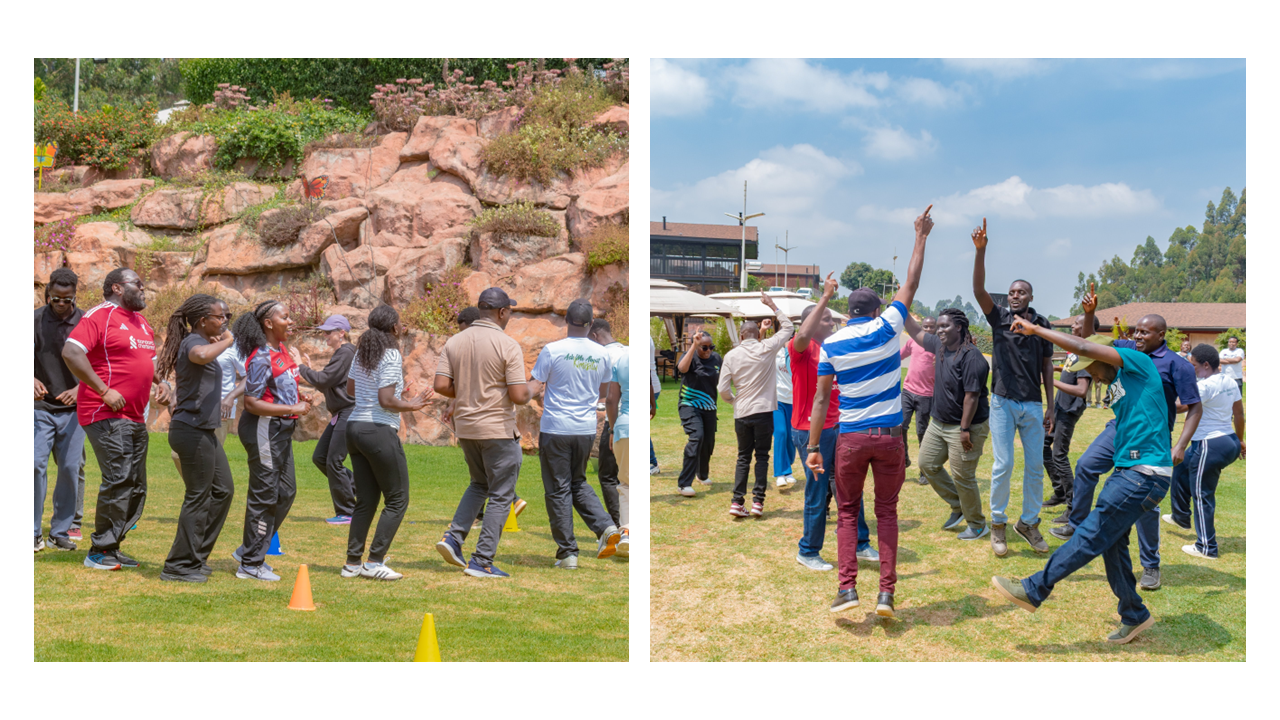
Figure 10: Cheers, chants, and choreographed victory dances brought Team Obuntu (left) and Team Fisi (right) to life during the team-building programme at Ridge Cabin Resort. Facilitated by Outburst Ltd., the activity transformed newly formed groups into cohesive teams united by a shared identity, purpose, and enthusiasm for the challenges ahead.
Lessons Hidden Inside the Games - “Question, Challenge, Improve”
The outdoor challenges were far more than games. Each activity had been carefully designed to mirror real workplace situations.
The first challenge tested participants' non-verbal communication and teamwork. Team members were required to arrange themselves in a straight line according to their surnames in alphabetical order without speaking to one another. They then repeated the exercise by organizing themselves according to their birthday (date and month), again relying solely on non-verbal communication. The activity highlighted the importance of observation, active listening, trust, and effective collaboration in achieving a common goal despite communication constraints.
Next came the famous Pipeline Challenge.
Pipeline, simulated the delivery of a project under defined rules and constraints. Each team member had a short pipeline section and was tasked to work together in transporting a marble through a winding course into a bottle without letting it stop or fall. The marble had to move continuously without being stopped by hand or rolled backwards. If it fell from the pipeline, the team was required to restart the exercise from the beginning.
The task demanded strategic planning, leadership, concentration, adaptability, and flawless teamwork.
Team Fisi completed the challenge first.
Rather than becoming discouraged, team Obuntu carefully observed what had worked for team Fisi, adapted those successful strategies, and improved their own performance completing the task. It was a perfect demonstration that continuous improvement begins by being willing to learn from others rather than seeing every competitor as an opponent.
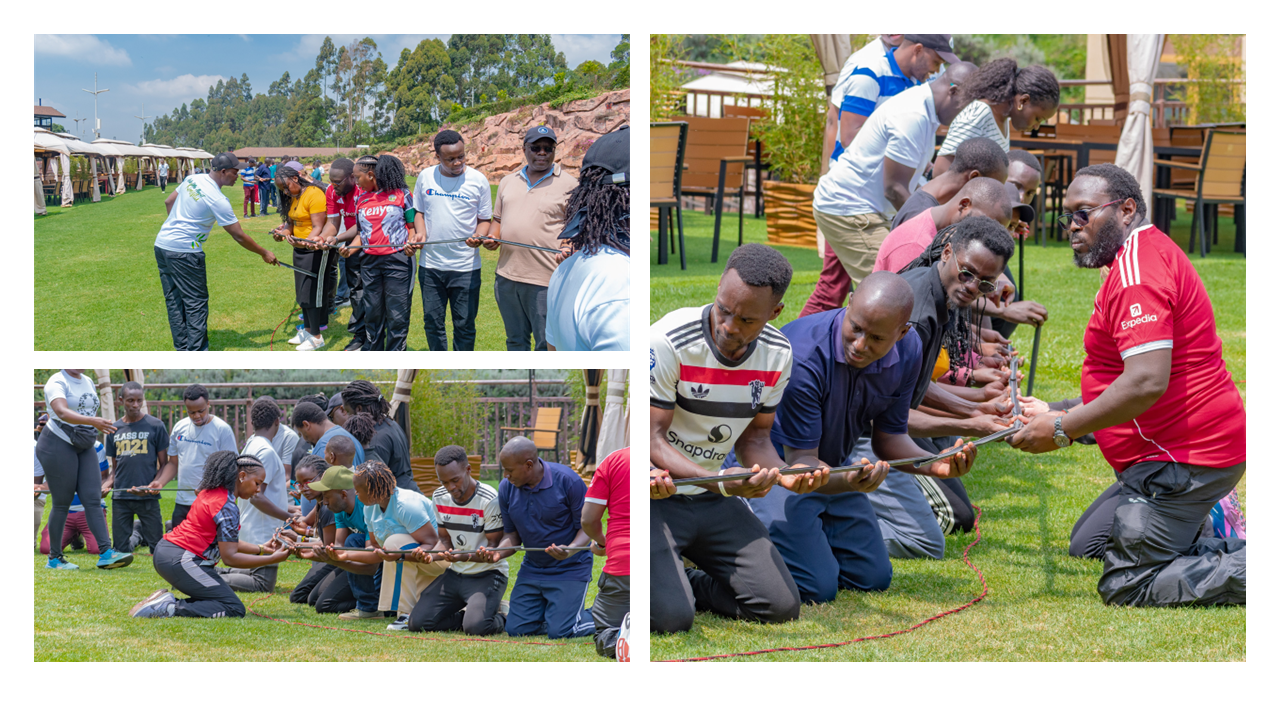
Figure 11: Team Obuntu and Team Fisi concentrating during the Pipeline Challenge, where every participant played a vital role in guiding the marble to the finish. Facilitated by Outburst Ltd. at Ridge Cabin Resort, the activity demonstrated the power of communication, coordination, and collective effort in achieving a shared goal.
Becoming “Team Soils”
To reinforce the importance of unity over competition, the facilitators merged the two groups into a single team named "Team Soils." The newly formed team repeated the Pipeline Challenge, this time navigating a pathway that was twice as long as the previous one. Despite the increased level of difficulty, Team Soils completed the task more quickly and efficiently than either team had done individually. The exercise clearly demonstrated that combining diverse skills, experience, and perspectives leads to greater efficiency, stronger collaboration, and improved performance.
Logic suggested that a larger team would struggle even more. Instead, something remarkable happened.
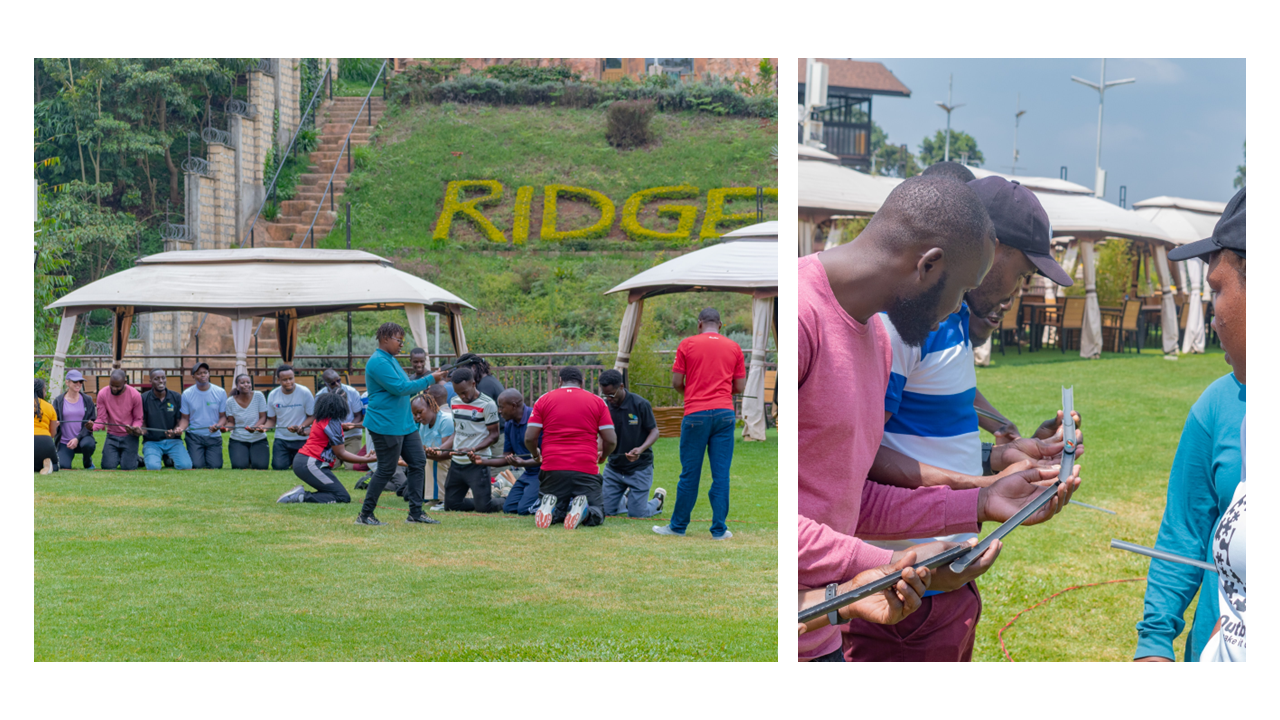
Figure 12: The defining moment of the day, Team Soils successfully completes the extended Pipeline Challenge after Team Obuntu and Team Fisi merged into one unified team. Despite the longer and more demanding course, the team finished the challenge more quickly and efficiently than either team had managed independently. Facilitated by Outburst Ltd. at Ridge Cabin Resort, the exercise powerfully illustrated that when people combine their strengths, communicate effectively, and work toward a shared purpose, they can achieve more together than they ever could alone
By combining ideas, sharing responsibilities, communicating effectively, and trusting one another, Team Soils completed the longer challenge faster than either team had managed individually. The lesson required no further explanation. When people stop competing against one another and begin combining their strengths, extraordinary things become possible.
It was perhaps the clearest illustration of the retreat's central message: Together, we achieve more than we ever can alone.
The successful completion of the challenge marked the end of the morning session and was rewarded with a well deserved lunch break. Participants shared lunch together in a relaxed setting, providing an opportunity to continue interacting, strengthen relationships, and build camaraderie outside the structured activities.
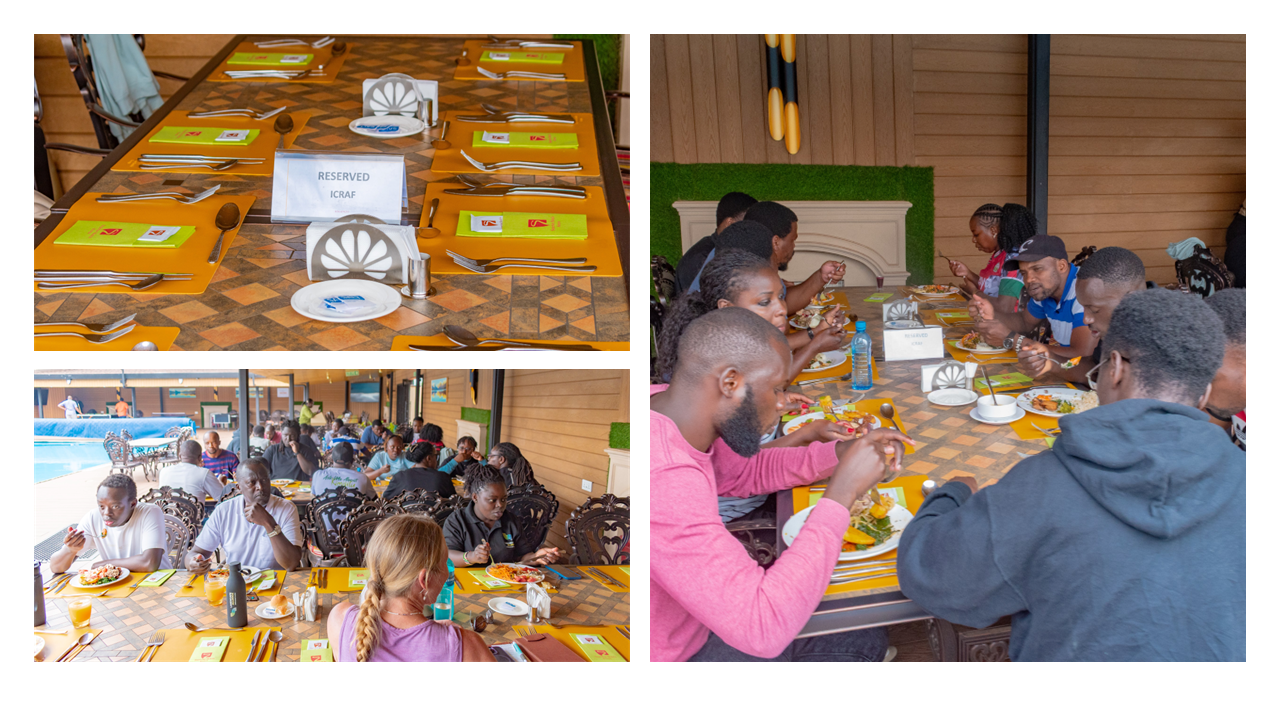
Figure 13: The lunch break offered more than just a meal - it gave Soil and Land Health Theme staff an opportunity to unwind, share conversations, and build stronger personal and professional connections in a relaxed setting at Ridge Cabin Resort. These informal interactions further reinforced the spirit of teamwork and collaboration that defined the day's programme.
Crazy Olympics: Adapting to Change
The afternoon session commenced with group photos session, followed by the Crazy Olympics Team Bonding Games, designed to promote engagement, boost team morale, and reinforce collaboration in a fun and energetic environment
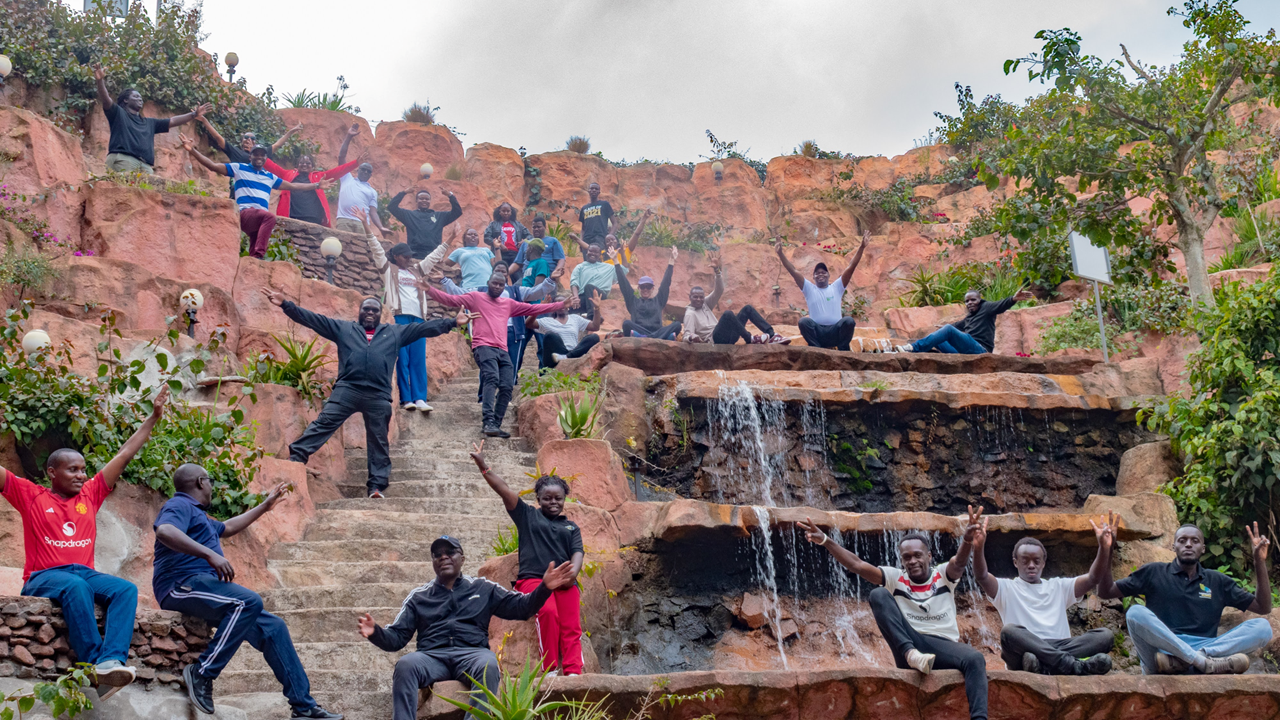
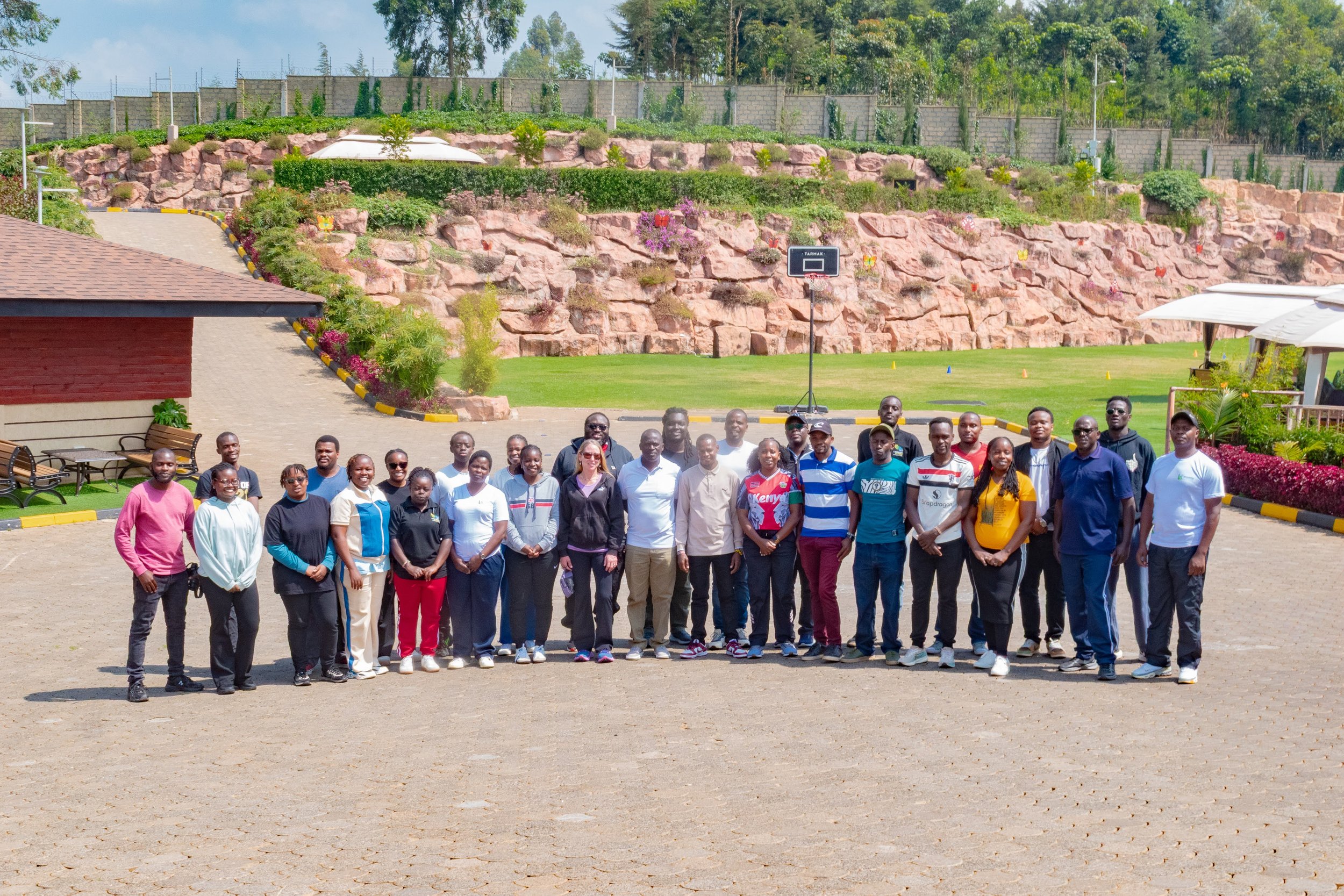
Figure 14: Following a morning of learning, collaboration, and outdoor challenges, Landscape Alliance Soil and Land Health Theme staff pause for an afternoon group photographs session at Ridge Cabin Resort, Limuru, a moment that captures the strengthened relationships and shared sense of purpose built throughout the retreat.
To re-energize participants after lunch, the session began with a high-energy Zumba workout, which served as an aerobic exercise while encouraging interaction and enthusiasm.
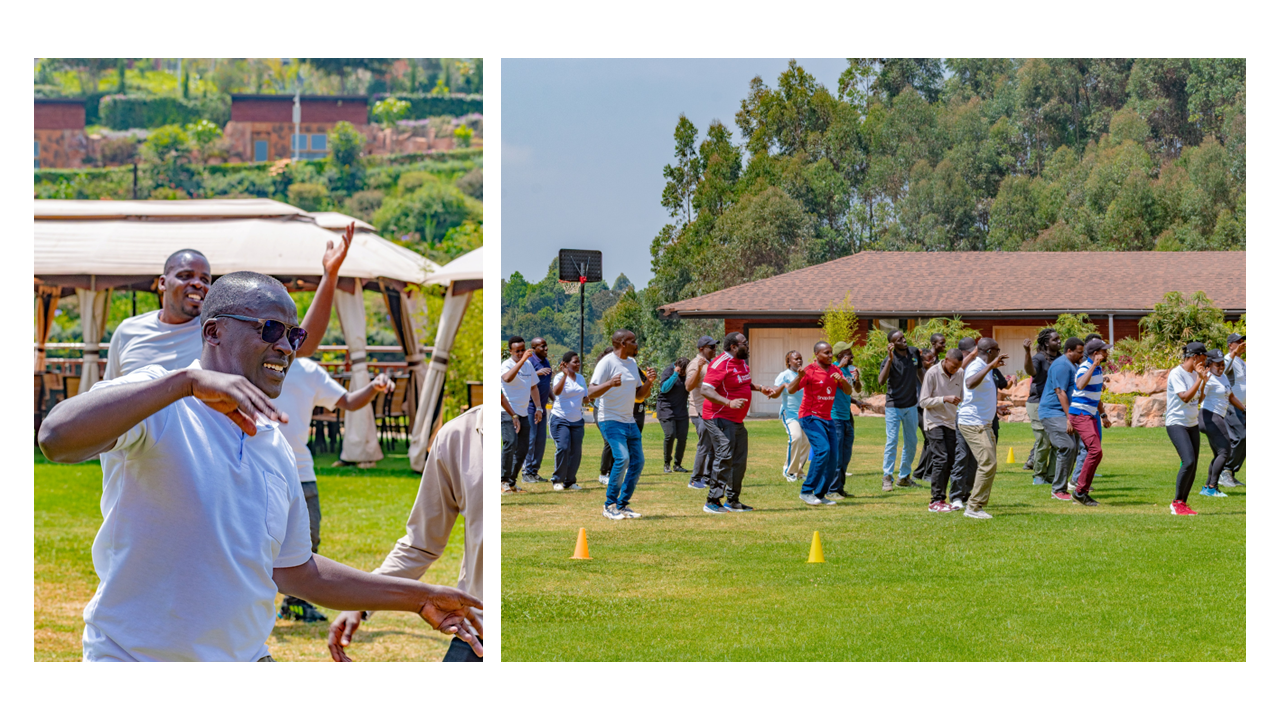
Figure 15: Following the lunch break, Soil and Land Health Theme staff returned with renewed energy for a lively Zumba session at Ridge Cabin Resort. Accompanied by music, movement, and laughter, the activity refreshed participants, strengthened team spirit, and set an upbeat tone for the afternoon's collaborative challenges.
The afternoon challenges became even more dynamic. Participants were randomly assigned to the Red and Black teams . This ensured new team compositions and encouraged participants to collaborate with colleagues outside their earlier groups.
The main activity was the Cone Race, a strategy-based game built around three characters: the Lion, the Maasai Warrior, and the Maasai Lady. The facilitator explained the rules, where each character had a symbol and an advantage over another in a cyclical manner: the Maasai Warrior defeats the Lion, the Lion defeats the Maasai Lady, and the Maasai Lady defeats the Maasai Warrior. Before each round, team members secretly agreed on which character they would collectively represent. At the facilitator's cue of "This is Africa!", the teams simultaneously revealed their chosen symbol. The team with the winning symbol immediately attempted to tag members of the opposing team before they could reach a designated safety cone. Captured participants subsequently joined the opposing team, requiring them to quickly integrate, adapt to new teammates, and contribute towards their new team's success.
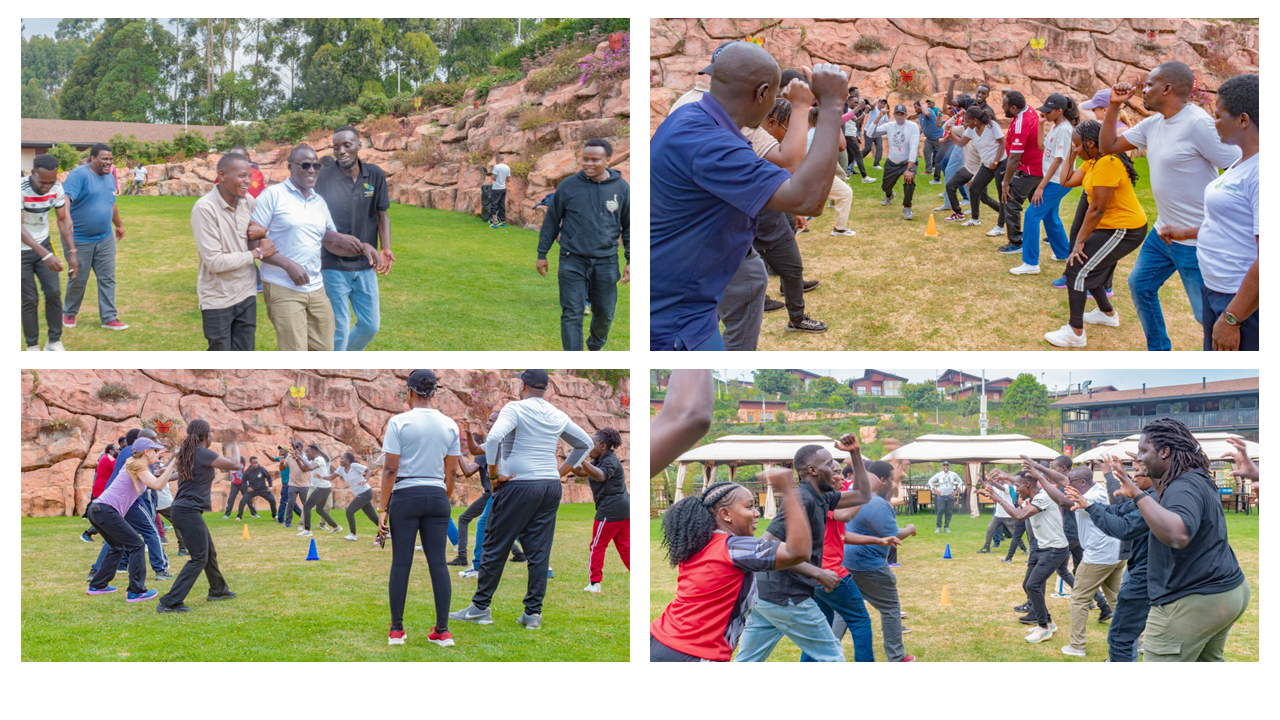
Figure 16: Strategy, speed, and teamwork came together as Team Red and Team Black competed in the Cone Race Challenge at Ridge Cabin Resort. Based on the Lion, Maasai Warrior, and Maasai Lady game, the activity challenged participants to think strategically, adapt quickly, and work together while embracing changing team dynamics.
Throughout the game, both teams continually reviewed and adjusted their strategies, demonstrating creativity, teamwork, and adaptability. The frequent movement of participants between teams reinforced the importance of embracing change, building trust with new colleagues, and contributing positively regardless of changing circumstances. The activity was highly interactive, competitive, and enjoyable, generating considerable enthusiasm and laughter among participants.
Following the challenge, participants formed a reflection circle to discuss the key lessons learned. Several important themes emerged. Participants observed that knowledge, skills, and experience remain valuable regardless of the team or environment in which one works, highlighting the importance of transferable competencies. They also reflected on the need to remain adaptable when organizational or team changes occur and to quickly build effective working relationships with new colleagues. Discussions further emphasized the value of teamwork, strategic thinking, effective communication, and the influence of collective decision-making, demonstrating how majority decisions can shape team outcomes.
The activity reflected a reality familiar in many organizations: projects evolve, teams change, and new colleagues join. Success depends on how quickly people adapt, build trust, and contribute positively regardless of changing circumstances.
By the end of the afternoon, participants were no longer thinking in terms of "my team" or "your team."
They were simply one team learning together.
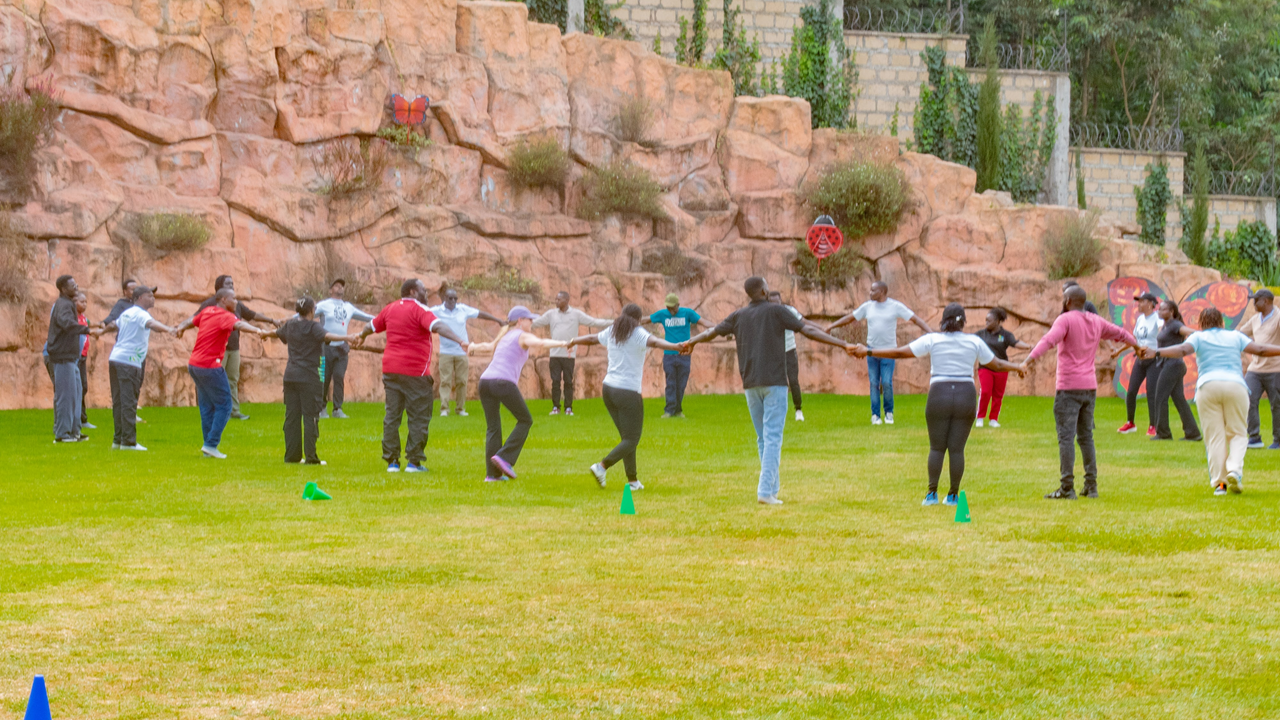
Figure 17: The outdoor programme concluded with a reflection circle, where Soil and Land Health Theme staff shared their experiences, celebrated achievements, and discussed the lessons learned from the day's challenges. The session reinforced that the greatest value of team building lies not in the activities themselves, but in applying the lessons of trust, communication, adaptability, and collaboration to the workplace.
More Than a Team-Building Retreat
As the day drew to a close, participants gathered for one final reflection. What stood out was that none of the day's lessons were really about games. They were about people.
They were about learning to communicate before problems arise, remaining calm under pressure, embracing diverse perspectives, sharing knowledge freely, adapting to change, and recognising that every individual contributes something valuable to collective success.
These are the same qualities required every day as the Soil and Land Health Theme works with partners across Africa and beyond to generate evidence, develop innovations, strengthen laboratory services, restore landscapes, and improve soil health for farmers and communities.
Looking Ahead
The retreat ended with stronger friendships, renewed motivation, and a deeper appreciation of what can be achieved when people genuinely work together. The challenges may have involved puzzles, pipelines, dances, and friendly competitions, but the lessons extend far beyond Ridge Cabin Resort; they will shape how teams communicate, solve problems, support one another, and deliver scientific excellence long after the day's activities have ended.
Because healthier soils and more resilient landscapes begin with strong science.
And strong science begins with strong teams.
Together, we shine brighter. Together, we win.
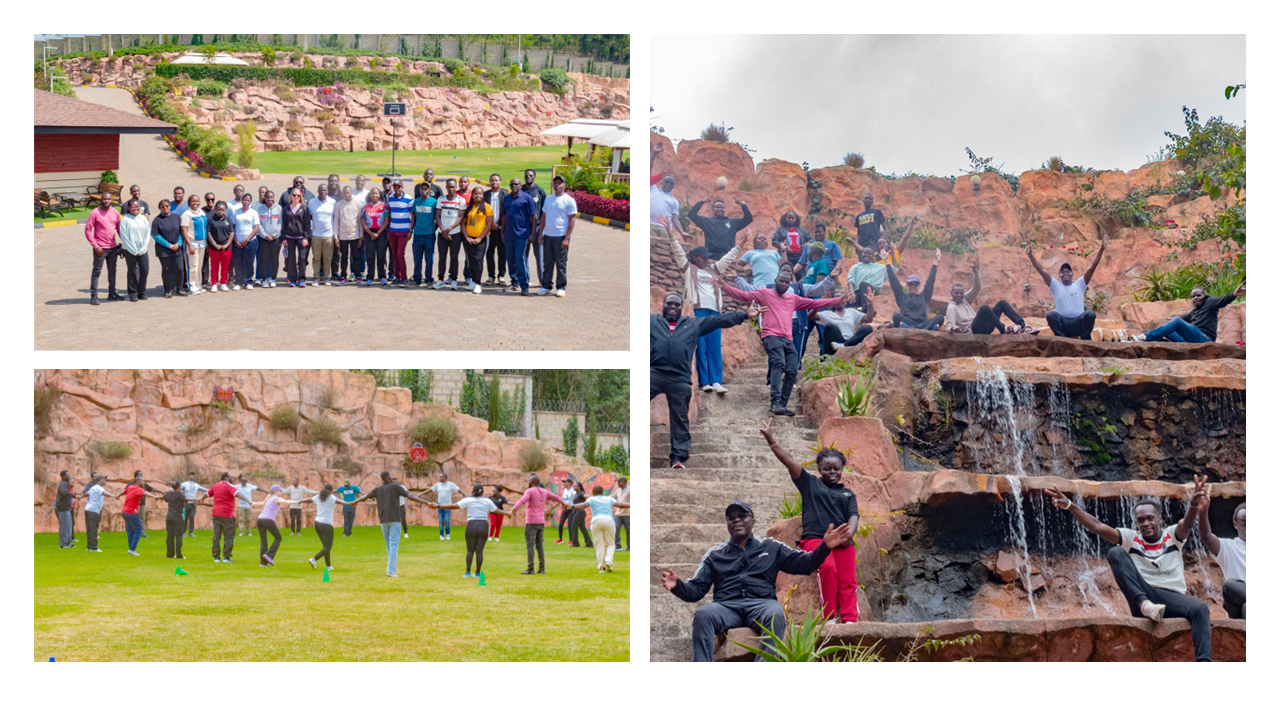
Figure 18: The team-building retreat group photographs that captured more than just smiling faces, a team that had grown stronger through shared experiences, collaborative challenges, and meaningful connections. These moments at Ridge Cabin Resort, Limuru, symbolize the unity, trust, and shared purpose that will continue to drive the Soil and Land Health Theme forward.
Recommendations
To build on the positive outcomes of the teambuilding programme, it is important to make collaboration and continuous learning an integral part of the Theme's everyday work. Regular teambuilding activities (preferably annually) should be held to strengthen teamwork, improve staff well-being, and sustain high levels of motivation and engagement. Similarly, creating more opportunities for collaboration across laboratories, projects, and functional units through joint meetings, peer learning sessions, cross functional assignments, and knowledge sharing forums will encourage the exchange of ideas, strengthen professional relationships, and promote innovation. Incorporating practical, experience based learning activities into staff meetings, retreats, and training programmes will further reinforce communication, leadership, adaptability, and collaborative problem solving skills.
Equally important is nurturing a workplace culture that values continuous improvement, innovation, and shared accountability. Staff should be encouraged to embrace constructive feedback, learn from both achievements and challenges, and remain open to new ideas and diverse perspectives. Mentorship and coaching between experienced staff and early-career professionals, including internship students, should also be strengthened to support knowledge transfer, professional development, and succession planning. To ensure the long-term impact of the programme, team leaders should consistently reinforce these principles by promoting open communication, trust, collaboration, and regular reflection on progress, enabling the team to continuously improve its effectiveness and collective performance.

Can Kenya transform its food systems while restoring ecosystems, improving nutrition, and building resilience to climate change?
That question brought together more than just experts, it united policymakers, researchers, farmers, youth, women, pastoralists, civil society, development partners and the private sector at the 3rd National Agroecology Symposium, held on 22–23 July 2026 at the Kenya Institute of Monetary Studies (KIMS) in Nairobi. Under the theme "Transforming Agrifood Systems through Agroecology: A One Health Approach for Inclusive, Sustainable and Resilient Futures," the symposium demonstrated that agroecology has evolved from an emerging concept into a national movement for transforming Kenya's agrifood systems.
Story by Dickens Ateku Alubaka, Senior Manager, Soil and Land Health Laboratories Research Services, Landscape Alliance (ICRAF)