BLOGS, ARTICLES AND NEWS
Get updates directly from the CA4SH Global team and stakeholders
Growing Together: The Soil and Land Health Theme Strengthens Collaboration Beyond the Workplace
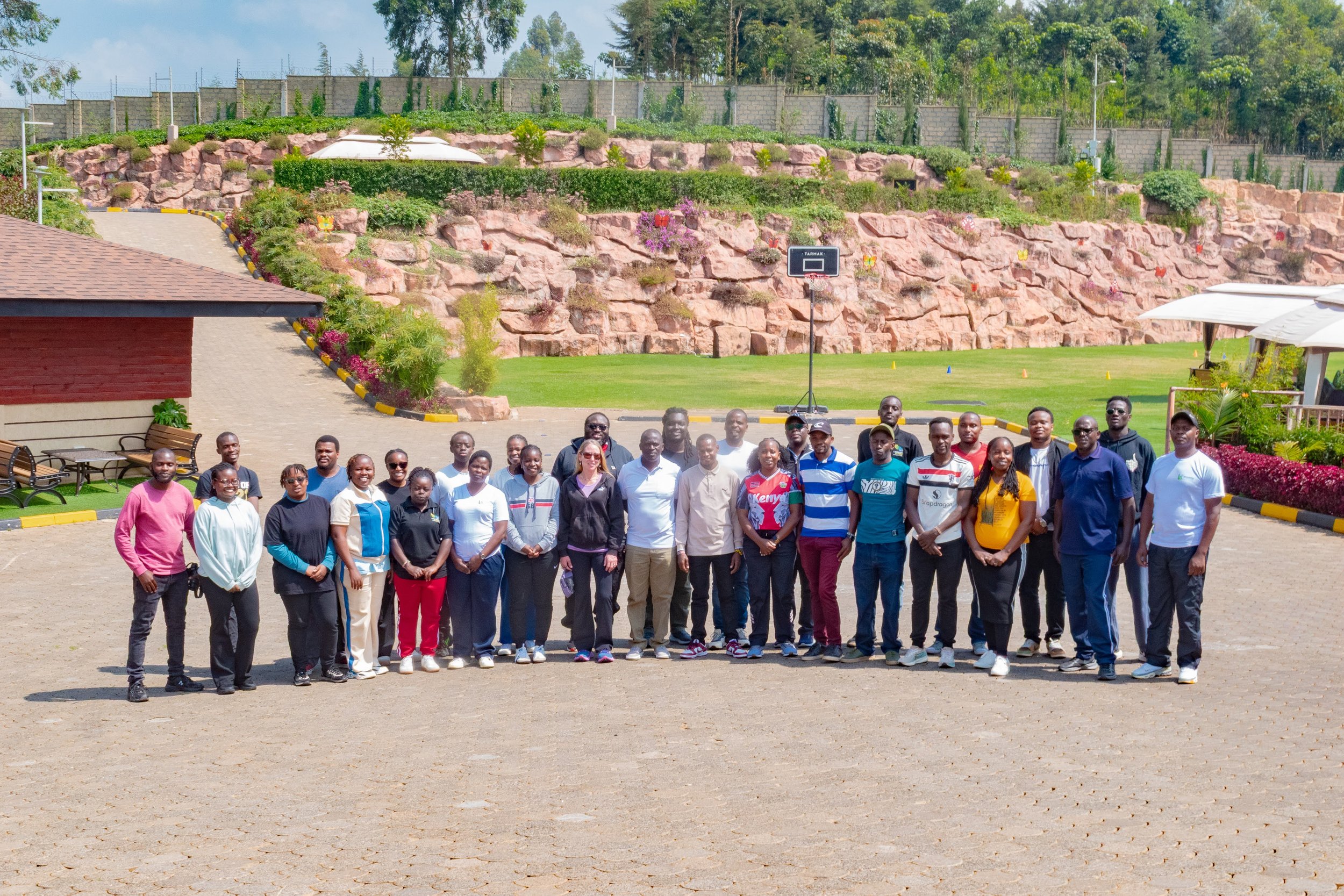
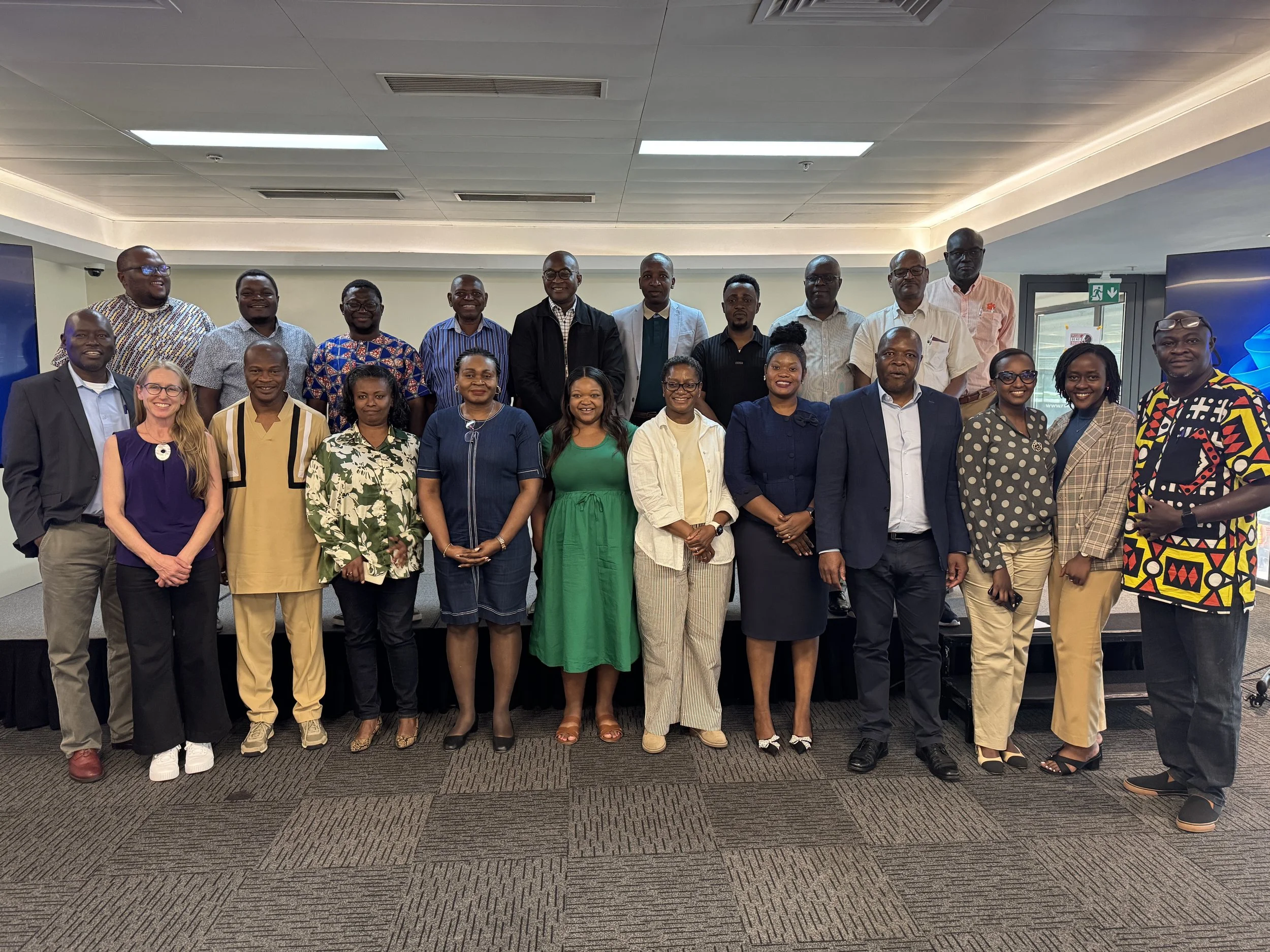
The Landscape Alliance’s Soil and Land Health Theme organized a teambuilding retreat on 30 July 2026 at Ridge Cabin Resort, in Limuru, Kenya, bringing together 31 staff members, including internship students, under the theme "Strengthening Team Cohesion, Efficiency, and Purpose." Facilitated by Outburst Ltd., the retreat was designed to strengthen collaboration, improve communication, enhance problem-solving, and remind everyone that our greatest strength lies not in individual brilliance, but in collective effort.
By Dickens Ateku Alubaka, Senior Manager, Soil and Land Health Laboratories Research Services, Landscape Alliance (ICRAF)
From Dialogue to Action: How the 3rd National Agroecology Symposium United Science, Policy and Communities to Accelerate Kenya's Agroecological Transition
Can Kenya transform its food systems while restoring ecosystems, improving nutrition, and building resilience to climate change?
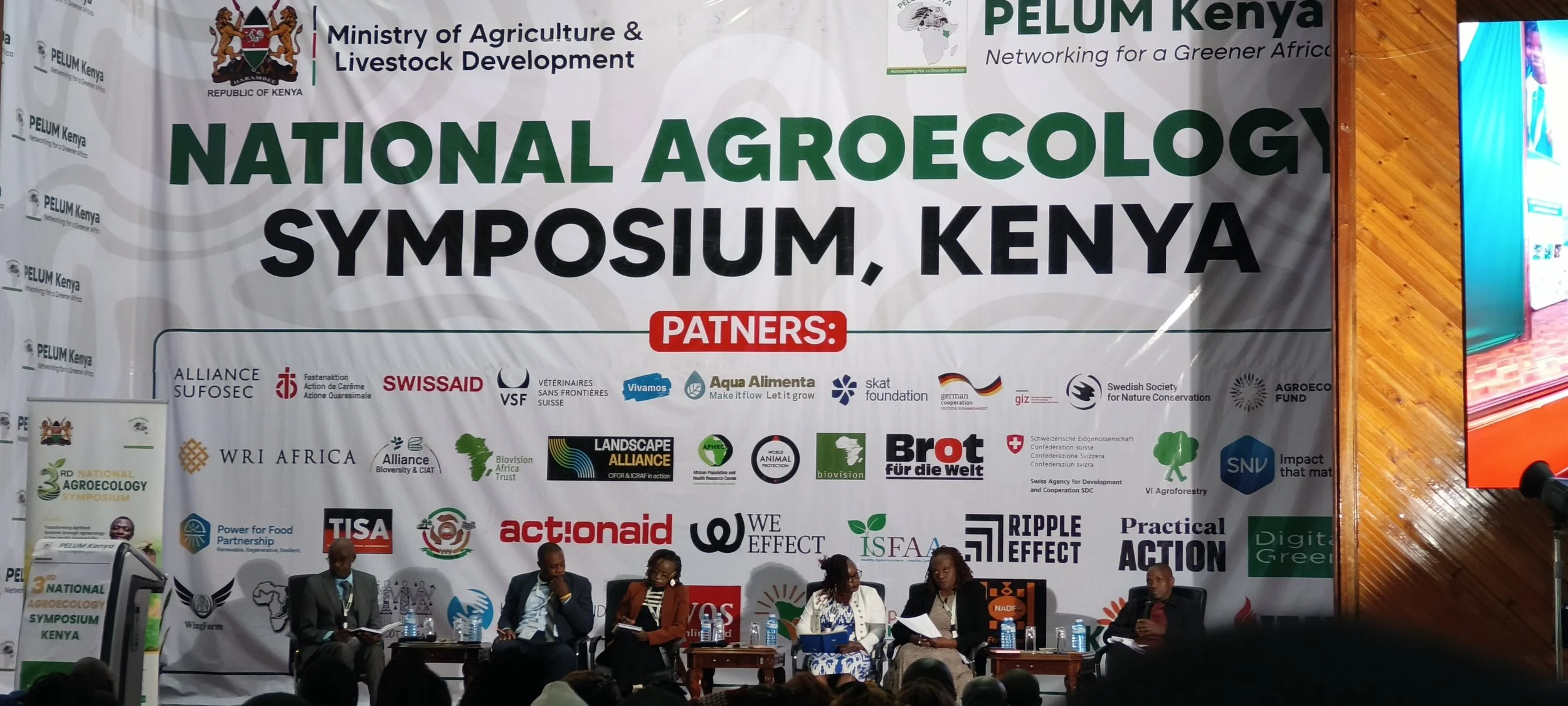
That question brought together more than just experts, it united policymakers, researchers, farmers, youth, women, pastoralists, civil society, development partners and the private sector at the 3rd National Agroecology Symposium, held on 22–23 July 2026 at the Kenya Institute of Monetary Studies (KIMS) in Nairobi. Under the theme "Transforming Agrifood Systems through Agroecology: A One Health Approach for Inclusive, Sustainable and Resilient Futures," the symposium demonstrated that agroecology has evolved from an emerging concept into a national movement for transforming Kenya's agrifood systems.
Story by Dickens Ateku Alubaka, Senior Manager, Soil and Land Health Laboratories Research Services, Landscape Alliance (ICRAF)
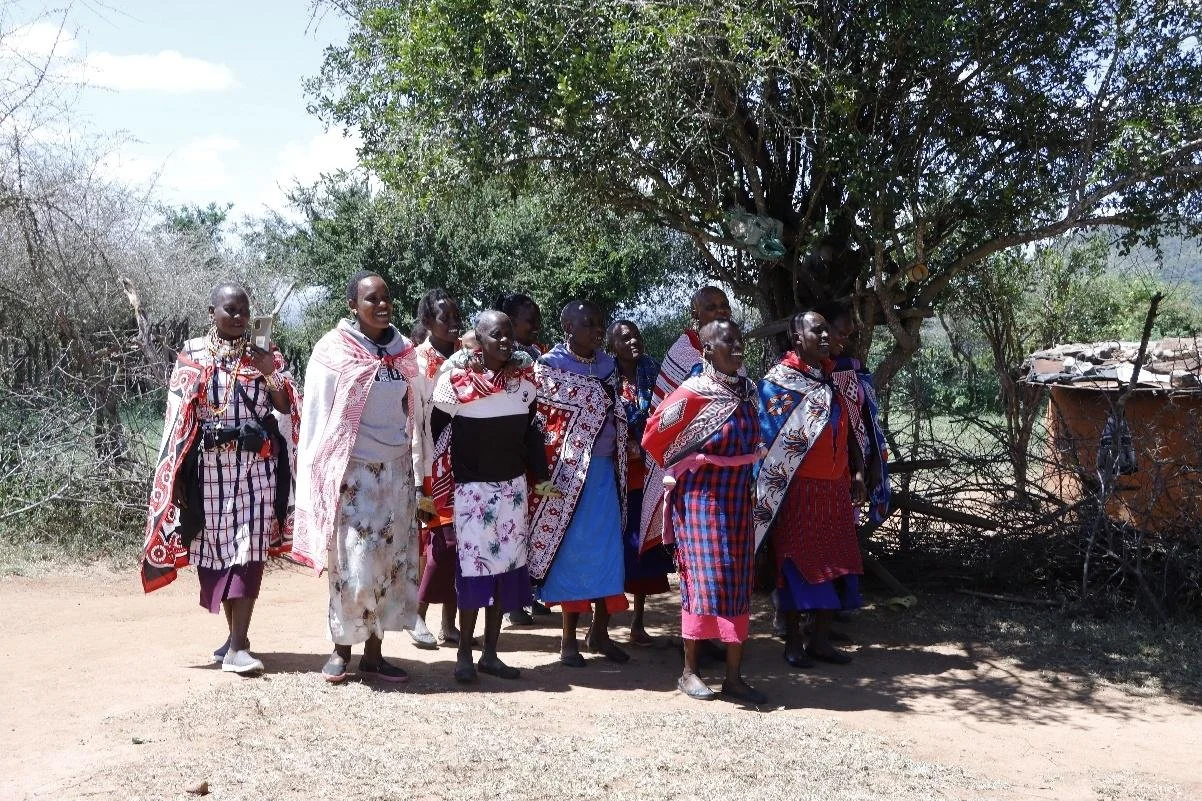
Empowering Women Farmers and Building Resilient Food Systems: Insights from the AgriCord Field Visit in Kajiado County
On 4 June 2026, the AgriCord National Assembly convened at Swiss-Belinn in Nairobi, bringing together farmers’ organizations, researchers, development partners, financial institutions, and government stakeholders to exchange practical solutions for advancing sustainable agriculture. The assembly provided a dynamic platform for dialogue, knowledge sharing, and collaboration among key actors committed to strengthening agricultural systems and rural livelihoods.
The Assembly also included a field visit with farmer organizations in Machakos and Kajiado counties, engaging participants from dialogue to action. These field visits offered an opportunity to ground discussions in real world contexts, enabling participants to better understand local realities, ongoing innovations, and emerging opportunities within farming communities.
Story by Dickens Ateku Alubaka, Senior Manager, Soil and Land Health Laboratories Research Services, Landscape Alliance (ICRAF)
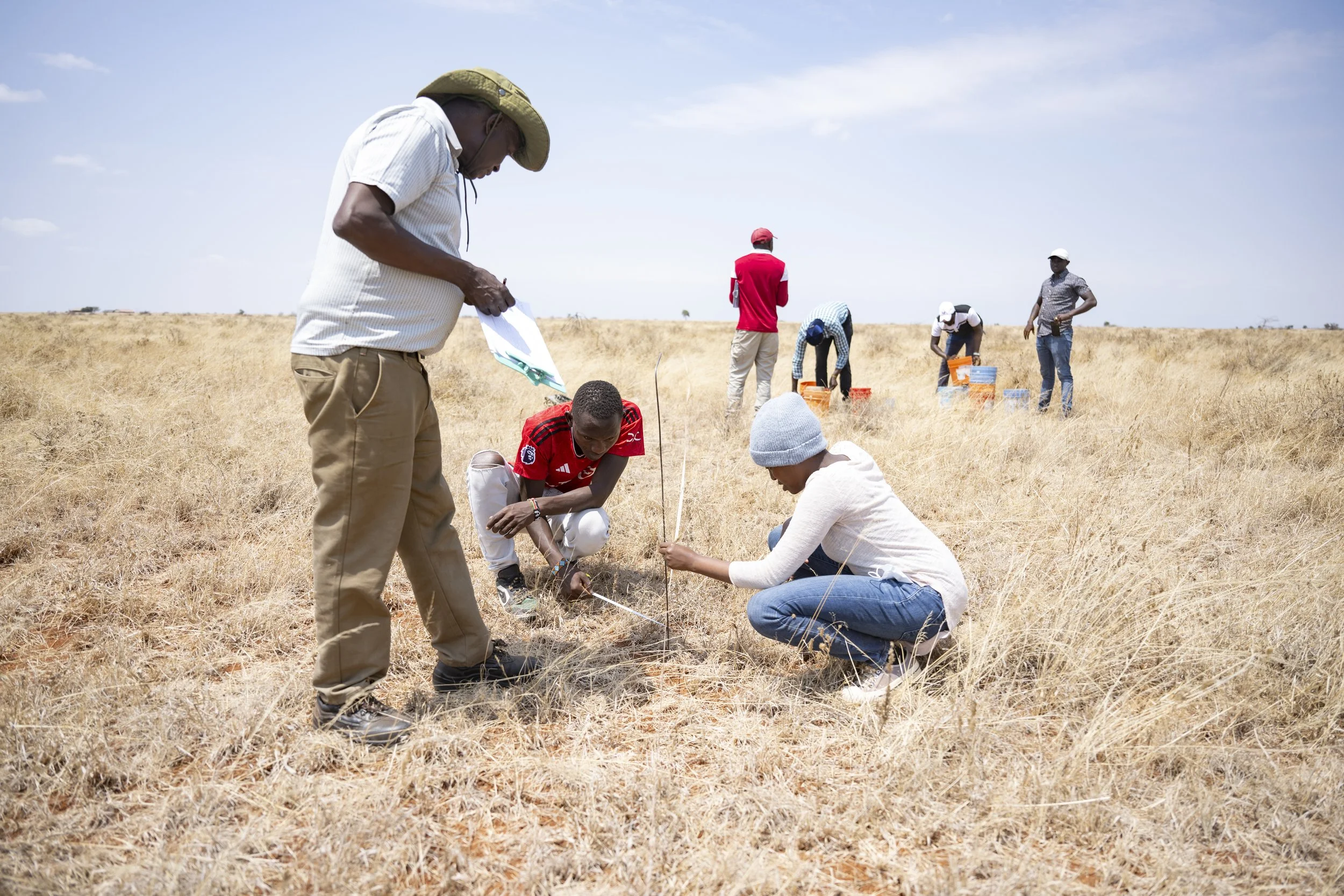
Op-Ed | Towards scaling soil health, rangeland restoration, and achieving global goals: Bringing evidence to bear
Despite progress over the past five years, soil degradation is continuing to happen at alarming rates, with over 2.3 billion people experience moderate or severe food insecurity, globally. With over 40% of the Earth’s surface degraded, including about 50% of the world’s rangelands, concerted action is needed.
Business as usual is no longer an option.
On this the 2026 Desertification and Drought Day, which coincides with the start of the CA4SH five-year celebrations and the International Year of Rangelands and Pastoralists (IYRP), the theme of this year’s Desertification and Drought Day, Rangelands: Recognize. Respect. Restore., is more relevant than ever.
Read the Op-Ed from Dr Leigh Winowiecki
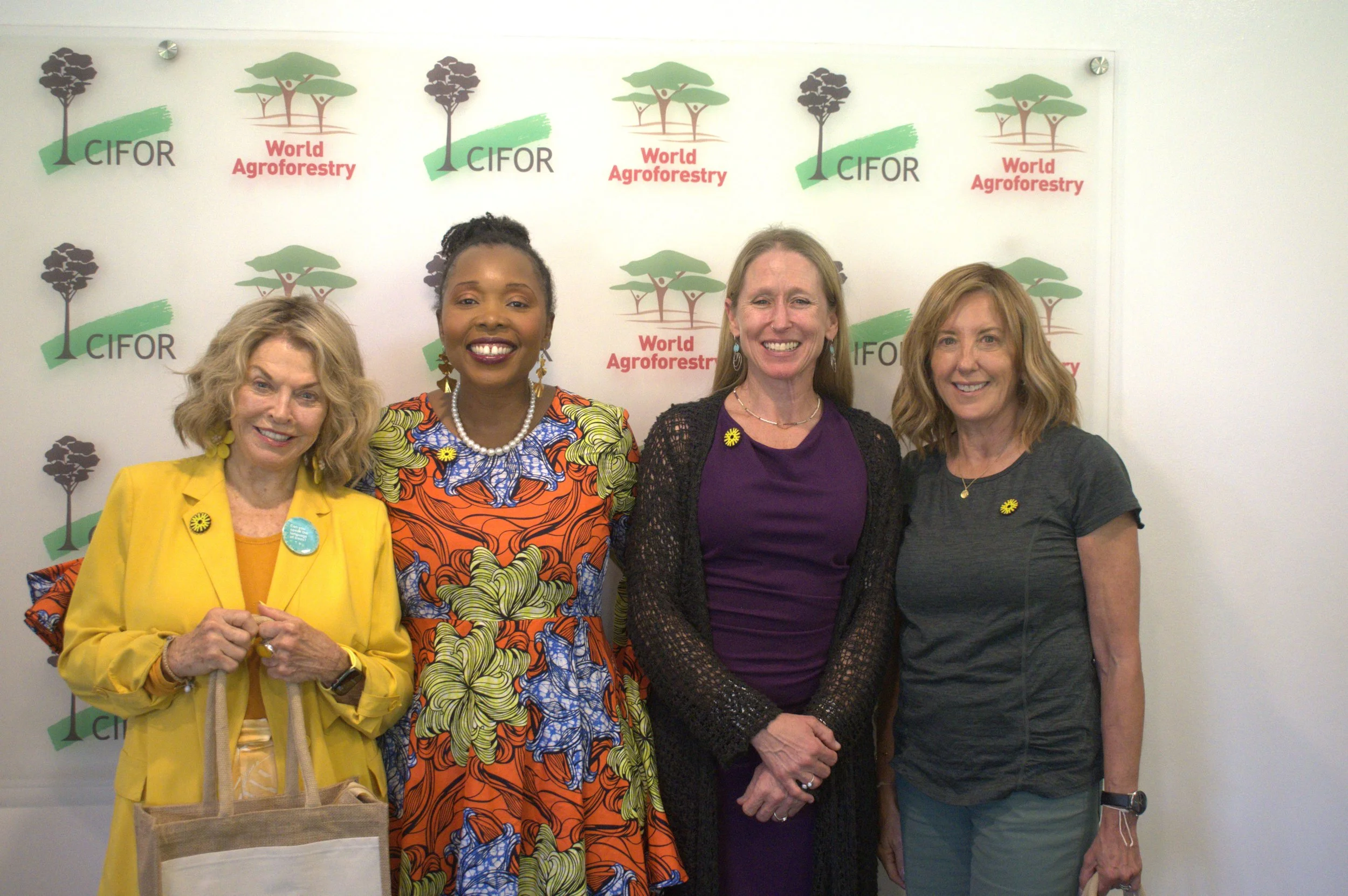
CIFOR-ICRAF Hosts Global Listening Session with Project Dandelion Leaders on Climate, Food Systems, and Women’s Leadership
22 May 2025 | The CIFOR-ICRAF campus in Nairobi, Kenya welcomed two globally recognized leaders for a high-level listening session and field visit focused on climate justice, regenerative food systems, and innovation in African landscapes.
Among their long standing advocacy for women and the planet, Pat Mitchell and Rhonda Carnegie are co-founders of Project Dandelion, a women-led campaign for climate justice. Their visit to the CIFOR-ICRAF campus formed part of Project Dandelion’s global listening tour, which seeks to surface innovations in food systems, amplify women’s leadership, and strengthen connections between science, policy, and lived experience across regions.
Hosted by CIFOR-ICRAF, the session brought together researchers, early-career scientists, and technical staff working across soil health, tree biodiversity, seed systems, and spatial analytics.
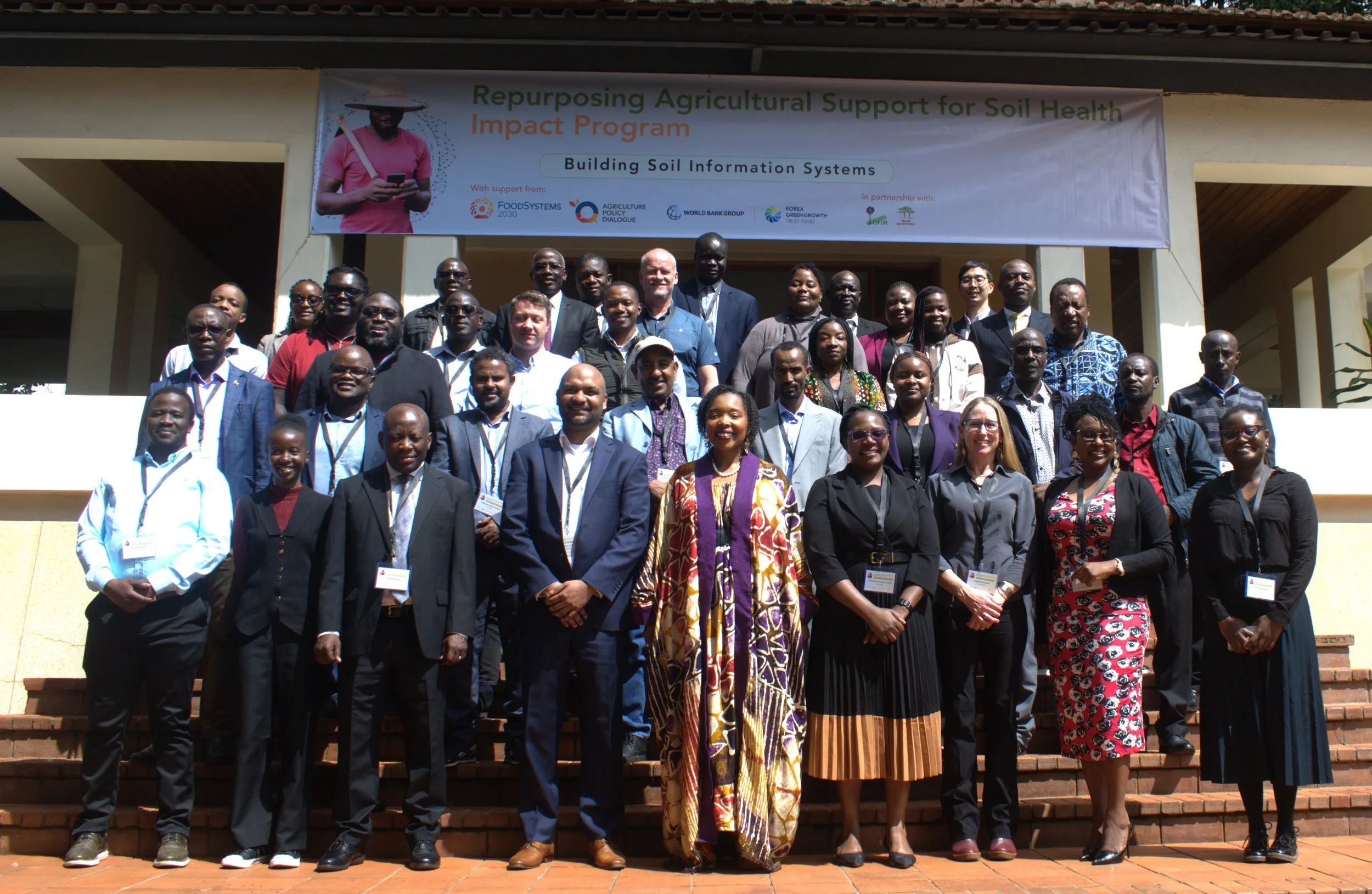
From Soil Data to Decisions: Building Stronger Soil Information Systems for Agricultural Transformation in Africa
Across Sub-Saharan Africa, rising food insecurity and declining soil health are placing increasing pressure on agricultural systems. While governments collectively invest billions of dollars annually to support agriculture, questions remain about whether these investments are delivering the intended results for farmers, productivity, and long-term sustainability.
Against this backdrop, experts, policymakers, researchers and development partners gathered at the CIFOR-ICRAF Campus in Nairobi for the Building a Soil Information Systems (SIS) Workshop, convened under the Repurposing Agricultural Support for Soil Health Impact Programme.
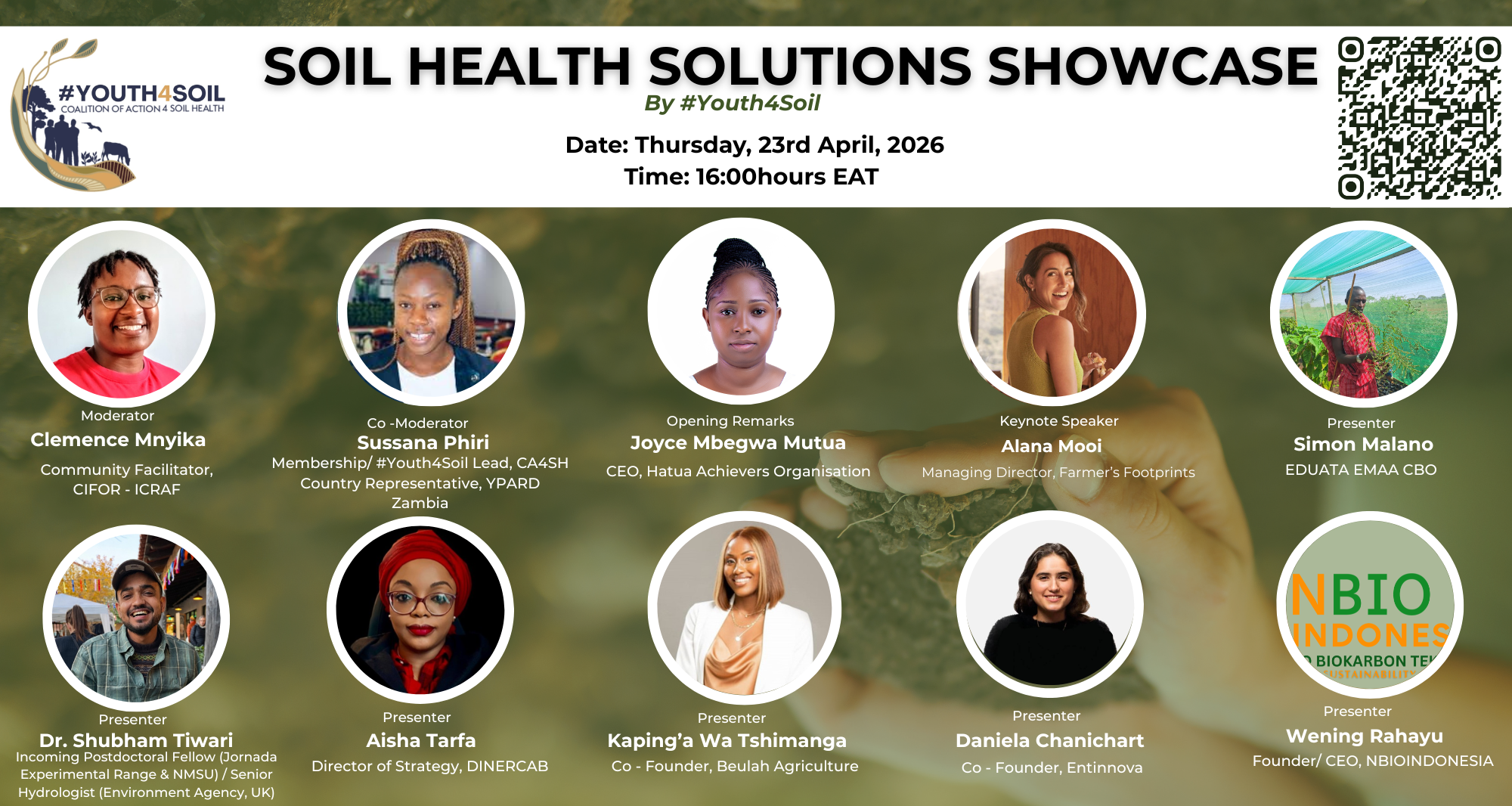
A Culture of Stewardship on the Spotlight at the Soil Health Solutions Showcase by #Youth4Soil
The fifth Soil Health Solutions Showcase by #Youth4Soil, convened under the Coalition of Action 4 Soil Health (CA4SH), brought together young leaders, scientists and advocates to spotlight practical solutions for soil restoration and sustainable land use. The event featured innovators, researchers and community leaders presenting groundbreaking approaches to restoring degraded land and strengthening food systems.
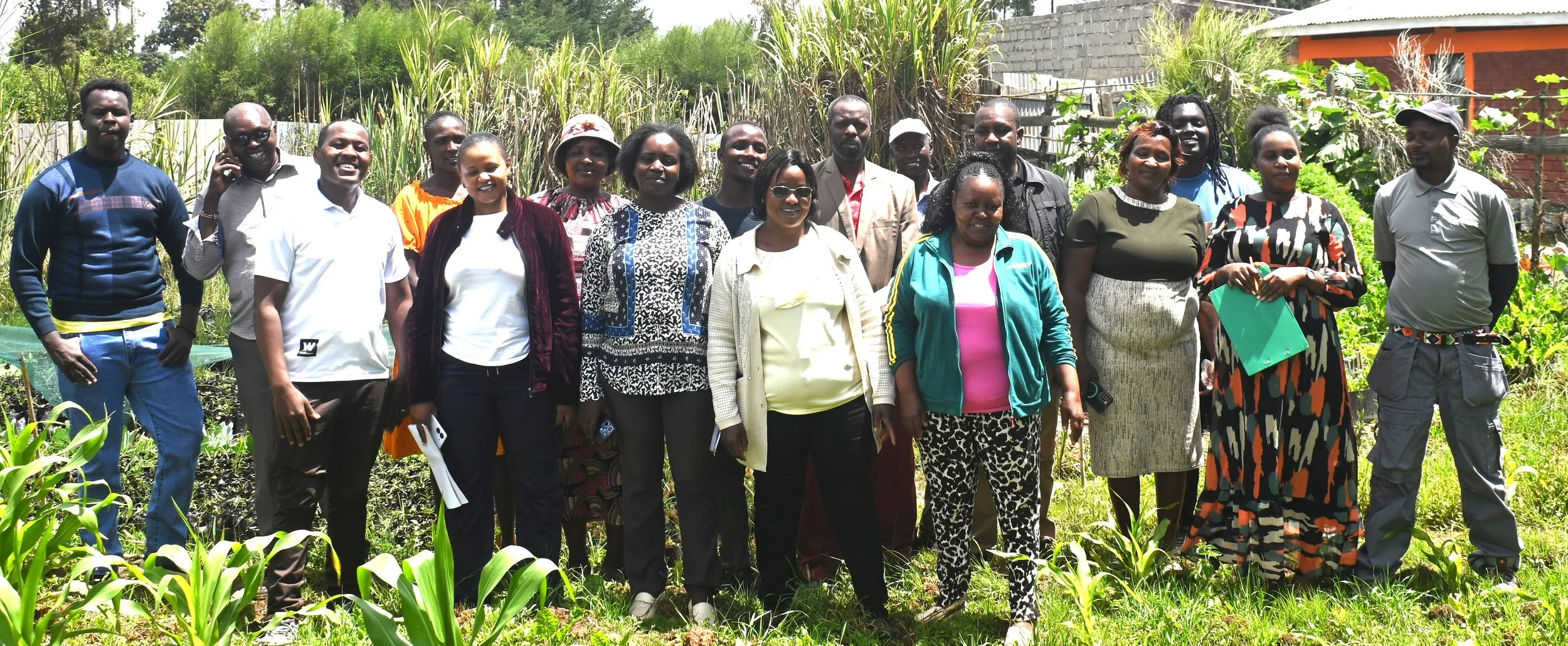
Citizen Scientists to Lead Restoration Monitoring in Kenya
The Visibilize4Climate Action project aims to make visible, through research, public and policy engagement, the impact of climate change on the nutritional status and mental health of vulnerable populations in the East African drylands (arid, semi-arid, and dry sub-humid zones), to catalyze context-specific climate policy and practice change at scale. Climate change directly affects health and well-being by driving land degradation, exacerbating poverty and food and nutrition insecurity.
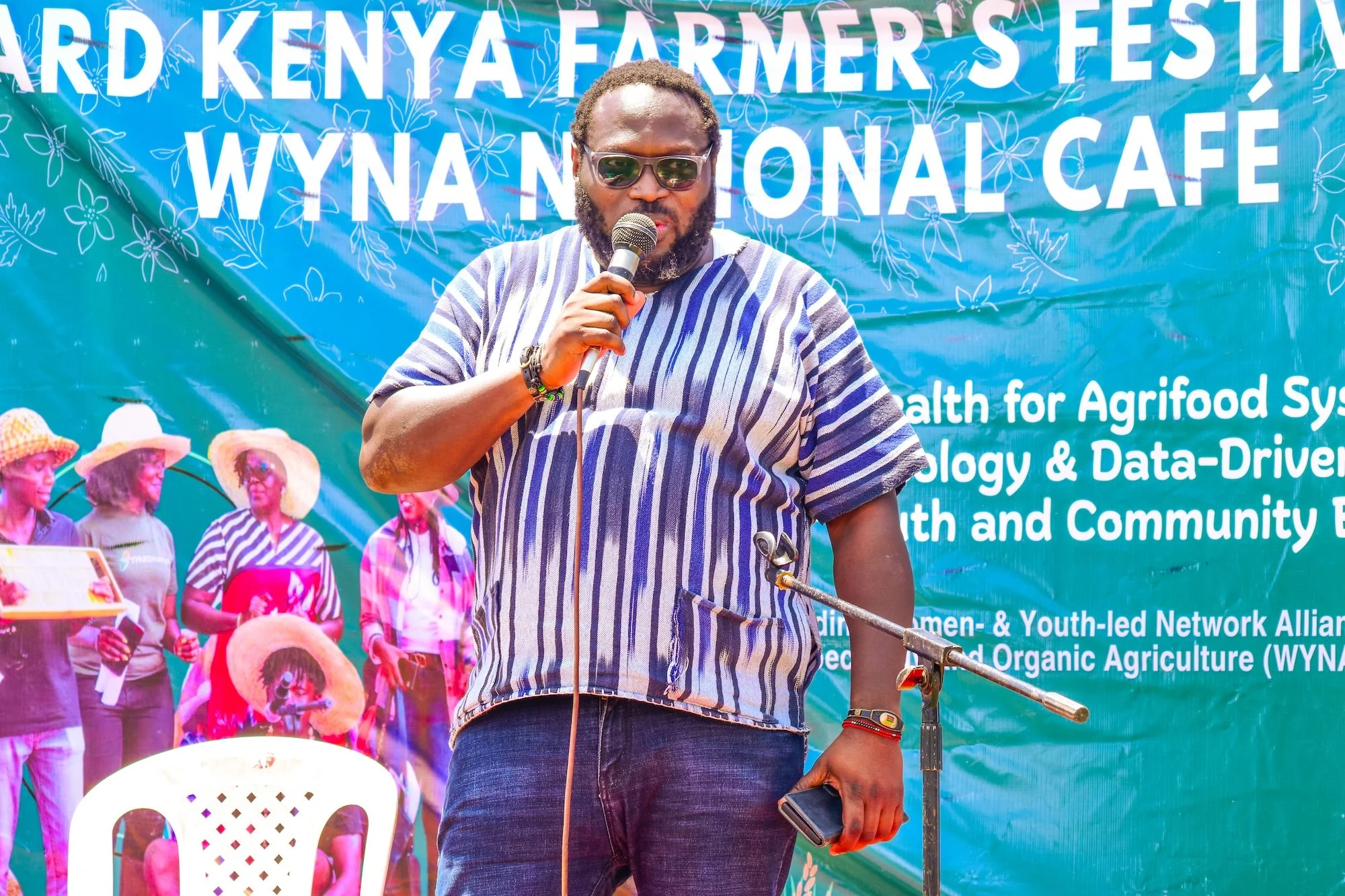
YPARD-Kenya Farmers Festival
The Young Professionals for Agricultural Development (YPARD) Kenya invited the Soil and Land Health Theme at the Centre for International Forestry Research and World Agroforestry (CIFOR-ICRAF) to take part in the YPARD–Kenya Farmers’ Festival 2026, held on 13 March 2026 at Mamboleo Farm.

Building a Soil Data Ecosystem: Africa Steps Forward on Fertilizer and Soil Health Challenge with Multi-stakeholder Approach
Regional leaders, scientists, policymakers, and development partners gathered at the ICRAF Campus in Nairobi on January 27–28, 2026 for the inception workshop of a groundbreaking initiative: Establishing an ecosystem of soil data-driven services to meet the Global Fertilizer and Soil Health Challenge. The workshop was anchored in the three‑year project titled “Establishing an Ecosystem of Soil Data-Driven Services to Meet the Global Fertilizer and Soil Health Challenge.” The initiative is implemented by CIFOR-ICRAF and the Coalition of Action for Soil Health (CA4SH) in collaboration with the Varda Foundation, with financial support from the Norwegian Agency for Development Cooperation (NORAD). It builds on a soil knowledge exchange pilot conducted in 2024 in Kenya and Tanzania, which identified key barriers and opportunities for strengthening collaborative soil data ecosystems
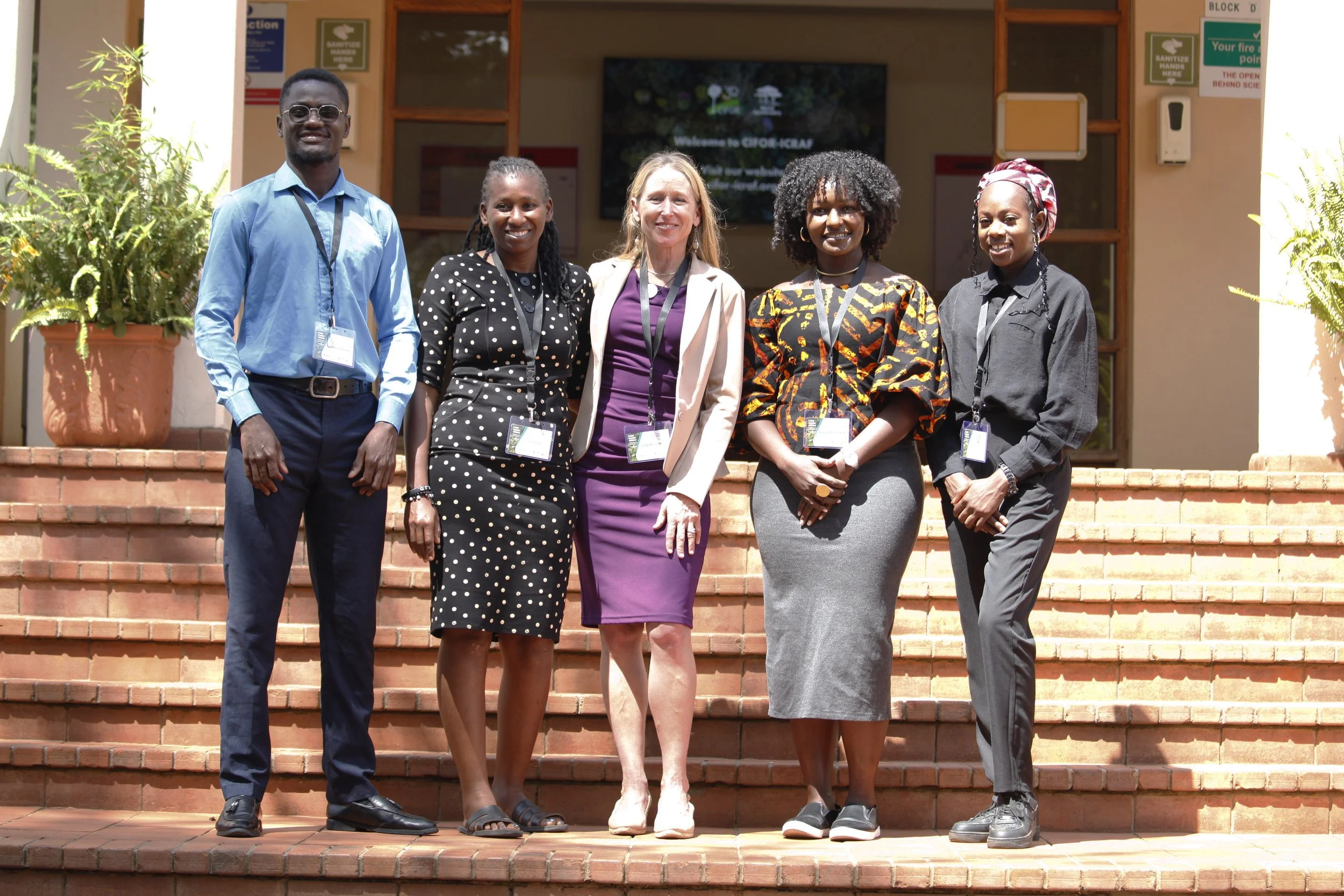
Youth at the Center of Soil Health Action: YPARD Engagement at the Nairobi Soil Health Knowledge Exchange
On 27–28 January 2026, young agrifood system leaders from across Eastern and Southern Africa gathered at the CIFOR-ICRAF Campus in Nairobi for the Soil Health Knowledge Exchange Workshop.
The meeting marked the inception of a three-year initiative, Establishing an Ecosystem of Soil Data-Driven Services to Meet the Global Fertilizer and Soil Health Challenge, implemented by CIFOR-ICRAF in collaboration with the Varda Foundation and supported by the Norwegian Agency for Development Cooperation (NORAD).
The workshop brought together researchers, policymakers, development partners, civil society, private sector actors, and farmer organizations from Kenya, Ghana, Malawi, and Tanzania to explore how soil data and knowledge can be better shared and used to advance sustainable land management, food security, and resilient agrifood systems. Within this diverse multi-stakeholder space, the YPARD played a visible and strategic role in championing youth-centered approaches to soil health action.
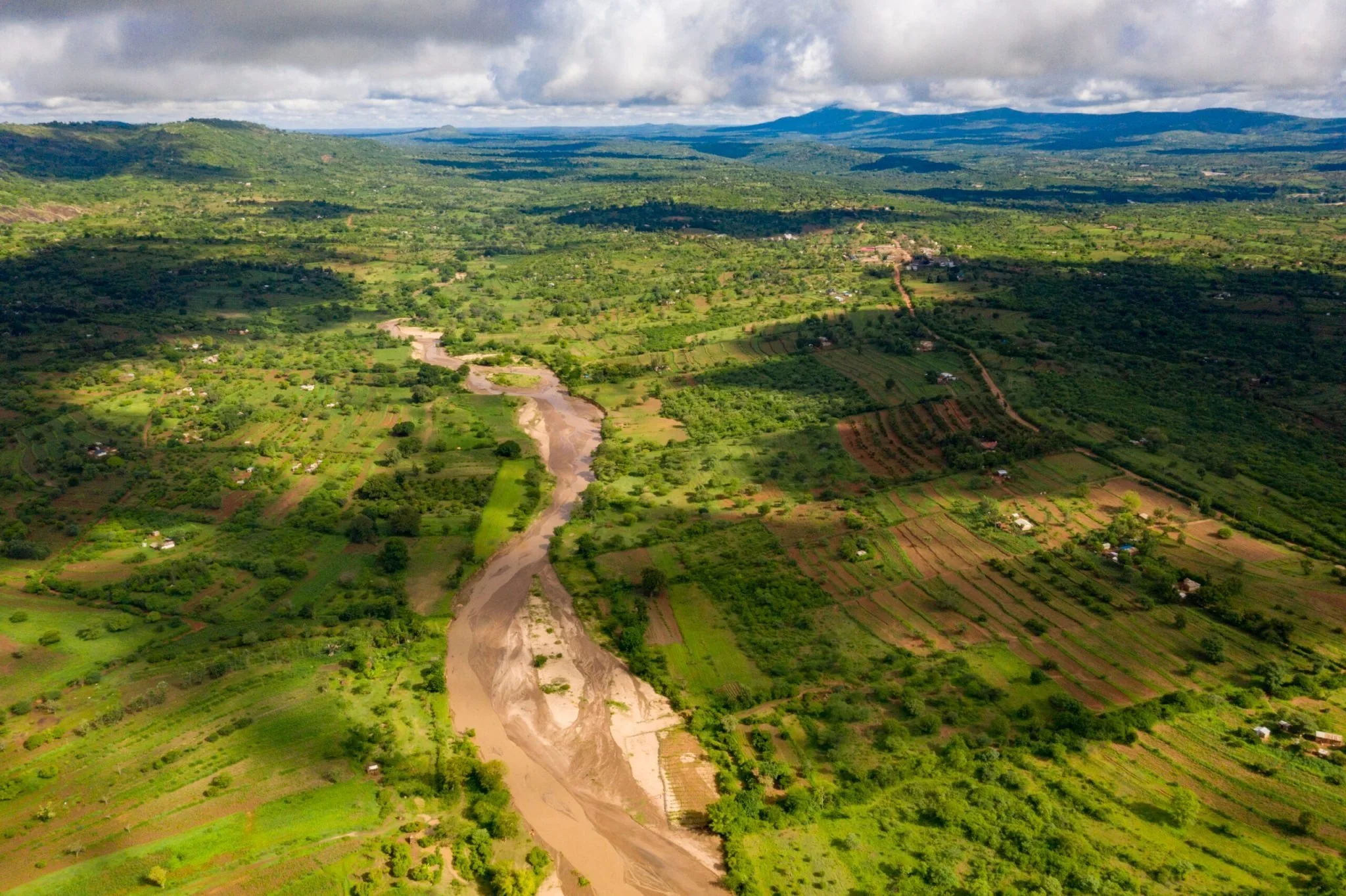
Born in the Sahel, now global: A soil assessment method reshaping restoration science
Twenty years ago in Mali, Tor-Gunnar Vågen and colleagues began experimenting with a methodology to assess and map soil and land health; today, that early work has amplified into a framework with myriad applications for restoration across landscapes.
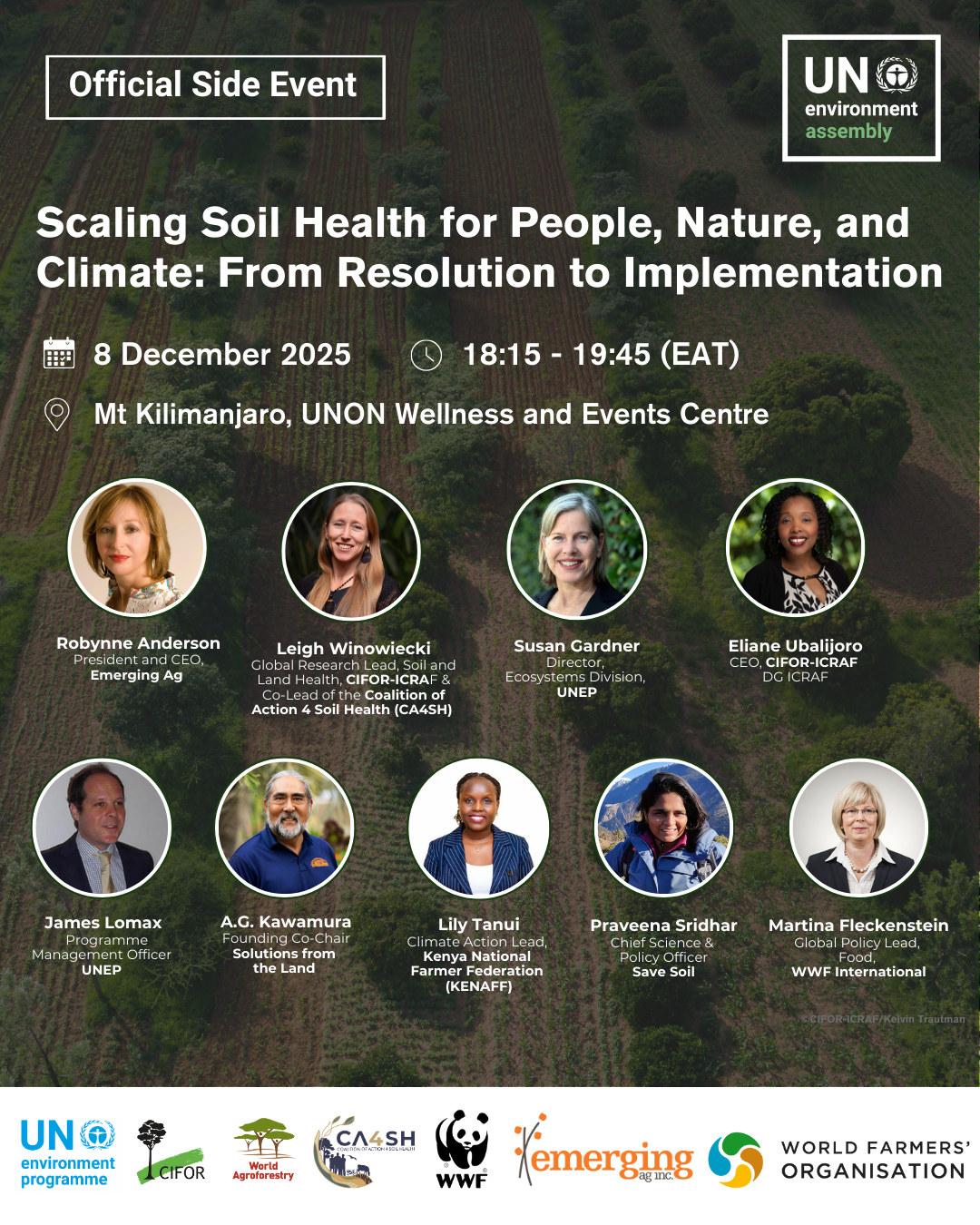
Multi-stakeholders Recognise Soil as a Strategic Asset for People, Nature and Climate at UNEA-7
At UNEA‑7, soil was not just a technical topic — it was recognized as a strategic asset for people, nature, and climate. The side event “Scaling Soil Health for People, Nature, and Climate: From Resolution to Implementation” brought together UNEP, CIFOR‑ICRAF, CA4SH, WWF International, Solutions from the Land, Kenya National Farmers’ Federation and Emerging Ag to explore how global commitments are being translated into national policies and community‑level action and how these can be scaled to achieve more impact for people, nature and climate.
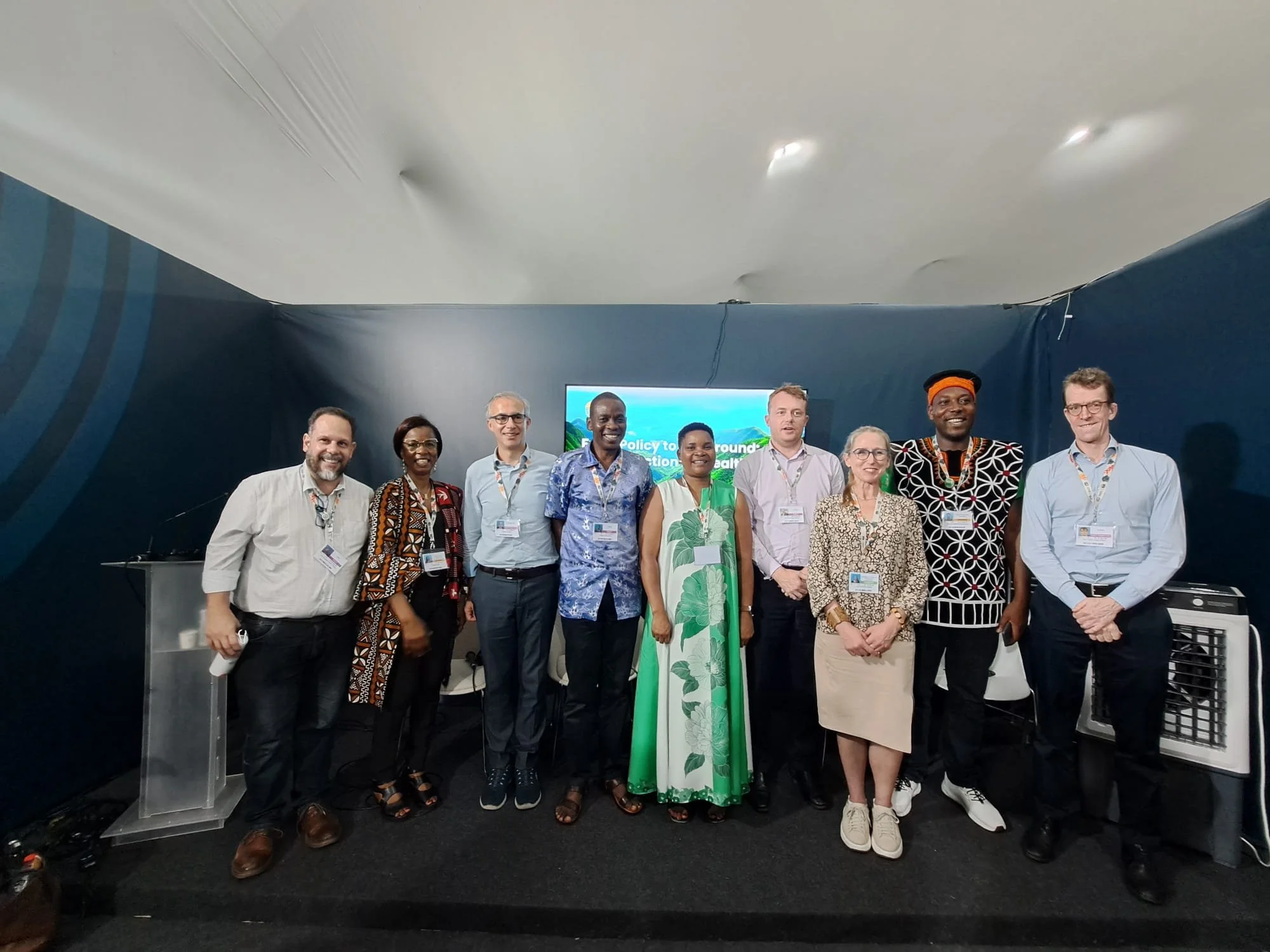
From Policy to the Ground: Scaling Action on Healthy Soil at COP30
Healthy soil is essential for ecosystem restoration, biodiversity conservation, food security and nutrition, and climate mitigation and adaptation. At the COP30 plenary session “From Policy to the Ground: Scaling Action for Healthy Soil”, governments, development agencies, farmer organizations, and youth networks came together to reflect on how policies can drive real change for soil health, and it must be brought into the center of climate negotiations.
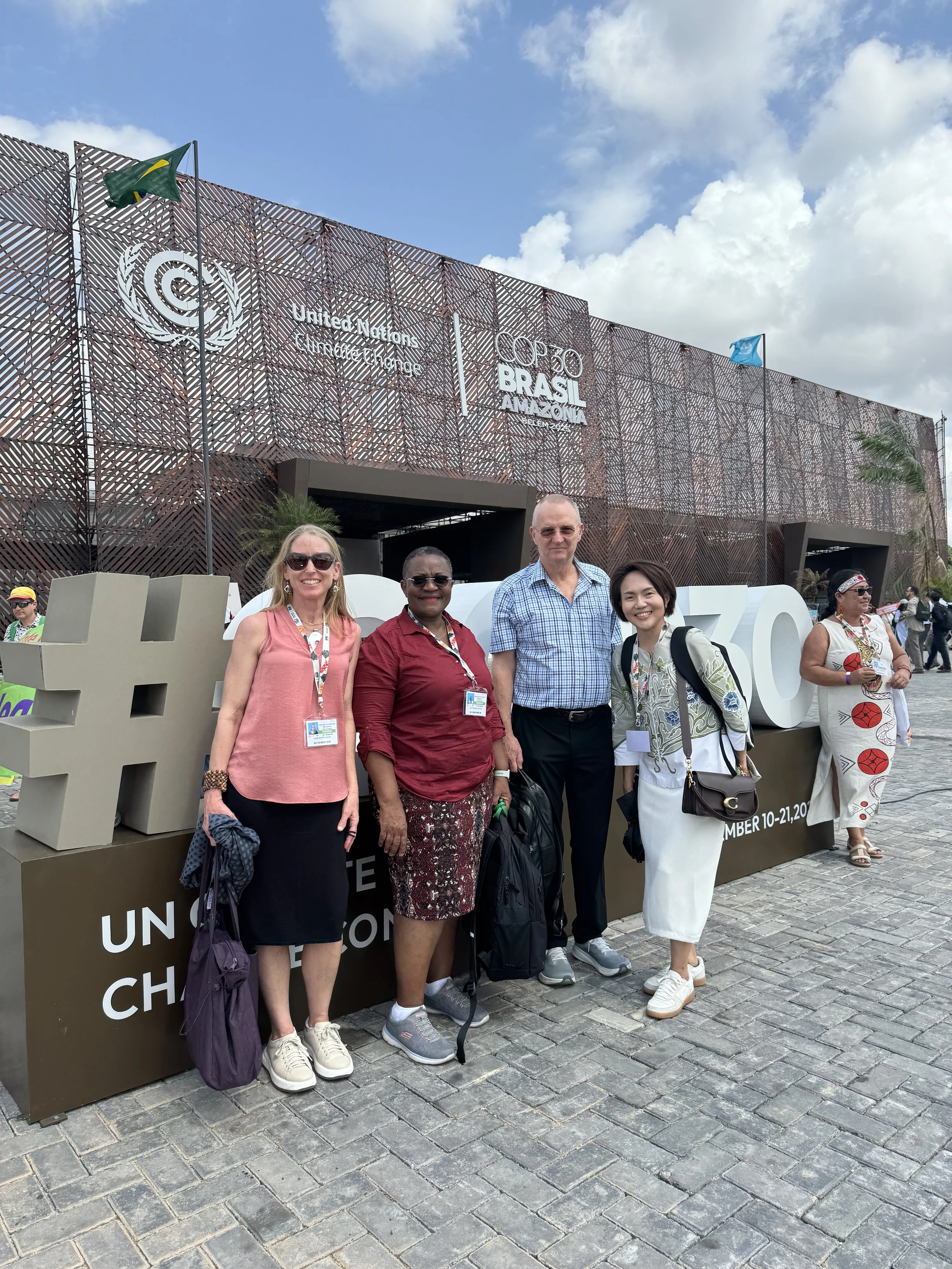
CA4SH at COP30: Leveraging partnerships, experience, and momentum to drive soil health in the climate agenda
From 10–21 November 2025, delegates from UN Member States, civil society organizations, the research community, Indigenous peoples, youth, non-profit organizations, the private sector, and more, came together in Belém, Brazil to drive the future of the global climate agenda.
Representation from diverse groups is paramount to ensuring the voices of all are heard, and central to the approach from the Coalition of Action 4 Soil Health (CA4SH). At this year’s COP, we centred youth voices, presented experiential learning from farmer-centred food security initiatives, called for increased attention to soil health as a climate solution from policy and financial stakeholders, and stressed the need for approaches to be rooted in Indigenous knowledge and value systems. The CA4SH Secretariat participated in 20 unique sessions across the Action on Food Hub, Brazil Pavilion, Food & Agriculture Pavilion, Spanish Pavilion, and the Nordic Pavilion, and we supported our network of partners and collaborators by promoting their engagements through our annual #COPSoil landing page.
Read on for an overview of our engagements at COP, positioning soil health as a key climate solution with co-benefits for global food security, biodiversity, sustainable landscapes, and rural livelihoods.

Climate-Smart Agriculture from the Soil Up: The Global CSA Conference
The Global Climate-Smart Agriculture (CSA) Conference is more than a knowledge exchange platform; it is a platform to incite climate action in agriculture. Immediately preceding the UN Climate Conference (UNFCCC COP30) taking place in Belem, Brazil, organizers of the 2025 CSA conference saw this year’s assembly as a critical opportunity to align on the future of food and agriculture ahead of COP30.
As an organization with action as a primary tenet, the Coalition of Action 4 Soil Health (CA4SH) was invited to co-chair the Soil Health and Plant Nutrition thematic session with partners from the International Fertilizer Development Center (IFDC). The session comprised two sub-sessions on 5th and 6th November, dedicated to finance and technology, respectively. Below, we summarize the innovations and key messages shared in these sessions, and chart a way forward for soil health at COP.
CA4SH and CIFOR-ICRAF at CAADP Partnership Platform: Rooting agricultural transformation in healthy soil on the African continent
The African Union Development Agency (AUDA-NEPAD) and the African Union Commission have convened a Soil Health Monitoring Task Force to design and operationalize a systematic, scientifically sound monitoring system aligned with the CAADP Biennial Review (BR) process.
Ahead of the CAADP Partnership Platform (CAADP PP), which took place in Kigali, Rwanda, from 29-31 October 2025, AGRA supported the convening of the Task Team meeting on 27 and 28 October. The validation meeting provided a platform for the Task Force to present its work on building a soil health monitoring system in support of the AFSH Action Plan, including identifying key indicators and a relevant soil health definition. Members of the Task Force and the broader AFSH stakeholder group attended and provided feedback through several participatory workshop sessions.

Orienting soil management technologies for West Africa in robust data infrastructure
From 20-24 October 2025, researchers, innovators, public institutions, private sector actors and end users of agricultural technologies in West Africa, convened in Bamako, Mali for the Market for Agricultural Innovations and Technologies (MITA) flagship event. Organized around the theme of "facilitating access to integrated soil management agricultural technologies and innovations," the event is hosted by the Conseil Ouest et Centre Africain pour la Recherche et le Développement Agricoles (West and Central African Council for Agricultural Research and Development or CORAF).
Click to read reflections from CIFOR-ICRAF Scientist, Dr Bertin Takoutsing

CA4SH at IUCN: Soil Health for Nature Conservation and Resilience
At the IUCN World Conservation Congress 2025 in Abu Dhabi, the Coalition of Action 4 Soil Health (CA4SH) and partners led an interactive session on Soil Health for Nature Conservation and Resilience. Bringing together policymakers, researchers, and youth leaders, the discussion spotlighted soil health as a unifying solution for biodiversity, climate, and food systems. The approval of IUCN Motions 002 and 007 marked a major step forward for improving soil health globally.

New World Economic Forum Global Future Council on Soil and Land Health Advances Global Soil Agenda
From 14–16 October 2025, the Annual Meeting of the Global Future Councils (GFCs) from the World Economic Forumtook place in Dubai, UAE. The GFCs are the World’s foremost multistakeholder and interdisciplinary knowledge network dedicated to promoting innovative thinking to shape a more resilient, inclusive and sustainable future. Each of the 37 Councils’ thematic insights are taken forward by the Forum’s ongoing initiatives, communities and meetings to ensure impact. The October meeting brought together over 500 global experts and 150 cybersecurity leaders to address the complex intersections of technology, resilience, and sustainability.
The GFC on Soils was established by the World Economic Forum (WEF) as a strategic and timely response to the escalating global crisis of soil degradation. With over one-third of the world’s soils already degraded and desertification threatening food security, climate stability, and biodiversity, the council was formed to galvanize international action and innovation around soil health.