
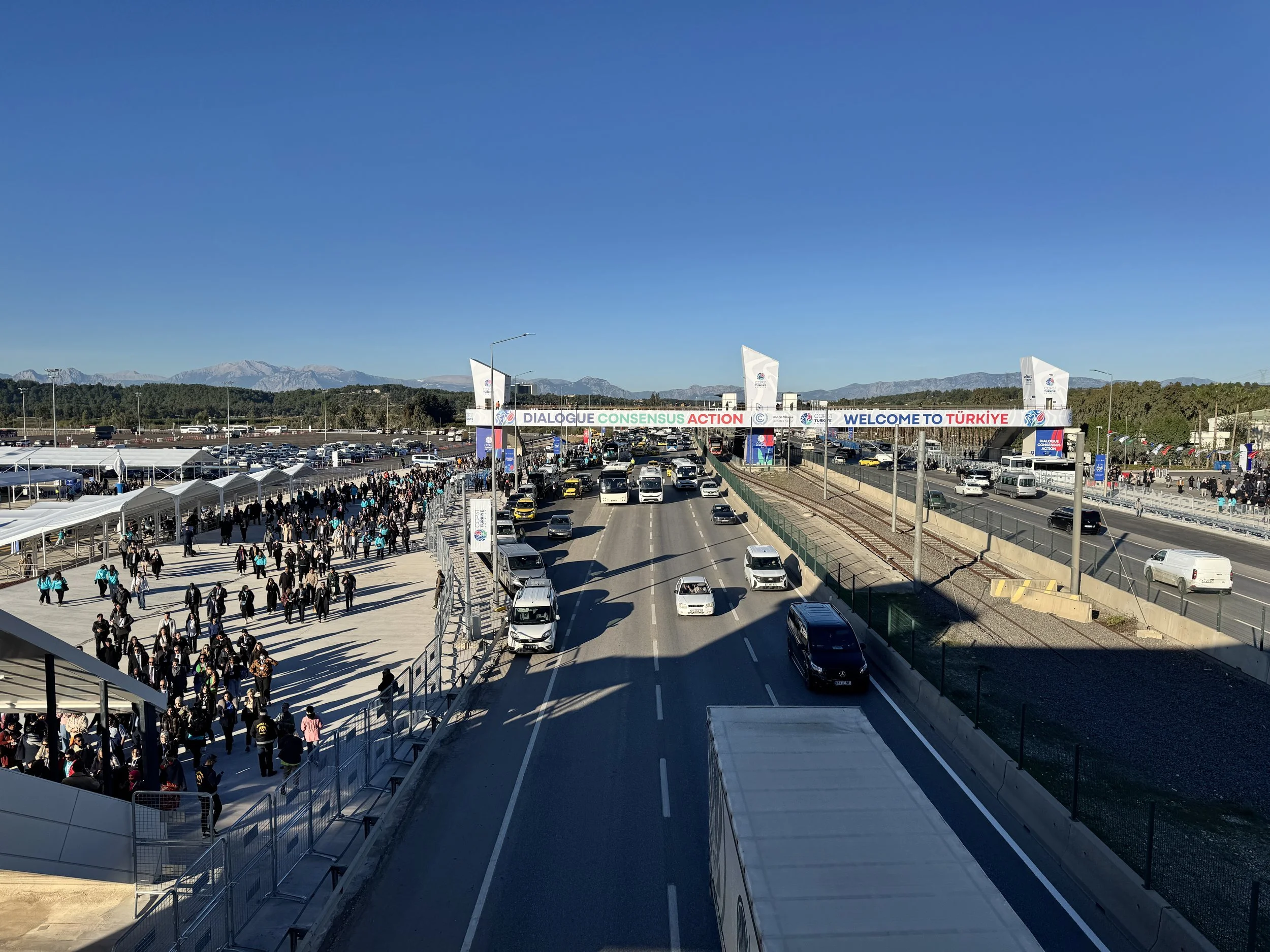
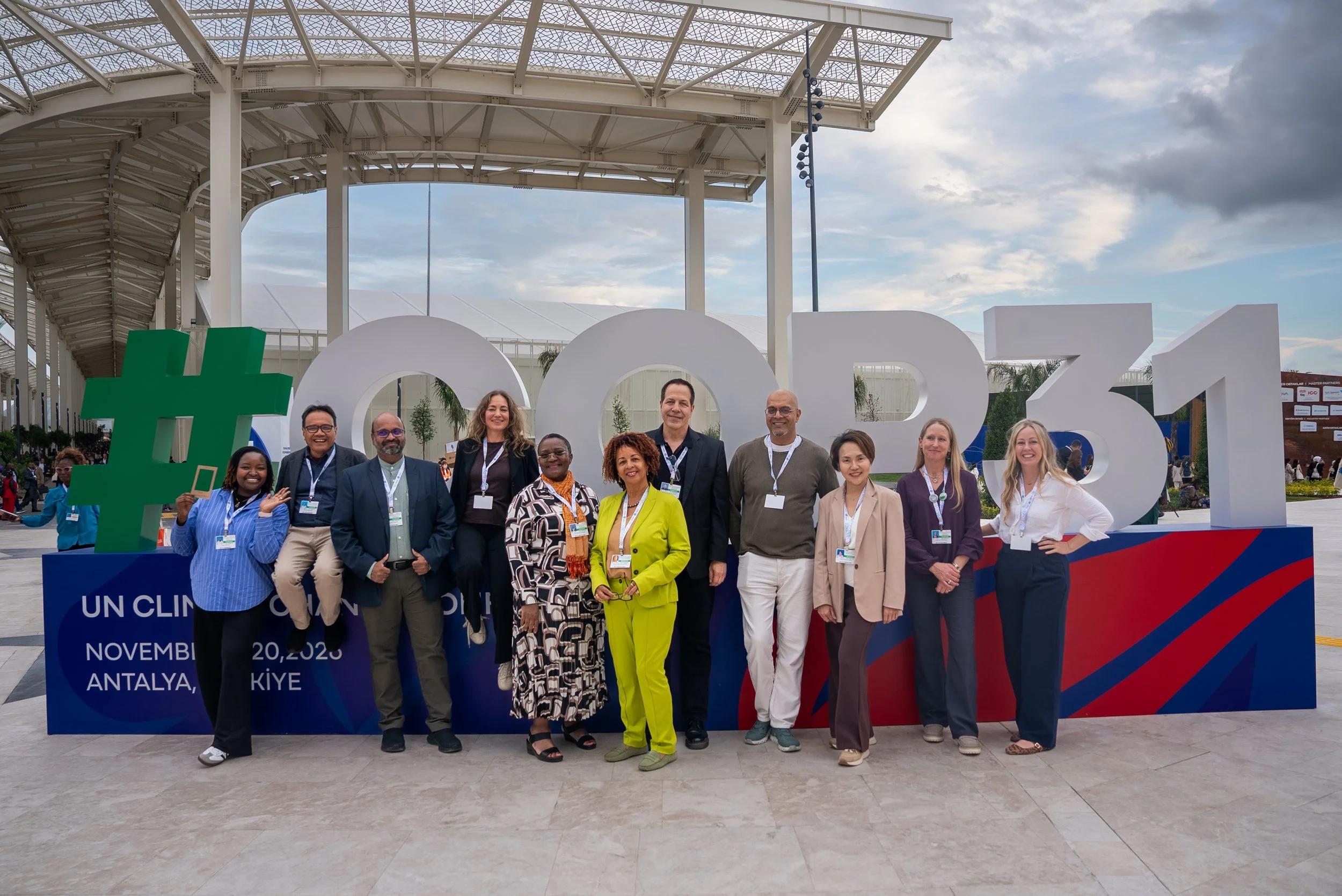
At UNFCCC COP31 in Antalya, Türkiye, the Coalition of Action 4 Soil Health (CA4SH) Secretariat Delegation joined partners from across the world to advance a shared message: healthy soil is essential to delivering on global climate, biodiversity and land restoration commitments, and the time has come to turn that understanding into coordinated action.
The global conversation around soil health is changing. After years of building awareness of the vital role soil plays in supporting food security, climate resilience, biodiversity and livelihoods, attention must now focus on implementation: how to translate scientific evidence into policy, mobilise investment and deliver practical solutions that reach farmers and communities.
This shift was central to CA4SH's engagement at the first week of the 31st UN Climate Change Conference (COP31), held in Antalya, Türkiye, beginning 9 November 2026.

Image: Aris Sanjaya, Landscape Alliance
Through events under the Global Climate Action Agenda, technical discussions, partnerships and bilateral engagement, the CA4SH Secretariat Delegation and partners worked to strengthen the connections between soil health, climate action and sustainable food systems, the need for inclusive and sustained financing, while advancing and emphasising collaboration across the three Rio Conventions.
One soil, three conventions, shared solutions
The United Nations Framework Convention on Climate Change (UNFCCC), Convention on Biological Diversity (CBD) and Convention to Combat Desertification (UNCCD) each address different dimensions of the environmental challenges facing our planet. Yet all three depend, in important ways, on the health of the world's soil.
Healthy soil supports climate change mitigation and adaptation, sustains biodiversity above and below ground, improves water regulation and ecosystem resilience, and underpins efforts to restore degraded agricultural lands and rangelands.
For CA4SH, this interconnectedness presents an opportunity to move beyond fragmented environmental action.
Investing in soil health can generate benefits across all three conventions, helping countries deliver on multiple national and international commitments, and supporting farmers, pastoralists, and communities on the ground while making more effective use of limited resources.
This argument builds on an earlier opinion piece by CA4SH Co-lead Dr Leigh Winowiecki, which explored the importance of connecting soil health across the Rio Conventions and called for greater coherence between global environmental agendas.
The Coalition carried this message forward at UNCCD COP17 in Mongolia, where it launched a Rio Conventions Knowledge Product designed to strengthen understanding of soil health's cross-cutting contributions to climate, biodiversity and land restoration.
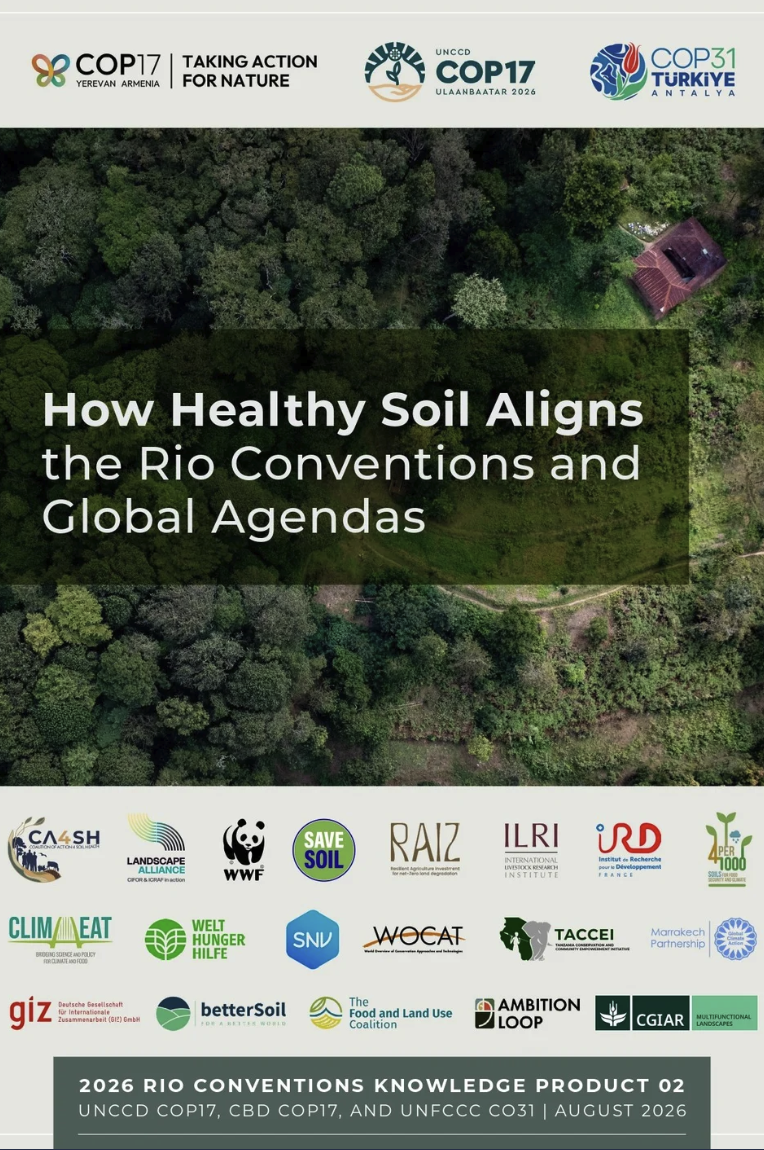
This knowledge product demonstrates how soil health serves as a unifying foundation across the three Rio Conventions—the United Nations Convention to Combat Desertification (UNCCD), the Convention on Biological Diversity (CBD), and the United Nations Framework Convention on Climate Change (UNFCCC)—while contributing to the achievement of the Sustainable Development Goals (SDGs). It reviews the key policy mechanisms under each Convention and identifies opportunities to strengthen the integration of soil health into national implementation, monitoring, and reporting processes.
At COP31, the emphasis shifted towards putting these connections into practice: strengthening shared evidence systems, aligning policies and financing, and building partnerships capable of implementing and delivering measurable results.
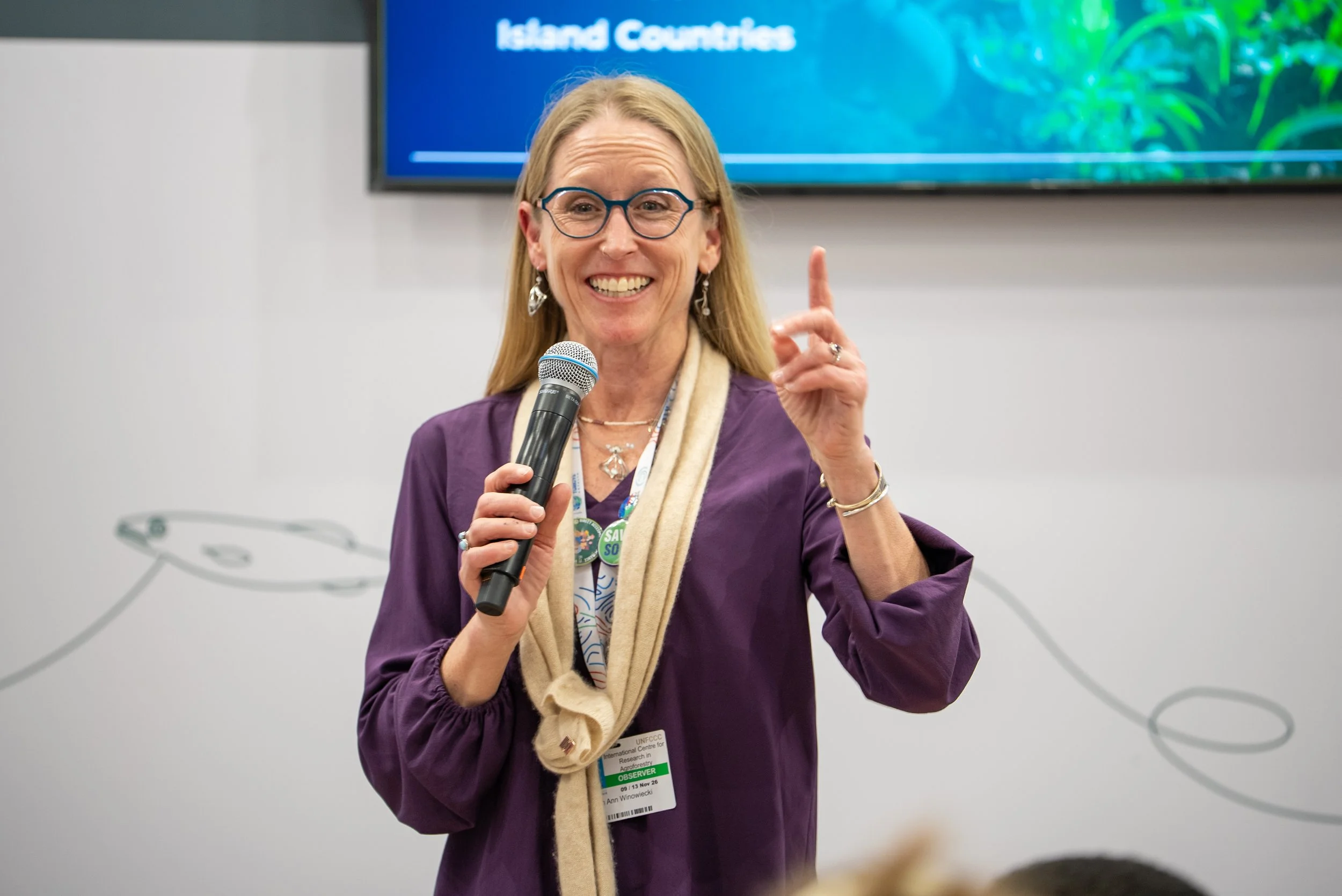
Dr. Leigh Winowiecki | Image: Aris Sanjaya, Landscape Alliance
“As we close out a pivotal year for the three Rio Conventions, we have a real opportunity to move beyond recognising soil health as a shared priority for climate, biodiversity and land restoration, towards coordinated action. Healthy soil underpins all three agendas. Through collective action we can translate commitments into coordinated investments, policies and measurable action on the ground, ensuring that soil health delivers multiple benefits for people, nature and the planet.”
From healthy soil to healthy diets: closing the finance gap
The CA4SH Secretariat Delegation's COP31 programme began on 9 November - Food Systems and Soil Health Day - with the Global Climate Action Agenda Solution and Delivery Event, "From Healthy Soil to Healthy Diets: Closing the Finance Gap".
Co-organised by CA4SH and a broad group of partners, the session brought together representatives from research, farming, business, finance, civil society and youth organisations to explore how investment can better support the transition towards sustainable and regenerative food systems.
Importantly, the event advanced the Healthy Soil 4 Healthy Diets (HS4HD) Plan to Accelerate Solutions (PAS), alongside complementary initiatives including Regenerative School Meals, RAIZ and TERRA.
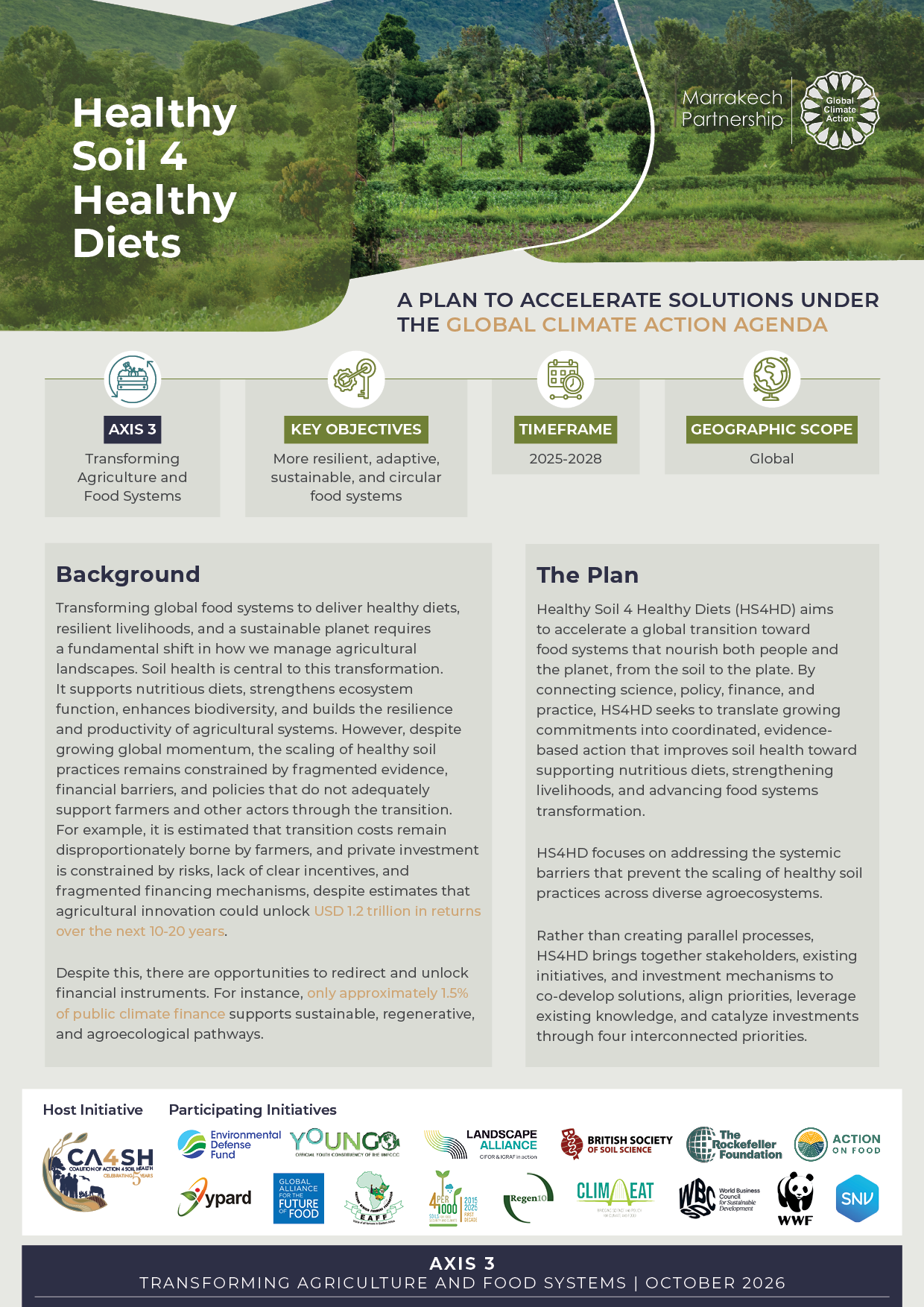
Healthy Soil 4 Healthy Diets (HS4HD)
Plans to Accelerate Solutions (PAS) are developed under the Global Climate Action Action Agenda (GCAA) to turn negotiated outcomes into real-world delivery. They are concise, multi-stakeholder, action-oriented workplans, designed to overcome barriers to scaling solutions. The GCAA mobilises the whole of society around voluntary climate action across six axes.
As part of Axis 3 of the Global Climate Action Agenda, the Healthy Soil 4 Healthy Diets PAS provides a framework for connecting soil health improvements with better food systems and nutrition outcomes, while bringing partners together around practical delivery.
The discussion drew on practical examples from across the food system, including soil health monitoring and rangeland restoration in East Africa, farmer-driven regeneration, regenerative landscapes and sustainable school meals. A central concern was the gap between the availability of promising solutions and the financial and institutional support needed to implement them at scale.
Farmers, particularly smallholders, frequently carry the costs and risks associated with changing agricultural practices, while financing mechanisms and policy incentives do not always reflect their needs.
The session examined opportunities to redirect existing agricultural finance, strengthen blended finance approaches, improve evidence for investment and build more coherent policies that support farmers through the transition.
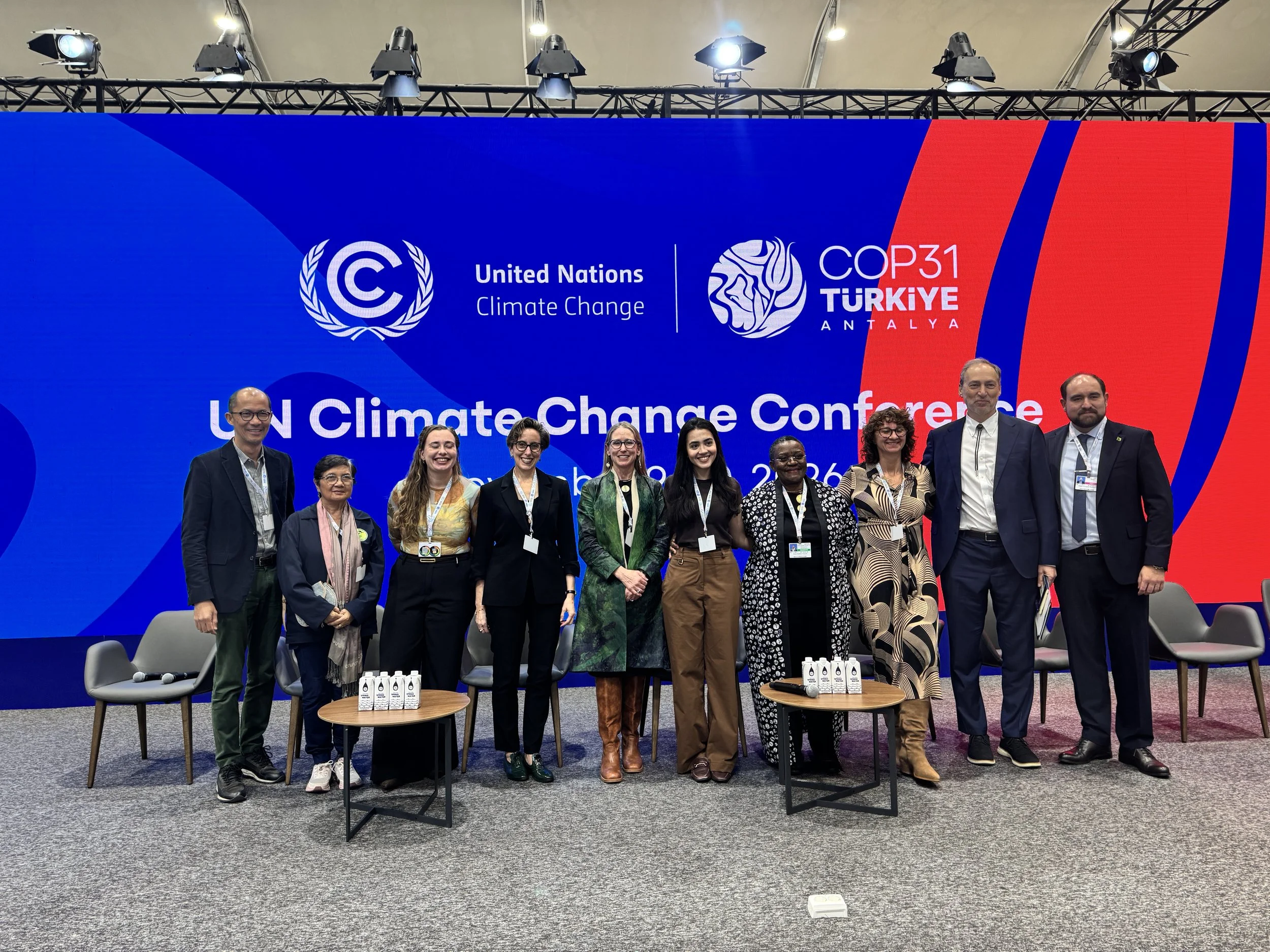
Later that afternoon, the Axis 3 Showcase Event, "Inspiring Action on Agriculture, Food Systems, Food Security and Nutrition in a Changing Climate", brought further attention to existing solutions, and the partnerships needed to transform agrifood systems.
A UK Pavilion event, "From Belém to Antalya: Accelerating Action on Sustainable Fertilisers", ran parallel to the Showcase. The discussion considered progress since COP30, including sustainable nutrient management, biological solutions, low-emission fertilisers and the role of coordinated action between governments, industry and finance.
Together, these events reinforced an important development in the global climate agenda: moving beyond identifying solutions towards establishing the conditions needed to implement and scale them.
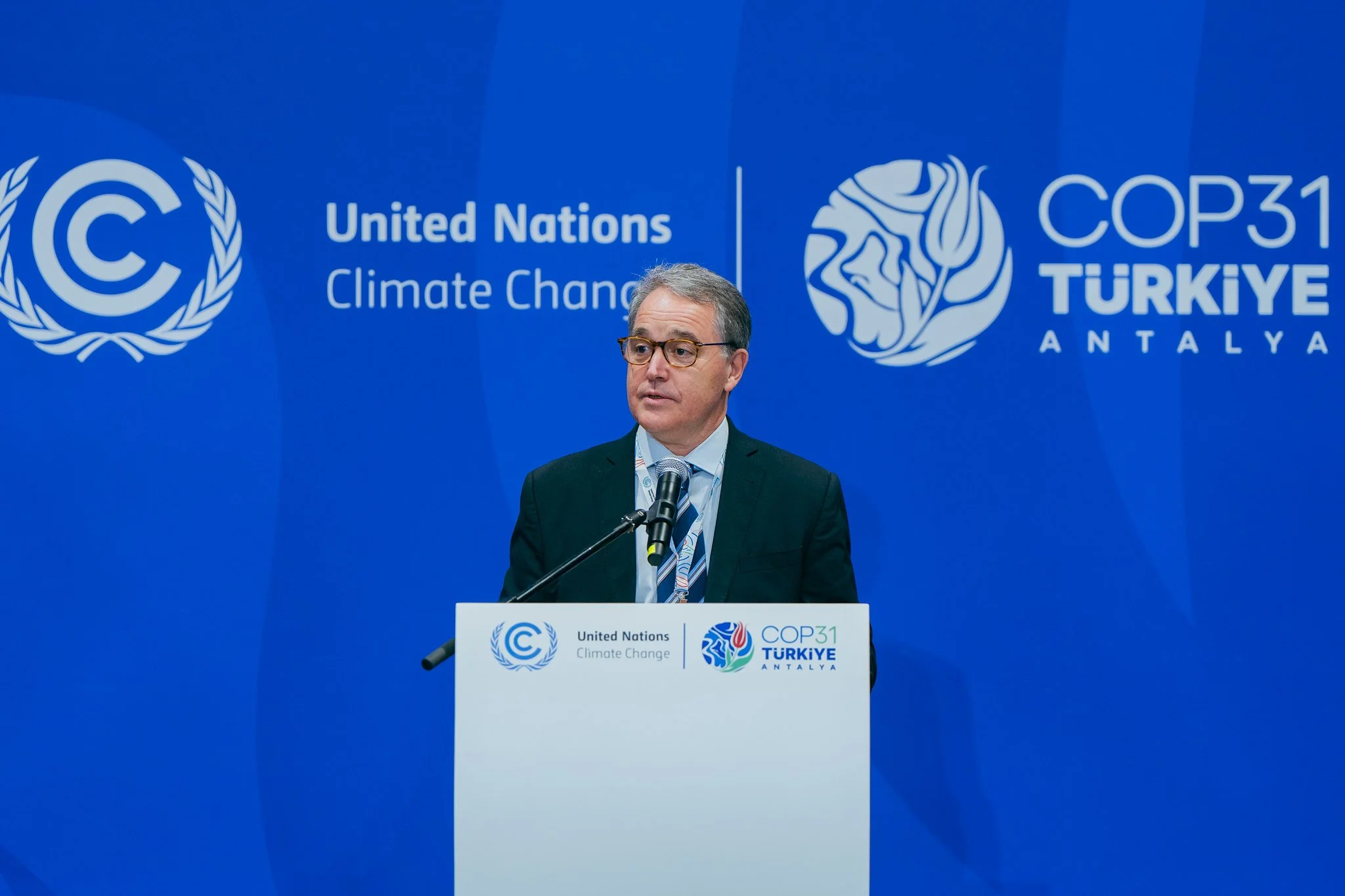
Image: Climate High-Level Champions
“The next chapter is about moving further and faster.”
Strengthening partnerships and accelerating delivery
Engagement continued the following day through the Axis 3 Stocktake meeting.
The meeting brought together representatives involved in the Global Climate Action Agenda and its activation groups to review progress and strengthen coordination around agriculture and food systems implementation.
For CA4SH, participation in these processes is important to ensure that soil health remains embedded in wider climate action, rather than being treated as a standalone agricultural concern.
The Coalition's COP31 priorities included encouraging countries to integrate soil health into Nationally Determined Contributions (NDCs), National Adaptation Plans (NAPs) and agricultural strategies, while strengthening investment and monitoring systems capable of supporting implementation.
These priorities recognise that progress requires more than technical solutions. It depends on the institutions, partnerships and enabling policies that allow those solutions to be adopted, sustained and scaled.
Scaling bio-inputs and moving from solutions to action
On 11 November, attention turned to the role of biological inputs in supporting more resilient agricultural systems.
At the African Union Pavilion, the session, led by WRI in collaboration with Rockefeller Foundation, FOLU, Practical Action, Africa Climate Ventures, among others, titled "Scaling Bio-Inputs: Accelerating Investments, Action and Policy Change across Africa, Latin America and Asia" brought together policymakers, researchers, investors and practitioners to examine opportunities for expanding the responsible use of bio-inputs.
Dr. Susan Chomba moderated the session and opened the discussion highlighting the critical role of bio-inputs to meet the growing demand and multiple challenges facing society.
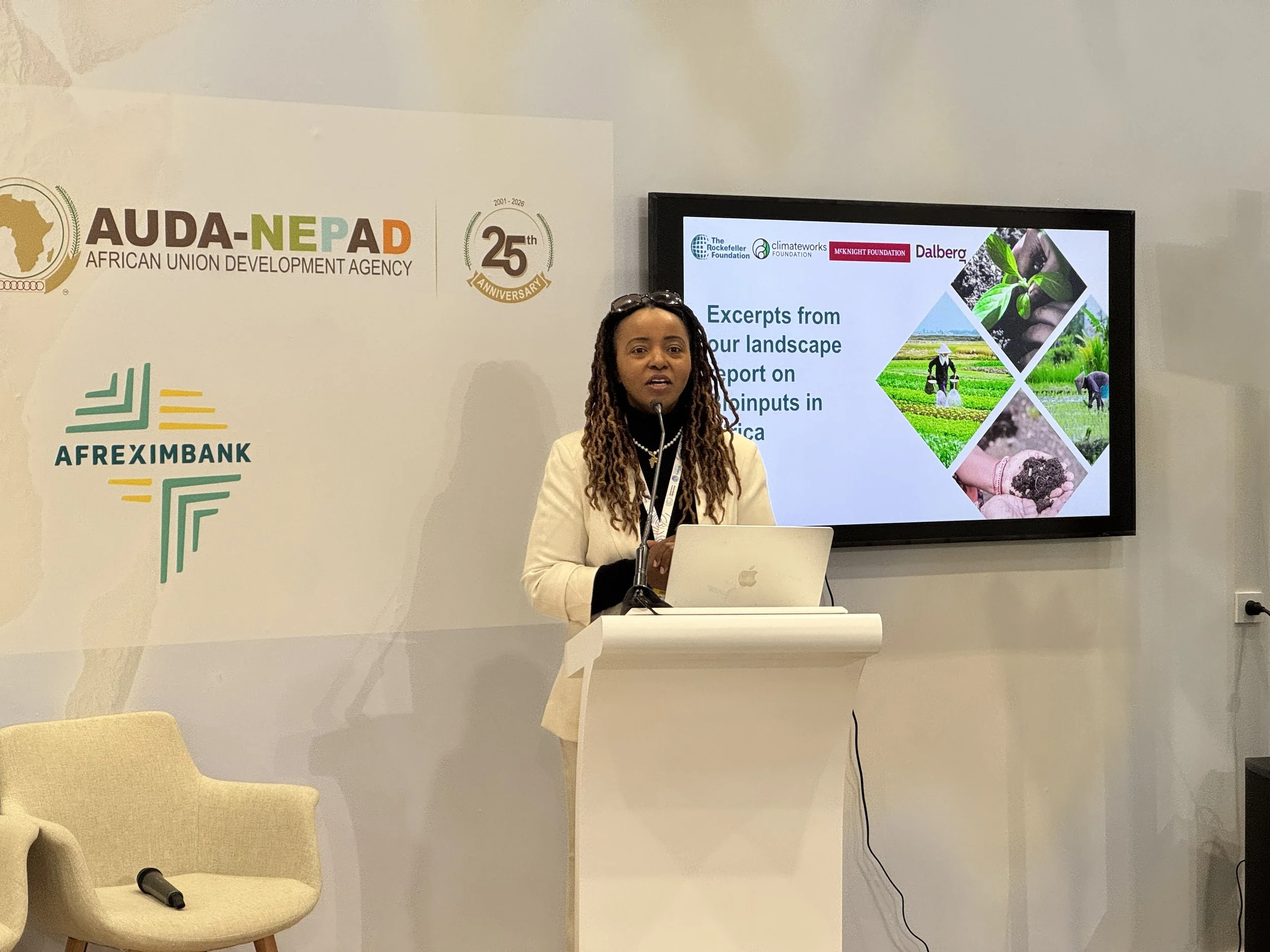
Dr. Leigh Winowiecki contributed alongside other speakers to discussions on the potential of biological inputs to support soil function, nutrient cycling, agricultural productivity and climate resilience. She also said, "It is time we stop treating soil like dirt!”
The session highlighted the need to generate robust scientific evidence on the effectiveness of bioinputs through systematic field monitoring, alongside farmer experience. Discussions emphasised the importance of evidence-based regulation, quality assurance, access to finance, and strengthening local production and distribution systems to support wider adoption and ensure measurable benefits for farmers and soil health.
Later that day the Global Climate Action Agenda's Axis 3 Synthesis Roundtable, "From Solutions to Action: Scaling Implementation for Agriculture and Food Security", brought together governments, farmer organisations, financial institutions and development partners.
The roundtable examined how global commitments can be translated into national priorities and how finance, technical assistance and partnerships can be better coordinated to support implementation.
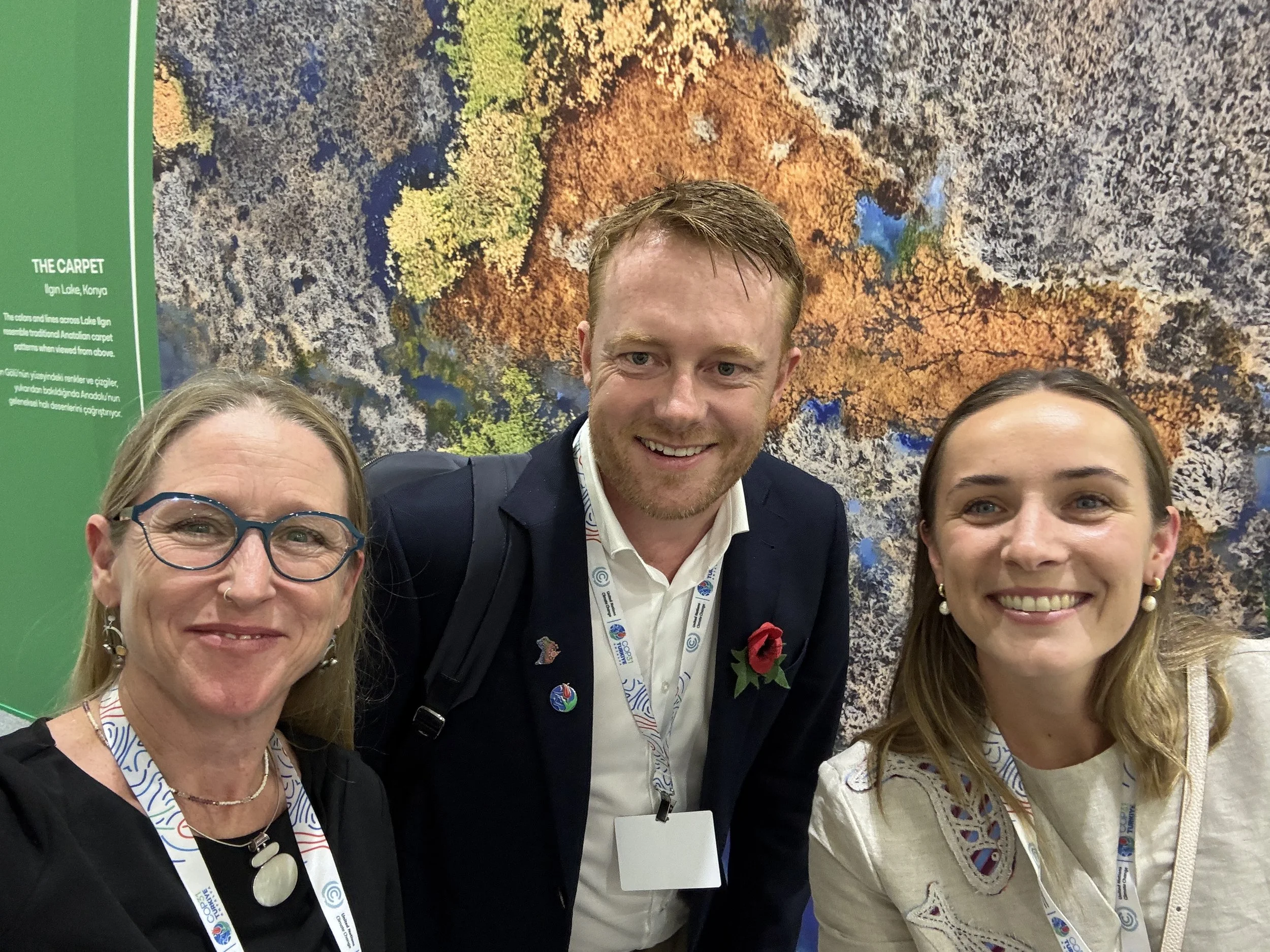
Dr. Leigh Winowiecki (CA4SH & Landscape Alliance), Nick Blong (Australian Government) & Sally Higgins (COP31 Presidency Youth Climate Champion) at the Axis 3 Roundtable.
The participation of youth and farmer representatives reinforced another central CA4SH message: those managing agricultural landscapes must be recognised as partners in designing and delivering solutions, rather than simply as recipients of them.
Youth leadership: from manifesto to implementation
Youth engagement was an essential thread running through CA4SH's COP31 participation.
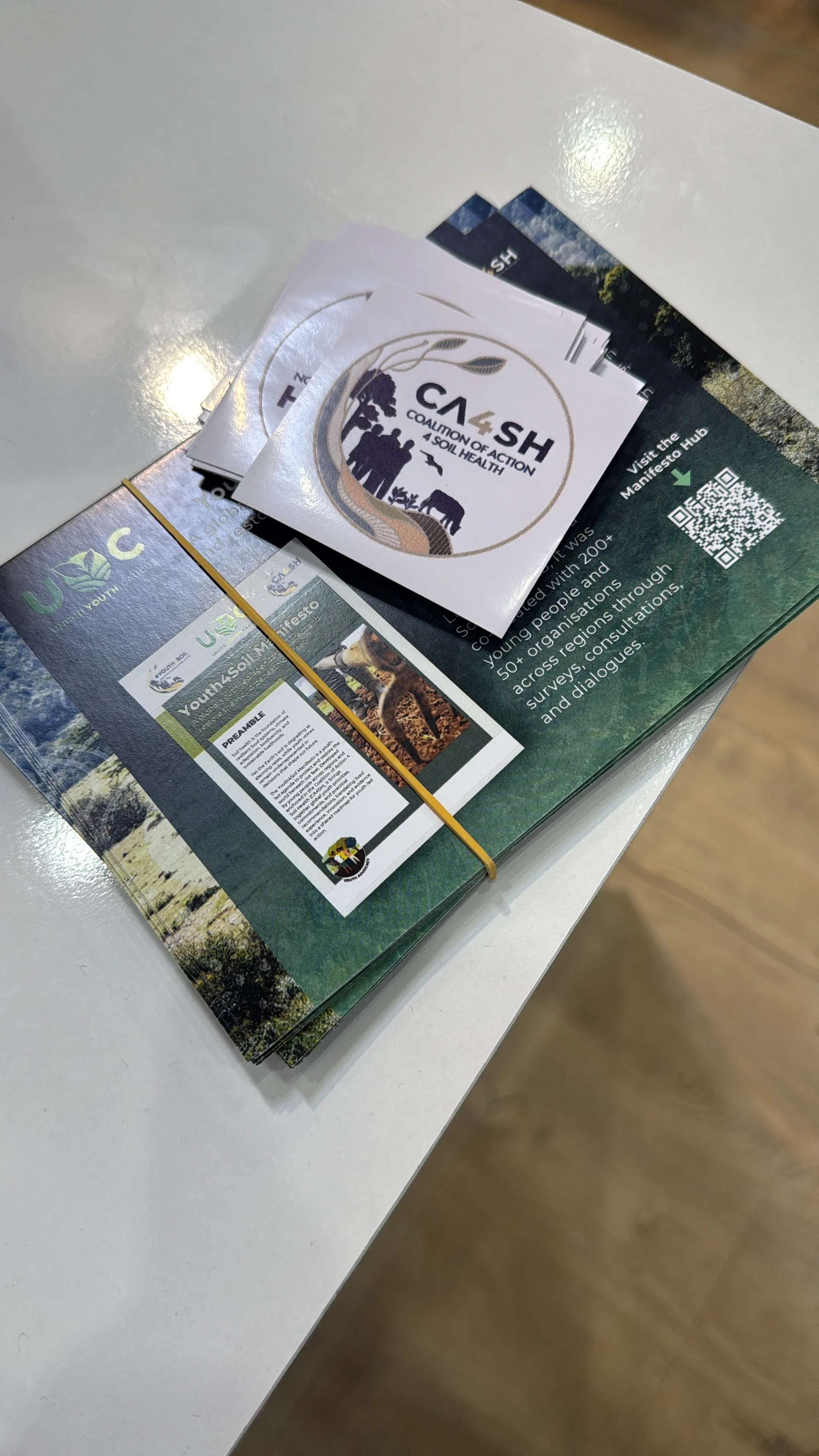
At UNCCD COP17 in Mongolia, the Coalition's #Youth4Soil initiative launched its Manifesto Implementation Guide, building on the youth-led vision articulated in the #Youth4Soil Manifesto.
The guide represents a further step towards translating young people's priorities and recommendations into practical action, providing a bridge between advocacy and implementation.
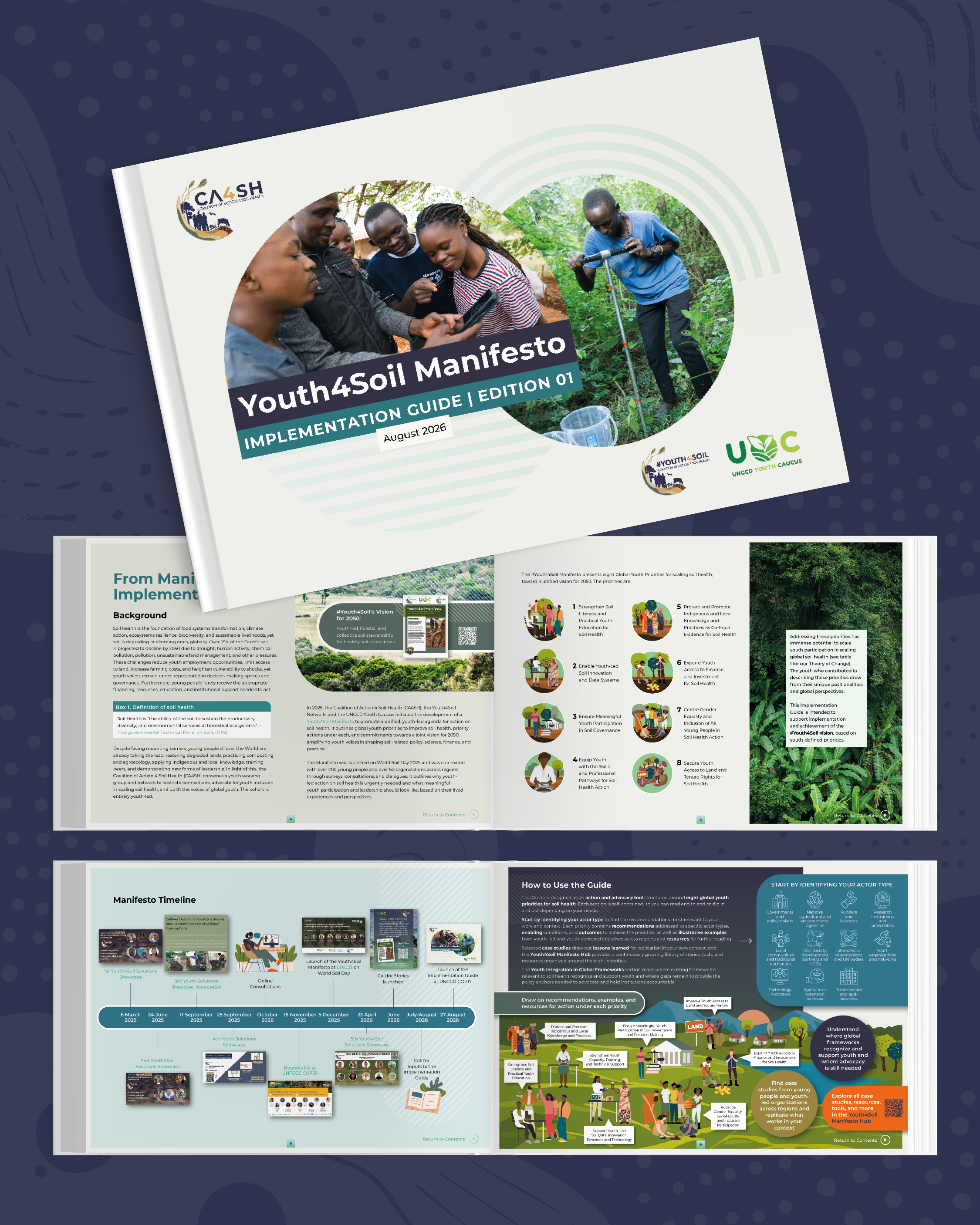
The #Youth4Soil Manifesto Implementation Guide
This Implementation Guide is an action and advocacy tool that aims to help youth and allied actors design and implement activities that help to achieve the global youth priorities, and align and integrate youth priorities in global frameworks. The Guide builds on the co-creation process that produced the Youth4Soil Manifesto. It draws on the contributions of over 250 youth individuals and 60 youth-led organizations across regions, gathered through surveys, consultations, dialogues, and a call for stories... The Guide highlights key recommendations, enabling conditions, entry points for specific actors, and resources to support implementation of the Global Youth Priorities.
At COP31, youth perspectives were integrated into discussions on financing, regenerative agriculture, soil health evidence and the future of sustainable food systems.
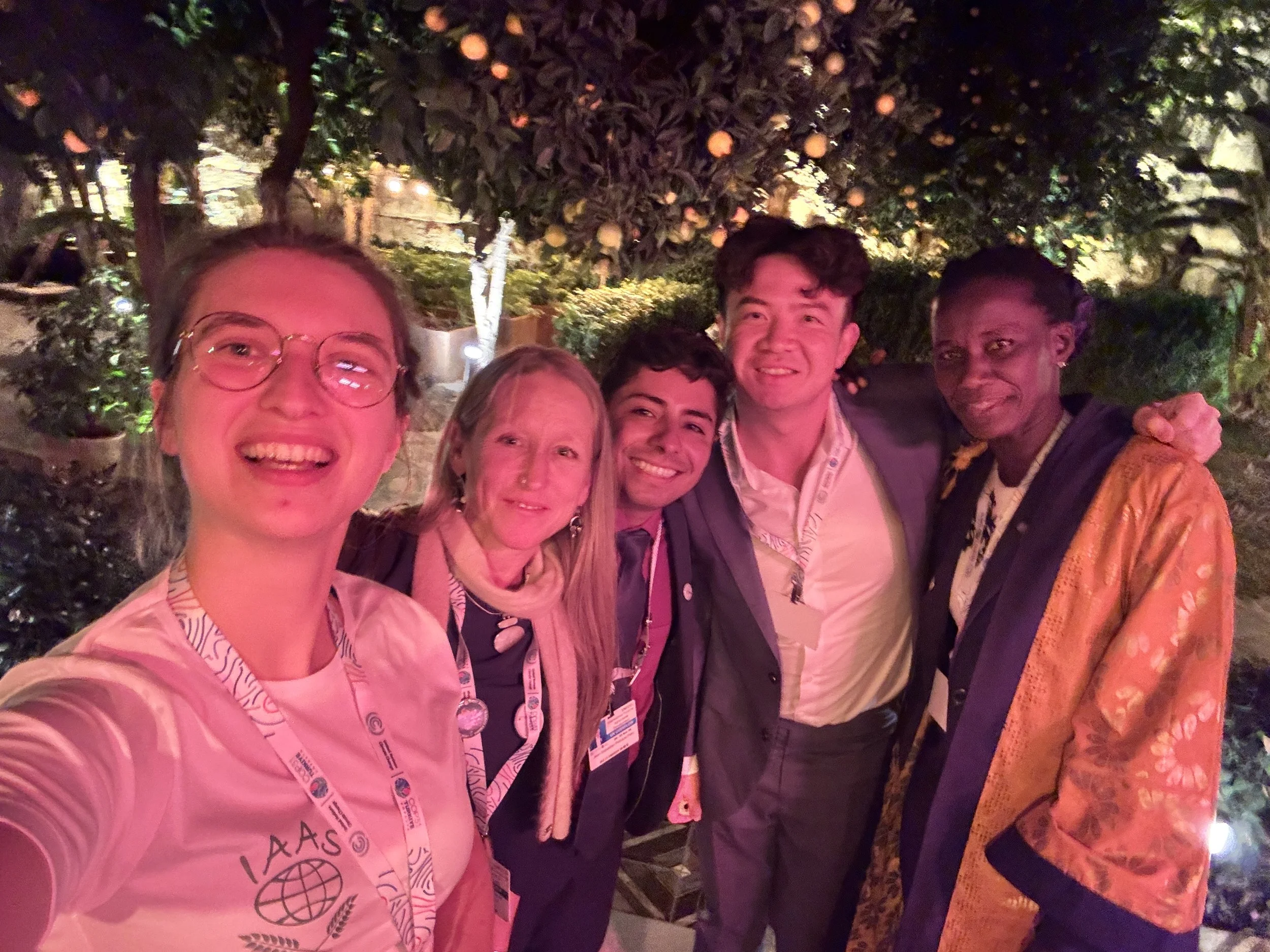
The participation of organisations including YOUNGO, IAAS and Young Professionals for Agricultural Development (YPARD) helped reinforce the importance of youth leadership in shaping agricultural policies, influencing investment and developing locally relevant solutions.
Financing action through better soil evidence
On 13 November, CA4SH and partners co-organised "Evidence-based Climate Finance for Resilient Agri-food Systems: Lessons from Africa", held at the Food & Agriculture Pavilion.
Moderated by Leigh Winowiecki, the session sought to convene organisations working across soil research, agricultural development, climate finance and farmer-led action.
Co-organisers included Landscape Alliance (CIFOR & ICRAF), GIZ, Norad, OCP Nutricrops, IITA, World Fish, CGIAR institutions and other partners.
The event examined how robust, accessible and locally relevant evidence can strengthen climate investment decisions and support the implementation of resilient agricultural practices.
Discussions considered how research and monitoring can help identify effective interventions, improve investment targeting and inform national planning, while ensuring that evidence is accessible and useful to farmers and decision-makers.
The session also connected to ongoing work supported by Norad to establish an ecosystem of soil data-driven services in Kenya, Tanzania, Ghana and Malawi, including the interoperable online soil data system, SoilHive. SoilHive consolidates and harmonizes soil data from public and private sources, making it easier to discover, compare and share information across countries, organizations and use cases.
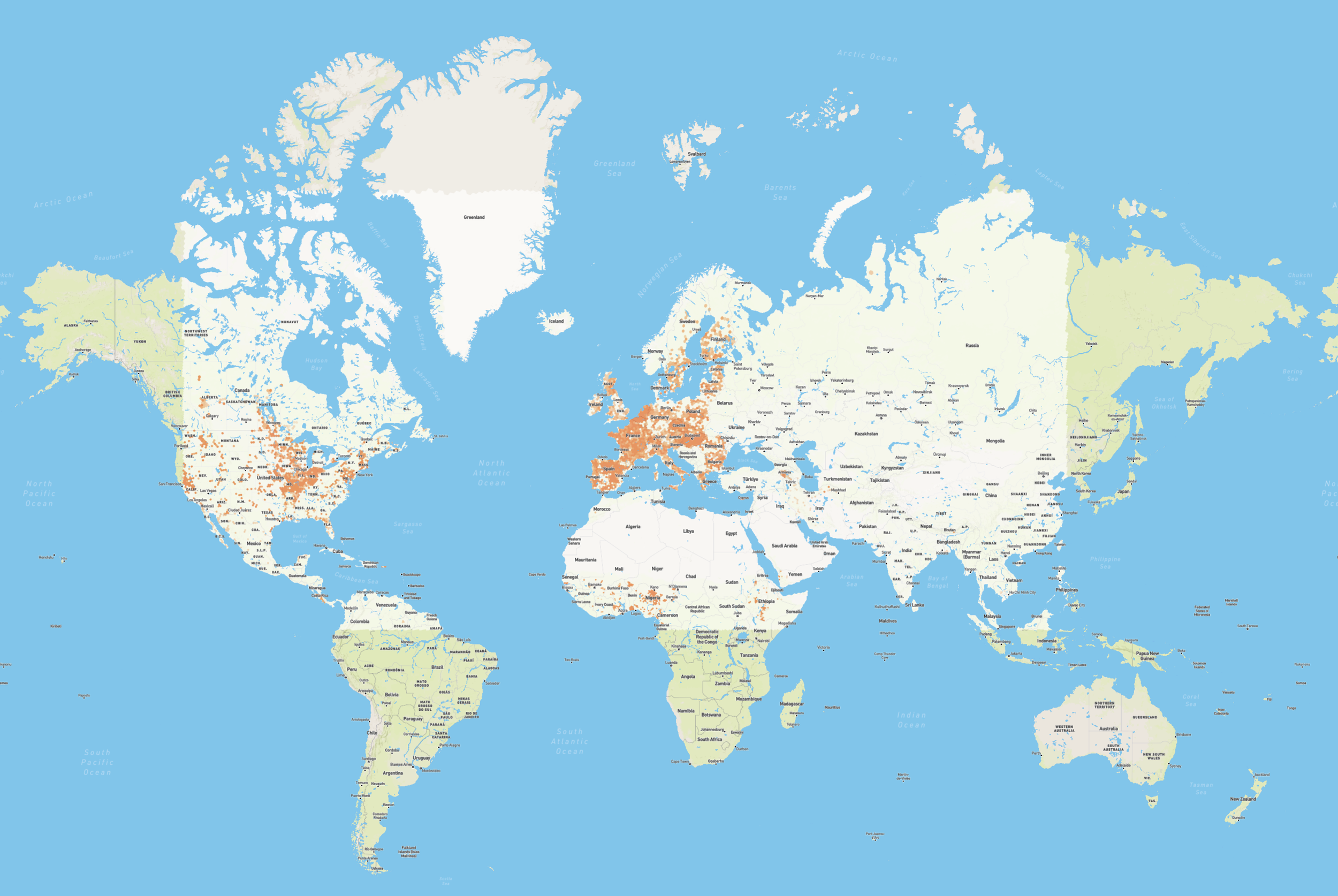
SoilHive platform
By strengthening soil information systems and improving access to reliable data, the project aims to support better-informed decisions about soil management, restoration and agricultural investment.
This work reflects a broader CA4SH priority: investing in open, interoperable and fit-for-purpose soil data infrastructure to make evidence more useful for policy, practice and finance.
The session also reinforced the importance of connecting technical evidence with the experience of farmers, local communities and youth.
Better data alone will not transform food systems. Its value lies in enabling decisions that lead to improved soil health, stronger livelihoods and more resilient landscapes.
Building relationships beyond the conference programme
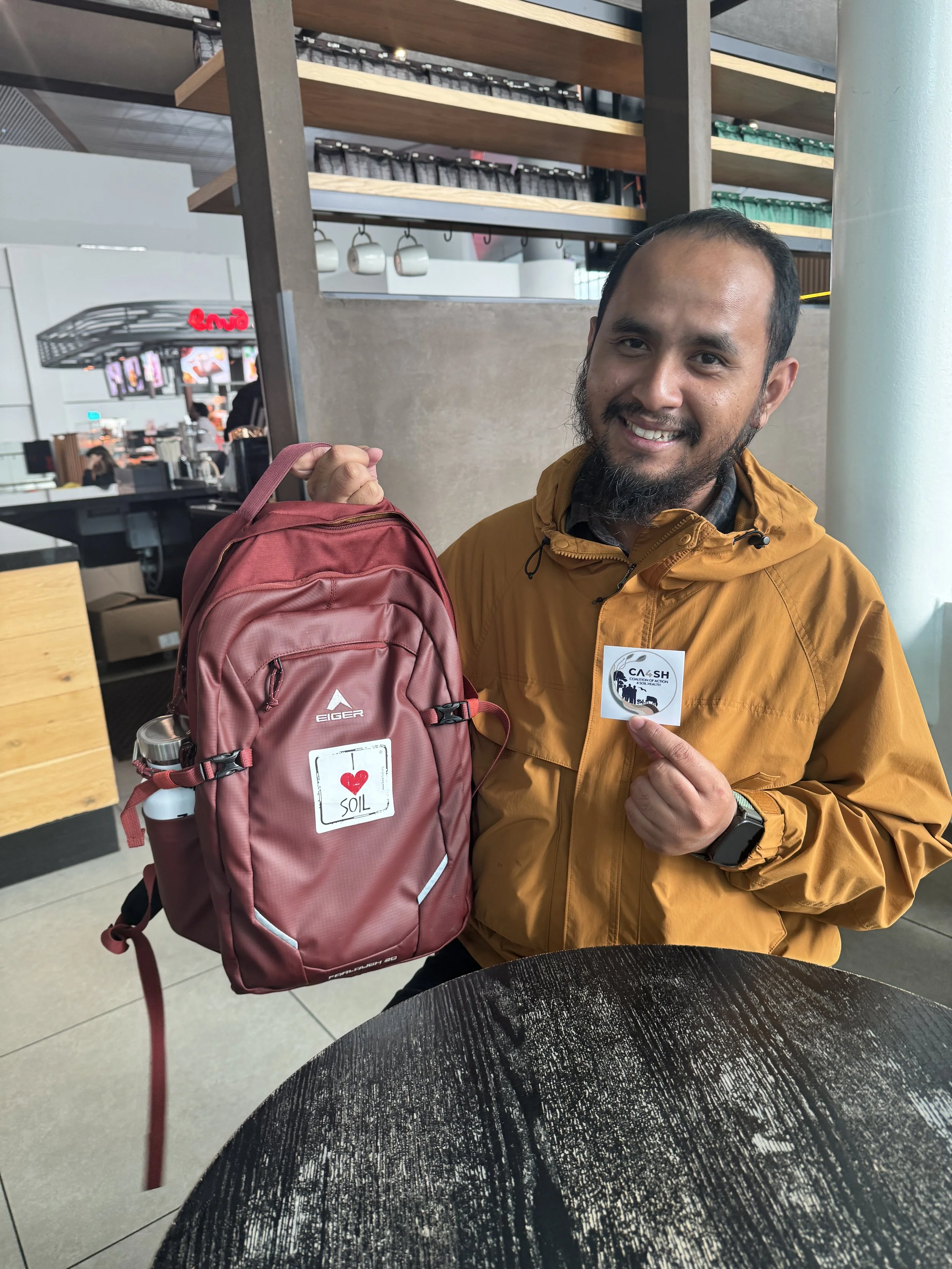
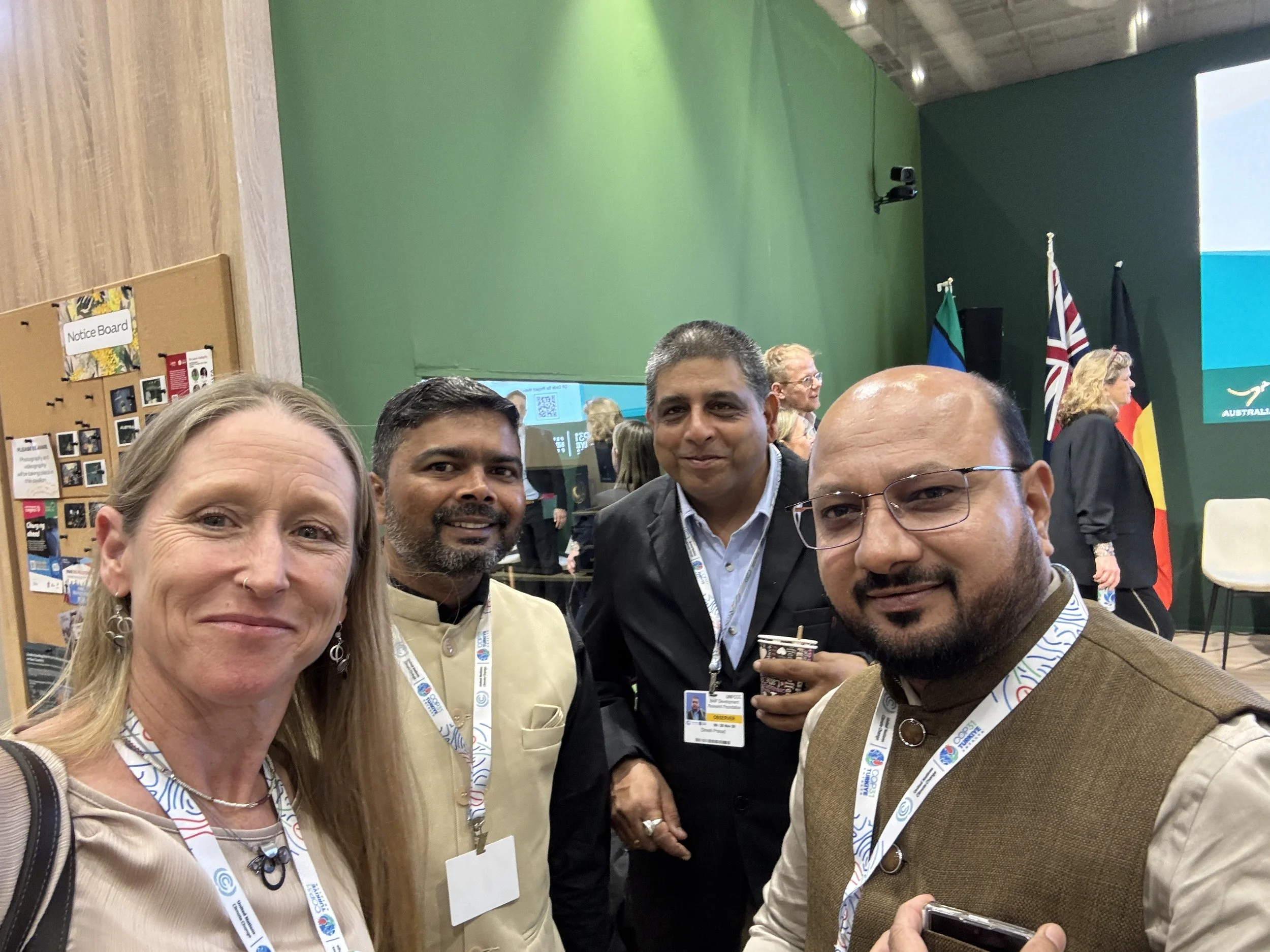
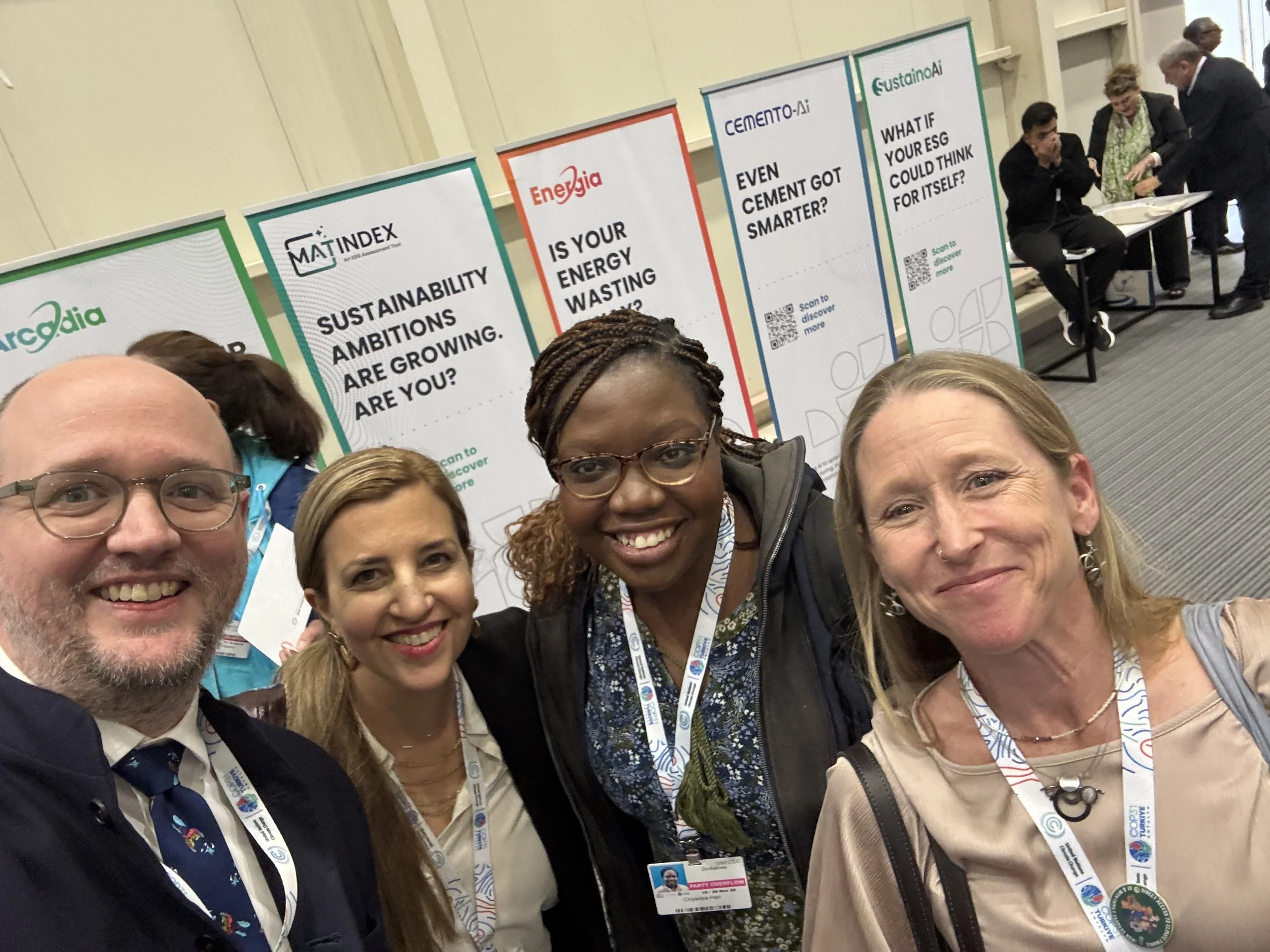
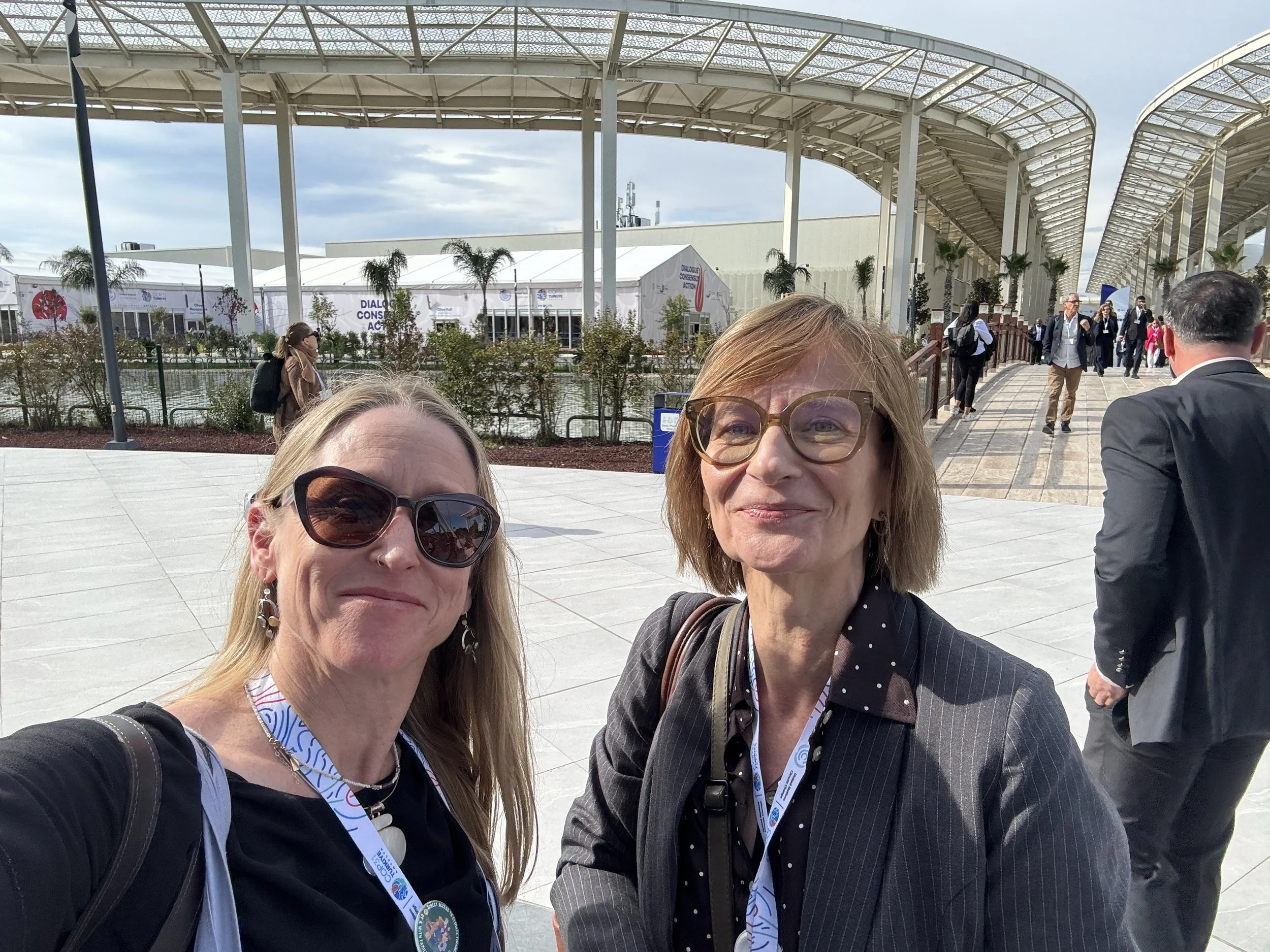
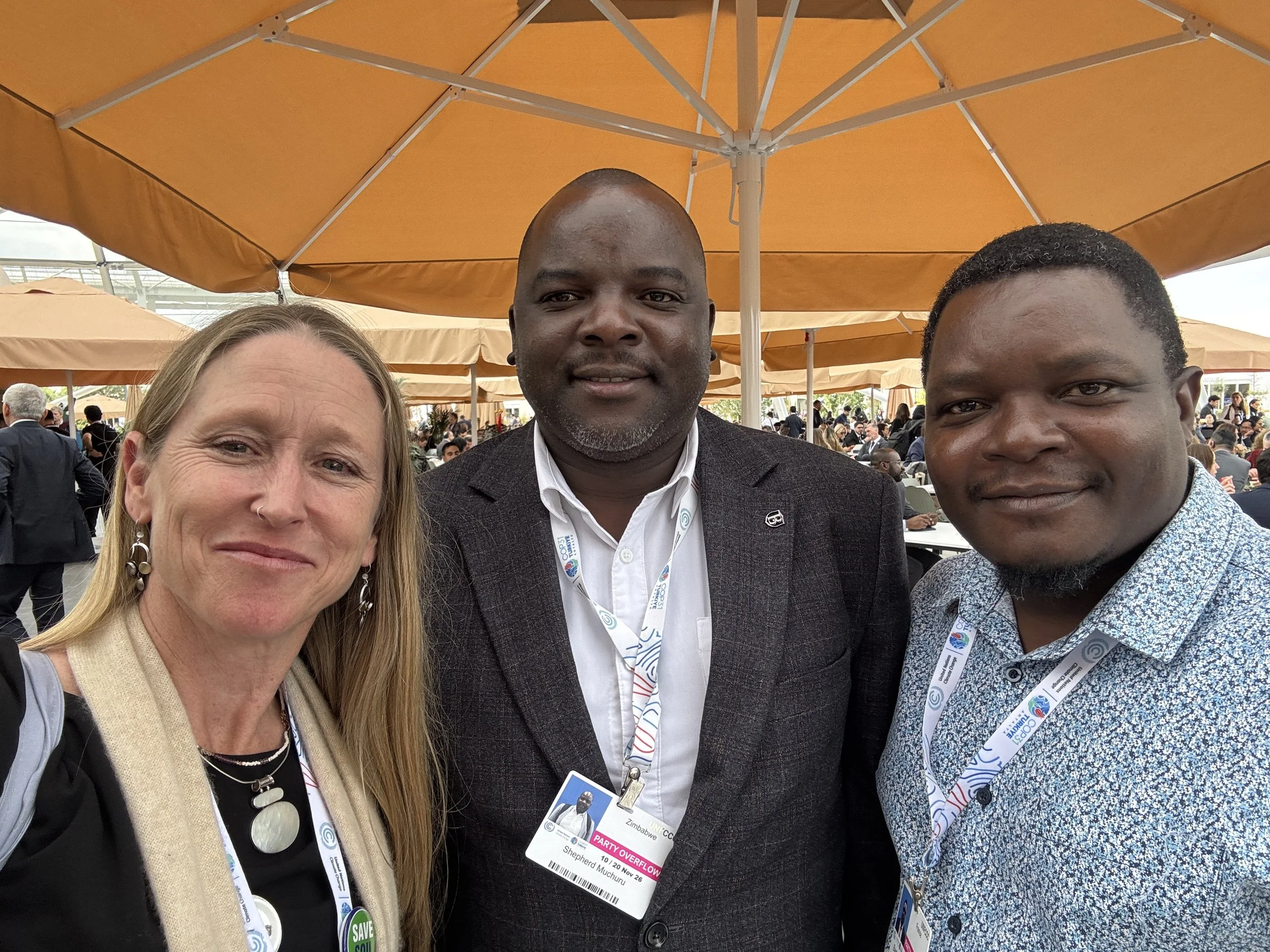
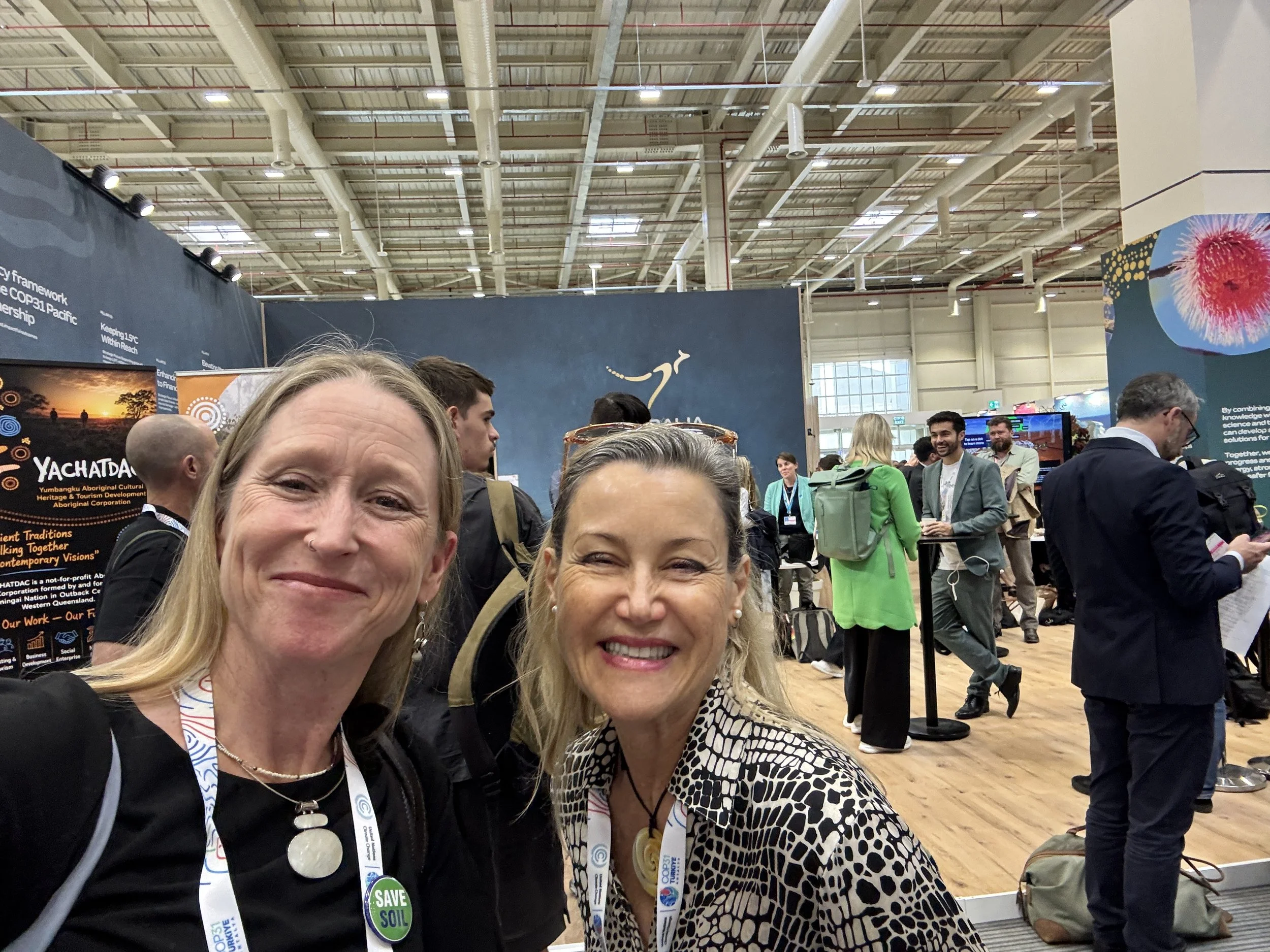
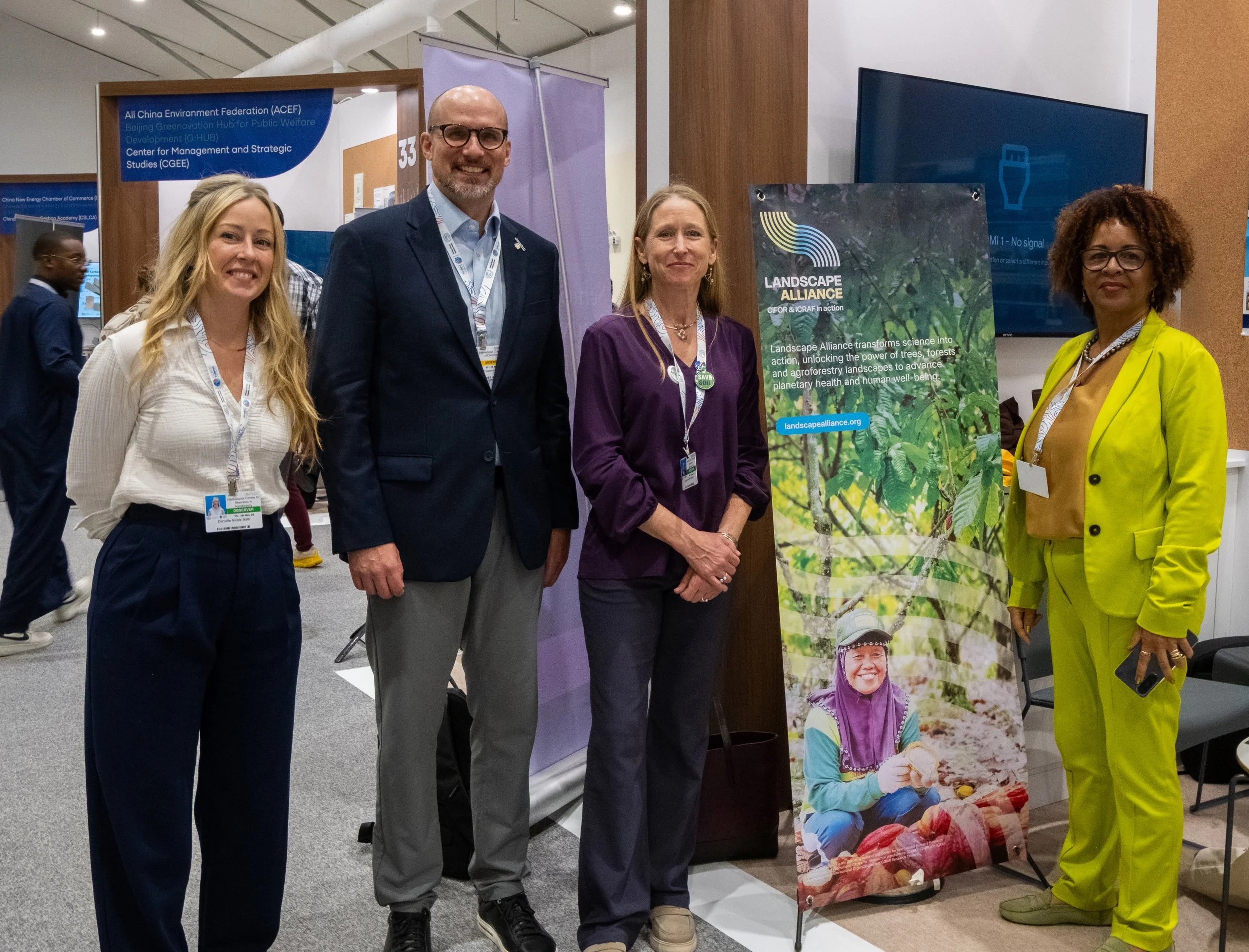
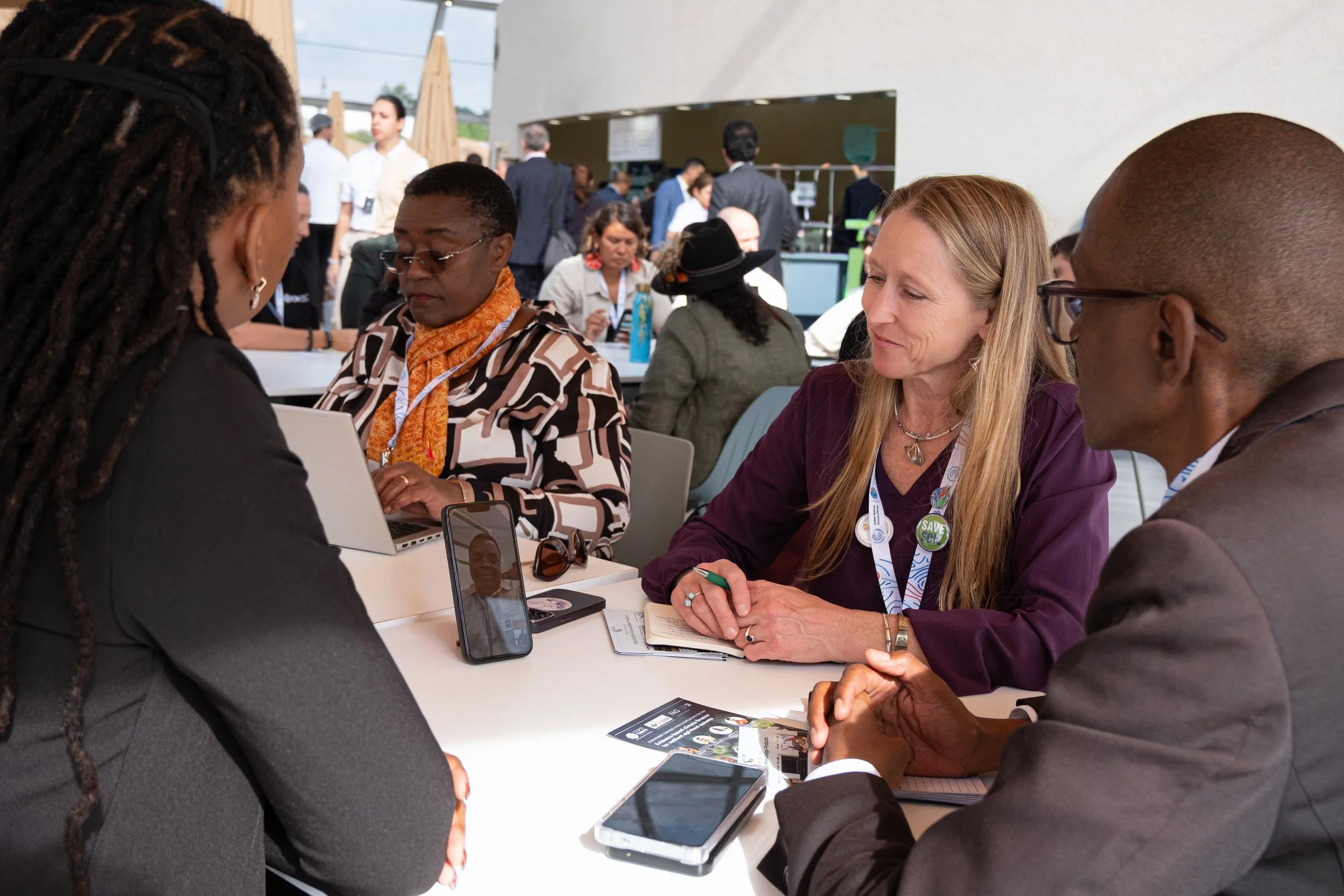
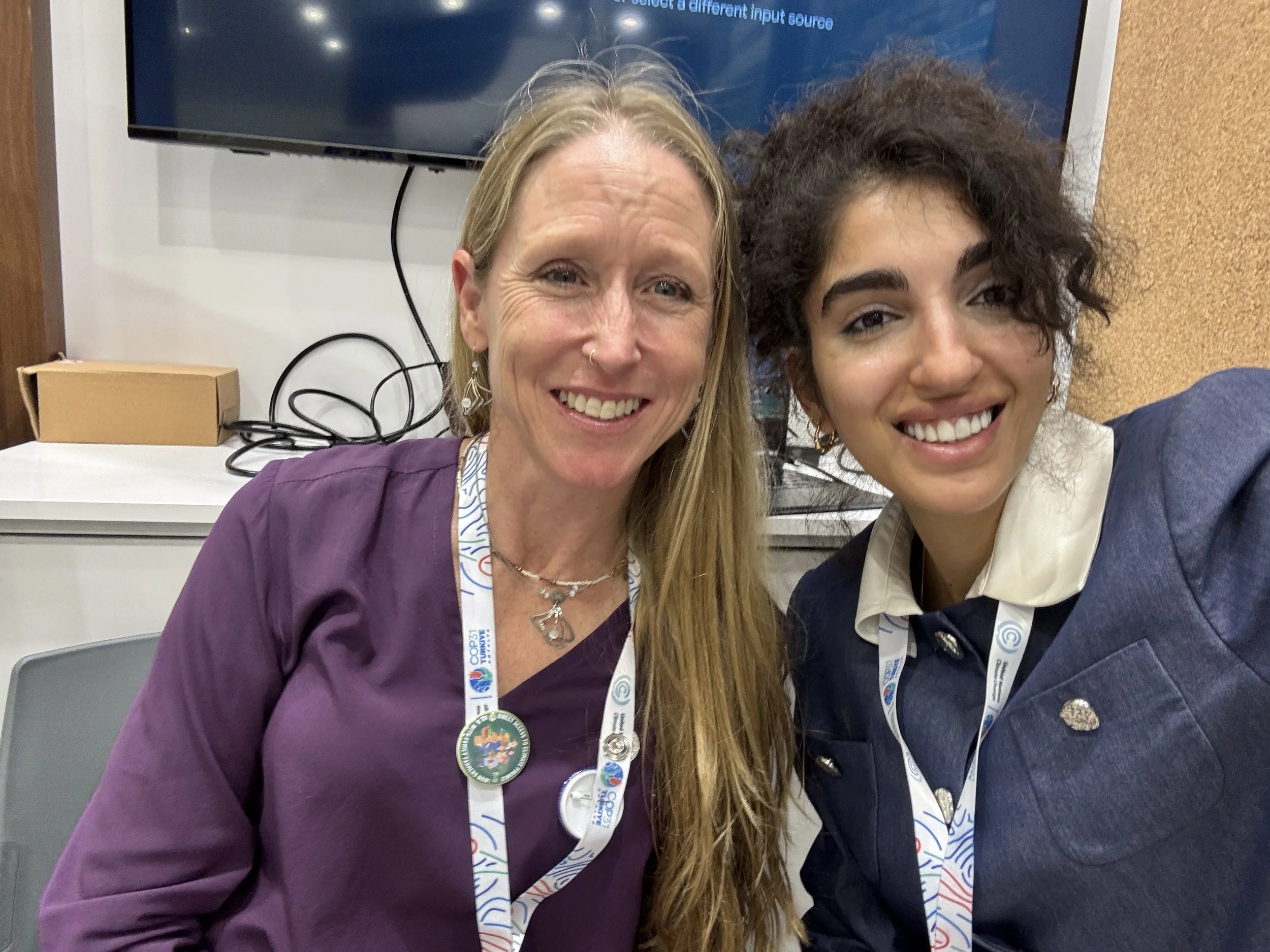
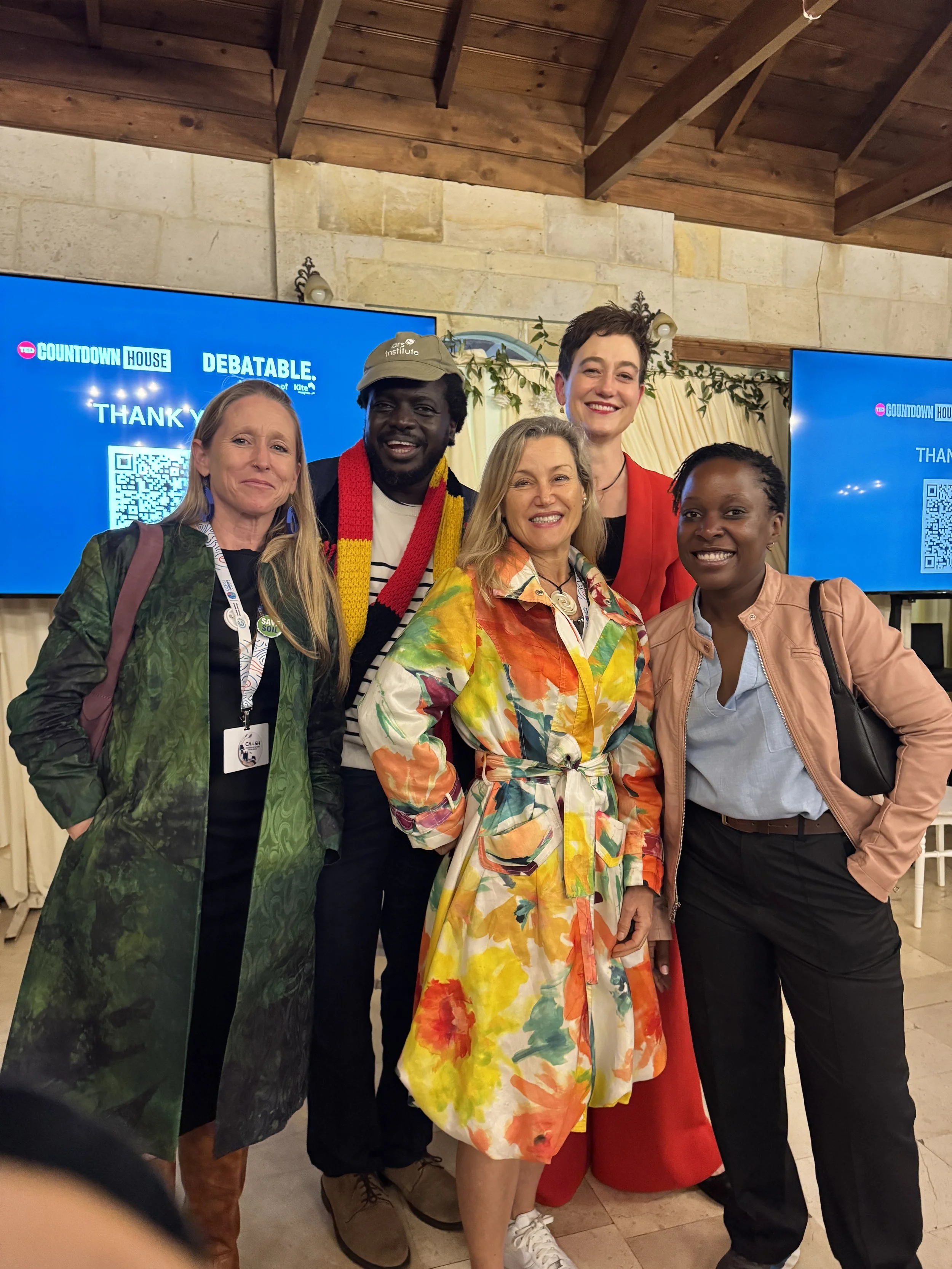
Alongside formal events, COP31 provided opportunities for CA4SH to engage with partners and organisations working across climate policy, philanthropy, private sector, agricultural development, soil science, finance and restoration.
The Coalition's bilateral engagement agenda included outreach to representatives of government, research institutions, development organisations, civil society and the private sector.
The importance of building and maintaining these relationships extends well beyond Antalya. Delivering on the Rio Conventions requires sustained cooperation between organisations that generate evidence, develop policy, mobilise resources and implement solutions in landscapes.



The age of implementation
Taken together, CA4SH's engagement at COP31 reflected a clear evolution in the global soil health agenda.
The scientific and policy case for healthy soil is established. The challenge now is to translate that knowledge into coordinated investment, effective policies, practical support for farmers and measurable improvements in soil and land health.
The connections between the three Rio Conventions offer a particularly important opportunity. Rather than pursuing climate resilience, biodiversity conservation and land restoration through disconnected approaches, countries and organisations can invest in soil health as a shared foundation for progress.
As the international community looks towards the next round of environmental negotiations and implementation milestones, CA4SH will continue working with its members and partners to strengthen soil evidence, mobilise investment, support youth leadership and advance soil health across national and global policy agendas.
This is the emerging age of implementation.

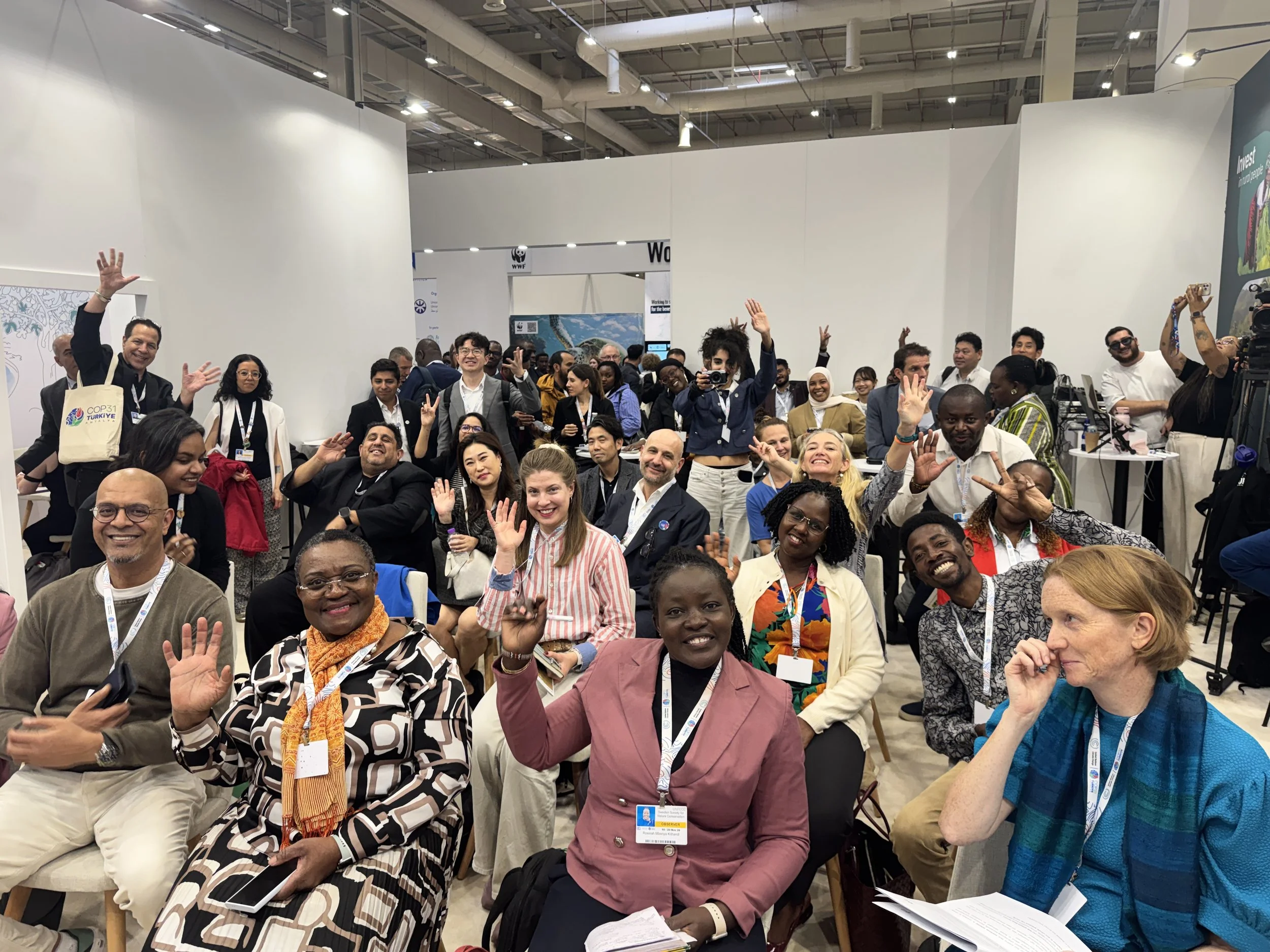
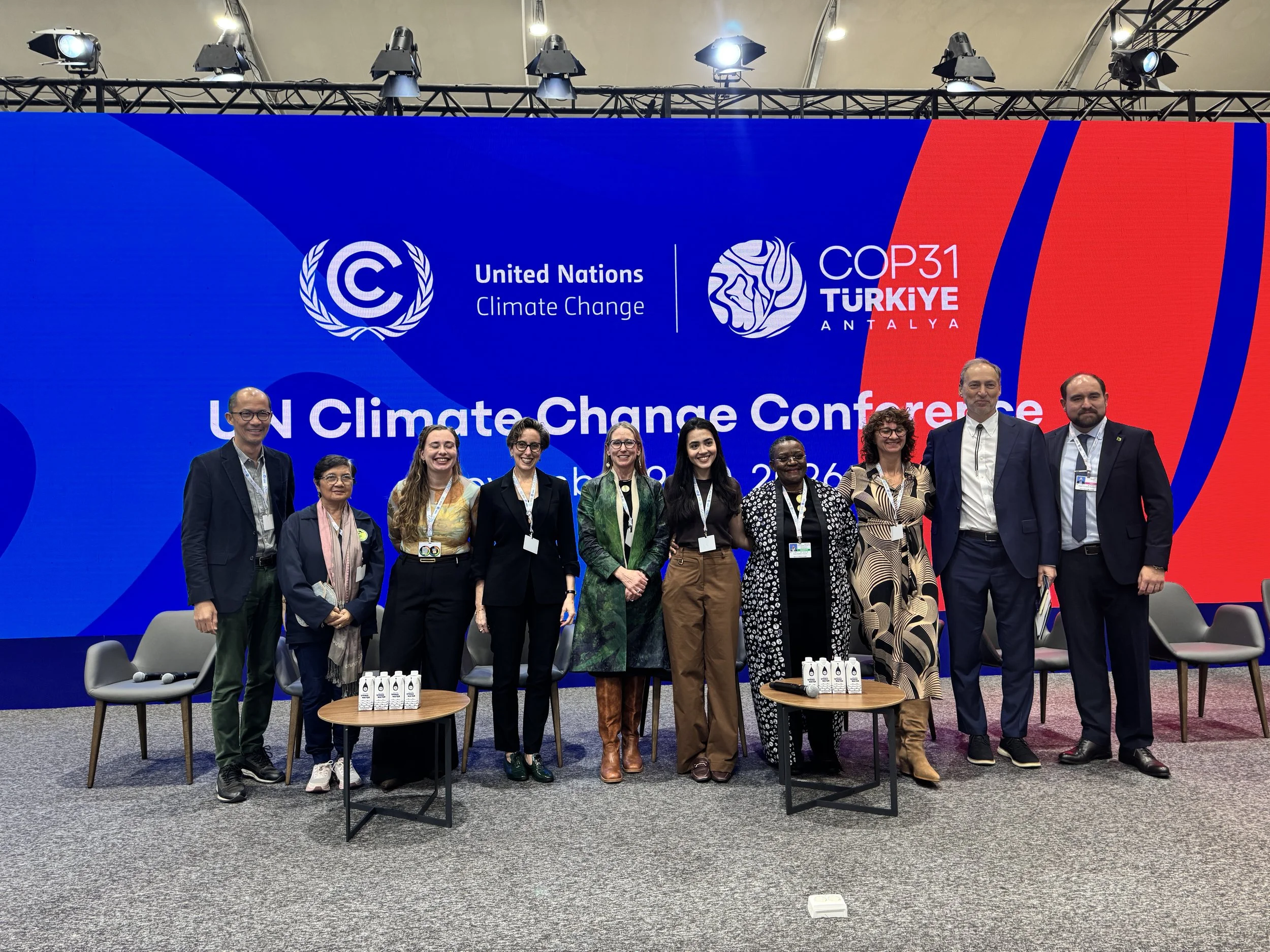

Youth from across Africa, Europe, and Asia gathered for the "From Soil Data to Youth Action" #Youth4Soil Solutions Showcase, on Thursday, 15th October, 2026, organized by #Youth4Soil, an initiative of the Coalition of Action for Soil Health (CA4SH).
The virtual showcase explored a critical question: How are young people transforming soil data into real-world action? Through practical examples from Zambia, Botswana and Mongolia, participants demonstrated how soil data is shaping decisions, improving livelihoods, restoring landscapes and creating new opportunities for youth engagement.