
CIFOR-ICRAF Hosts Global Listening Session with Project Dandelion Leaders on Climate, Food Systems, and Women’s Leadership
Story from Kelvin Okumu, CIFOR-ICRAF
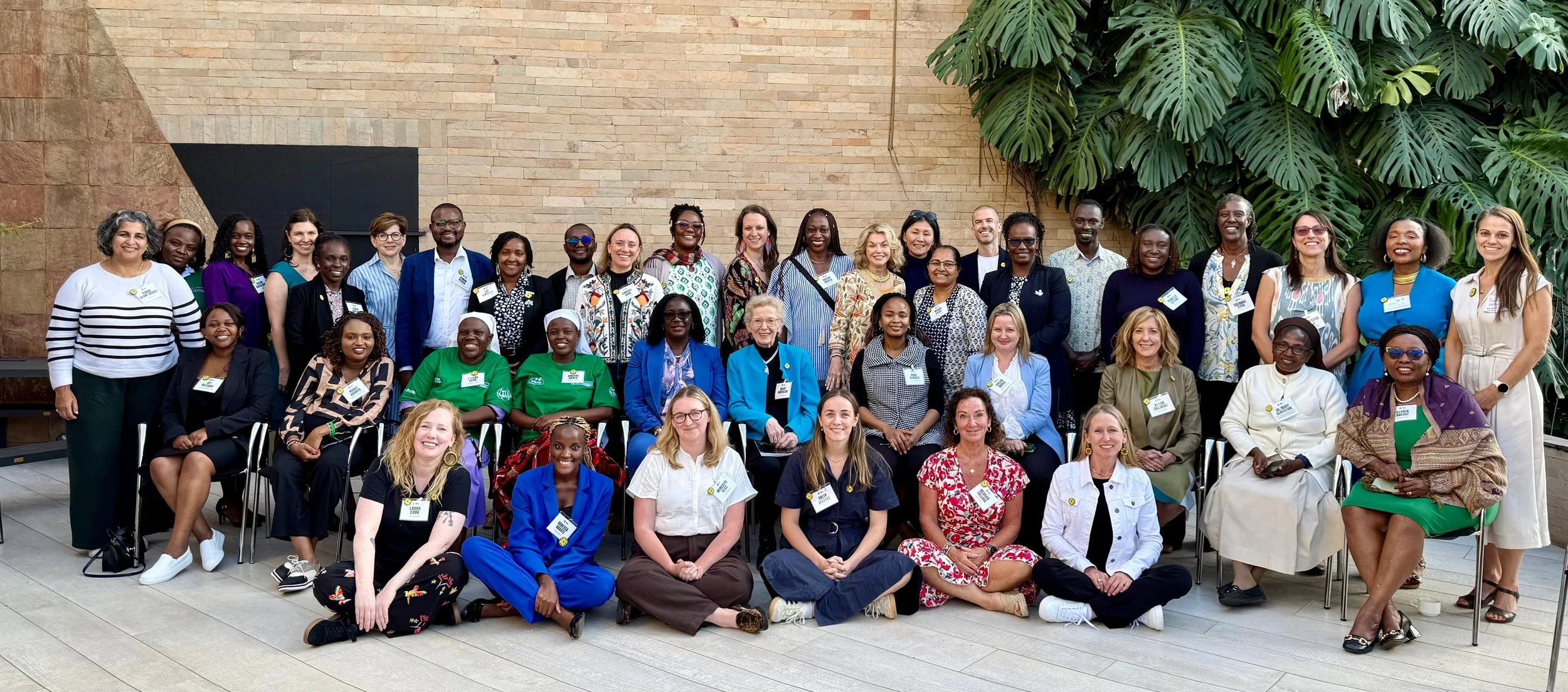
22 May 2025 | The CIFOR-ICRAF campus in Nairobi, Kenya welcomed two globally recognized leaders for a high-level listening session and field visit focused on climate justice, regenerative food systems, and innovation in African landscapes.
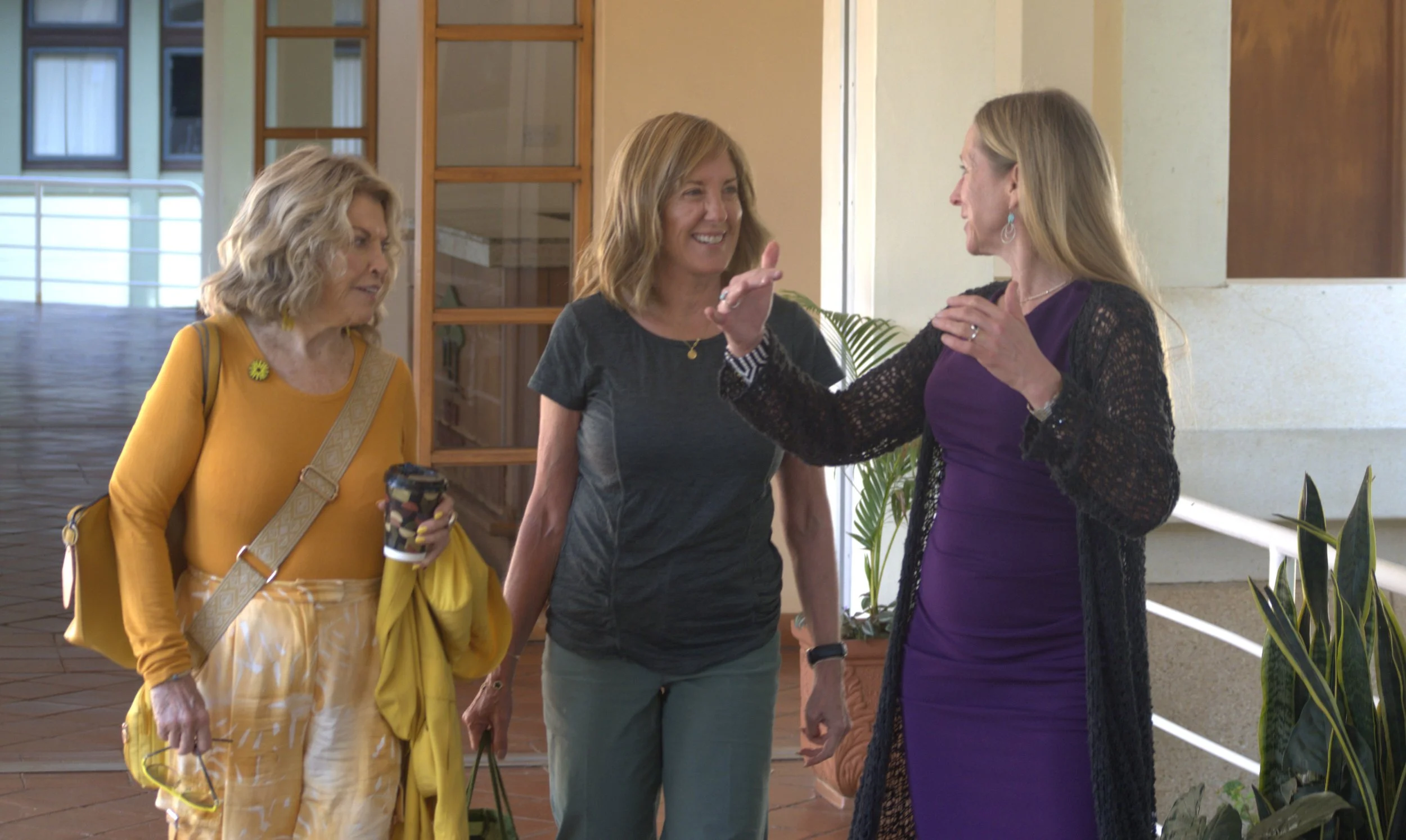
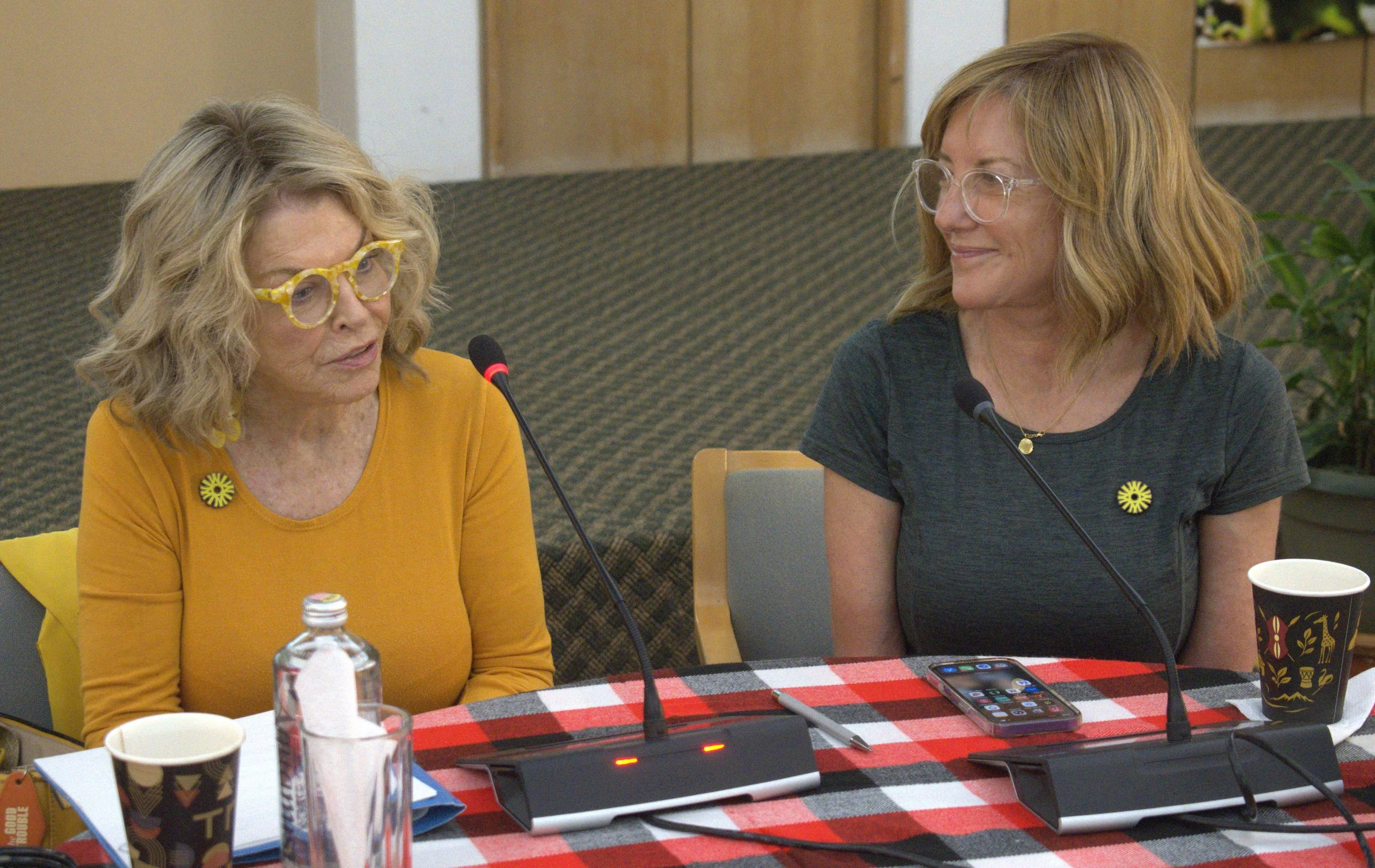
Among their long-standing advocacy for women and the planet, Pat Mitchell and Ronda Carnegie are co-founders of Project Dandelion, a women-led campaign for climate justice. Their visit to the CIFOR-ICRAF campus formed part of Project Dandelion’s global listening tour, which seeks to surface innovations in food systems, amplify women’s leadership, and strengthen connections between science, policy, and lived experience across regions.
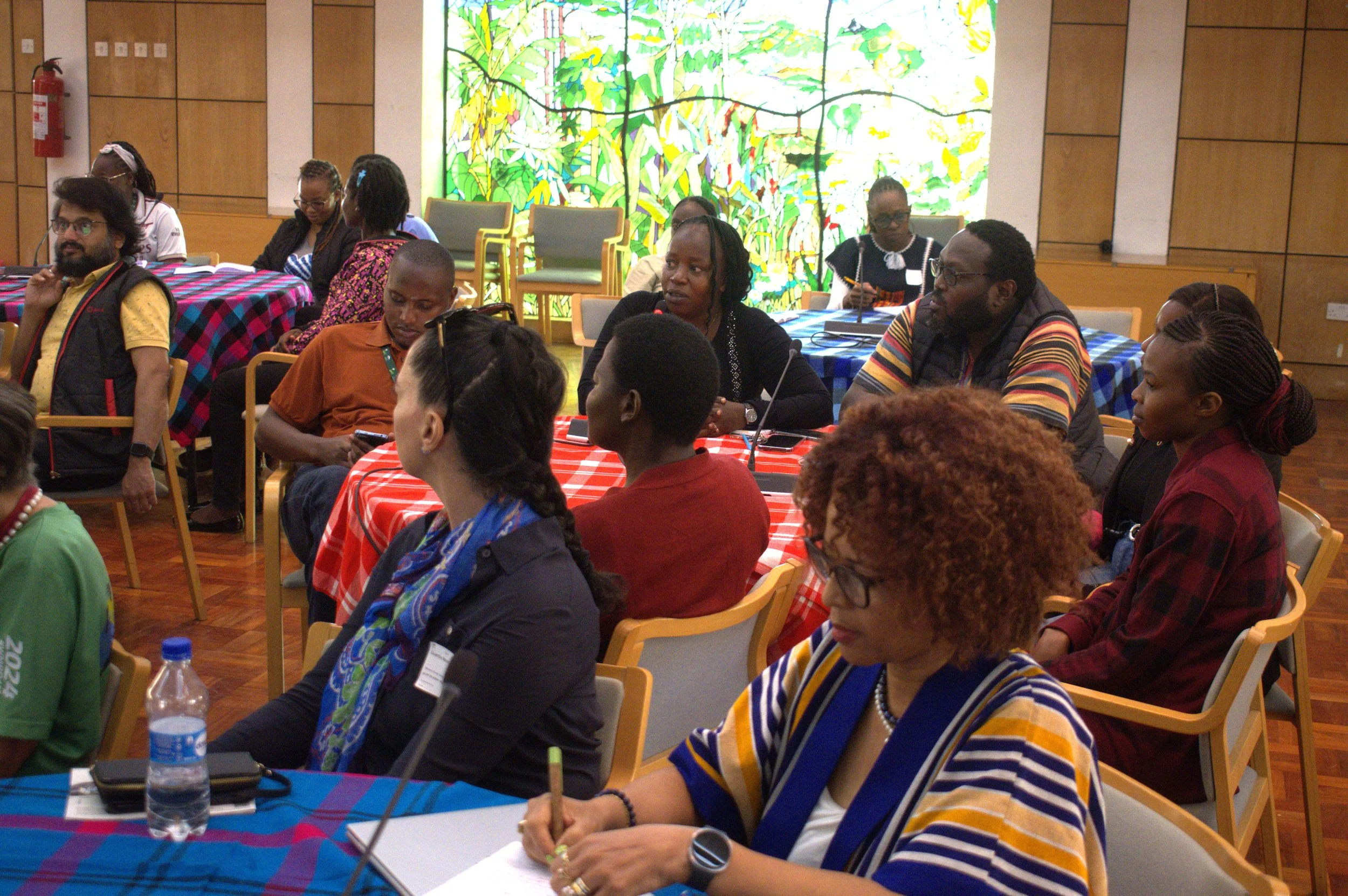
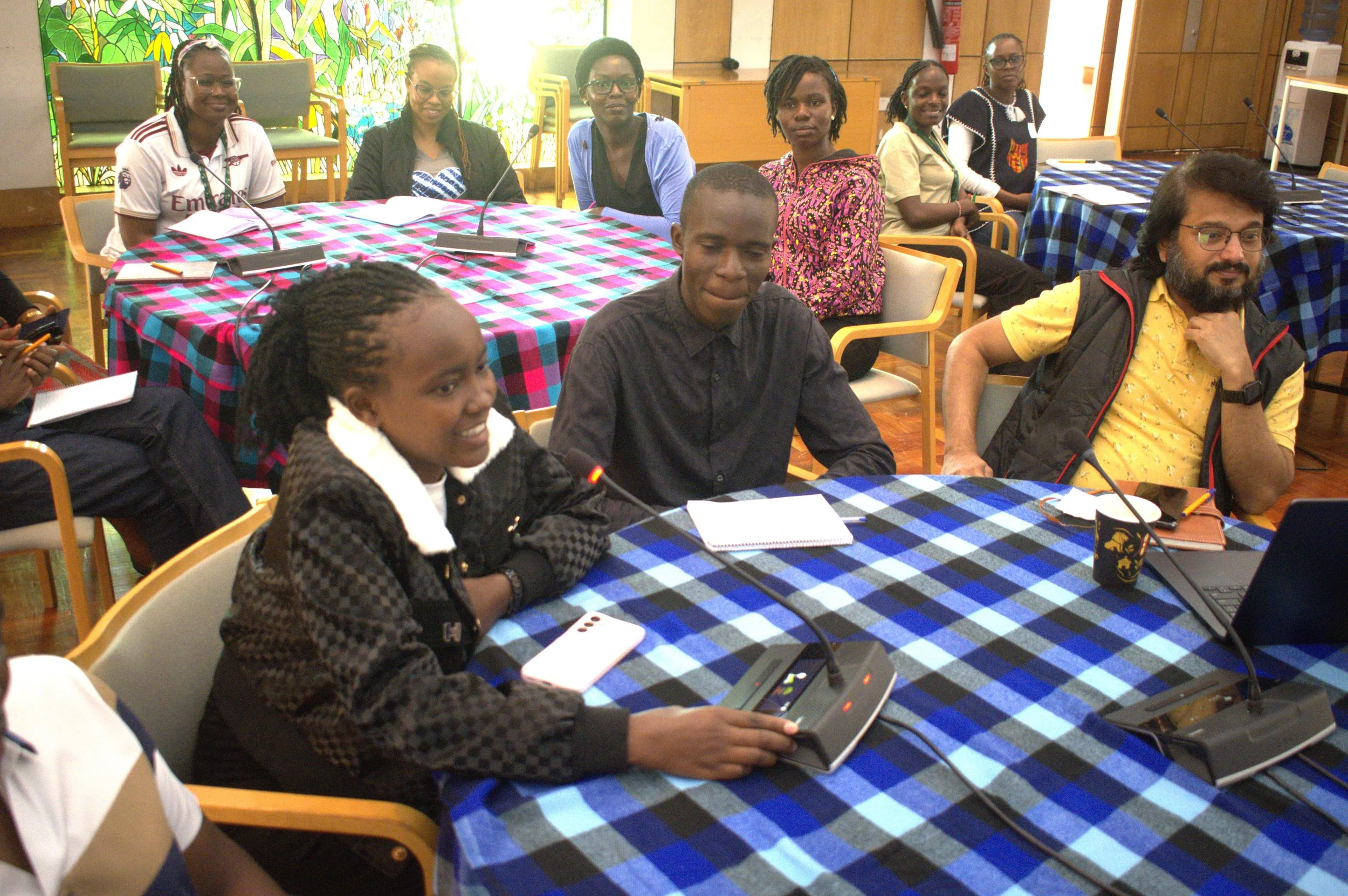
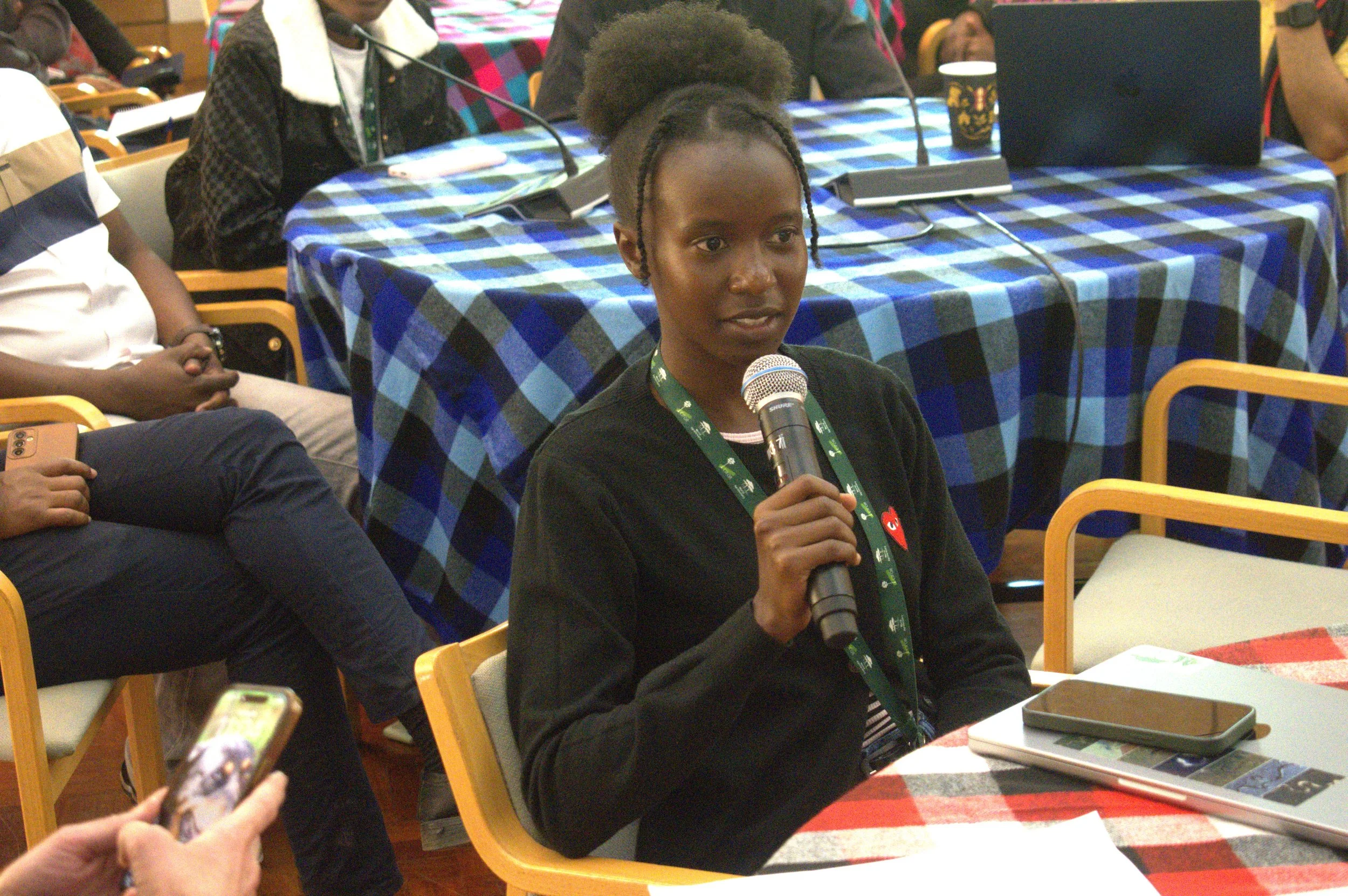
Hosted by CIFOR-ICRAF, the session brought together researchers, early-career scientists, and technical staff working across soil health, tree biodiversity, seed systems, and spatial analytics. The CIFOR-ICRAF team was led by Dr. Leigh Winowiecki, who heads the Soil and Land Health Research Theme.
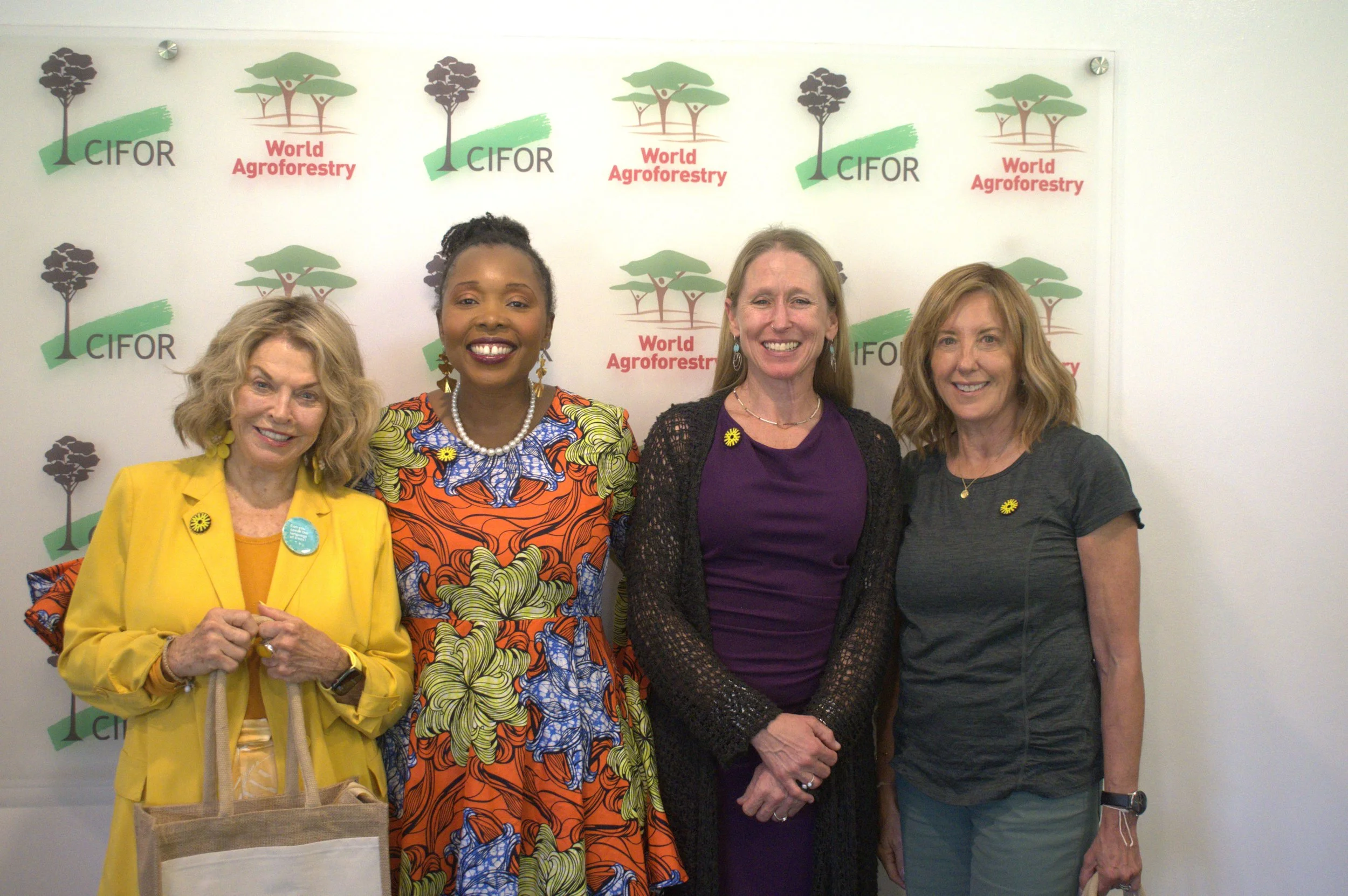
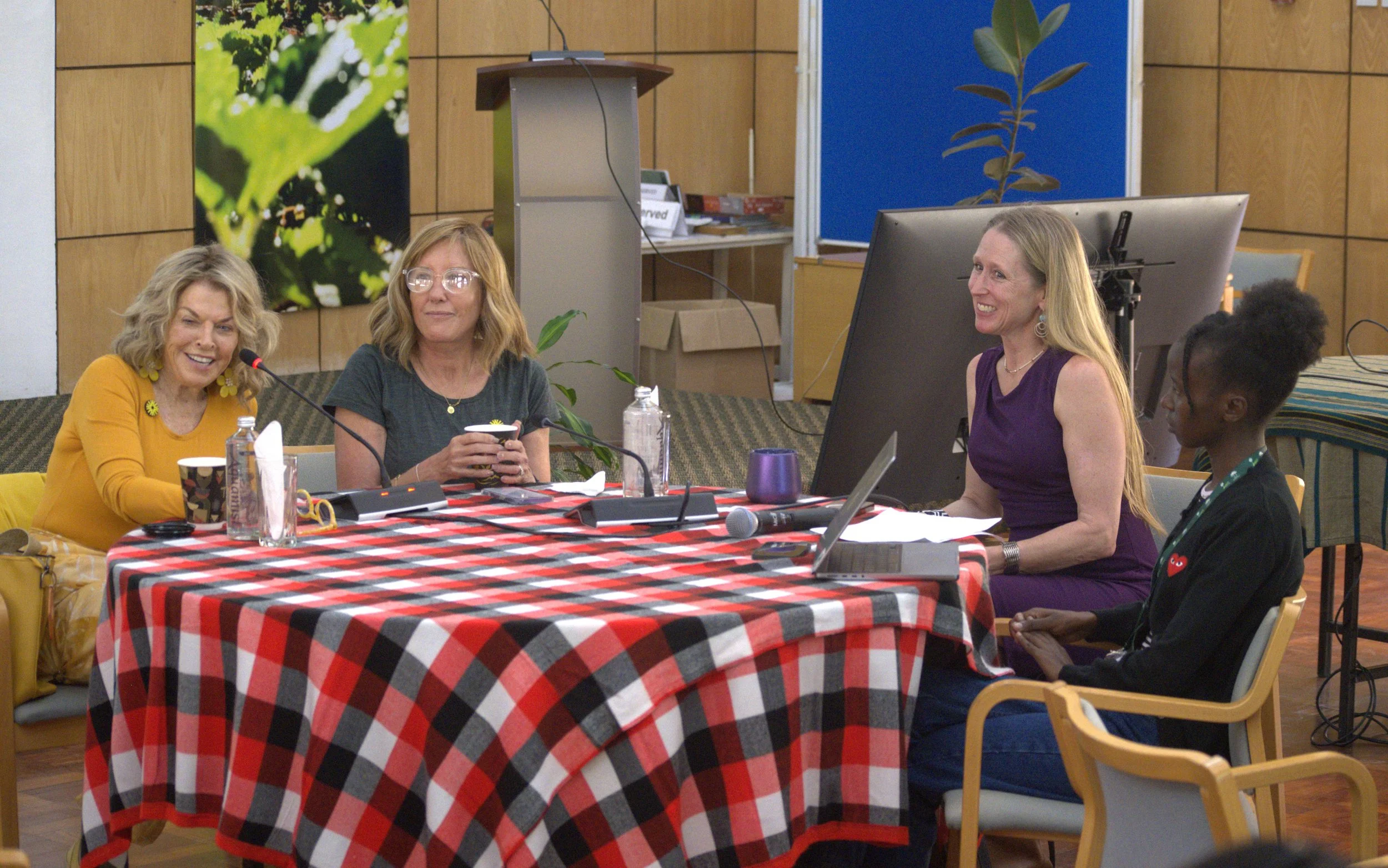
Opening the session, Pat Mitchell emphasized the importance of dialogue and collaboration in addressing interconnected global crises.
“When you put people together in a room with a shared purpose… the first strategy is listening, very deep listening.”
She added that lasting solutions emerge when diverse voices are heard equally: “Every voice is heard. Every solution, experience, and challenge is put forward on the table.”
Ronda Carnegie reinforced the need to bridge fragmented systems and connect innovation across sectors:
“We are surfacing innovations already in motion across Kenyan and East African food systems from seed innovation to regenerative agriculture, circular systems, and farmer-centered technology.”
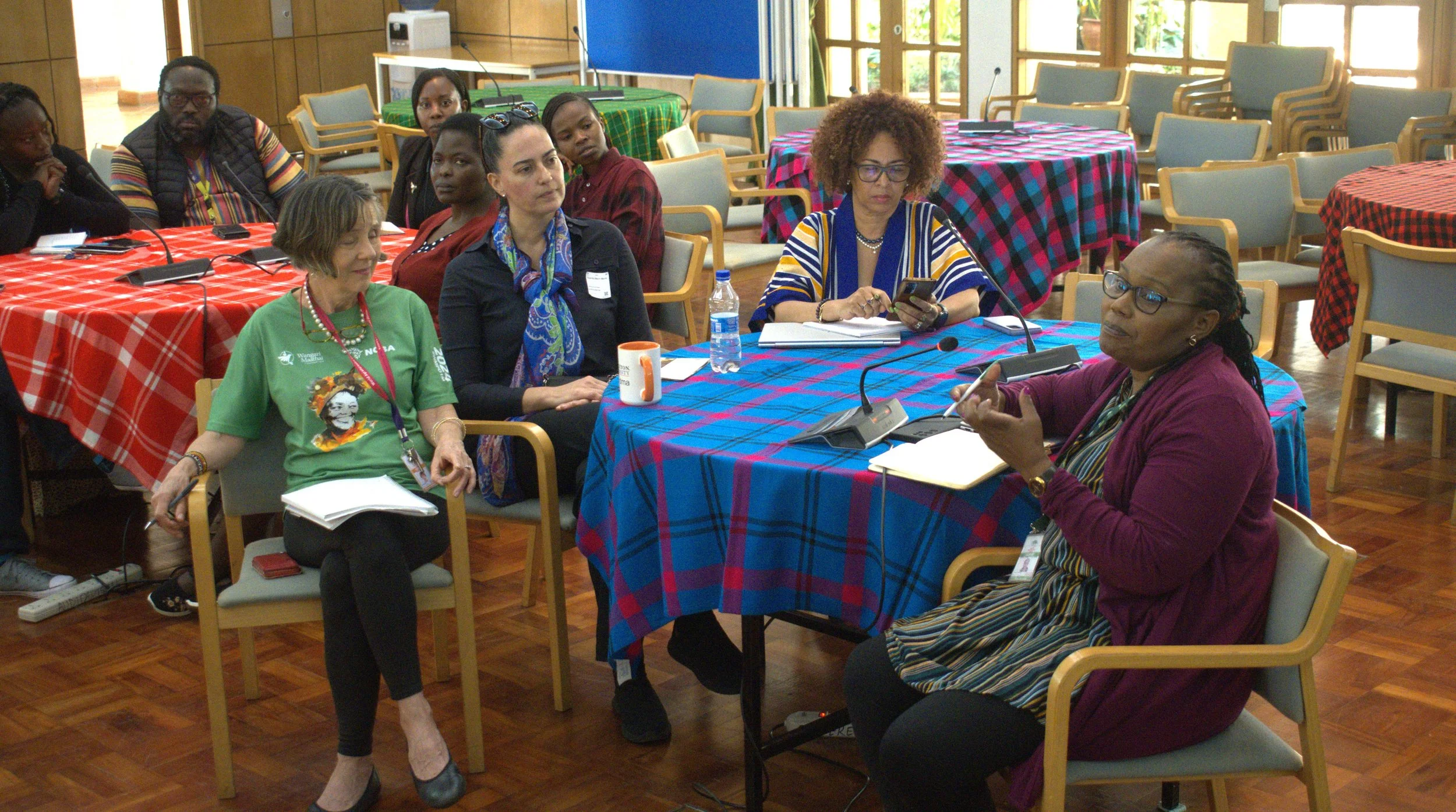
Showcasing science for regenerative landscapes
During the engagement, CIFOR-ICRAF scientists presented cutting-edge work across multiple research themes. These included soil health, soil microbiome research, tree seed conservation, and gene bank operations supporting the preservation of indigenous and climate-resilient species.
Researchers from the Soil and Land Health Research Theme, including Lukelysia Mwangi, demonstrated innovative approaches such as co-acoustics; a novel method of assessing soil health by analysing sound patterns generated by biological activity in soil ecosystems. The approach reflects CIFOR-ICRAF’s broader effort to translate soil biodiversity and science into practical tools for farmers and land managers.
Dr. Alice Muchugi, Theme Leader Tree Diversity and Productivity, highlighted the organization’s seed systems work and gene bank facilities, emphasizing the importance of conserving indigenous tree species and ensuring “the right tree in the right place for the right purpose” to support restoration and agroforestry systems.
The visit also included engagement with spatial data scientists, seed lab technicians, interns, and dendrochronology researchers working on tree age and climate history reconstruction.
Linking food systems, climate justice, and gender
Discussions throughout the visit centered on the interconnections between food systems, climate change, and social equity, with particular emphasis on women farmers and community-led innovation.
Project Dandelion representatives outlined their mission to identify and scale innovations in regenerative agriculture, circular food systems, nutrition, and farmer-centered technologies across East Africa and beyond. They emphasized the importance of bridging fragmented systems and linking policymakers, financiers, researchers, and grassroots practitioners into more coherent and collaborative networks.
The conversation also highlighted urgent global challenges, including fossil fuel subsidy reform, renewable energy transitions in Africa, and the need to align climate policy with food security and health outcomes.
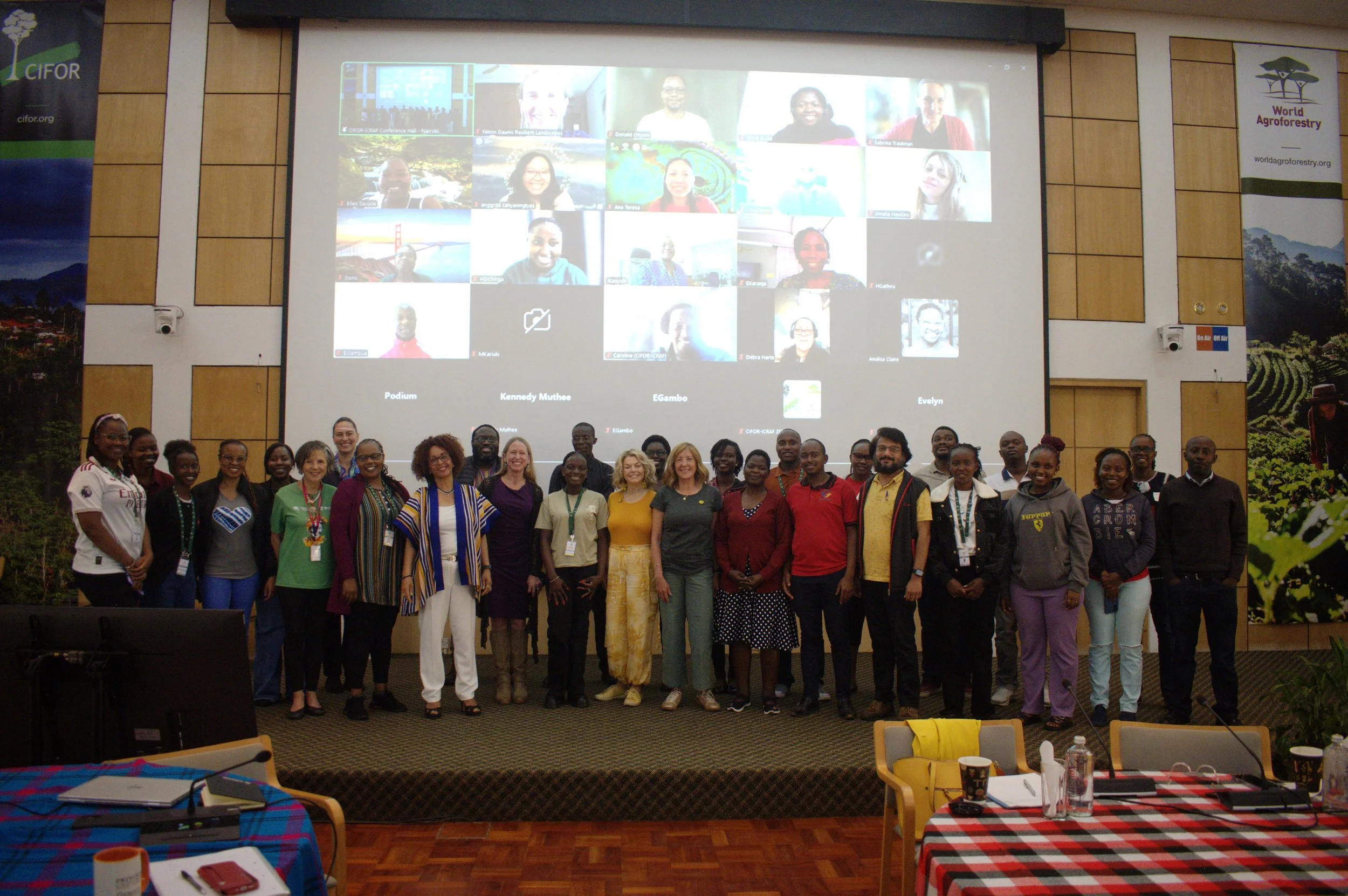
Storytelling, science, and systems change
A recurring theme of the visit centred on the role of storytelling for translating scientific evidence into action. Participants emphasized that while scientific data are essential, narratives are often what drive public engagement and policy momentum. To illustrate this, the Project Dandelion co-founders shared insights from their work with global networks of women leaders through a listening session, highlighting the importance of deep listening, inclusive dialogue, and sustained collaboration across cultures and generations.
CIFOR-ICRAF researchers echoed this perspective, underscoring the need to communicate soil, tree, and biodiversity science in ways that resonate beyond academic and technical audiences. Soil health was one of the key discussions throughout the listening session, with participants reflecting on the need to connect below-ground biodiversity, regenerative agriculture, tree systems, and food production.
The conversations reinforced a shared recognition that healthy soils are fundamental to resilient landscapes, strengthening the connection between scientific innovation, and that practical application is critical for supporting farmers and accelerating food systems transformation.
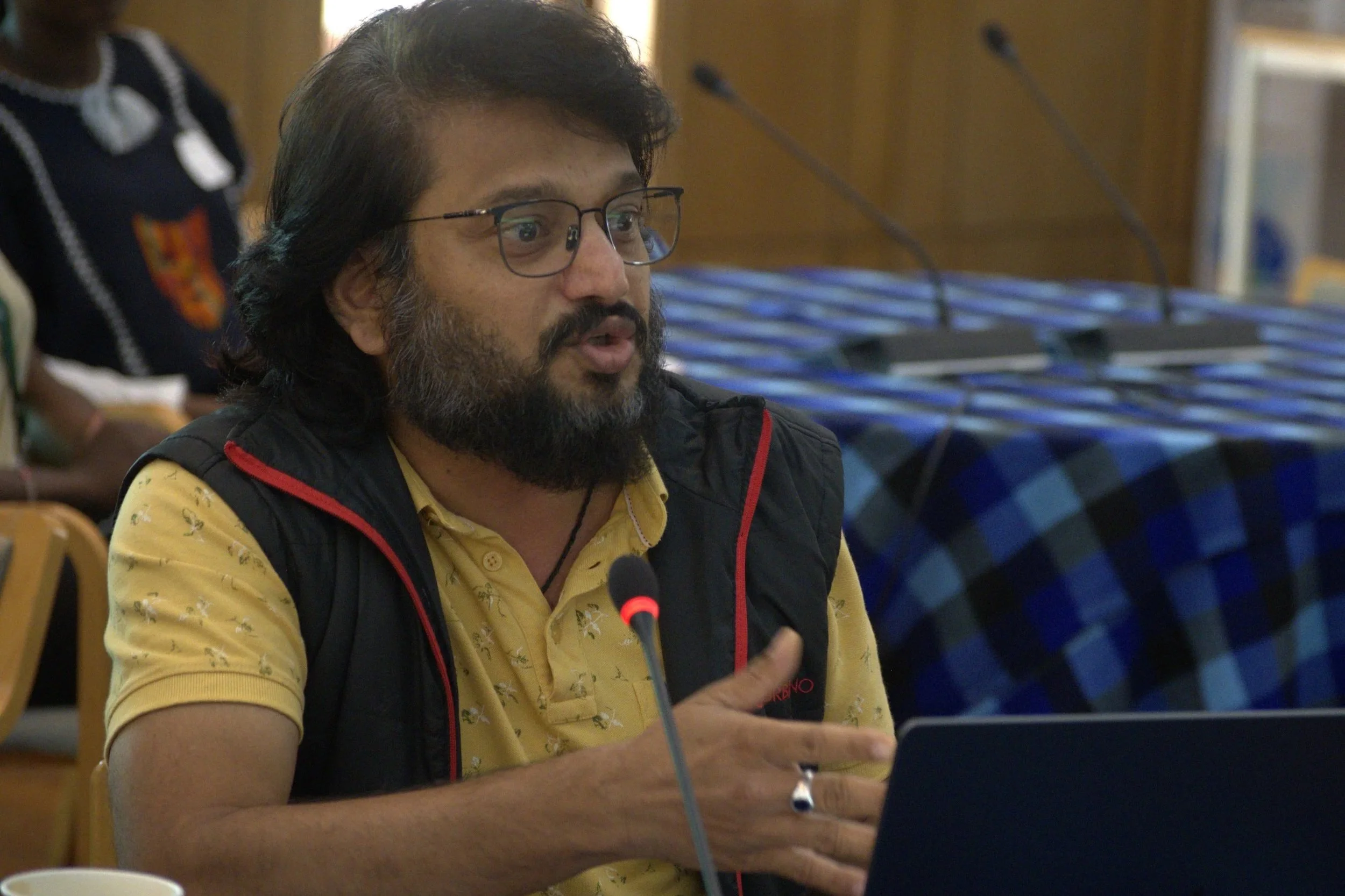
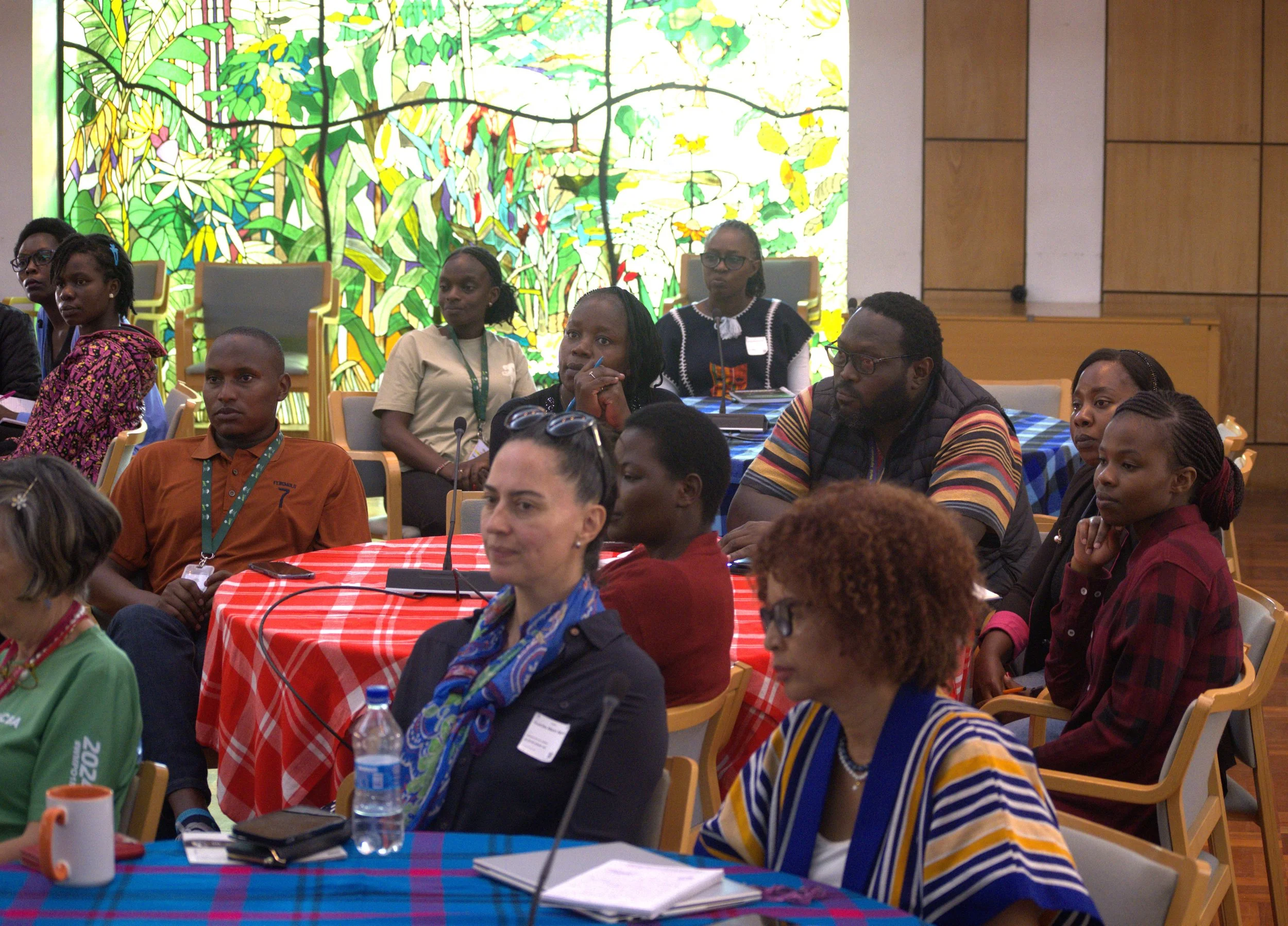
Laboratory visits: showcasing science and innovation in action
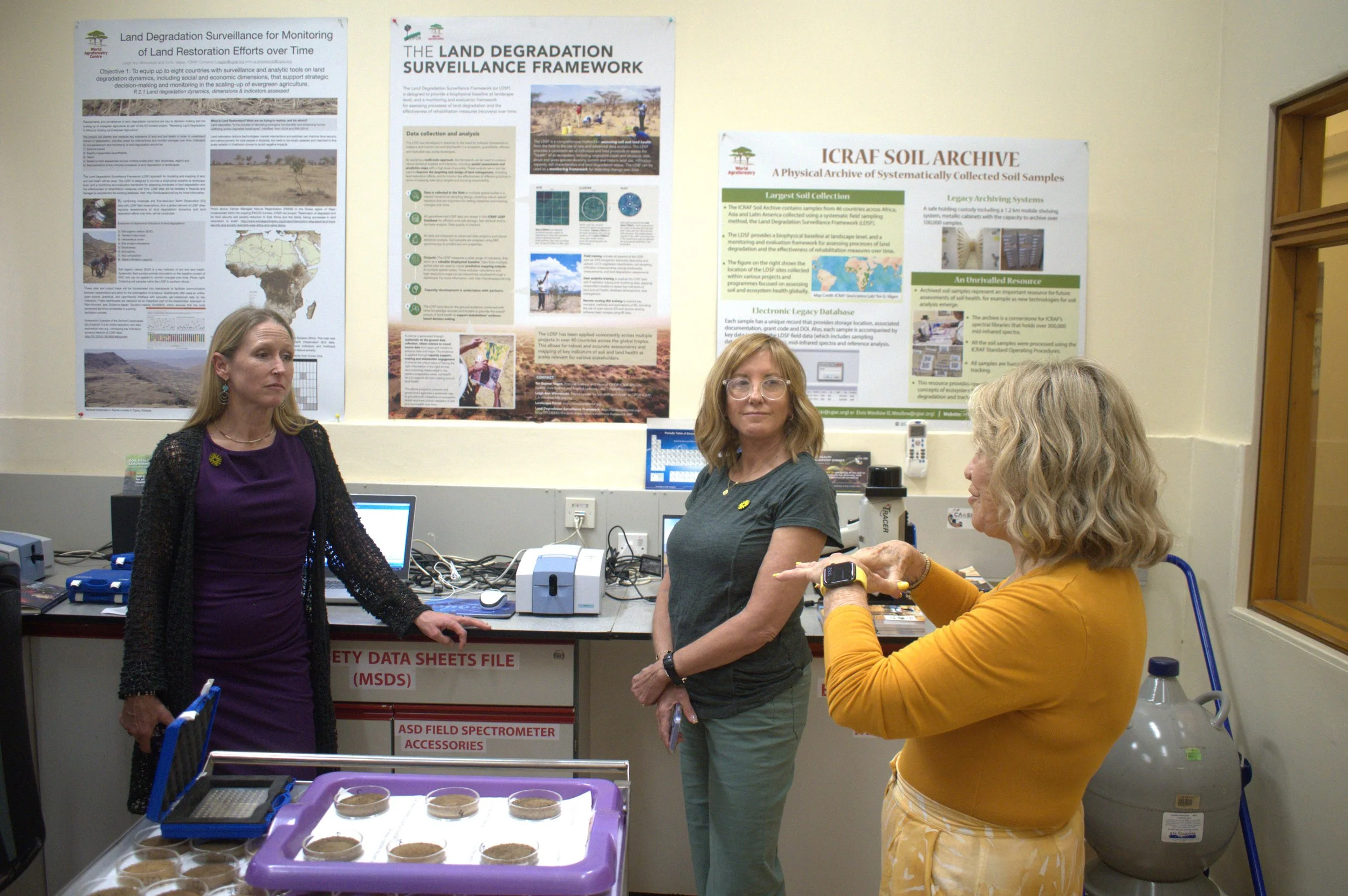
A key highlight of the visit was a guided tour of CIFOR-ICRAF’s research facilities, offering Project Dandelion an opportunity to experience firsthand how science is being translated into practical solutions for farmers, landscapes, and food systems.
At the Soil and Land Health Lab, visitors explored CIFOR-ICRAF’s work to understand, monitor, and restore soil health as a foundation for resilient food systems and climate adaptation. The team showcased innovations used to assess and monitor soils, including soil spectroscopy; an advanced analytical approach that enables rapid, low-cost, and highly accurate analysis of soil samples. By using spectral data to determine key soil properties, the technology supports faster soil diagnostics and helps generate actionable recommendations for farmers while reducing the cost and time associated with conventional laboratory testing. This work contributes to making soil information more accessible and scalable for decision-making at farm and landscape levels.
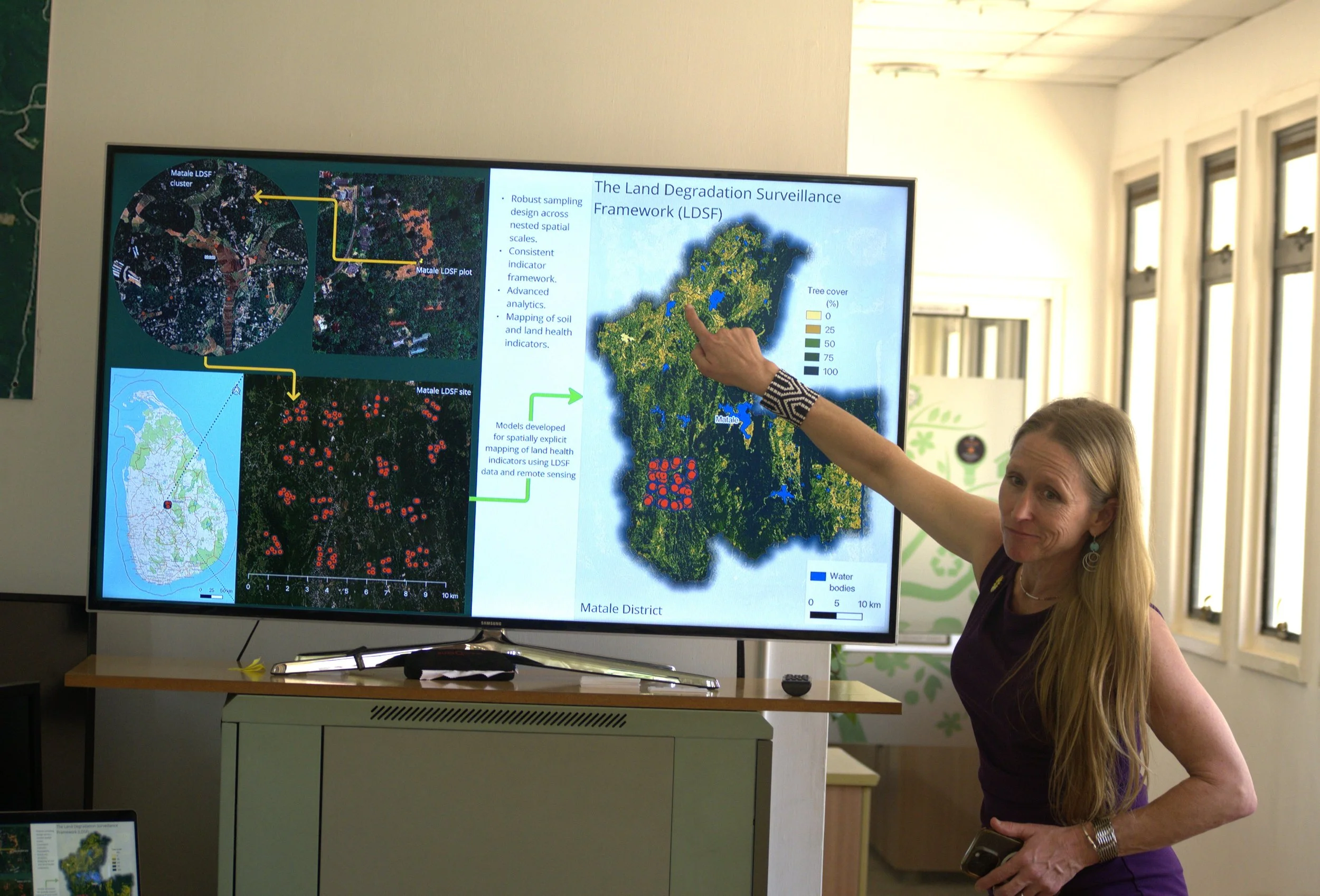
At the SPACIAL Lab (Spatial Data Science and Applied Learning Lab), visitors explored how geospatial technologies, remote sensing, and data integration are used to map land health, soil organic carbon, and vegetation dynamics. These tools are increasingly informing policy decisions and restoration strategies across Africa.
The Trees and Gene Bank Lab showcased CIFOR-ICRAF’s long-term commitment to conserving tree biodiversity. Scientists highlighted the importance of safeguarding indigenous tree species and maintaining genetic resources critical for ecosystem resilience. The team reiterated the principle of “the right tree in the right place for the right purpose,” underscoring the role of seed systems in agroforestry and restoration.
From the Dendrochronology Lab, researchers demonstrated how tree rings are used to reconstruct environmental history, revealing climate patterns, drought events, and ecosystem changes over centuries. This work provides critical insights into how landscapes have responded to past climate variability and informs future adaptation strategies.
Strengthening collaboration for the future
The session concluded with commitments to deepen collaboration between CIFOR-ICRAF and Project Dandelion, particularly around documenting innovations in East African food systems and amplifying the role of women in climate adaptation and regenerative agriculture.
As Project Dandelion continues its global listening tour, insights from Nairobi are expected to contribute to its broader strategy on women, food systems, and climate resilience while reinforcing CIFOR-ICRAF’s role as a global hub for science-driven landscape restoration and sustainable development.
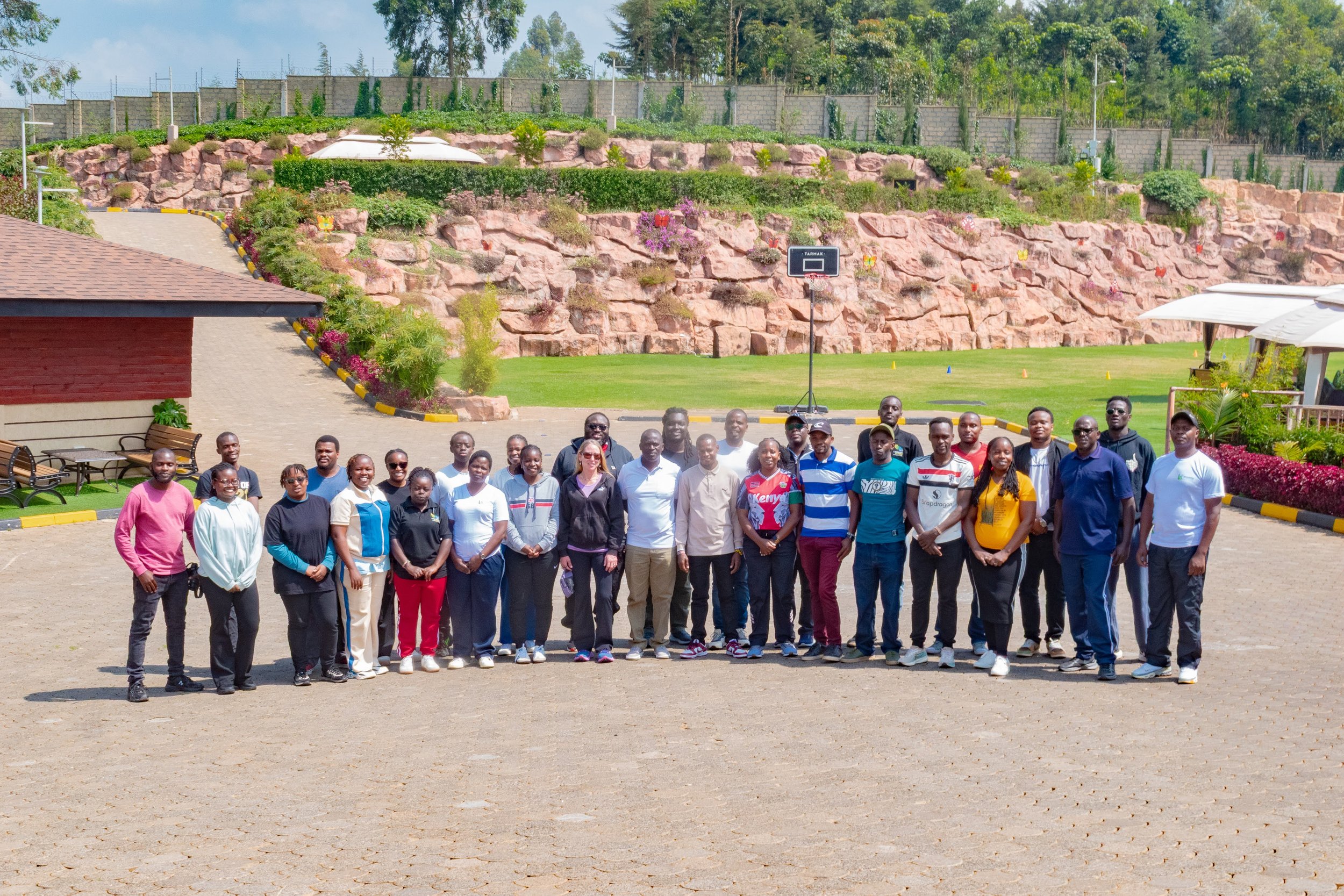
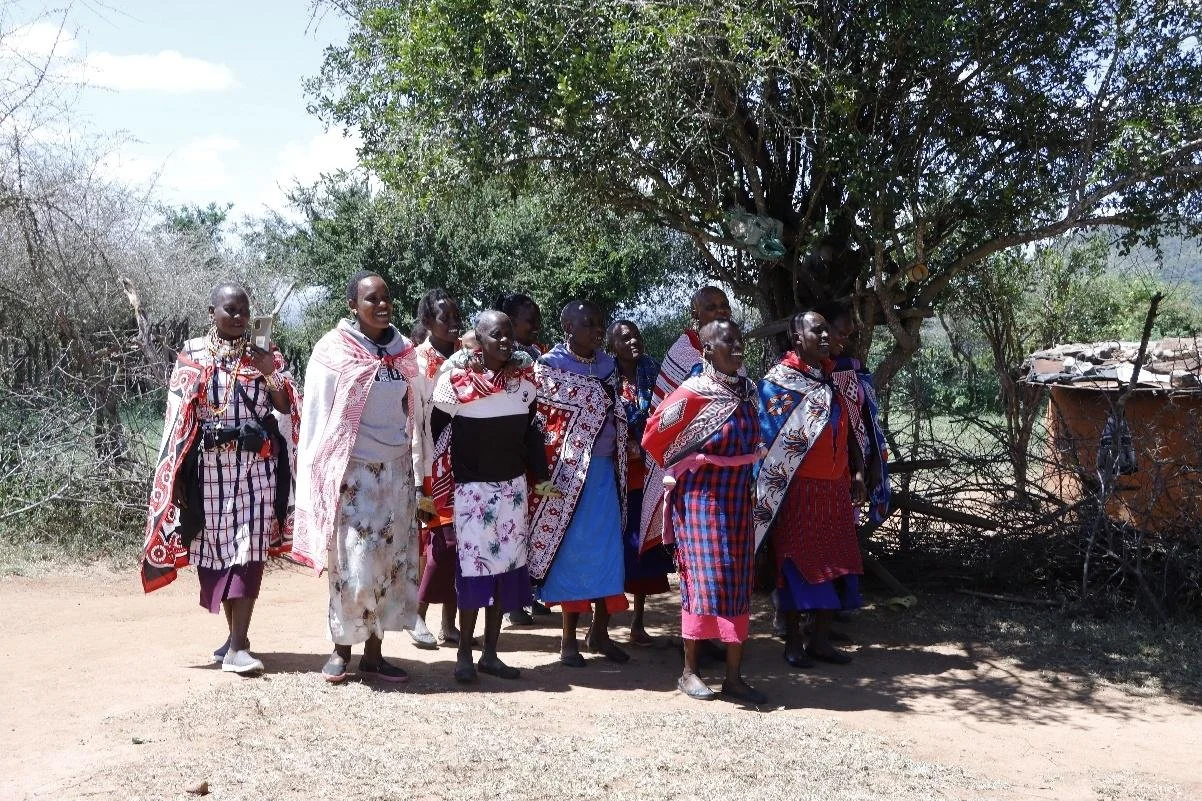
Can Kenya transform its food systems while restoring ecosystems, improving nutrition, and building resilience to climate change?
That question brought together more than just experts, it united policymakers, researchers, farmers, youth, women, pastoralists, civil society, development partners and the private sector at the 3rd National Agroecology Symposium, held on 22–23 July 2026 at the Kenya Institute of Monetary Studies (KIMS) in Nairobi. Under the theme "Transforming Agrifood Systems through Agroecology: A One Health Approach for Inclusive, Sustainable and Resilient Futures," the symposium demonstrated that agroecology has evolved from an emerging concept into a national movement for transforming Kenya's agrifood systems.
Story by Dickens Ateku Alubaka, Senior Manager, Soil and Land Health Laboratories Research Services, Landscape Alliance (ICRAF)