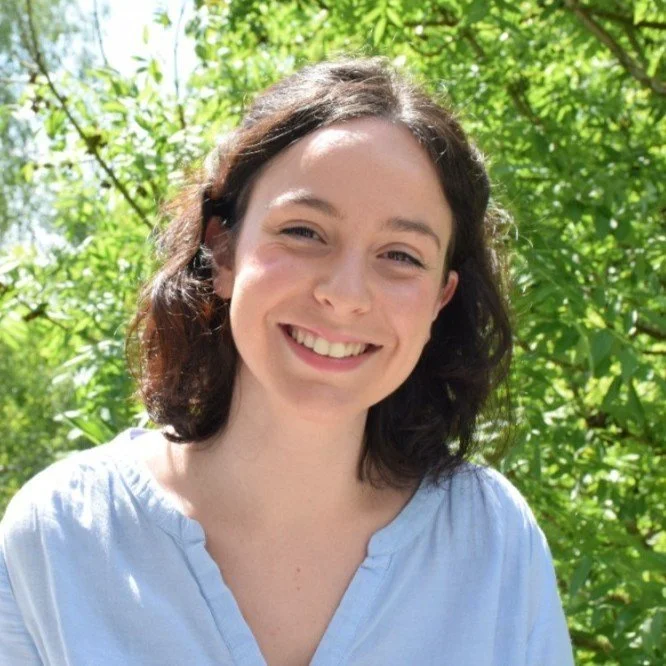
Ester Miglio, Varda Foundation
As a Program Manager at the Varda Foundation, Ester Miglio works at the intersection of soil science, data, and digital innovation, helping transform complex information into tools that can be used in practice. Her role is to connect people, data, and products, ensuring that technical development is grounded in real needs and supports better land-use decisions.
You trained as a soil scientist - what drew you into this field, and how has your journey evolved toward working with digital platforms like SoilHive?
“I have always been fascinated by nature, and after high school I chose agriculture because I liked that it was very practical, you study something and you can actually apply it.
During my bachelor's degree, I really fell in love with soil. It might sound simple, but when you start looking closely, it’s fascinating… the different colors, the textures, how it changes from one place to another, and over time… And then when you realise that soil is full of life, like huge amounts of microorganisms interacting all the time and having an impact on the physico-chemical composition… I mean, it completely changes how you see it!
In my master's I became especially interested in understanding how soil changes in the interactions between plants and microbes, and how these affect nutrients’ cycles. That’s what pushed me to work more with data, because to really understand these dynamics, you need to look at patterns.
At some point, Simone Sala contacted me. He had this idea of building a global soil data platform and was looking for someone with a soil science background. I decided to join, and I’m really happy I did.
I strongly believe that data is key for making decisions on the ground. Working on something like SoilHive, which is trying to make soil data more accessible and useful, is something I’m really proud of.”
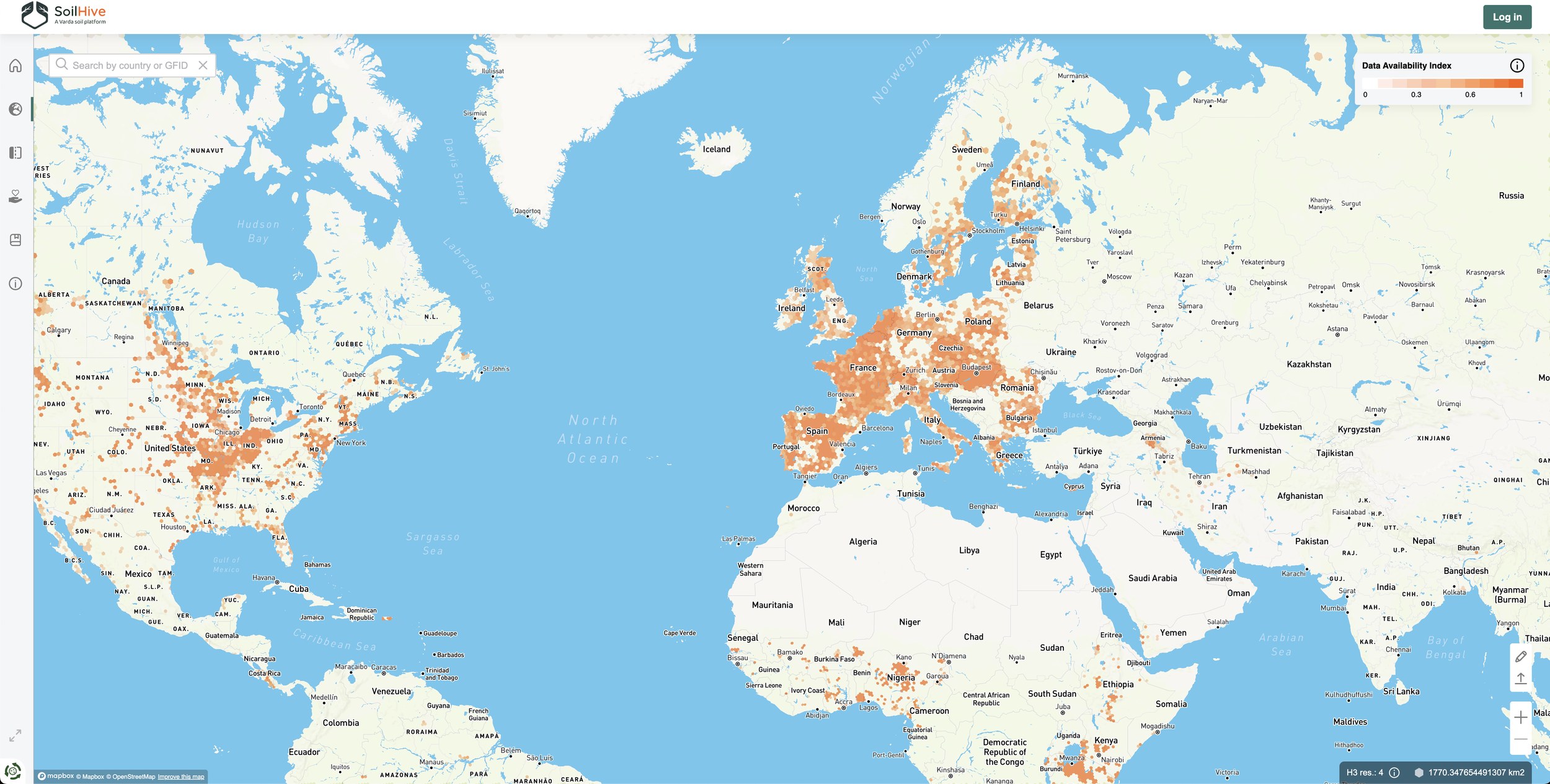
SoilHive | a collaborative platform integrating soil data and information from different sources, designed to make this information easily accessible as well as to enable its exchange and reuse.
How do you see digital tools like SoilHive transforming the way we understand and manage soil health?
“Today, we already have a lot of soil data out there, from research, governments, projects, and private companies. The problem is that it’s often hard to access, not standardized, or not reusable. So even if the data exists, it’s not always useful.
Tools like SoilHive try to fix this by making data easier to find, combine, and use. The idea is to make soil information more open and accessible, so more people like farmers, researchers, policymakers, can actually benefit from it.
Also, soil doesn’t exist in isolation. It’s linked to climate, land use, and socio-economic factors. So having data that can be integrated across these dimensions really helps us move from small, local insights to bigger, landscape-level understanding.”
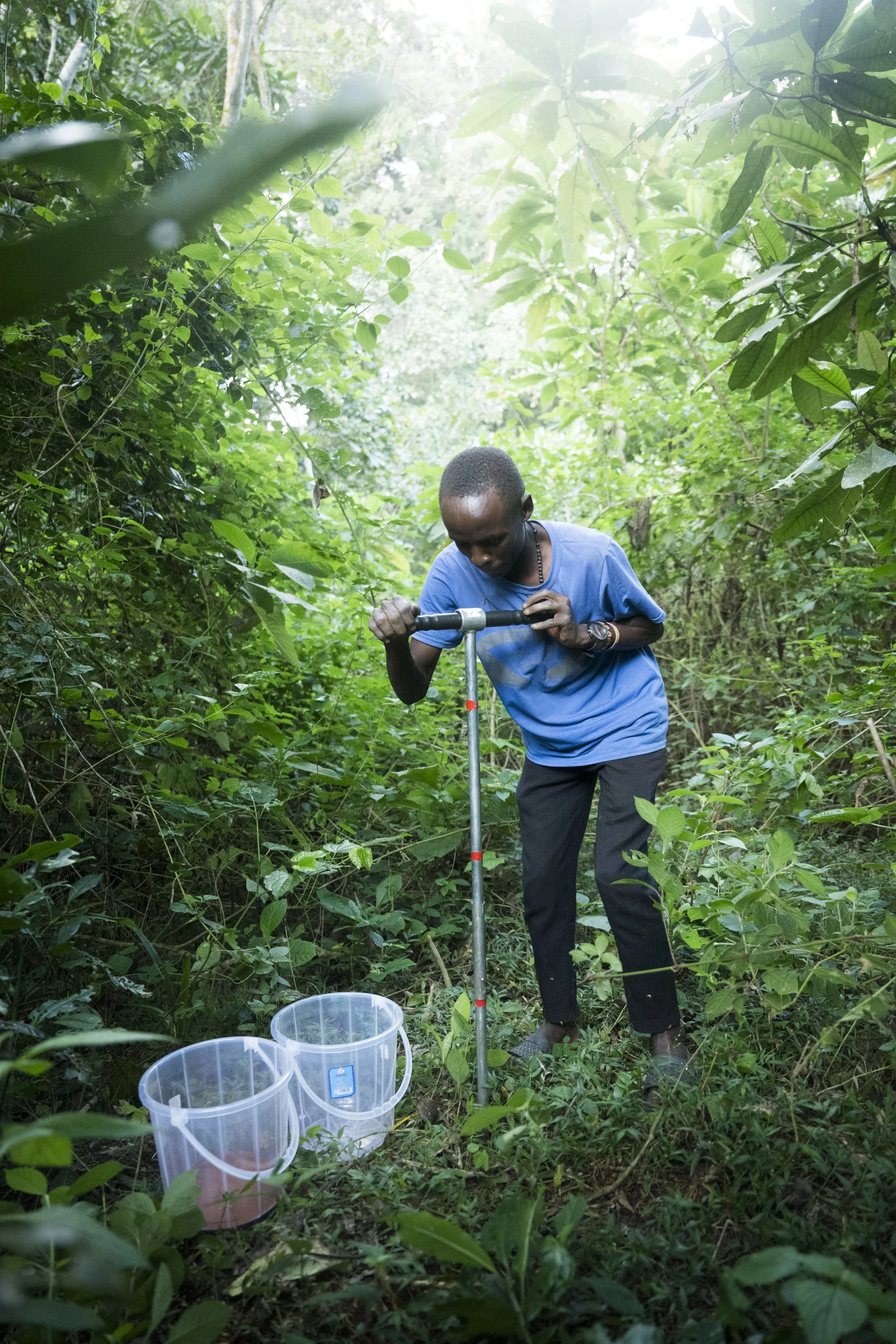
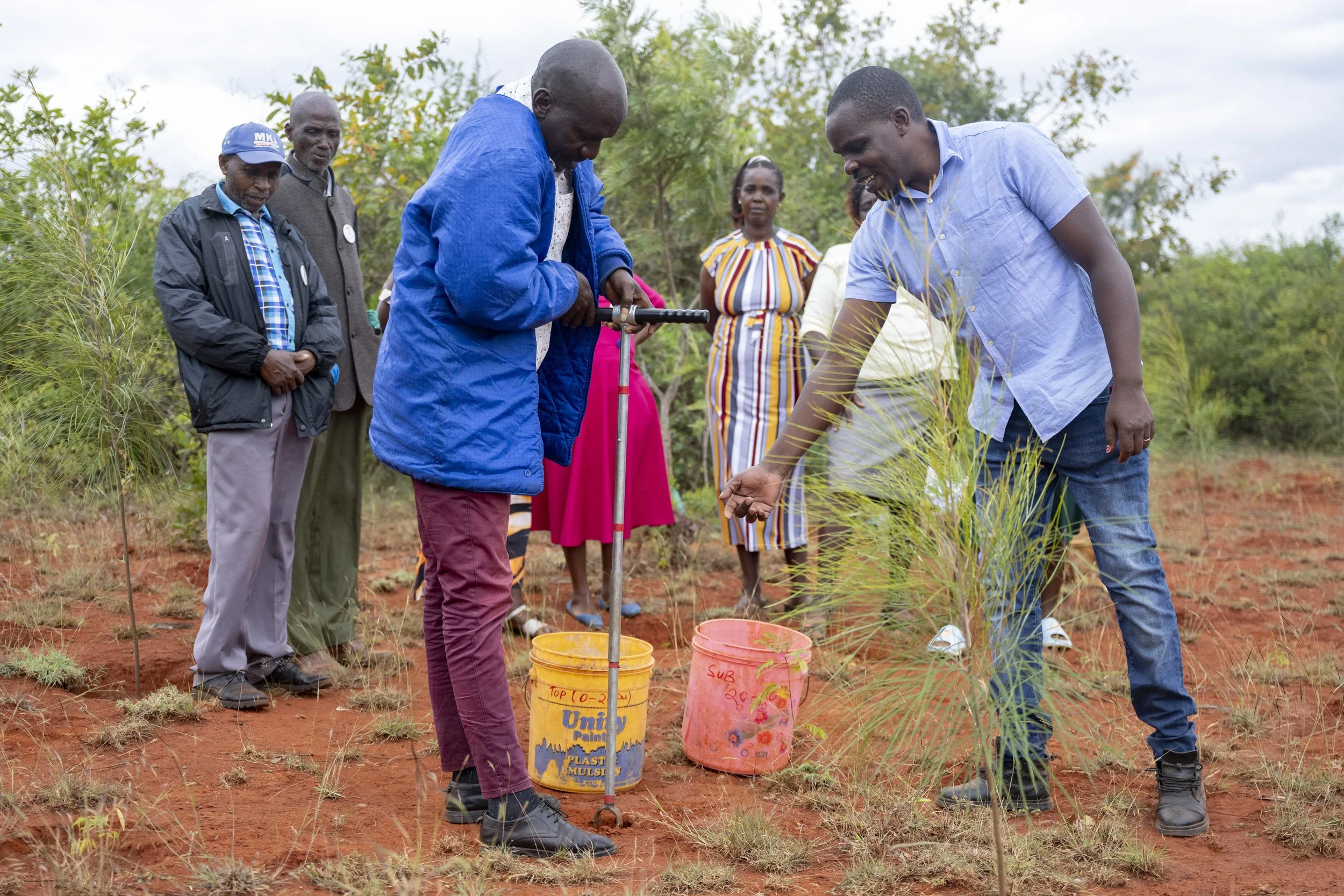
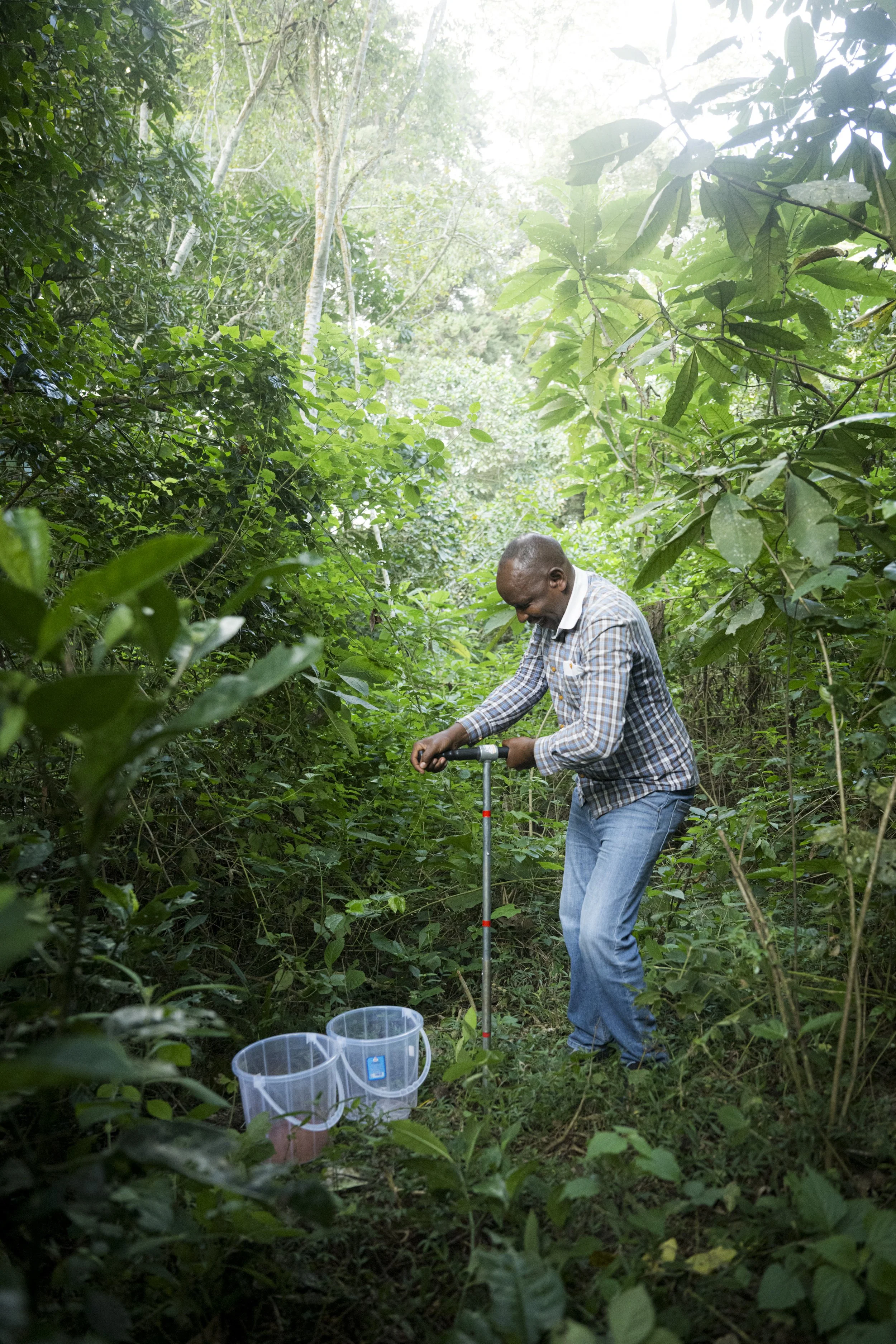
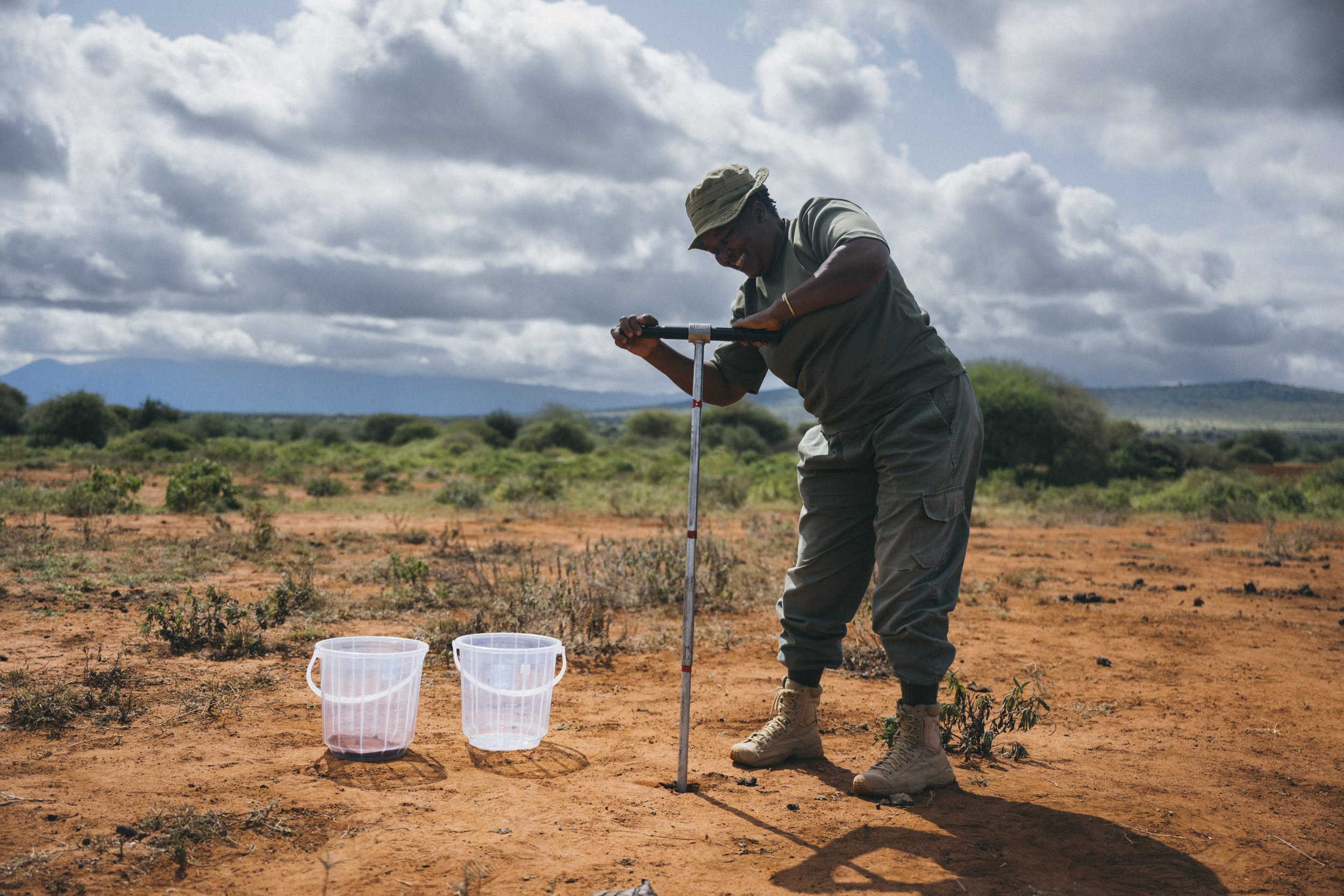
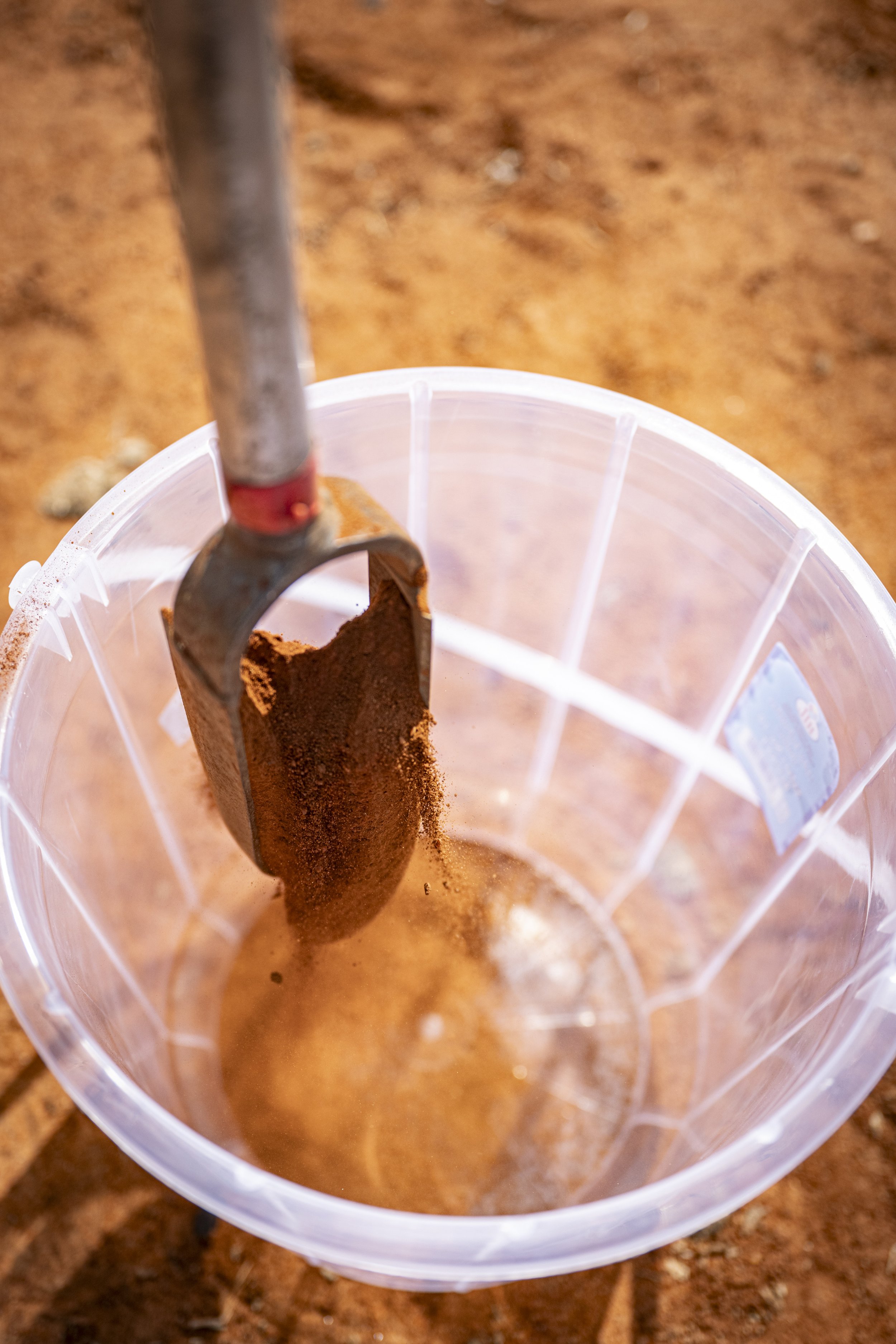
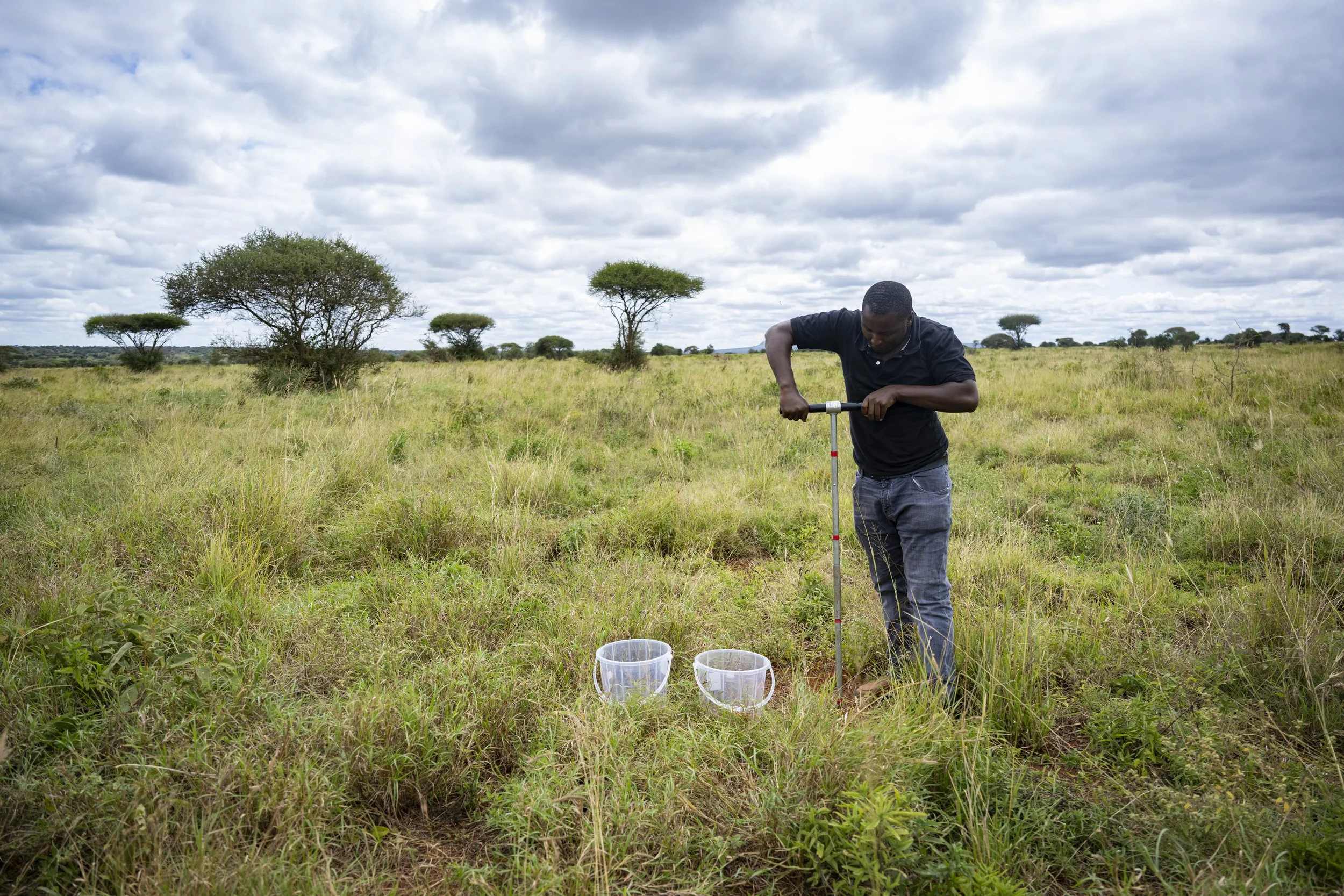
Soil samples collected using the Landscape Degradation Surveillance Framework (LDSF) | Images courtesy of UKPact
“In the end, it’s really about moving from “data exists” to “data is used.” - Ester Miglio
One of the challenges in soil science is translating knowledge into action. How does SoilHive help bridge that gap between data, science, and real-world decision-making?
“At the beginning, we focused a lot on the basics: organizing data better, making it easier to find, and bringing datasets together.
Now we’re moving more toward making that data usable. For example, we’re building dashboards and visual tools that help different users actually make decisions. We’re working with partners like CIFOR-ICRAF and CA4SH through a program funded by Norwegian Agency for Development Cooperation (NORAD), where we develop tools based on real questions coming from the local actors.
At the same time, we’re working closely with modellers to make sure the data helps improve our understanding of natural processes. We’re involved in European projects looking at deep soil (down to 2 meters) and how land management affects soil health, and also in projects assessing soil erosion across Europe, which is one of the most pressing challenges.
We also collaborate with the private sector, so the data can be integrated into other decision-support tools and help scale innovation.
And together with CA4SH, we’re starting to support training, especially for younger soil scientists, so they can actually use data in their daily work.”
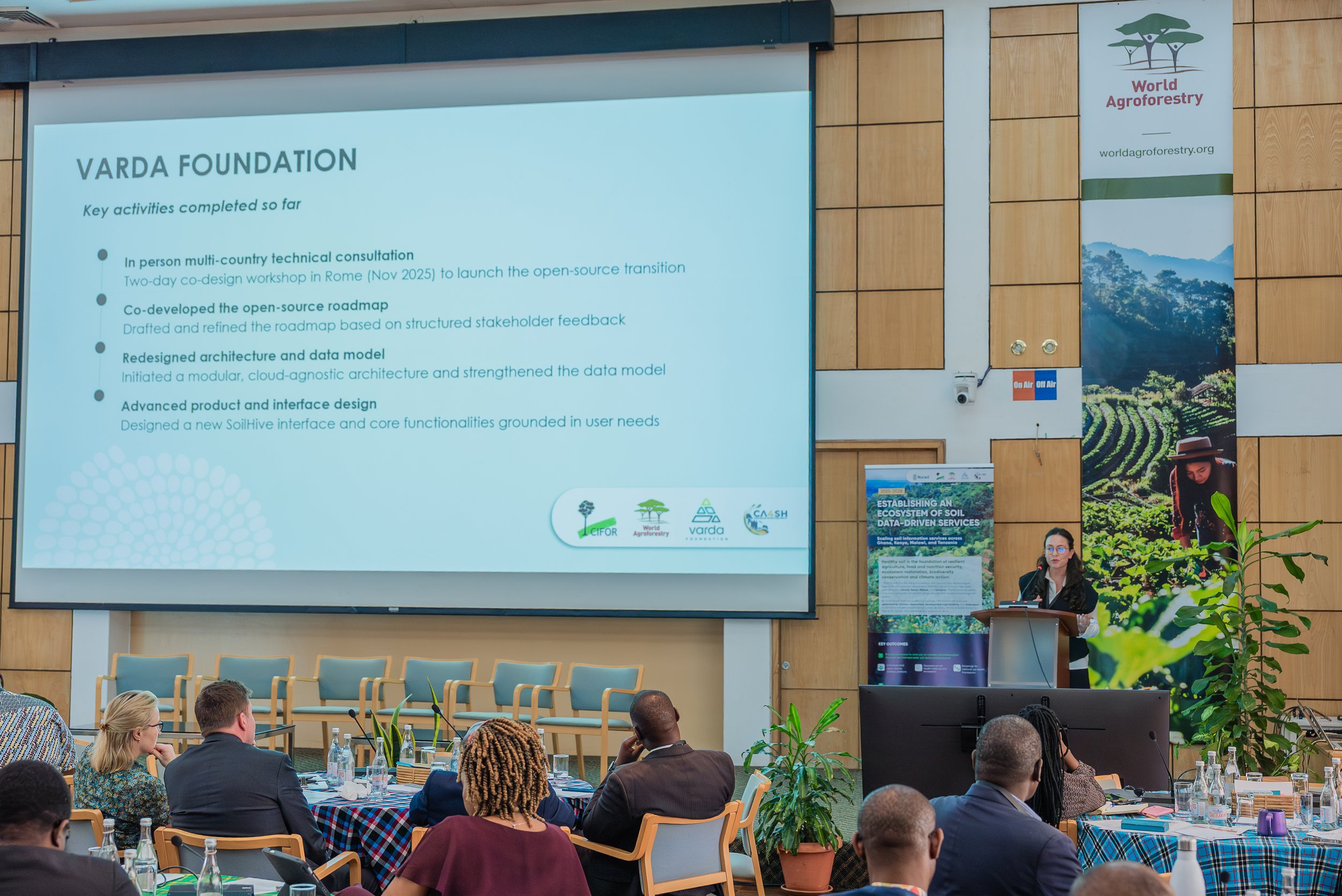
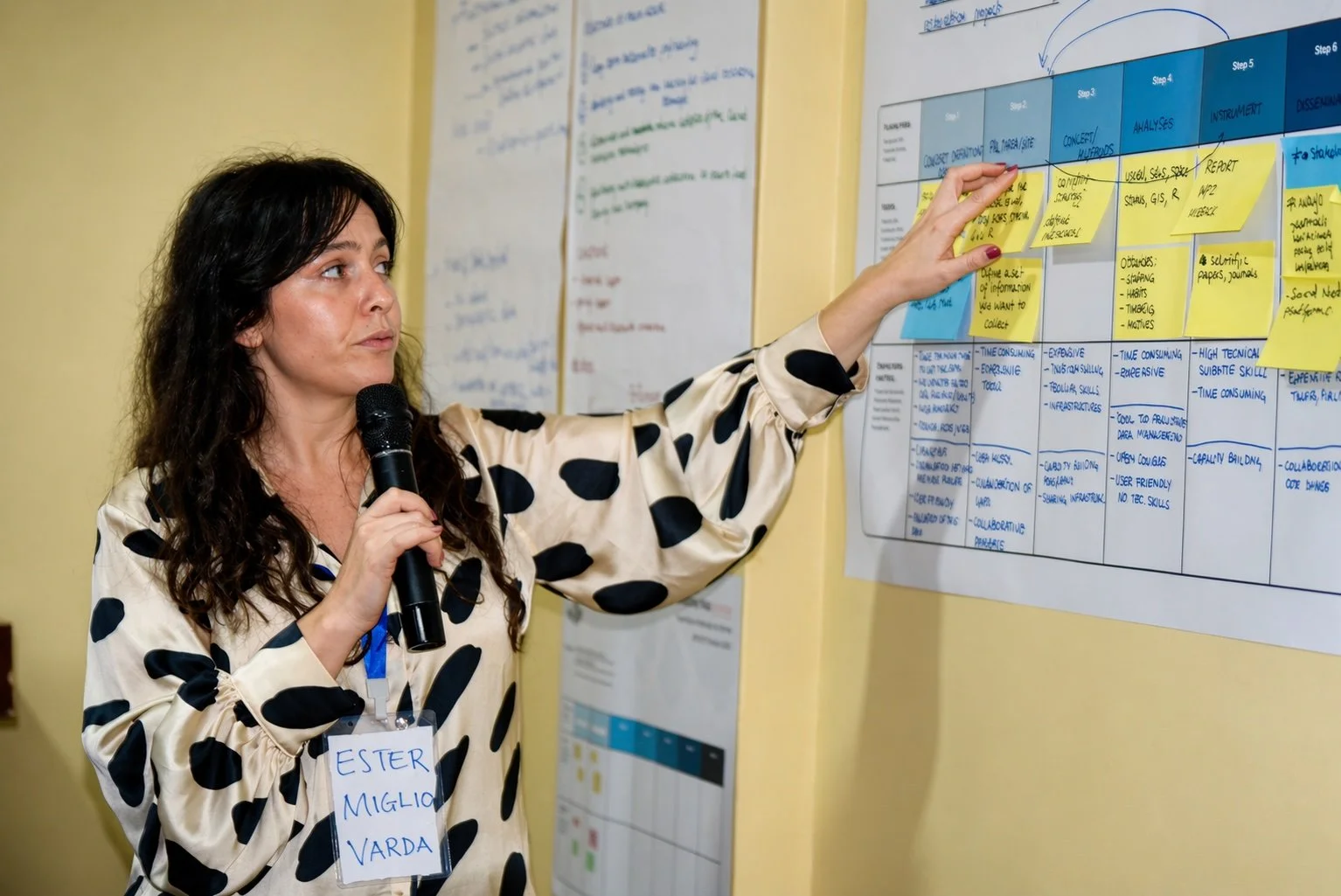
Ester Miglio presents at a SoilHive Workshop at the CIFOR-ICRAF Nairobi campus
What barriers do you see for women and girls in accessing digital tools in agriculture and environmental science, and how can they be addressed?
“The barriers are a bit different depending on the context…
In Europe, access to technology is less of an issue, but there’s still a gap in terms of representation. Fewer women go into technical fields like data science or digital agriculture, often because of early biases or lack of role models.
In many parts of Africa, there are more structural barriers, like limited access to the internet or devices, lower digital literacy, and sometimes cultural constraints/social norms…
If we want real equality, we need to address both sides. That means investing in infrastructure and education, but also creating supportive environments and creating mentorship opportunities.
For me inclusion is about making sure everyone has a fair chance to engage, contribute, and benefit. And that doesn’t happen by default…it has to be intentional and implemented from the start.”
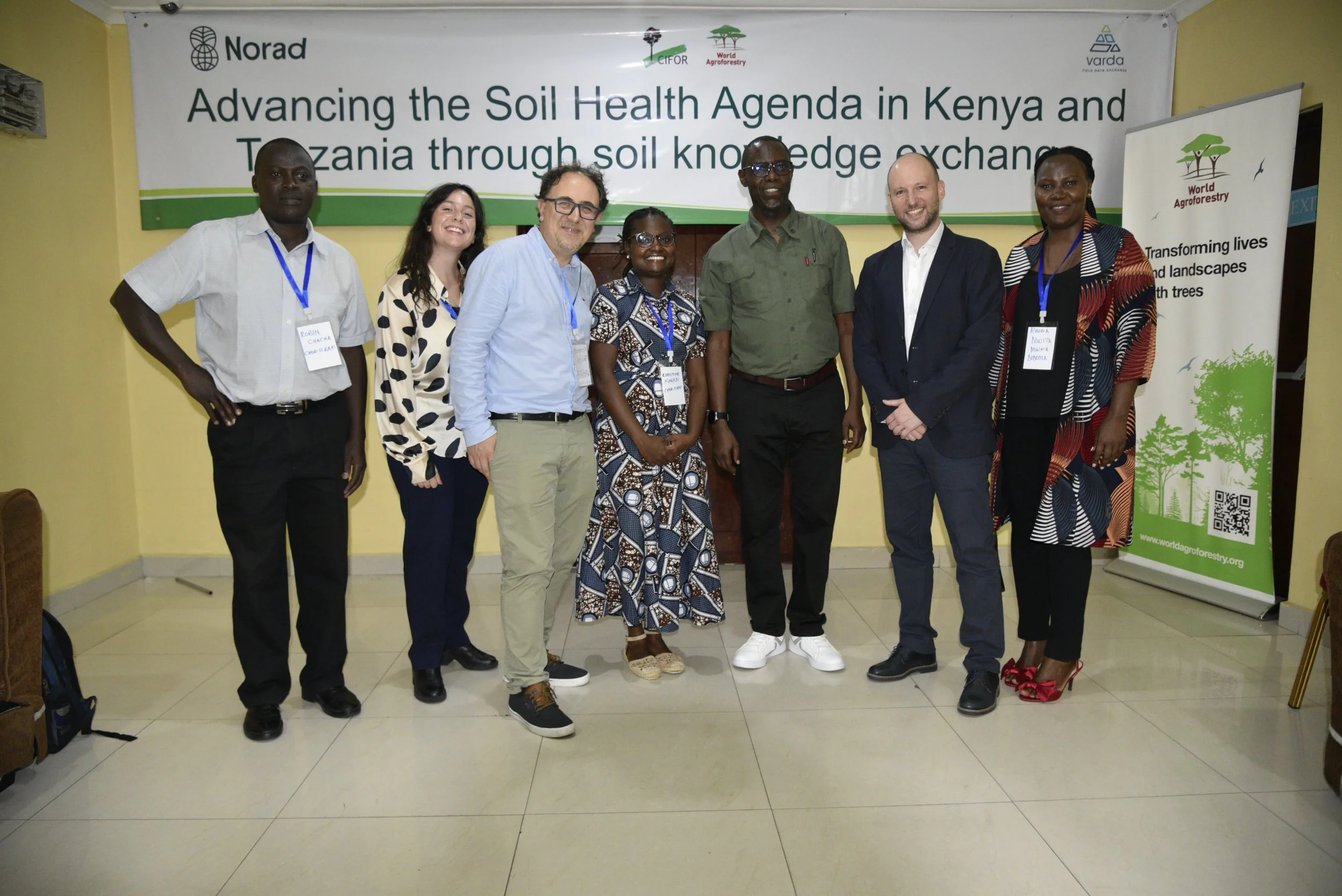
The CIFOR-ICRAF and Varda Foundation teams at a SoilHive Workshop | CIFOR-ICRAF Nairobi campus
Why is it important that more girls and young women engage with ICT in fields like soil health and food systems?
“More and more, fields like agriculture and soil science are becoming data-driven. So understanding digital tools is really important. If girls are not part of this, we risk building systems that don’t reflect their needs or perspectives, which is a problem, especially since women play a big role in agriculture.
Also, having more girls in ICT will actually lead to better solutions. Different perspectives always make a system stronger and more relevant.”
From your perspective, what excites you most about the intersection of soil science, data, and digital innovation right now?
“What excites me most right now is that we finally have the possibility to answer much bigger questions than before.
In the past, soil science was often limited to very local studies: few fields, few sites, one dataset. But now, with stronger computing power and more advanced models, including AI, we can bring together much larger amounts of data and actually make sense of it.
At the same time, we’re collecting more and more data every day, from field measurements, sensors, satellites, and this is constantly expanding what we can study and understand. We’re also discovering new processes and relationships that we couldn’t really capture before.
This means we can start looking at things like soil carbon, land degradation, or erosion at much larger scales, and really understand patterns…not just what is happening, but where, why, and under which conditions.
We can also combine soil data with climate, land use, and socio-economic data, which allows us to study whole systems instead of isolated pieces.”
What would you say to a young girl who is interested in science, but unsure how technology might fit into her future?
“You don’t need to have everything figured out! Having doubts is completely normal, it would actually be strange not to. Just stay curious and open, and give yourself space to explore different things.
Also, life is long, and you’re allowed to change your mind. Nothing is written in stone, and the choices you make now don’t define you forever. Every experience teaches you something, even if it’s not obvious at the time, and you’ll use that knowledge later on, most probably in ways you don’t expect.
Skills like data and digital tools can always be learned, and they can fit into many different paths. If you’re interested in science, technology will likely become part of your journey at some point, even if you don’t see it clearly yet.”
How do you hope platforms like SoilHive will evolve in the coming years, and what role do you see them playing in advancing global soil health?
“I’d love to see platforms like SoilHive move toward a more connected, federated approach. No single platform can do everything, but if we can connect them, the potential is huge.
Environmental challenges are complex and don’t follow borders, so we really need systems that can work together. If we manage to do that, we can unlock much bigger analyses and better decision-making, not just locally, but globally.”