
9 November 2026 | Antalya, Türkiye
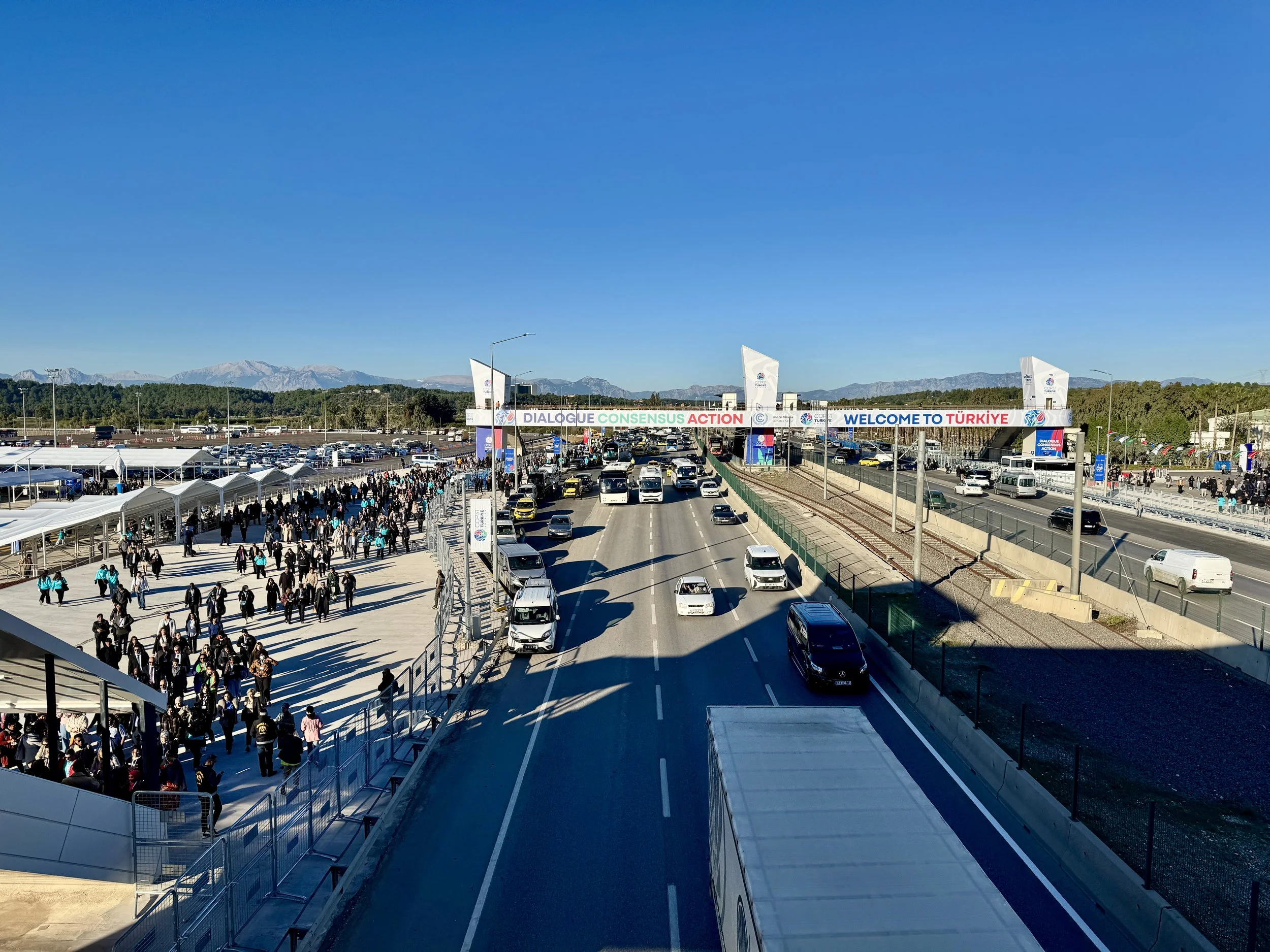

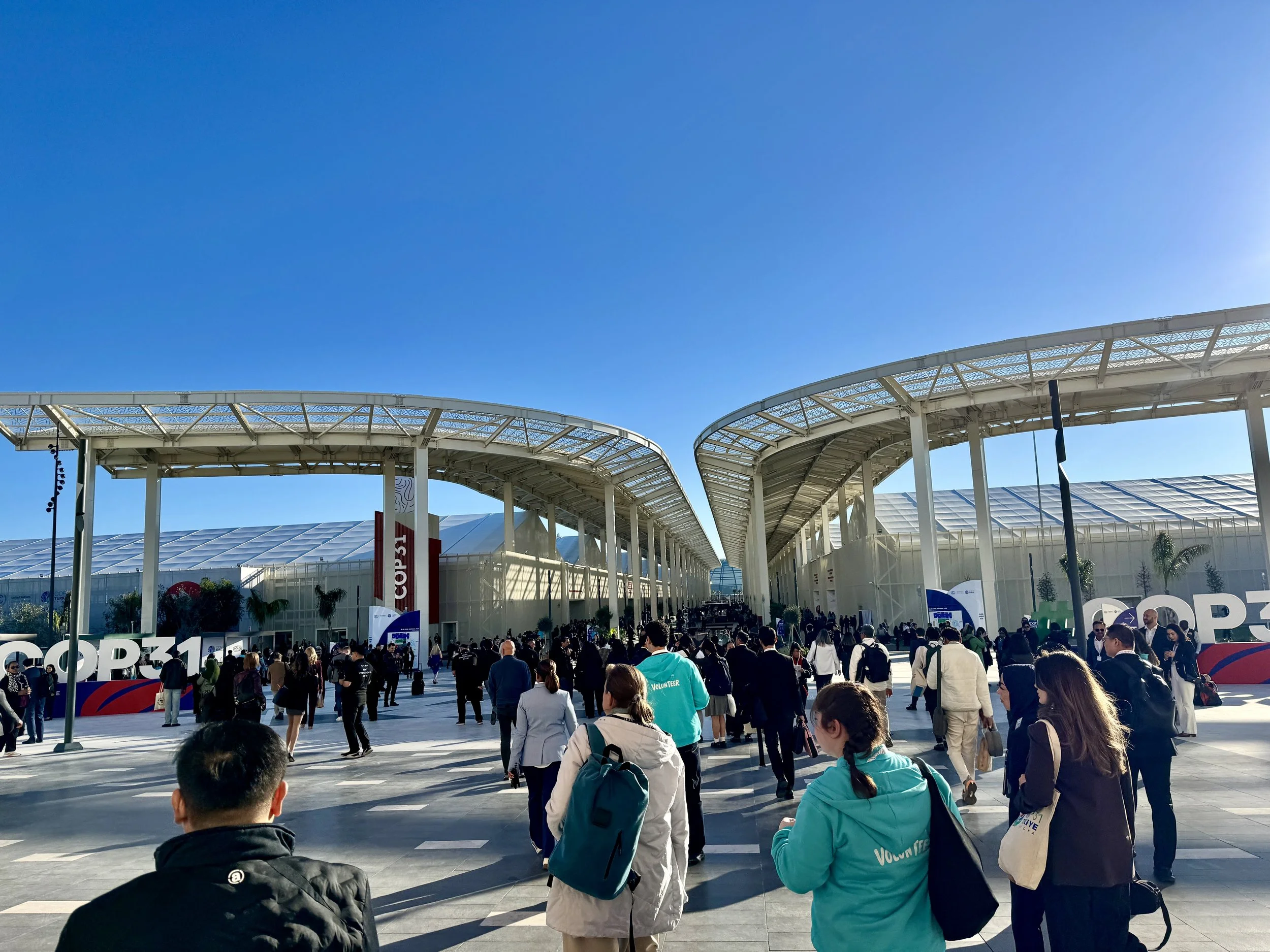
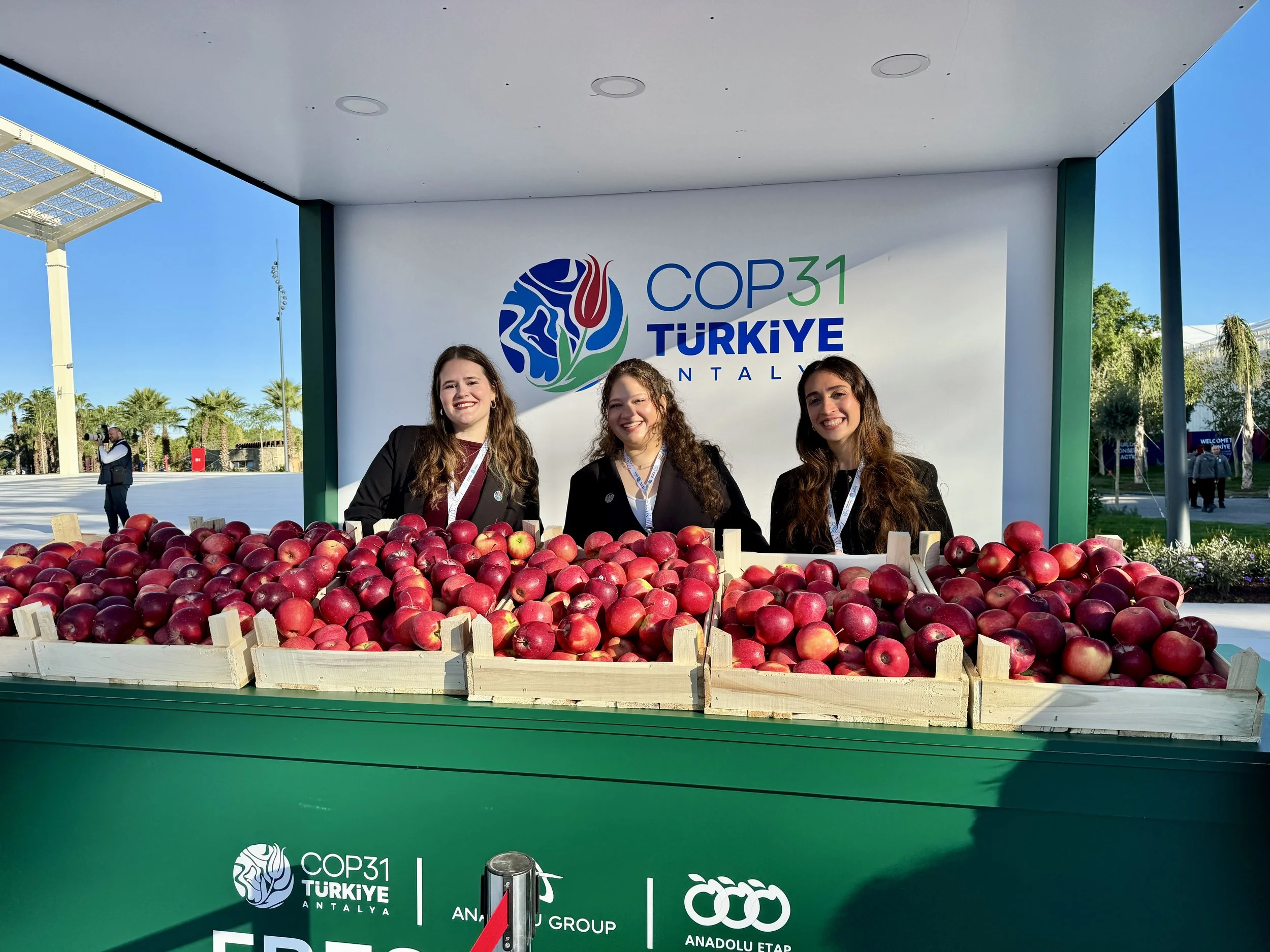
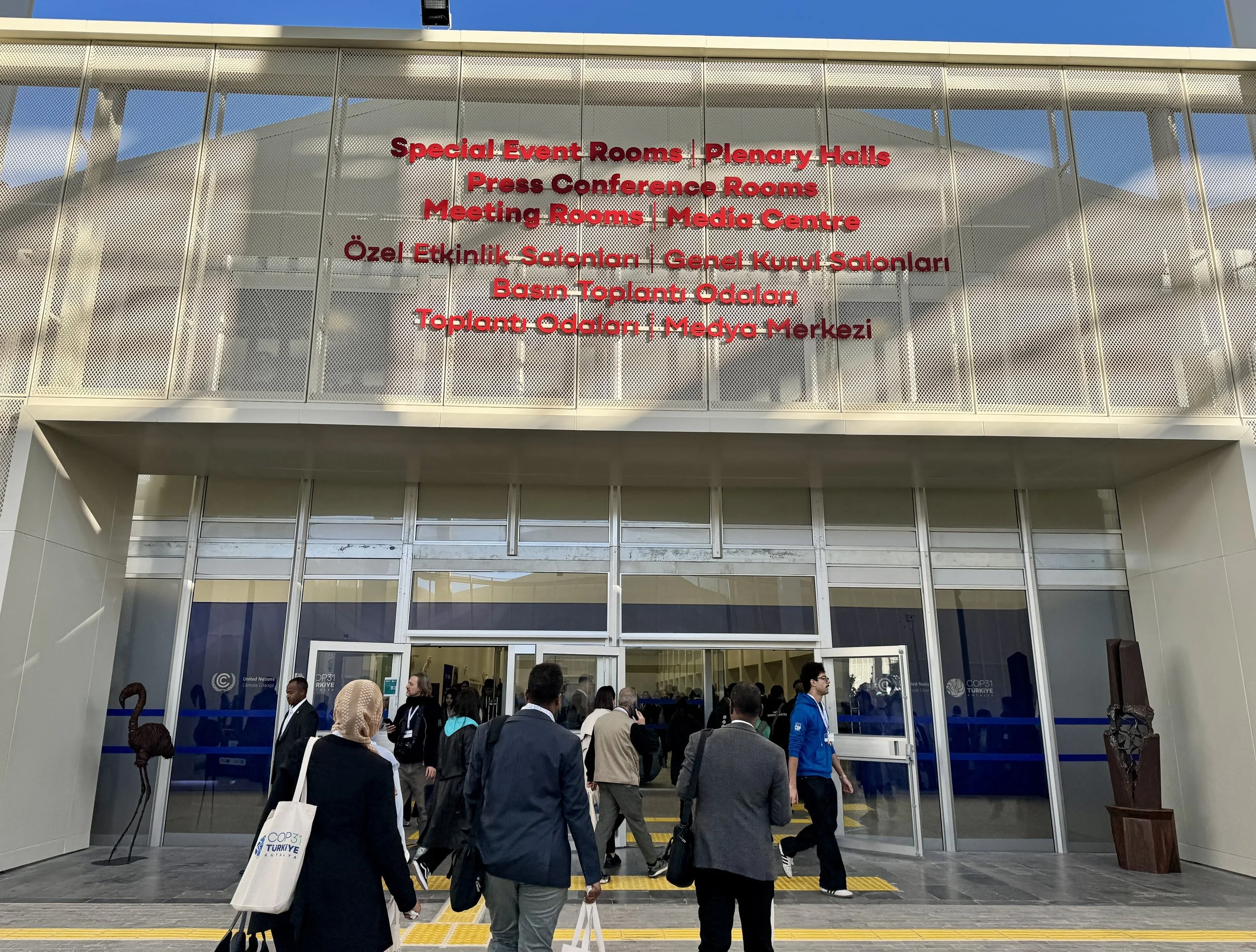
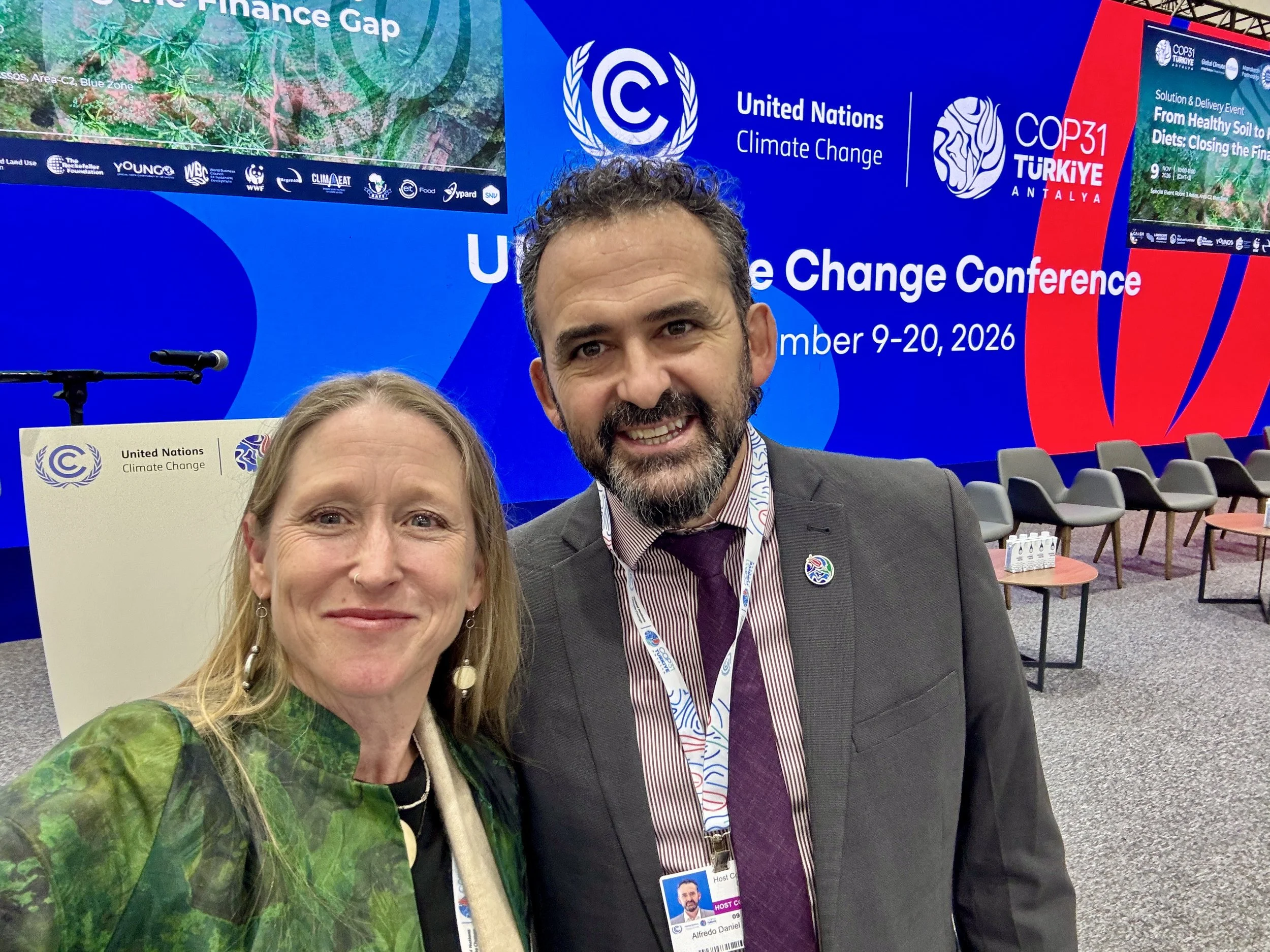
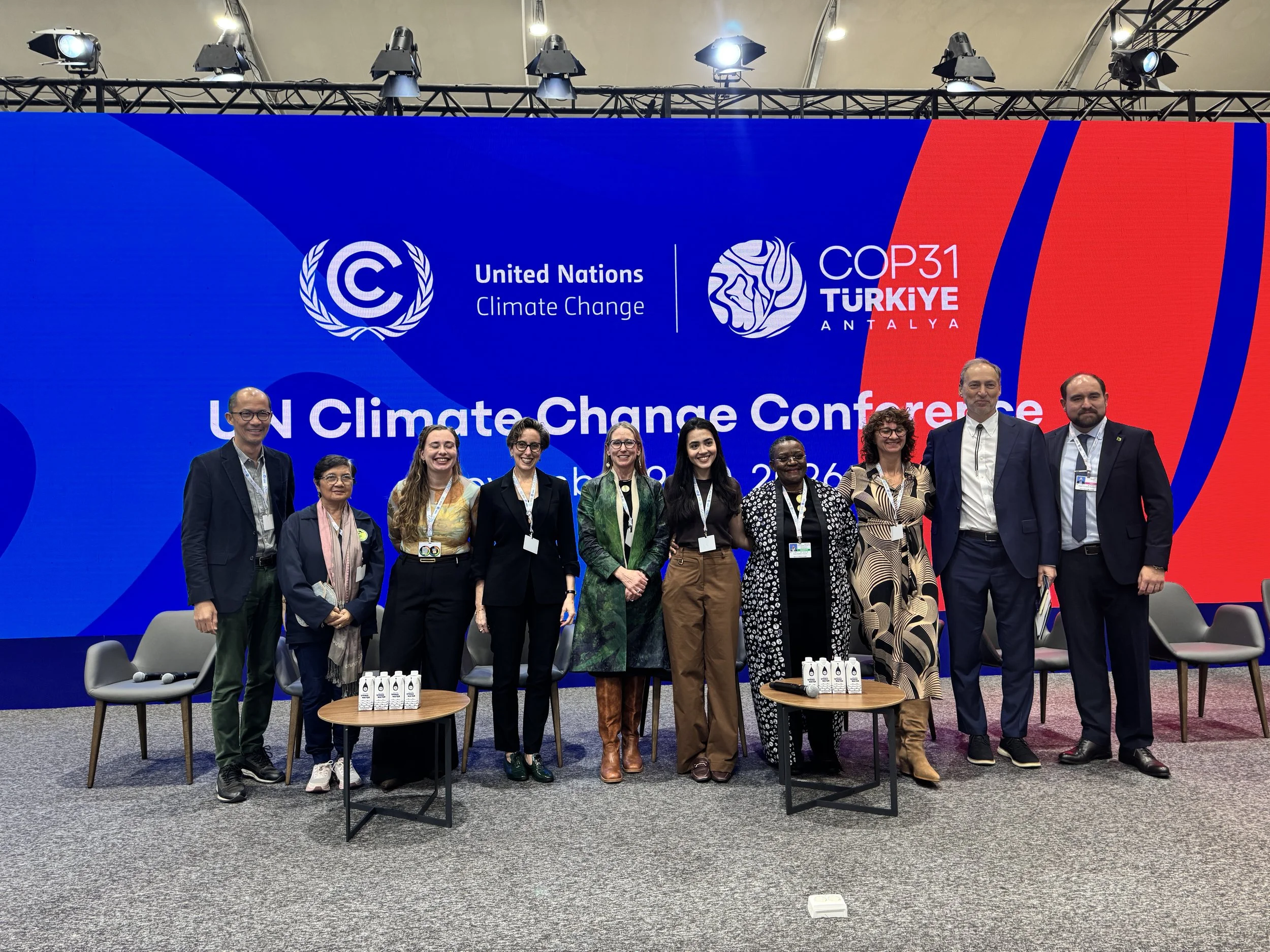
On the opening day of COP31, Food, Agriculture and Health Day, the Coalition of Action 4 Soil Health (CA4SH) and partners convened a Solution and Delivery Event under the Global Climate Action programme: From Healthy Soil to Healthy Diets: Closing the Finance Gap.
The discussion advanced Healthy Soil 4 Healthy Diets (HS4HD), one of the Plans to Accelerate Solutions (PAS) under Axis 3: Transforming Agriculture and Food Systems of the Global Climate Action Agenda (GCAA). HS4HD sits alongside partner PAS Resilient Agriculture Investment for Net-Zero Land Degradation (RAIZ), Regenerative School Meals, and TERRA – Together for the Expansion of Resilient and Restorative Agroecology and Agroforestry.
Opening the event, Ömer Öztürk, Director of the Adaptation and Local Policies Department at the Climate Change Presidency, welcomed delegates to Türkiye and expressed his appreciation for the prominence of food and agriculture on the opening day of COP31. He congratulated partners on their work to advance the PAS under the GCAA, recognising the importance of soil health in building more sustainable and resilient agricultural and food systems.
“Farmers, women, young people, Indigenous Peoples, and local communities should help finance and benefit from it.”
Moderated by Dr Leigh Winowiecki, CA4SH Co-lead and Global Research Leader for Soil and Land Health at Landscape Alliance (CIFOR and ICRAF), the event brought together perspectives from farmers and farmer organisations, researchers, the private sector, youth-led organisations, philanthropy, and international initiatives to address one key question: how do we get finance to reach the farmers and communities driving food systems transformation from the soil to the plate?
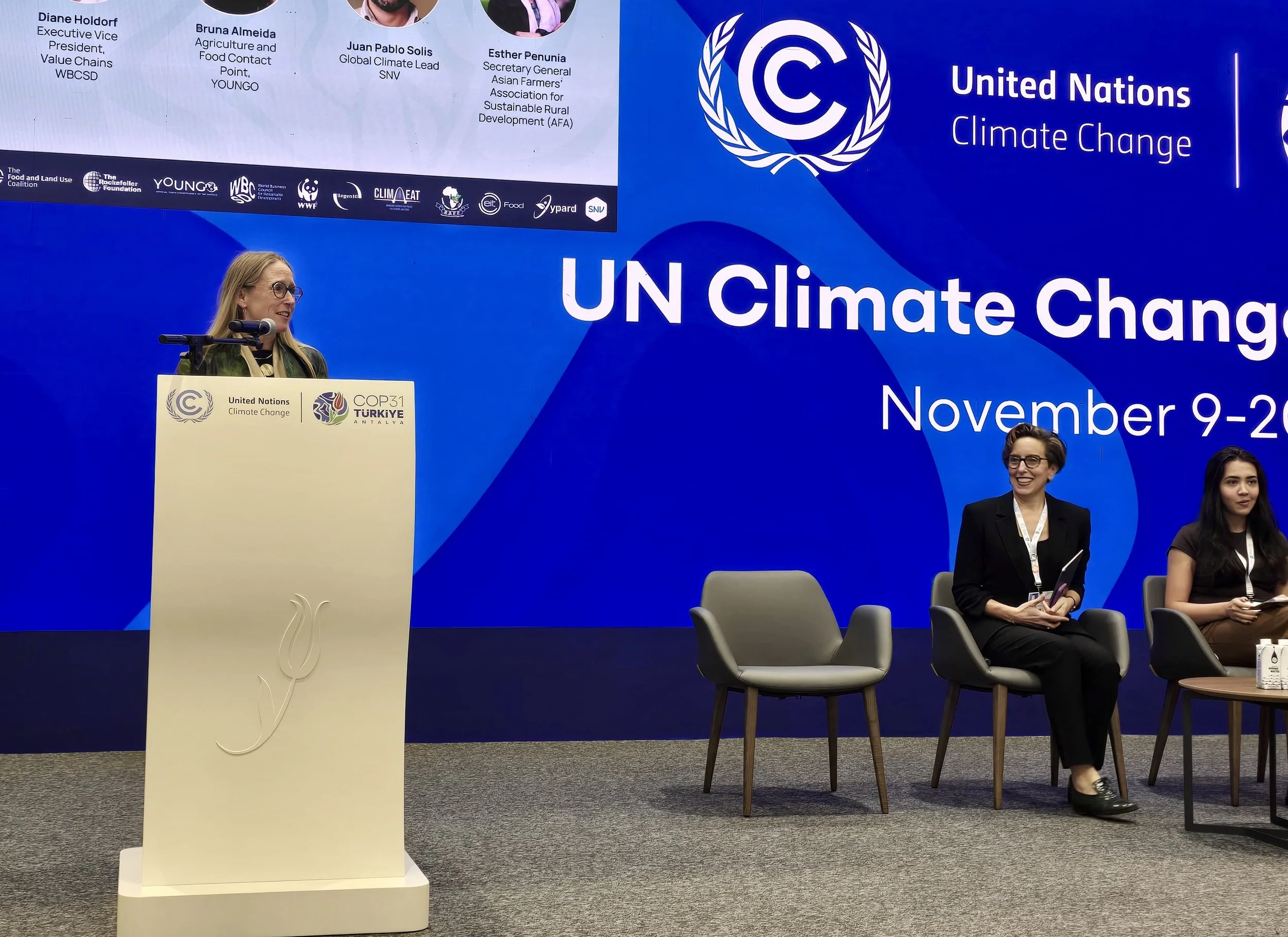
“Transforming our food systems requires everyone at the table, from farmers and young people to the private sector, philanthropy and policymakers. Each has an important role to play, and the Global Climate Action Agenda provides an opportunity to bring these contributions together around shared priorities and measurable action.”
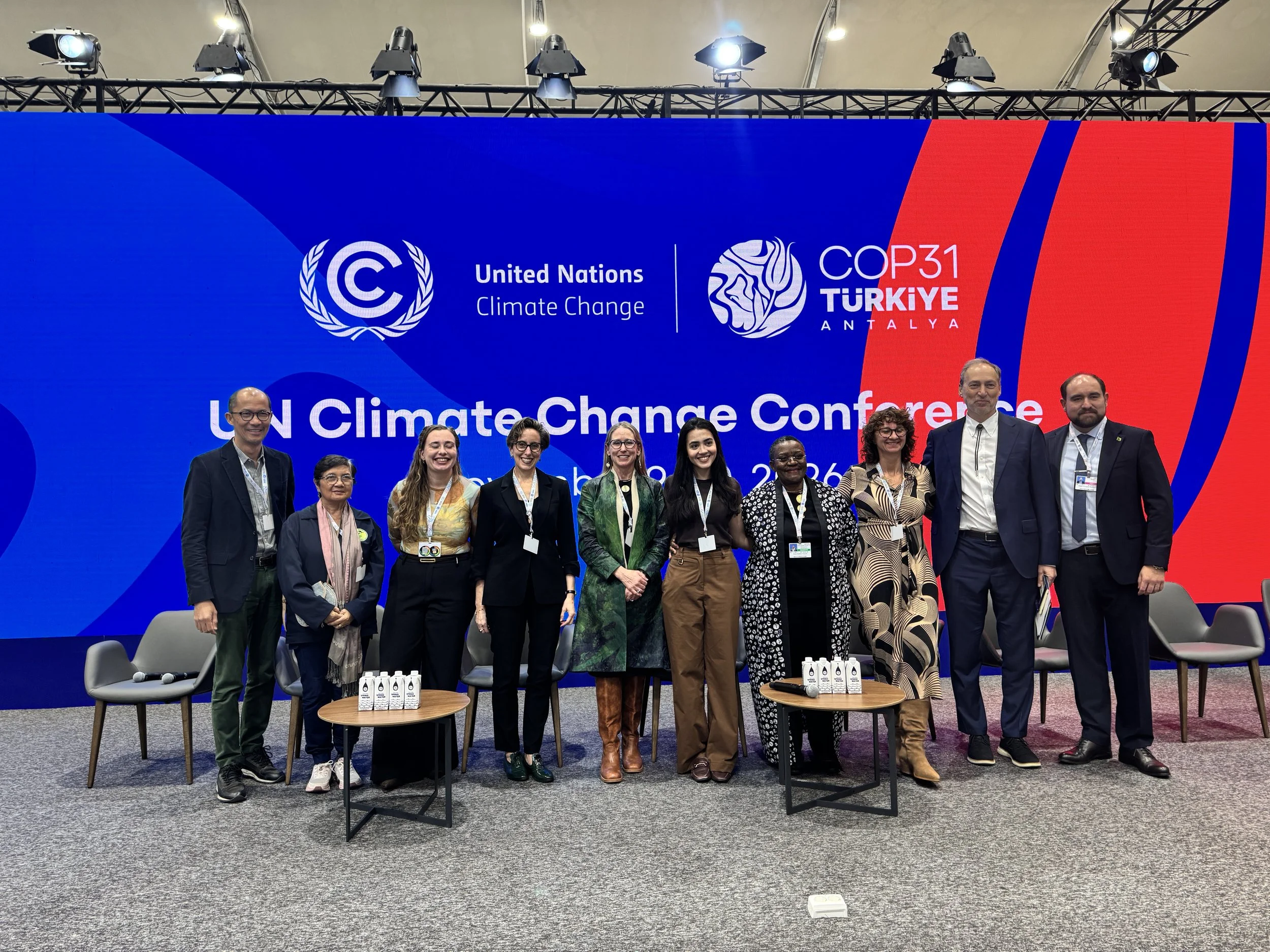
The event was co-hosted by the Coalition of Action 4 Soil Health (CA4SH), Landscape Alliance (ICRAF), the Food and Land Use Coalition, The Rockefeller Foundation, YOUNGO, World Business Council for Sustainable Development (WBCSD), WWF International, Clim-Eat, Eastern Africa Farmers Federation (EAFF), EIT Food, Young Professionals for Agricultural Development (YPARD), SNV Netherlands Development Organization and other PAS participating initiatives
From commitments to delivery
Healthy soil supports nutritious diets, strengthens ecosystem function, enhances biodiversity, and builds climate resilience and the productivity of agricultural systems. Yet farmers, particularly smallholders, continue to face significant financial and structural barriers to scaling healthy soil practices. Only approximately 1.5% of public climate finance supports sustainable, regenerative and agroecological pathways.
Alfredo Redondo, Head of Forest, Biodiversity, Ocean & Agrifood Systems, High-Level Climate Champions, provided context on how this discussion sits within a broader coordinated effort.
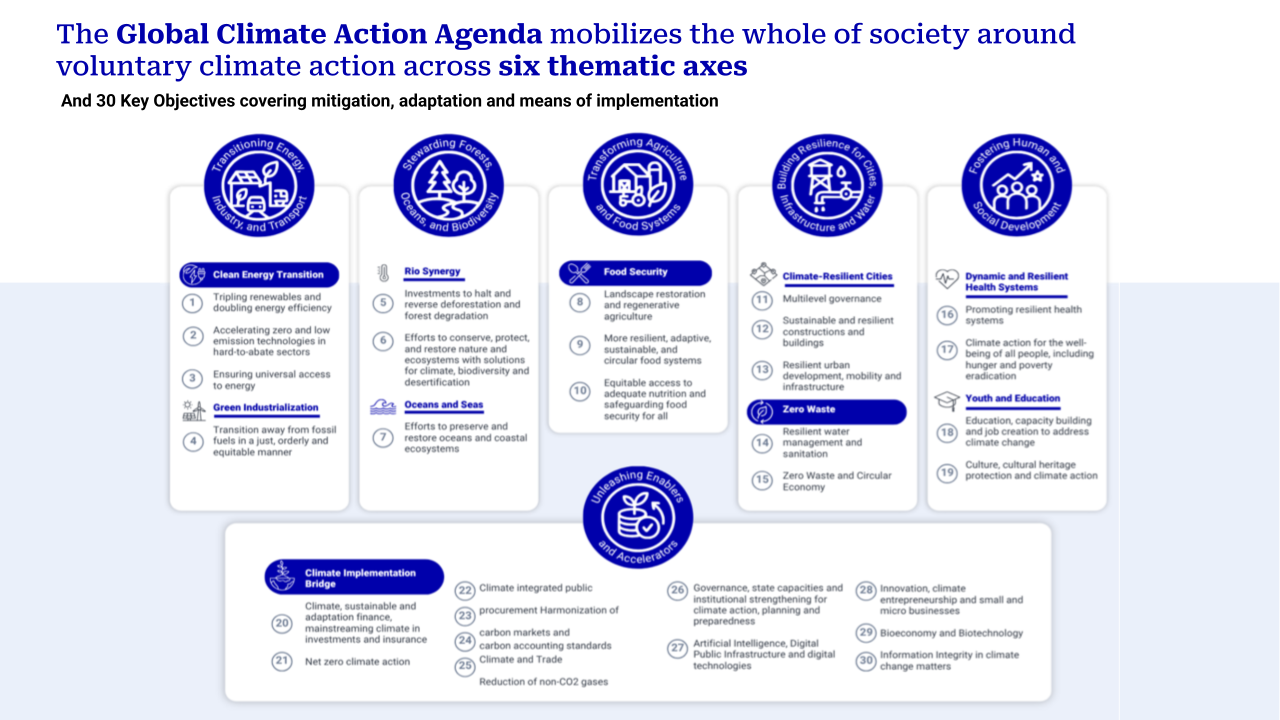
The GCAA is the UN-backed framework for continued engagement of the whole of society in climate action. At COP30, a five-year vision structured around six thematic axes and 30 objectives was presented as a direct response to the Global Stocktake (GST). It addresses the gaps identified between current commitments and what is needed. Axis 3: Transforming Agriculture and Food Systems brings together actors behind shared objectives through Plans the Accelerate Solutions (PAS). These multi-stakeholder workplans are designed to turn climate commitments into real-world delivery by overcoming barriers to scaling solutions.
“We have an opportunity to align our work around shared objectives and demonstrate what collective action can achieve. Over the coming year, reporting on our progress will be essential to understanding where we are making a difference and where further action is needed.”
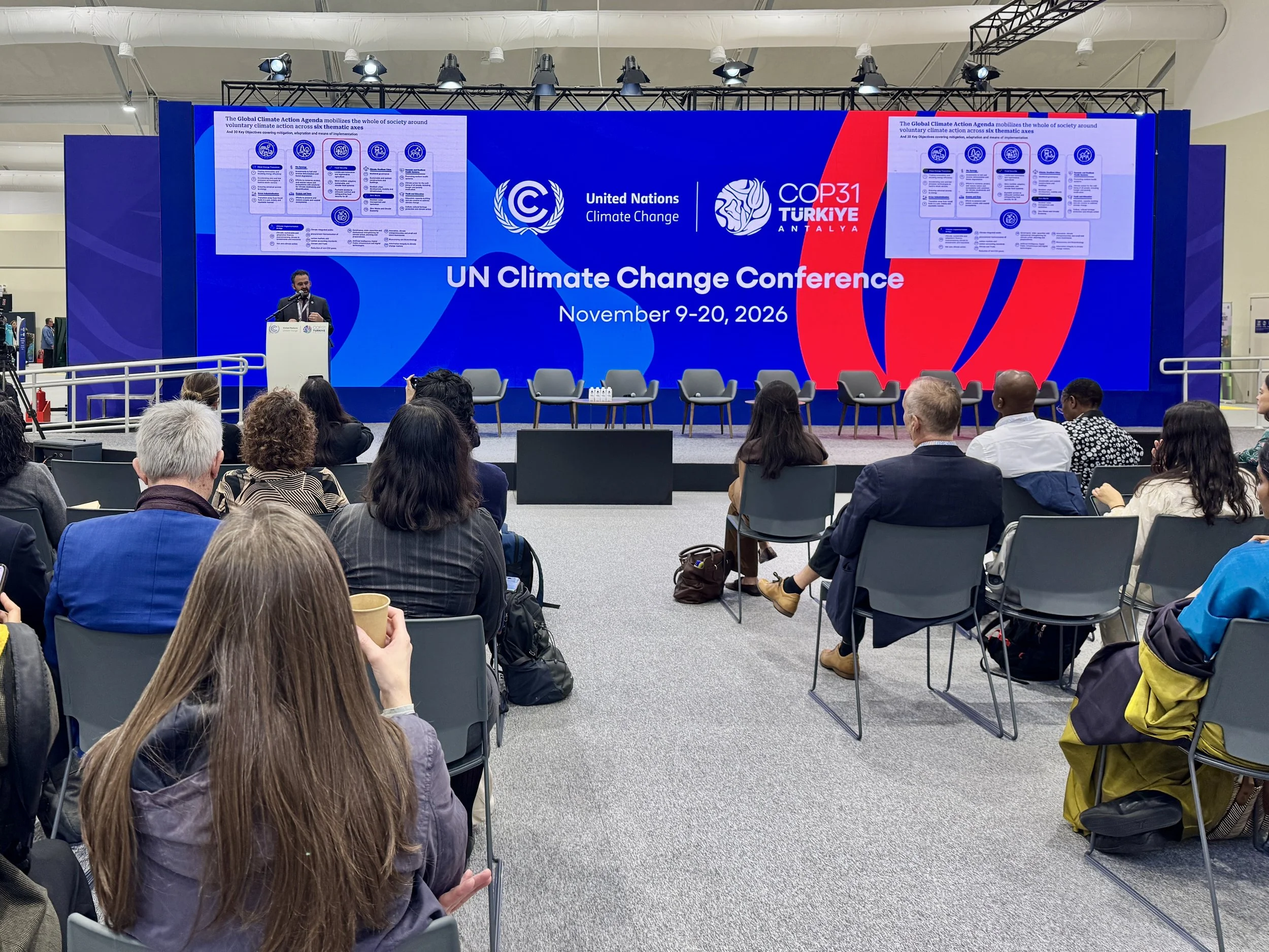
Perspectives across the soil to diet continuum
The first part of the event brought together voices from across the value chain, reflecting on HS4HD's four interconnected priorities to advance healthy soil and healthy diets:
Strengthen the evidence base by monitoring outcomes of healthy soil practices across the soil to diet continuum
Scale farmer-centered healthy soil practices that support nutritious diets
Unlock and redirect finance to accelerate the scaling of healthy soil practices
Drive policy coherence and integration to accelerate food systems transformation from the soil to the plate
Diane Holdorf, Executive Vice President of Value Chains at the World Business Council for Sustainable Development (WBCSD) brought corporate perspectives on the demand and need for regenerative landscapes, and the role co-investment can play in helping pilots scale. This year, WBCSD brought together over 58 companies and 48 countries to develop a set of policy asks for regenerative landscape action. The asks are: support policies that de-risk investment, set regulatory signals that align financial actors around long-term decisions, and invest in the research, innovation, and capacity building that markets need. The COP Action Agenda for Regenerative Landscapes, which started at COP28, has shown year-on-year growth. Among WBCSD member companies, 70% are now showing investment in regenerative landscapes, up from 50% the previous year.
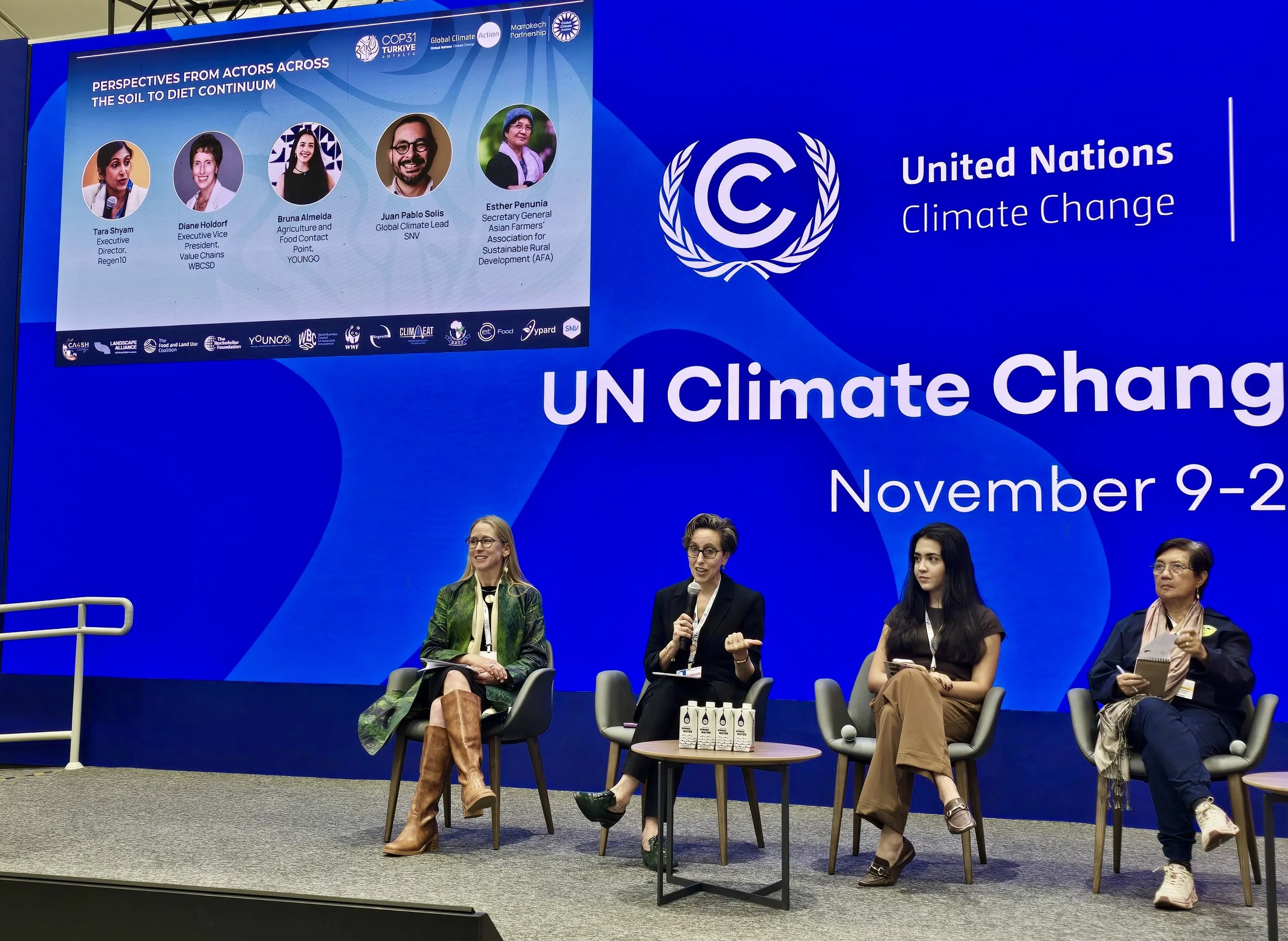
“Food and agriculture remain one of the most chronically underinvested arenas of climate action. Good investment needs stable policy, and food and agriculture still lack it. WBCSD brought together companies and countries to create, for the first time, a consistent set of policy asks for regenerative agriculture. The work yet to be done is getting to consistent investment mechanisms that everybody can rally behind.”
Bruna Almeida, Contact Point for Food and Agriculture at YOUNGO, highlighted the launch of their second annual youth project compilation on food, agriculture and climate action, featuring over 100 initiatives from around the world. The compilation revealed five areas of youth-led action on the ground: peer learning, technology and innovation, community organising, evidence production, and advocacy for accessible finance. Examples from the compilation brought each area to life. In Ecuador, a youth group built a community bio-factory through years of persistent bio-input workshops with smallholder farmers, training 78 participants and working across 80 hectares. In Uganda, young people used satellite data to match tree species with local soil conditions and train agro-input dealers to advise farmers on Indigenous microorganisms instead of chemical fertilisers. When a community survey revealed that the remaining barriers were time and labour, particularly for women farmers, the same group organised collective work days to prepare inputs together.
“It’s encouraging that youth is prominent in these discussions. But financing is what really decides whether any of this scales. We need initial grant funding with no collateral requirements, because many young people on the ground do not have the collateral financial institutions usually require. And we need long-term follow-on funding, not only initial support, to have continuous impact on the ground.”
Esther Penunia, Secretary General of the Asian Farmers' Association for Sustainable Rural Development (AFA), discussed the critical role of farmer organisations and the support required to scale soil health practices. The majority of family farmers are women, men, and young people working on small plots of land in developing countries, among the most vulnerable to climate change, biodiversity loss, and land degradation. Farmer organisations, she argued, are not simply service providers or input channels. They consolidate knowledge through peer exchanges, build wealth through cooperatives, and amplify the voices of millions of small-scale farmers. She gave one example: a village-level farmer organisation that secured ancestral land rights, built a cooperative now holding USD 619,000 in assets, whose members process and sell crops through a government public procurement programme.
“Healthy diets come from the variety of food and crops that are grown, processed, marketed and distributed. Food grown not with poison but with vitamins, minerals, and nutrients that our bodies need. No soil, no crops. Farmers plant crops in this living soil. Farmers organisations serve as the agency of the most vulnerable, most neglected actors in agriculture and food systems.”
Key messages:
Directing investment in food and agriculture needs to be supported by the policy, engaged in public-private partnership, with metrics that prove it is working.
Finance must reach what is already working on the ground, accelerating efforts that build communities that are resilient, transformative, and long-standing to the future generations.
Invest in agroecological, regenerative, and nature-based solutions with family farmers organisations, and provide them with the knowledge, capacity and direct climate finance they need.
Aligning solutions under the Global Climate Action Agenda
The second part of the event brought together partner PAS under Axis 3 of the GCAA, exploring how collaboration can strengthen delivery and overcome shared barriers.
Representing Regenerative School Meals, Roy Steiner, Senior Vice President of the Food Initiative at The Rockefeller Foundation, emphasised that the greatest barrier to transition is not evidence or available capital. Capital exists. The problem is that it is not reaching the places it is needed, for the duration it is needed. The missing ingredient is layered demand: school meals programmes connecting existing government procurement to agroecological transitions, combined with anchor buyers in commercial markets. Without someone to buy what farmers produce, the transition does not happen. Brazil illustrates both the opportunity and the trap. An ecological premium for agroecologically sourced food in school meals exists on paper, but with no money behind it, almost no one uses it. When Brazil increased its requirement for sourcing from family farms from 30% to 45%, backed by 2.4 billion reais, that money moved immediately to smaller farmers. Policy backed by money works. Policy without money does not.
“The biggest challenge is coordination. We have all the instruments, but there is no one bringing them all together. We need to build the capacity to work together, and we all know that is easier said than done.”
Representing RAIZ, Diego Leonardo Rodrigues, Agricultural Attaché for Türkiye at Brazil's Ministry of Agriculture and Livestock, discussed the importance of translating scientific knowledge into practical solutions that improve farmers' livelihoods. Drawing on Brazil's experience with its Green Way programme, he explained how public and private financing can be combined to provide farmers, including smallholders, with access to lower-interest funding to support more sustainable agricultural production. While emphasising the need to monitor environmental outcomes, including deforestation, he stressed that financing mechanisms must remain flexible and responsive to farmers' individual circumstances, rather than prescribing how they should operate. With significant capital already available, he argued that the priority is ensuring these resources are deployed effectively to deliver measurable improvements in agricultural sustainability.
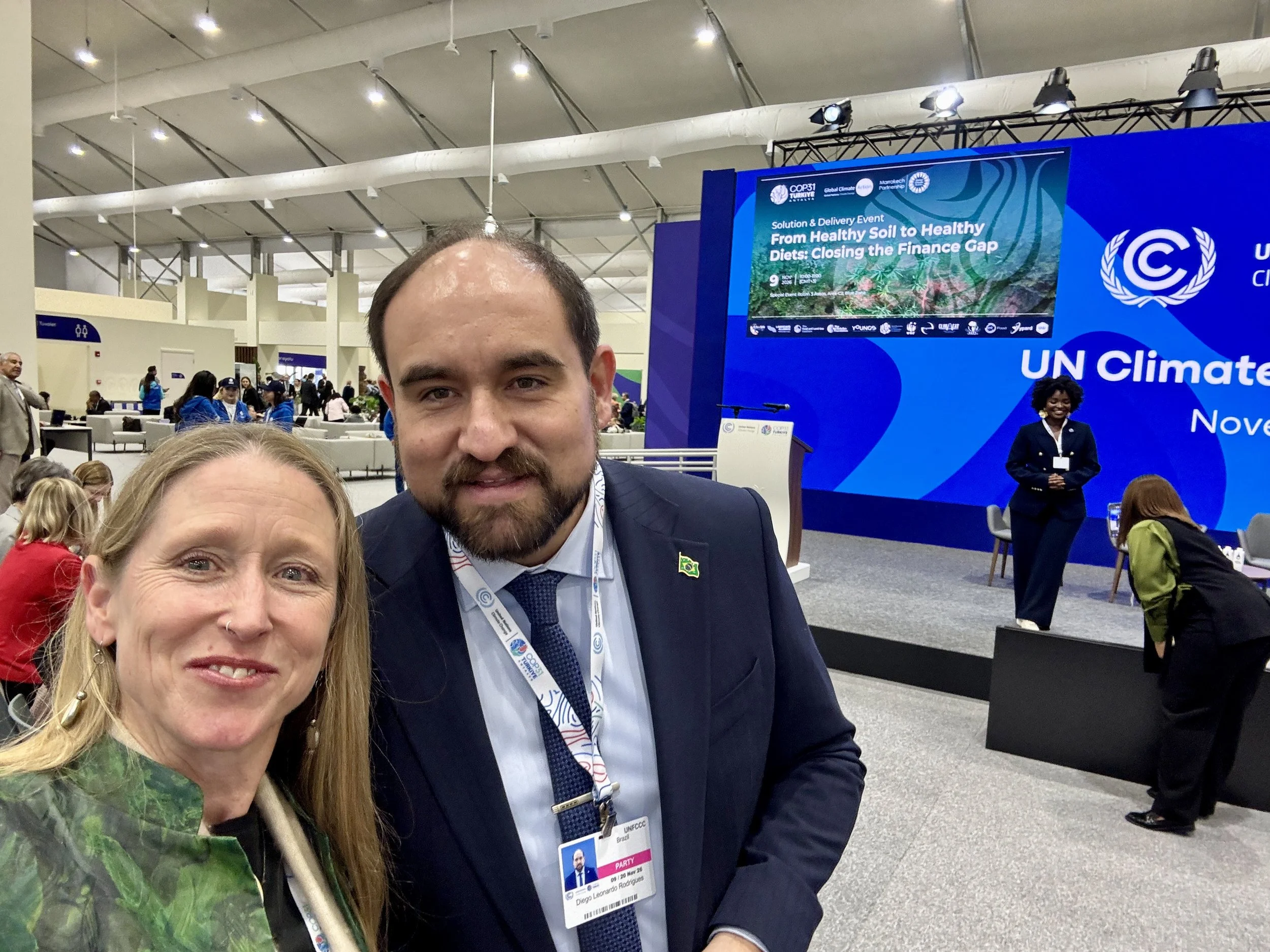
“Farmers already know what they need to do to improve their production systems. Our role is to provide the financing that enables them to act, with enough flexibility to respond to their individual circumstances. We shouldn’t be using finance to dictate solutions, but to empower farmers to implement them.”
Representing TERRA, Oliver Oliveros, Executive Coordinator of the Agroecology Coalition, emphasised the importance of placing farmers and farmer organisations at the centre of agroecological transitions. Drawing on the Portuguese word terra, meaning both soil and land, he questioned what soil restoration and regeneration can achieve without addressing land ownership and farmers' rights. He highlighted the need to strengthen farmers' technical capacity, access to innovation and decision-making power, while supporting a transition away from chemical inputs towards more biodiverse agricultural systems. He stressed that farmers must be able to earn sustainable livelihoods throughout this transition, with opportunities to add value to their production and direct access to the financing needed to implement change.
“We cannot ask farmers to transition to agroecology without ensuring they can earn a living in the process. We need to create opportunities for them to add value to what they produce, while making sure financing is directly accessible to those implementing solutions on the ground.”
The discussion aimed to identify practical opportunities for collaboration and establish a shared message on accessible, inclusive financing mechanisms that respond to smallholder farmers' needs. Participating plans are also expected to commit to establishing a coordination arrangement by June 2027.
Accelerating action from soil to plate
Closing the event, Leanne Zeppenfeldt from Clim-Eat representing the High-Level Panel on Just Rural Transition reflected on the next steps needed to translate commitments into inclusive implementation.
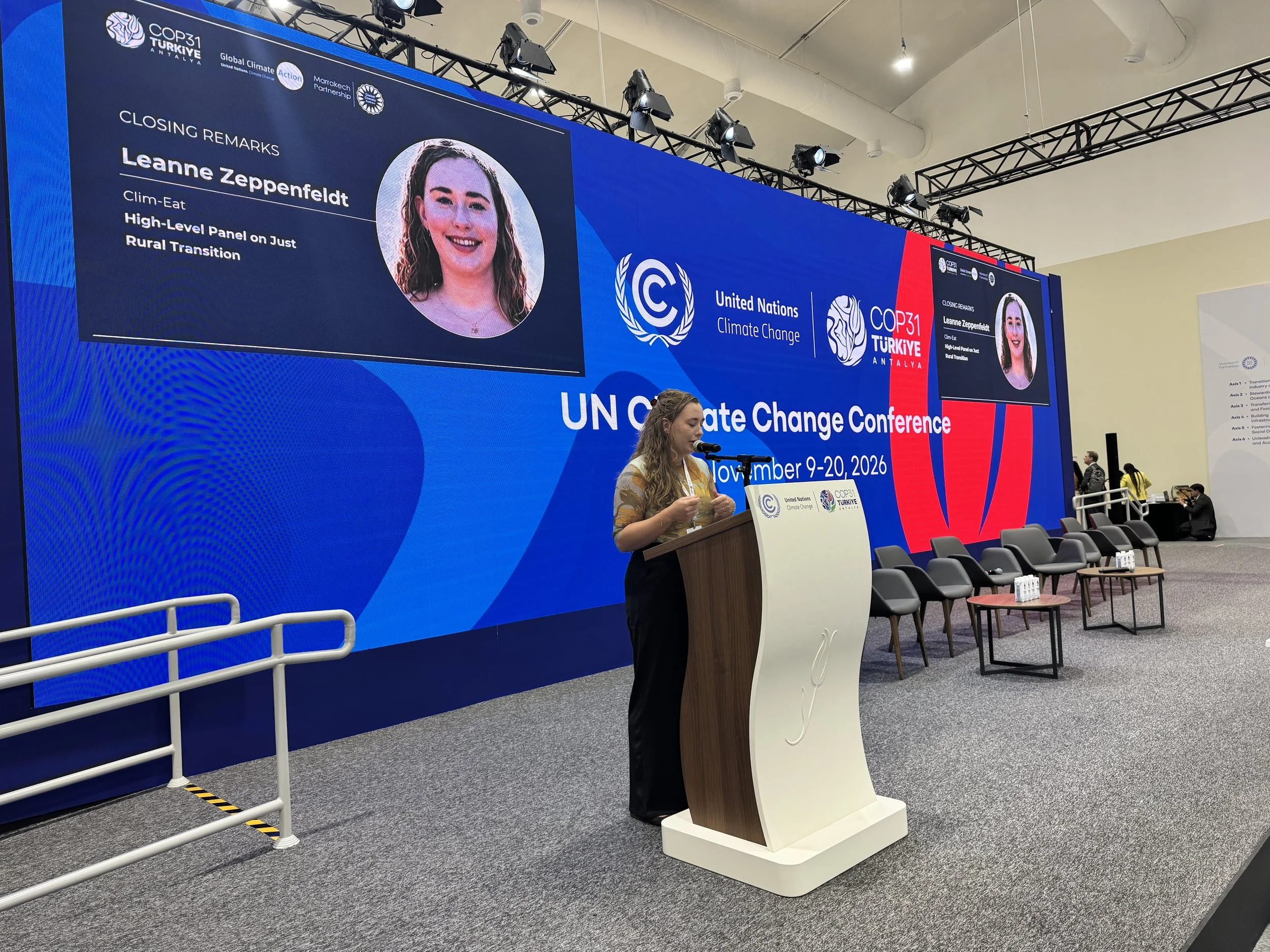
“The strong turnout on the opening day of COP31 demonstrates just how important food systems have become to the climate agenda. We’ve heard today about the connections between healthy soils, biodiversity, nutritious diets and farmers’ livelihoods. But delivering on these priorities requires consistent policies and a fundamental rethink of how we direct finance and incentives. The challenge now is to turn this growing momentum into coordinated action that supports good food, good health and good incomes.”
Through HS4HD, CA4SH and partners are working to connect science, policy, finance and practice, building on existing initiatives to accelerate measurable improvements in soil health, livelihoods and nutrition.
Transforming food systems requires coordinated investment and practical solutions that reach the farmers and communities at the heart of the transition.
Learn more:
Resilient Agriculture Investment for Net-Zero Land Degradation (RAIZ)
TERRA – Together for the Expansion of Resilient and Restorative Agroecology and Agroforestry
COPSoil Initiative – a hub for soil health at the Rio Conventions
Knowledge Center | How Healthy Soil Aligns the Rio Conventions and Global Agendas
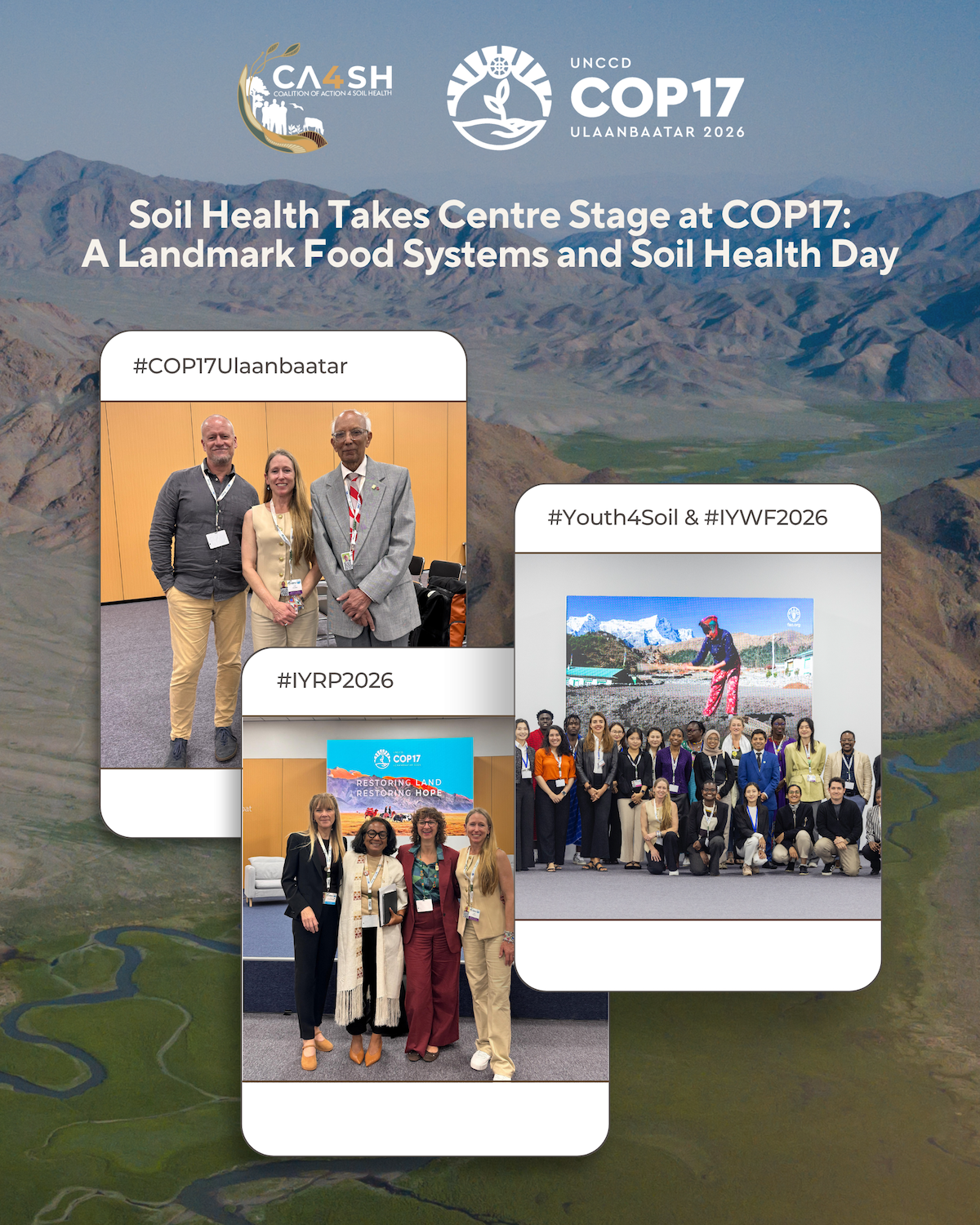


Youth from across Africa, Europe, and Asia gathered for the "From Soil Data to Youth Action" #Youth4Soil Solutions Showcase, on Thursday, 15th October, 2026, organized by #Youth4Soil, an initiative of the Coalition of Action for Soil Health (CA4SH).
The virtual showcase explored a critical question: How are young people transforming soil data into real-world action? Through practical examples from Zambia, Botswana and Mongolia, participants demonstrated how soil data is shaping decisions, improving livelihoods, restoring landscapes and creating new opportunities for youth engagement.