Resource Library
Any CA4SH partner can submit a resource to the Library, where we hope to increase visibility of diverse work related to improving soil health globally.
Please send a web link or a file to communications@coalitionforsoilhealth.org if you would like to submit a resource.
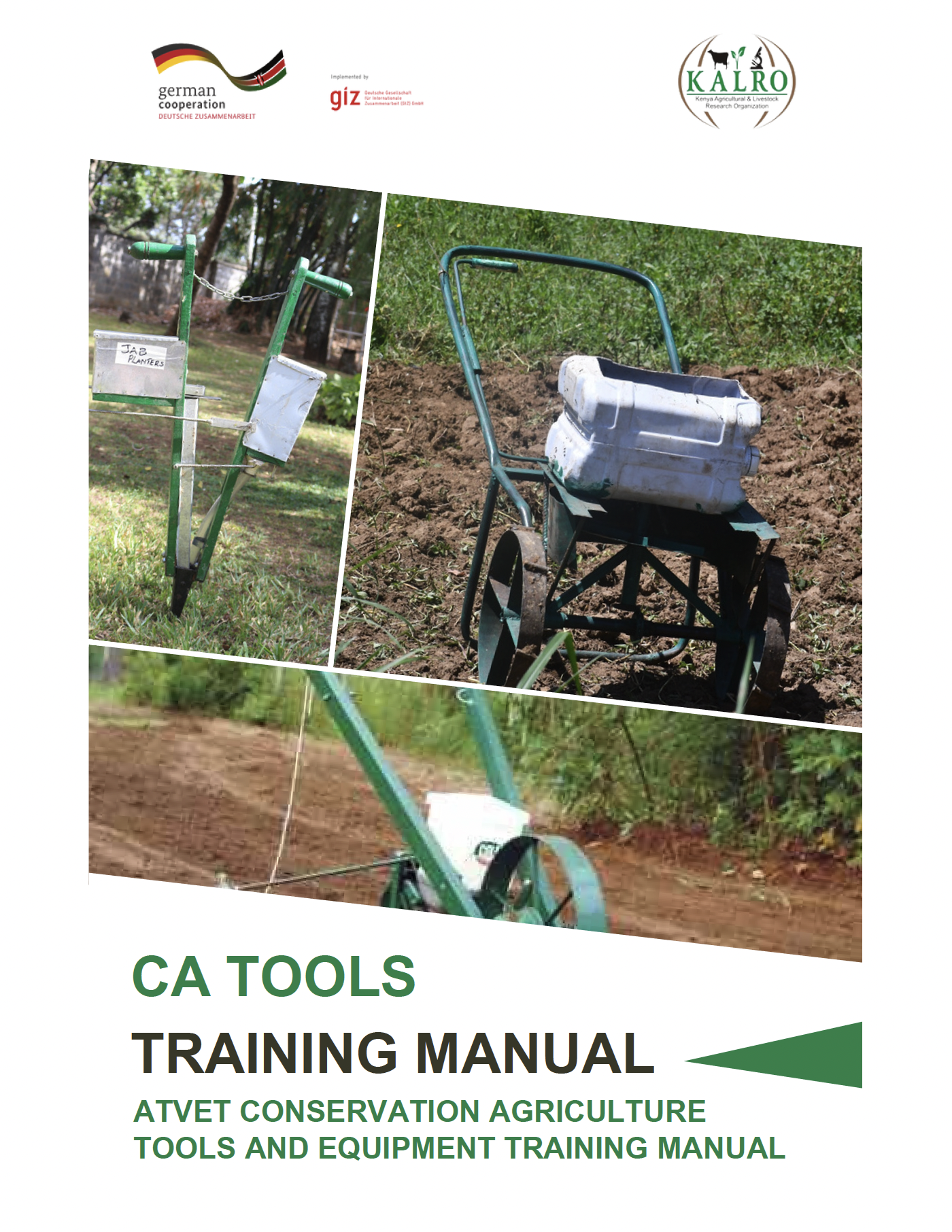
CA Tools Training Manual - Kenya
Conservation agriculture (CA) is an increasingly adopted production system to meet the goals of sustainable crop production intensification in feeding a growing world population whilst conserving natural resources. Mechanisation (especially power units, seeders, rippers and sprayers) is a key input for CA and smallholder farmers often have difficulties in making the necessary investments. The German Ministry for Economic Cooperation and Development (BMZ) through GIZ is implementing a global soil program “Soil protection and rehabilitation for food security” in seven countries, Kenya being one of them. This project aimed to facilitate the implementation of sustainable approaches for the inclusive promotion of soil conservation and for the rehabilitation of degraded soils.
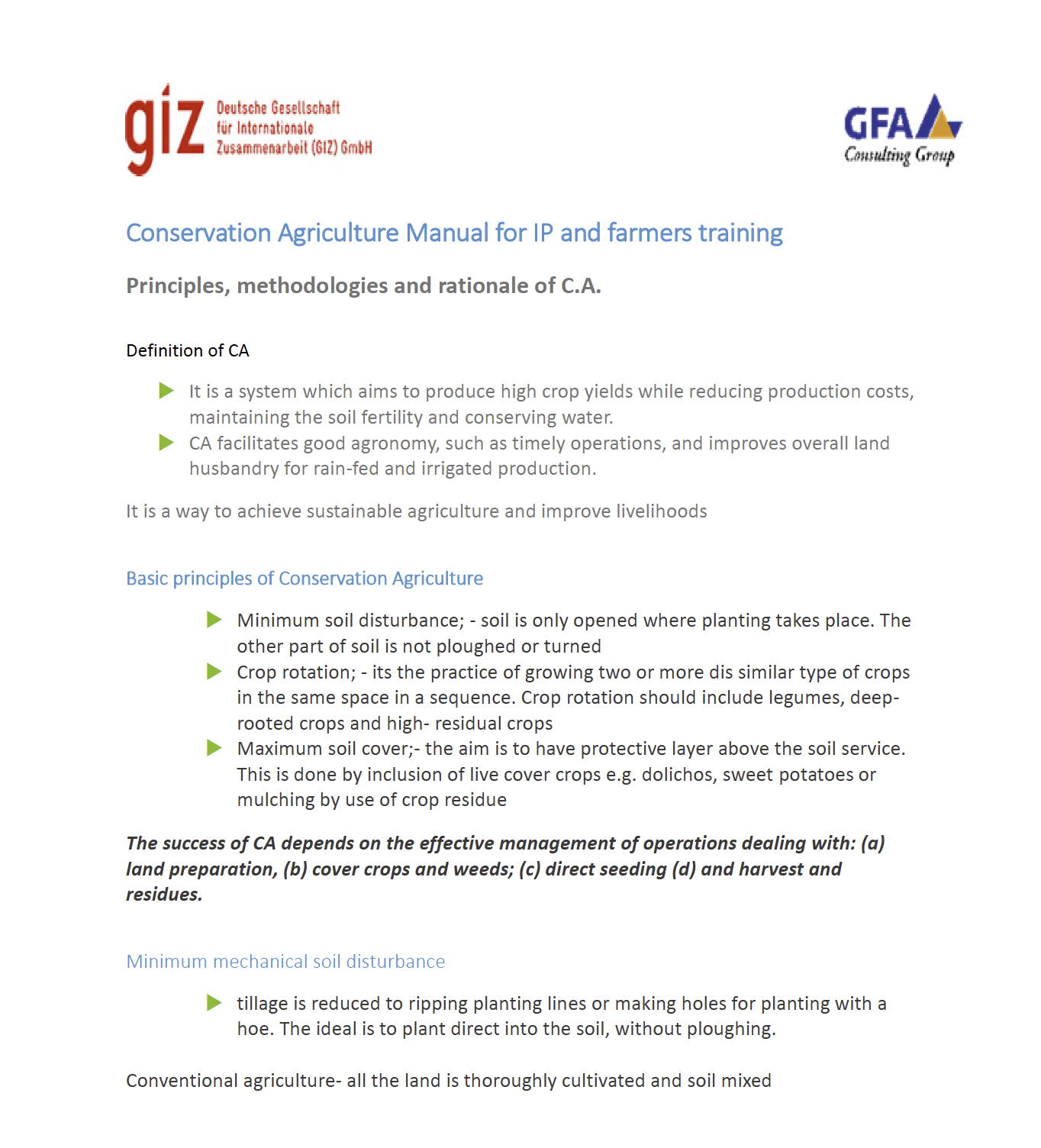
Conservation Agriculture Manual for IP and farmers training - Kenya
Conservation Agriculture is a system which aims to produce high crop yields while reducing production costs, maintaining the soil fertility and conserving water. CA facilitates good agronomy, such as timely operations, and improves overall land husbandry for rain-fed and irrigated production. It is a way to achieve sustainable agriculture and improve livelihoods.
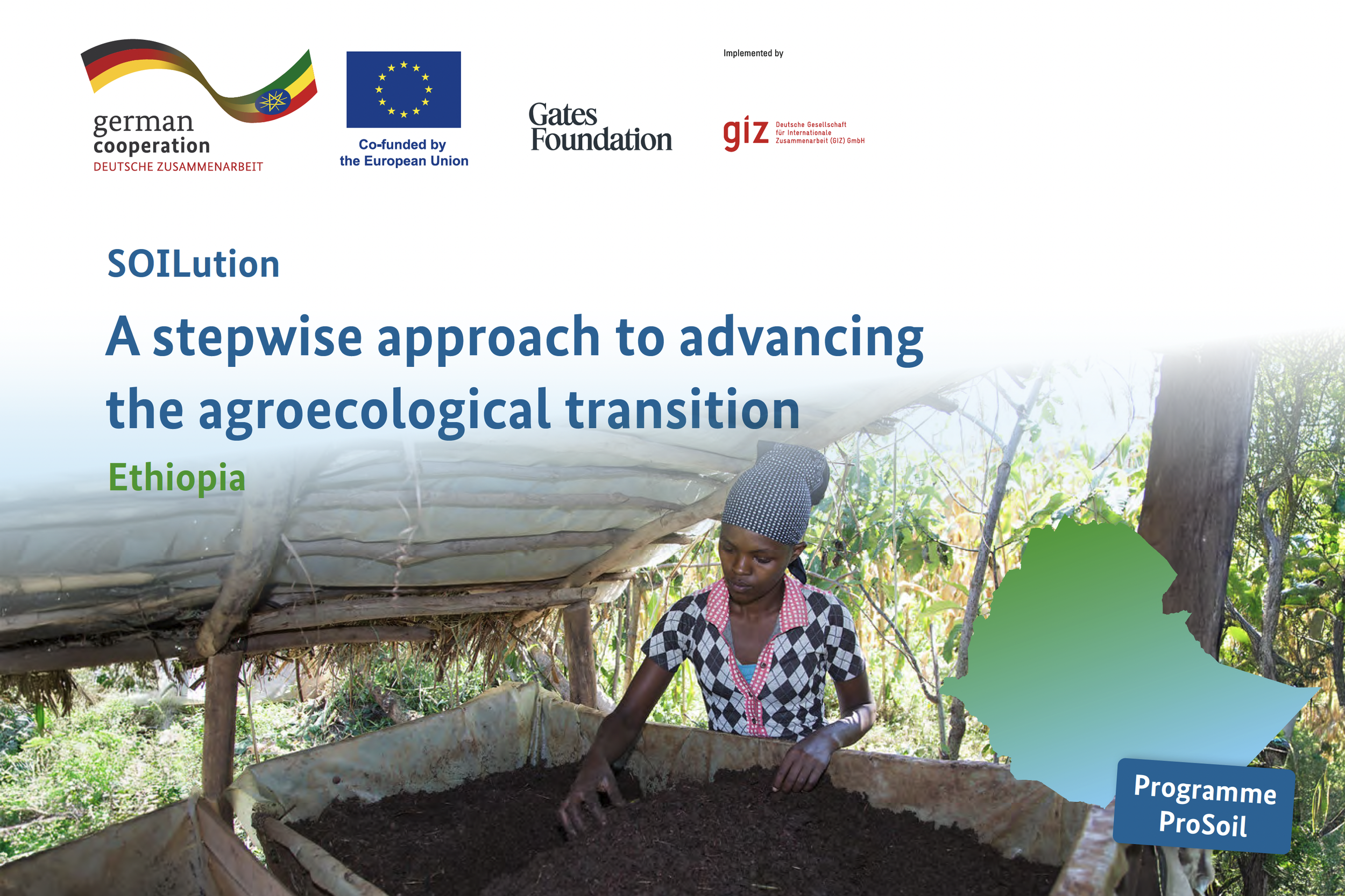
SOILution: A stepwise approach to advancing the agroecological transition - Ethiopia
The approach to the agroecological transition offers a practical and scalable pathway to transform farming systems into resilient, integrated production landscapes. Originally presented in a CIAT publication
(Sanginga and Woolmer, 2019), the approach was adapted to and tested in Ethiopia’s Highlands by the ProSoil programme, responding to severe soil degradation that undermines food security and rural livelihoods.
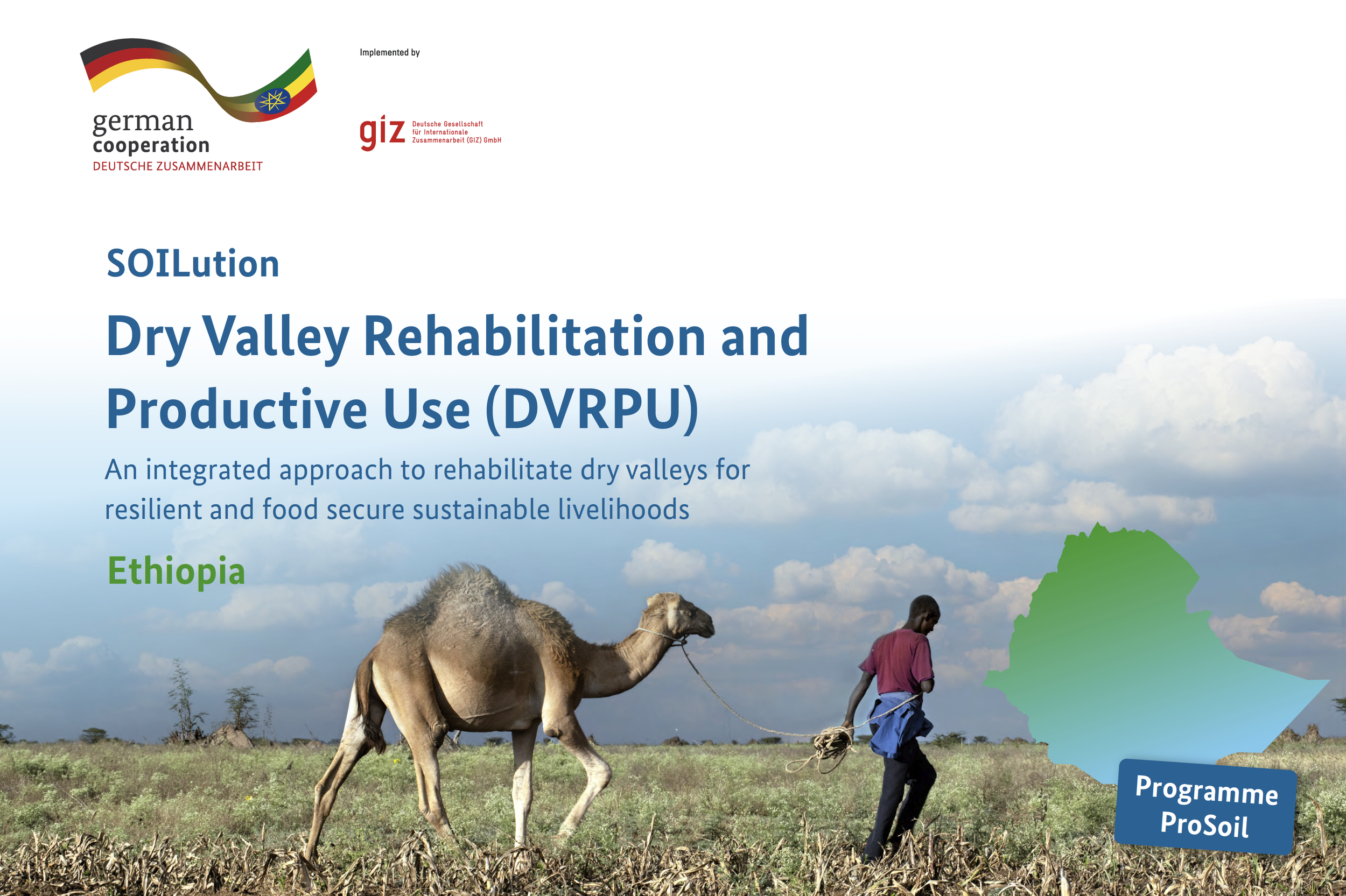
SOILution: Dry Valley Rehabilitation and Productive Use (DVRPU) - Ethiopia
The “Dry Valley Rehabilitation and Productive Use (DVRPU)” approach supported within the framework of the global programme Soil Protection and Rehabilitation for Food Security (ProSoil) implemented by GIZ offers a comprehensive and innovative solution to address the root causes of land degradation, drought, famine, and poverty. Across Afar, Oromia, and Somali, where communities face increasing challenges, the ProSoil Ethiopia Lowland Soil Rehabilitation Project has played a pivotal role in promoting and implementing sustainable land management (SLM) practices. This publication compiles and documents three core SLM practices implemented under the project, serving as a knowledge repository to support continued learning, replication, and evidence-based decision-making.
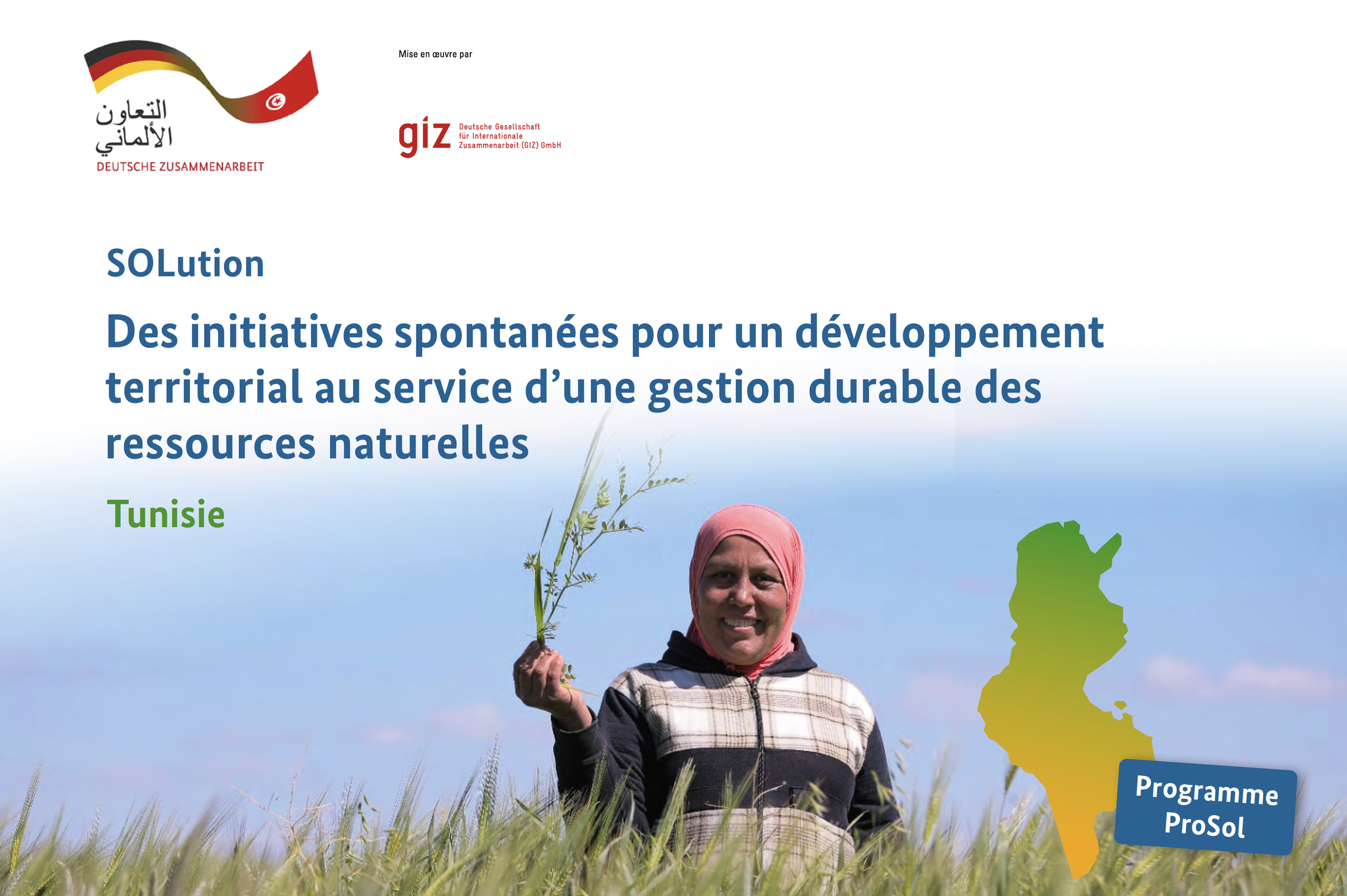
SOLution: Des initiatives spontanées pour un développement territorial au service d’une gestion durable des ressources naturelles - Tunisie
En Tunisie, les régions rurales à vocation agricole, comme d’autres territoires de l’intérieur et des côtes font face aux défis croissants liés à la dégradation des sols, avec près de 47 % des terres menacées par l'érosion, et à l’épuisement des ressources naturelles. La Stratégie ACTA 2050, portée par l’institution publique dédiée à la conservation du sol, a mis en avant les PADIT : Projets d’Aménagement et de Développement Intégré des Territoires, afin d’engager les populations et faire émerger un travail collectif et de co-construction à travers des initiatives spontanées. Ces initiatives sont amenées à être intégrées dans un cadre d’intervention cohérent pour assurer leur viabilité et leur alignement avec les politiques de conservation des ressources naturelles. Il est ambitionné de promouvoir près de 30 PADIT par gouvernorat (région, total 24) sur une période de 10 ans.
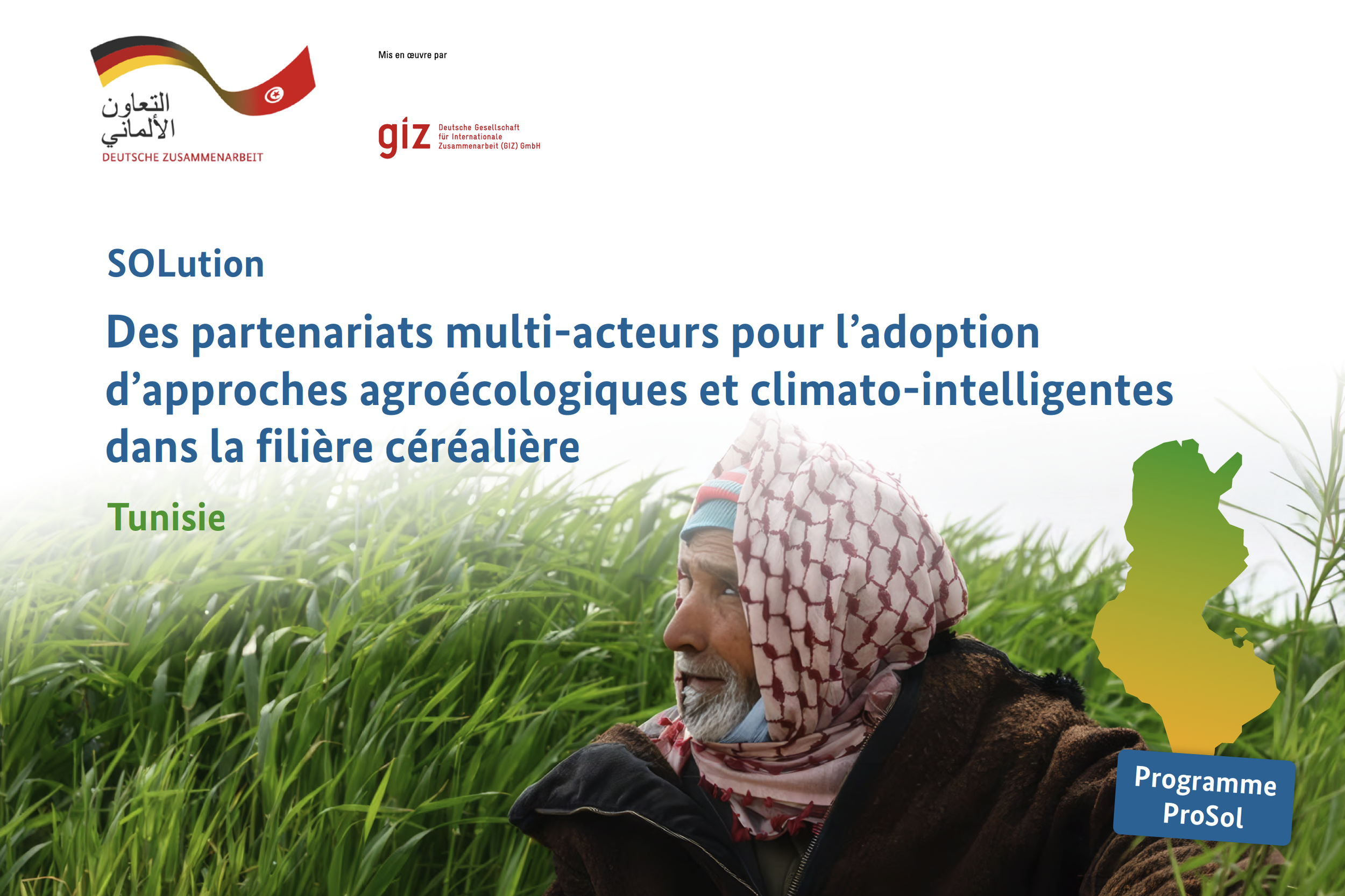
SOLution: Des partenariats multi-acteurs pour l’adoption d’approches agroécologiques et climato-intelligentes dans la filière céréalière - Tunisie
Située en Afrique du Nord, la Tunisie accorde à l’activité céréalière une importance de taille pour sa contribution à l’économie nationale et à la sécurité alimentaire, avec plus du tiers de ses superficies agricoles et la moitié de sa force de travail agricole. Caractérisée par des conditions semi-arides à arides dans ses régions centrales et méridionales, cette activité agricole fait face à une vulnérabilité certaine face aux effets du changement climatique. Depuis plusieurs décennies, en effet, la dégradation des sols agricoles s’est accentuée sous l’effet combiné de l'érosion, de la désertification et de la perte de fertilité, aggravée par des pratiques agricoles inadaptées. En outre, le changement climatique se manifeste par une baisse significative des précipitations et une augmentation des épisodes de pluies torrentielles sur tout le territoire, rendant la production agricole plus incertaine. Dans ce contexte, l'intégration de solutions agroécologiques apparaît essentielle pour préserver les ressources naturelles, restaurer la santé des sols et assurer la durabilité de la filière des céréales.
En ciblant cette activité, l’approche adoptée s’inscrit dans une dyna-mique d’alignement à la Stratégie ACTA 2050 afin d’offrir une réponse adaptée aux besoins des agriculteurs soucieux de meilleurs rendements et d’une meilleure viabilité.
A Handbook on Composite Resource and Sustainable Soil Management Planning for Command Area Development
This handbook is prepared as a guiding manual for decision-makers, technical functionaries, field staff, and civil society working at local and district levels to contextualise best soil and water conservation methods for ensuring sustainable soil management, water conservation, and climate change mitigation. This Composite Resource Sustainable Soil Management (CRSSM) handbook, explains the rational of Sustainable Soil Management (SSM), focusses on enabling participatory and decentralized processes for planning, designing, and executing the SSM technology. It will also help field practitioners for improving the existing planning and financing mechanisms, building capacities, and strengthening cooperation between sectors, government departments, and all other implementing functionaries, and finally implementation of CRSSM. The idea of this handbook is to present CRSSM process in a manner which will be participatory, inclusive, climate-resilient, adaptive, and leaves no one behind.
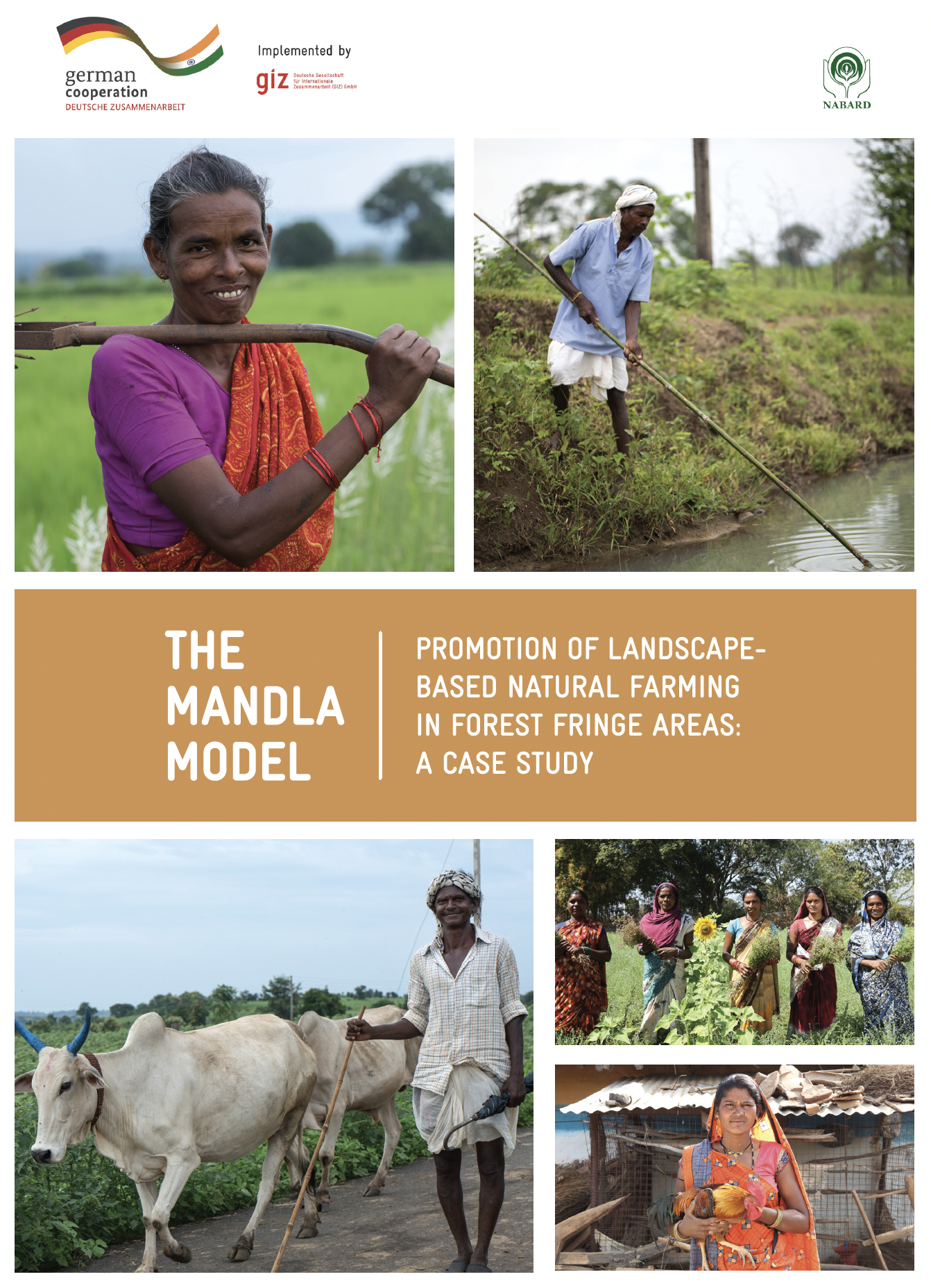
The Mandla Model | Promotion of landscape-based natural farming in forest fringe areas: A Case Study
Derived from decades of learnings from on-ground interventions in Madhya Pradesh, ProSoil project has created an integrated landscape approach called the ‘The Mandla Model’ to scale up Natural Farming. This document details the evolution of this approach and learnings that can be applicable in scaling up on Natural Farming practices in other locations within the country.
Composite Resource and Sustainable Soil Management (CRSSM) Plan
For Gram Panchayat - Jawla, Block - Jamkhed District - Ahmednagar, Maharashtra
Developed under the project Soil Protection and Rehabilitation for Food Security in India (ProSoil)
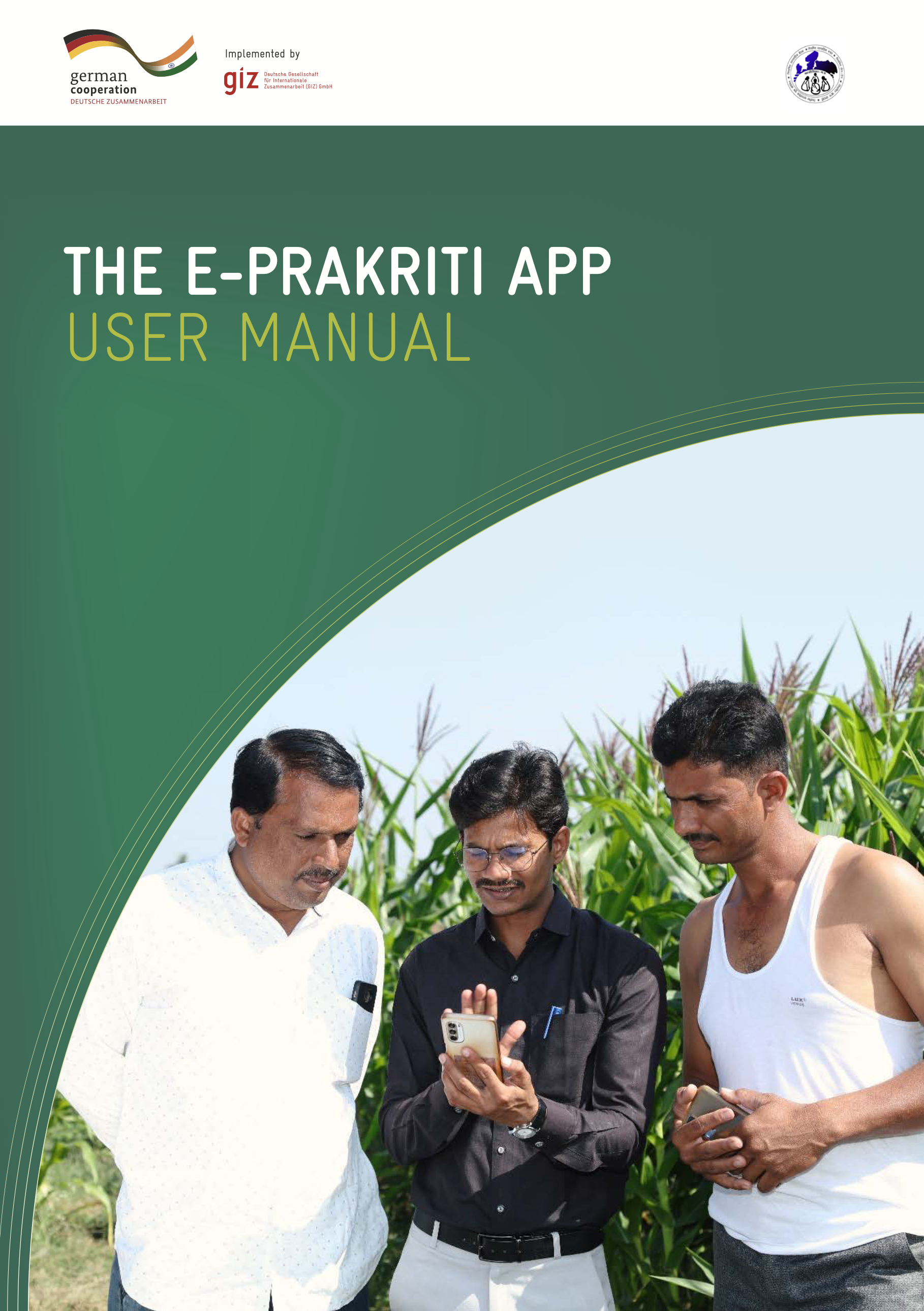
The e-Prakriti App use manual
The ProSoil project together with the Madhya Pradesh State Rural Livelihood Mission has developed e-Prakriti, a GIS-based planning tool to facilitate efficient and timely planning of scientific based-natural farming practices.
The e-Prakriti app is a planning, monitoring, evaluation, and learning application designed for seamless implementation of natural farming practices.
It aims to enhance the effectiveness of agricultural initiatives through advanced monitoring and learning mechanisms.
It is available as an easy-to-use mobile app for community resource persons (CRPs) in the field. It also features a comprehensive dashboard for managers and executives.
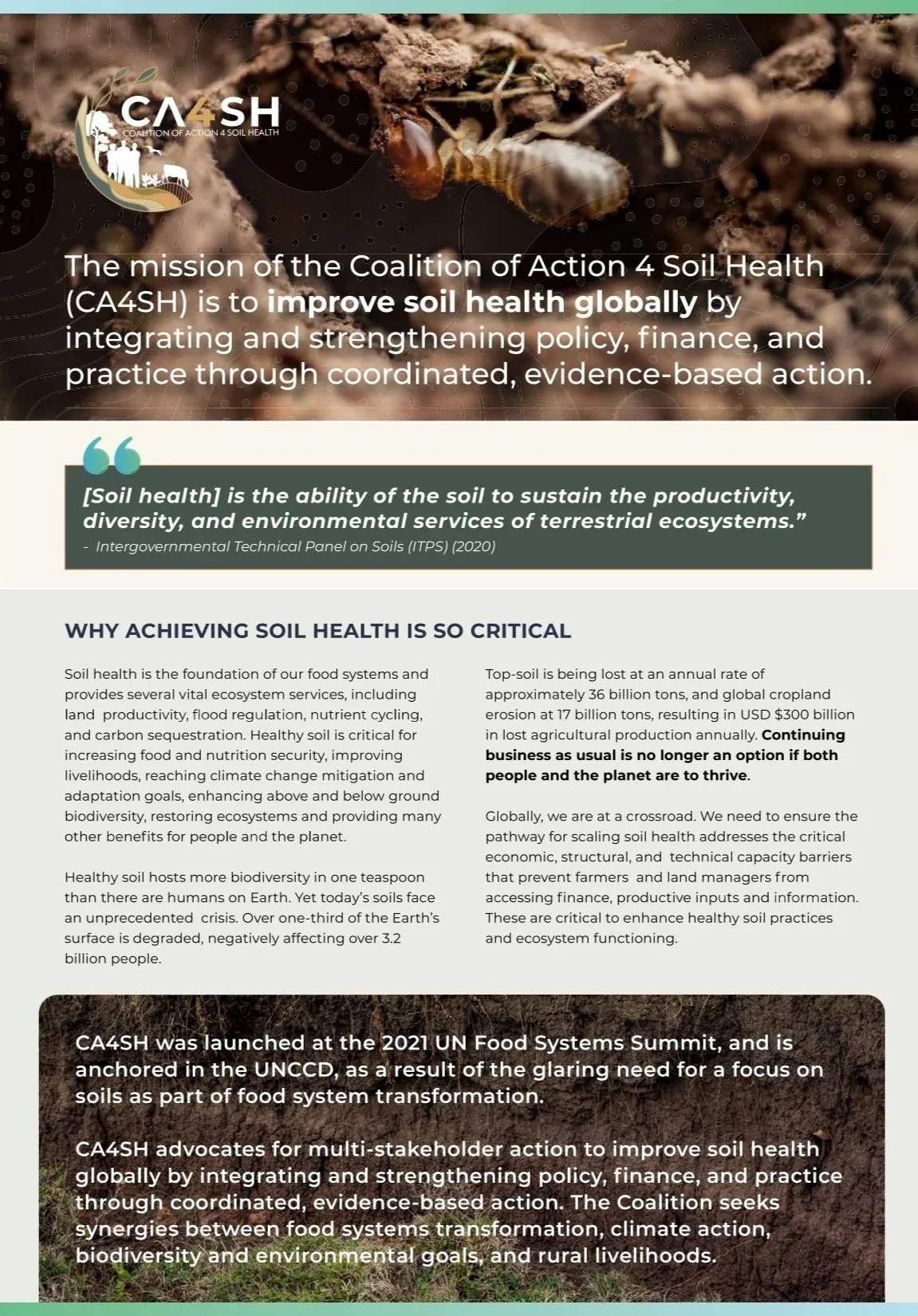
CA4SH Brochure
The Coalition of Action 4 Soil Health (CA4SH) grew out of the 2021 United Nations Food Systems Summit (UNFSS). The objective of the Coalition is to scale soil health globally. Download the brochure to find out more.
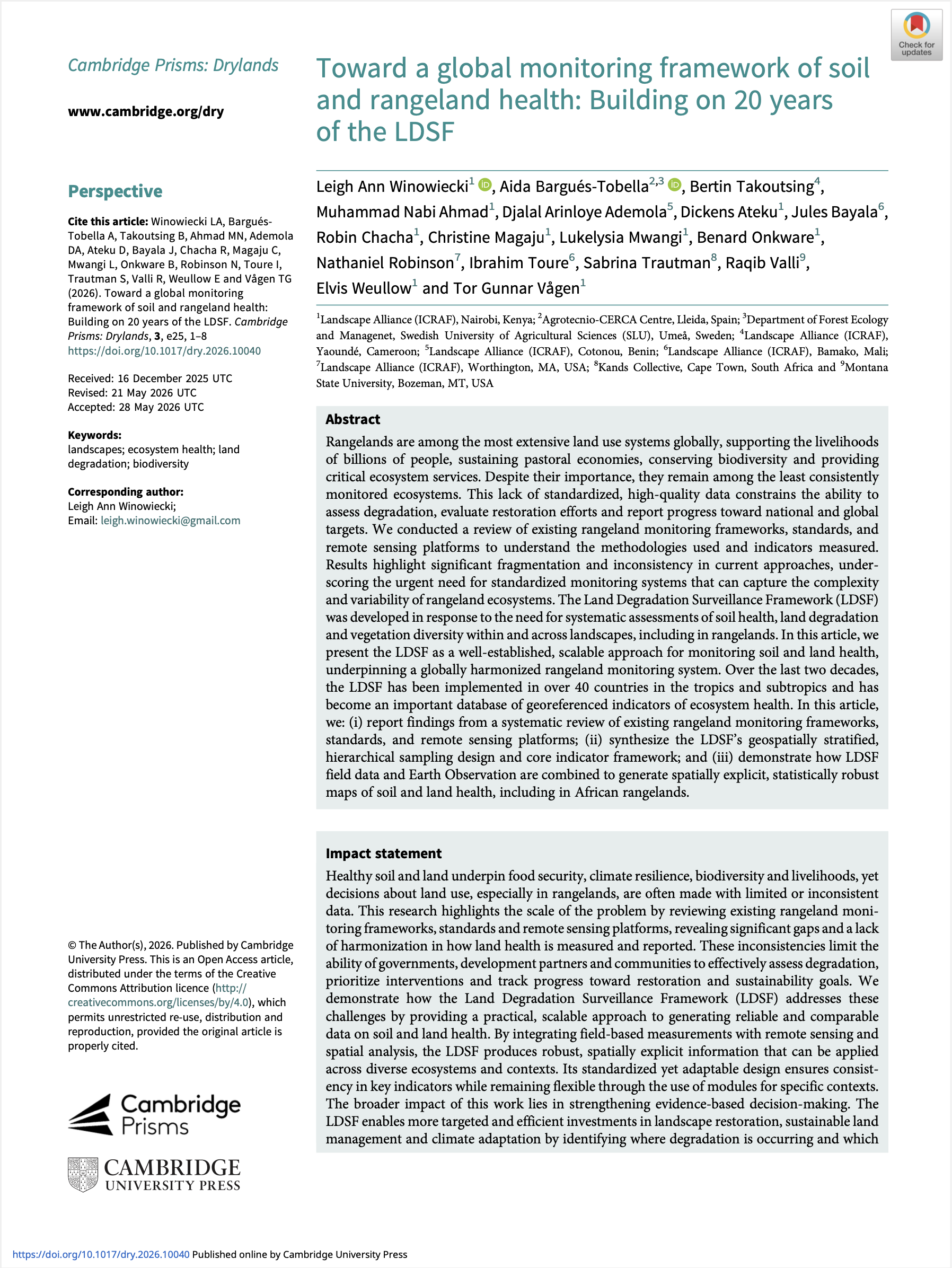
Toward a global monitoring framework of soil and rangeland health: Building on 20 years of the LDSF
Healthy soil and land underpin food security, climate resilience, biodiversity and livelihoods, yet decisions about land use, especially in rangelands, are often made with limited or inconsistent data. This research highlights the scale of the problem by reviewing existing rangeland monitoring frameworks, standards and remote sensing platforms, revealing significant gaps and a lack of harmonization in how land health is measured and reported.
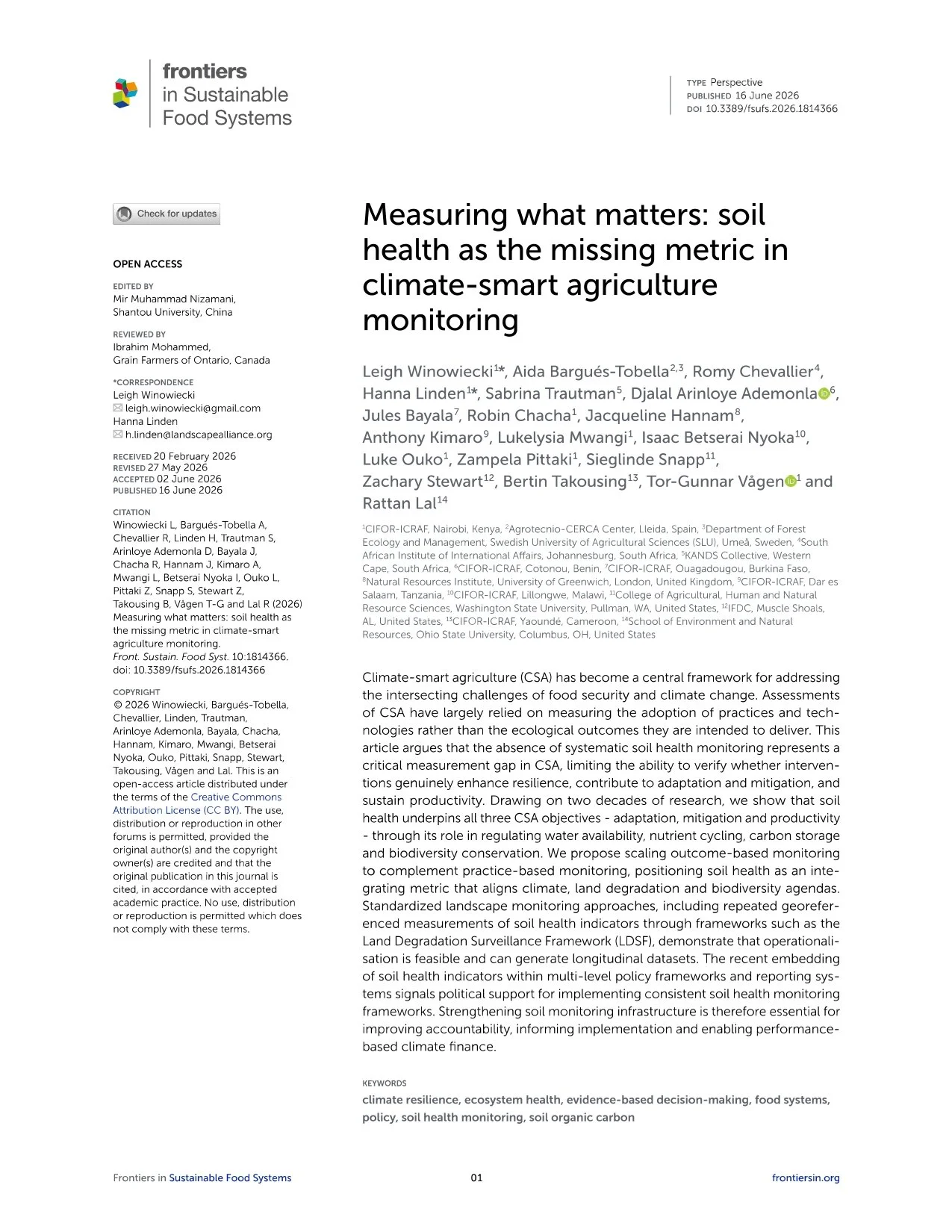
Measuring what matters: soil health as the missing metric in climate-smart agriculture monitoring
Frontiers in Sustainable Food Systems Special Feature on Climate-Smart Food Systems
Abstract
Climate-smart agriculture (CSA) has become a central framework for addressing the intersecting challenges of food security and climate change. Assessments of CSA have largely relied on measuring the adoption of practices and technologies rather than the ecological outcomes they are intended to deliver. This article argues that the absence of systematic soil health monitoring represents a critical measurement gap in CSA, limiting the ability to verify whether interventions genuinely enhance resilience, contribute to adaptation and mitigation, and sustain productivity. Drawing on two decades of research, we show that soil health underpins all three CSA objectives - adaptation, mitigation and productivity - through its role in regulating water availability, nutrient cycling, carbon storage and biodiversity conservation. We propose scaling outcome-based monitoring to complement practice-based monitoring, positioning soil health as an integrating metric that aligns climate, land degradation and biodiversity agendas. Standardized landscape monitoring approaches, including repeated georeferenced measurements of soil health indicators through frameworks such as the Land Degradation Surveillance Framework (LDSF), demonstrate that operationalisation is feasible and can generate longitudinal datasets. The recent embedding of soil health indicators within multi-level policy frameworks and reporting systems signals political support for implementing consistent soil health monitoring frameworks. Strengthening soil monitoring infrastructure is therefore essential for improving accountability, informing implementation and enabling performance-based climate finance.
Breakthrough Agenda Special Report 2026
Building on previous editions in the Breakthrough Agenda series, this year’s report identifies a set of near-term priorities aimed at improving conditions for investment, deployment and market development ahead of the next Global Stocktake in 2028.
Launched at COP26 in 2021, the Breakthrough Agenda provides a framework for strengthening international collaboration across major emitting sectors, with the aim of making clean technologies and sustainable solutions the most affordable, accessible and attractive option by 2030.

Review of existing Soil Information Systems (SISs): Understanding the landscape, challenges and opportunities to establish SISs in Ethiopia, Ghana, Kenya, Malawi, Rwanda, Tanzania
This review provides a stocktake of the status and maturity of SISs in six African countries: Ethiopia , Ghana , Kenya , Malawi, Rwanda , and Tanzania based on a desk review and stakeholder consultations. The assessment examined eight core dimensions:
Existence of an online portal;
Data Content and Spatial Extent/ Coverage;
Use of the Data;
Field Data Collection and Sampling Standards;
Sample Handling and Laboratory Quality Assurance;
Data Management and Infrastructure;
Data Analysis and Modelling Capacity;
Institutional Arrangements and Stakeholders
The findings reveal uneven progress across countries. Ethiopia and Rwanda have established online platforms, yet these systems are not fully leveraged for decision-making. Ghana and Tanzania made significant advances through the AfSIS Phase II project (GhaSIS and TanSIS), but progress slowed once project funding ended. Kenya and Malawi remain in the early stages of SIS development. Across all countries, the most consistent progress has been in building momentum on the importance of soil data and soil sample data collection, largely driven by externally funded projects.
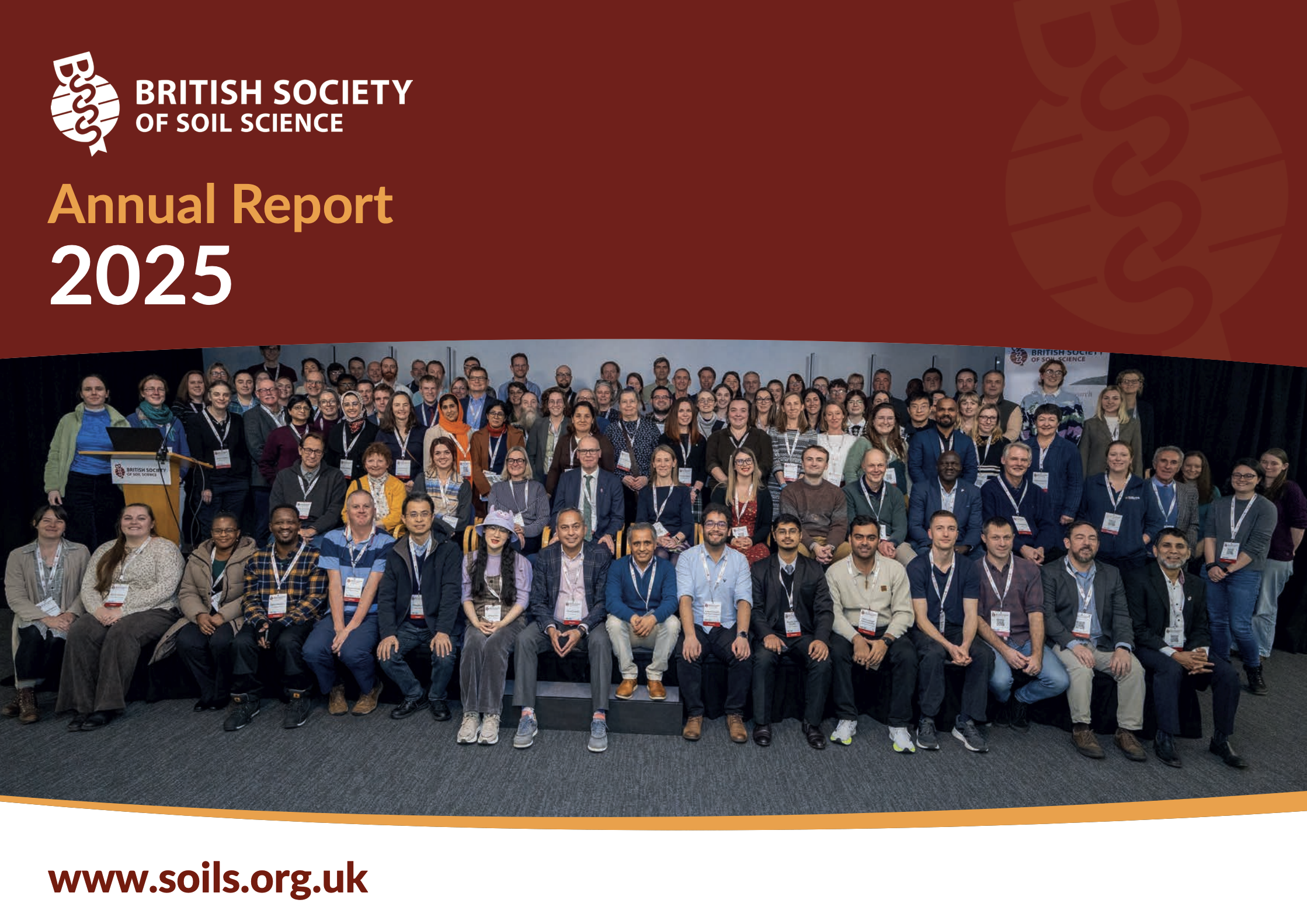
British Society of Soil Science 2025 Annual Report
The British Society of Soil Science is pleased to launch our Annual Report for 2025.
Read all about our impact and updates with the membership, as well as our strategy targets for 2026. The report features case studies and overviews of our main outputs such as our Annual Conference, Early Careers Conference, Working with Soil courses and our journals. The document starts with a foreword from our new Patron, Kate Humble, followed by introductions from President, Prof. Paul Hallett, and Executive Director, Andy Morris.
CA4SH 2025 Annual Report
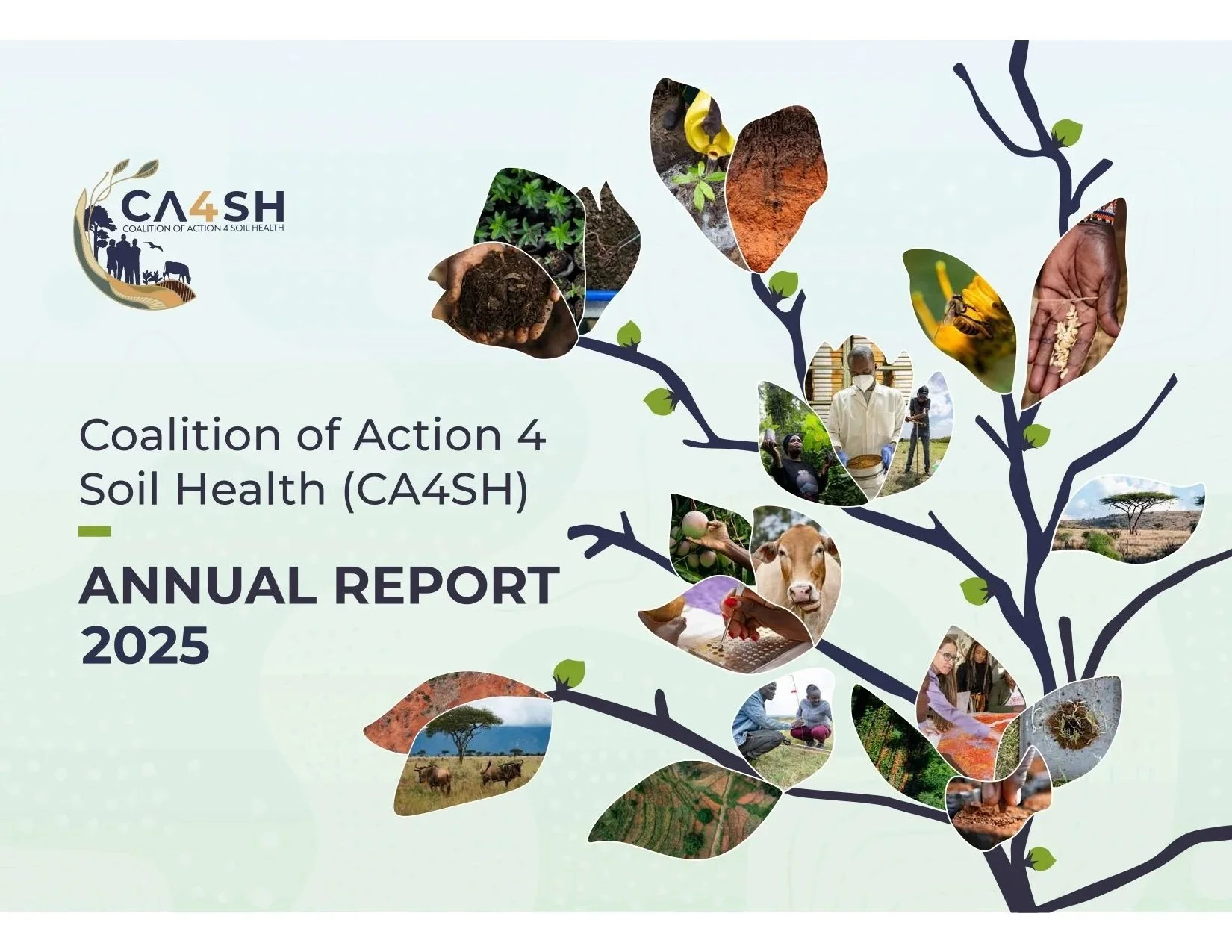
CA4SH is now a multistakeholder Coalition of over 350 diverse organizations and individuals working together to scale global soil health through collective action. As the Coalition has grown over the years, so too has the need to adapt and refine our strategy to engage effectively with our partners.
2025 was marked by this spirit of continual learning, which we are operationalizing through an updated strategic framework. Key to the success of this model is strategic engagement in diverse fora, and in 2025, we did just that; CA4SH had a strong presence at global, national and regional events and has launched several unique initiatives to engage in these processes. For example, in 2025, we played a role in streamlining soil health in the Comprehensive African Agriculture Development Programme (CAADP) by engaging at the CAADP Partnership Platform in Kigali, Rwanda, and we launched a new joint initiative for establishing an ecosystem of soil data driven services in four African countries to support the CAADP implementation. Underpinning all of our work is youth engagement, and several youth partner initiatives engaged in these processes and implemented unique, context-specific projects on the ground.
CA4SH will celebrate its fifth anniversary in 2026, and we have much to look back on and learn from to chart the next five years and beyond.
Project Inception Workshop Report: Establishing an ecosystem of soil data-driven services to meet the Global Fertiliser and Soil Health Challenge
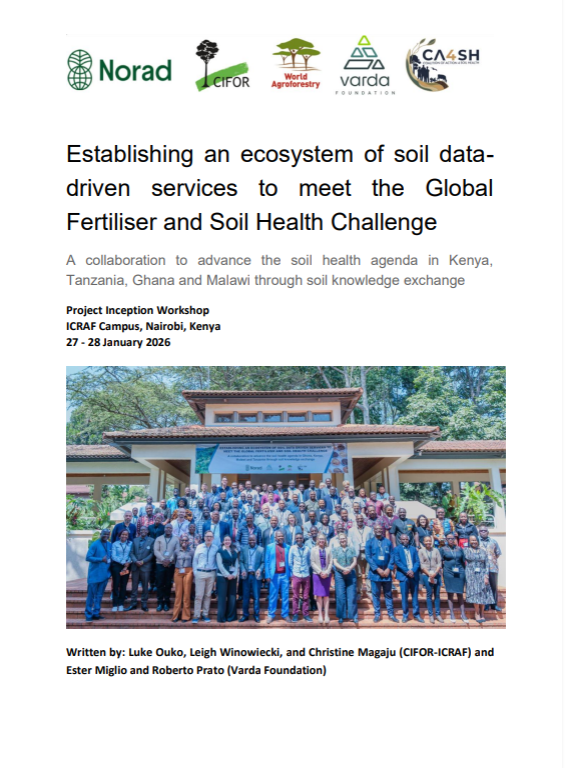
In 2024, CIFOR-ICRAF and Varda Foundation piloted a soil knowledge exchange initiative in Kenya and Tanzania, funded by the Norwegian Agency for Development Cooperation (NORAD). The pilot focused on identifying barriers and opportunities for building a collaborative soil data ecosystem and directly shaped the project's design.
Building on the pilot initiative, CIFOR-ICRAF and the Varda Foundation, with support from NORAD, are now launching a new three-year initiative to create a dynamic ecosystem of soil data-driven services across Kenya, Ghana, Malawi, and Tanzania.
From 27 - 28 January 2026, the project consortium met at the CIFOR-ICRAF office in Nairobi for a project inception meeting.
Benchmarking Soil Health Dairy Soil & Water Regeneration, Driftless Region, Wisconsin
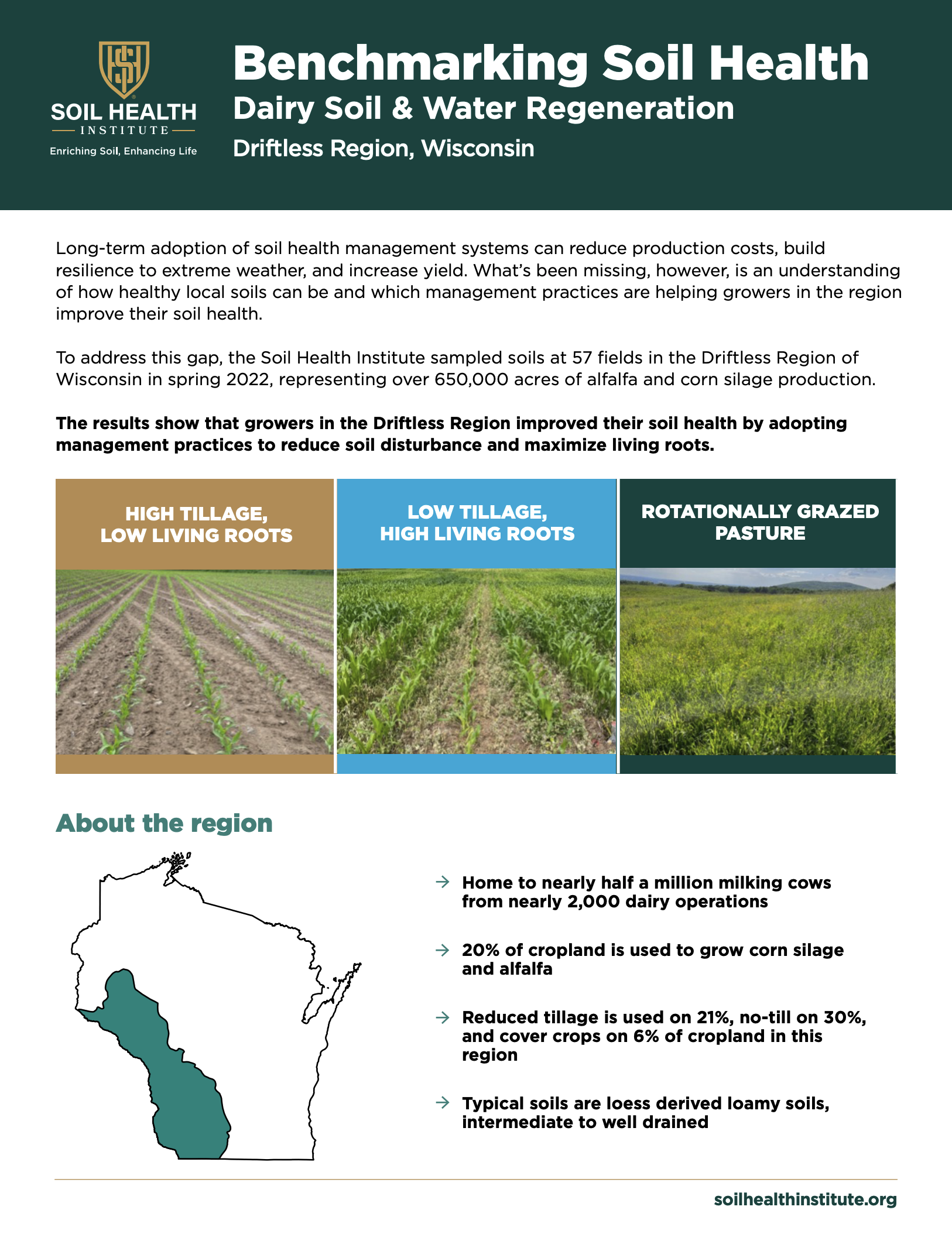
Long-term adoption of soil health management systems can reduce production costs, build resilience to extreme weather, and increase yield. What’s been missing, however, is an understanding of how healthy local soils can be and which management practices are helping growers in the region improve their soil health.
To address this gap, the Soil Health Institute sampled soils at 57 fields in the Driftless Region of Wisconsin in spring 2022, representing over 650,000 acres of alfalfa and corn silage production.
The results show that growers in the Driftless Region improved their soil health by adopting management practices to reduce soil disturbance and maximize living roots.
Malawi Stakeholder Workshop Report: Establishing an ecosystem of soil data-driven services
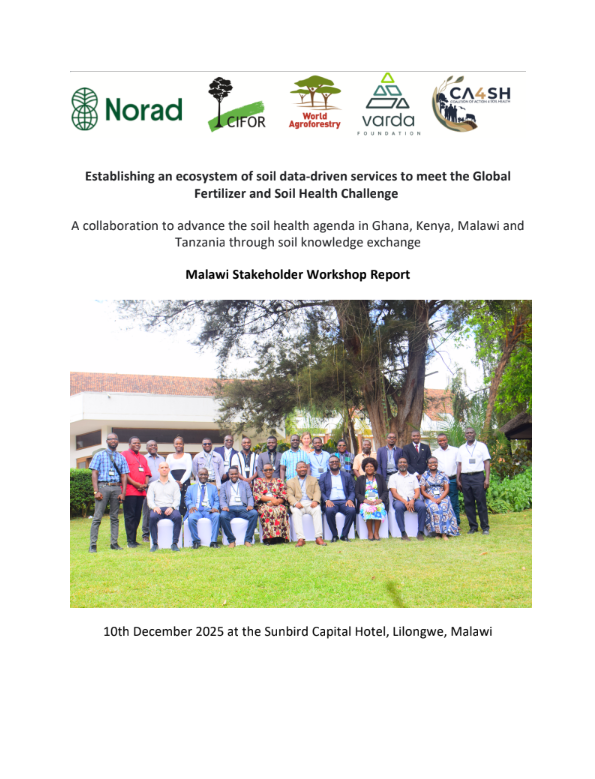
The World Agroforestry (ICRAF) and Varda Foundation organised a one-day stakeholder consultation workshop in Malawi on 10th December 2025. The workshop aimed to bring together key partners to understand the soil health ecosystem in Malawi, including mapping existing soil health initiatives in the country, identifying and prioritizing use cases for soil health data and introduce the Soil Hive Platform. The workshops brought together a diverse range of stakeholders from across Malawi with over 30 participants attending the workshop. Participants included representatives from Government ministries e.g. the ministry of agriculture, research, academia, NGOs, youth organisations including Young Professionals for Agricultural Development (YPARD). Department of Agricultural Research Services, the national agriculture research institute in Malawi was also represented.