Soil Health Initiative – Revitalizing African Soil Grassroots Action for Sustainable Soil Stewardship Across Africa
Why Soil Health Matters Today?
Agriculture has been a significant aspect of my life from an early age. I have had the privilege of being raised in a mixed farming system, where I had the opportunity to learn the basics of agriculture and cultivate a passion for agriculture and the environment. In addition to my experience in agriculture, I have also had the privilege of learning about agriculture from the most influential people in my life, my family, whose values I believe have had a significant role in shaping my passion for nature and environmentally friendly agriculture.
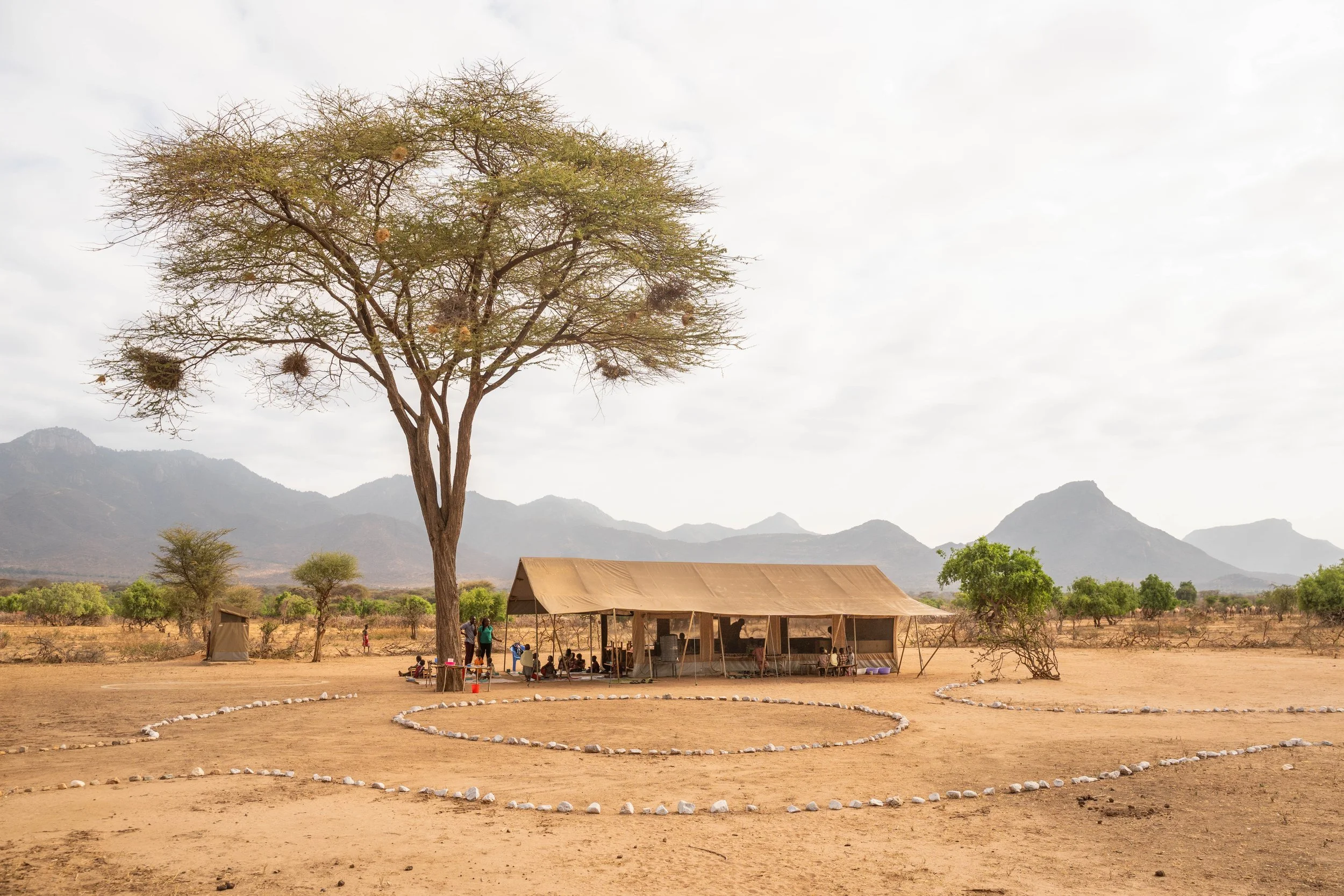
This personal experience is what drives my passion for soil health in the current context, where soil plays a vital role in ensuring food security and climate change mitigation and adaptation strategies. However, in many parts of the world, particularly in Africa, soil degradation remains a significant threat to food and ecosystem security. To address the soil-related challenges in these regions, it is imperative to undertake actions at the grassroots level where the change begins.
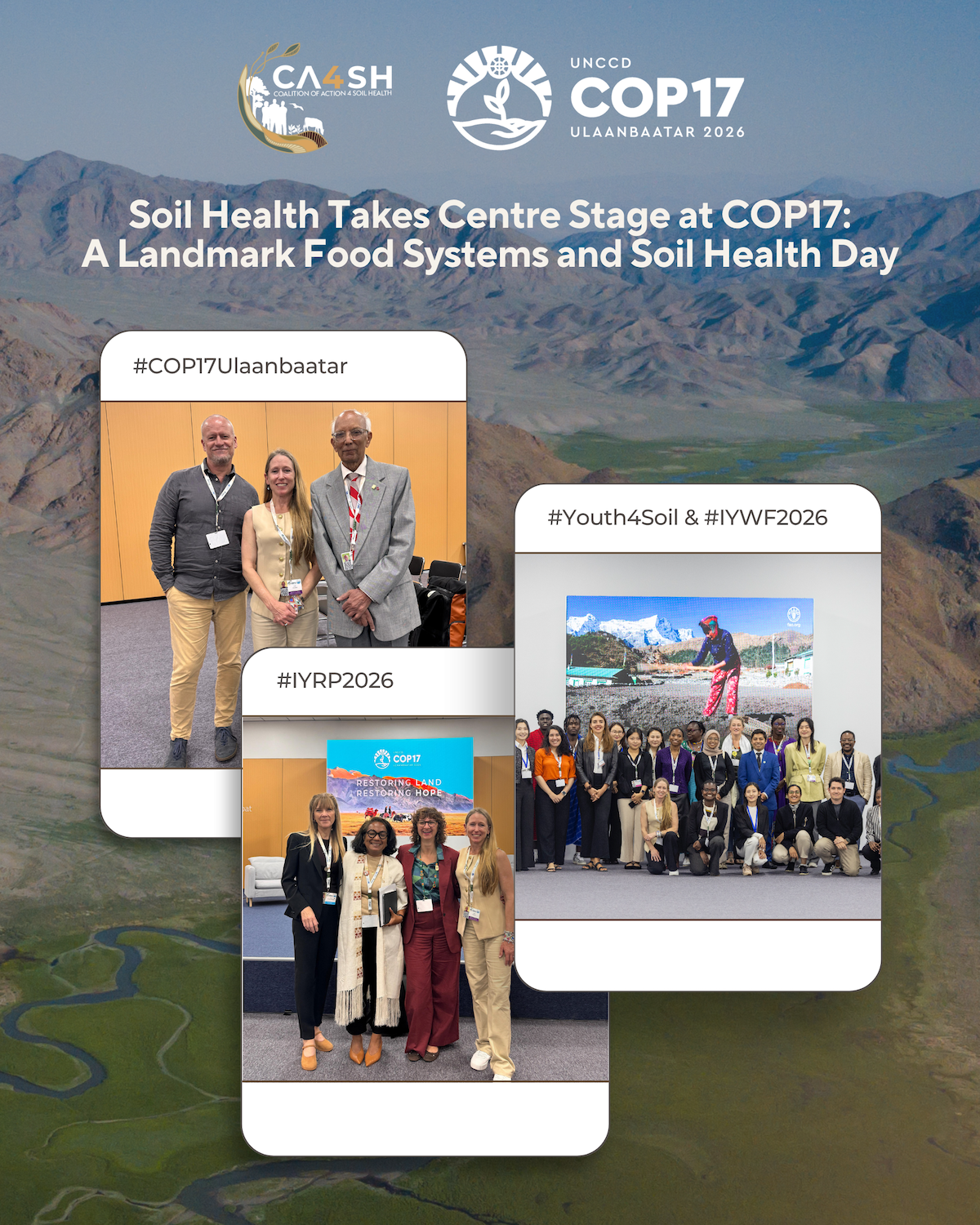
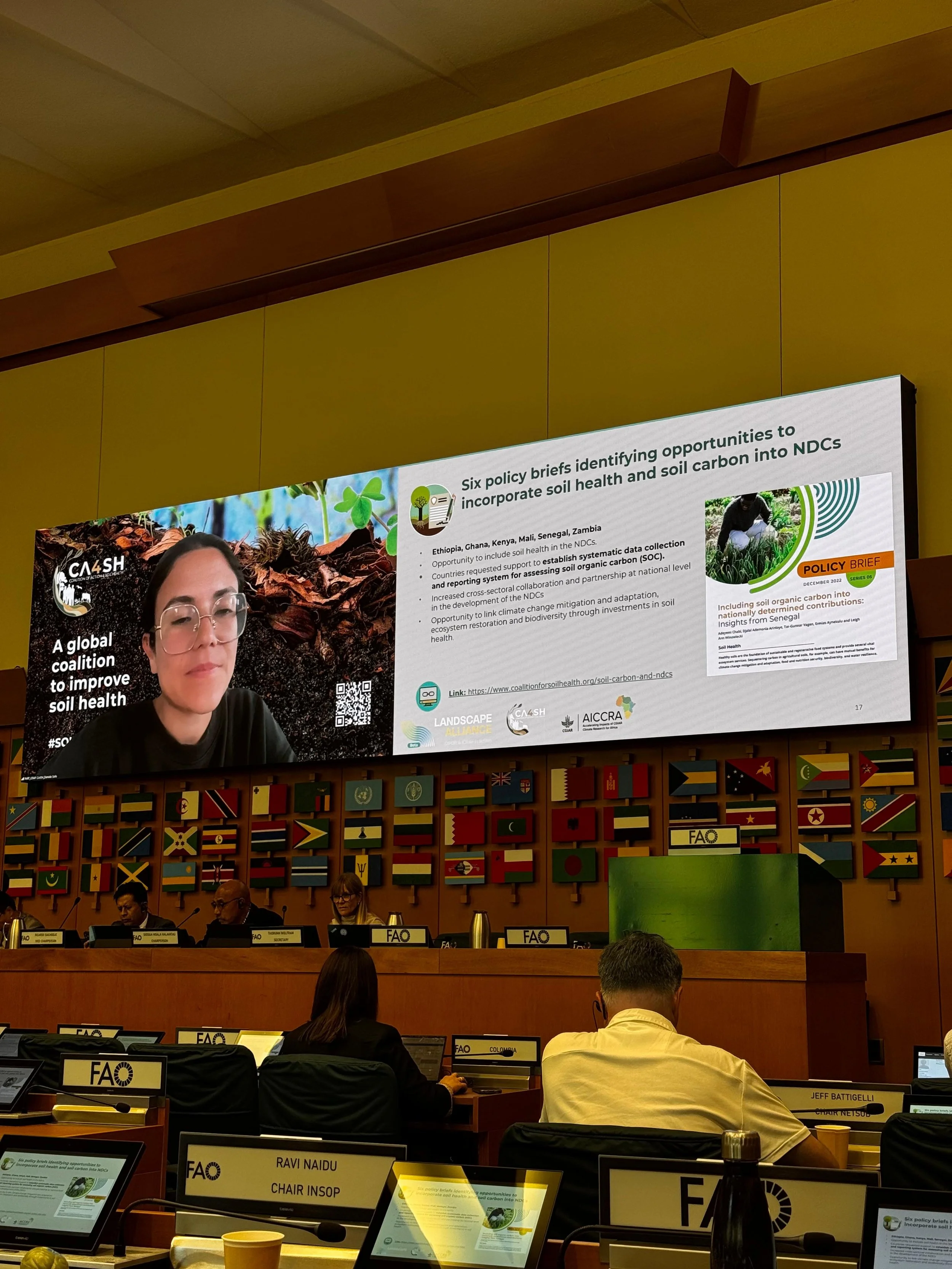
Organizations like the Soil Health Institute (SHI) and Coalition of Action 4 Soil Health have played a central role in advancing soil health science, policy, and practice globally. Inspired by this mission, the Soil Health Initiative – Revitalizing African Soil Funding was created to extend soil health action and support to local clubs in Africa; host community events to raise soil health awareness, promote climate-smart and sustainable agricultural practices, and implement projects that strengthen soil health and support long-term conservation.
About the Soil Health Initiative – Revitalizing African Soil
The Soil Health Initiative – Revitalizing African Soil is a grassroots initiative dedicated to improving soil health across Africa by empowering local clubs, youth groups, and community-based organizations. It started in 2024 and has funded more than 8 local clubs in Africa. Its vision is to strengthen sustainable agriculture and environmental stewardship by placing soil health awareness and action at the community level, where long-term change is most effective. It focuses on bridging the gap between soil science and on-the-ground practice by supporting locally driven education, outreach, and conservation activities. Through small, targeted funding and technical encouragement, the initiative enables communities to host soil health events, promote climate-smart and environmentally friendly agricultural practices, and implement projects that respond to local soil challenges.
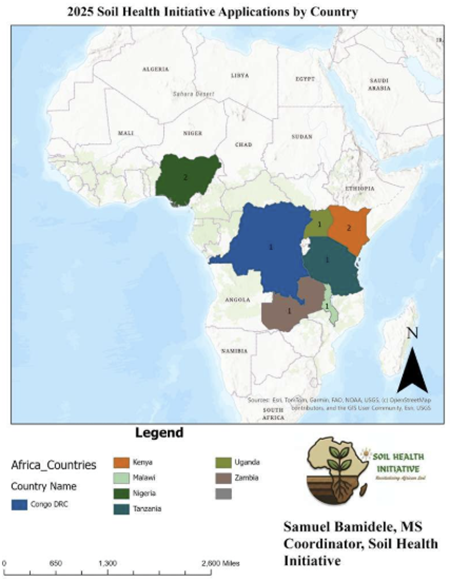
2025 Soil Health Initiative Applications by Country
Key Facts
Scope: Grassroots soil health and conservation projects across multiple African countries
Focus groups: Youth clubs, student organizations, and community initiatives
Program type: Personally funded financial reward along with certificates of recognition.
Reach: The initiative has attracted applications from eight African countries — Malawi, Kenya, Uganda, Nigeria, Cameroon, Benin, Tanzania, and Zambia. To date, we have received over 25 applications and recognized 8 awardees. You can view the award publications for 2024 and 2025. The primary geographic focus is Africa, where soil degradation pressures are high and grassroots engagement is essential. Thematically, locally supported clubs projects focus on:
Soil health awareness and education
Conservation and regenerative practice
Community engagement and capacity building
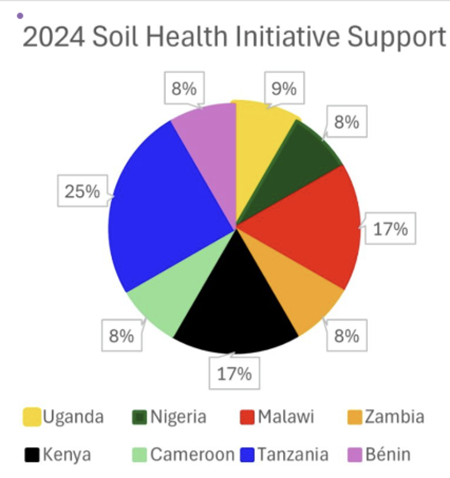
2024 Soil Health Initiative Support
Why the Fund Is Important
Many global soil initiatives operate at national or institutional scales, often missing the local level where behavior change begins. The Fund addresses:
Limited access to funding for grassroots groups
Gaps in soil health awareness at community and youth levels
The need for locally adapted, culturally relevant solutions
What the Fund Hopes to Achieve
Short-term outcomes include:
Supporting local soil health events, workshops, and demonstrations
Increasing awareness of soil conservation practices through webinars and conferences
Strengthening youth and community engagement in soil stewardship
Long-term goals include:
Building a network of empowered soil health advocates across regions
Scaling community-driven conservation efforts
Contributing to resilient agricultural systems and climate adaptation from the ground up.
How the Fund Is Supported
The Soil Health Initiative Fund is currently personally funded and sustained through voluntary contributions, mentorship, and partnerships. It thrives on collaboration, drawing strength from shared knowledge, professional networks, and collective commitment to soil health.
The vision moving forward is to grow the Fund through partnerships with organizations, professionals, and institutions that believe in supporting grassroots action as a critical part of global soil health solutions.

Samuel Bamidele, Soil Scientist
About the Founder
The Initiative was founded by Samuel Oluwapamilerin Bamidele, a soil scientist and environmental consultant whose work spans applied research, land restoration, and soil health advocacy. Having worked on soil health projects across multiple regions, he recognized a recurring challenge: grassroots groups with strong ideas and commitment often lack access to even small financial resources.
Samuel is a Project Soil Scientist and Field Coordinator at KerTec LLC, which involves leading soil sampling programs, assessments, vegetation studies, and restoration projects for major infrastructure and renewable energy projects in the USA. He has extensive experience across a wide range of land use types, including cropland, rangeland, and managed forests, and his technical recommendations are often used by environmental engineers, contractors, and developers to meet environmental regulations while promoting sustainable land management practices.
Samuel holds a Master of Science degree in Plant and Soil Sciences from the University of Delaware, with his research funded by the USDA-NIFA program, a U.S.-based research initiative aimed at advancing knowledge in soil fertility, carbon, and management practices that promote high productivity while minimizing greenhouse gas emissions, which is crucial in addressing global climate change. Outside of his work and academic activities, Samuel is actively engaged in community and leadership activities related to soil science and conservation.
His work and leadership have been recognized through multiple honors and fellowships, including selection as a Fellow of the Institute of STEM Innovation & Excellence (ISIE), the Bayer Encompass Fellowship, and the Soil and Water Conservation Society (SWCS) Emerging Leaders Class. He is also an active member of the American Society of Agronomy (ASA), Crop Science Society of America (CSSA), and Soil Science Society of America (SSSA), reflecting his engagement with the leading professional societies in agronomy and soil science. In addition, he has been invited to serve as a judge and reviewer for national and international scientific and professional programs, demonstrating the trust placed in his technical judgment, expertise, and professional integrity.
The initiative was born from a recurring problem that Samuel has seen: many grassroots organizations and youth organizations have wonderful ideas and a tremendous level of commitment to soil health issues, but often do not have access to small financial resources to implement their ideas for soil health solutions. With commitment to stewardship and impact, soil health continues to advance as a means for food security, environmental sustainability, and climate change resilience through the activities of Samuel.
Conclusion & Call to Action
Soil health is not just a scientific issue; it is a community issue, a food security issue, and a climate issue. The Soil Health Initiative Fund demonstrates how targeted, grassroots support can translate soil science into real-world impact.
Readers are invited to:
Partner or collaborate with the Fund
Support its expansion
Share its mission
Encourage local groups to apply
Together, we can strengthen soil health from the ground up, one community at a time.