Youth Leadership, Land, Soil and Data: The YPARD Ghana Experience at the K4GGWA Capacity Building Workshop
By Linda Emefa Degboe, Gloria Agyare, and Joshua Tetteh Ayayi
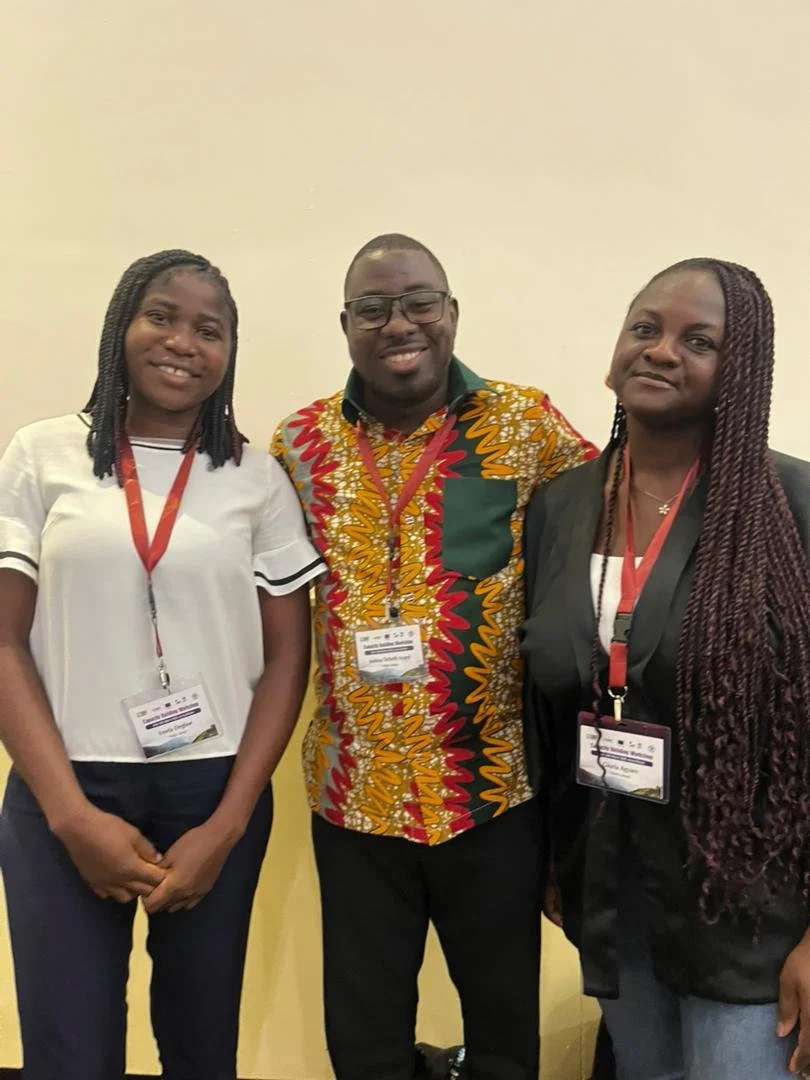
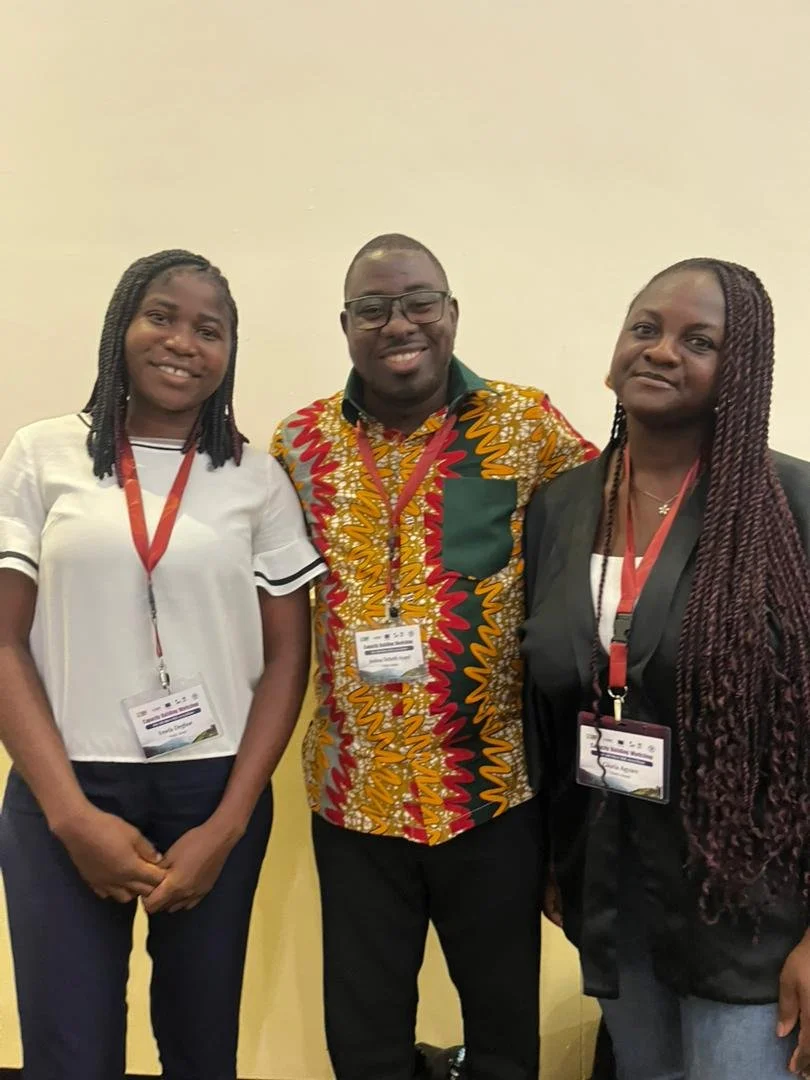
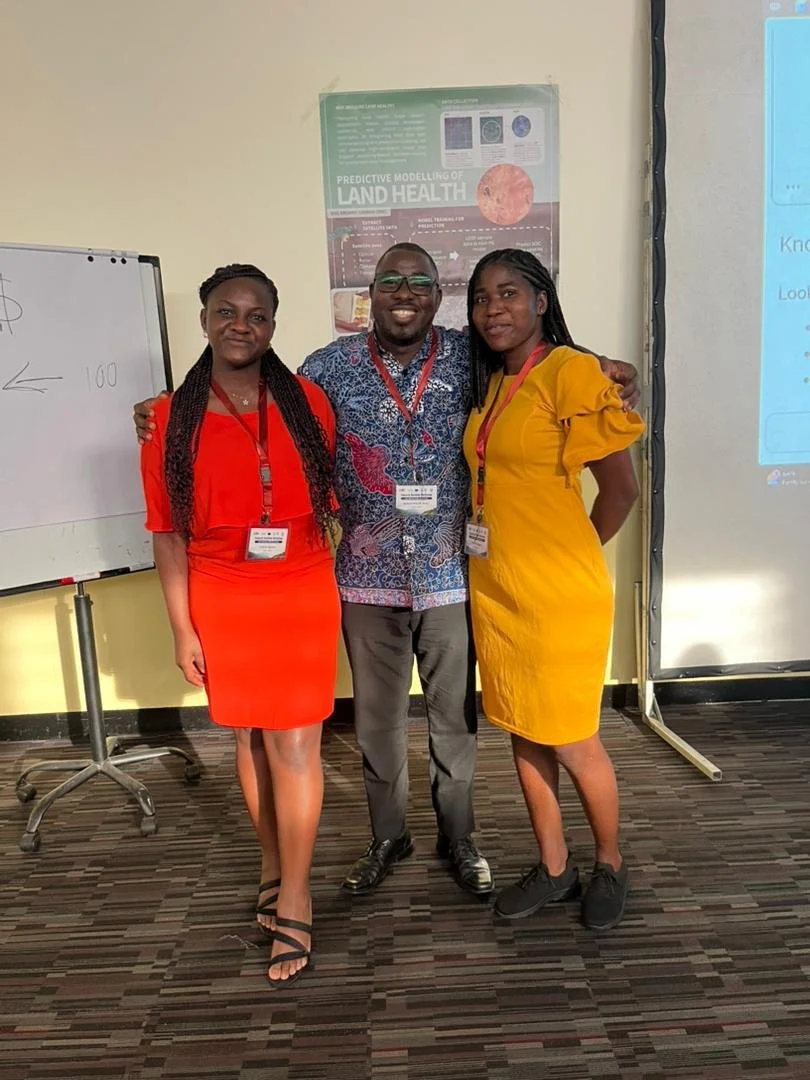
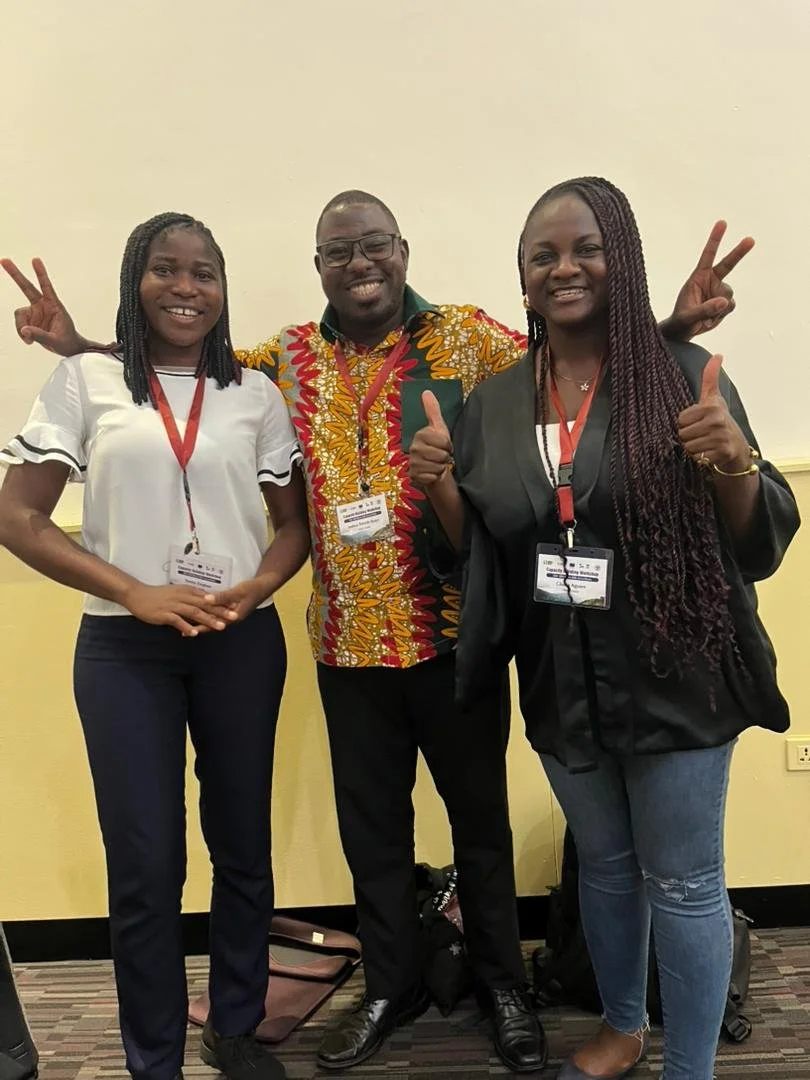
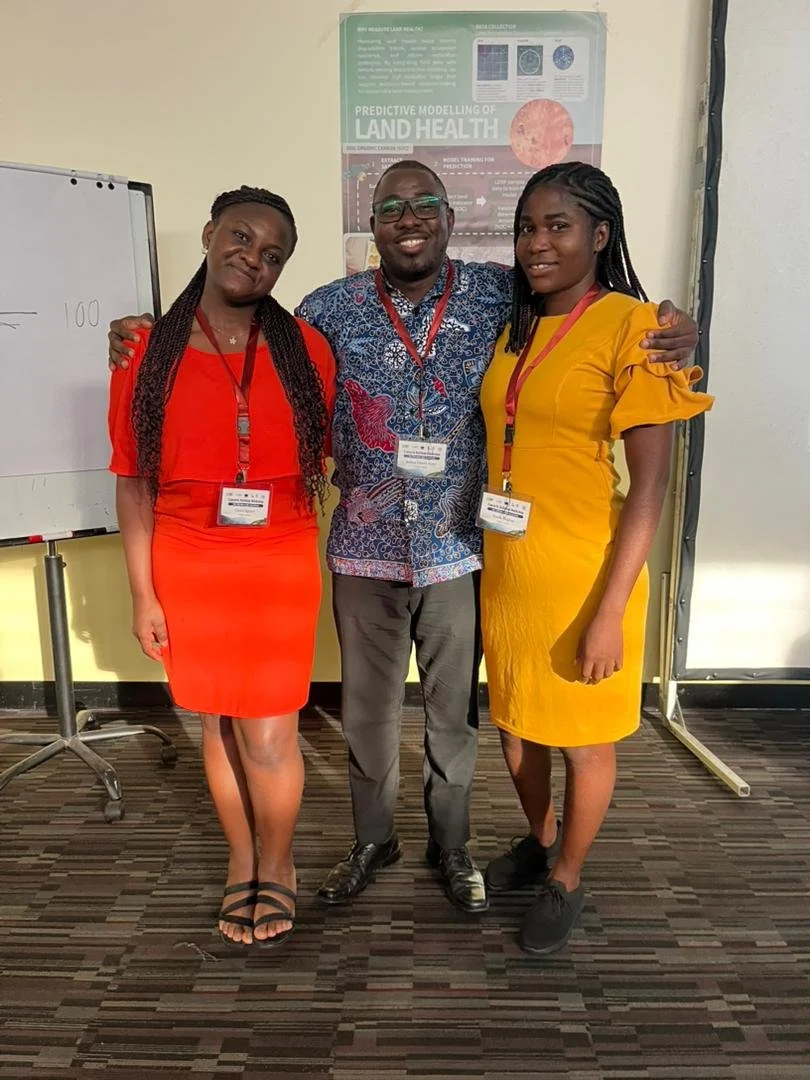
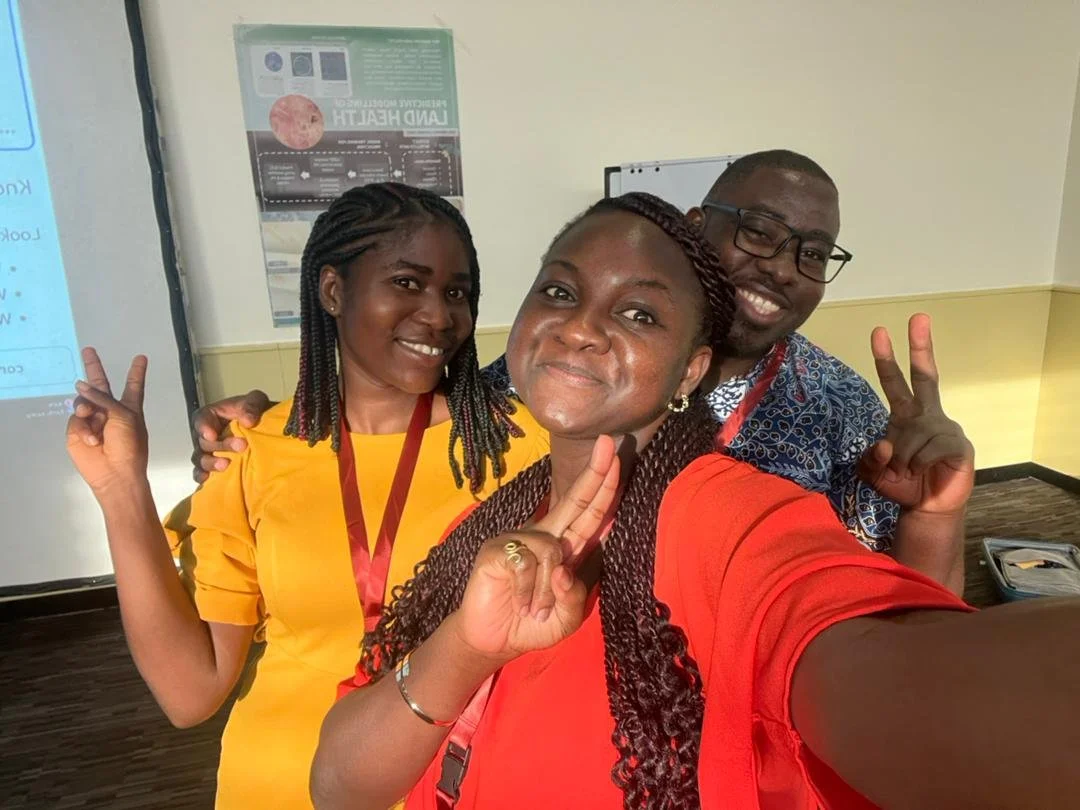
YPARD Ghana participants pose for a photo at the workshop
Attending the Knowledge 4 Great Green Wall Action (K4GGWA) Component 2 Regional Capacity Building Workshop in Accra, Ghana from 23rd to 26th March, 2026 was an enriching and transformative experience for the Young Professionals for Agriculture Development (YPARD) Ghana country chapter members. Over four intensive days, the youth engaged with cutting-edge tools, practical methodologies and collaborative learning approaches to strengthen restoration decision-making across landscapes.
Learning the Land Degradation Surveillance Framework (LDSF)
One of the most impactful aspects of the workshop was the introduction to the Land Degradation Surveillance Framework (LDSF). This science-based methodology provides a structured and consistent approach to assessing land and soil health. Through both theoretical sessions and field demonstrations, the young professionals gained insight into how LDSF enables the collection of reliable data on vegetation, soil properties, land use, and erosion.
The framework’s emphasis on measurable, time-bound, and relevant indicators highlighted its importance in generating accurate baselines and monitoring environmental change over time.

2023 LDSF Broschure
Digital Tools for Restoration
In addition to LDSF, the young professionals were introduced to the Regreening Africa App, a user-friendly mobile tool for recording restoration activities in real time. This application simplifies field data collection and ensures that observations are systematically stored and easily accessible.
They also explored spatial data platforms and dashboards supporting the Great Green Wall (GGW) initiative. These tools translate complex datasets into visual maps and insights, enabling stakeholders to make informed decisions about land restoration. By linking field data to spatial analysis using platforms like R and Google Colab, the youth saw firsthand how raw data evolves into actionable evidence.
Field Experience
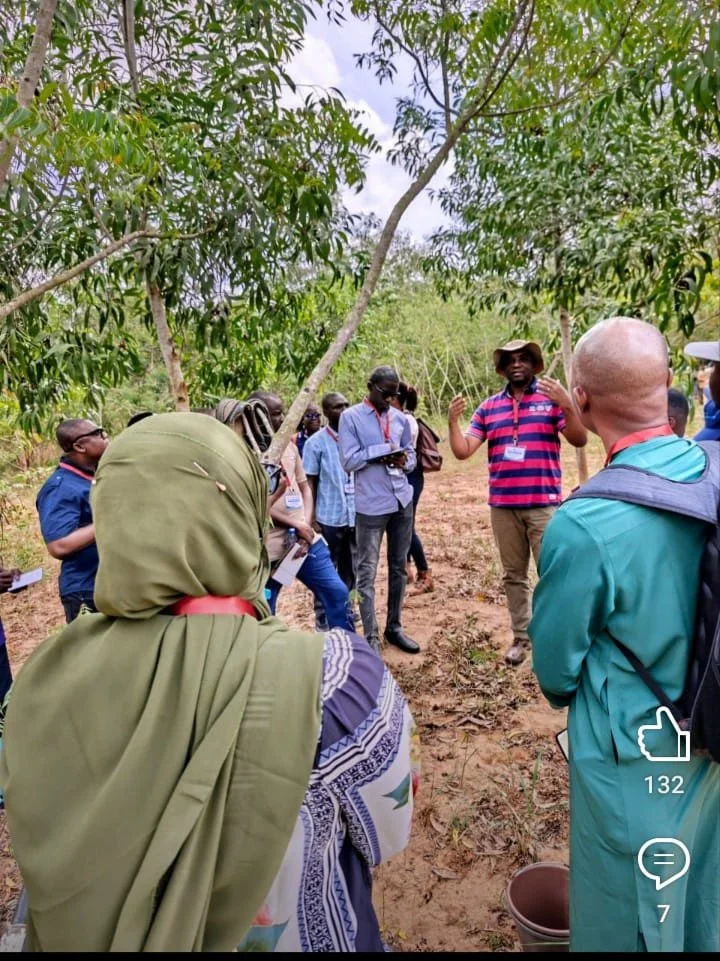
The field experience brought the concepts to life. The youth observed how sampling sites are carefully structured using a hierarchical design, including clusters, plots, and subplots. Practical sessions demonstrated how to measure key indicators such as soil infiltration, vegetation cover, and erosion levels.
“We learnt how soil samples are collected, labelled and prepared for laboratory analysis, reinforcing the importance of precision and consistency in data collection.”
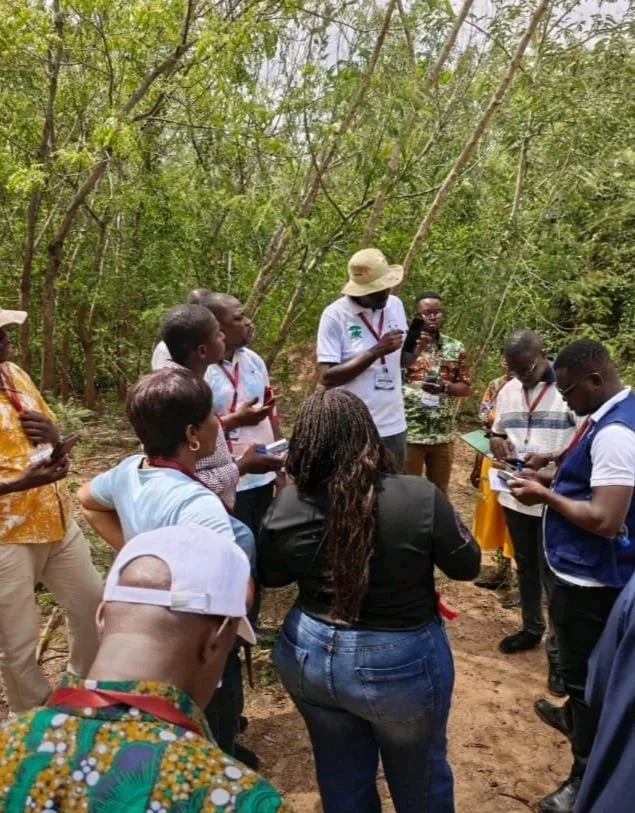
Workshop Participants during the field experience
Youth Engagement and Collaboration
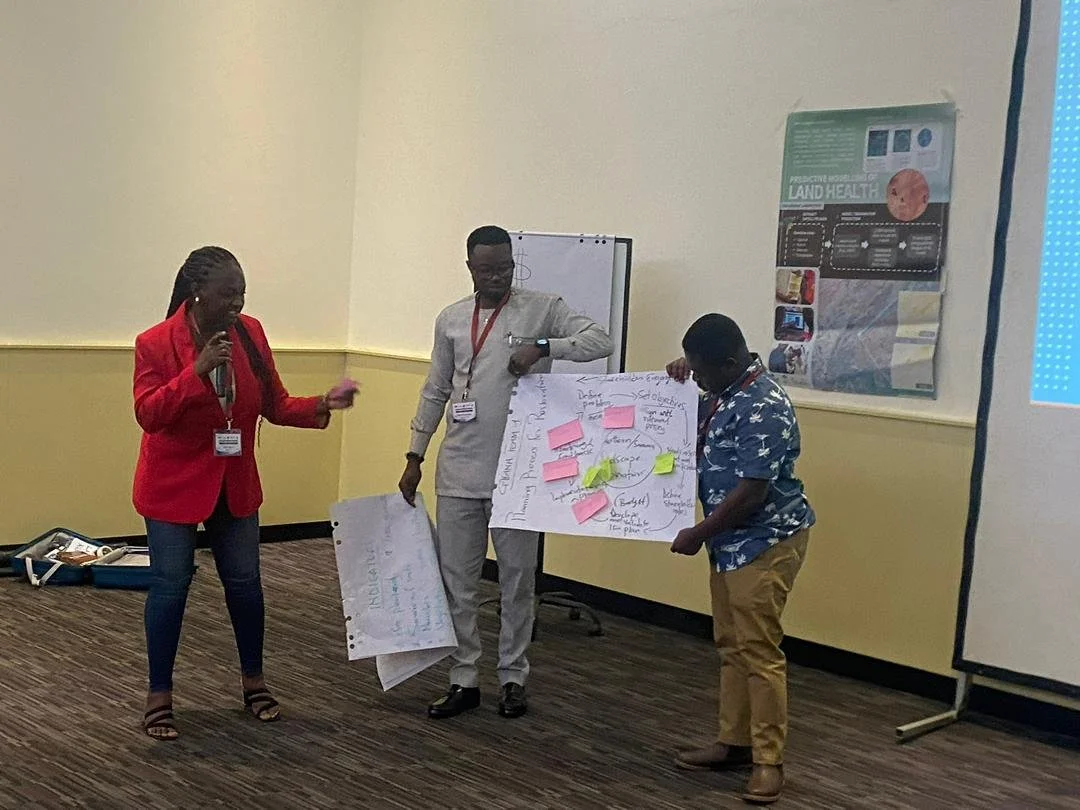
The young professionals contributed through active engagement, collaboration, and willingness to learn and share ideas. They participated in field exercises, supported data collection, and exchanged perspectives with fellow participants, enriching group discussions. Their involvement highlights the critical role young professionals play in advancing sustainable land management.
Engaging youth in such initiatives is essential, as they bring fresh perspectives, adaptability to new technologies, and a long-term commitment to environmental stewardship.
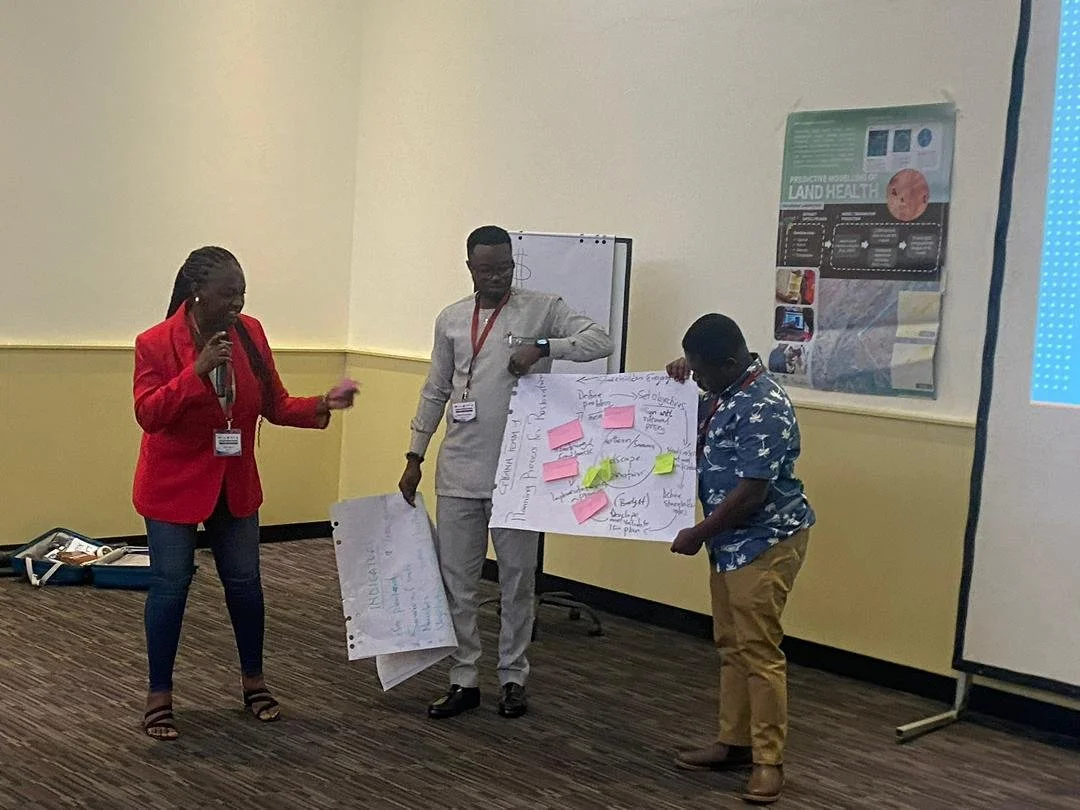
Looking Ahead
The young professionals plan to apply the knowledge gained in two main ways:
Professional Applications
Integrating evidence‑based approaches such as LDSF into project planning and implementation.
Using spatial data analysis to strengthen restoration decision‑making.
Improving the effectiveness and impact of restoration initiatives through data‑driven strategies.
Personal Commitments
Promoting awareness of sustainable land practices within their communities and networks.
Bridging technical knowledge with community engagement to foster resilience.
Contributing to informed decision‑making at local and broader levels.
Conclusion
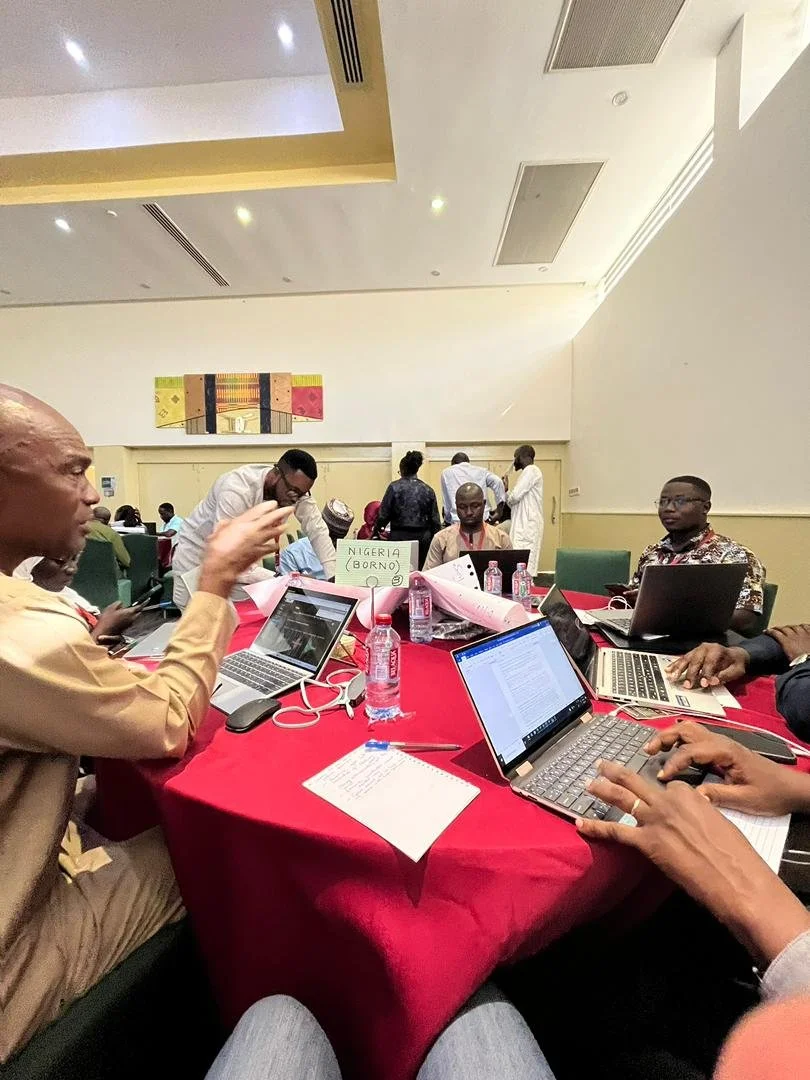
Beyond the technical knowledge, the workshop fostered collaboration and knowledge exchange among participants from diverse backgrounds. Engaging with practitioners, researchers, and institutional partners created a dynamic learning environment where experiences and ideas were shared openly.
Overall, the workshop strengthened the young professionals’ understanding of the full data pathway—from field collection to analysis and decision-making. It equipped them with practical skills and tools to support restoration initiatives and reinforced the value of evidence-based approaches in tackling environmental challenges.
As they move forward, the youth are inspired to apply these insights and contribute meaningfully to land restoration efforts within their communities and beyond.