From Soil Data to Decisions: Building Stronger Soil Information Systems for Agricultural Transformation in Africa
By Kelvin Okumu
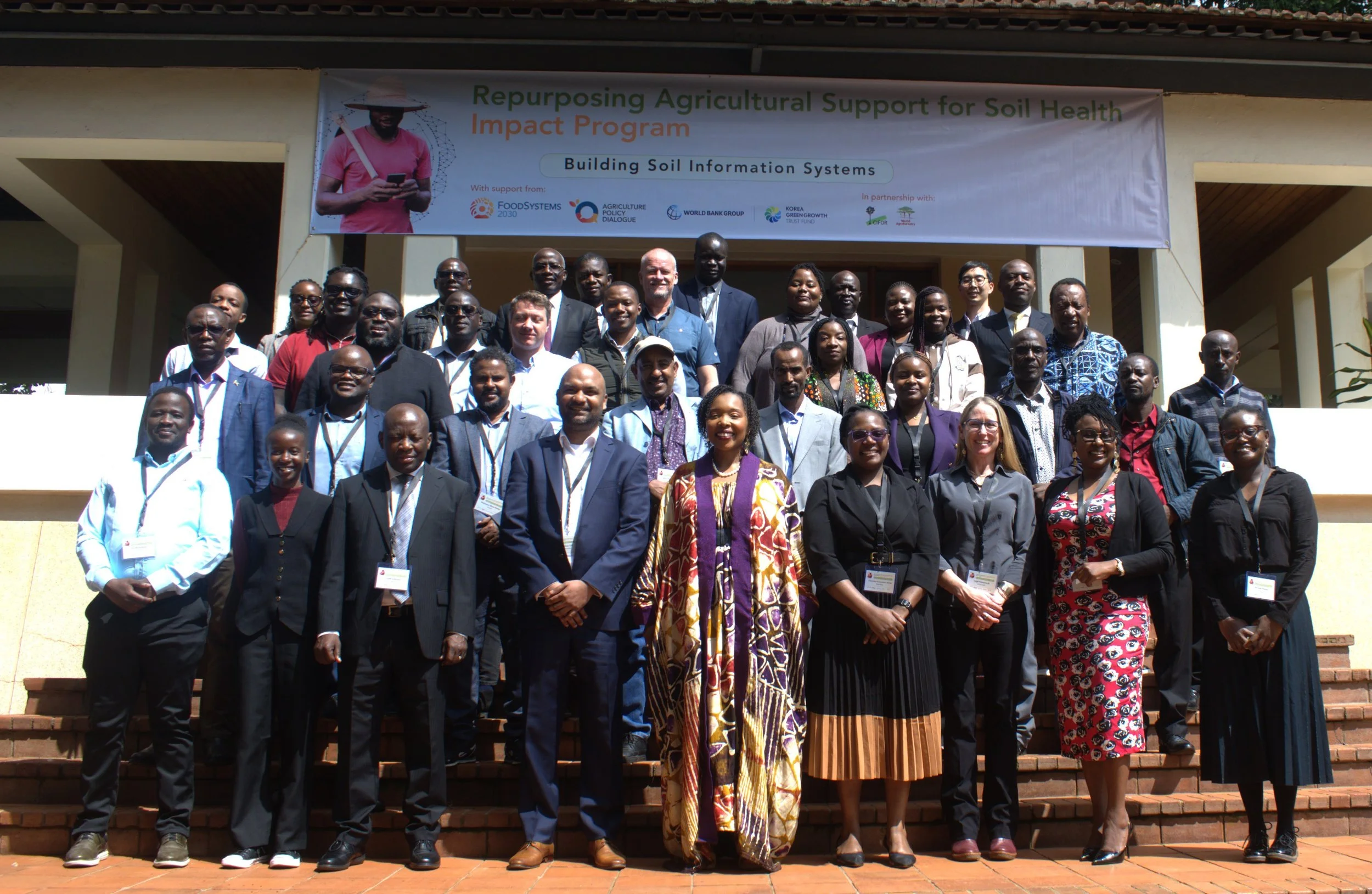
Participants of the “Building a Soil Information Systems (SIS) Workshop” pose for a group photo at the ICRAF Campus in Nairobi, following two days of dialogue, knowledge exchange and collaboration on strengthening soil information
Across Sub-Saharan Africa, rising food insecurity and declining soil health are placing increasing pressure on agricultural systems. While governments collectively invest billions of dollars annually to support agriculture, questions remain about whether these investments are delivering the intended outcomes of increasing productivity, farmer livelihoods, and long-term agricultural sustainability.
Against this backdrop, The World Bank Group recently convened experts, policymakers, researchers and development partners at the CIFOR-ICRAF Campus in Nairobi for a learning event on Soil Information Systems (SIS), organized as part of the Repurposing Agricultural Support for Soil Health Impact Programme – a new multi-year initiative of the World Bank Group Academy.
Bringing together stakeholders from across sectors and scales in Ghana, Kenya, Malawi, Tanzania and Senegal the workshop became a platform for reflection, peer learning and action planning around one central question:
“How can countries use better soil information to make public agricultural spending more effective?”
The workshop's core objective was to allow country experts who are leading efforts on Soil Information Systems (SIS) to collectively explore how to move beyond fragmented soil data toward operational, decision-ready SISs capable of transforming agricultural investments and improving outcomes for farmers.
Why this conversation matters
Food insecurity remains one of the region’s most pressing challenges. At the same time, significant public funding continues to flow into agricultural support programmes, particularly fertilizer subsidies without always delivering proportional improvements in productivity.
Addressing the workshop, Dr Joshua Gill, Senior Economist for Agriculture and Food Global Practice at the World Bank, shared that, globally, public support to agrifood systems amounts to approximately USD 650 billion annually, yet a large proportion remains inefficient or creates unintended environmental and market distortions.
In many countries, fertiliser support programmes have improved access but have not consistently translated into healthier soils or stronger agricultural performance. A major reason for this was identified during the workshop: decisions are still too often made without reliable, accessible and actionable soil information.
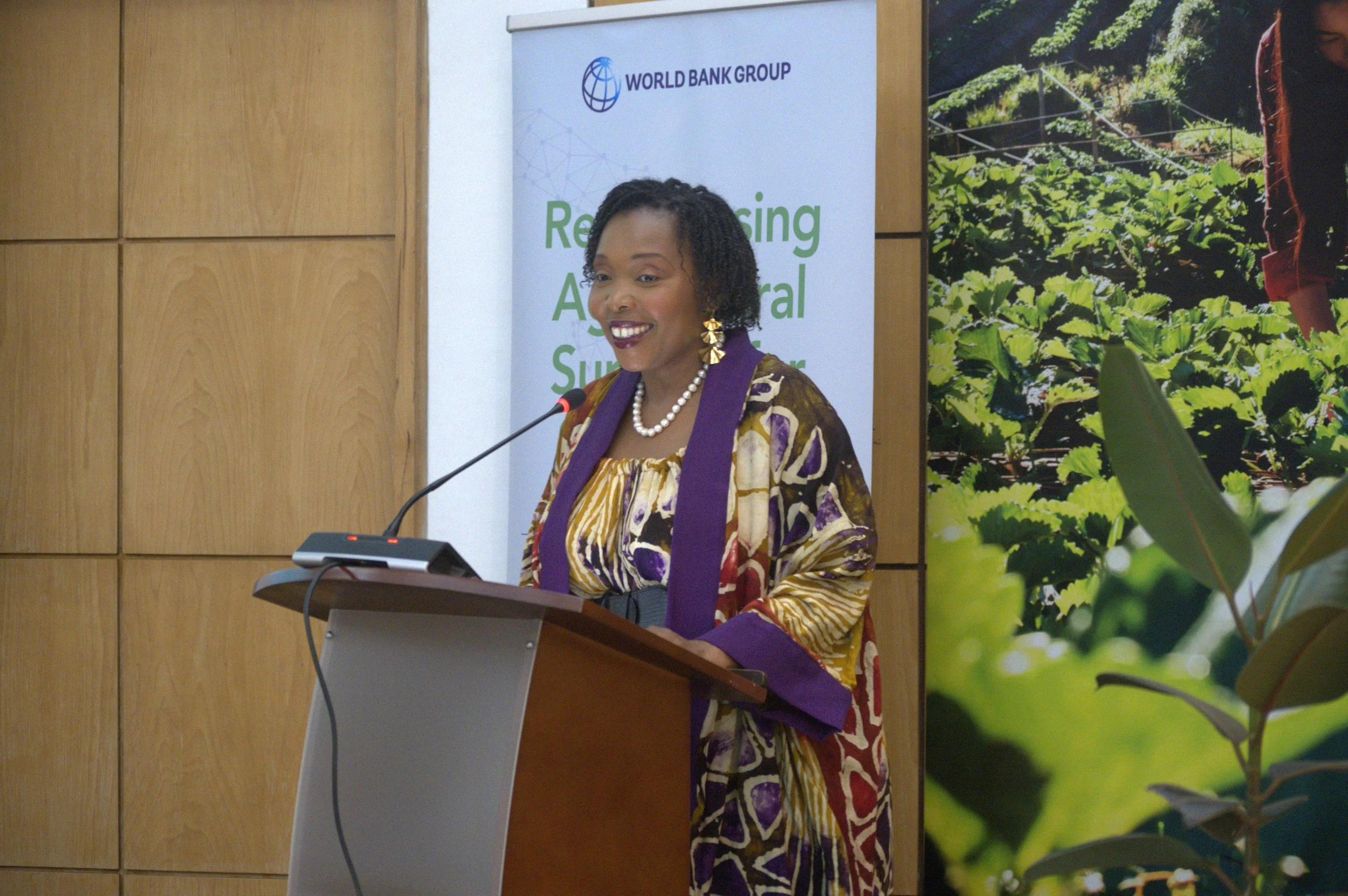
Dr. Éliane Ubalijoro (CEO, CIFOR-ICRAF) delivers opening remarks during the Building Soil Information Systems (SIS) Workshop.
During her opening remarks to the congregation, Dr Éliane Ubalijoro, CEO of CIFOR-ICRAF underscored the central importance of soil health for food systems resilience across Sub-Saharan Africa. She drew attention to the economic cost of soil degradation, estimating annual losses of around $4 billion, and stressed that reversing this trend is critical for sustainable development.
She further highlighted the role of the CIFOR-ICRAF Land Degradation Surveillance Framework (LDSF) as a foundational tool for generating the robust evidence base required for Soil Information Systems. Emphasising the urgency of shifting from knowledge generation to implementation, she noted that “the defining challenge is moving from data collection to data-driven action” to ensure meaningful impact across the region.
Reimagining Soil Information Systems
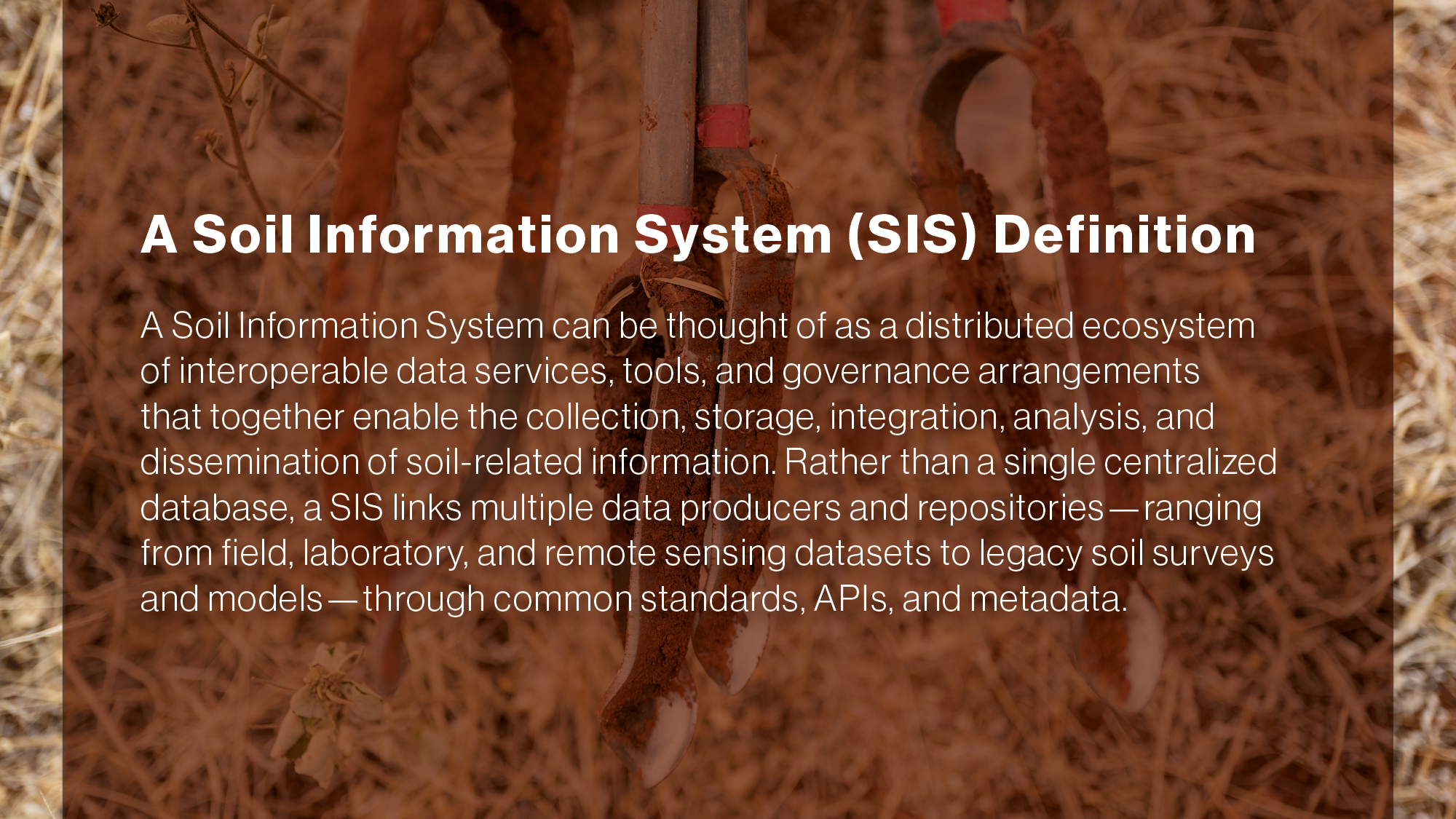
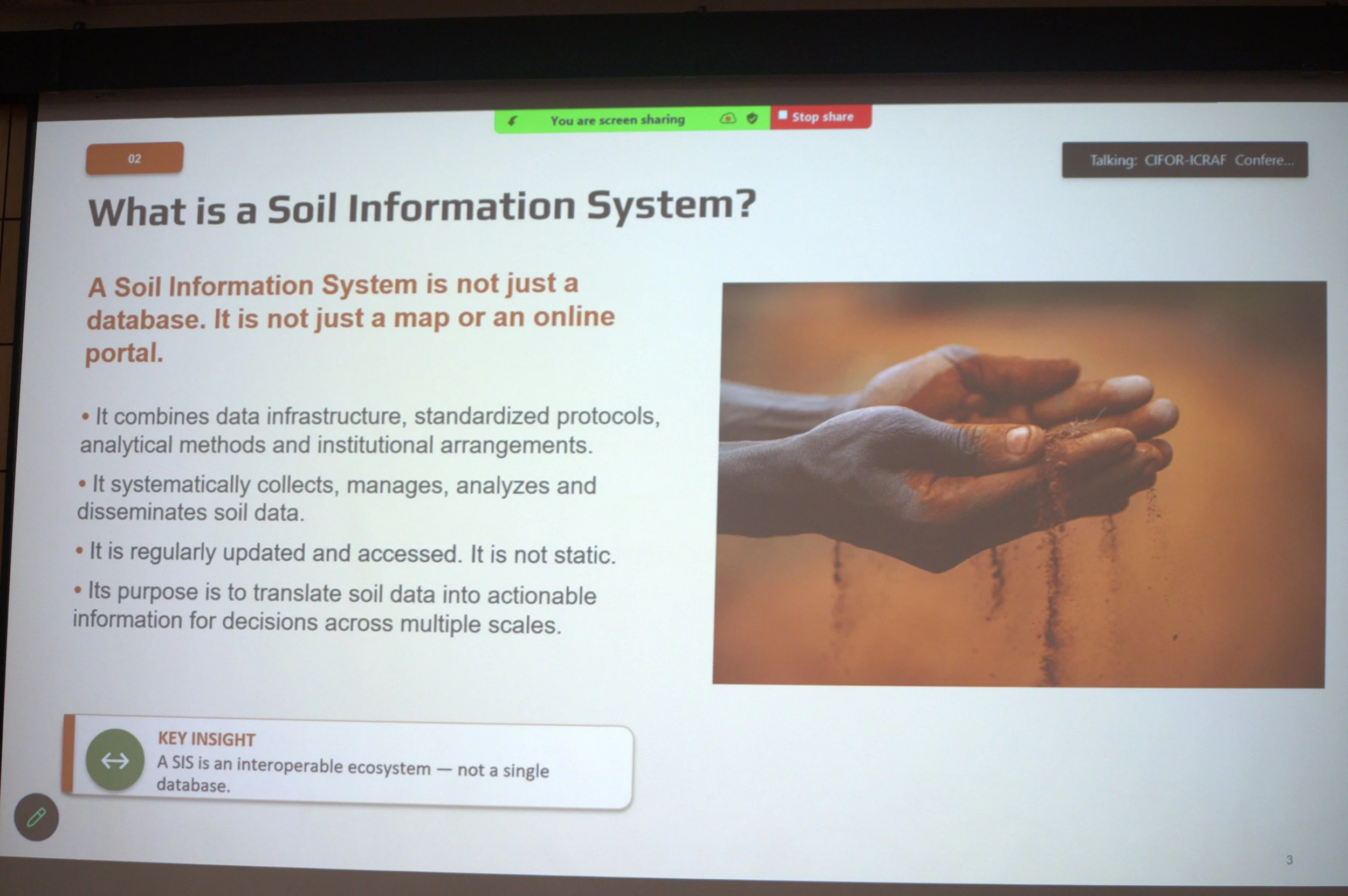
One of the strongest messages throughout the workshop was that an SIS is far more than a database or a map. Presentations and discussions emphasized that effective SISs are shared national infrastructures; bringing together data, institutions, standards, analytical methods and governance frameworks to transform information into action.
There are several possible goals for building integrated, national-levels SISs, including:
Supporting smarter fertilizer policies,
Improving targeting of agricultural investments,
Strengthening advisory services for farmers,
Enabling climate resilience and restoration planning, and
Generating evidence for decision-making across government and private sectors.
Participants reflected on a broader continental shift that has elevated soil health from a technical issue to a strategic policy priority through regional commitments and investment agendas.
Validating Shared Challenges and Country Priorities
SISs are a critical enabler of agricultural transformation across Africa, especially in the context of continental priorities such as the Africa Fertiliser and Soil Health Declaration (AFSH) and CAADP commitments. Dr Joshua Gill emphasized that strengthening soil information is central to repurposing agricultural support toward healthier soils and more productive farming systems. He noted that despite substantial investment in fertilizer subsidy programmes across the region, adoption and returns remain limited because recommendations often fail to reflect local soil conditions and farmer realities. As agriculture shifts toward more precise, knowledge-driven approaches, he stressed that functional SISs are becoming essential for informing policy, improving investment decisions and delivering better outcomes for farmers.
“Moving from broad subsidy approaches to targeted, soil-informed decisions is essential if we want agricultural investments to deliver stronger returns for farmers and healthier soils.” – Dr Joshua Gill, World Bank
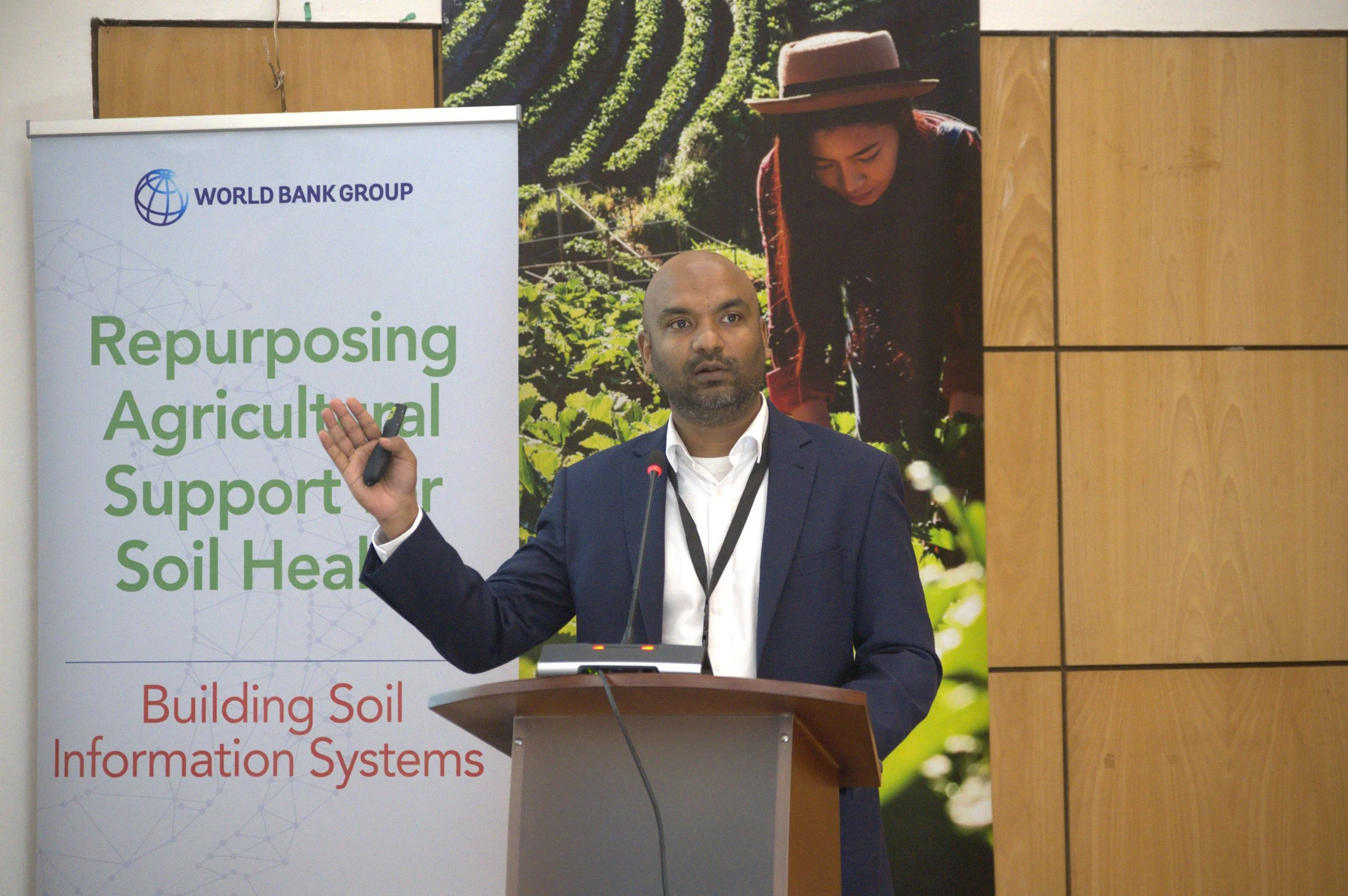
Dr Joshua Gill of the World Bank Group speaking on the role of Soil Information Systems in strengthening soil health evidence, to inform agricultural support.
Dr Leigh Ann Winowiecki, Soil and Land Health Research Theme Leader for CIFOR-ICRAF and Co-Lead of the Coalition of Action 4 Soil Health (CA4SH) presented results from a recent review of existing SISs across Ethiopia, Ghana, Kenya, Malawi, Tanzania and Rwanda, conducted by CIFOR-ICRAF on behalf of the World Bank. The review revealed uneven progress across the countries in operationalising national-level SISs, but demonstrated strong political will and a favourable environment
The review highlights four emerging priority constraints to scaling SISs in the study countries:
Governance and institutional arrangements, particularly around data-sharing frameworks and institutional mandates;
Data quality, consistency and standardisation;
Systems infrastructure, especially for data management and public access platforms;
A lack of clear use cases, reflecting the persistent gap between generating soil data and translating it into actionable recommendations for farmers and policymakers.
These constraints will in part be addressed through a new three-year project between CIFOR-ICRAF and the Varda Foundation, funded by the Norwegian Agency for Development Cooperation (Norad), which is seeking to establish an ecosystem of soil data-driven services in Ghana, Kenya, Malawi, and Tanzania. This project and the initiative of the World Bank Group’s Impact Programme on Repurposing of Agricultural Support for Soil Health are bringing together stakeholders to bring soil data from numbers on a screen to actionable evidence.
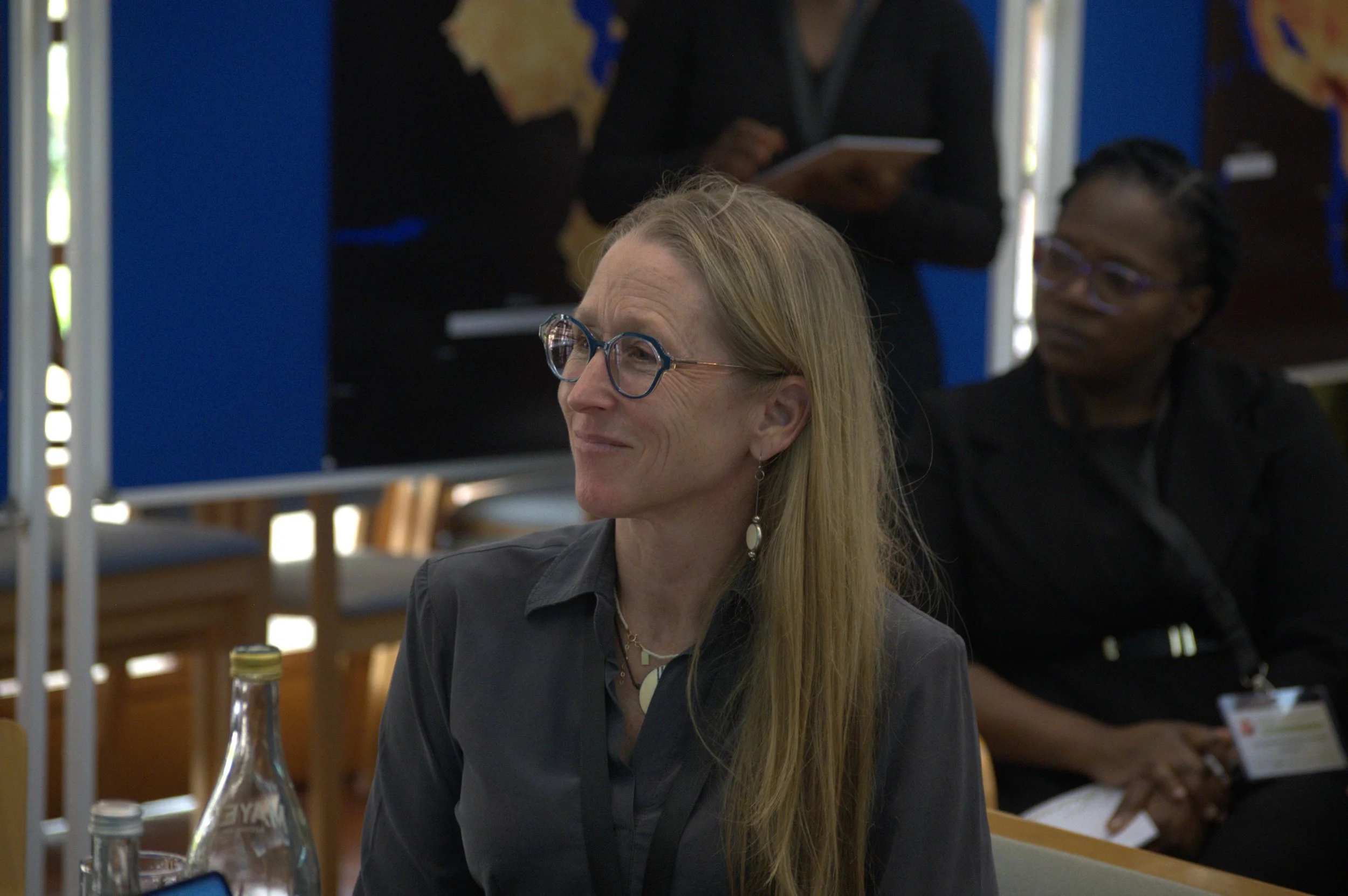
“A functional Soil Information System is not defined by the amount of data it holds, but by its ability to turn data into decisions that support farmers, policymakers and investment choices.” – Leigh Winowiecki
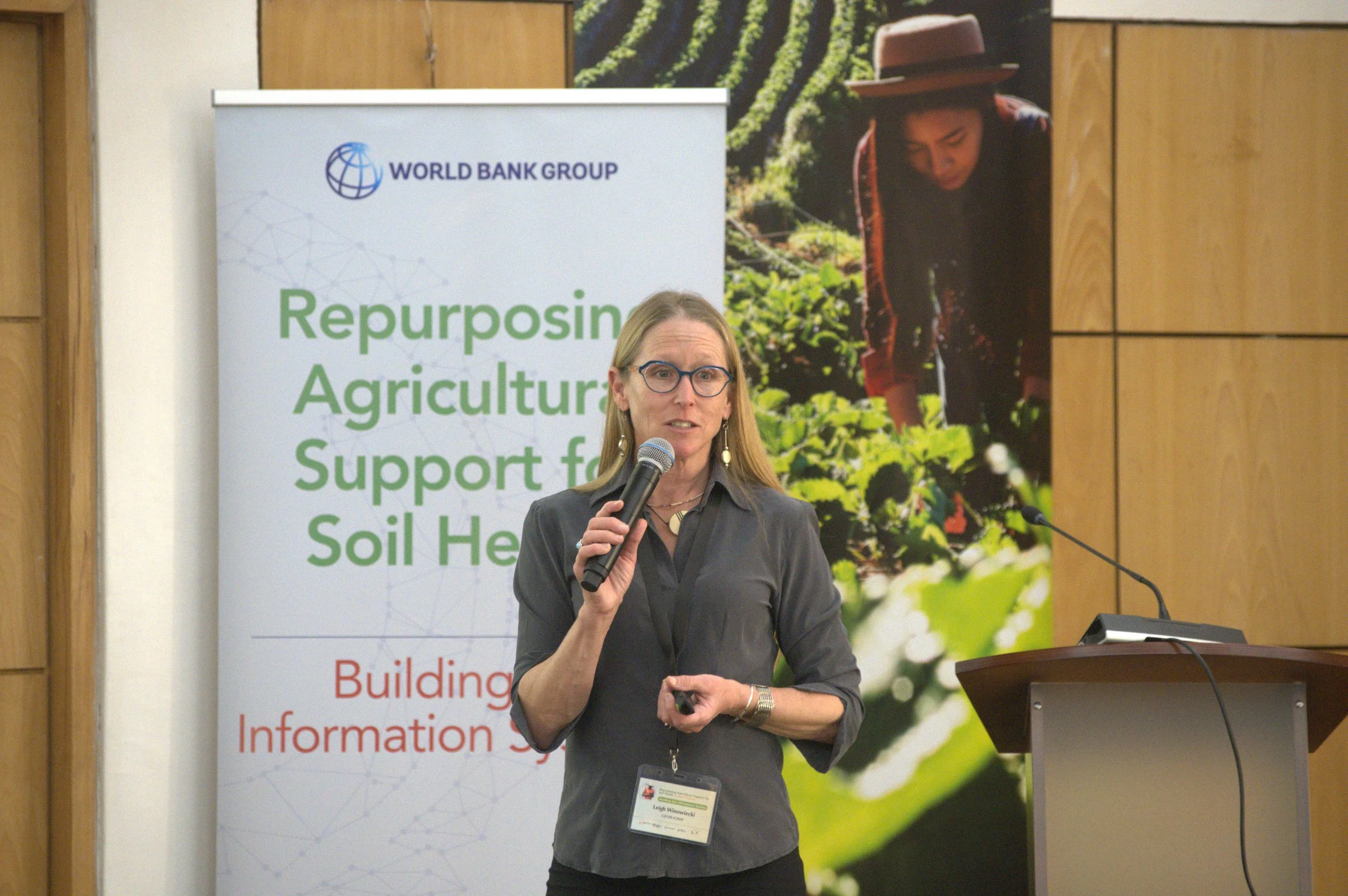
Dr Leigh Winowiecki presents findings from the cross-country Soil Information Systems review, highlighting common constraints and opportunities for strengthening decision-ready soil information across Africa.
In response to the presentation by Dr Winowiecki, participants were invited to review the findings from the cross-country assessment of SISs and provide feedback on the national coordination mechanisms, protocols, data management approaches, analytics capacity and use of soil information for decision-making that was reported.
Discussions explored:
What defines a functional SIS
Existing national strengths and gaps
Governance and interoperability challenges
Practical lessons from implementation experiences
Trade-offs countries face when strengthening their systems
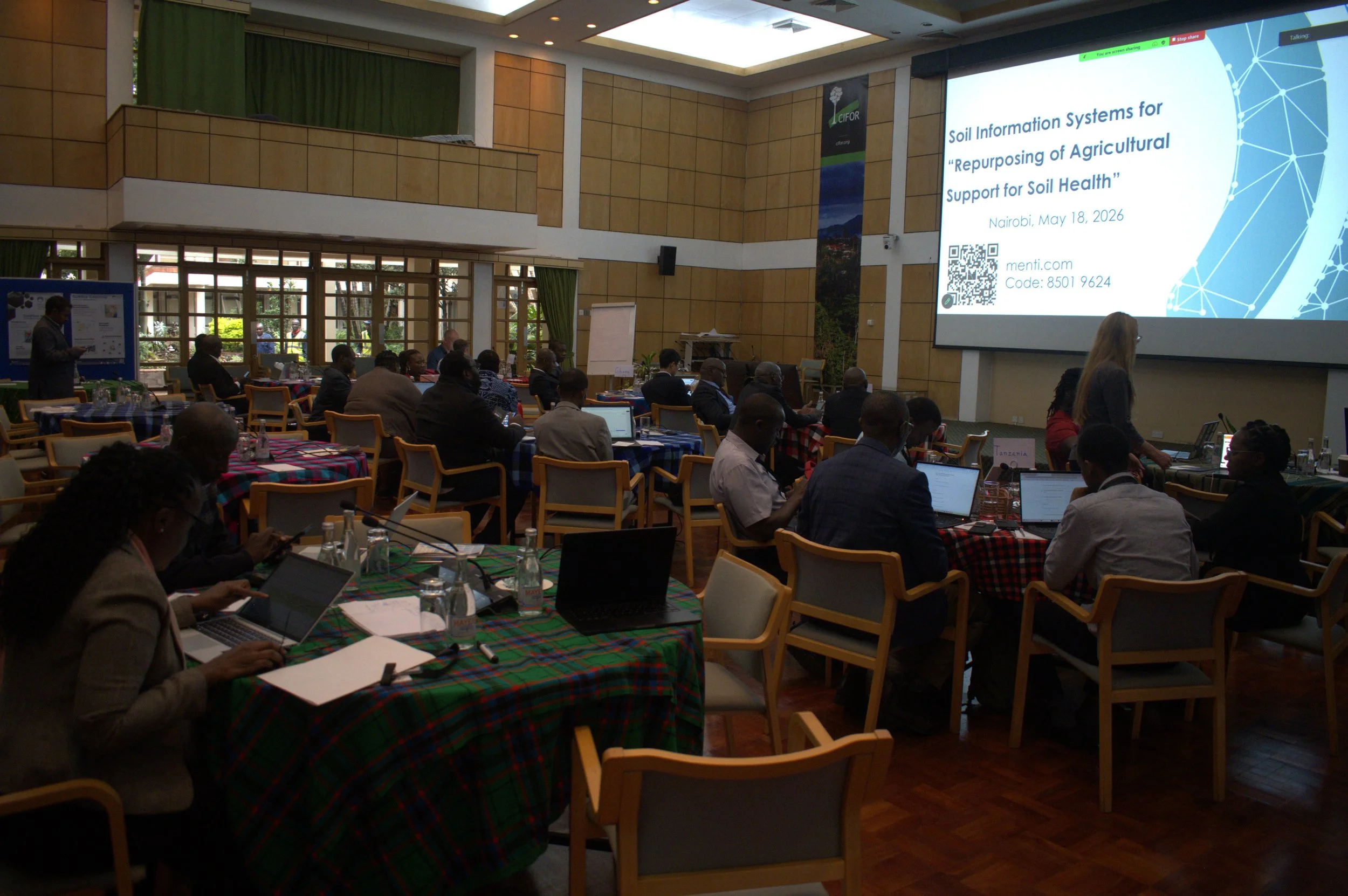
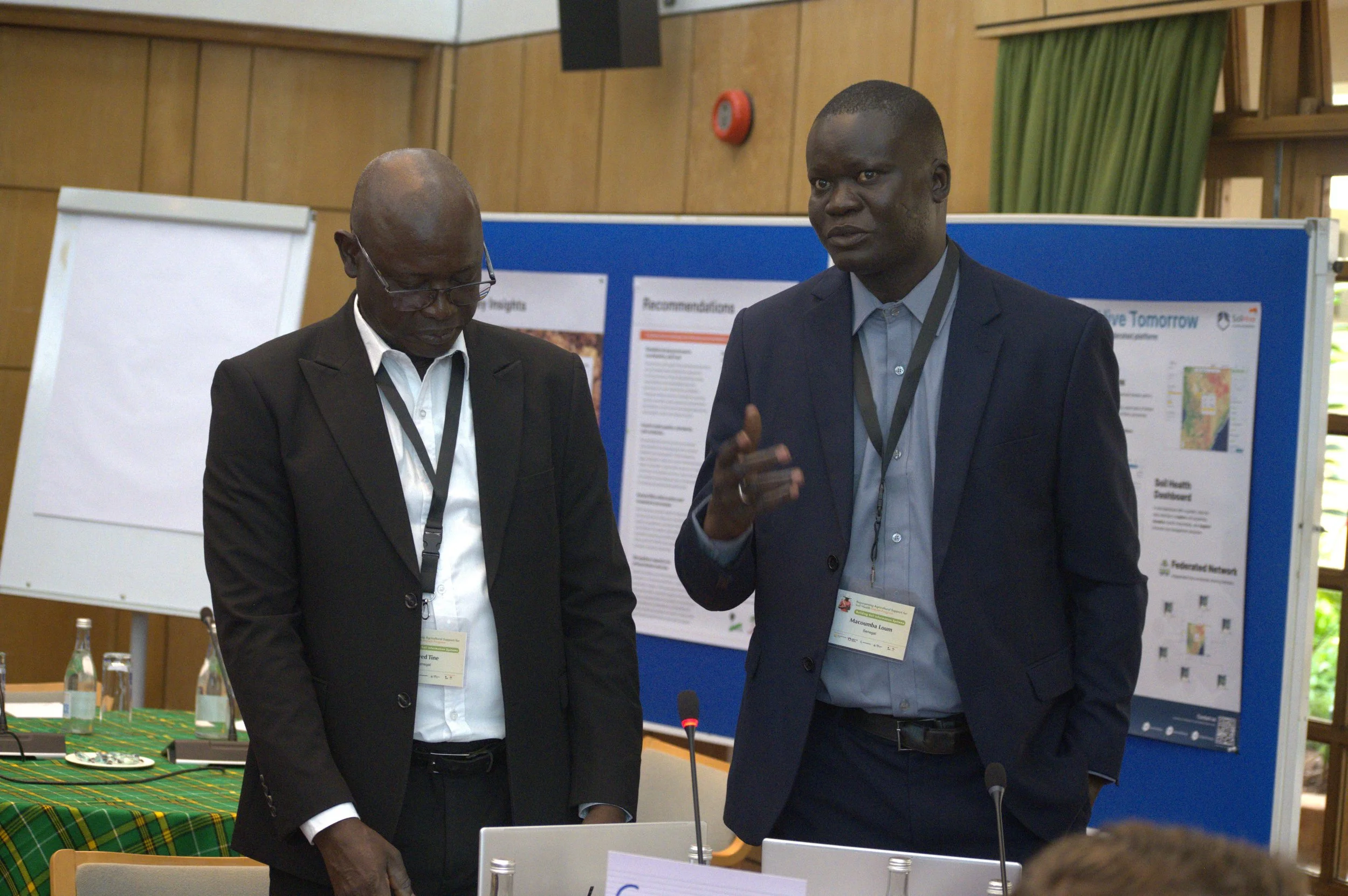
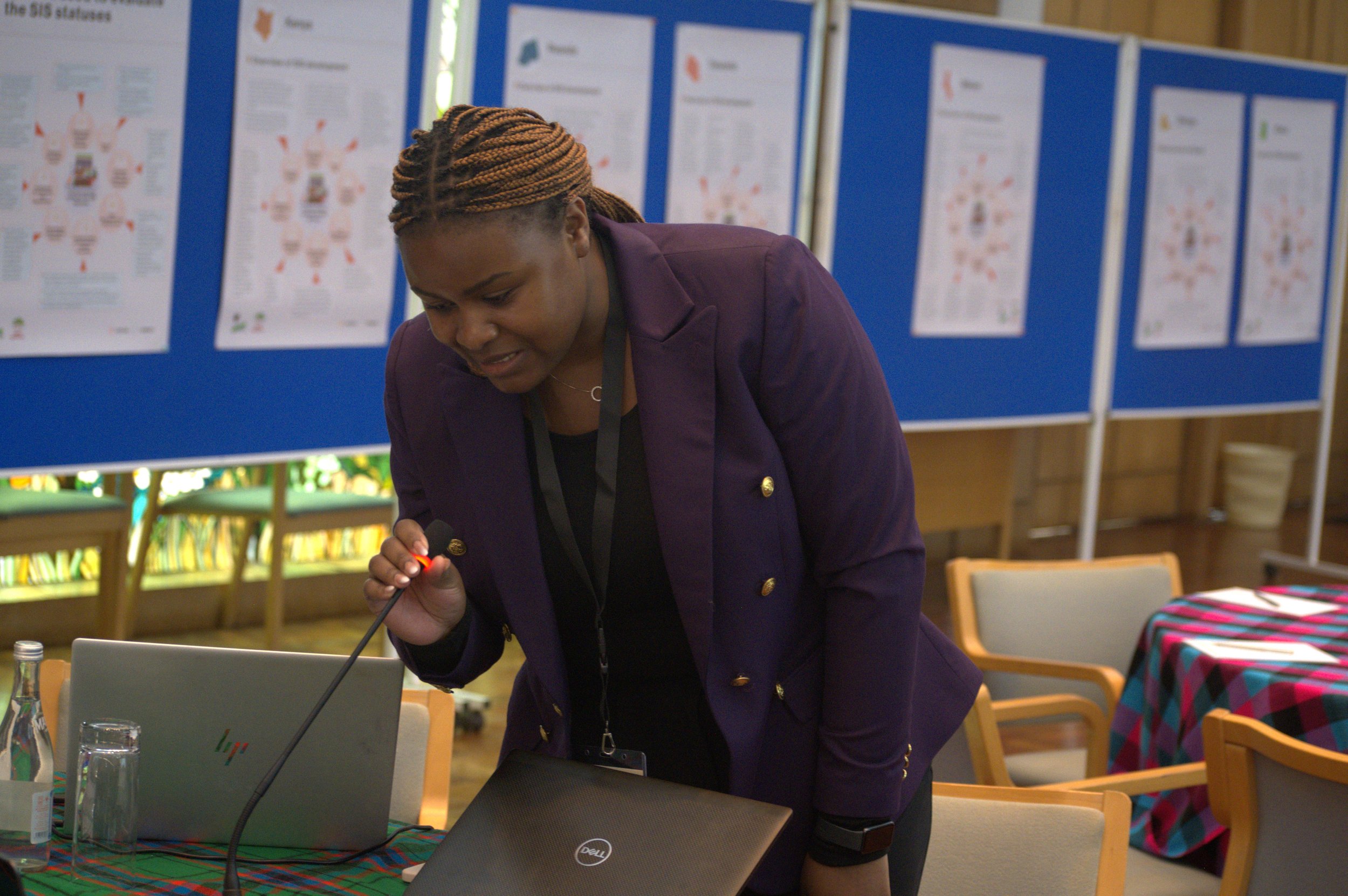
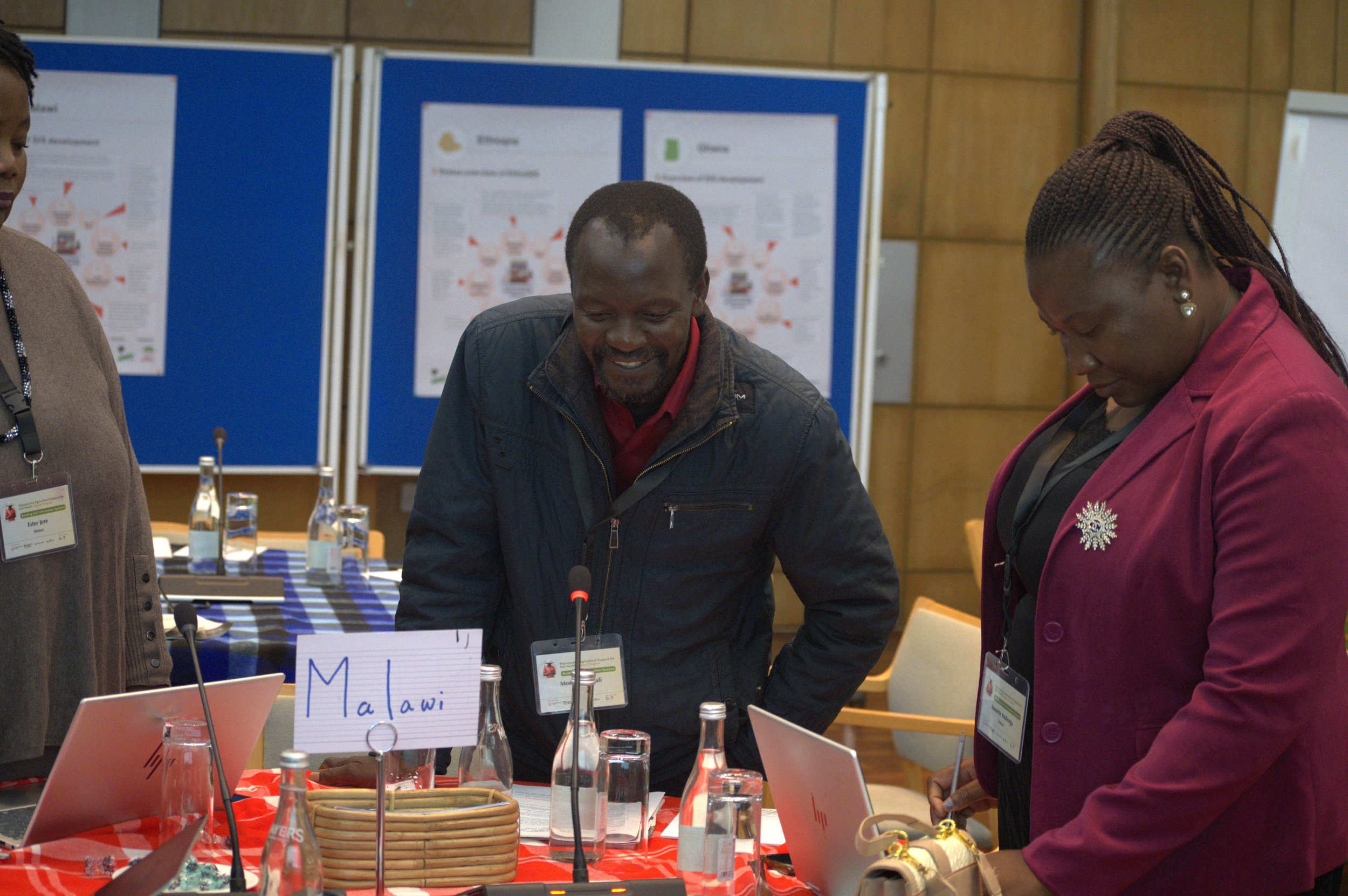
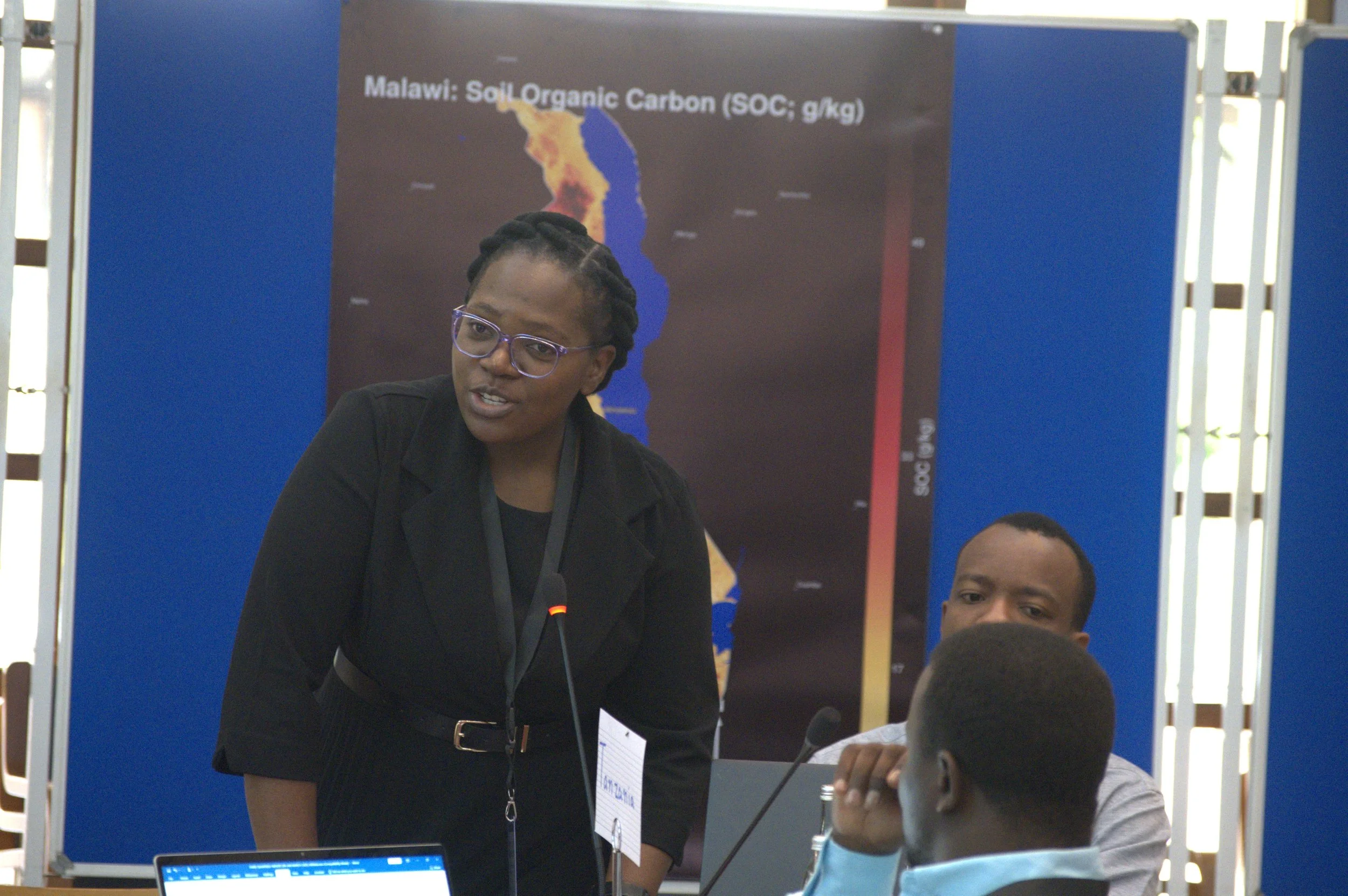
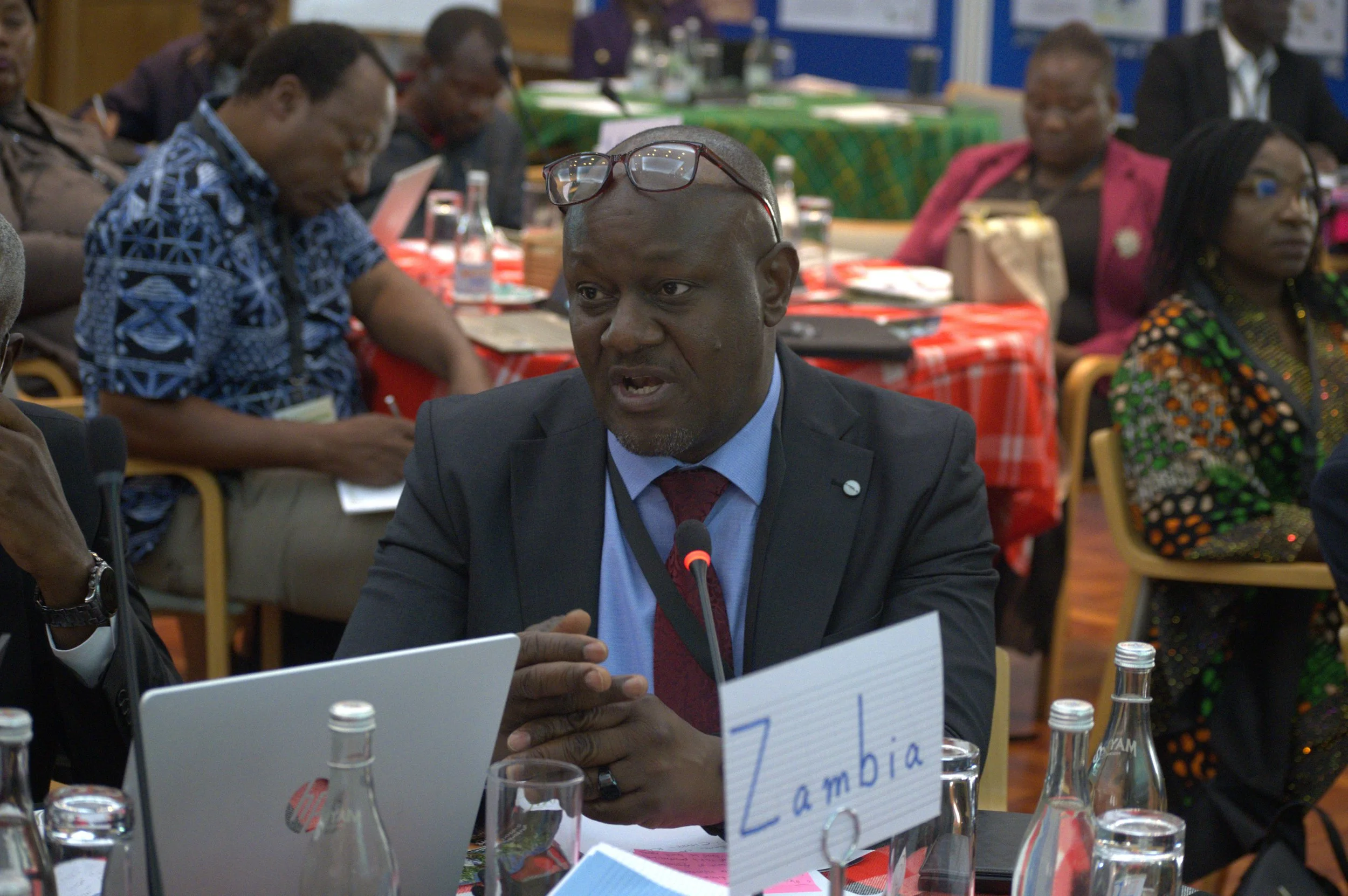
Interactive table discussions encouraged countries to validate findings against their own realities and identify immediate priorities that can be strengthened. Rather than designing ideal systems, countries focused on building usable and sustainable systems that support real decisions.
Building Practical and Functional SIS Components
A key component of the Workshops was to brainstorm how to bring soil data into decision making. Dr Tor-Gunnar Vågen, Senior Scientist and Head of the GeoScience Lab at CIFOR-ICRAF, provided the technical framing for this discussion by introducing the concept of a minimum viable Soil Information System (SIS).
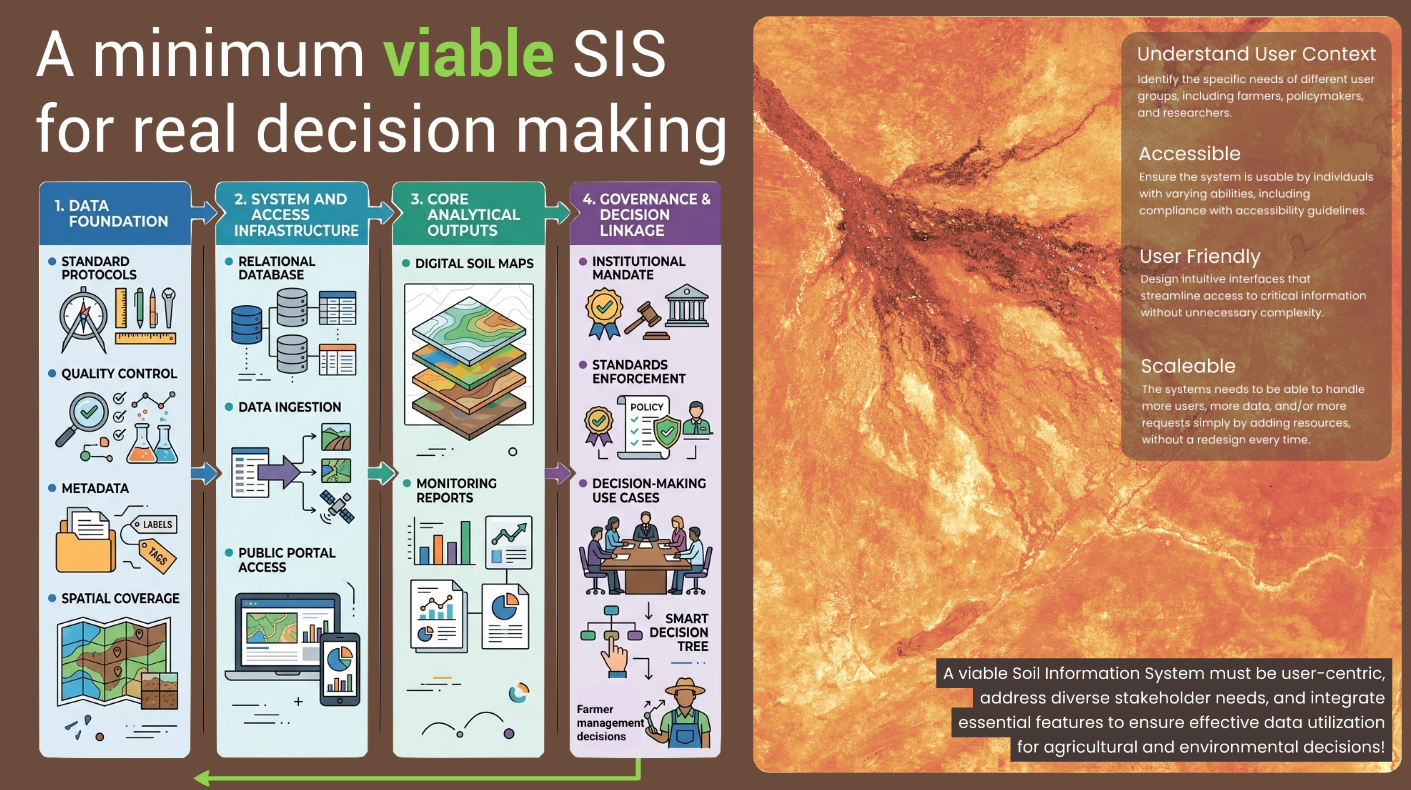
Presentation from Dr Tor-Gunnar Vågen on the minimum requirements for establishing a functional SIS.
This means the most focused and cost-effective configuration capable of supporting a clearly defined decision or use case. Rather than pursuing comprehensive, possibly overwhelming systems from the outset, this discussion encouraged participants to think strategically about building only what is necessary to enable immediate action and generate value. To support this approach, the session presented four stylised SIS maturity pathways, helping country teams assess where they currently stand and identify realistic next steps for strengthening their systems over time. These include:
Foundational build — for countries with no SIS or highly fragmented data, where the priority is establishing standard protocols, basic data collection, and minimum institutional arrangements.
Consolidation and quality — for countries where data exists but governance and use are weak, and where the priority is harmonising legacy data, establishing data-sharing agreements, and improving data quality and metadata.
Integration and use — for countries where a platform exists but uptake is low, and where the priority is connecting the platform to decision-makers, extension services, and farmer advisory systems.
Advanced use cases — for countries with functioning SIS, where the priority is targeting, smart subsidy design, payment for ecosystem services (PES), and monitoring and accountability.
To determine where they are in the maturity pathways matrix, country teams worked through practical use cases to answer questions such as:
What decisions should an SIS support?
What is the minimum viable system needed?
Which investments should come first?
How should countries sequence implementation over the next 12–24 months?
Country teams worked through practical implementation questions around which SIS components already exist, where the most critical gaps remain and how investments should be sequenced over the next 12 to 24 months. Discussions also highlighted the importance of nationally owned systems that are sustainable, interoperable and aligned with existing institutional and policy frameworks.
“The goal is not to build the biggest Soil Information System, but the minimum viable system that delivers a real decision and creates value from day one.” – Tor-Gunnar Vågen, CIFOR-ICRAF
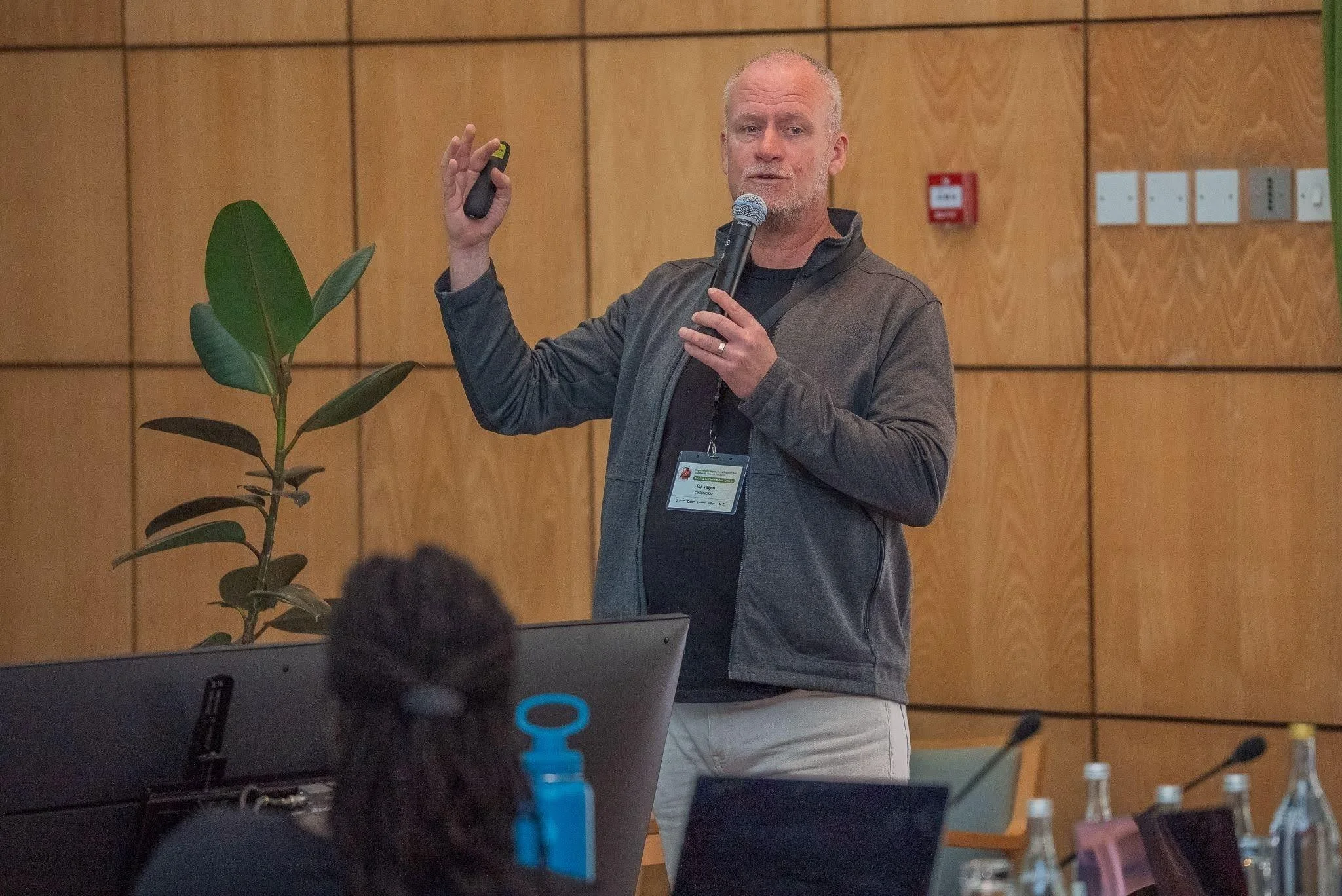
Dr Tor-Gunnar Vågen presents the concept of a minimum viable Soil Information System (SIS), encouraging countries to focus on practical, decision-driven approaches to strengthening national soil information systems.
Leading Innovation in Soil Data Collection and Interpretation
Highlighting innovative approaches for soil intelligence and decision-making, the CIFOR-ICRAF team hosted a guided tour of the Soil and Land Health Laboratory and the Spatial Data Science and Applied Learning (SPACIAL) Lab at CIFOR-ICRAF. The tour gave participants a closer look at the possibilities offered by soil data for decision-making, including restoration monitoring, identifying priority areas for intervention, and more.
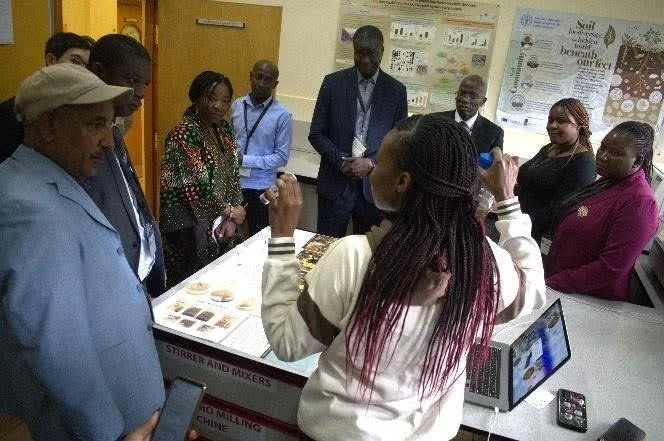
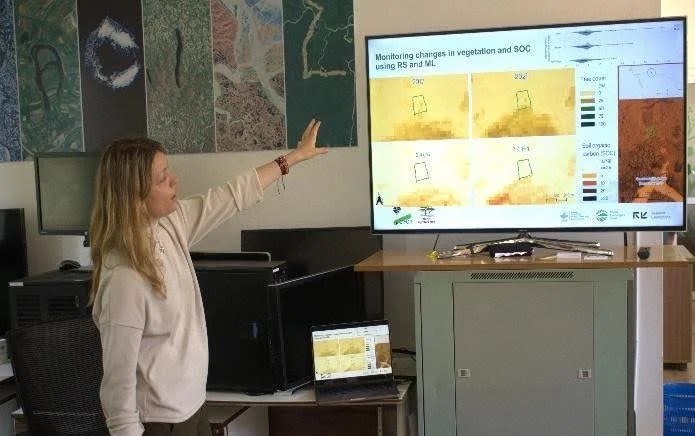
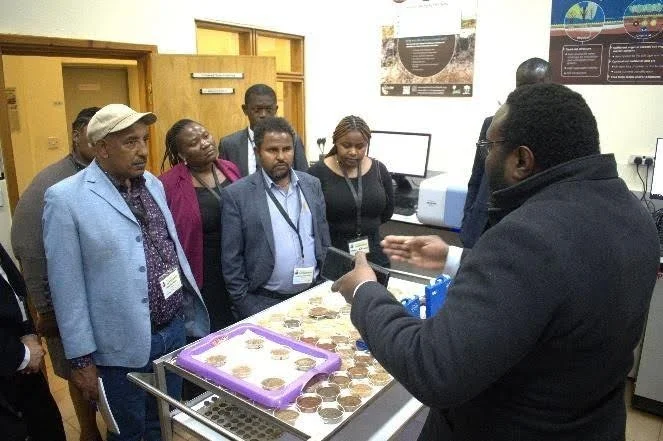
Workshop participants tour the Soil and Land Health Laboratory and the Spatial Data Science and Applied Learning (SPACIAL) Lab at CIFOR-ICRAF.
Emerging priorities for the road ahead
Several themes emerged as priorities for continued engagement:
Strengthening implementation: Countries expressed interest in moving from planning to implementation, including harmonizing datasets and operationalizing national systems.
New data collection to build dynamic systems: Much of the existing data are outdated or focus on a limited suite of indicators. New data collection following agreed-upon best practices would help develop data interpretation, comparison, and use.
Resample existing sites to track changes over time: Monitoring soil heath over time is essential for understanding what practices are working where, so revisiting existing sites provides insight into what is happening on the ground and informs adaptive management.
Capacity Development: Participants stressed areas where capacity development is needed, including in building relational databases, soil spectroscopy laboratory analysis, soil mapping and advanced data analytics.
Governance and institutional alignment: Participants emphasized the need to clarify roles across ministries, research institutions and technical agencies.
Data sharing and interoperability: Open standards and stronger protocols were repeatedly identified as critical for scaling impact.
Country-led follow-up: Participants called for continued country engagement and stronger national dialogues. Kenya was highlighted as a potential host country for multinational discussions and advancing work through existing initiatives and platforms.
Sustaining momentum through continued engagement: The workshop closed with a strong call to maintain collaboration beyond Nairobi. Participants overwhelmingly indicated a preference for monthly engagement to continue exchanging updates, technical insights and lessons learned.
The shared message was clear:
Building operational Soil Information Systems is not a one-time technical exercise—it is an ongoing process of collaboration, learning and institutional transformation.
Under the broader Repurposing Agricultural Support for Soil Health Impact Programme from World Bank, the next phase of engagement will focus on supporting countries as they advance these priorities and translate shared learning into operational, nationally owned systems capable of informing agricultural policy, guiding investment decisions and strengthening soil health outcomes across Africa.
As discussions throughout the workshop repeatedly emphasized, building operational Soil Information Systems is not a one-time technical exercise, but an ongoing process of collaboration, learning and institutional transformation.
Read more about the World Bank Group Impact Programme
Related Stories