Resource Library
Any CA4SH partner can submit a resource to the Library, where we hope to increase visibility of diverse work related to improving soil health globally.
Please send a web link or a file to communications@coalitionforsoilhealth.org if you would like to submit a resource.

Striga Weed Management Brochure
Striga is a parasitic weed that attaches itself to the roots of host crops mostly cereals (maize, sorgum, millet and rice) and grasses (nappier,bracharia,sugarcane); it flourishes in poor soils and cereals mono-crop. Striga weed is significantly capable of reducing and in some cases wiping out the entire crop.

Mucuna Pruriens Brochure
Brochure explaining the health benefits and home processing methods of the Mucuna Bean.

Mucuna Recipes Cook Book
Mucuna is an annual climbing legume (nitrogen fixing) grown as green manure/ cover crop to improve soil properties and crop yields. It is a rich source of protein that compares well with other edible food legumes such as lima beans and soybean in nutrient quality and digestibility. It can also be used as a fodder crop for livestock. It is commonly referred to as velvet bean, jack bean, Cowhage, Pica (or Pica-Pica), Cowitch, or Yoruba.


Cover Crops and Crop Management Booklet
Cover crops are specific crops that play a major role in Conservation Agriculture by addressing crop production constraints such as low soil fertility. They are primarily grown for the benefit of the soil rather than as a main crop. They are commonly used to surpress weeds, manage soil erosion, help in improving soil Soil fertility and quality by fixing nitrogen in the soil, control disease and pests and increase crop diversity.

Green Manure Cover Crop Seeds Production and Certification for the Rehabilitation of Degraded Soils in Western Kenya
In response to the observed challenges that hinder the widespread adoption of Green Manure Cover Crops (GMCC) practices in Western Kenya, the GIZ ProSoil Project in collaboration with the Kenya Agricultural and Livestock Research Organisation (KALRO) through the Food Crops Research Institute – Alupe Centre under a Financial Agreement have implemented a grant supported project for bulking of seeds for assorted GMMCs and the building of capacities of the farmers and extension staff on the good practices for GMCC production.
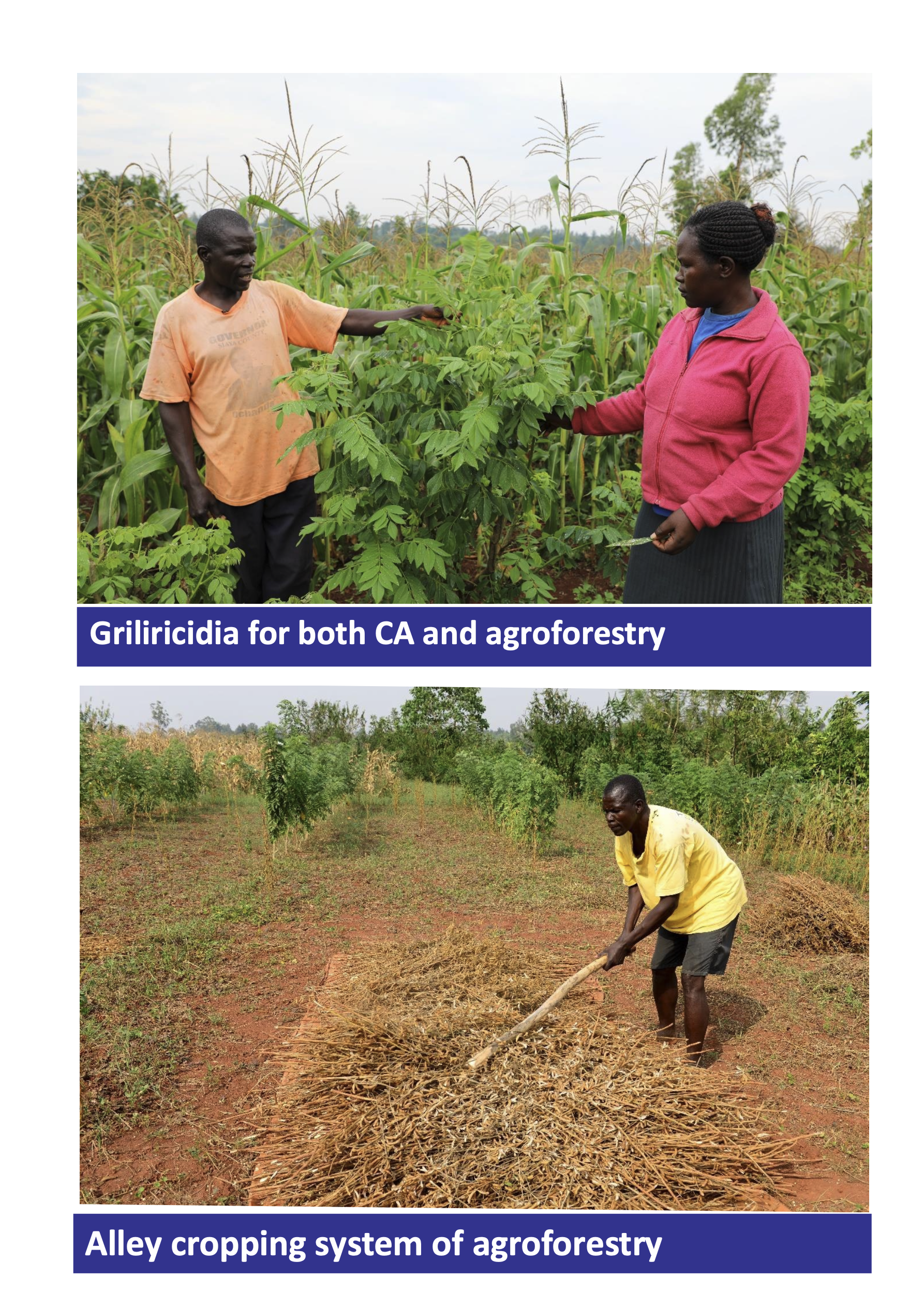
Training Pictorials
A pictorial guide showing conservation agriculture techniques & tools.
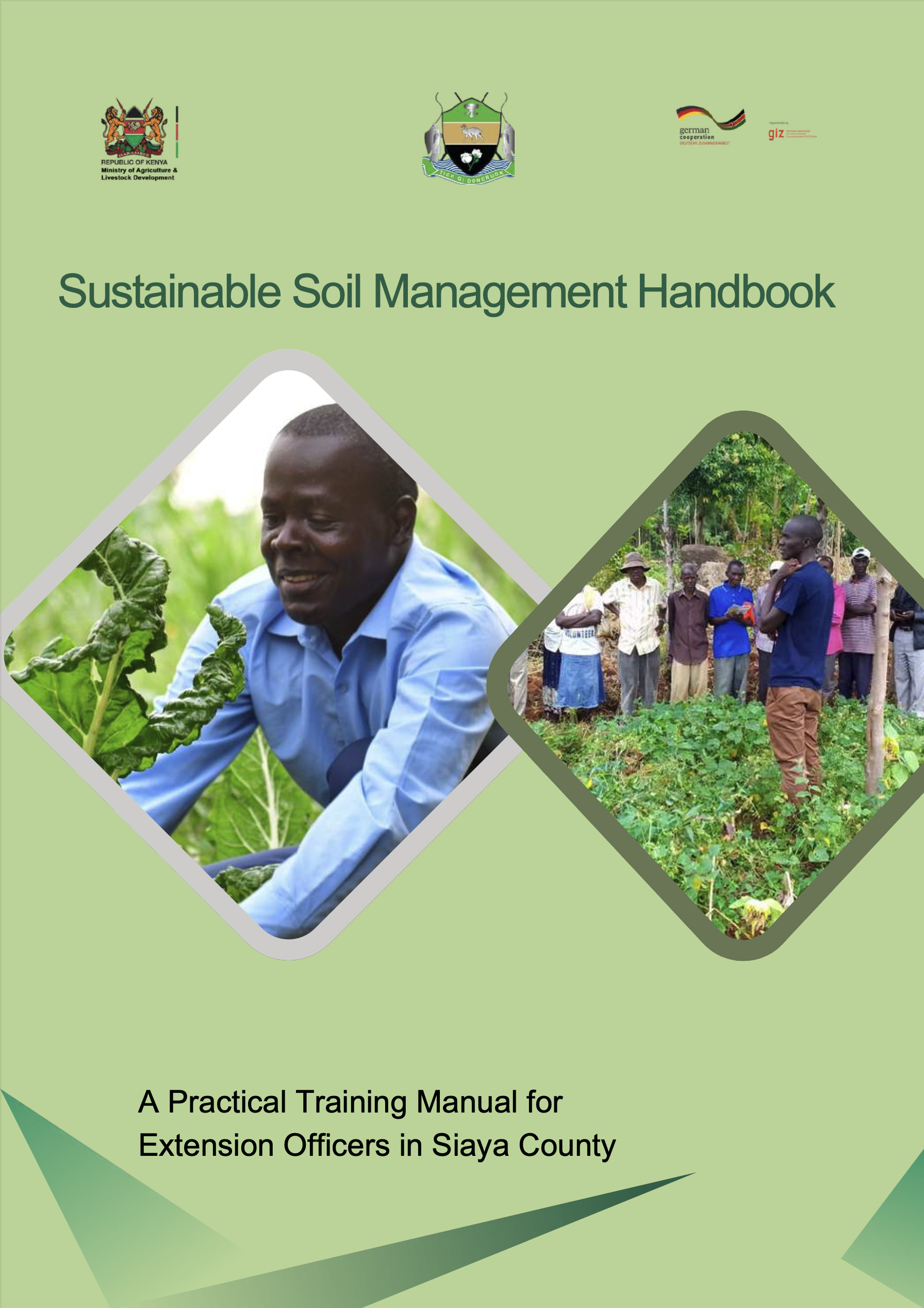
Sustainable Soil Management Handbook
This training manual provides a practical, county-owned, and user-friendly guide to strengthen the capacity of frontline actors in promoting Sustainable Agricultural Land Management (SALM) in Siaya County. Drawing from over a decade of ProSoil project experience, the manual translates proven practices into actionable training content and participatory methodologies tailored to the realities of smallholder farmers.
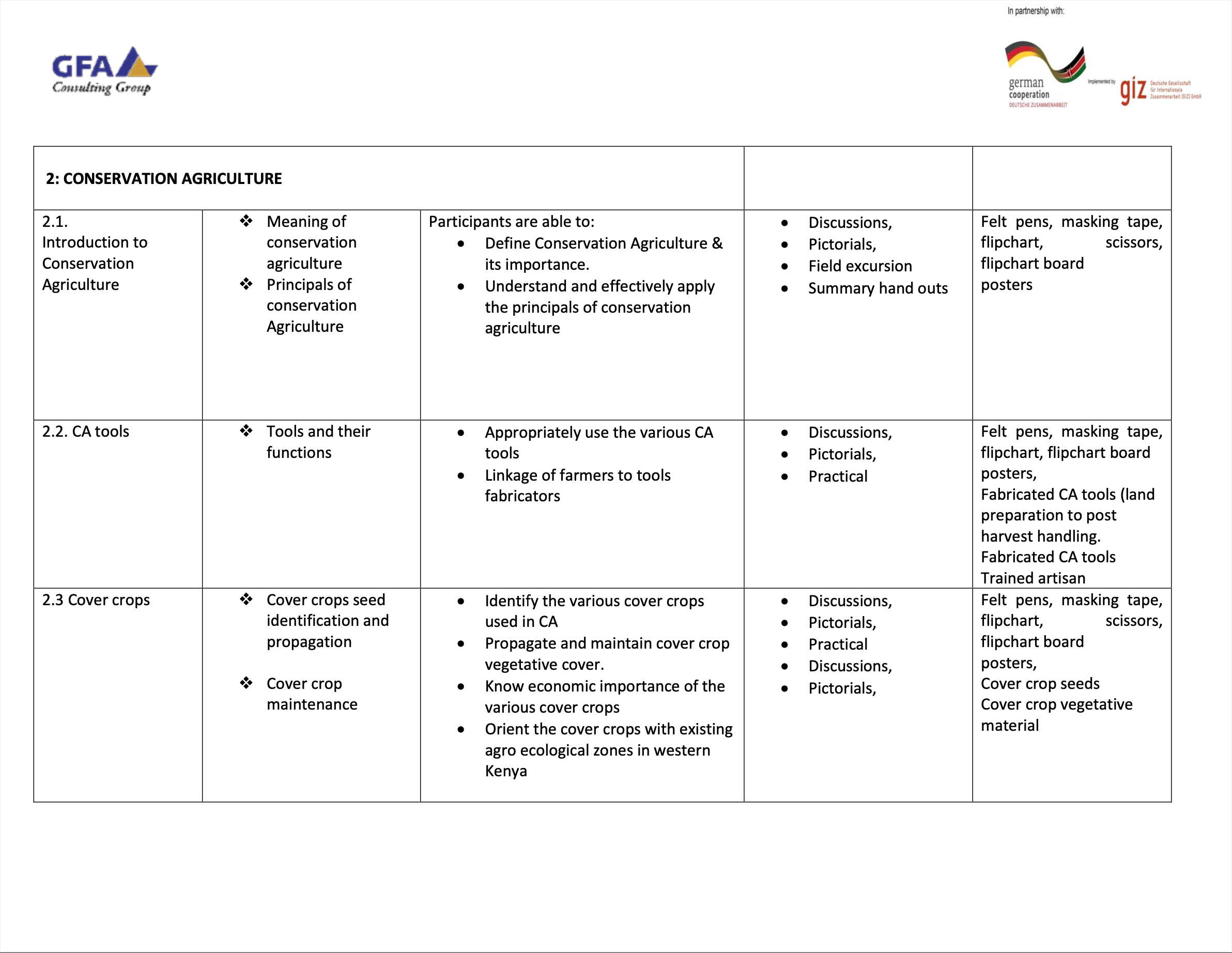
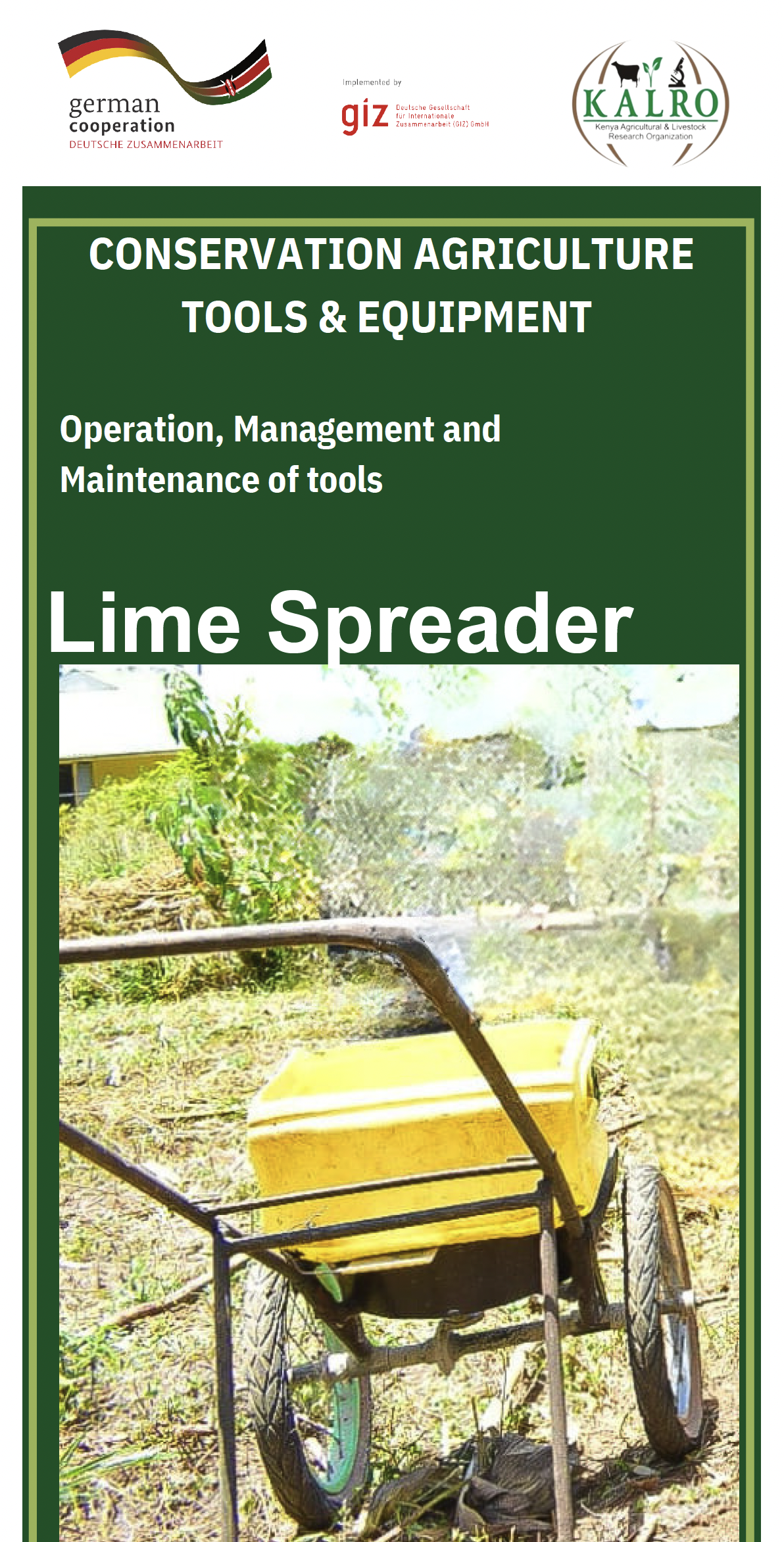
Conservation Agriculture Tools and Equipment - Lime Spreader
Operation, Management and Maintenance of tools.
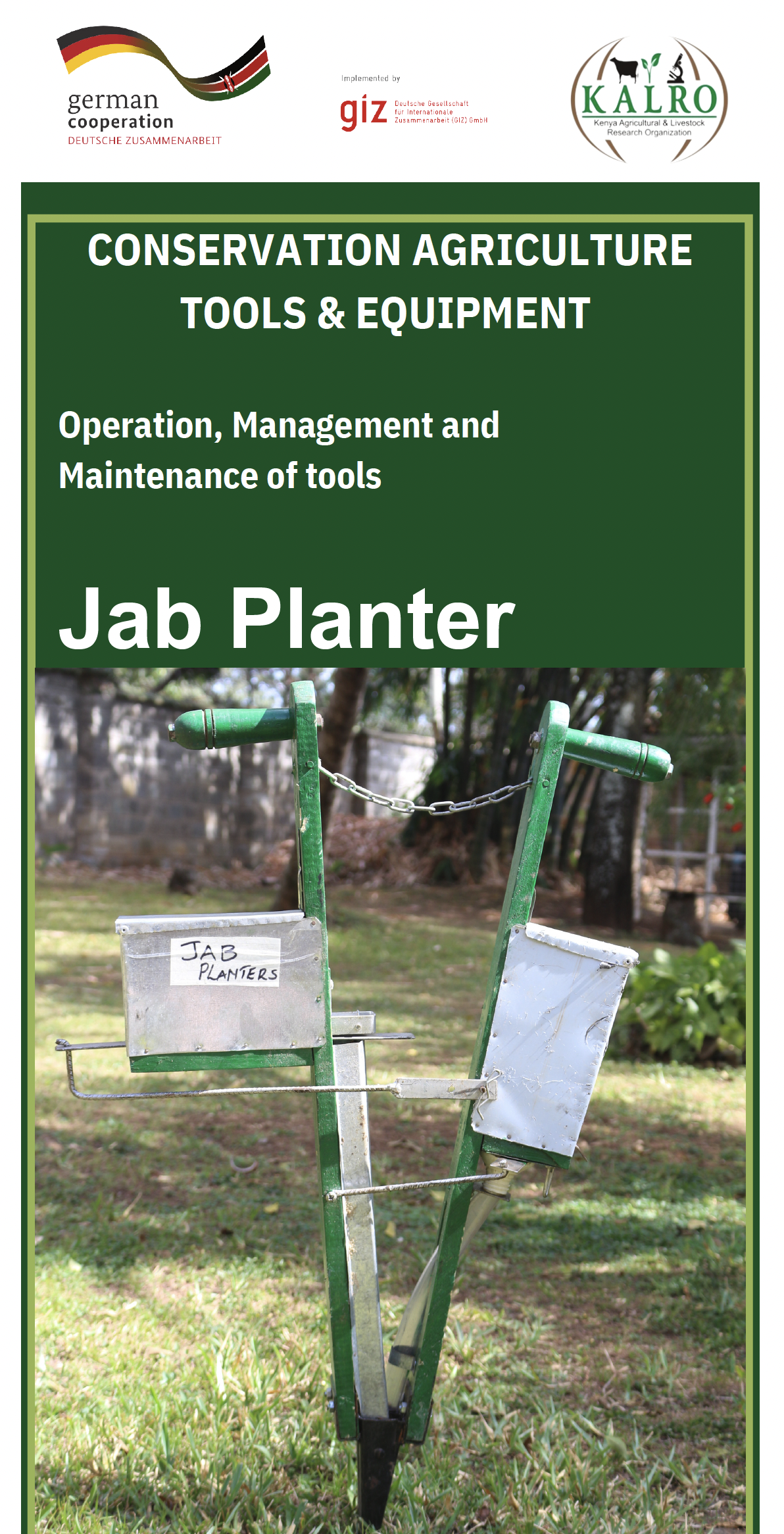
Conservation Agriculture Tools and Equipment - Jab Planter
Operation, Management and Maintenance of tools.
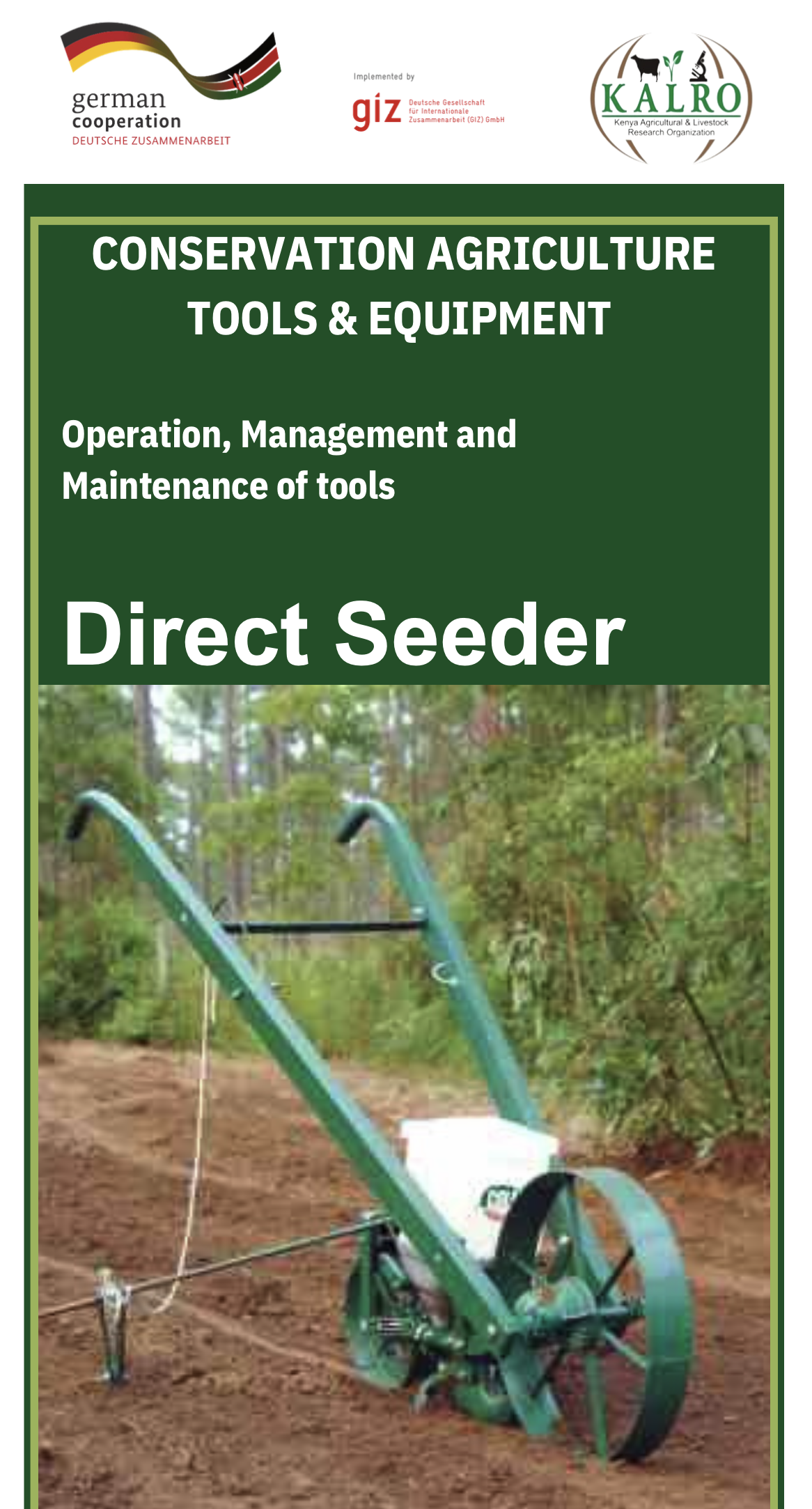
Conservation Agriculture Tools and Equipment - Direct Seeder
Operation, Management and Maintenance of tools.
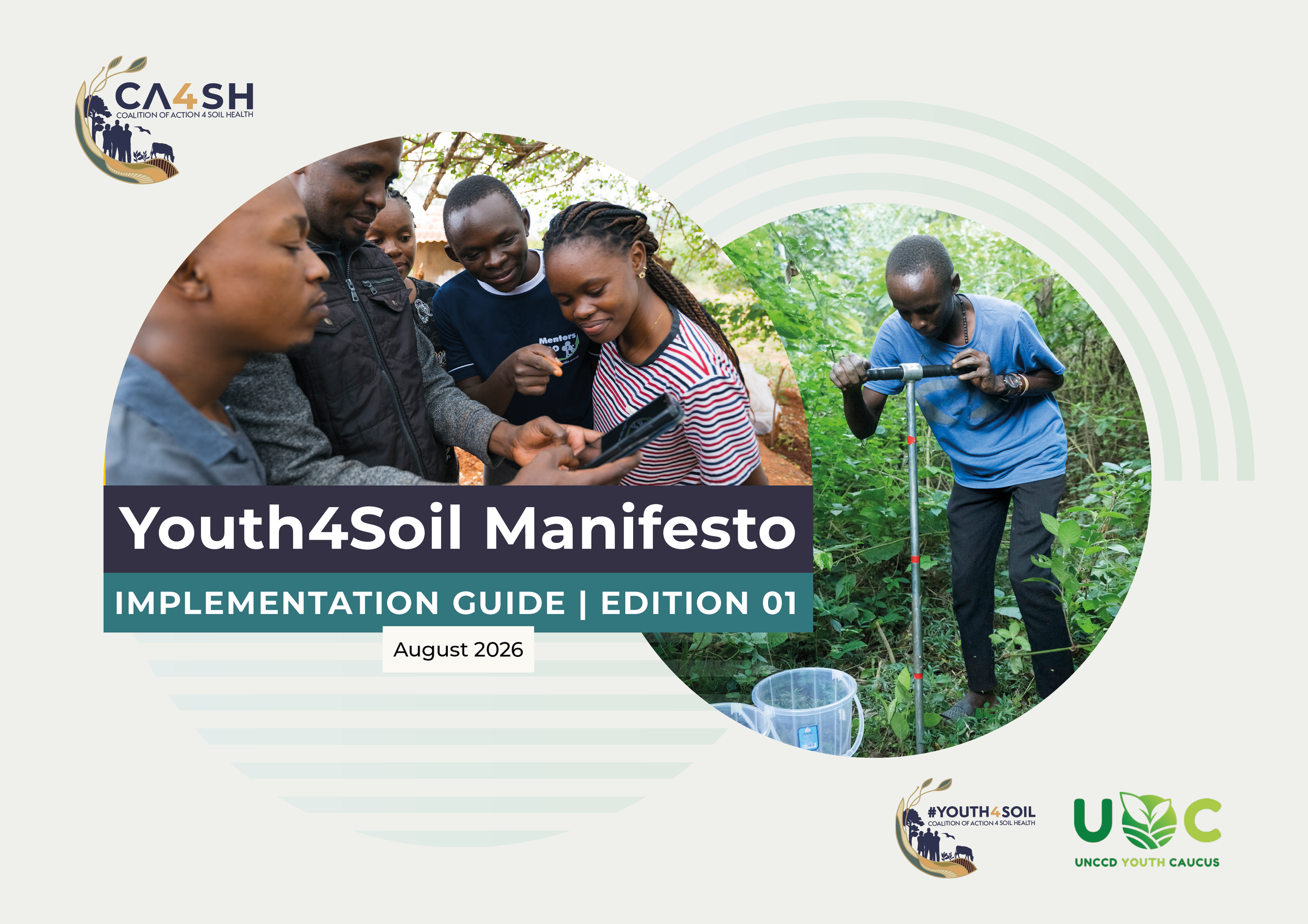
Youth4Soil Manifesto Implementation Guide
This Implementation Guide is an action and advocacy tool that aims to help youth and allied actors design and implement activities that help to achieve the global youth priorities, and align and integrate youth priorities in global frameworks. The Guide builds on the co-creation process that produced the Youth4Soil Manifesto. It draws on the contributions of over 250 youth individuals and 60 youth-led organizations across regions, gathered through surveys, consultations, dialogues, and a call for stories. The Guide highlights key recommendations, enabling conditions, entry points for specific actors, and resources to support implementation of the Global Youth Priorities.

Enhancing access to and use of reliable soil information through an interoperable soil data infrastructure: A review of existing soil health initiatives and data in Ghana, Kenya, Malawi and Tanzania
Soil health information is a critical tool for identifying intervention areas to reverse land degradation, providing tailored fertilizer recommendations, and supporting policy processes, among myriad other benefits. Multistakeholder actors in Africa are already collecting data and sharing them with their wider networks, but many of these data sharing systems are limited in scope, cumbersome or locked behind institutional barriers. Fostering collaborative soil knowledge exchange could bolster the uptake of soil health data to drive evidence-based action on behalf of food systems, the environment, and people. Despite new continental momentum toward scaling soil health supported by data, there is limited stocktaking or documented baselines on current initiatives toward scaling soil health. This review seeks to address this gap and support the consolidation of efforts and initiatives at continental and national levels.
The results of this review can help prioritize and streamline efforts to build a collaborative soil data sharing community toward enhanced action in Africa under the Norad-funded initiative, Establishing an ecosystem of soil data-driven services.
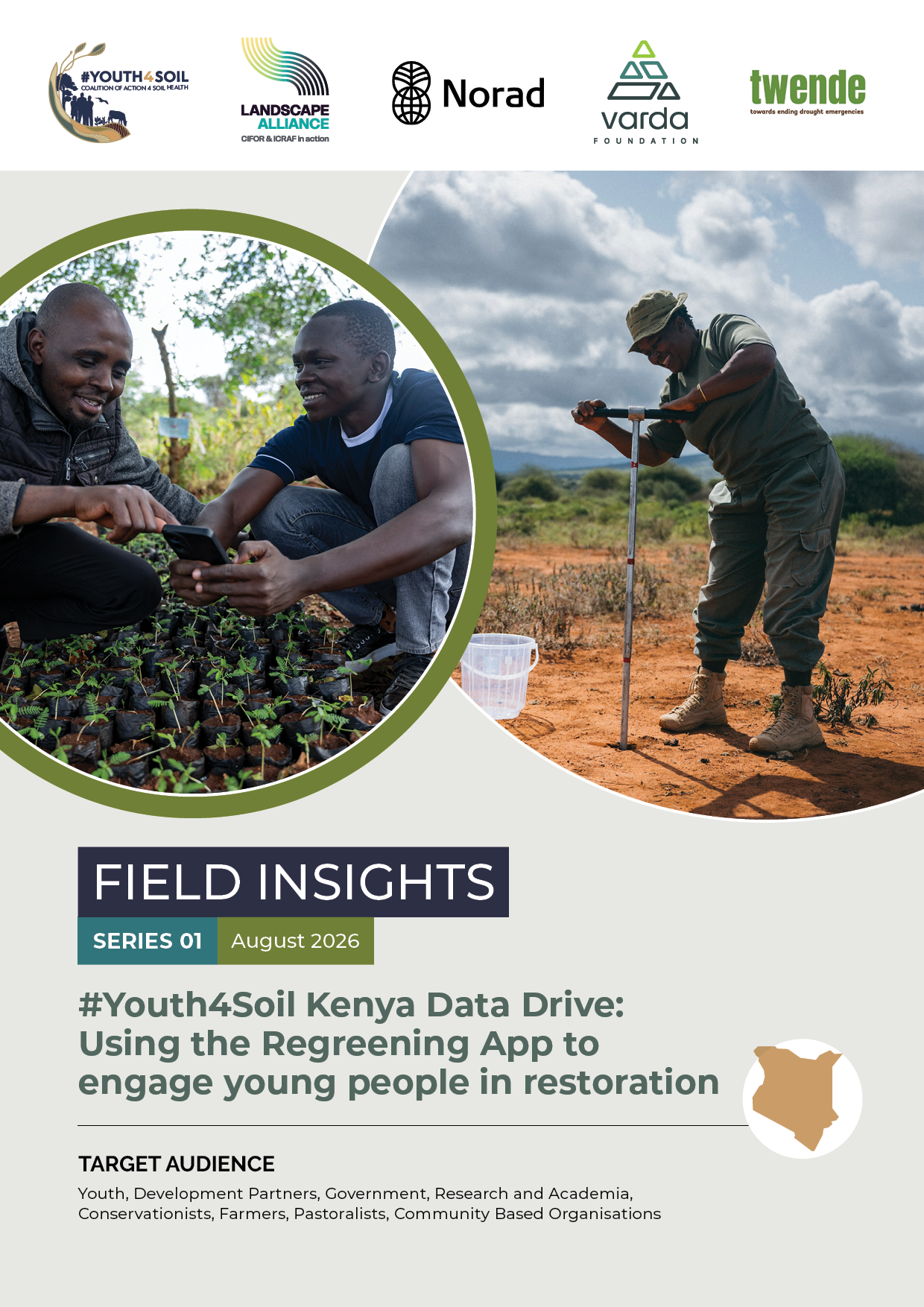
FIELD INSIGHTS | #Youth4Soil Kenya Data Drive: Using the Regreening App to engage young people in restoration
Between 27 April and 10th May, 2026, #Youth4Soil engaged the cohort in Kenya in a data drive using the Regreening App to generate participatory, credible and standardized data while strengthening both scientific understanding and community action among youth. By engaging directly in data collection, youth became active contributors to evidence‐based decision‐making rather than passive beneficiaries of external interventions.
The experiences documented in this brief highlight how the initiative empowered youth with skills, credibility and advocacy capacity, positioning them as agents of change. The initiative fostered stronger youth networks and enhanced confidence, while the lasting impact will be reflected in improved soil practices, informed policies, and resilient communities that can better withstand future shocks.
Restoring Rangelands from the Soil Up: Soil Health as the Foundation of Inclusive Land Restoration
This brief presents:
The evidence base for soil health as a key indicator of rangeland restoration, resulting from improved and inclusive land governance which is foundational to rangelands restoration.
Priority actions for key stakeholders.
Contributions to the implementation of Decision 29/COP.16 on rangelands and pastoralists, Decision 19/COP.16 on agricultural lands, and the Rangelands Flagship Initiative to be launched at COP17.
Key Messages for COP17:
How Healthy Soil Aligns the Rio Conventions and Global Agendas
This knowledge product demonstrates how soil health serves as a unifying foundation across the three Rio Conventions—the United Nations Convention to Combat Desertification (UNCCD), the Convention on Biological Diversity (CBD), and the United Nations Framework Convention on Climate Change (UNFCCC)—while contributing to the achievement of the Sustainable Development Goals (SDGs). It reviews the key policy mechanisms under each Convention and identifies opportunities to strengthen the integration of soil health into national implementation, monitoring, and reporting processes.
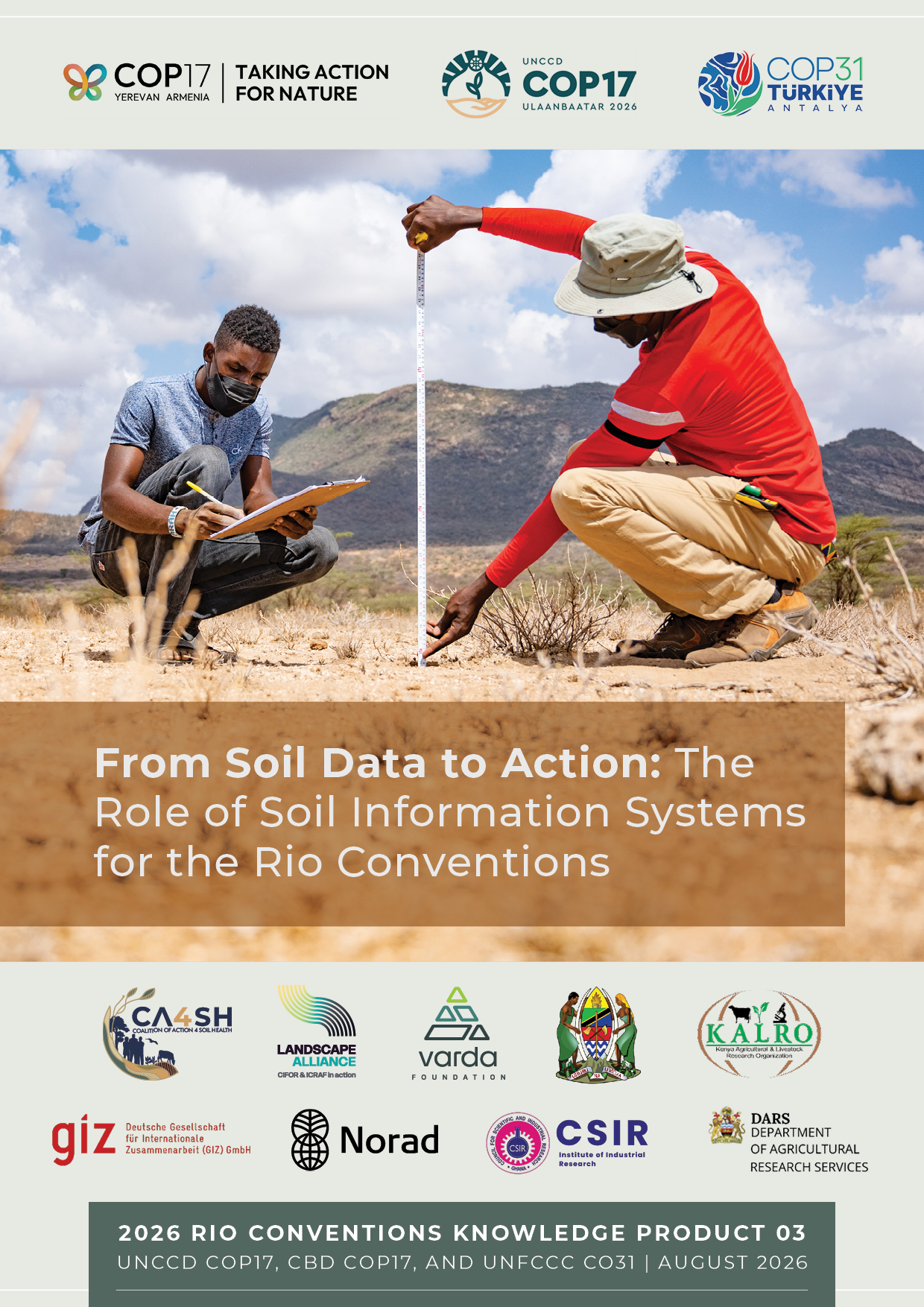
From Soil Data to Action: The Role of Soil Information Systems for the Rio Conventions
This policy brief outlines the case for policymakers to scale SISs and integrate monitoring of SOC in national reporting towards the goals of the Rio Conventions. It explores the context and need for advancing SISs to support voluntary targets laid out in national LDN, NBSAPs, and NCDs.
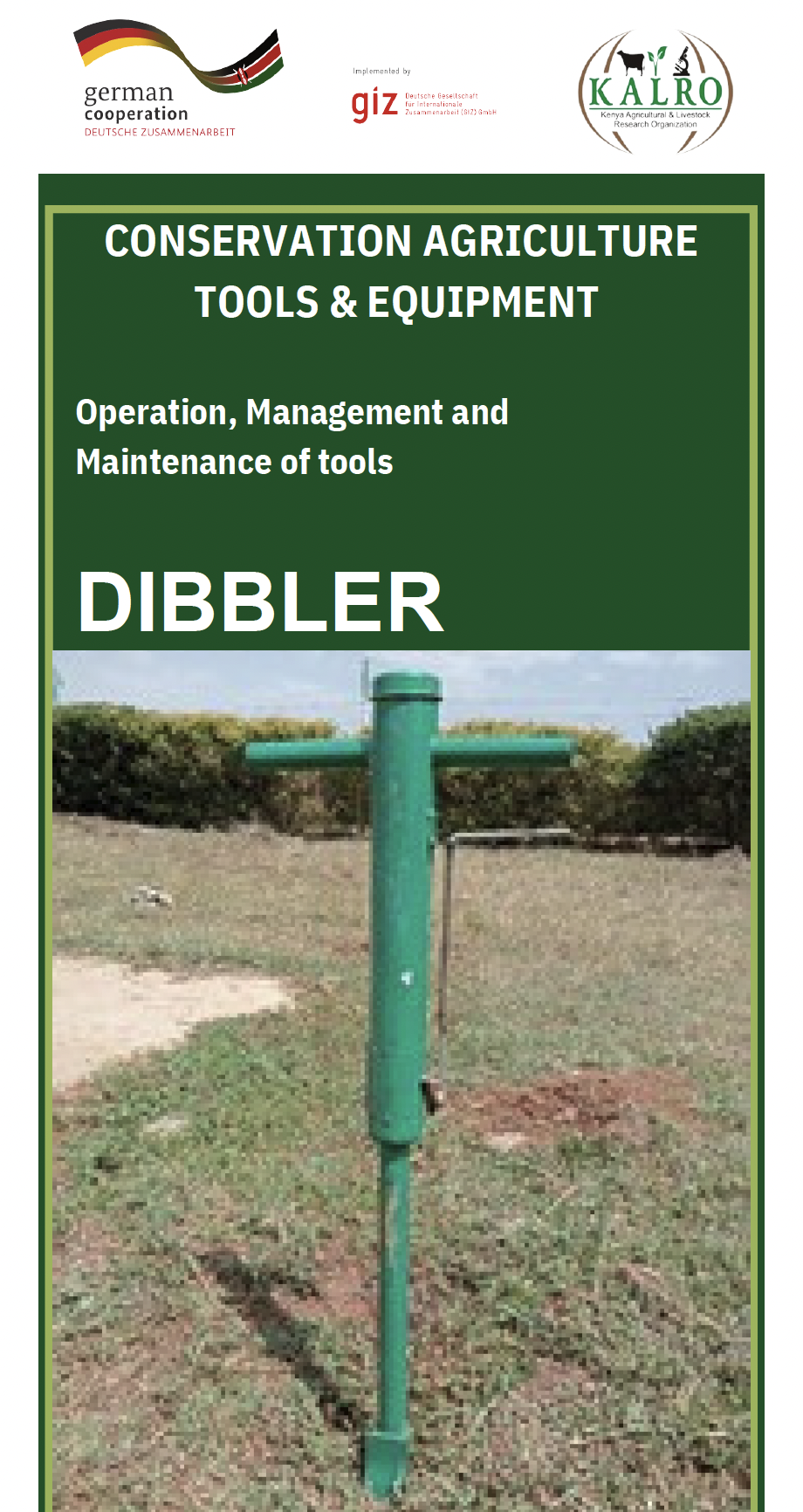
Conservation Agriculture Tools and Equipment - Dibbler
Operation, Management and Maintenance of tools.
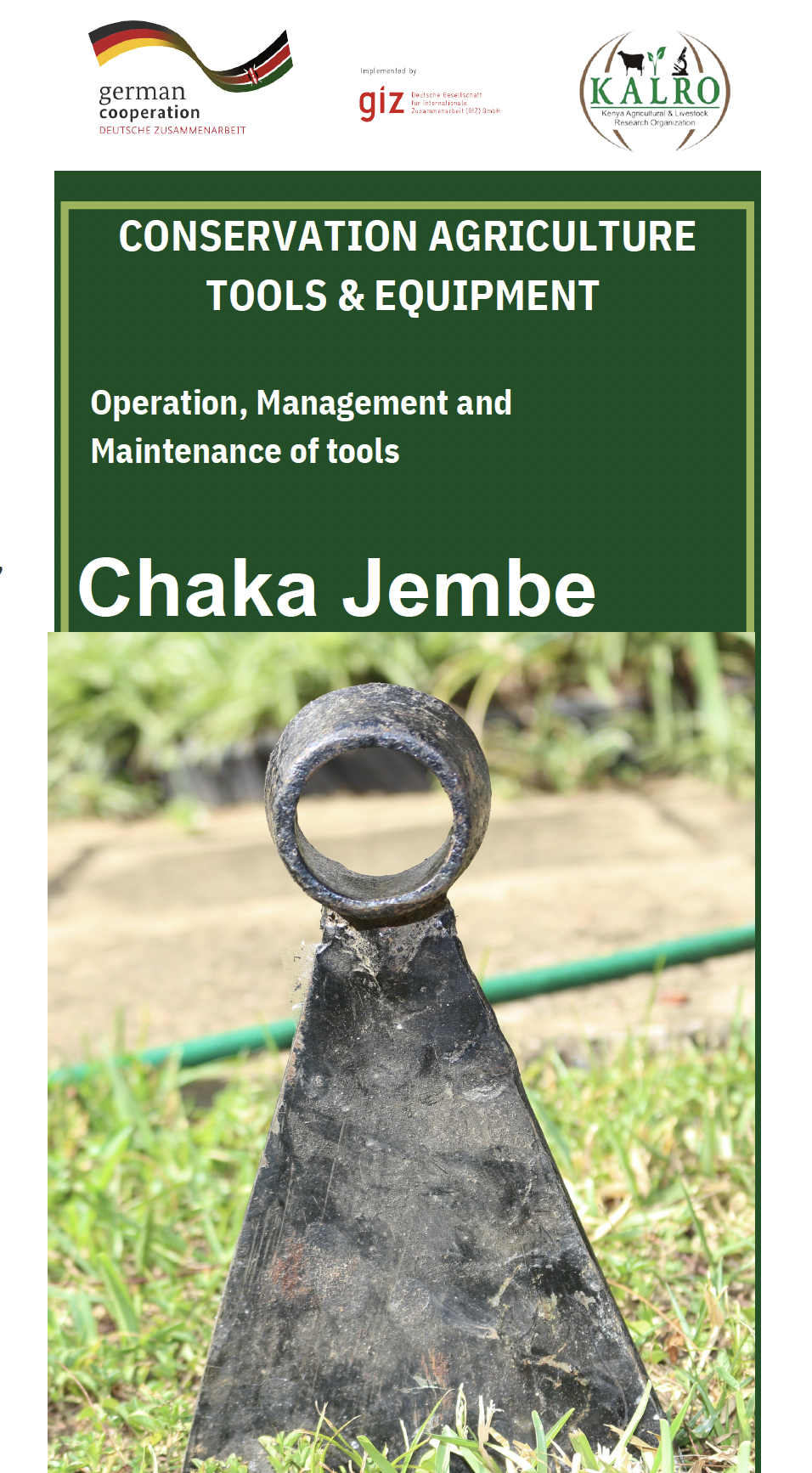
Conservation Agriculture Tools and Equipment - Chaka Jembe
Operation, Management and Maintenance of tools.