

CA4SH is a multilateral, multistakeholder partnership
We are working alongside our membership to generate knowledge, lessons learned, case studies, and more to help inform the way forward for stakeholder action for soil health.
Resources presented here are original and co-produced with CA4SH partners under the Coalition’s workplan.
Reach out to the CA4SH Team with an idea to co-develop a new resource.
To browse internal and external resources, visit the Resource Library.
Browse
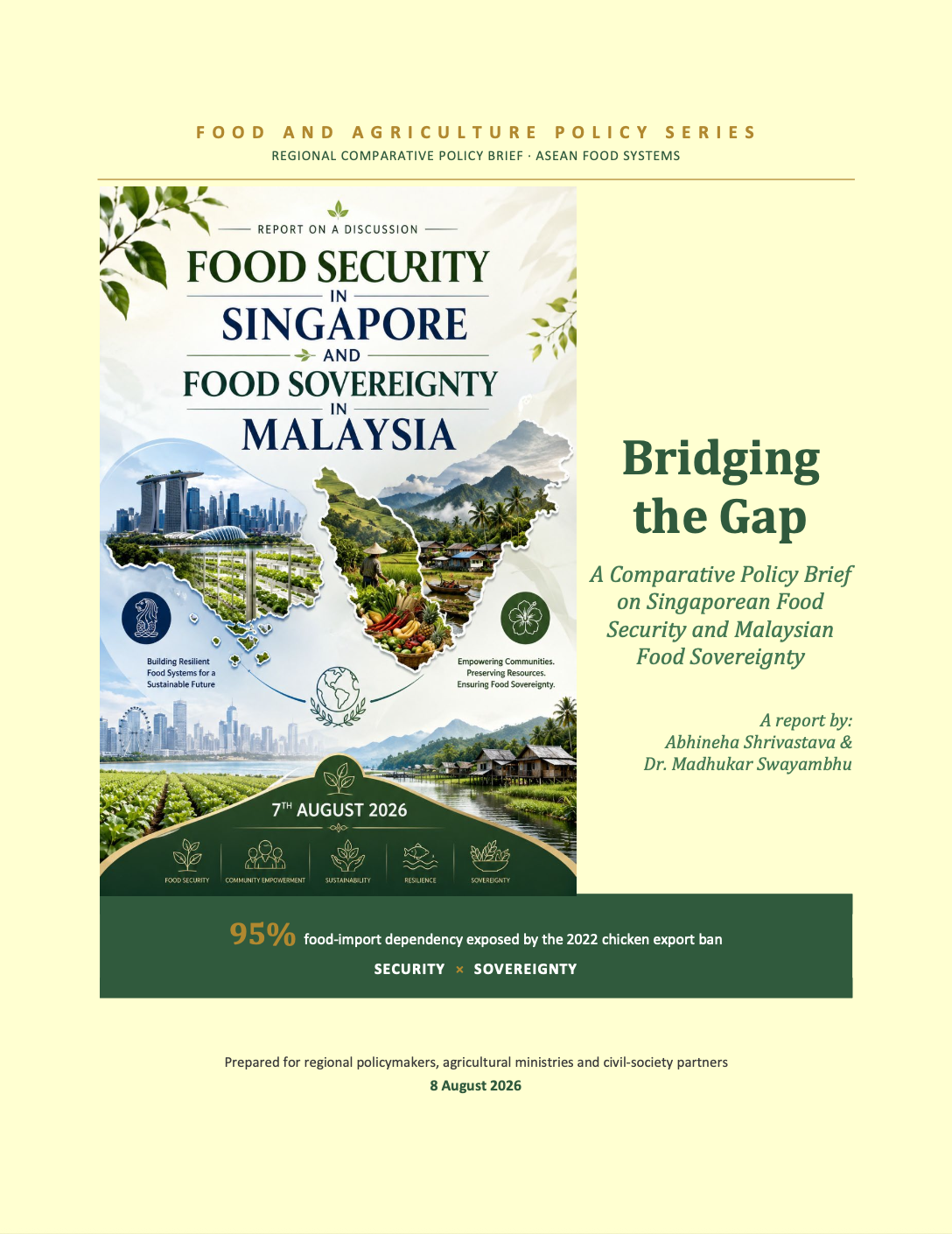
The agricultural relationship between Singapore and Malaysia is a study in profound, fragile interdependence. Singapore's 95% reliance on food imports creates a structural vulnerability that was starkly exposed by the 2022 Malaysian chicken export ban, which sent immediate shocks through the city-state's supply chains and consumer pricing.
This event underscored a critical reality: regional food systems are not merely logistical challenges but are deeply susceptible to the internal political and ecological shifts of neighbouring states. This brief evaluates the contrasting philosophical and practical approaches to food resilience in both nations, moving beyond surface-level logistics to examine the deeper frameworks of “security” versus “sovereignty.” By dissecting these divergent priorities, we can better understand how the tension between consumer demand and producer survival dictates the future of regional stability.

This B.Tech Agricultural Engineering project is based on the recent AI/ML research direction 'AgroSense: An Integrated Deep Learning System for Crop Recommendation via Soil Image Analysis and Nutrient Profiling'. The project connects agricultural engineering with artificial intelligence, machine learning, deep learning, IoT, computer vision, drone analytics, or RAG-style decision support. Students can use the linked 2023-onward paper/source as the academic base and convert it into an implementation-focused final-year project with sensors, datasets, dashboards, mobile/web interfaces, prediction models, or prototype automation.
Building on previous editions in the Breakthrough Agenda series, this year’s report identifies a set of near-term priorities aimed at improving conditions for investment, deployment and market development ahead of the next Global Stocktake in 2028.
Launched at COP26 in 2021, the Breakthrough Agenda provides a framework for strengthening international collaboration across major emitting sectors, with the aim of making clean technologies and sustainable solutions the most affordable, accessible and attractive option by 2030.
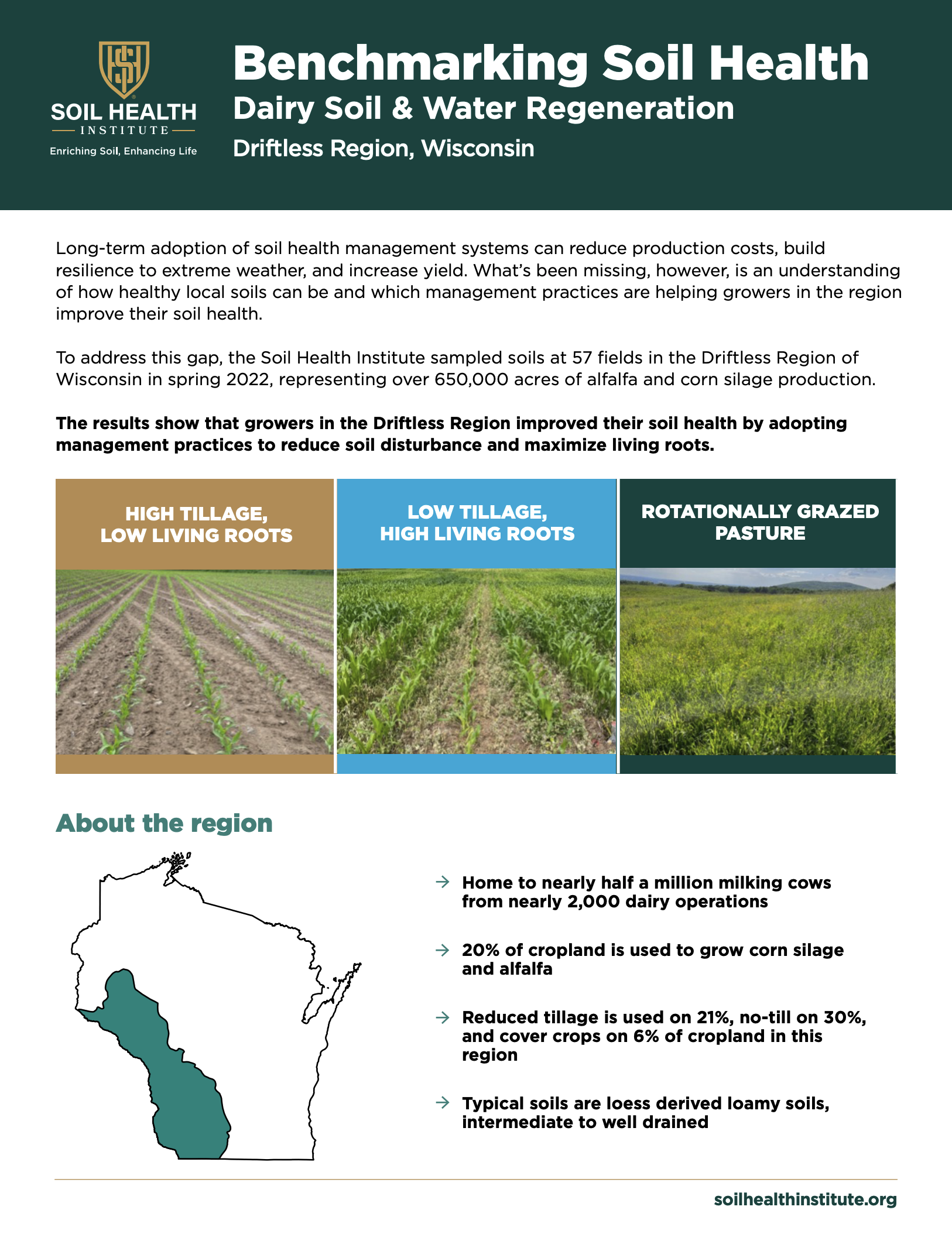
Long-term adoption of soil health management systems can reduce production costs, build resilience to extreme weather, and increase yield. What’s been missing, however, is an understanding of how healthy local soils can be and which management practices are helping growers in the region improve their soil health.
To address this gap, the Soil Health Institute sampled soils at 57 fields in the Driftless Region of Wisconsin in spring 2022, representing over 650,000 acres of alfalfa and corn silage production.
The results show that growers in the Driftless Region improved their soil health by adopting management practices to reduce soil disturbance and maximize living roots.
This brief, authored by Applied Microbiology International, emphasises the need to foster effective communication across the soil stakeholder spectrum to build the trust and open-mindedness to risk that is necessary for enabling wide-scale, lasting change.
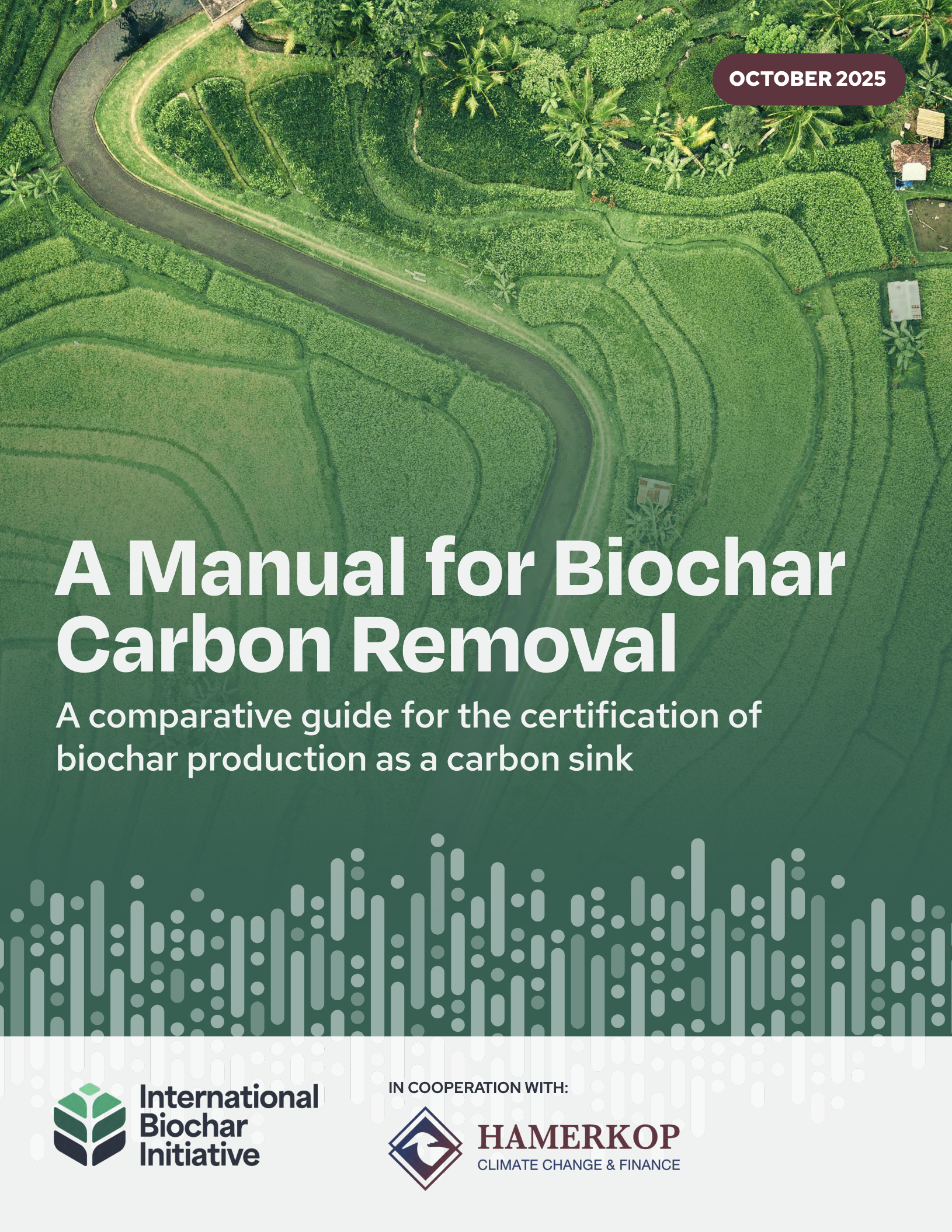
The teams at International Biochar Initiative and HAMERKOP have been hard at work updating the guide with the latest information on the carbon removal market, standards and methodologies, and more since the first edition was released in 2024.
The digital guide provides a roadmap for biochar producers, investors, and stakeholders keen on understanding the intricacies of biochar carbon removal certification. Readers gain a clear overview of the various methodologies established by leading certification standards, with the goal of offering practical insights and comparisons to assist producers and investors in selecting the most appropriate approach for their specific biochar projects.
Some of the main 2025 updates include:

Clarifying and communicating the values of grasslands is essential to catalysing increased conservation, restoration and sustainable management. Grasslands and savannahs face significant and widespread threats from multiple fronts and are an underacknowledged ecosystem in the minds and imaginations of people around the world. The report reflects a growing recognition and commitment to grassland and savannah conservation within WWF and partners, due to their critical roles in food security, biodiversity, ecosystem services and human cultures. It contributes to momentum building towards the International Year of Rangelands and Pastoralists and the next Conference of the Parties of the UN Convention to Combat Desertification (UNCCD) in Mongolia, both in 2026. This report aims to help governments to develop ambitious yet realistic conservation strategies for these critical ecosystems and inform private sector initiatives and finance.

Since its launch at COP 26, the Breakthrough Agenda has become established as an annual collaborative process centred around the Conference of the Parties (COP) meetings of the United Nations Framework Convention on Climate Change (UNFCCC). It is currently supported by over 60 countries representing over 80% of global GDP, and by over 150 initiatives working to enhance collaboration within major emitting sectors. Countries can endorse Breakthrough goals to make clean technologies and sustainable practices more affordable, accessible and attractive than their alternatives by 2030 in the power, road transport, hydrogen, steel, cement and buildings sectors.
The Breakthrough Agenda establishes an annual cycle to track developments towards these goals, identify where further co-ordinated international action is urgently needed to accelerate progress and then galvanise public and private international action behind these specific priorities in order to make these transitions quicker, cheaper, and easier for all.
To initiate this cycle, world leaders tasked the IEA and the Climate High-Level Champions to develop an annual Breakthrough Agenda report to provide an independent evidence base and expert recommendations for where stronger international collaboration is needed. From 2022-2024, the reports contained a detailed assessment on the state of international collaboration across these sectors in areas such as definitions, standards and certification, demand creation and management, research and innovation, finance and investment, infrastructure, and trade conditions, among others.
The Breakthrough Agenda Report 2025 – the fourth in the annual series – takes a different approach to previous reports, in that it does not contain the same detailed sector-by-sector assessment. Instead, this year’s report focuses on enhancing the methodology behind the detailed progress assessments, provides practical examples of collaboration through deep dives, and introduces a new focus chapter on fertilisers.

This document, encompassing various success stories and strategic insights, highlights the diverse contributions of Non-State Actors in advancing agricultural development. It features case studies such as Pambana Enterprise in Zambia, which exemplifies youth-led initiatives in reducing post-harvest losses and promoting food security and climate resilience. The role of media, as demonstrated by Sydney Katunga Phiri, is underscored as crucial for translating complex agricultural policies, fostering public accountability, and building a continental narrative around key themes like youth agripreneurship, gender inclusion, and climate-smart agriculture.

This new paper from IFDC outlines the role of soil in mitigating and adapting to the effects of climate change while also being influenced by these changes – a complex two-way relationship.
The authors first provide an understanding of this relationship before discussing the direct and indirect pathways through which soil health impacts carbon sequestration. Next, they highlight global evidence on soil health’s role in ecosystem services, including its ability to promote resilient, climate-adaptable systems.
Then, they discuss how these beneficial effects are under threat, as the increase in climate change-induced events limits the ability of soil to mitigate and manage climate change. Finally, they conclude by identifying areas where further action and research are needed.

A new paper from IFDC seeks to elaborate on this theory of change and build the case for improving soil health as a pathway to food security.
The paper begins with an overview of how soil health is critical to multiple SDGs, including SDG 2: Zero Hunger. It then discusses the challenge of global hunger; including its persistence and rising trend in recent years.
Next, the authors delve into approaches that are critical to improving soil health so that crop systems can thrive. Next, is a look at not just overall food availability but the challenge of hidden hunger which is closely linked to levels of plant nutrition and healthy soils, before concluding with the caveats of the assessment.

In his Nobel Prize acceptance lecture, economist Theodore Schultz (1979) remarked, “Most of the world’s poor people earn their living from agriculture, so if we knew the economics of agriculture, we would know much of the economics of being poor”. If agriculture, then, largely determines the fate of the world’s poor, soil health has a fundamental role to play, given its impact on agriculture. In this paper, we lay out the deep relationships between soil health, agriculture, and poverty, and their implications for policy making. We focus on the United Nations Sustainable Development Goal 1 (SDG 1): No Poverty (United Nations, n.d.- a), which seeks to end poverty in all its forms everywhere. Extreme poverty is defined as surviving on less than $2.15 per person per day, at 2017 prices. We use the Intergovernmental Technical Panel’s definition of soil health: “. . . the ability of the soil to sustain the productivity, diversity, and environmental services of terrestrial ecosystem” (FAO, 2020).

Despite its importance, many national restoration monitoring frameworks still lack robust systems for tracking management practices at finer scales. Most reporting focuses on broad targets such as tree cover increase or total hectares restored—yet these figures alone don’t tell us whether restoration efforts are truly improving ecosystem function. Without clear data on soil health, vegetation recovery, erosion reduction, or water availability, restoration risks being implemented without understanding its actual effectiveness on the ground.
This Restoration Monitoring Guide addresses that gap. It provides a hands-on, field-ready approach for monitoring restoration outcomes at both plot and watershed levels. Developed for district-level field agents, extension staff, and natural resource management officers, the guide supports locally grounded, scientifically robust monitoring that enhances decision-making, accountability, and adaptive management.

In light of the increased political support, international attention, and financial investment in restoration, the question this ‘Insight Brief’ aims to address is: How is evidence being used and integrated into (ecosystem) restoration processes and how can it be better utilised to inform and improve restoration action at scale? This brief seeks to highlight current issues around evidence in restoration with a view to providing input for future restoration projects and programmes under the UN Decade on Ecosystem Restoration, but also the diverse plans identified above.

On 27 May 2025, the Vision for Adapted Crops and Soils (VACS) and CA4SH co-hosted a webinar exploring the role of multi-stakeholder action in addressing financing, implementation, and knowledge barriers to scaling soil health solutions.
Healthy soil is the very foundation of our food systems and provides several vital ecosystem services, from carbon sequestration to improving food and nutrition security, to regulating the water cycle to hosting biodiversity. However, land degradation negatively impacts over 3.2 billion people globally. This webinar highlighted the critical role of healthy soil for ecosystem restoration, climate adaptation and mitigation, biodiversity, and food and nutrition security, as well as advancements in monitoring soil health using field assessments, data analytics, Earth Observation, and citizen science.

The project STELARR (Sustainable Investments in Large-Scale Rangeland Restoration) is supporting the development of a global rangelands monitoring framework as a component of a global rangelands standard that will be awarded to rangelands products produced sustainably and according to a set of ecological, environmental, social and animal welfare standards. This global rangelands standard development is being led by the Sustainable Fibre Alliance, and in future will be applied and overseen by a Rangelands Stewardship Council in establishment. The standard will incentivize good land management and investments (including private sector investments) in this. ICRAF is leading the development of the global rangelands monitoring framework working with the Sustainable Fibre Alliance and other partners.

Key messages
There is urgency to invest in landscape restoration and soil health.
A continental, systematic monitoring framework can fill knowledge gaps on the impacts of the interventions including the link between management, productivity, diversity and soil health.
We have the tools to monitor landscape health, combining systematic data collection, citizen science and remote sensing.
Opportunities to collaborate across donors, projects, initiatives to scale investments and create robust, long-term datasets across diverse sites.

This Brief focuses on the interactions between water security, resilient freshwater systems and agricultural practices and land use. It identifies policy instruments and actions for governments to provide incentives and support to water users in agriculture to manage the quantity and quality of water sourced, used and discharged in a more sustainable way. This can boost water security and resilience of freshwater systems more broadly while strengthening the resilience of agricultural production and food security.
The World Living Soils Forum (WLSF), created in 2022 by Moët Hennessy, and co-organized with ChangeNOW for its second edition in October 2024, convened stakeholders from diverse sectors - including farmers, scientists, NGOs, policymakers, startups and industry leaders - to tackle the urgent challenge of soil regeneration. The WLSF program was fully co-created with an external advisory board of fourteen experts from diverse backgrounds. Held across three locations—France, the USA, and China—the event brought together 600 attendees and featured 70 sessions with over 180 speakers. The forum presented innovative and impactful solutions to accelerate the adoption of regenerative agriculture, emphasizing collaboration, innovation, and education as levers for transformation.
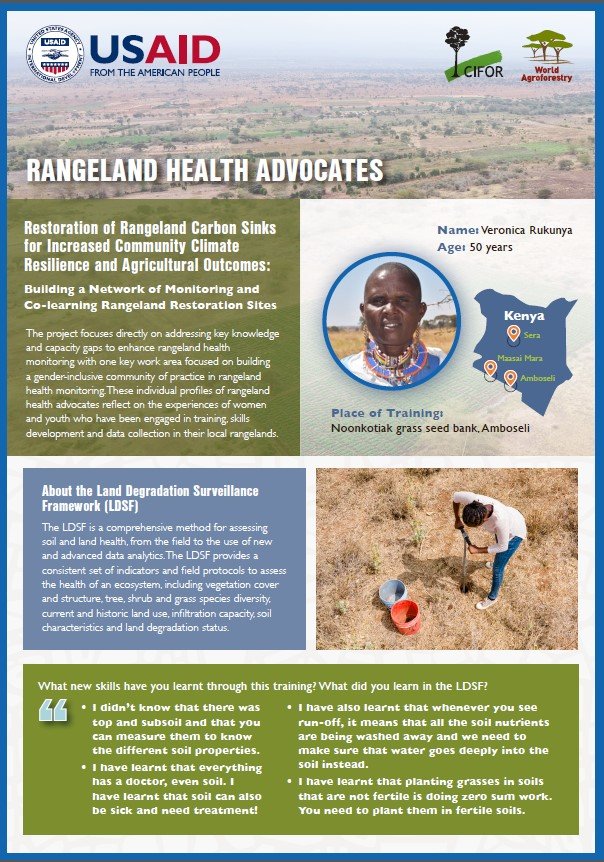
The Restoration of Rangeland Carbon Sinks focuses directly on addressing key knowledge and capacity gaps to enhance rangeland health monitoring with one key work area focused on building a gender-inclusive community of practice in rangeland health monitoring.
These individual profiles of rangeland health advocates reflect on the experiences of women and youth who have been engaged in training, skills development and data collection in their local rangelands.
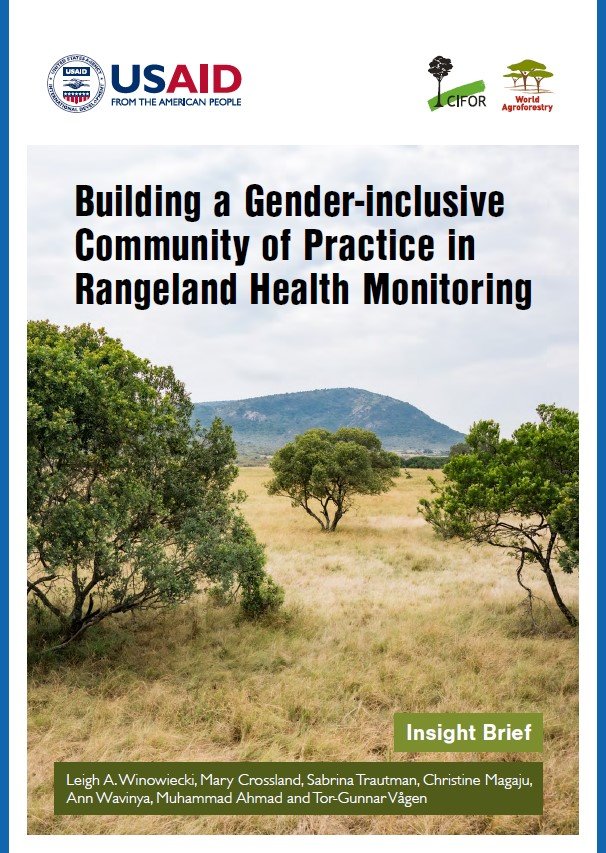
This brief summarizes the capacity development activities undertaken by the project Restoration of Rangeland Carbon Sinks to build gender inclusive community of practice in rangeland health monitoring.
Specifically, the brief outlines the critical need to address gender inequalities in rangeland health monitoring and synthesises reflections from women and youth on skills they have built through capacity development activities. The brief also highlights the impact these activities are having not only in their own agency and development, but also the wider implications and impact they want to create in their communities as a result of the skills they have built and been exposed to.

Read the latest edition of the BAIF Development Research Foundation's quarterly journal!

The Carbon Gap Network or Red de Brechas de Carbono (RBC) project from the Argentine No-Till Farmers Association (Aapresid) takes localized information on climate and the environment and translates it into actionable recommendations for farmers on the ground to maximize their soil’s organic carbon, and foster overall healthier soils.
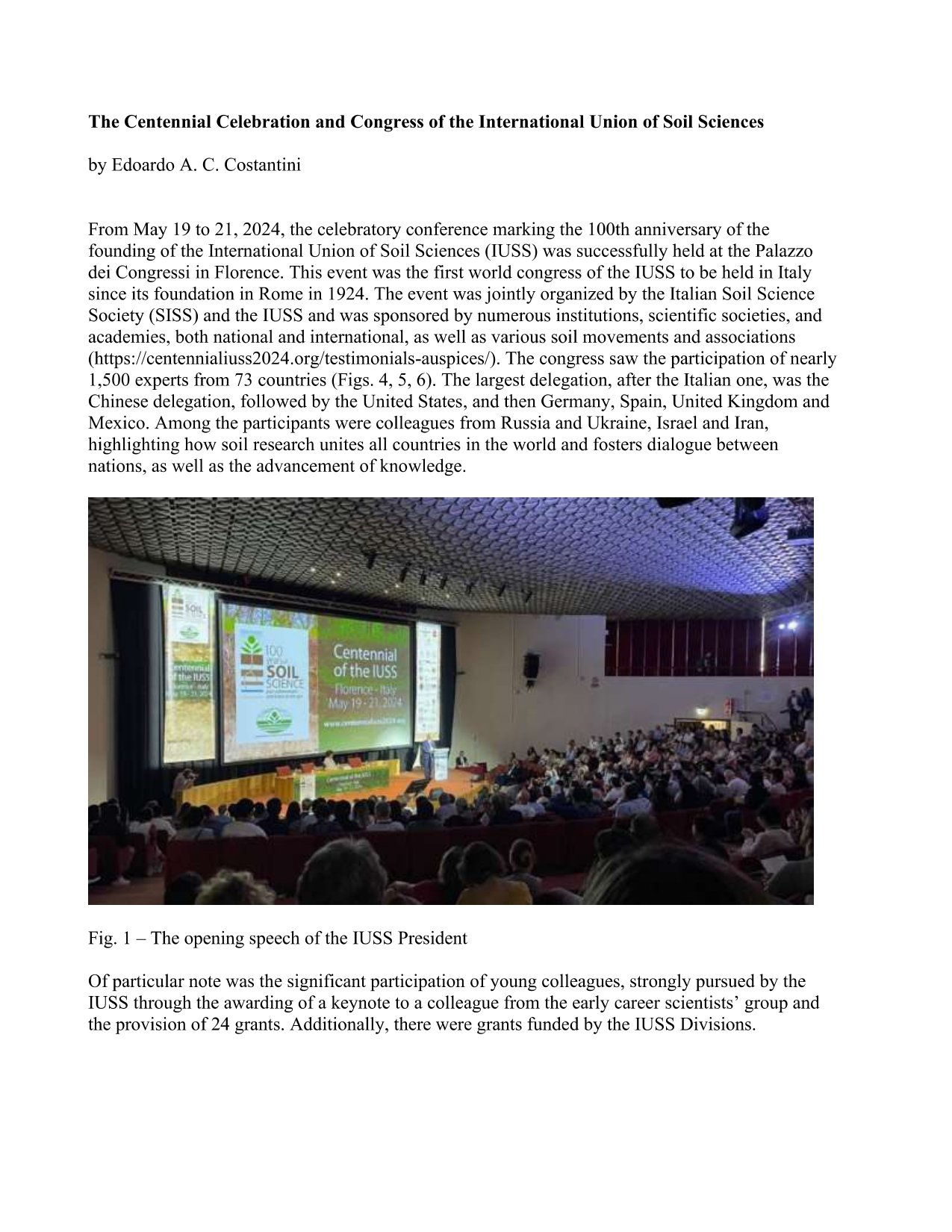
From May 19 to 21, 2024, the celebratory conference marking the 100th anniversary of the founding of the International Union of Soil Sciences (IUSS) was successfully held at the Palazzo dei Congressi in Florence. This event was the first world congress of the IUSS to be held in Italy since its foundation in Rome in 1924. The event was jointly organized by the Italian Soil Science Society (SISS) and the IUSS and was sponsored by numerous institutions, scientific societies, and academies, both national and international, as well as various soil movements and associations. The congress saw the participation of nearly 1,500 experts from 73 countries (Figs. 4, 5, 6). The largest delegation, after the Italian one, was the Chinese delegation, followed by the United States, and then Germany, Spain, United Kingdom and Mexico. Among the participants were colleagues from Russia and Ukraine, Israel and Iran, highlighting how soil research unites all countries in the world and fosters dialogue between nations, as well as the advancement of knowledge.

BAIF has been forging partnerships with global and national agencies for leveraging the strengths of the actors engaged in climate action. During the last couple of years, BAIF received accreditation as an Observer Organisation status for UNFCCC's COP as well as provisional status for UNCCD, BAIF has become a member of the Global EverGreening Alliance (GEA) Australia, Coalition of Action for Soil Health (CA4SH), International Biochar Initiative, United States and World Bioenergy Association, Sweden. Partnerships have also been developed within the country to share knowledge and undertake projects on climate change mitigation.
This issue, with its focus on the carbon offsetting and neutrality efforts of BAIF, serves as an eye opener for acceleration of voluntary action and working towards net-zero emissions, the most important goal of all responsible organisations.

The Sustainable Soils Alliance (SSA) has been tracking the food industry’s progress in regards to regenerative agriculture and soil health initiatives via its Soil Health Industry Platform (SHIP). The 2023 SHIP report highlights our key Observations, soil-related Business Initiatives and based on our analysis we’ve recommended six Priority Actions to take forward in 2024.

Food system transformation is needed for "safeguarding food security and ending hunger, and the particular vulnerabilities of food production systems to adverse impact of climate change".
Read the full policy brief from 4p1000, CIRAD, and IRD
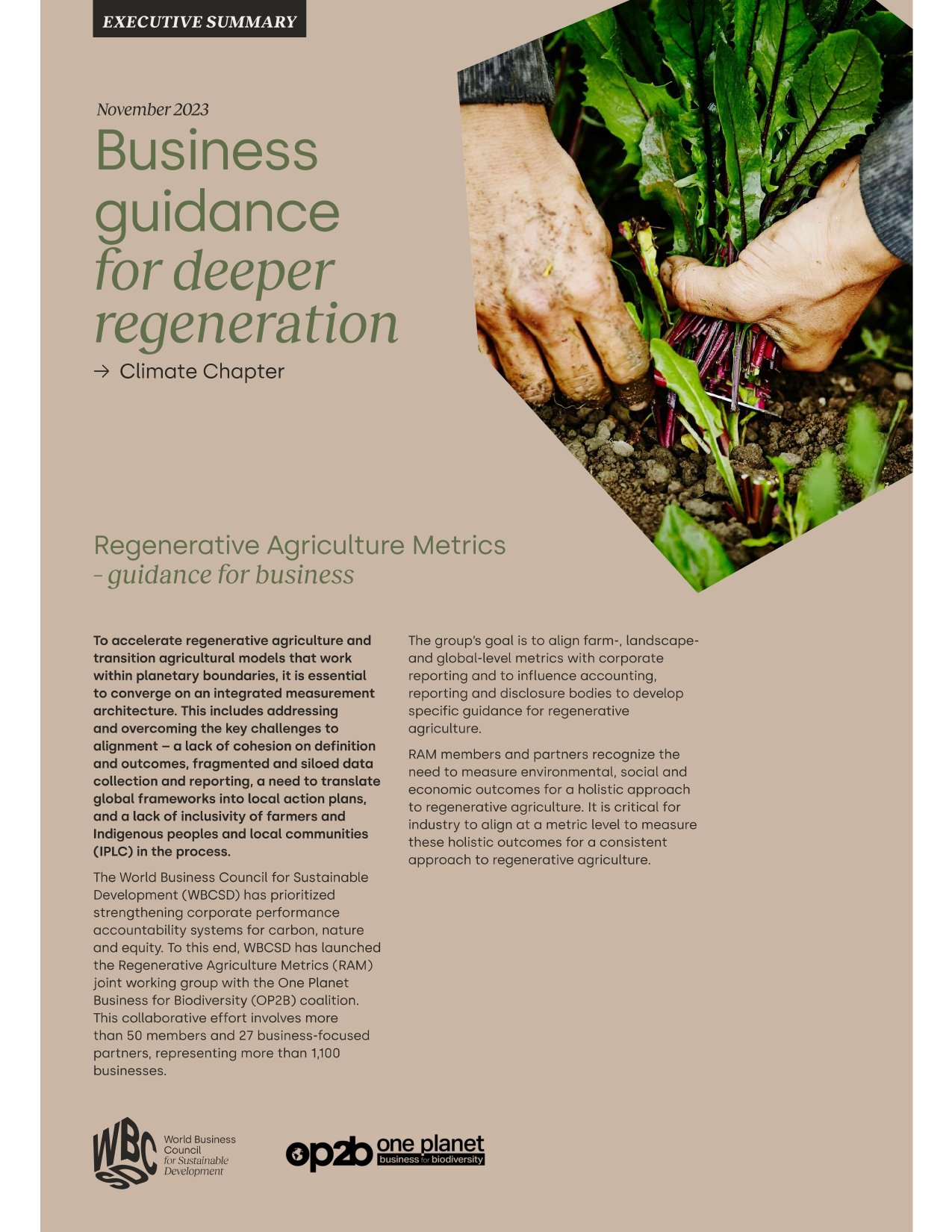
To accelerate regenerative agriculture and transition agricultural models that work within planetary boundaries, it is essential to converge on an integrated measurement architecture. This includes addressing and overcoming the key challenges to alignment – a lack of cohesion on definition and outcomes, fragmented and siloed data collection and reporting, a need to translate global frameworks into local action plans, and a lack of inclusivity of farmers and Indigenous peoples and local communities (IPLC) in the process.
The World Business Council for Sustainable Development (WBCSD) has prioritized strengthening corporate performance accountability systems for carbon, nature and equity. To this end, WBCSD has launched the Regenerative Agriculture Metrics (RAM) joint working group with the One Planet Business for Biodiversity (OP2B) coalition. This collaborative effort involves more than 50 members and 27 business-focused partners, representing more than 1,100 businesses.

Abstract
Being critical to achieving Sustainable Development Goals (SDGs) of the United Nations, strengthening understanding of the properties and processes of soil at national and regional scales is imperative. The necessity to realize SDGs by 2030 also inspires a greater sense of responsibility and care for soils…
The British Society of Soil Science is pleased to launch our Annual Report for 2025.
Read all about our impact and updates with the membership, as well as our strategy targets for 2026. The report features case studies and overviews of our main outputs such as our Annual Conference, Early Careers Conference, Working with Soil courses and our journals. The document starts with a foreword from our new Patron, Kate Humble, followed by introductions from President, Prof. Paul Hallett, and Executive Director, Andy Morris.