
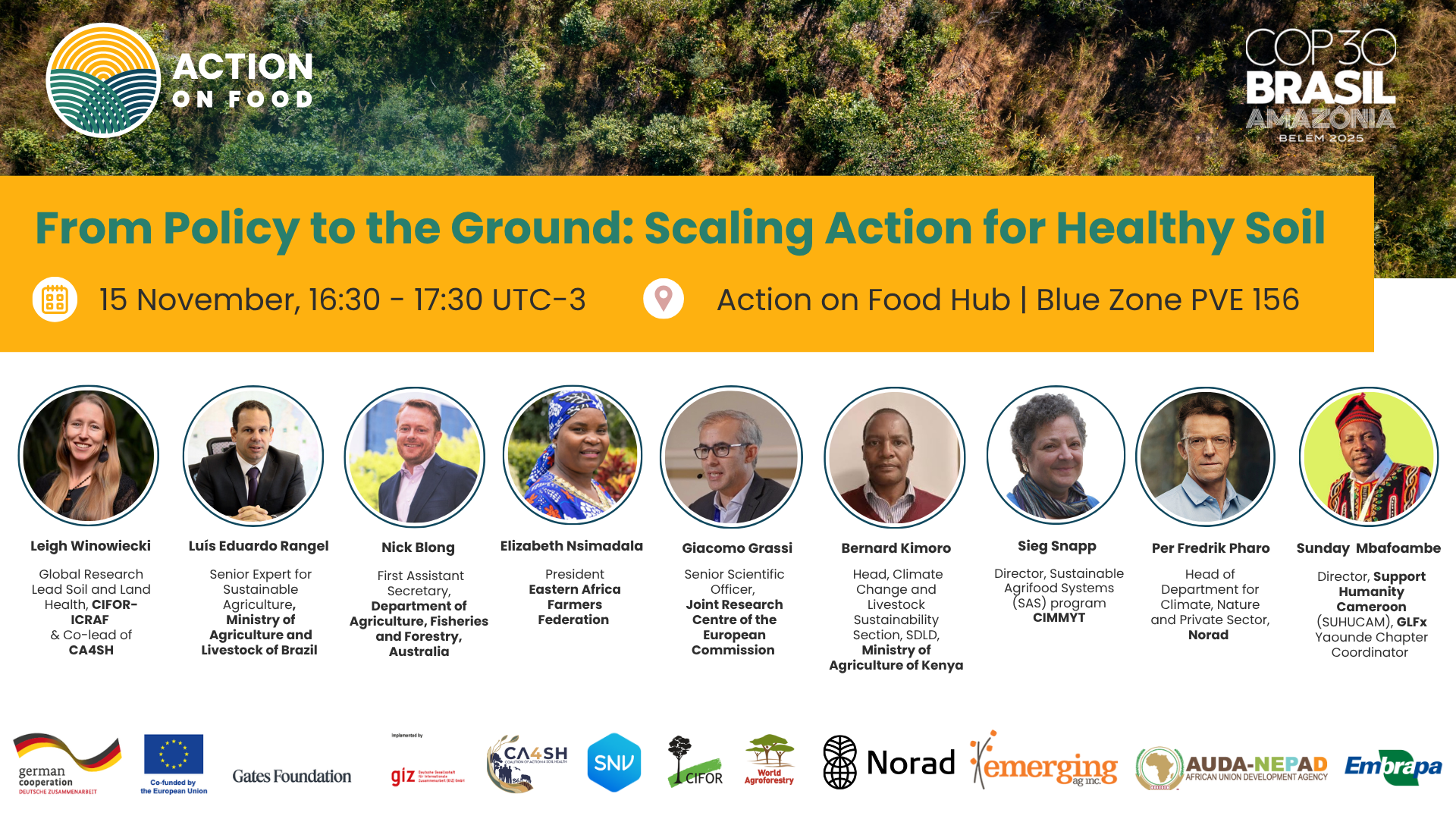
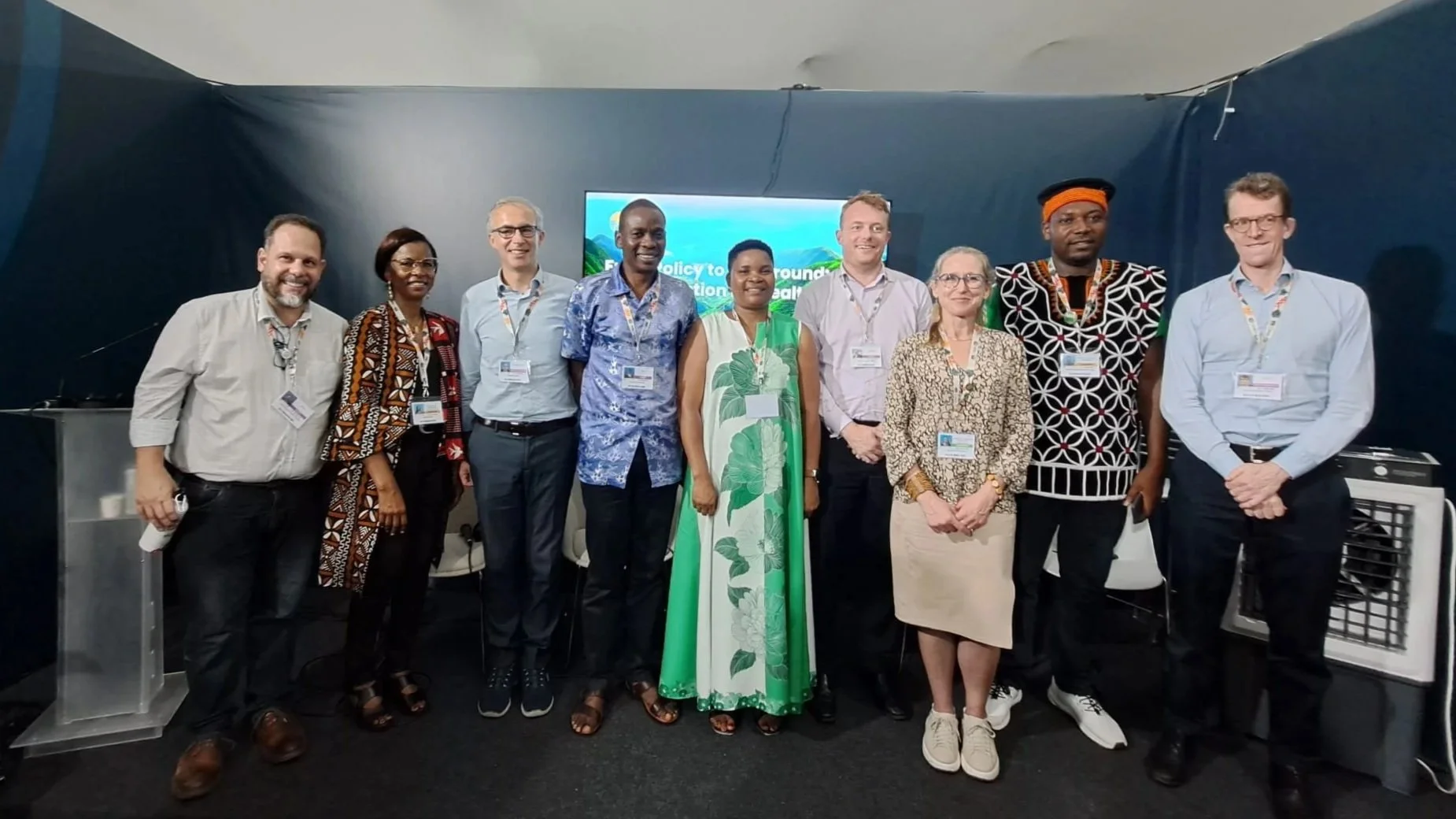
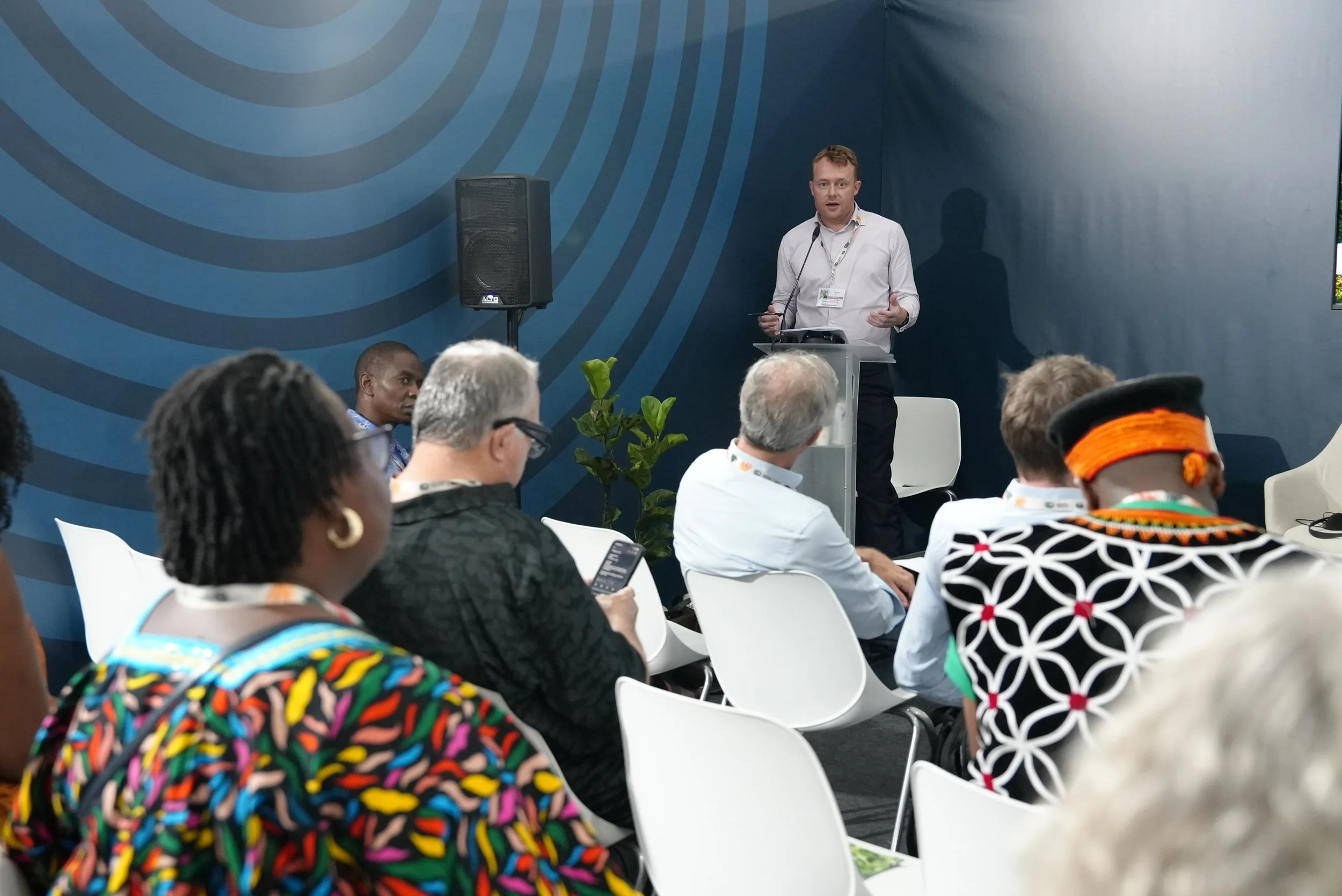
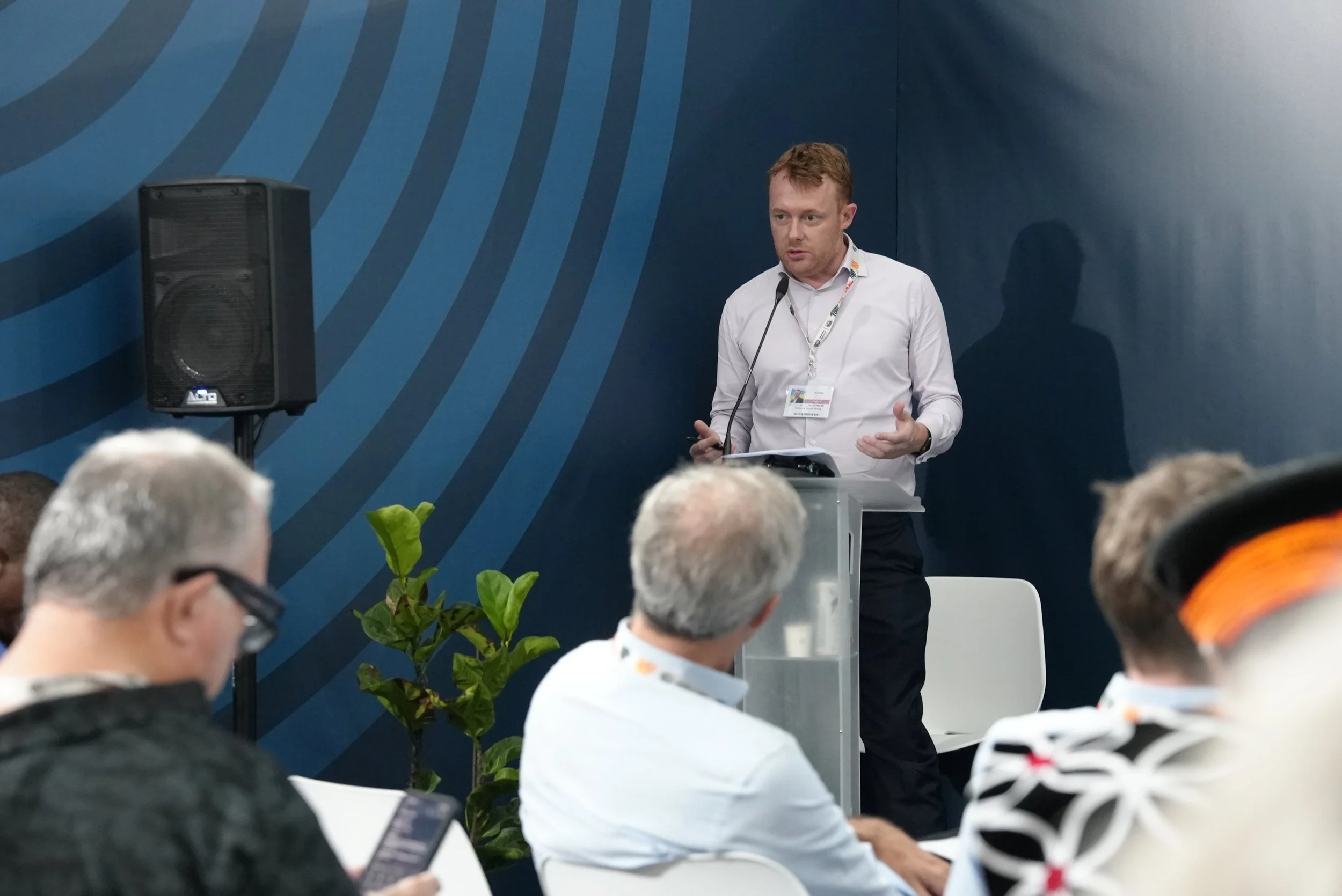
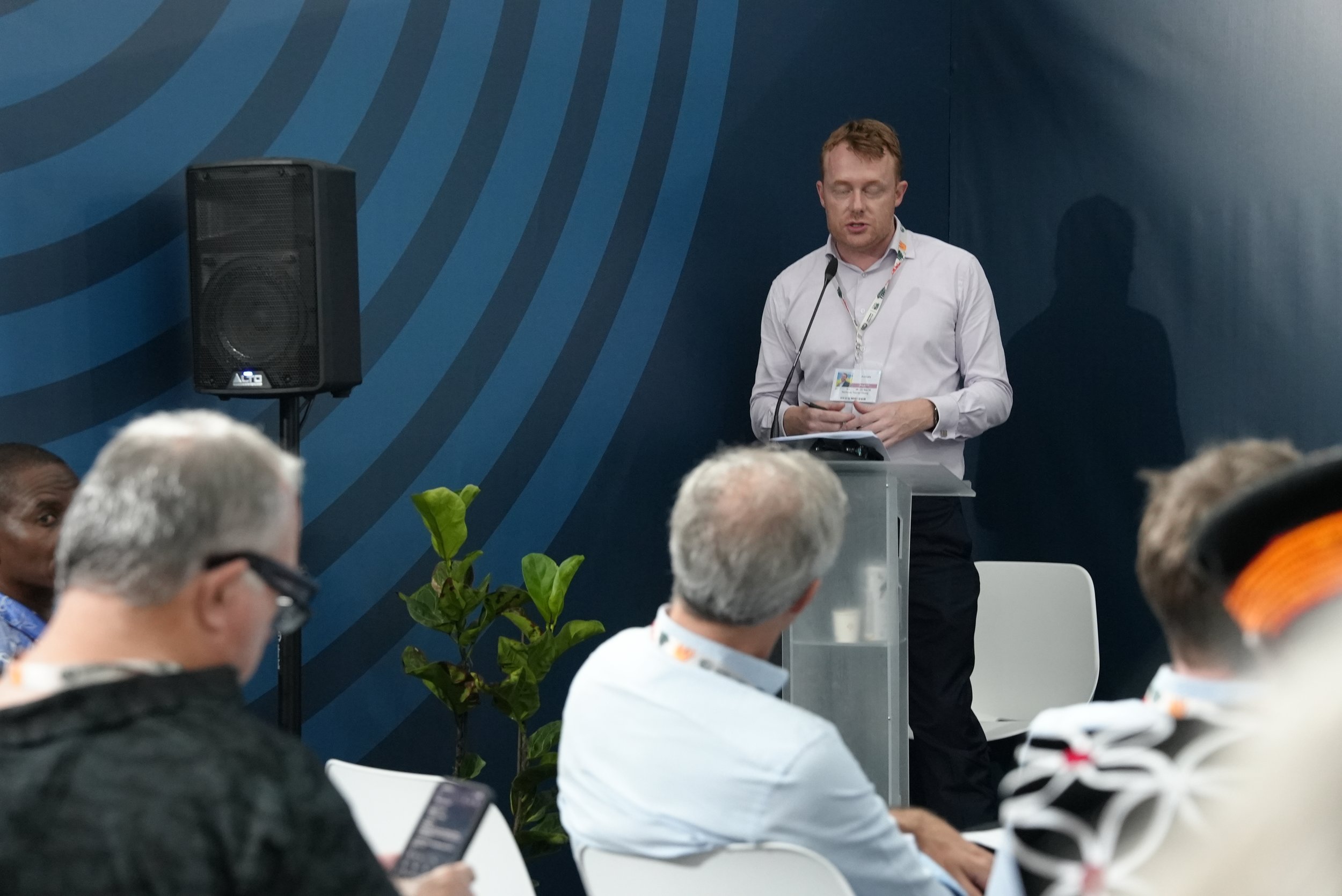
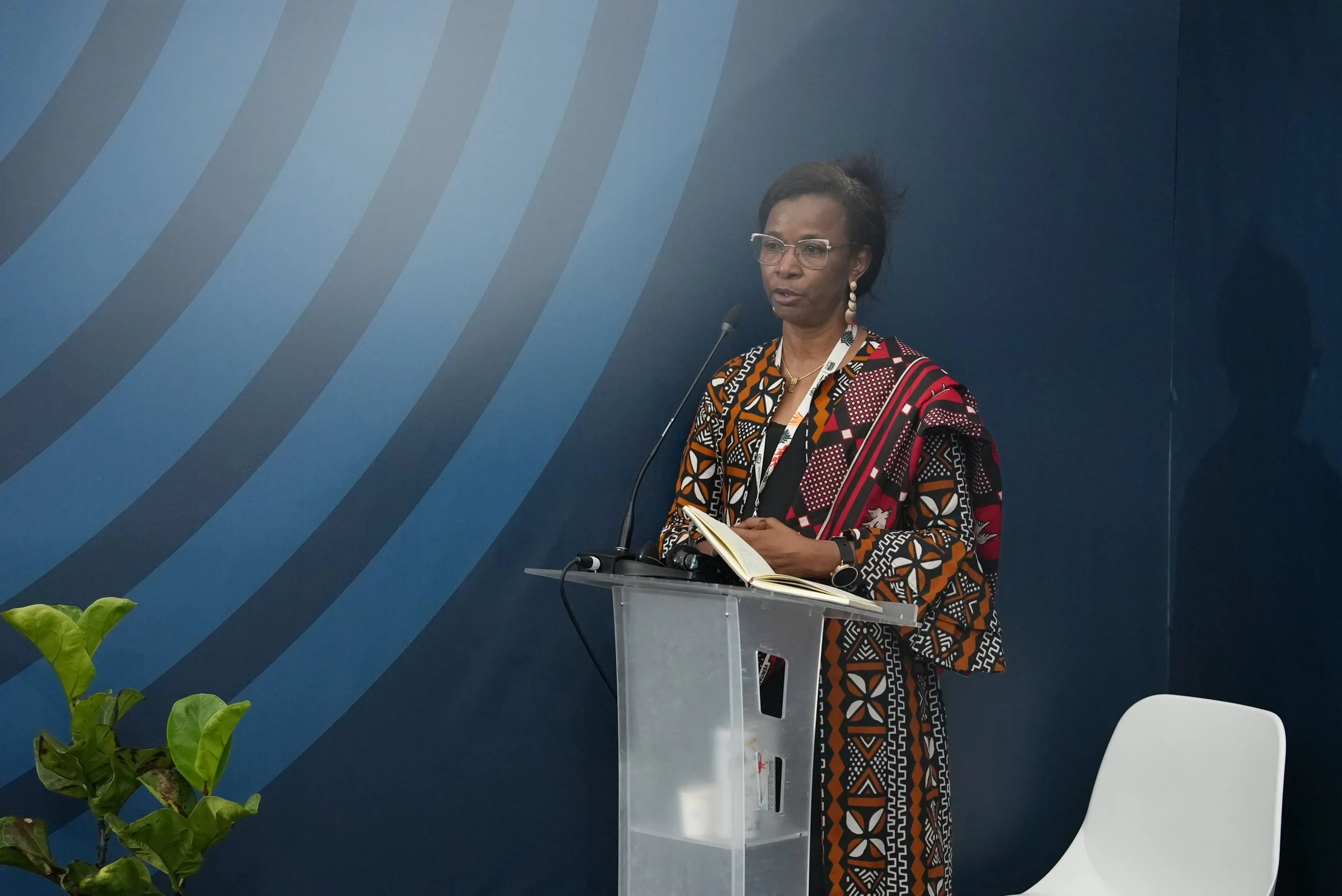
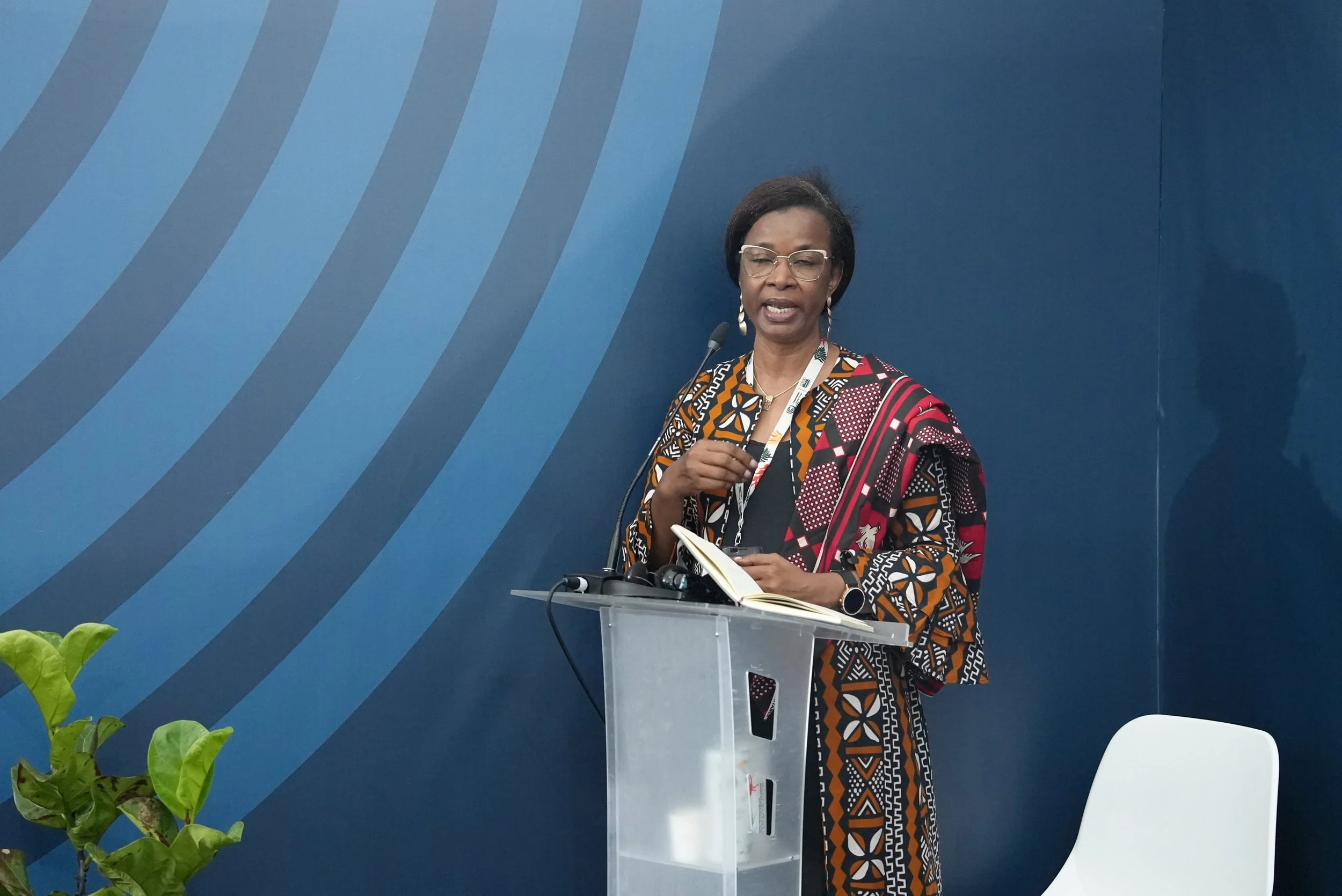
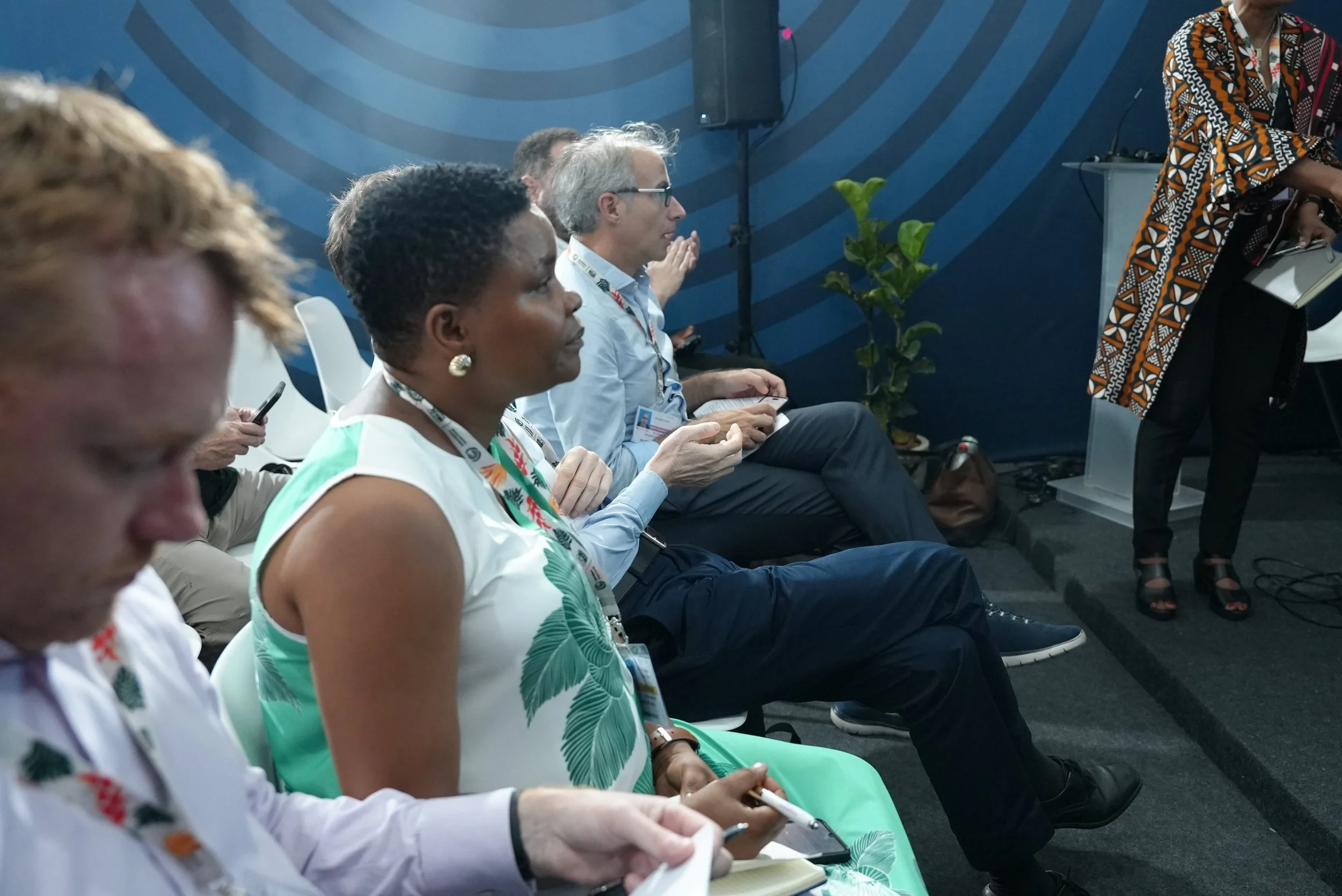
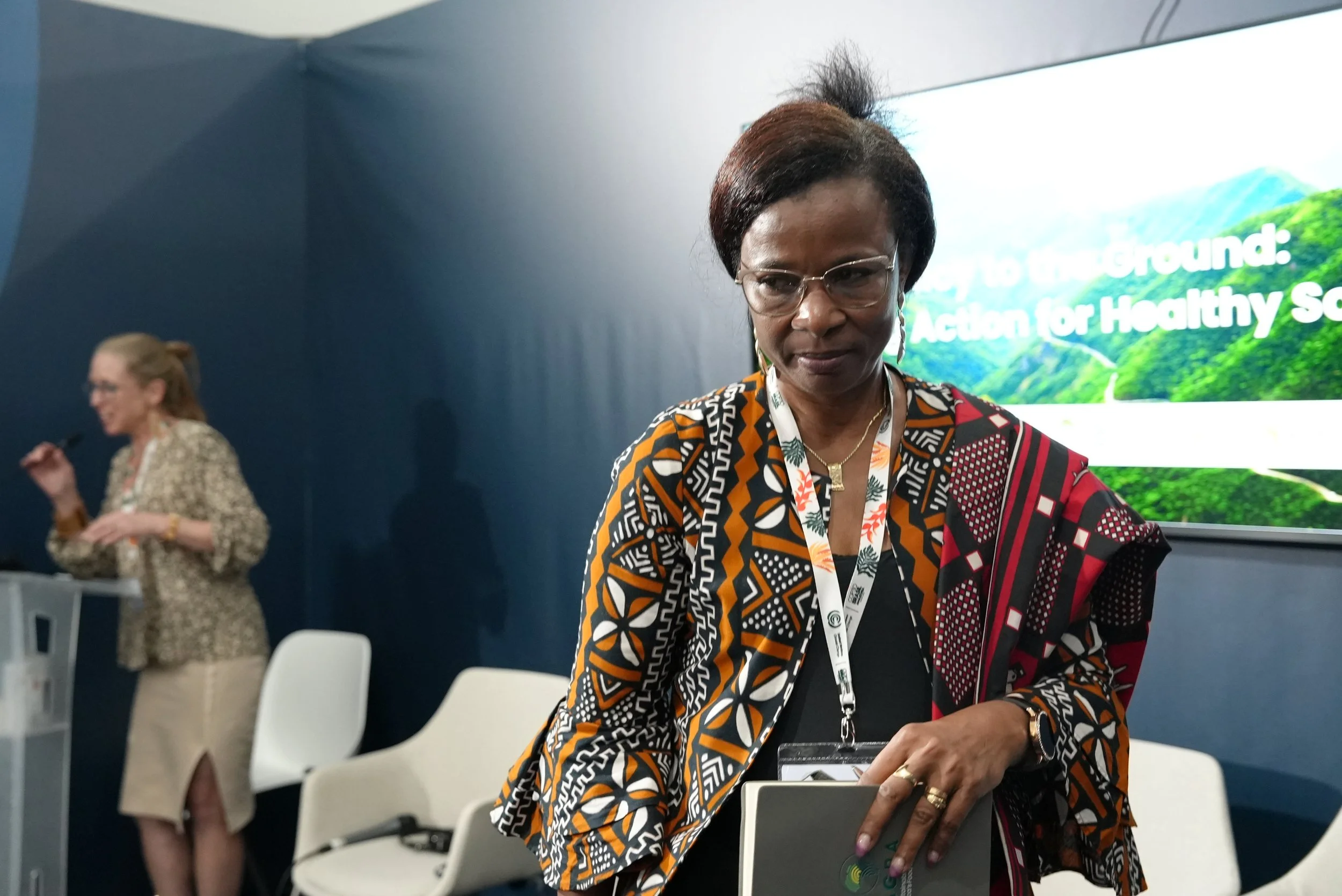
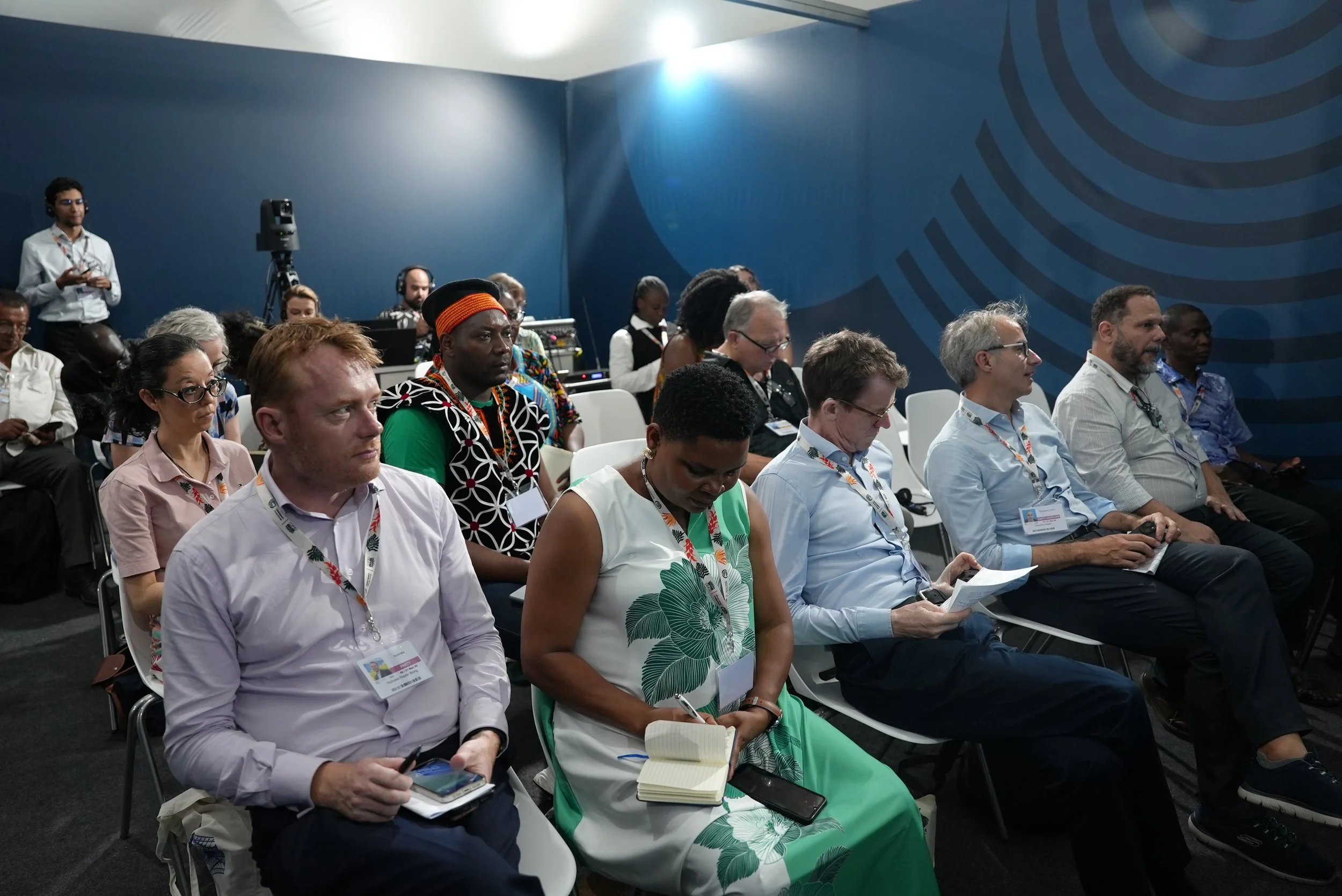
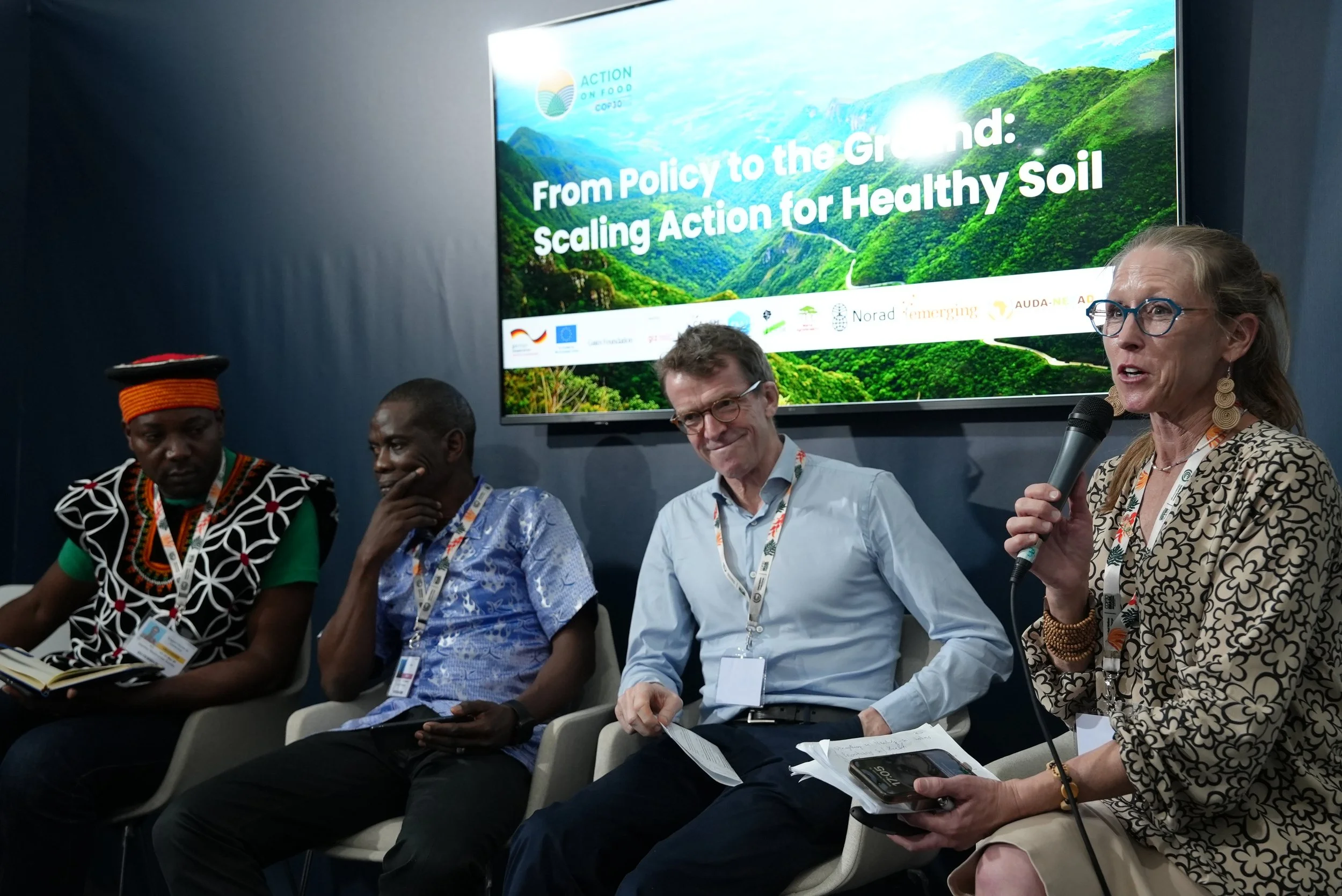
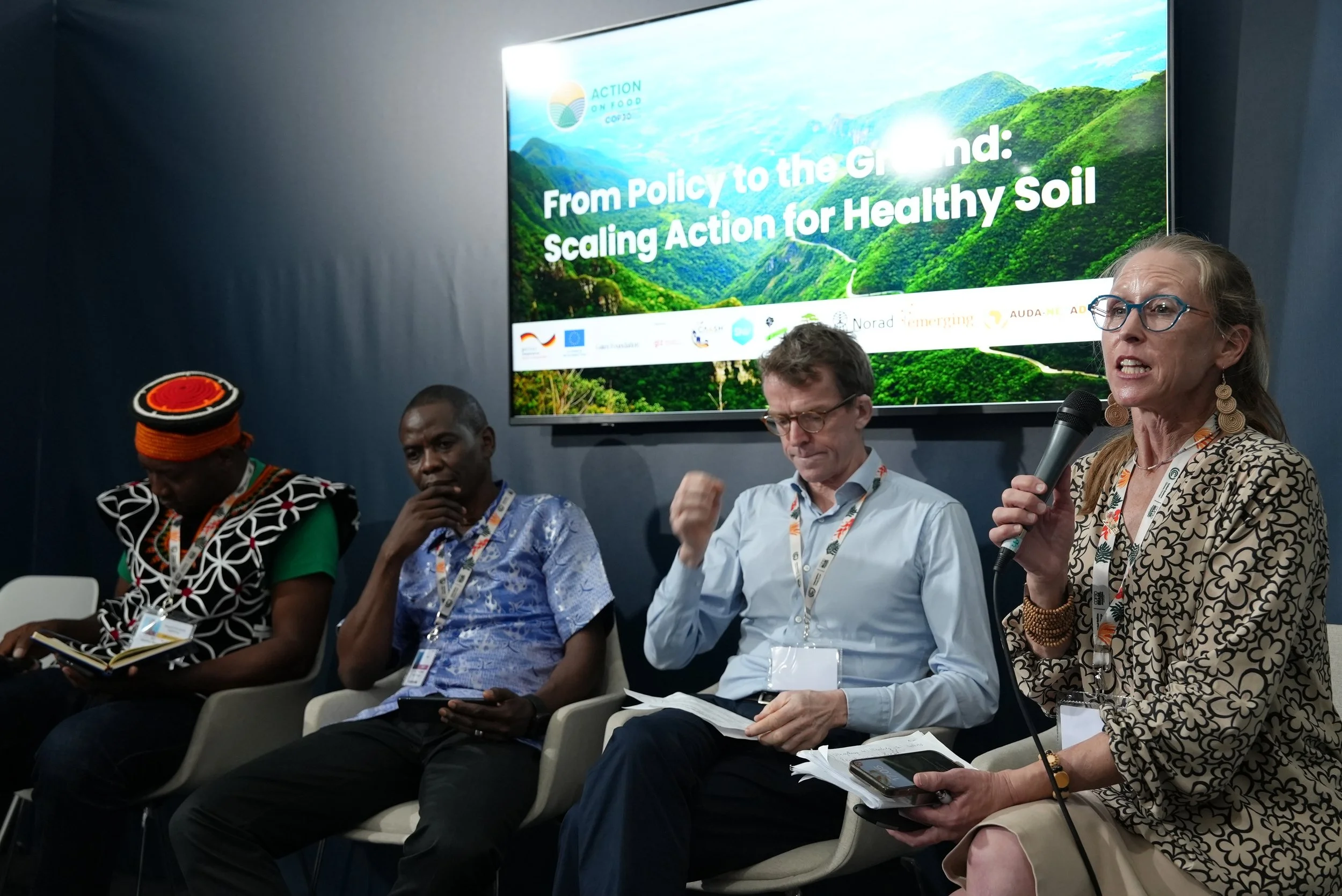
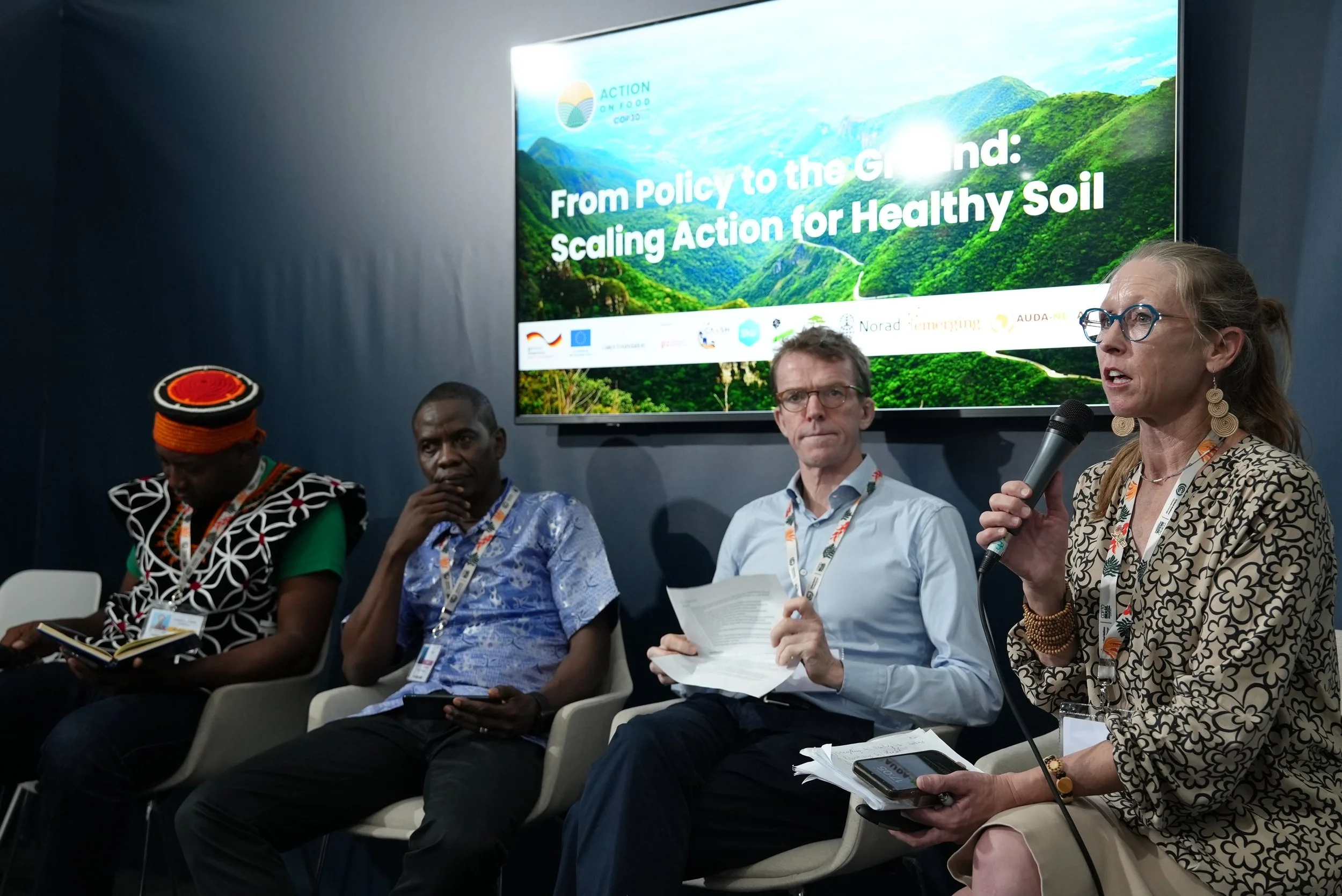
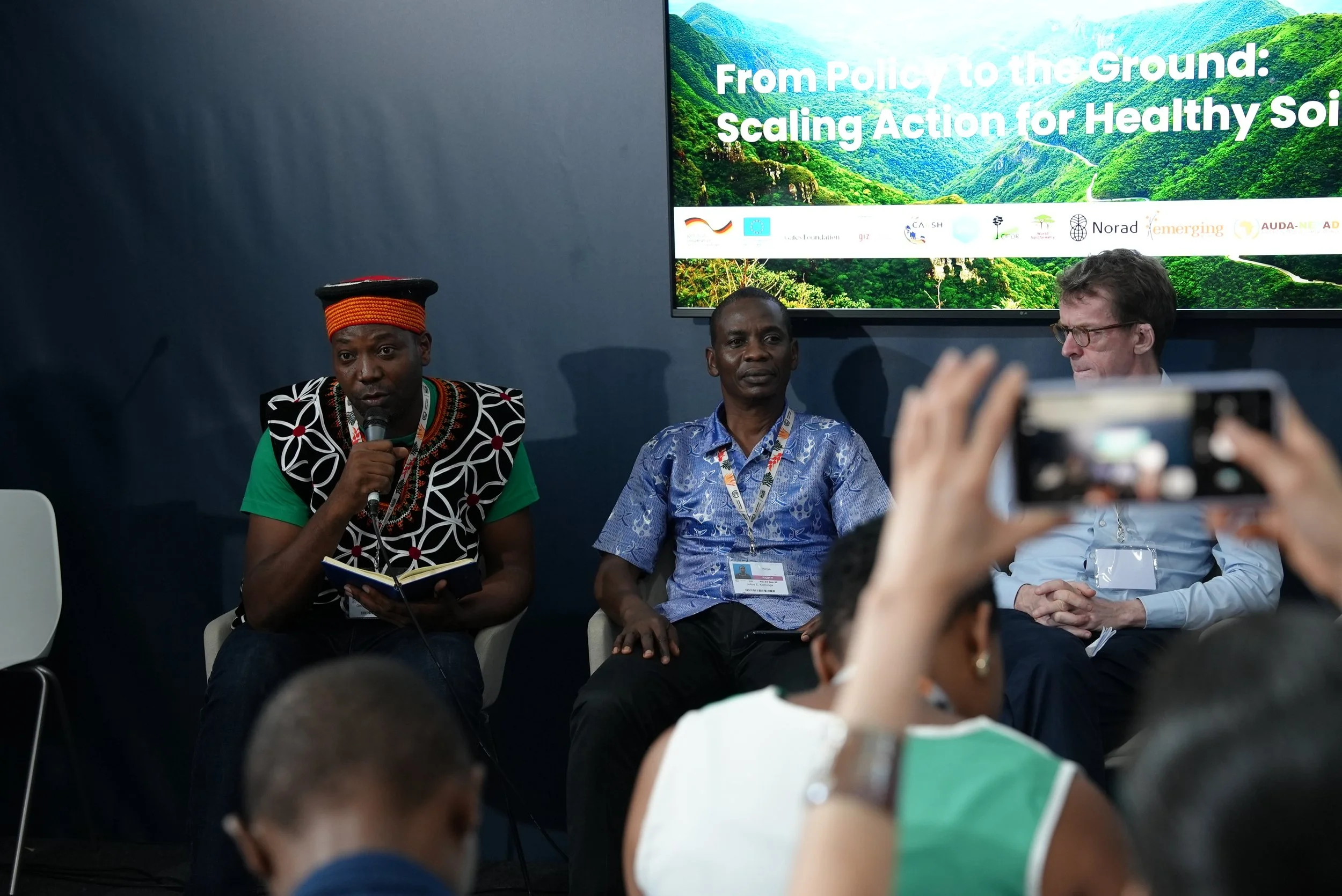
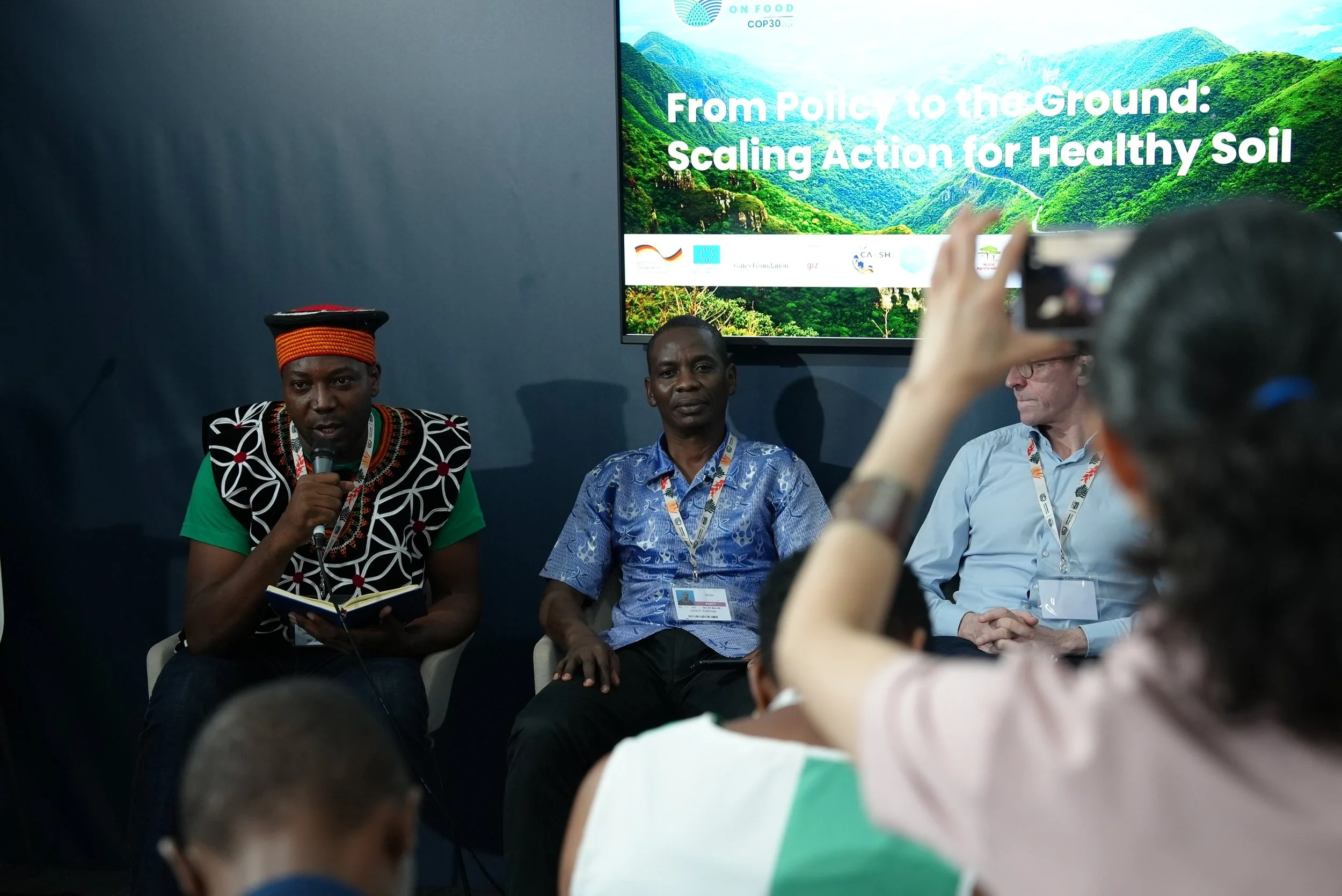
15 November 2025 - Healthy soil is essential for ecosystem restoration, biodiversity conservation, food security and nutrition, and climate mitigation and adaptation. At the COP30 plenary session “From Policy to the Ground: Scaling Action for Healthy Soil”, governments, development agencies, farmer organizations, and youth came together to reflect on how policies can drive real change for soil health, and it must be brought into the center of climate negotiations. The session was organization by the Coalition of Action 4 Soil Health (CA4SH), CIFOR-ICRAF, Deutsche Gesellschaft für Internationale Zusammenarbeit (GIZ), SNV Netherlands Development Organization, and Emerging Ag.
Leigh Winowiecki (CIFOR-ICRAF and CA4SH) opened the session with a clear message: the world has the data, the maps, and the knowledge needed to act. The challenge now is bringing this evidence into policy, enhancing access and use, and co-designing practical use cases that translate data into action.
“There is an opportunity to integrate soil health indicators into African continental processes. We invite all stakeholders to join CA4SH and help bring soil health into climate negotiations.”
Country, Regional, and Continental Progress on Soil Health
Australia: Coordinated Action for Ancient and Fragile Soils
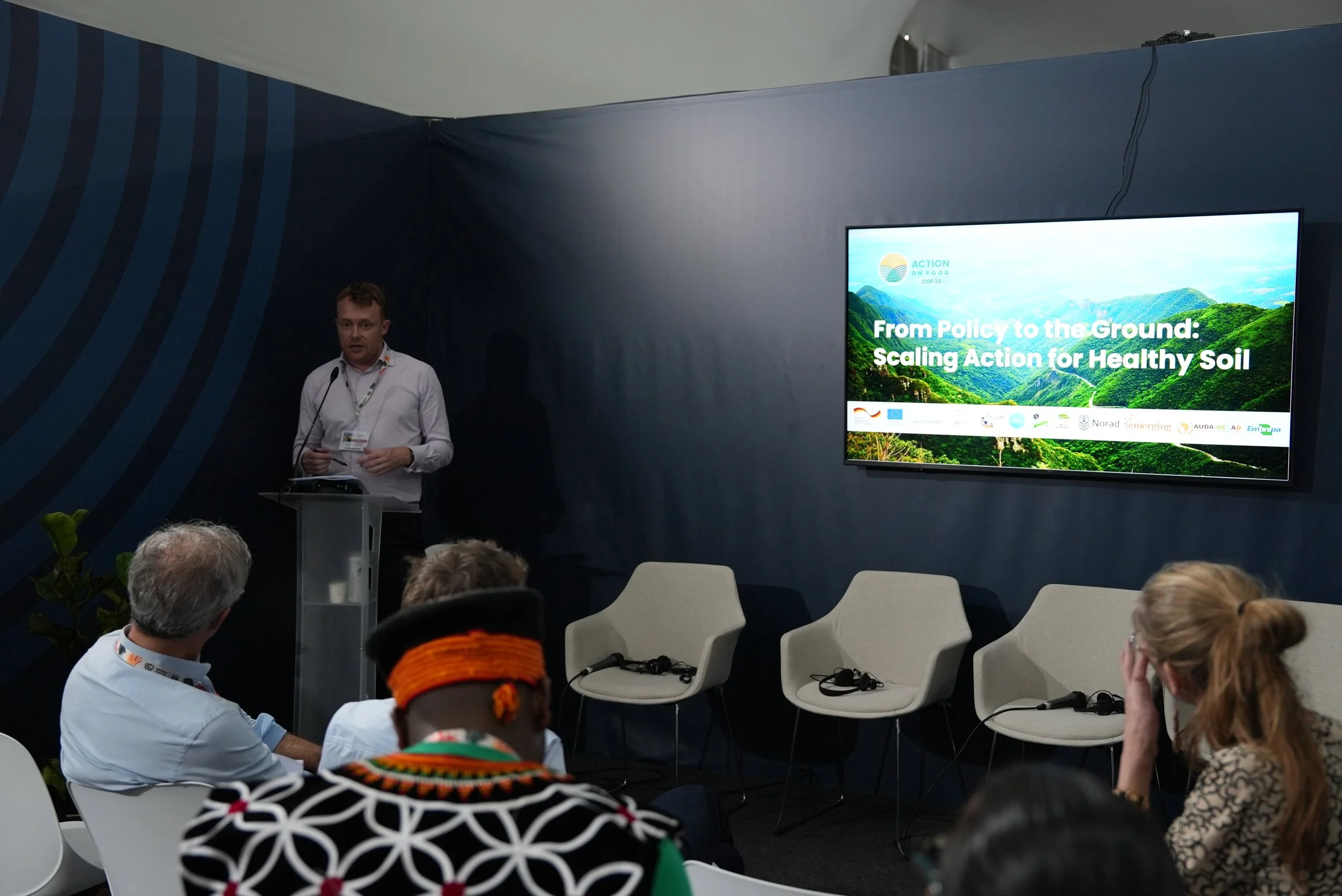
Nick Blong from the Department of Agriculture, Fisheries and Forestry, Australia highlighted the country’s first National Soil Health Advocate, Penny Wensley, and the importance of soils for producing about USD 100 billion worth of food and fiber every year. Australia’s soils are some of the most ancient, fragile, and nutrient-poor on Earth, making sustainable soil management essential.
Australia’s National Soil Strategy (2021) and subsequent 5-year Soil Action Plan focus on three pillars:
Prioritizing soil health: with low natural fertility and low soil organic matter, even a 0.1% increase in soil organic carbon matter in just 1% of Australia’s agricultural soils would be equivalent to removing 1 million cars from the road every year.
Strengthening coordinated research and capability: after years of fragmented efforts, the strategy created shared priorities across universities, state, and federal governments, industry bodies, and community groups.
Improving soil knowledge for farmers: with more than 300 soil types, “no one size fits all”. About 70% of Australia’s agricultural productivity gains over the last 20 years are linked to improved soil knowledge on farm, through soil testing, precision inputs, reduced tillage, and improved crop rotations.
He stressed that shared priorities, practical steps, and partnerships are essential. Large investments in soil data, digitalization, and harmonization have transformed research, “what once took six months can now be done in six seconds”.
Africa: Translating Declarations into Action
Asseta Diallo from AGRA, described the road to the Africa Fertilizer and Soil Health Action Plan (AFSH-AP), developed in preparation for the 2024 Summit, where leaders committed to sustainable management of fertilizer and soil health. The Summit marked a shift: beyond fertilizers, soil health emerged as a key investment area.
The Heads of State and Government of the African Union endorsed the Nairobi Declaration and the 10-year AFSH-AP, which among other priorities call for:
Tripling production and consumption of locally produced fertilizers
Ensuring that technologies reaches at least 70% of smallholders farmers
Reversing 30% of soil degradation in the continent
The Action Plan identifies outcomes in soil testing and mapping, fertilizer use efficiency, policy and advocacy, extension systems, and capacity building. These commitments are now being translated into regional and country-level plans in Kenya, Nigeria, Ethiopia, Uganda, Senegal, Malawi, Mozambique, and Zambia, driven by each country’s readiness and internal commitment.
Europe: A Major Step Forward for Soil Health Legislation
Giacomo Grassi from the European Commission shared the EU perspective: Europe faces major knowledge gaps, and 60-70% of soils are unhealthy, costing up to EUR 50 billion per year. Despite many greenhouse gas inventory systems, large gaps remain in below-ground carbon data.
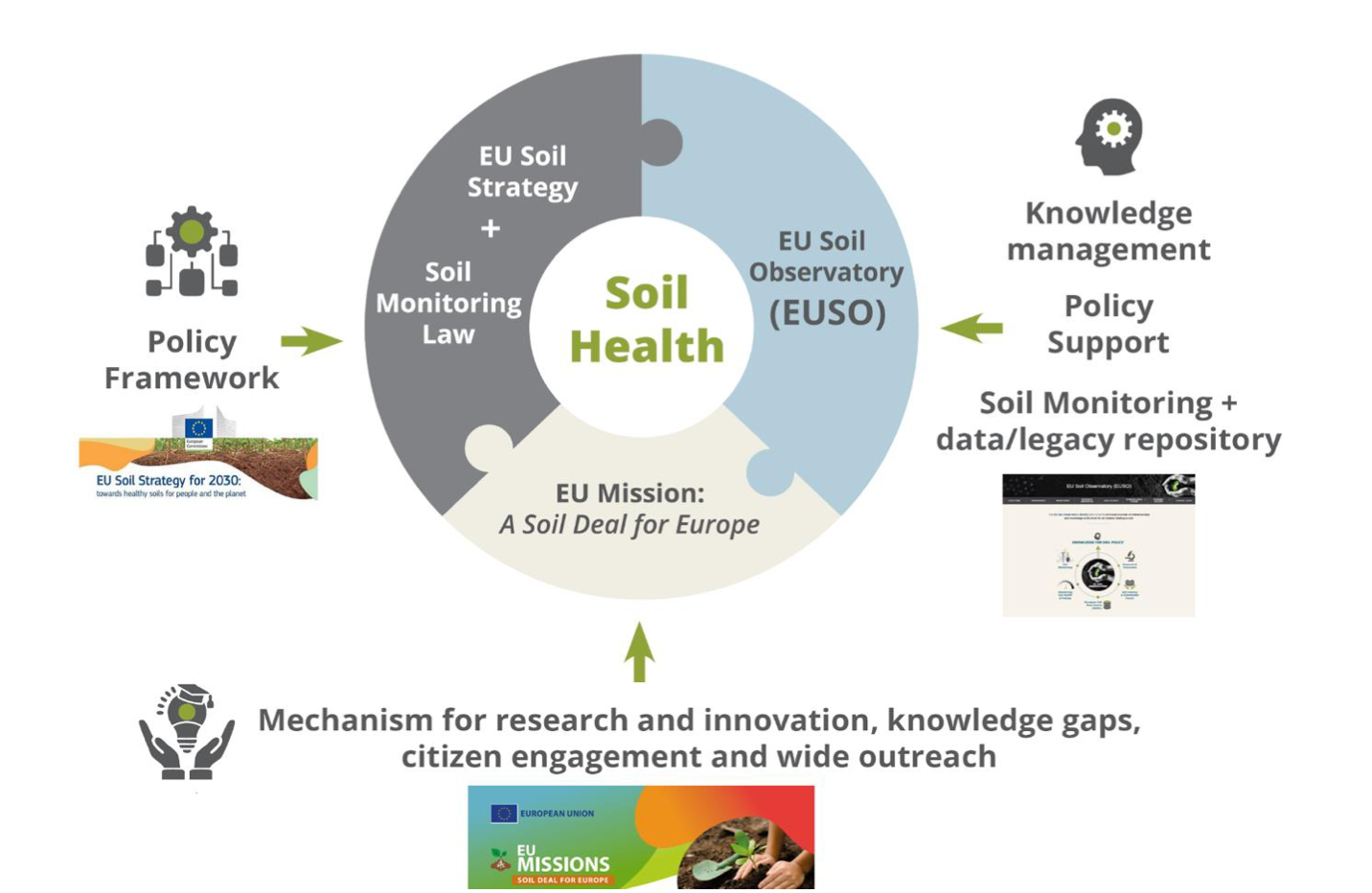
The EU Soil Monitoring Law, introduced in 2023 and recently approved, is the first EU legislation dedicated to soil health with an inspirational vision of healthy soils across Europe by 2050. Key elements include:
Harmonized monitoring and reporting of soil health using physical, biological, and chemical descriptors
Identification and management of contaminated sites
Promoting sustainable soil management though technical support, advice, training, and capacity building
“If we don’t measure, we cannot manage. We have to measure well to manage better.”
Panel Discussion: Pathways to Implementation
Per Fredrik Pharo from Norad emphasized growing consensus among macroeconomists that soils deserve far more investment, especially given their role in carbon storage. “We support efforts to coordinate the implementation of the Nairobi declaration, but it needs to go beyond agreements and be implemented”. Examples such as increasing forest cover in Ethiopia show the major benefits for soil quality. Norad is financing work with VARDA and CGIAR with “massive potential”, and stressed prioritizing farmers to accelerate transitions from policy to implementation.
Julius Komunga added insights from Kenya, where soil sampling and testing efforts, fertilizer management initiatives, climate-smart agriculture strategies, regenerative practices, and partnerships in agribusiness are advancing soil restoration. Opportunities for women and youth are growing, and soil health enterprises are emerging. Kenya is also harmonizing its policies with the AFSH-AP and collaborating with the University of Nairobi on soil fertility technologies, biofertilizers, and digital advisory tools.
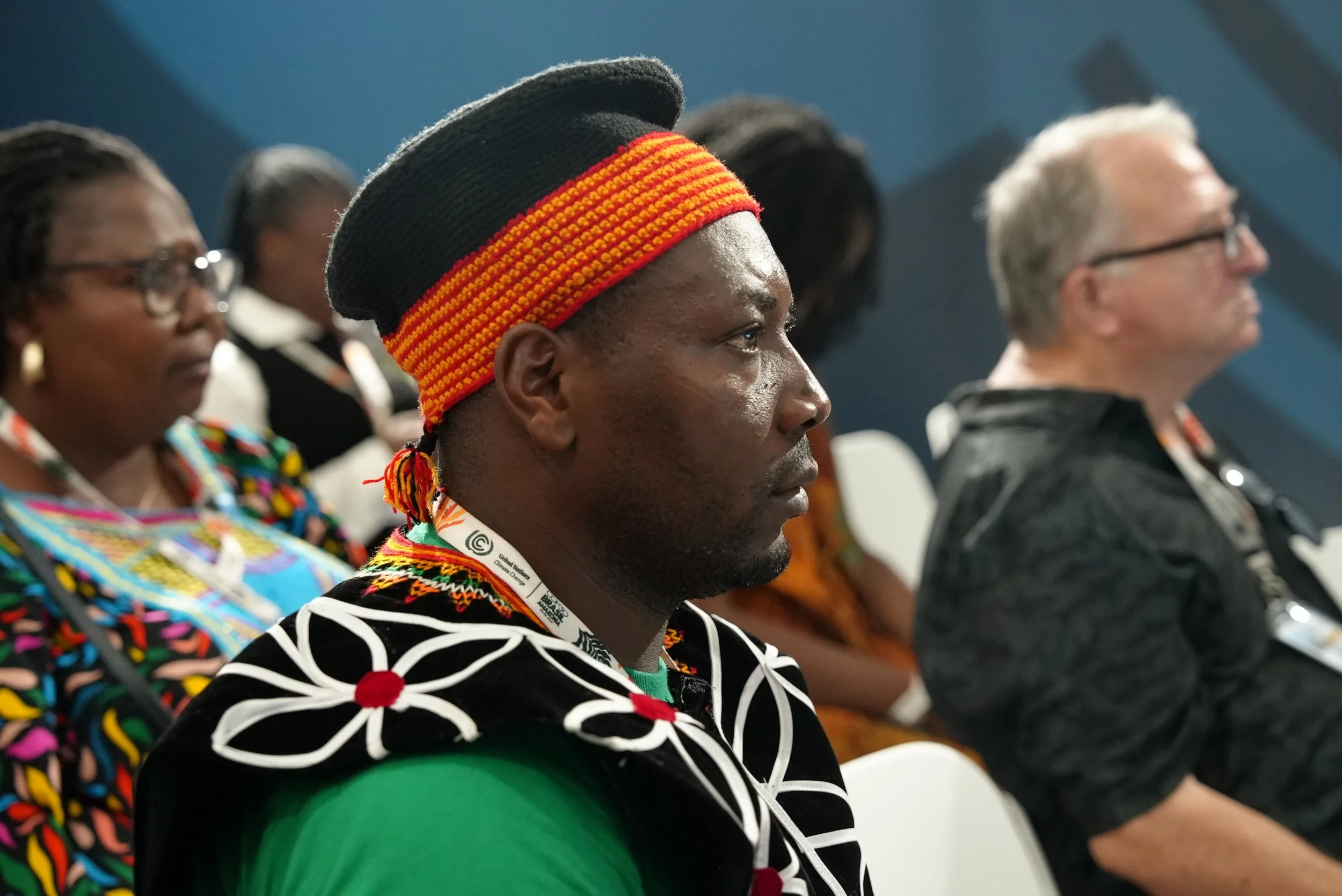
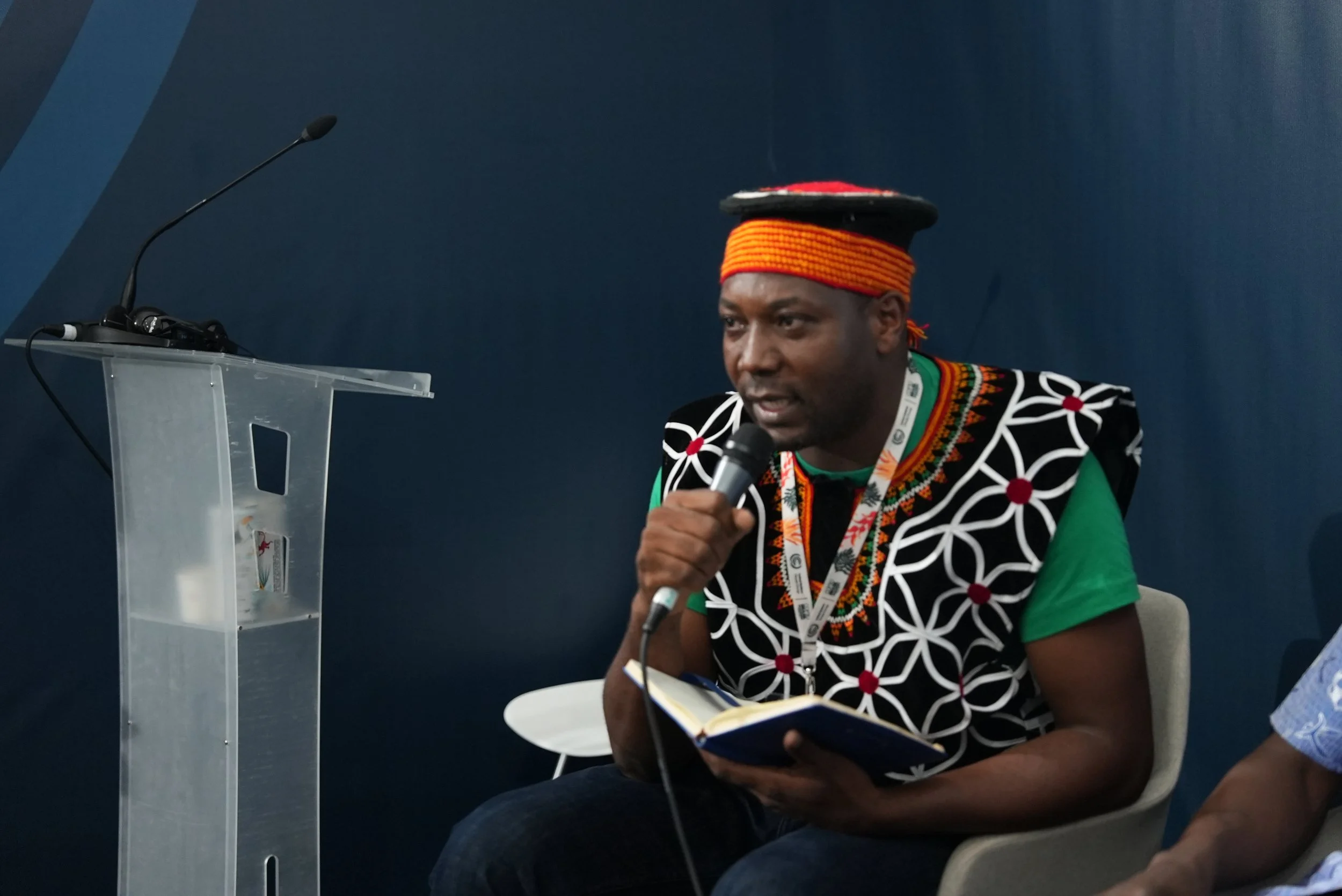
Sunday Geoffrey Mbafoambe, a GLF Restoration Steward working with pastoralist and youth communities in Cameroon, highlighted the gap between policy design and implementation. “Policies are there, what we need is means of implementation.” Many young people are unaware of climate policies: over 80% of youth surveyed in local workshops did not know these policies existed. Without this knowledge, they cannot contribute to implementation.
He called for:
Intentional engagement of farmers and young people in policy design
Political will, strengthened capacities, and directed financial resources
Policies that reach local farmers, not just offices
Education and community knowledge to bridge gaps between design and action
Brazil: Soil Health as the Foundation
Luís Eduardo Rangel from the Ministry of Agriculture and Livestock of Brazil offered reflections from the country’s long history with soil health, from nitrogen biological fixation to nature-based solutions for soils. He reiterated that soils are the foundation and called for advanced tools to assess enzymes and biological performance in soils, moving toward mechanisms that link soil health to markets.
Brazil’s Action Agenda for COP, RAIZ (Resilient Agricultural Investment for Net Zero Land Degradation), recognizes that addressing land degradation starts with soil health. The agenda calls for a clear perspective that connects soil health with investment, inviting the finance community to support land recovery, enhance profitability for farmers, and respond to the different needs across regions. This perspective is key to advancing soil health and strengthening global action.
“An old friend of mine explained in the 90s: if we need to choose one indicator, we need to choose soil health. Why? Because soils are the basis of everything.”
Farmers at the Center
Elizabeth Nsimadala from the Eastern Africa Farmers Federation closed with an important reminder: “You cannot speak about soil health without speaking about farmers.”
Farmers are already implementing practices such as cover cropping and reduced tillage, but often without understanding their broader soil health impacts. She called for:
Formalizing partnerships with farmers and farmer organizations
Robust, long-term funding for conservation programs
Capacity building and technical assistance
Digital tools and innovations to support transitions
Open access to soil data
Alignment of policies with continental and global agendas
Ensuring soil health is prioritized in negotiations on the Global Goal on Adaptation, Loss and Damage, and Nationally Determined Contributions (NDCs)
Women and youth must be central to these efforts
“The future of food systems depends on healthy soils, and farmers must be at the center of this transformation.”
Call to Action
Across regions, one message is clear: harmonization, integration, and partnerships are essential to move from policy to implementation. Soil health is a shared priority. With the right evidence, incentives, and collective action, soil health can become a powerful driver of climate resilience, improved livelihoods, and sustainable and resilient food systems.
It’s time to bring soil health into the heart of climate negotiations and into action on the ground. The Coalition of Action 4 Soil Health (CA4SH) calls for global commitment to embrace, embrace, adapt, and endorse the critical role of soil health for a healthy planet.


Resources:
Publication | Revitalising soil health through the African Fertilizer and Soil Health Action Plan
Blog | Youth Converge for Farmer-Centered Restoration to Advance Global Climate Action at COP30
Blog | European Parliament seals the deal on first-ever EU law on soils
Blog | CA4SH at AFSH2024: Multistakeholder action for Africa’s soils
Related Stories
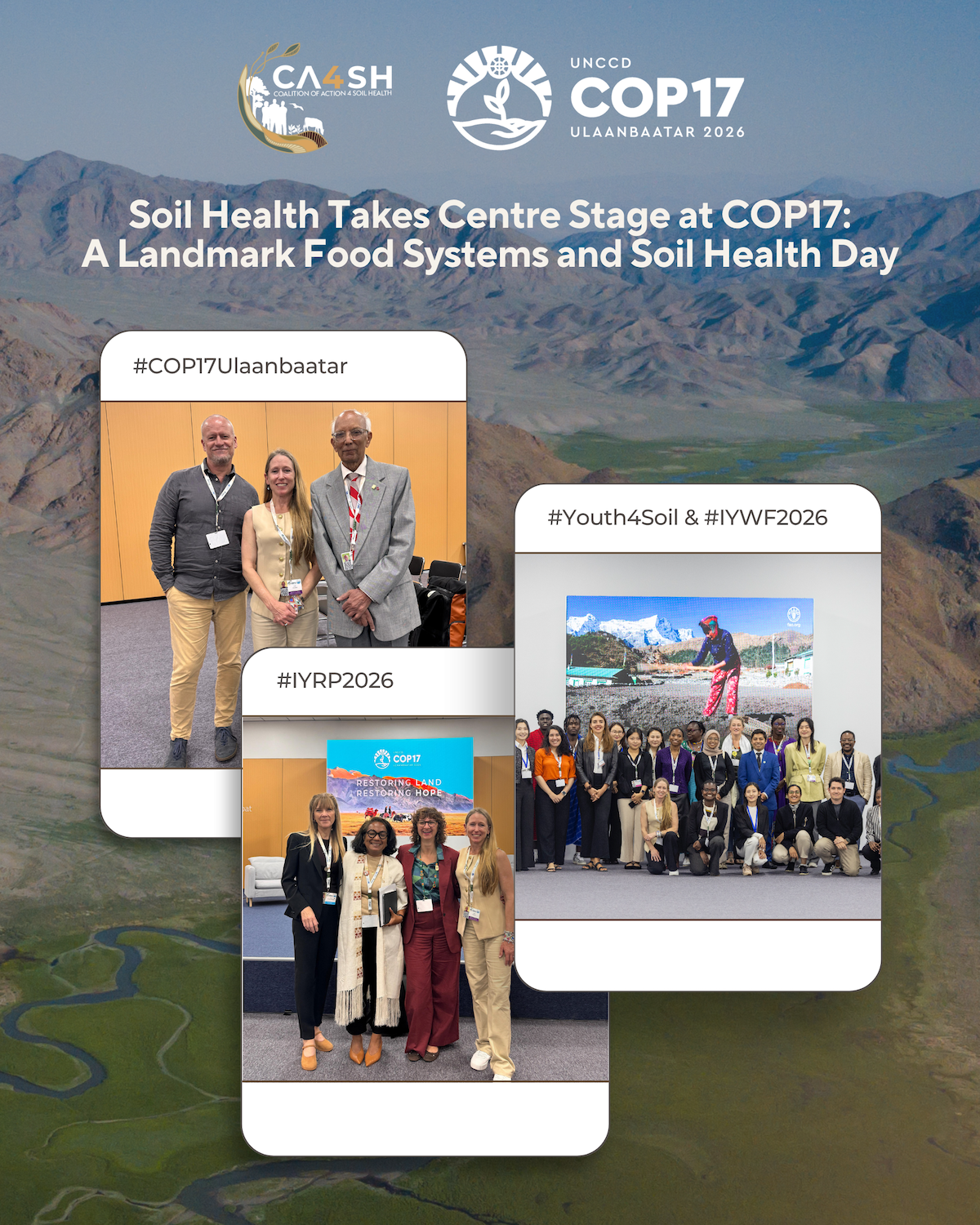
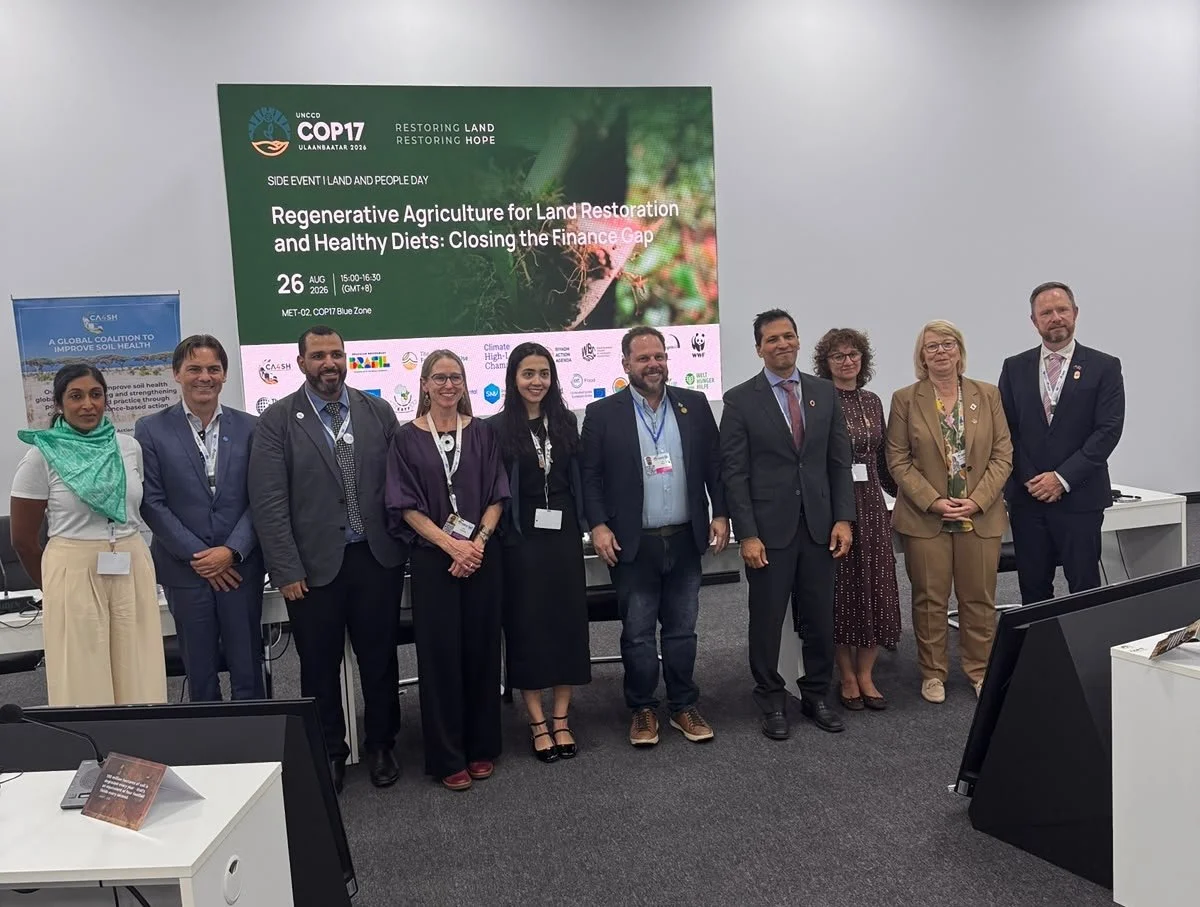
The Coalition of Action 4 Soil Health (CA4SH), Landscape Alliance (CIFOR-ICRAF), Deutsche Gesellschaft für Internationale Zusammenarbeit (GIZ) GmbH, the Norwegian Agency for Development Cooperation (Norad), CGIAR Multifunctional Landscapes Science Program, WWF, and partners, convened senior leaders and partners at UNCCD COP17 Mongolia for a high-level dinner focused on a simple but critical message: healthy soils are fundamental to resilient food systems, healthy ecosystems and a more climate-resilient future.