
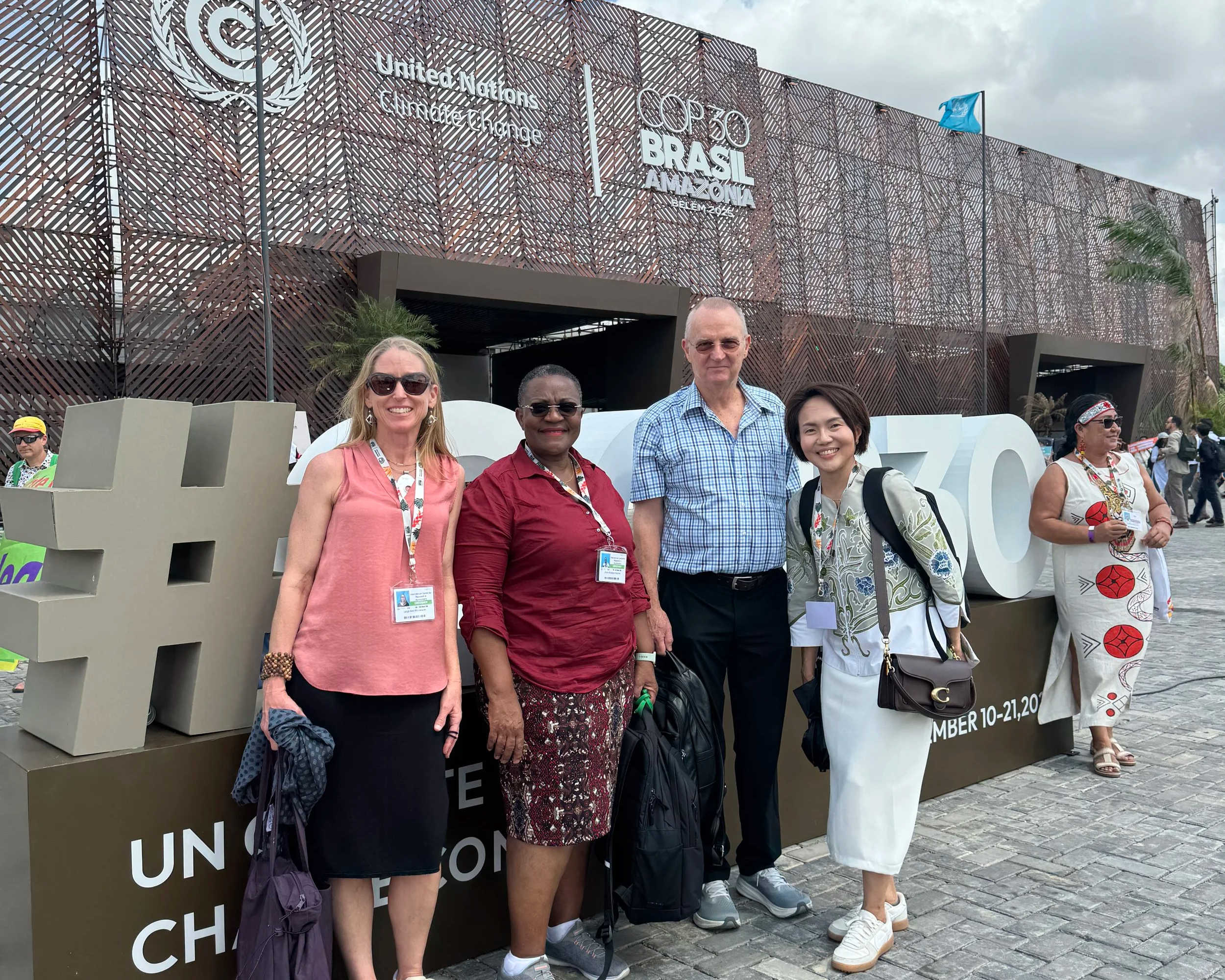
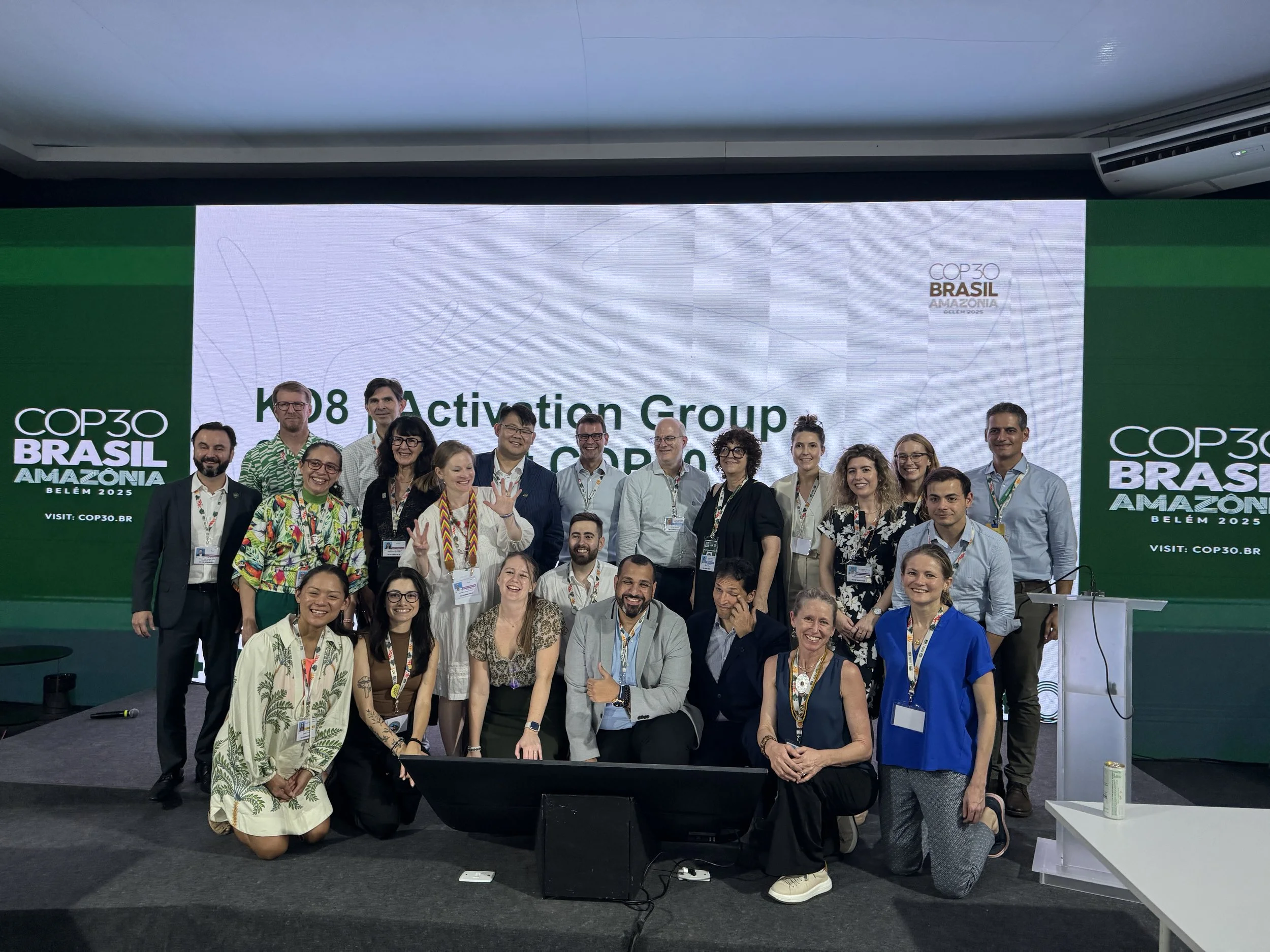
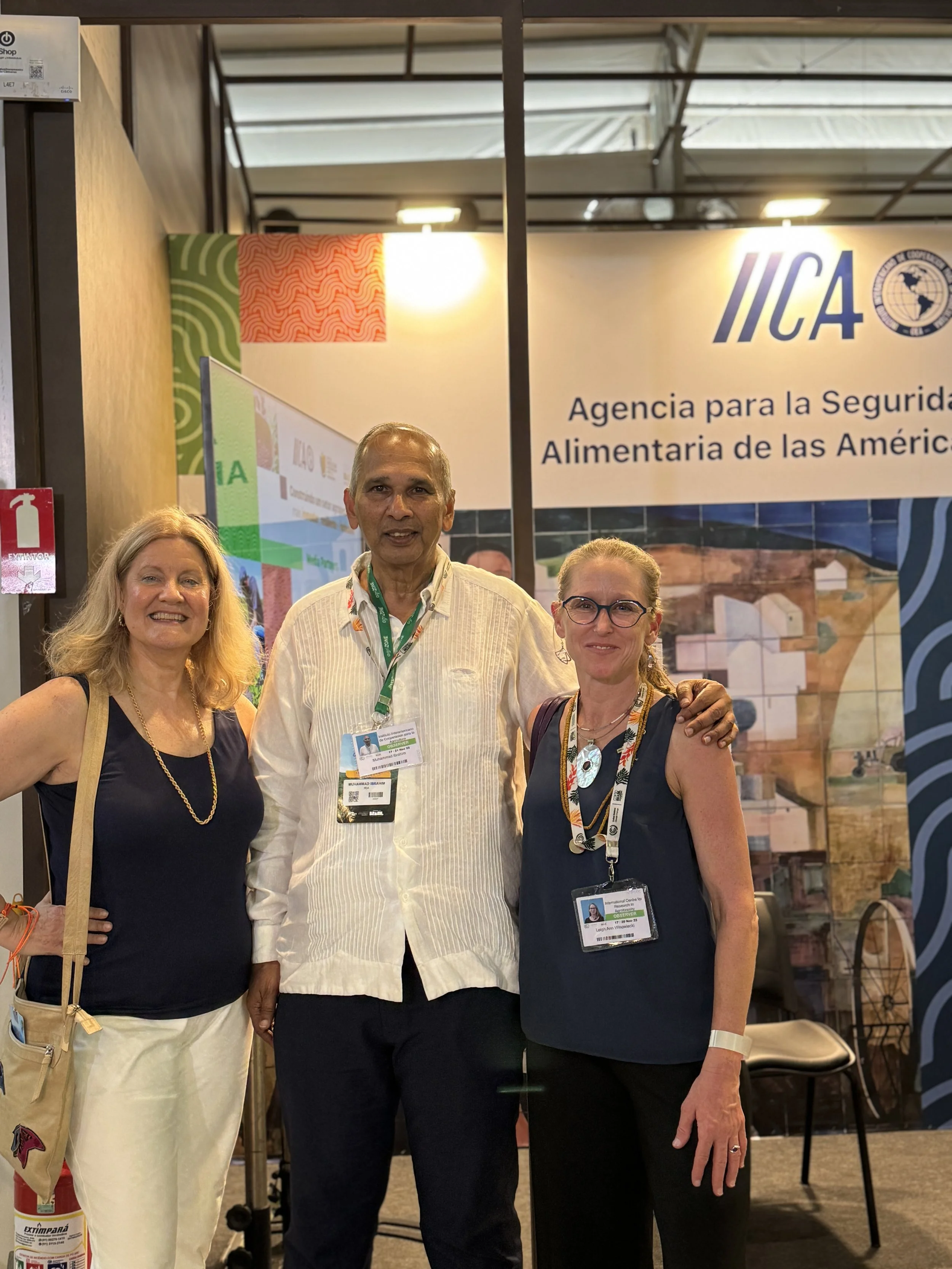
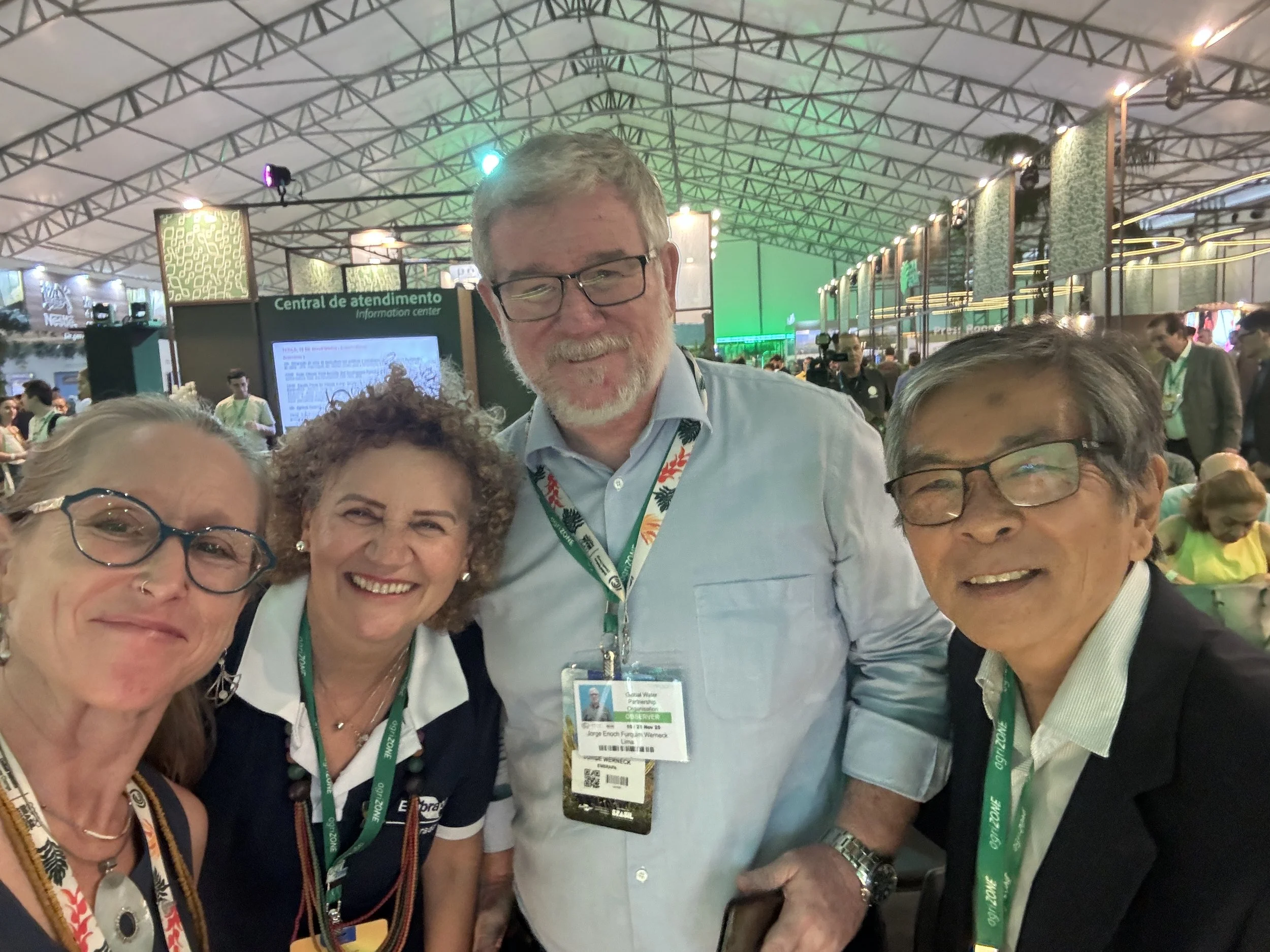
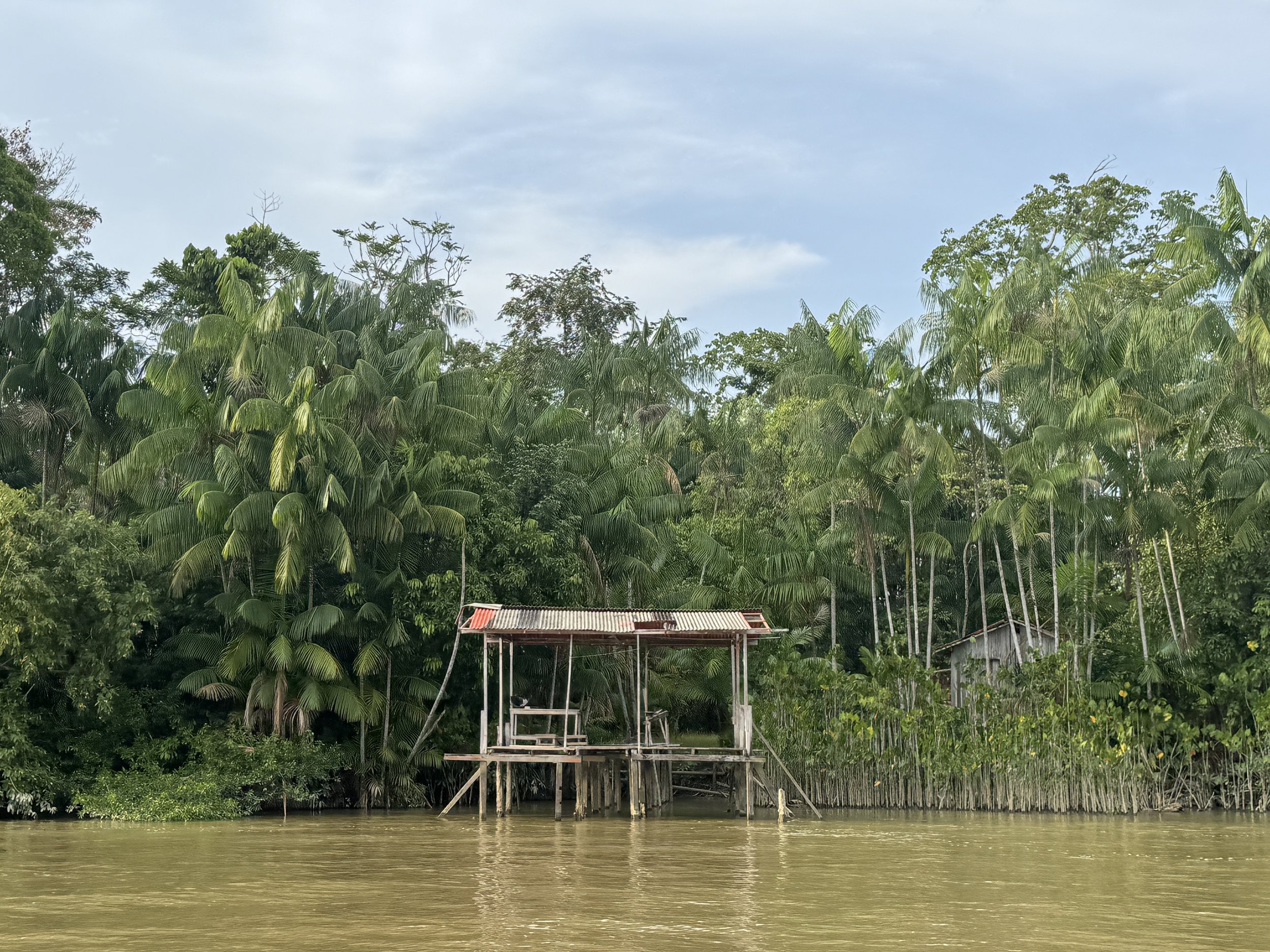
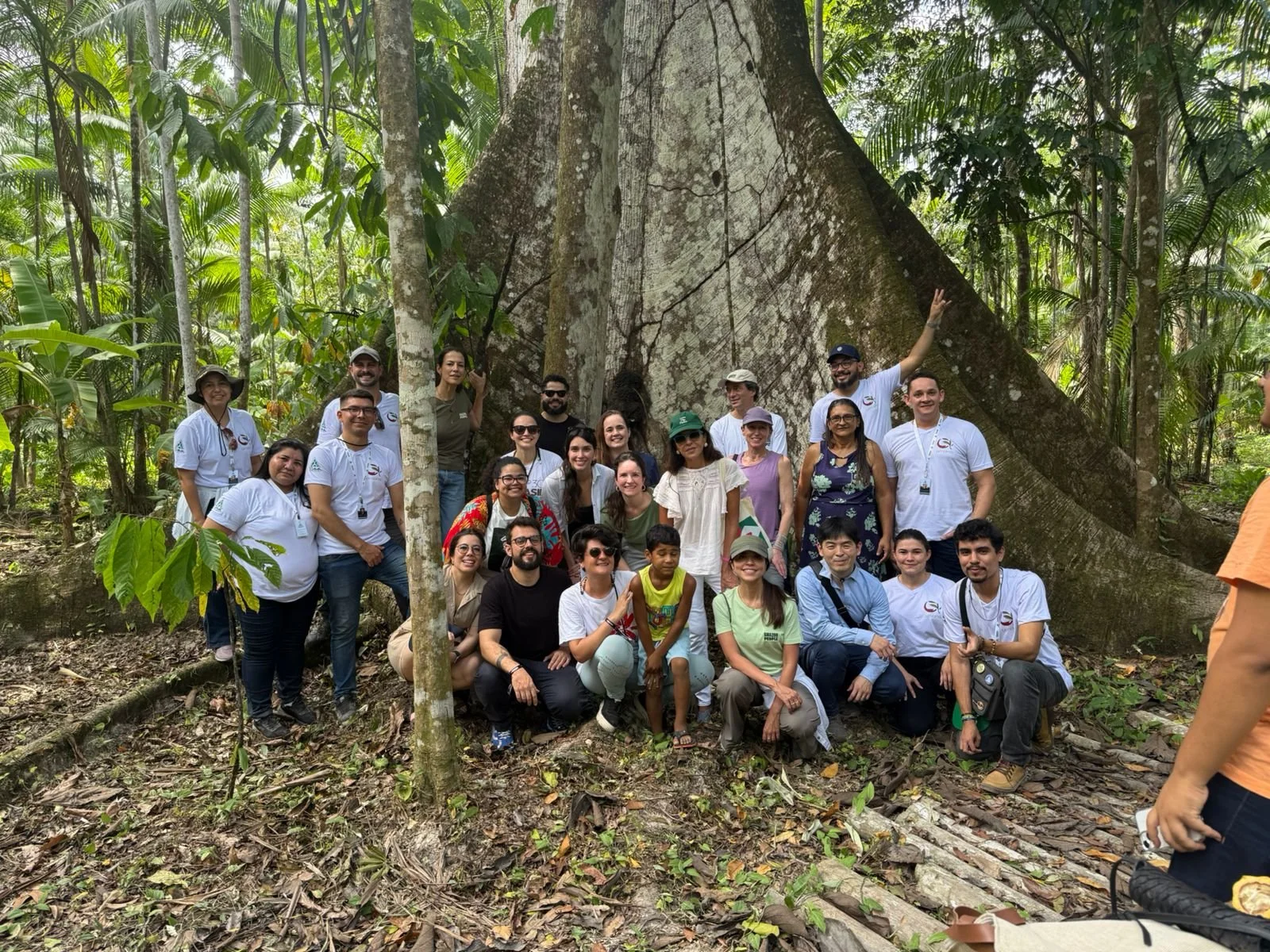
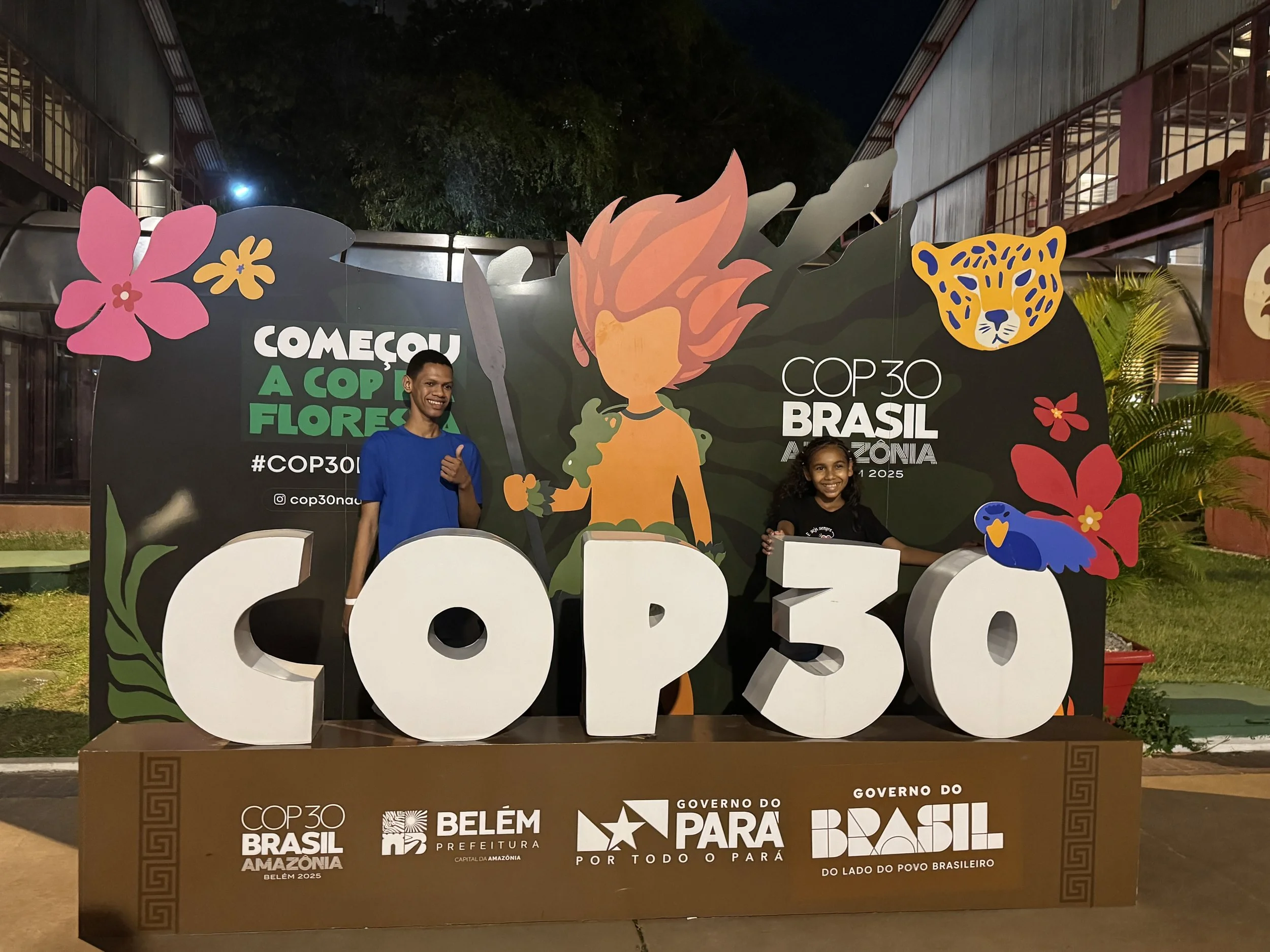
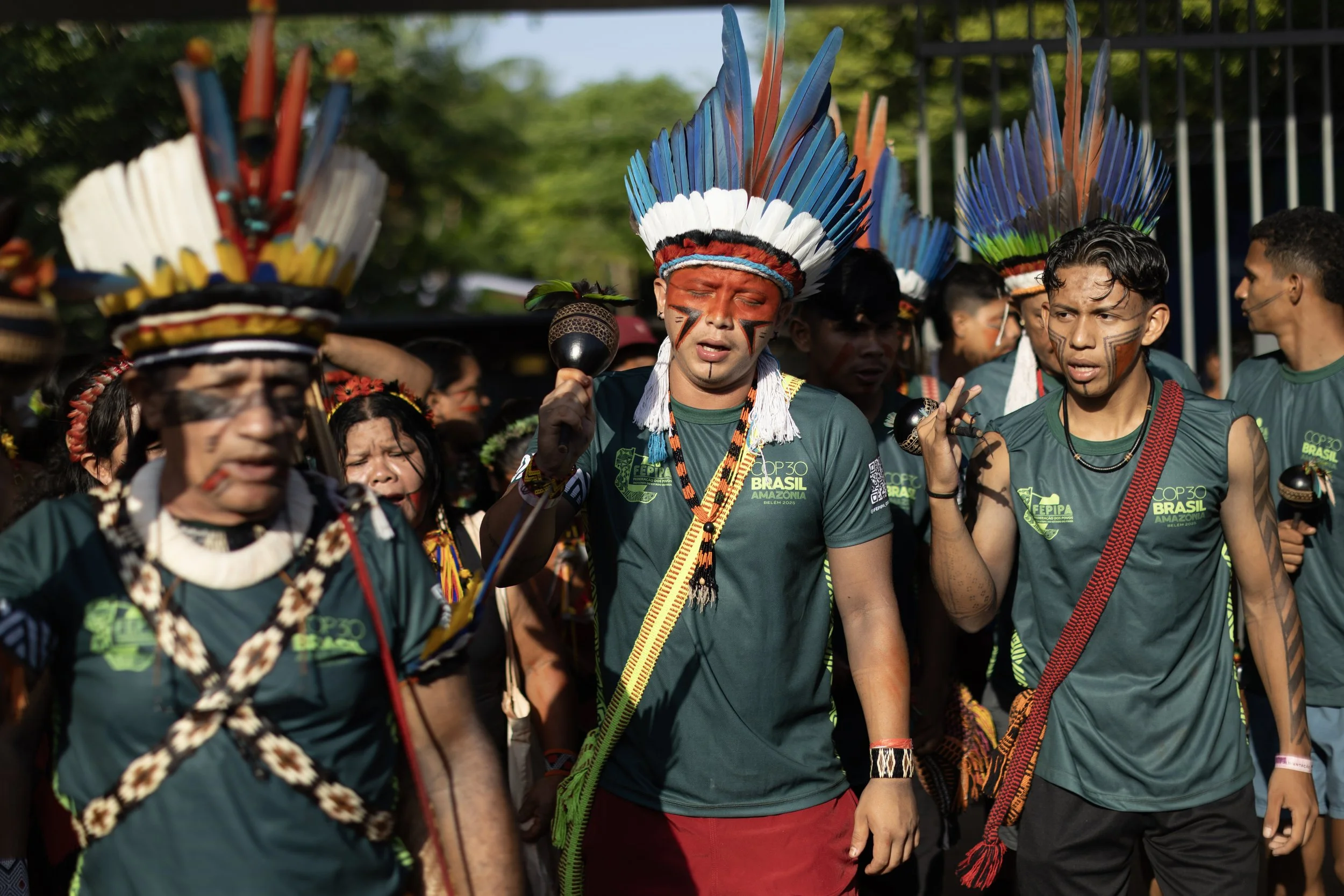
From 10–21 November 2025, delegates from UN Member States, civil society organizations, the research community, Indigenous peoples, youth, non-profit organizations, the private sector, and more, came together in Belém, Brazil to drive the future of the global climate agenda.
The UN Framework Convention on Climate Change Conference of the Parties (UNFCCC COP) is an annual gathering on international partnerships, negotiations, and agreements. The original COP was held in Brazil in 1992, so the location of this year’s conference is significant; it’s a full circle moment for looking back at the last 30+ years of climate talks and launching forth to meet contemporary and future priorities.
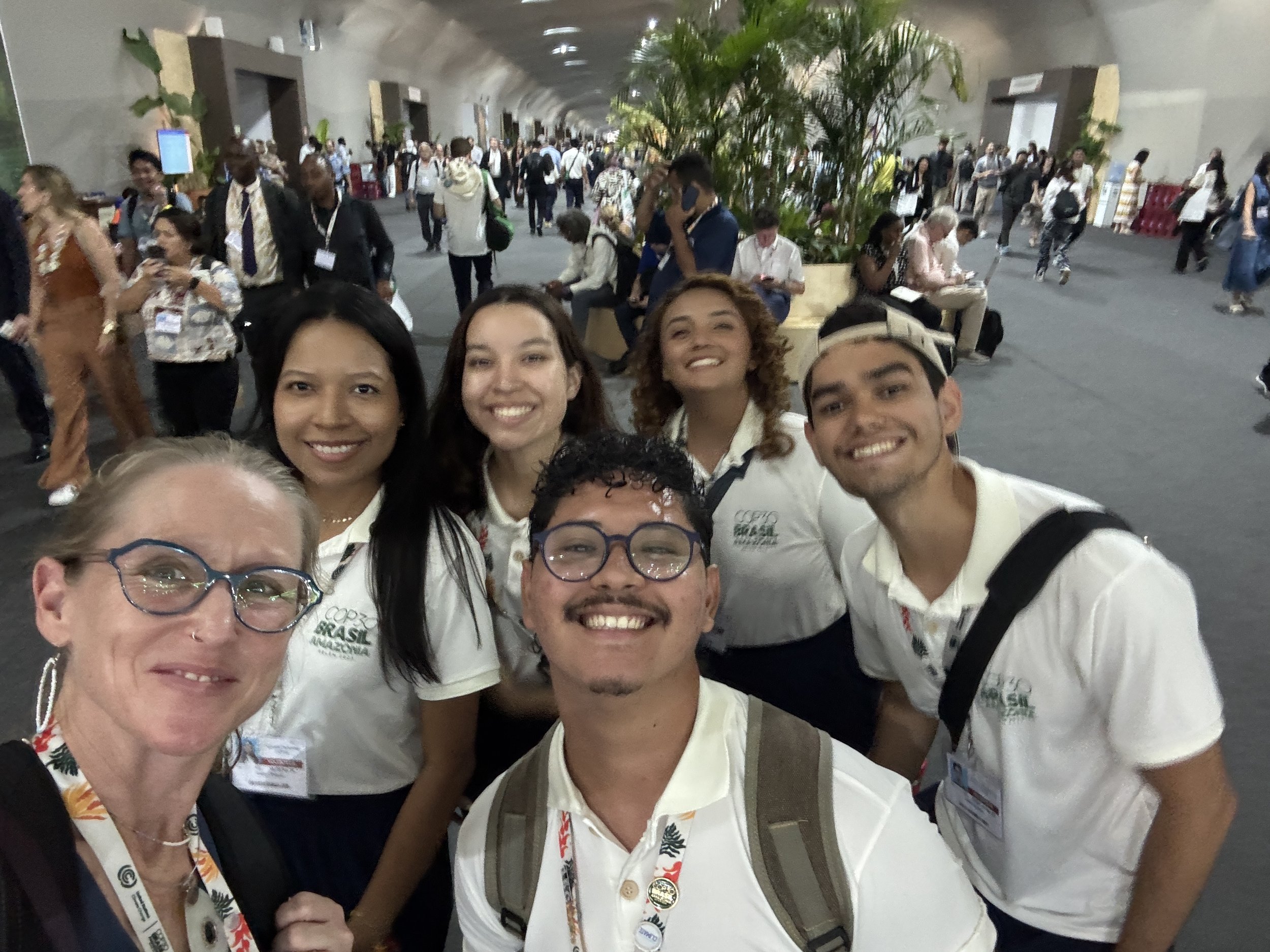
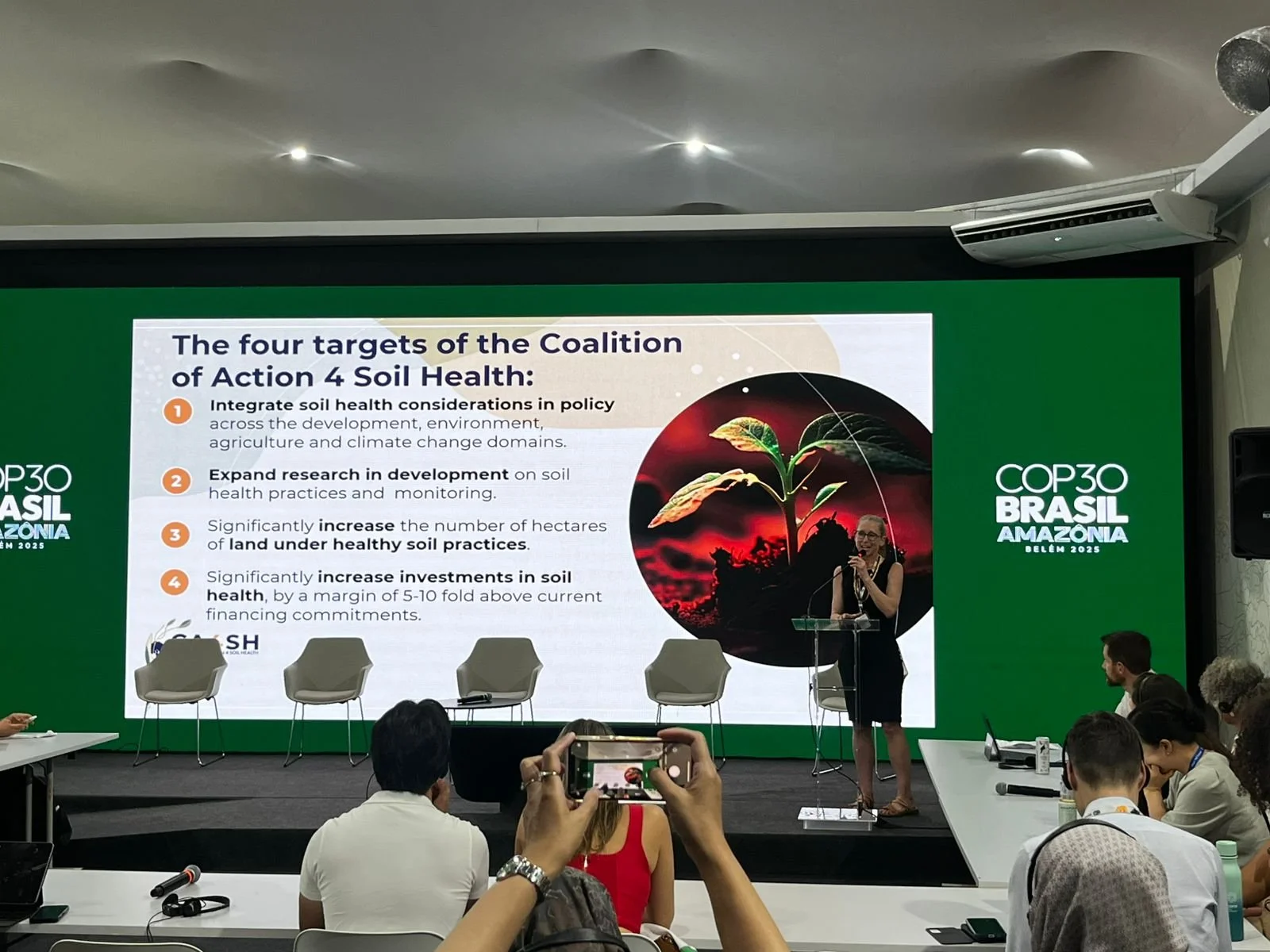
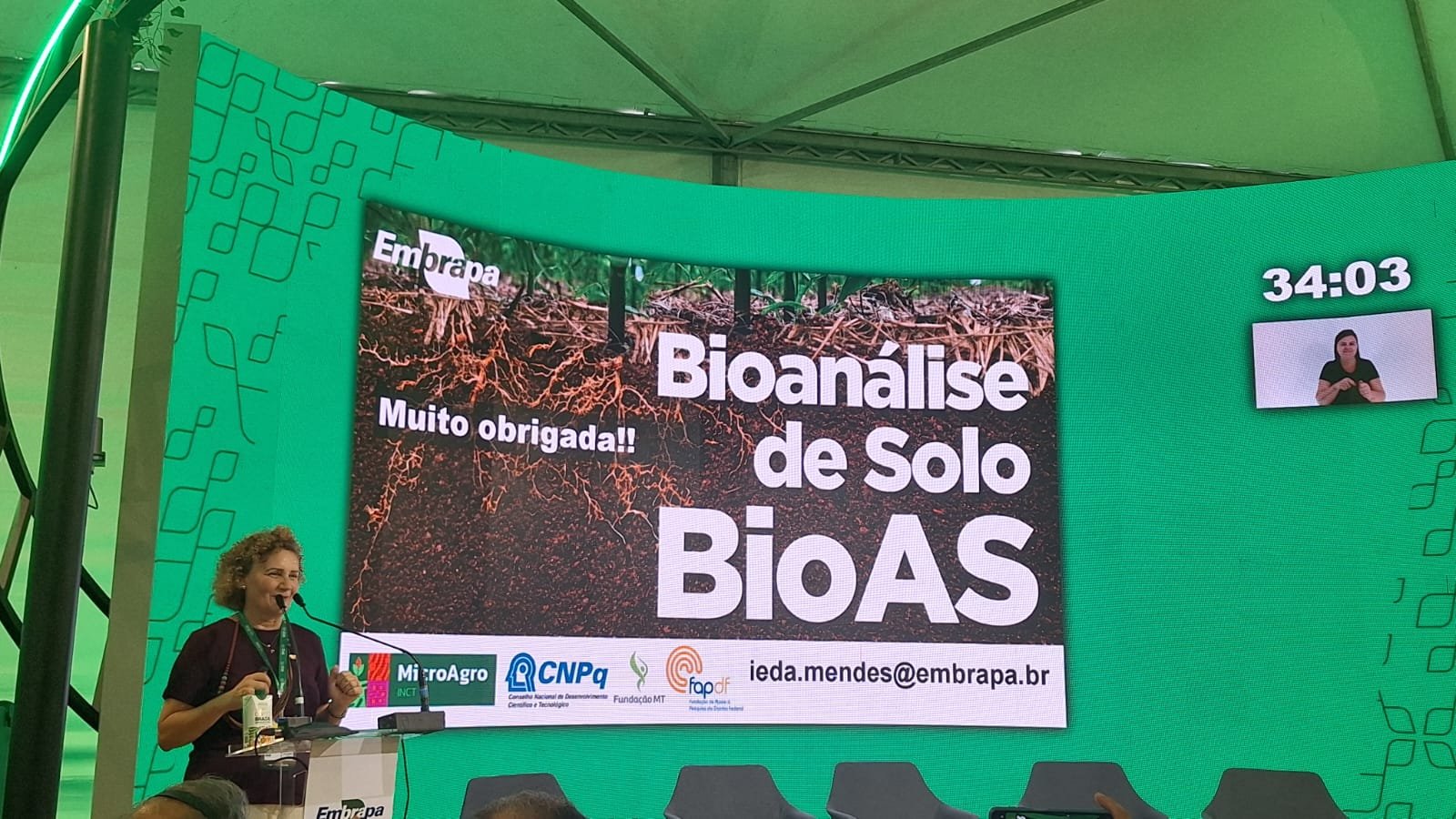
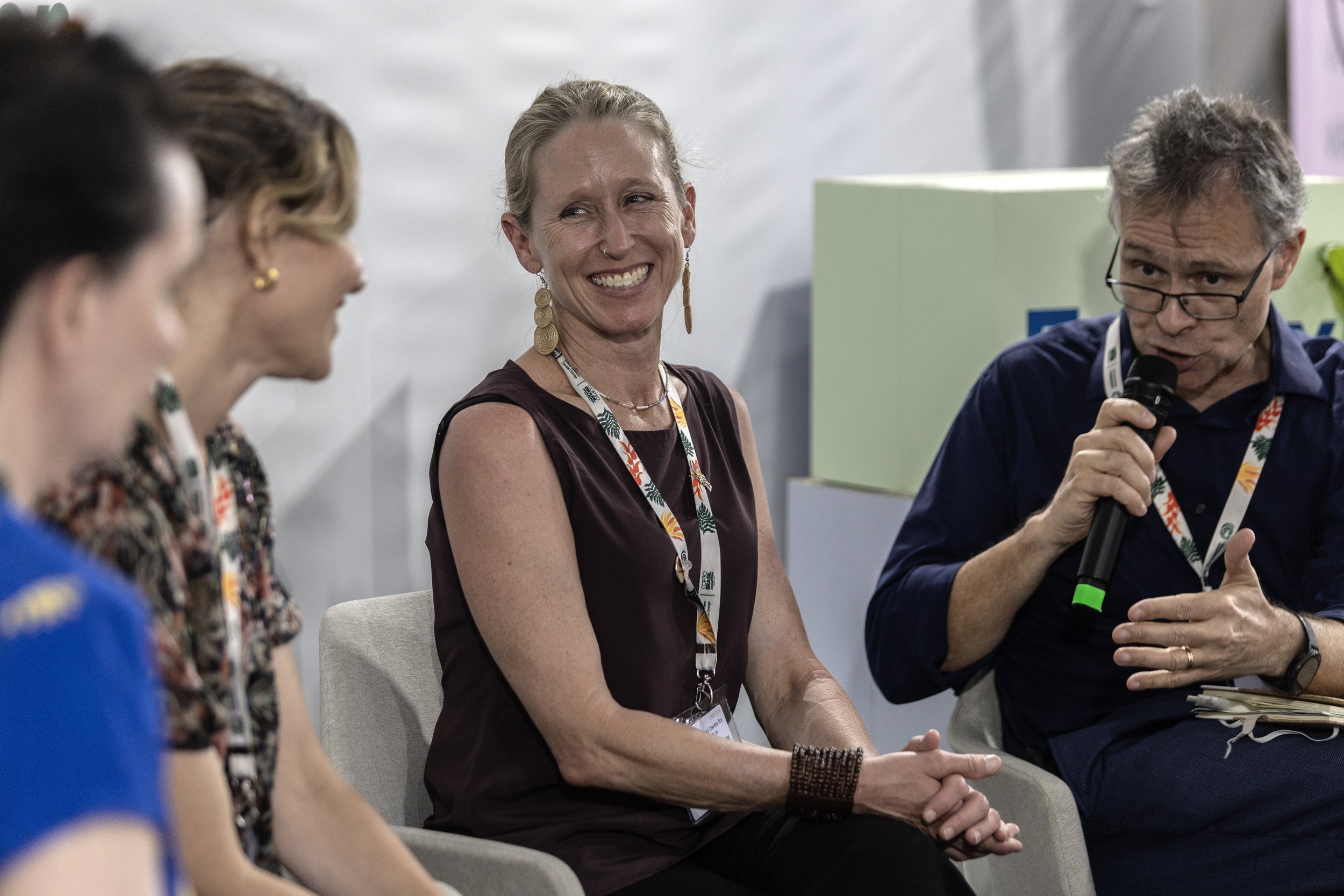
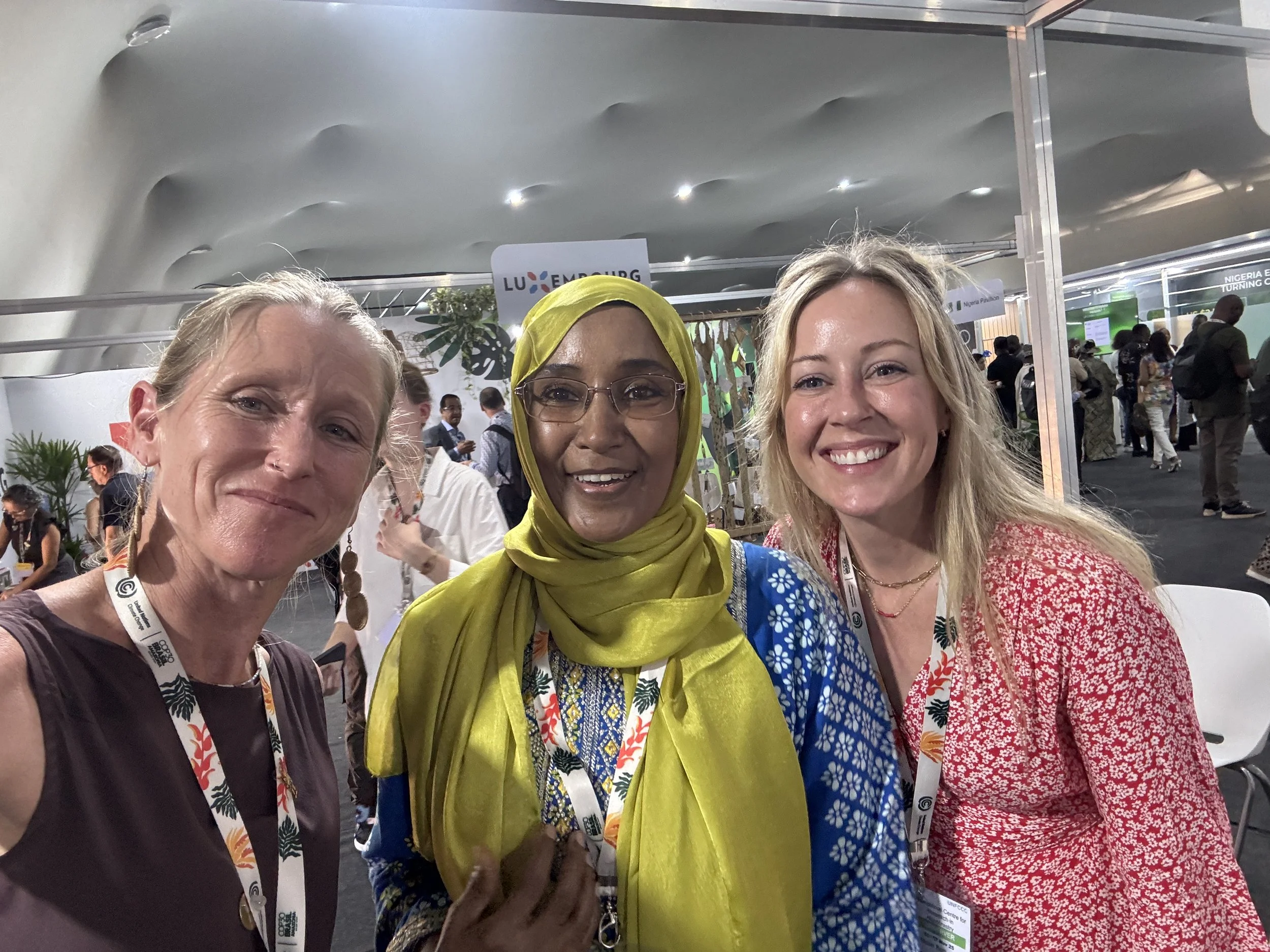
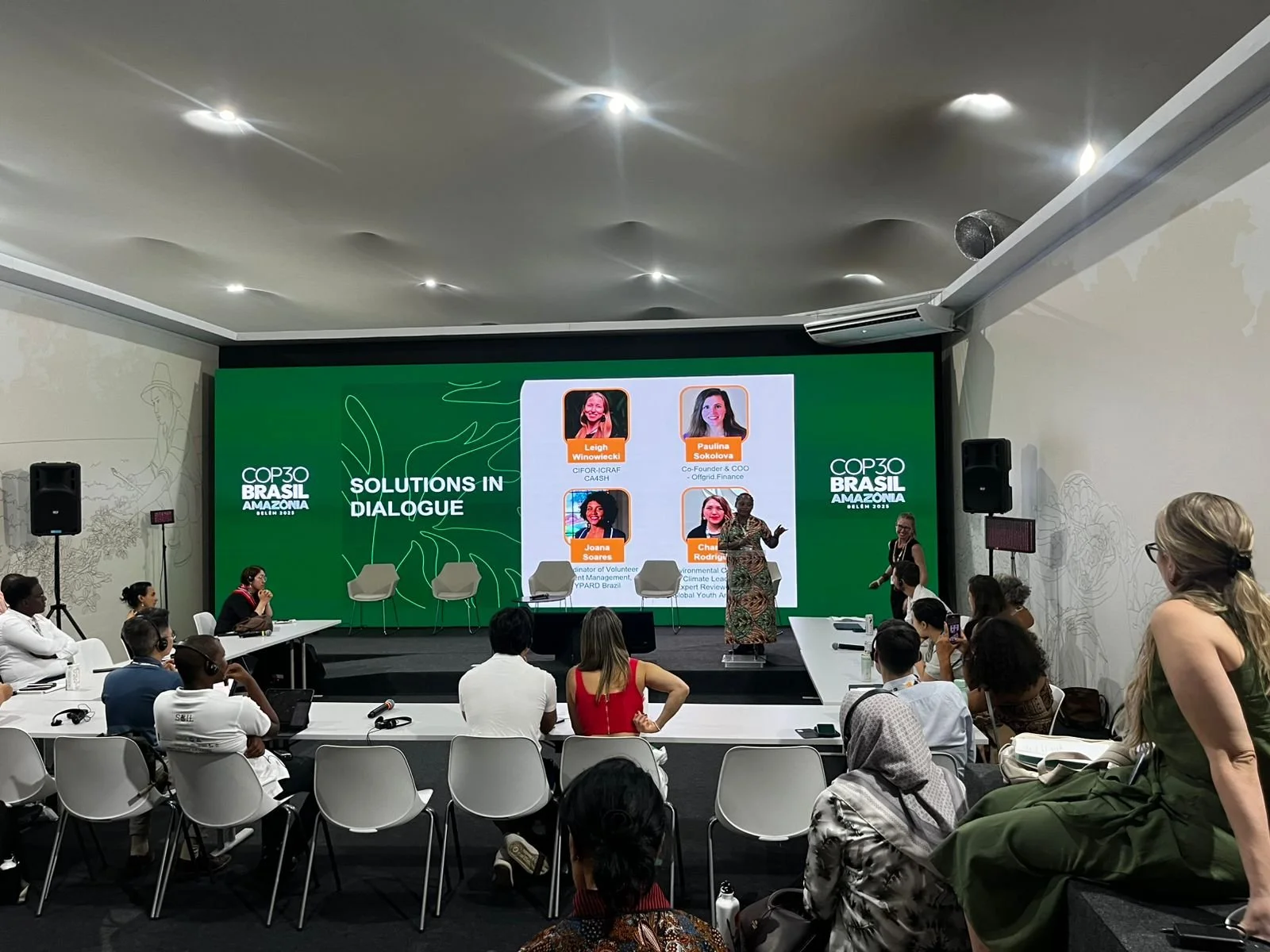
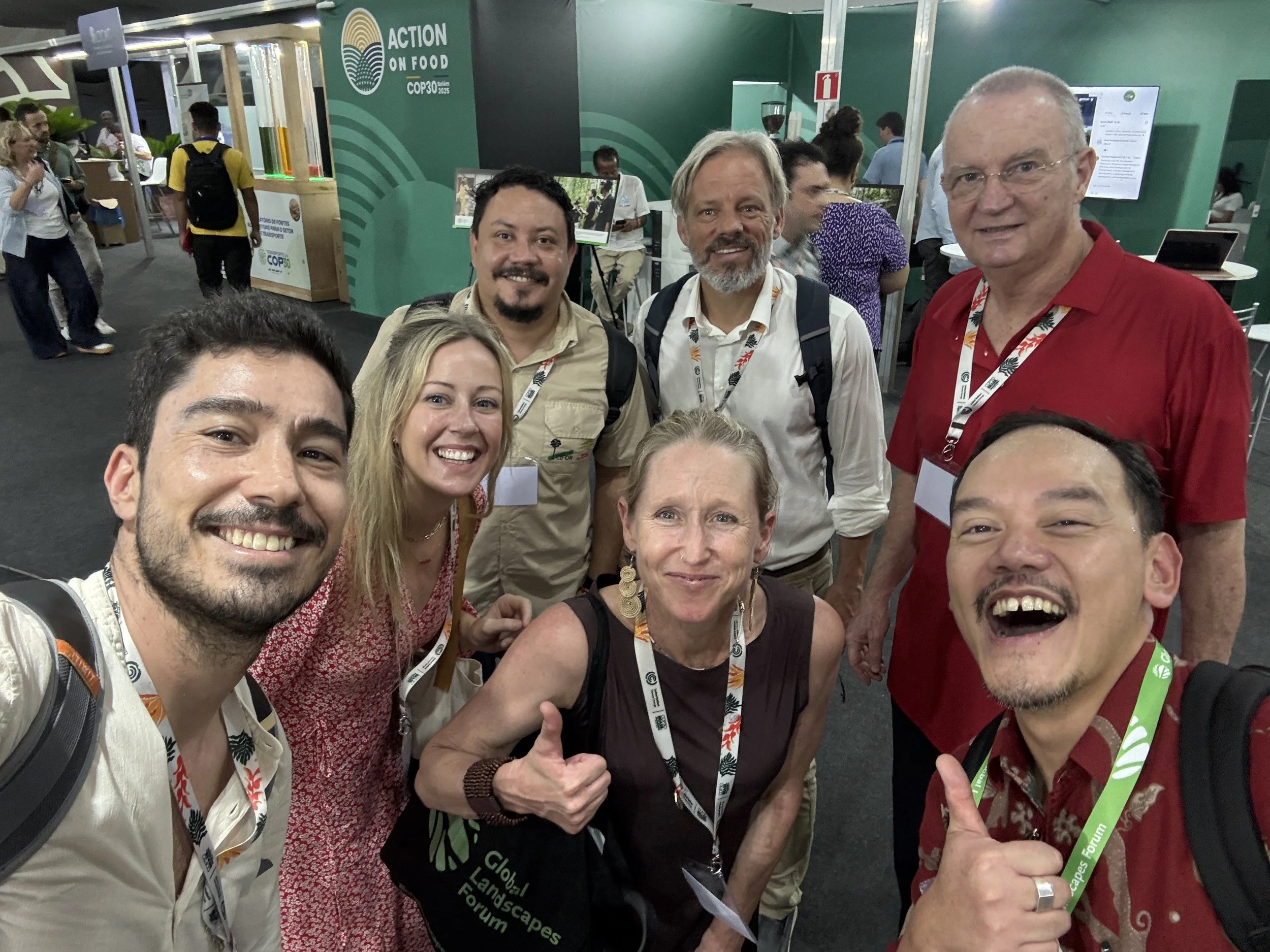
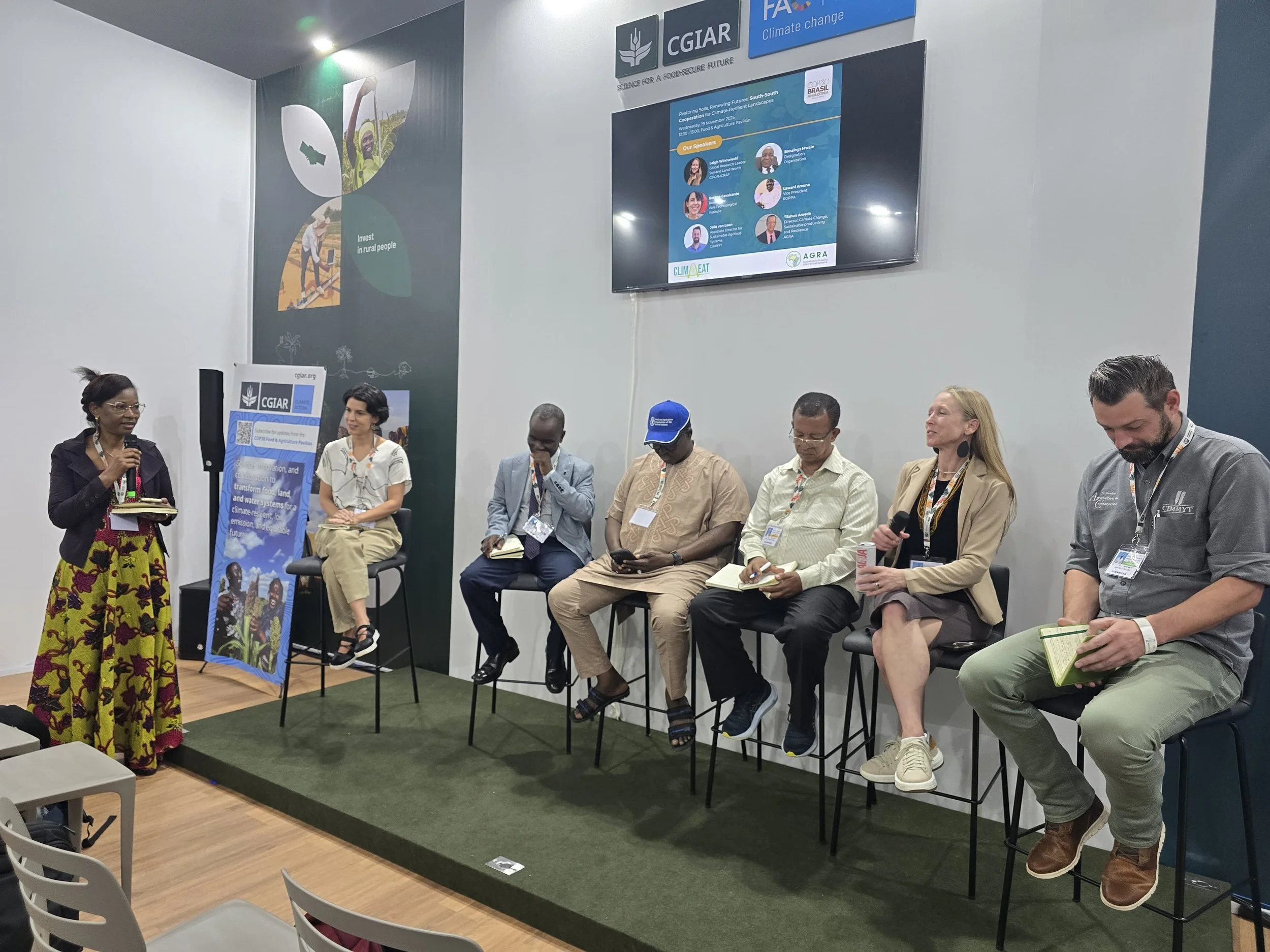
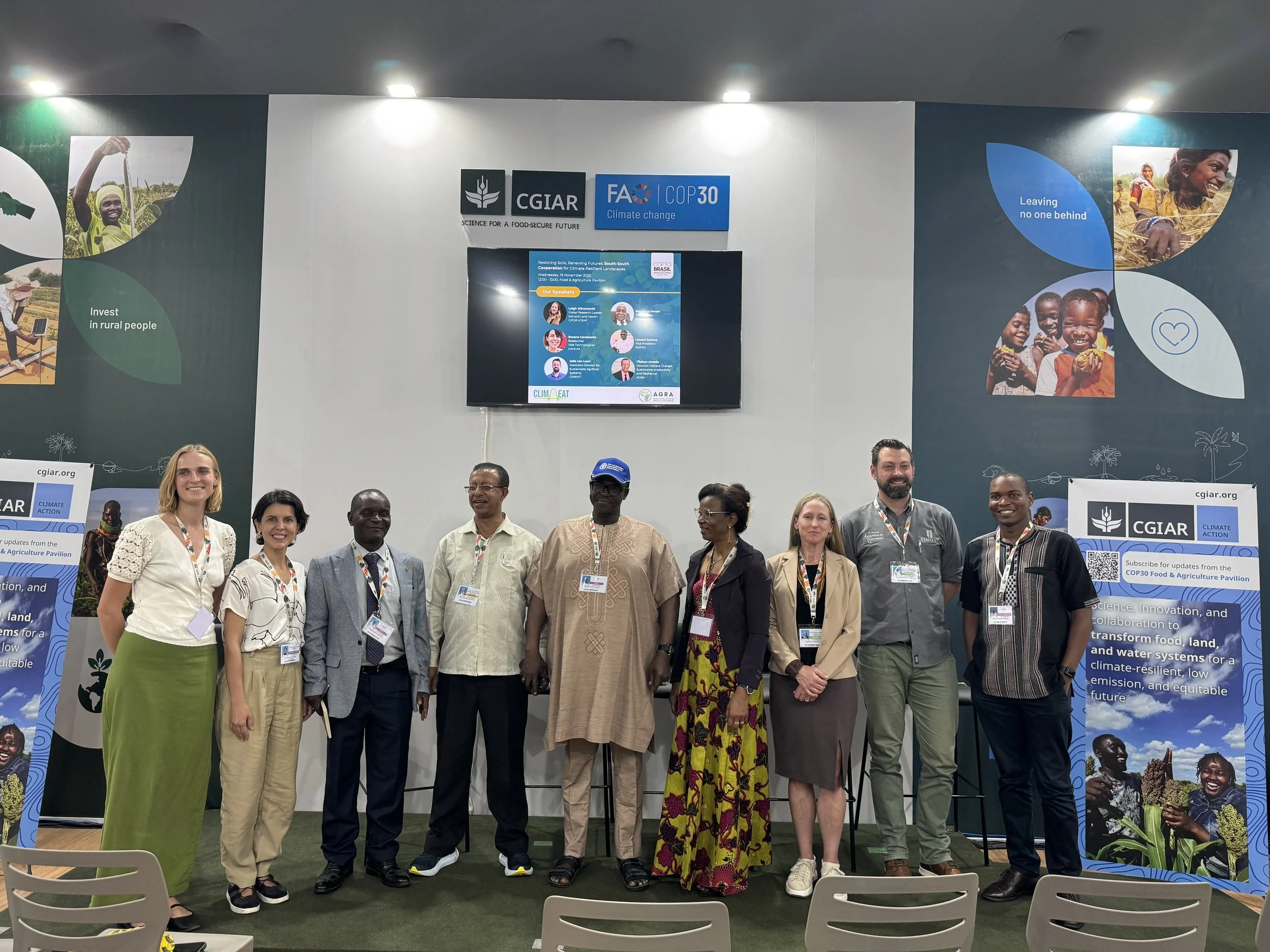
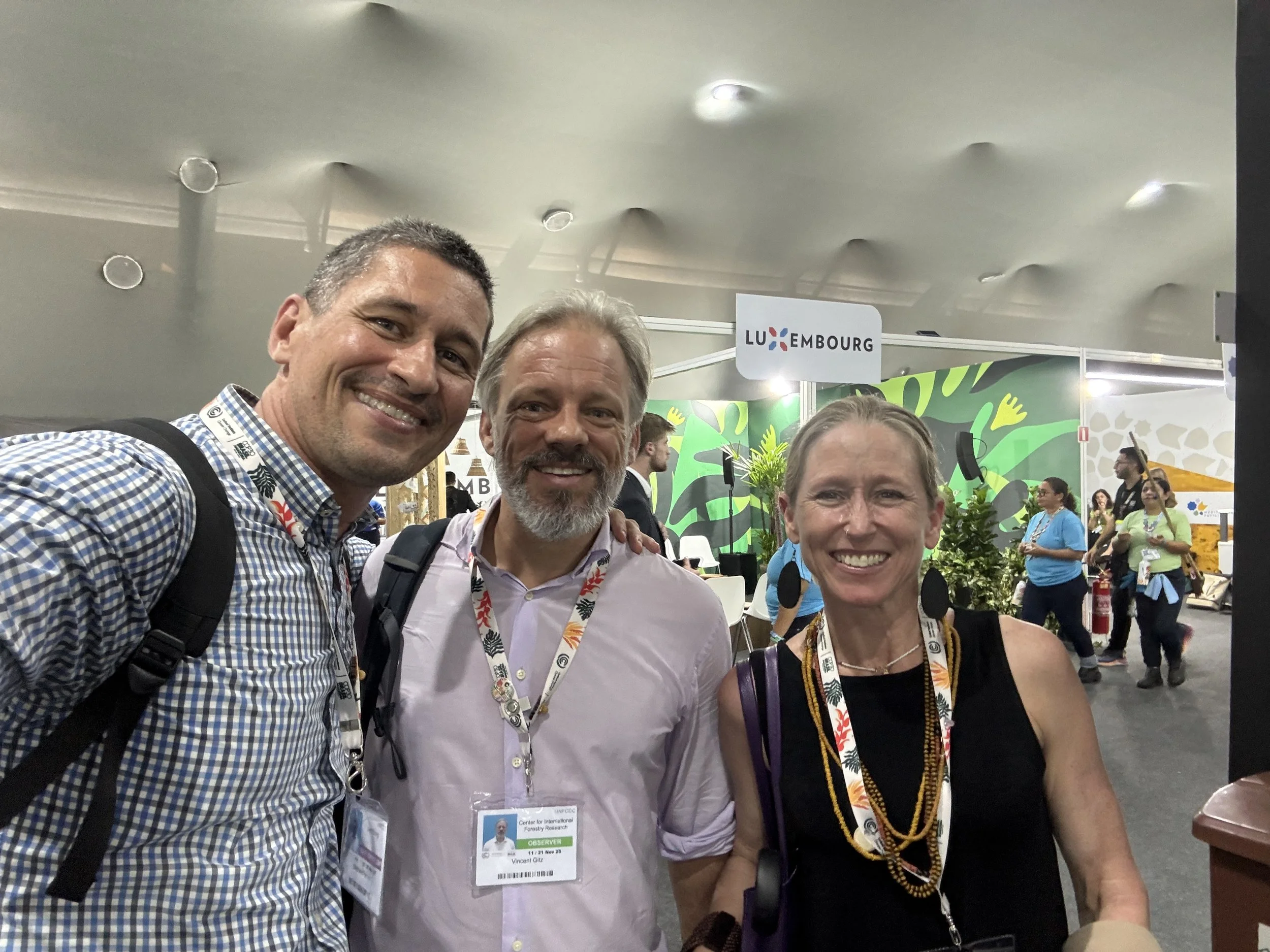
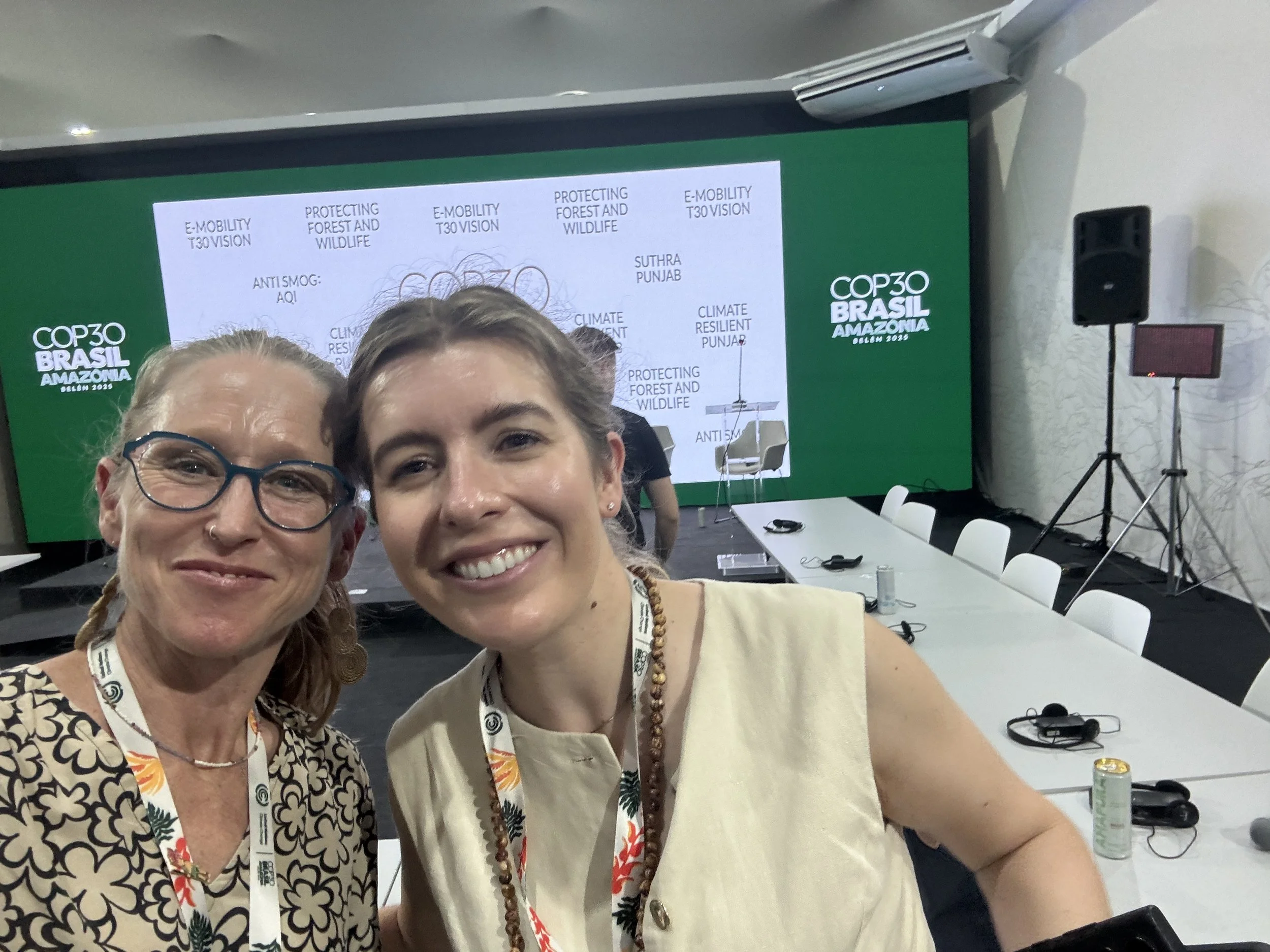
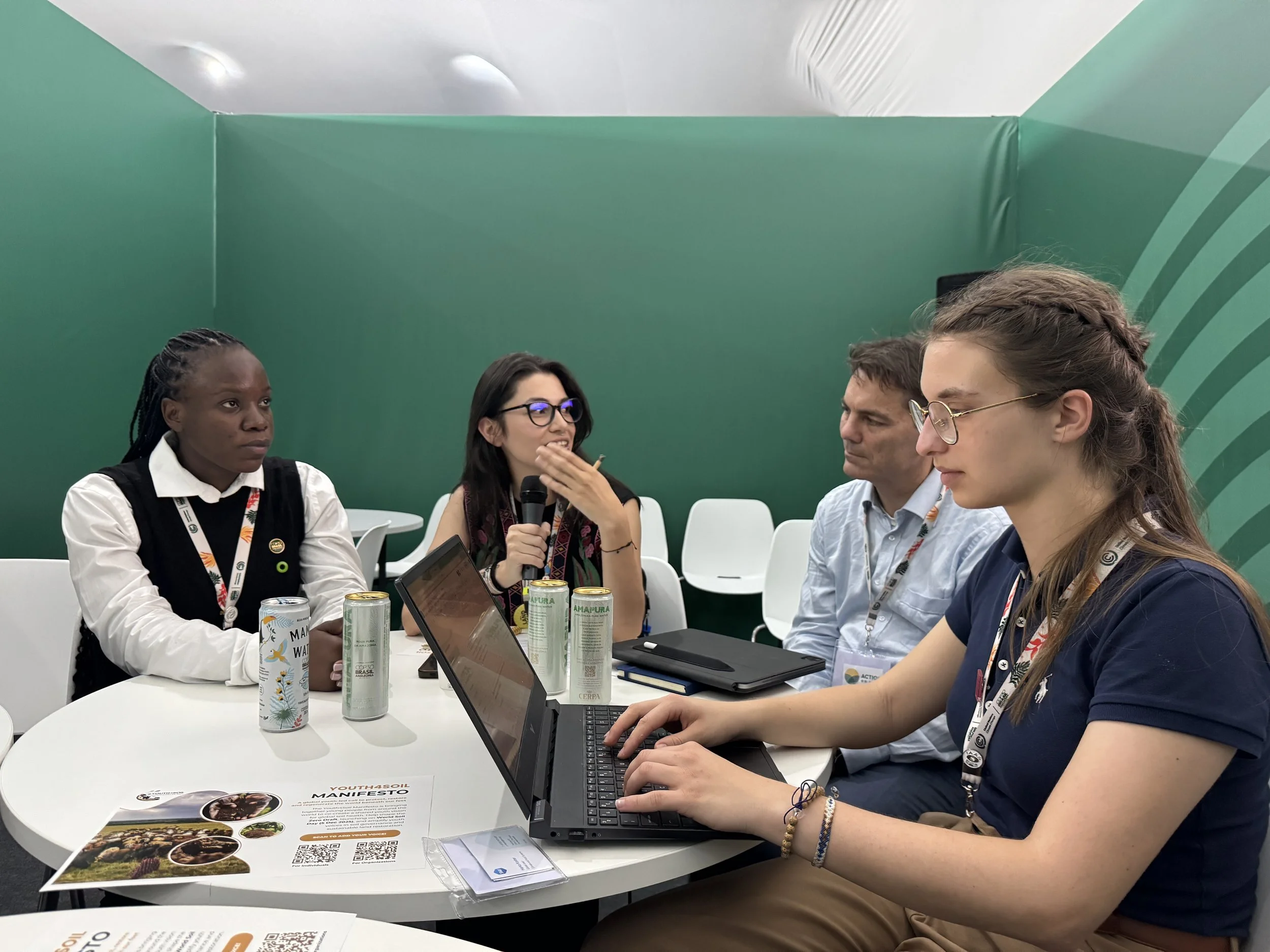
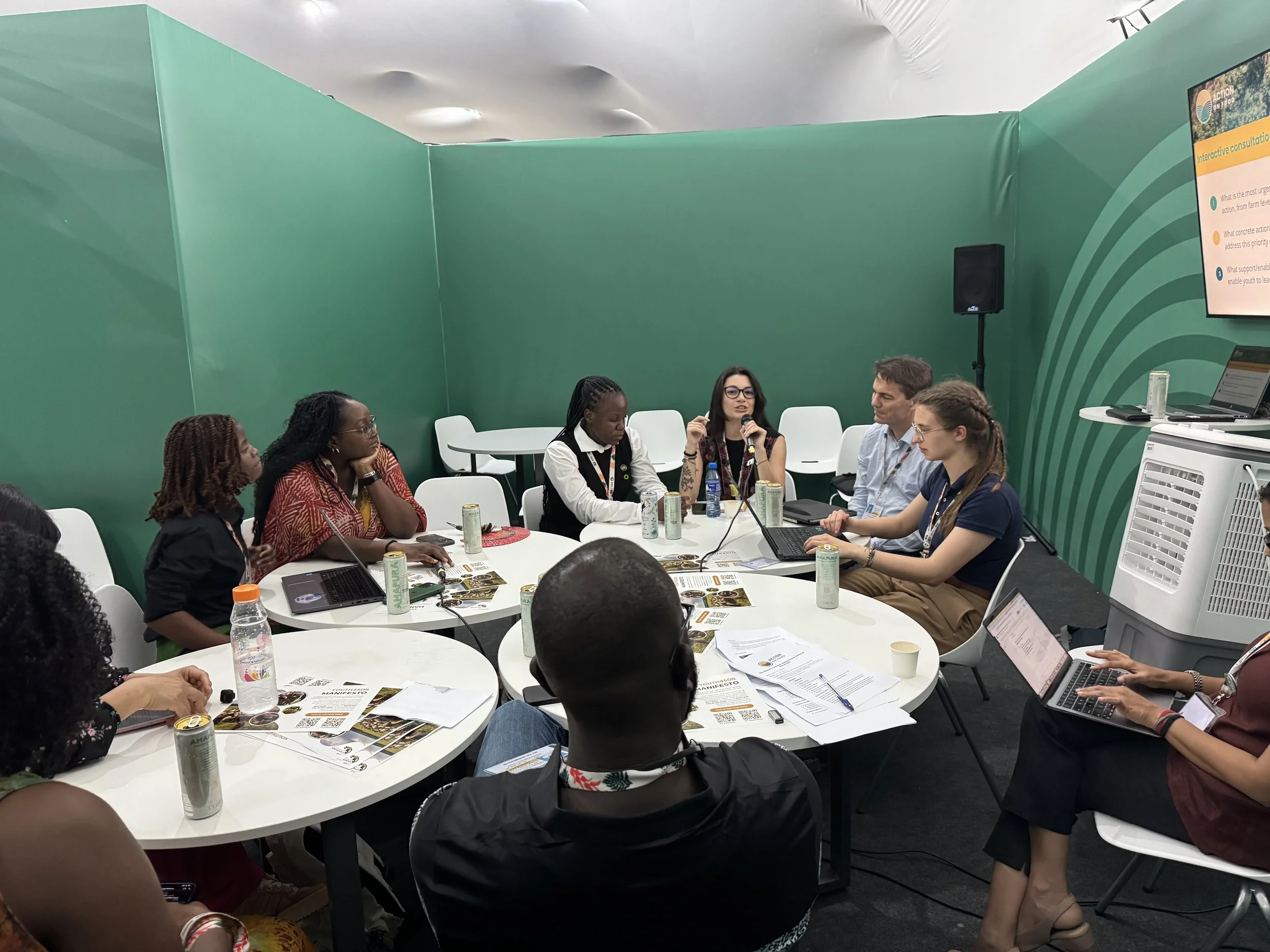
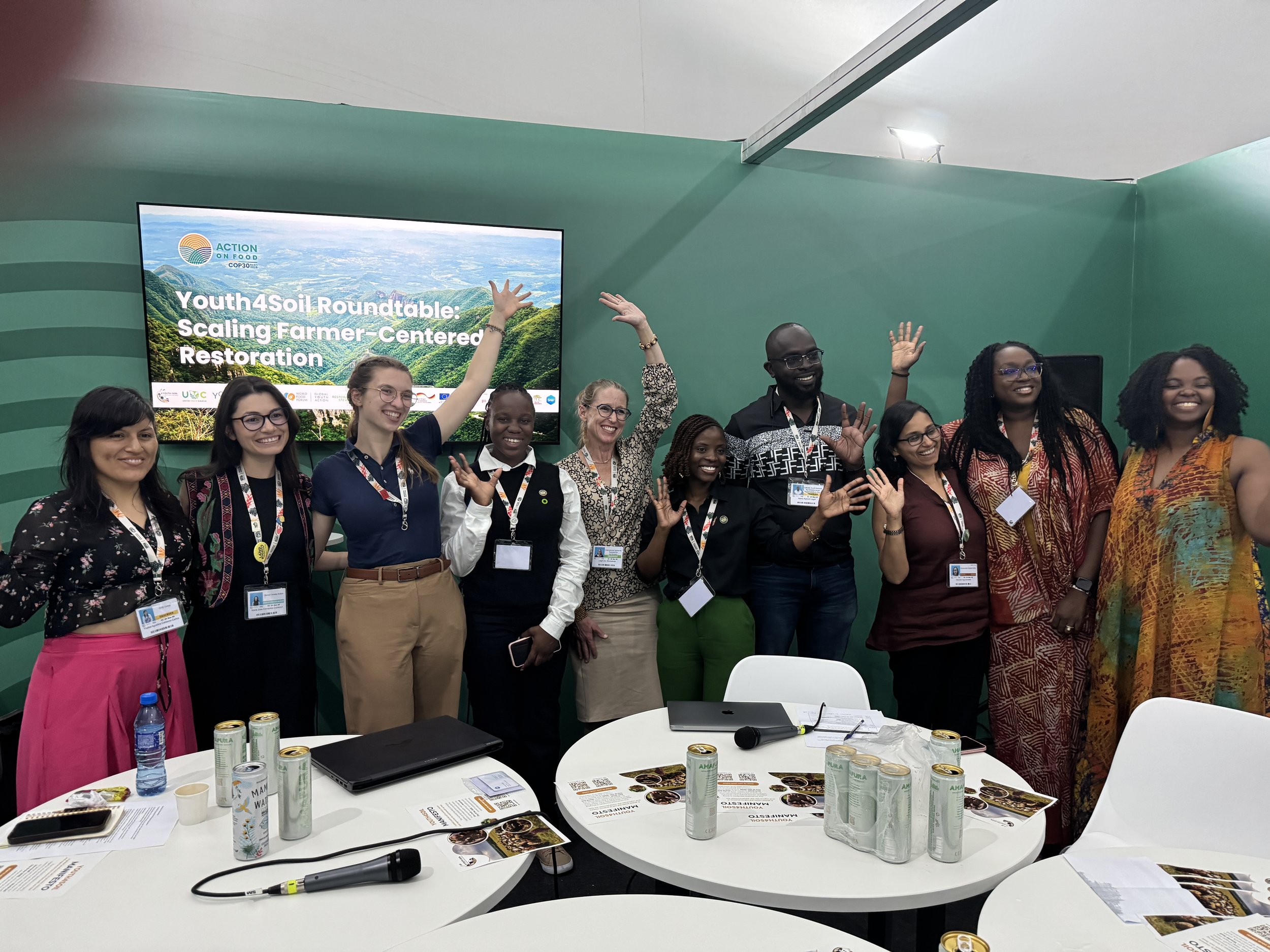
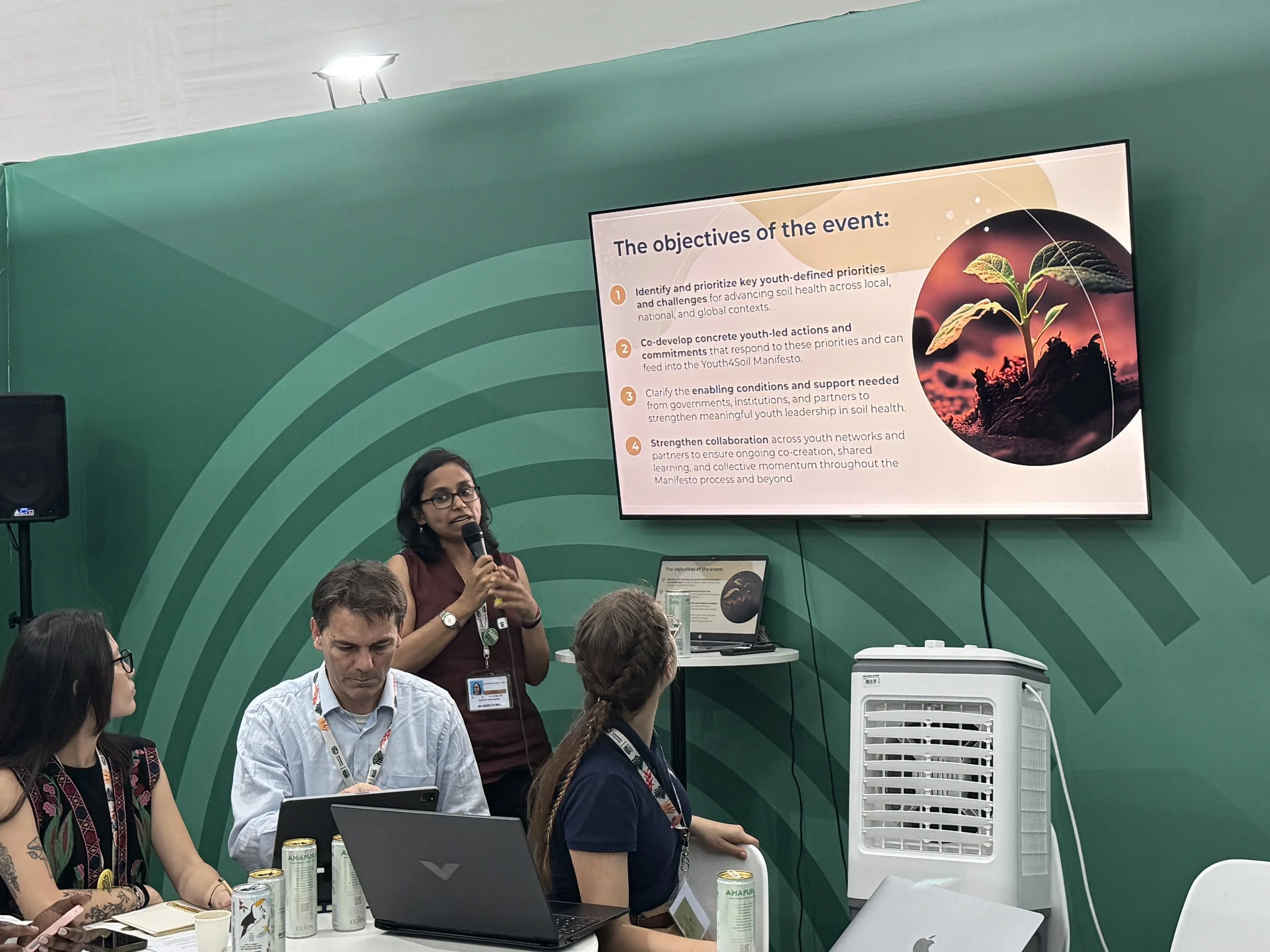
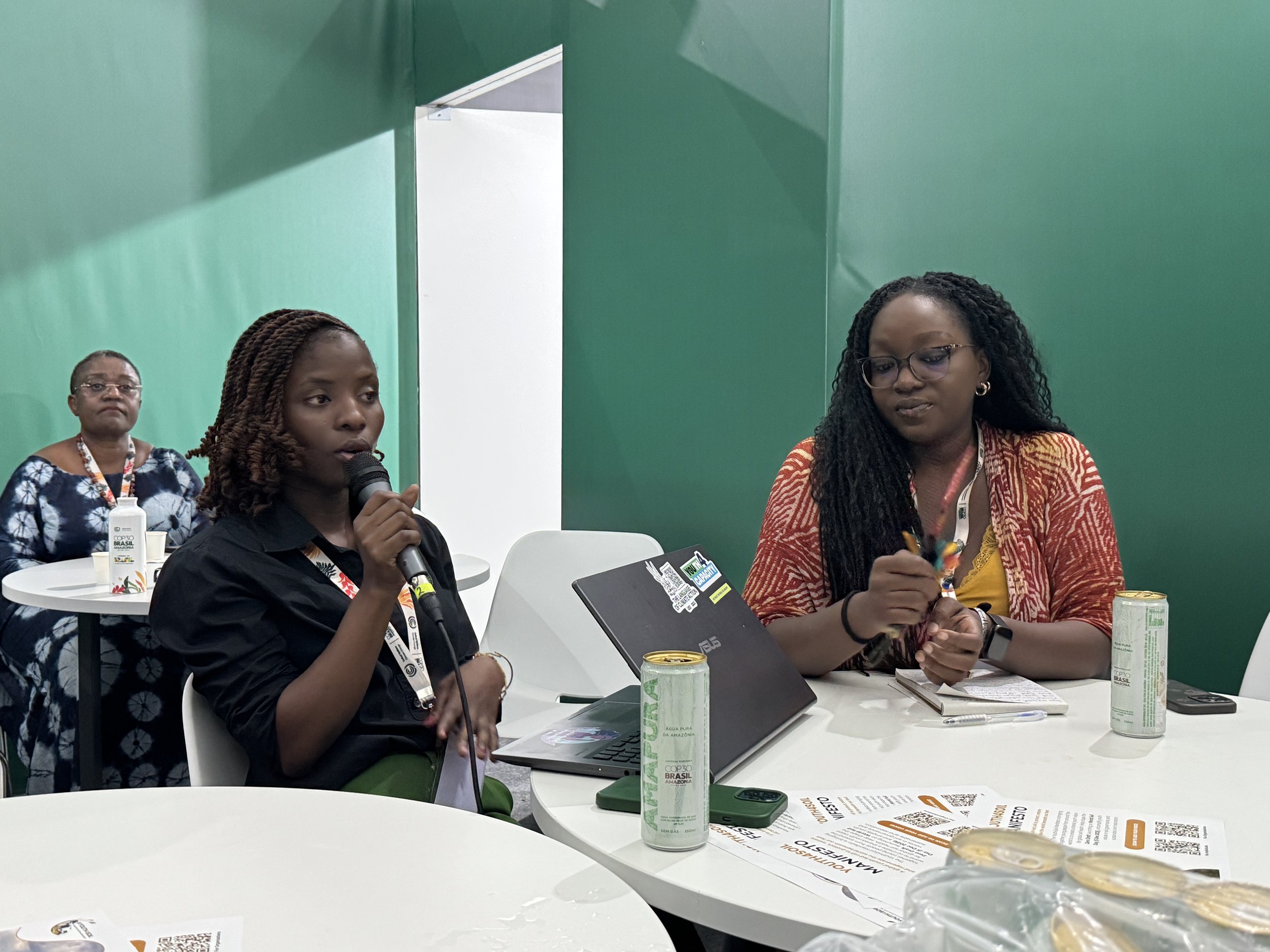
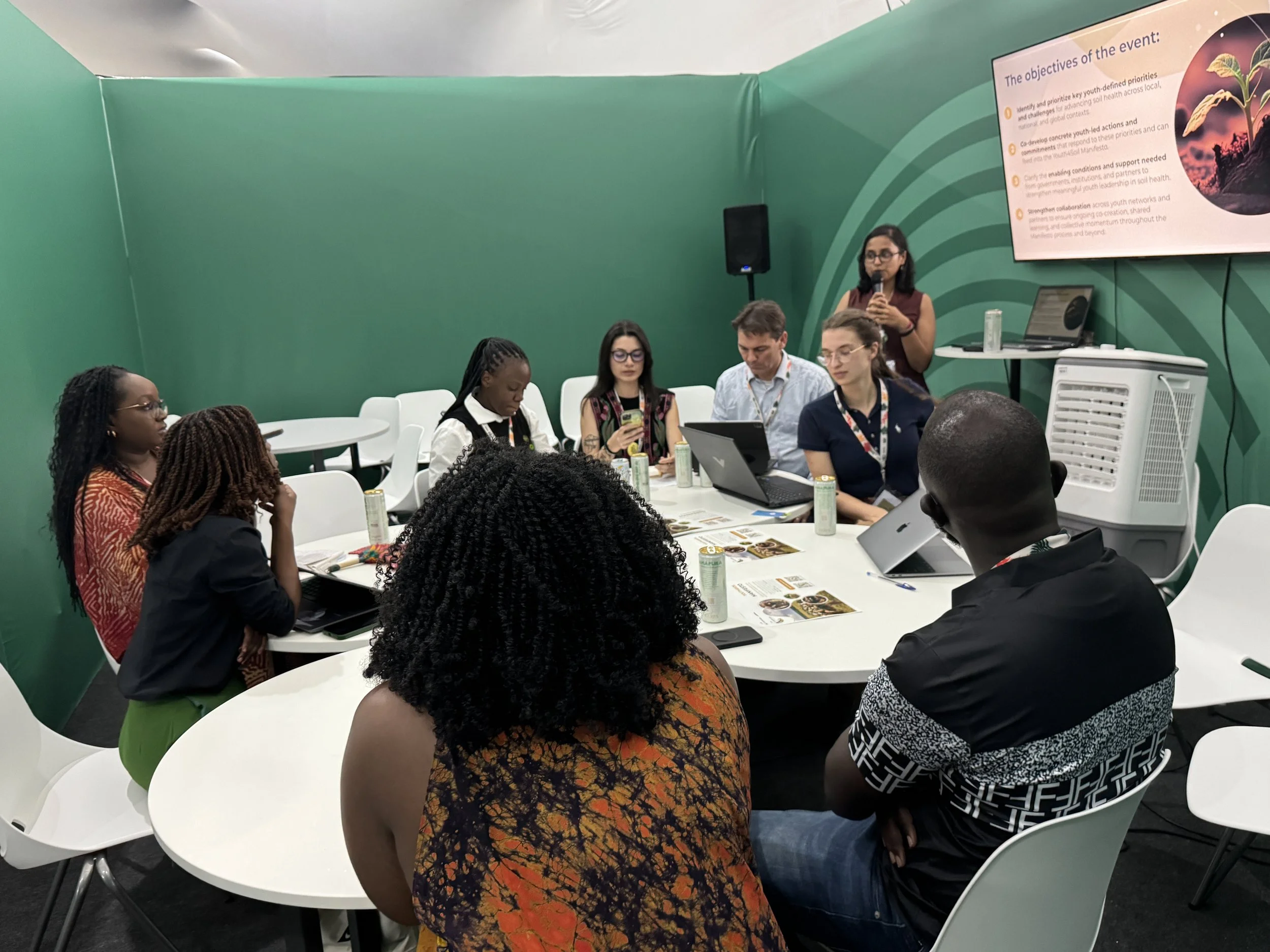
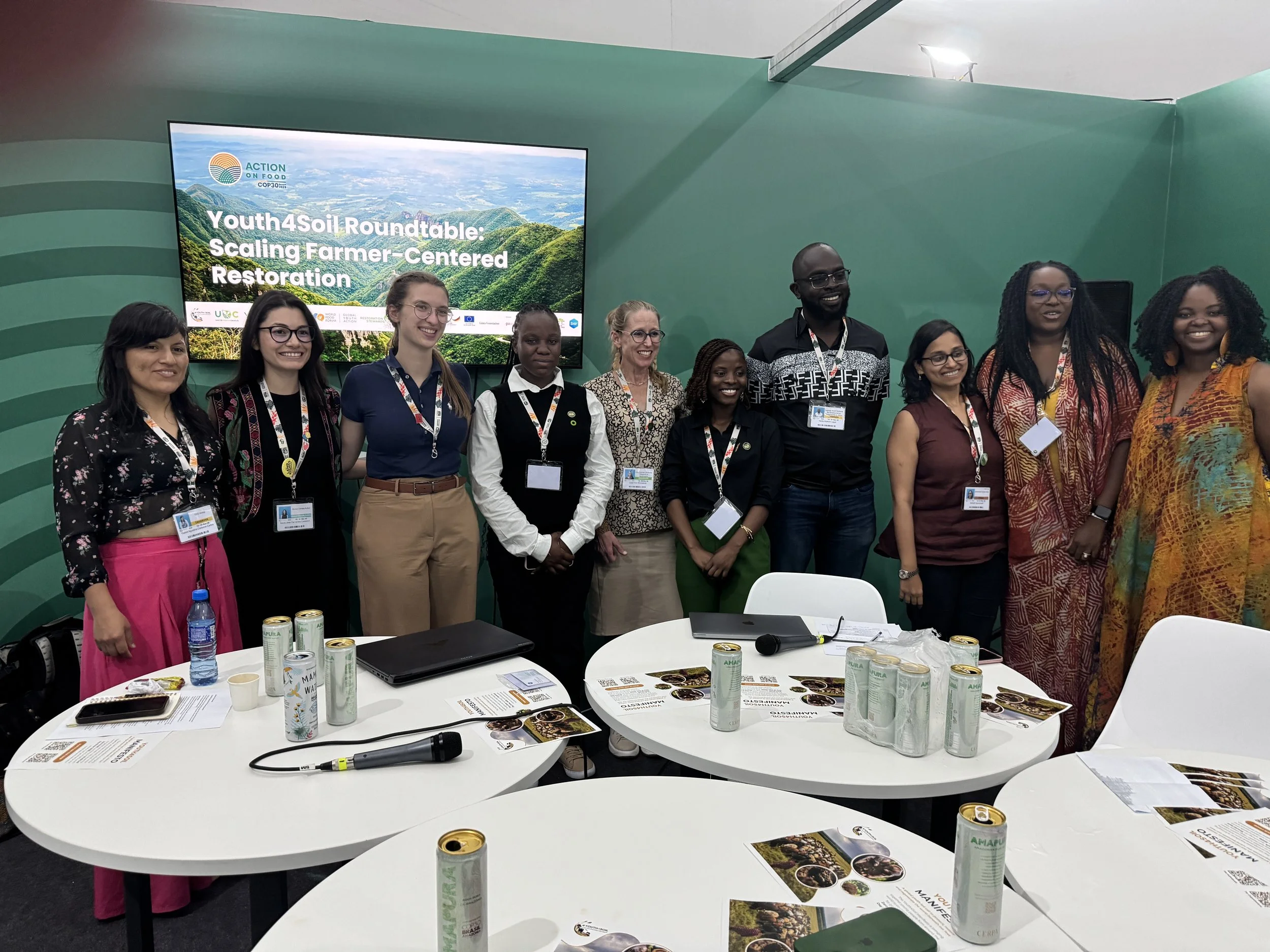
Representation from diverse groups is paramount to ensuring the voices of all are heard, and central to the approach from the Coalition of Action 4 Soil Health (CA4SH). At this year’s COP, we centred youth voices, presented experiential learning from farmer-centred food security initiatives, called for increased attention to soil health as a climate solution from policy and financial stakeholders, and stressed the need for approaches to be rooted in Indigenous knowledge and value systems.
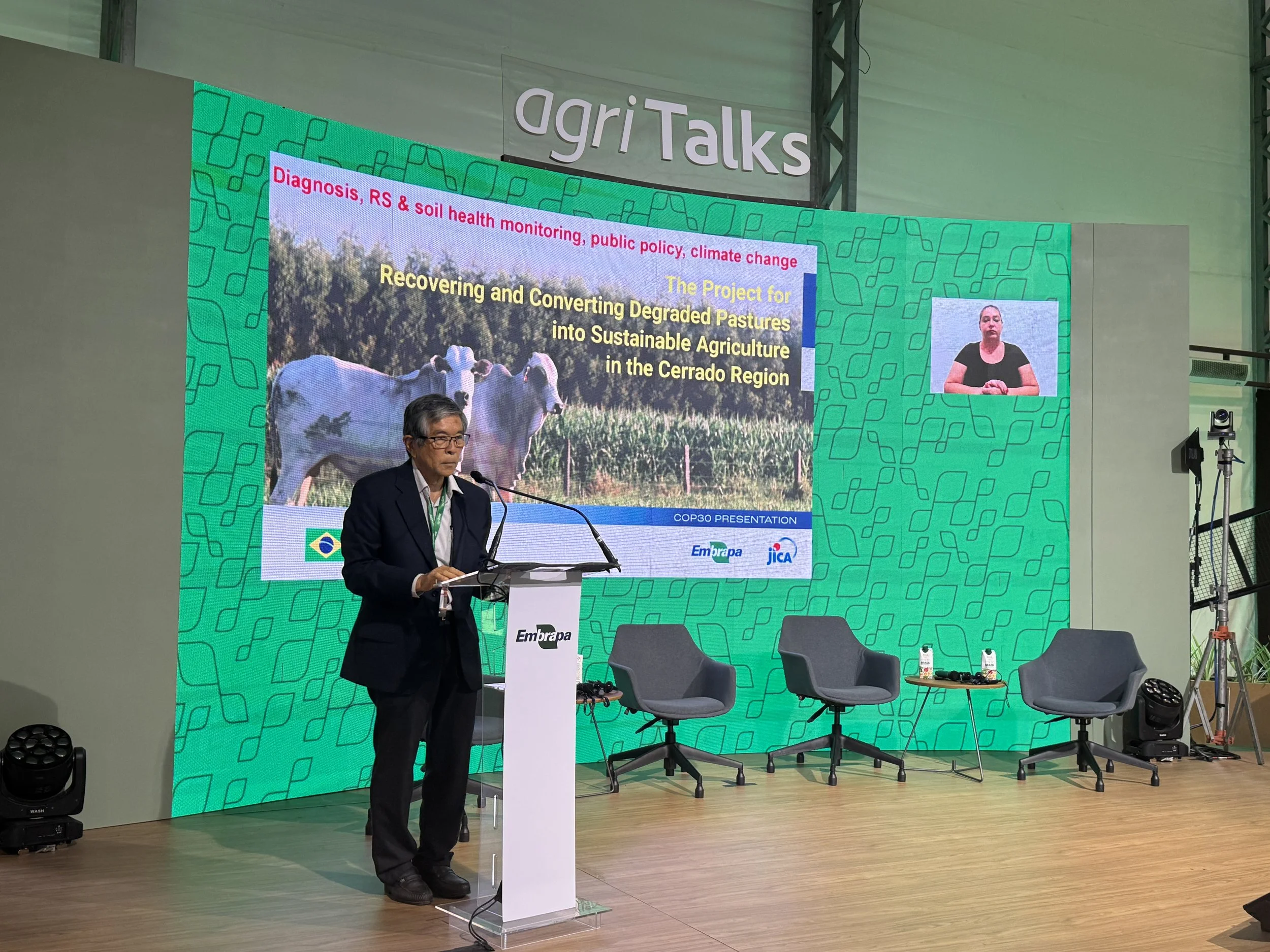
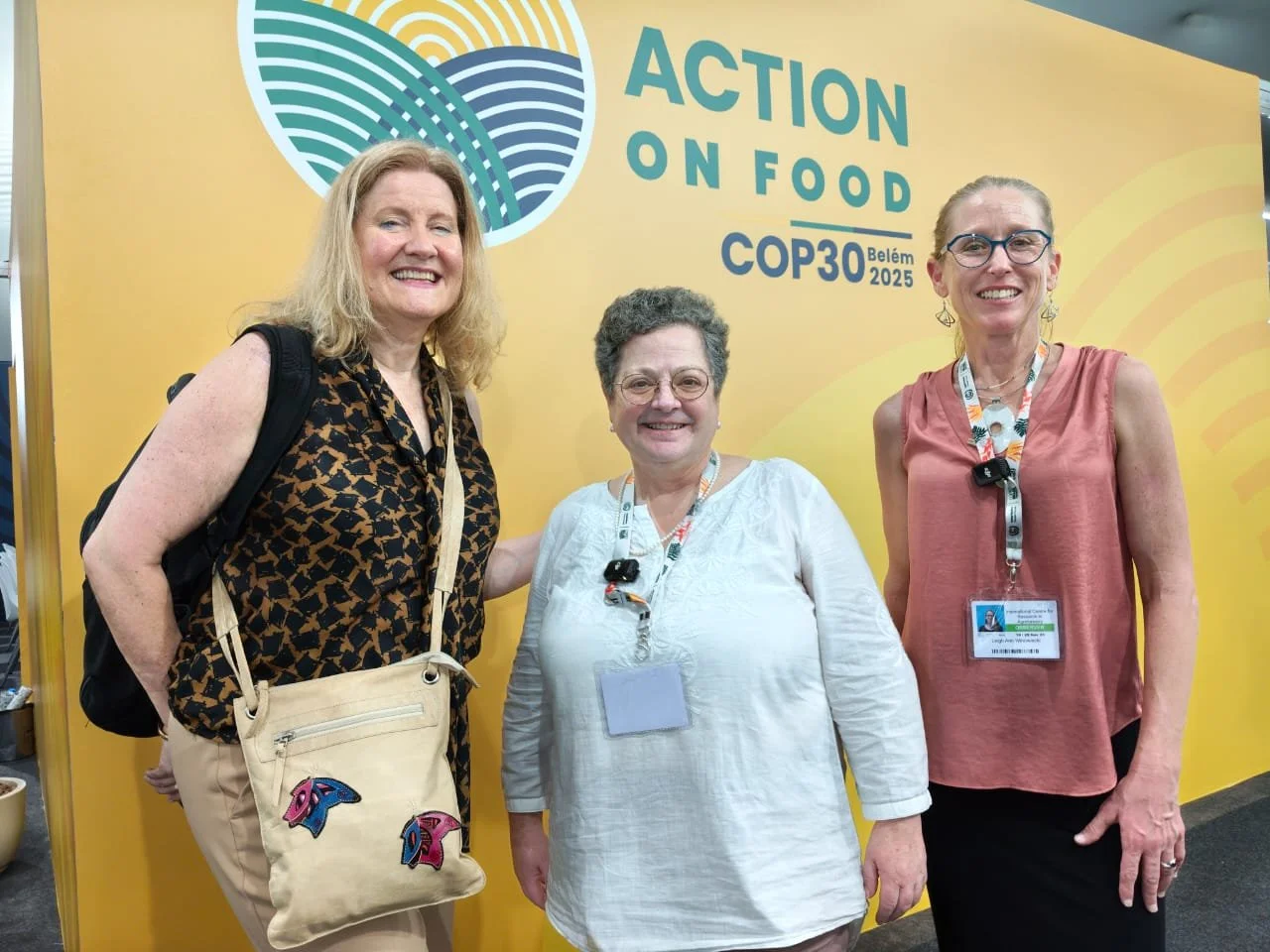
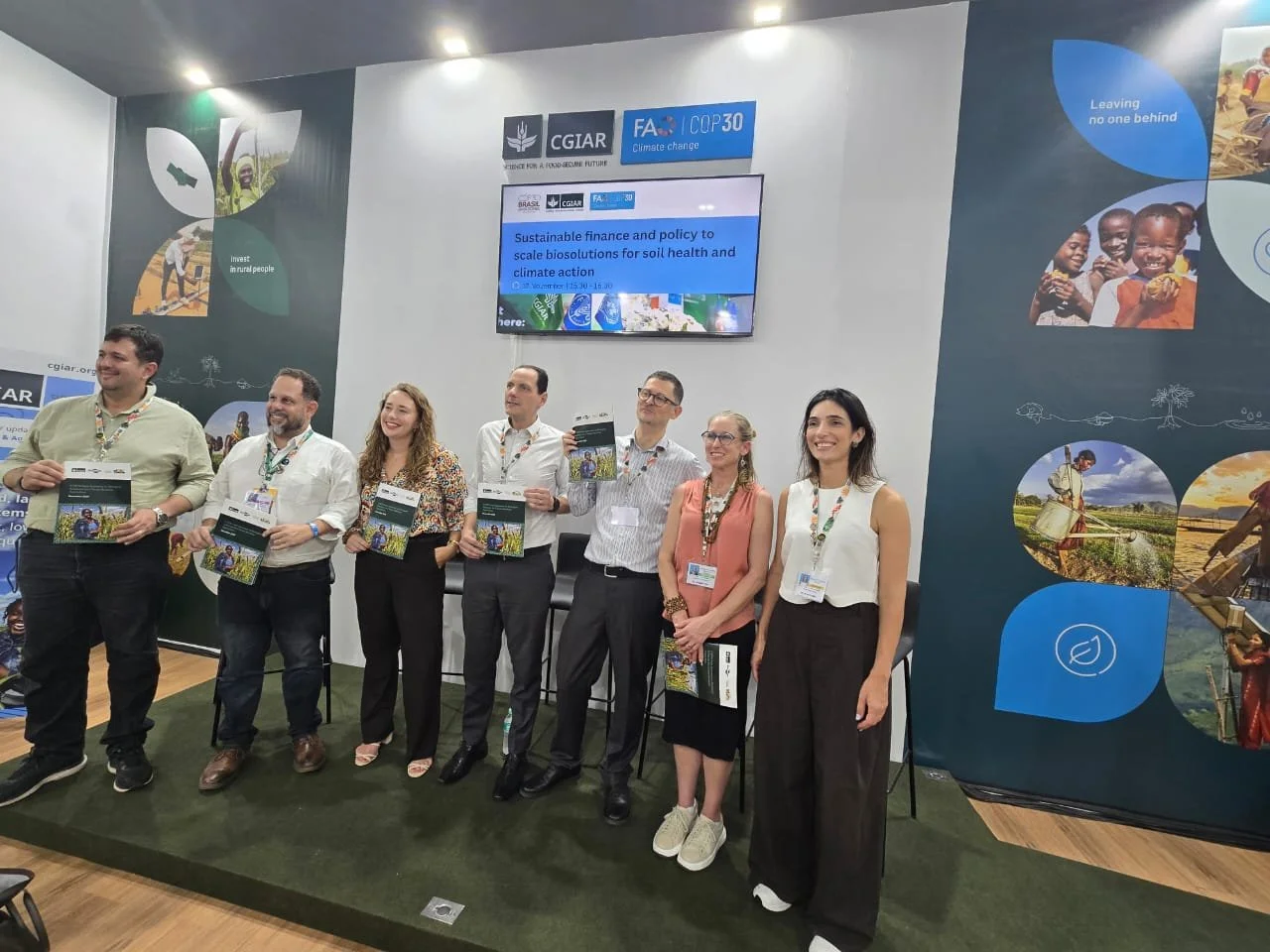
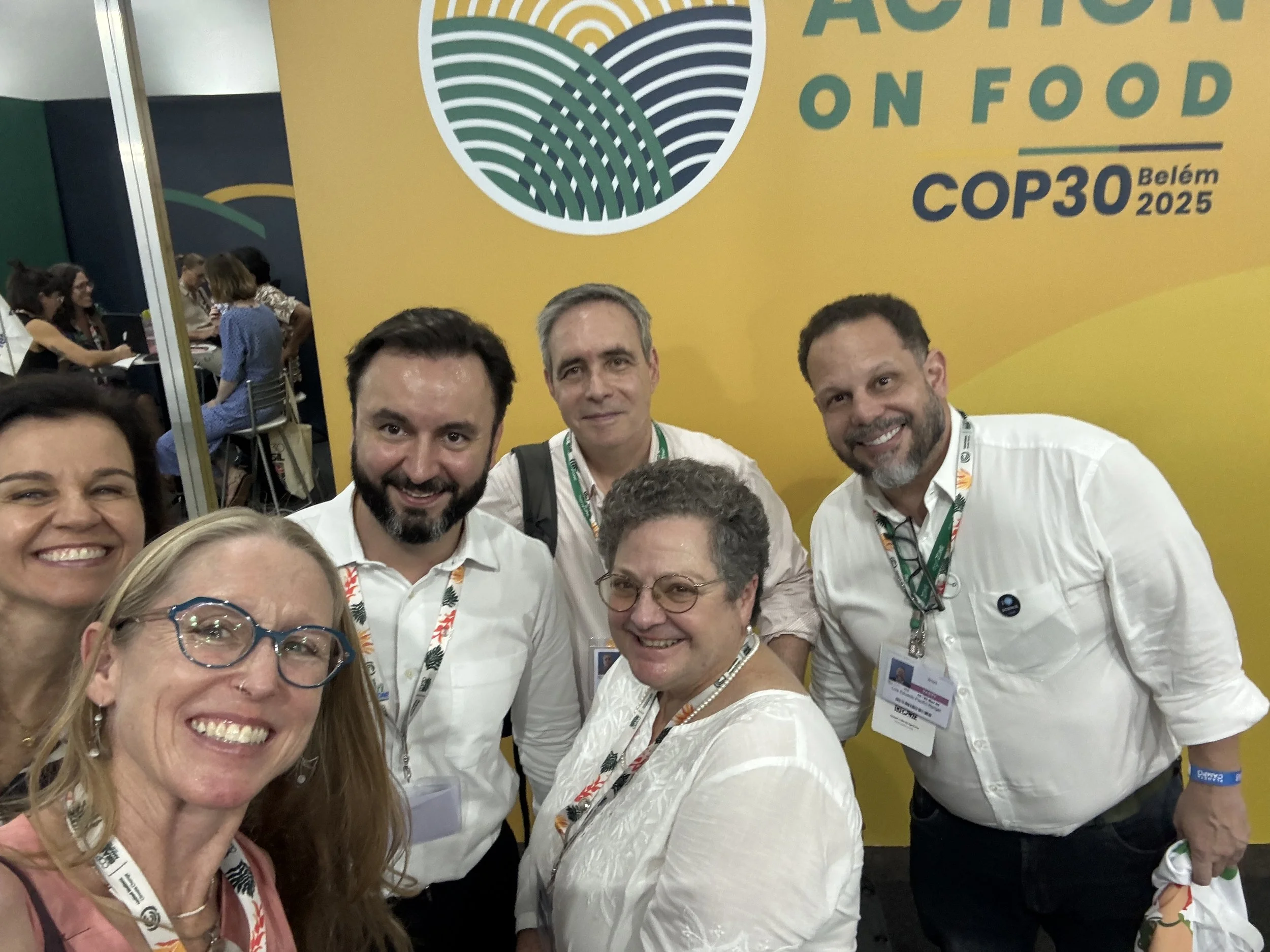
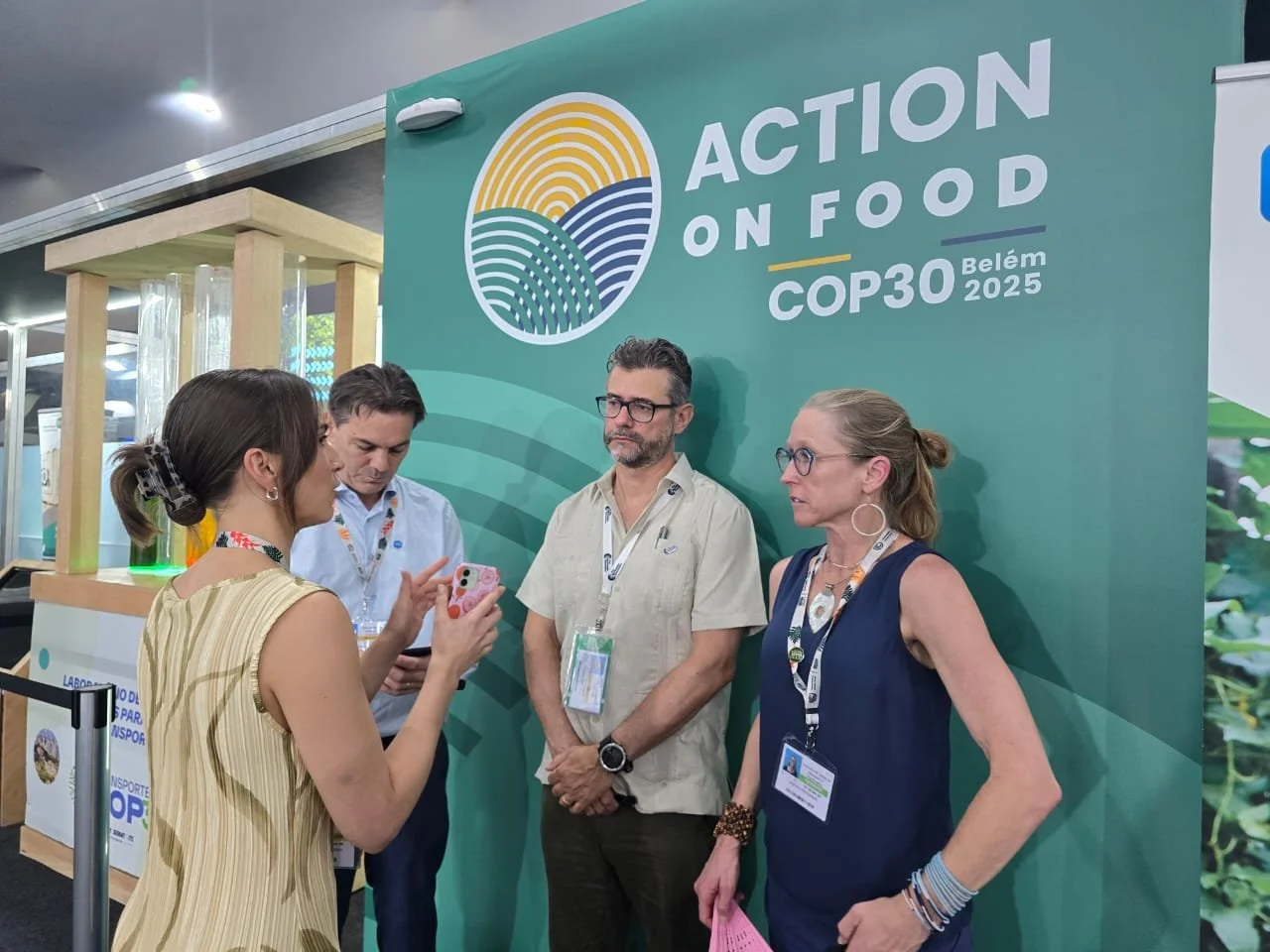
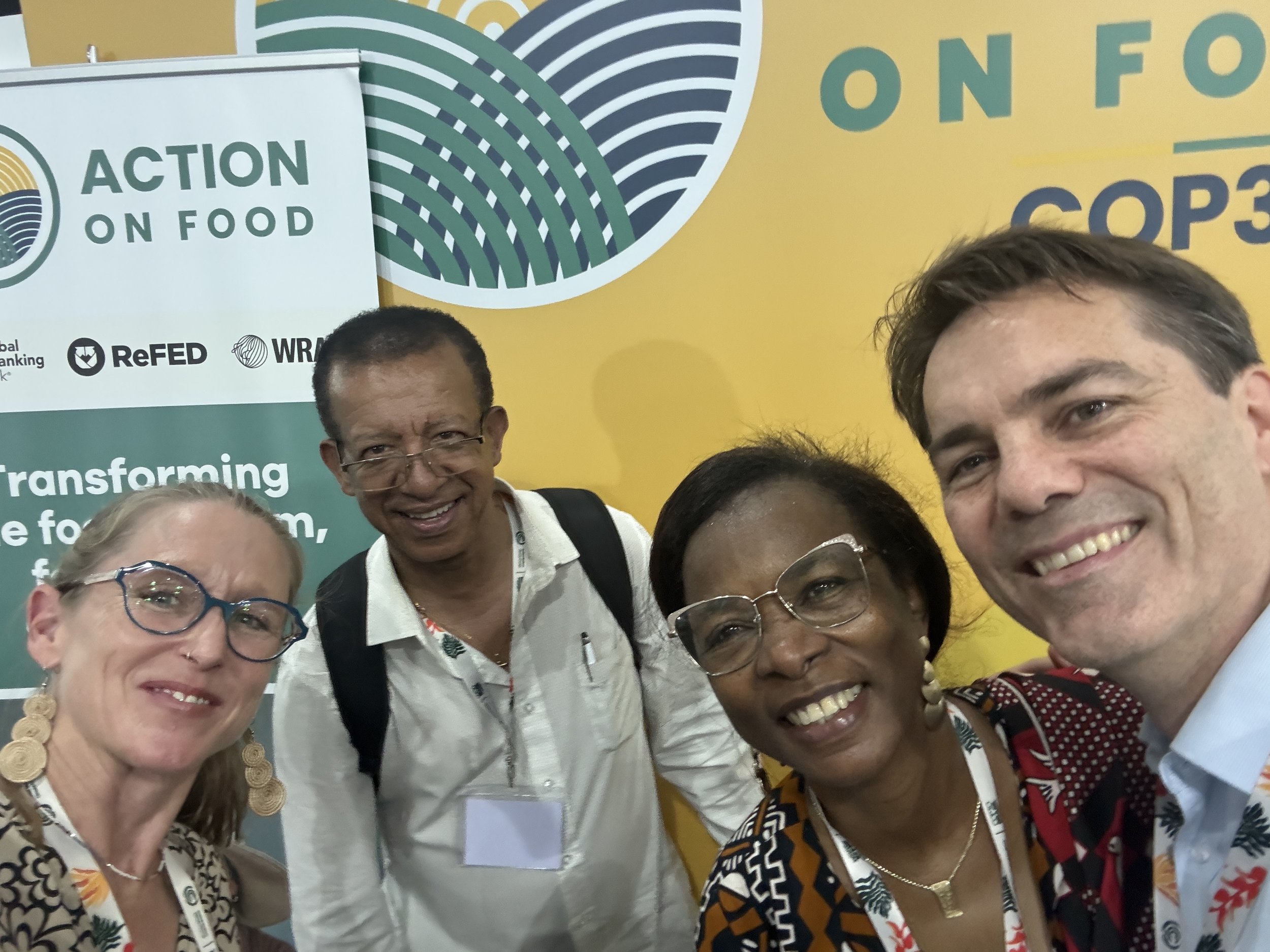
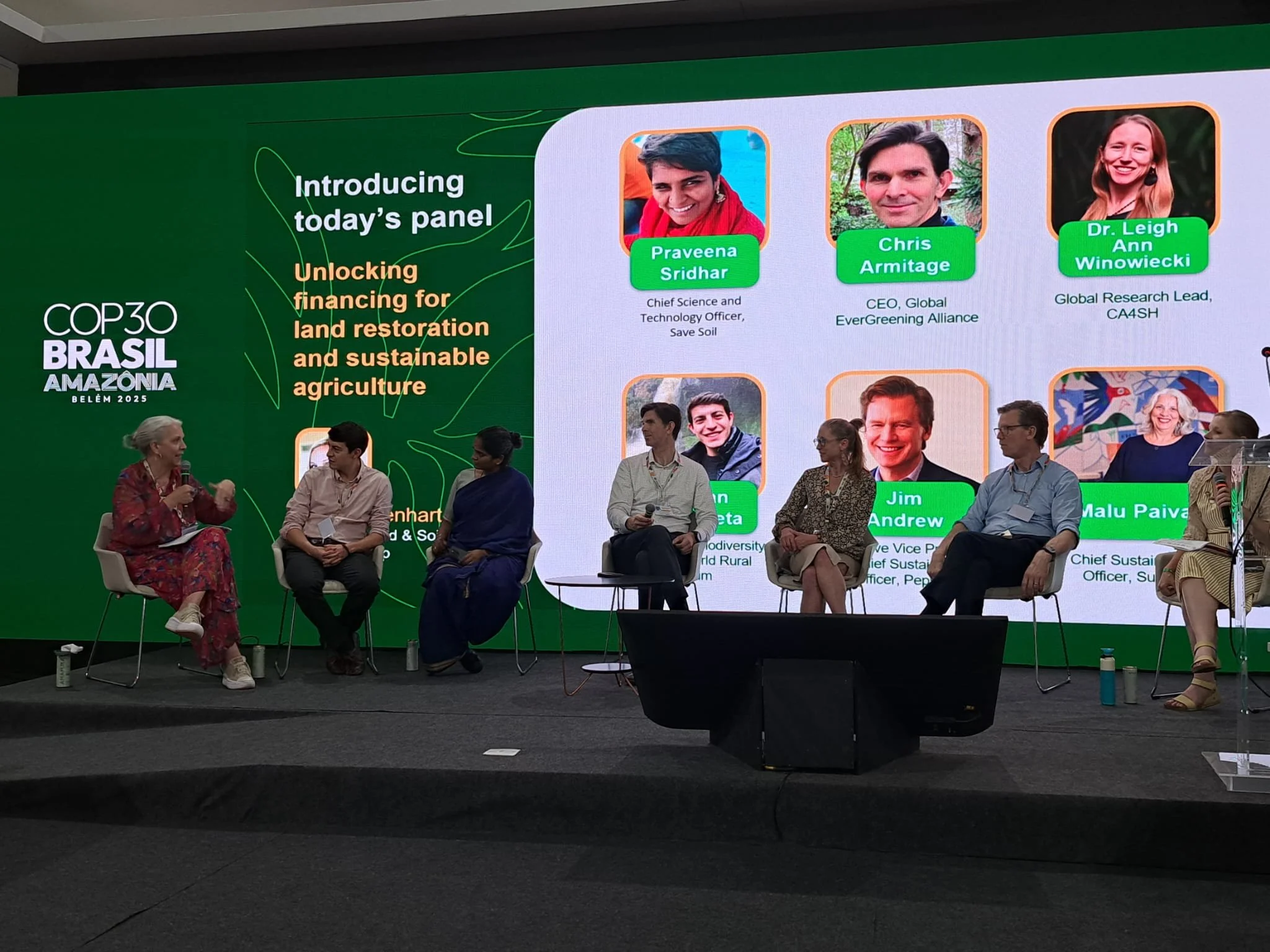
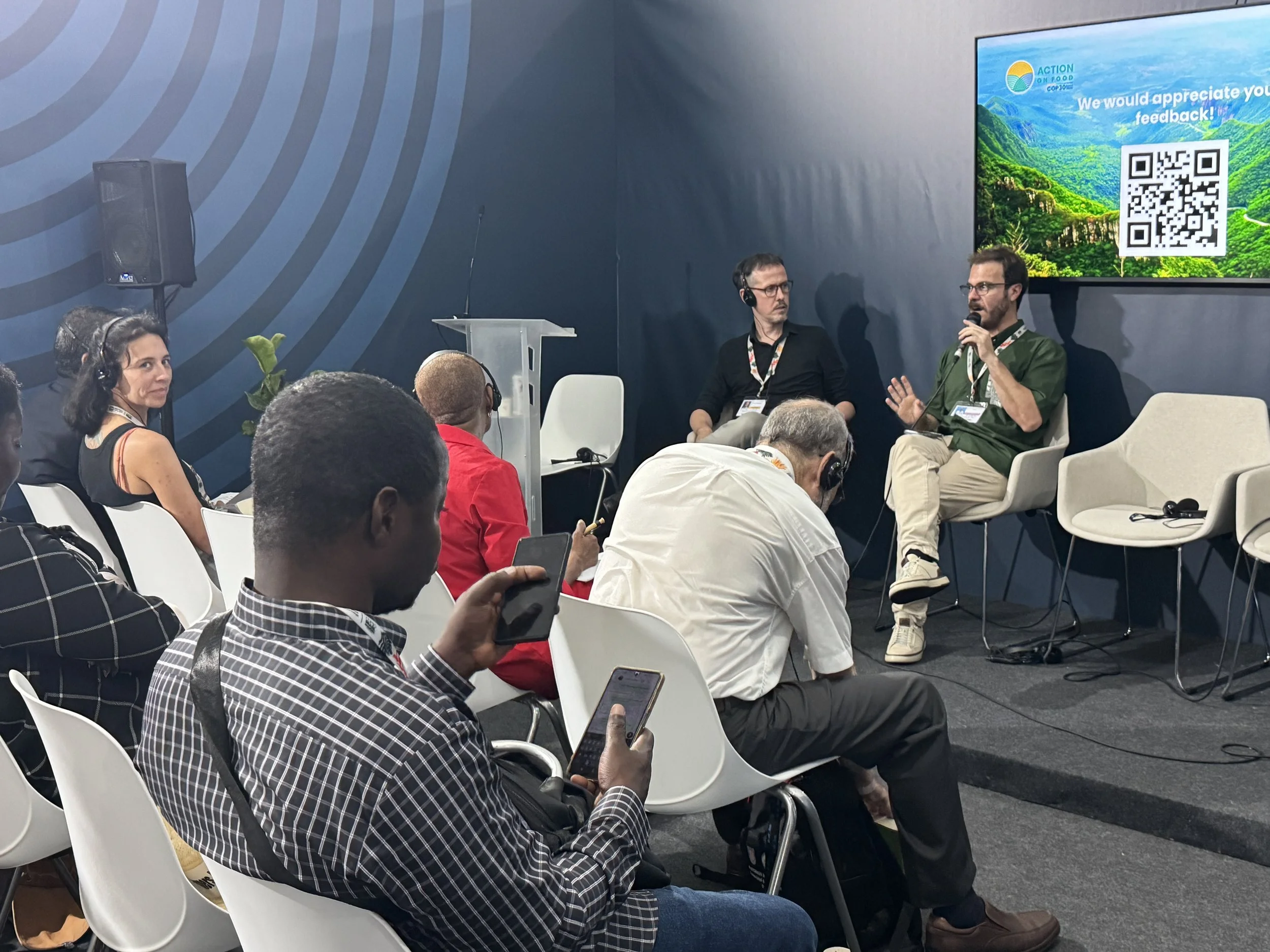
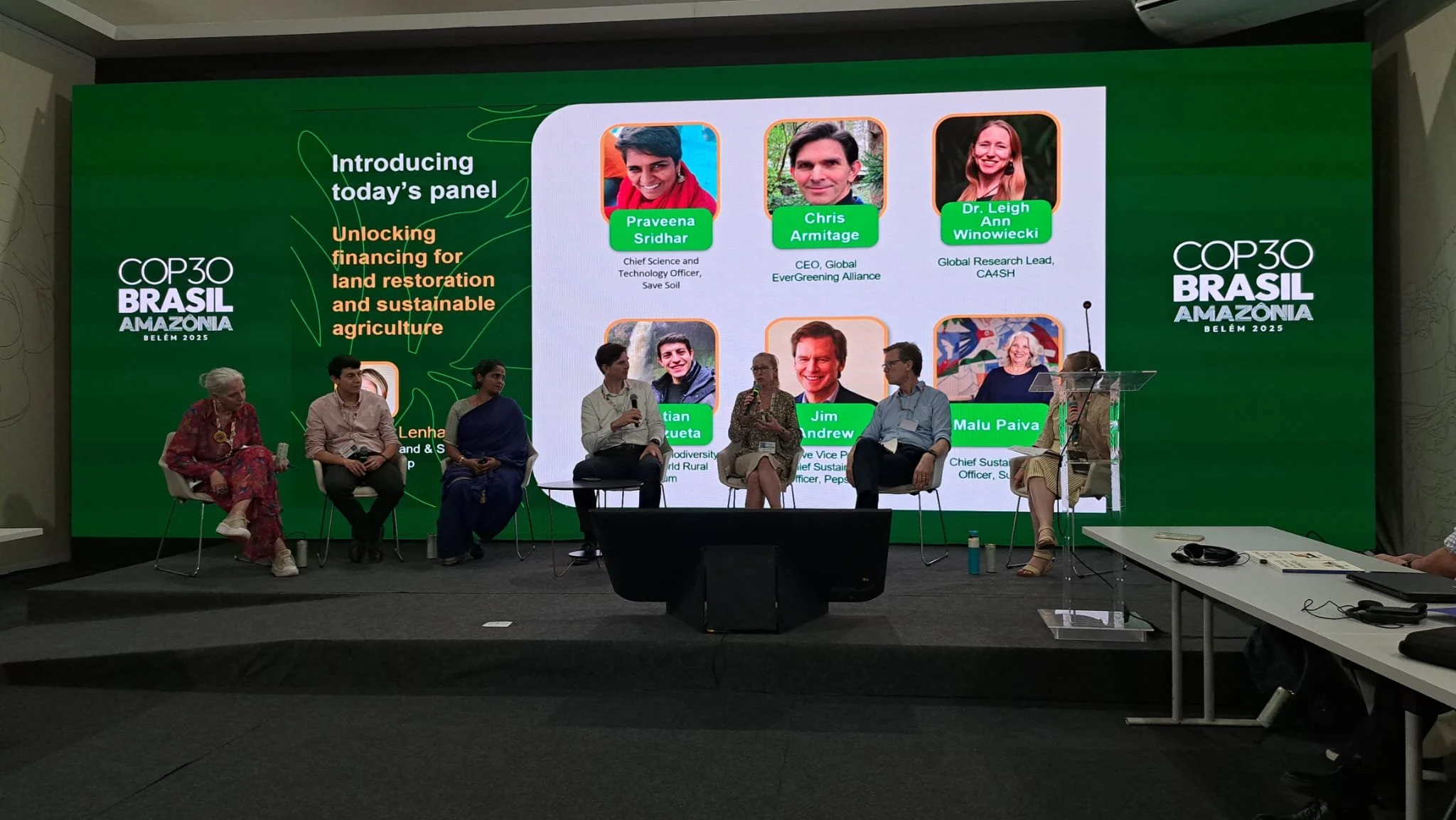
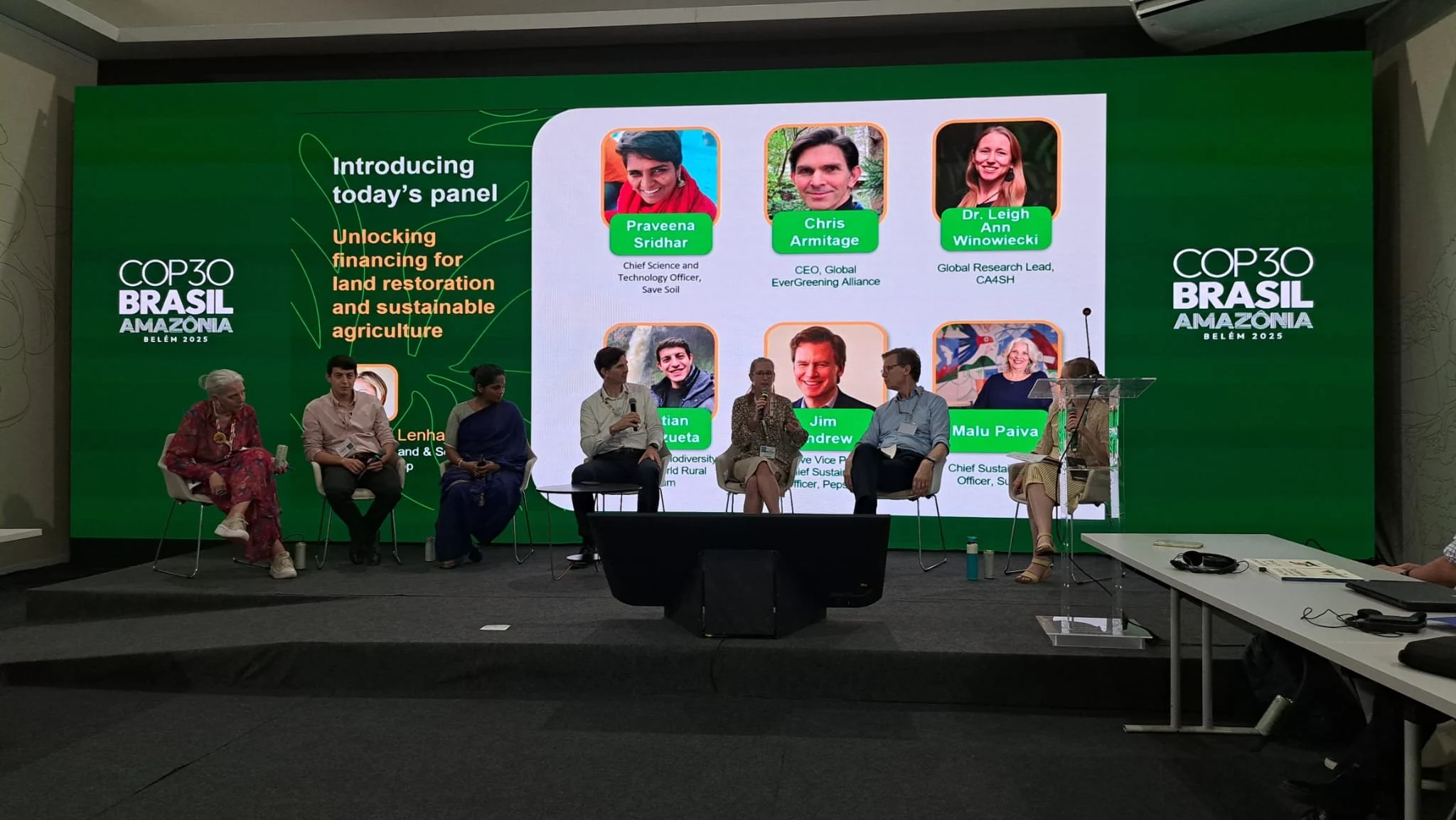
The CA4SH Secretariat participated in 20 unique sessions across the Action on Food Hub, Brazil Pavilion, Food & Agriculture Pavilion, Spanish Pavilion, and the Nordic Pavilion, and we supported our network of partners and collaborators by promoting their engagements through our annual #COPSoil landing page. If your organization has coverage or outcomes from COP30 that you want to share through the CA4SH communications channels, please reach out to communications@coalitionforsoilhealth.org! We also co-hosted the Action on Food Hub for the fourth consecutive year, this year in partnership with the Deutsche Gesellschaft für Internationale Zusammenarbeit (GIZ) and SNV Netherlands Development Organisation
Read on for an overview of our engagements at COP, positioning soil health as a key climate solution with co-benefits for global food security, biodiversity, sustainable landscapes, and rural livelihoods.





Bridging science, policy and finance to meet climate goals through healthy soil ecosystems
Soil is the largest terrestrial carbon sink, but has traditionally been underrecognized in the climate negotiations. To scale healthy soil, we need to align the science, policy and finance nexus to foster an enabling environment for farmers to scale healthy soil practices.
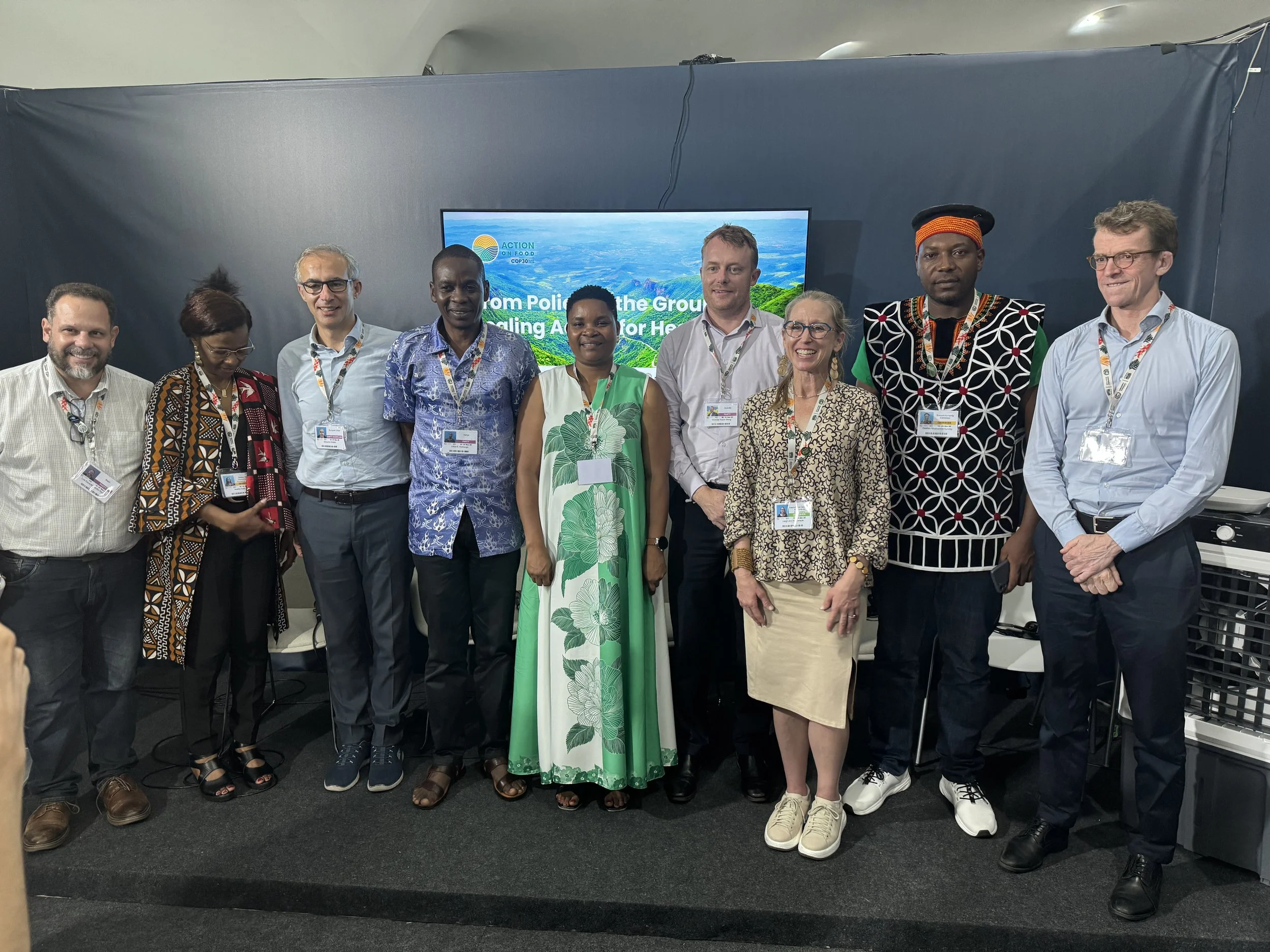
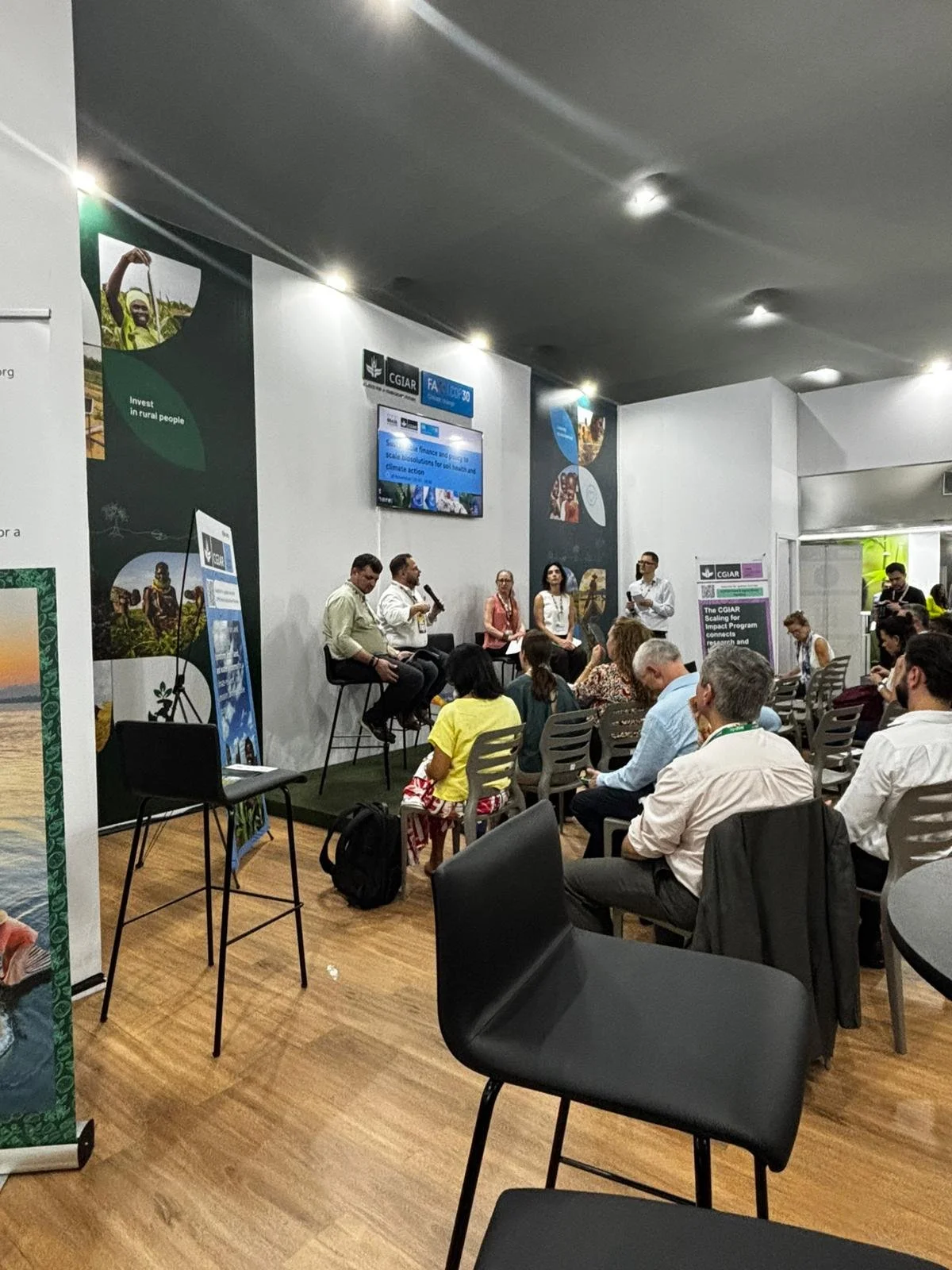
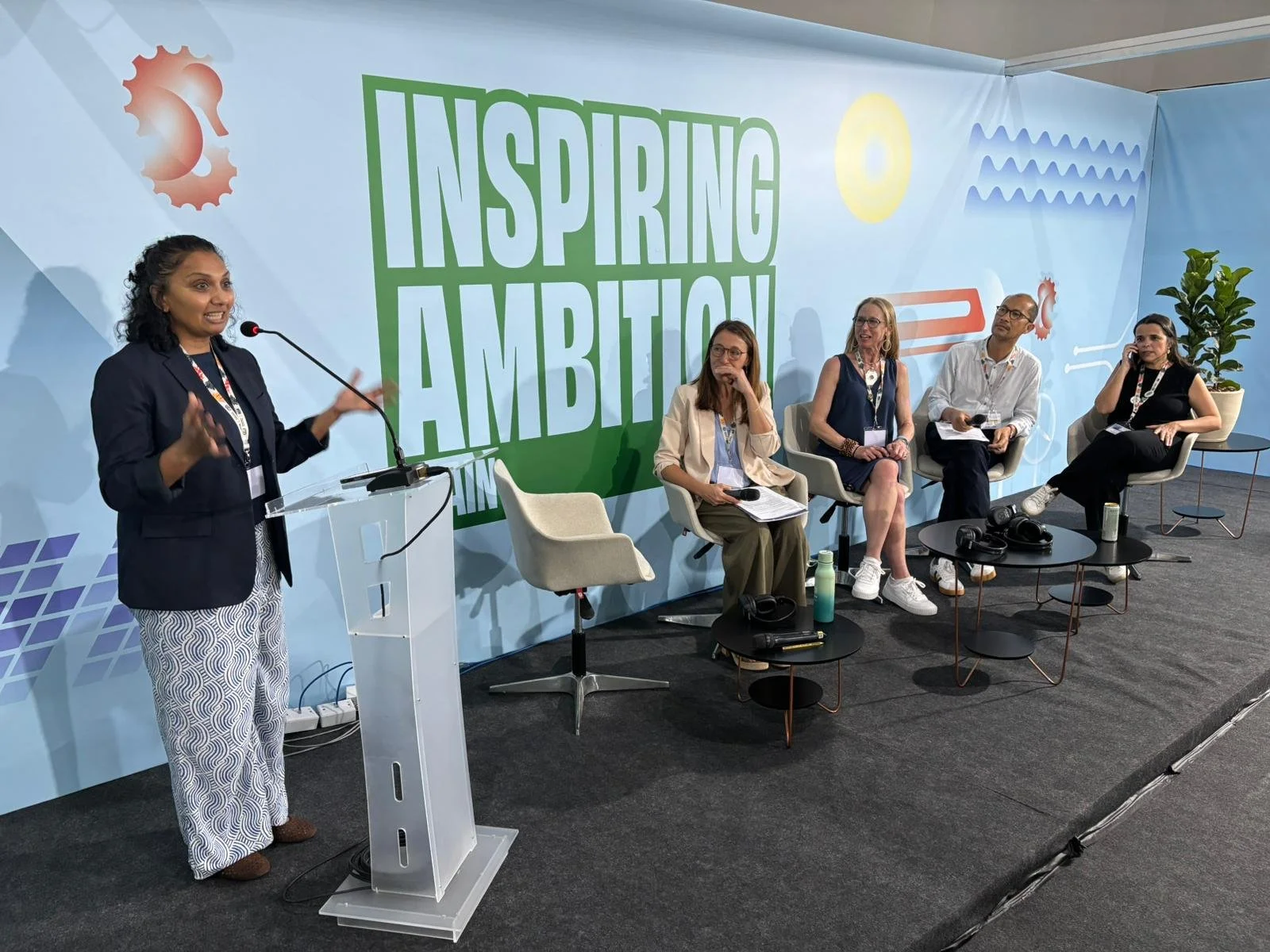
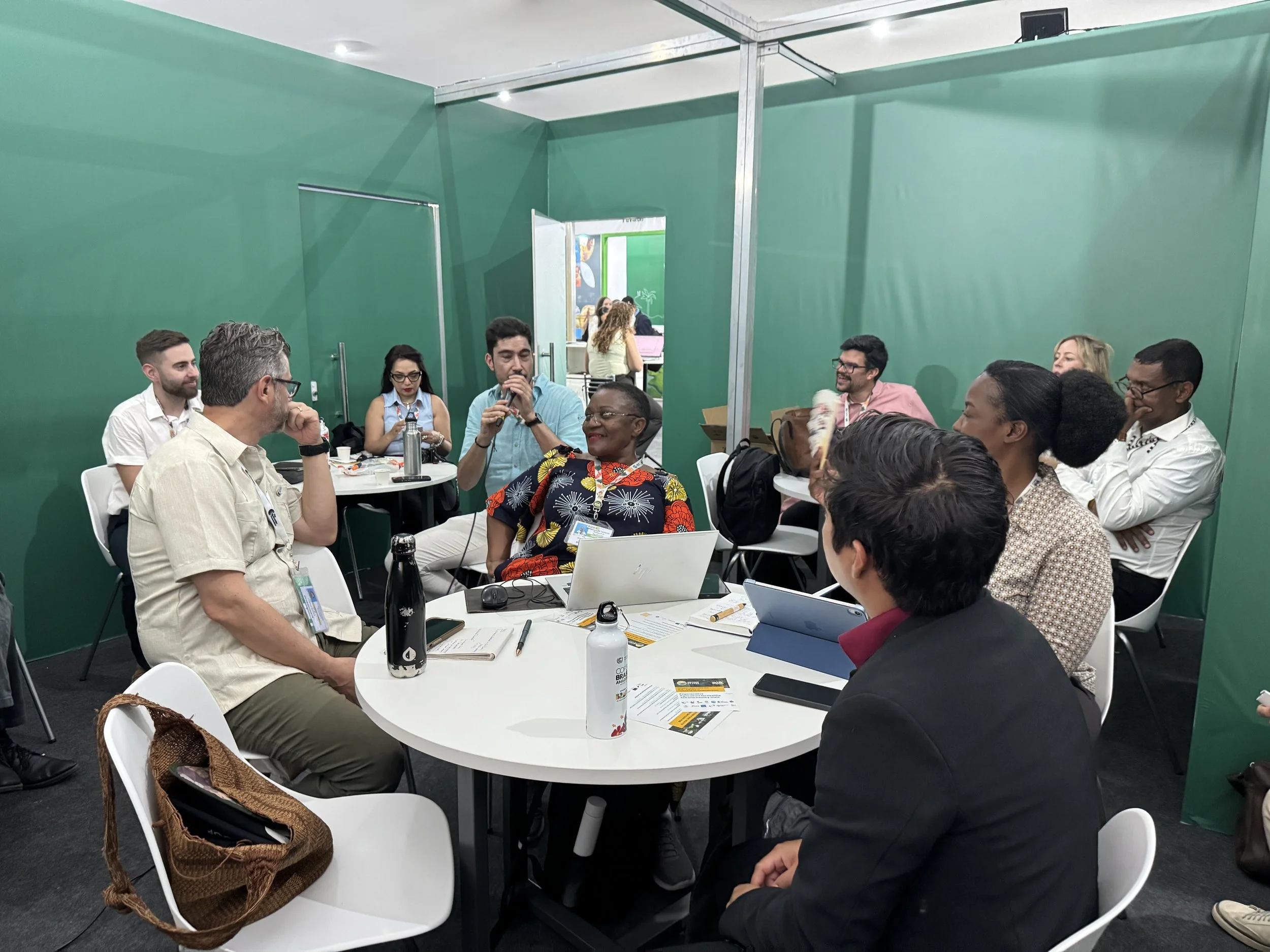
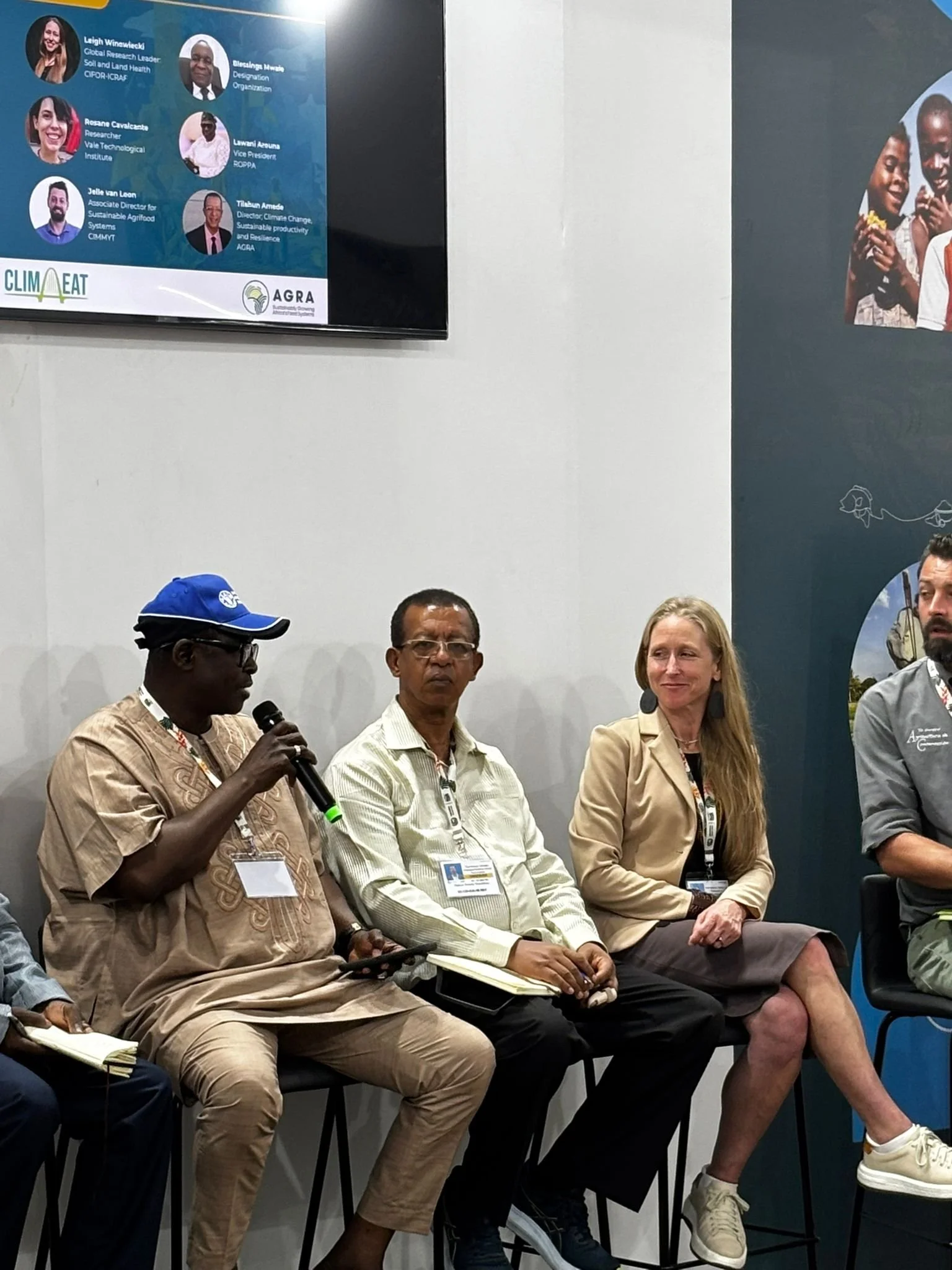
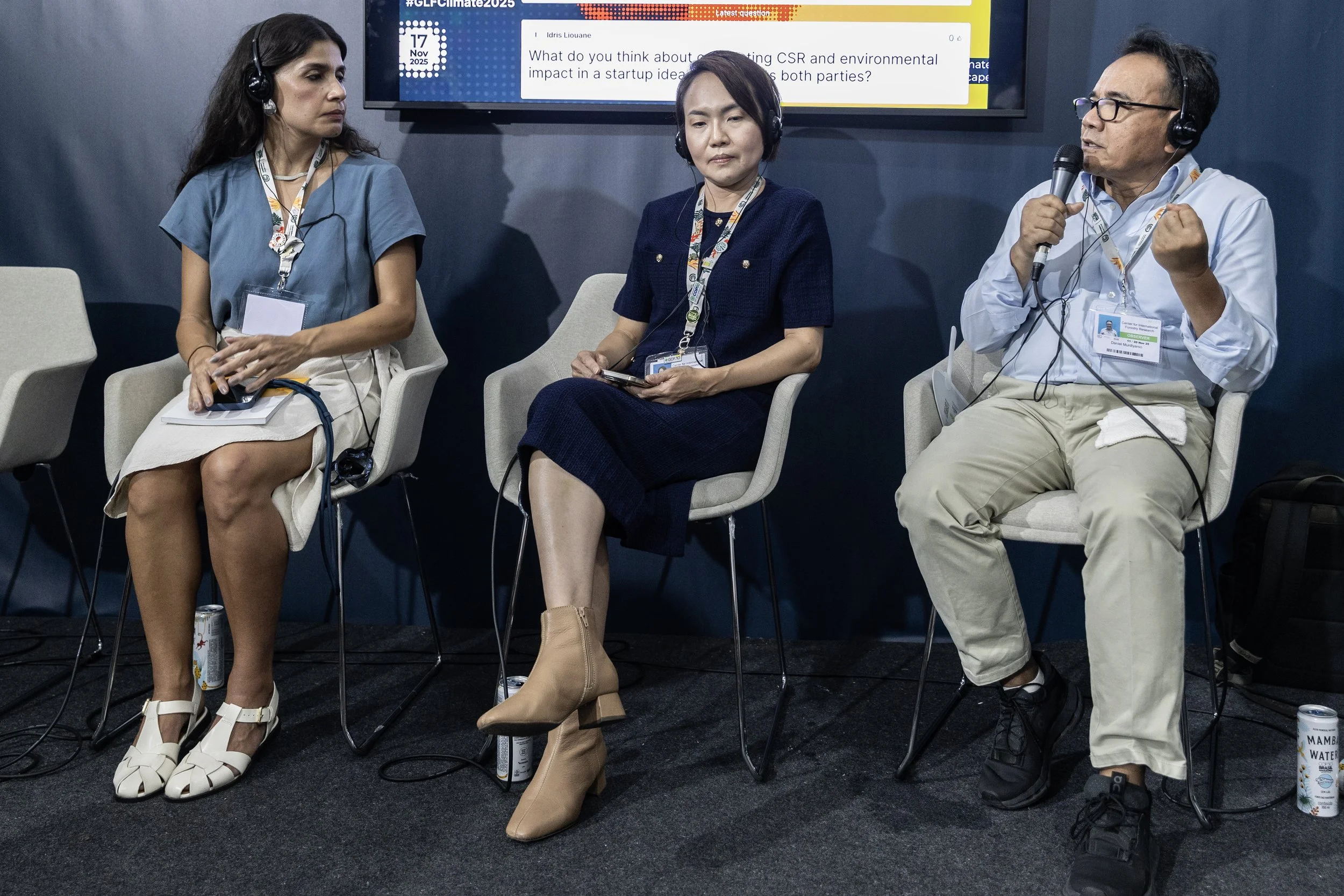
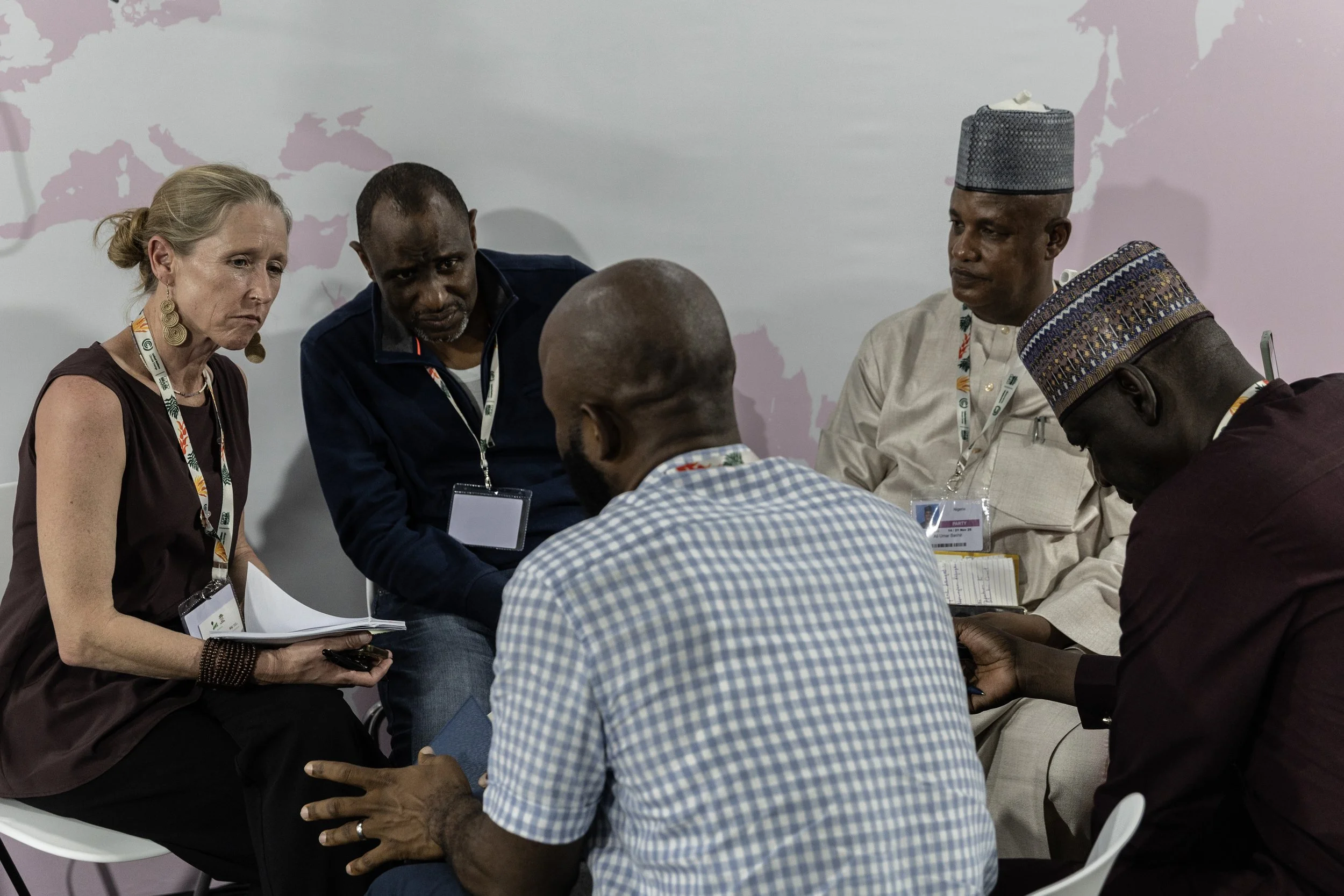
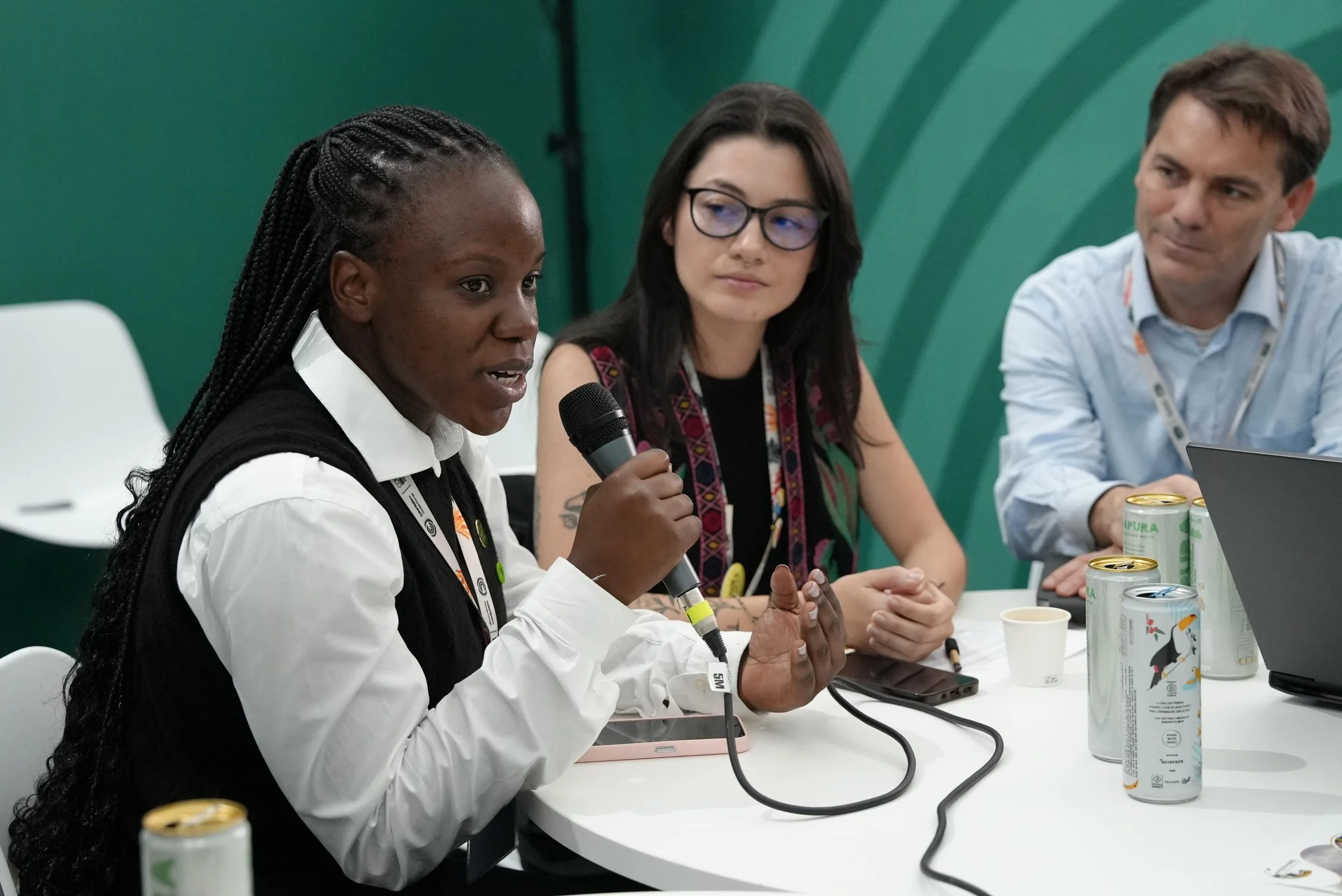
“You cannot speak about soil health without speaking about farmers,” underscored Elisabeth Nsimdala, President of the East Africa Farmers Federation during the CA4SH, CIFOR-ICRAF, GIZ, SNV and Emerging Ag session From Policy to the Ground: Scaling Action for Healthy Soil. This sentiment was earnestly expressed across sessions with a focus on farmer-centered, nature-based, and co-developed solutions to our collective climate response. Moreover, these solutions must be grounded in science, and support national commitments, such as the Nationally Determined Contributions.
Science can help set priorities for policy, which in turn can orient financial support to identify and fill knowledge gaps that can help drive farmer priorities. It is all connected, and requires everyone at the table to scale soil health to meet climate goals.
“Most people think that agriculture has negative contributions to the triple crises - but if we start to assist and adopt and innovate we can find the solutions for these crises”
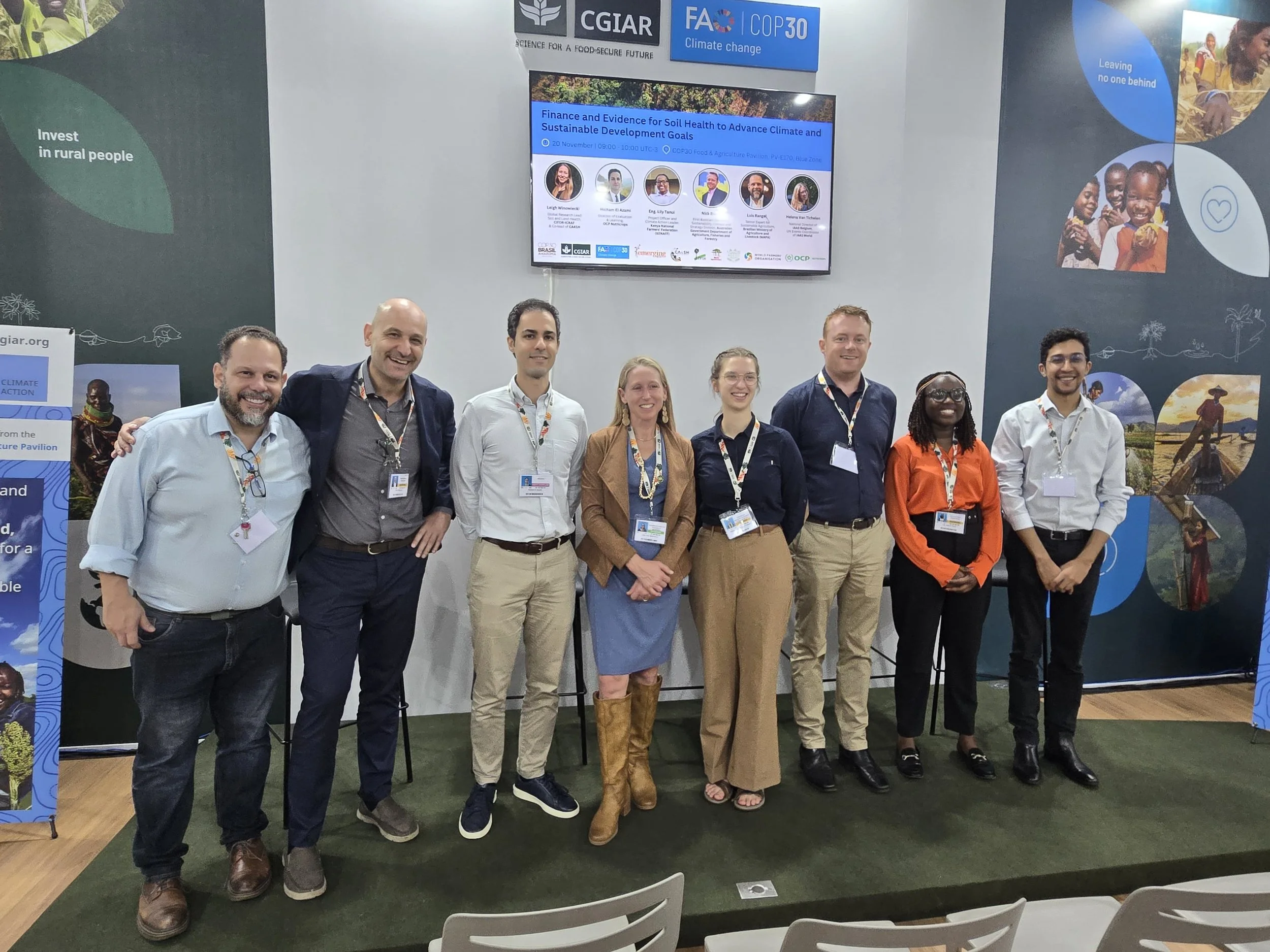
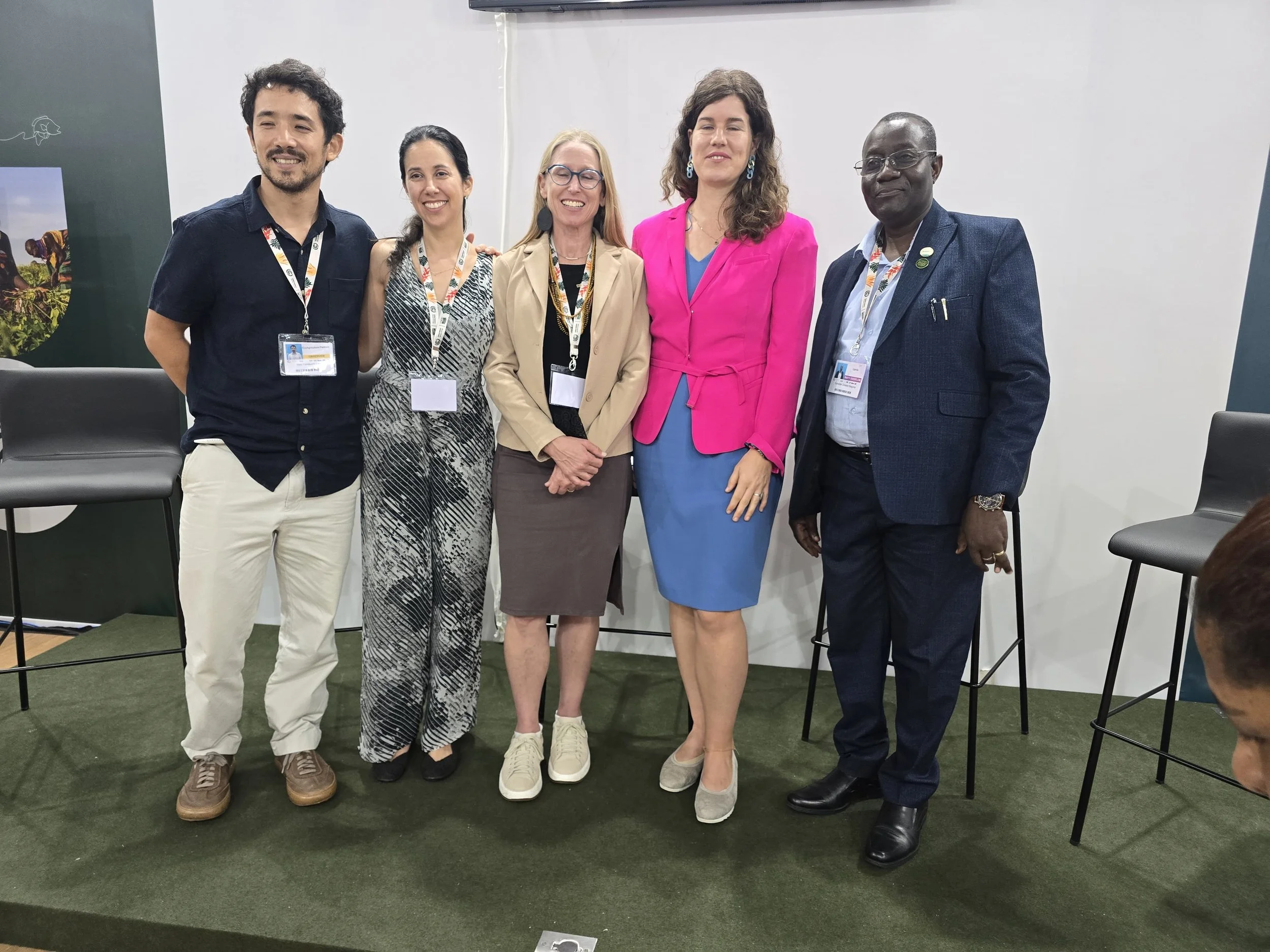
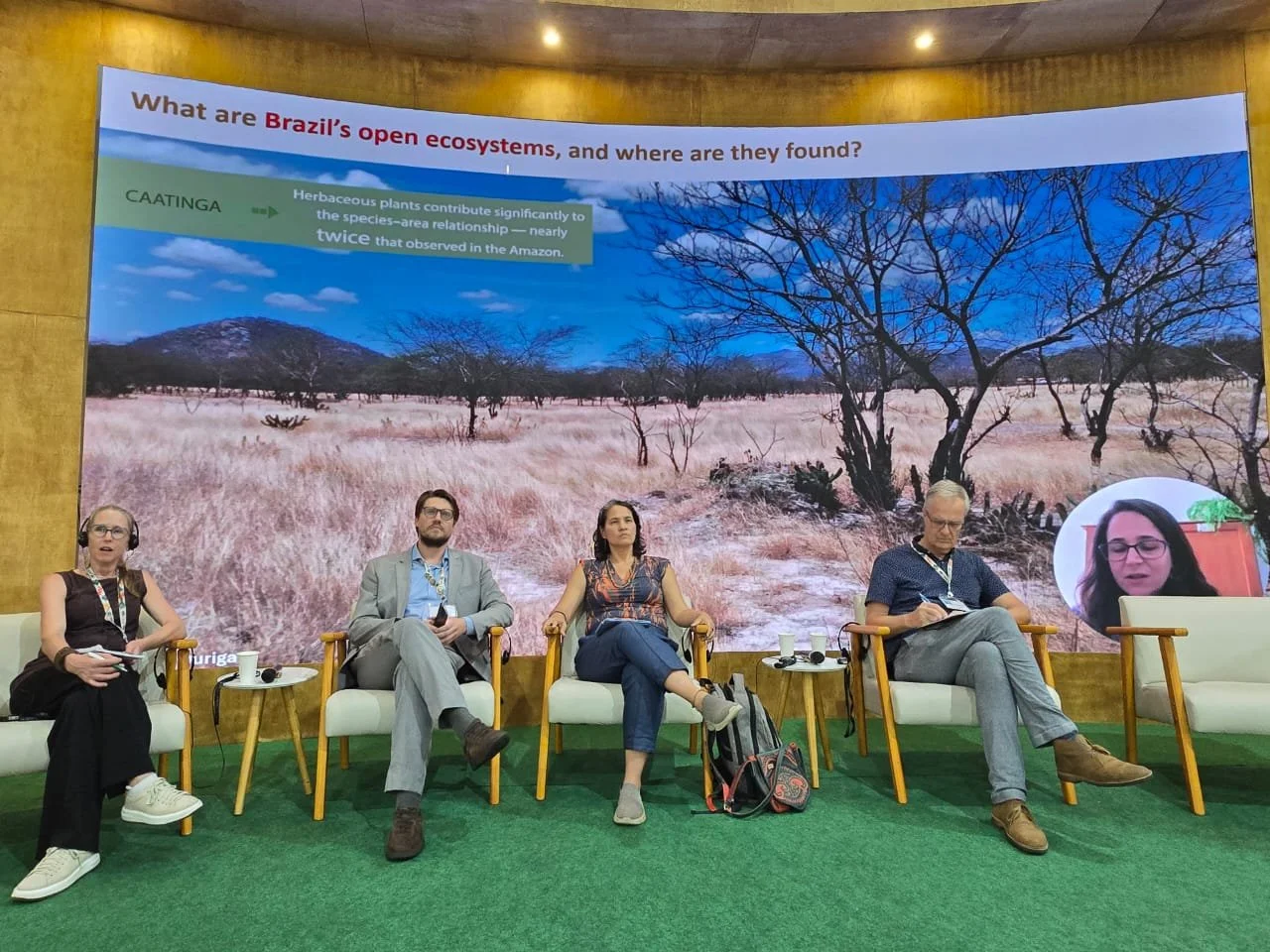
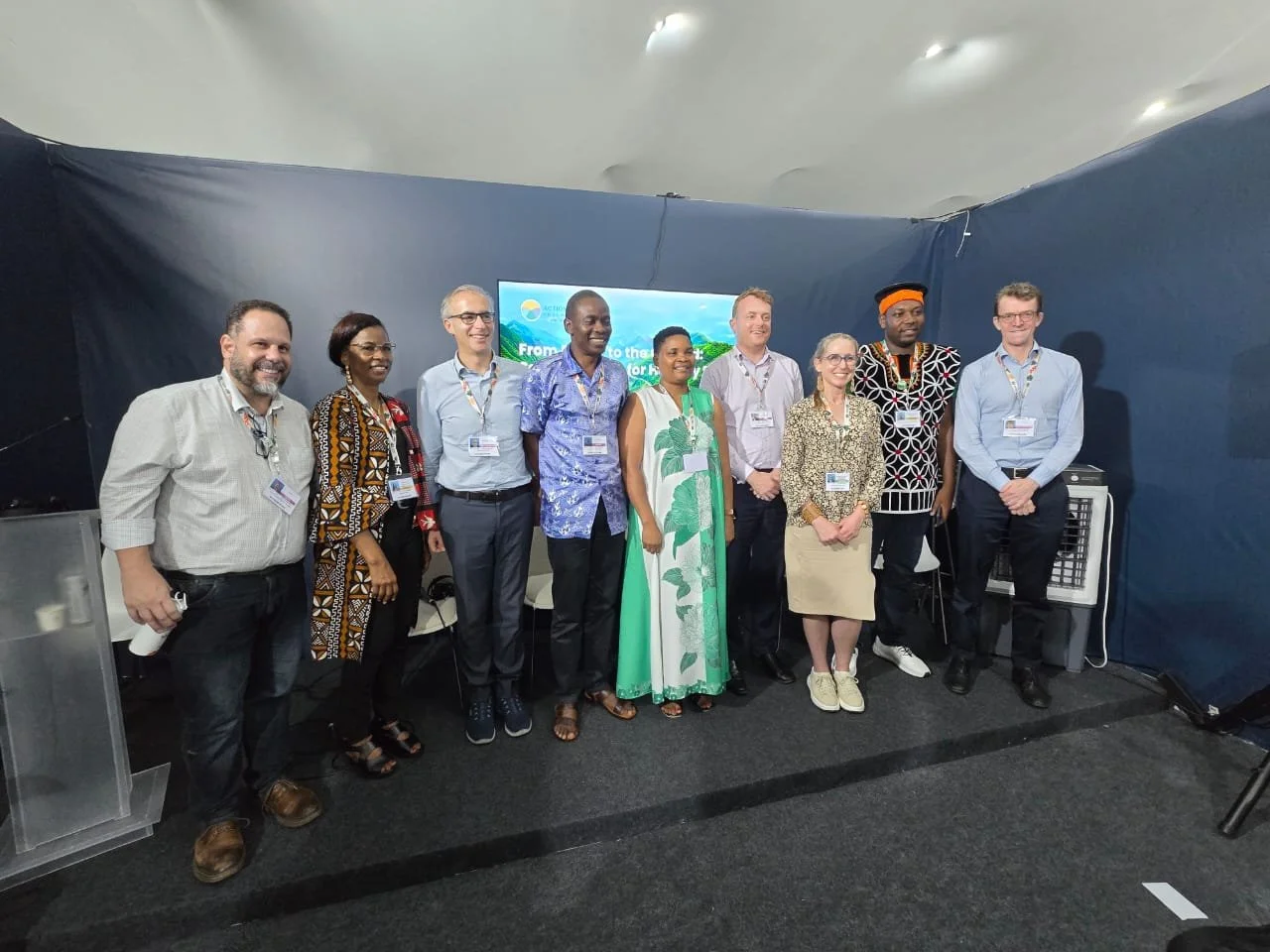


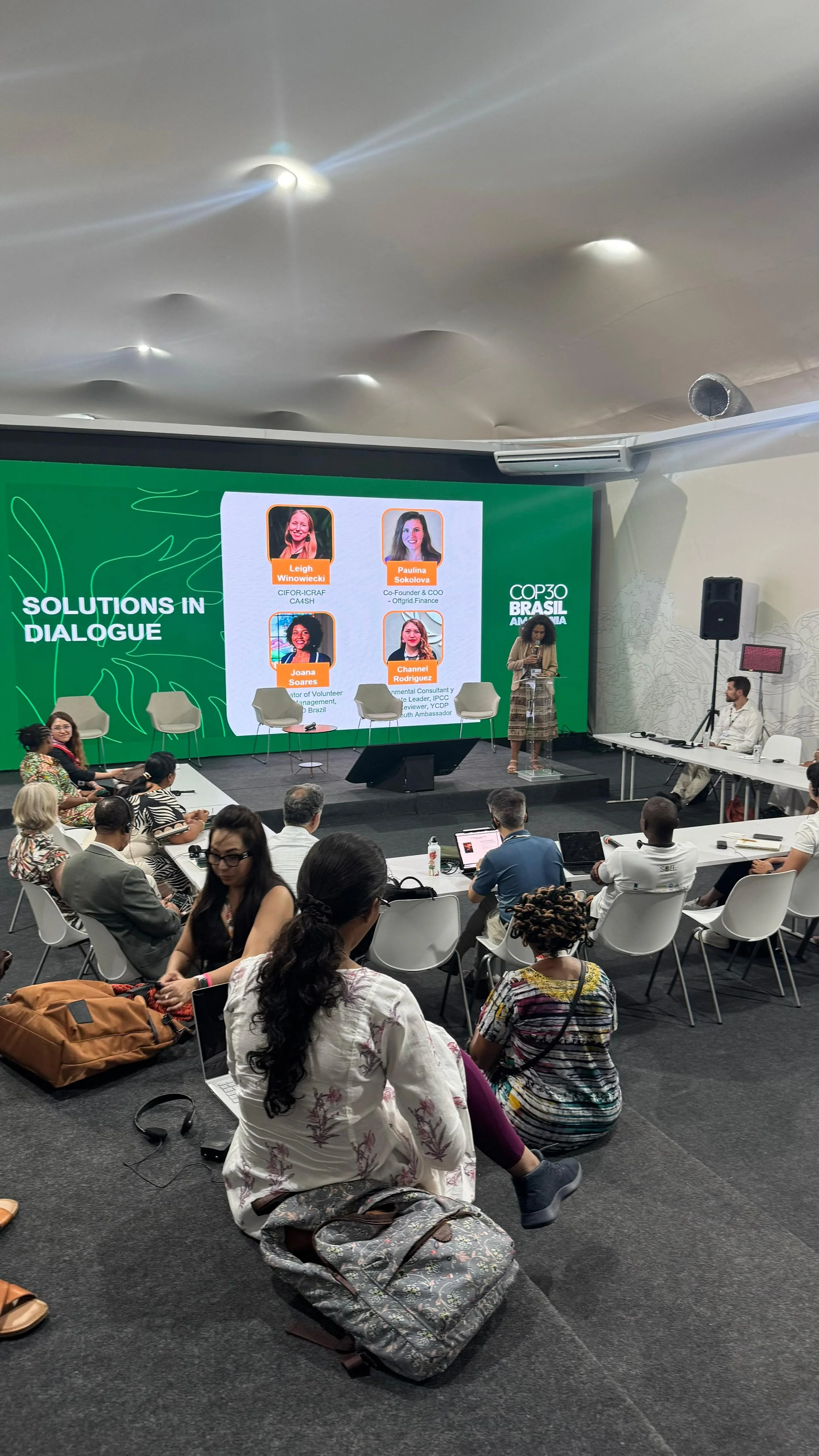
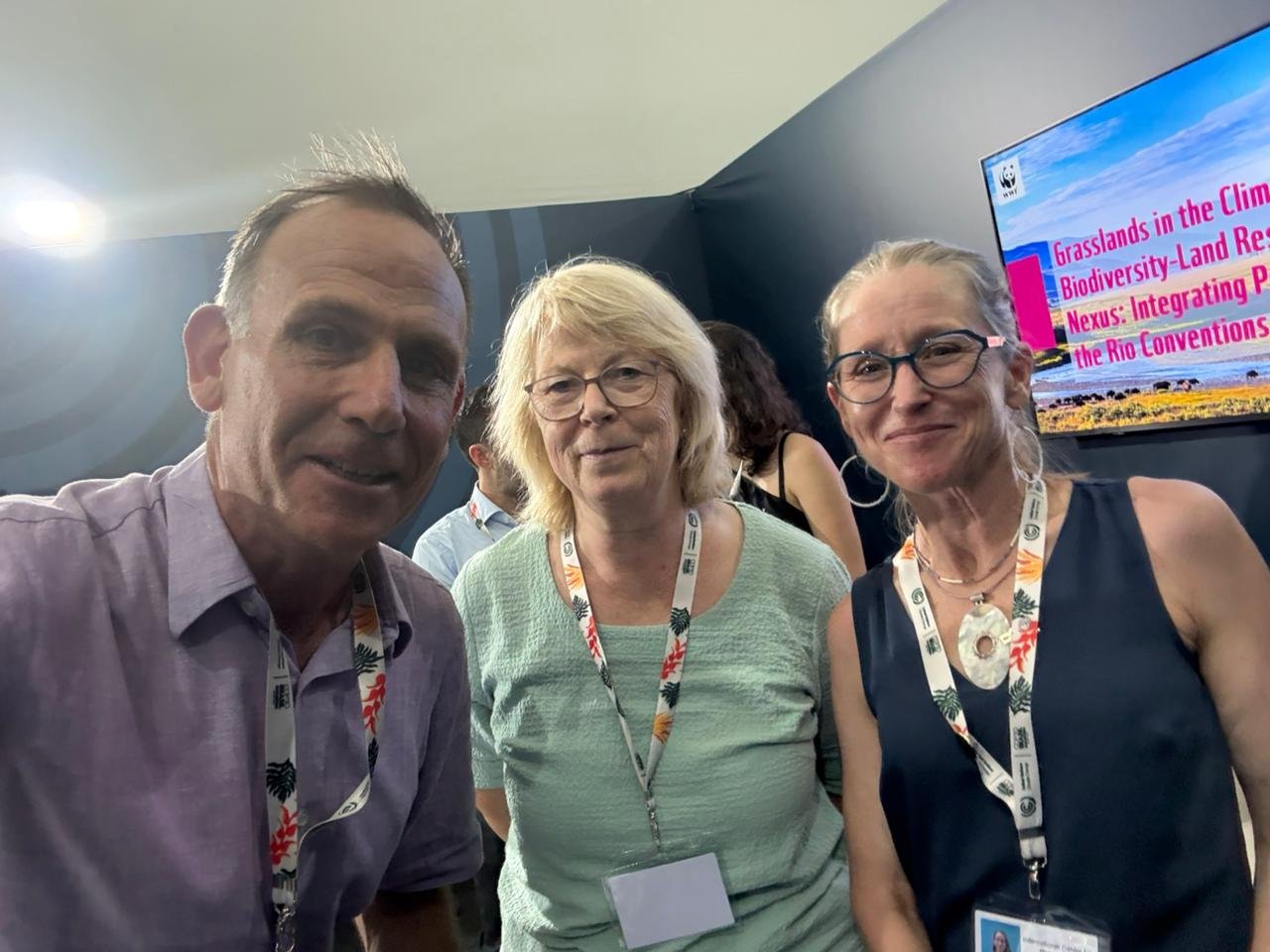
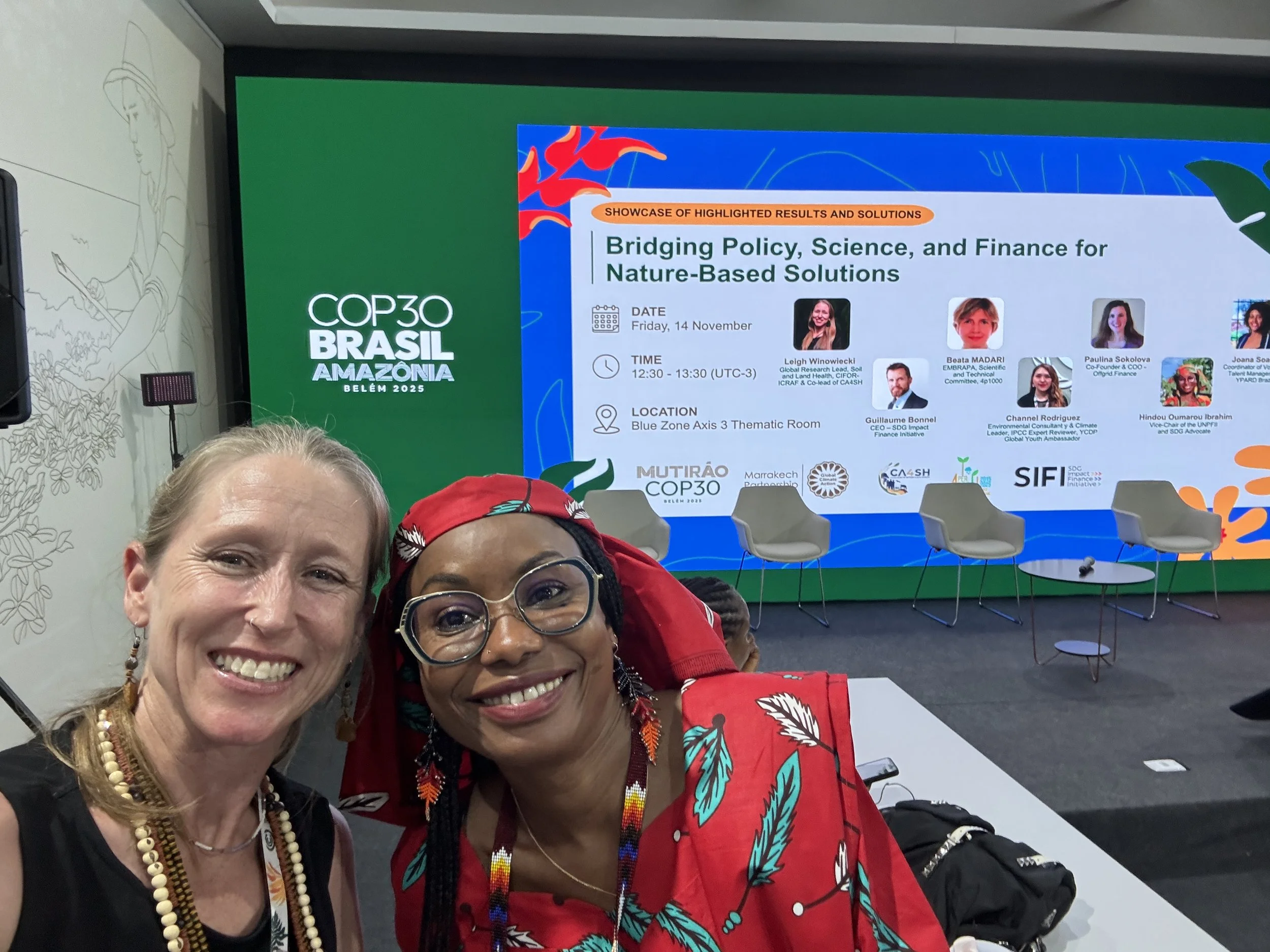
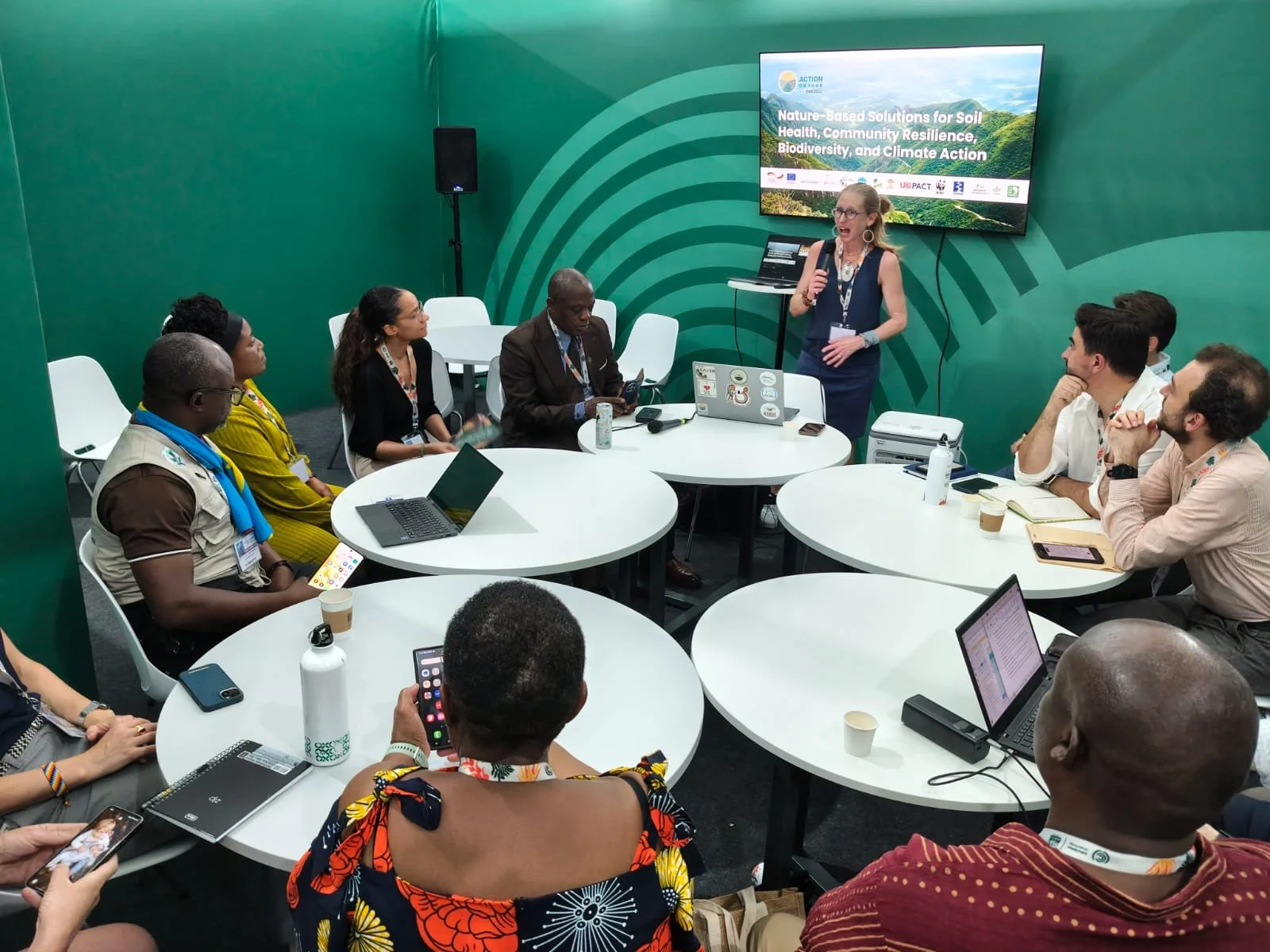
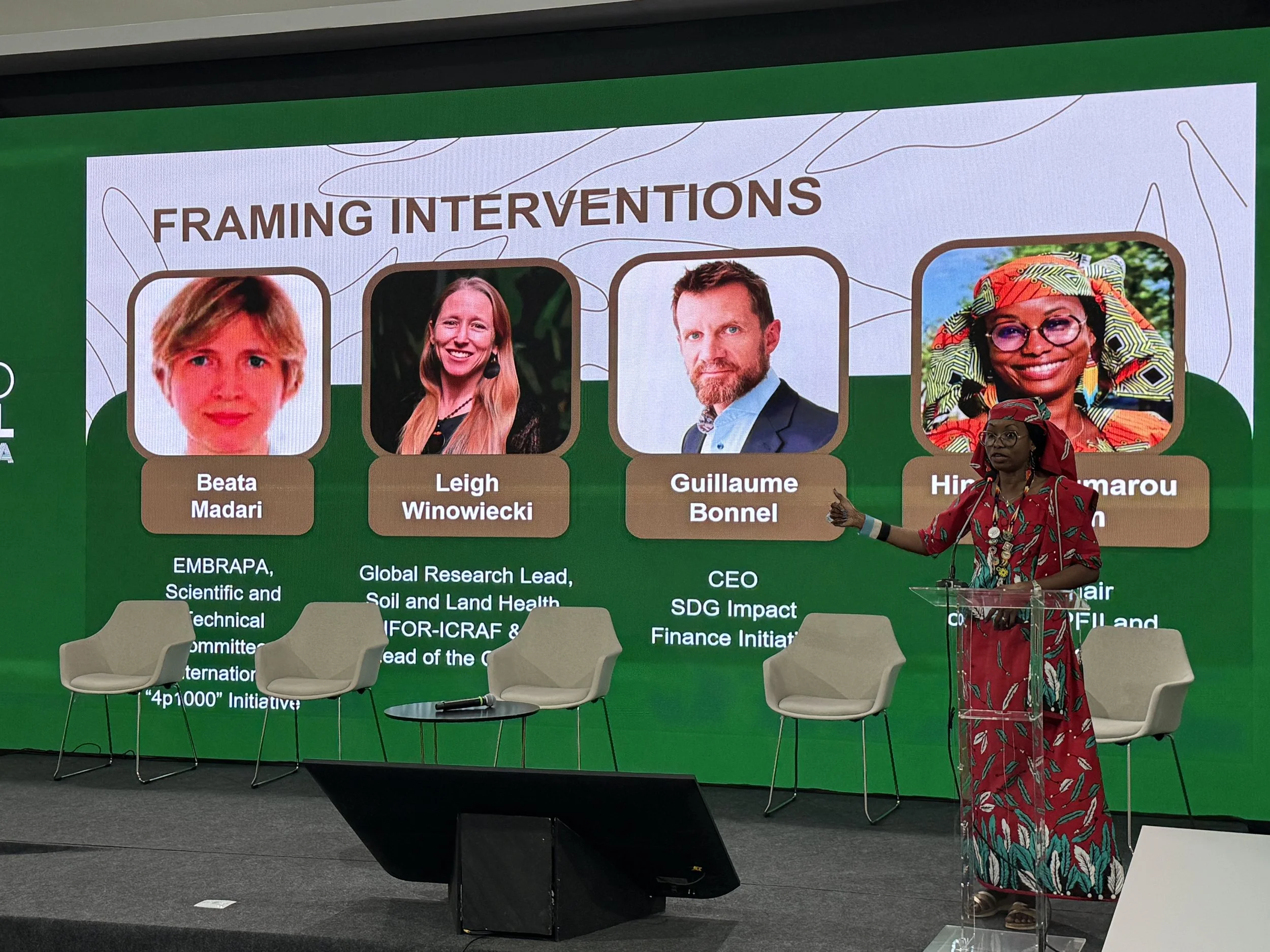
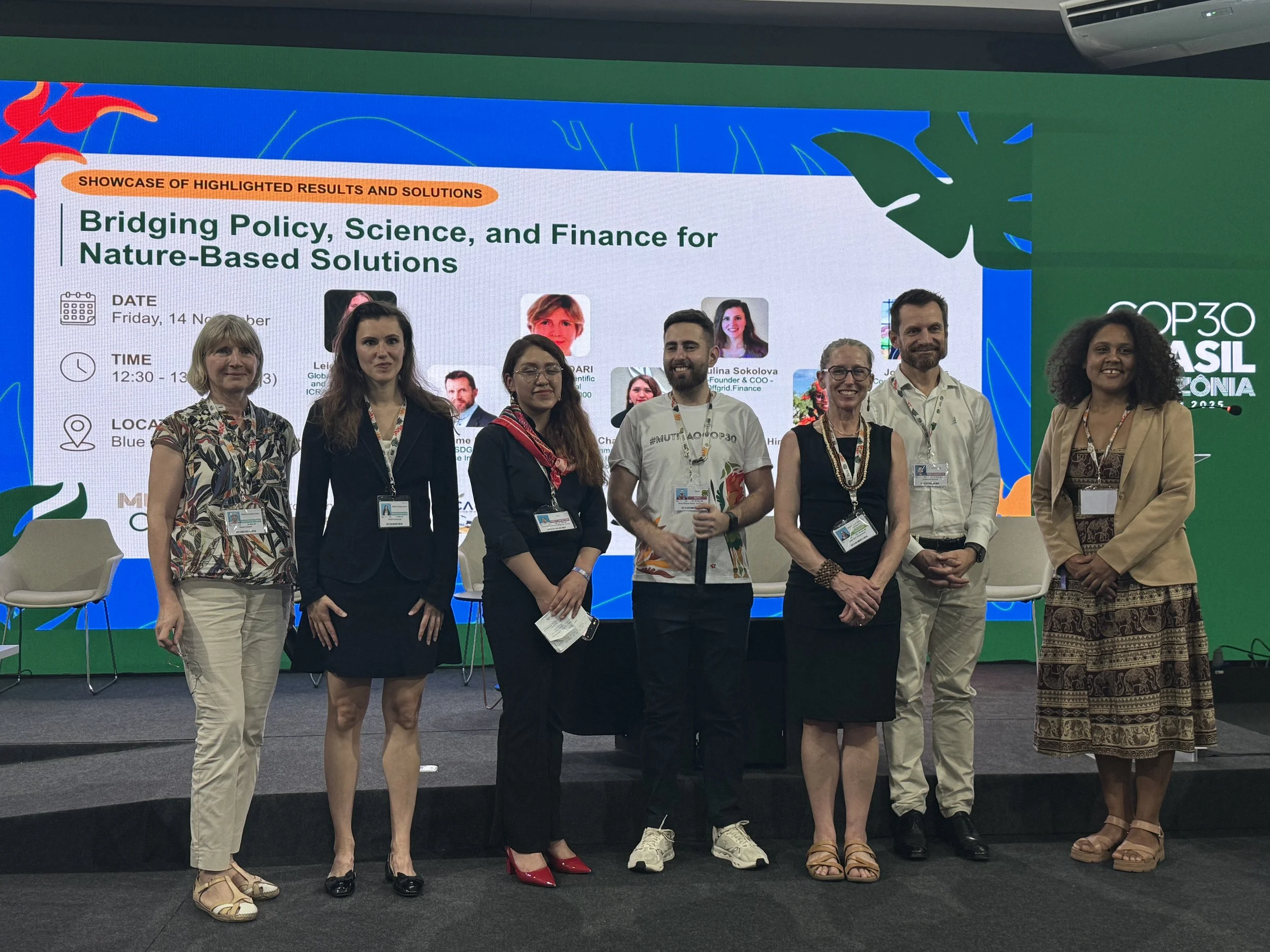

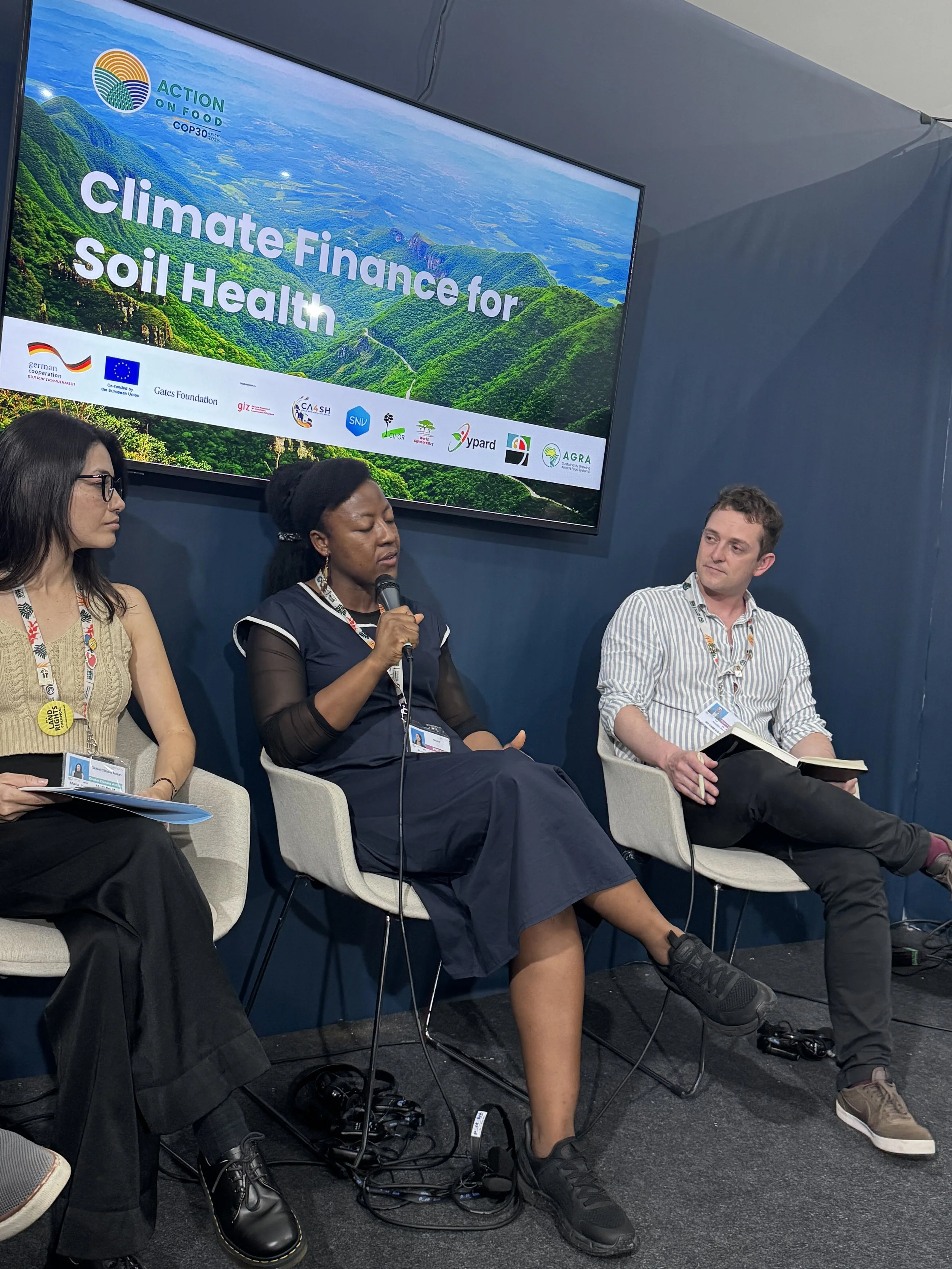
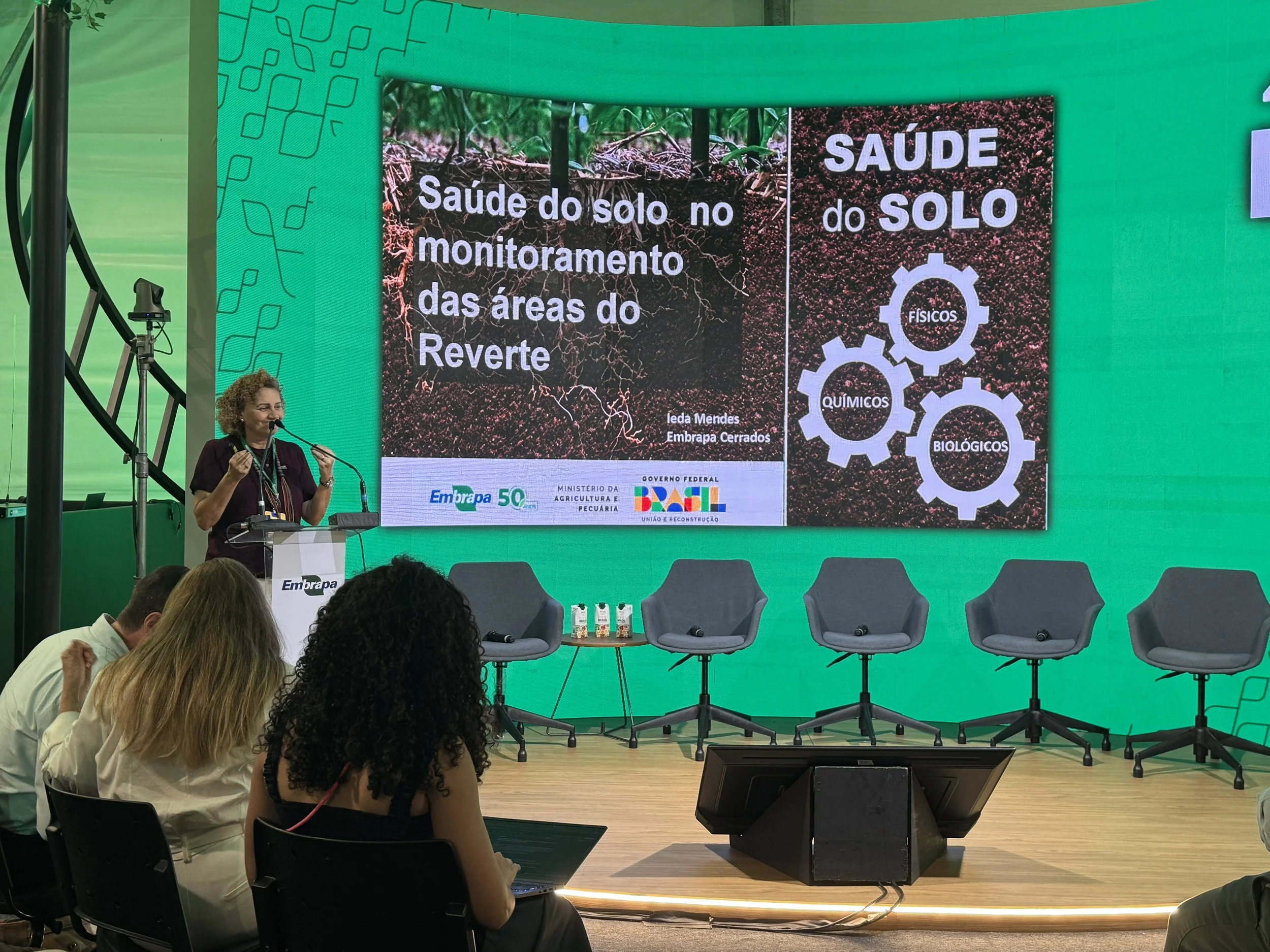
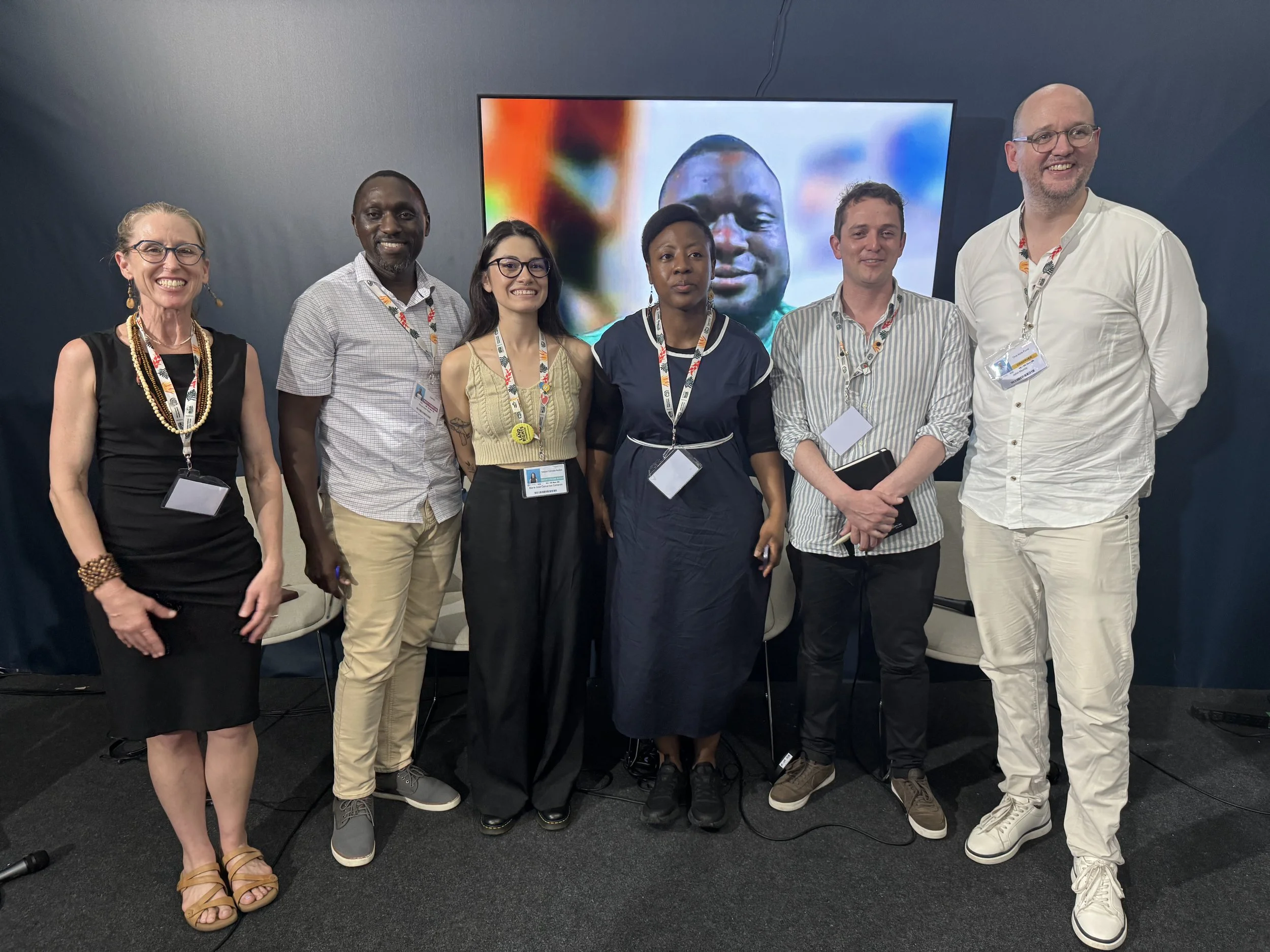
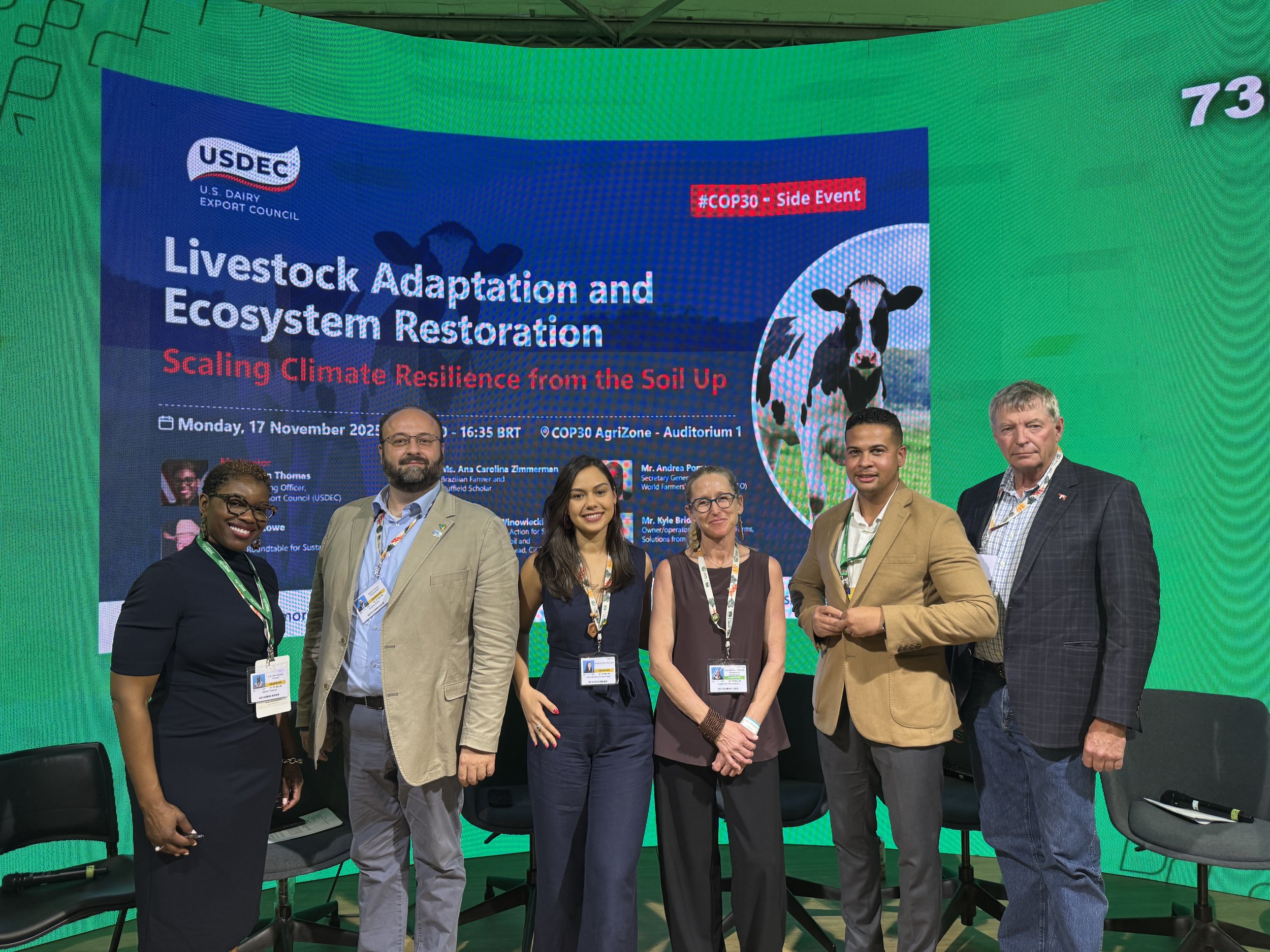
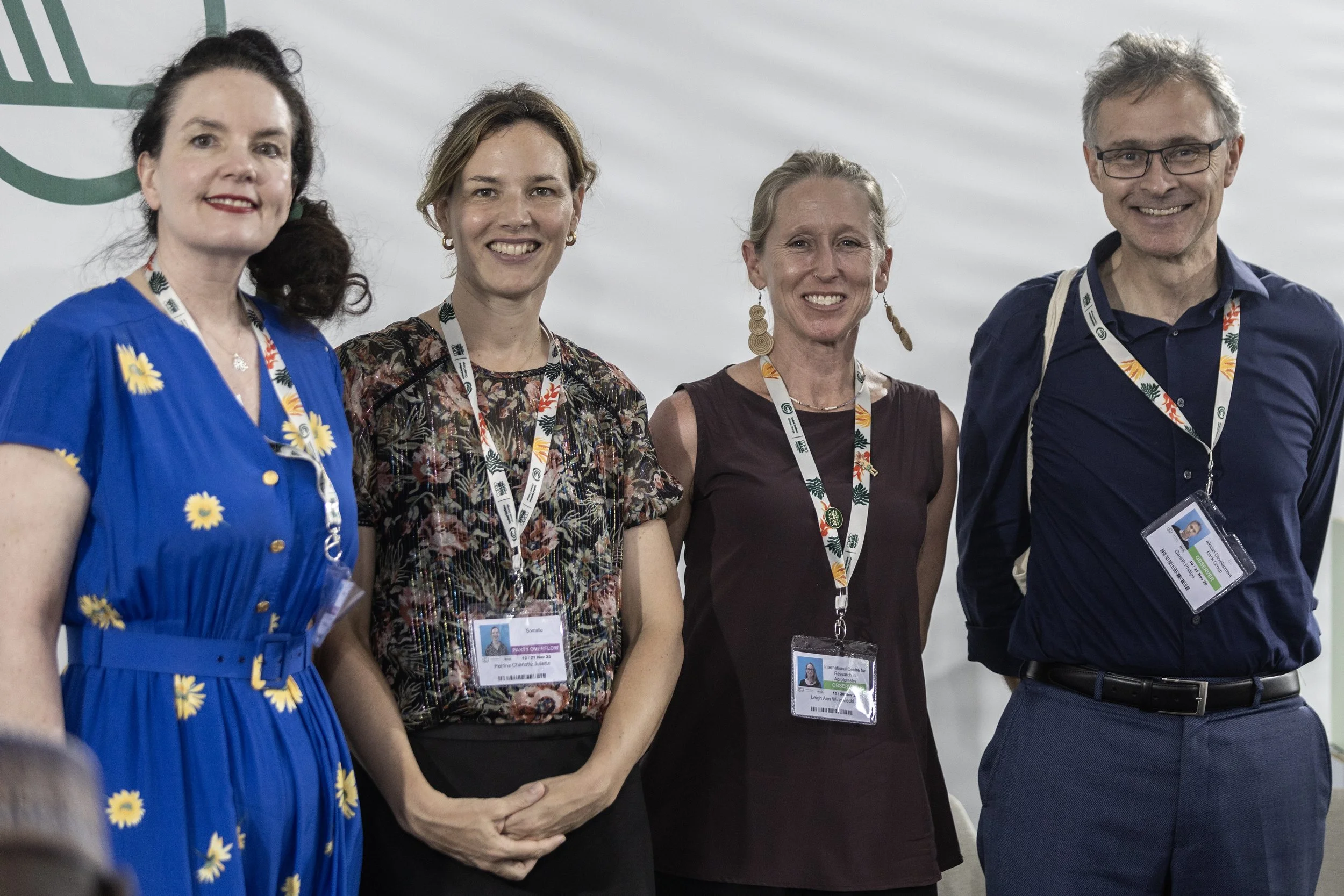
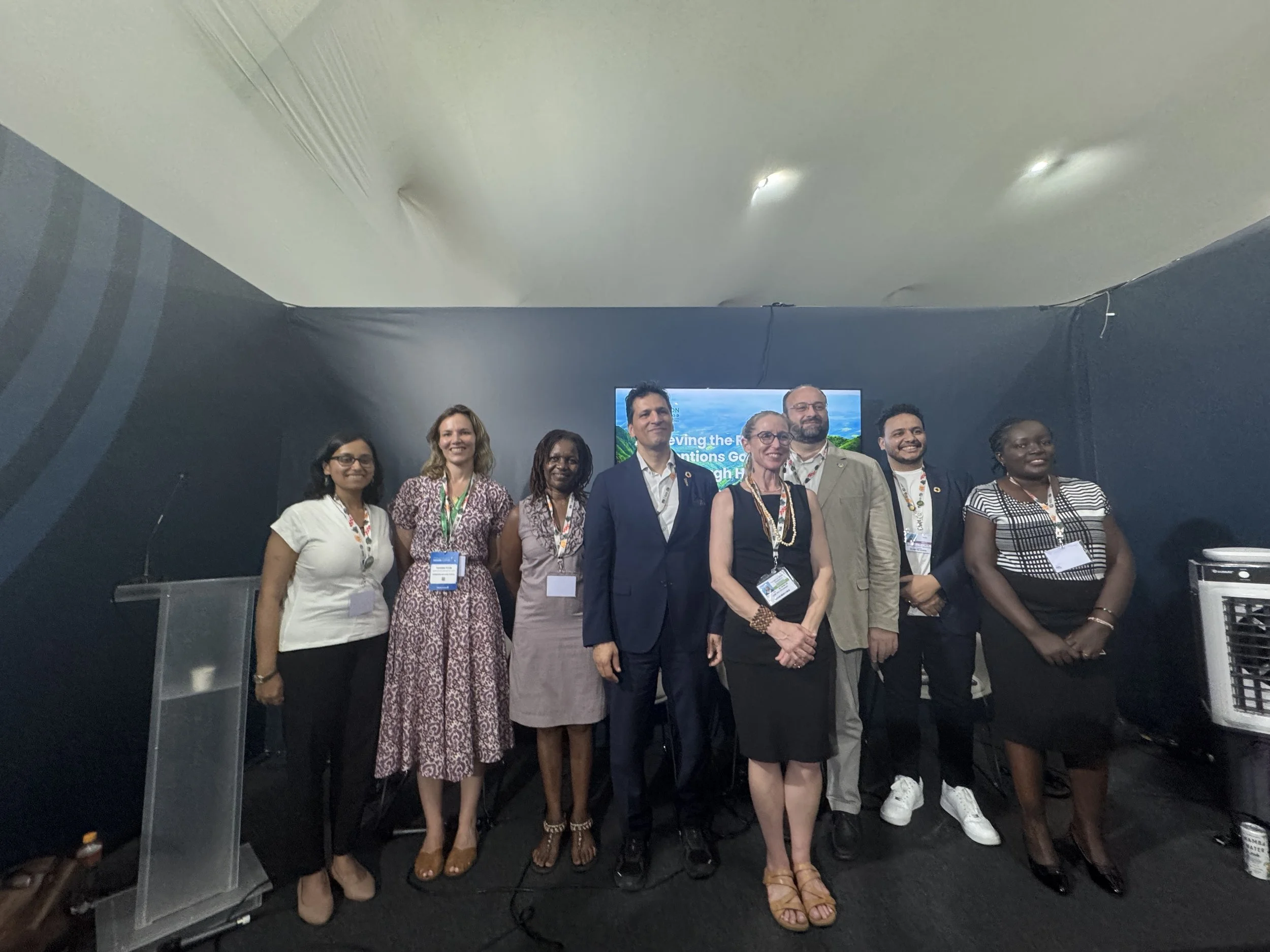




SOILutions: Rooting our climate future in evidence from practice
In early 2025, CA4SH was engaged by GIZ to partner on their two global programmes “Soil Protection and Rehabilitation for Food Security” (ProSoil) and “Soil Matters – Innovations for Soil Health and Agroecology.” The programmes have collated over a decade of experience for scaling soil health on the ground through implementation, policy, finance, and scientific pathways. The programmes are funded by the German Federal Ministry for Economic Cooperation and Development (BMZ) and co-funded by the European Union (EU) and the Gates Foundation.
The CA4SH-GIZ partnership was developed to leverage the robust evidence base generated by the programmes alongside the CA4SH communications network, to enhance knowledge sharing for scaling soil health. The GIZ programmes have been implemented in Benin, Burkina Faso, Ethiopia, India, Kenya, Madagascar, and Tunisia to support decision-making and foster an enabling environment that encourages farmers and land managers to scale sustainable soil management practices on the ground.
The partnership was carried out through three main activities, namely 1) developing a landing page to amplify and collate the learnings of the ProSoil and SoilMatters programmes, 2) develop interactive infographics that communicate the role of soil health in global, continental and national agendas, and 3) collaborate on high-level advocacy at the UNFCCC COP30, and at fora leading up to it, including the CAADP Partnership Platform held in Kigali, Rwanda last month.
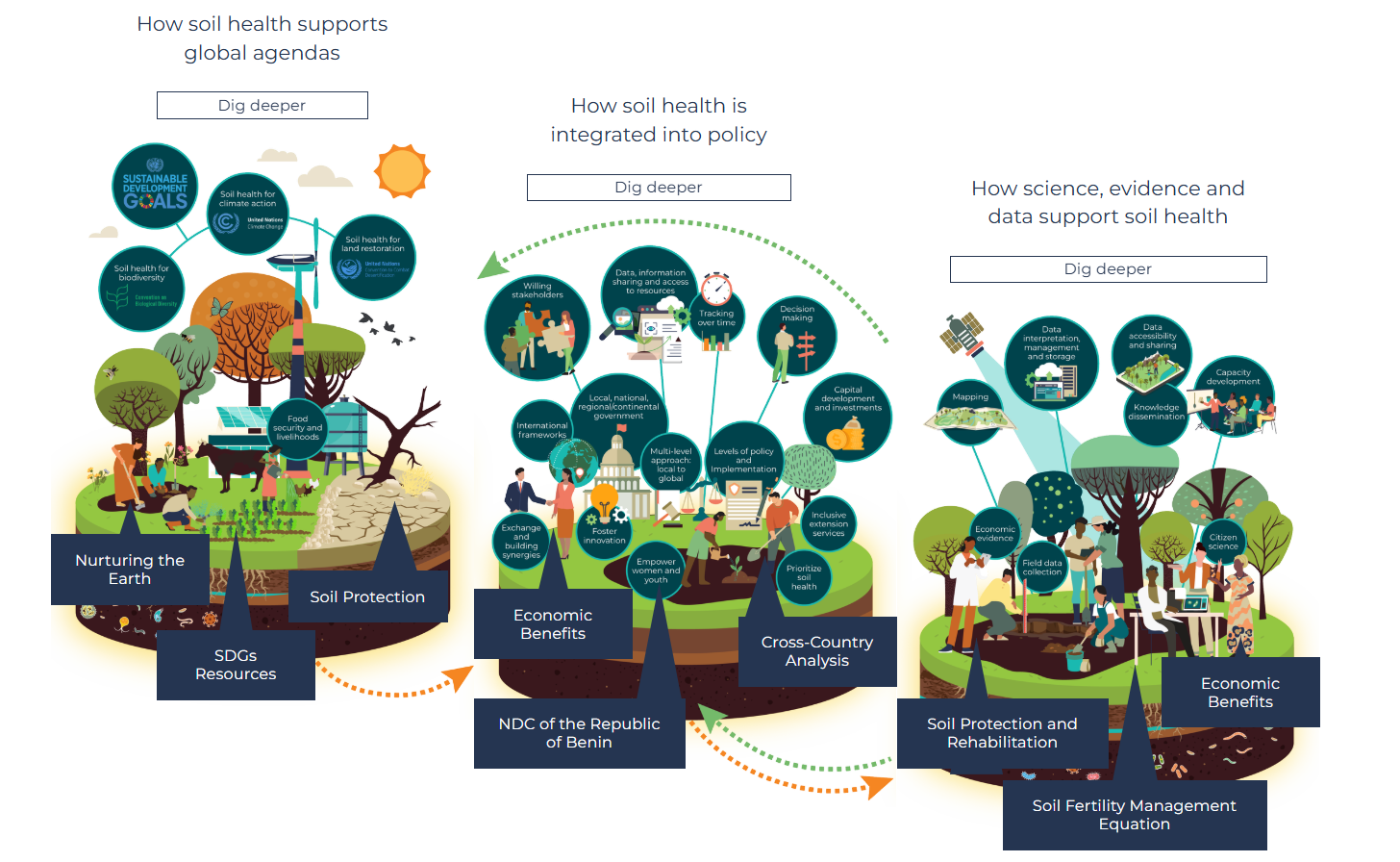
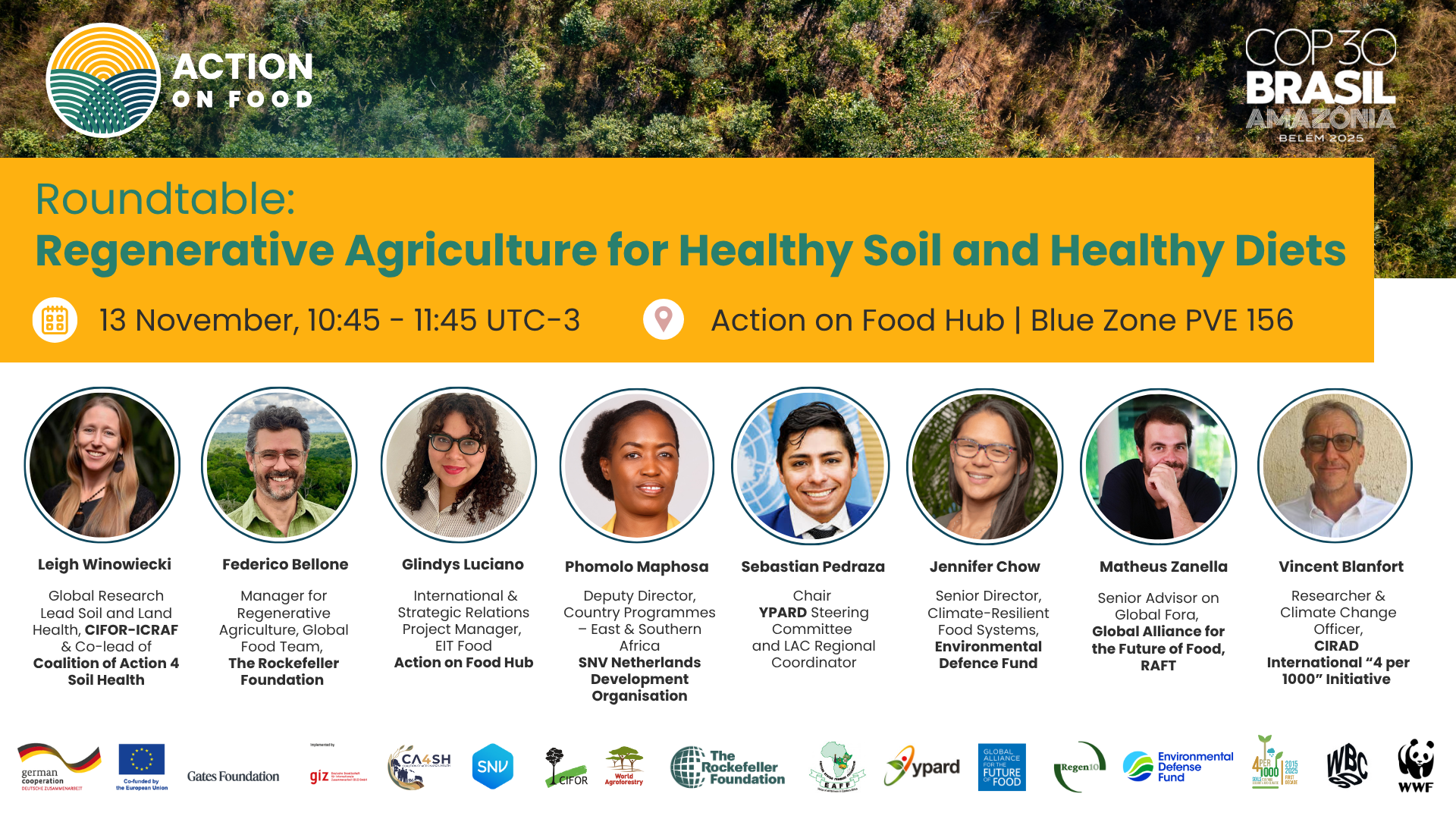
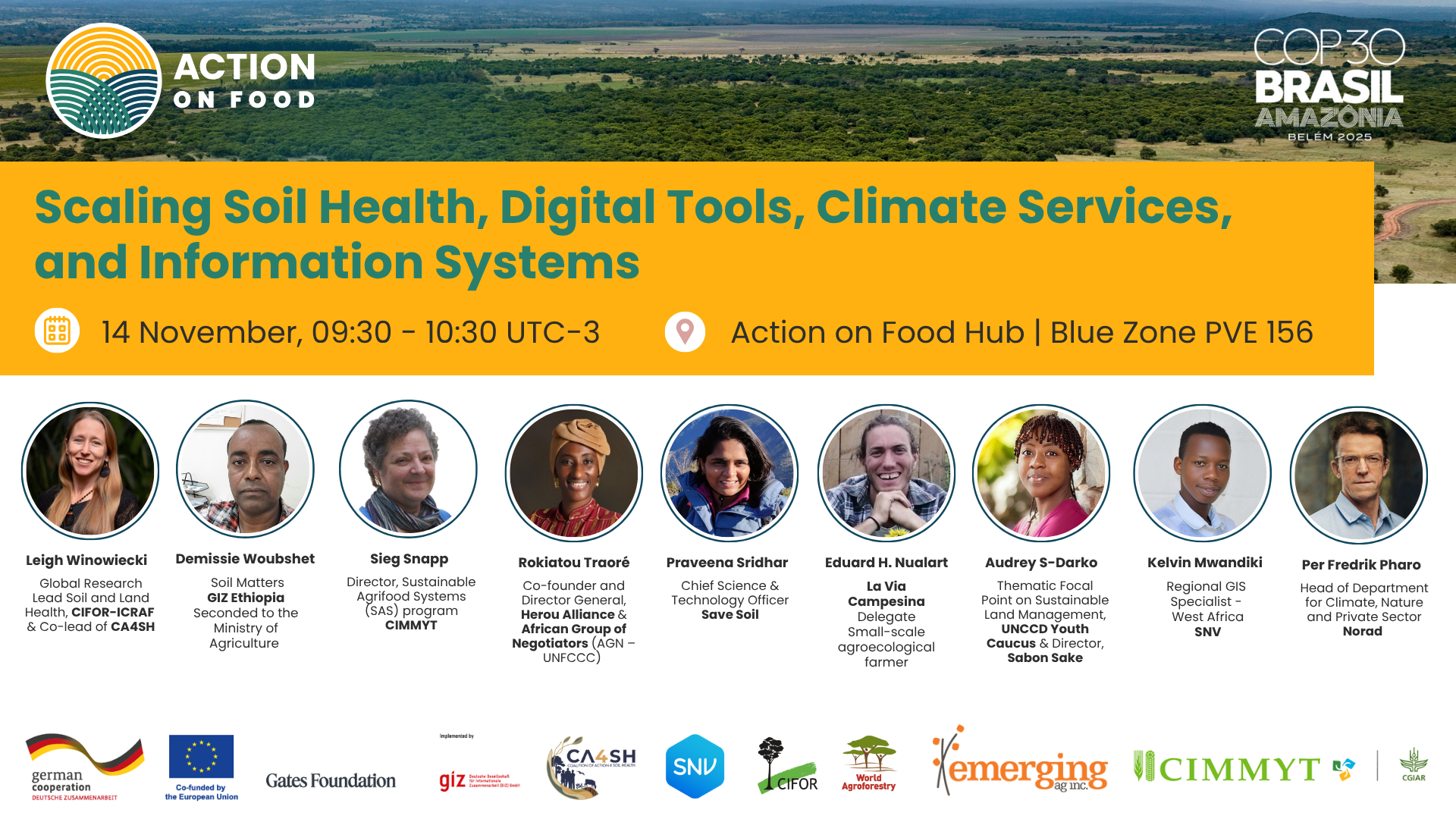
During COP30, CA4SH and GIZ co-hosted a day at the Action on Food Hub, and co-organized several events at the Hub, including the following:
Roundtable: Regenerative Agriculture for Healthy Soil and Healthy Diets (PAS)
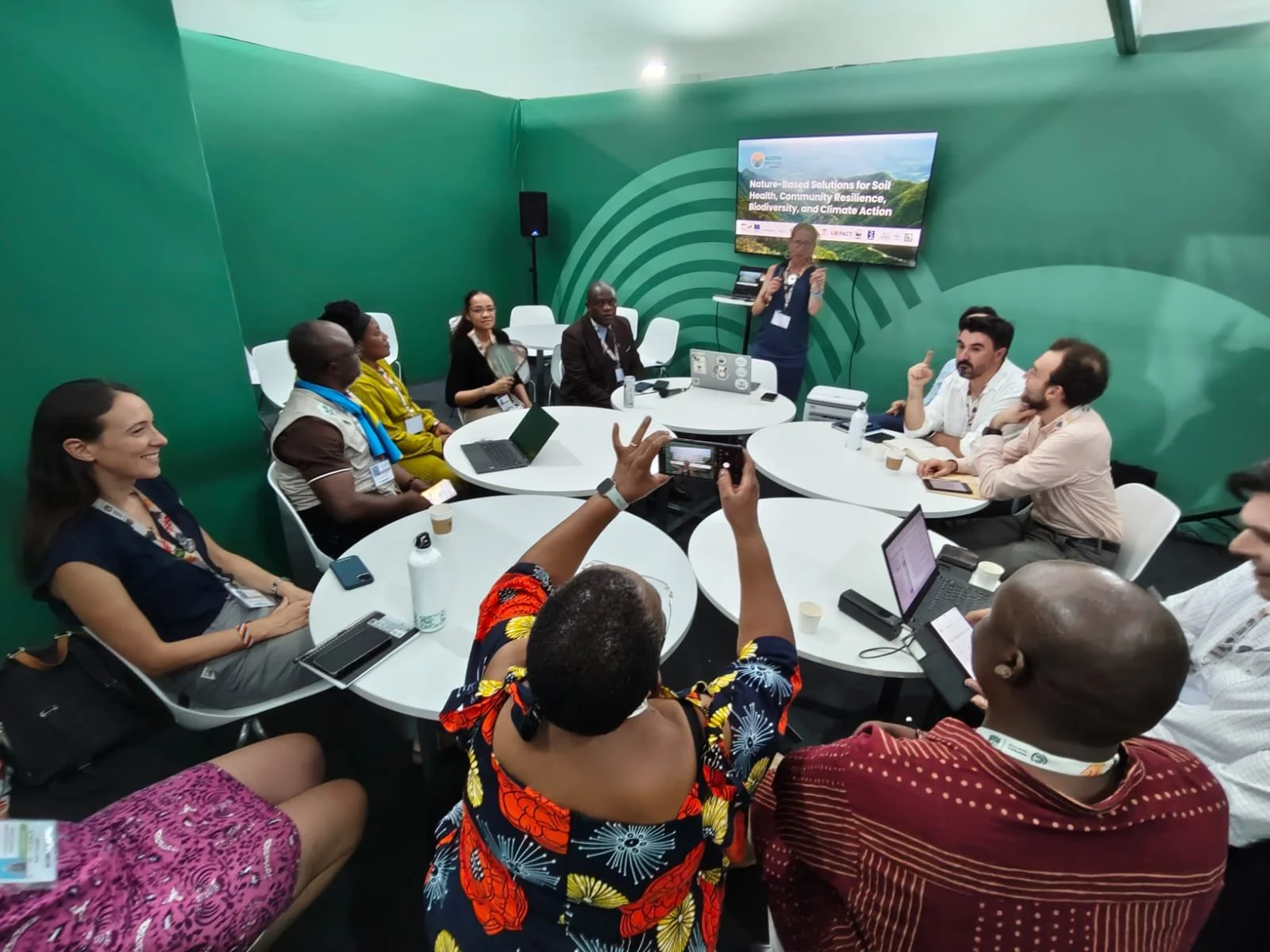
Roundtable: Nature-Based Solutions for Soil Health, Community Resilience, Biodiversity, and Climate Action
Plenary: Scaling Soil Health, Digital Tools, Climate Services, and Information Systems
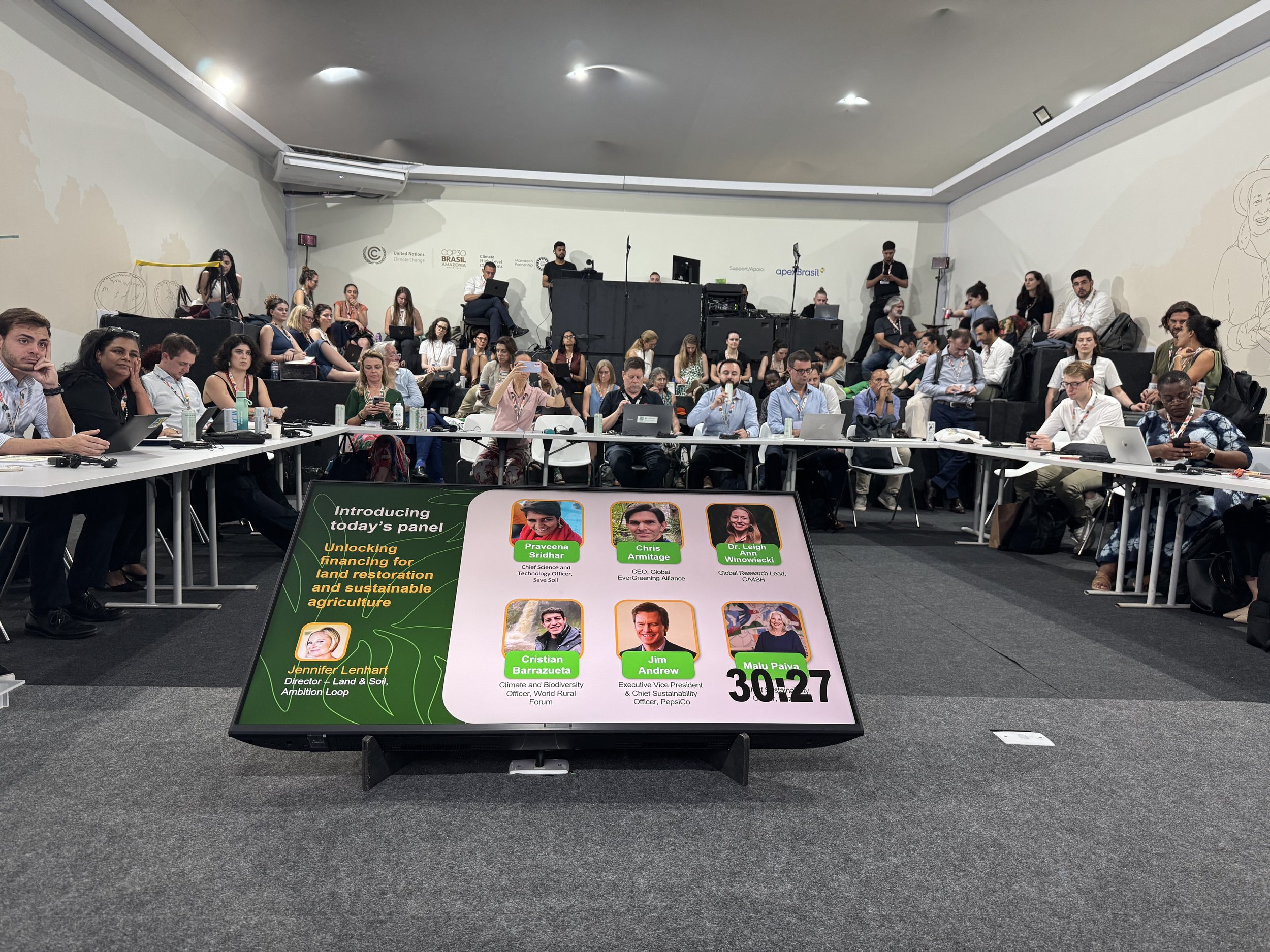
Plenary: Climate Finance for Soil Health
Plenary: Achieving the Rio Conventions Goals and SDGs through Healthy Soil
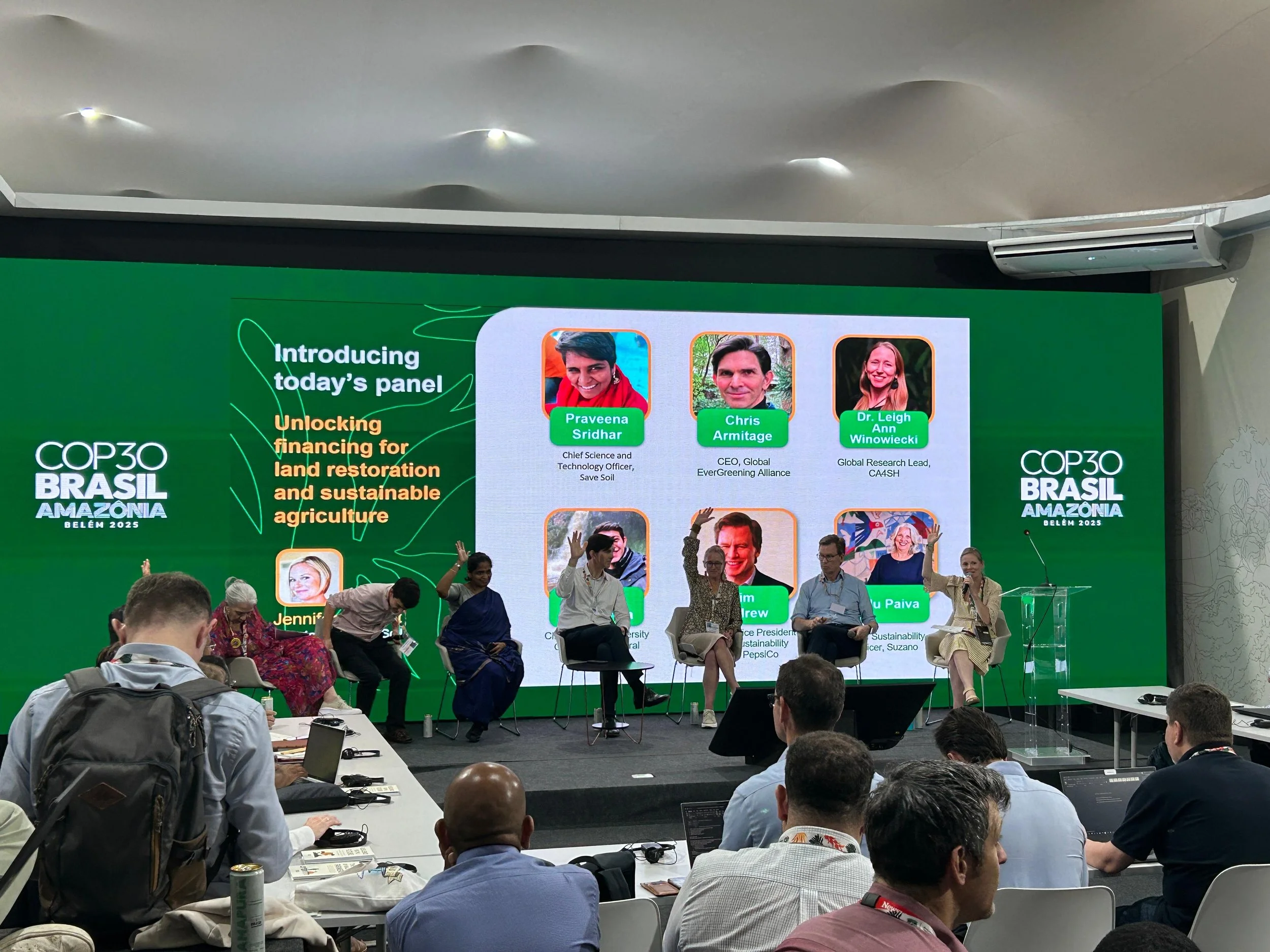
Plenary: From Policy to the Ground: Scaling Action for Healthy Soil
“Soils must be at the center of global policy and investment. Let’s implement and scale what already works. We have all the SOILutions at hand!”
Beyond COP: Healthy soil is a climate adaptation imperative
Prior to COP, CA4SH and several partners submitted a solution which aims to bring soil health to the forefront of agricultural transformation via the COP30 Action Agenda. Details can be found in this blog, and outcomes are now available in this outcome report from High-Level Champions for Climate Action. The report details progress made toward delivering on multistakeholder action and collaboration to meet shared climate goals within and beyond the context of the UNFCCC.
Resources:
Research Summary Brief | Insights on the Regreening App: Uptake and use by stakeholders in Makueni and Taita Taveta (Research Summary Brief)
Outcomes Report of the Global Climate Action Agenda at COP 30
Outcome paper | Soil First: Advancing Food System Transformation from the Ground Up
Blog | Climate-Smart Agriculture from the Soil Up: The Global CSA Conference
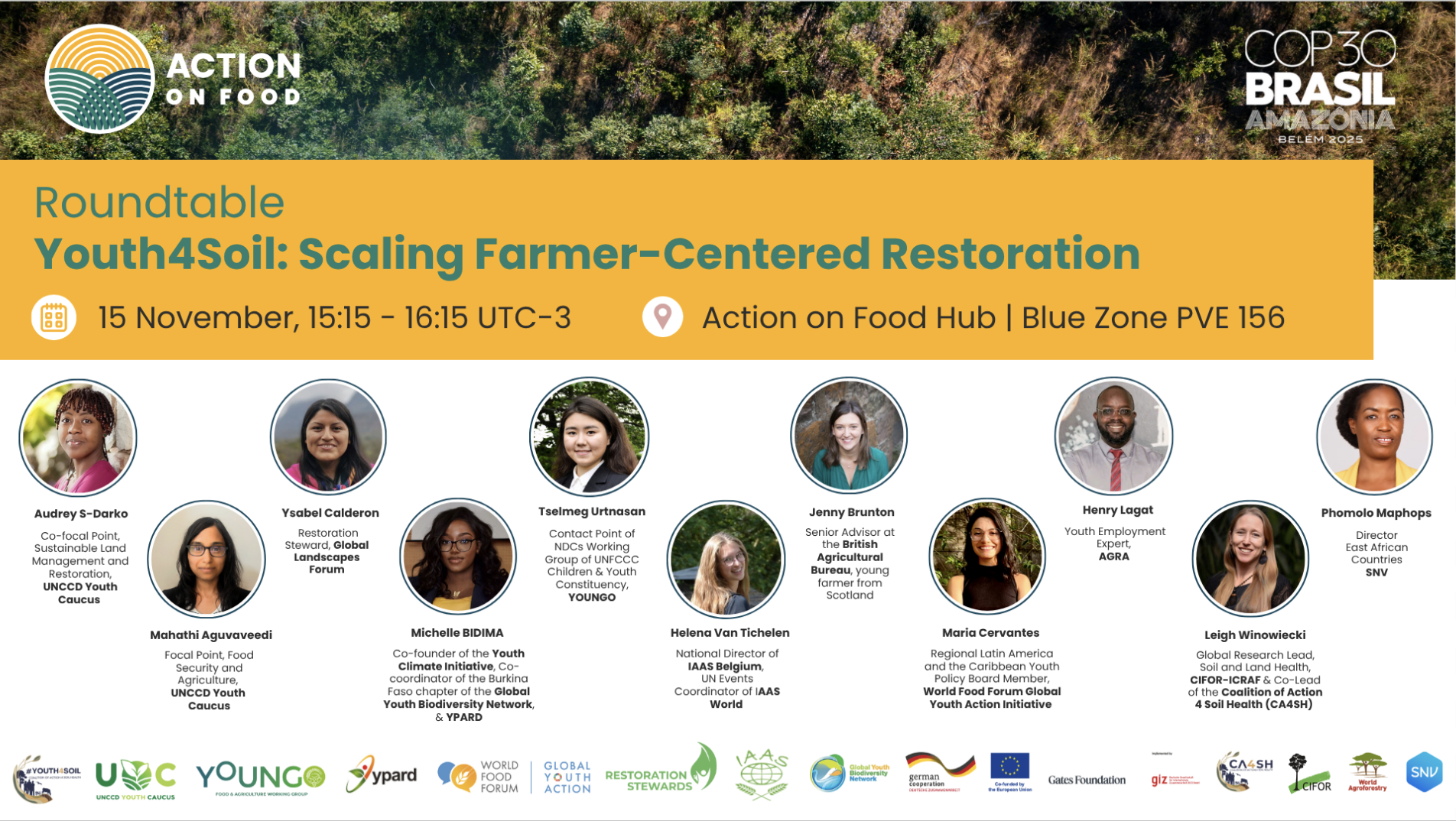
Blog | Youth Converge for Farmer-Centered Restoration to Advance Global Climate Action at COP30
Blog | From Policy to the Ground: Scaling Action for Healthy Soil at COP30
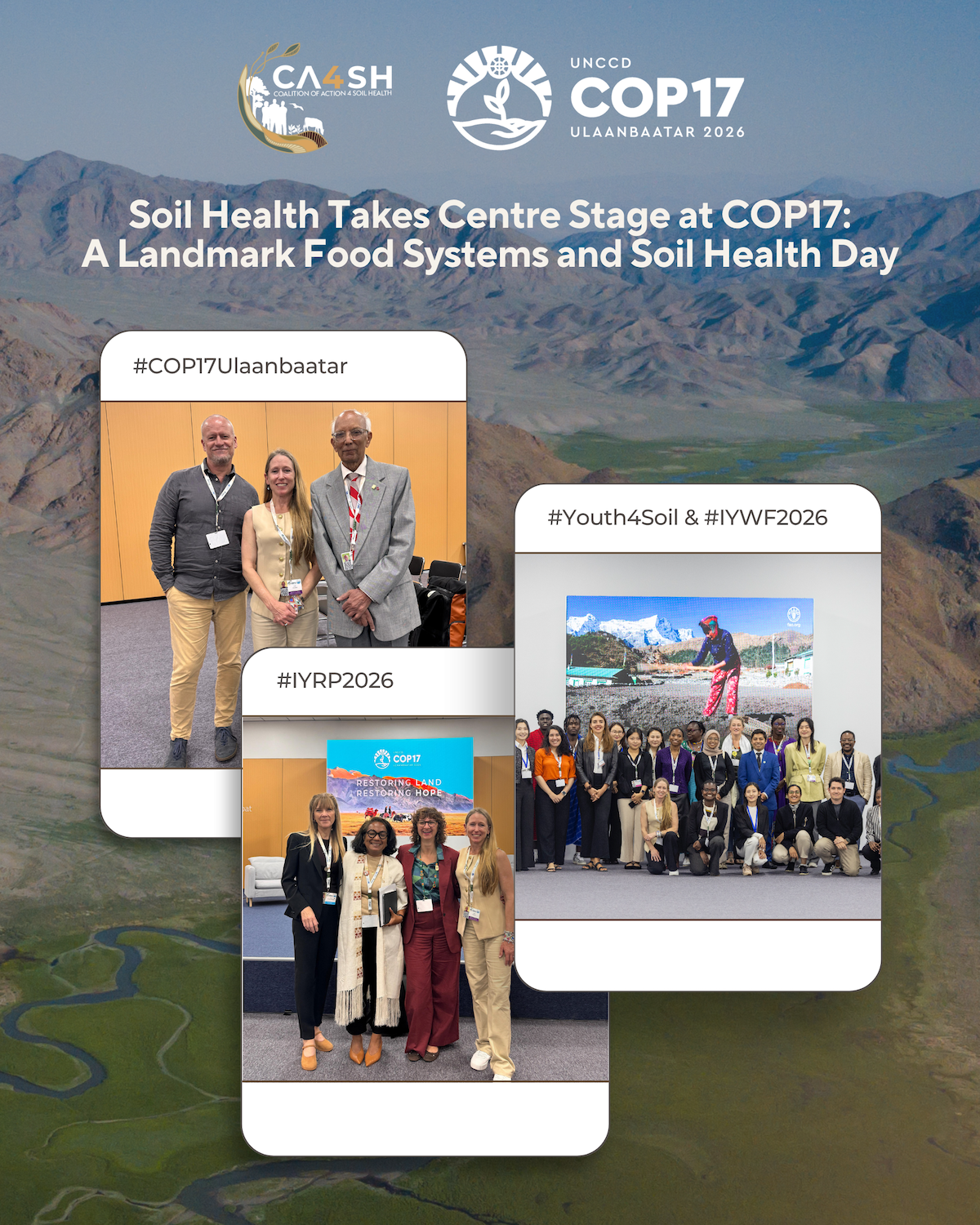
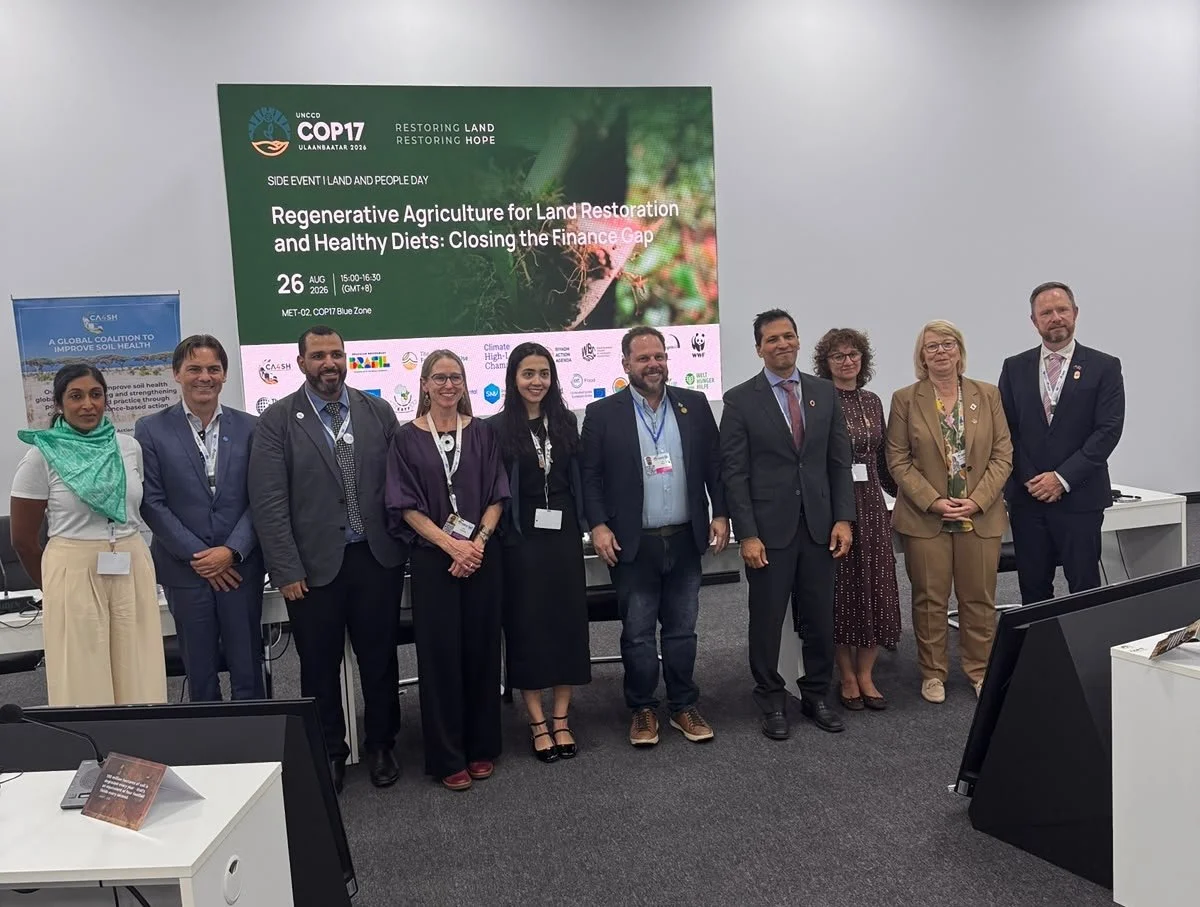
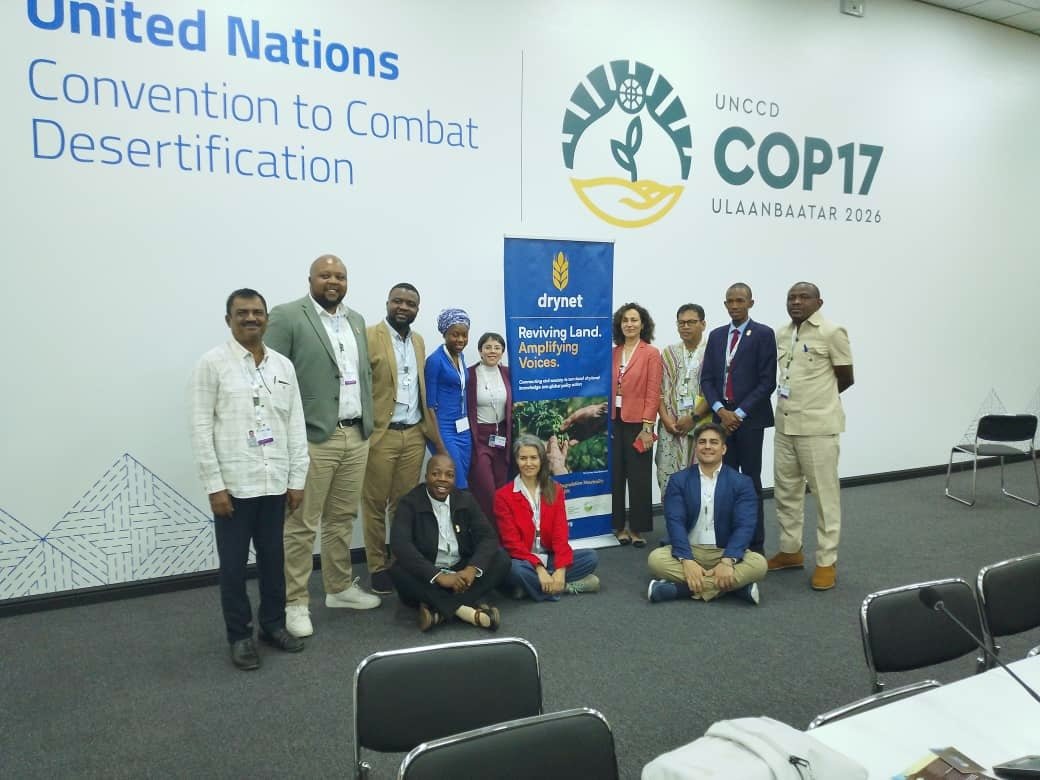

The Coalition of Action 4 Soil Health (CA4SH), Landscape Alliance (CIFOR-ICRAF), Deutsche Gesellschaft für Internationale Zusammenarbeit (GIZ) GmbH, the Norwegian Agency for Development Cooperation (Norad), CGIAR Multifunctional Landscapes Science Program, WWF, and partners, convened senior leaders and partners at UNCCD COP17 Mongolia for a high-level dinner focused on a simple but critical message: healthy soils are fundamental to resilient food systems, healthy ecosystems and a more climate-resilient future.