How agroforestry systems can regenerate soil, strengthen communities, and create sustainable economic pathways to protect the Amazon.
Written by Gabriela Fang, Amazon People
The Amazon is one of the most important biomes on the planet - not only for its biodiversity, but also for the essential role it plays in regulating the global climate. Protecting this territory requires solutions that integrate nature, society, and the economy in a sustainable way.
At Amazon People, we start from a clear conviction:
“Protecting the Amazon is only possible if local populations are involved in the solution. People are the agents of either degradation or restoration.”
This belief guides how we structure our work with farmers and communities across the Amazon.

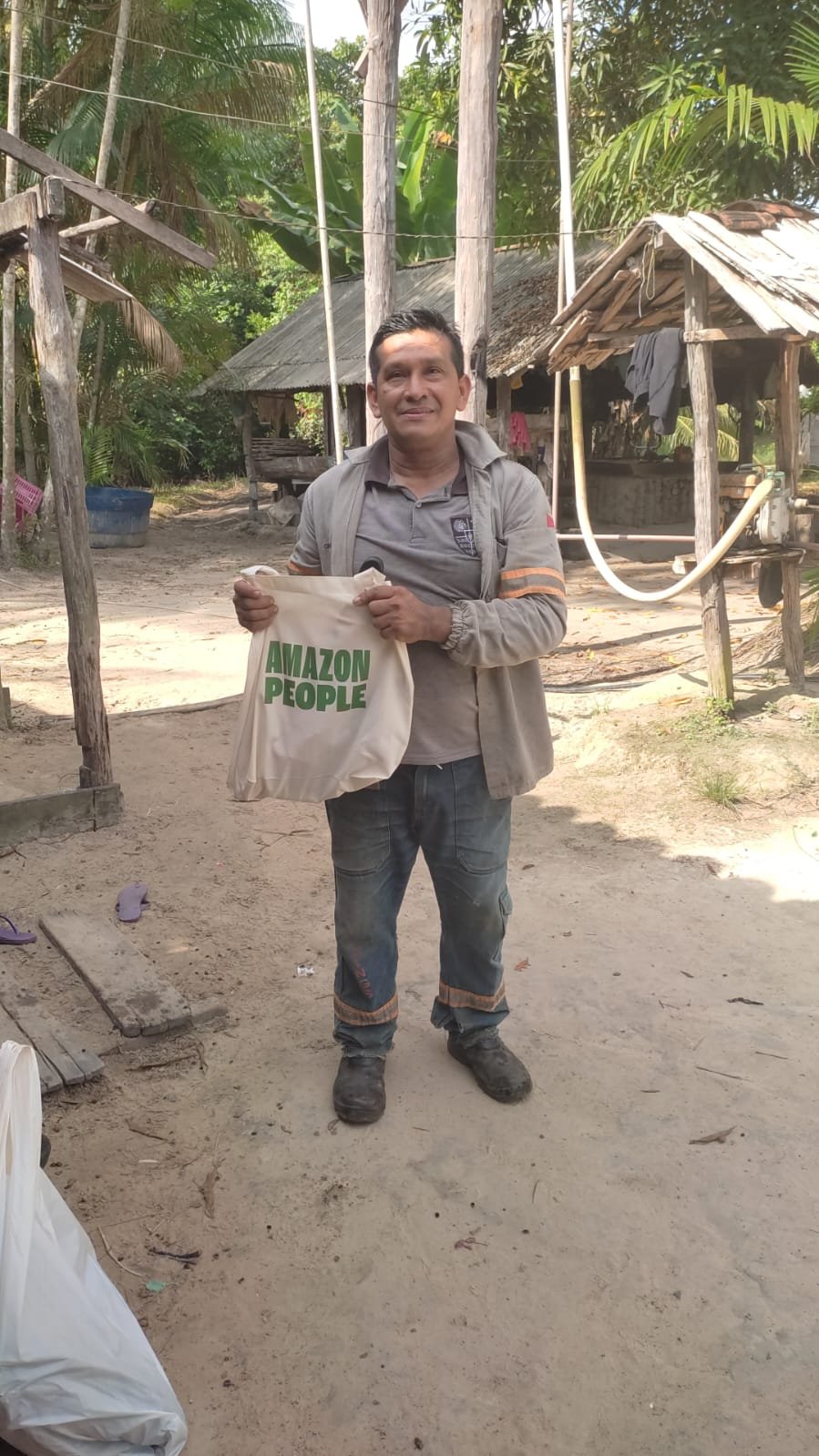
Our model supports farmers through every step required to establish and sustain regenerative production systems.
We work alongside producers from documentation and access to credit, through training and support in the implementation of productive agroforestry systems, all the way to connecting them with responsible markets.
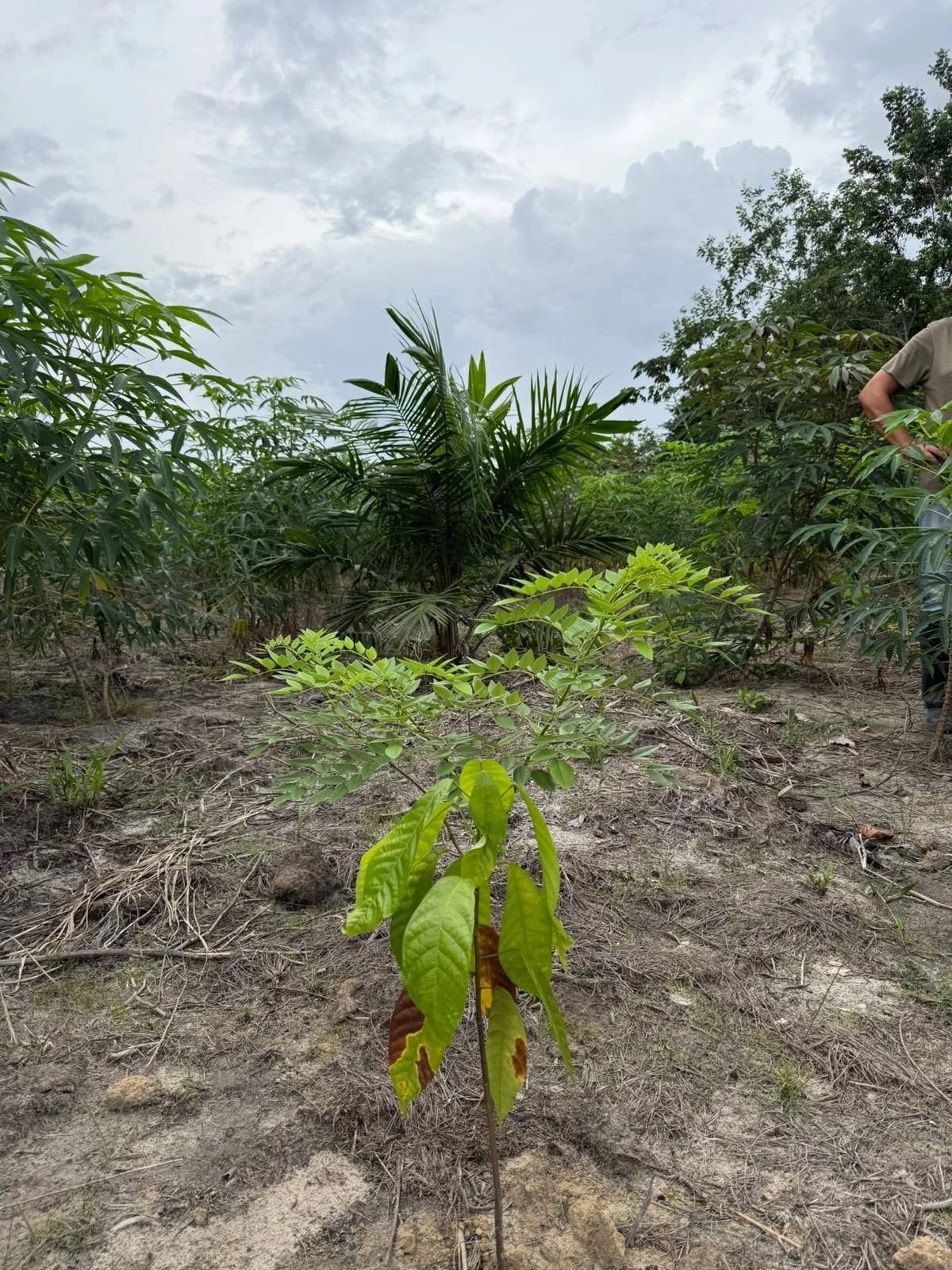
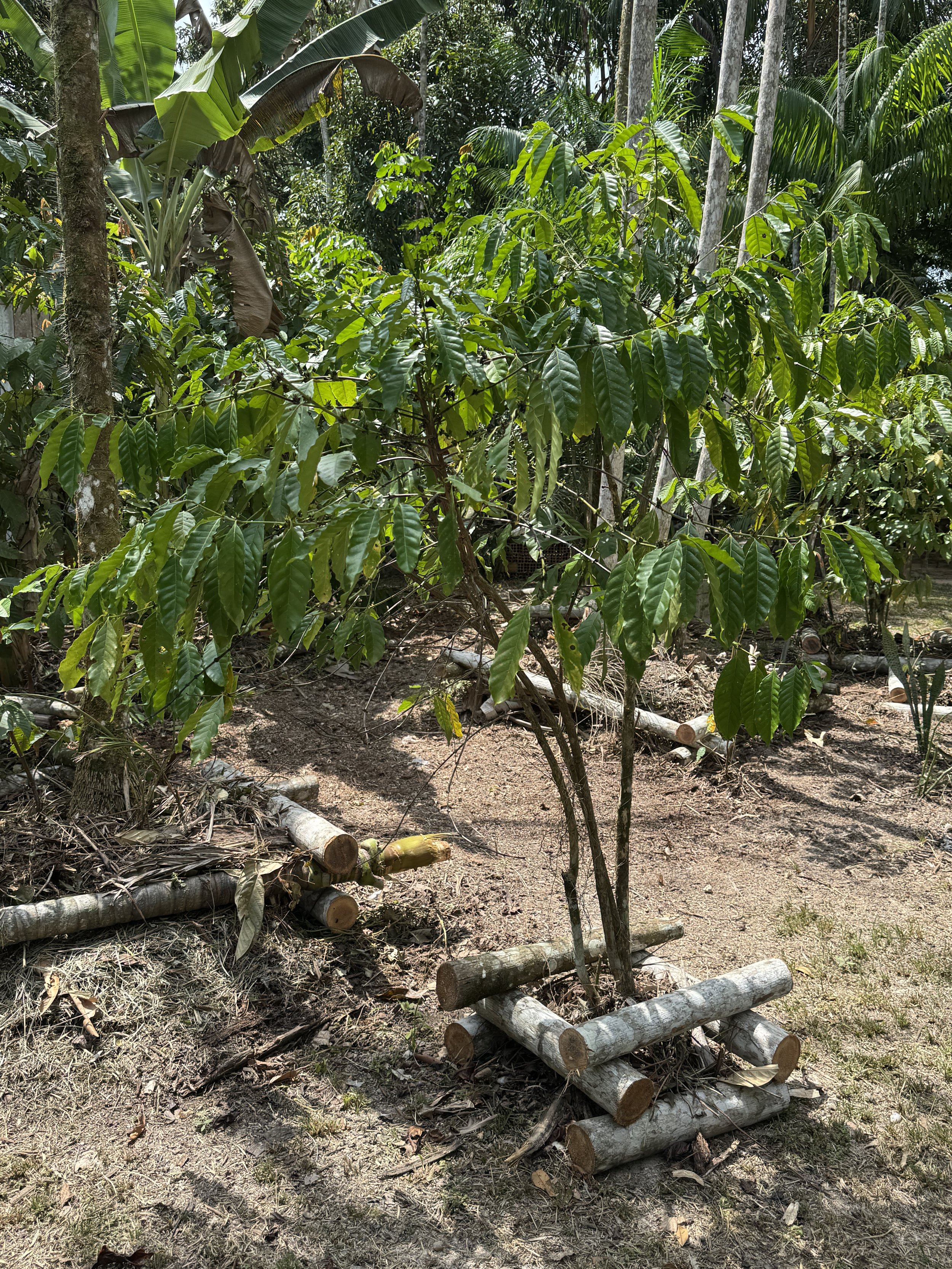
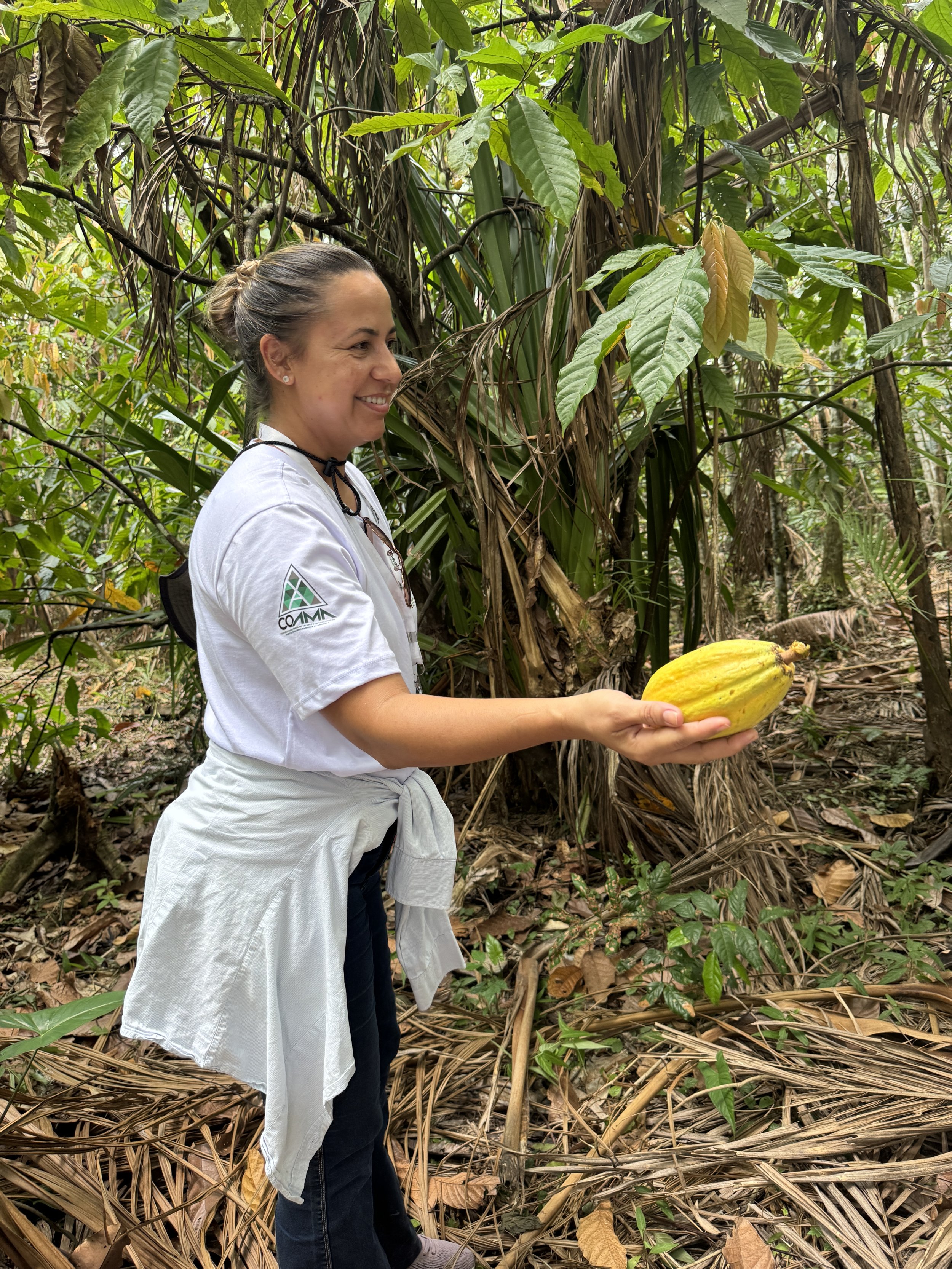
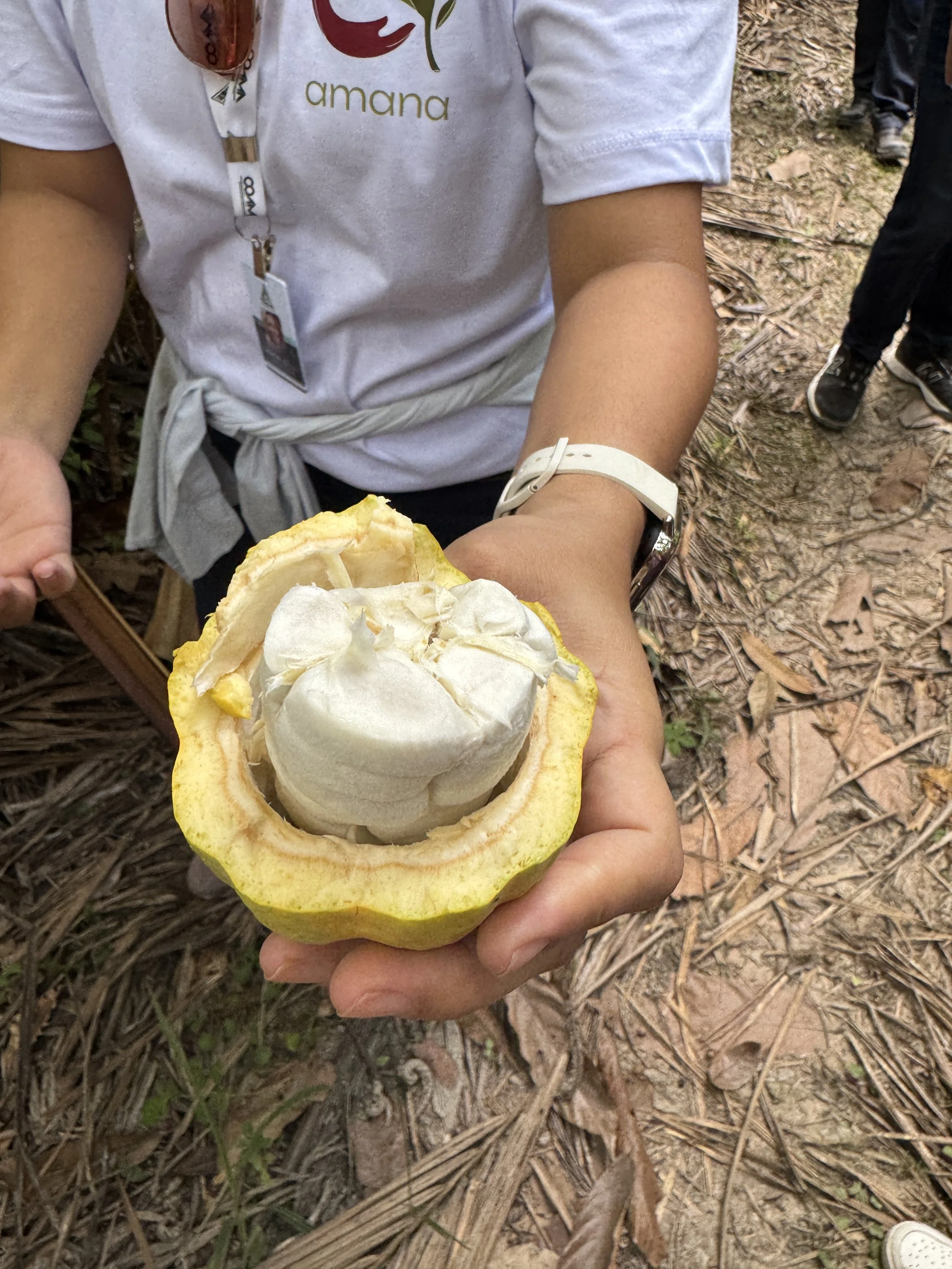
These systems integrate high-value crops such as açaí, cacao, palm, and andiroba with native species, combining soil health regeneration, diversified production, and greater climate resilience.
By structuring access to markets as well, we seek to ensure that agroforestry production translates into increased income for farmers and stronger local economies.
Farmers in the Amazon stand on the frontline of the relationship between forest, soil, and production.
With access to technical knowledge, financing, and structured markets, they become key actors in productive models capable of regenerating landscapes and strengthening local economies.
The adoption of agroforestry systems contributes directly to restoring soil health and ecological balance in productive areas, while also promoting:
regeneration of soil fertility
increased biodiversity in production areas
reduced pressure for deforestation
sustainable income generation
This impact goes beyond individual farms, strengthening entire territories and creating tangible pathways for a bioeconomy based on a standing forest.
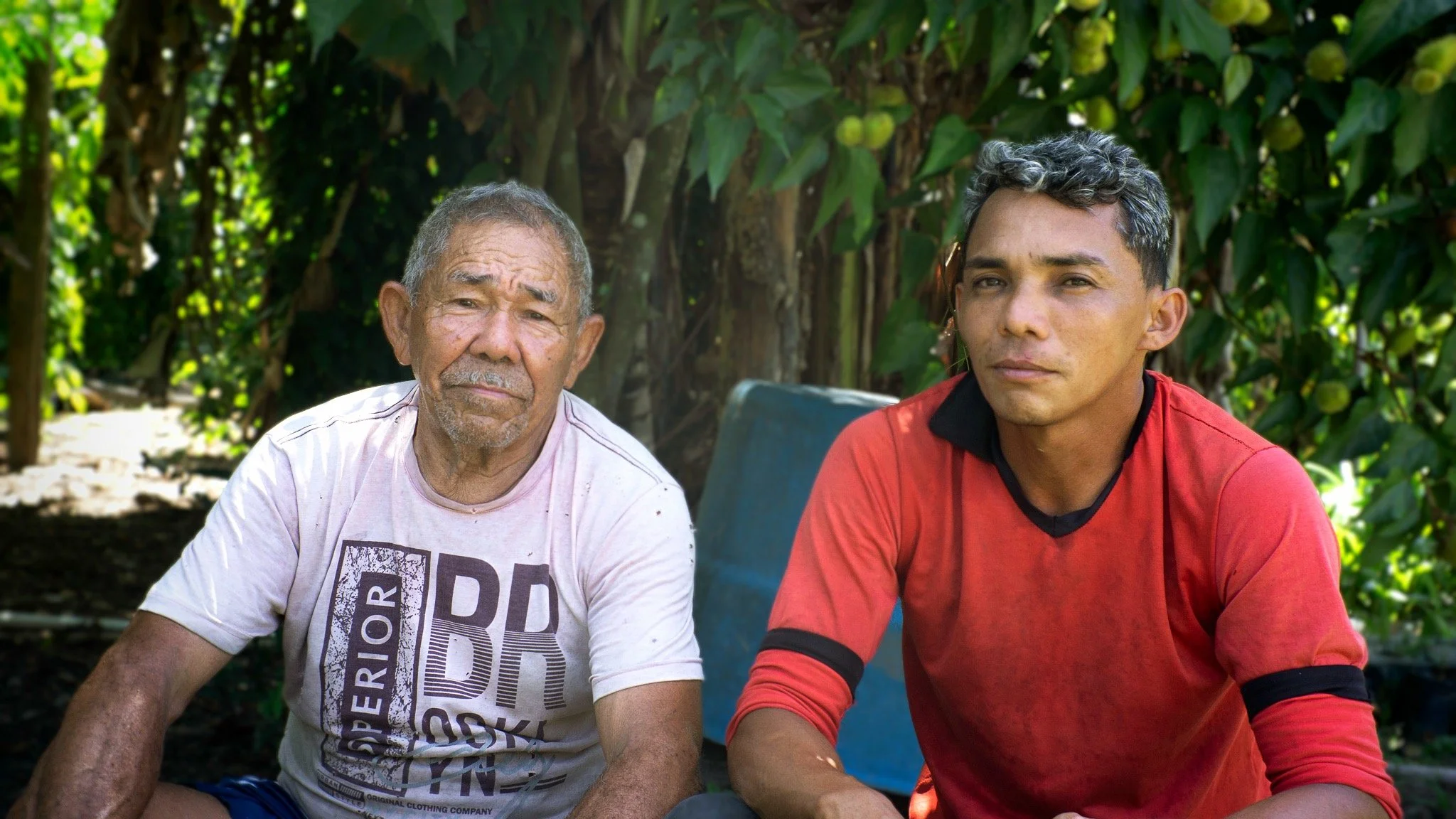
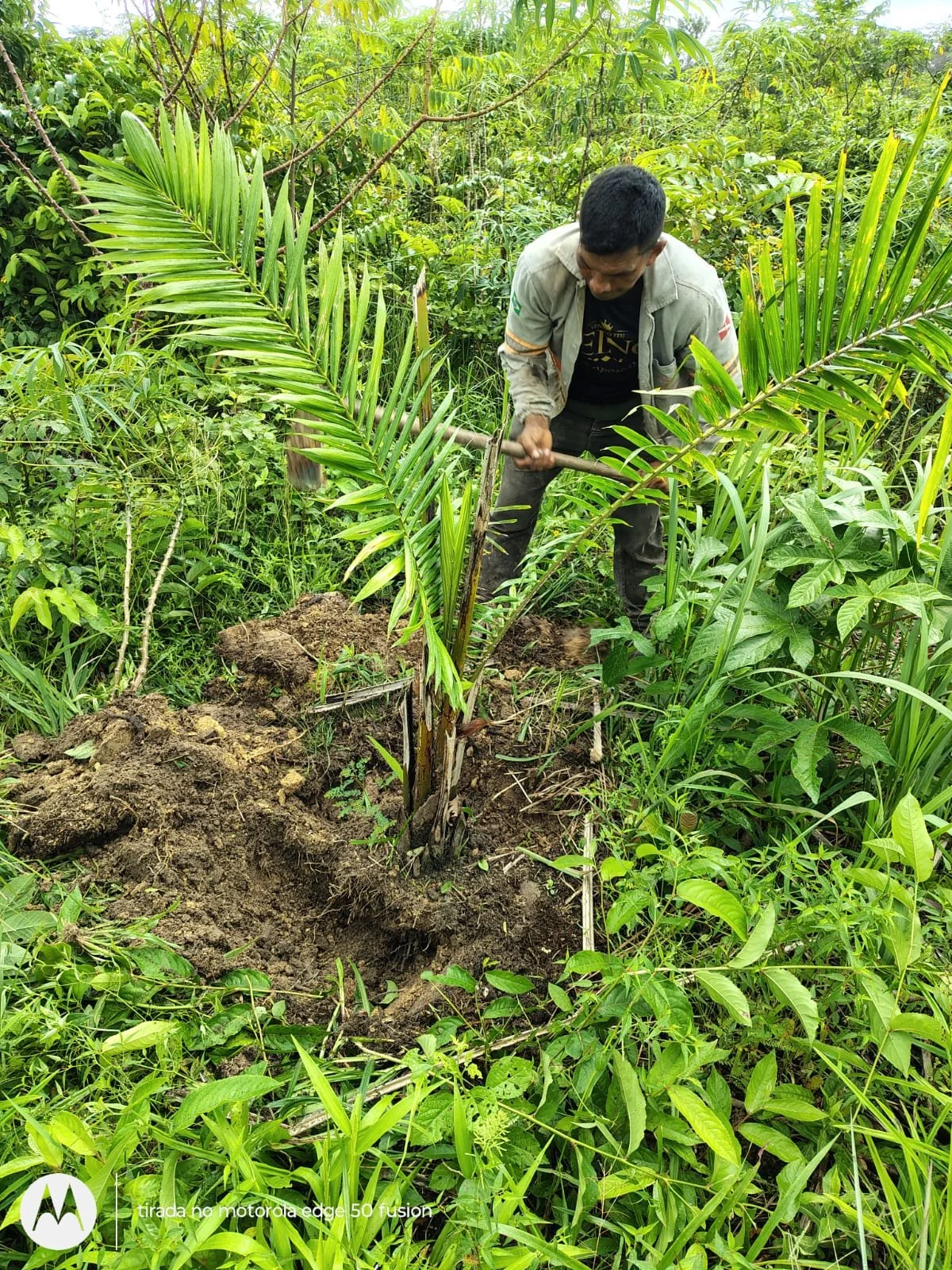
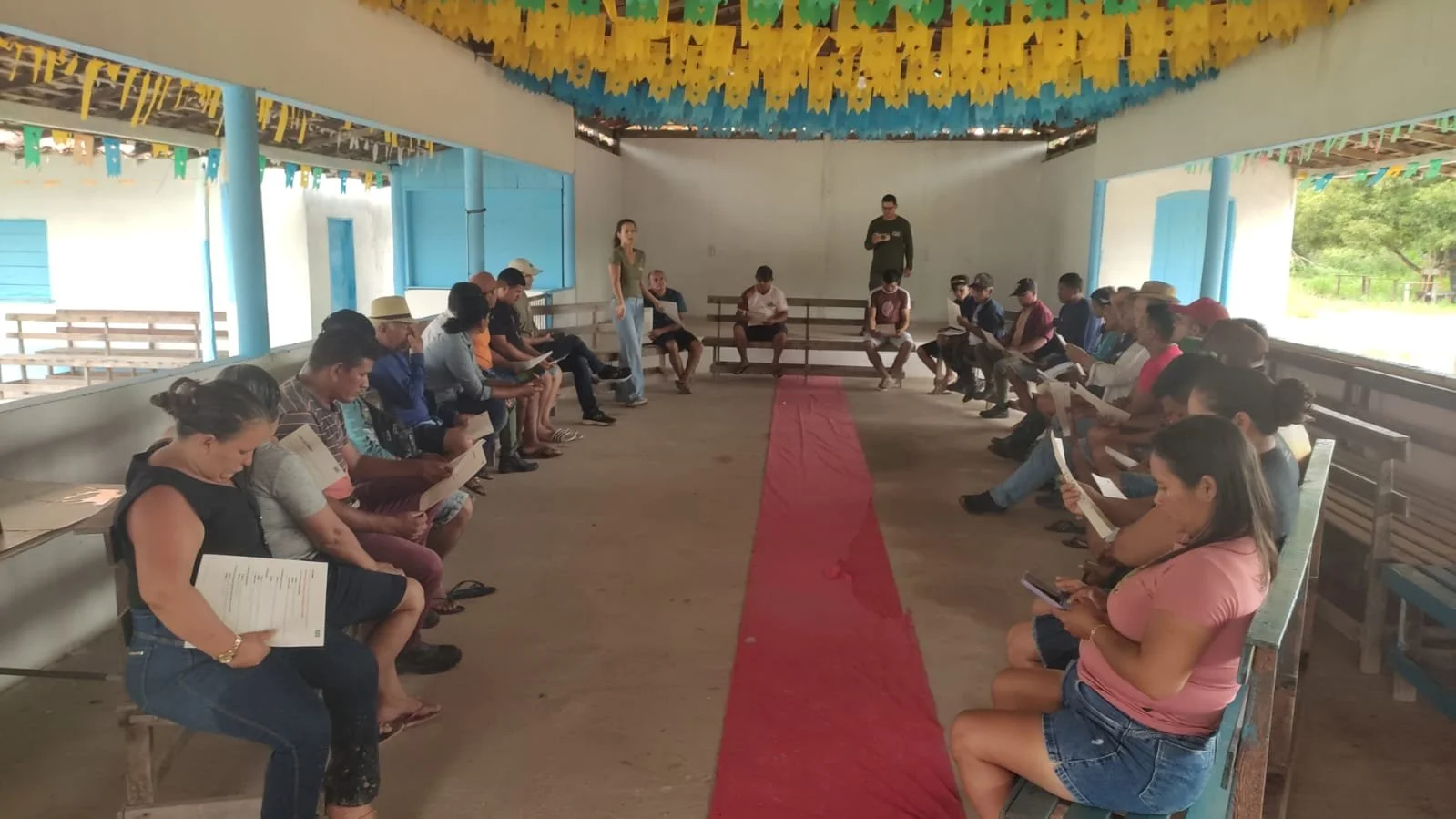
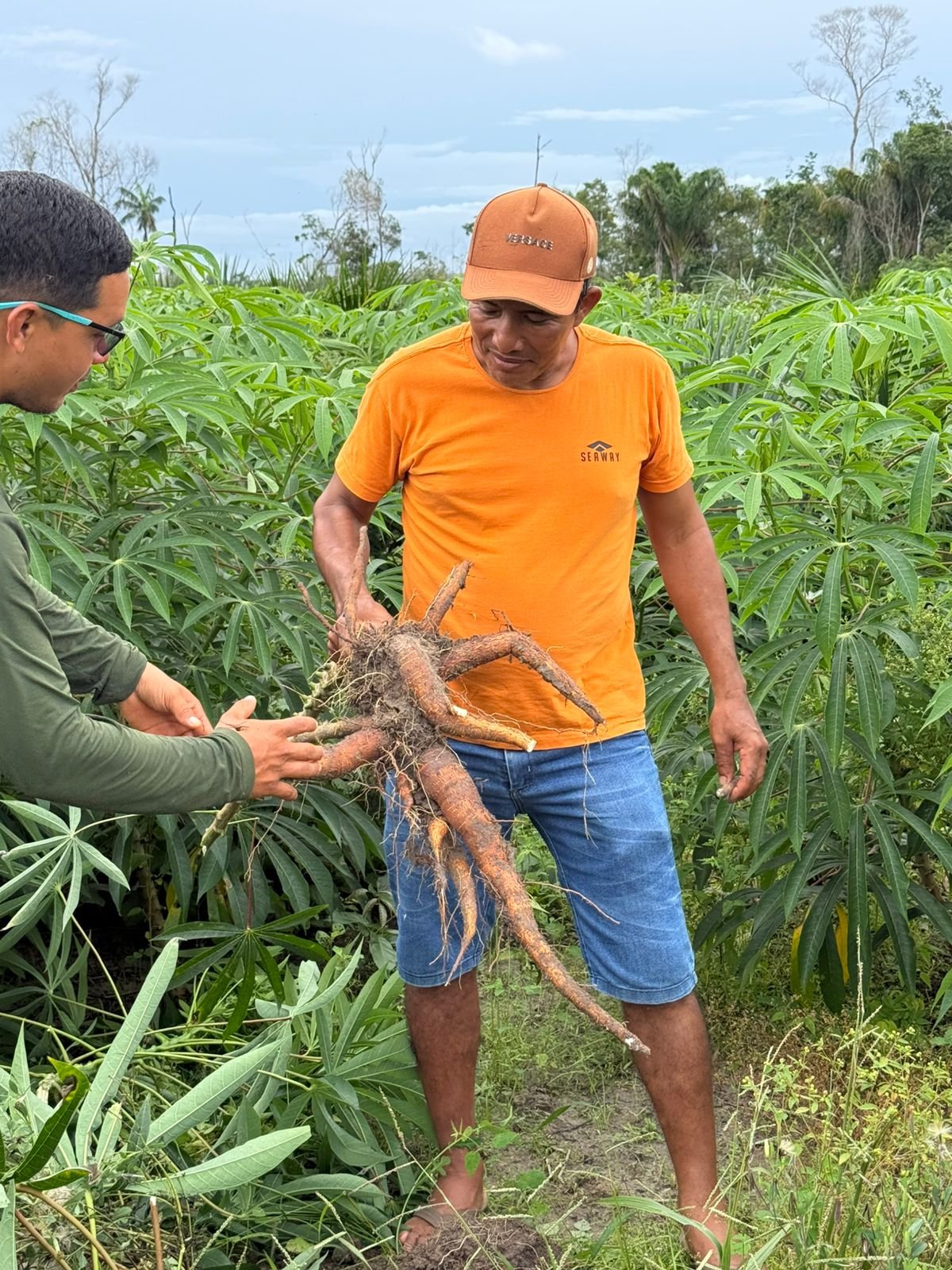
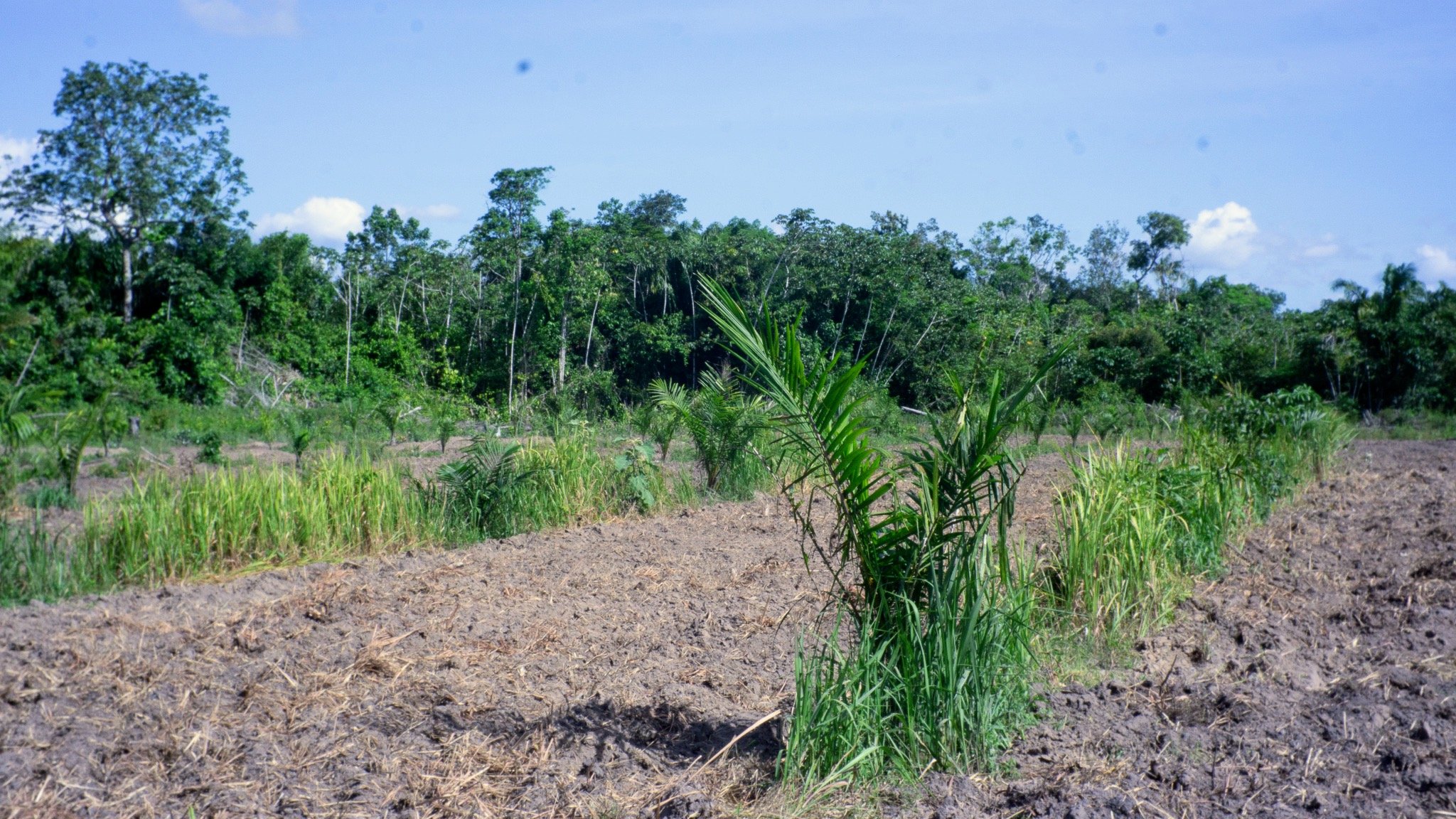
In November 2025, CA4SH Co-Lead Dr Leigh Winowiecki visited the Amazon People site as part of a COP30 field trip, engaging with Indigenous leaders and local communities at the forefront of forest and land stewardship. The visit highlighted the critical role of Indigenous knowledge and community-led action in maintaining healthy soils, protecting biodiversity, and sustaining resilient landscapes. It also reinforced CA4SH’s commitment to elevating these voices within global dialogues, ensuring that locally grounded solutions inform and shape international efforts on climate, food systems, and land restoration.
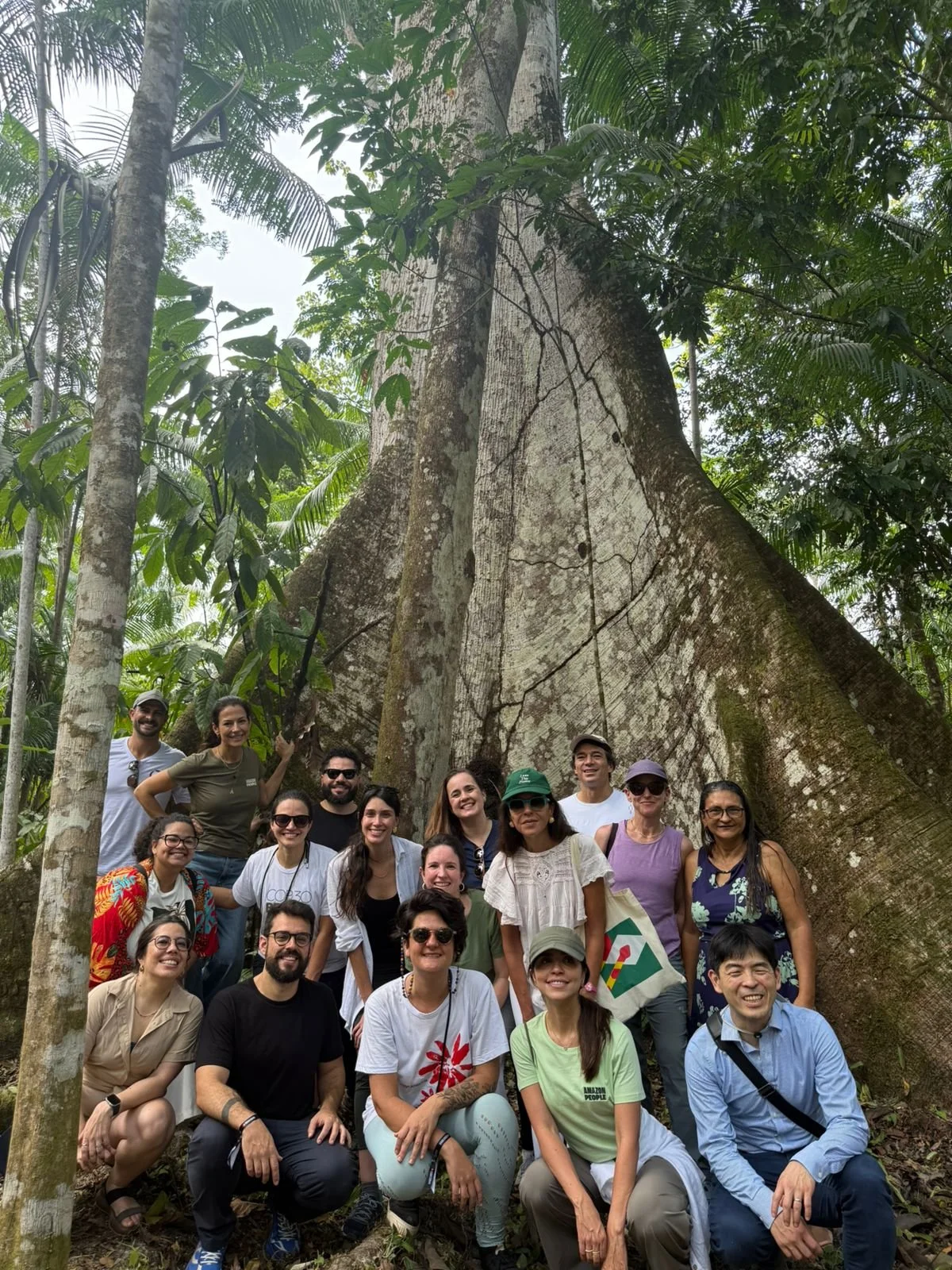
"Forests are reservoirs of biodiversity, and the engines of livelihoods, resilience, and local economies. When we invest in healthy soils and landscapes within forest systems, we strengthen the foundations of rural prosperity while safeguarding the ecosystems that sustain us all.” - Dr Leigh Winowiecki, CA4SH Co-lead and Global Research Leader: Soil and Land Health at World Agroforestry (CIFOR-ICRAF)

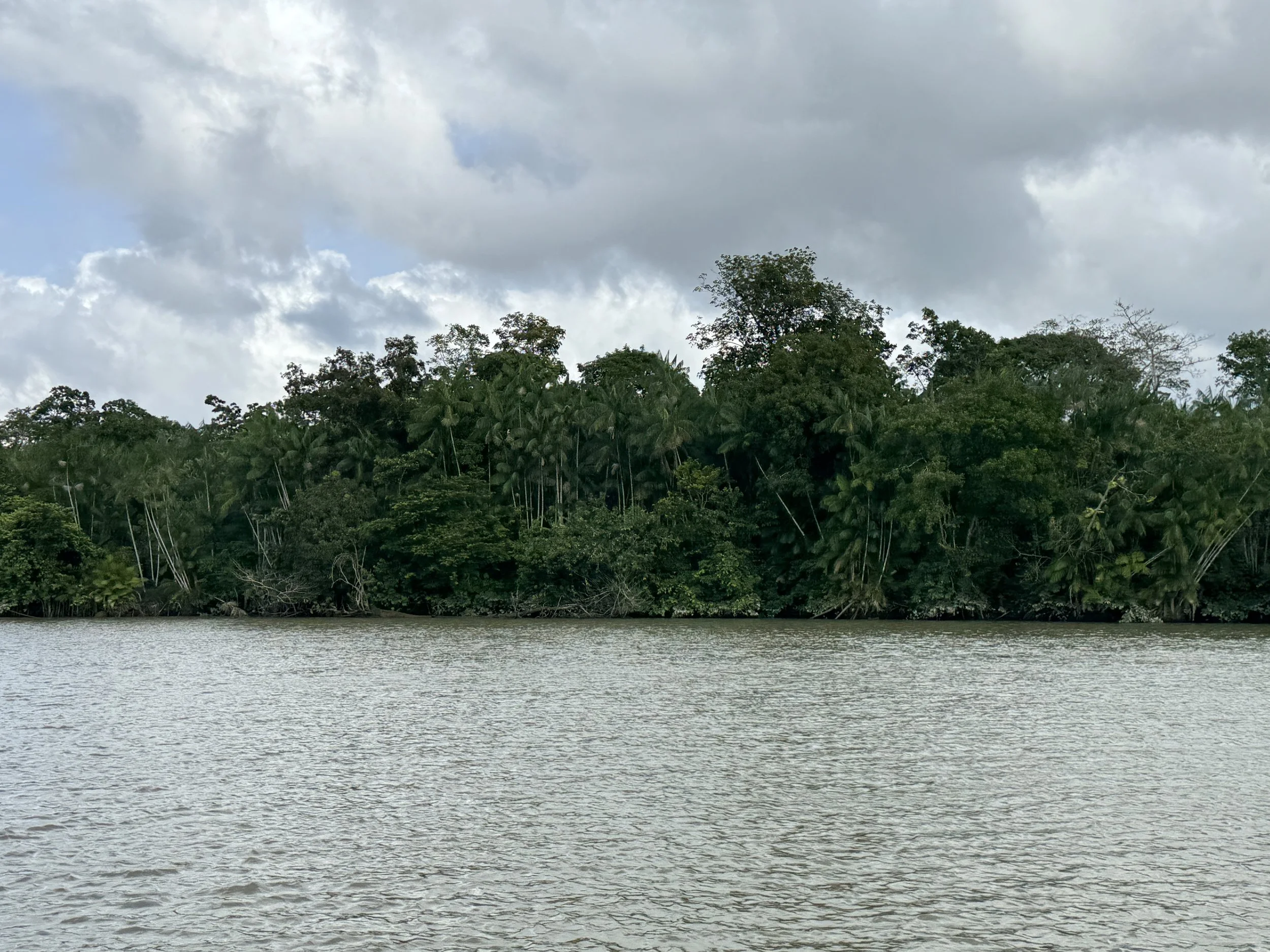
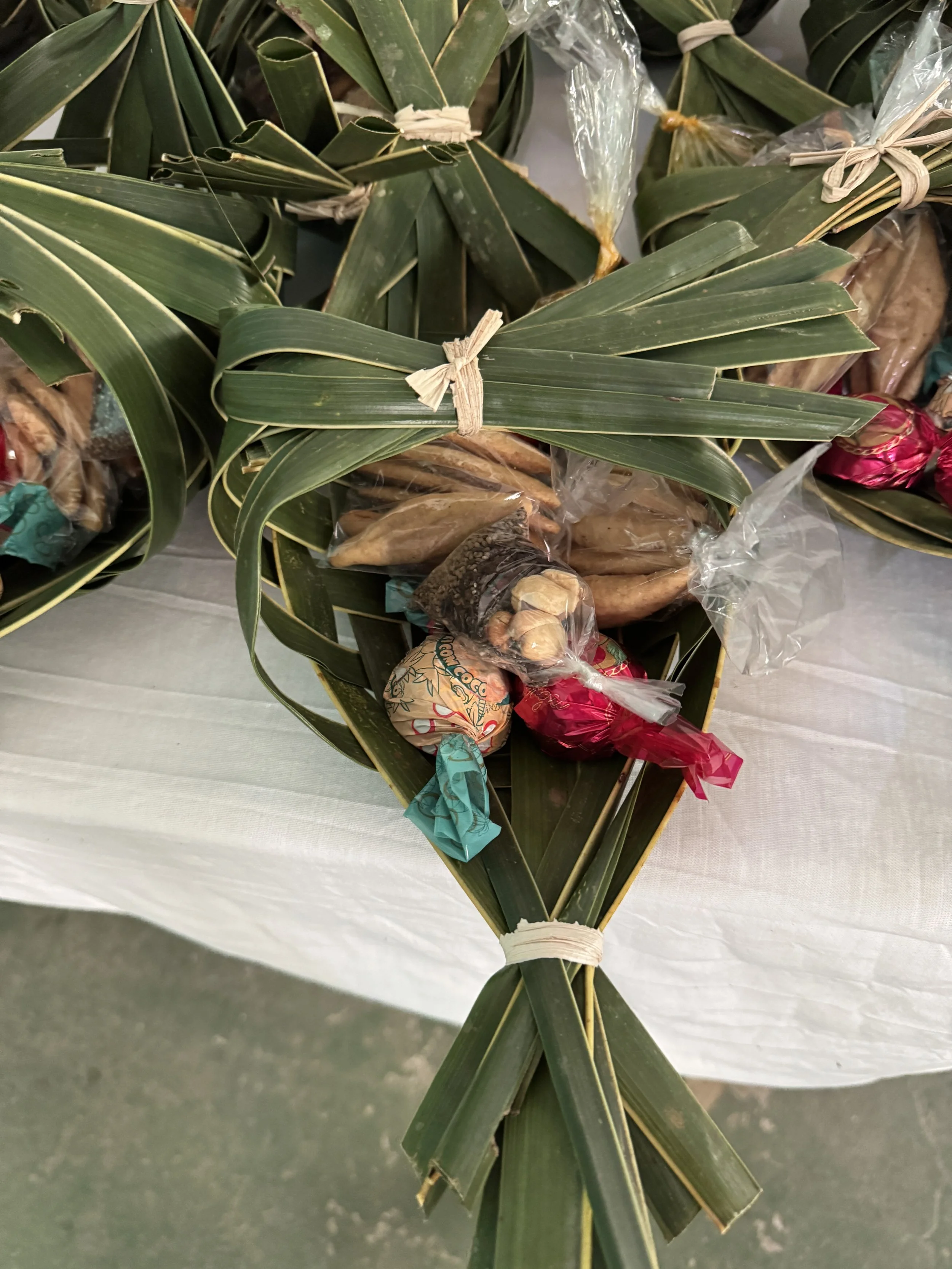
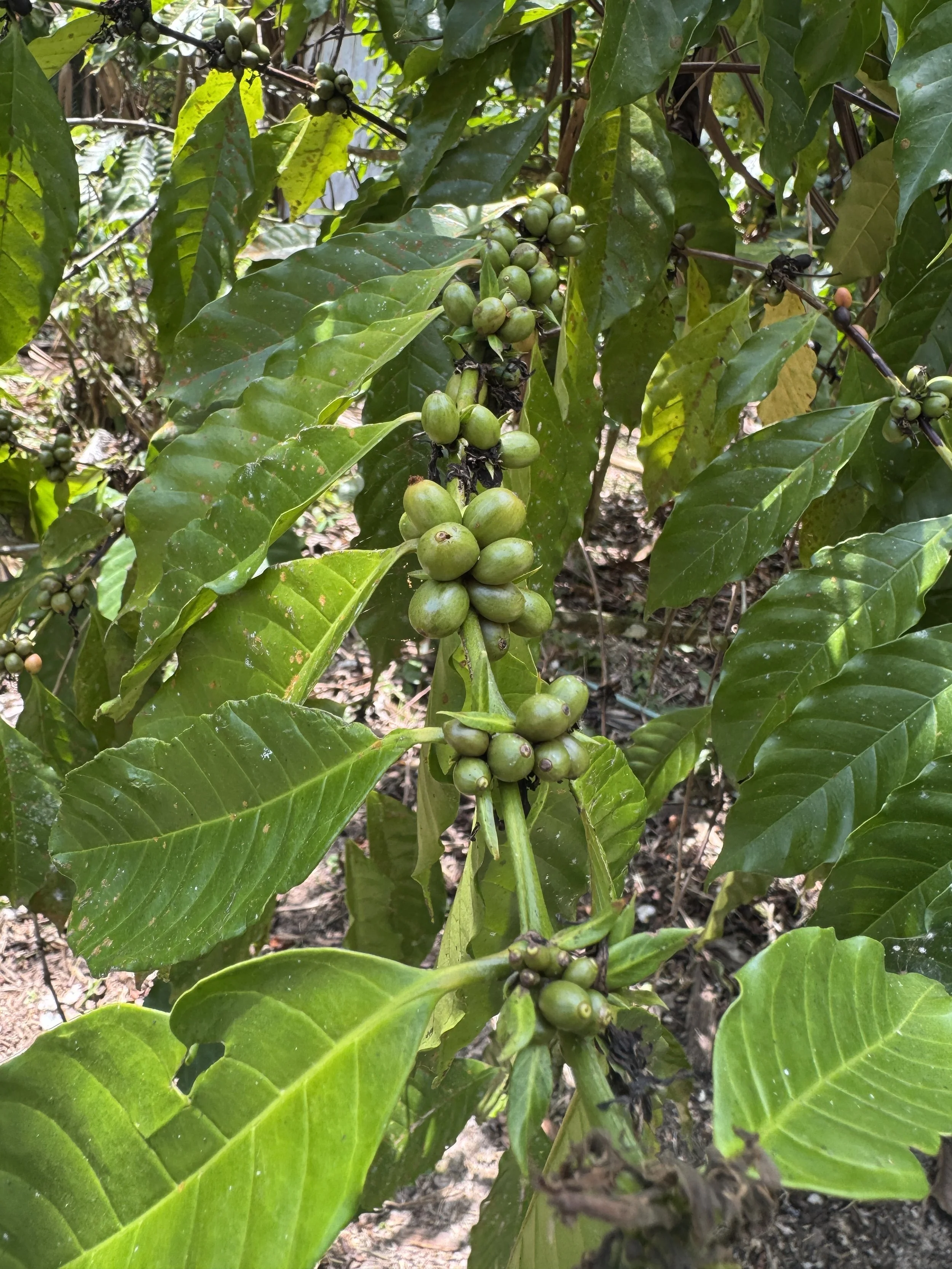
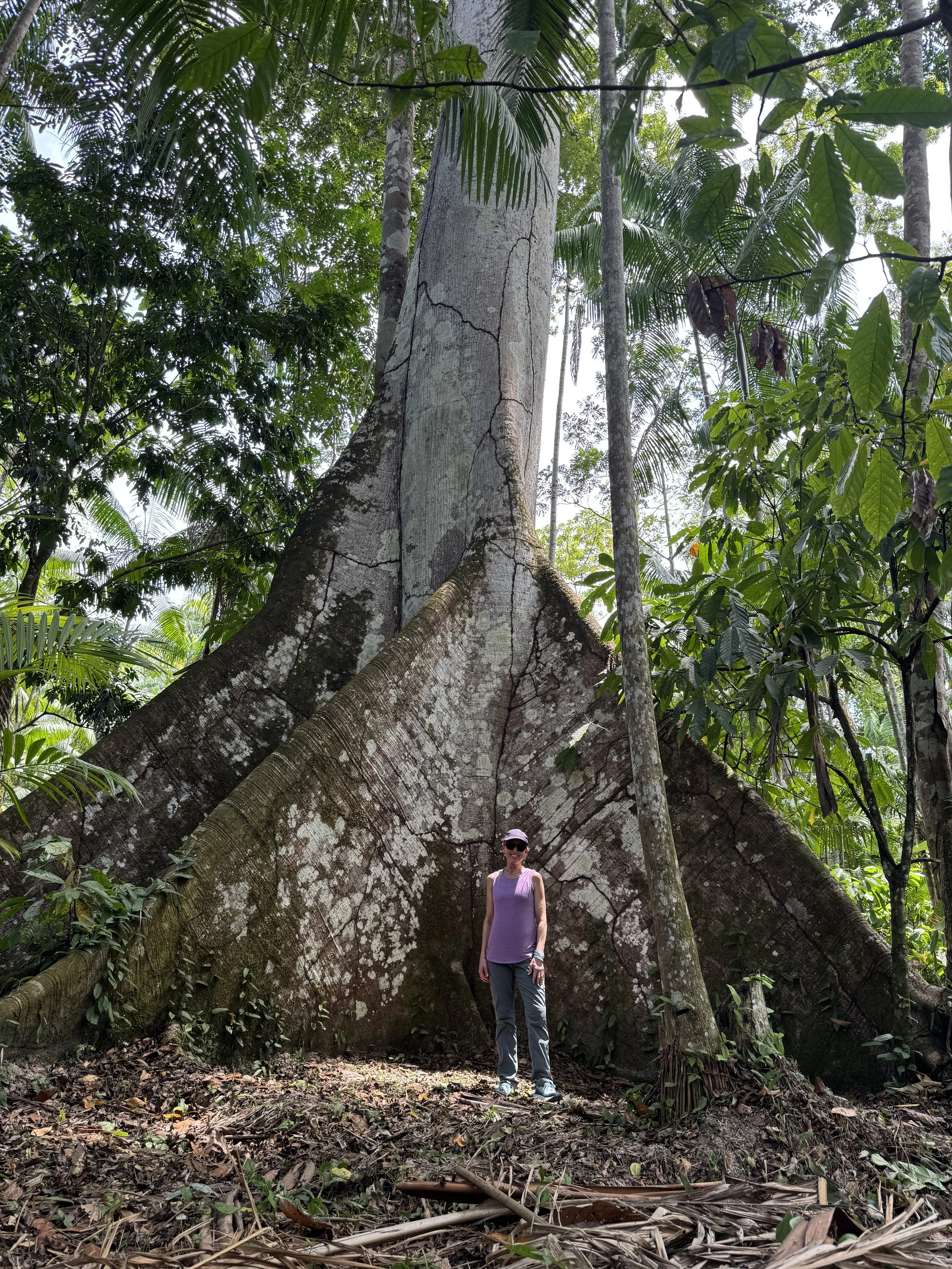
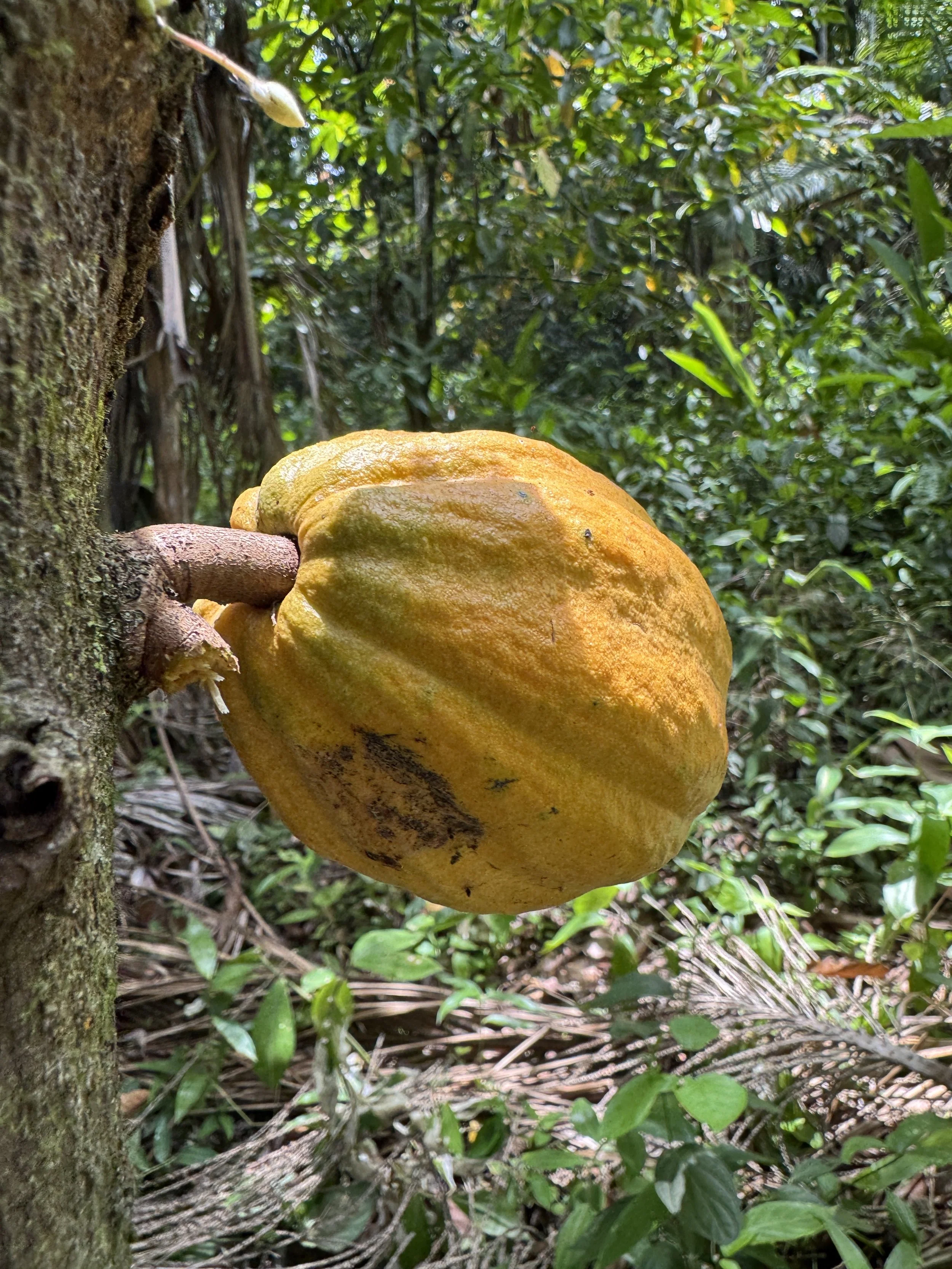
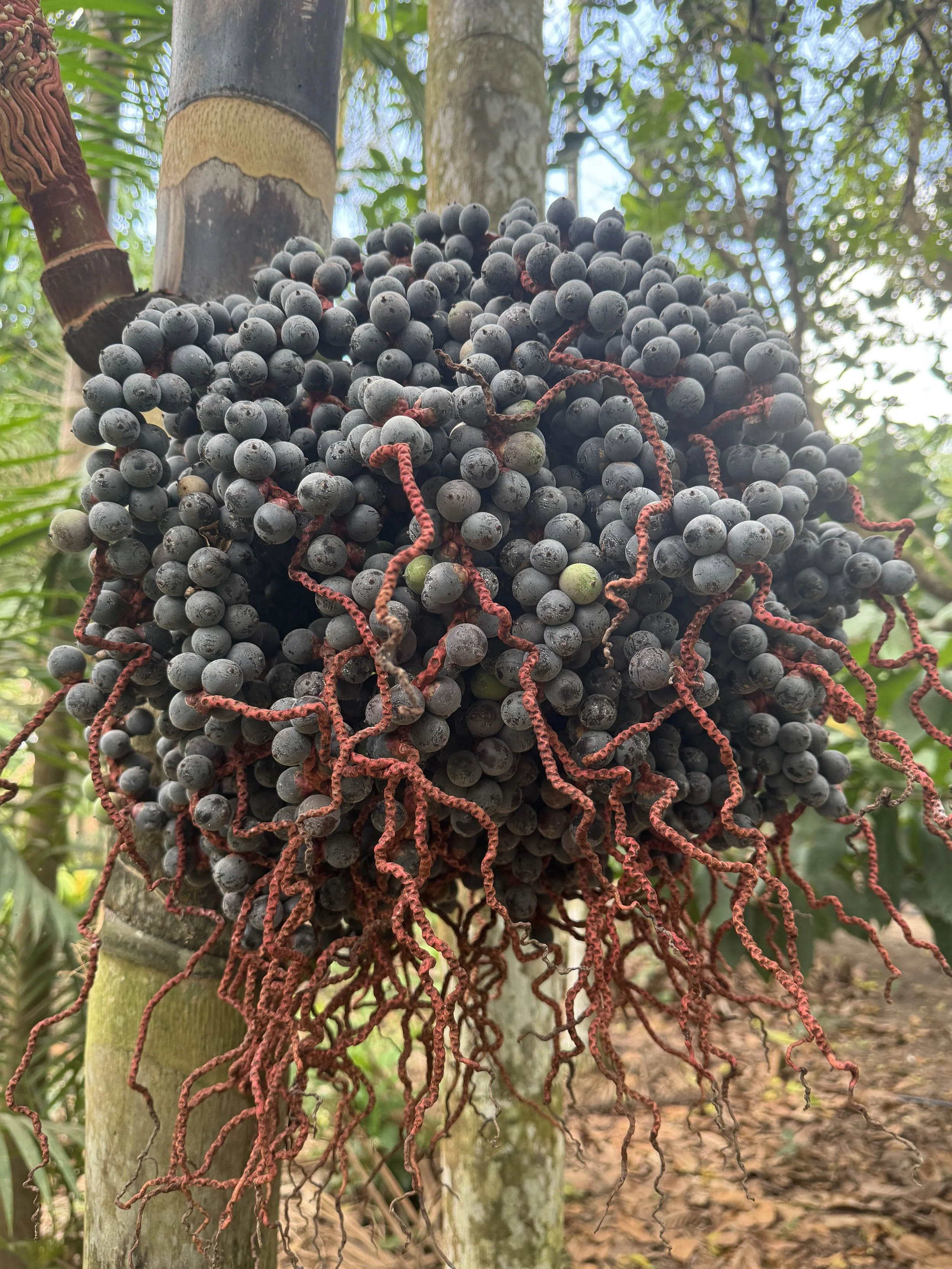
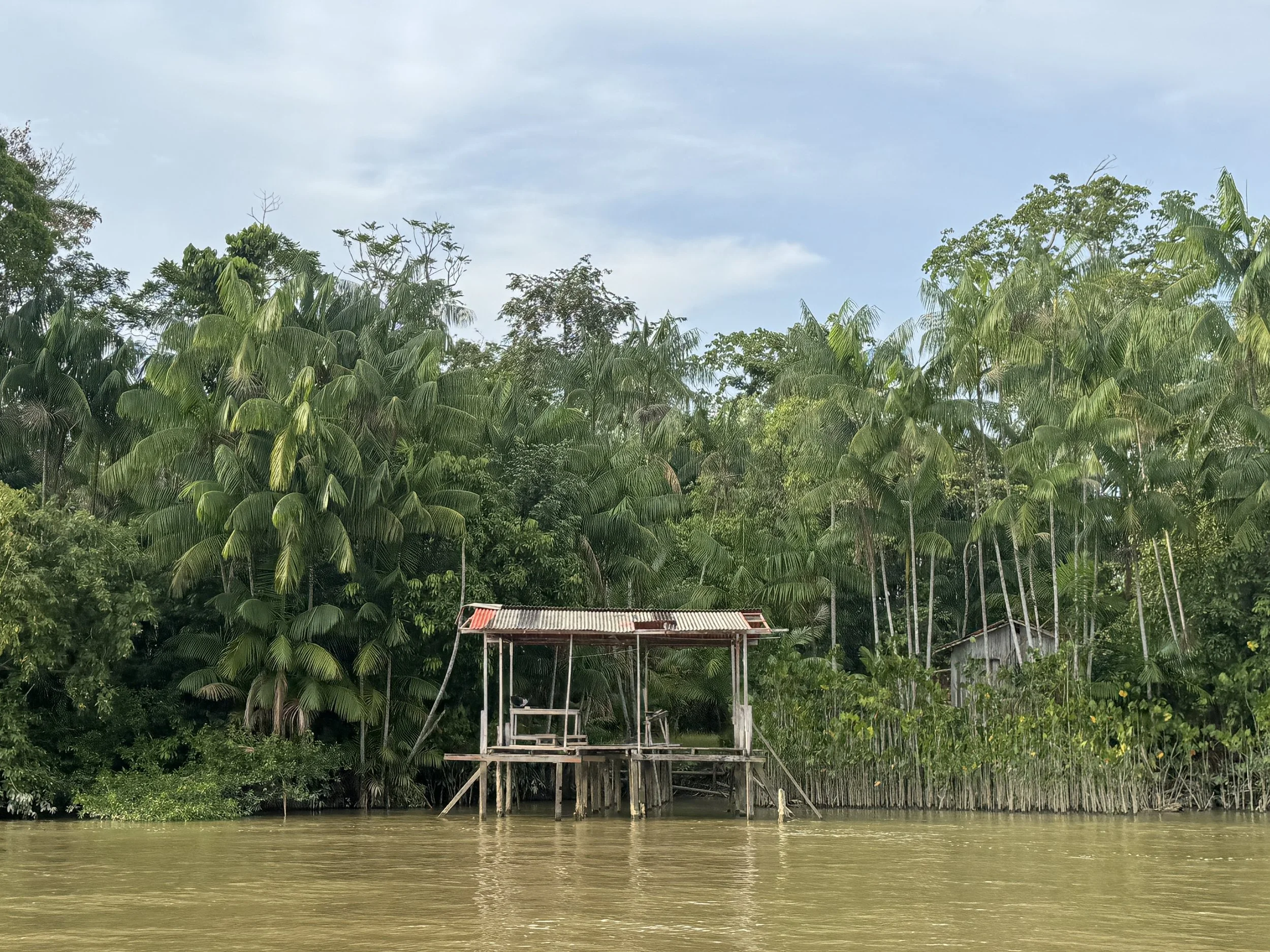

Agroforestry systems play an increasingly important role in addressing global challenges such as climate change, soil degradation, and biodiversity loss.
By promoting productive landscapes that restore soil health over time while keeping the forest standing, these systems contribute to:
carbon capture and storage
healthier and more productive soils
greater climate resilience
biodiversity conservation
On the International Day of Forests, we reaffirm that lasting solutions for the Amazon depend on the integration of soil health, forest conservation, and the strengthening of the communities who live there.
Amazon People remains committed to connecting these elements - creating pathways where environmental regeneration and local development move forward together.