
Resource Library
Any CA4SH partner can submit a resource to the Library, where we hope to increase visibility of diverse work related to improving soil health globally.
Please send a web link or a file to communications@coalitionforsoilhealth.org if you would like to submit a resource.
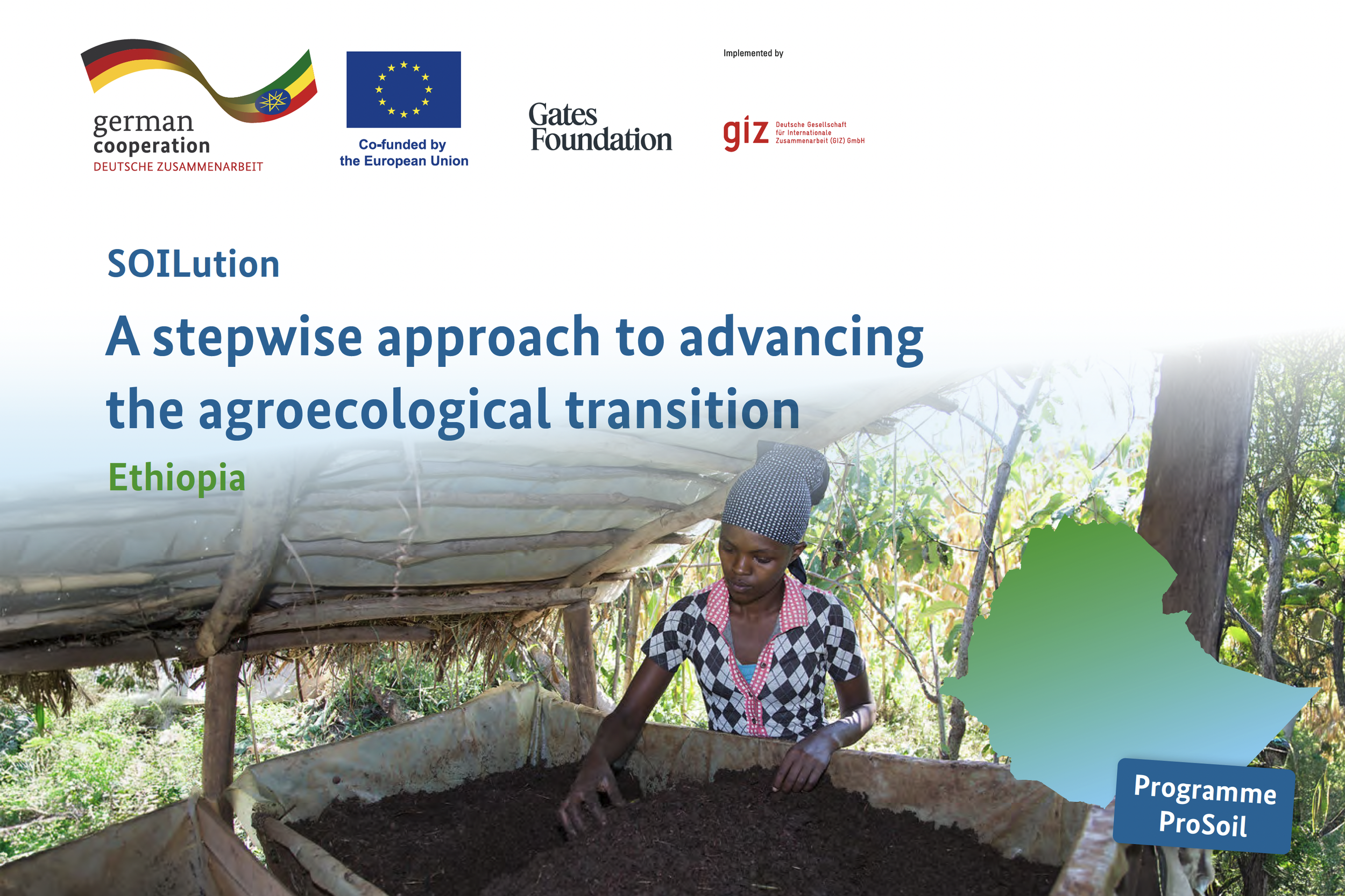
SOILution: A stepwise approach to advancing the agroecological transition - Ethiopia
The approach to the agroecological transition offers a practical and scalable pathway to transform farming systems into resilient, integrated production landscapes. Originally presented in a CIAT publication
(Sanginga and Woolmer, 2019), the approach was adapted to and tested in Ethiopia’s Highlands by the ProSoil programme, responding to severe soil degradation that undermines food security and rural livelihoods.
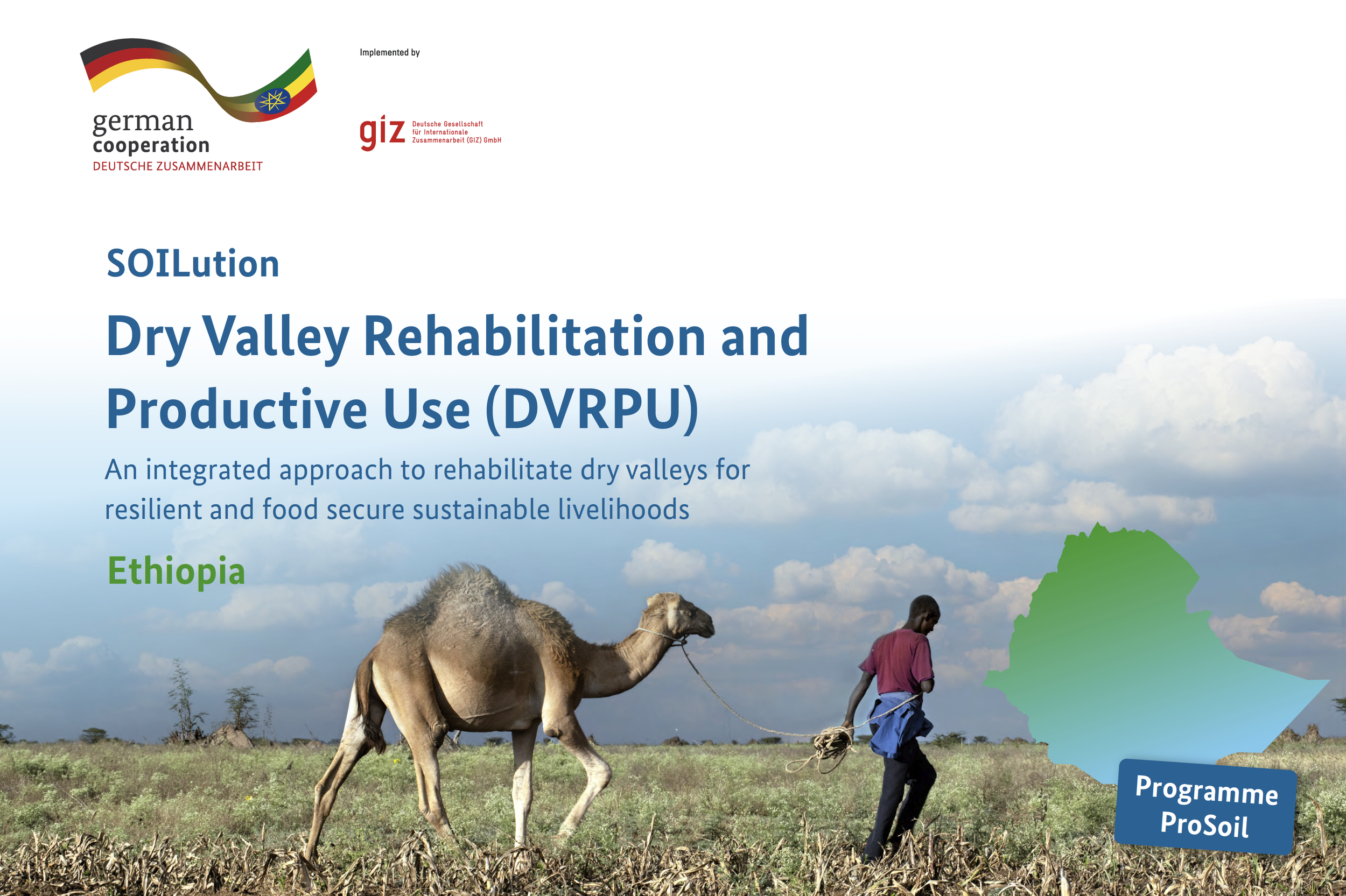
SOILution: Dry Valley Rehabilitation and Productive Use (DVRPU) - Ethiopia
The “Dry Valley Rehabilitation and Productive Use (DVRPU)” approach supported within the framework of the global programme Soil Protection and Rehabilitation for Food Security (ProSoil) implemented by GIZ offers a comprehensive and innovative solution to address the root causes of land degradation, drought, famine, and poverty. Across Afar, Oromia, and Somali, where communities face increasing challenges, the ProSoil Ethiopia Lowland Soil Rehabilitation Project has played a pivotal role in promoting and implementing sustainable land management (SLM) practices. This publication compiles and documents three core SLM practices implemented under the project, serving as a knowledge repository to support continued learning, replication, and evidence-based decision-making.

Review of existing Soil Information Systems (SISs): Understanding the landscape, challenges and opportunities to establish SISs in Ethiopia, Ghana, Kenya, Malawi, Rwanda, Tanzania
This review provides a stocktake of the status and maturity of SISs in six African countries: Ethiopia , Ghana , Kenya , Malawi, Rwanda , and Tanzania based on a desk review and stakeholder consultations. The assessment examined eight core dimensions:
Existence of an online portal;
Data Content and Spatial Extent/ Coverage;
Use of the Data;
Field Data Collection and Sampling Standards;
Sample Handling and Laboratory Quality Assurance;
Data Management and Infrastructure;
Data Analysis and Modelling Capacity;
Institutional Arrangements and Stakeholders
The findings reveal uneven progress across countries. Ethiopia and Rwanda have established online platforms, yet these systems are not fully leveraged for decision-making. Ghana and Tanzania made significant advances through the AfSIS Phase II project (GhaSIS and TanSIS), but progress slowed once project funding ended. Kenya and Malawi remain in the early stages of SIS development. Across all countries, the most consistent progress has been in building momentum on the importance of soil data and soil sample data collection, largely driven by externally funded projects.
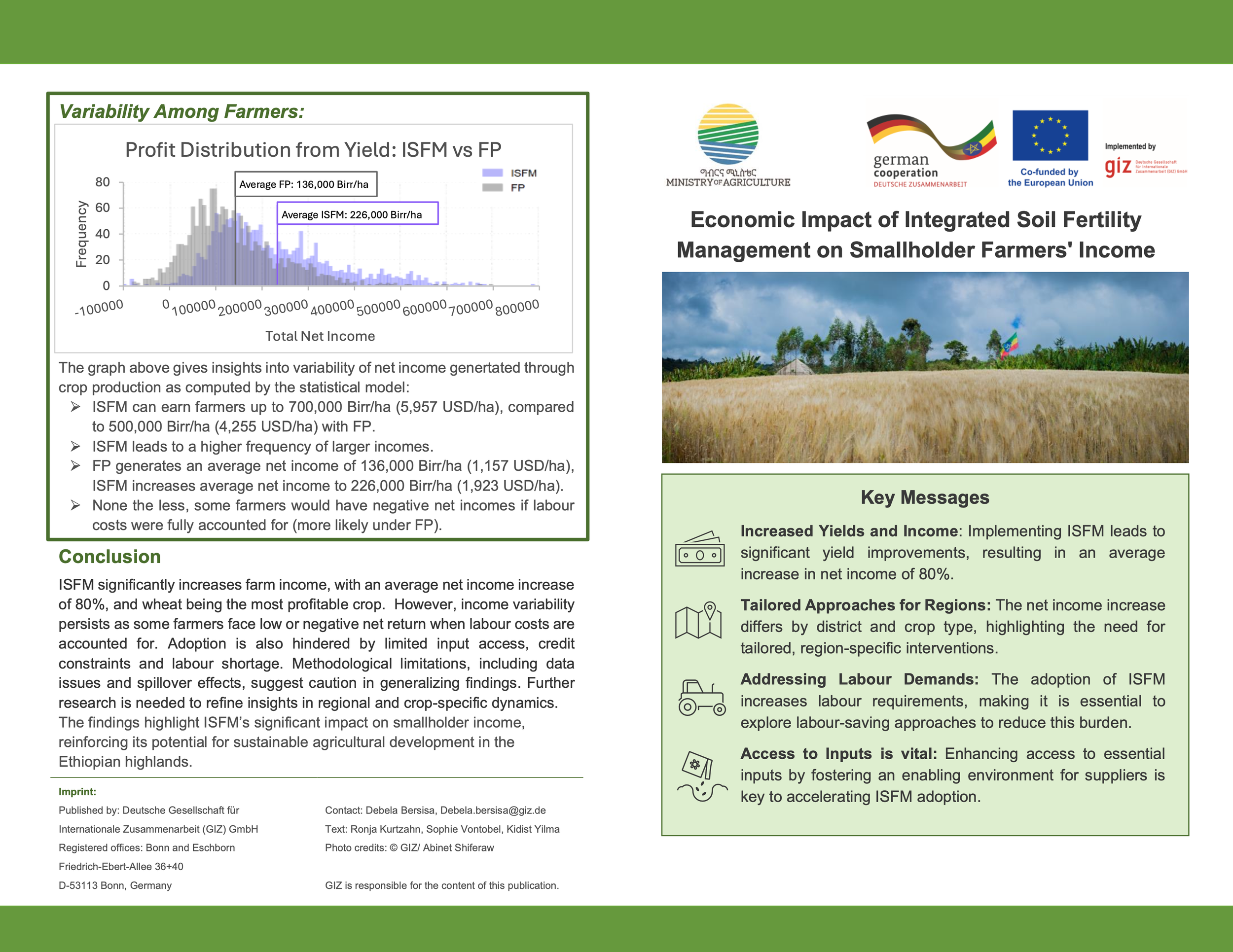
Economic Impact of Integrated Soil FertilityManagement on Smallholder Farmers' Income
Soil health is essential for agricultural productivity, yet over 50% of Ethiopia’s highland farmland is degraded due to erosion, low organic matter, and acidification, threatening food security and farmers’ livelihoods.
To address this challenge, the Integrated Soil Fertility Management Project (ISFM+), implemented by GIZ Ethiopia, promotes Integrated Soil Fertility Management (ISFM) to improve soil health and crop yields.
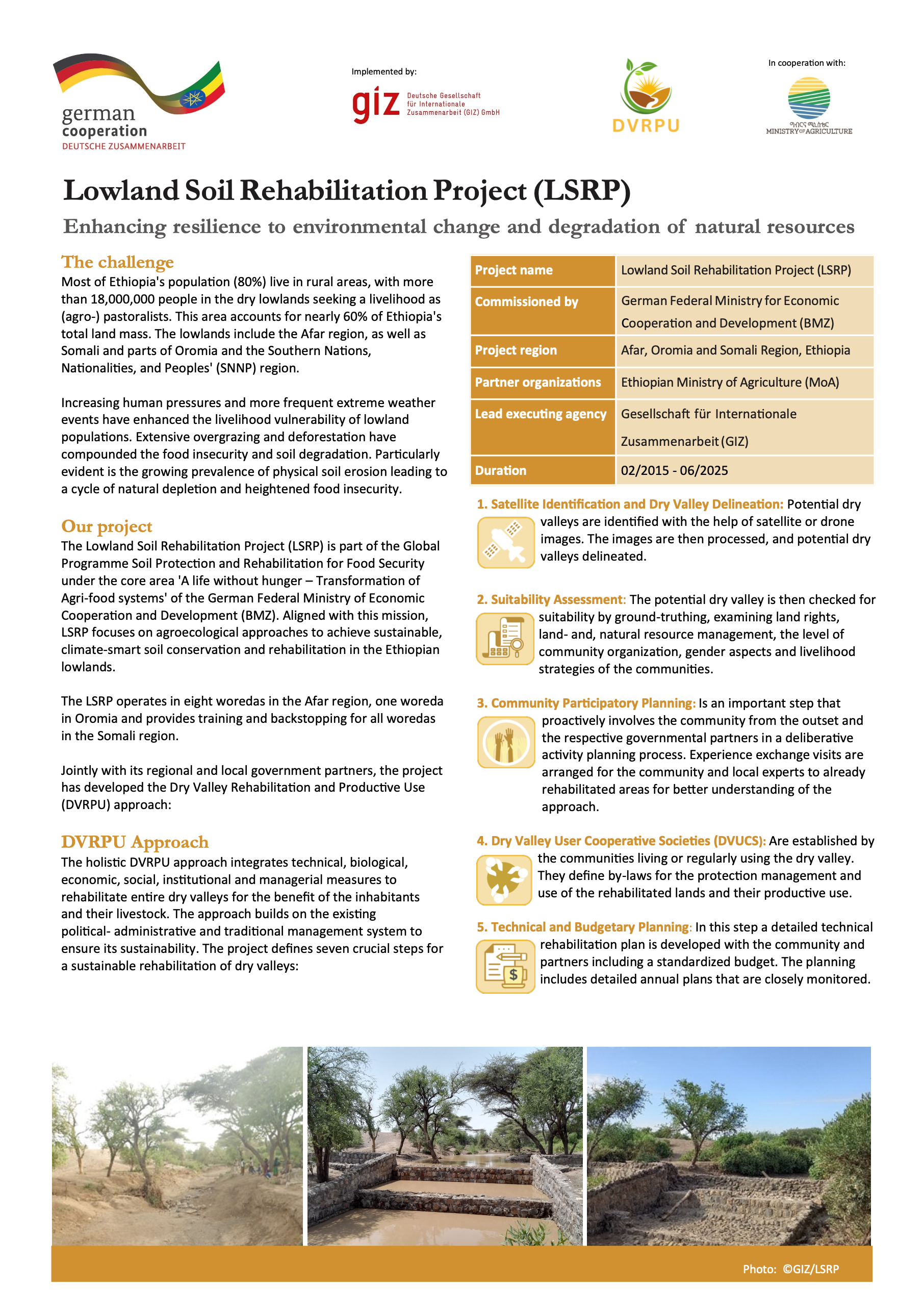
Lowland Soil Rehabilitation Project (LSRP)
The Lowland Soil Rehabilitation Project (LSRP) is part of the Global Programme Soil Protection and Rehabilitation for Food Security under the core area 'A life without hunger – Transformation of Agri-food systems' of the German Federal Ministry of Economic Cooperation and Development (BMZ).
Aligned with this mission, LSRP focuses on agroecological approaches to achieve sustainable, climate-smart soil conservation and rehabilitation in the Ethiopian lowlands.
The LSRP operates in eight woredas in the Afar region, one woreda in Oromia and provides training and backstopping for all woredas in the Somali region.
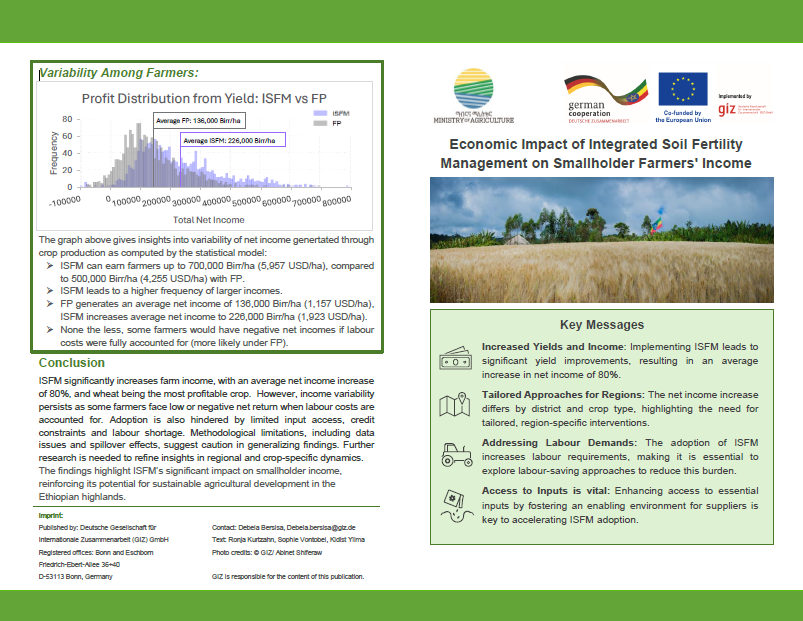
Economic Impact of Integrated Soil FertilityManagement on Smallholder Farmers' Income
ISFM significantly increases farm income, with an average net income increase of 80%, and wheat being the most profitable crop. However, income variability persists as some farmers face low or negative net return when labour costs are accounted for. Adoption is also hindered by limited input access, credit constraints and labour shortage. Methodological limitations, including data issues and spillover effects, suggest caution in generalizing findings. Further research is needed to refine insights in regional and crop-specific dynamics. The findings highlight ISFM’s significant impact on smallholder income, reinforcing its potential for sustainable agricultural development in the Ethiopian highlands.
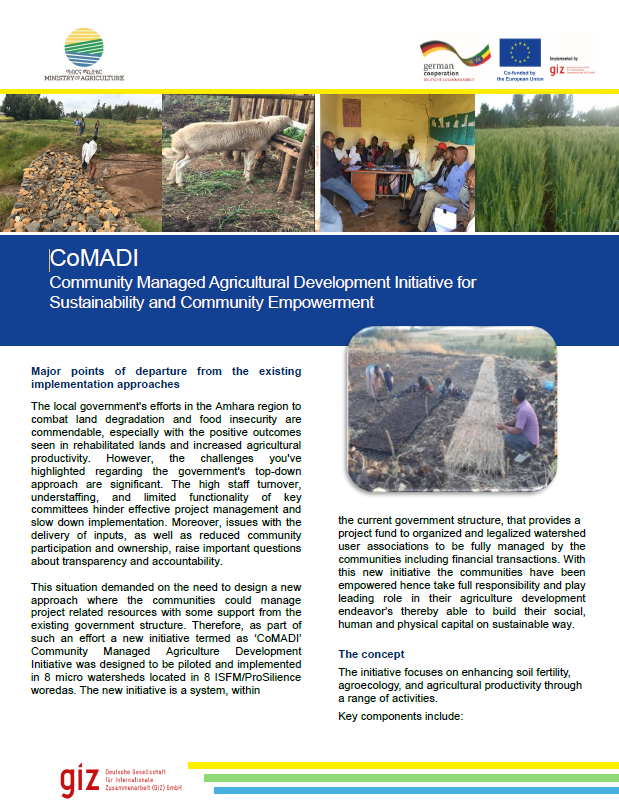
CoMADI | Community Managed Agricultural Development Initiative forSustainability and Community Empowerment
The local government's efforts in the Amhara region to combat land degradation and food insecurity are commendable, especially with the positive outcomes seen in rehabilitated lands and increased agricultural productivity. However, the challenges you've highlighted regarding the government's top-down approach are significant. The high staff turnover, understaffing, and limited functionality of key committees hinder effective project management and slow down implementation. Moreover, issues with the delivery of inputs, as well as reduced community participation and ownership, raise important questions about transparency and accountability.
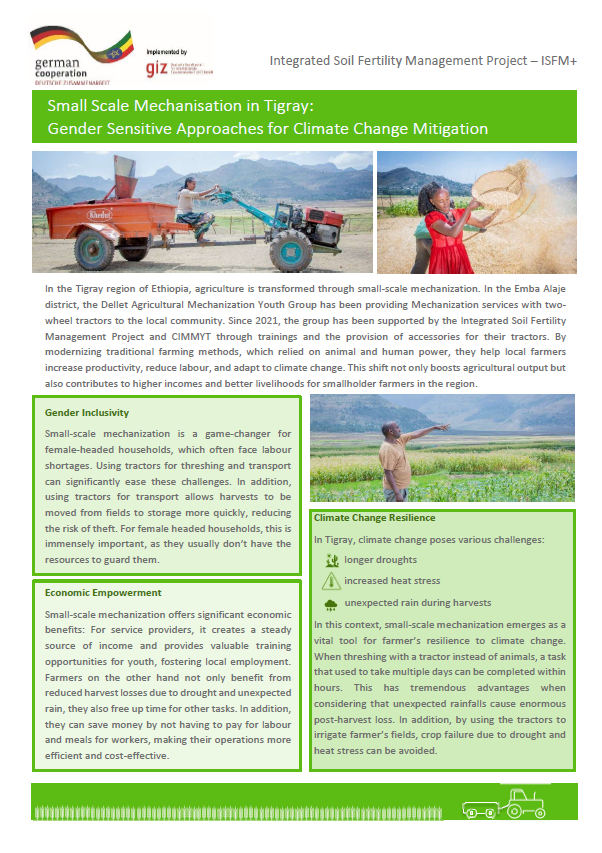
Small Scale Mechanisation in Tigray: Gender Sensitive Approaches for Climate Change Mitigation
In the Tigray region of Ethiopia, agriculture is transformed through small-scale mechanization. In the Emba Alaje district, the Dellet Agricultural Mechanization Youth Group has been providing Mechanization services with twowheel tractors to the local community. Since 2021, the group has been supported by the Integrated Soil Fertility Management Project and CIMMYT through trainings and the provision of accessories for their tractors. By modernizing traditional farming methods, which relied on animal and human power, they help local farmers increase productivity, reduce labour, and adapt to climate change. This shift not only boosts agricultural output but also contributes to higher incomes and better livelihoods for smallholder farmers in the region.
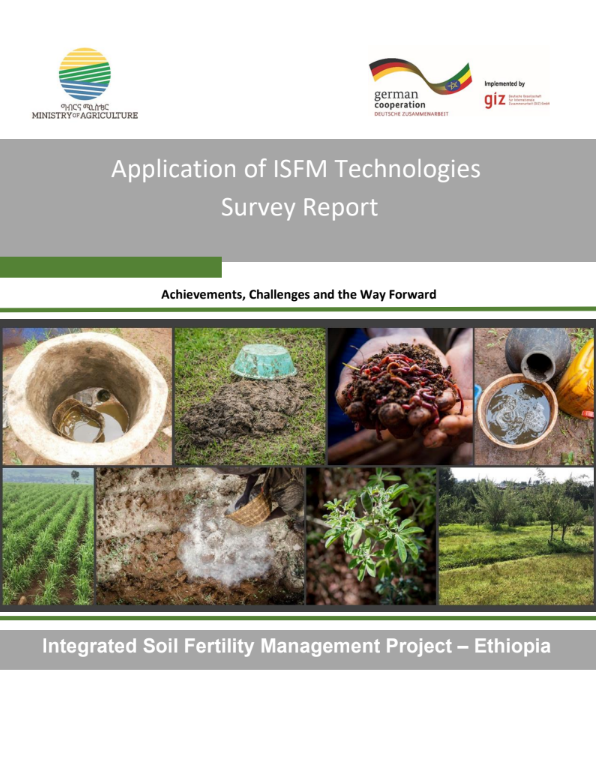
Application of ISFM Technologies Survey Report
Agriculture is the primary economic activity in Ethiopia, with the majority of the population engaged in farming. However, food security remains a significant challenge, largely due to issues such as soil degradation and low fertility. Addressing soil fertility is essential for improving the livelihoods of Ethiopian farmers.To tackle this issue, the Integrated Soil Fertility Management (ISFM+) project promotes a set of integrated soil fertility management (ISFM) technologies and emphasizes peer learning and participatory approaches to enhance the effectiveness of these interventions. This report presents the findings of a 2024 survey aimed at tracking the dissemination, application, and adoption of ISFM technologies by smallholder farmers in the project’s intervention areas.
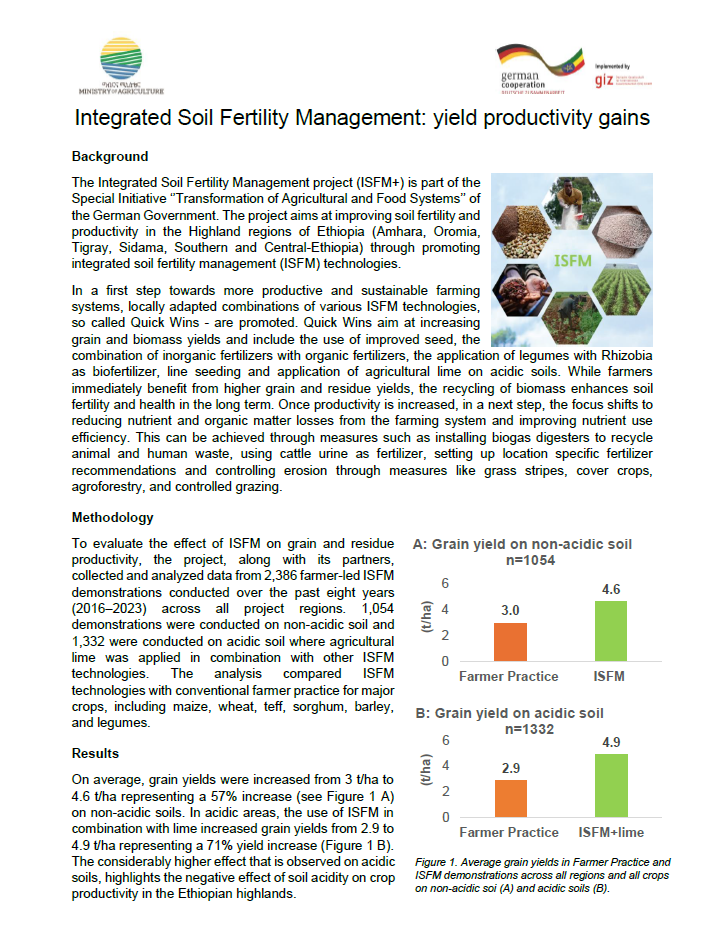
Integrated Soil Fertility Management: Yield Productivity Gains
The Integrated Soil Fertility Management project (ISFM+) is part of the Special Initiative ‘’Transformation of Agricultural and Food Systems’’ of the German Government. The project aims at improving soil fertility and productivity in the Highland regions of Ethiopia (Amhara, Oromia, Tigray, Sidama, Southern and Central-Ethiopia) through promoting integrated soil fertility management (ISFM) technologies.
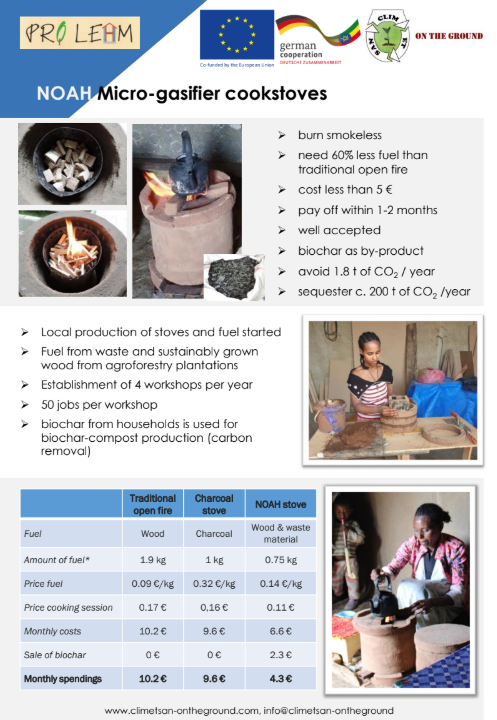
NOAH | Micro-gasifier cookstoves
➢ Local production of stoves and fuel started
➢ Fuel from waste and sustainably grown wood from agroforestry plantations
➢ Establishment of 4 workshops per year
➢ 50 jobs per workshop
➢ biochar from households is used for biochar-compost production (carbon removal)
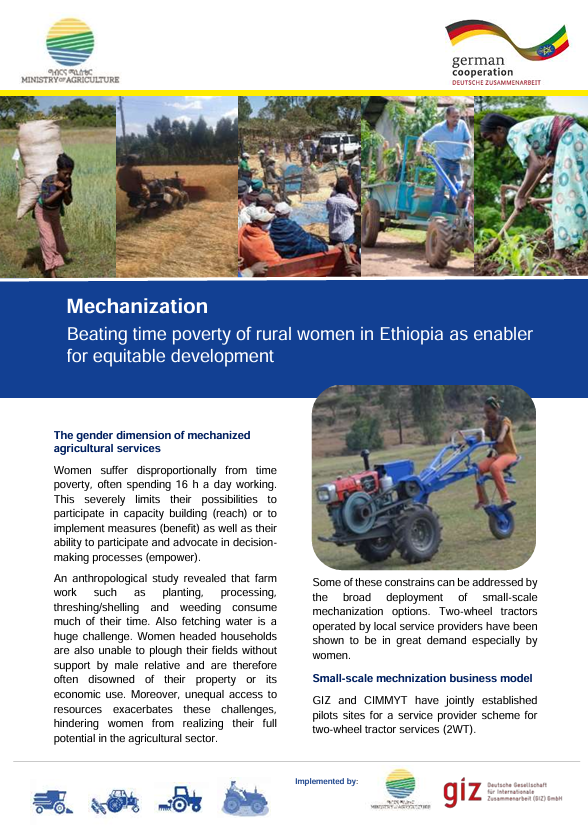
Mechanization | Beating time poverty of rural women in Ethiopia as enabler for equitable development
Women suffer disproportionally from time poverty, often spending 16 h a day working. This severely limits their possibilities to participate in capacity building (reach) or to implement measures (benefit) as well as their ability to participate and advocate in decision-making processes (empower).
An anthropological study revealed that farm work such as planting, processing, threshing/shelling and weeding consume much of their time. Also fetching water is a huge challenge. Women headed households are also unable to plough their fields without support by male relative and are therefore often disowned of their property or its economic use. Moreover, unequal access to resources exacerbates these challenges, hindering women from realizing their full potential in the agricultural sector.
Some of these constrains can be addressed by the broad deployment of small-scale mechanization options. Two-wheel tractors operated by local service providers have been shown to be in great demand especially by women.

Ethiopia country report on Measuring Agroecology and its Performance (MAP): TAPE application in the context of the Global Programme “Soil Protection and Rehabilitation for Food Security” (ProSoil)
Environmental deterioration, ill health, and premature mortality are interrelated, and all are significantly influenced by global food systems. Currently, there is growing interest in switching to a sustainable system that ensures the production of diversified food products while ensuring the regenerative use of natural resources and addressing societal needs. Agroecology – a transdisciplinary approach simultaneously applying ecological and social concepts and promoting sustainable agriculture and food systems – addresses these needs and has therefore received global attention. In widely promoting agroecology, there is also a need to assess its level of integration and effectiveness. To this end, the Tool for Agroecology Performance Evaluation (TAPE) – a global analytical framework developed with contributions from numerous international organizations and with the Food and Agriculture Organization of the United Nations (FAO) serving as the host – is widely employed to assess the multidimensional performance of agroecology and to generate evidence.

Assessing Agroecological Transitions in Ethiopia with the Tool for Agroecology Performance Evaluation (TAPE)
The Measuring Agroecology and its Performance (MAP) project is a collaborative initiative of the Agroecology TPP aimed at fostering agroecological transitions by generating evidence of agroecology’s contribution to societal goals. The MAP project is funded by the German Federal Ministry for Economic Cooperation and Development (BMZ), co-funded by the European Union (EU) and supported by the Deutsche Gesellschaft für Internationale Zusammenarbeit (GIZ) GmbH. The Tool for Agroecology Performance Evaluation (TAPE) was applied in 2024 in three Ethiopian districts (Hula, Sodo-Zuria and Walmara) in the context of the Global Programme “Soil Protection and Rehabilitation for Food Security” (ProSoil), operating as ISFM+ in Ethiopia. To assess the contribution of ProSoil to agroecological transitions of farmers and their multidimensional performance, TAPE was applied with 99 households that actively participated in ProSoil activities (ProSoil group) and with 99 households that had not actively participated in the programme (comparison group).

The role of integrated soil fertility management in improving crop yields in the Ethiopian Highlands
Land degradation and declining productivity in the Ethiopian Highlands are primarily caused by soil fertility decline due to erosion, nutrient depletion, and soil acidity. An integrated soil fertility management (ISFM) project operating over a six-year period aimed to combat this and boost yields through participatory demonstrations. Despite high levels of yield variability expected from a farmer-managed observational study over a wide area, results show that crop yields increased with increased use of ISFM. Detailed statistical analysis using multiple linear regression models explained the contribution of individual practices. Use of improved varieties and line-seeding rather than broadcasting were consistently and highly significant. The contribution of inorganic blended fertiliser was less clear, probably due to low soil organic matter and use on acidic soils, although response to nitrogen was highly significant. The contribution of organic fertilisers was less than expected, possibly due to soil disturbance from farmer practices of multiple ploughing. Responses to crop residue management and agroforestry practices were significant on most crops reflecting their importance in improving soil water management, soil organic matter and recycling nutrients. Response to lime application on acid soils was highly significant confirming the importance of correcting acidity. Unexplained differences are attributed to the additive effects of using several ISFM treatments as well as unrecorded beneficial farmer management practices. It can be concluded that ISFM can play an essential role in improving productivity, addressing food insecurity and the challenges of climate change. Further expansion will require advocacy, awareness-raising, field-level extension and involvement of the private sector.

Sustainable Use of Rehabilitated Land for Economic Development Programme Technical Manual: Soil Fertility Management
This “Soil Fertility Management” technical manual is designed as a training package targeted to reach communities. The manual consists and provides technical information and theoretical backgrounds for “Integrated Soil Fertility Management” (ISFM) technologies for woreda experts and Development Agents for use as a teaching and learning aid.
The manual is available at GIZ-SURED programme offices or as free download from the Ministry of Agriculture website. An additional manual developed by the SURED programme “Training Manual for Biological Soil and Water Conservation” provides additional and complementary information.

Field Guide Technical Implementation: Integrated Soil Fertility Management
The Guide is designed to firstly raise awareness among farmers about soil fertility problems, secondly, how different measures can be used in an integrated approach, and thirdly, how to try, monitoring and evaluating different practices. Understanding the key physical and biological features of soils is essential for developing sustainable improvement strategies. Helping farmers to gain and improve their knowledge will enable them to make conscious choices for how to manage their soils, their crops and their livestock.
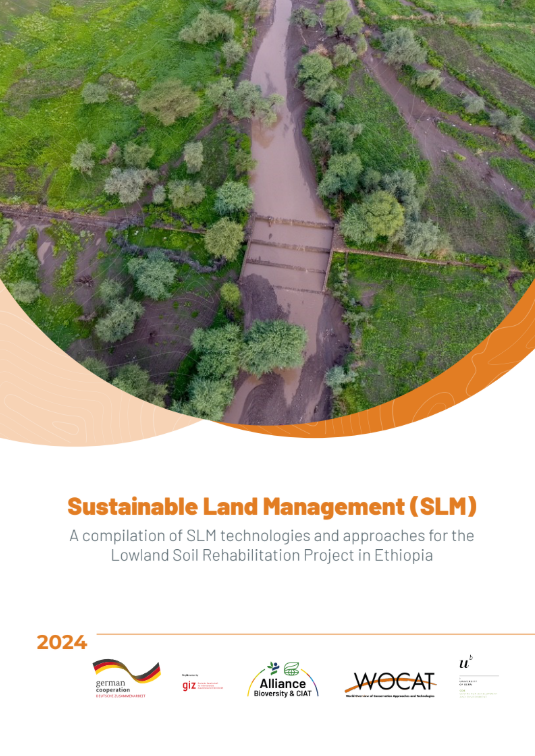
Sustainable Land Management (SLM): A compilation of SLM technologies and approaches for the Lowland Soil Rehabilitation Project in Ethiopia
Documented by the Alliance of Bioversity International and CIAT, this compilation consists of three SLM practices for rehabilitating dry valleys employed across Ethiopia. Technologies such as ‘Water-spreading Weirs’ and ‘Masonry Check Dams’ and approaches such as ‘Participatory Rehabilitation of Dry Valleys’ represent a response to the needs and conditions of Ethiopia’s degraded landscapes. The practices have been published on the World Overview of Conservation Approaches and Technologies (WOCAT) global database to enhance adoption.
By documenting and disseminating these SLM technologies, this compilation aims to support the efforts of policymakers, practitioners, and communities working to safeguard Ethiopia’s soil health and agricultural productivity. It is our hope that this resource will contribute to informed decision-making, foster knowledge exchange, and ultimately help build a more resilient and sustainable agricultural sector in Ethiopia.

Sustainable Land Management (SLM): A compilation of SLM technologies and approaches to enhance Integrated Soil Fertility Management in Ethiopia
Fourteen selected SLM practices under the ISFM+ project were documented by the Alliance of Bioversity International and CIAT and published on the World Overview of Conservation Approaches and Technologies (WOCAT) global database for scaling out. By documenting and disseminating these ISFM technologies, this compilation aims to support the efforts of policymakers, practitioners, and communities working to safeguard Ethiopia’s soil health and agricultural productivity. It is our hope that this resource will contribute to informed decision-making, foster knowledge exchange, and ultimately help build a more resilient and sustainable agricultural sector in Ethiopia.

Restoration Monitoring Guide: A Field Technician’s Manual for Monitoring Restoration Across Watersheds
Despite its importance, many national restoration monitoring frameworks still lack robust systems for tracking management practices at finer scales. Most reporting focuses on broad targets such as tree cover increase or total hectares restored—yet these figures alone don’t tell us whether restoration efforts are truly improving ecosystem function. Without clear data on soil health, vegetation recovery, erosion reduction, or water availability, restoration risks being implemented without understanding its actual effectiveness on the ground.
This Restoration Monitoring Guide addresses that gap. It provides a hands-on, field-ready approach for monitoring restoration outcomes at both plot and watershed levels. Developed for district-level field agents, extension staff, and natural resource management officers, the guide supports locally grounded, scientifically robust monitoring that enhances decision-making, accountability, and adaptive management.