GIZ SOILutions Library
CA4SH is partnering with the two global programmes “Soil Protection and Rehabilitation for Food Security” (ProSoil) and “Soil Matters – Innovations for Soil Health and Agroecology” implemented by Deutsche Gesellschaft für Internationale Zusammenarbeit (GIZ) GmbH to enhance knowledge sharing for scaling soil health on the ground through implementation, policy, finance, and scientific pathways.
The programmes are funded by the German Federal Ministry for Economic Cooperation and Development (BMZ) and co-funded by the European Union (EU) and the Gates Foundation.
The GIZ SOILutions Library holds all resources related to these global soil programmes.
Browse all SOILutions
The main purpose of this manual is to serve as a comprehensive training and reference tool for facilitators, CRPs, and CBO technical officers supporting farmer groups under the ProSoil Project.
Under the ProSoil Project, Community Resource Persons (CRPs) were trained to enhance their technical and business capacities in agripreneurship, group management, VSLA operations, record keeping, and governance. Each group nominated two CRP representatives who participated in the intensive training with the expectation that they would cascade knowledge to their peers and strengthen the performance of their groups.
Soil protection and rehabilitation project (prosoil) is a project under WHH in collaboration with GIZ which aims at managing soils for sustainable production and hence increased food productivity.
Welthungerhilfe organized and successfully implemented a capacity strengthening initiative targeting thirty (30) Community Resource Persons (CRPs) between 25th July to 1st July 2025.
The activity combined a one-day refresher training on digital data collection with a five-day on-the-job field engagement exercise, designed to reinforce the CRPs’ technical competencies, practical field skills, and their ability to deliver consistent extension services within their communities.
This guide helps Community Resource Persons establish and manage Sustainable Land Management (SLM) practices demonstration farms for learning purposes that considers farmers local conditions and needs for ease of understanding, joint learning and adoption.
CRP Demonstration Site Farm Record Template
Training for Community Resource Persons (CRPs) on Sustainable Agriculture and Land Management Practices at Kenya School of Agriculture (KSA), Ugenya, 16–20 December 2024
In partnership with the ProSoil project team, Kenya School of Agriculture's Ugenya campus developed and delivered a five-day training program using a Competence learning approach. The training was attended by 33 participants from Siaya, Kakamega, and Bungoma counties. The selection of Community Resource Persons (CRPs) was based on the following specific criteria to ensure their effectiveness in supporting the ProSoil initiative.
The Soil Protection and Rehabilitation Project in Western Kenya (ProSoil Phase III) is part of a technical support program assisted and funded by the Deutsche Gesellschaft für Internationale Zusammenarbeit (GIZ) GmbH.
The project aims to implement soil conservation and rehabilitation measures in order to reduce soil degradation, improve food security and climate change adaptation under the SEWOH initiative of BMZ, supported in seven countries.
The Soil Protection and Rehabilitation Project in Western Kenya (ProSoil Phase III) is part of a technical support program assisted and funded by the Deutsche Gesellschaft für Internationale Zusammenarbeit (GIZ) GmbH.
The project aims to implement soil conservation and rehabilitation measures in order to reduce soil degradation, improve food security and climate change adaptation under the SEWOH initiative of BMZ, supported in seven countries.
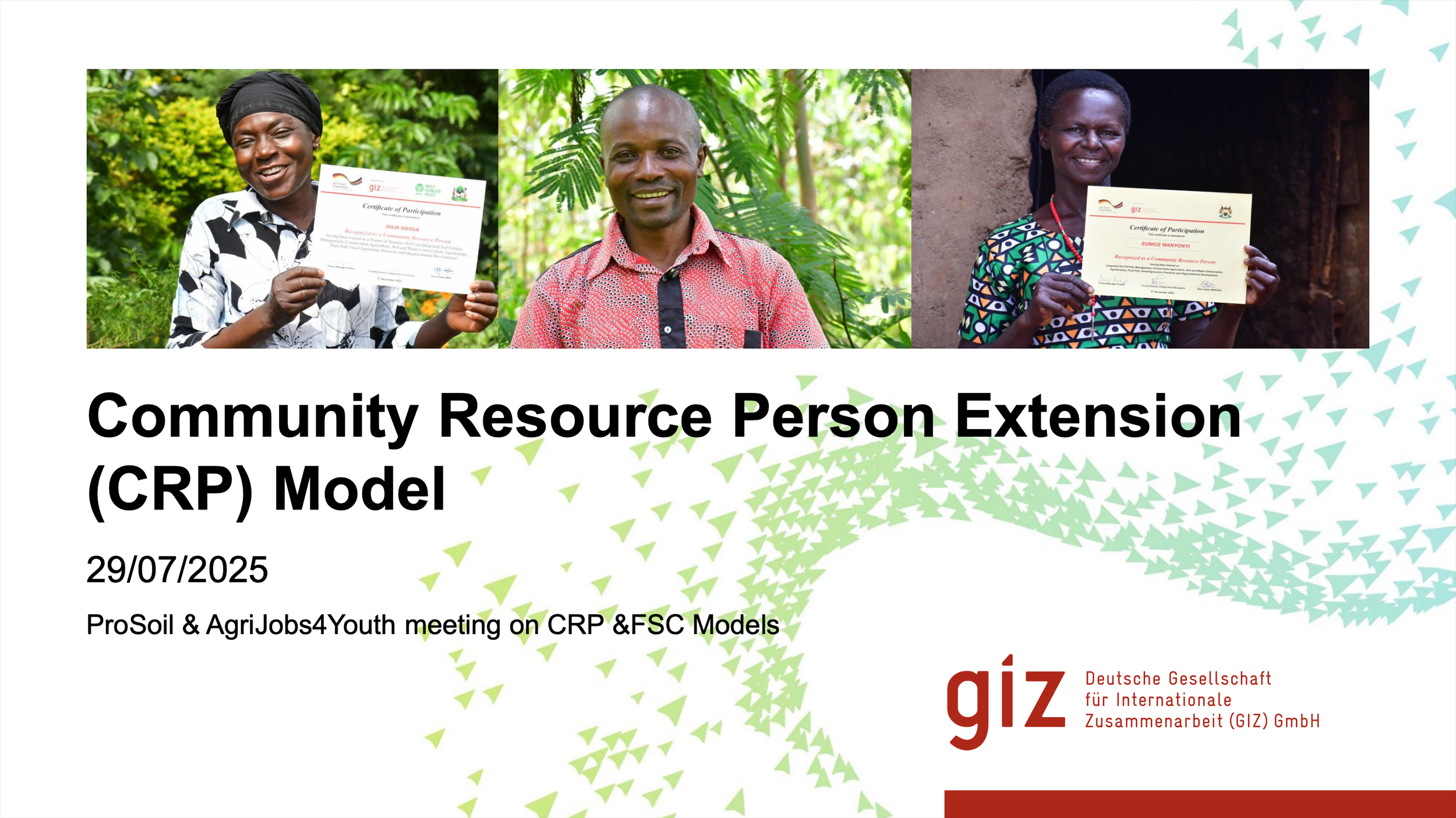
A Scalable Farmer-to-Farmer Extension Model for Sustainable Agriculture Land Management Practices.
Seed security is a cornerstone of agricultural productivity, food security, and climate resilience, particularly in regions vulnerable to climate change. This assessment aimed to examine the seed security situation and identify interventions that could strengthen seed systems and enhance agricultural productivity in Bungoma, Kakamega, and Siaya Counties in western Kenya. Data was collected from 323 households, 20 local seed traders, 5 agro-input dealers, 15 key informants, supplemented by five focus group discussions.
This study was initiated to investigate the commercial feasibility of Mucuna pruriens as an ingredient to the production of livestock feed. The study provides recommendations on possible further interventions that the project can put in place to support development of long-term, sustainable partnerships between the farmers and commercial utilizers of Mucuna for livestock feeds production.
Benjamin Nyongesa, a 44-year-old farmer from Ndengelwa sub-location, Kanduyi sub-county has been feeding his sheep and dairy cattle on Mucuna leaves, stems and pods for a length of time. He was first trained on the benefits of Mucuna in 2022 and allocated a portion of his farm on pure Mucuna. Being a farmer with a large number of livestock he decided to introduce the leguminous plant to his animals and was impressed when he saw the sheep and cattle enjoying the Mucuna with no side effects.
Contents:
What is Mucuna pruriens
Issues and opportunities in Mucuna farming
Issues and opportunities in Mucuna processing
Conclusions and recommendations
While the primary function and main reason for the cultivation of mucuna is soil cover and nitrogen fixation, the tremendous biomass produced as well as the pods and seeds have potential as animal feed.
Striga is a parasitic weed that attaches itself to the roots of host crops mostly cereals (maize, sorgum, millet and rice) and grasses (nappier,bracharia,sugarcane); it flourishes in poor soils and cereals mono-crop. Striga weed is significantly capable of reducing and in some cases wiping out the entire crop.
Brochure explaining the health benefits and home processing methods of the Mucuna Bean.
Mucuna is an annual climbing legume (nitrogen fixing) grown as green manure/ cover crop to improve soil properties and crop yields. It is a rich source of protein that compares well with other edible food legumes such as lima beans and soybean in nutrient quality and digestibility. It can also be used as a fodder crop for livestock. It is commonly referred to as velvet bean, jack bean, Cowhage, Pica (or Pica-Pica), Cowitch, or Yoruba.
An illustrated guide to processing Mucuna Beans.
Cover crops are specific crops that play a major role in Conservation Agriculture by addressing crop production constraints such as low soil fertility. They are primarily grown for the benefit of the soil rather than as a main crop. They are commonly used to surpress weeds, manage soil erosion, help in improving soil Soil fertility and quality by fixing nitrogen in the soil, control disease and pests and increase crop diversity.
In response to the observed challenges that hinder the widespread adoption of Green Manure Cover Crops (GMCC) practices in Western Kenya, the GIZ ProSoil Project in collaboration with the Kenya Agricultural and Livestock Research Organisation (KALRO) through the Food Crops Research Institute – Alupe Centre under a Financial Agreement have implemented a grant supported project for bulking of seeds for assorted GMMCs and the building of capacities of the farmers and extension staff on the good practices for GMCC production.
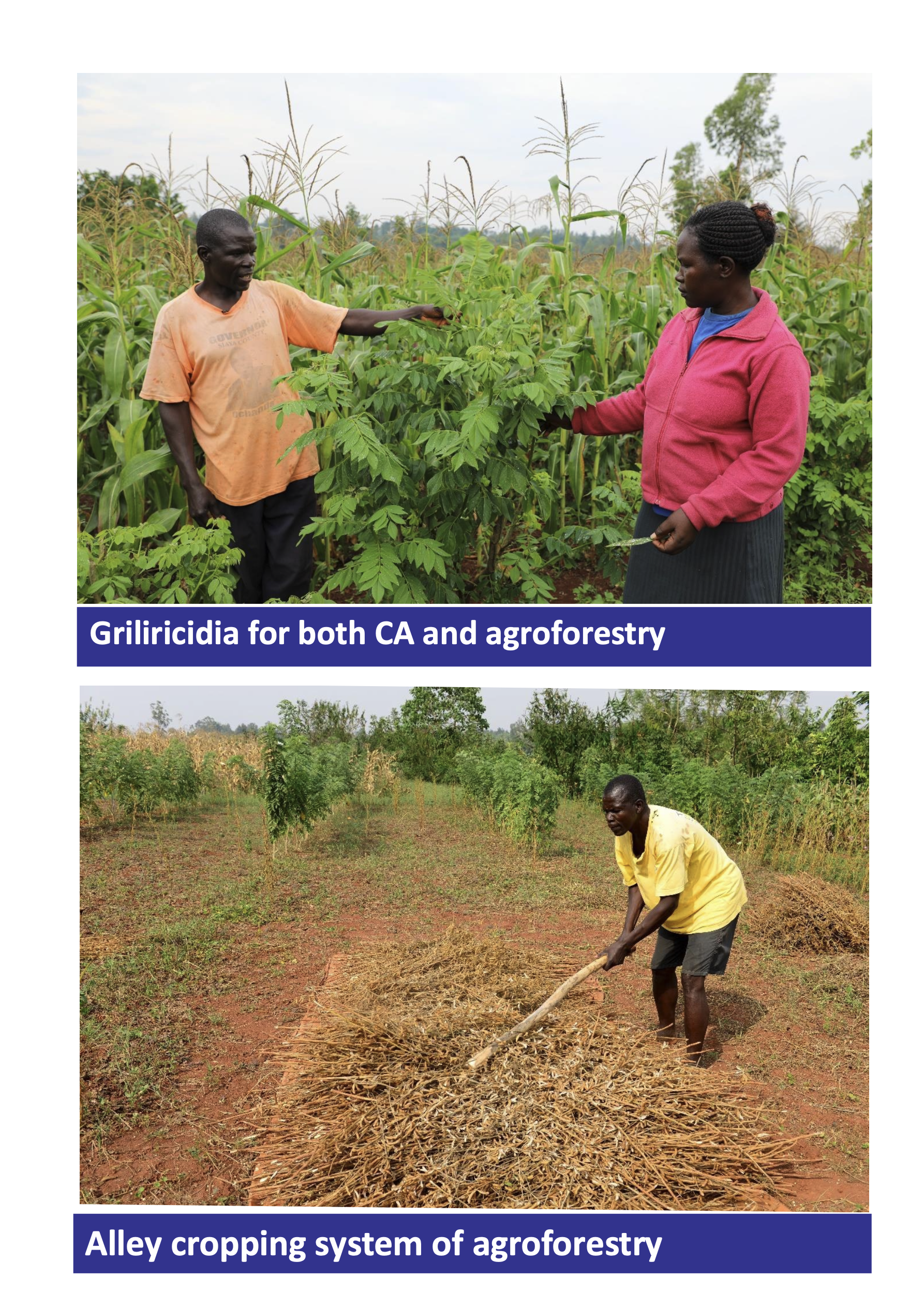
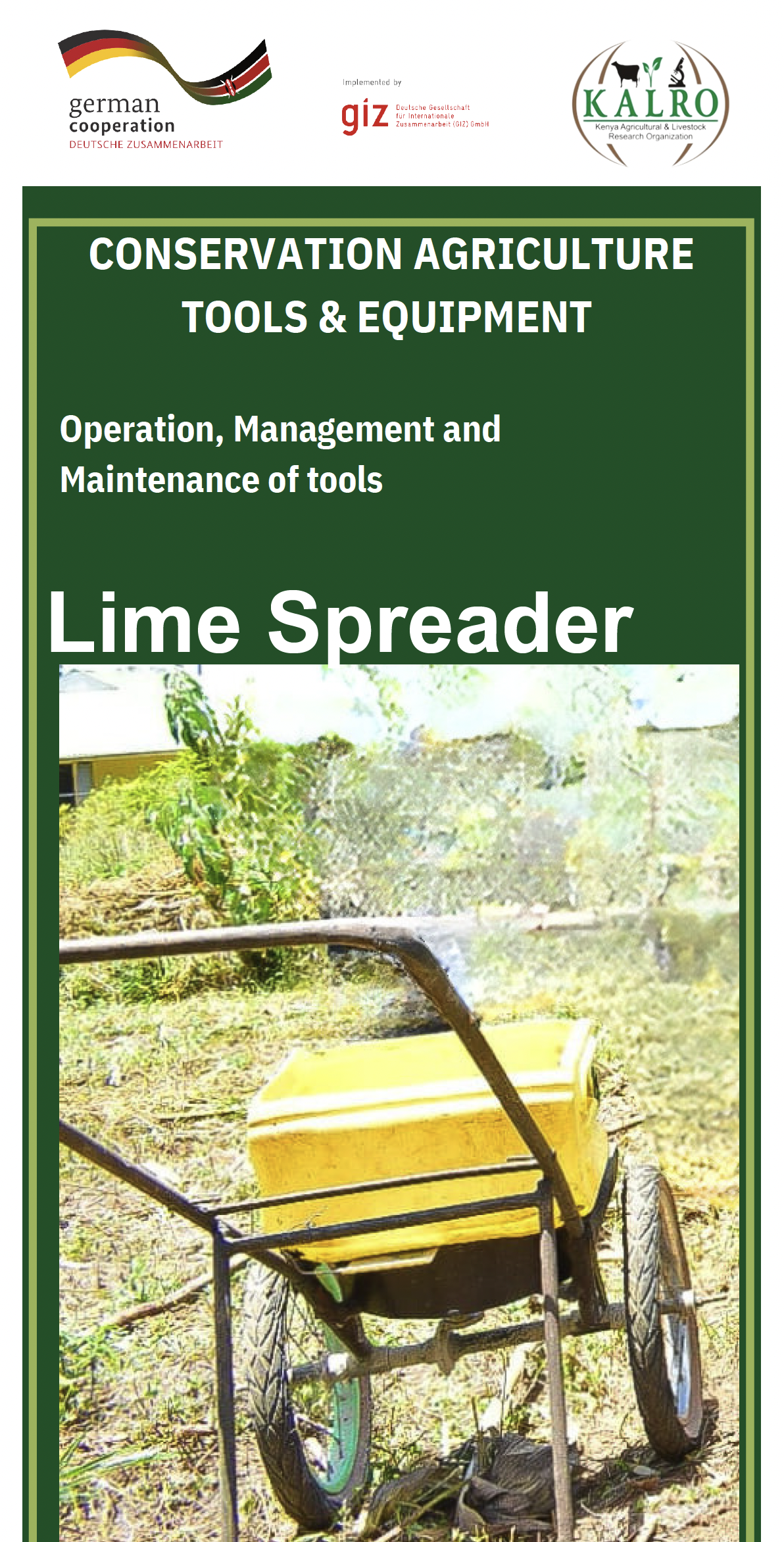
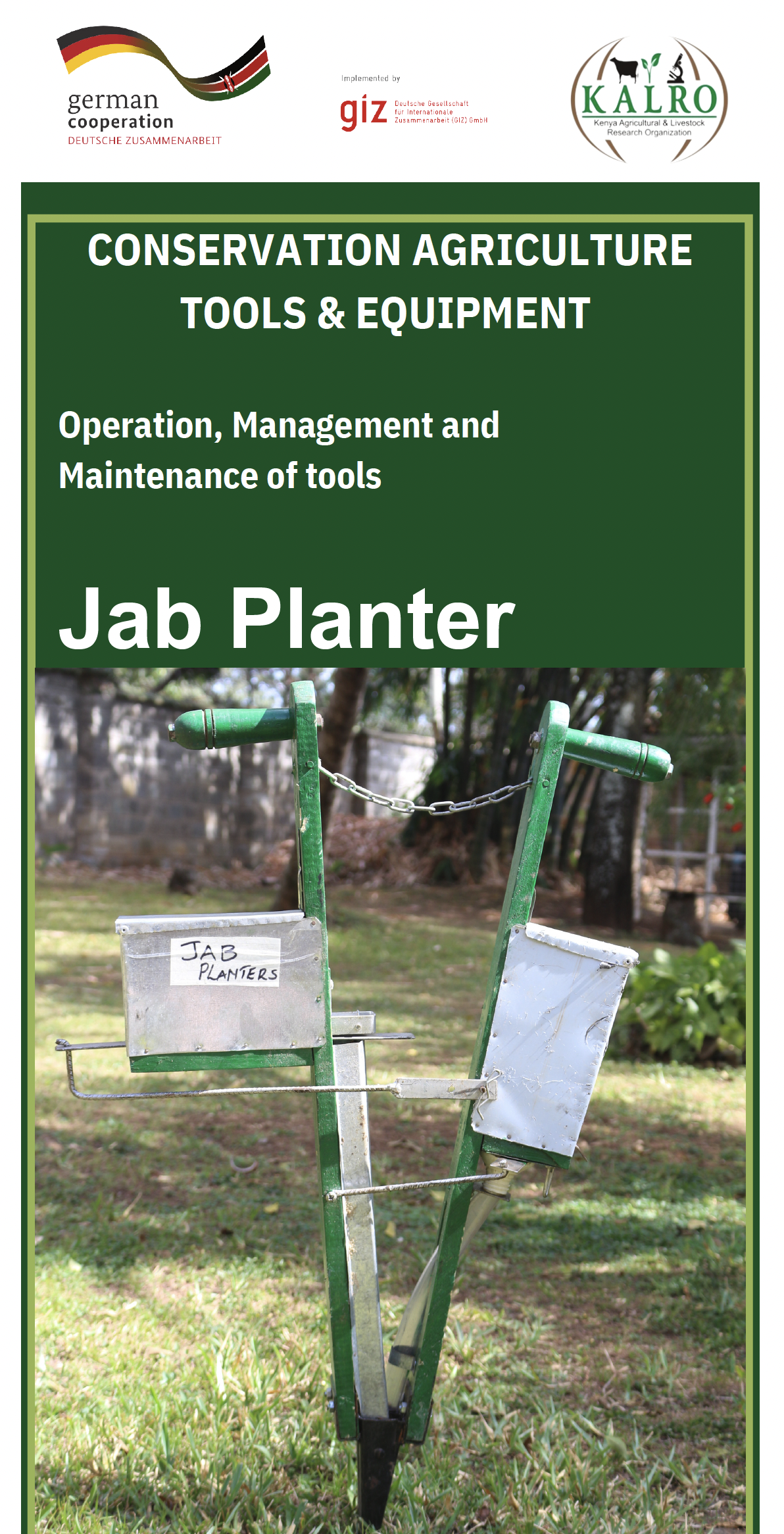
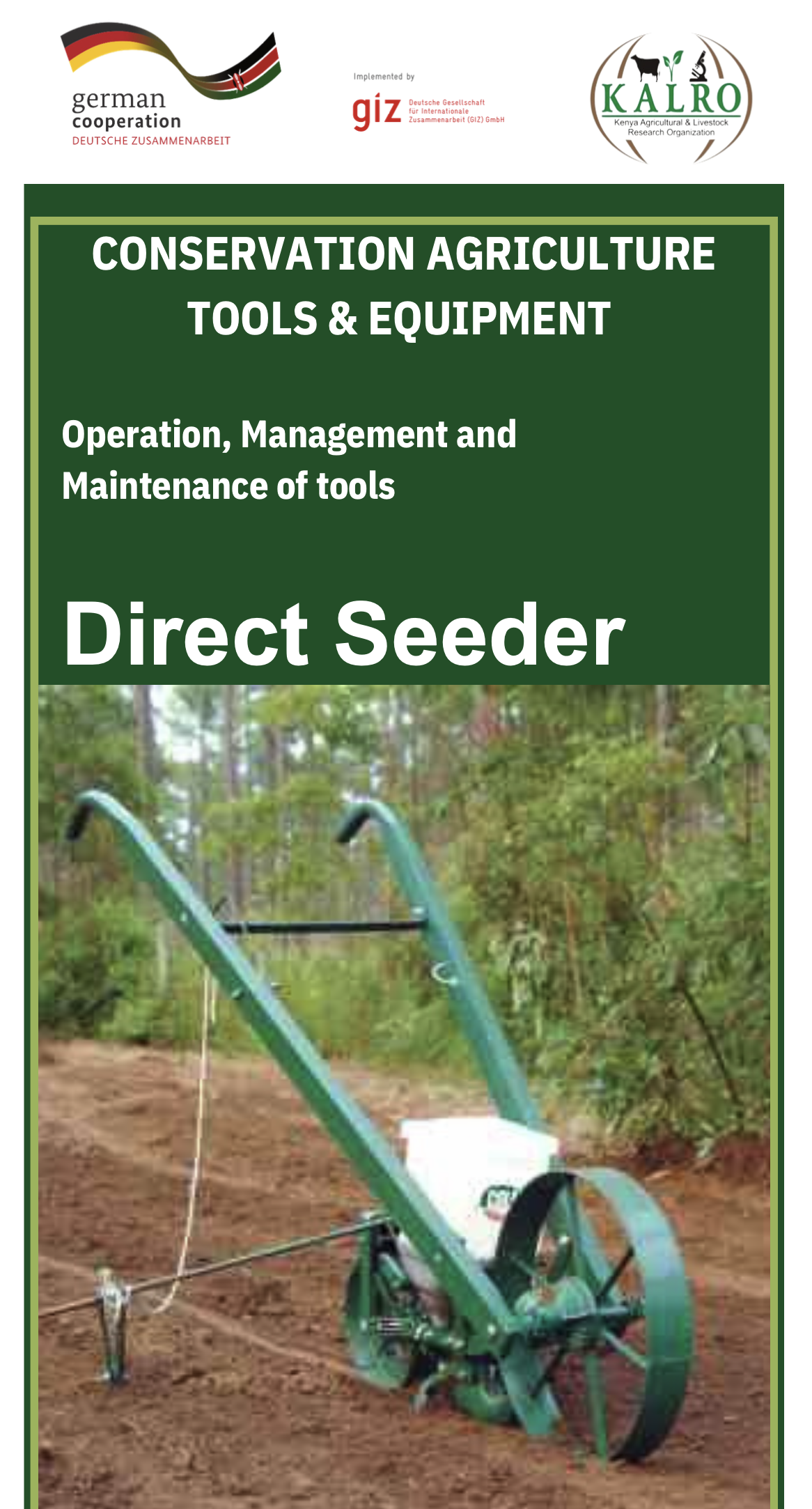
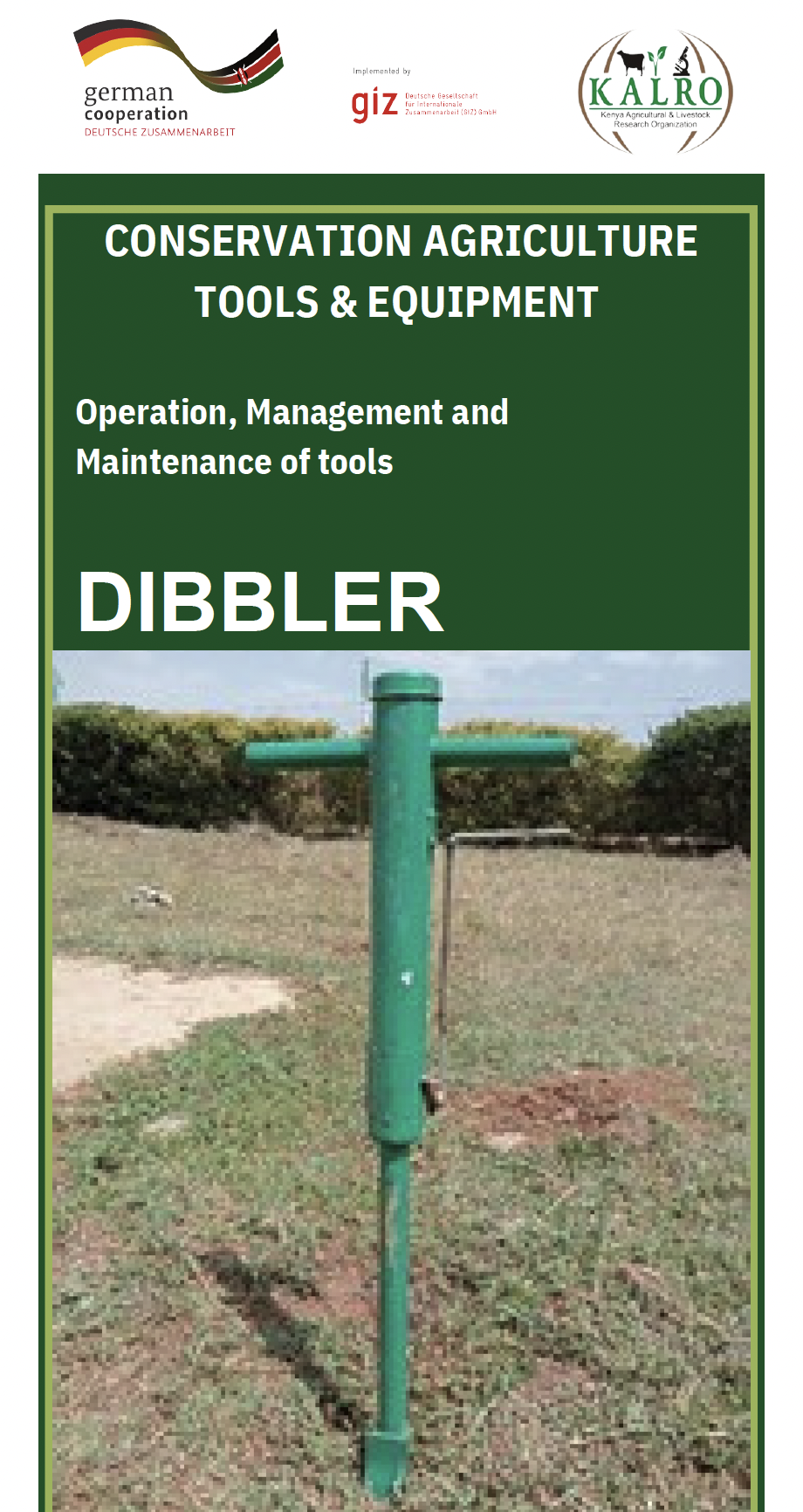
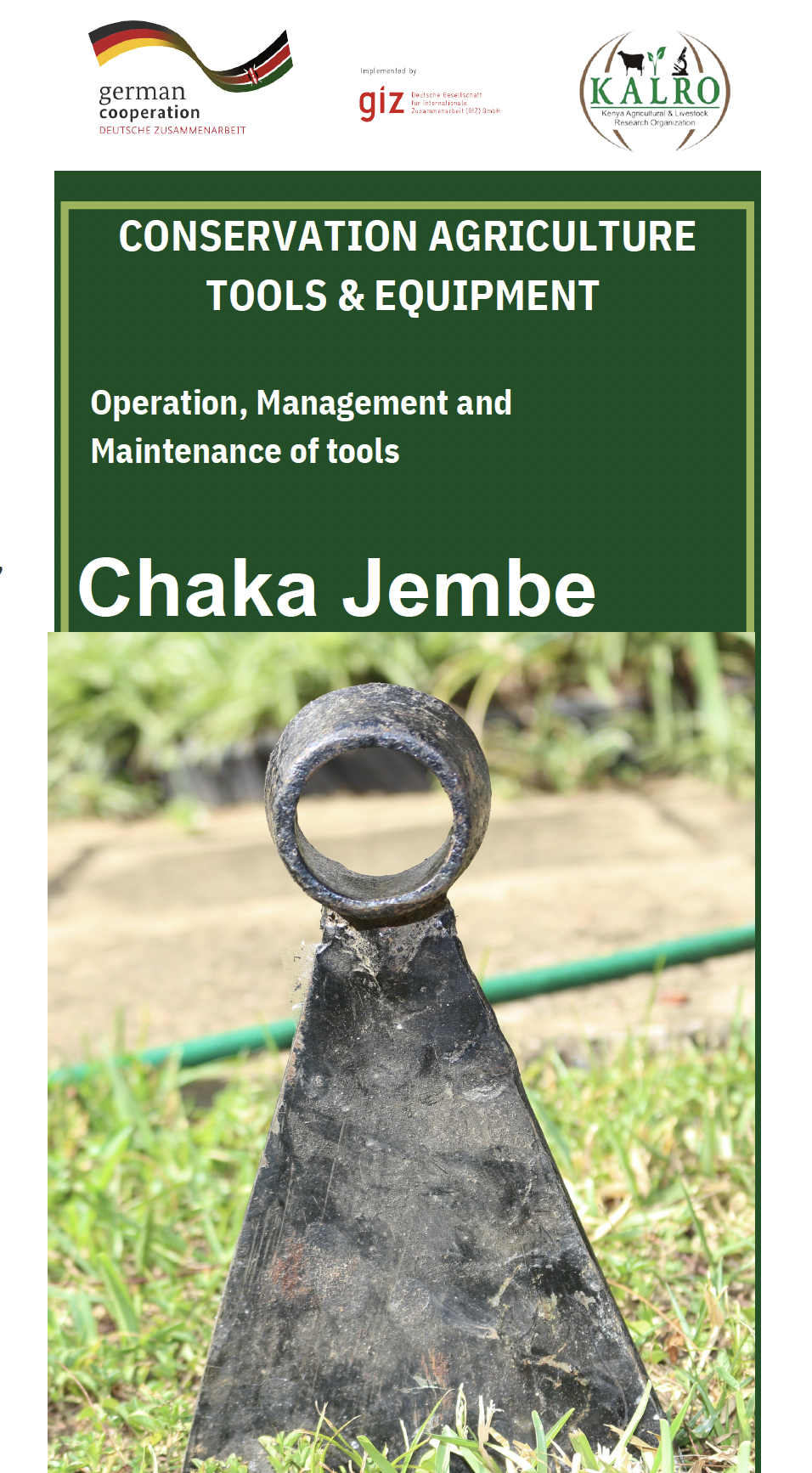
A pictorial guide showing conservation agriculture techniques & tools.
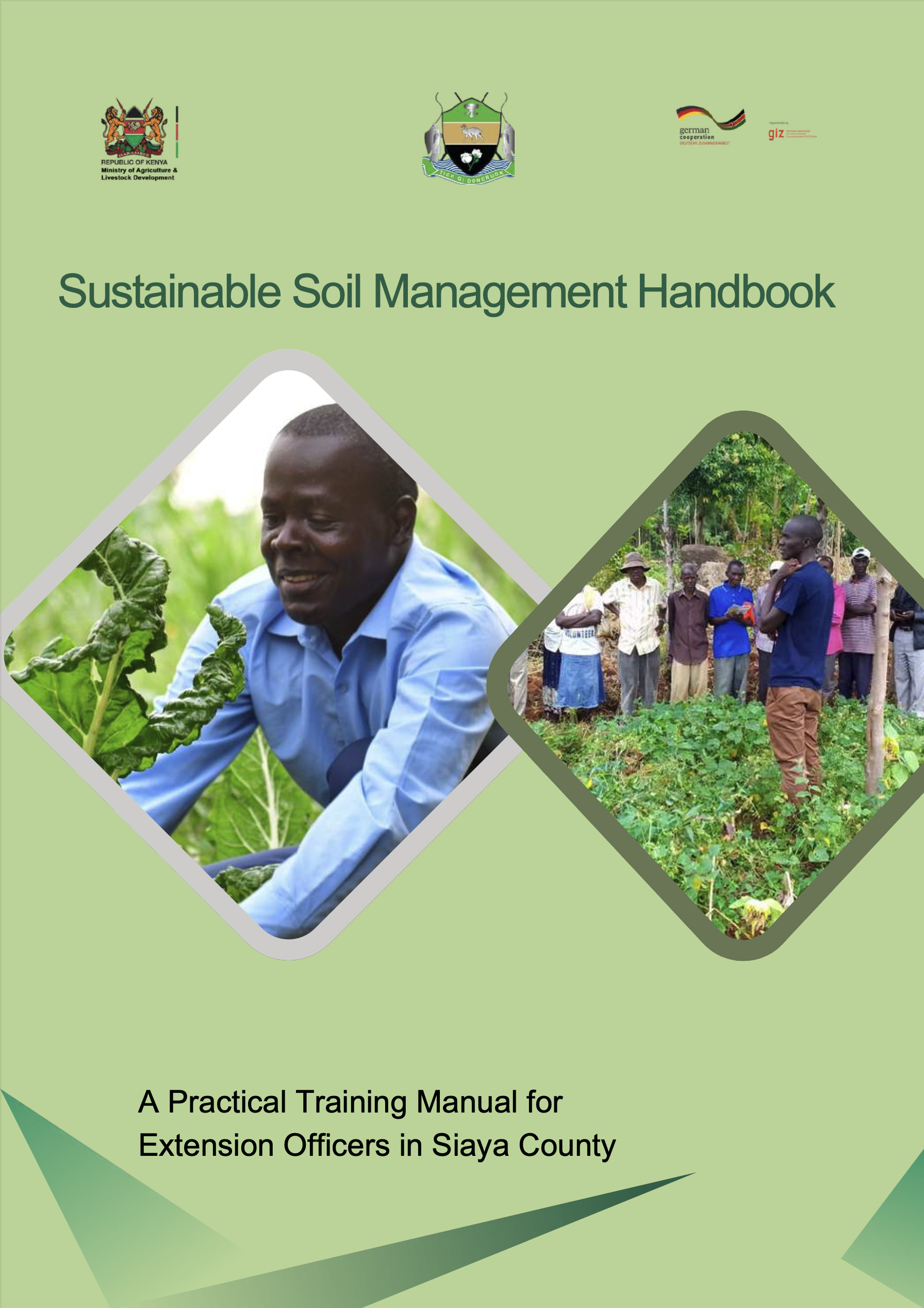
This training manual provides a practical, county-owned, and user-friendly guide to strengthen the capacity of frontline actors in promoting Sustainable Agricultural Land Management (SALM) in Siaya County. Drawing from over a decade of ProSoil project experience, the manual translates proven practices into actionable training content and participatory methodologies tailored to the realities of smallholder farmers.
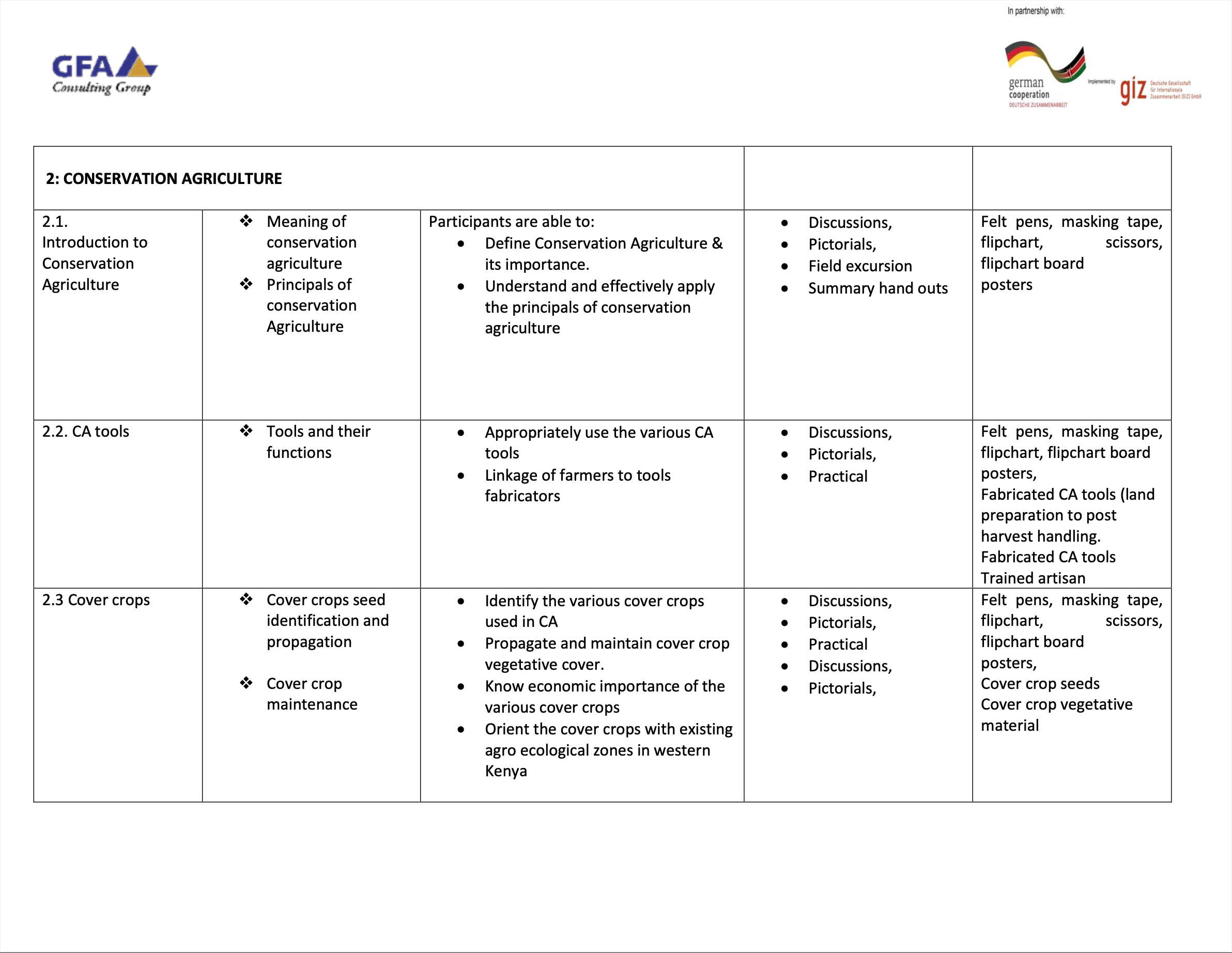
Conservation Agriculture | GIP Training Content Overview
Operation, Management and Maintenance of tools.